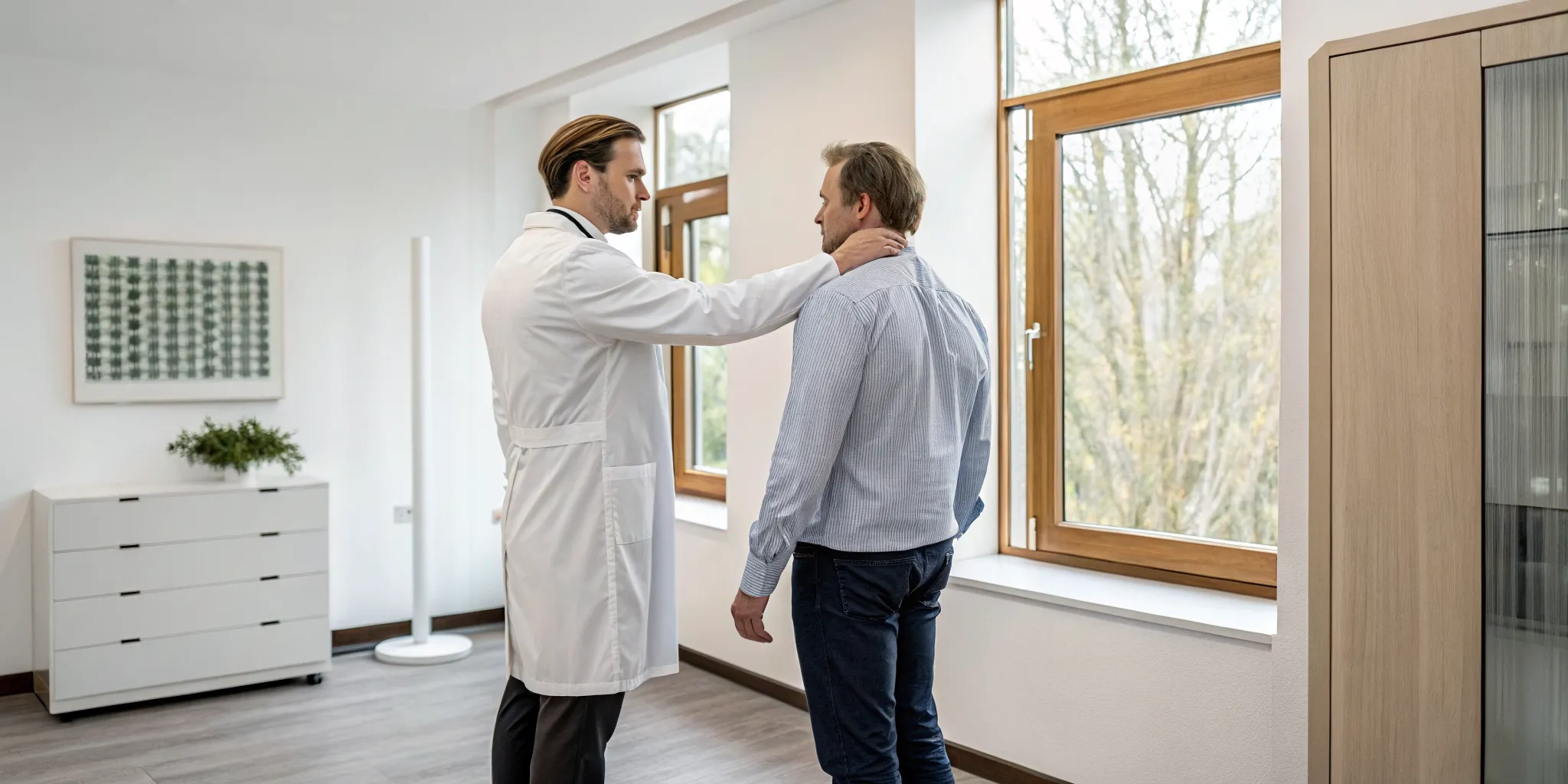
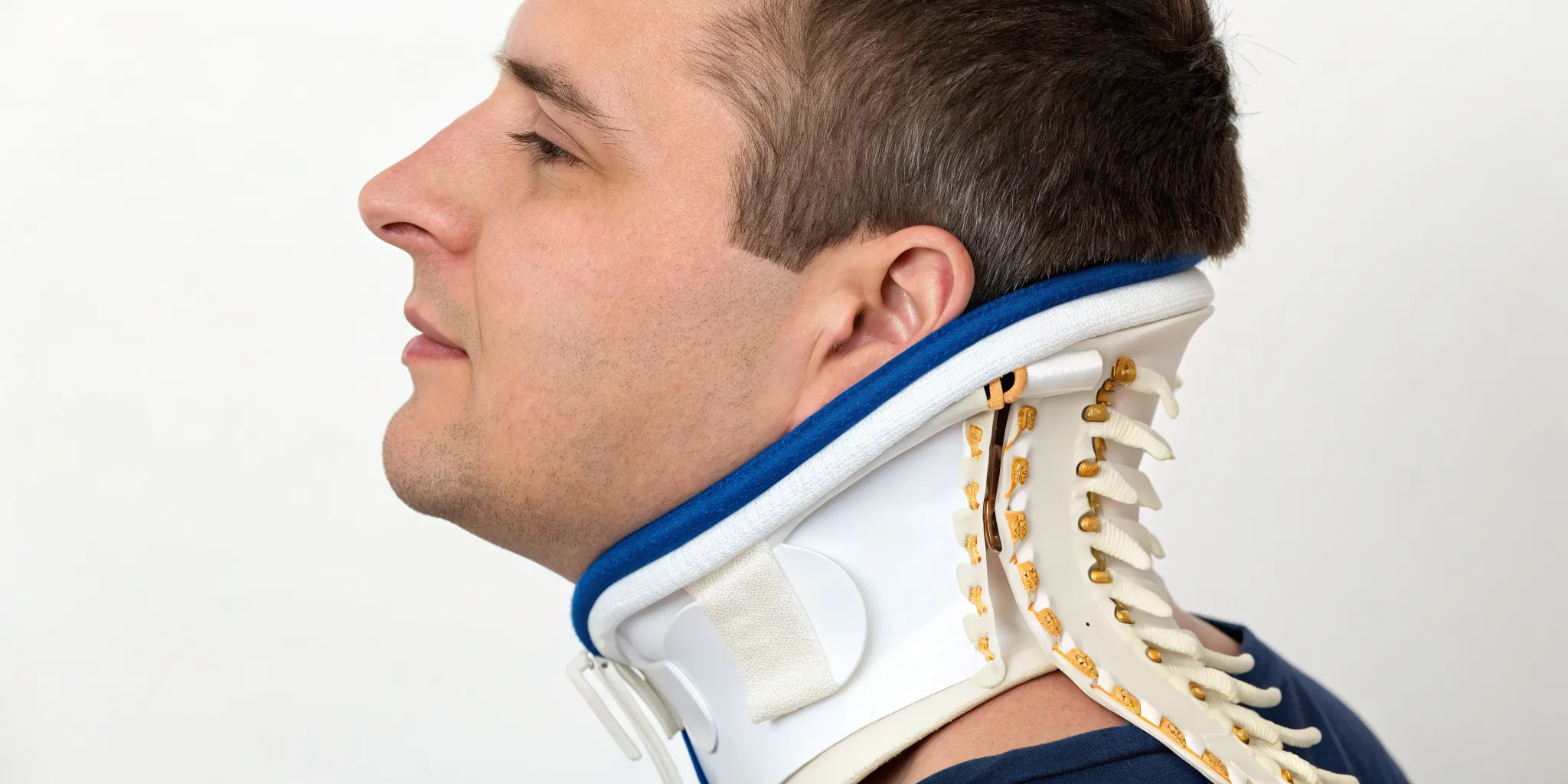
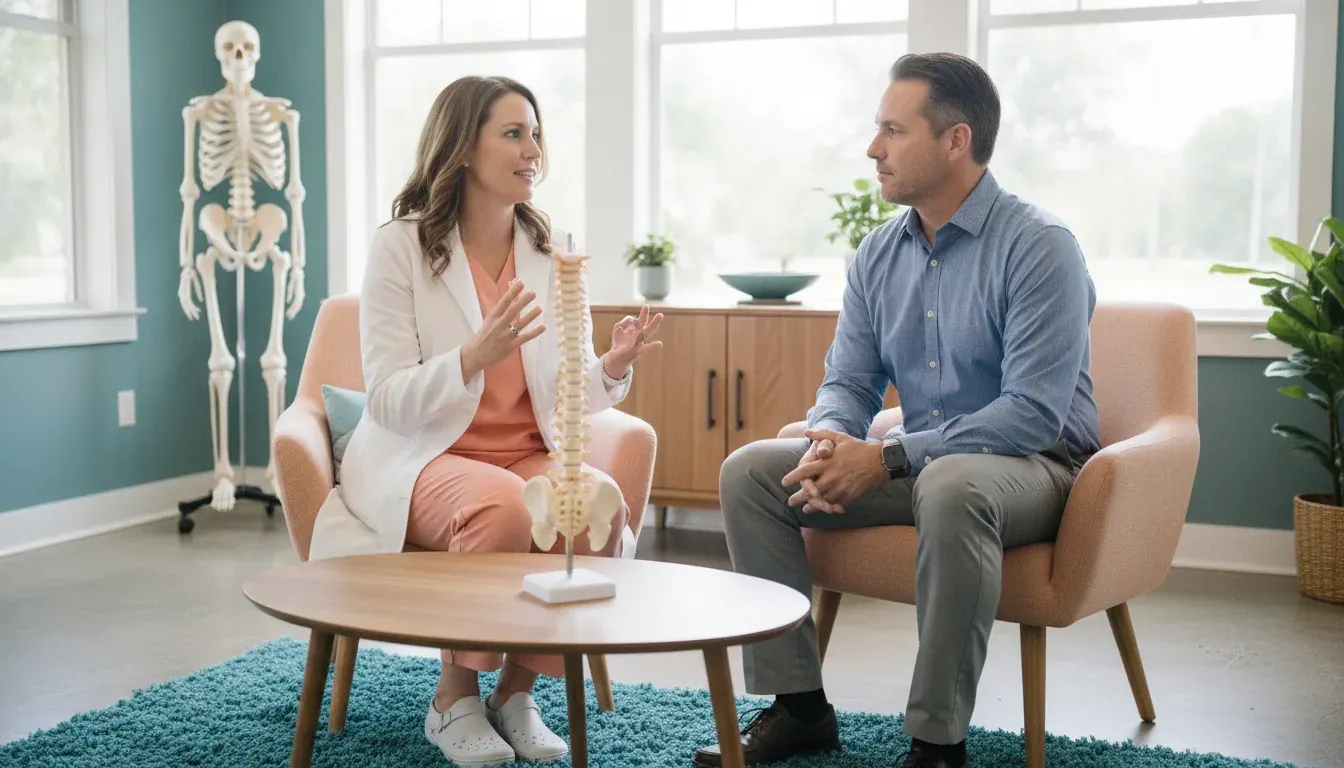
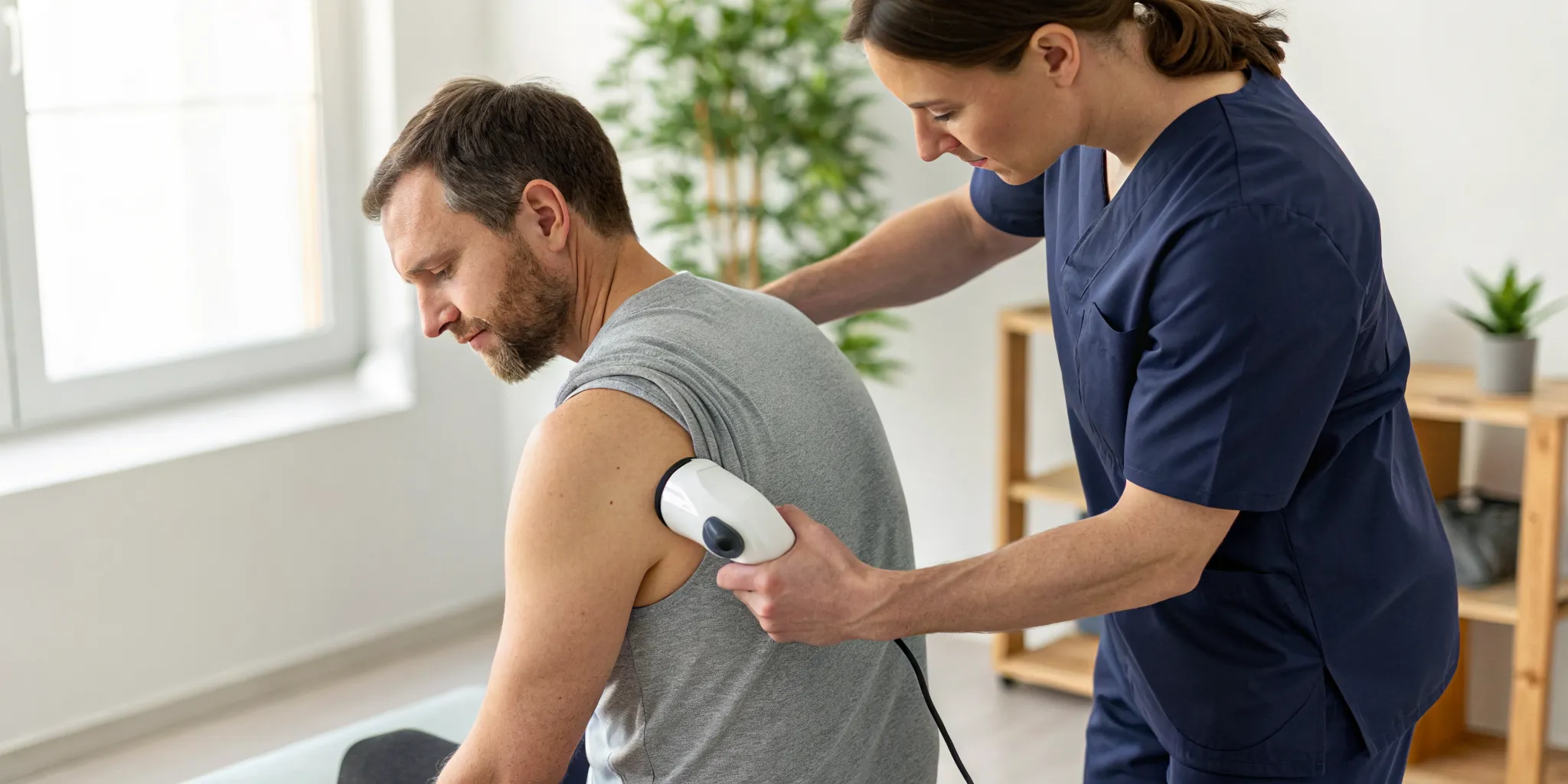
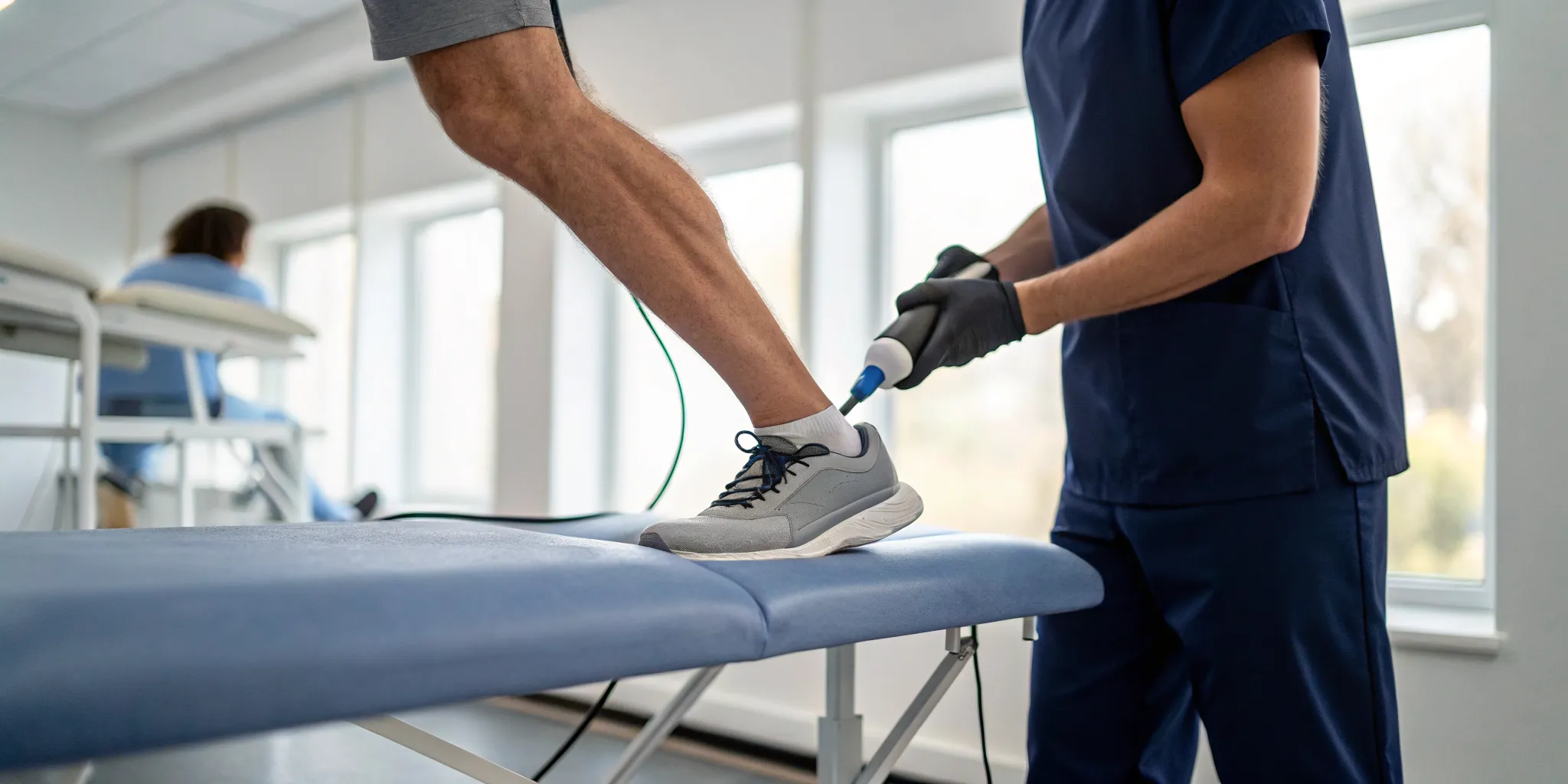
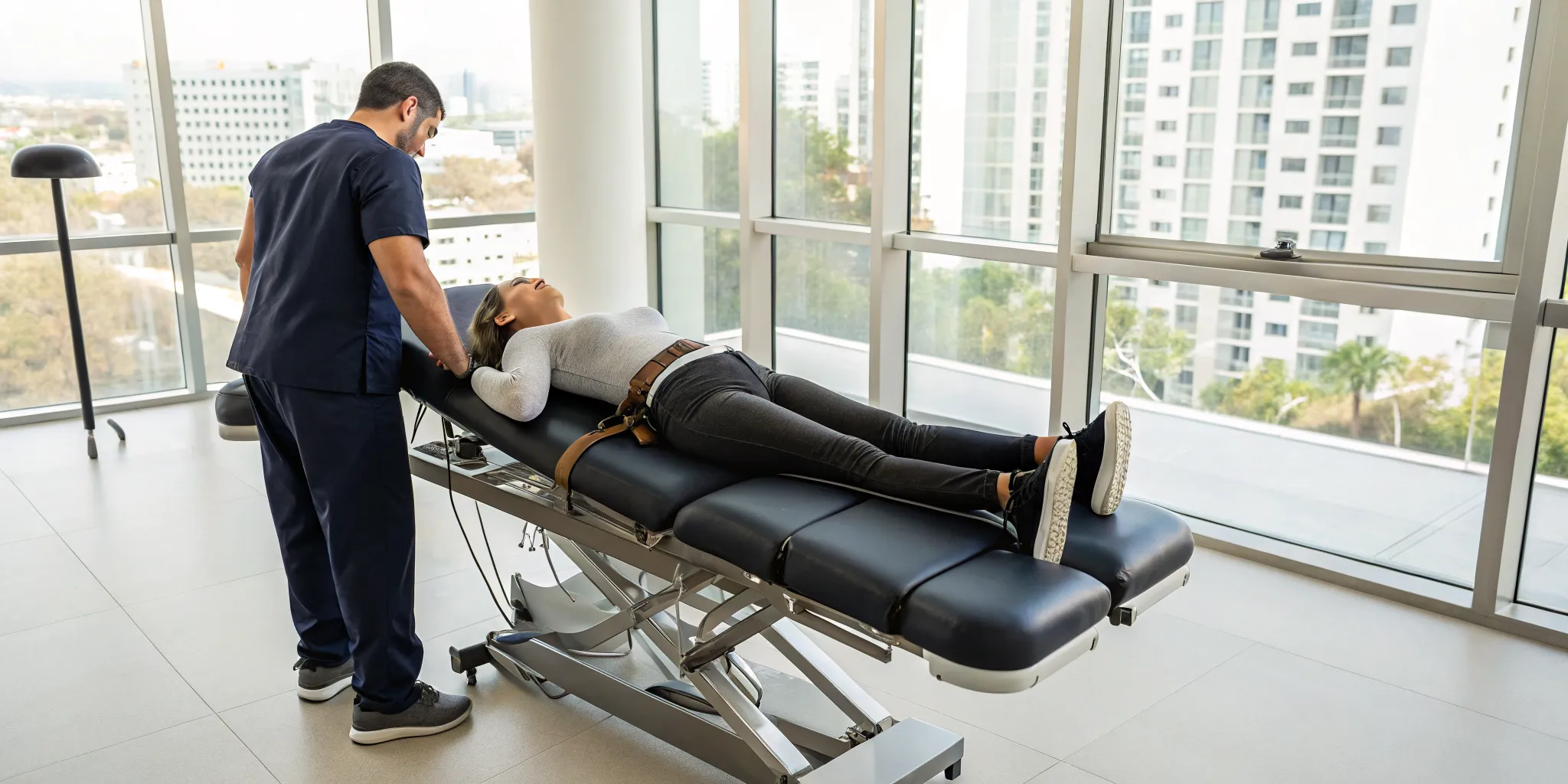
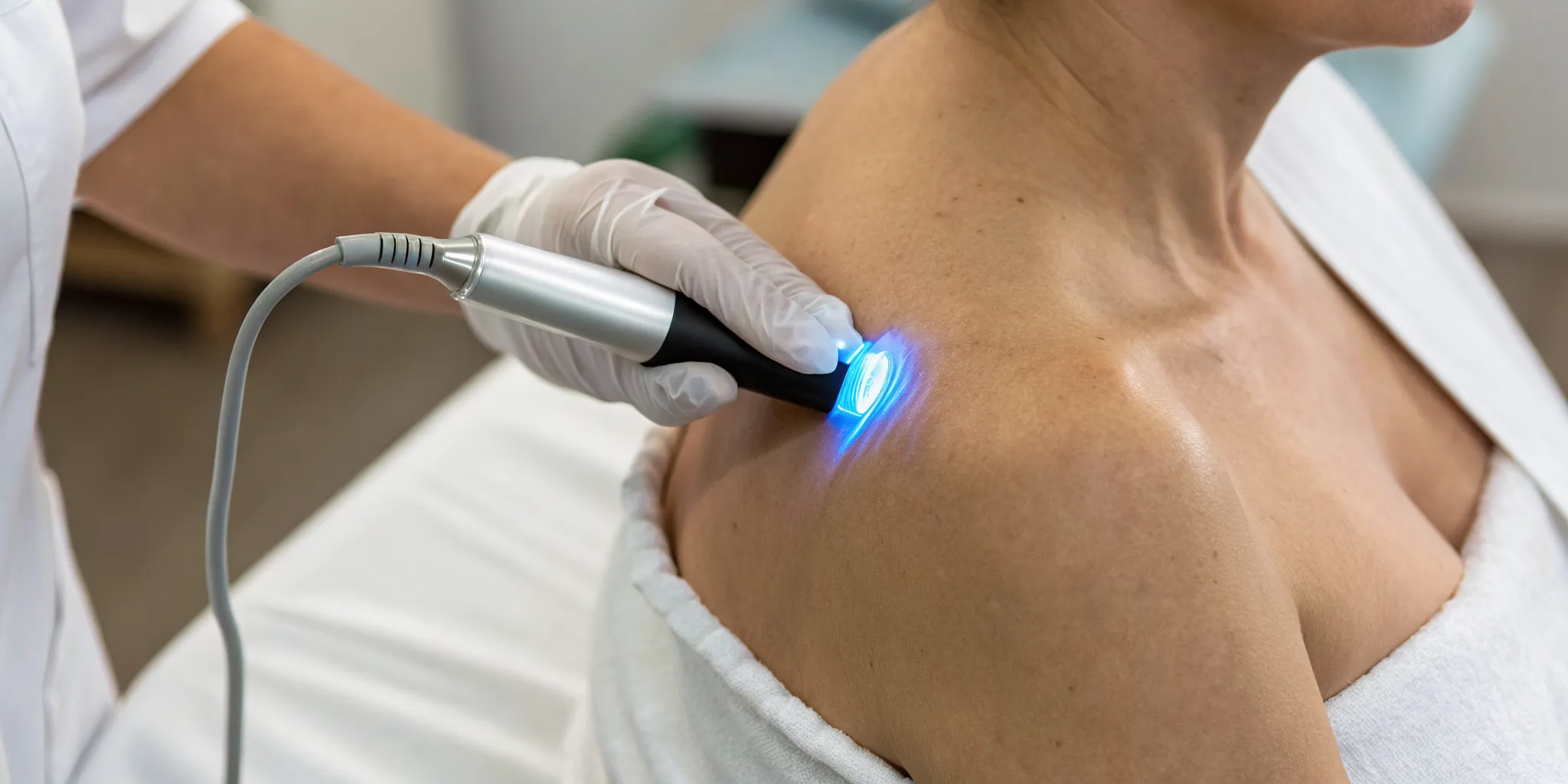
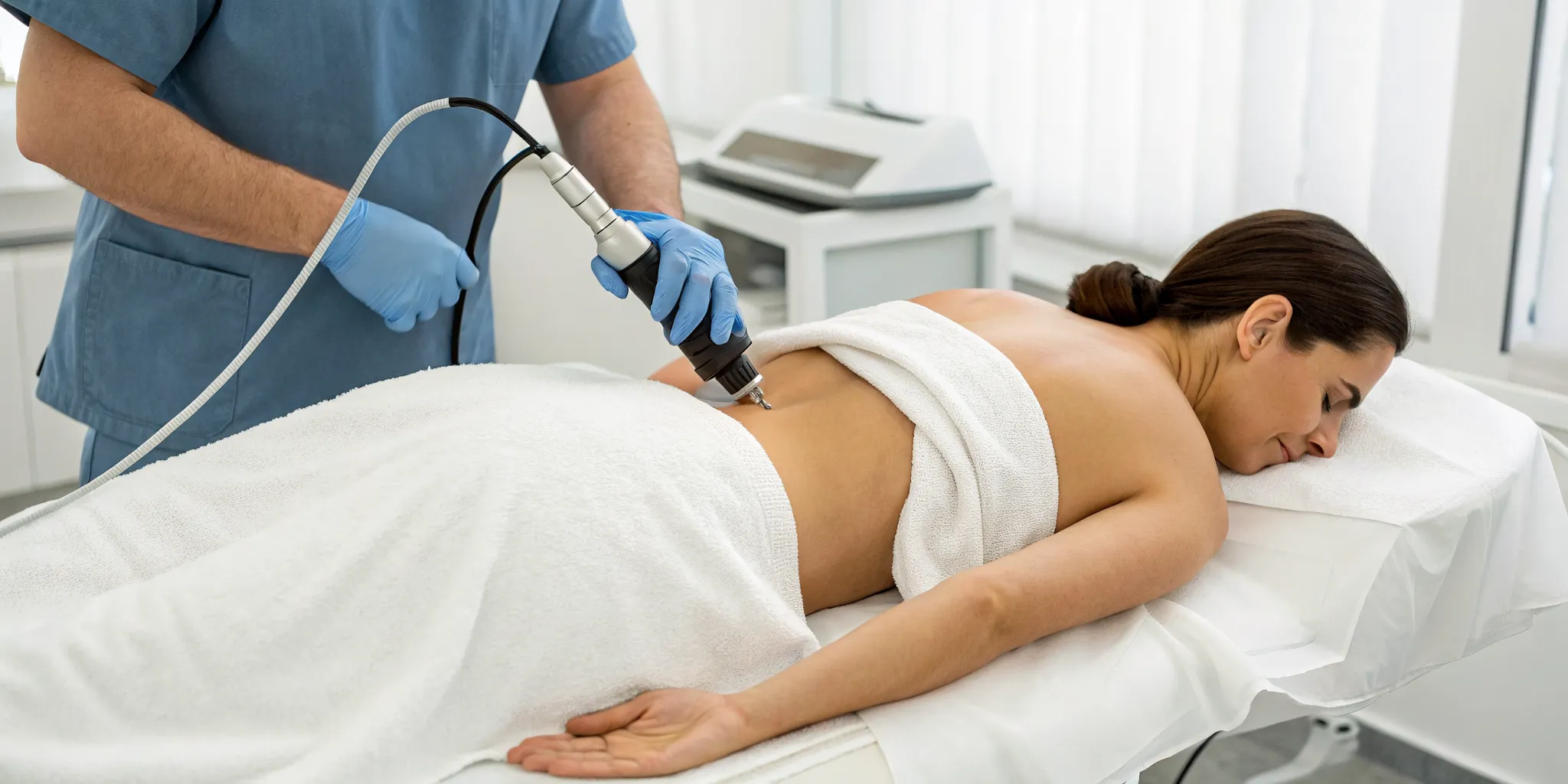
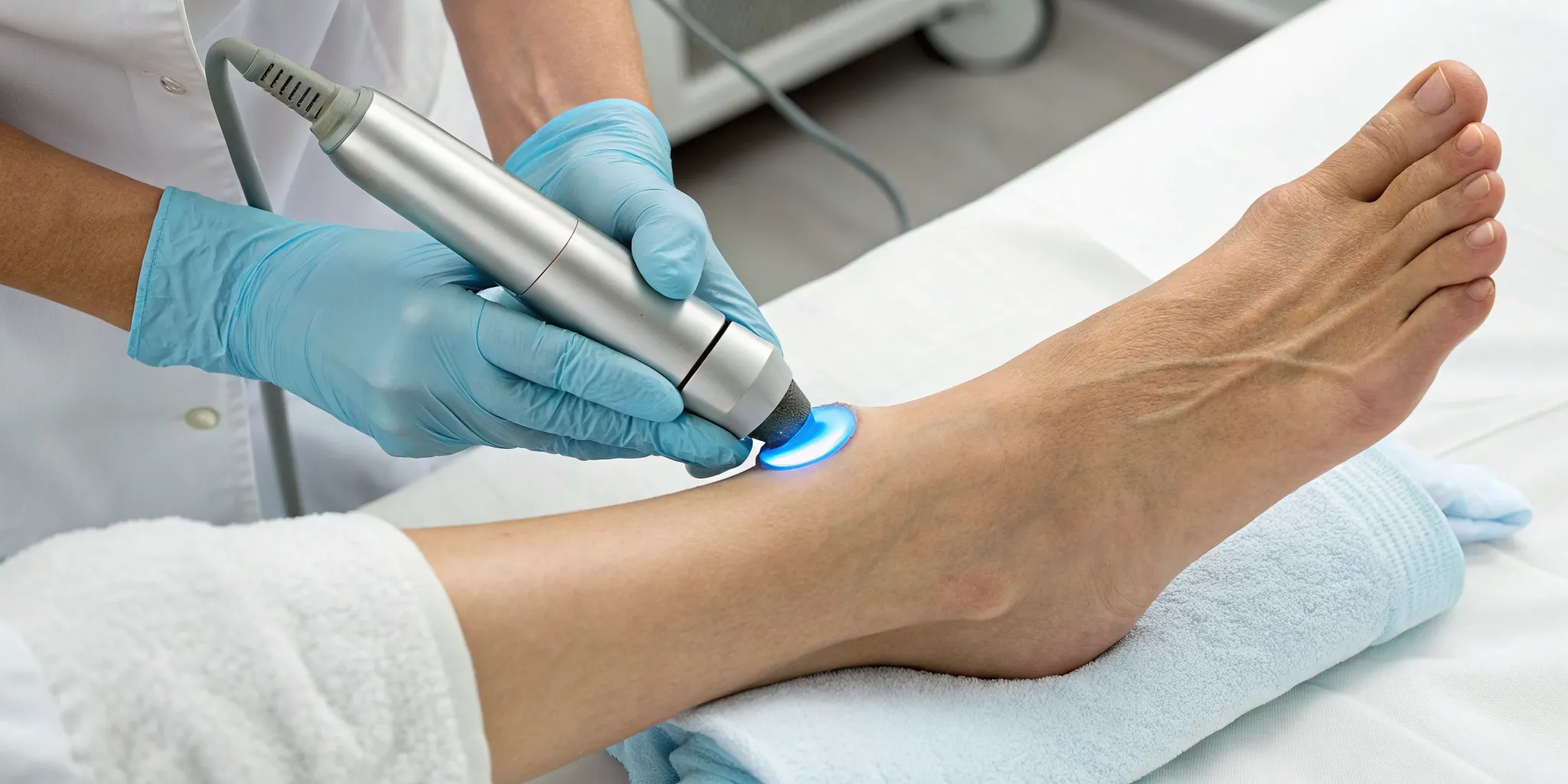
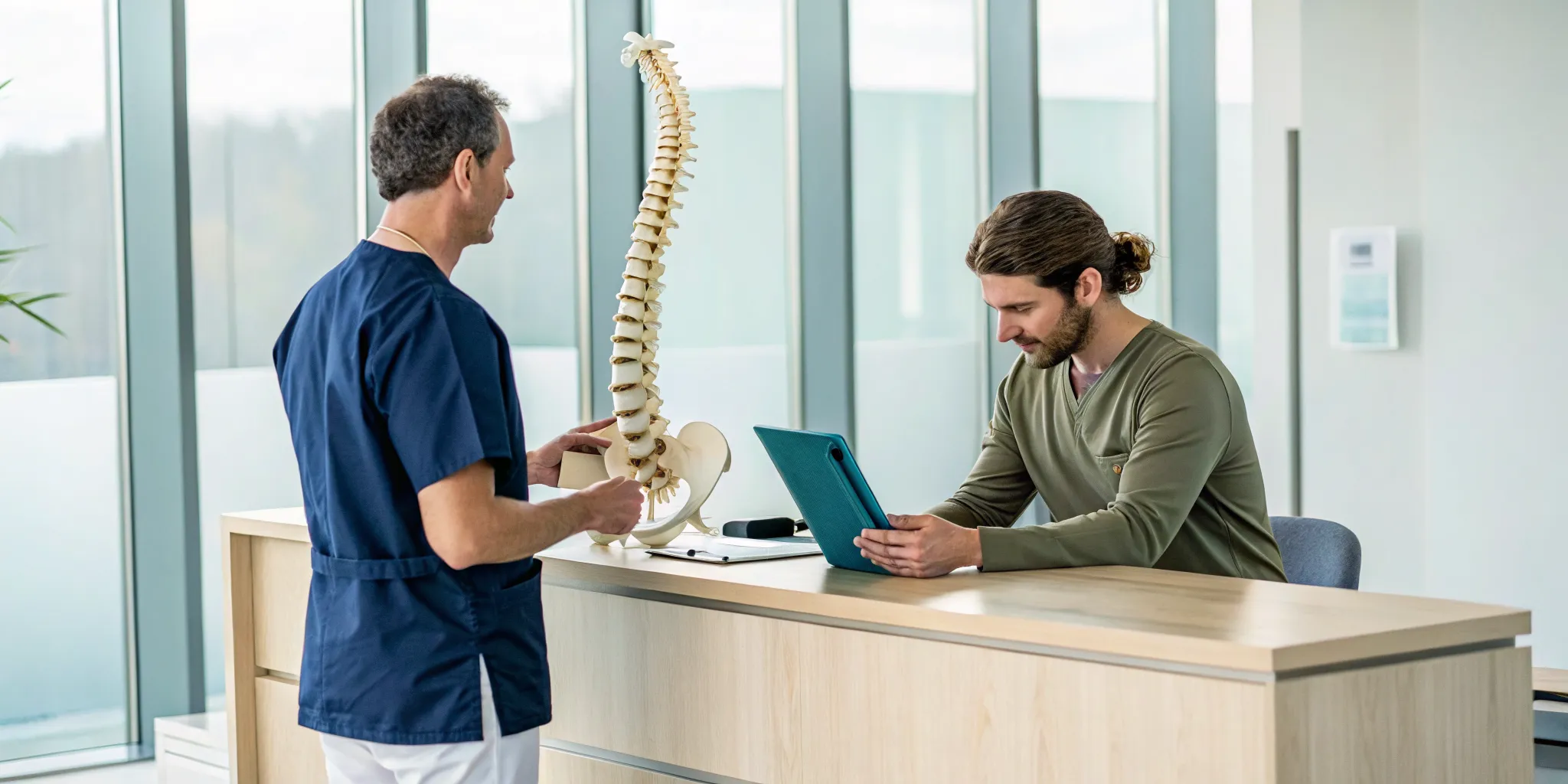
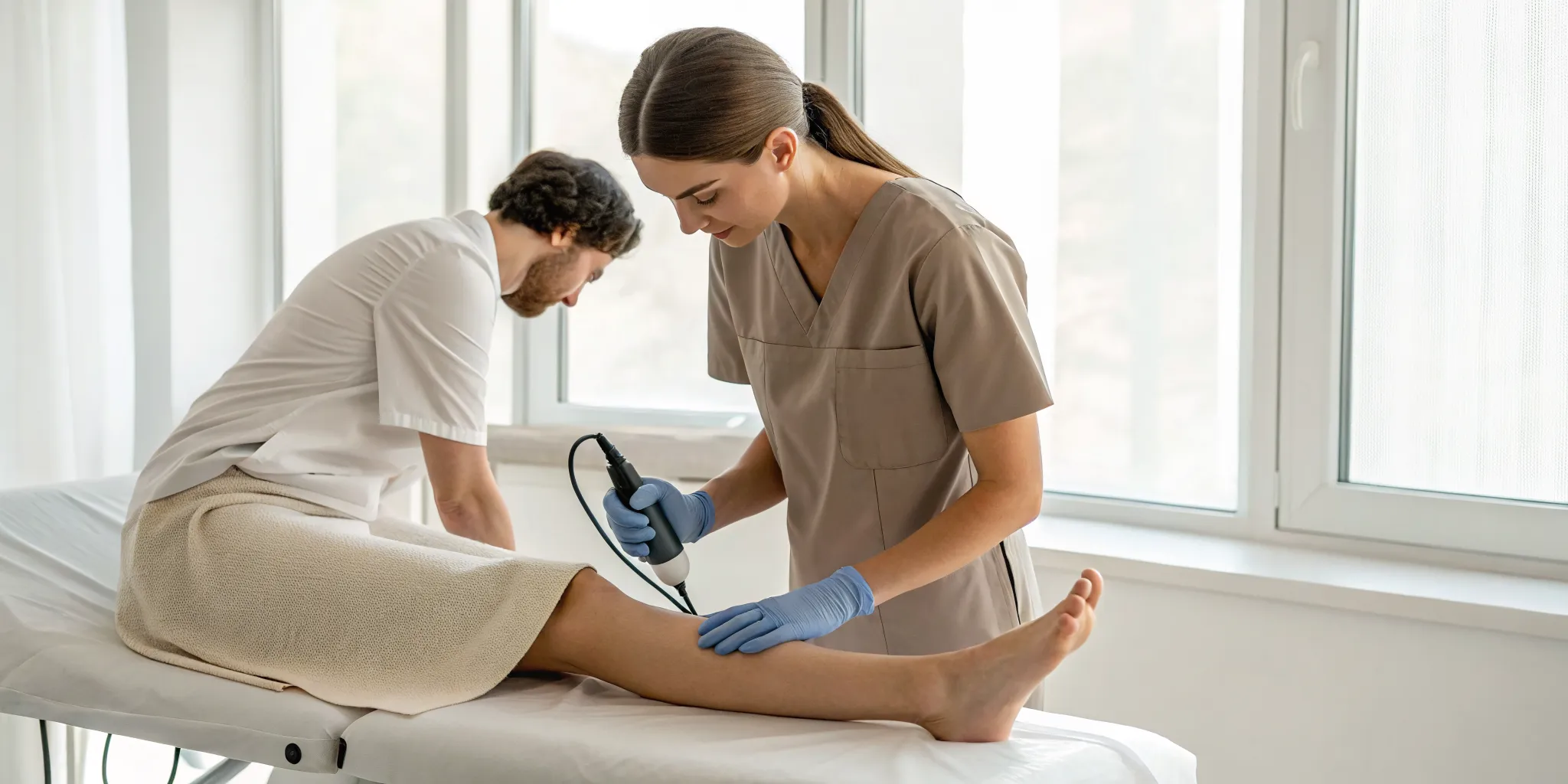
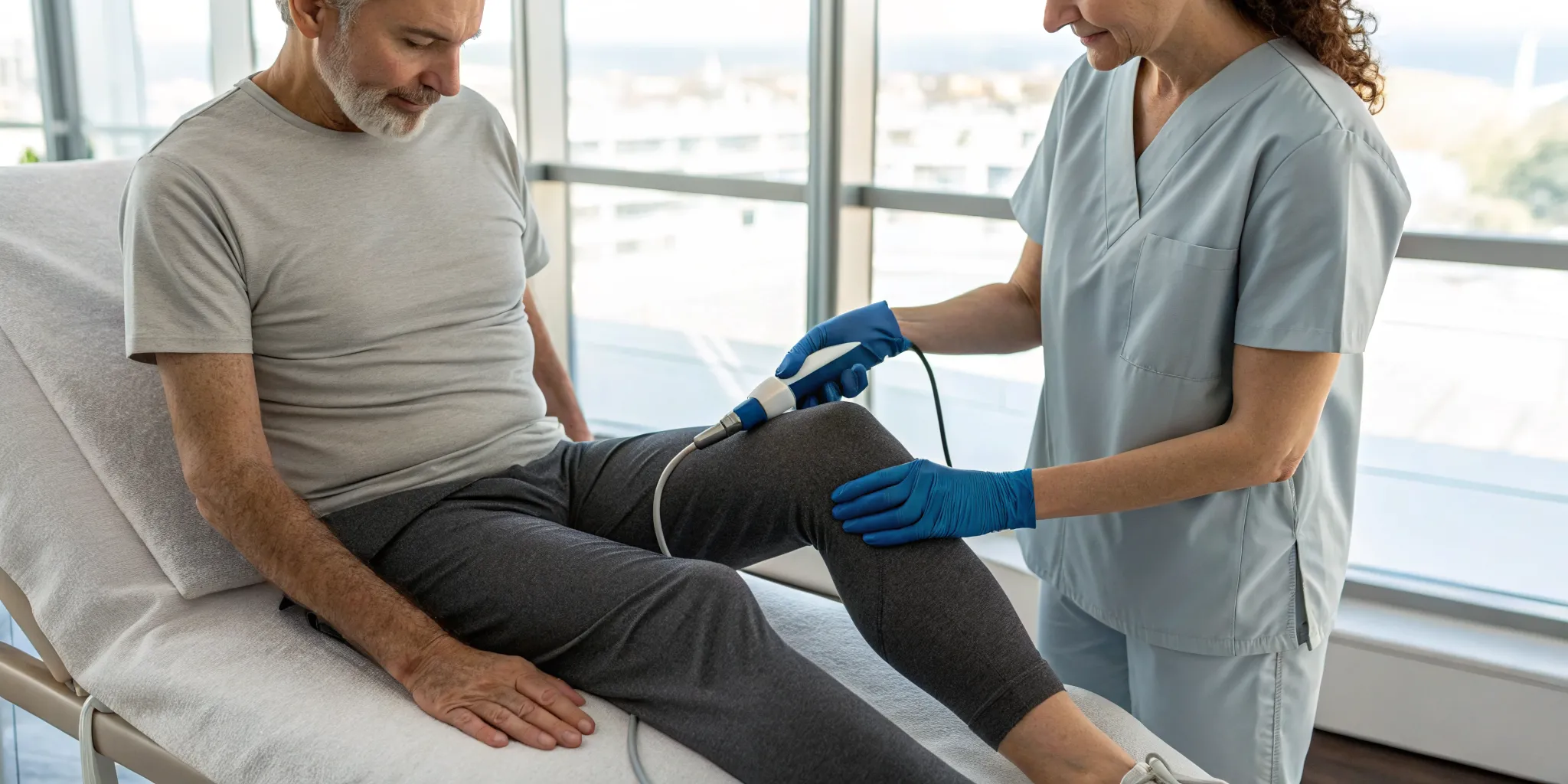
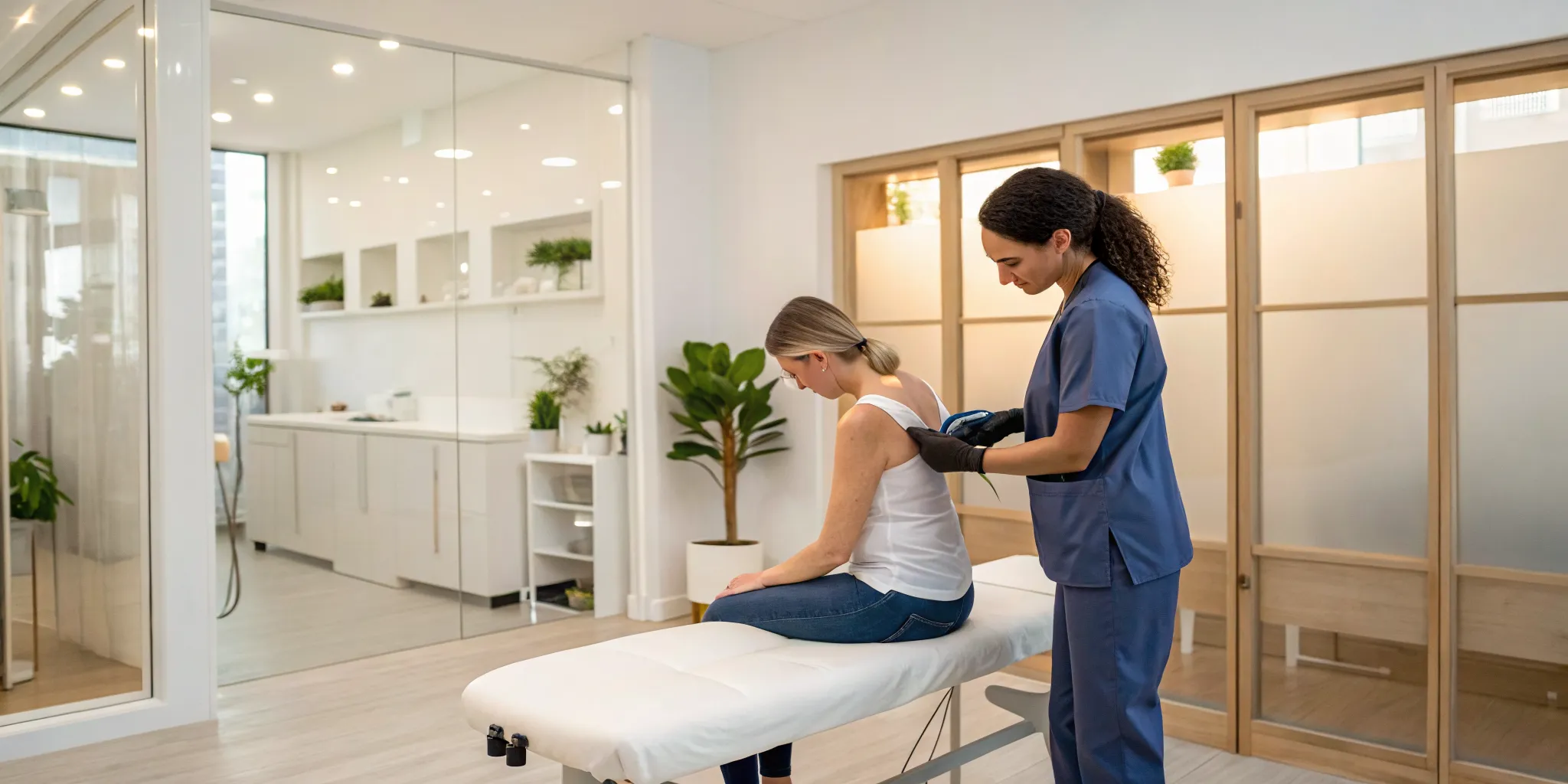
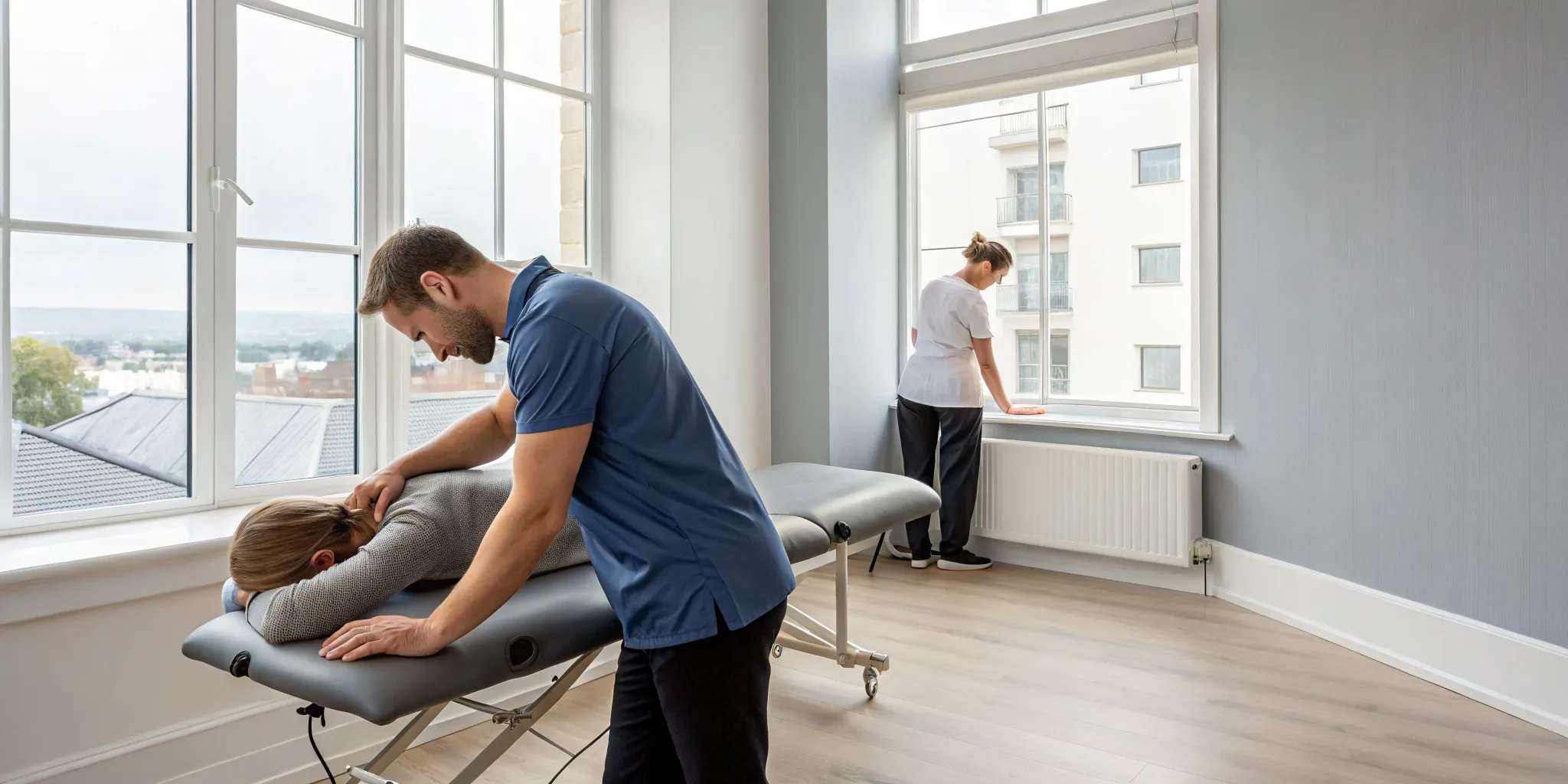
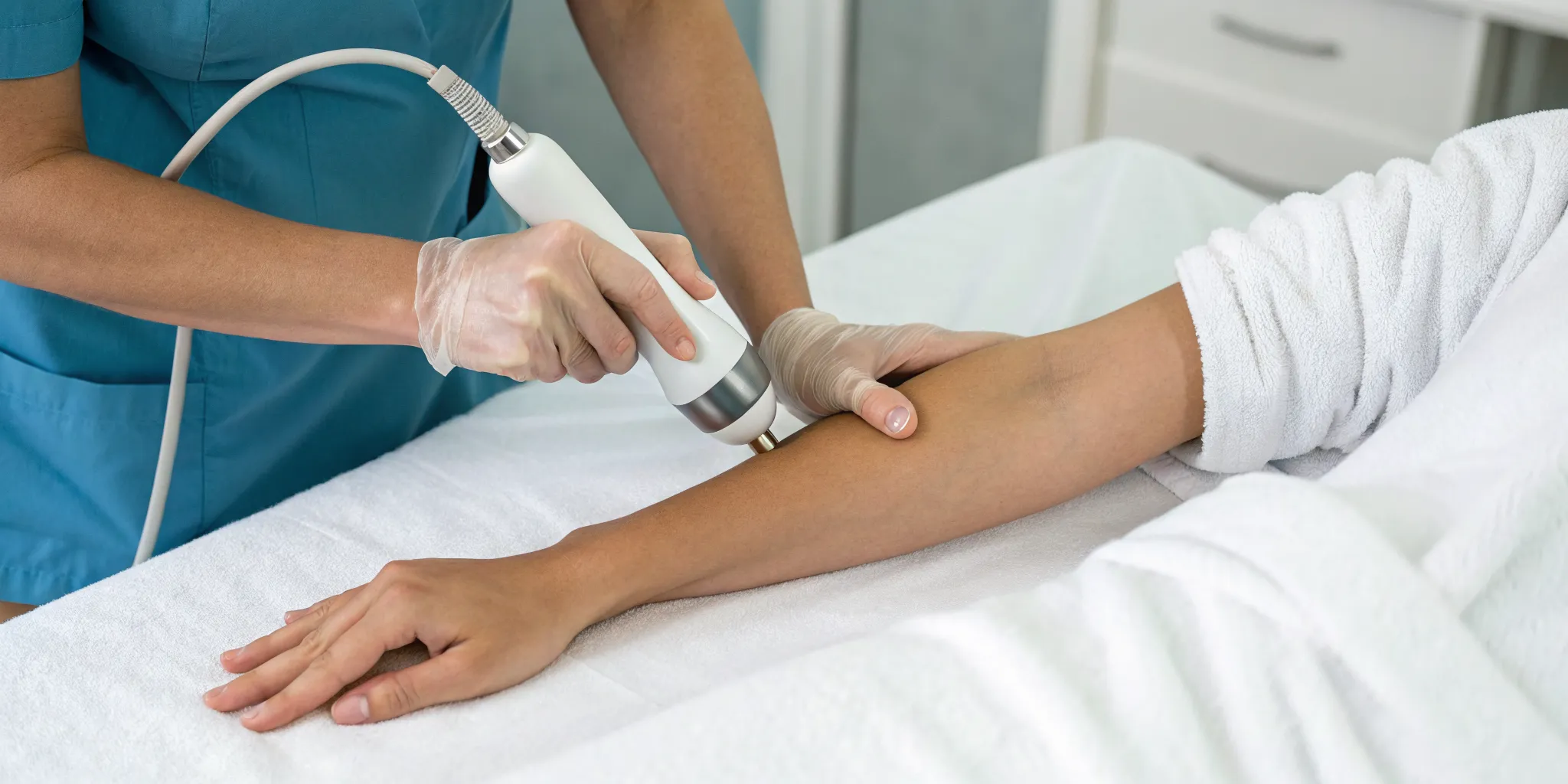
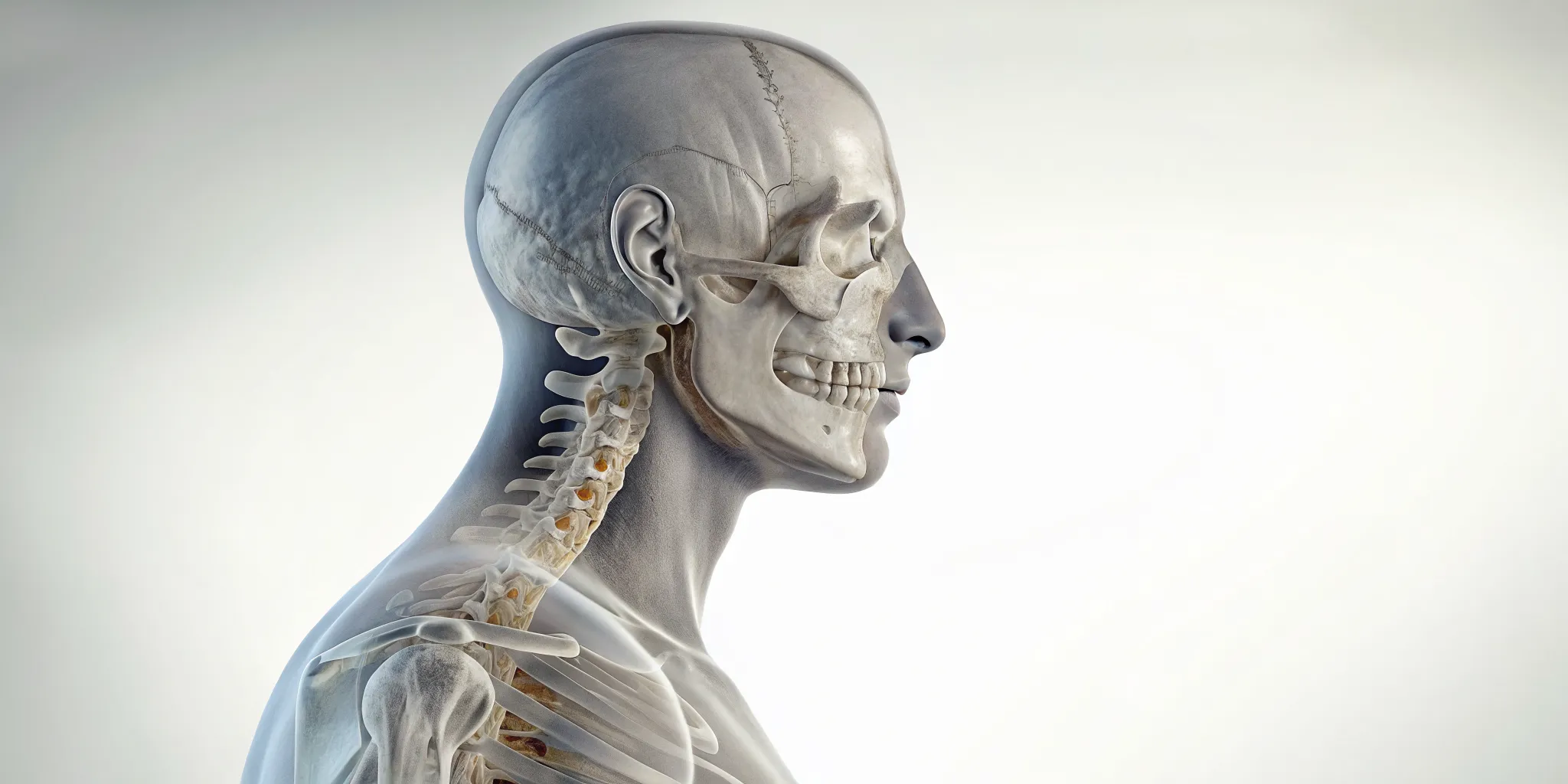
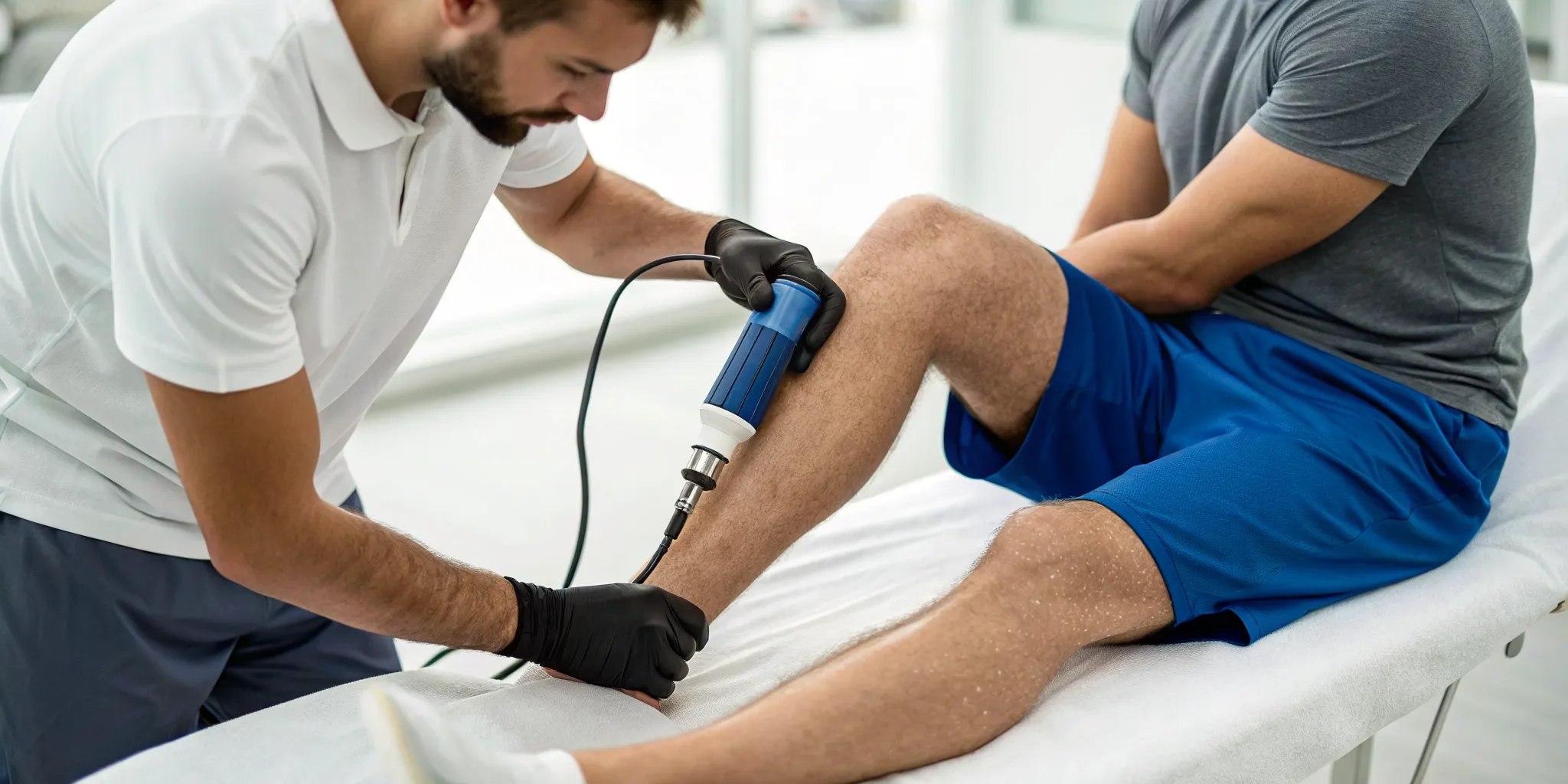
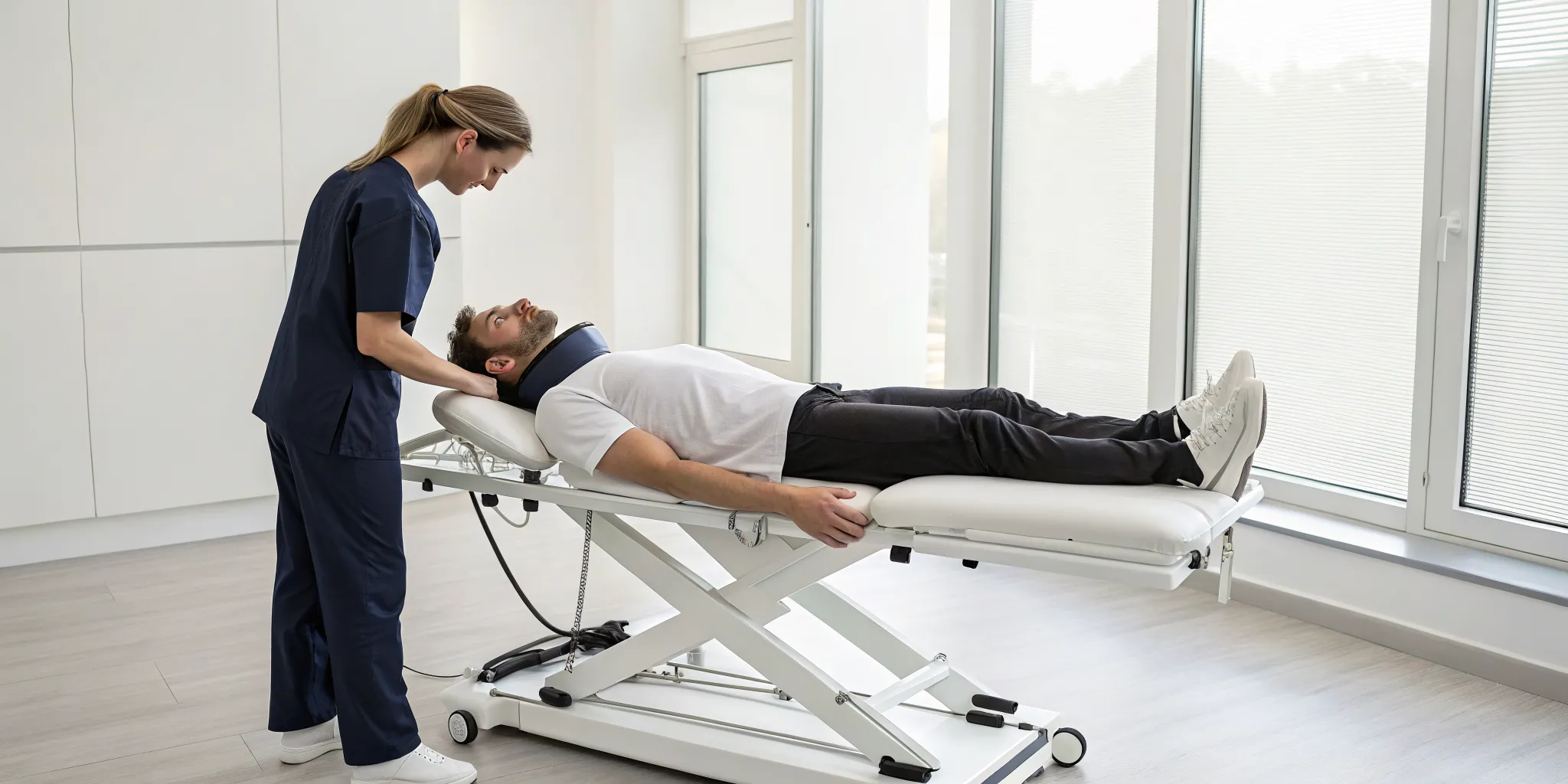
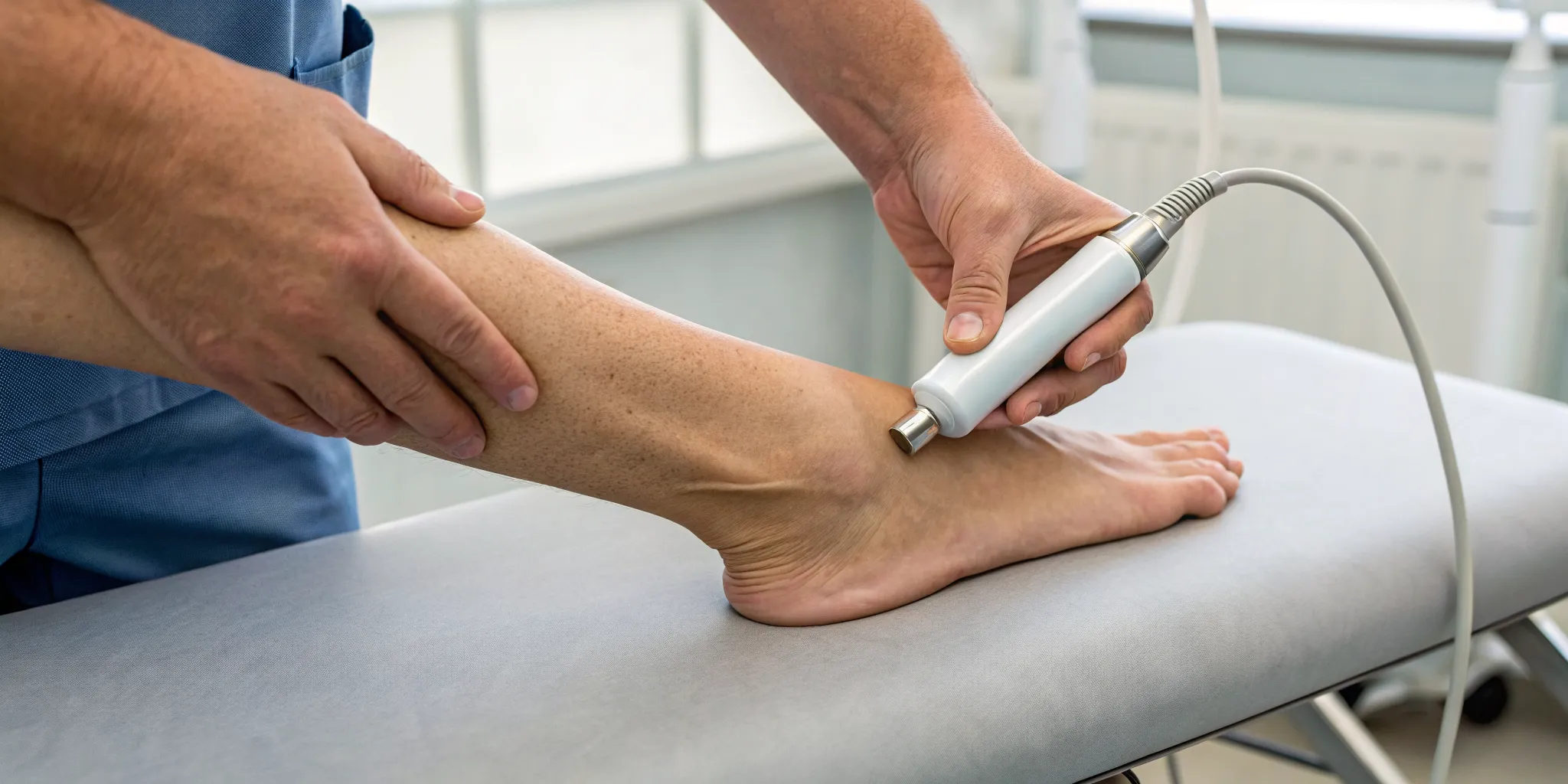
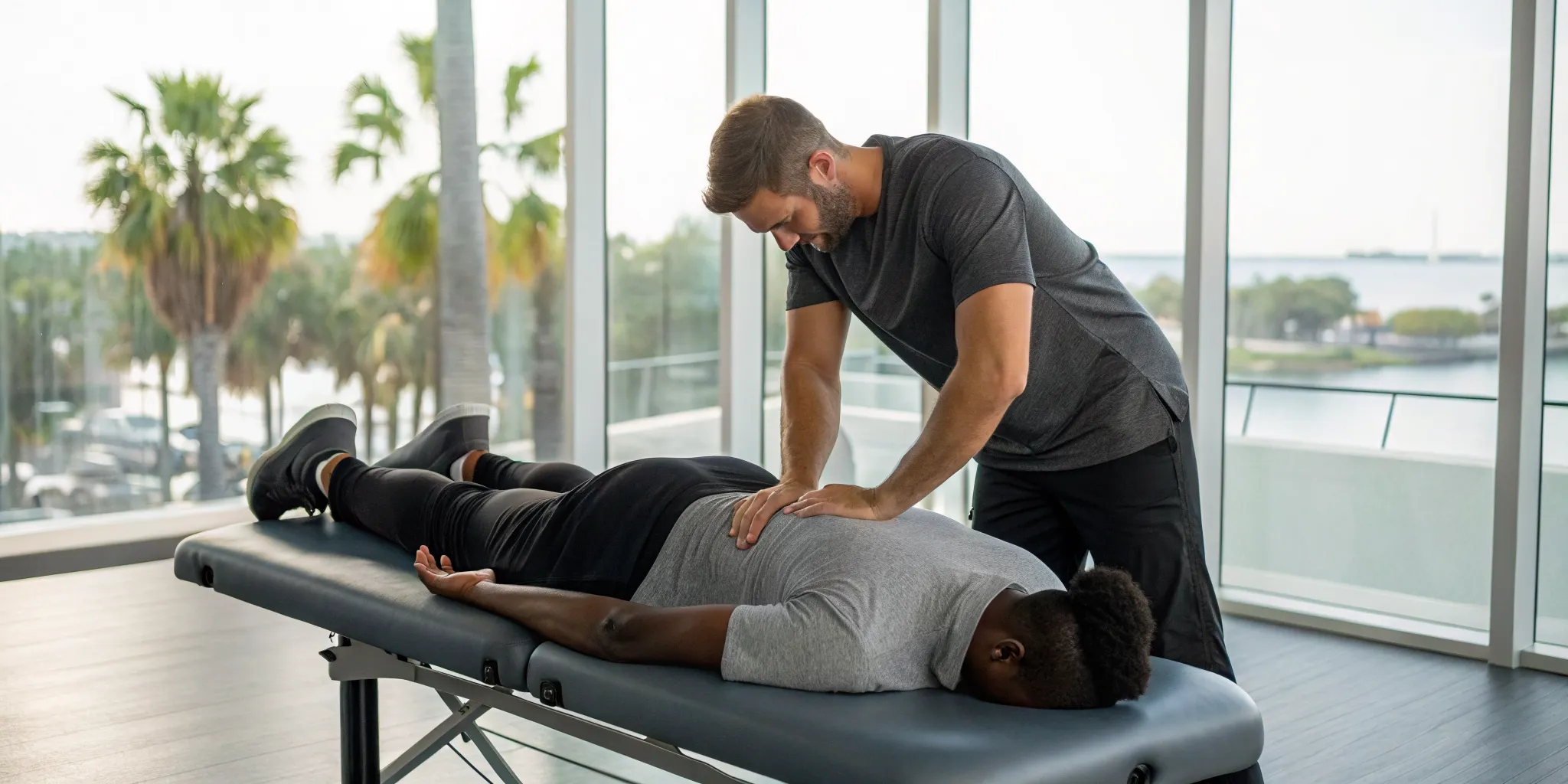
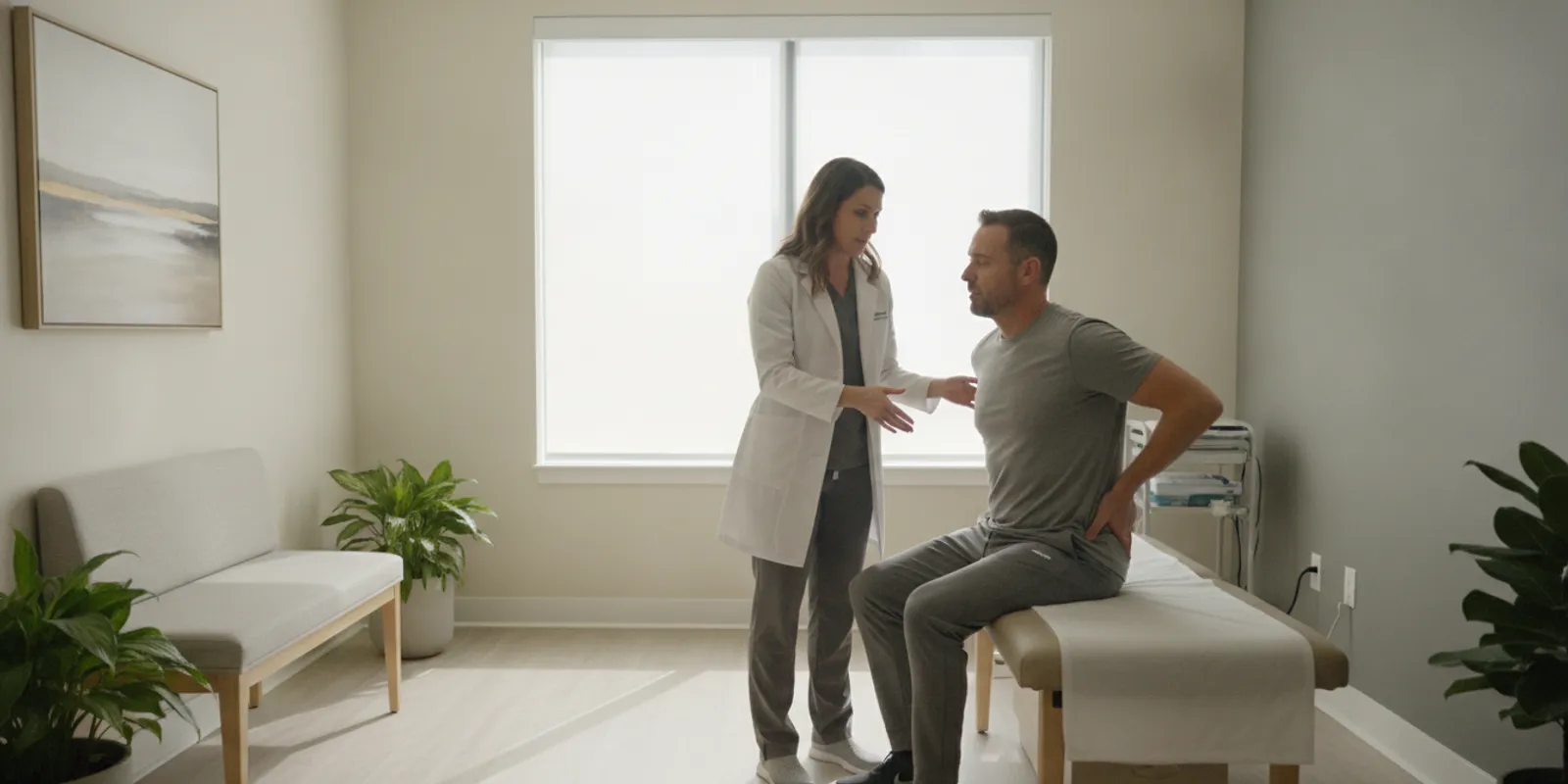
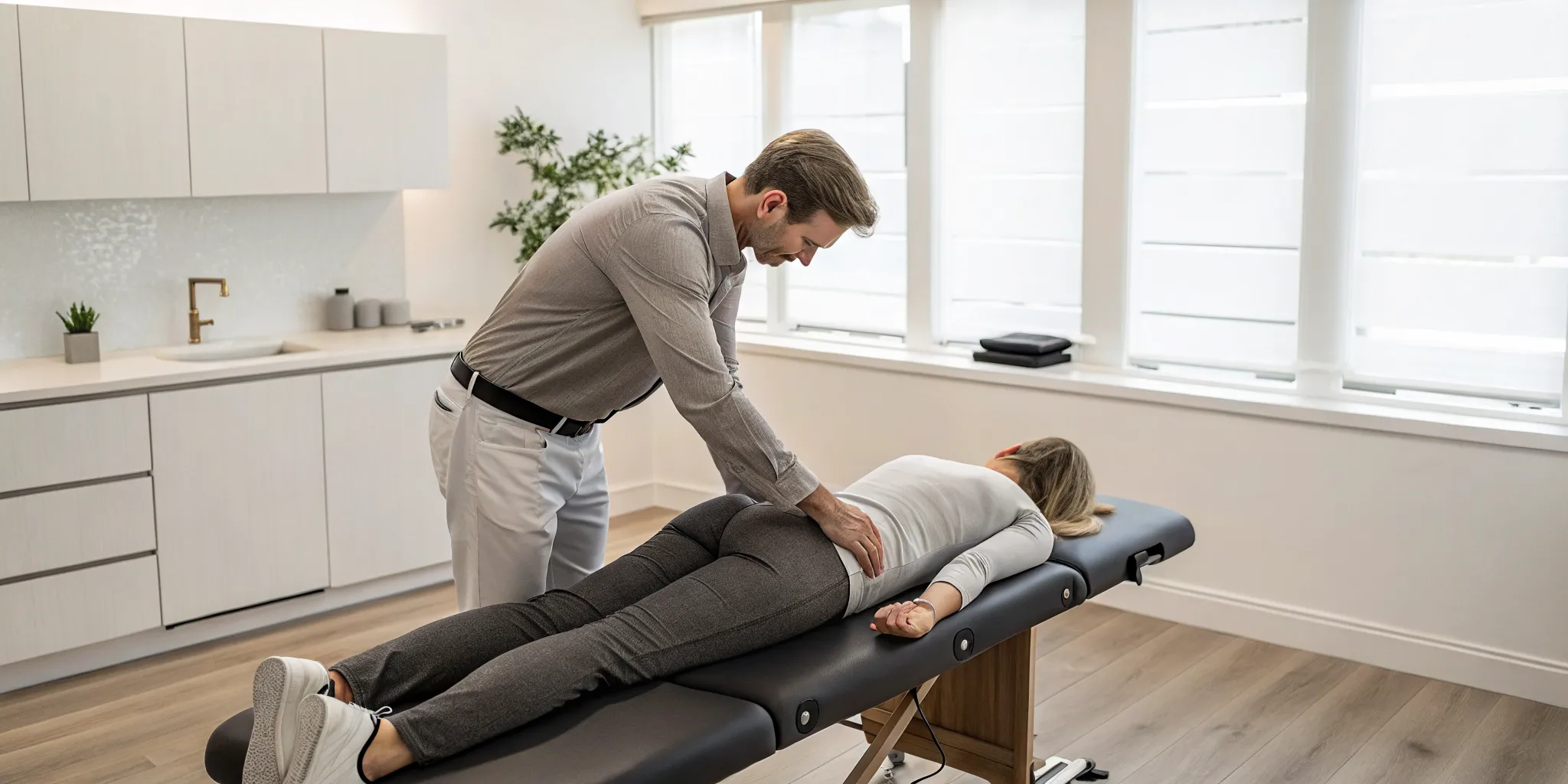
Spinal and extremity manipulation is one hands-on approach a chiropractor may consider when assessing joint movement, comfort, and function. It can involve a controlled force applied to a spinal or limb joint, but the choice of technique depends on the person, their history, and examination findings. For Tampa Bay readers, the central question is not whether one technique suits everyone; it is how a careful evaluation can guide a relevant plan.
Explore Physical Medicine care options
How Does Spinal and Extremity Manipulation Work?
Spinal and extremity manipulation is a clinician-guided technique that applies a controlled force to a joint; whether it is considered depends on the person and the area being assessed.
Spinal manipulation uses a practitioner-applied force to move a joint in the spine. Extremity manipulation involves joints outside the spine, such as those in the shoulder, elbow, wrist, hip, knee, or ankle. These names describe the area and general approach. They do not indicate a diagnosis or promise a particular benefit.
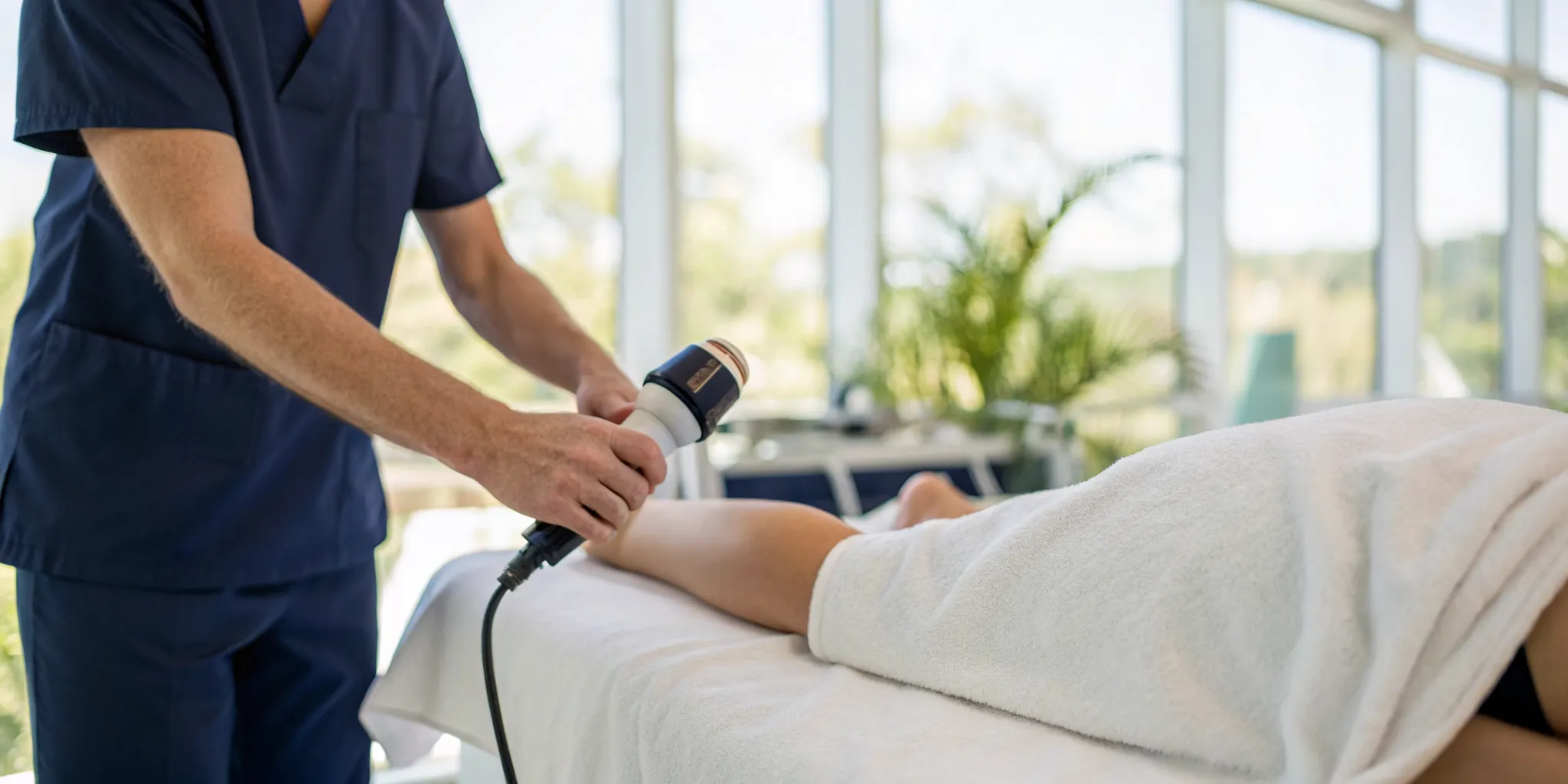
The National Center for Complementary and Integrative Health describes spinal manipulation as a practitioner using their hands or a device to apply a controlled thrust to a spinal joint. That description clarifies the basic technique, but it does not determine whether manipulation is appropriate for an individual. A discussion should also consider the area involved, symptoms, medical history, preferences, and examination.
In a practical conversation, a chiropractor may distinguish manipulation from slower mobilization, soft-tissue work, or guided movement. Different approaches can feel and function differently. The practitioner should explain the proposed method, what it is intended to address, possible responses, and alternatives before proceeding. Patients can ask questions or decline a technique. The term alone does not tell a reader how much force will be used, which joint is involved, or how a practitioner will position the body. Those details matter in a personal discussion. Ask for an explanation that names the area and describes the intended movement in plain terms. A clinician can also explain whether the plan includes other components, such as movement guidance or soft-tissue care, and how each component relates to the goals identified during the visit. If the explanation does not feel clear, request more detail before agreeing to proceed.
It may help to think about the difference between a technique and the reason it is being considered. For example, a person who notices a limitation while reaching overhead could describe the task and when it feels restricted. The practitioner can then assess relevant shoulder and nearby movement, explain the findings, and discuss whether hands-on care is one reasonable option. The same symptom description does not automatically call for the same technique in every person. Specific examination findings and the person's preferences should shape that discussion.
Manipulation does not mean that every joint needs to be adjusted. It also does not establish a diagnosis by itself. For an overview of the broader approach, see Ascend's Physical Medicine services and its answers to common care questions.
Which Areas and Techniques May Be Discussed?
A chiropractor may discuss spinal or limb-joint techniques after identifying a relevant movement or comfort concern. The region, approach, and whether hands-on care is considered at all should be based on the individual evaluation.
A consultation might cover everyday activities that feel limited, how the concern began, any prior care, and what movements seem relevant. A practitioner may assess posture, range of motion, strength, and how nearby areas work together. The purpose is to understand the context before discussing options, not to presume that a joint sound or isolated test explains everything. A useful assessment considers how the area moves during a task that matters to you, rather than relying only on a static position. The clinician may compare one side with the other, observe nearby regions, or ask you to repeat a movement. Findings should be described in terms you can understand, with room for you to explain whether the examination matches your experience. If something is unclear, ask the practitioner to show or explain what they observed and how it relates to the next step. An assessment is a conversation as well as a physical examination.
To make the discussion concrete, consider a person who feels limited when turning to look over a shoulder while driving. They can describe which direction feels restricted, whether the limitation changes during the day, and what other movements are affected. The practitioner may observe neck and upper-back movement and ask about relevant history. Those details provide more useful context than simply asking for an adjustment to one named joint. If the examination suggests another concern needs attention first, the next step may be a different assessment or care option.
Some people are more comfortable discussing gentler manual techniques or approaches that do not involve a thrust. A useful care conversation makes room for these preferences and explains alternatives. Ascend also describes related services such as spinal decompression and myofascial release and soft-tissue care; these are distinct approaches, and a clinician can explain whether either is relevant to the concern.
How Does an Evaluation Guide the Care Discussion?
An evaluation helps the clinician understand the concern, assess relevant movement, and decide whether a particular technique belongs in the discussion. Recommendations should connect to findings and personal goals rather than assume that manipulation is automatically needed.
Be ready to describe when the concern started, which activities affect it, and whether anything makes it feel better or worse. Mention previous injuries, procedures, ongoing health conditions, and any symptoms that have changed. Share what you hope to do more comfortably, whether that is turning your head while driving, reaching overhead, or walking with less limitation.
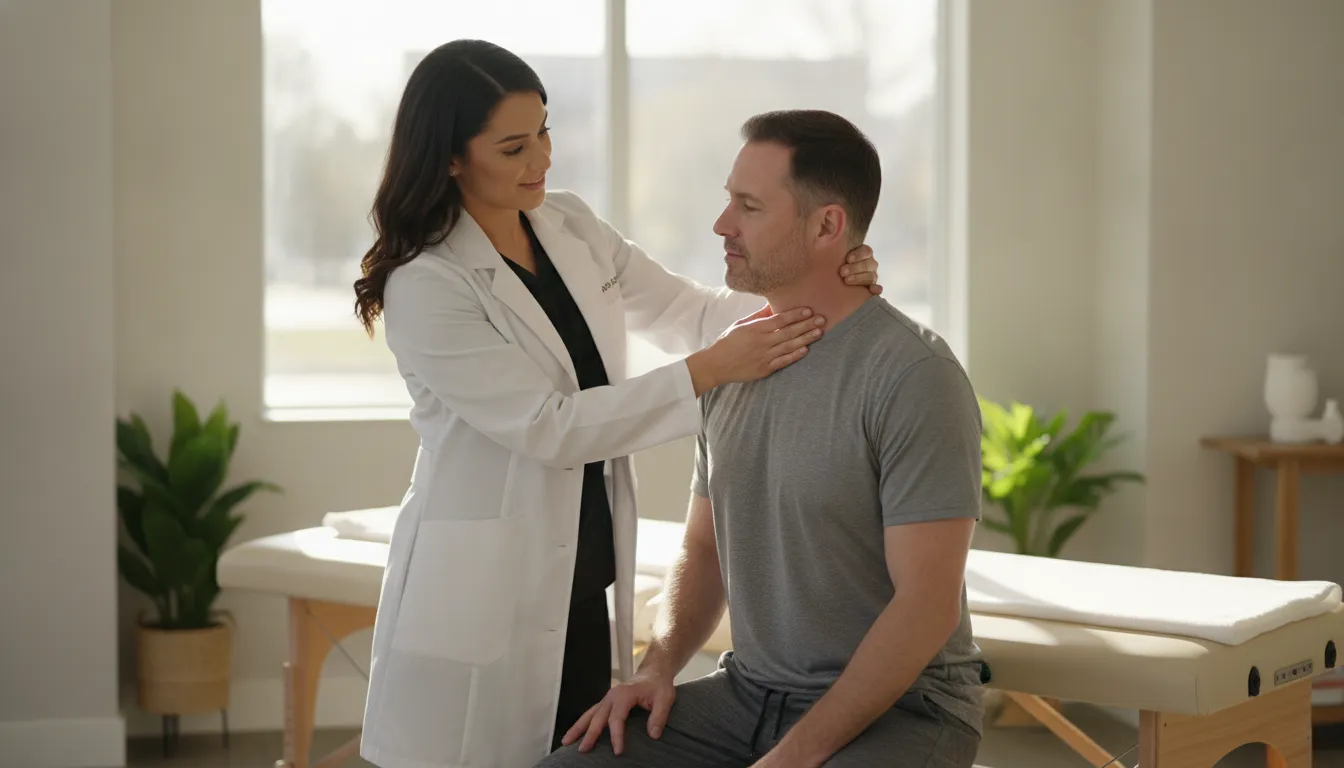
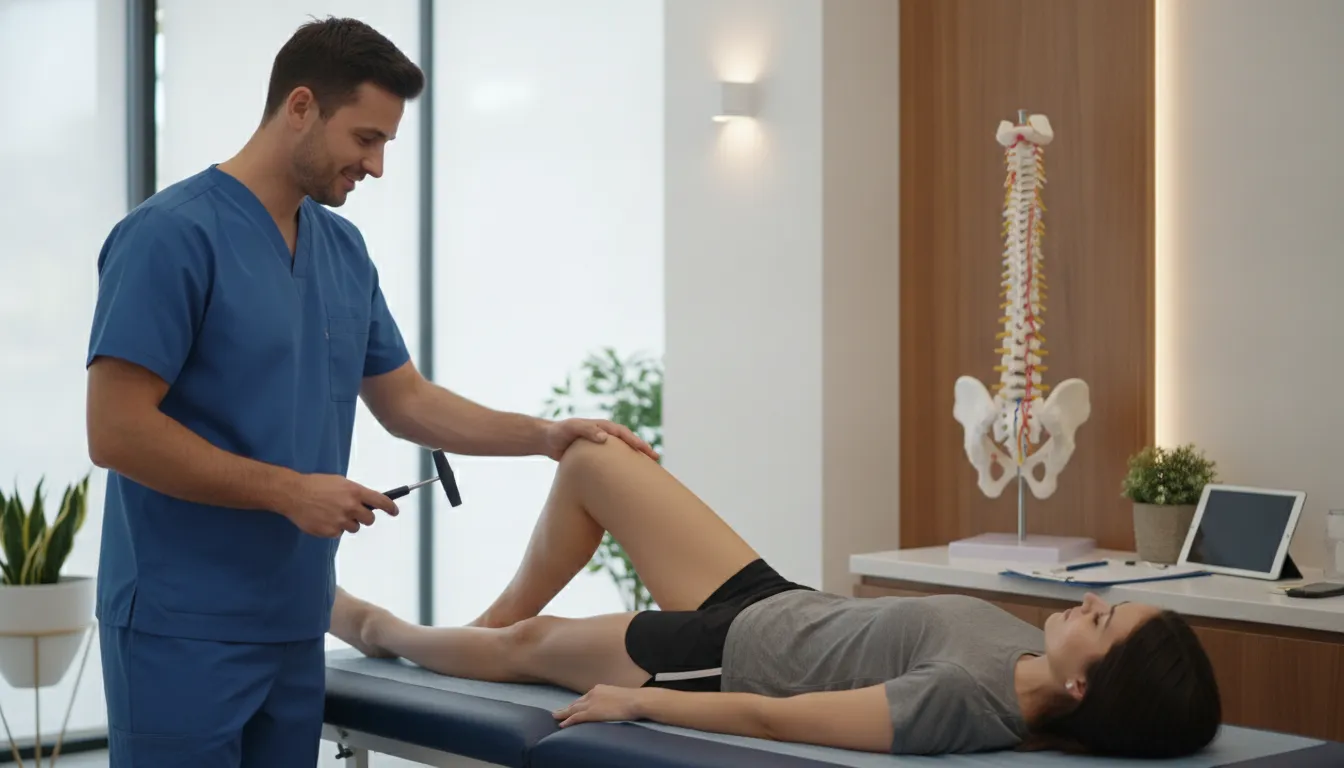
During an examination, the practitioner may assess the area and nearby joints, observe movement, and ask how particular positions feel. The clinician may recommend further assessment or a different type of care if the findings call for it. An appropriate plan may include education, gradual movement, soft-tissue work, or a referral for additional evaluation. The options should be explained in plain language. A thorough discussion also includes consent and comfort. Before a hands-on technique, you can ask which joint the practitioner plans to address, how the maneuver will feel, and whether a different approach is available. Let the clinician know if you feel uneasy, if a position is uncomfortable, or if you would prefer to pause. Communication is part of the appointment, not an interruption. The practitioner can describe what they are doing as they go and check in about your response. It can also help to separate the immediate experience of a technique from the larger goal of care. A joint may feel different after a session, but that feeling alone does not establish lasting change or explain the cause of a concern. Ask how the proposed approach connects to a functional goal and when the plan will be reviewed. If the recommendation changes over time, ask which new findings or progress measures led to that change.
Useful questions include: What finding led to this recommendation? What are the alternatives? How will we decide whether it is helping? What changes should prompt me to check in? You can also ask how a technique will be performed and request that the practitioner stop or adjust the approach at any point. Tell the clinician about areas that are sensitive, positions you prefer to avoid, and any prior experience that shapes your comfort with hands-on care. If you want time to consider a recommendation, ask for a clear explanation of the purpose and alternatives before deciding. These details help keep the conversation specific to you and support shared decisions about the next step.
A practical way to organize the visit is to bring a short timeline and a few priority questions. Note when the concern began, any changes in activity around that time, and the tasks that are now harder. If you have records or relevant findings from earlier evaluations, ask whether they would be useful to review. At the appointment, explain your main goal first, then describe the details that help clarify it. Before leaving, repeat back the proposed next step in your own words and ask what would lead the practitioner to adjust the plan. This simple sequence can help prevent important preferences or questions from getting lost in a broad conversation.
Ascend presents its care services through an integrative model. A physical concern can be discussed in the context of a person's broader health, while keeping the specific plan grounded in examination and appropriate clinical judgment. Learn about the practice's approach and team before scheduling if you would like more context.
How Do Common Hands-On Options Compare?
Hands-on options differ in how force is applied and how much movement the clinician guides. The comparison below is a starting point for discussion, not a treatment recommendation or a substitute for an evaluation.
| Approach | How it is generally described | What to clarify |
|---|---|---|
| Spinal manipulation | A controlled force or thrust directed at a spinal joint | Why this area and technique are being considered, and what alternatives are available |
| Extremity manipulation | A controlled manual technique directed at a limb joint | How the joint relates to the concern and how comfort will be monitored |
| Mobilization | Slower, guided joint movement that may use less force | Whether the pace and range fit your preferences and findings |
| Soft-tissue care | Manual work directed at muscles and other soft tissues | Which tissues are being addressed and how the response will be assessed |
The terms above describe broad categories. Techniques vary among clinicians, and a practitioner should explain the specific method proposed for you. The National Center for Complementary and Integrative Health offers a general overview of spinal manipulation and considerations for discussing it. It is a resource for general education, not an individualized assessment.
When comparing options, ask about the practical differences rather than relying only on a technique name. Would the clinician guide a small range of motion or use a brief thrust? What position would you be in? Can you request a pause or a different method? How does the option relate to the goal you identified? Answers can help you understand the choice and decide whether it feels acceptable. If two approaches are discussed, ask what findings support each one and how the clinician will decide whether to continue or change course.
It can also be useful to distinguish the area receiving care from the activity you hope to improve. A technique may be directed at a particular joint, but your goal might involve a larger task, such as walking comfortably or reaching behind you. Ask how the clinician plans to connect the local examination to that functional goal. The answer should be specific enough that you can understand what will be monitored, while leaving room for the plan to change as your response becomes clearer.
How Can You Set Expectations and Track Progress?
Set expectations around clear goals, regular communication, and reassessment rather than promises of a fixed outcome. A reasonable plan should make it possible to discuss how daily function is changing and whether the approach still fits.
Before starting, choose a practical activity to monitor. You might note how comfortably you can turn, reach, sit, or complete a routine task. Keep the measure simple and consistent, and tell the practitioner if symptoms or function change. This information can support a conversation about continuing, adjusting, or reconsidering the plan. For example, you could record whether reaching a shelf feels easier, how long you can sit comfortably, or whether turning to check traffic feels less restricted. Choose a measure that matters to your routine and avoid changing several measures at once. This does not replace the clinician's assessment; it gives you a concrete way to describe your experience. If day-to-day capacity varies, note the pattern rather than treating a single good or difficult day as the whole picture.
Ask how often progress will be reviewed and what would count as a meaningful change for your goal. If the approach does not feel appropriate, say so. A care plan can be revisited as new information emerges. No single technique should be presented as certain to work for every person, and hands-on care should be considered in the context of the full evaluation.
For example, suppose your goal is to sit through a work meeting with less interruption from discomfort. You could note roughly how long you sit before needing to change position, and whether that pattern changes over several days. Share the observations at follow-up, including factors that may have affected the result, such as an unusually long drive or a change in routine. This gives the clinician a more useful picture than a simple good-or-bad label. It also allows both of you to discuss whether the original goal remains the right one or needs to be made more specific.
Progress is not always a straight line, and one session or one difficult day cannot answer every question. Consider tracking a consistent activity over time and discussing trends with the practitioner. If the goal is not changing as expected, ask what other explanations or care options should be considered. A thoughtful review may lead to continuing the current approach, adapting it, or recommending another evaluation. The point of tracking is to inform a shared decision, not to create a promise about how quickly a result should occur.
People in Tampa, South Tampa, and greater Tampa Bay can review the clinic's Tampa area information and its guide to chiropractic care as they prepare to discuss their needs.
Discuss your questions with Ascend
Frequently Asked Questions
These answers address common points to raise during a chiropractic consultation. Individual recommendations depend on an appropriate evaluation and personal circumstances.
Does manipulation always involve a fast thrust?
No. The term can cover different manual techniques, and approaches vary. Ask the practitioner to describe the planned method, explain alternatives, and make sure your preferences are understood before any hands-on technique begins.
Can a chiropractor discuss joints outside the spine?
Yes. Extremity manipulation refers to manual techniques involving limb joints, such as a shoulder or knee. Whether a technique is relevant depends on the concern and examination rather than the name of the joint alone.
How can I prepare for an appointment?
Write down when the concern began, movements or activities that affect it, relevant health history, and the goals you would like to discuss. Bring questions about the examination, options, and how progress will be reviewed.
Does a recommendation guarantee a particular result?
No. A recommendation is a clinical judgment based on the information available, not a guarantee. Ask how the plan will be reassessed and discuss any concerns or changes with your clinician.
Explore Ascend Physical Medicine
This article is for educational purposes only and is not medical advice. Consult your clinician before acting on health information or making changes to your care.