Some injuries just seem to get stuck. This is especially true for tendinopathies like plantar fasciitis or tennis elbow, where poor blood flow can stall the natural healing process indefinitely. You’re left with chronic pain that limits your performance and quality of life. Instead of just managing the symptoms, what if you could restart that healing process? That’s the core idea behind shockwave therapy for athletes. This treatment uses targeted acoustic waves to create a controlled response in the tissue, signaling your body to increase blood flow, break down scar tissue, and build new, healthy collagen. It’s a way to give your body the nudge it needs to finish the repair job it started.
Key Takeaways
- It targets the root cause of chronic pain: Shockwave therapy uses acoustic waves to wake up your body's stalled healing processes, stimulating new blood flow and tissue repair in areas like tendons and ligaments.
- It offers a path to recovery without surgery: This treatment is a powerful, non-invasive alternative that helps you avoid lengthy downtime, allowing you to get back to your sport more quickly and safely.
- Treatment is efficient and customized for you: A full plan typically involves only a few short sessions, and the process is tailored to your comfort and specific injury, making it easy to fit into a busy schedule.
What is Shockwave Therapy?
If you're an athlete dealing with a nagging injury that just won’t heal, you know how frustrating the cycle of rest and re-injury can be. Shockwave therapy is a modern, non-invasive treatment that helps your body heal on a cellular level, addressing the root cause of chronic pain. It’s a powerful tool in our physical medicine toolkit that uses sound waves to accelerate recovery and get you back to your active life without lengthy downtime. Think of it as a way to restart your body’s natural healing process, especially in areas where it has stalled.
The science of acoustic sound waves
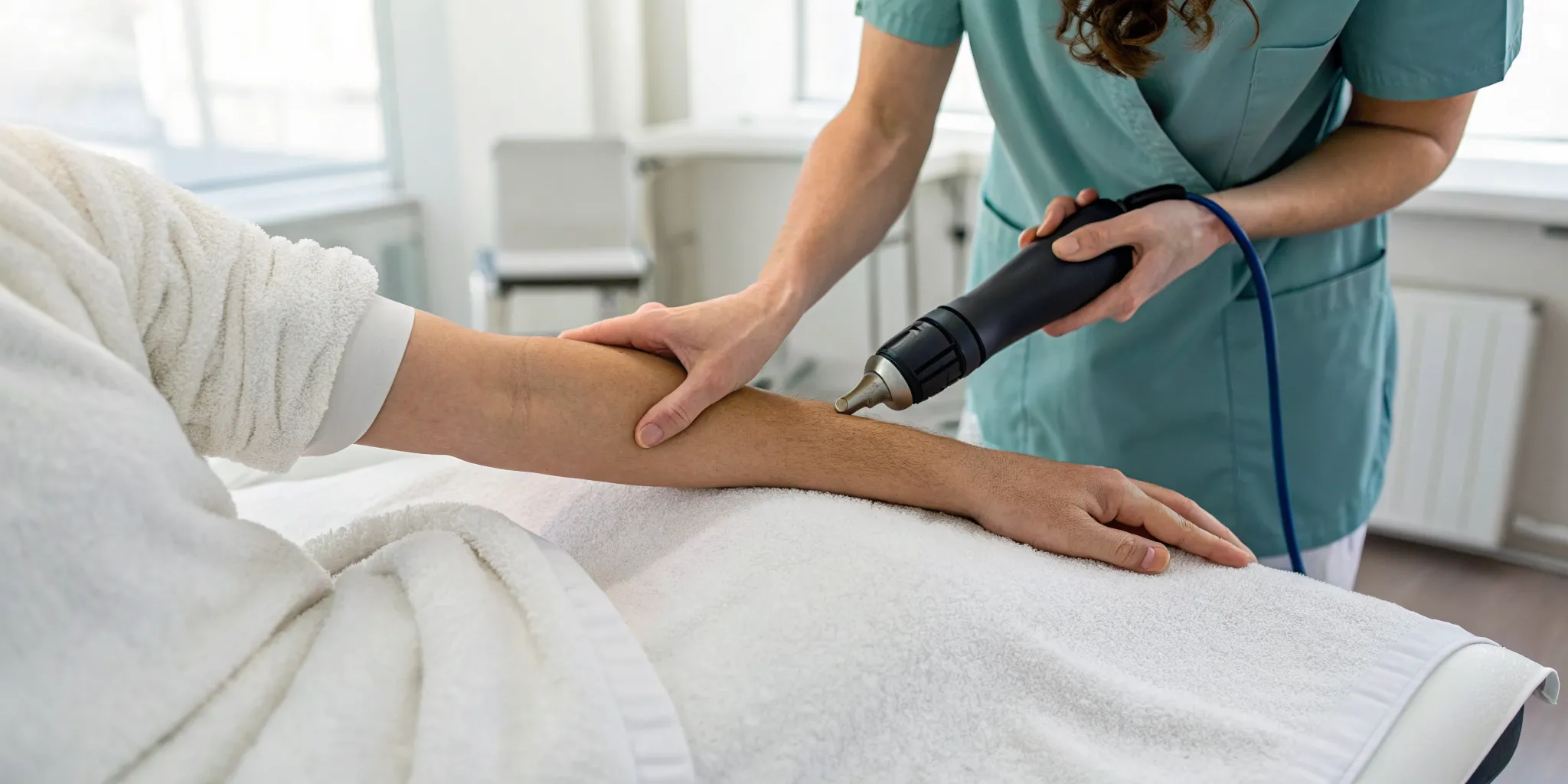
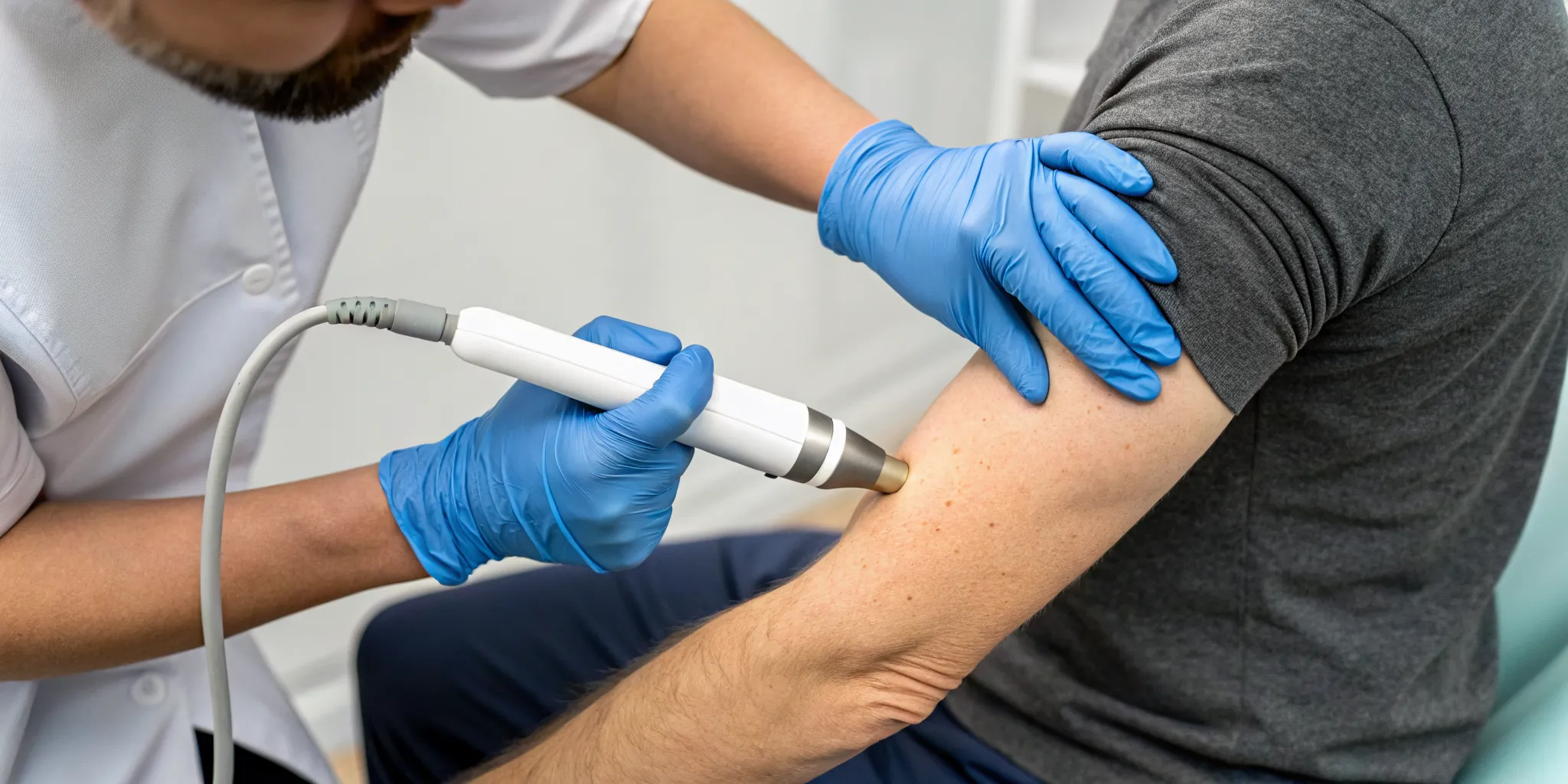
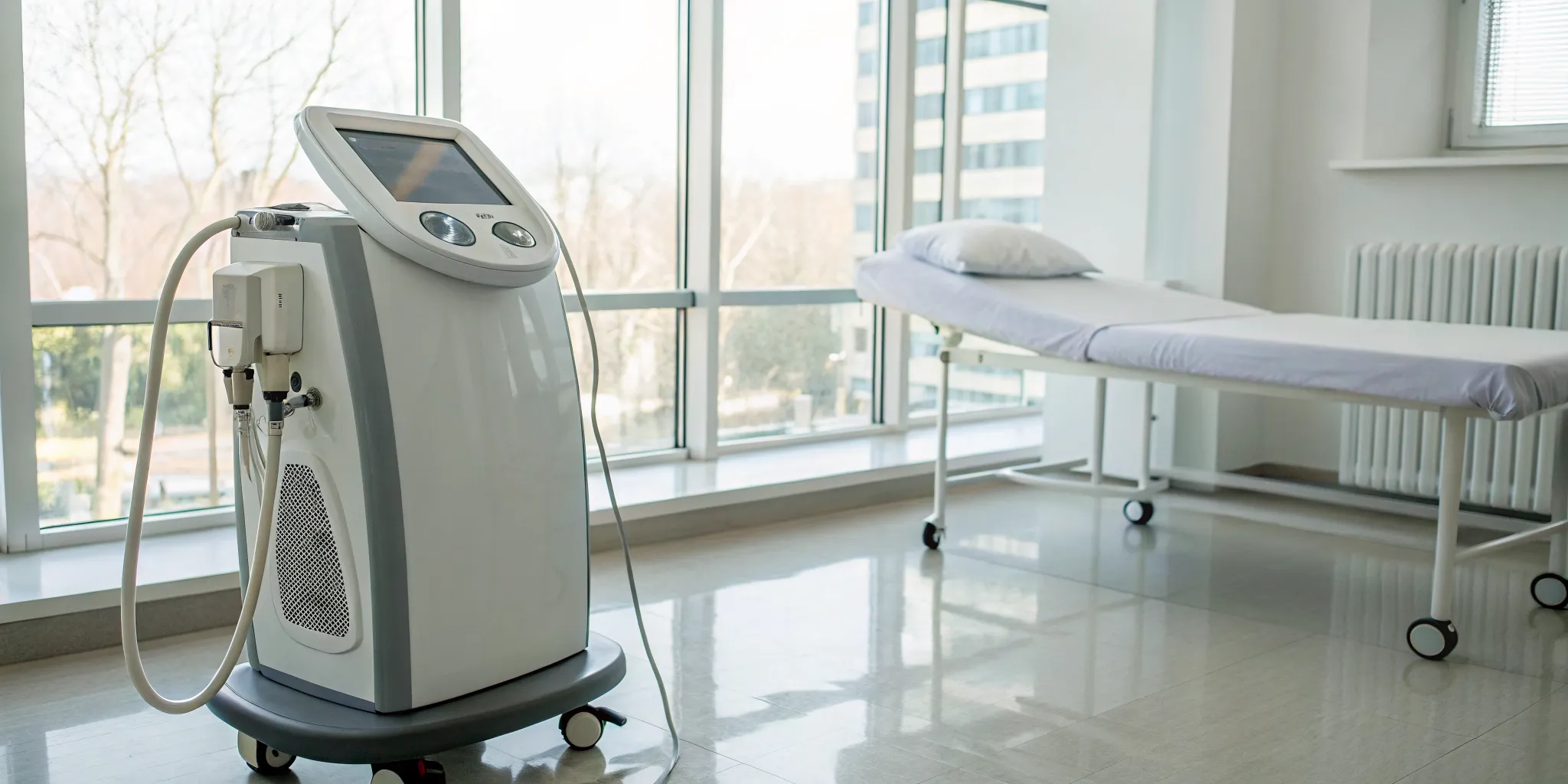
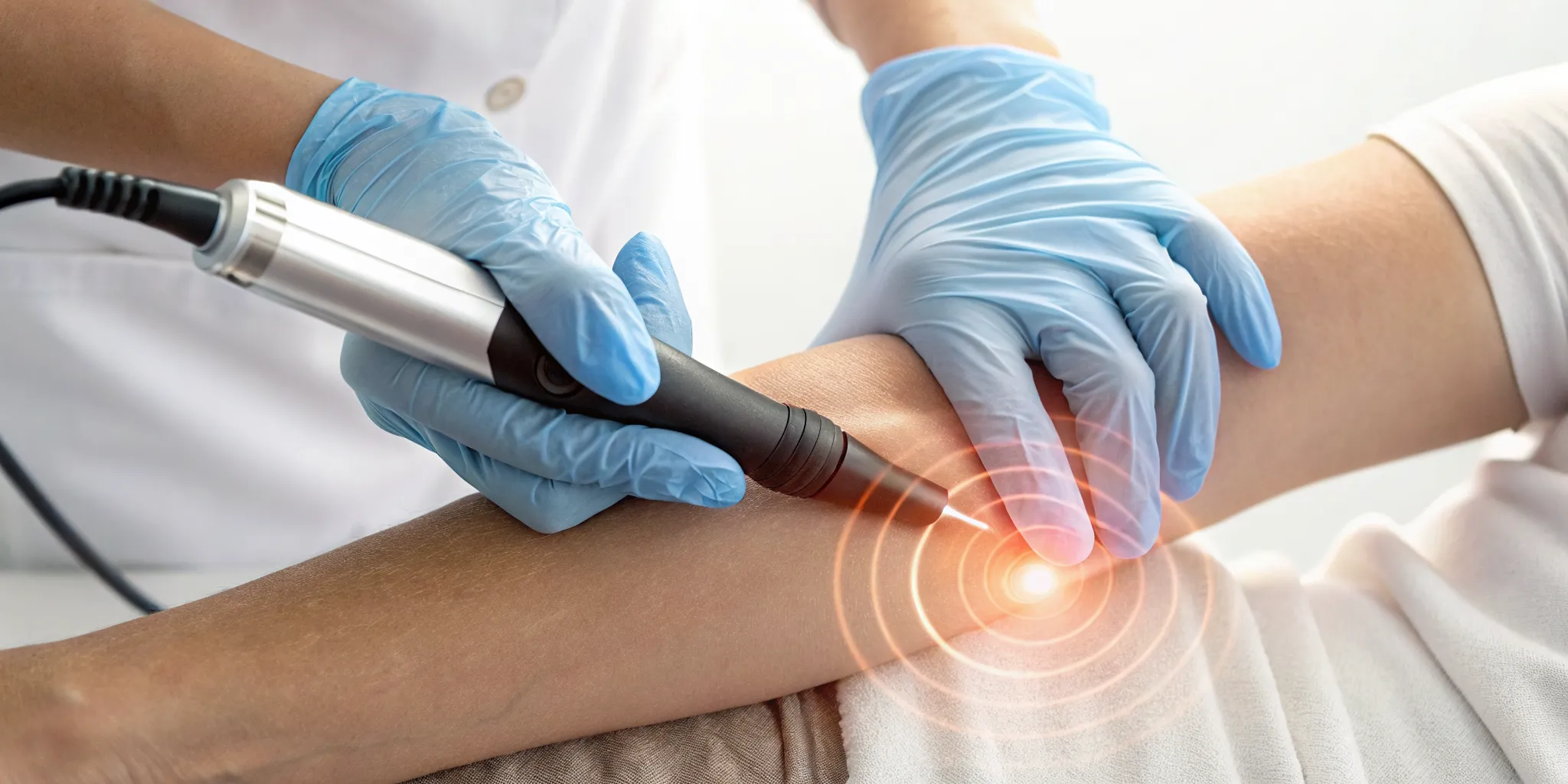
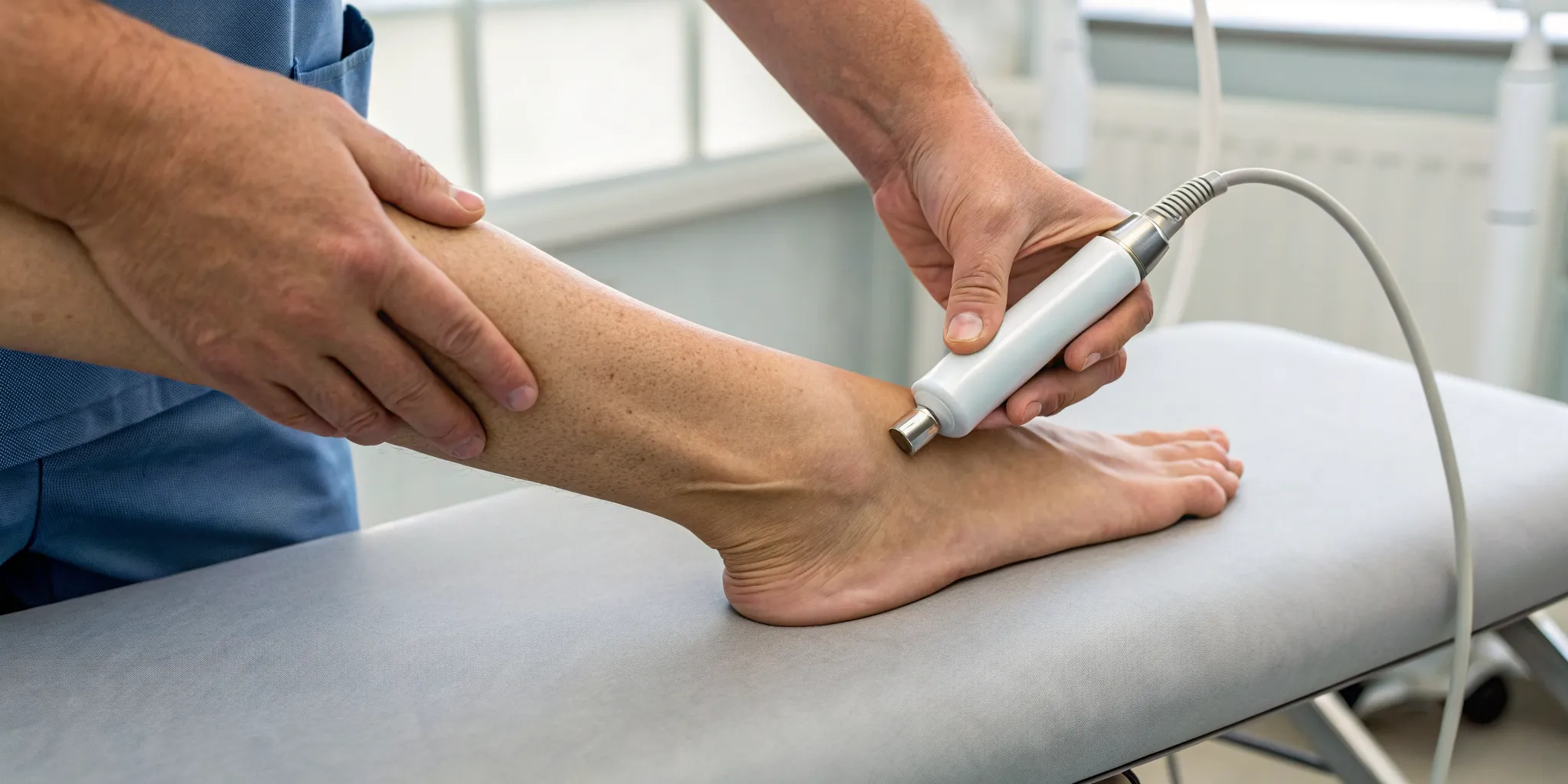
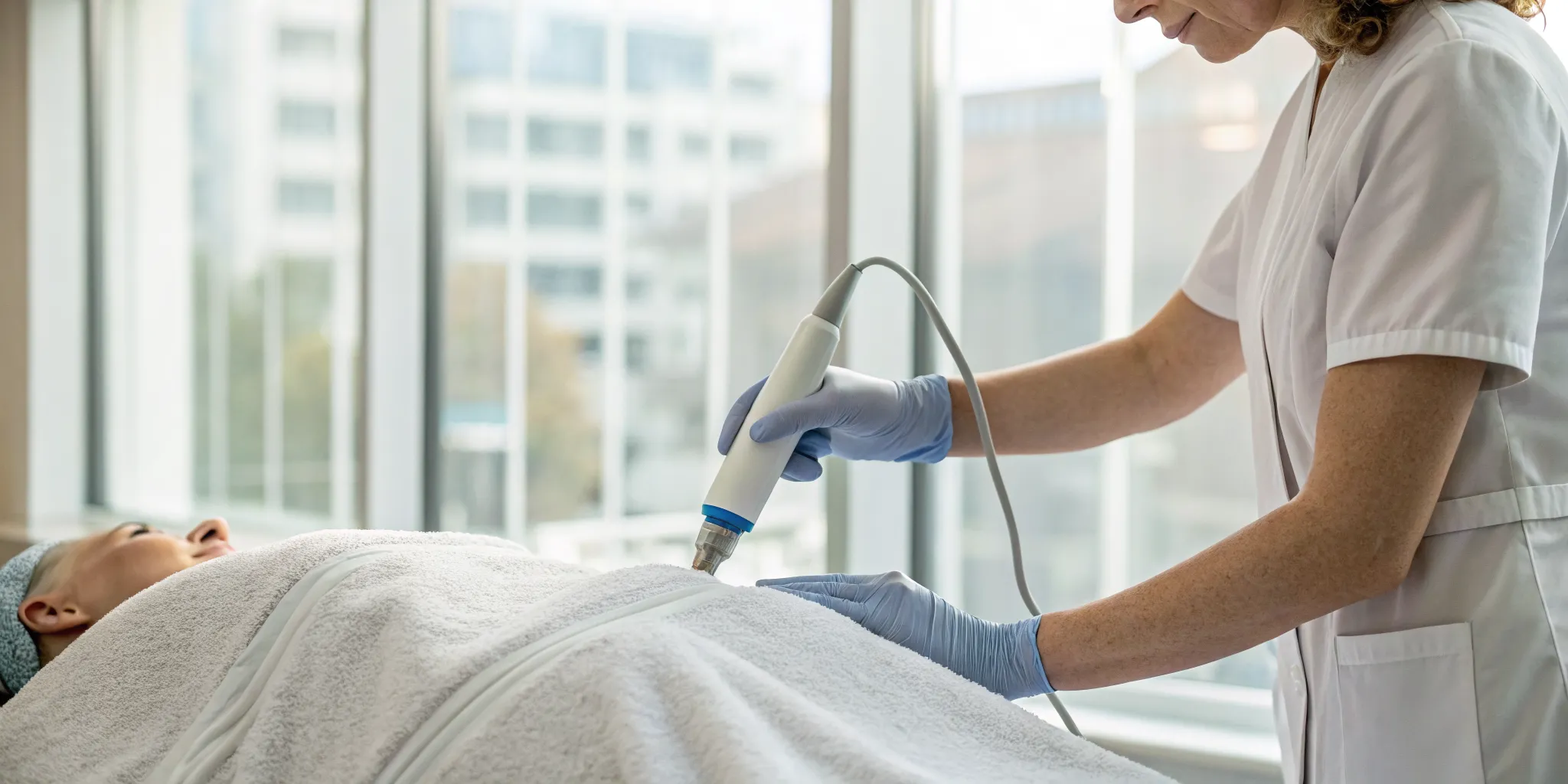
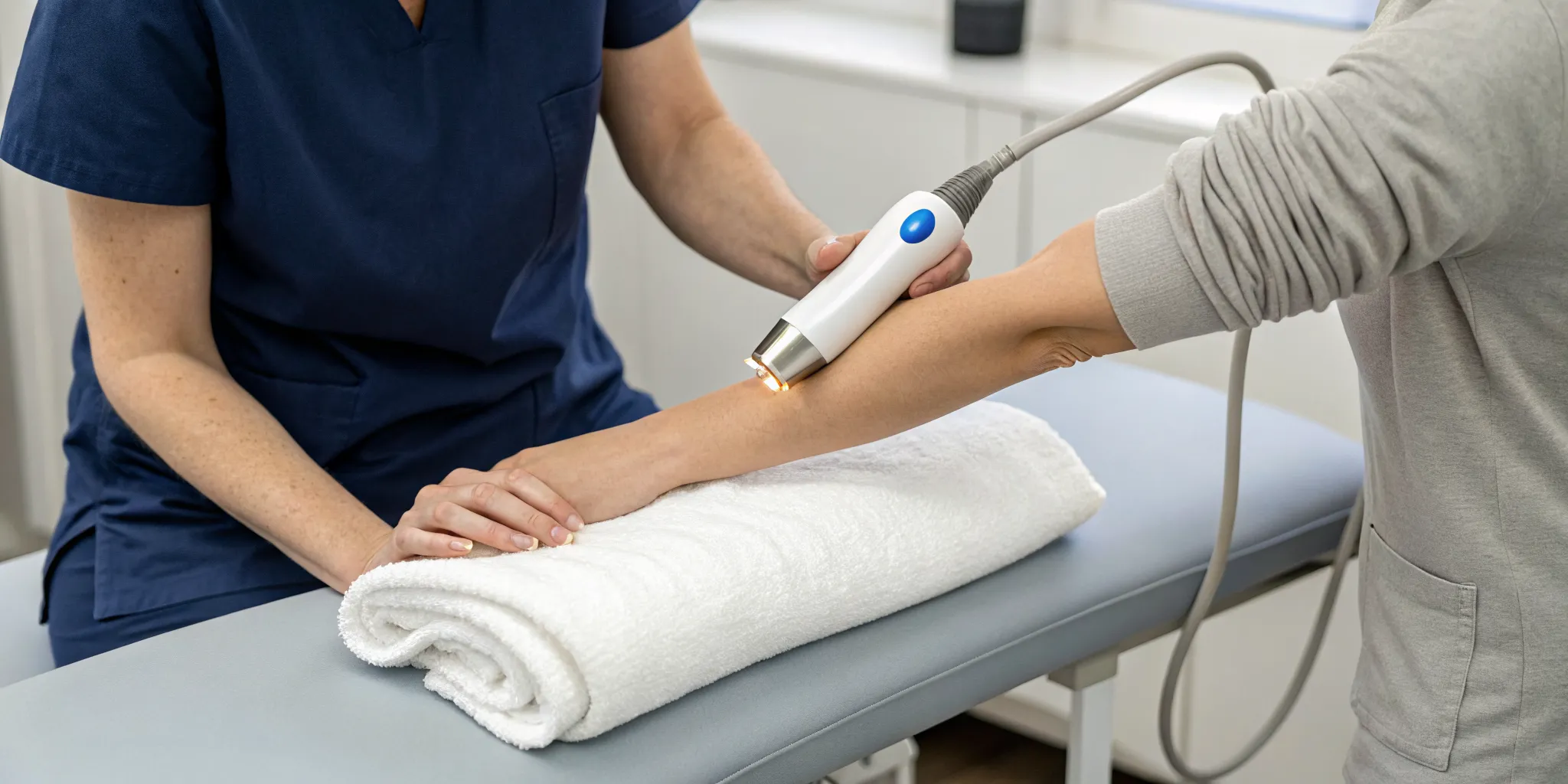
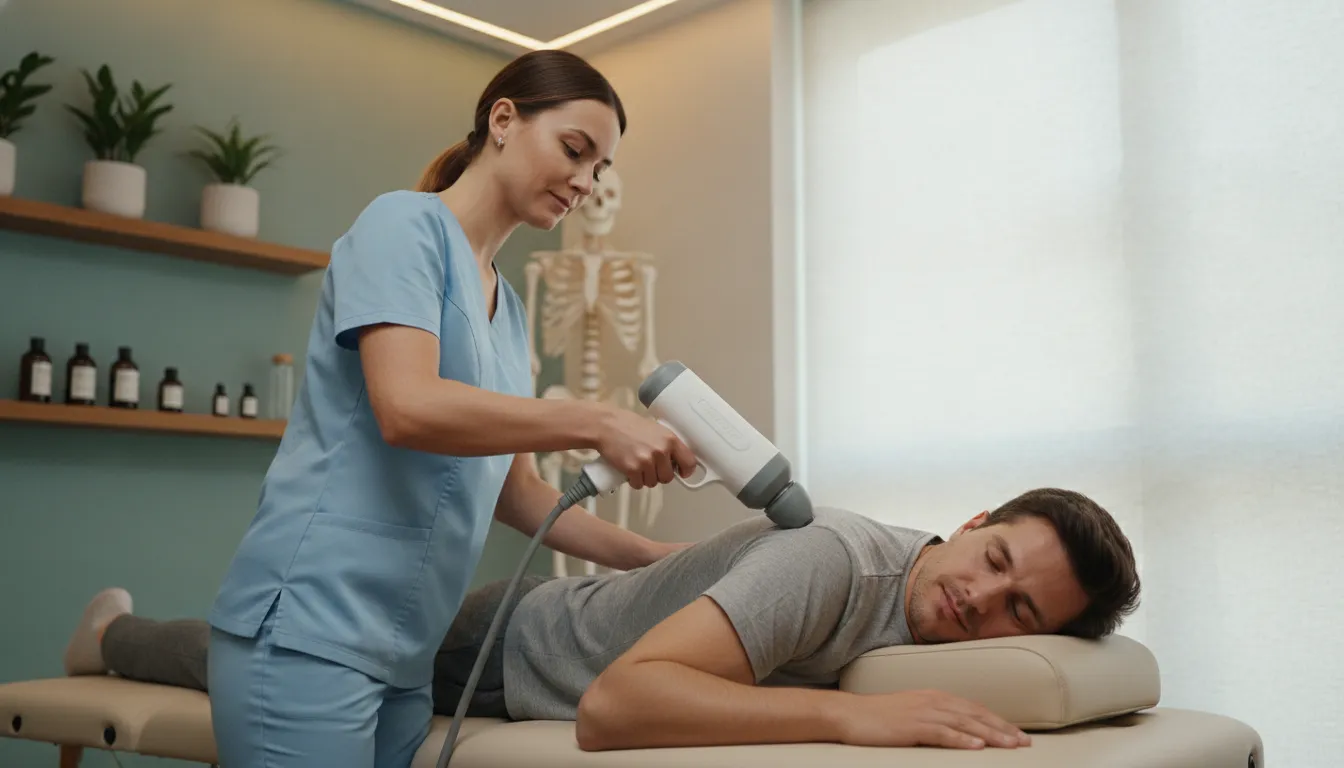
At its core, Extracorporeal Shockwave Therapy (ESWT) uses the power of acoustic sound waves to stimulate healing in injured tissues. During a session, a special device delivers these high-energy waves directly to the affected area. This process is completely external, meaning nothing pierces the skin. The sound waves create micro-trauma in the tissue, which sounds counterintuitive, but it’s actually a good thing. This controlled stimulation signals your body to wake up and pay attention to the old injury, triggering a cascade of natural healing responses that may have slowed or stopped over time.
How it promotes blood flow and tissue repair
Once the acoustic waves are delivered, they get to work on a few key tasks. First, they help break up scar tissue and calcifications that can limit movement and cause pain. Second, they stimulate the production of new collagen, a protein that’s the essential building block for healthy tendons and ligaments. The therapy also encourages the release of natural growth factors and significantly increases blood flow to the area. This enhanced circulation delivers more oxygen and nutrients, which are critical for repairing damaged tissues and reducing inflammation. This comprehensive approach helps resolve many of the conditions we treat that cause chronic pain for athletes.
Focused vs. radial shockwave therapy
Not all injuries are the same, and your treatment shouldn't be either. Shockwave therapy can be tailored to your specific needs using two different methods: focused and radial. Radial shockwave therapy is great for larger, more superficial areas, as the waves spread out to cover more ground. Focused shockwave therapy, on the other hand, uses a more precise wave that can penetrate deeper to target a specific point of injury. Our team determines the right approach for you, ensuring the treatment is customized to your body and your recovery goals. This personalized care is key to achieving lasting results.
Which Sports Injuries Can Shockwave Therapy Help?
If you’re an athlete, you know that nagging injuries can be more than just a nuisance; they can sideline you from the activities you love. Shockwave therapy is a versatile treatment that excels at addressing chronic soft tissue injuries, especially tendinopathies that haven't responded well to rest or other conventional methods. By stimulating the body's natural healing processes, it targets the root cause of pain and dysfunction in tendons, ligaments, and muscles.
This approach is particularly effective for overuse injuries common in sports that involve repetitive running, jumping, or throwing. Instead of just masking symptoms, shockwave therapy encourages cellular repair and regeneration, making it a powerful tool for lasting recovery. At Ascend Functional Health, we use this technology to help athletes overcome stubborn pain and get back to performing at their best. It’s a key part of our physical medicine services, designed to resolve injuries and improve your body's resilience.
Plantar fasciitis and Achilles tendinopathy
Heel pain is one of the most common and frustrating complaints among runners and active individuals. If you’ve ever felt that sharp, stabbing pain in your heel with your first steps in the morning, you know how debilitating plantar fasciitis can be. Similarly, Achilles tendinopathy can cause persistent pain and stiffness in the tendon connecting your calf muscle to your heel bone.
Shockwave therapy is an excellent first-line treatment for these stubborn conditions. The acoustic waves target the inflamed fascia or tendon, breaking down scar tissue and promoting the formation of new blood vessels. This process increases circulation and delivers essential nutrients to the area, accelerating tissue repair and providing significant pain relief for many of the conditions we treat.
Tennis elbow and rotator cuff injuries
Pain in the elbow and shoulder often stems from repetitive motions, whether you’re swinging a tennis racket, a golf club, or lifting weights. Conditions like tennis elbow (lateral epicondylitis) and rotator cuff tendinopathy can cause chronic pain that limits your range of motion and strength. These injuries involve inflammation and micro-tears in the tendons, which can be slow to heal on their own.
Shockwave therapy effectively addresses these upper-body tendinopathies by stimulating a healing response directly at the site of injury. The treatment helps reduce inflammation and encourages the regeneration of healthy tendon tissue. For athletes dealing with persistent shoulder or elbow pain, this can be a game-changing solution that supports long-term recovery and helps prevent future flare-ups.
Hamstring and patellar tendinopathy
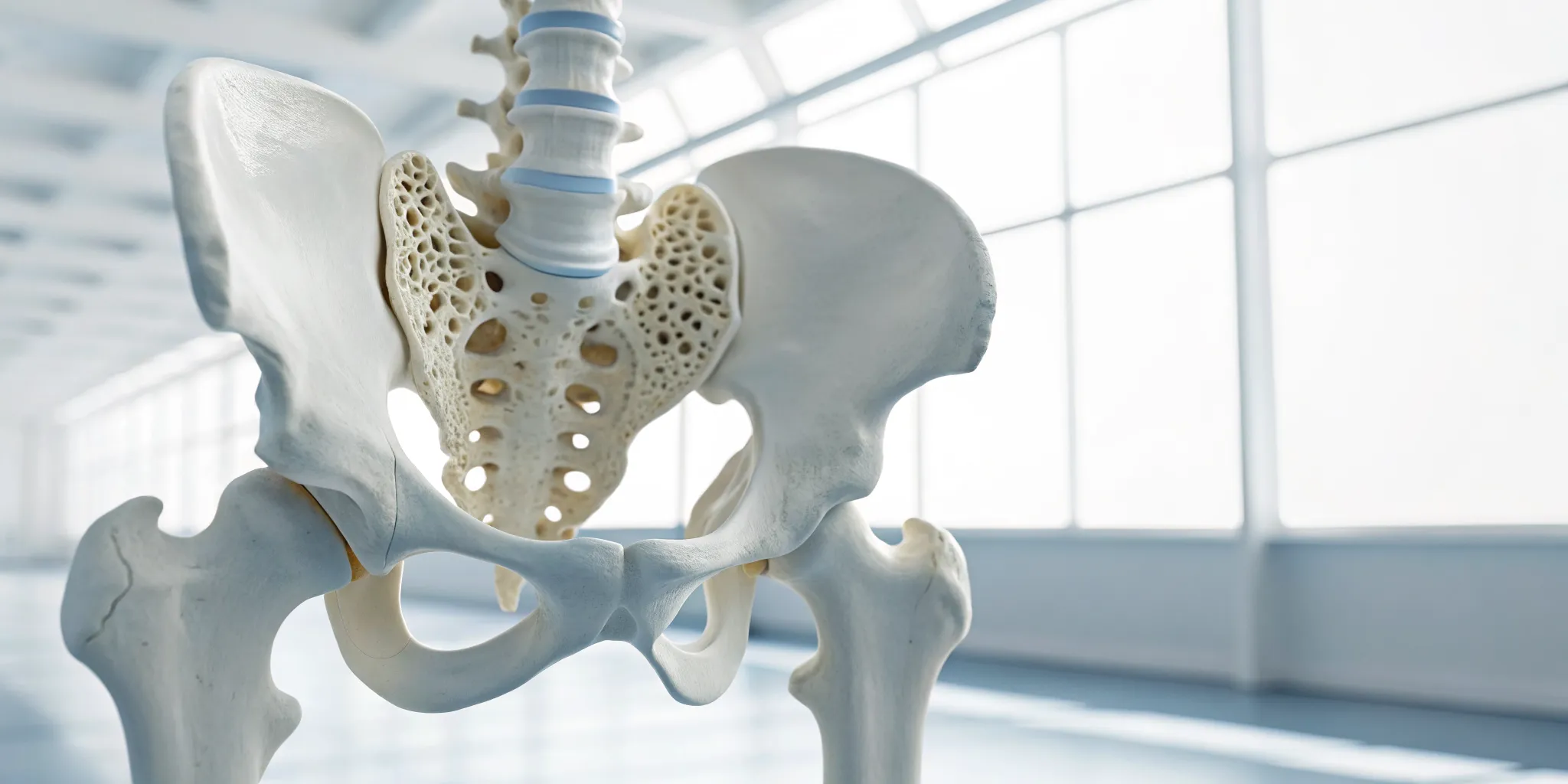
Athletes who do a lot of running, jumping, or squatting are prone to injuries in the major tendons of the leg. Patellar tendinopathy, often called "jumper's knee," causes pain just below the kneecap and can make simple movements like climbing stairs feel difficult. Proximal hamstring tendinopathy creates a deep ache high up in the back of the thigh, right where the hamstring attaches to the pelvis.
For these types of injuries, shockwave therapy can be highly beneficial. It targets the precise area of tendon damage, promoting repair and reducing the pain that holds you back. By addressing the underlying tissue dysfunction, this therapy helps restore strength and function to the knee and hamstring, allowing you to return to your sport with confidence.
What Are the Benefits for Athletes?
For any athlete, an injury can feel like a major setback. The pressure to get back to training and competition is real, but rushing the healing process often leads to more problems down the road. Shockwave therapy offers a different approach. It’s not about a quick fix that masks the pain; it’s about creating real, lasting healing from within. This innovative treatment helps your body repair itself on a cellular level, allowing you to return to your sport stronger and more resilient than before. It’s a way to support your body’s recovery process so you can get back to doing what you love, safely and effectively.
Get back in the game faster
Being sidelined by an injury is frustrating. Traditional recovery can take months, often requiring you to stop training completely. Shockwave therapy can significantly shorten that timeline. Because the treatment stimulates your body’s natural healing mechanisms, many athletes find they can continue with modified training and don't have to take extended time off. Most people start to feel a noticeable improvement in just one to three months. This approach to physical medicine focuses on efficient and effective healing, helping you get back on the field, court, or track without losing your hard-earned progress.
A non-invasive path to recovery
The thought of surgery or repeated injections can be daunting. Shockwave therapy offers a powerful alternative that is completely non-invasive. There are no needles, no incisions, and no lengthy downtime required. Instead, the therapy uses acoustic waves to stimulate blood flow and metabolic activity in the injured area. This process encourages your body to heal itself naturally. Our entire philosophy is built on facilitating the body's innate ability to repair and restore itself, and shockwave therapy is a perfect example of that principle in action. It’s a gentle yet effective way to recover without aggressive interventions.
Support long-term tissue repair
Chronic injuries often involve scar tissue and adhesions that restrict movement and cause persistent pain. Shockwave therapy directly addresses this by helping to break up these tough, fibrous spots in your soft tissues. More importantly, it stimulates the production of new collagen, which is the essential protein your body uses to build and repair tendons, ligaments, and other connective tissues. By addressing the root cause of these chronic conditions, the therapy doesn't just reduce pain; it helps rebuild healthier, more resilient tissue for long-term performance and stability.
Reduce reliance on pain medication
Many athletes turn to pain medication or steroid shots for relief, but these often provide only temporary solutions and can come with unwanted side effects. Shockwave therapy offers a path to lasting relief by healing the injury itself. As your tissues repair and inflammation subsides, the need for pain management medication naturally decreases. This aligns with a functional medicine approach that seeks to resolve health issues at their source rather than just managing symptoms. By choosing a therapy that promotes true healing, you can avoid the cycle of medication and find a sustainable solution to your pain.
What to Expect During a Shockwave Therapy Session
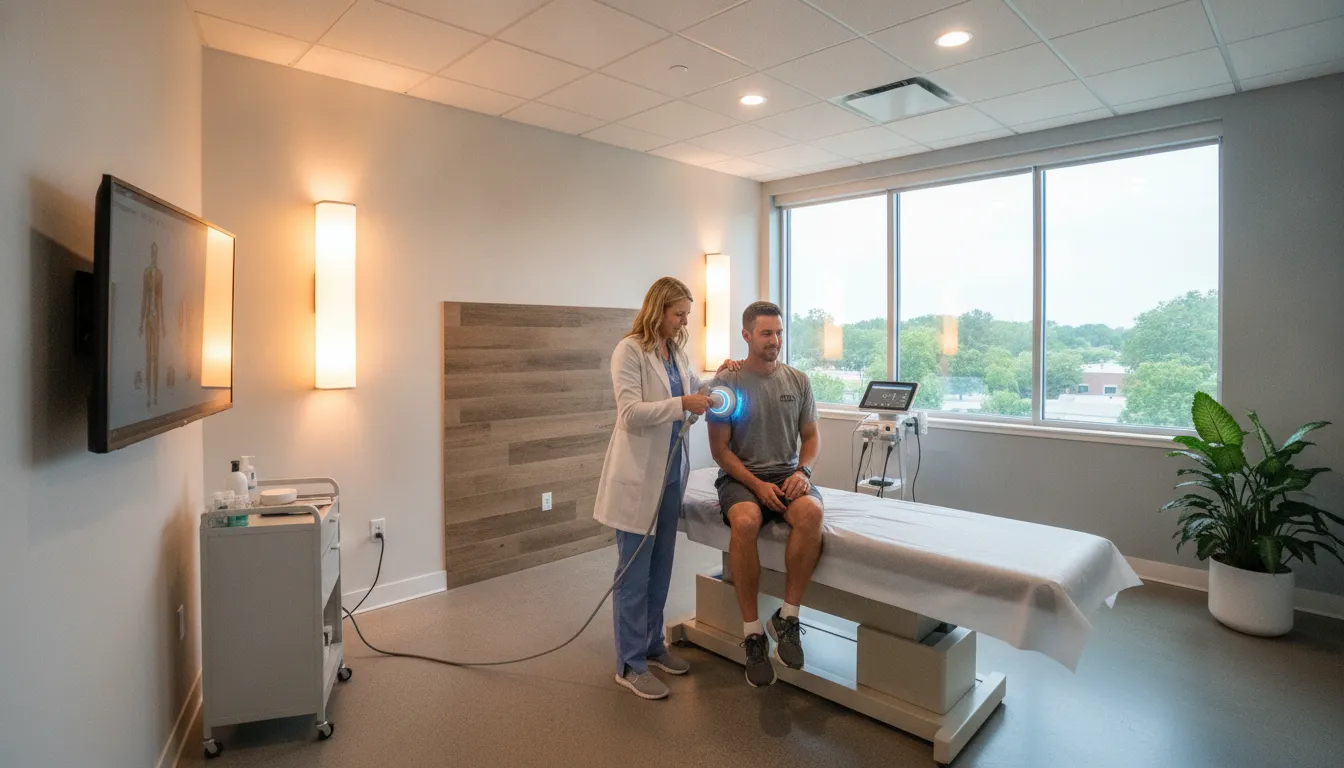
Trying a new therapy can feel a bit uncertain, but knowing what happens step-by-step can make the entire process feel more comfortable. A shockwave therapy session is a straightforward and collaborative experience. Our goal is to make sure you feel informed and at ease from the moment you walk in the door. We’ll talk you through every part of the treatment, ensuring the process is tailored to your specific injury and comfort level. It’s a quick, in-office procedure designed to get you on the path to recovery without significant downtime.
Unlike more intensive procedures, shockwave therapy is completely non-invasive. There are no needles and no lengthy recovery periods, which is a major advantage for athletes who want to stay active. The entire session is designed to fit seamlessly into your life. We see the treatment as a partnership. Your feedback during the session is crucial for us to target the treatment effectively and ensure your comfort. This patient-centered focus is at the heart of everything we do, as we work with you to address the root cause of your pain and facilitate your body’s innate ability to heal. Think of this session not as a passive treatment, but as an active step you are taking to trigger profound, long-term tissue repair.
Preparing for your appointment
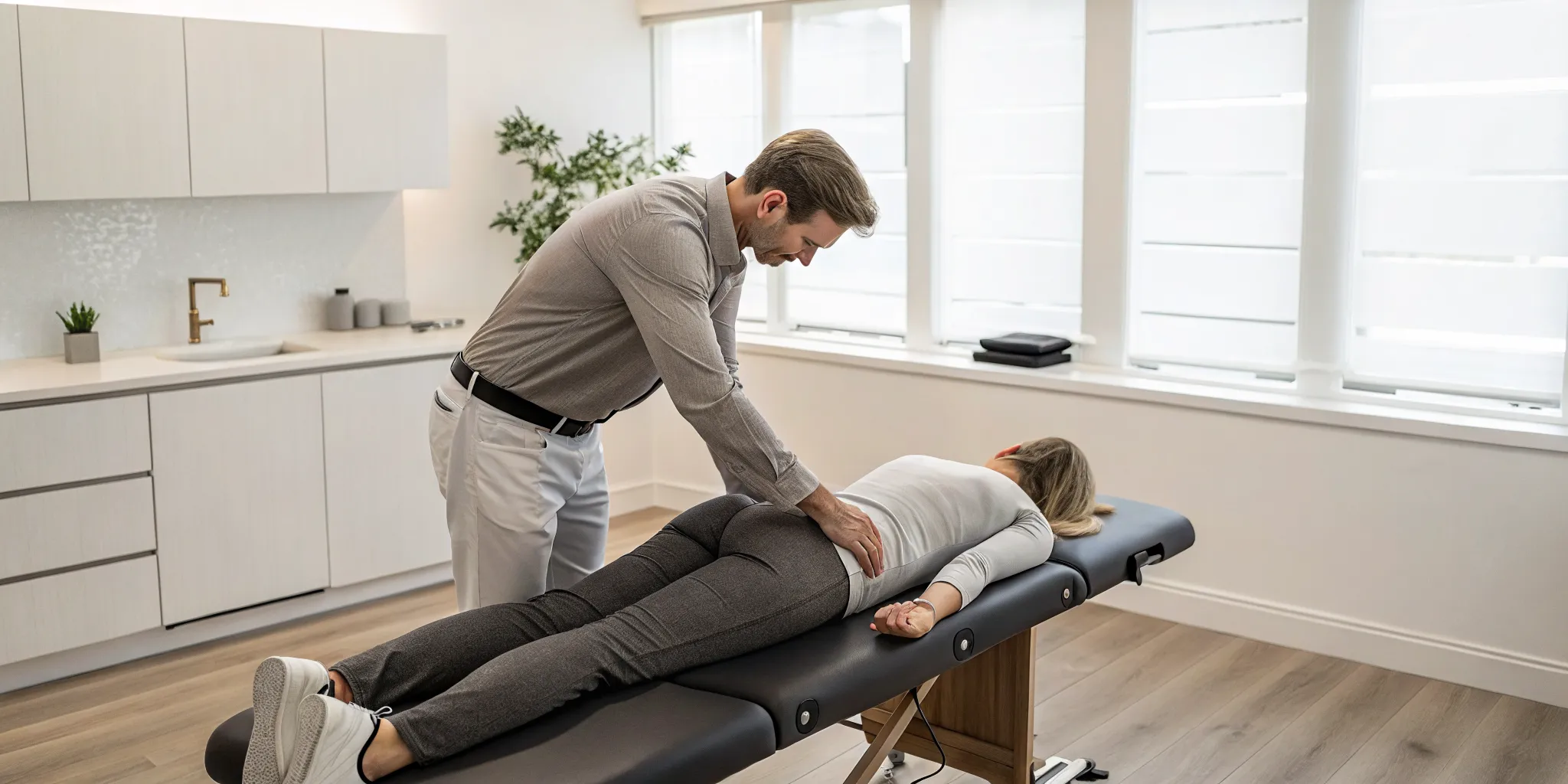
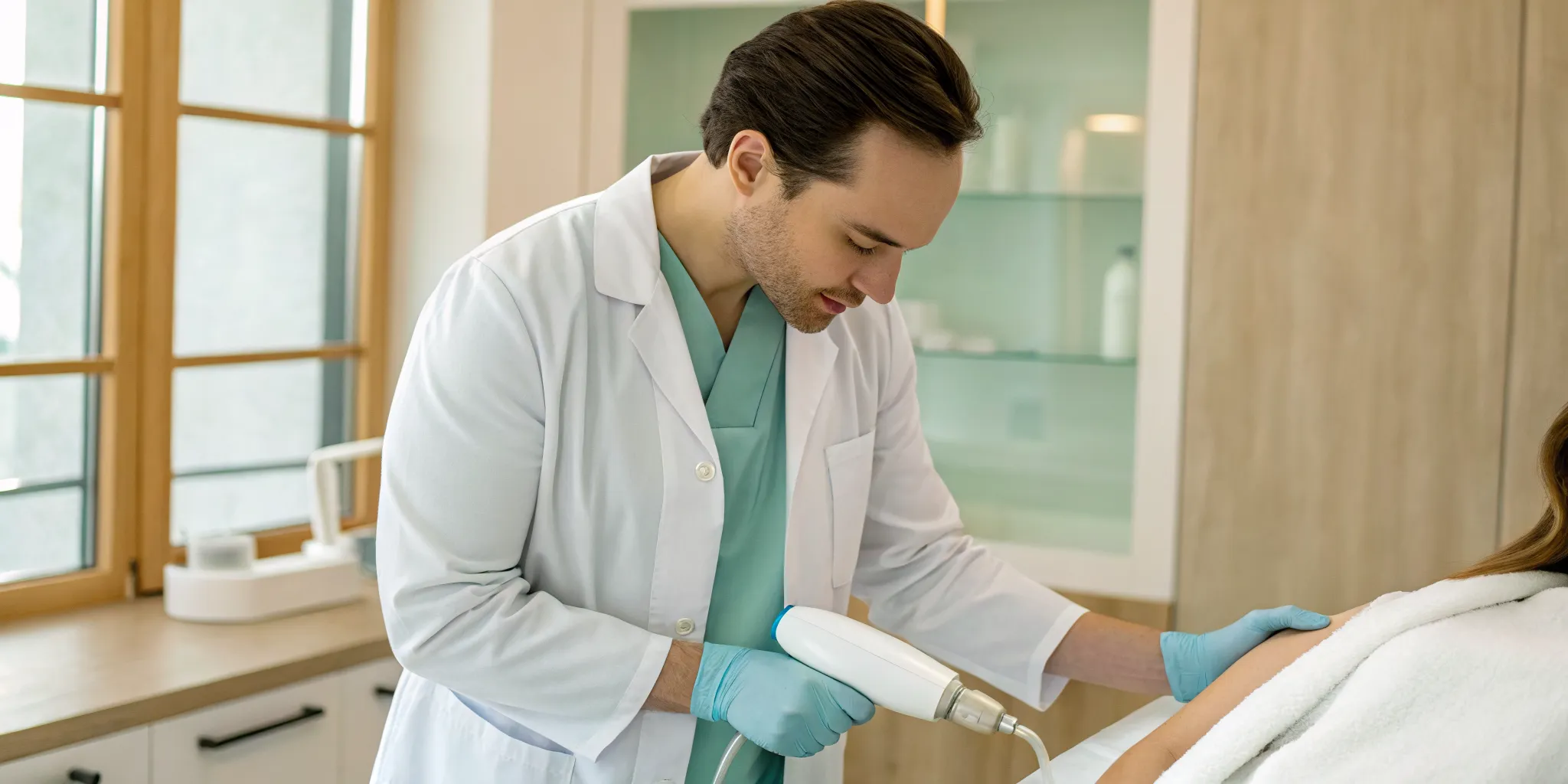
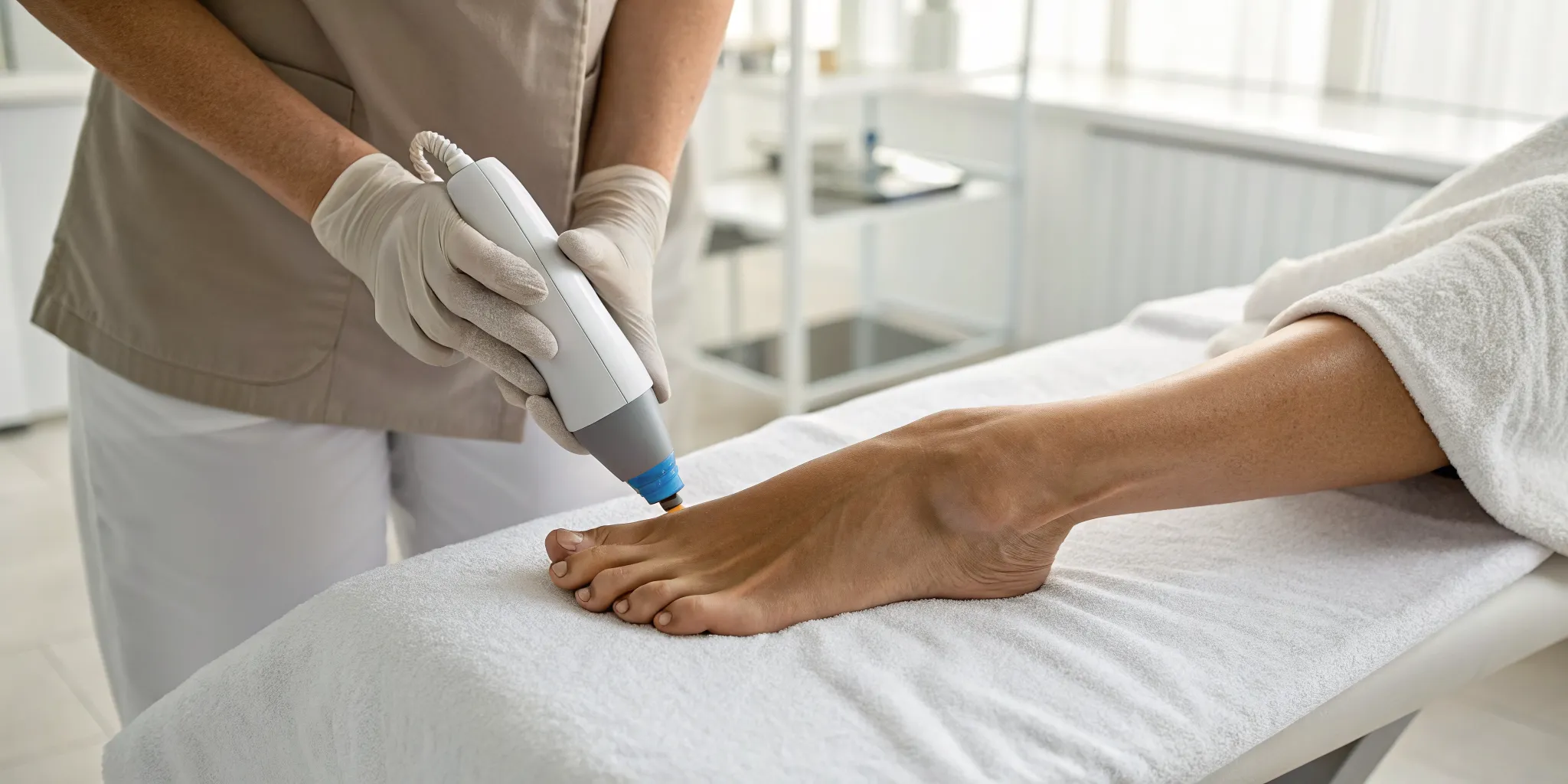
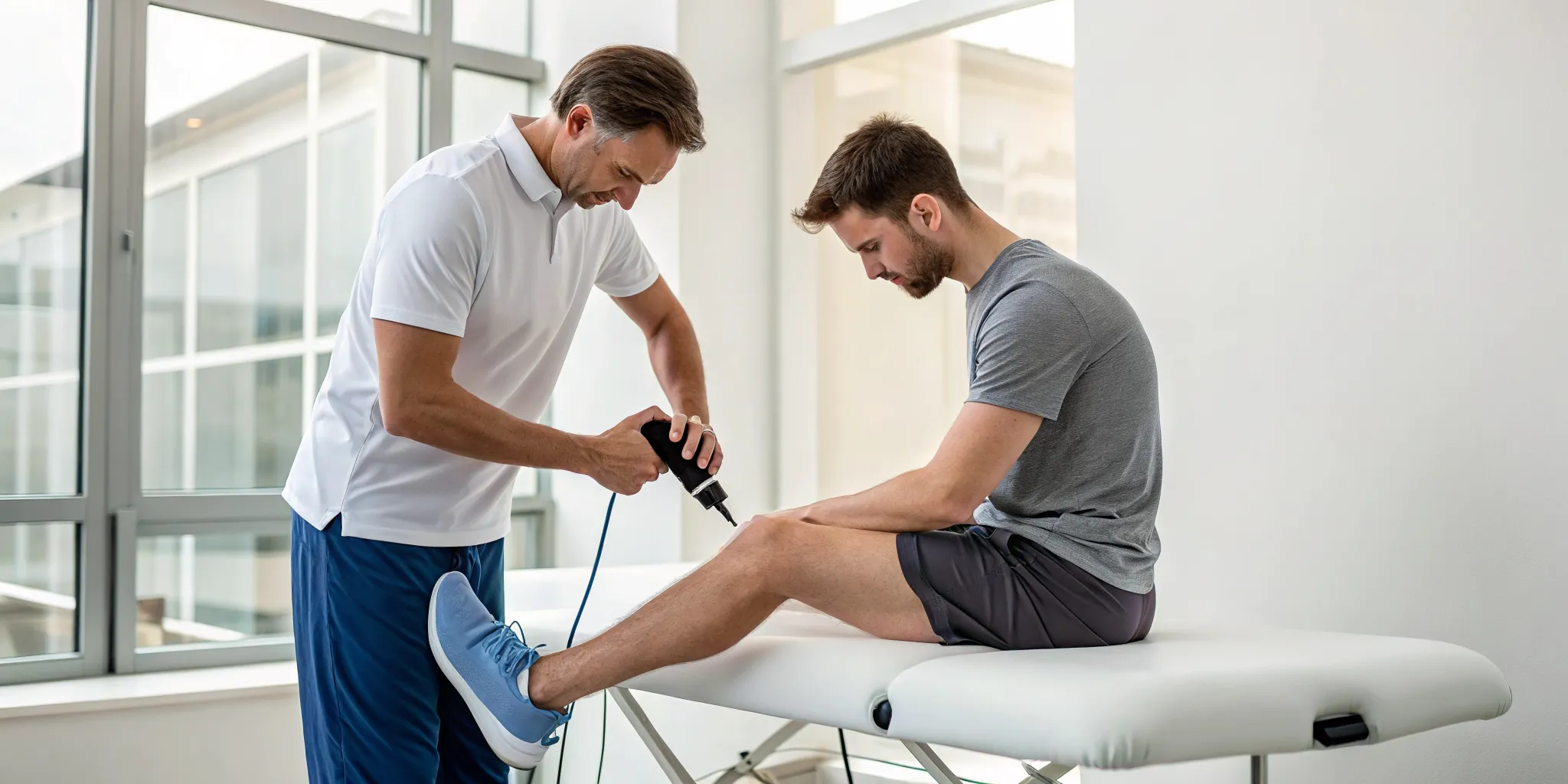
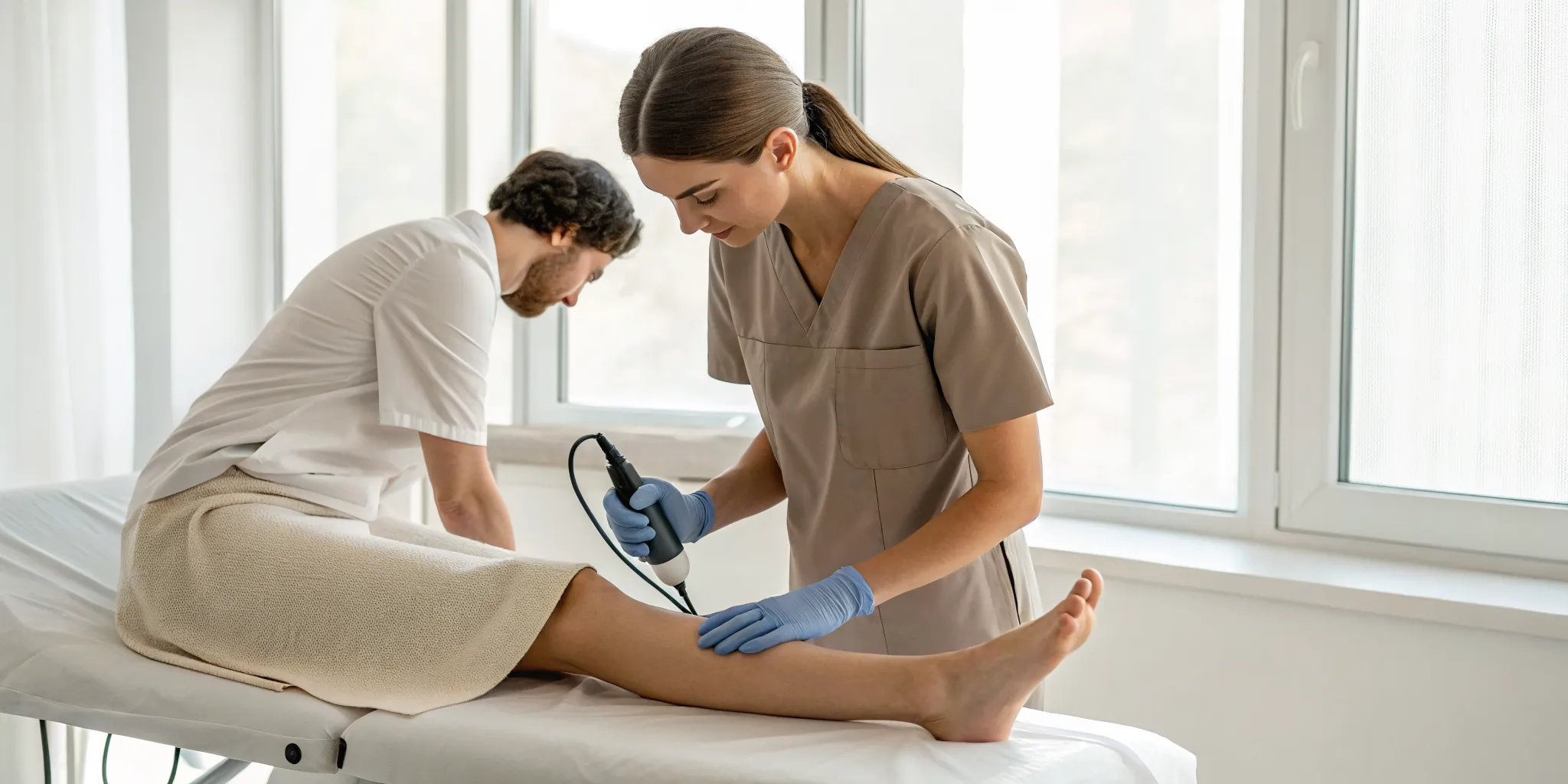
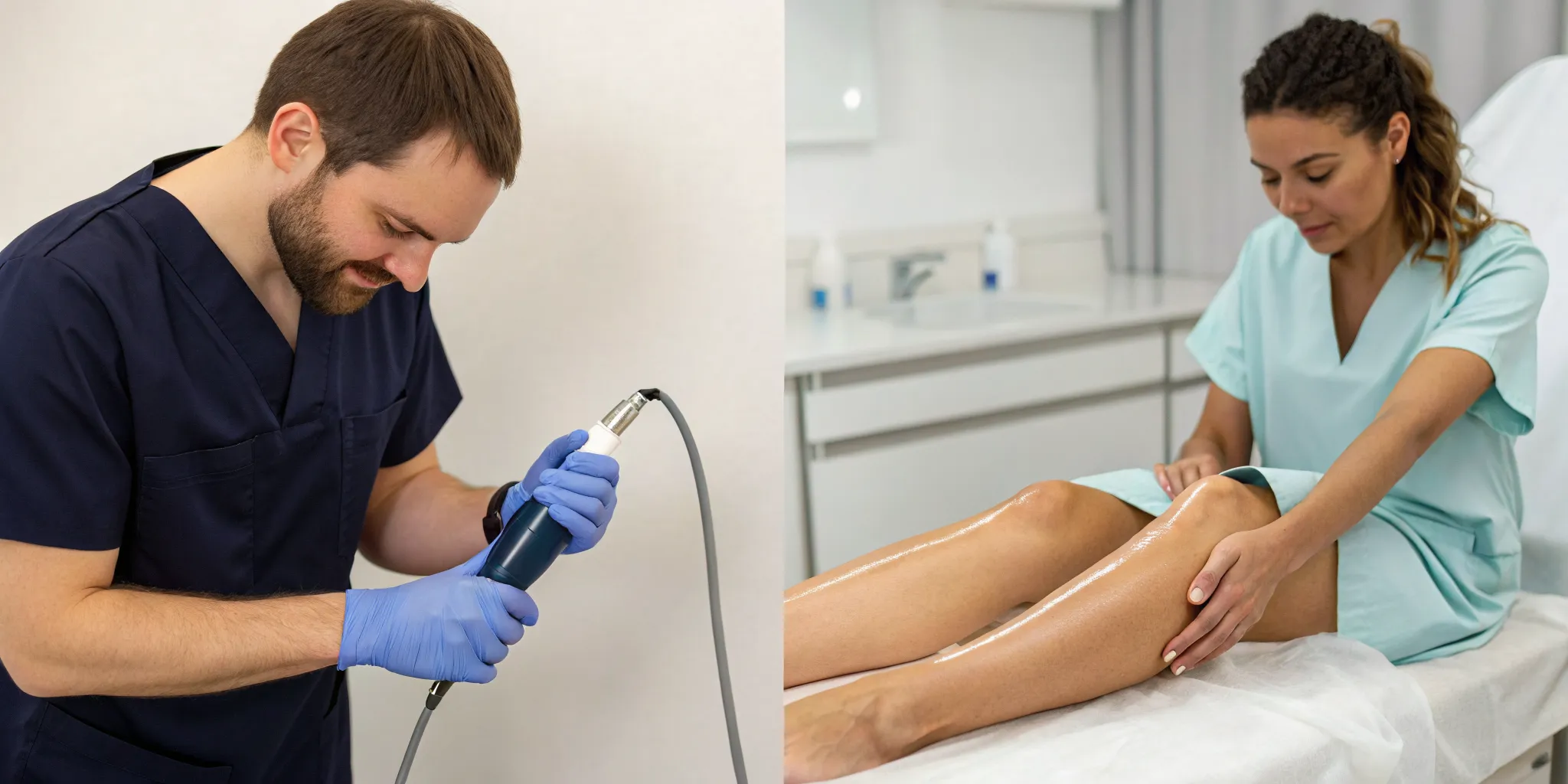
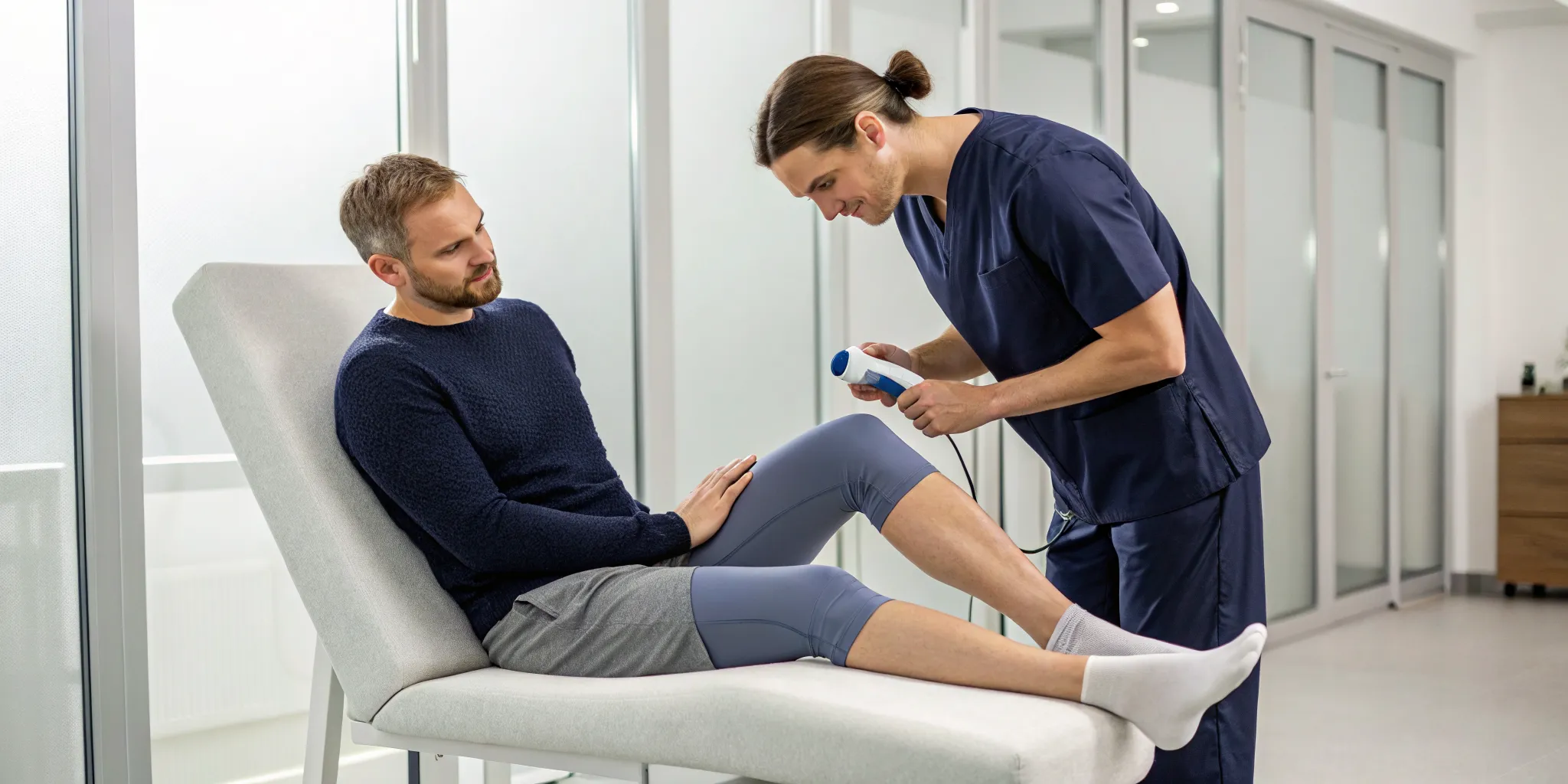
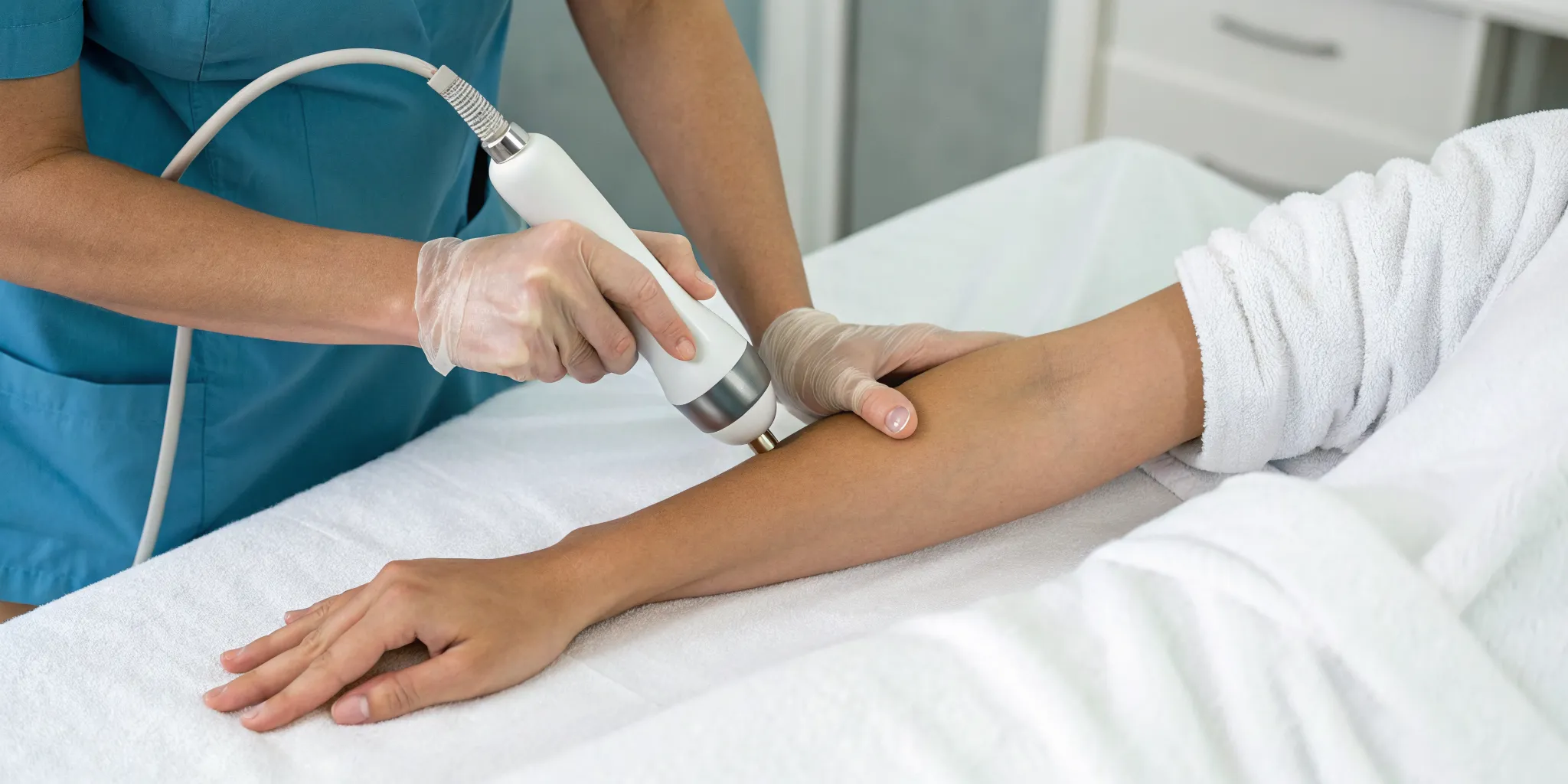
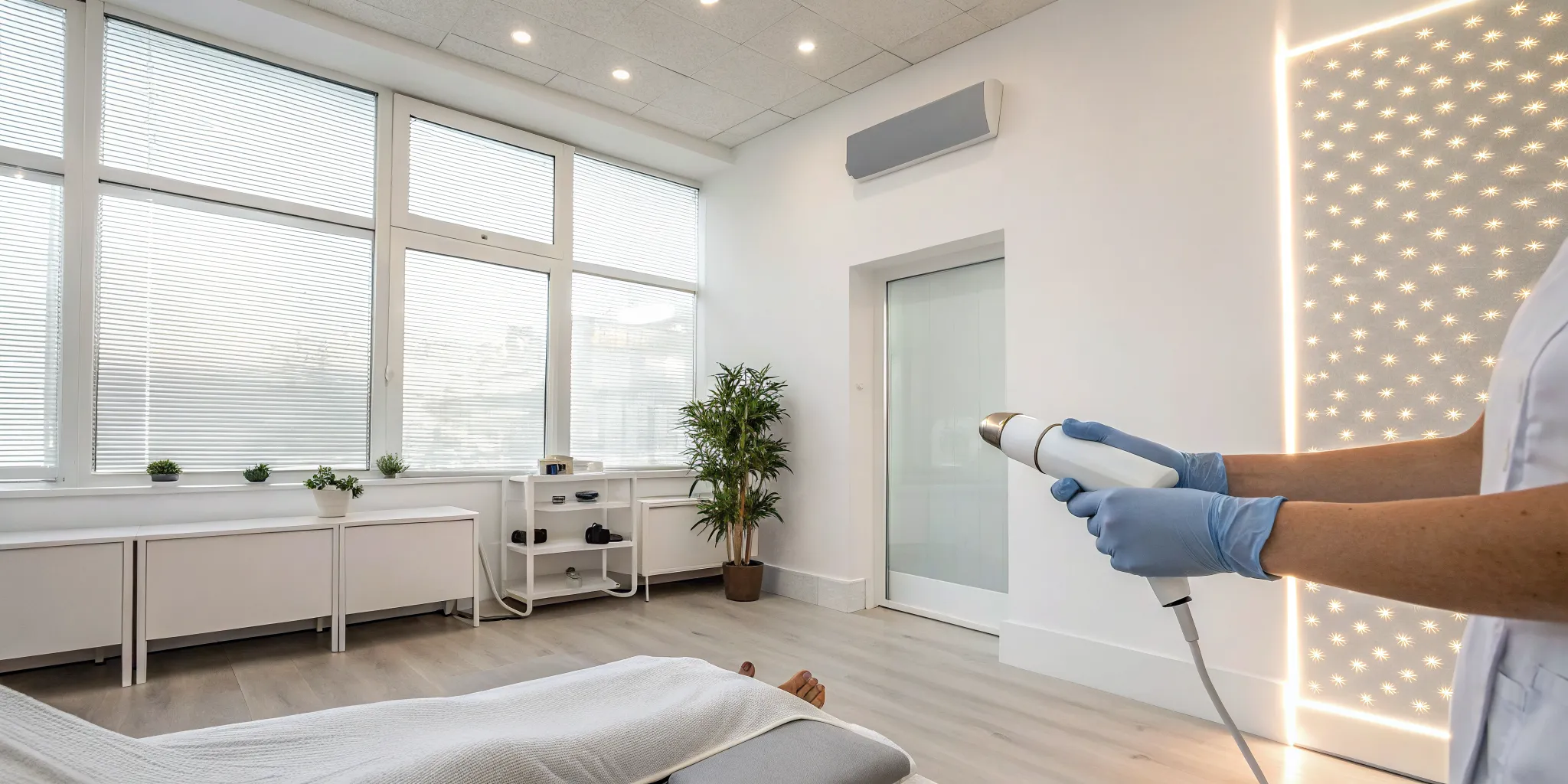
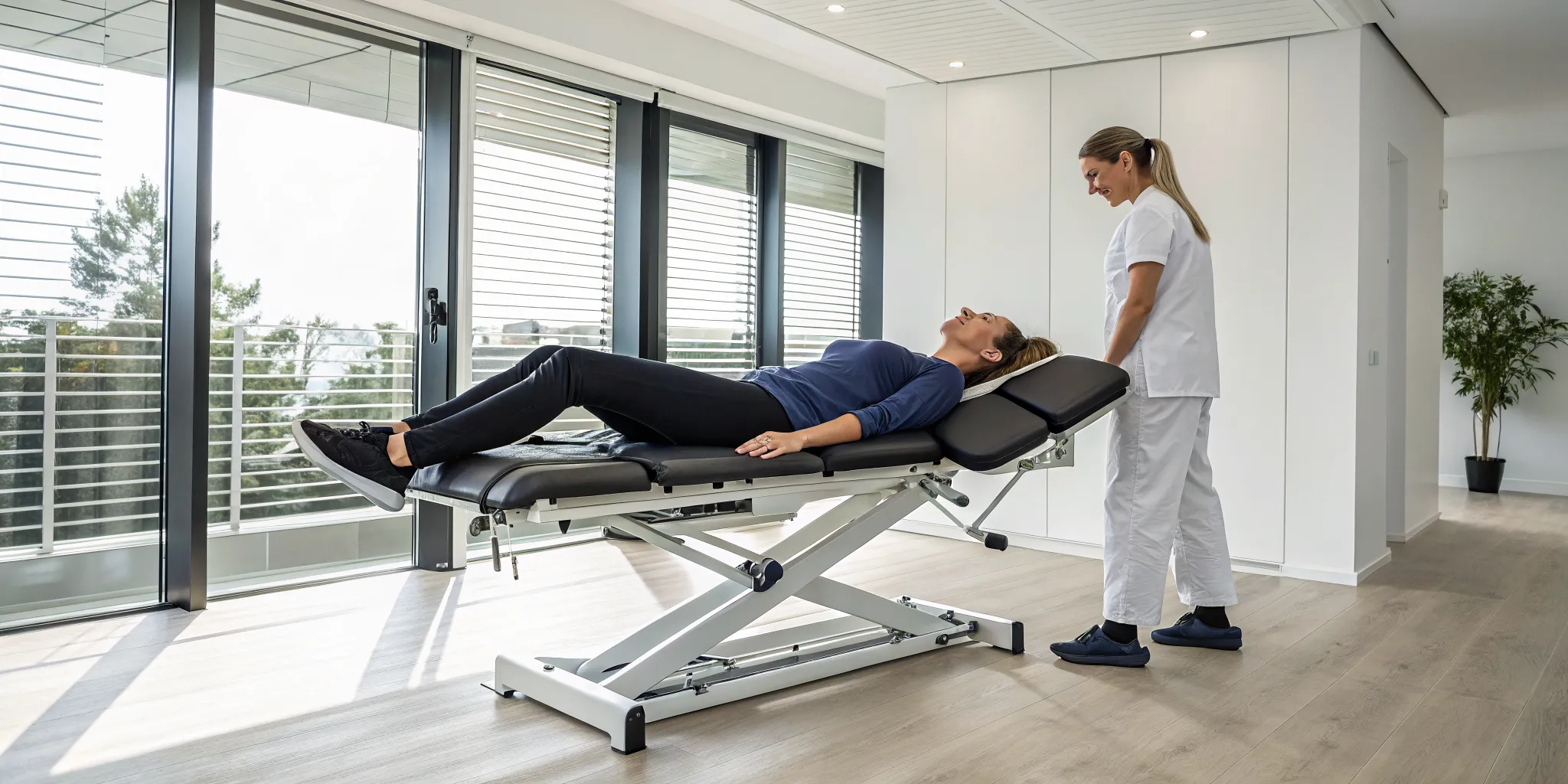
Getting ready for your shockwave therapy session is simple. We recommend wearing loose, comfortable clothing that allows us to easily access the area being treated. For example, if we’re working on your Achilles tendon, shorts would be a great choice. Before the treatment begins, a gel will be applied to your skin over the injured area. This gel helps the acoustic waves from the applicator travel more effectively through the skin to the underlying tissue, ensuring the therapy is as efficient as possible. Our team will make sure you're positioned comfortably before starting the session, answering any last-minute questions you might have.
What the treatment feels like
Many people wonder if shockwave therapy is painful. During the treatment, you’ll feel a tapping or pulsing sensation as the applicator moves over the injured area. Some people experience mild discomfort, but the session should never be unbearable. We manage this by communicating with you throughout the process, adjusting the intensity to a level you can tolerate, which is often described as a "5 out of 10" on a discomfort scale. This controlled sensation is a sign that the therapy is targeting the right spot to stimulate healing. This is a key part of our approach to physical medicine, which prioritizes both effectiveness and patient comfort.
After your session: care and recovery
Once your session is complete, you can get back to your day. You might feel some mild soreness or see slight bruising in the treated area, which is a normal response as your body begins its natural healing process. It’s important to avoid taking anti-inflammatory medications afterward, as the therapy works by creating a controlled inflammatory response that is essential for tissue repair. While you can resume most normal activities right away, we advise you to avoid strenuous exercise for 24 to 48 hours. Following these simple guidelines helps support the incredible healing work your body is doing and sets you up for the best possible results.
Is Shockwave Therapy Safe for Athletes?
It’s completely normal to have questions about any new treatment, especially when it comes to your body and athletic performance. The good news is that shockwave therapy has a strong safety record, particularly for athletes looking to recover from injuries. While every treatment has considerations, this one is known for being non-invasive and having minimal downtime. Let's walk through what you can expect so you can feel confident about your recovery plan.
Understanding the side effects
One of the biggest benefits of shockwave therapy is that it’s very safe for both adult and younger athletes. The most common side effects are minor and temporary, like some redness, soreness, or bruising in the treated area. Think of it as a sign that your body is kicking into gear and starting the healing process.
Many people report feeling better right after their first session. According to UT Southwestern Medical Center, how shockwave therapy helps heal injuries often leads to quick initial results. While you might feel a bit sore for a day or two, it’s similar to the feeling after a deep tissue massage. This is a normal response as your body increases circulation and begins to repair the targeted tissue.
Who is not a candidate for treatment?
While shockwave therapy is safe for most people, it isn't the right fit for everyone. Your safety is our top priority, so we always conduct a thorough health assessment before beginning any treatment. Certain conditions make shockwave therapy unsuitable.
For example, this treatment is not recommended for individuals under 18, or for those who have a pacemaker, an active infection, or a history of cancer in the area being treated. The Royal Orthopaedic Hospital also notes that you should not have shockwave therapy for heel pain or other conditions if you've had a steroid injection in the same spot within the last 11 weeks. A detailed discussion with your provider will ensure this is the right path for you.
Health conditions to discuss with your provider
Open communication is key to a successful treatment plan. While some conditions are clear contraindications, others just need to be discussed with your provider beforehand. This allows us to tailor the treatment to your specific needs and ensure everything is done safely.
For instance, if you take blood thinners, it’s important to let us know. You can still receive treatment, but we’ll want to be aware of a potentially higher risk of bruising. Similarly, if you have known tears in your tendons, we’ll factor that into your personalized protocol. Research on Extracorporeal Shockwave Therapy for athletes confirms its safety and effectiveness, and being transparent about your health history helps us apply it correctly for the best possible outcome.
How Many Sessions Until I See Results?
It’s the question every athlete asks: "How long until I can get back to my sport?" While there’s no one-size-fits-all answer, we can give you a clear idea of what to expect from your shockwave therapy treatment plan. The timeline for relief depends on your unique situation, the nature of your injury, and your body’s response to treatment. At Ascend Functional Health, we design a protocol specifically for you, focusing on getting to the root cause of your pain for lasting results.
Your personalized treatment timeline
Most people find significant relief after just two or three treatments spread over six to twelve weeks. Think of this as a general guideline. Your personal treatment plan will be tailored to the specific conditions we treat and your individual recovery goals. During your initial consultation, we’ll assess the severity of your injury, how long you’ve been dealing with the pain, and your overall health. Based on this comprehensive evaluation, we can map out a more precise timeline for your sessions and what you can expect along the way. Our goal is to create a realistic and effective plan that gets you back to performing at your best.
Factors that influence recovery speed
Several factors can influence how quickly you recover. The chronicity of your injury plays a big role; a recent strain may heal faster than a tendon issue you’ve had for years. Your overall health, lifestyle, and how well you follow your care plan also contribute to your healing speed. One of the most significant benefits of shockwave therapy is that it can help you avoid more invasive options. As research from UT Southwestern Medical Center notes, this therapy can help you avoid repeated steroid shots, which can have their own set of complications. By choosing a non-invasive path like our physical medicine services, you are supporting your body’s natural healing process for a more sustainable recovery.
Conditions that see the best results
Shockwave therapy is particularly effective for chronic tendinopathies, which are injuries that often struggle to heal due to poor blood flow. If you’re dealing with nagging pain from an overuse injury, this treatment could be a game-changer. According to Spaulding Rehabilitation Hospital, it is an excellent first-line treatment for injuries like heel pain (plantar fasciitis), tennis elbow, and pain in the Achilles tendon or hamstring. These conditions often involve degenerated tissue and chronic inflammation, and the acoustic waves from the therapy stimulate the exact biological responses needed for repair. If you believe your injury fits this description, we encourage you to contact us to see if you are a good candidate.
Find Lasting Relief with Shockwave Therapy in Tampa
If you’re an athlete or active person in Tampa, you know how frustrating it is when a nagging injury sidelines you. Whether it's persistent heel pain or a shoulder that just won’t cooperate, finding a solution that actually works can feel like a challenge. That’s where Shockwave Therapy comes in. This innovative treatment is one of the ways we help patients get back to their lives, and it’s particularly effective for sports-related injuries.
Shockwave therapy uses acoustic waves to target injured areas, stimulating your body’s natural healing response. It’s especially powerful for tissues like tendons, which often heal slowly because they don’t get much blood flow. By increasing circulation and breaking down scar tissue, this therapy promotes your body's own healing mechanisms right at the source of the pain. This approach helps you recover faster from injuries, allowing you to return to your sport without significant downtime. It’s a non-invasive option that supports long-term tissue repair, helping you find lasting relief.
Many people see significant improvement for conditions like plantar fasciitis and tennis elbow. With a high success rate, it’s a trusted method for getting you back on your feet and moving without pain. If you’re tired of temporary fixes and ready to address the root cause of your injury, we can help you explore your treatment options here at our Tampa clinic. We'll work with you to create a personalized plan that helps you heal for good.
Related Articles
- SoftWave Tissue Regeneration Therapy in Tampa | Alessi Functional Health
- SoftWave TRT Therapy in Tampa, FL - Alessi Functional Health
- What Is Soft Tissue Therapy? A Complete Guide
- Regenerative Medicine for Pain Recovery | Ascend Functional Health
- What Is Graston Technique Therapy? A Beginner's Guide
Frequently Asked Questions
Does shockwave therapy hurt? This is a common question, and the answer is that it feels different for everyone. Most people describe it as a strong tapping or pulsing sensation rather than sharp pain. You might feel some discomfort, especially when the applicator passes over the most sensitive parts of your injury, but it should never be unbearable. We communicate with you throughout the entire session and adjust the intensity to a level that is effective yet tolerable for you.
How is this different from therapeutic ultrasound or a deep tissue massage? While all these treatments can help with pain, they work in very different ways. Therapeutic ultrasound uses sound waves to generate deep heat, which can increase circulation and relax tissues. Massage manually manipulates muscles to release tension. Shockwave therapy, however, uses powerful acoustic waves to create a biological response. It physically breaks down scar tissue and stimulates your body to create new blood vessels and repair cells, effectively restarting a healing process that has stalled.
Can I still work out while I'm getting these treatments? Yes, in most cases you can. We generally advise you to avoid high-impact or strenuous activities that stress the treated area for about 24 to 48 hours after each session. However, continuing with modified training and light activity is often encouraged. We will work with you to develop a plan that allows you to stay active while giving your body the best possible chance to heal properly.
Why am I told to avoid anti-inflammatory medication after a session? It might seem strange to avoid the very thing that reduces inflammation, but there’s a good reason for it. Shockwave therapy works by creating a controlled inflammatory response in the injured tissue. This process is your body’s natural healing signal, calling in all the necessary resources (like increased blood flow and growth factors) to repair the area. Taking an anti-inflammatory can interfere with this essential biological process, making the treatment less effective.
How do I know if shockwave therapy is the right choice for my injury? The best way to determine if you're a good candidate is through a proper consultation. This therapy is especially effective for chronic tendon and soft tissue injuries that haven't improved with rest or other conventional methods, like plantar fasciitis or tennis elbow. During an assessment, we can discuss your injury, your health history, and your goals to see if this treatment aligns with your needs and will provide the lasting relief you're looking for.