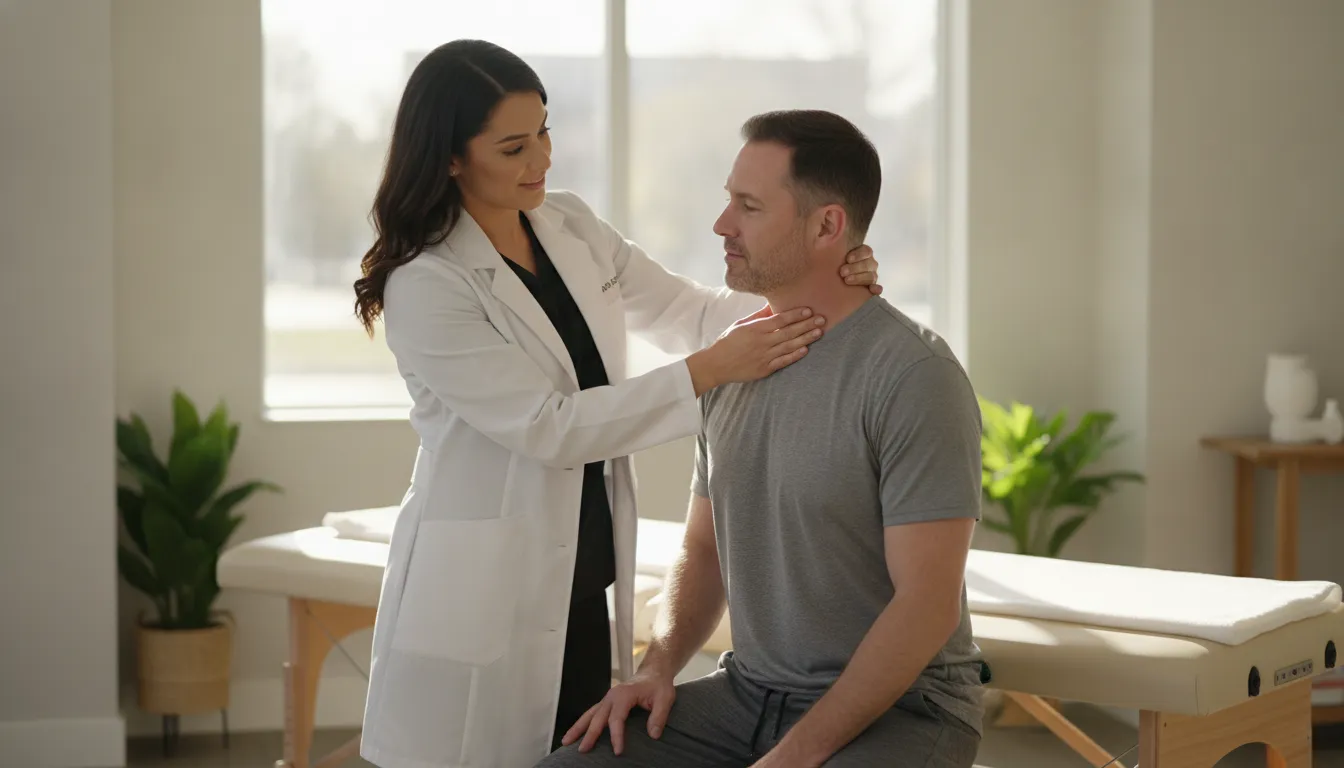
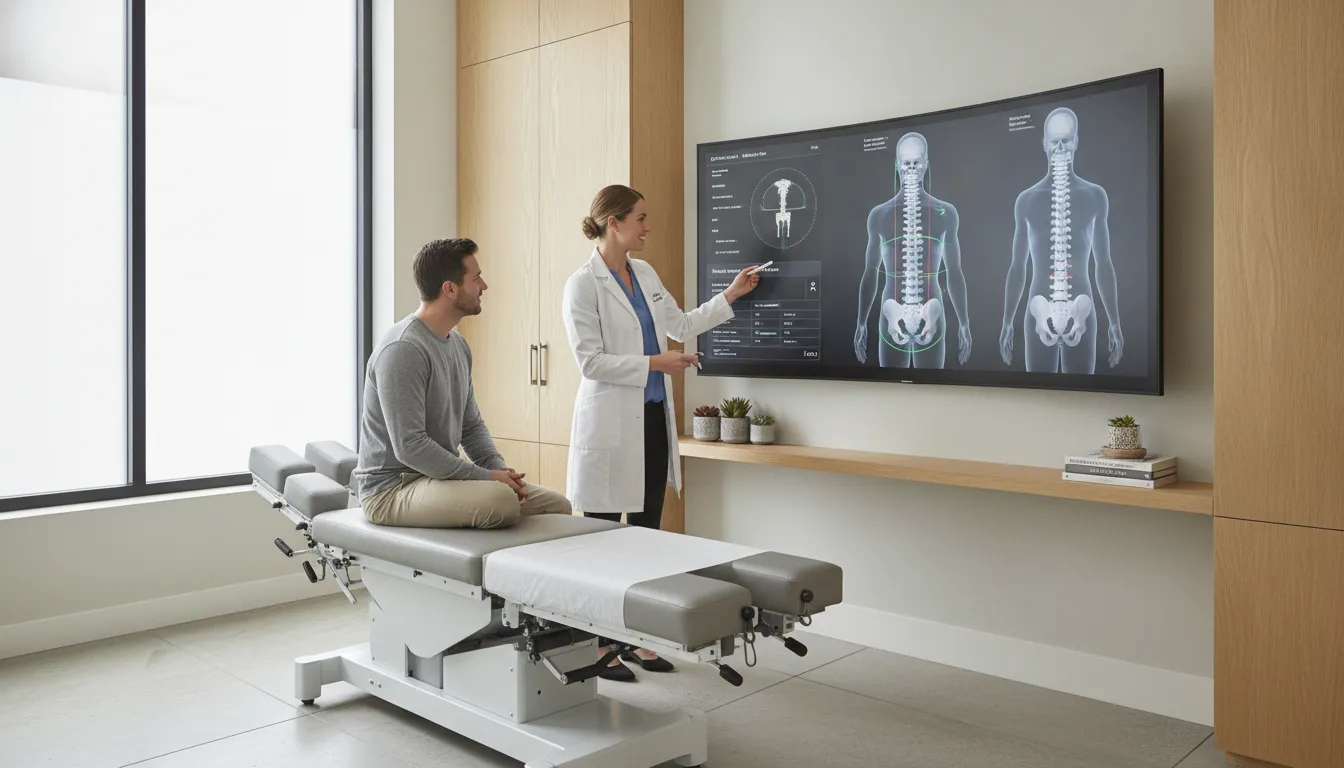
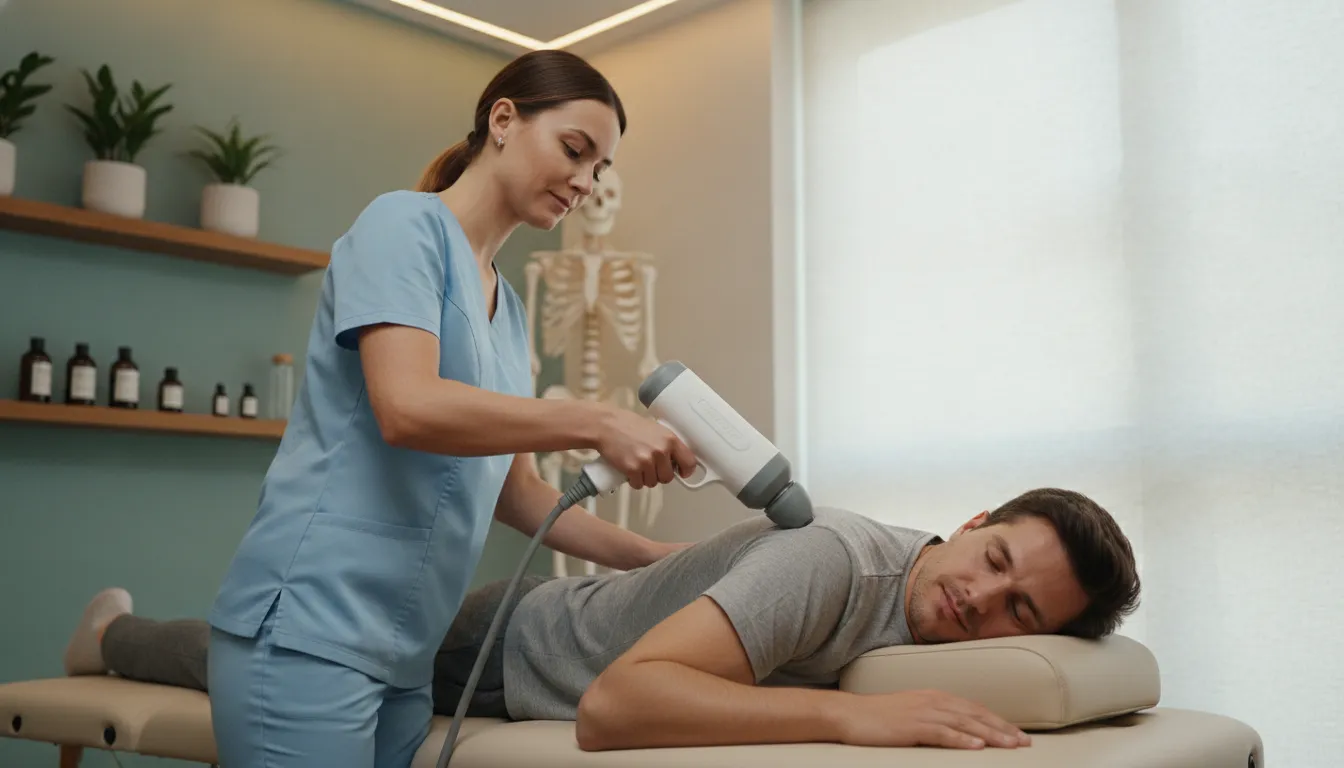
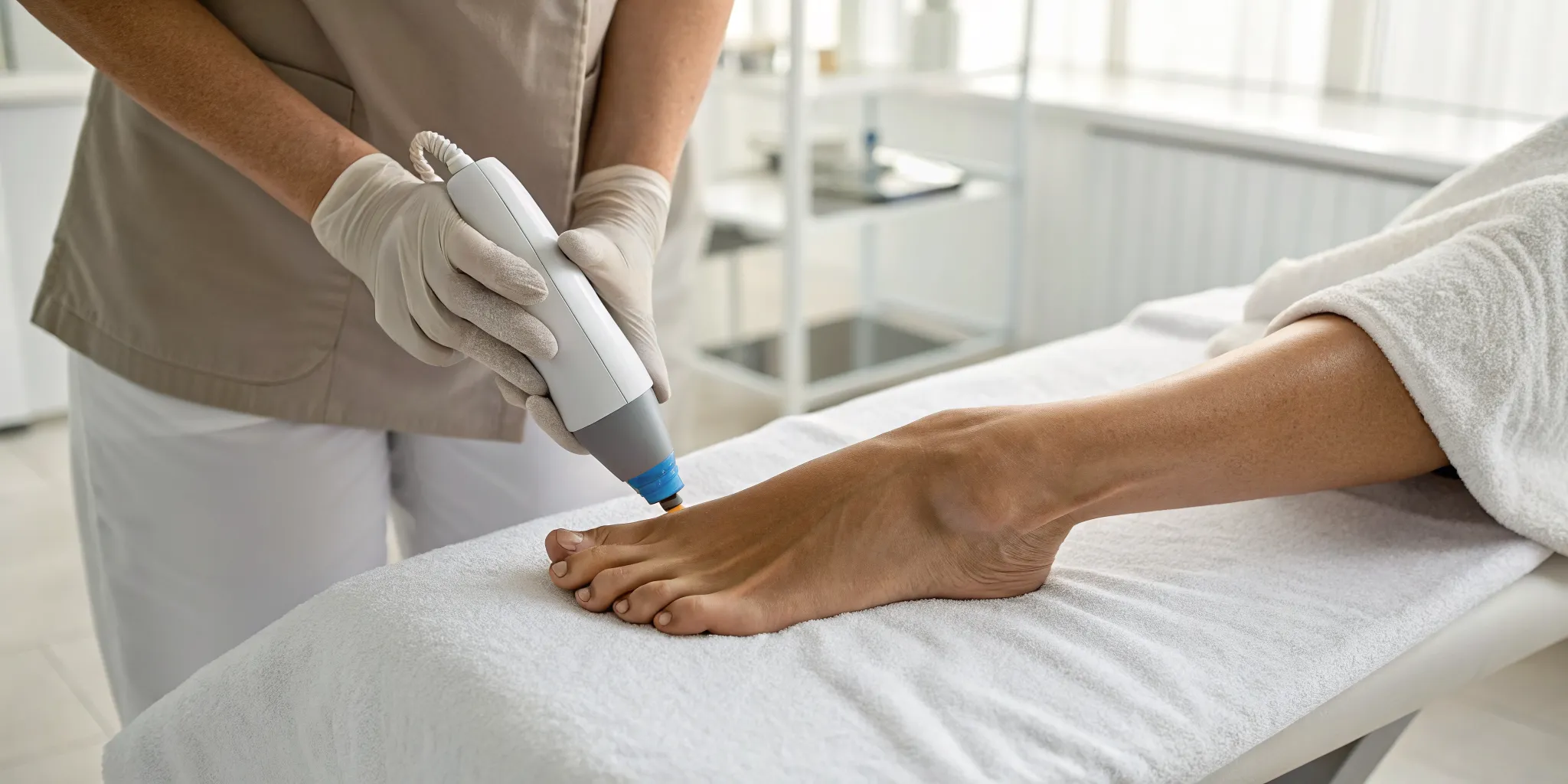
True healing is about more than just quieting a symptom; it’s about understanding and correcting the root cause of the problem. At Ascend Functional Health, our entire philosophy is built on this principle. When it comes to stubborn tendon injuries, we see pain as a signal that the body’s repair system needs support. That’s why we utilize shockwave therapy for chronic tendon pain as part of a comprehensive, holistic plan. This technology is exceptional at targeting and regenerating damaged tissue. When combined with our physical and functional medicine approaches, it helps ensure we’re not only healing the injury but also addressing the underlying imbalances that may have contributed to it in the first place.
Key Takeaways
- Jumpstarts your body's healing process: Shockwave therapy uses targeted sound waves to signal your body to repair chronic tendon injuries, addressing the root cause of pain instead of just masking symptoms.
- Heal effectively without invasive procedures: As a non-invasive treatment, shockwave therapy helps you find lasting relief from chronic tendon pain without the risks or lengthy recovery associated with surgery.
- Works best as part of a holistic plan: For the most durable results, shockwave therapy is often combined with other physical medicine techniques; this comprehensive strategy repairs the initial injury and strengthens your body to prevent the pain from returning.
How Shockwave Therapy Helps Heal Chronic Tendon Pain
If you've been dealing with nagging tendon pain that just won’t go away, you know how frustrating it can be. Simple movements become a challenge, and it feels like you’ve tried everything without finding lasting relief. Shockwave therapy is a non-invasive treatment that works differently. Instead of just masking the symptoms, it targets the root cause of your pain by stimulating your body's own healing abilities.
This therapy is a cornerstone of our physical medicine approach because it helps your body rebuild and repair damaged tissue from the inside out. It uses targeted sound waves to create a powerful healing response right where you need it most. Think of it as a way to restart the healing process in tissues that have been stuck in a cycle of chronic inflammation and pain. By addressing the underlying issue, we can help you find a path toward real, sustainable recovery and get you back to moving with confidence.
How Sound Waves Promote Healing
So, how can sound waves actually heal your body? It sounds a bit like science fiction, but the principle is straightforward. Shockwave therapy uses high-energy acoustic waves directed at the injured tendon. These waves create micro-trauma in the tissue, which signals your body to jumpstart a powerful healing response. This process helps new blood vessels form, which is critical for bringing oxygen and nutrients to the damaged area.
According to research on tendinopathies, these sound waves also trigger the release of natural growth factors that help tendons and bones repair themselves. The therapy improves blood flow and can even help break down scar tissue or calcification that might be getting in the way of healing. It also has an analgesic effect, meaning it helps reduce pain by changing how your nerves signal pain. It’s a multi-faceted approach that encourages your body to do what it’s designed to do: heal.
Radial vs. Focused: What's the Difference?
When you hear about shockwave therapy, it’s helpful to know there are two main types: radial and focused. While both use sound waves to promote healing, they work in slightly different ways. Radial shockwave therapy sends out pressure waves in a wider, more dispersed pattern, almost like ripples in a pond. This makes it great for treating larger surface areas and more superficial tissues.
Focused shockwave therapy, on the other hand, delivers energy to a very specific, targeted point. This allows the waves to penetrate deeper into the tissue, making it ideal for injuries located further from the skin's surface. The choice between radial and focused therapy depends entirely on your specific condition, the location of your pain, and your unique anatomy. During your consultation, we can determine which approach will give you the best results for your particular concern.
Shockwave vs. Ultrasound Therapy
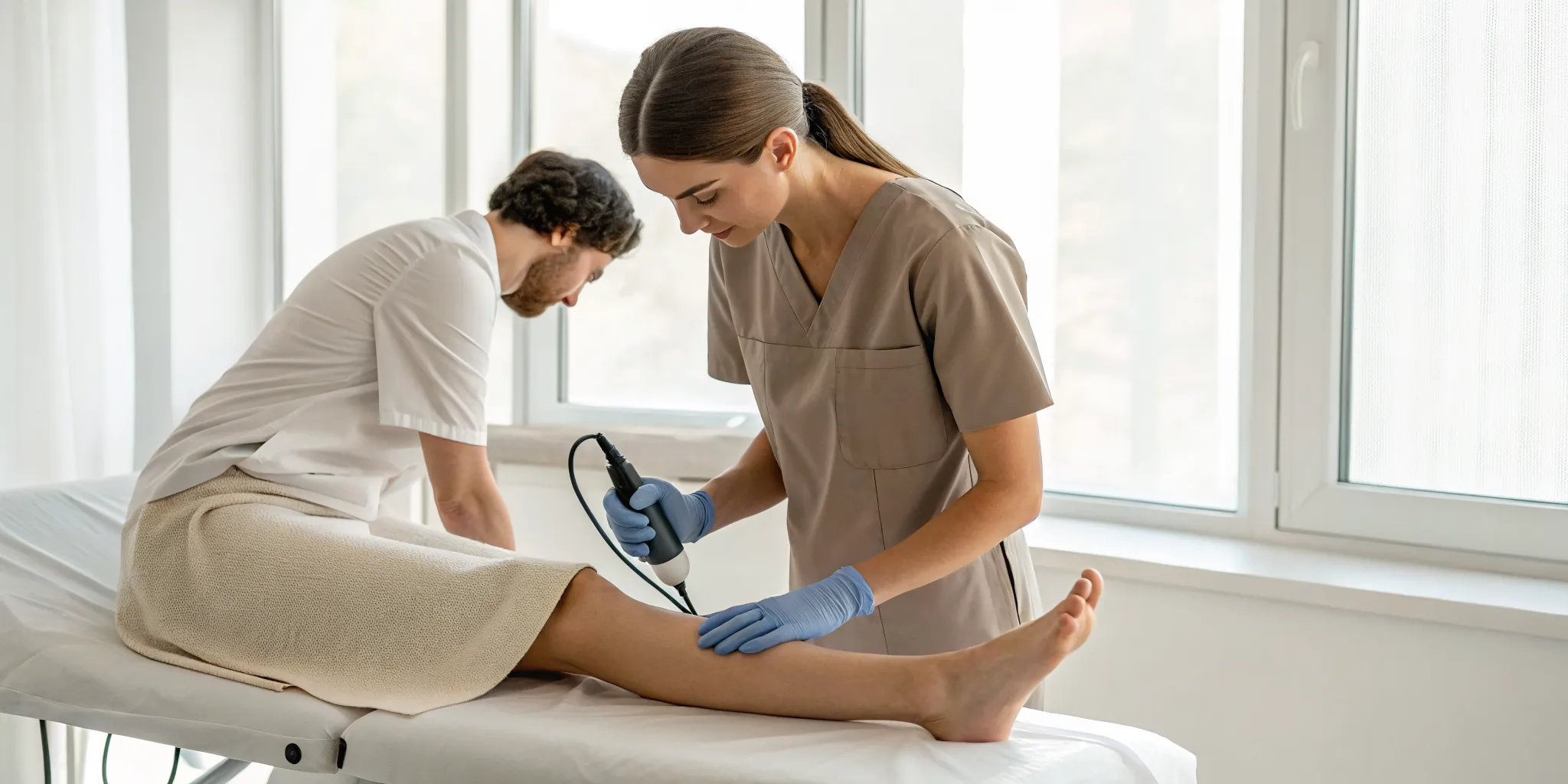
It’s common for people to confuse shockwave therapy with therapeutic ultrasound, but they are very different treatments. While both use sound waves, the energy and purpose behind them are not the same. Therapeutic ultrasound uses low-energy sound waves to create a gentle, deep-heating effect in tissues. It’s often used to reduce muscle spasms and improve circulation in the short term.
In contrast, shockwave therapy uses higher-energy acoustic waves to create a direct biological response. It’s not about heat; it’s about creating a force that stimulates cell regeneration and repair. While ultrasound can feel soothing, shockwave therapy is a powerful tool designed to actively resolve chronic conditions that haven't responded to other treatments. Understanding this difference is key to seeing why shockwave is one of the effective services we offer for long-term healing.
Why Tendons Struggle to Heal on Their Own
If you’ve ever dealt with a nagging tendon injury, you know how frustrating it can be. You rest it, you ice it, and you wait, but the pain just seems to linger or come right back as soon as you get active again. There’s a good reason for this. Unlike muscles, which are filled with blood vessels that deliver oxygen and nutrients for rapid repair, tendons have a very limited blood supply. This slow-flow environment means the healing process is naturally sluggish and often incomplete.
Tendons are the tough, flexible cords that connect your muscles to your bones. They are designed to withstand immense tension, but repetitive stress from work, sports, or even daily movements can cause tiny microtears to form. When your body can’t keep up with the repair process, these small injuries accumulate. Over time, the healing response can stall out completely. The tissue becomes chronically irritated and degenerated, but it’s no longer in an active state of healing. Our approach to physical medicine focuses on addressing these underlying mechanical issues to restore proper function.
When healing is incomplete, your body often creates scar tissue as a quick patch. While this is a natural response, scar tissue is not the same as healthy tendon tissue. It’s stiffer, weaker, and less organized, which can restrict your range of motion and make the tendon more susceptible to re-injury. This can create a frustrating cycle of pain and dysfunction that feels impossible to break.
This combination of poor blood flow, a stalled healing response, and the formation of scar tissue is why tendon pain can stick around for months or even years. Simply resting the area often isn’t enough because it doesn’t address the core problem within the tissue. To achieve lasting relief, you need a solution that can restart your body’s natural healing mechanisms and break down the unhealthy tissue. We see this frequently with the conditions we treat, where a targeted intervention is needed to get the healing process back on track.
Common Tendon Conditions Shockwave Therapy Treats
If you've been dealing with a nagging tendon injury that just won’t quit, you know how frustrating it can be. These types of chronic conditions, or tendinopathies, happen when a tendon fails to heal properly after being overused or injured, leading to persistent pain and weakness. This is where shockwave therapy can be a game-changer. It’s particularly effective for these stubborn issues that haven't responded well to rest, ice, or stretching alone.
By targeting the injured tissue with acoustic waves, this therapy stimulates your body’s own repair mechanisms, helping to finally resolve the inflammation and pain. It’s a key part of our physical medicine toolkit because it addresses the problem at its source instead of just masking the symptoms. We commonly use it to treat a variety of tendon-related problems, helping our patients get back to their lives without discomfort. Let’s look at some of the specific conditions where shockwave therapy has shown great results.
Plantar Fasciitis
That sharp, stabbing pain in your heel with your first steps in the morning is the classic sign of plantar fasciitis. This condition involves inflammation of the thick band of tissue that runs across the bottom of your foot. When it becomes chronic, the pain can interfere with everything from your daily walk to your ability to stand for long periods. For long-lasting plantar fasciitis, shockwave therapy is an excellent treatment option. The sound waves help break down scar tissue and stimulate blood flow, promoting healing in a tissue that notoriously struggles to repair itself. It’s a way to actively resolve the underlying issue, offering lasting relief from persistent heel pain.
Achilles Tendinopathy
Achilles tendinopathy causes pain, stiffness, and swelling in the large tendon that connects your calf muscles to your heel bone. It’s a common overuse injury, especially for runners and active individuals. While rest can help, it often isn’t enough to fully solve the problem. Research shows that shockwave therapy can be very helpful for this condition, especially when it’s part of a comprehensive treatment plan. We find that pairing it with specific corrective exercises yields the best outcomes. This combination helps to both heal the damaged tendon and strengthen it, reducing the likelihood of the pain returning and getting you back on your feet with confidence.
Tennis Elbow (Lateral Epicondylitis)
You don’t have to be a tennis player to get tennis elbow. This condition is caused by repetitive motions of the wrist and arm, leading to pain on the outside of your elbow that can make it hard to grip a coffee cup or turn a doorknob. When this pain becomes chronic, it can significantly impact your daily activities. Shockwave therapy is a proven method to reduce this pain and improve your arm's function. By stimulating the healing process in the affected tendons, it helps you regain strength and mobility in your elbow, allowing you to return to the activities you love without that nagging ache.
Patellar Tendinopathy
Often called "jumper's knee," patellar tendinopathy causes pain in the tendon that connects your kneecap to your shinbone. It’s common in athletes who participate in sports involving a lot of jumping, like basketball or volleyball, but it can affect anyone. While studies show mixed results for this condition, some have found that shockwave therapy can provide better short-term relief than other treatments. This initial relief can be incredibly valuable, as it creates a window of opportunity to engage in other rehabilitative exercises without being limited by pain. A personalized treatment plan is key to finding what works best for your body.
Rotator Cuff Tendinopathy
Shoulder pain from rotator cuff tendinopathy can make simple movements like reaching overhead or behind your back feel impossible. This condition involves irritation or damage to the group of tendons that stabilize your shoulder joint. While the current evidence for using shockwave therapy on the rotator cuff isn't as strong as for other areas, a thorough evaluation is still crucial. At Ascend, we focus on identifying the true root cause of your pain. If shockwave isn't the best fit, we'll design a holistic plan that may include other physical medicine techniques or functional medicine approaches to address any underlying inflammation that could be contributing to your shoulder issues.
Key Benefits of Shockwave Therapy
If you're dealing with persistent tendon pain, you're likely looking for a solution that provides real, lasting relief without major disruptions to your life. Shockwave therapy offers a path forward by addressing pain at its source. Let's explore the key benefits that make this treatment a powerful option for healing chronic tendon issues and helping you feel like yourself again.
Heal Without Surgery or Significant Downtime
One of the biggest advantages of shockwave therapy is that it's a non-invasive procedure. This means no incisions, no anesthesia, and none of the risks that come with a surgical operation. You can come in for your session and get right back to your day with minimal restrictions. This approach is a core part of our physical medicine services, focusing on healing your body without the need for aggressive interventions and the lengthy recovery periods that often follow. It’s an effective way to get the results you need while keeping up with your busy life.
Find Relief Without Medication
Relying on pain medication can feel like a temporary patch that never addresses the real problem, and it often comes with unwanted side effects. Shockwave therapy offers a drug-free alternative for chronic pain, especially for conditions that haven't responded to other treatments. By promoting actual tissue repair, it helps reduce or even eliminate the need for pain relievers. This aligns with our goal of treating the root cause of the conditions we treat instead of just masking the symptoms, allowing you to find relief that lasts.
Activates Your Body's Natural Healing Process
Shockwave therapy works by partnering with your body. The device sends high-energy acoustic waves into the injured tissue, creating a controlled inflammatory response. This process essentially gives your body a "wake-up call," signaling it to ramp up its natural repair mechanisms. It increases blood flow, stimulates the formation of new blood vessels, and releases growth factors that are essential for tissue regeneration. This method perfectly reflects our philosophy of supporting the body's incredible, innate ability to heal itself from the inside out.
Achieve Lasting Relief and Better Movement
The goal of any treatment should be more than just temporary pain reduction; it should be about restoring your quality of life. Because shockwave therapy promotes true healing of the damaged tendon, the results are built to last. It significantly lowers pain levels and improves mobility and function in the affected area. This means you can get back to the activities you love, whether it's walking, playing a sport, or simply moving through your day without pain. Our patient testimonials often highlight this return to an active, fulfilling life as one of the most rewarding outcomes.
What to Expect During a Shockwave Therapy Session
If you’re considering shockwave therapy, you probably have questions about what the process is actually like. It’s completely normal to feel a little unsure about a new treatment, so let’s walk through it step-by-step. Knowing what’s coming can help you feel confident and prepared for your appointment. From the initial chat with our team to what happens after your session, here’s a clear picture of the entire experience at Ascend Functional Health. Our goal is to make your visit as comfortable and effective as possible, supporting you at every stage of your healing.
Preparing for Your Session
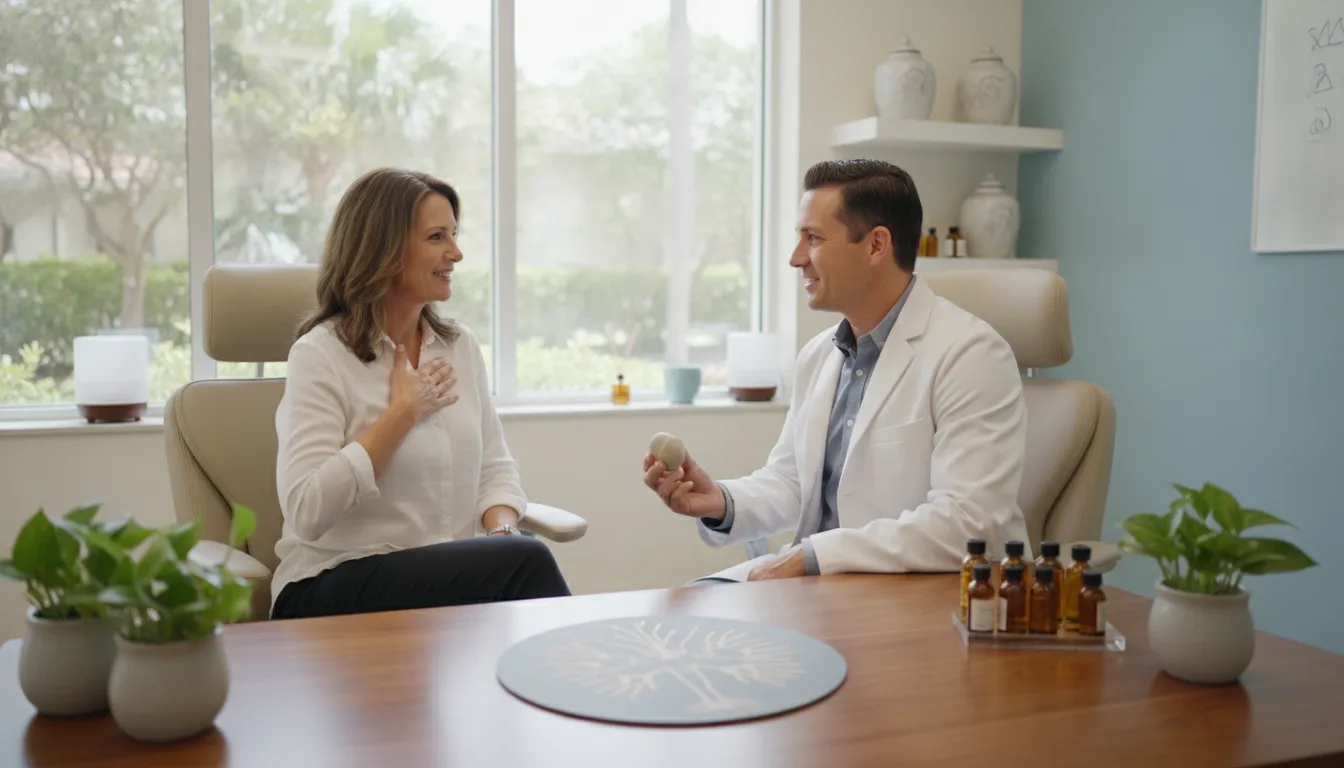
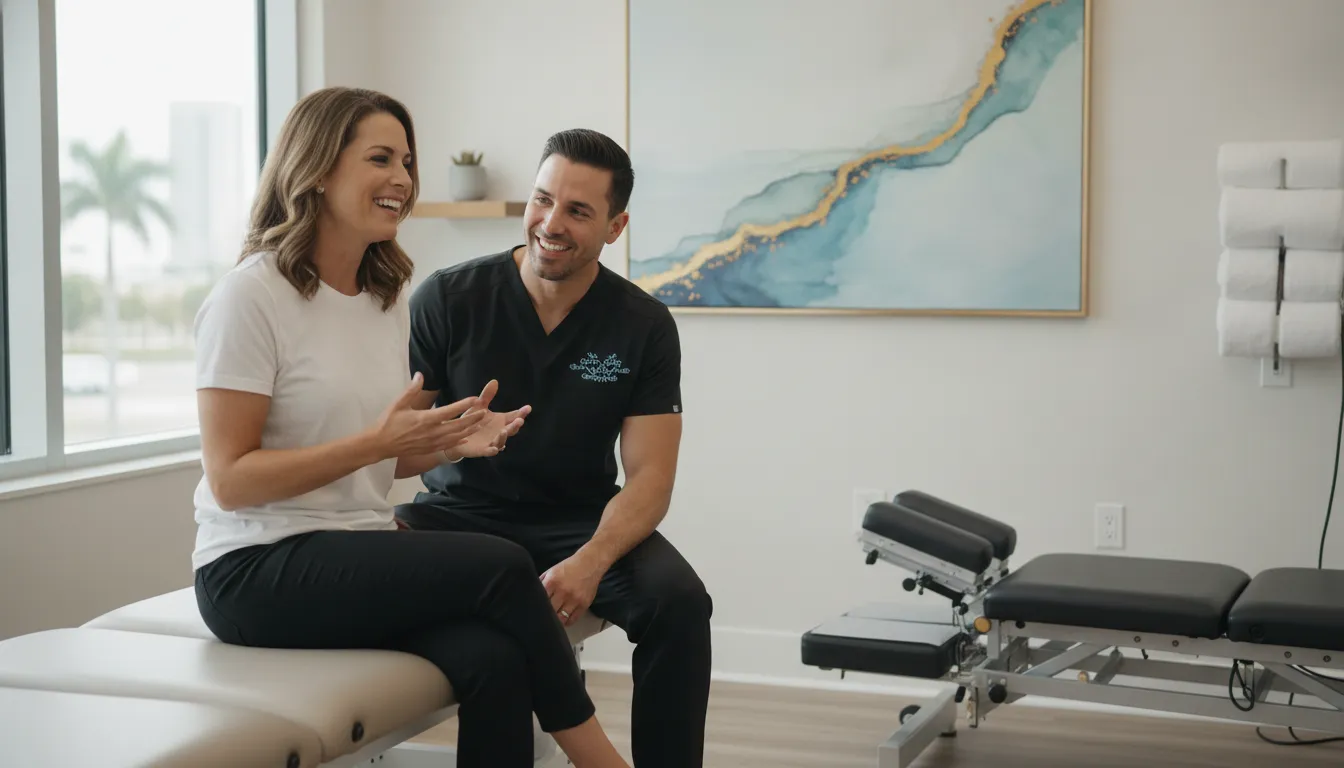
Your journey begins with a thorough consultation. Before we start any treatment, one of our doctors will sit down with you to discuss your health history, symptoms, and what you hope to achieve. This initial step is crucial for us to confirm that shockwave therapy is the right approach for your specific needs and to rule out any contraindications. It’s also your time to ask questions and get comfortable with the process. We believe in creating a personalized plan that addresses the root cause of your pain, ensuring the care you receive is tailored just for you. You can learn more about the conditions we treat to see if your issue is on the list.
What to Expect During Treatment
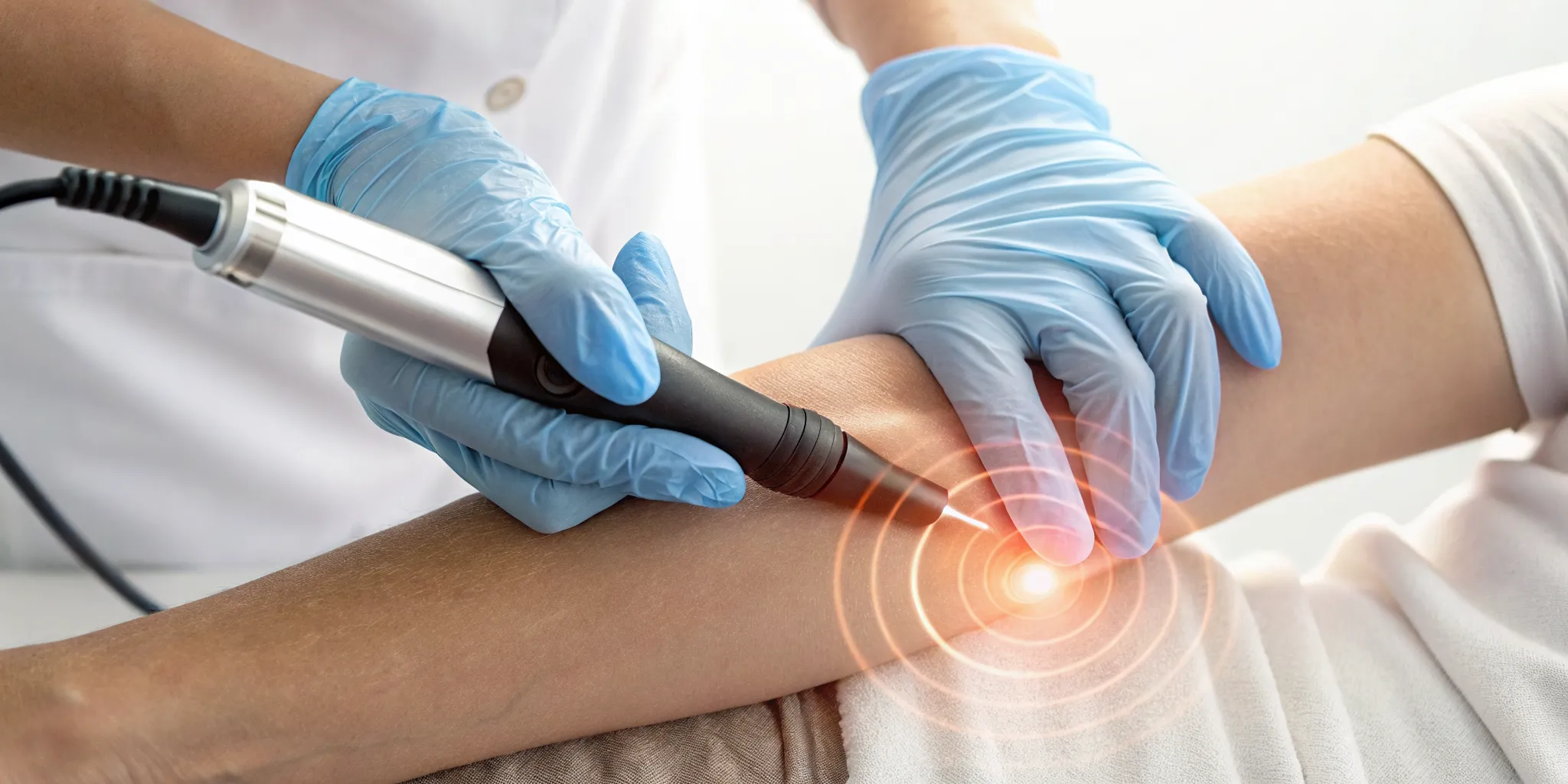
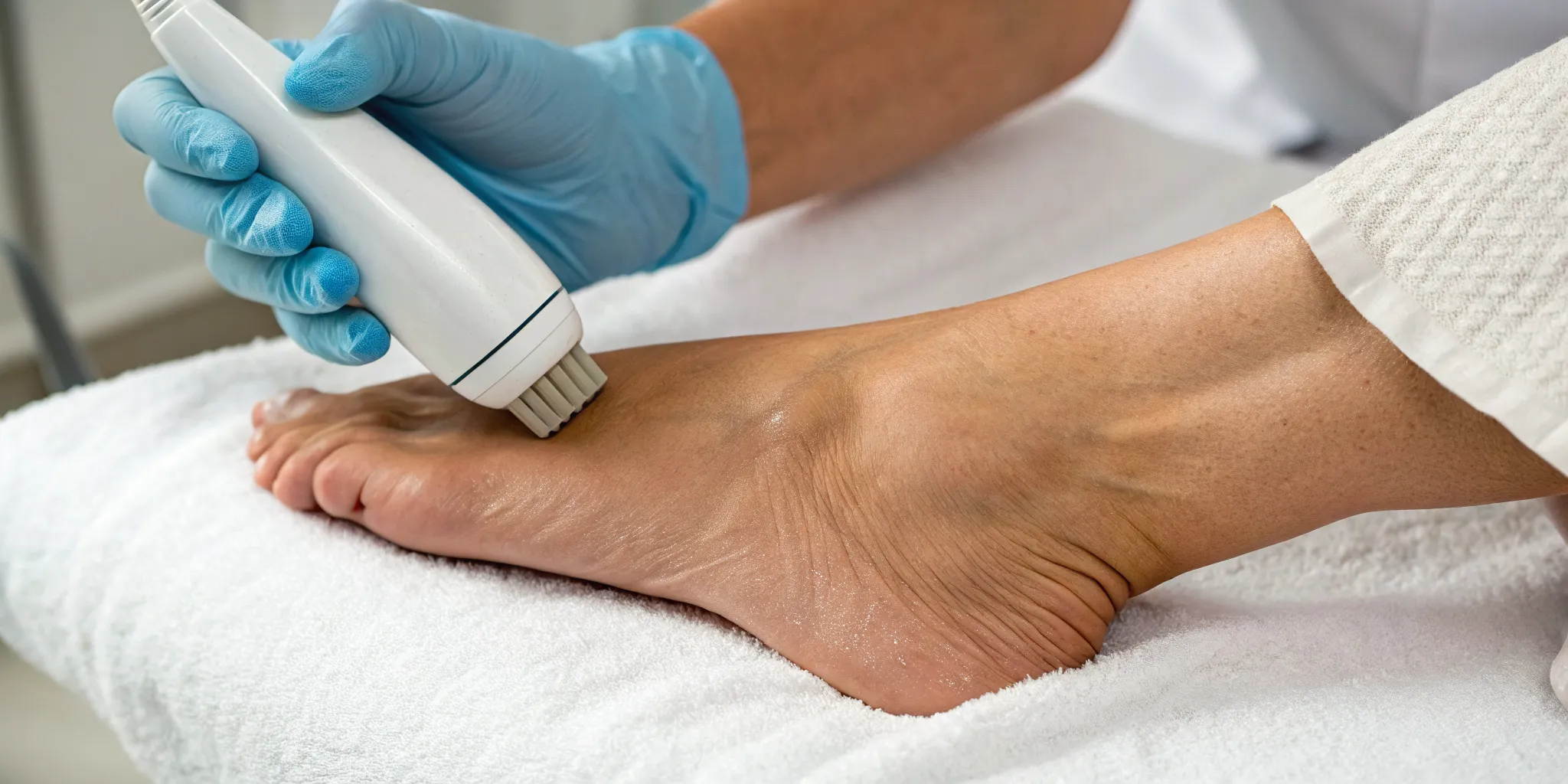
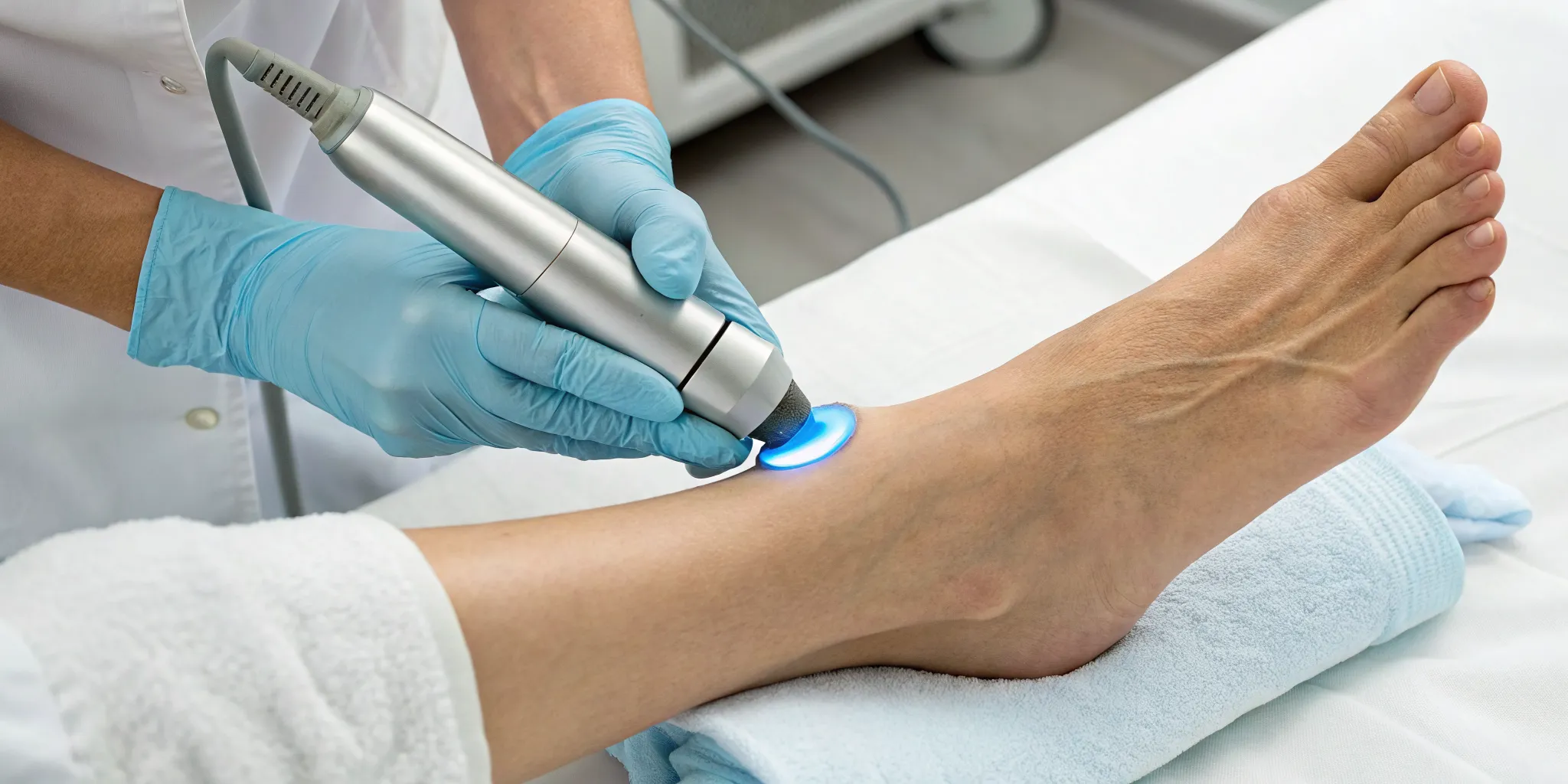
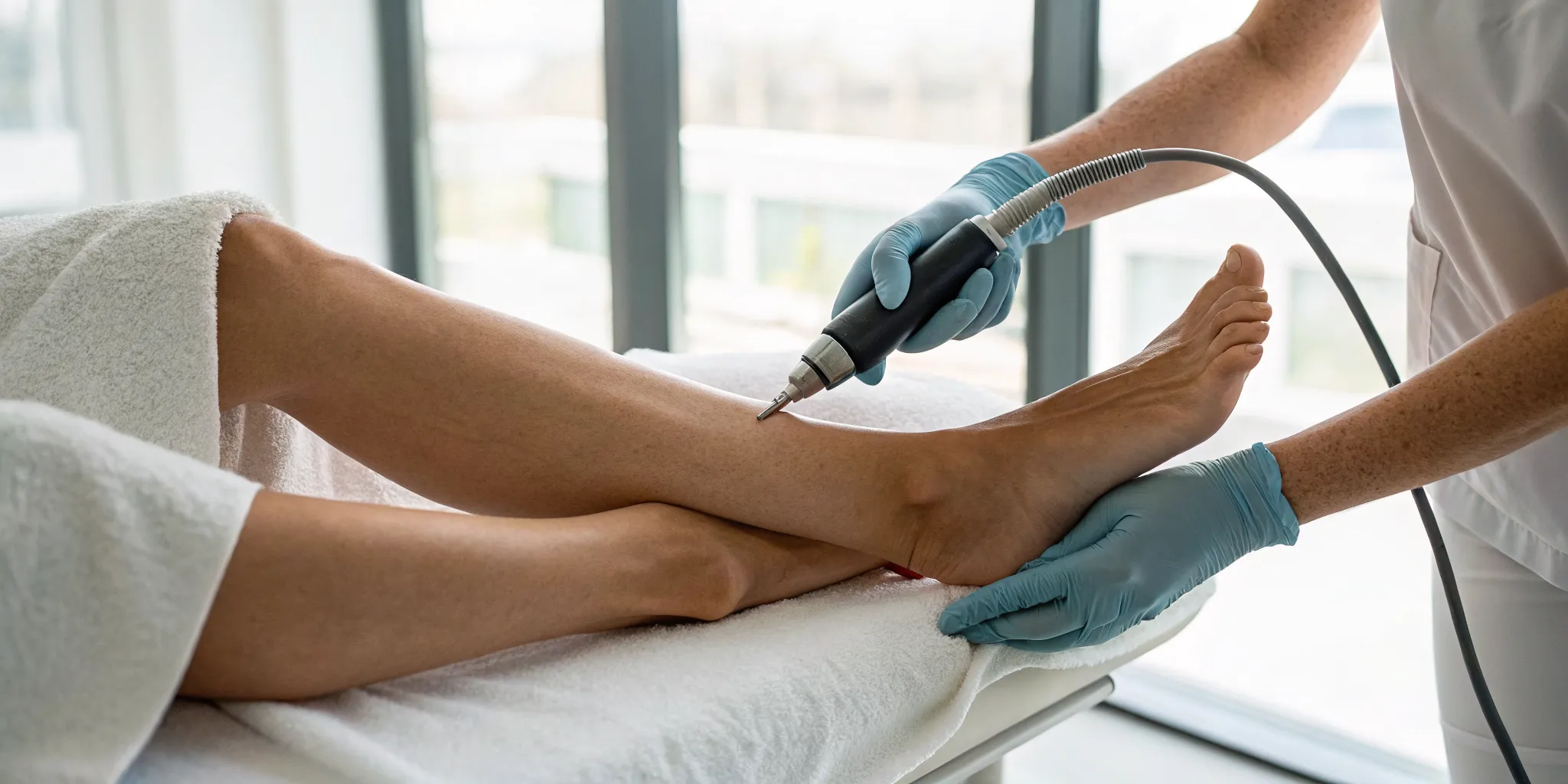
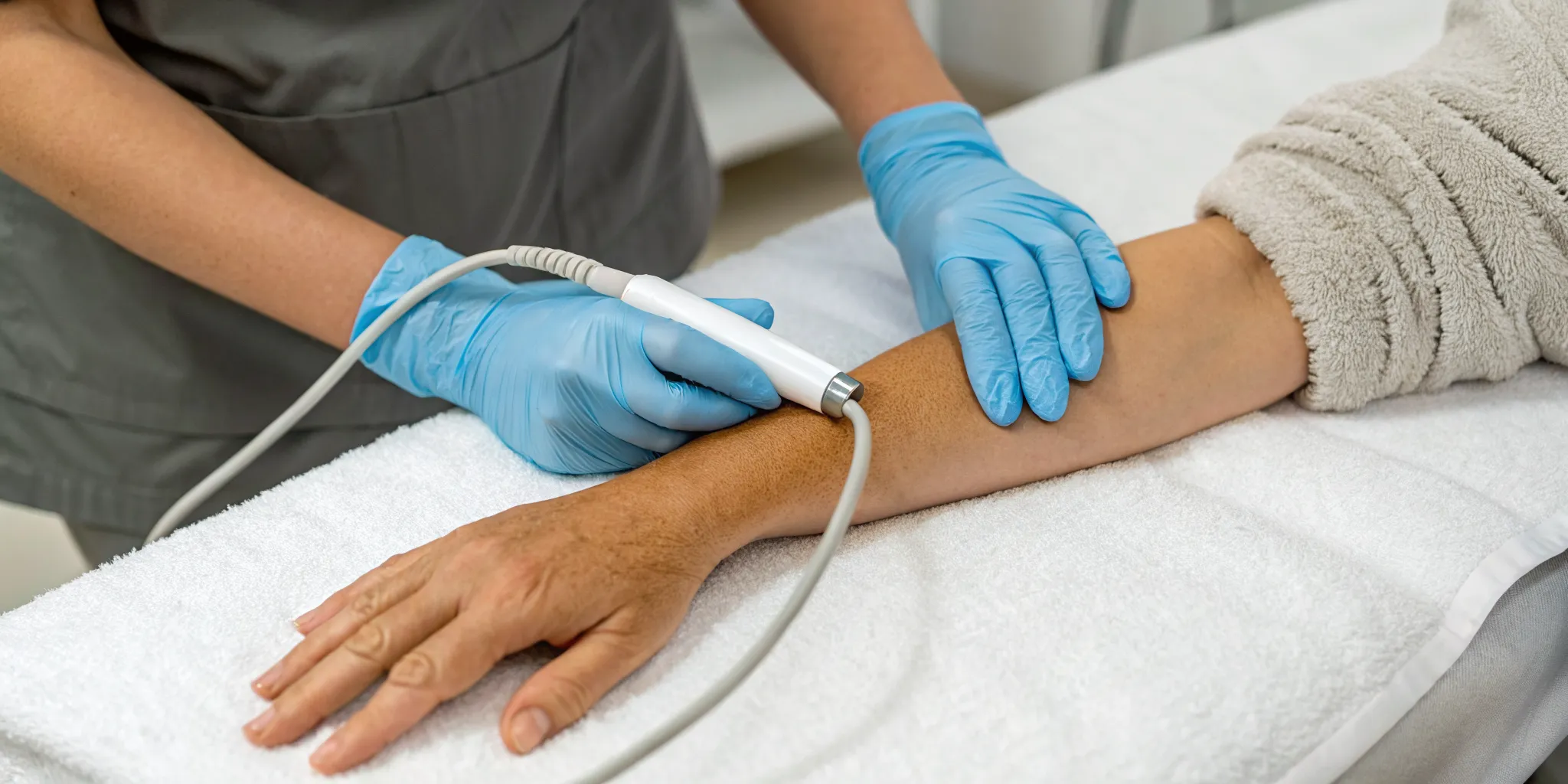
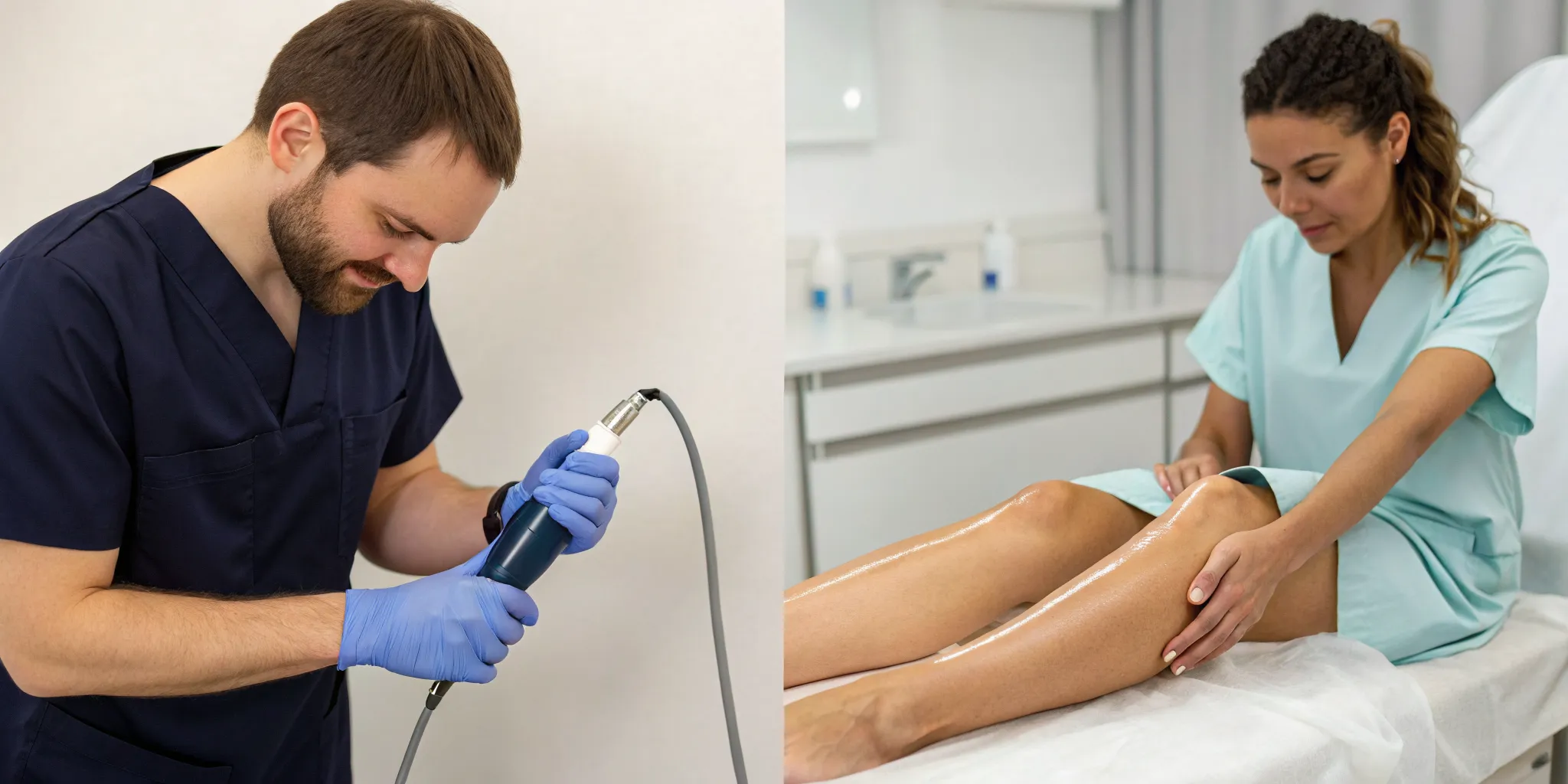
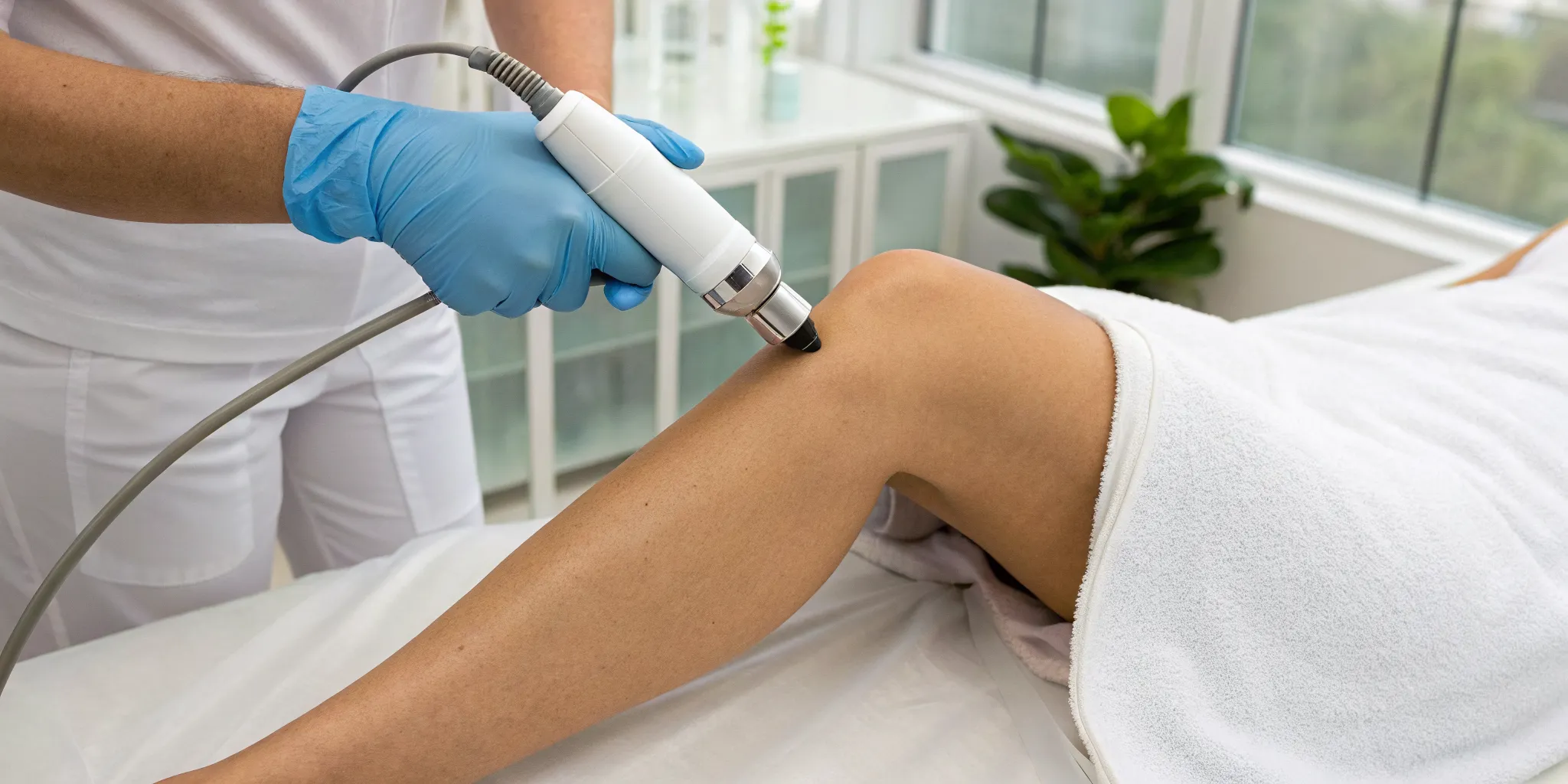
When you come in for your session, we’ll get you settled comfortably. We then apply a water-based gel to the skin over the injured area, which helps the sound waves travel more effectively. Using a handheld applicator, we’ll deliver high-energy acoustic waves directly to the targeted tissue. You will hear a sound and feel a tapping or pulsing sensation during the treatment. Most sessions are quite short, typically lasting between 10 and 20 minutes. Our team will be with you the entire time, adjusting the intensity as needed to ensure your comfort while still providing an effective treatment. This therapy is a key part of our physical medicine services designed to stimulate your body’s own healing mechanisms.
What Happens After Your Session
One of the biggest advantages of shockwave therapy is the minimal downtime. You can typically return to your daily activities right after your appointment. It’s common to experience some mild soreness in the treated area for a day or two, much like the feeling after a focused workout. Some people might also notice slight swelling, redness, or tingling, which are all normal signs that your body’s healing process has been activated. We will provide you with simple aftercare instructions to help manage any discomfort and support your recovery. Your body is hard at work repairing itself, and these temporary sensations are a positive sign of that progress.
How Many Sessions Will You Need?
One of the first questions I get from patients is, "How long will this take?" It's a great question, and the answer depends entirely on you. While there are typical treatment protocols, your plan will be tailored to your specific condition, how long you've been in pain, and your body's unique response to the therapy. We don't believe in one-size-fits-all solutions. Instead, we focus on creating a personalized roadmap that gives your body the best possible chance to heal correctly and completely. This is a core part of our philosophy at Ascend Functional Health, where we look at the whole person, not just the symptom.
During your initial consultation, we’ll perform a thorough assessment of your injury and discuss your health goals in detail. This conversation is crucial because it allows us to map out a treatment schedule that makes sense for your body and your lifestyle. The goal isn't just to get you through a set number of appointments; it's to achieve lasting relief and restore function so you can get back to your life without limitations. We'll be with you every step of the way, monitoring your progress and adjusting your plan as needed to ensure you're making progress. If you're ready to find out what a personalized plan could look like for you, we encourage you to contact our team for a consultation.
Your Treatment Timeline
A typical shockwave therapy plan involves one session per week for about three to five weeks. The best part is that each appointment is quick, usually lasting less than 30 minutes, so you can easily fit it into your schedule. Think of it as a short-term commitment for long-term relief from chronic pain.
Because shockwave therapy is non-invasive, there is very little downtime required. Most people return to their normal activities right after a session. Our approach to physical medicine focuses on effective treatments that work with your body’s natural healing abilities without causing major disruptions to your daily life. This makes it a practical and powerful option for finally addressing stubborn tendon pain.
When Can You Expect to Feel Better?
Many people report feeling some pain relief almost immediately after their first session. However, the real magic happens in the weeks that follow. Shockwave therapy stimulates your body's natural repair mechanisms, and this healing process takes time. You might feel a bit sore for a day or two after treatment, similar to how you’d feel after a good workout. This is a positive sign that the therapy has activated a healing response in the tissue.
Lasting improvement builds over the course of your treatment plan as the tendon regenerates and strengthens. Research shows that patients experience a significant drop in pain both right after treatment and weeks later, as the tissue continues to heal. You can read about the experiences of our past patients to get a better idea of the results.
Is Shockwave Therapy Safe?
It’s completely normal to have questions about the safety of any new treatment, especially when you’ve been dealing with pain for a while. The good news is that shockwave therapy is widely considered a safe and effective approach for chronic tendon issues, with a long track record of success in clinical practice. It’s a non-invasive procedure, which means it works from outside the body without any needles or incisions. Instead, it uses targeted sound waves to stimulate your body’s own powerful healing mechanisms right at the source of the pain.
Of course, like any effective treatment, it’s important to understand the full picture. While major complications are very rare, some people experience minor, temporary side effects as the body begins its repair process. It’s also not the right fit for every person or every condition. A proper evaluation is key to making sure you’re a good candidate and that the treatment is tailored to your specific needs and health history. At Ascend Functional Health, we always start with a comprehensive assessment to explore the root cause of your pain and determine if shockwave therapy is the best path forward for you. We’ll walk you through every step so you can feel confident and informed about your care.
Potential Side Effects
After a shockwave session, it’s common to experience some mild and temporary reactions in the treated area. Think of it as a sign that the healing process has been activated. Patients might feel some minor bruising, swelling, redness, or soreness. You might also notice a bit of numbness or tingling.
These side effects are your body’s natural response to the therapy and typically fade on their own within a few days. We’ll give you clear aftercare instructions to help you manage any discomfort and ensure you get the best possible results from your treatment. Most people find these effects are very manageable and a small price to pay for long-term relief.
Who Isn't a Candidate for Shockwave Therapy?
While shockwave therapy is a fantastic option for many people struggling with chronic tendon pain, it’s not a universal solution. Your health history plays a big role in determining if this treatment is right for you. For example, it’s generally not recommended for individuals with blood clotting disorders or those who have an active infection in the area that needs treatment.
Shockwave therapy could be a good choice if you have persistent tendon pain that hasn’t responded to other conservative treatments like rest or physical therapy. The best way to know for sure is to have a conversation with a healthcare provider who understands your condition. We can help you weigh the pros and cons based on your unique situation and health goals.
Can Combining Treatments Improve Your Results?
Think of healing from chronic pain like renovating a house. You can patch a hole in the wall, but if the foundation is cracked, you’ll just keep patching new holes. Shockwave therapy is fantastic for repairing that initial damage, but for true, lasting relief, it’s often best when it’s part of a bigger plan. Combining treatments addresses not just the symptom (your pain) but also the underlying reasons it appeared in the first place. This teamwork approach gives your body the comprehensive support it needs to rebuild and become more resilient.
Pairing Shockwave with Physical Medicine
Shockwave therapy is a powerful catalyst for healing, but it works even better with a partner. When we pair it with our physical medicine services, we create a powerful one-two punch against chronic tendon pain. Shockwave therapy does the initial work of breaking up scar tissue and kick-starting the regenerative process. This creates a crucial window of opportunity for healing.
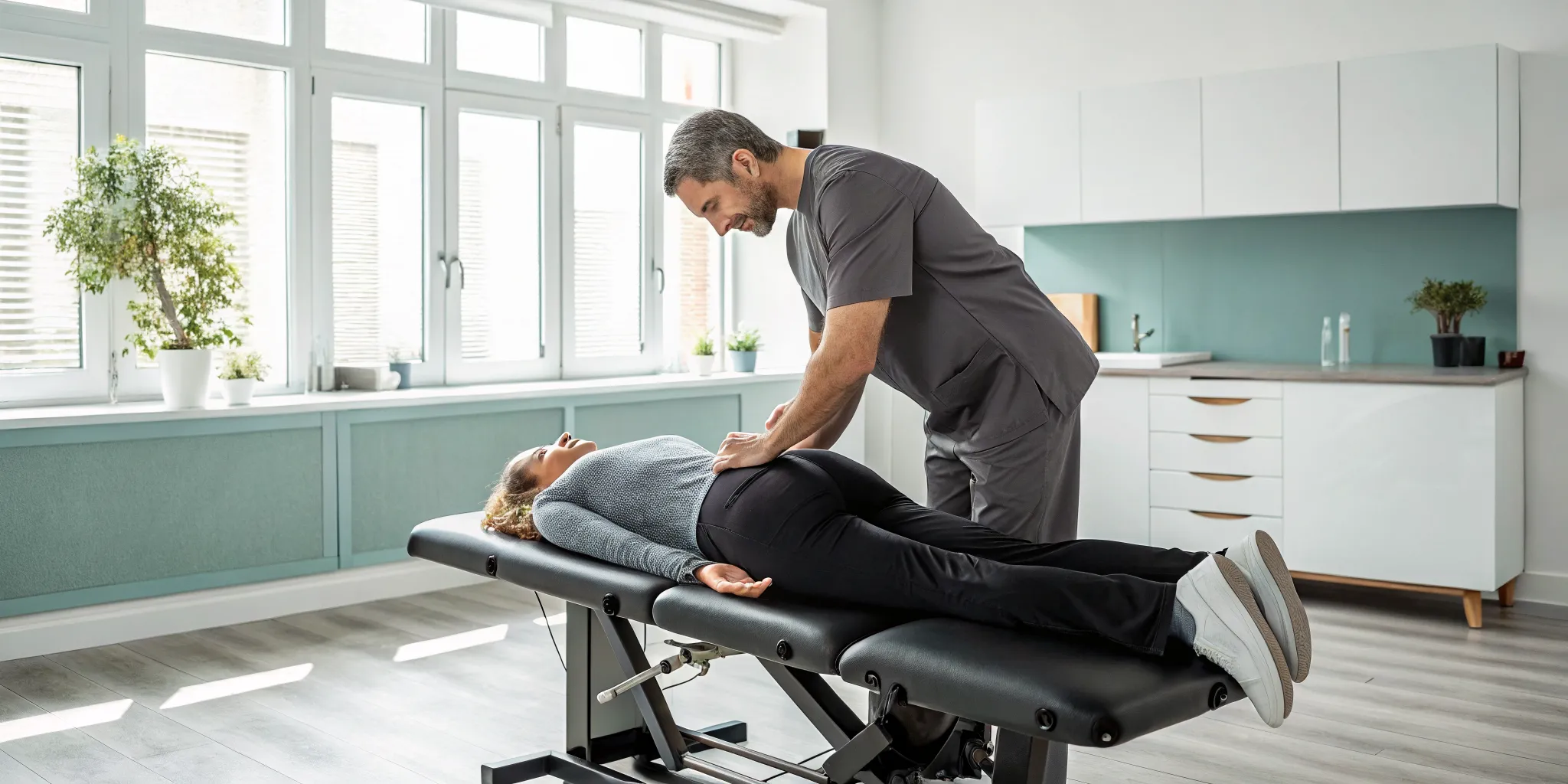
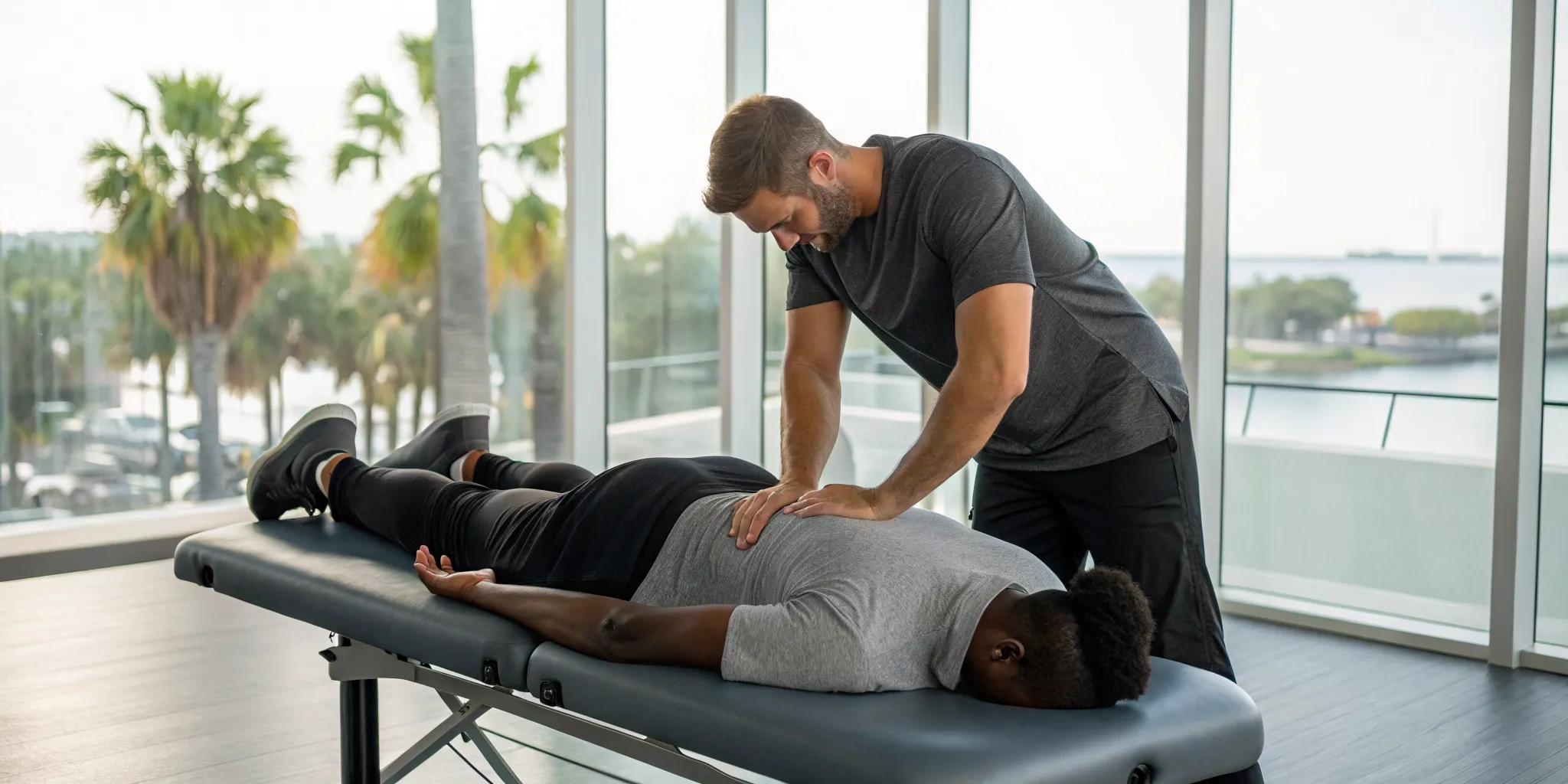
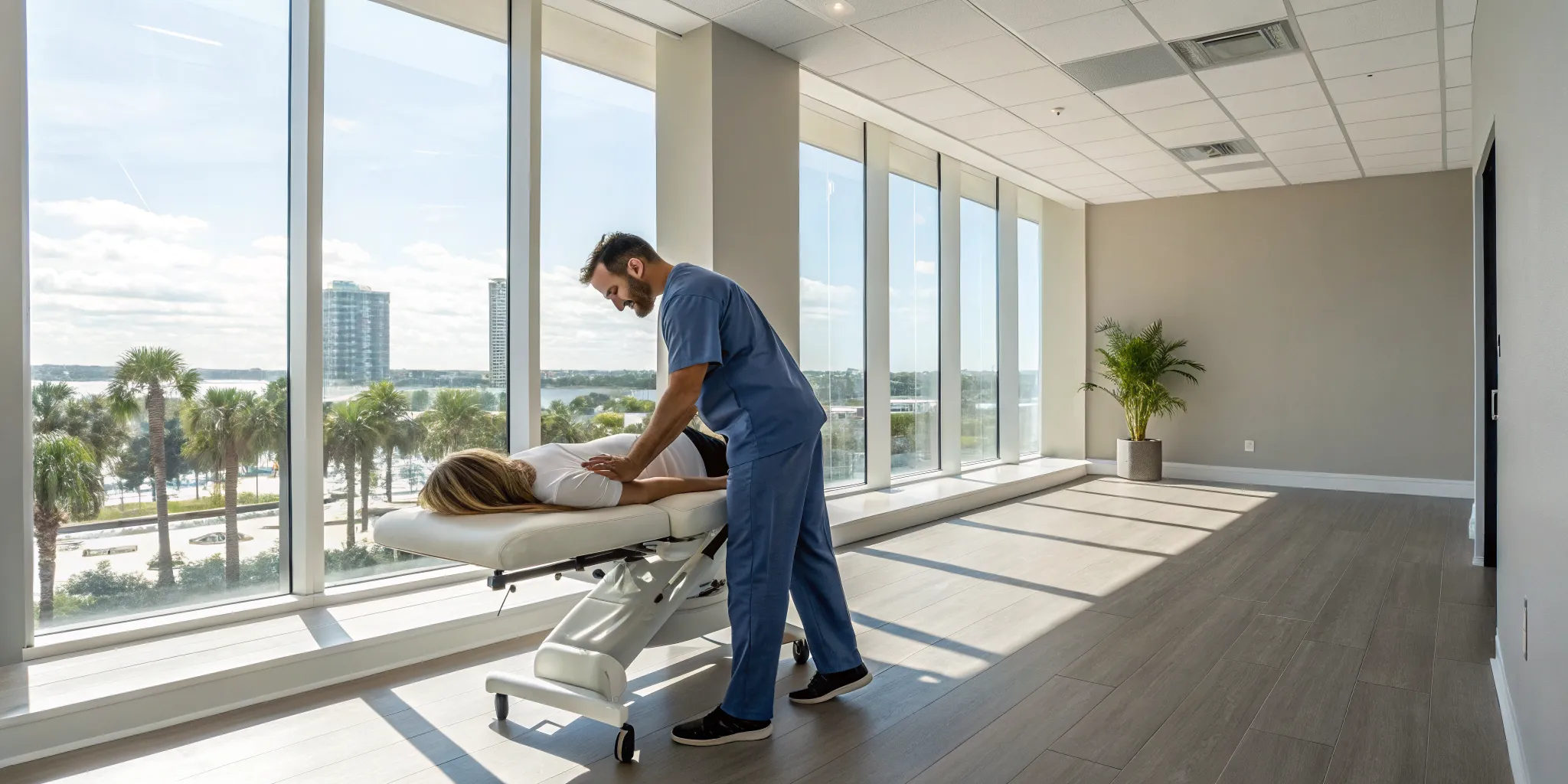
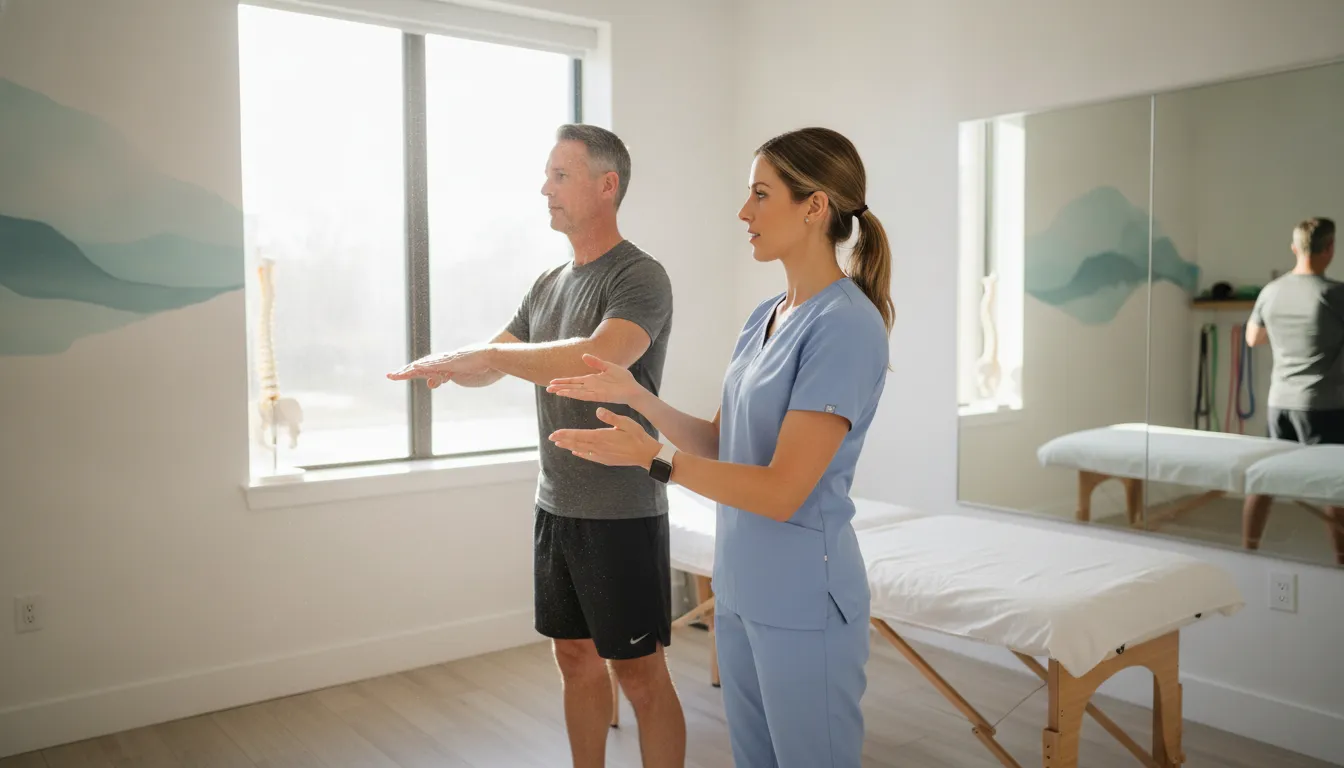
Then, physical medicine comes in to capitalize on that progress. Through targeted chiropractic care and corrective exercises, we can help strengthen the surrounding muscles, improve your body’s alignment, and restore proper movement patterns. This ensures the repaired tissue can handle daily demands without getting injured again, leading to better function and more durable results.
Why a Holistic Plan Leads to Better Outcomes
A holistic plan looks at the complete picture of your health to understand why your tendon became overloaded. It’s about asking "why" until we find the root cause. While shockwave therapy targets the painful area directly, a comprehensive approach addresses the habits, movements, or even internal imbalances that contributed to the injury. This is where our philosophy of functional medicine becomes so important.
By integrating different therapies, we can address the multifaceted nature of chronic pain. Your personalized plan might include shockwave therapy for tissue repair, physical medicine for structural support, and functional medicine to address inflammation. Patients who engage in a comprehensive plan often report better pain management and functional improvement because we aren't just chasing symptoms; we're building a stronger foundation for long-term health.
Is Shockwave Therapy Right for You?
Deciding on a new treatment can feel like a big step, especially when you've been dealing with chronic pain for a while. You want to be sure you're choosing a path that truly fits your needs and will get you closer to your health goals. If you're wondering whether shockwave therapy is the right move for you, let's walk through who it helps most and clear up some common questions. The best way to know for sure is to have a conversation with a provider who understands your health history, but this can help you see if it’s an option worth exploring.
Are You a Good Candidate?
Shockwave therapy is most effective for people with chronic tendon and soft tissue pain. If you've been struggling for months with an issue like Achilles tendinopathy or rotator cuff pain and haven't found relief, you could be an excellent candidate. The treatment works best when there's a clear diagnosis, so the first step is always getting to the root cause of your pain. Understanding exactly what's going on allows us to target the area effectively and create a successful plan.
If you're dealing with persistent pain that limits your daily activities, it’s worth exploring if shockwave therapy can help. Our team can help you get the clarity you need to understand your condition and determine the best course of action. By identifying the source of your discomfort, we can see if you are a good fit for this innovative treatment.
Common Myths About Shockwave Therapy
One of the biggest myths about shockwave therapy is that it's invasive and painful. It’s easy to hear the word "shockwave" and imagine something intense, but the reality is quite different. This is a non-invasive procedure, meaning there are no incisions or injections involved. The entire treatment happens on the surface of your skin, and our team prioritizes your comfort every step of the way. You might feel a tapping or pulsing sensation, but it shouldn't be painful.
Another common concern is downtime. Many people worry they'll need to take time off to recover, but that's not the case. Shockwave therapy is an in-office treatment that you can walk away from and continue with your day. This makes it a practical solution that fits into your life, which is a core part of our approach to physical medicine.
Find Relief from Chronic Tendon Pain in Tampa
Living with chronic tendon pain can feel like a constant battle. When every step hurts because of plantar fasciitis or a simple handshake sends a jolt up your arm from tennis elbow, it’s easy to feel frustrated and limited. You’ve likely tried stretching, resting, and maybe even other treatments without finding the lasting relief you need. If you’re looking for a solution here in Tampa that addresses the root of the problem instead of just masking the symptoms, it’s time to explore a different path to healing.
At Ascend Functional Health, we use advanced, non-invasive technologies like Shockwave Therapy to help your body heal itself. This treatment uses a special device to send high-energy acoustic waves directly to the injured tendon. These sound waves create a healing response deep within the tissue, increasing blood flow and stimulating the growth of new, healthy cells. It’s a way to jumpstart your body’s natural repair mechanisms, which is a core part of our approach to physical medicine.
Shockwave therapy is especially effective for stubborn, chronic tendon conditions that haven't responded to other approaches. It significantly improves pain and mobility for issues like Achilles tendinopathy, rotator cuff pain, and patellar tendinopathy (jumper's knee). Instead of relying on temporary fixes, this therapy promotes genuine tissue regeneration, helping you get back to your life with more strength and less pain.
If you're tired of tendon pain dictating your daily activities, our team in Tampa can create a personalized plan to help you achieve long-term results. To find out if this approach is right for you, we invite you to contact our office and schedule a consultation.
Related Articles
- SoftWave Tissue Regeneration Therapy in Tampa | Alessi Functional Health
- SoftWave TRT Therapy in Tampa, FL - Alessi Functional Health
- Regenerative Medicine for Pain Recovery | Ascend Functional Health
- What Is Graston Technique Therapy? A Beginner's Guide
- What Is Soft Tissue Therapy? A Complete Guide
Frequently Asked Questions
I'm worried about the 'shockwave' part. Is the treatment painful? That's a completely understandable question. The name sounds intense, but the therapy doesn't involve any electrical shocks. The sensation is more like a strong, focused tapping or pulsing on your skin. While you will definitely feel it working, we adjust the intensity to a level that is effective yet manageable for you. Most sessions are very quick, and any discomfort you feel is temporary and a sign that we are stimulating the tissue to begin healing.
How soon after a session can I get back to my normal activities or workouts? One of the best things about shockwave therapy is the minimal downtime. You can typically go right back to your daily routine and work immediately after your appointment. We do recommend avoiding any strenuous or high-impact activities that stress the treated area for a day or two. This gives your body a chance to kickstart the healing process without interruption. We will give you specific guidance based on your condition and activity level.
I've already tried rest and stretching for my tendon pain. What makes shockwave therapy different? Rest and stretching are important, but for chronic tendon issues, they often don't address the underlying problem. When a tendon is stuck in a cycle of incomplete healing, it has poor blood flow and disorganized scar tissue. Shockwave therapy is different because it actively intervenes in this process. The acoustic waves create a powerful biological signal that restarts your body's natural repair mechanisms, helping to break down unhealthy tissue and build new, healthy tendon fibers from the inside out.
Is shockwave therapy enough on its own, or do I need to combine it with other treatments? While shockwave therapy is a powerful tool for healing, it often works best as part of a comprehensive plan. Think of it as the catalyst that gets the healing process started. To achieve lasting results and prevent the problem from coming back, we may pair it with other physical medicine techniques, like corrective exercises. This helps strengthen the surrounding area and correct any movement patterns that contributed to the injury in the first place, creating a more resilient and functional result.
I think this might be right for me. What is the first step to find out for sure? The first step is to schedule a consultation with one of our doctors. During this appointment, we'll sit down with you to talk through your health history, listen to your concerns, and perform a thorough evaluation to identify the root cause of your pain. This allows us to determine if you are a good candidate for shockwave therapy and create a personalized treatment plan that is designed to help you achieve your specific health goals.