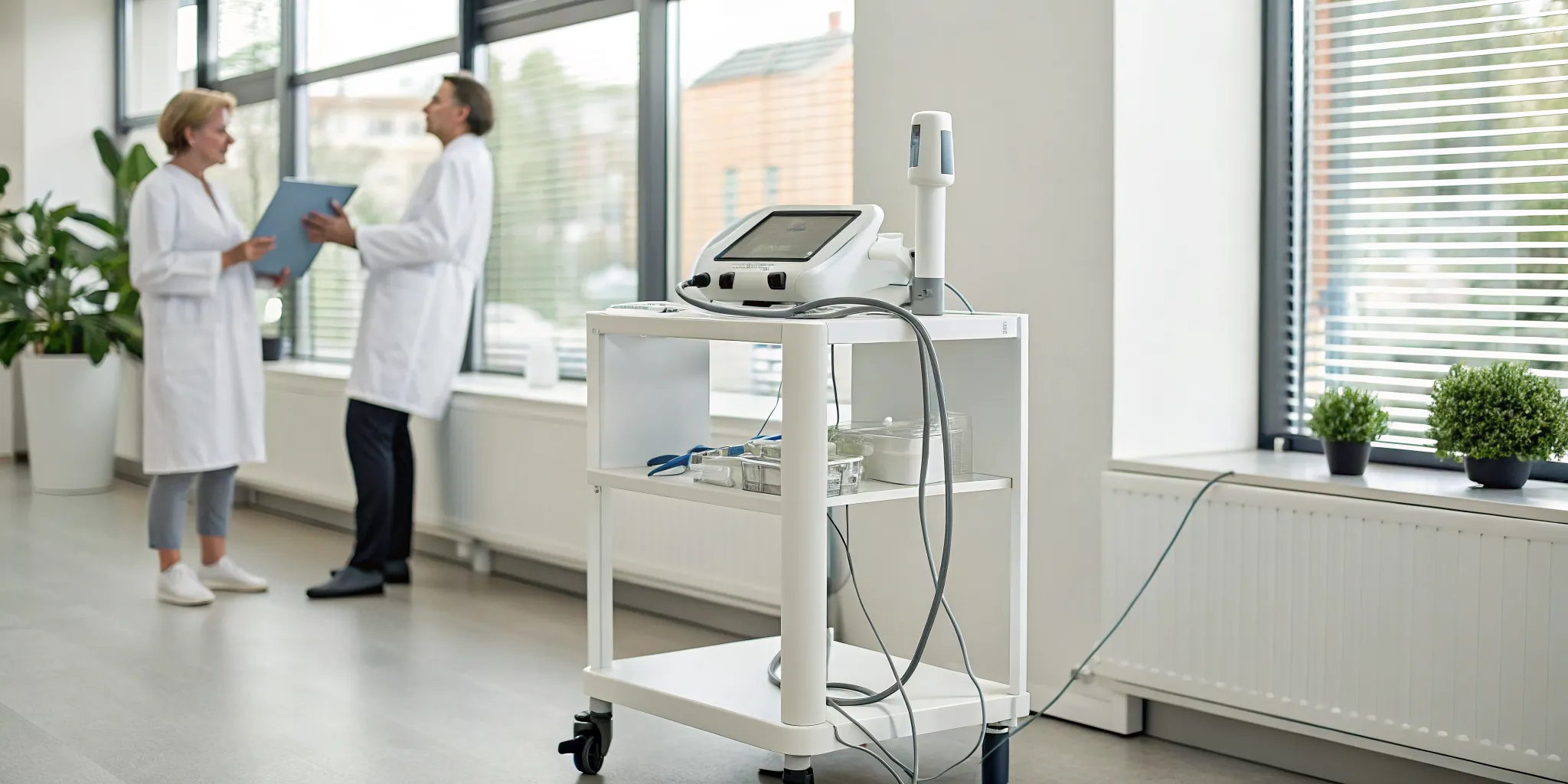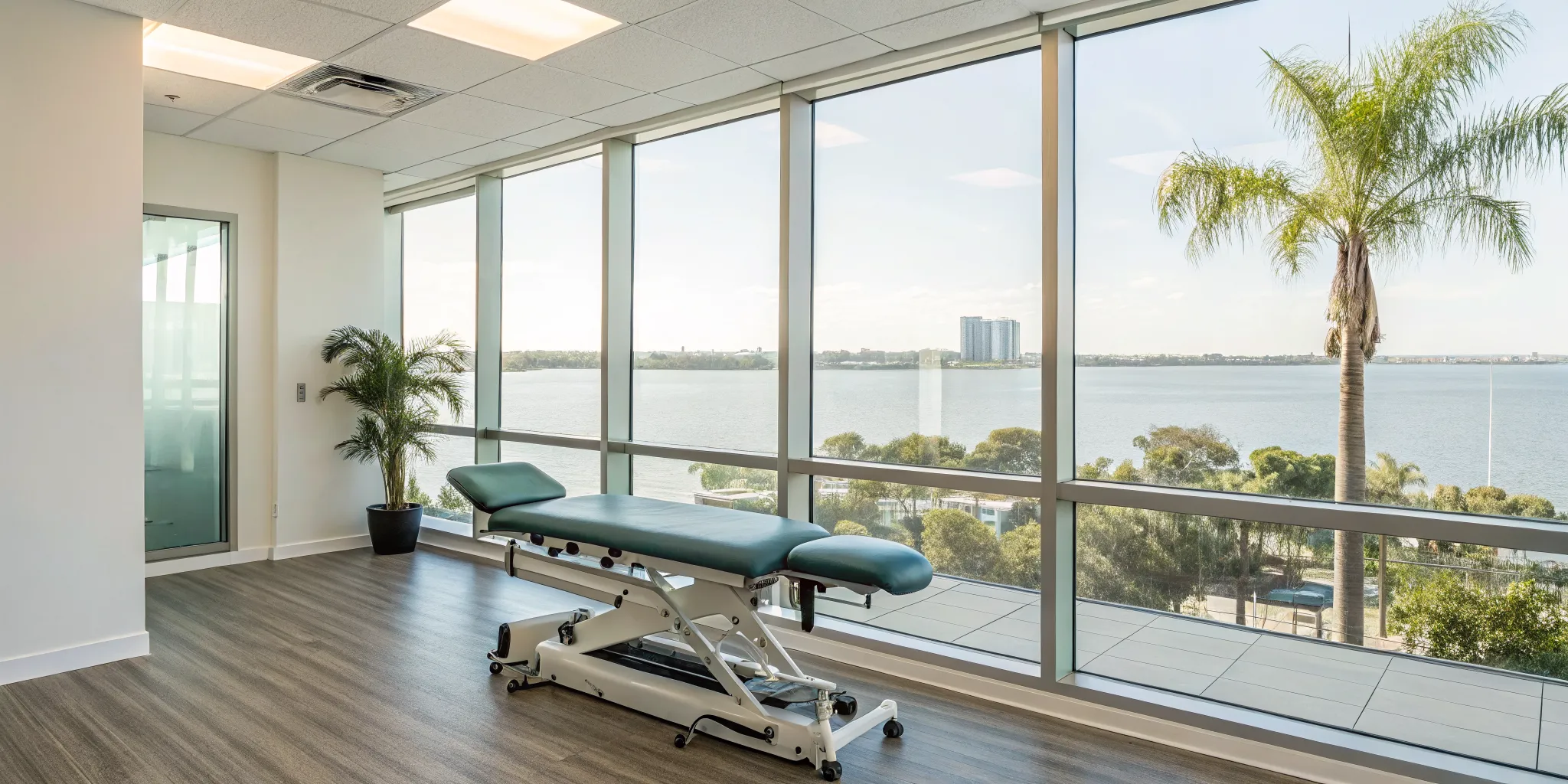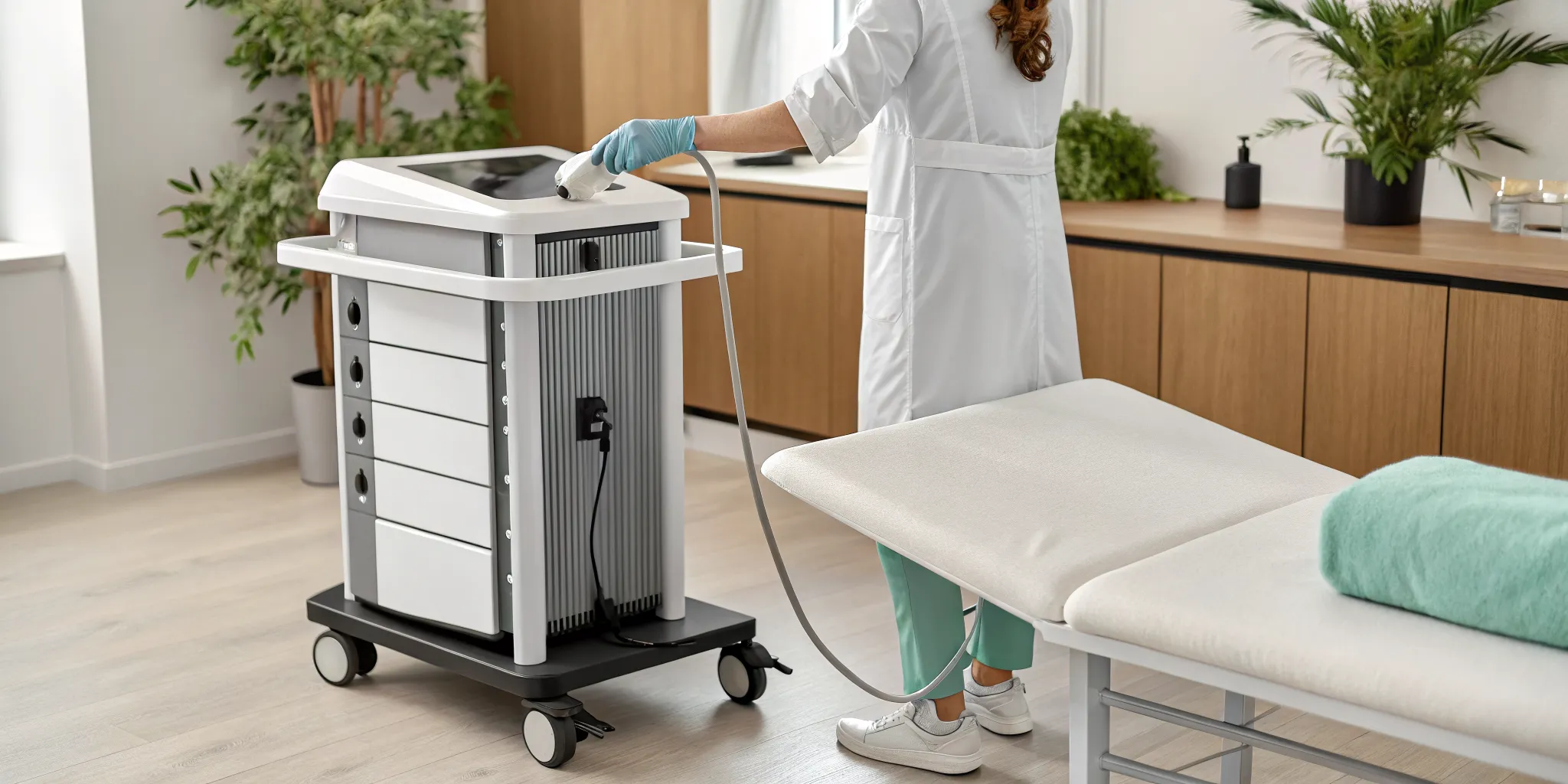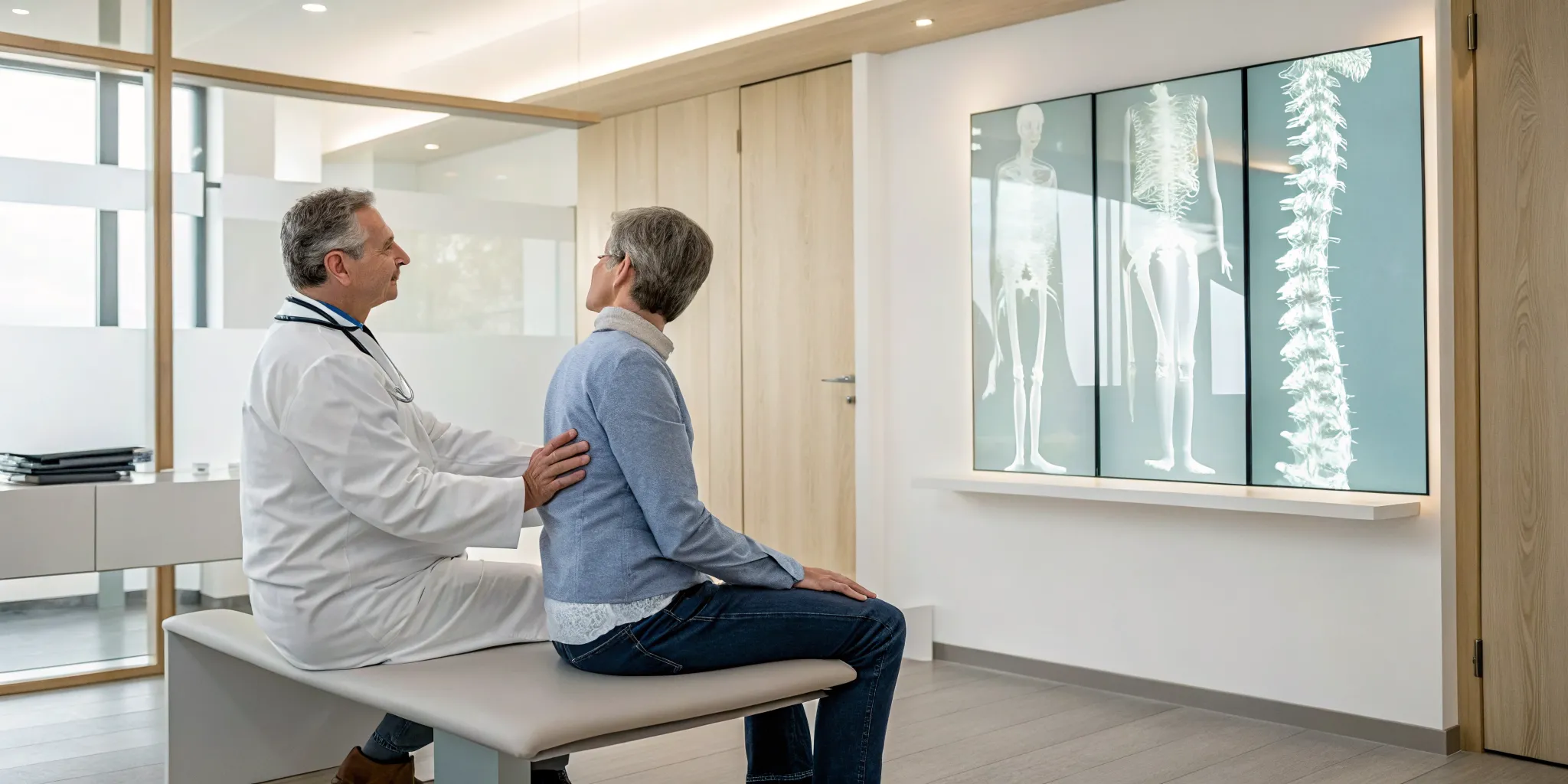
Some of the most important indicators of your long-term health are completely invisible from the outside. You can’t see your bone density, and you certainly can’t see the amount of visceral fat stored deep within your abdomen around your vital organs. These hidden metrics are crucial for understanding your risk for conditions like osteoporosis and metabolic disease. A DEXA scan gives you a clear look at these internal health markers, providing the data you need to be proactive about your well-being. Your search for a “body fat scan near me” is the first step toward a functional medicine approach, allowing you to address potential issues before they become serious problems and build a solid foundation for a long, healthy life.
Key Takeaways
- Understand Your Body's True Makeup: A DEXA scan offers a detailed report of your body fat, lean muscle, and bone density. This information provides a clear baseline, helping you set more effective health goals that are not just about the number on the scale.
- Uncover Hidden Health Factors: The scan measures important health indicators you cannot see, like visceral fat around your organs and early signs of bone density loss. This allows you to address potential health issues proactively before they become serious problems.
- Track Your Progress with Accurate Data: Regular scans, typically every 3 to 12 months, show you precisely how your body composition is changing over time. This feedback is essential for confirming that your diet and exercise plan is working and helps you make smart adjustments to your routine.
What Is a DEXA Body Fat Scan?
If you've ever felt like the number on the scale doesn't tell the whole story, you're right. A DEXA scan, which stands for Dual-Energy X-ray Absorptiometry, offers a much more detailed picture of what’s happening inside your body. It’s widely considered the gold standard for measuring body composition because of its incredible precision. Instead of just giving you a single number, a DEXA scan breaks down your body into three key components: body fat, lean muscle mass, and bone density.
This isn't just for elite athletes. Understanding your body composition is a powerful tool for anyone looking to improve their health. It provides a clear baseline, helping you set realistic goals and track your progress in a way that a scale simply can't. Whether your focus is on losing fat, building strength, or addressing specific health concerns, the data from a DEXA scan gives you and your health provider the insights needed to create a truly personalized plan. It moves the focus from weight to well-being, which is a much healthier way to think about your body.
How DEXA Technology Works
The process behind a DEXA scan is straightforward and safe. The technology uses two very low-dose X-ray beams that scan over your body. Because fat, muscle, and bone absorb these beams at different rates, the scanner can create a highly accurate map of your body composition. The radiation exposure is minimal, even less than what you’d get on a cross-country flight, making it a safe option for regular check-ins. This detailed analysis provides a clear view of your fat distribution and muscle mass, giving you a complete picture of your physical health that goes far beyond what you can see in the mirror.
What Your Body Composition Report Includes
After your scan, you’ll receive a comprehensive report that details your body’s makeup. This isn't just one or two numbers; it's a full breakdown. The report measures your total body fat percentage, your total lean muscle mass, and your bone mineral density. It also measures visceral fat, which is the fat stored deep in your abdomen around your organs and a key indicator of metabolic health. The report even segments your body into five regions (arms, legs, trunk, belly, and hips), so you can see exactly where you carry fat and muscle. This level of detail is essential for a functional medicine approach, as it helps identify imbalances and track progress with precision.
Why Get a Body Fat Scan?
Stepping on the scale only tells you one part of your health story: your total weight. It doesn’t tell you what that weight is made of. A body fat scan, specifically a DEXA (Dual-Energy X-ray Absorptiometry) scan, gives you the full picture by breaking down your body composition into three key components: fat mass, lean muscle mass, and bone density. This isn't about fixating on a number; it's about gaining a deeper understanding of your body so you can make smarter, more effective health decisions.
Think of it as getting a detailed internal map of your body. This map can show you exactly how your new workout routine is paying off, even if the scale hasn't budged. It can also highlight potential health risks that are invisible from the outside, like low bone density or harmful fat around your organs. With this kind of precise information, you can stop guessing about what your body needs and start creating a truly personalized wellness plan. It’s a proactive step toward functional medicine, helping you address the root of your health concerns and build a stronger foundation for the future.
Accurately Track Your Fitness Progress
If you’ve ever felt frustrated because the scale isn’t moving despite your hard work, a DEXA scan can be a game-changer. It provides the precise data you need to see what’s really happening. You might be losing fat and gaining muscle simultaneously, a process known as body recomposition, which a regular scale would completely miss. DEXA is widely considered the gold standard for measuring body composition because it gives you an exact breakdown of your progress. This detailed feedback allows you and your health provider to see if your nutrition and exercise plans are working, helping you make targeted adjustments to reach your goals more efficiently.
Identify Potential Health Risks
Some of the most significant health risks are the ones you can’t see. A DEXA scan can uncover these hidden issues before they become serious problems. One of the most important things it measures is visceral fat, the dangerous fat that wraps around your abdominal organs. High levels of visceral fat are linked to an increased risk of heart disease, type 2 diabetes, and other metabolic conditions. By identifying these underlying health concerns early on, you gain a powerful opportunity to make lifestyle changes that can have a lasting impact on your long-term health and well-being. It’s a crucial tool for preventative care.
Monitor Bone Density and Muscle Mass
Beyond fat, a DEXA scan provides critical information about your structural health. It measures your bone mineral density, which is essential for identifying early signs of osteopenia or osteoporosis. Catching bone loss early gives you a chance to address it with nutrition and exercise. The scan also gives you a detailed report of your lean muscle mass, broken down by each limb and your torso. This helps you spot any muscle imbalances that could lead to injury and ensures you’re building strength effectively. Maintaining both muscle and bone mass is a cornerstone of healthy aging and a key focus of longevity medicine.
Where to Find a Body Fat Scan in Tampa
Finding a reliable place for a body fat scan is the first step toward getting a clear picture of your health. In Tampa, you have excellent options available, whether you prefer a comprehensive local clinic or want to explore a nationwide network. The key is to find a provider who can not only perform the scan but also help you understand the results. Knowing where to look and what to ask will make the process smooth and straightforward.
Your Local Option: Ascend Functional Health
If you’re in the Tampa area, we offer medical-grade DEXA scans right here at Ascend Functional Health. Our goal is to give you a precise snapshot of your body composition, including your body fat percentage, muscle mass, and bone density. We believe this data is a powerful tool for creating a personalized health plan. Instead of just getting numbers on a page, our team is here to help you interpret the results and turn them into actionable steps for your wellness journey. You can learn more about all of our health solutions and how a DEXA scan fits into our holistic approach.
How to Find Other Reputable Providers
While we’d love to see you at our clinic, we want you to find the best fit for your needs. If you want to explore other options, several national networks have partner locations across the country. Websites like DEXAscan.com have a location finder where you can enter your zip code to see a list of providers near you. Similarly, companies like Fitnescity partner with hundreds of local clinics to offer body composition testing. These resources are a great way to compare locations and find a convenient and reputable scanning facility.
What to Ask Before You Book an Appointment
Before you schedule your scan, it’s smart to call ahead and ask a few questions to ensure you get the most accurate results. First, ask about any preparation instructions. Many providers recommend fasting for about four hours beforehand, though you should continue to drink water. It’s also important to ask if you should wear specific clothing, like workout attire without any metal. Finally, be sure to mention if you have any metal implants in your body, as this is important information for the technician to have. Getting these details sorted out ahead of time makes for a seamless appointment.
How Much Does a Body Fat Scan Cost?
One of the first questions people ask about DEXA scans is about the price. It’s a practical concern, and the answer can vary quite a bit. Think of it as an investment in getting a highly detailed snapshot of your body’s composition, one that goes far beyond what a simple scale can tell you. The cost often depends on where you get the scan done, like a hospital versus a private wellness center, and your reason for getting it.
Understanding the potential cost helps you plan, so you can access this valuable health information without any surprises. We’ll break down the typical price ranges you can expect and explore how you might be able to use insurance or health savings accounts to cover the expense. This way, you can make an informed decision that fits both your health goals and your budget.
Typical Price Ranges
The cost of a DEXA scan can fluctuate based on your location and the type of facility you visit. Generally, you can expect to pay somewhere between $90 and $400. Scans performed in a hospital setting for medical purposes tend to be on the higher end of that spectrum.
However, when you get a scan at a private wellness center focused on body composition, the price is often more accessible, typically ranging from $40 to $150. It’s always a good idea to call the facility ahead of time to confirm their specific pricing. Understanding the general DEXA scan costs helps you find an option that provides the data you need at a price that works for you.
Using Insurance or an HSA to Cover Costs
Here’s the deal with insurance: it’s complicated. Most insurance plans, including Medicare, will cover a DEXA scan if a doctor orders it to diagnose or monitor a medical condition like osteoporosis. However, if you’re getting a scan for fitness tracking or general wellness, insurance providers usually consider it elective and won’t cover the cost.
The good news is that you can almost always use funds from a Health Savings Account (HSA) or Flexible Spending Account (FSA) to pay for your scan. Using these pre-tax dollars is a smart way to make your scan more affordable, potentially saving you a significant percentage on the final cost. Before you book, check with your HSA or FSA provider to confirm the details of your plan.
What to Expect During Your Scan
The idea of getting a body scan might sound a bit clinical, but the process is actually incredibly simple, quick, and completely non-invasive. Think of it less like a medical procedure and more like gathering valuable data to help you understand your body on a deeper level. From start to finish, the experience is designed to be comfortable and straightforward. You’ll be in and out before you know it, armed with a precise snapshot of your body composition that can guide your health and fitness decisions. Knowing what’s coming can help you feel more at ease, so let’s walk through exactly what happens before, during, and after your scan.
How to Prepare for the Most Accurate Results
To get the most precise reading from your DEXA scan, a little preparation goes a long way. First, it’s best to fast for about four hours before your appointment, though you should continue to drink water to stay hydrated. Wear comfortable, metal-free clothing, like your favorite workout gear. Zippers, buttons, and even underwires can interfere with the scan’s imaging technology. You’ll also want to skip any calcium supplements for 24 hours leading up to your scan. Finally, be sure to let your technician know if you have any metal implants in your body. Following these simple steps helps ensure your results are as accurate as possible, giving you a clear baseline to work from.
The Step-by-Step Scanning Process
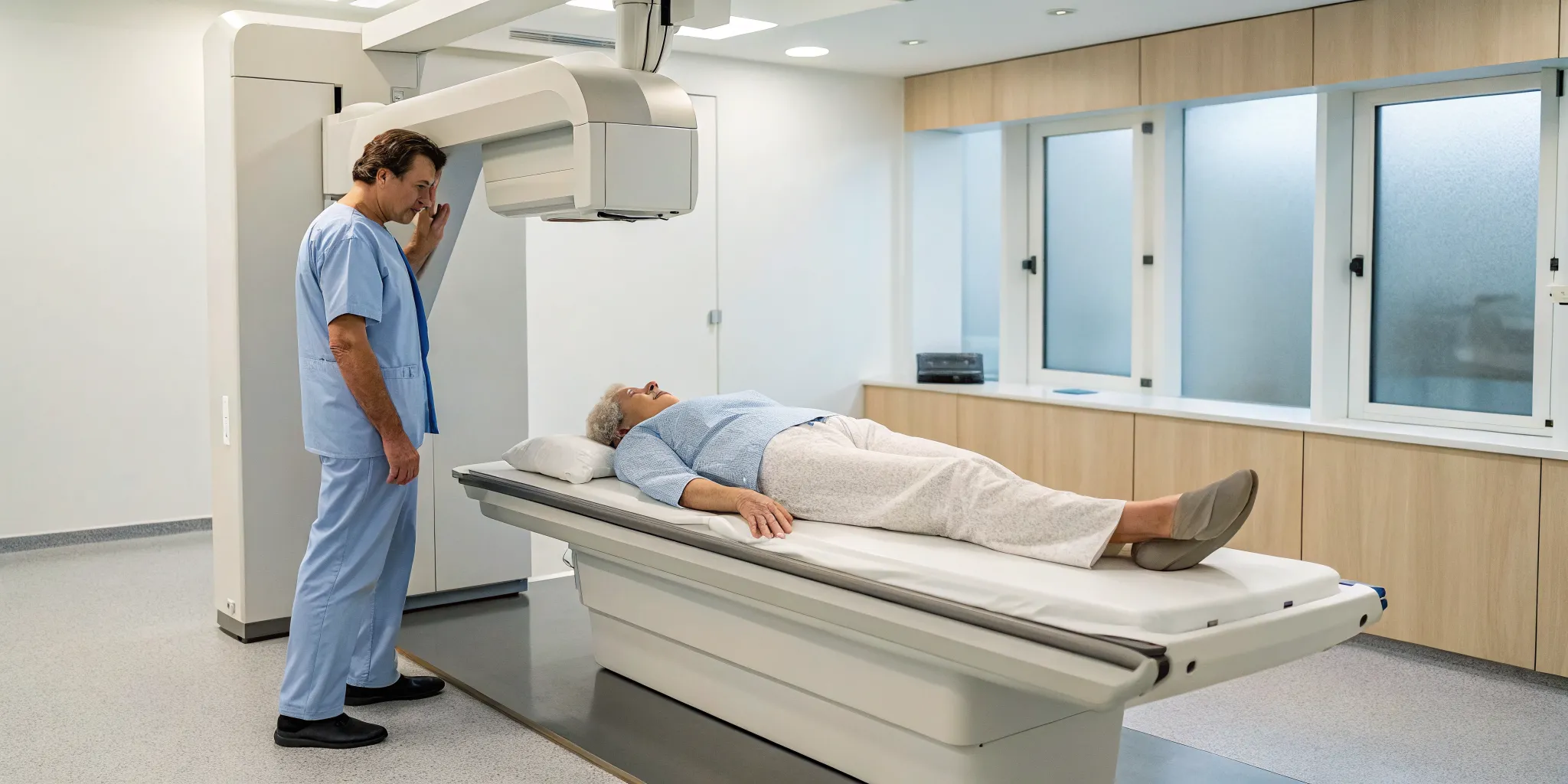
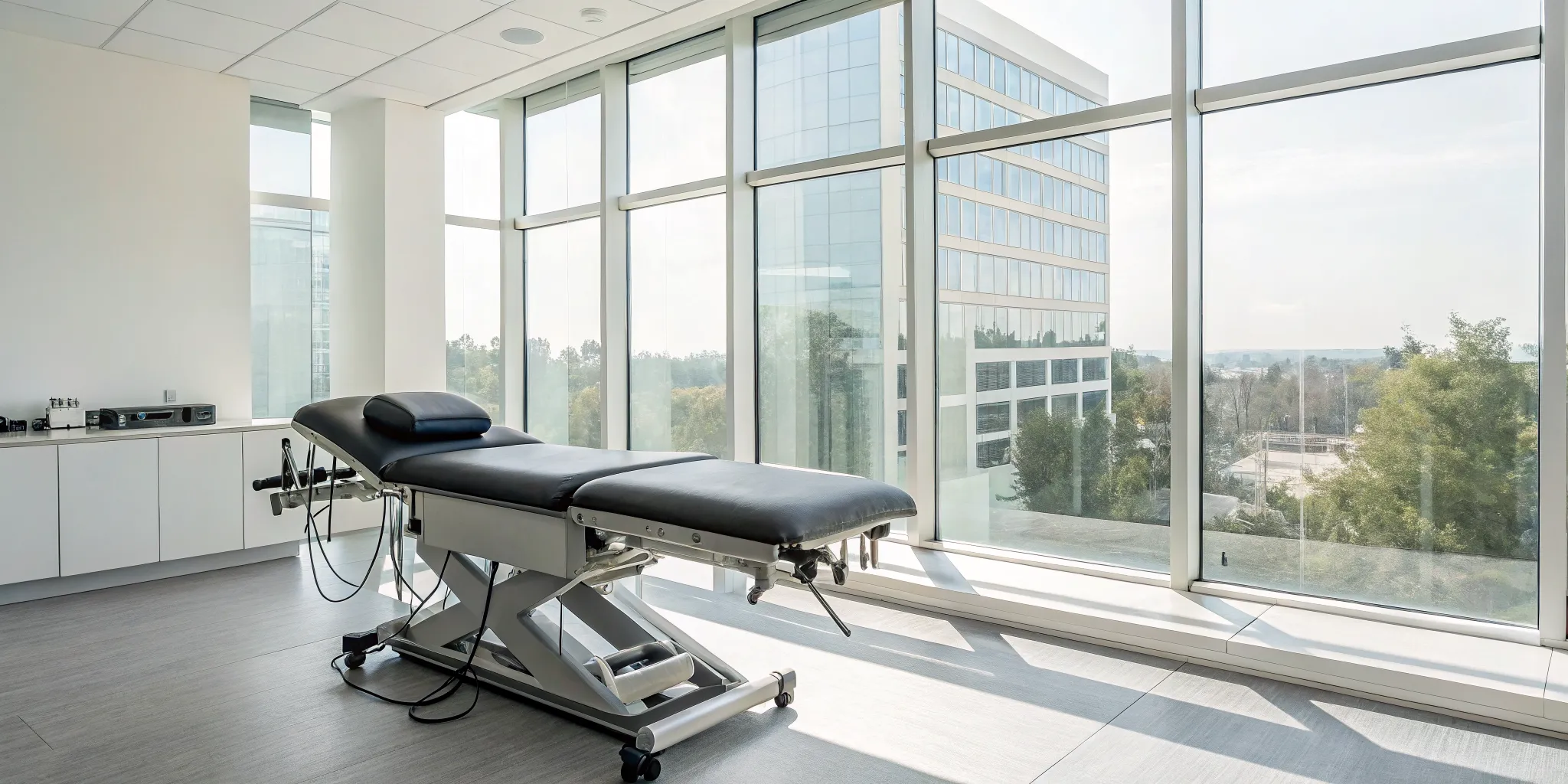
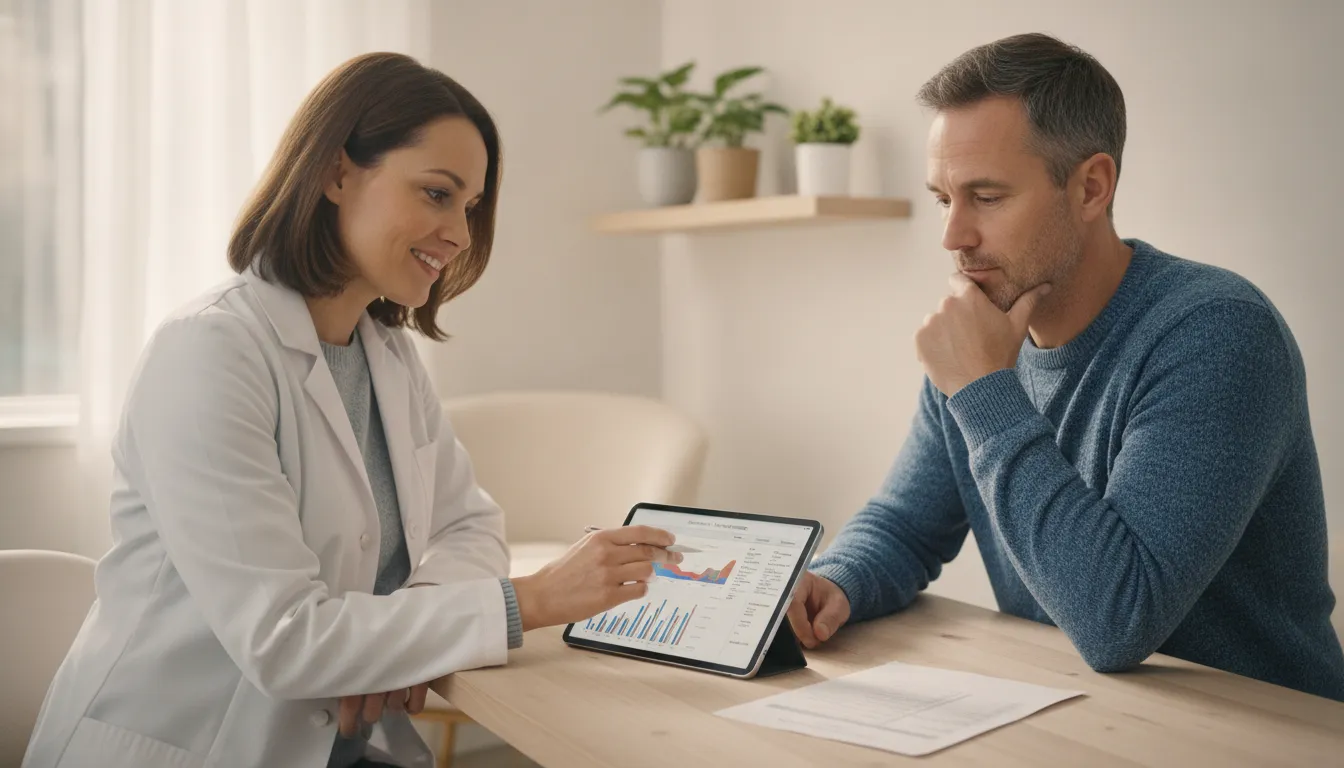
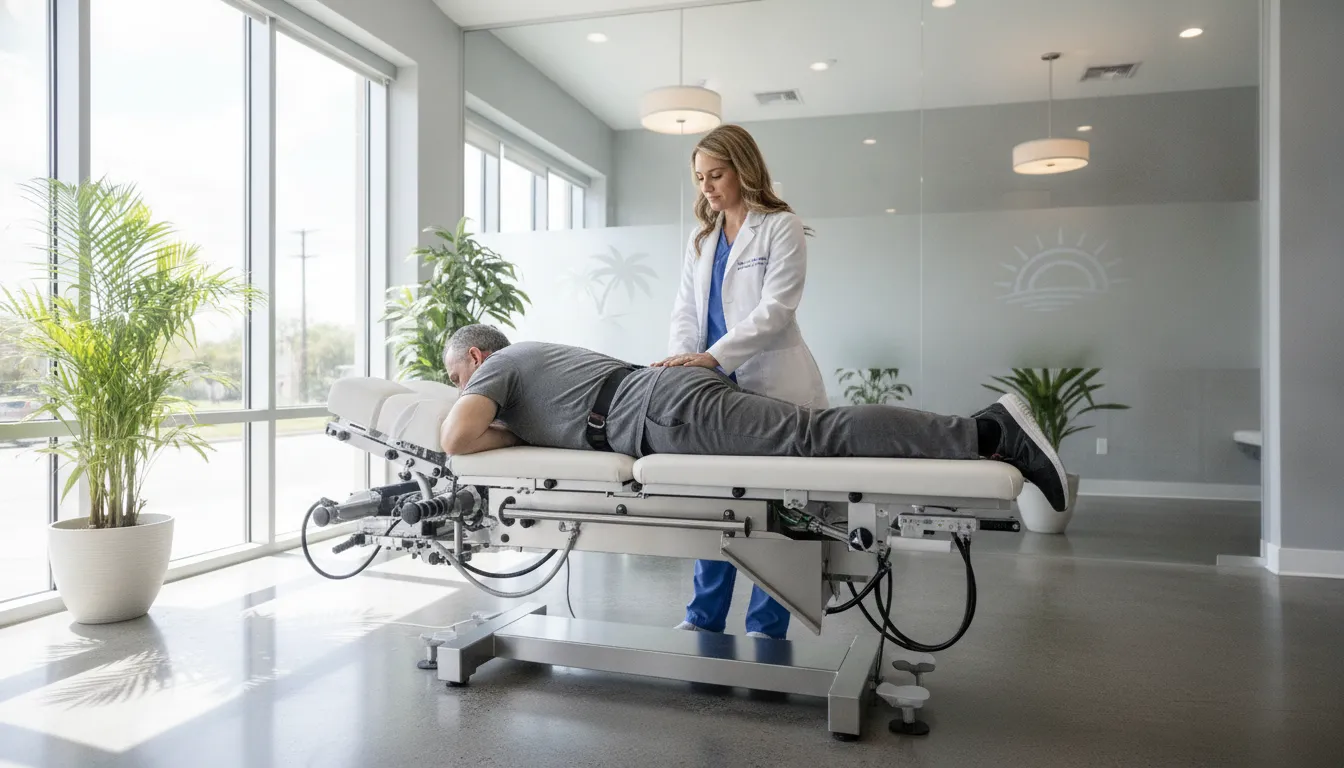
The scan itself is quick and painless. You’ll be asked to lie down on a padded table, similar to what you’d find in a doctor’s office. Once you’re comfortable, a C-shaped scanning arm will slowly pass over your body. Your only job is to lie still and relax. The entire process typically takes about 15 minutes. You won’t feel a thing as the scanner does its work. Afterward, your results are compiled into a detailed report. At Ascend, we take the time to review this report with you, ensuring you understand what the numbers mean for your personal health journey.
How to Read Your Results
Your DEXA report provides a comprehensive breakdown of your body composition, including bone density, lean muscle mass, and body fat percentage, even detailing it by body part. While DEXA is considered the gold standard, it’s helpful to know that even the best technology has a small margin of error, typically around 4-5%. This is still far more reliable than at-home body fat scales, which can be notoriously inaccurate. The most important thing is not to get fixated on a single number. Instead, view your results as a powerful tool for tracking progress over time and making informed adjustments to your wellness plan.
How Accurate Is a DEXA Scan?
When you’re committed to improving your health, you need reliable data to guide your decisions. While many tools claim to measure body fat, their accuracy can vary quite a bit. A DEXA scan is widely considered the gold standard for body composition analysis because it provides a detailed and precise picture of your body's makeup, going far beyond what a simple scale can tell you. Understanding how it stacks up against other methods helps clarify why it’s such a valuable tool for tracking your health and fitness journey.
This level of precision helps you and your health provider make informed choices. Instead of guessing, you get a clear baseline and can accurately track changes in fat, muscle, and bone over time. This data is essential for creating a personalized plan that addresses your specific needs, whether you're focused on losing fat, building muscle, or improving your overall metabolic health. It removes the ambiguity from your efforts, showing you exactly what’s working and where you might need to adjust your approach. With a DEXA scan, you're not just chasing a number on the scale; you're gaining a deep understanding of your body's unique composition, which is the foundation for lasting health improvements.
DEXA vs. At-Home Body Fat Scales
Many of us have stepped on a smart scale at home that gives a body fat percentage. These scales typically use bioelectrical impedance analysis (BIA), which sends a weak electrical current through your body. Because fat, muscle, and water conduct electricity differently, the scale estimates your body composition based on the current's speed. While convenient, these scales can be inconsistent. Your results can change significantly based on your hydration levels, when you last ate, or if you just worked out. A DEXA scan, on the other hand, uses low-dose X-ray technology to directly measure your tissue, providing a much more accurate and consistent assessment of your body fat.
DEXA vs. Other Professional Methods
Even among professional-grade tools, DEXA stands out. Other common methods include hydrostatic weighing (dunking in water) and air displacement plethysmography (the Bod Pod). While these can be accurate, they often only measure overall body density to estimate fat versus fat-free mass. They don't differentiate between bone and muscle, nor can they tell you where you store fat. A DEXA scan provides a detailed breakdown, measuring bone mineral density, lean muscle mass, and fat tissue. Crucially, it also identifies visceral adipose tissue (VAT), the dangerous fat surrounding your organs, which is a key indicator of metabolic health risks. This comprehensive data makes DEXA a superior diagnostic tool.
Common Myths About Body Fat Measurement
One of the biggest myths is that your total weight on the scale is the most important number. Two people can weigh the same but have vastly different body compositions and health profiles. Muscle is denser than fat, so someone with more muscle might weigh more but be healthier. Another misconception is that all body fat is bad. Your body needs a certain amount of essential fat to function. The concern lies with excess fat, particularly visceral fat. A DEXA scan helps you move past these myths by providing a complete picture, allowing you to focus on meaningful metrics like reducing harmful fat while preserving or building valuable muscle and bone density.
Who Should Get a Body Fat Scan?
A DEXA scan offers a detailed look inside your body that goes far beyond the number on a scale. While it’s a powerful tool for anyone curious about their health, certain groups find the data particularly useful. Whether you're fine-tuning your athletic performance, keeping an eye on long-term health markers, or working toward a specific weight goal, a body composition scan provides the clarity you need to make informed decisions. It helps you understand your body’s unique makeup of fat, muscle, and bone, giving you a personalized baseline to work from.
Athletes and Fitness Enthusiasts
If you’re serious about your training, you know that progress isn’t just about weight. A DEXA scan is considered the gold standard for body composition analysis because it gives you the precise data you need to optimize performance. It breaks down your exact muscle mass and body fat percentage, even showing asymmetries between your left and right sides. This information helps you see if your training program is building muscle effectively and allows you to make targeted adjustments. Understanding your body composition with this level of detail is key to reaching your peak physical potential and tailoring your physical medicine and recovery plans.
Anyone with Metabolic Health Concerns
Sometimes, the biggest health risks are the ones you can't see. A DEXA scan can identify potential issues before they become serious problems. One of the most important metrics it measures is visceral fat, the harmful fat that surrounds your internal organs and is linked to conditions like heart disease and type 2 diabetes. The scan also provides a clear picture of your bone density, helping to spot early signs of osteoporosis. By uncovering these hidden markers, you and your doctor can create a proactive health plan. This approach aligns perfectly with functional medicine, which focuses on addressing the root cause of health issues.
Individuals on a Weight Management Journey
When you’re focused on losing weight, it’s crucial to know if you’re shedding fat or losing valuable muscle. A traditional scale can’t tell the difference, but a DEXA scan can. It provides a clear report on how your body composition changes over time, ensuring your diet and exercise plan is producing the right kind of results. Seeing tangible proof that you're losing fat while preserving or even gaining lean muscle is incredibly motivating. This detailed feedback allows you to adjust your strategy for more sustainable and effective weight management, helping you address the specific conditions you want to treat and feel your best.
How Often Should You Get Scanned?
A DEXA scan gives you a detailed snapshot of your body composition, but its real power comes from tracking your progress over time. The right scanning frequency depends entirely on your personal health goals. Whether you're looking to build muscle, manage your weight, or monitor your bone health, establishing a consistent schedule is key to understanding how your body is responding to your lifestyle choices. Think of it less as a one-time test and more as a regular check-in that provides the data you need to stay on the right path.
Finding the Right Frequency for Your Goals
So, how often should you book an appointment? The answer is different for everyone. For a general health and wellness check-in, getting a scan every 6 to 12 months is a great way to keep an eye on your body composition and bone density. If you have more specific fitness goals, like training for an event or building muscle, you’ll want more frequent feedback. In that case, a scan every 3 to 6 months can help you see if your training and nutrition plans are working. For those with concerns about bone health, your doctor might recommend a scan every one to two years to monitor for any changes, especially if you're undergoing longevity medicine protocols.
Tracking Meaningful Changes Over Time
A single scan is useful, but seeing your results over time is what truly helps you make meaningful progress. Unlike a bathroom scale that only shows your total weight, regular DEXA scans reveal what’s happening beneath the surface. You can see if you’re losing fat, gaining muscle, or maintaining bone density. This information is invaluable because it shows you the true impact of your hard work. For example, your weight might stay the same, but a scan could show you’ve replaced two pounds of fat with two pounds of muscle. This kind of detailed feedback allows you and your functional medicine provider to make informed adjustments to your diet and exercise routine, ensuring you’re always moving toward your goals.
Are There Any Limitations to DEXA Scans?
A DEXA scan provides an incredibly detailed snapshot of your body composition, but like any technology, it has some limitations. Understanding these nuances is part of using data to make smarter decisions for your health, which is a core principle of functional medicine. While it’s celebrated as the gold standard for measuring body fat, bone density, and muscle mass, it’s important to know when a scan might not be appropriate and what factors can influence your numbers. Being aware of these details ensures you can interpret your results correctly and use them to effectively track your progress over time. Let's look at a few key considerations to keep in mind before you book your appointment.
When a Scan Might Not Be Right for You
A DEXA scan is a fantastic tool, but it isn't suitable for everyone. The most important consideration is pregnancy. Because the scan uses a very low dose of X-ray radiation, it is not recommended if you are pregnant or think you might be. It's always best to err on the side of caution and wait until after you've given birth. Additionally, if you have significant metal implants, like a hip or knee replacement, you should know that this can affect the accuracy of the readings in that specific area. The metal can interfere with the X-ray beams, so be sure to discuss any implants with your provider before the scan.
Factors That Can Affect Your Results
While DEXA is considered a top-tier method, it’s helpful to know that no body composition test is 100% perfect. Your hydration level, for instance, can slightly influence the results. Being dehydrated can make your lean mass appear lower than it is, so try to be consistently hydrated for each scan. It's also important to have realistic expectations about body fat scale accuracy in general. Even DEXA scans have a potential margin of error. This is why its greatest strength is tracking your progress over time. By comparing scans taken under similar conditions, you can see the true trend of your body composition changes, which is far more valuable than a single number.
Related Articles
- At Home Lab Tests | Alessi Functional Health
- Comprehensive Blood Work | Alessi Functional Health
- Corporate Wellness Programs | Alessi Functional Health Tampa, FL
- Telemedicine Services | Alessi Functional Health Tampa, FL
- Expert Spinal Curve Correction in Tampa Bay - Alessi Functional Health
Frequently Asked Questions
Is the DEXA scan safe, and does it hurt? The scan is completely painless and very safe. You just lie still on a padded table for about 15 minutes while a scanner passes over you. The radiation exposure is extremely low, even less than what you’d absorb on a typical cross-country flight, making it a safe way to check in on your body composition regularly.
Do I need a doctor's referral to schedule a scan? No, you don't need a referral to book a DEXA scan for wellness or fitness tracking purposes. You can schedule an appointment directly with a provider like us at Ascend Functional Health. If you're hoping to use insurance for a medically necessary scan, such as for osteoporosis screening, then a doctor's order would be required.
How long does the entire appointment take? While the scan itself is quick, usually lasting about 15 minutes, you should plan for a bit more time. A complete appointment often includes a few minutes for preparation and a dedicated session afterward to review your detailed report. We believe it's important to walk you through your results so you understand what the numbers mean and how you can use them to move forward.
My weight on the scale hasn't changed, so is a scan still useful? Absolutely. This is one of the best reasons to get a scan. The scale only shows your total weight, but it can't tell you if you're losing fat and gaining muscle, a process called body recomposition. A DEXA scan provides the proof of your hard work by showing you the specific changes in your fat and lean muscle mass, which is far more motivating and informative than a stagnant number on the scale.
What's the difference between body fat percentage and visceral fat? Your total body fat percentage is a measure of all the fat in your body compared to your total weight. Visceral fat, however, is a specific type of fat that is stored deep within your abdominal cavity, surrounding your internal organs. While both numbers are important, high levels of visceral fat are a key indicator of metabolic health risks, and a DEXA scan is one of the best ways to measure it accurately.