Are you tired of guessing if your health plan is actually working? A DEXA scan takes the guesswork out of wellness by providing you with objective, medical-grade data about your body. Instead of relying on how your clothes fit or what the scale says, you get precise measurements of your progress. You can see exactly how much muscle you’ve gained and how much fat you’ve lost, region by region. This level of insight is a game-changer, allowing you to fine-tune your nutrition and training with confidence. It empowers you to make data-driven decisions for real results. Let’s explore what this technology can do for you and how to find an affordable DEXA scan.
Key Takeaways
- Look beyond the scale: A DEXA scan offers a detailed analysis of your body composition, showing you the precise amounts of bone, muscle, and fat. This gives you a much clearer understanding of your health than your total weight alone.
- Find a scan that fits your budget: You can manage the cost by comparing prices at local clinics, asking about package deals or first-time client offers, and checking with your insurance provider about coverage for medically necessary scans.
- Use your results to create a smarter plan: Your scan provides the objective data needed to build a truly personalized health strategy. Work with a trusted provider to interpret your results and create an effective plan for your fitness, nutrition, and long-term wellness goals.
What Is a DEXA Scan and Why Get One?
If you've ever felt like the number on your bathroom scale doesn't tell the whole story of your health, you're right. That's where a DEXA scan comes in. A DEXA (dual-energy X-ray absorptiometry) scan is an advanced imaging test that gives you a highly detailed look inside your body. It’s considered the gold standard for measuring your bone mineral density (BMD) and providing a complete breakdown of your body composition, including your exact amounts of fat, lean muscle, and bone.
Think of it as a complete internal audit of your body. Instead of just knowing your total weight, you get to see what that weight is actually made of. This information is incredibly powerful whether you're focused on building strength, losing fat, or protecting your long-term bone health. It helps you and your health provider move beyond generic advice to create a truly personalized plan. At Ascend Functional Health, we use these precise insights to understand the root cause of health concerns and track your progress with objective data, ensuring your wellness plan is perfectly tailored to you.
How DEXA Technology Works
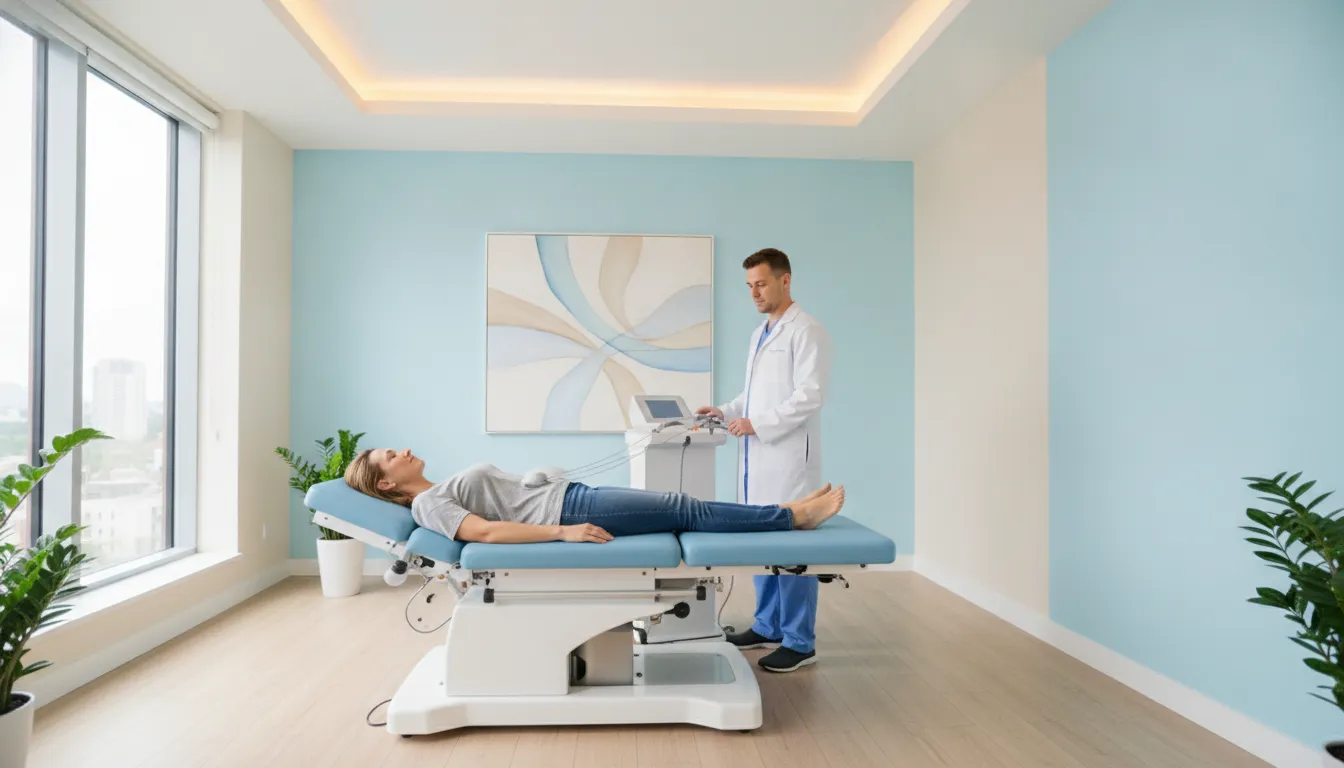
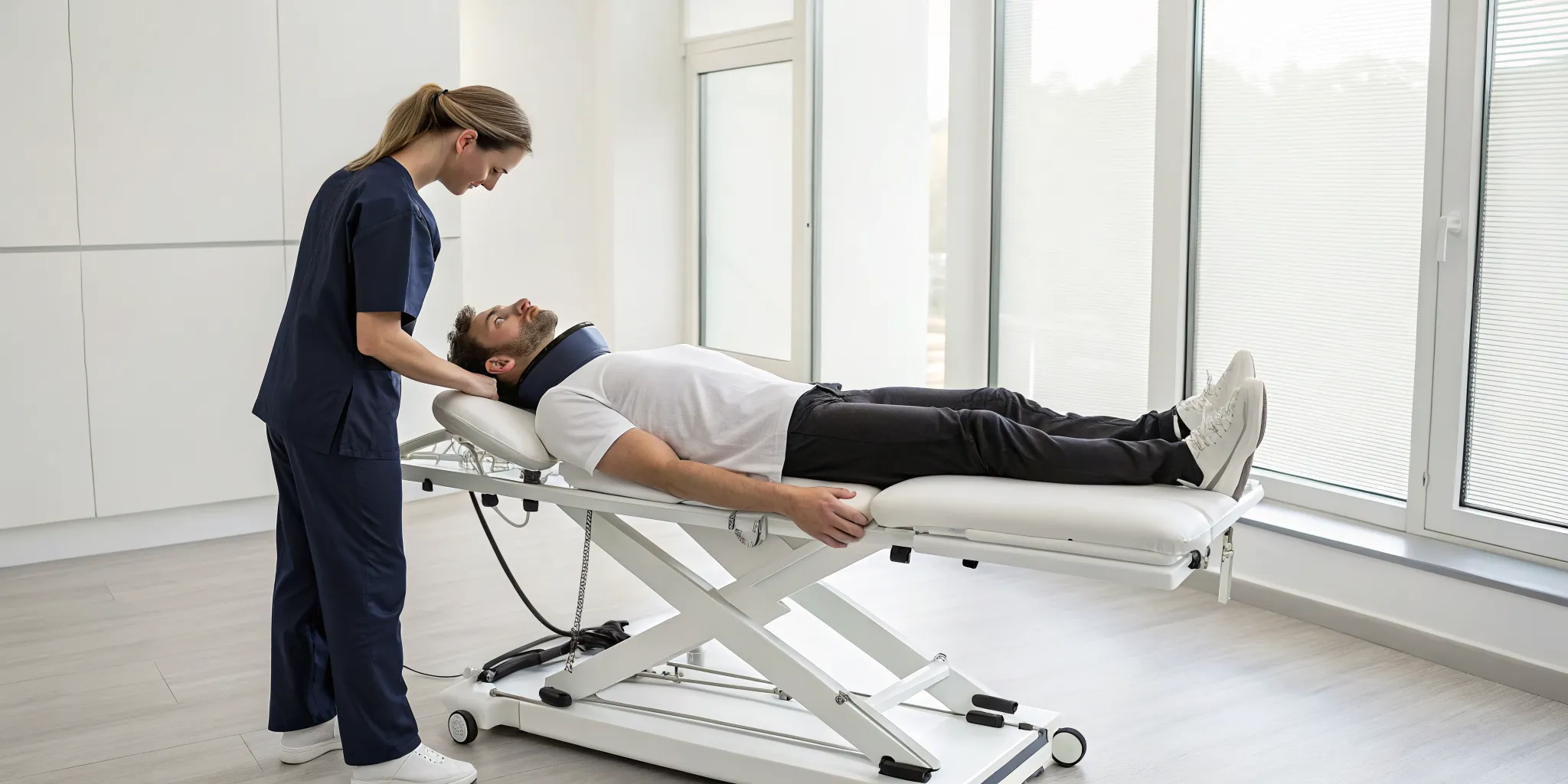
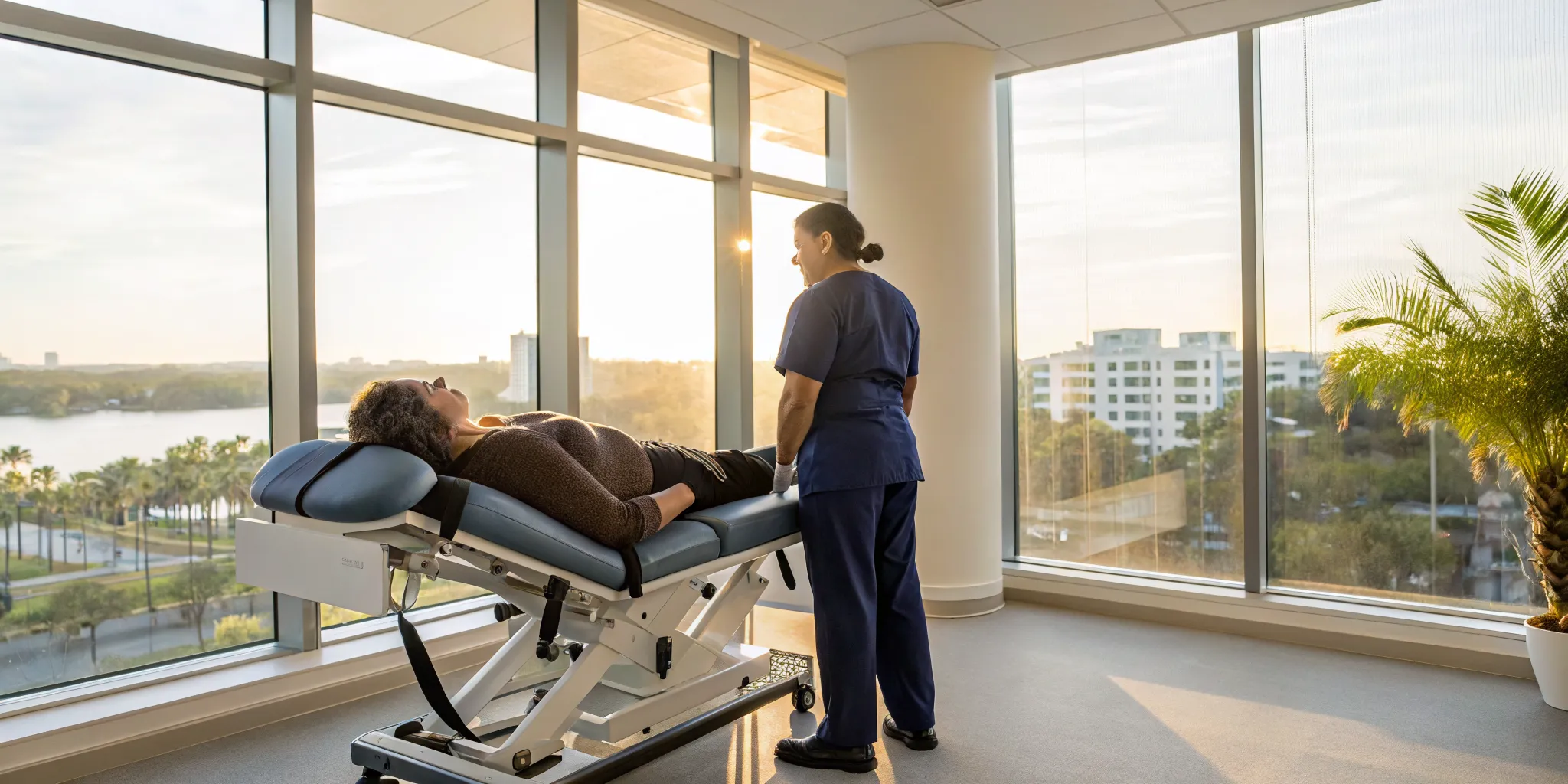
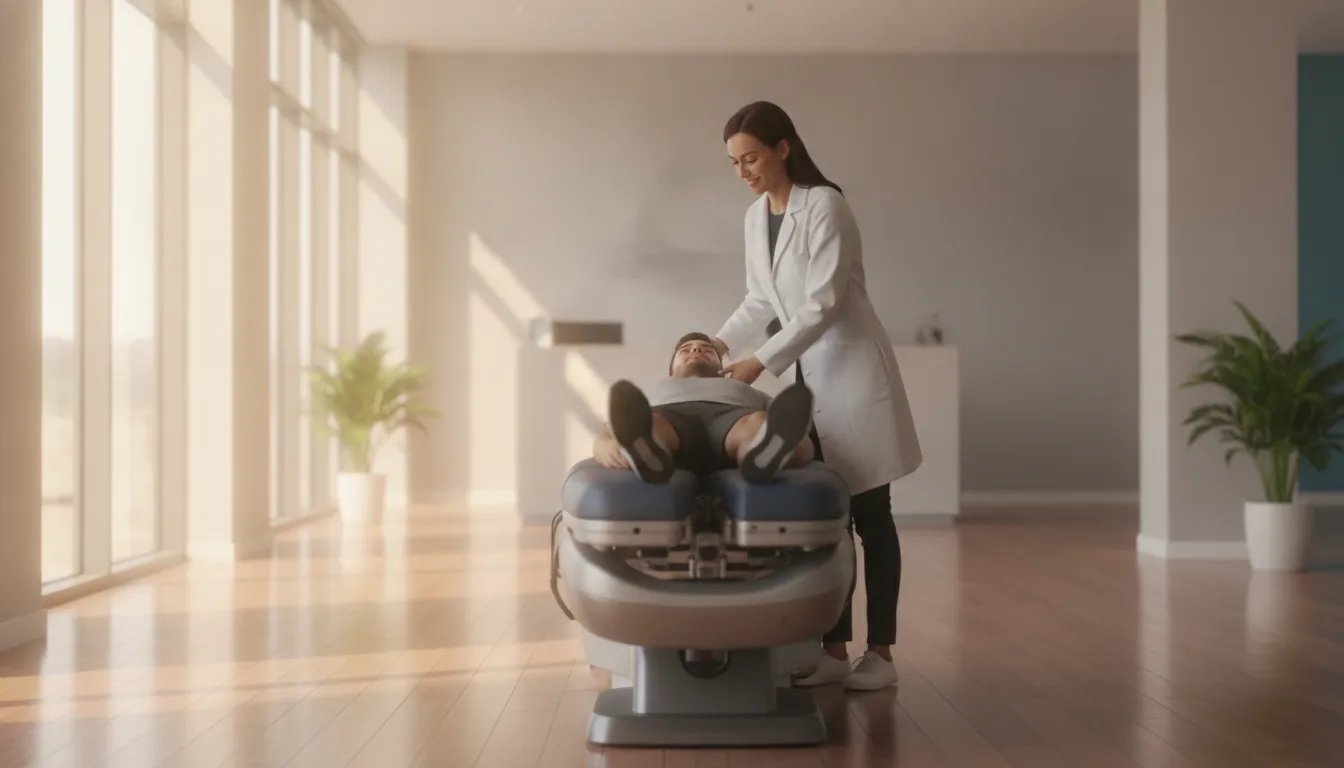
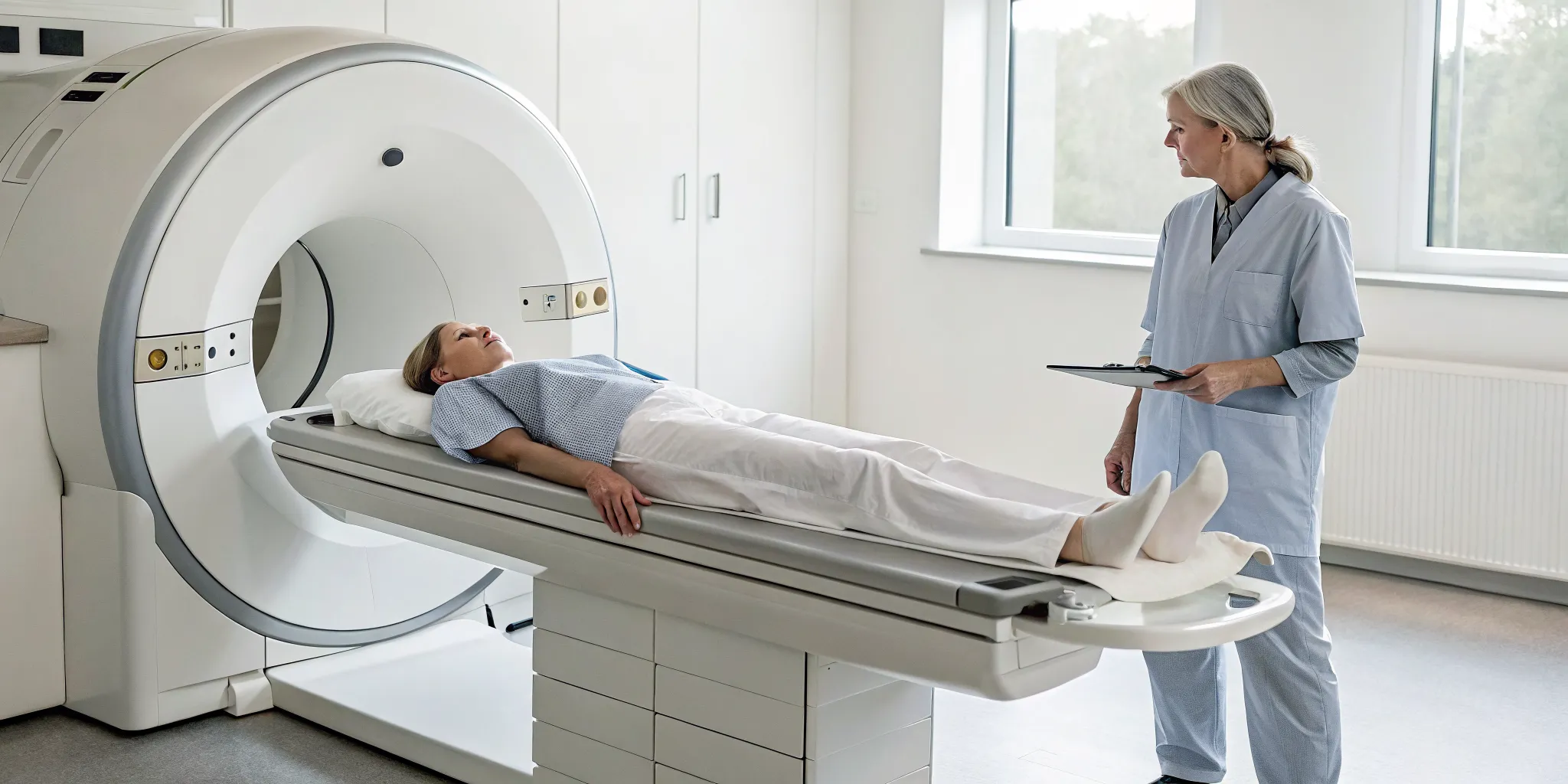
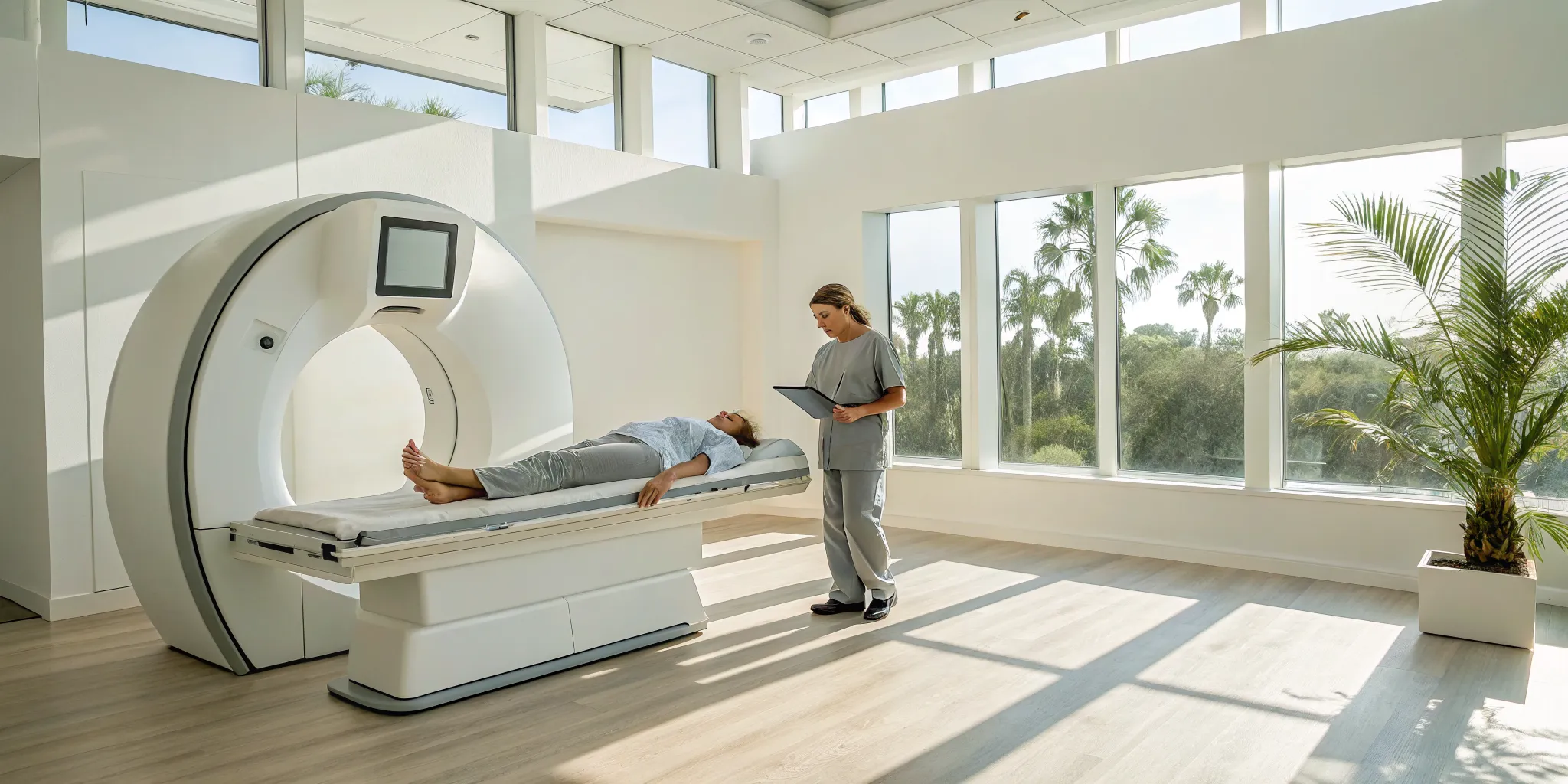
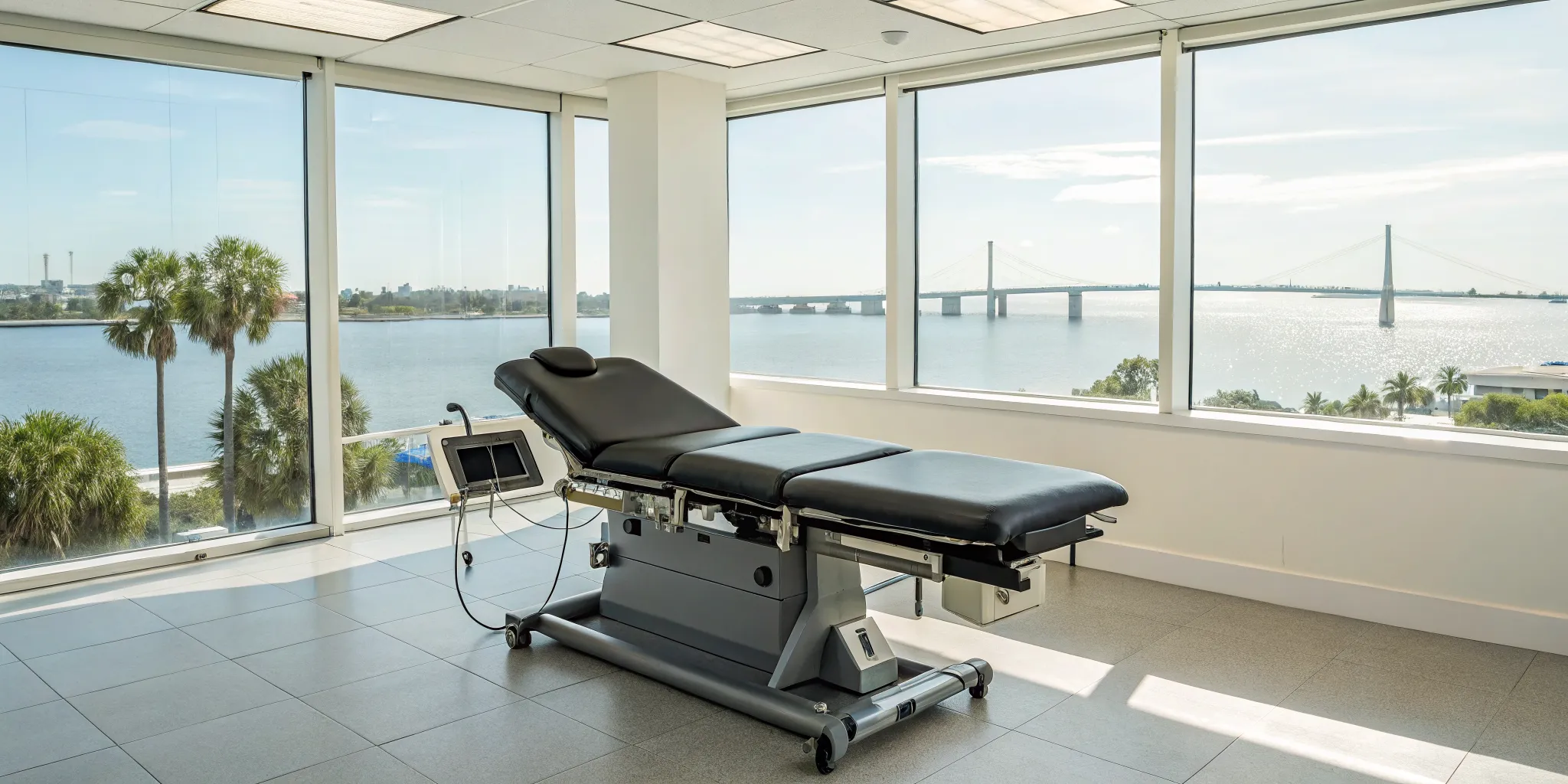
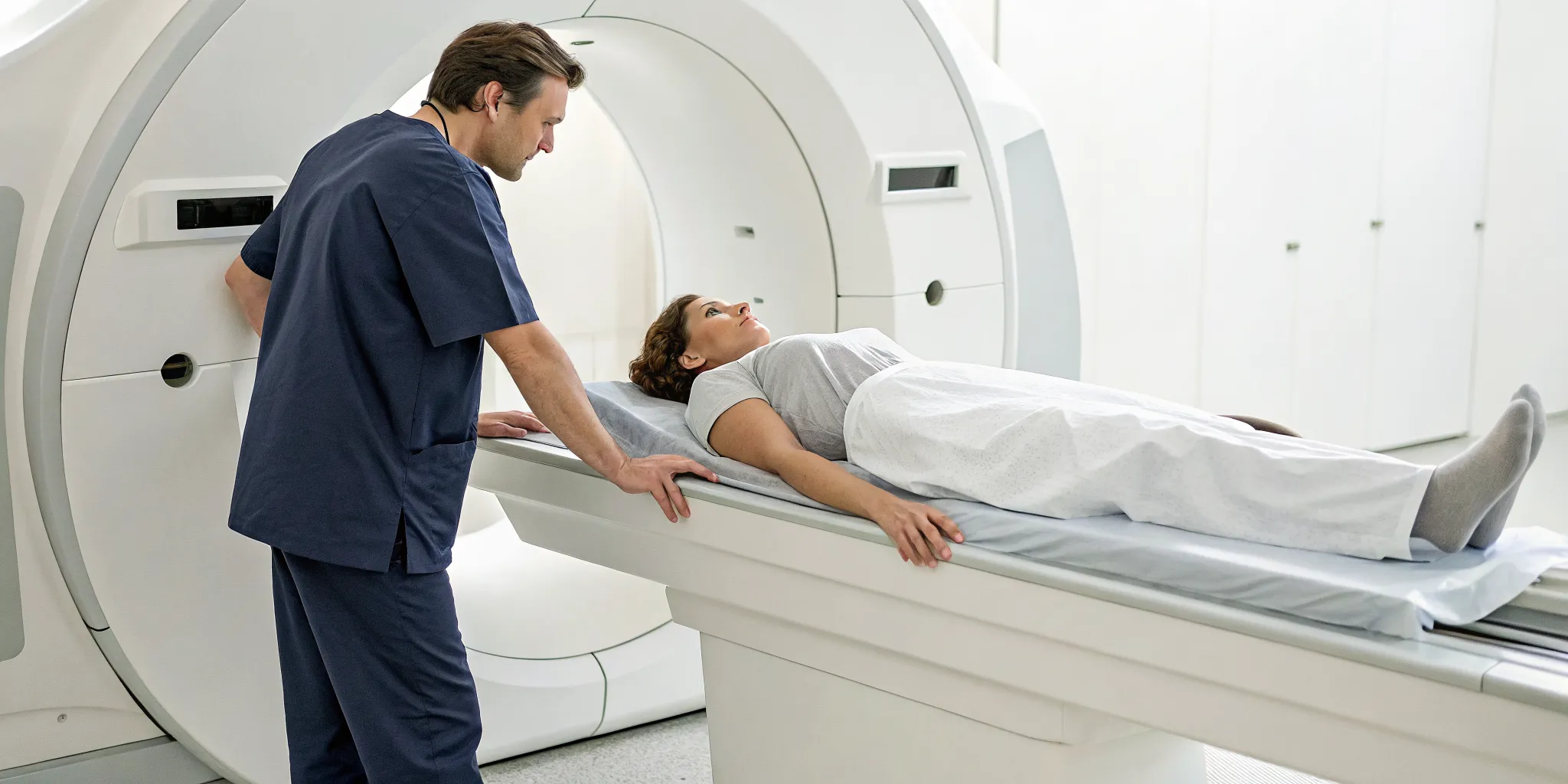
The technology behind a DEXA scan sounds complex, but the process is simple and straightforward. During the scan, you just lie comfortably on a padded table while an imaging arm passes over your body. This arm sends two very low-dose X-ray beams through your body. The key is that bone, fat, and muscle all absorb these energy beams differently. The scanner measures how much of each beam passes through your tissues, and that data is used to create a detailed report on your bone density and body composition. The entire DEXA scan process is quick, non-invasive, and painless, usually taking only 10 to 15 minutes to complete.
Body Composition vs. Bone Density: What's the Difference?
While a DEXA scan measures both, it's helpful to understand the difference between body composition and bone density. Bone density refers specifically to the strength and thickness of your bones. Low bone density can be a sign of osteoporosis, a condition that makes your bones weak and more likely to break. On the other hand, body composition is the full breakdown of everything else: your fat mass, lean muscle mass, and bone mass. This gives you a much clearer picture of your health than BMI, which can be misleading. For example, an athlete might have a high BMI but a very healthy body composition with low fat and high muscle.
Key Health and Fitness Benefits
Getting a DEXA scan offers a wide range of benefits for both your immediate fitness goals and your long-term health. One of its most important functions is detecting early signs of bone loss, which allows you to take proactive steps to prevent osteoporosis. For those focused on fitness, it provides undeniable proof of your progress. You can see exactly how your body is changing, confirming that you're losing fat and gaining muscle, even if the scale isn't moving much. From a longevity perspective, a DEXA scan can measure visceral fat, the dangerous fat surrounding your organs, giving you critical information to guide your nutrition and training for a longer, healthier life.
How Much Does a DEXA Scan Cost?
One of the first questions people ask about DEXA scans is, "What's the price tag?" It’s a fair question, and the answer isn't always straightforward. The cost can vary quite a bit, but understanding the factors that influence the price will help you find an affordable option that fits your budget. Think of it not just as a cost, but as an investment in getting precise data about your body. With a clear picture of the pricing landscape, you can make an informed decision about where and when to get your scan. Let's break down what you can expect to pay and what might affect the final number on your bill.
Average Price Ranges
So, what should you budget for a DEXA scan? While prices vary by location, the national average cost is around $335. However, you can often find it for much less. For example, in some states, the price can range from about $95 to $165. This gives you a general idea, but the cost in Tampa will depend on the specific facility you choose. Some clinics might offer a basic scan at a lower price point, while others may include a detailed consultation to review your results, which could affect the total cost. It’s always a good idea to call a few local providers to get a sense of the going rate in our area.
What Influences the Final Price?
Several key factors determine how much you'll pay for a DEXA scan. Your geographic location is a big one; scans in major metropolitan areas might have different pricing than those in smaller towns. The type of provider also matters. A scan at a hospital could be priced differently than one at a specialized wellness clinic or a mobile scanning service. Another thing to consider is whether the scan is a standalone service or part of a larger health assessment. At Ascend, we often incorporate advanced diagnostics like DEXA scans into our comprehensive functional medicine programs to get a complete picture of your health.
Watch Out for Hidden Costs
When you're budgeting for a DEXA scan, make sure you ask about the total price upfront. You don't want to be surprised by unexpected fees for things like the consultation to read your results or administrative charges. It's also smart to clarify insurance coverage. While some insurance plans may cover a DEXA scan if it's deemed medically necessary for assessing bone density, they often don't cover scans for body composition analysis. Before you book, it’s best to check with your insurance provider and the scanning facility. Don't hesitate to contact us to ask about our pricing structure; we believe in being transparent so you can focus on your health goals.
Where to Find an Affordable DEXA Scan
Once you’ve decided to get a DEXA scan, the next step is figuring out where to go. You have a few different options, and the right one for you depends on your goals, budget, and convenience. From clinical settings to mobile vans, finding a provider is easier than you might think. The key is to know what to look for so you can find a reliable and affordable service that fits your needs.
Medical Centers, Gyms, or Mobile Services?
DEXA scans are offered in a variety of settings. Hospitals and specialized medical clinics often provide them, especially for assessing bone density. You might also find them at high-end gyms or wellness centers that focus on body composition for fitness tracking. Another popular option is mobile DEXA services, which set up in different locations to make scanning more accessible and often more affordable.
To choose, think about your primary goal. If you have a specific medical concern about bone health, a clinical setting is likely your best bet. If you’re focused on tracking muscle gain or fat loss, a wellness center or mobile service that specializes in body composition analysis will be a great fit.
Finding a DEXA Scan in Tampa
If you’re in the Tampa area, a quick online search for “DEXA scan near me” will give you a list of local providers. Many independent clinics, chiropractic offices, and wellness centers offer this service. You can also check with larger hospital networks or university health centers, as they sometimes have imaging departments that provide scans to the public.
Here at Ascend Functional Health, we believe in using precise data to guide your health journey. While we don't perform DEXA scans in our office, we can help you understand your results and integrate them into a holistic health plan. Feel free to contact our team for guidance on finding a trusted local provider that aligns with your wellness goals.
How to Compare Local Providers Online
When you have a list of potential providers, it’s time to compare them. Price is a big factor, but it shouldn’t be the only one. Look at what’s included in the cost. Does it cover just the scan, or do you also get a detailed report and a consultation to discuss your results? Some online marketplaces even let you compare upfront costs for medical procedures, which can help you find a good deal.
Beyond price, check out online reviews and patient testimonials to get a sense of the client experience. A good provider will have qualified staff, use up-to-date equipment, and take the time to ensure you understand your scan results and how to use them.
How to Save Money on Your DEXA Scan
A DEXA scan is a valuable investment in your health, but that doesn't mean it has to break the bank. With a little bit of research and some savvy questions, you can find an affordable option that fits your budget. The key is to explore all your payment options, from insurance coverage to special deals, before you book your appointment. Let's walk through a few practical ways you can lower the cost.
Will Insurance Cover Your Scan?
This is often the first question people ask, and the answer is: it depends. If a doctor orders a DEXA scan to diagnose or monitor a medical condition like osteoporosis, your insurance is more likely to cover it. However, if you're getting a scan for fitness or general wellness purposes, it's often considered an out-of-pocket expense. If you have a high-deductible health plan, you might be able to apply the cost toward your deductible, but you’ll need to confirm this. The best first step is to call your insurance provider directly and ask about their policy on DEXA scans for both medical and wellness reasons.
Look for Memberships and Package Deals
Many providers offer discounts when you buy scans in a package. If you plan to track your progress over time, purchasing a bundle of two or three scans upfront can be much cheaper than paying for each one individually. Some fitness centers or wellness clinics also include DEXA scans as part of a larger membership or health program. You can also check online marketplaces like MDsave, which allow you to compare prices and purchase medical services at a set rate. This transparency helps you find a fair price without any surprise fees later on.
Ask About Promotions and New Client Discounts
Never underestimate the power of simply asking for a discount. Many clinics and medical centers run promotions, especially for new clients. Check their websites for any introductory offers or sign up for their newsletter, which often comes with a small discount on your first service. It’s also a great idea to call the provider directly. A quick phone call to ask if they have any current specials or first-time client deals can lead to significant savings. At Ascend, we believe in making health accessible, so feel free to contact our Tampa office to discuss your options.
How to Choose the Right DEXA Scan Provider
Finding a place to get a DEXA scan is one thing, but finding the right place is what truly matters for your health journey. The quality of your scan and the insights you gain from it depend entirely on the provider you choose. Think of it like this: you wouldn't trust just anyone with your health data, right? The same principle applies here.
When you’re ready to book a scan, you’ll want to look at a few key factors beyond just the price tag. The quality of the equipment, the expertise of the staff, and the experiences of past clients all play a huge role in ensuring you get accurate, actionable results. Taking a few extra minutes to vet your options will give you confidence that the data you receive is a reliable foundation for your health and fitness decisions.
Check the Equipment's Quality and Accuracy
Not all DEXA machines are created equal. The technology has evolved over the years, and the quality of the equipment directly impacts the accuracy of your results. Since DEXA scans are incredibly effective at measuring bone mineral density and body composition, you want to make sure the machine is up to the task.
Don’t be shy about asking a potential provider about their equipment. You can ask what model they use and when it was last calibrated. Newer, medical-grade machines often provide more detailed and precise data. A provider who invests in high-quality technology is showing a commitment to giving you the best information possible, which is a cornerstone of our approach to functional medicine.
Verify Staff Qualifications
A state-of-the-art machine is only as good as the person operating it. The technician’s training and the qualifications of the professional who interprets your results are crucial. A trained expert can ensure you’re positioned correctly for an accurate scan and can help you understand what the numbers on your report actually mean for your health.
When you call a facility, ask about their team’s credentials. Are the technicians certified? Who will be reviewing your scan results with you? Your healthcare provider may recommend a scan, but it’s the team at the facility that helps bring the data to life. You want a team that can translate complex data into clear, actionable steps, which is why we pride ourselves on the expertise of our Ascend Health team.
Read Reviews and Compare Services
Before you commit, take a few minutes to see what other people are saying. Online reviews and testimonials are a fantastic window into the actual patient experience. Look for feedback on the entire process, from booking the appointment to discussing the results. Were people happy with the service? Did they feel the staff was knowledgeable and supportive?
Reading about others' experiences can help you find a provider that aligns with your needs. Check Google, Yelp, and the provider’s own website for reviews. Consistent positive feedback about professionalism, cleanliness, and clear communication is a great sign. We believe in transparency, which is why we proudly share our patient testimonials so you can see what to expect.
What to Expect During Your Appointment
Knowing what happens during a DEXA scan can make the entire process feel more comfortable and straightforward. From simple preparations to understanding your results, the experience is designed to be quick and informative. It’s a smooth process that gives you a clear, detailed picture of your body composition, providing a solid foundation for your health and wellness plan. Let’s walk through what your appointment will look like from start to finish.
How to Prepare for Your Scan
Getting ready for your DEXA scan is simple. To ensure the most accurate results, it’s a good idea to fast for about four hours before your appointment, but this isn’t a strict requirement. The most important thing is to wear comfortable clothing without any metal, like zippers, snaps, or underwire bras, as metal can interfere with the imaging. Think gym clothes or anything you can easily relax in. If you have any questions before you arrive, feel free to contact our office, and we’ll be happy to walk you through any concerns.
The Scanning Process: Step-by-Step
The scan itself is quick and completely painless. You’ll lie down on a padded table while a scanning arm passes slowly over your body. The whole process takes about 10 to 15 minutes, and all you have to do is lie still. DEXA scans are very safe and use extremely low levels of X-ray energy, even less than what you’d be exposed to during a standard chest X-ray. It’s a non-invasive way to gather precise data that helps us understand your body’s unique needs as part of our physical medicine assessments.
How to Read and Use Your Results
After your scan, you’ll receive a detailed report breaking down your body composition. This includes precise measurements of your bone density, lean muscle mass, and body fat percentage, often separated by body region. These aren’t just numbers on a page; they are powerful insights into your health. One of our practitioners will review the results with you, explaining what they mean and how you can use this information to reach your goals. This data helps us create a truly personalized functional medicine plan tailored to your body’s specific needs.
Are DEXA Scans Safe and Worth It?
When you hear about scans that use X-ray technology, it’s natural to have questions about safety and whether the investment is truly worthwhile. A DEXA scan gives you an incredibly detailed picture of your body composition, but is it the right tool for you? Let's clear up some common questions and look at how this scan stacks up against other methods. By understanding the facts, you can decide if a DEXA scan fits into your personal health and wellness plan.
Common Myths About DEXA Scans
One of the biggest misconceptions is that DEXA scans are only for detecting osteoporosis in older adults. While they are excellent for that purpose, their application is much broader. Athletes use them to fine-tune their training by tracking muscle gain and fat loss with precision. Anyone on a wellness journey can use a DEXA scan to get a baseline of their body composition and monitor how their diet and exercise programs are really working. It’s a tool for anyone who wants to move beyond the number on the scale and understand their body’s unique makeup.
A Quick Look at Safety and Radiation
Let's talk about radiation. It’s true that DEXA scans use a very small amount of it, but it’s important to put this into perspective. The amount of radiation is extremely low, comparable to a standard dental X-ray or the background radiation you’d absorb on a cross-country flight. Medical experts agree that the benefits of identifying potential issues like bone loss or tracking body composition changes far outweigh the minimal risk. The scan is non-invasive and quick, making it a safe and efficient way to gather vital health data.
DEXA vs. Other Body Composition Tests
You’ve probably seen other body composition tools, like smart scales or handheld devices that use bioelectrical impedance. While these can be useful for tracking trends, they aren’t nearly as accurate as a DEXA scan. DEXA is considered the gold standard because it directly measures your bone mass, fat mass, and lean muscle mass. It can even differentiate between visceral fat (the fat around your organs) and subcutaneous fat (the fat under your skin). This level of detail provides a much clearer picture of your health, helping you and your doctor create a more effective functional medicine plan.
How Often Should You Get a DEXA Scan?
A DEXA scan gives you a detailed snapshot of your body composition, but its real power comes from tracking changes over time. So, how often should you schedule one? The answer isn't one-size-fits-all. It really depends on your personal health goals, whether you're focused on building muscle, losing fat, or monitoring your bone health. Establishing a consistent schedule for scans allows you to see what’s working, what isn’t, and make informed adjustments to your fitness and nutrition plan. This data-driven approach takes the guesswork out of your health journey, providing clear evidence of your progress.
Recommended Frequency for Fitness and Bone Health
For most people interested in general health and wellness, getting a DEXA scan every six to 12 months is a great rhythm. This timeframe is long enough to show meaningful changes in body composition and bone density without being excessive. However, if you have more specific or aggressive goals, you might consider a more frequent schedule. Athletes in training, individuals on a dedicated weight loss plan, or those with bone density concerns like osteopenia may find that a scan every three to six months provides the timely feedback they need to stay on track and optimize their routines.
Using Scans to Track Your Progress
A DEXA scan is an incredible tool for anyone serious about their health because it offers data-driven insights that a simple scale can't provide. Instead of just a single number, you get a detailed breakdown of your body. The scan precisely measures your body fat, lean muscle mass, and even where you store it. It also assesses your bone density and the amount of visceral fat, which is the dangerous fat surrounding your internal organs. This information allows you to see if your workouts are truly building muscle and losing fat, even if your weight hasn't changed much. It helps you create a smarter, more effective health plan.
Fit a DEXA Scan into Your Health Plan
Think of a DEXA scan as the starting point on your health map. It’s not just about getting a set of numbers; it’s about gaining a clear, detailed picture of your body’s unique composition. This baseline understanding of your bone density, muscle mass, and body fat percentage is the foundation for building a truly personalized wellness plan. Instead of guessing what your body needs, you get concrete data to guide your nutrition, fitness, and overall health decisions.
So, who should add a DEXA scan to their annual health checklist? It’s particularly valuable if you're dealing with hormonal imbalances, have a family history of osteoporosis, or are focused on optimizing your physical performance. The insights from a scan can be a game-changer for creating effective longevity medicine protocols or fine-tuning a physical therapy regimen. It helps you and your doctor see what’s really going on under the surface, allowing for a proactive rather than reactive approach to your health.
While the scan uses a very small amount of radiation, experts agree the benefits of detecting early signs of bone loss far outweigh the minimal risk. Catching potential issues like osteopenia before they progress is a cornerstone of preventive care. By integrating regular scans into your health plan, you can track changes over time, measure the effectiveness of your strategies, and make informed adjustments along the way. It’s a powerful tool for taking control of your health journey.
Once you have your results, the next step is to work with a provider who can help you interpret them in the context of your broader health. At Ascend, we use this data as part of our comprehensive functional medicine approach to identify root causes and create a plan that works for you. A DEXA scan gives us the "what," so we can help you figure out the "why" and "how" to move forward.
Related Articles
- Physical Medicine in Tampa | Chiropractic & Rehab Care | Ascend Functional Health
- Longevity Medicine in Tampa | Joint & Recovery Care | Ascend
- Functional Medicine in Tampa | Root Cause Care | Ascend Functional Health
- At Home Lab Tests | Alessi Functional Health
- Revitalize Your Spine with Spinal Decompression Therapy in Tampa, FL
Frequently Asked Questions
My smart scale already gives me a body fat percentage. Is a DEXA scan really that different? Yes, it’s significantly different and much more accurate. Smart scales use bioelectrical impedance, which sends a small electrical current through your body to estimate body composition. These readings can be easily affected by your hydration levels, when you last ate, or even if you just worked out. A DEXA scan, however, uses advanced X-ray technology to directly measure your bone, fat, and lean tissue. It gives you a precise, medical-grade breakdown that isn't influenced by those daily fluctuations.
Do I need a referral from my doctor to schedule a DEXA scan? It depends on your reason for getting the scan. If you are using it for fitness tracking or general wellness to understand your body composition, you typically do not need a doctor's referral and can book it directly. However, if you need the scan to diagnose or monitor a medical condition like osteoporosis and you hope to have insurance cover the cost, you will almost certainly need a referral from your doctor.
Will the scan results tell me why I have low bone density or high body fat? The scan itself provides the "what," giving you precise data on your body's makeup, but it doesn't explain the "why." That's where a comprehensive health approach comes in. The results are a starting point that can highlight potential issues. To understand the root cause, you would work with a practitioner who can connect that data to other factors like your hormones, gut health, and nutrition to build a complete picture of your health.
If I get a scan, how long should I wait before getting another one to track my progress? Meaningful changes in your body composition and bone density take time and consistent effort. For most people, waiting at least three to six months between scans is a good idea. This gives your body enough time to respond to changes in your diet and exercise routine, so the follow-up scan will show significant, measurable progress. Getting scans too close together might not reveal much change, which can be discouraging.
I'm concerned about the radiation. Is it safe to get a DEXA scan regularly? This is a very common and understandable question. The amount of radiation from a DEXA scan is extremely low. To put it in perspective, it’s about the same amount of background radiation you’d absorb on a flight from New York to California. Medical experts consider it a very safe procedure, and the benefit of getting such detailed, accurate information about your bone health and body composition far outweighs the minimal risk.