Feeling tired all the time? Is brain fog your new normal? So many of us are told that exhaustion, mood swings, and a general feeling of being "off" are just unavoidable parts of getting older. But what if they aren't? What if these daily struggles are actually signals from your body that something is out of balance? Often, the root cause is a decline in your natural hormone levels. This is where a personalized approach to wellness can make a significant difference. This guide will walk you through Bioidentical hormones, a therapy designed to replenish what your body is missing with hormones that are structurally identical to your own. We'll explore how they work, what the benefits are, and how to determine if this path is the right one for you.
Key Takeaways
- Bioidentical hormones are designed to be an exact match: They have the same molecular structure as the hormones your body produces, which helps restore balance and relieve symptoms like fatigue, hot flashes, and mood swings.
- A personalized plan is essential for safety and success: Effective BHRT is not a one-size-fits-all solution; it requires a thorough evaluation of your medical history and comprehensive testing to create a treatment plan tailored to your specific needs.
- Choosing the right provider makes all the difference: Look for a qualified expert who prioritizes ongoing monitoring and is transparent about the benefits and risks, ensuring your treatment is both safe and effective for the long term.
What Are Bioidentical Hormones?
If you're exploring hormone therapy, you’ve likely come across the term "bioidentical." So, what does it actually mean? Think of it this way: bioidentical hormones are designed to be exact replicas of the hormones your body naturally produces. They have the same molecular structure as your own estrogen, progesterone, and testosterone. This identical match is the key difference that sets them apart from traditional, synthetic hormones, which have a slightly different chemical structure.
Because they are structurally the same, your body recognizes and uses them in the same way it would its own hormones. The goal of bioidentical hormone replacement therapy (BHRT) is to restore your hormone levels to a more optimal state, helping to relieve symptoms tied to hormonal imbalances. The Cleveland Clinic explains that these hormones are man-made but are created to act just like the ones your body produces. This approach allows for a more personalized treatment plan, tailored to what your body specifically needs to find its equilibrium again. At Ascend Functional Health, we focus on this personalized approach to help you feel your best.
How Are They Made?
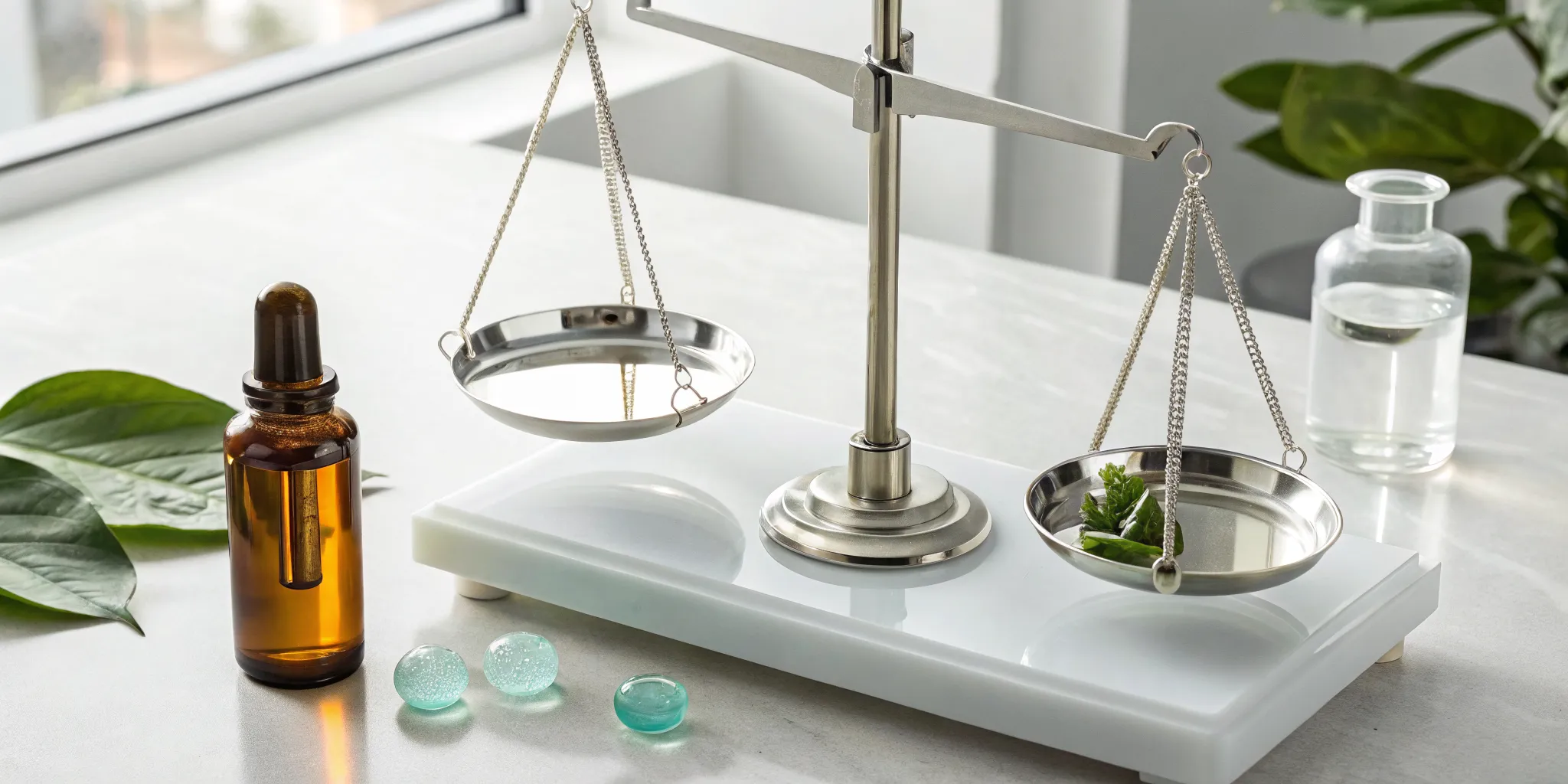
Bioidentical hormones come from two primary sources. Some are produced by major drug companies and are approved by the Food and Drug Administration (FDA). These come in standardized doses and are widely available at most pharmacies. However, many people benefit from a more customized approach. This is where compounding pharmacies come in. These specialized pharmacies create bioidentical hormones based on a specific prescription from your doctor. This allows for personalized dosages and unique combinations that aren't available in mass-produced products. It's important to know that while some bioidentical hormones are FDA-approved, many of these custom-made preparations are not, a point highlighted by the American College of Obstetricians and Gynecologists.
Understanding Their Plant-Based Origins
You might hear bioidentical hormones described as "natural" because their active ingredients are often derived from plant sources, like wild yams or soybeans. This can be a bit confusing, so let's clear it up. The plant compounds themselves are not hormones. Instead, they serve as the starting material. In a lab, these plant-based substances are scientifically processed and converted into hormones that are chemically identical to those produced in the human body. The Mayo Clinic explains that this process creates hormones that are structurally indistinguishable from your own. So, while the origin is a plant, the final product is the result of a precise and sophisticated scientific process designed to replicate your body’s natural chemistry.
How Do Bioidentical Hormones Work?
So, how exactly does this all work? The effectiveness of bioidentical hormones isn't magic; it's science that works in harmony with your body. Think of it like using a key that was perfectly cut for a specific lock. Because these hormones are identical to the ones your body makes, they fit seamlessly into your cellular receptors. This allows them to send the right signals to restore balance and help you feel like yourself again. It’s a personalized approach designed to replenish what’s missing and get your system back on track.
Mimicking Your Body's Natural Process
The term "bioidentical" means these hormones have the exact same molecular structure as the ones your body produces. While they are created in a lab, they are often derived from plant sources like yams and soy. This is the key difference from synthetic hormones, which have a slightly different chemical structure. Your body recognizes bioidentical hormones as its own, allowing them to bind perfectly to your hormone receptors and function just as your natural hormones would. This precise match is what makes the therapy so effective and is a core part of our Longevity Medicine approach, aiming for a gentle and natural integration.
Restoring Your Hormonal Balance
As we get older, our natural hormone production declines, leading to symptoms like fatigue, mood swings, and brain fog. Bioidentical Hormone Replacement Therapy (BHRT) is designed to counteract this by restoring your hormones to their optimal levels. It’s not about introducing something foreign into your system; it’s about replenishing what you’ve lost. After careful testing to understand your unique hormonal profile, a personalized treatment plan is created. This tailored approach helps address the specific conditions we treat that are tied to hormonal imbalances, helping you regain your energy, clarity, and overall sense of well-being.
What Are the Benefits of BHRT?
When your hormones are out of sync, it can feel like you’re fighting an uphill battle against your own body. Bioidentical Hormone Replacement Therapy (BHRT) works to restore that balance, helping you feel more like yourself again. By replenishing the specific hormones your body is missing, BHRT can offer a wide range of benefits that improve your overall quality of life. The goal isn't just to mask symptoms but to address the root cause of what’s making you feel off. Our approach to longevity medicine is all about helping you thrive, not just survive, through every stage of life.
Find Relief from Menopause Symptoms
For many women, the transition into menopause brings challenging symptoms like hot flashes, night sweats, and unpredictable mood swings that can disrupt daily life. BHRT is highly effective at providing relief because it directly addresses the hormonal fluctuations causing these issues. By reintroducing bioidentical estrogen and progesterone, we can help stabilize your body’s internal thermostat and calm the rollercoaster of emotions. It’s about reclaiming control and comfort in your own skin so you can get through your day without feeling overwhelmed.
Regain Energy and Improve Your Mood
Constant fatigue and a persistent low mood aren't just normal parts of aging you have to accept. Often, they are direct results of a hormonal imbalance. When hormones like thyroid and testosterone are low, your energy levels can plummet, leaving you feeling drained and contributing to brain fog and a lack of motivation. BHRT helps replenish these crucial hormones, leading to a significant improvement in your energy and mental outlook. Patients often report feeling more clear-headed, positive, and ready to engage with their lives again.
Enhance Sleep Quality and Libido
A good night's sleep and a healthy sex drive are fundamental to your well-being, and both can be seriously impacted by hormonal shifts. Night sweats from low estrogen can interrupt sleep, while low testosterone can decrease libido in both men and women. BHRT can help you achieve more restful sleep and restore your interest in intimacy. By addressing the hormonal imbalances that cause these common health conditions, you can improve two of the most important aspects of your health and happiness.
Are There Risks and Side Effects?
Any effective medical treatment comes with potential risks, and it’s important to have an open conversation about them. Bioidentical hormone replacement therapy is no different. Understanding the possible side effects is a key part of making an informed decision with your healthcare provider. The goal is always to ensure the benefits of balancing your hormones outweigh any potential downsides. This isn't about finding a "perfect" solution with zero risks, but about finding the right, personalized solution for you.
At Ascend Functional Health, our approach to longevity medicine is built on personalized care. This means we carefully consider your unique health profile, medical history, and symptoms before creating a treatment plan. We believe that the best outcomes happen when you are an active participant in your own health journey. By monitoring your progress closely and listening to your feedback, we can adjust your therapy to minimize side effects and help you feel your best. Let’s walk through some of the common concerns and key factors to discuss with your doctor.
Common Physical Side Effects
When you first begin BHRT, your body needs time to adjust to the new hormone levels. During this initial phase, some people experience temporary side effects. These can include things like bloating, cramping, breast tenderness, headaches, and mood swings. You might also notice changes in your skin, like acne, or some weight gain.
It’s helpful to think of this as an adjustment period. Most of these effects are mild and often resolve on their own as your body finds its new balance. A great provider will work with you to monitor your symptoms and can fine-tune your dosage to make this transition as smooth as possible.
Long-Term Health Considerations
When it comes to long-term health, it’s important to distinguish between FDA-approved bioidentical hormones and custom-compounded ones. Compounded hormones are mixed at a pharmacy to meet a specific prescription. Because they are custom-made, they don't go through the same rigorous FDA testing for safety and long-term effects.
This means there are some unknowns about their long-term impact, especially concerning risks like heart disease or certain cancers. While many people use compounded hormones successfully, the lack of extensive, long-term data is something to be aware of. This is why working with a knowledgeable provider who understands the nuances of hormone therapy is so critical for your long-term health.
Key Risk Factors to Discuss
Hormone therapy isn’t the right fit for everyone. Your personal and family medical history plays a huge role in determining if BHRT is a safe option for you. For example, hormone therapy might not be recommended if you have a history of blood clots, stroke, heart disease, or breast cancer.
This is why a thorough initial assessment is non-negotiable. Before starting any treatment, you should have a detailed conversation with your doctor about your entire health picture. Discussing these risk factors openly ensures you’re choosing a path that supports your overall well-being and addresses the specific health conditions you're facing.
Bioidentical vs. Traditional HRT
When you start exploring hormone replacement therapy, you'll quickly encounter two main categories: bioidentical and traditional. While both aim to restore hormonal balance, the key differences lie in their creation, regulation, and the evidence supporting their use. Understanding these distinctions is crucial for making an informed decision about your health, so let's walk through what sets them apart. It’s not just about choosing a treatment; it’s about choosing the right, safest, and most effective path for your body.
FDA-Approved vs. Compounded Hormones
Bioidentical hormones are designed to be chemically identical to the ones your body produces naturally, and they are often sourced from plants. However, not all bioidentical hormones are created equal. They fall into two distinct groups: those approved by the U.S. Food and Drug Administration (FDA) and those that are compounded. FDA-approved versions are manufactured by pharmaceutical companies and undergo rigorous testing for safety, purity, and effectiveness. In contrast, compounded hormones are custom-mixed by a pharmacist for an individual patient. While this sounds personalized, these custom formulas are not tested or approved by the FDA, which means their quality can vary.
What the Research Says About Safety
You’ll often see compounded bioidentical hormones marketed as a "safer" or more "natural" alternative, but it's important to look at the evidence. Major medical organizations and studies have not shown that custom-compounded hormones are safer or more effective than their FDA-approved counterparts. Because they aren't regulated, there's no guarantee of their strength, purity, or long-term safety. This lack of oversight introduces unknown risks. At Ascend, our approach to longevity medicine prioritizes treatments that are backed by solid research to ensure your well-being is always the top priority.
Comparing Cost and Insurance Coverage
The financial side of treatment is another practical consideration. Compounded bioidentical hormone replacement therapy (BHRT) can be quite expensive, sometimes costing several hundred dollars per month out-of-pocket. Since these custom formulas are not FDA-approved, most insurance plans will not cover them. On the other hand, many FDA-approved hormone therapies are covered by insurance, making them a more accessible option for many people. If you're weighing your options, it’s a good idea to check with your insurance provider and discuss the costs with your healthcare team to find a solution that fits your health needs and your budget.
Common Myths About Bioidentical Hormones
When you start looking into hormone therapy, you'll find a lot of conflicting information, especially about bioidentical hormones. It can be tough to separate fact from fiction. Let's clear up some of the most common myths so you can feel more confident in your health decisions. Understanding the truth behind these claims is the first step toward finding a treatment plan that is both safe and effective for you.
Myth: "Natural" Always Means Safer
It’s easy to assume that because bioidentical hormones come from plant sources, they are automatically safer than other options. However, the term "natural" can be misleading. The key to safety isn't just the source, but the rigorous testing and regulation a product goes through. The American College of Obstetricians and Gynecologists (ACOG) cautions that the idea that "natural" means safer is often a marketing trick. FDA-approved bioidentical hormones have been thoroughly tested for safety, dosage accuracy, and effectiveness, which is a level of assurance you don't get with all products labeled as "natural."
Myth: Saliva Testing Is the Best Method
You may have heard that saliva testing is the most accurate way to measure your hormone levels. While it's a popular method in some circles, it's not the most reliable for guiding hormone therapy. According to the Cleveland Clinic, hormone levels in your saliva can change throughout the day and don't always reflect your symptoms accurately. The FDA advises against using saliva tests to determine hormone therapy dosing. Instead, a comprehensive approach that includes blood testing and a thorough discussion of your symptoms with a knowledgeable provider is a much more effective way to create a personalized treatment plan.
Myth: All Compounded Hormones Are Equal
Compounded hormones are often marketed as custom-made solutions, but it's important to know they aren't all created equal. Unlike FDA-approved medications, compounded bioidentical hormones are not checked by the FDA for safety, purity, or effectiveness. This lack of oversight means there can be significant variations in quality and dosage from one batch to the next. While compounding can be necessary for patients with specific allergies, it's crucial to understand the potential risks. Working with a trusted medical professional ensures that any hormone therapy you receive meets the highest standards for your health and well-being.
Is BHRT Right for You?
Deciding if bioidentical hormone replacement therapy is the right path for you is a personal decision, one that involves looking closely at your symptoms, health history, and goals. It’s not a quick fix, but for many, it’s a way to feel like themselves again. The key is working with a provider who takes a comprehensive approach to understand your unique needs. Let’s walk through the main factors to consider.
Signs of a Hormonal Imbalance
The first clue your hormones might be out of sync is often how you feel day-to-day. Many people experience disruptive symptoms they brush off as a normal part of aging, but they don’t have to be. Common signs of a hormonal imbalance include persistent fatigue, mood swings, brain fog, hot flashes, night sweats, and trouble sleeping. If these symptoms sound familiar and are affecting your quality of life, it could be a sign your hormone levels need attention. Our approach to Longevity Medicine focuses on addressing these root causes to help you feel your best.
The Importance of Your Medical History
BHRT is highly personalized, which is why a deep dive into your medical history is so important. Before starting any treatment, your provider should conduct a thorough evaluation, discussing your personal and family medical history, current health conditions, and any medications you’re taking. This comprehensive picture helps determine if you are a good candidate for BHRT and allows for a treatment plan tailored specifically to you. At Ascend, our Functional Medicine philosophy means we look at your entire health story to create a safe and effective protocol that aligns with your body’s needs.
How Age and Health Factor In
Your age and overall health are also crucial pieces of the puzzle. Hormonal shifts are a natural part of life, often becoming most noticeable during perimenopause and menopause, typically between ages 40 and 60. This is a common time for women to explore BHRT for relief from symptoms. However, age isn't the only factor. Your overall health status plays a significant role in whether BHRT is a safe option. A detailed consultation and proper testing will clarify if this therapy is right for you. The best first step is to schedule a consultation to learn more.
What to Expect During Your Treatment
Starting bioidentical hormone replacement therapy (BHRT) is a collaborative journey between you and your provider. It’s not about a quick fix but about creating a sustainable plan that aligns with your body’s unique needs. The process is designed to be thorough and supportive, ensuring your treatment is both safe and effective from the very first consultation to your long-term wellness goals. Understanding the steps involved can help you feel confident and prepared as you move toward restoring your hormonal balance.
Your First Steps: Testing and Assessment
Your journey begins with a comprehensive assessment to get a complete picture of your health. This isn't just about your symptoms; it's about understanding you as a whole person. We’ll sit down to discuss your medical history, lifestyle, and what you hope to achieve with treatment. To get precise data, we use advanced testing to measure your current hormone levels. This detailed approach is a core part of our functional medicine philosophy. By considering all these factors, we can determine if BHRT is the right path for you and create a personalized treatment plan tailored specifically to your body’s needs. This ensures your therapy is effective from day one.
Ongoing Monitoring and Adjustments
Once you begin BHRT, your treatment plan is considered a living document, not something set in stone. Your body will change, and your therapy should adapt with it. Regular follow-up appointments are a crucial part of the process. These check-ins allow us to monitor your progress, discuss how you’re feeling, and make any necessary adjustments to your treatment. We’ll use follow-up lab work to ensure your hormone levels are moving into the optimal range. This commitment to ongoing care is central to our longevity medicine services. Consistent monitoring helps us make sure your treatment remains both safe and effective, keeping you on track toward your health goals.
How Long Until You See Results?
It’s natural to wonder how soon you’ll start feeling better. While every person’s experience is different, many patients report noticing positive changes within a few weeks of starting BHRT. Initial improvements often include better sleep, more stable energy levels, and an improved mood. Because bioidentical hormones are structured just like the ones your body makes, they can integrate smoothly. Over time, you may experience more significant transformations. Our patients often share stories of feeling like themselves again, which you can see in our patient testimonials. Patience and consistent communication with your provider are key as your body adjusts and rebalances, leading to lasting and meaningful results.
How to Choose the Right BHRT Provider
Finding the right provider for Bioidentical Hormone Replacement Therapy (BHRT) is just as important as the treatment itself. Think of it as building a partnership for your health. You want someone in your corner who is knowledgeable, thorough, and truly invested in your unique wellness goals. Since BHRT is highly personalized, the provider’s philosophy and methods will directly impact your experience and results. A great practitioner won’t just hand you a standard prescription; they will work with you to understand your body’s specific needs and create a plan that truly fits.
When you start your search, it can feel a little overwhelming. How do you know who to trust with something so personal? The key is to focus on a few critical areas. You’ll want to look at their medical background and credentials to ensure they have the right expertise for this specialized field. It’s also essential to understand their approach to testing and treatment, as this reveals how personalized your care will be. Finally, knowing what red flags to watch for can help you steer clear of practitioners who might not have your best interests at heart. Thinking about these three areas will help you find a provider you can feel confident and comfortable with on your journey to hormonal balance.
Check for Medical Expertise and Credentials
Your health is your most valuable asset, so it’s crucial to work with a provider who has the right qualifications. When considering a BHRT specialist, look for someone with advanced training and certifications in hormone therapy. A background in fields like functional medicine or endocrinology is a strong indicator of deep knowledge. Don’t be shy about asking about their experience. A confident and qualified provider will be happy to share their credentials and tell you about their approach to patient care. You deserve a practitioner who is committed to ongoing education and stays current with the latest research in hormone health.
Ask About Their Testing and Treatment Approach
BHRT should never be a one-size-fits-all solution. A reputable provider will insist on comprehensive testing before ever writing a prescription. This typically involves detailed blood tests to get a clear picture of your current hormone levels and overall health. This baseline data is essential for creating a treatment plan that is tailored specifically to you. Ask potential providers what their functional medicine diagnostics involve and how they use that information to customize dosages. They should also have a clear plan for ongoing monitoring to make adjustments as your body responds to therapy, ensuring your treatment remains safe and effective.
Red Flags to Watch For
As you vet potential providers, it’s helpful to know what warning signs to look out for. Be cautious of anyone who makes grand promises of a “quick fix” or guarantees results without a thorough evaluation. A major red flag is a provider who suggests treatment without comprehensive testing first. According to health experts, bioidentical hormones require careful management. A trustworthy practitioner will have a transparent conversation with you about both the potential benefits and risks. They should prioritize your safety and base their recommendations on solid diagnostic data, not guesswork or exaggerated claims. Your intuition is a powerful tool, so if something feels off, it probably is.
Related Articles
- Hormone Optimization Therapy | Alessi Functional Health
- At-Home Hormone Testing for Women: A Full Guide
- The 5 Best At-Home Estrogen Tests Reviewed
Frequently Asked Questions
What's the real difference between bioidentical and traditional hormones? The main difference comes down to their molecular structure. Bioidentical hormones are engineered to be exact replicas of the hormones your body produces naturally, so your body recognizes and uses them just like its own. Traditional, or synthetic, hormones have a slightly different chemical structure. Think of it like a key for a lock: a bioidentical hormone is a perfect copy of the original key, while a synthetic one is close but not an exact match.
How long will it take before I start feeling the benefits of BHRT? Every person's body responds differently, but many people begin to notice subtle improvements within a few weeks. This often starts with better sleep quality or more stable energy levels. More significant changes can take a few months as your body adjusts to its new hormonal balance. The key is consistent treatment and open communication with your provider, who will fine-tune your plan along the way.
Are compounded bioidentical hormones a safer choice? The idea that compounded hormones are safer because they are "natural" or "custom-made" is a common misconception. While they offer personalization, they are not approved or regulated by the FDA. This means their purity, dosage, and long-term safety are not verified through rigorous testing. FDA-approved bioidentical hormones, on the other hand, have met strict standards for safety and consistency.
How do I know if BHRT is the right treatment for my symptoms? Symptoms like fatigue, mood swings, and brain fog can stem from many different health issues, not just hormonal imbalances. The only way to know for sure if BHRT is right for you is to work with a qualified provider. The process should always start with a thorough health assessment and comprehensive lab testing to identify the root cause of your symptoms and determine if your hormones are out of balance.
What does the treatment process actually look like? Your journey will begin with an in-depth consultation to discuss your health history and symptoms, followed by detailed testing, usually through bloodwork, to get a clear picture of your hormone levels. Based on those results, your provider will create a personalized treatment plan. Treatment is not a one-time fix; it involves regular follow-up appointments to monitor your progress, review your lab results, and make any necessary adjustments to your plan.