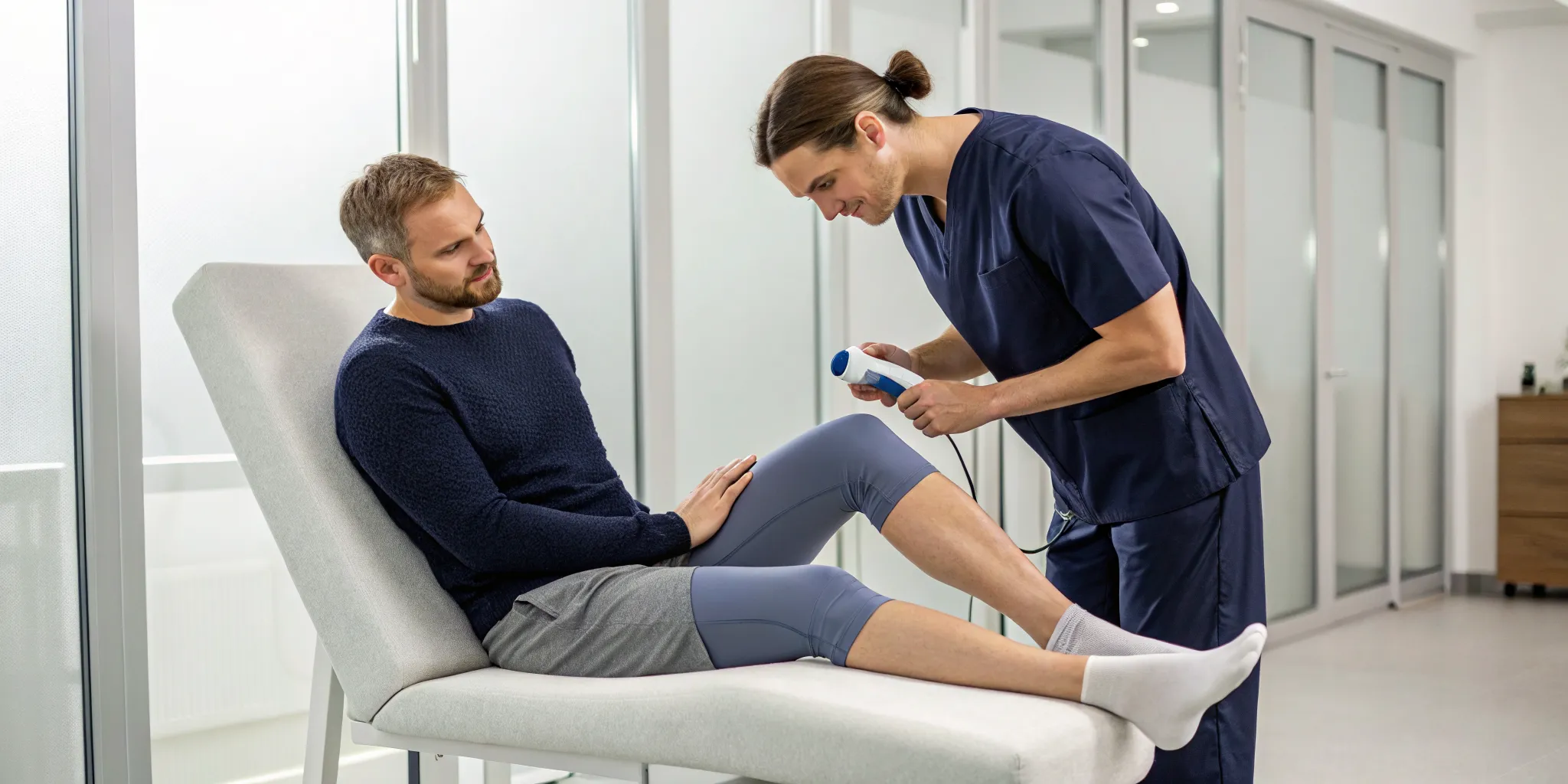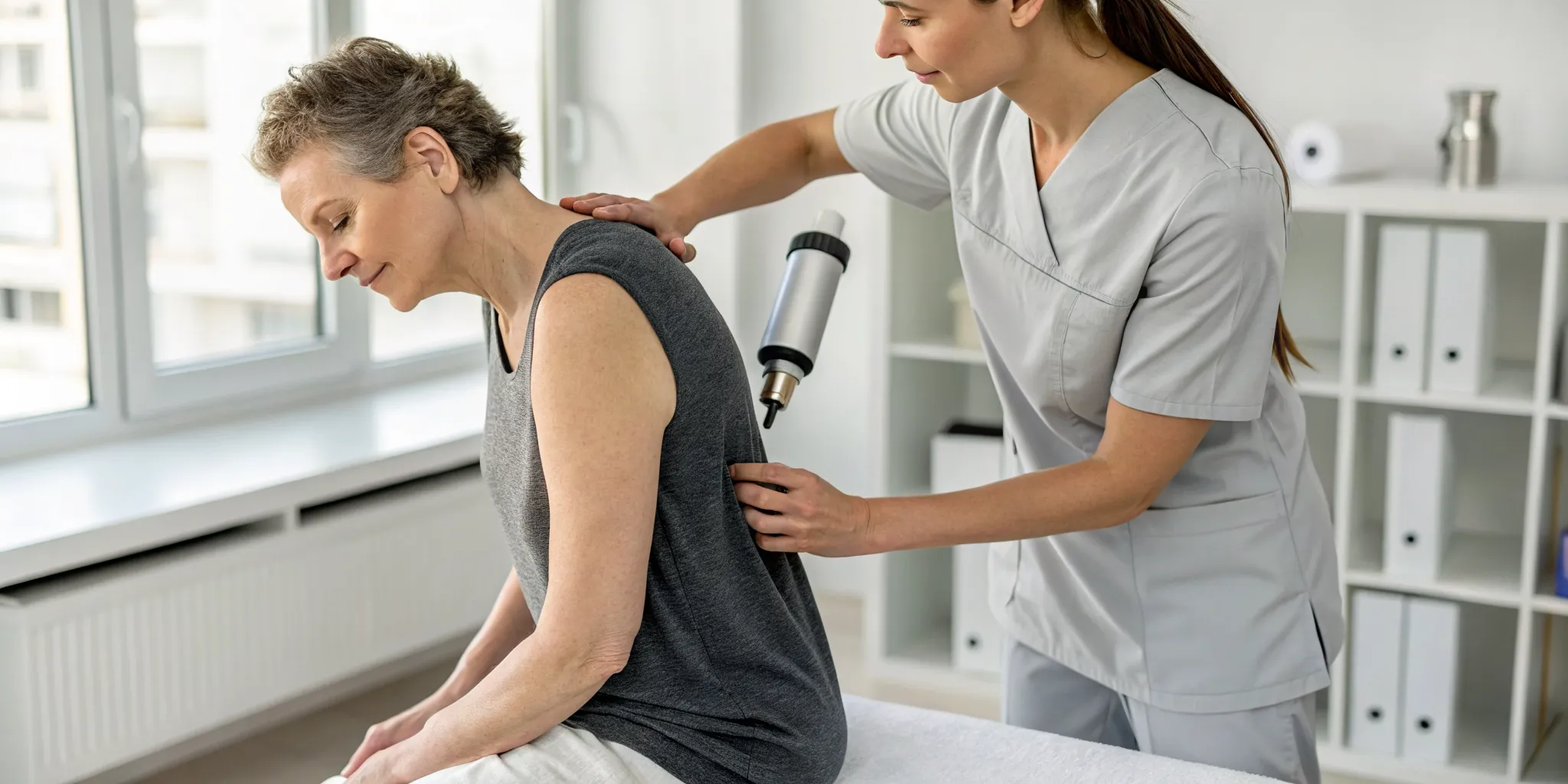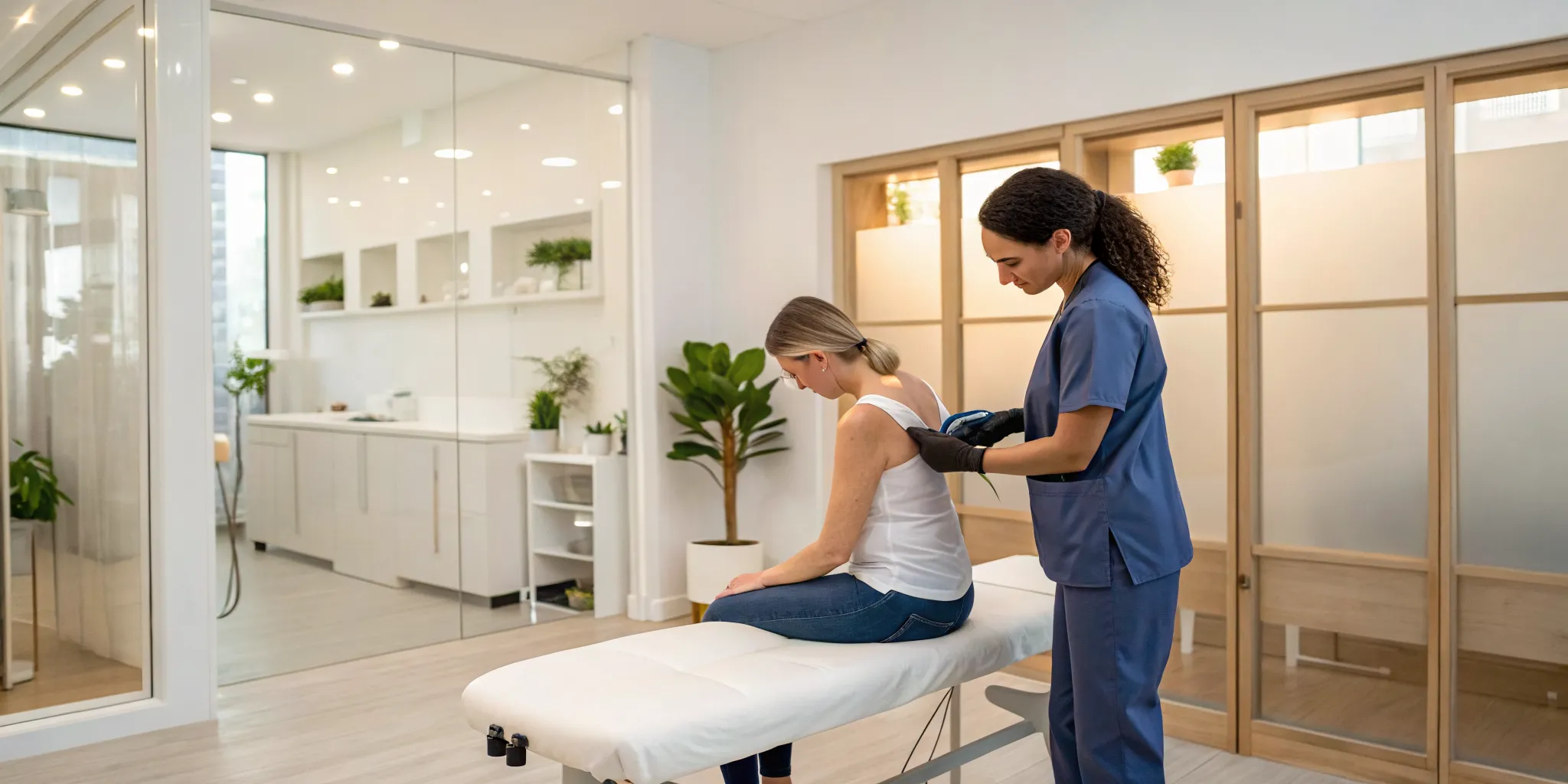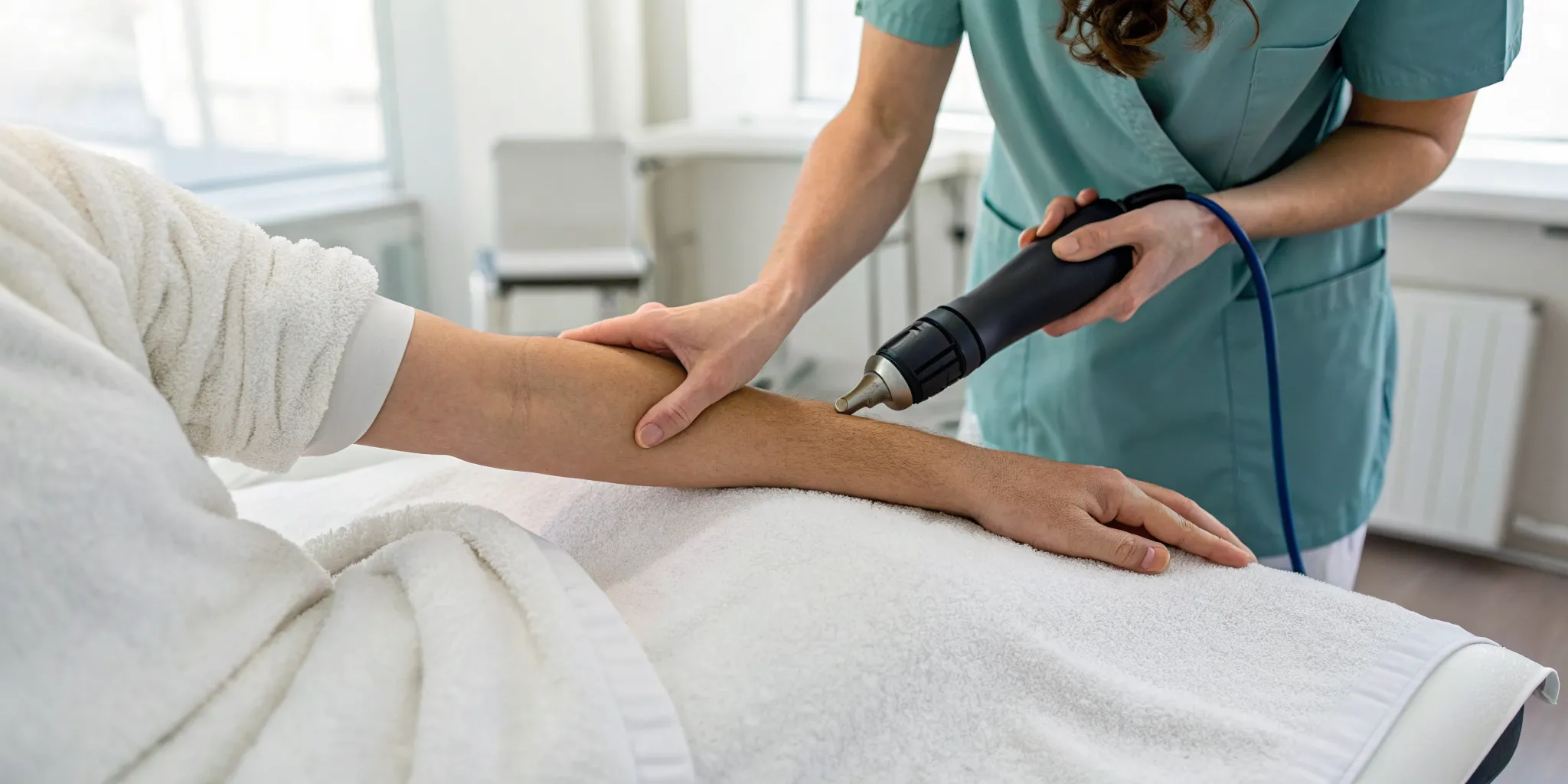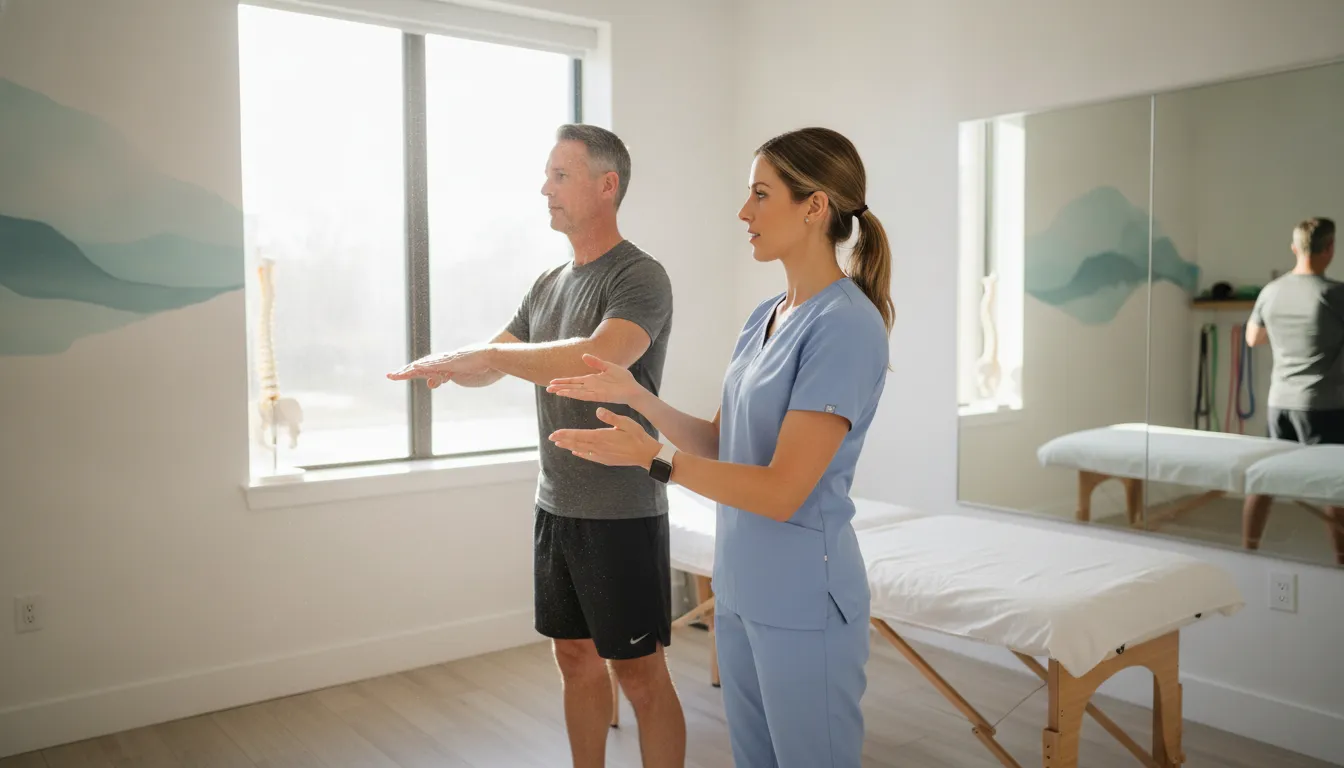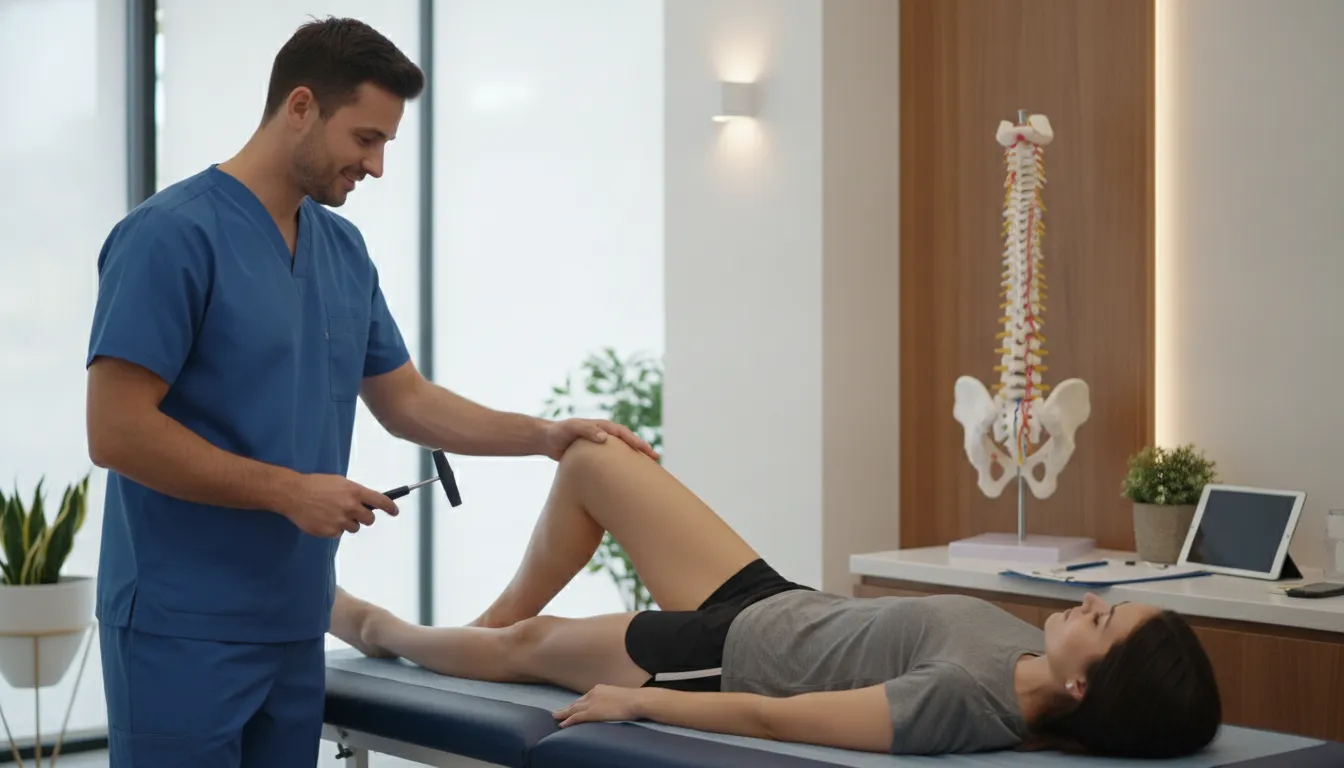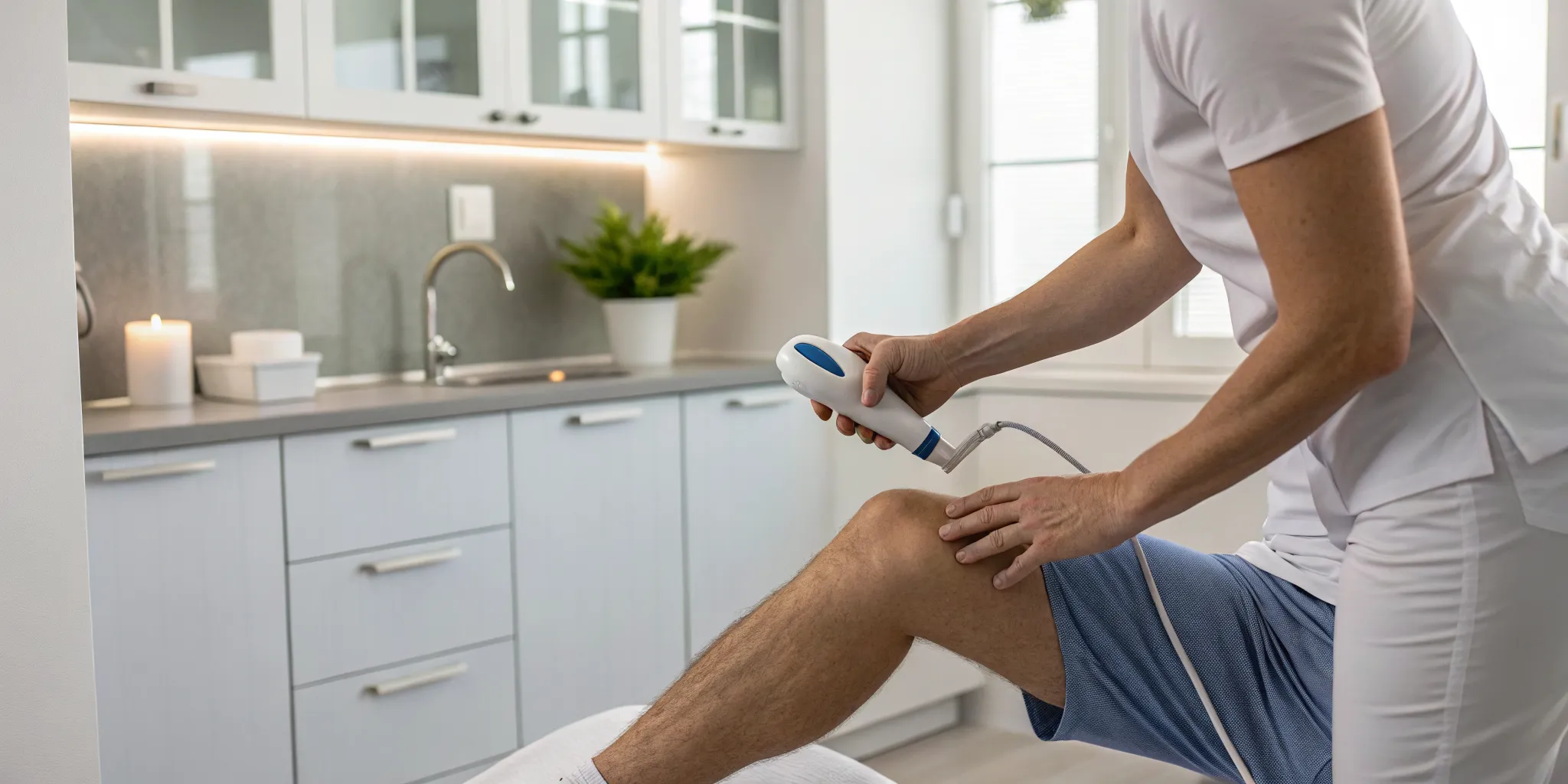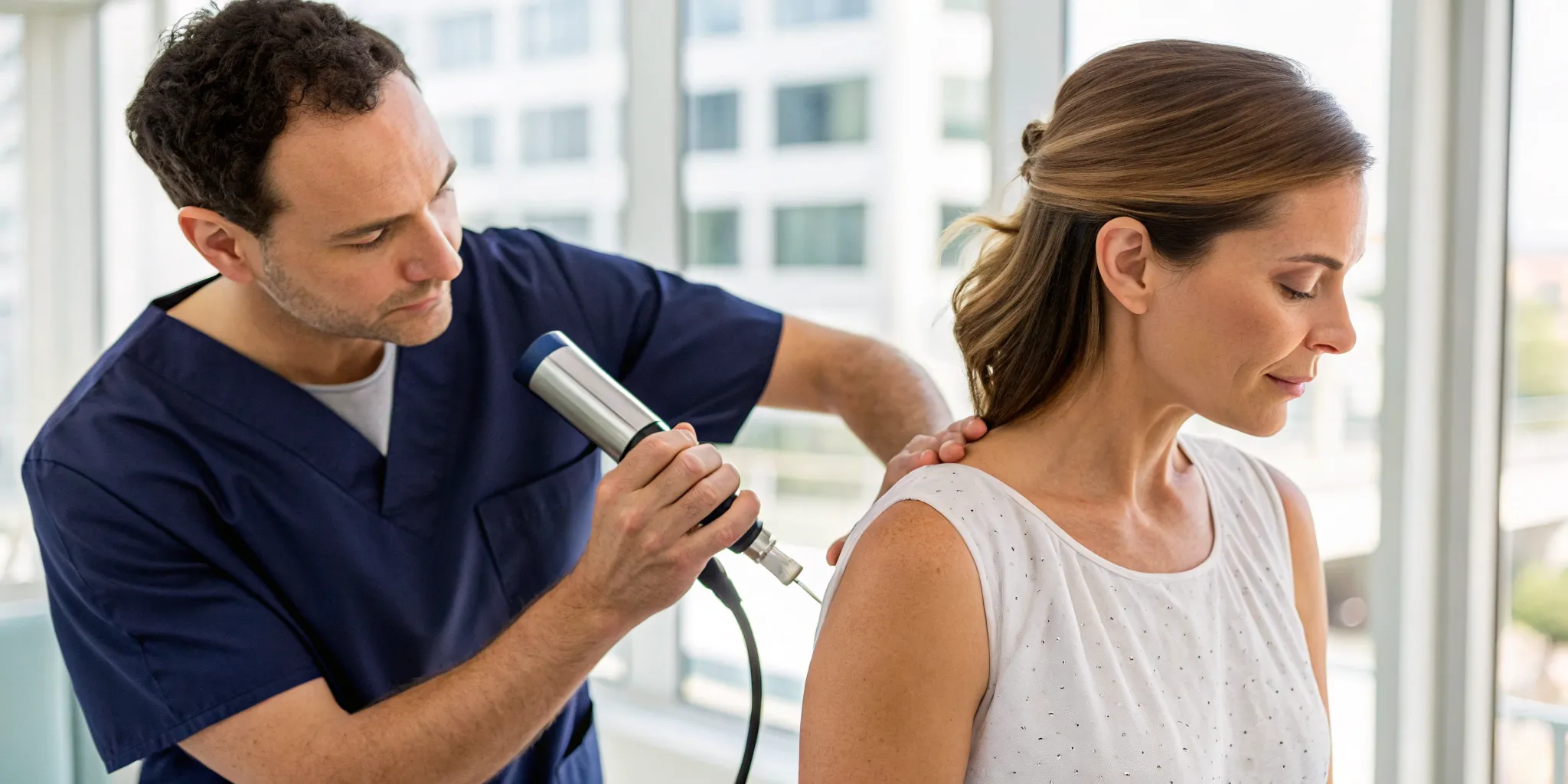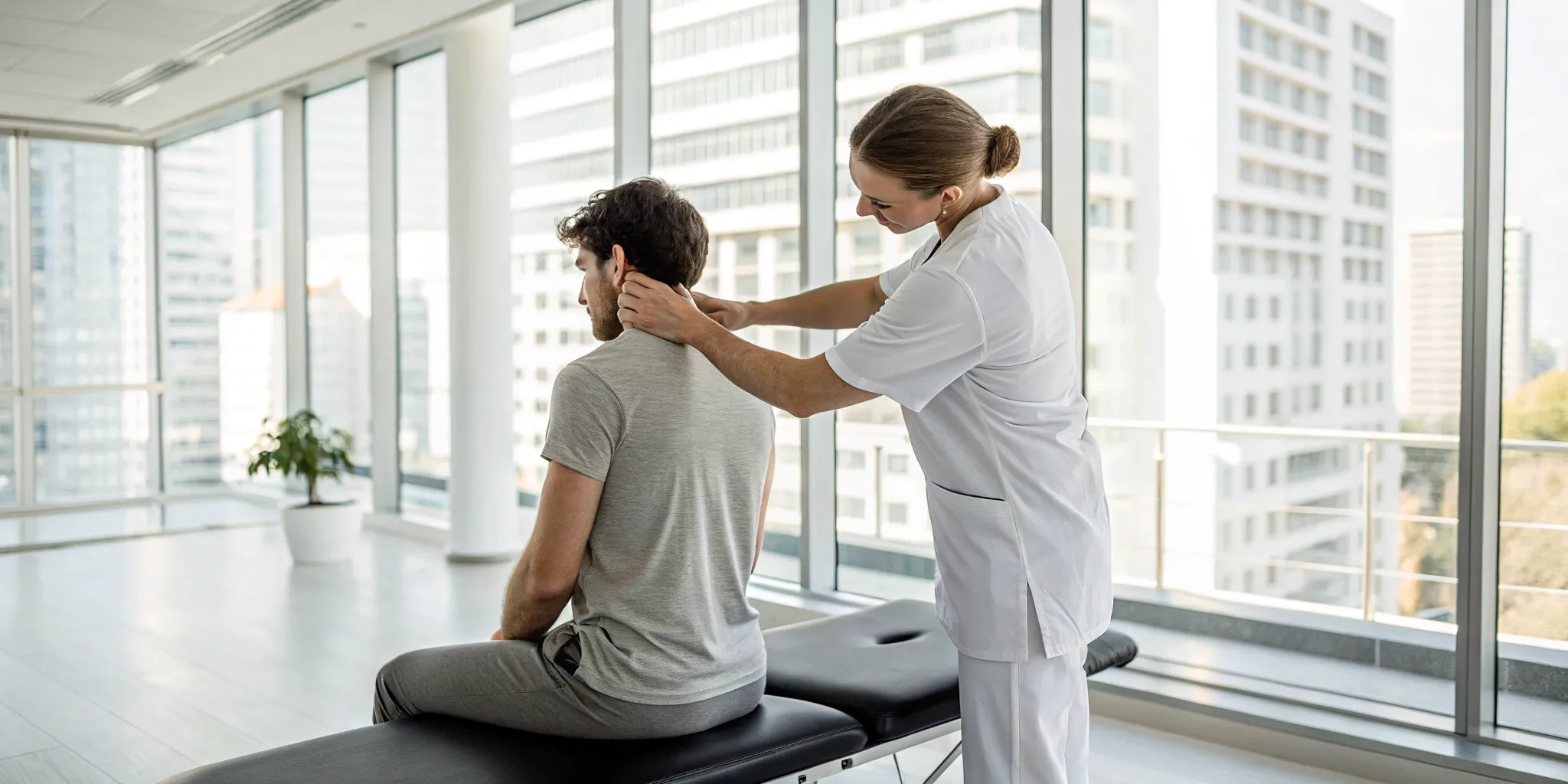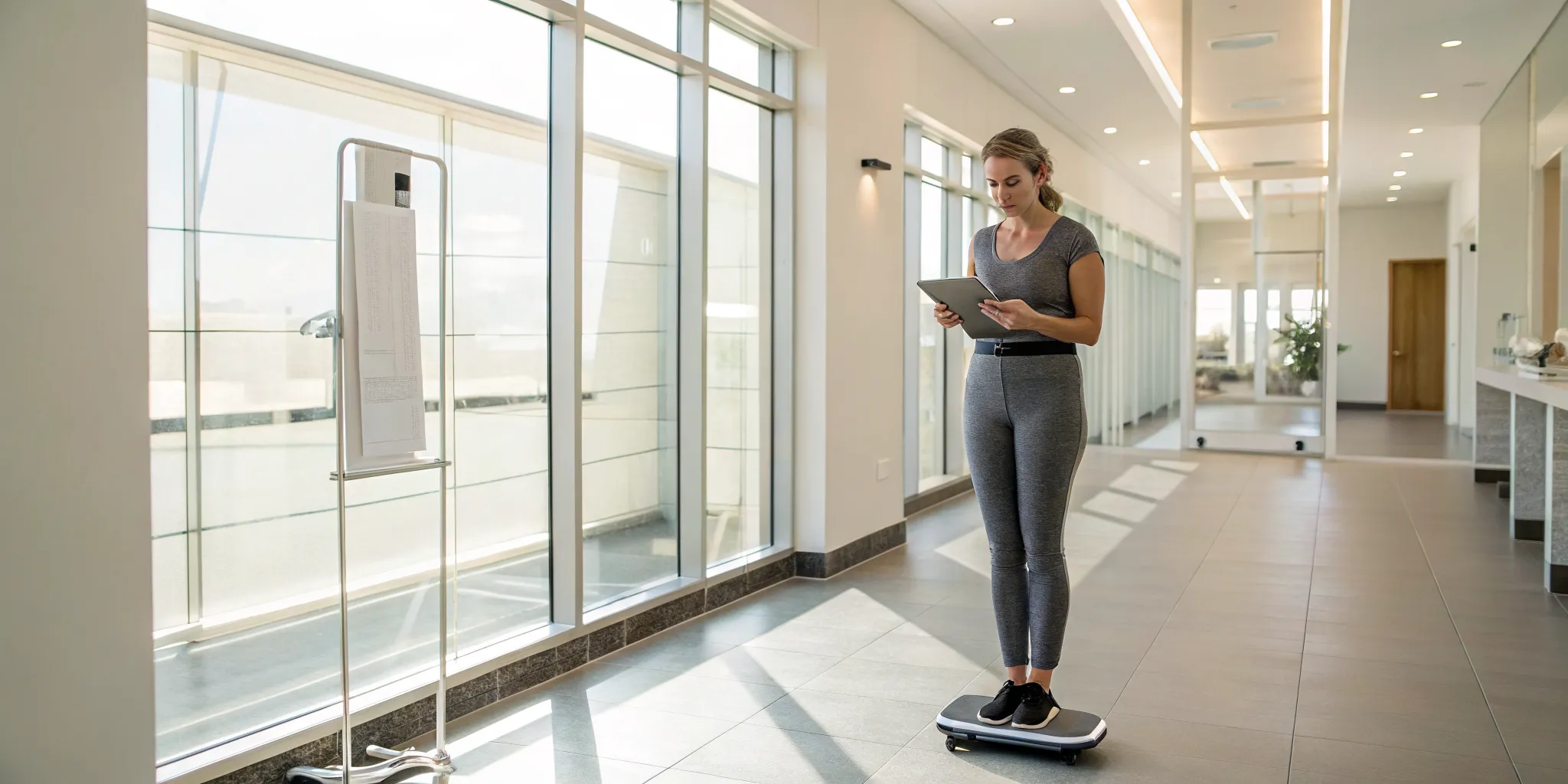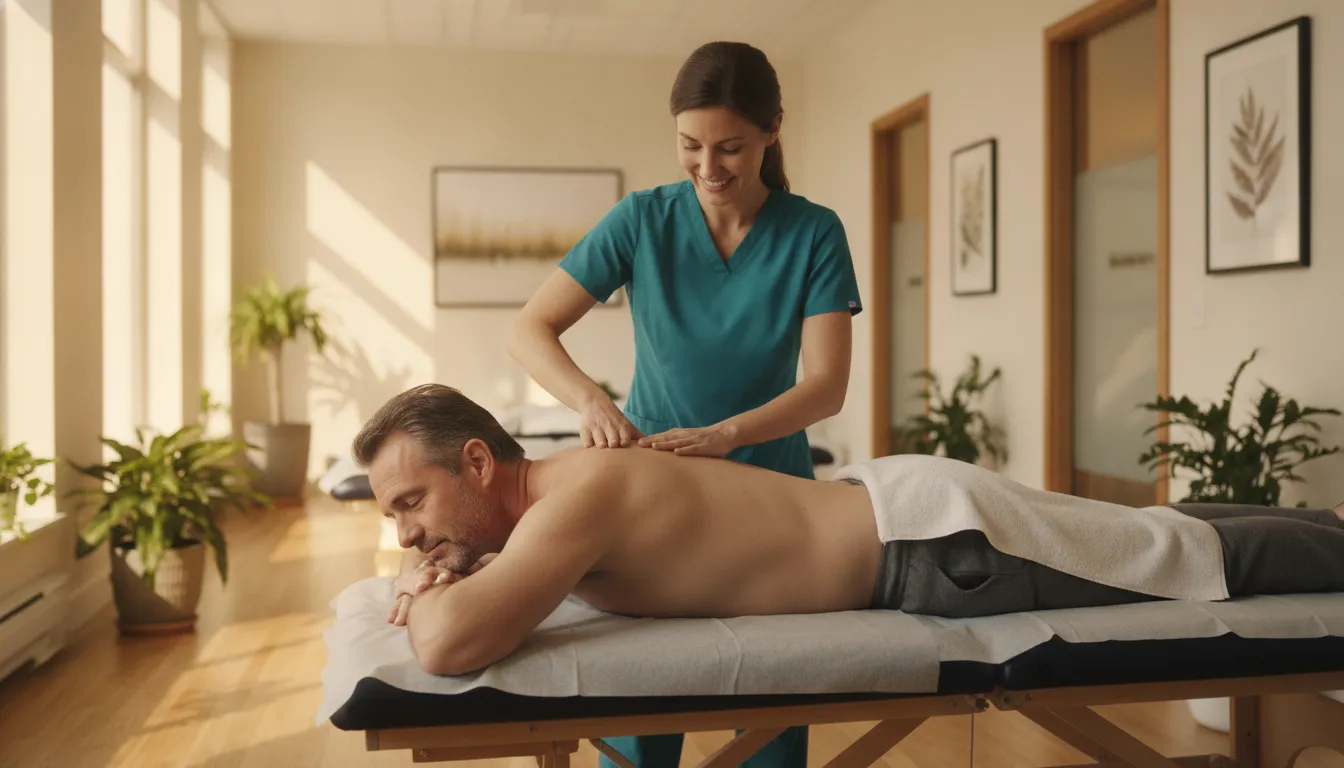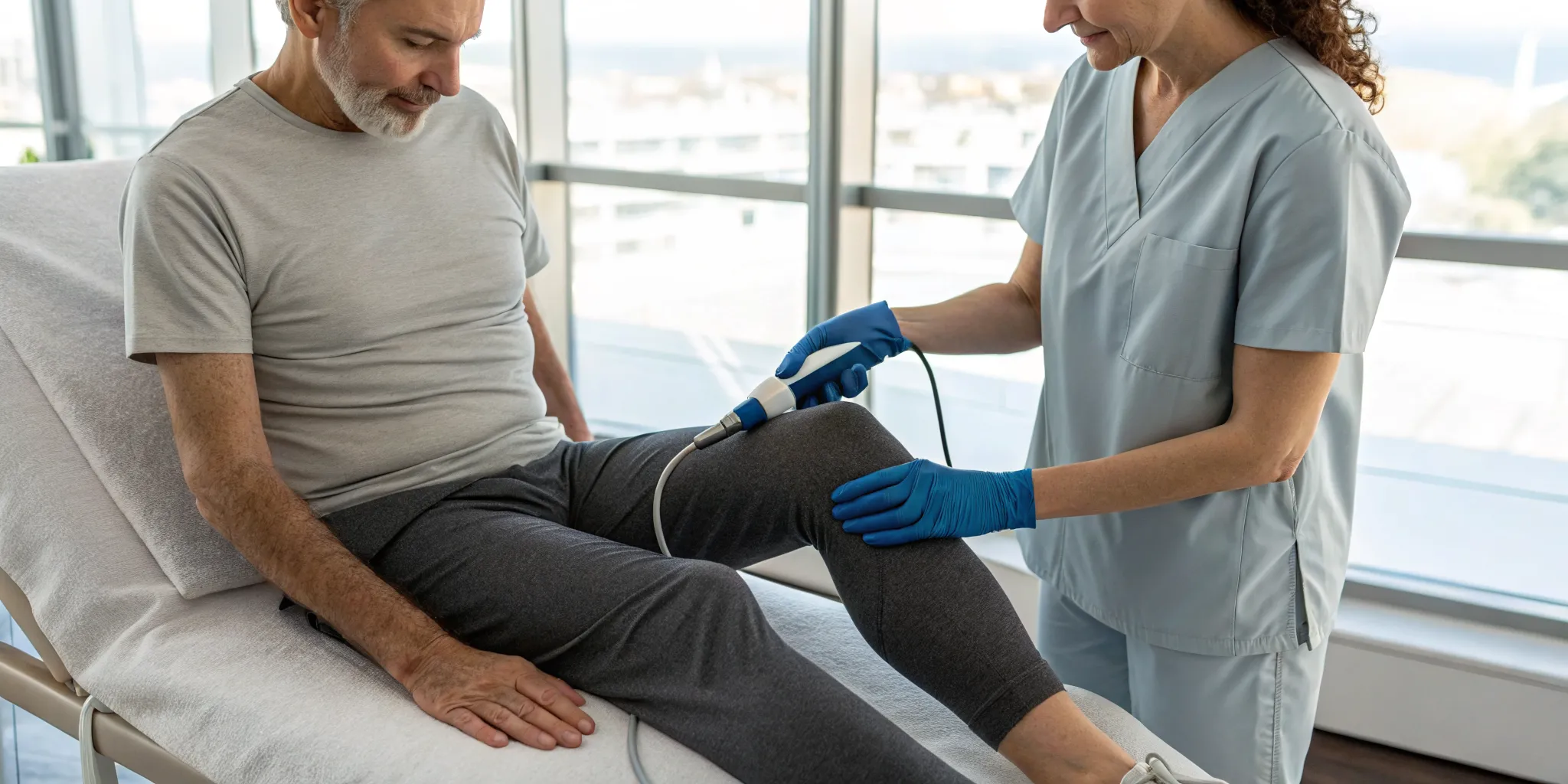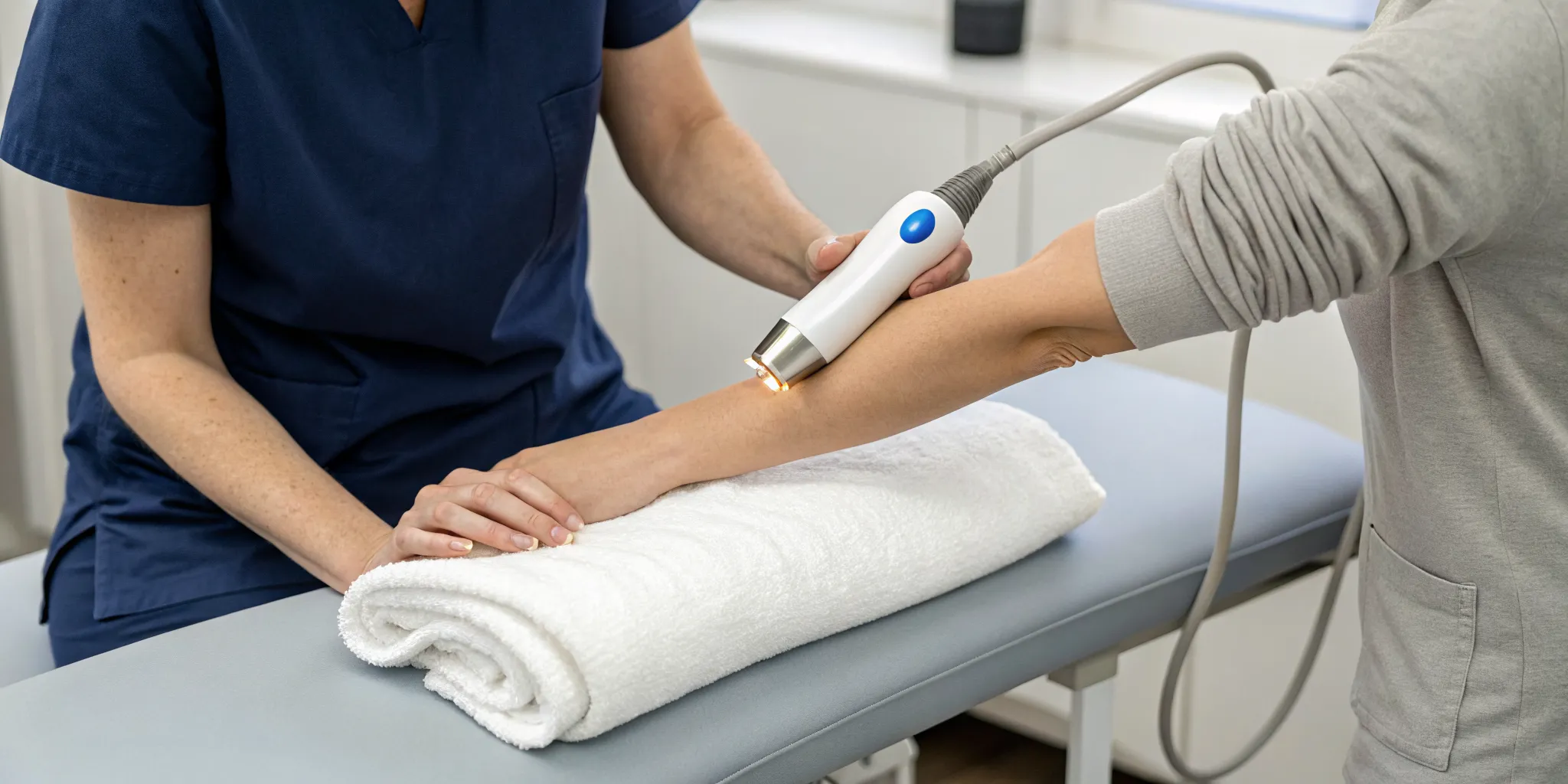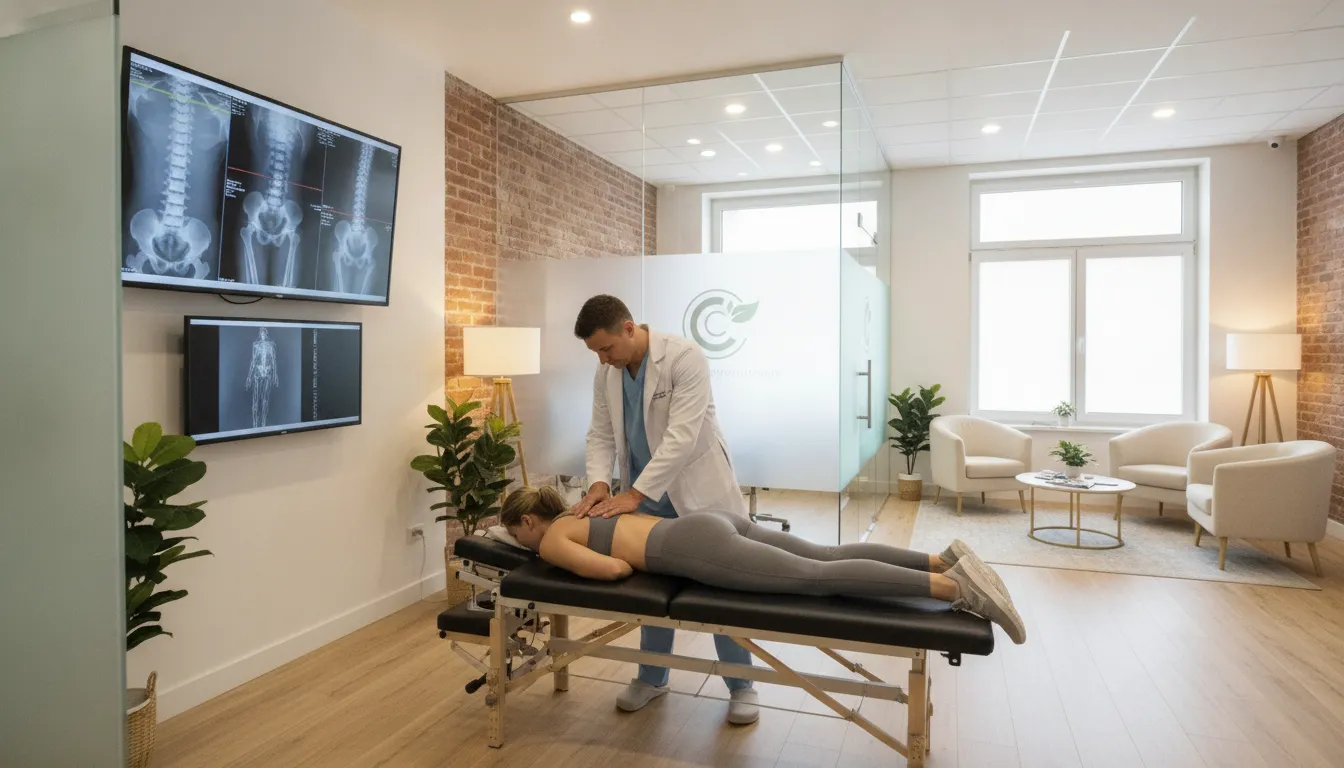
A posture and movement assessment is a clinical tool used to find imbalances in how you stand and walk. This process helps health experts see how your muscles and joints work together during daily tasks like sitting or bending. By looking at these patterns, a provider can find areas of stress that may be linked to nerve trouble or long term pain. According to the Mayo Clinic, these assessments analyze body mechanics to help people find better ways to move. In the greater Tampa Bay area, this screening serves as a baseline for a plan made just for your health. While it does not fix issues on its own, it may show why some parts of your body feel stiff. This data leads to a more focused approach to care.
The Core Science: What is a Posture and Movement Assessment?
A posture and movement assessment is a tool used to check how your body stands and moves. It helps experts see how your bones, muscles, and joints work. This check is a key part of a chiropractic perspective on posture assessment. It helps find areas where the body may be out of balance. By looking at these patterns, health providers can better understand your physical health. These checks are common baseline tools to find movement issues. They also help to see how well your joints move.
During the check, a provider looks at your alignment from many angles. They may watch you stand, sit, and move through basic tasks. This helps them see if your body carries weight evenly. It also shows if some muscles are too tight or too weak. The goal is to gather clear data about how you move in your daily life. This info is used to create a plan that fits your goals. It is a fact based way to look at your structural health. Many people find that this step helps them understand their own bodies better.
Static and Dynamic Posture
There are two main parts to this check. First, an expert looks at your static posture. This is how you hold your body while you are still. It shows how your spine sits and if your shoulders or hips are level. Static checks can show if one side of the body works harder than the other. This can lead to wear on joints over time. By checking your still posture, the team can see the base of your movement. It is the first step to find hidden imbalances that might cause stress.
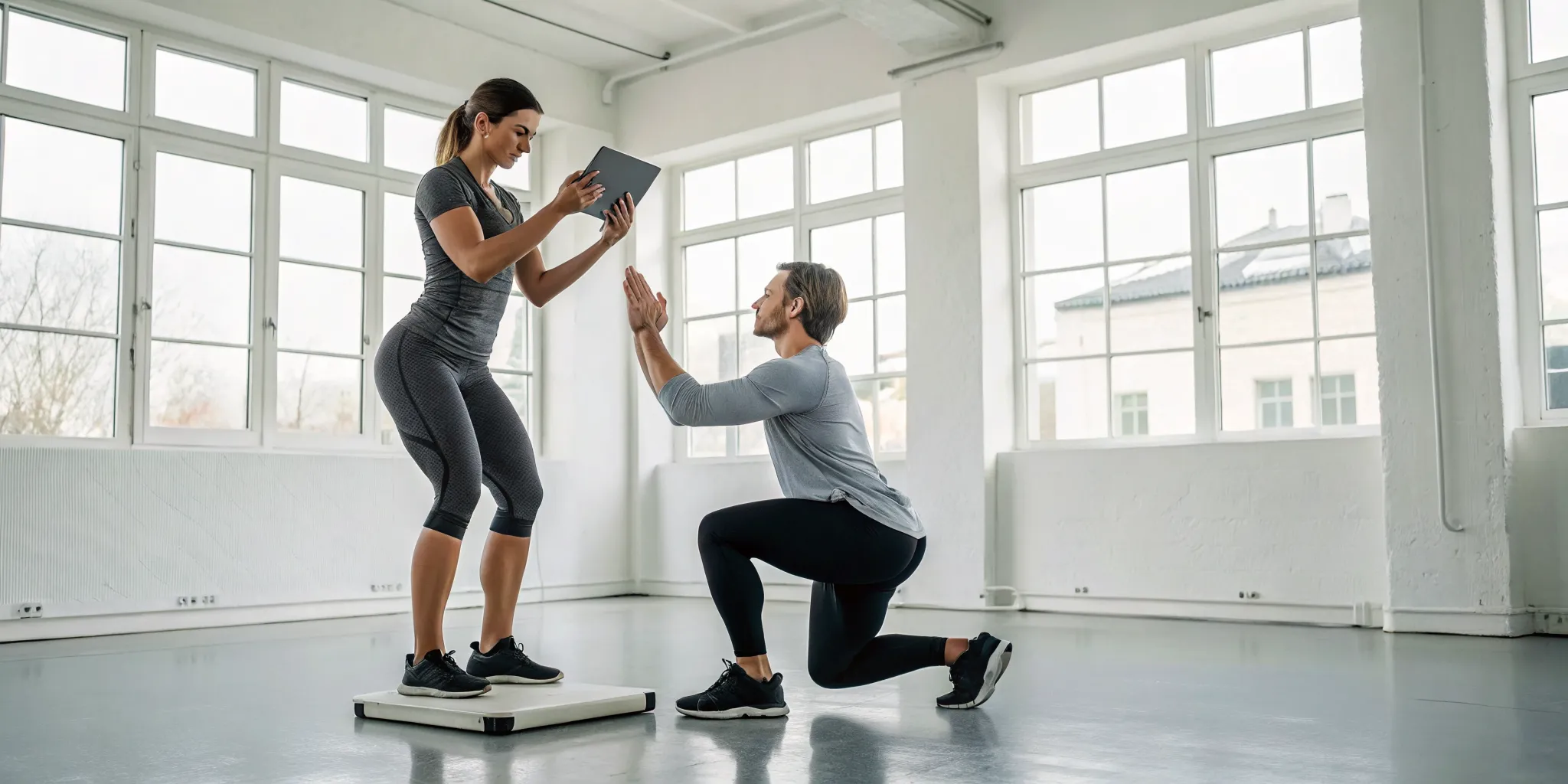
Second, the expert looks at your dynamic posture. This is how you move during tasks like walking or squatting. These steps help show how your body handles stress when you are active. Poor movement during these tasks can lead to a higher risk of injury. A provider will watch how your knees, hips, and back stay in line as you move. Both static and active parts are needed to get a full view of your body. This mix of data gives a complete picture of your physical state.
Setting a Clinical Baseline
Setting a baseline is a top goal of this check. A baseline is a record of how your body works right now. It gives the team a starting point to see how you change over time. This record is a core part of Chiropractic Biophysics which helps find spinal needs. Without a baseline, it is hard to know if a care plan is working well. It serves as a yardstick for your progress. This makes it easier to adjust your care as you move forward.
A clear starting point helps your provider make a plan that fits your needs. It also helps to see if your range of motion is normal for your age. The team uses this data to set realistic goals for your health journey. They can track how your movement gets better after you start your care. This keeps the focus on real, measurable results. It also helps you stay on track with your health plan. By knowing where you start, you can better see where you are going.
Building a Personalized Strategy
Once the check is done, the data helps build a custom plan for you. A professional functional movement assessment is the foundation for a personalized strategy. This plan may include exercises to help your muscles work better. It might also suggest changes to how you sit or stand at work. These steps do not promise to fix every pain. But they do help support your body's natural way of moving. It is a proactive way to care for your spine and joints.
By following a plan based on your own data, you can focus on the areas that need help. This ensures that your care is as unique as your own body. You may work on specific drills to improve how your joints move together. These small changes can add up to big gains in how you feel as you go through your day. Your provider will check in often to see how you are doing. They can update your plan based on your new movement data. This keeps your care relevant and useful for your life.
Unmasking the Kinetic Chain: The Anatomy of Body Alignment
The human body functions as a single unit rather than a set of separate parts. This concept is known as the kinetic chain. It describes how movement in one joint may affect other joints and tissues. In a role of biomechanics in posture assessment, pros look at how these parts work together. When one link in the chain does not move well, other areas often take on extra stress. This shift can lead to imbalances that impact your whole structure.
The role of the feet as your base
Your feet are the foundation of your entire kinetic chain. If the feet do not give a stable base, it can change how the rest of your body moves. One common issue is foot pronation, which people often call flat feet. This condition can cause the knees to turn in and the pelvis to shift. Such changes in alignment can create a ripple effect that travels all the way up the spine.
Imbalances in posture and movement are often linked to chronic pain and less vitality. Data from the Mayo Clinic shows that fall risk is rarely due to one single cause. Instead, it is often the result of issues across many areas of health. By looking at the feet first, a how movement patterns impact posture check can help find these base issues early.
Pelvic balance and spinal health
The pelvis serves as the center of the kinetic chain. It connects the legs to the upper body and spine. When the pelvis is out of balance, it can lead to a condition called lower crossed syndrome. This involves a forward tilt of the pelvis and a deeply arched lower back. Such shifts may place uneven pressure on the spinal discs and nerves. Over time, poor posture is linked to nerve interference and other health concerns (F008).
A professional physical medicine assessment for posture can show how pelvic tilt affects your neck and shoulders. For example, a shift in the lower back may cause the head to move forward. This forward head position is a sign of upper crossed syndrome. These linked patterns show why it is hard to look at one joint without checking the others. Movement at the hip can change the way you hold your head.
Risk of muscle imbalances
When the kinetic chain is out of sync, some muscles must work harder to keep you upright. These busy muscles can become tight and sore. At the same time, other muscles may become weak from lack of use. This cycle creates a muscle imbalance that can make movement feel stiff. A posture and movement assessment may help find these patterns before they lead to more significant discomfort.
Finding these risks is a key part of building a care plan. Proper assessments serve as the foundation for a personalized strategy (F011). Instead of just looking at where it hurts, a full check looks at how you move as a whole. This approach helps find the links in the chain that need the most support. By focusing on alignment, you can work toward a more balanced and efficient way of moving.
The Three Common Postural Distortion Patterns We Detect
When you undergo a posture and movement assessment, we look for signs of muscle imbalance. These signs often fall into three common groups known as postural distortion patterns. Finding these patterns early may help you find factors that add to structural stress. Each pattern tells a story about how your body adapts to your daily habits and how you move.
At Ascend Functional Health, we look at these patterns to build a clear map of your structural health. By seeing where your body compensates, we can help you find a path toward better balance. These patterns are not just about how you look when you stand still. They also show how your joints and muscles work together during your daily life.
Upper Crossed Syndrome
Upper crossed syndrome is a common pattern often seen in people who spend a lot of time at a desk. This distortion is marked by rounded shoulders and a head that stays in a forward position (F005). It happens when muscles in the neck and chest become tight. At the same time, muscles in the back and deep neck may become weak and long.
Identifying this pattern early can be helpful for your neck and shoulder health. We use a chiropractic perspective on posture assessment to check how these shifts impact your spine. Small changes in your habits may help support a more neutral upper body over time. This can lead to less stress on the joints that support your head and neck.
Lower Crossed Syndrome
Lower crossed syndrome affects the pelvic area and lower back. This pattern involves an anterior tilt to the pelvis and is often marked by an arched lower back (F004). Much like the upper body pattern, it comes from a mix of tight and weak muscles. Often, the hip flexors are too tight, while the glutes and core muscles lack the needed strength.
This pelvic tilt can change how you walk, stand, and lift. A physical medicine assessment for posture can help show if your back arch is due to these muscle links. Addressing these patterns through a plan made just for you may help support your lower spine. It is a key step in building a strong base for all your physical goals.
Pronation Distortion Syndrome
Pronation distortion syndrome starts at the base of your body. This postural distortion is characterized by flat feet and knees that turn inward (F003). Since the feet are the base for your whole frame, a shift here can affect your ankles and knees. It shows how one small change in your foot position can impact your higher joints.
During your check, we watch how your feet and legs move together. This pattern may be linked to certain types of leg or foot stress during movement. Understanding your specific distortion pattern is vital for creating a strategy that fits your needs. By looking at these common signs, we can help you better understand your body and its unique movement needs.
Dynamic Testing in Action: The Overhead Squat and Functional Movement Screen
Static posture tests show how you stand, but they do not show how you move. A posture and movement assessment must look at the body in motion to get a full view of your health. When we move, our muscles and joints work as one unit. Dynamic tests may help find where this unit has weak spots. By watching how you walk, bend, or sit, a provider can see if one part of the body is doing too much work to help another part. These objective markers are key for a care plan because they link directly to the actions you do every day (F002).
This type of testing gives a clear look at how your body handles load. It is not just about one muscle or joint. It is about how the whole system stays in sync. If one part is stiff, your body will find a way to move around that block. This can cause stress on other areas. A role of biomechanics in posture assessment is to find these small shifts. By seeing them in real time, a provider can suggest the best steps for your care. This approach helps ensure your plan is based on how you live and move.
The overhead squat assessment
The overhead squat is a top tool in a professional posture and movement assessment. It looks at how your core stays stable and how well your hips, knees, and ankles move together. This test can show if your feet turn out, your knees cave in, or your lower back arches too much. This view helps your provider see how movement patterns impact posture during daily tasks. If you have tight or weak spots, this test can make them clear so they can be part of your strategy.
A provider will follow these steps to check your form during the squat:
- You stand with your feet about shoulder-width apart and your toes pointing straight ahead.
- You raise both arms over your head with your elbows straight and your palms facing forward.
- You squat down to about the height of a chair while keeping your arms up and your heels on the floor.
- You hold the bottom of the squat for a brief moment so the provider can check your joint alignment.
- You return to the starting position and repeat the move for about five to ten reps.
Functional movement screen basics
The Functional Movement Screen (FMS) is a set of seven moves that check your balance, range of motion, and stability. It is a common part of a professional functional movement assessment. The FMS helps see if your left and right sides move in the same way. When one side is much weaker than the other, it may lead to stress on the joints. By finding these gaps, a screen can help a provider build a better plan for your care.
This screen does not look for a single cause of pain. Instead, it looks at how the whole body works as a system. It provides a score for each move, which gives a baseline for your progress. Using these scores, your team at Ascend Functional Health can suggest ways to help your body move with more ease. This method focuses on your unique needs and goals for long-term health.
By using the FMS, providers can track how your movement changes over time. It is a vital part of the chiropractic perspective on posture assessment used in Tampa. It helps link your daily habits to your structural needs. When you know your scores, you can play a bigger role in your own health journey. This testing is a bridge between how you feel and how your body actually moves in the world.
From Pain to Performance: Clinical Benefits of Movement Analysis
A posture and movement assessment may help find the many small factors that lead to chronic body stress. These checks look at how you sit, stand, and walk to find where your body lacks balance. By looking at these patterns, health experts can build a plan that supports your body's natural way of healing. This path from discomfort to better function often starts with a clear view of your physical state.
Finding the Roots of Chronic Discomfort
Many people deal with aches that seem to come from nowhere. A posture and movement assessment can show how your daily habits impact your spine and joints. Poor posture and movement are often linked to chronic pain and nerve interference (F008). These issues may lower your health over time if they are not met with a clear plan. Experts use these tests to find out if your pain comes from one spot or from the way your whole body moves.
Body checks look at how you lift, carry, and bend in your daily life (F006). This data helps a team give you tips on how to set up your work space or change your daily tasks. By making these small changes, you may lower the daily stress on your muscles and bones. The goal is to find the habits that lead to strain before they turn into bigger hurdles. Clinical assessments are key tools for anyone who wants to move with more ease and less stress.
Supporting Breath and Lung Function
How you stand can change how well you breathe. When the spine is out of line, it may limit how much your lungs can expand. A posture and movement assessment can show if a rounded back or forward head is crowding your chest. Improving your alignment may help support better lung use and oxygen flow. This can lead to more energy and better focus during your work day. Better breath is a common goal for those who want to improve how their body works.
At Ascend, physical medicine often focuses on posture to help your whole body work well (F010). This may include care that aims to bring the body back into a neutral state. When your chest and ribs have more room to move, your breath becomes more natural. This simple shift can have a big impact on how you feel from morning to night. It is a vital part of a plan for long term health.
Building Better Balance and Stability
Total body balance is needed to stay active as you age. Falls are rarely the result of just one cause but often come from many small health issues (F009). A posture and movement assessment can help find these risks early by checking your walk and core strength. Many groups suggest that adults over age 65 get regular screenings for these risks (F012). Knowing where you are weak allows you to work on those areas before they lead to a slip or trip.
Stability comes from more than just strong muscles. It needs a nervous system that can talk to your brain well. Proper assessments serve as the base for a personalized corrective strategy (F011). These plans help you build the stable base you need for both sports and daily life. By focusing on balance now, you can support your body's ability to stay strong and steady for years to come.
Targeted Solutions: Corrective Care and Spinal BioPhysics
After your posture and movement assessment, we use the results to build a path forward. We do not look at your symptoms alone. We see your body as a system that needs balance. An expert functional movement assessment shows how your muscles and joints work together. This data is the base for our work. It shows where your body has found ways to cope with stress. (Fact F011)
The role of chiropractic biophysics
At Ascend, we use a method called Chiropractic BioPhysics, or CBP. This is a clear way to look at the shape of your spine. We do not just look for spots that feel tight. We use math and physics to see if your spine sits in its best spot. Our goal is to look at your structural health over time. We use facts from your posture and movement assessment to see where your spine may be out of line. (Fact F007)
This chiropractic view on posture assessment is key for long-term health. When your spine is not in the right spot, it can put stress on your nerves. This stress may lead to pain or other health issues. CBP uses special tools like traction and specific exercises to help move your spine back toward its natural shape. We do not promise a quick fix or a cure. We work with your body to support its own path to wellness.
Personalized plans for physical medicine
Your physical medicine assessment for posture leads to a plan built just for you. This plan may include many types of care. We often use spinal decompression or core work to help you move with more ease. Our focus at Ascend is to help you build a body that can handle daily stress. (Fact F010)
We also want to help you change how you move at home. The experts at the Mayo Clinic note that body mechanics assessments check how you sit, lift, and carry. (Fact F006) This info is key. We look at how you bend and sit at your desk. Then, we give you tips to set up your space or move with less stress on your joints. These small changes can make a big difference in how you feel.
Comparing chiropractic methods
It is helpful to see how our structural approach differs from standard care. Many people seek care to stop sudden pain. That is one part of the story, but we look deeper. We want to find the root cause of why your posture shifts. By focusing on the shape of your spine, we aim for results that last.
| Care Feature | General Chiropractic | Chiropractic BioPhysics |
|---|---|---|
| Primary Focus. | Symptom and pain relief. | Spinal structural correction. |
| Clinical Goal. | Short-term ease of motion. | Long-term spinal alignment. |
| Assessment Tools. | Manual checks and motion tests. | X-rays and postural geometry. |
| Main Method. | Spinal adjustments. | Traction and specific protocols. |
| Strategy Type. | Acute or reactive care. | Progressive corrective strategy. |
Using data from your posture and movement assessment helps us choose the best tools for you. We may use a mix of manual care and tech. This balanced approach helps us support your body in a safe and steady way.
Frequently Asked Questions
Can a posture and movement assessment help me move better?
Yes, these tools look at your body as a whole. According to Ascend Functional Health, these checks help find parts of your body that are out of balance. By looking at how you move and stand, an expert can find factors that cause stress. This helps them make a plan to address those areas and support your body as it heals. It focuses on better function instead of just fixing one spot.
What should I wear for a professional movement screening?
You should wear gym clothes that let you move easily. Tight clothes like leggings or shorts help the expert see your joints and back clearly during the tests. You will do moves like squats or lunges, so pick clothes that stay in place. This helps the expert get the right data. It ensures your new care plan is based on how your body truly works during your daily tasks and chores.
How long does the assessment process usually take?
A full check often takes thirty to sixty minutes. This gives the expert time to look at how you stand and how you move. They may ask you to do a deep squat or other simple moves. According to Trainer Academy, these tests find risk for injury and show how well you move. This first look helps your expert track how much you improve over the next few months.
Is a movement assessment necessary if I do not have pain?
Yes, these tools are helpful even if you do not feel pain now. They help find small issues before they turn into big problems. An early check can help improve how your whole body works and how well you balance. Finding these patterns early lets you use simple steps to stay healthy. This helps keep your body strong and helps you move better as you get older or do more exercise.
Ready to Schedule Your Posture and Movement Assessment in Tampa?
Wait times for healing grow longer if you ignore signs of body stress, and small issues can soon turn into chronic pain. Uncorrected movement patterns can become more challenging to address over time. A professional assessment can help identify these risks early. You can gain a clear view of your spine and start toward better alignment with a physical medicine assessment for posture today.
Ready to move better? Call (813) 284-7222 to schedule a discovery call and speak with an expert about your custom care plan today.