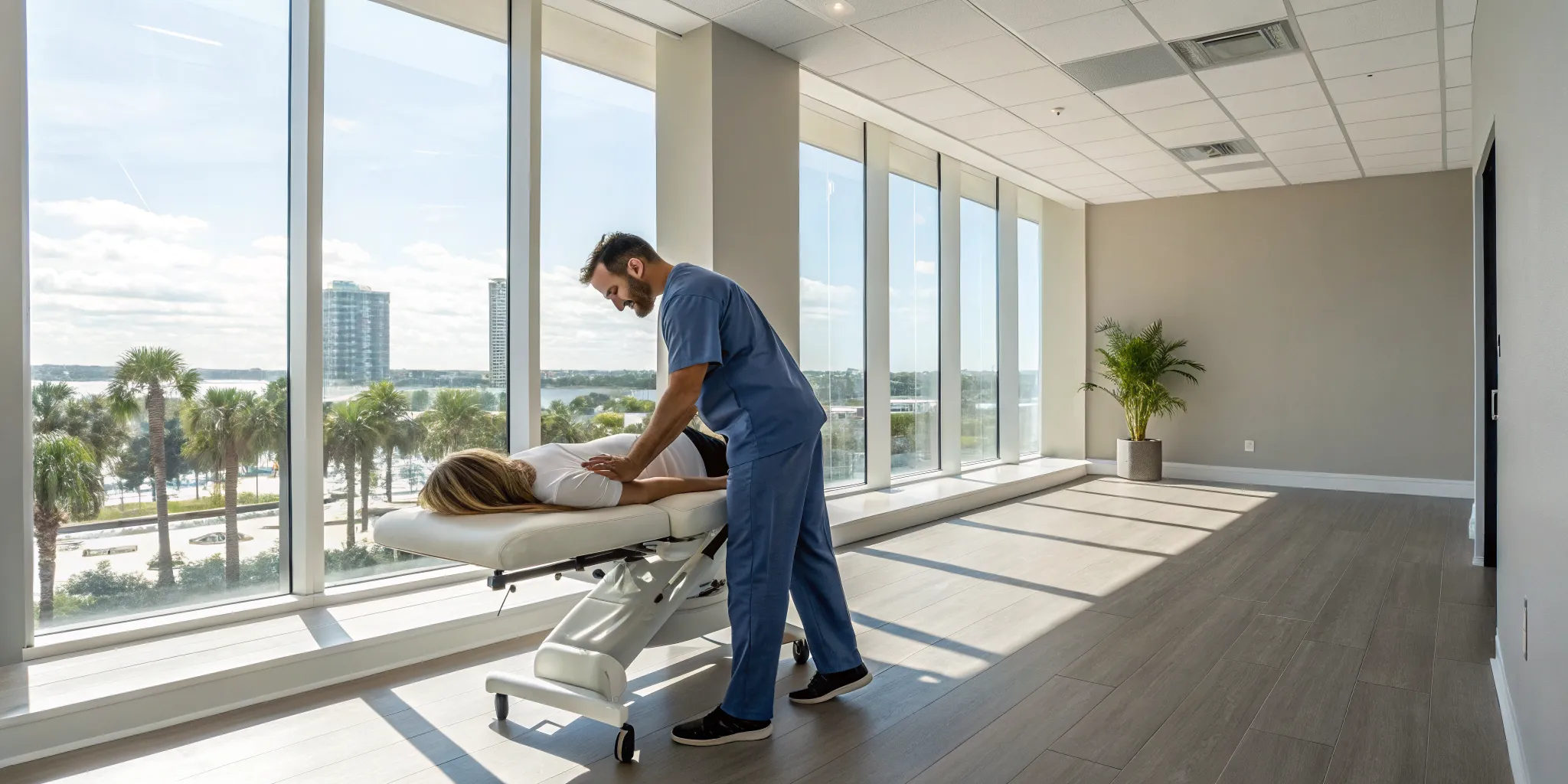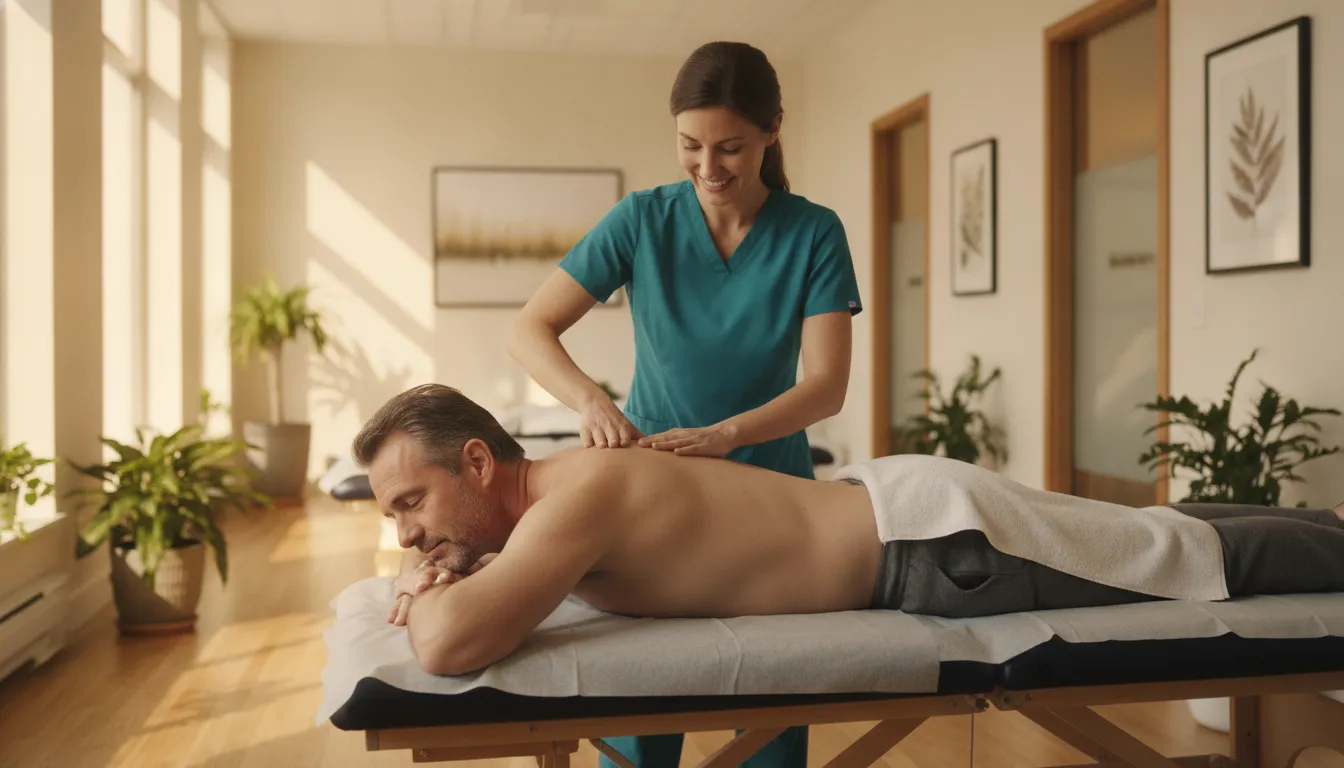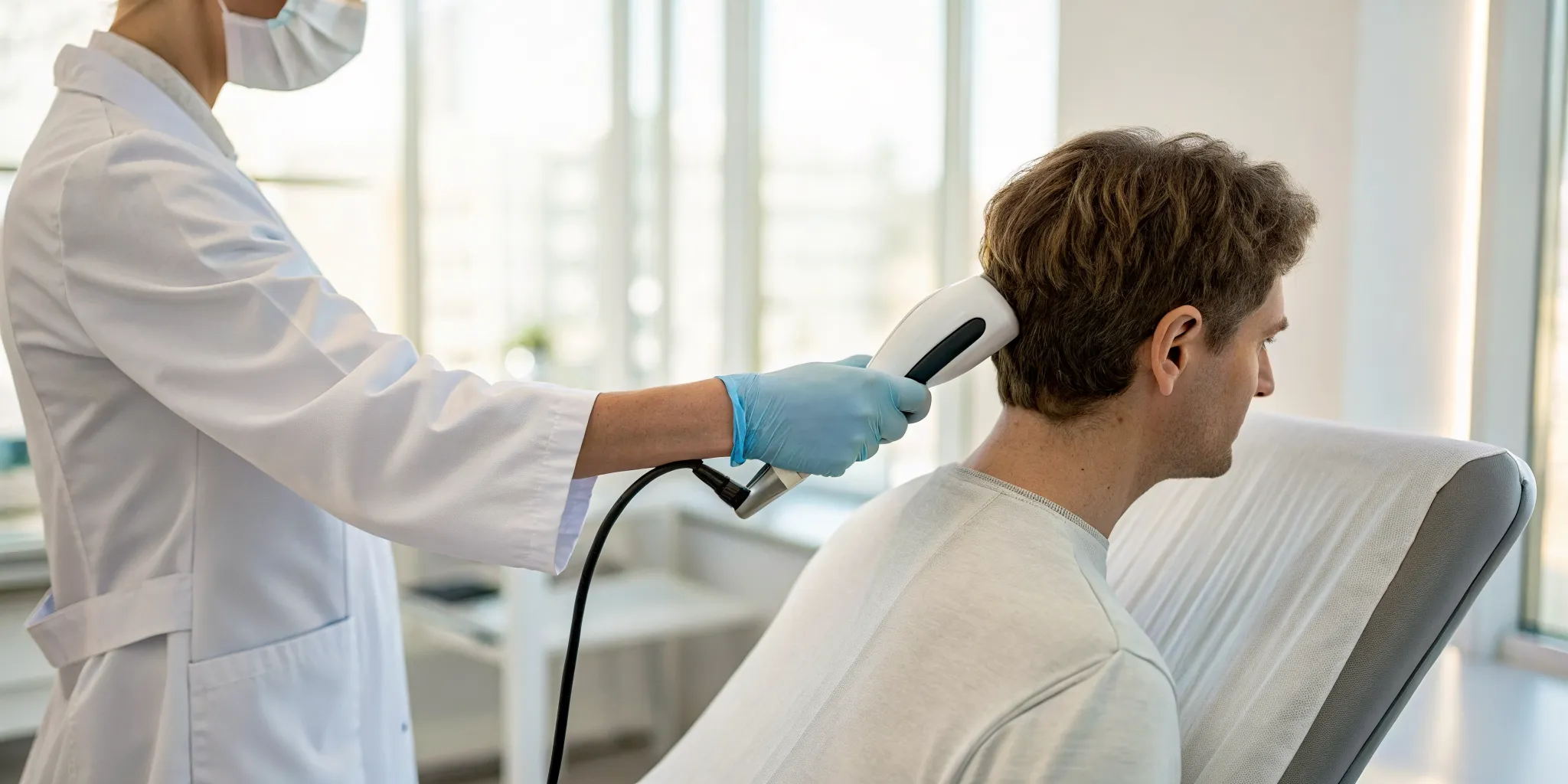
Frozen shoulder is notorious for its slow, drawn-out timeline, often taking up to two years to resolve. That’s a long time to live with pain and limited movement. But what if you could accelerate that process? Combining treatments often creates a more powerful result, and this is especially true for this condition. By adding shockwave therapy for frozen shoulder to a traditional physical therapy plan, you can significantly shorten your recovery. The shockwave treatment works to break down the stubborn adhesions, making your shoulder more receptive to the stretches and exercises that restore mobility. This integrated approach helps you get back to your life faster.
Key Takeaways
- Targets the root cause of stiffness: Shockwave therapy uses acoustic waves to break down the internal scar tissue and adhesions that make your shoulder feel "frozen," addressing the problem directly at its source.
- Speeds up your return to mobility: When paired with physical therapy, shockwave therapy helps you recover faster. The treatment prepares the shoulder tissue for movement, making your physical therapy exercises more effective from the start.
- Offers a non-invasive path to relief: The treatment works from outside the body without incisions or downtime. Sessions are quick, generally comfortable, and allow you to return to your daily activities right after your appointment.
What Makes Frozen Shoulder So Stubborn?
If you're dealing with a stiff, painful shoulder that seems to get worse for no clear reason, you might have frozen shoulder. Its medical name is adhesive capsulitis, and it has a reputation for being incredibly persistent. This isn't just a simple strain; it's a condition where the connective tissue surrounding your shoulder joint, called the capsule, becomes thick, tight, and inflamed. This process happens slowly, which is one of the main reasons it's so stubborn. The pain and stiffness creep up over months, making it easy to dismiss at first.
What makes it so frustrating is the long, drawn-out timeline. The condition can last for a year or even longer, significantly limiting your ability to perform daily tasks like getting dressed or reaching overhead. It’s particularly common in women between the ages of 40 and 60. Furthermore, frozen shoulder is often linked to other underlying health issues, such as diabetes or thyroid disorders. At Ascend Functional Health, we look at your whole health picture to understand if these factors are contributing to your shoulder pain and create a plan that addresses the root cause.
The 3 Stages of Frozen Shoulder
Frozen shoulder typically unfolds in three distinct phases, each with its own challenges. Understanding these stages can help you make sense of what you're experiencing and provide a roadmap for what to expect.
- Freezing Stage (3-9 months): This is where it all begins. You'll notice a gradual onset of pain, which can become quite intense, especially at night. As the pain increases, your shoulder's range of motion starts to decrease.
- Frozen Stage (9-12 months): During this phase, the sharp pain might begin to subside, but the stiffness takes over. Your shoulder can become so stiff that movement is severely limited, making everyday activities very difficult.
- Thawing Stage (12-24 months): Finally, things start to improve. Your range of motion slowly begins to return as the shoulder "thaws." This recovery can still be slow, but you'll notice a gradual reduction in pain and an increase in mobility.
Key Symptoms to Watch For
The symptoms of frozen shoulder can be mistaken for other shoulder problems, but there are a few key signs to watch for. The most common is a dull or aching pain centered over the outer shoulder area and sometimes the upper arm. You'll also notice significant stiffness and a major reduction in your ability to move your shoulder, especially when trying to lift your arm out to the side or rotate it outward. Many people also report that the pain worsens at night, often disrupting sleep. These symptoms combine to make simple tasks feel monumental, impacting your overall quality of life.
How Shockwave Therapy Works
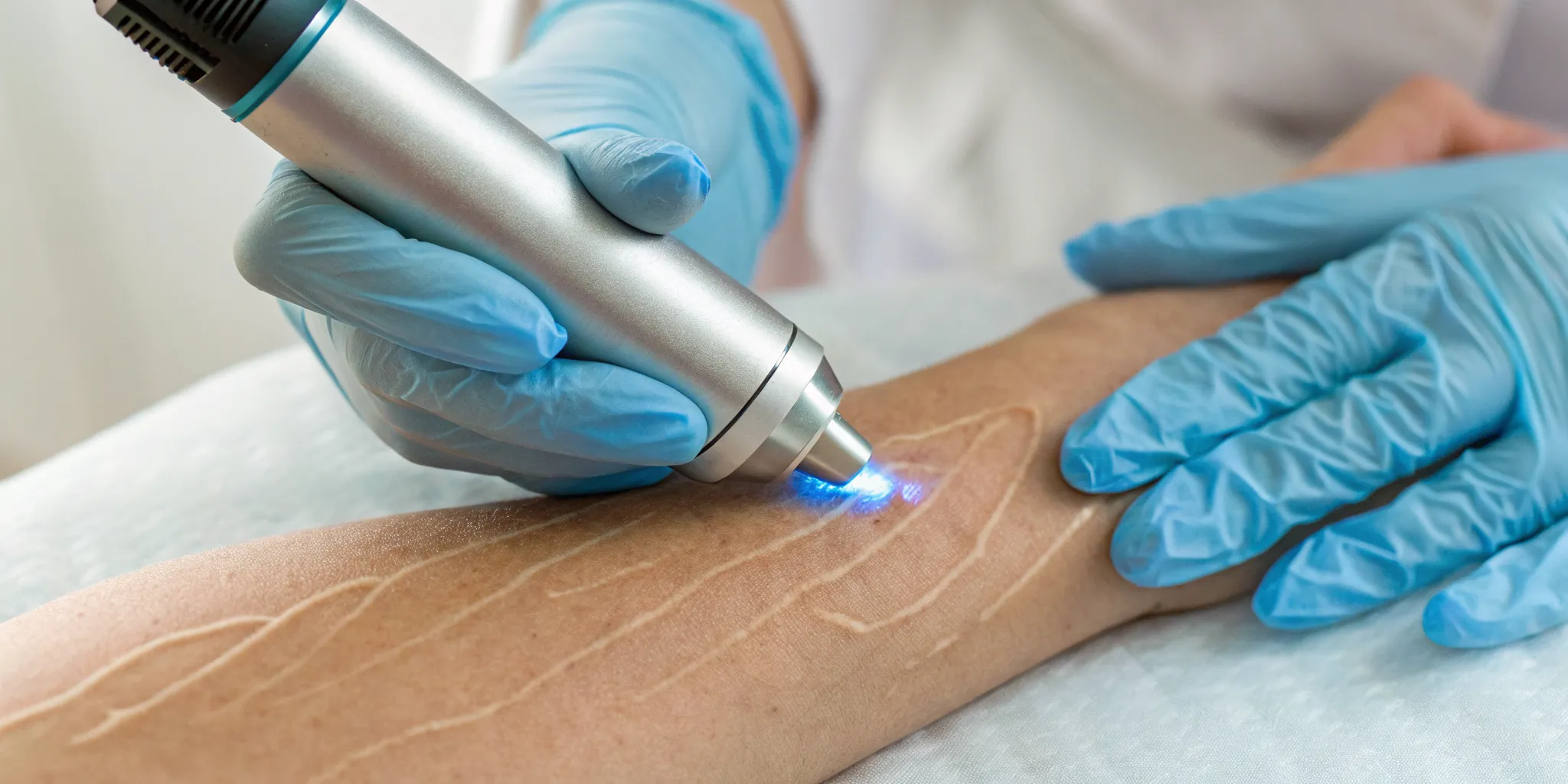
If you're picturing some kind of intense electrical procedure, let's clear that up right away. Shockwave therapy doesn't involve electricity at all. Instead, it uses acoustic waves, which are essentially powerful sound waves, to kickstart your body's own healing abilities. Think of it as a way to gently "wake up" the injured tissue in your shoulder and remind it how to repair itself. This approach is a cornerstone of our physical medicine services, as it focuses on healing from within rather than just masking symptoms.
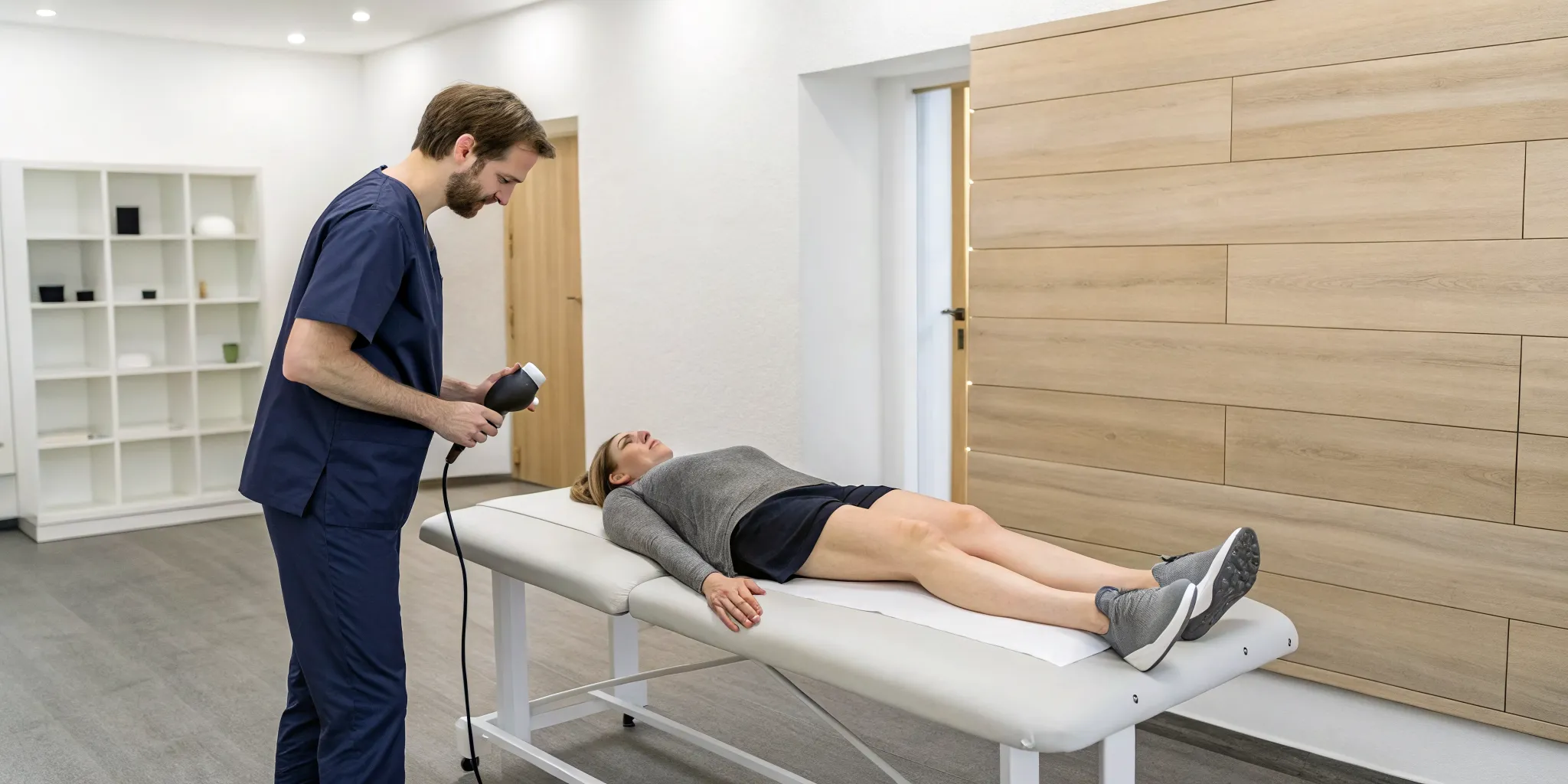
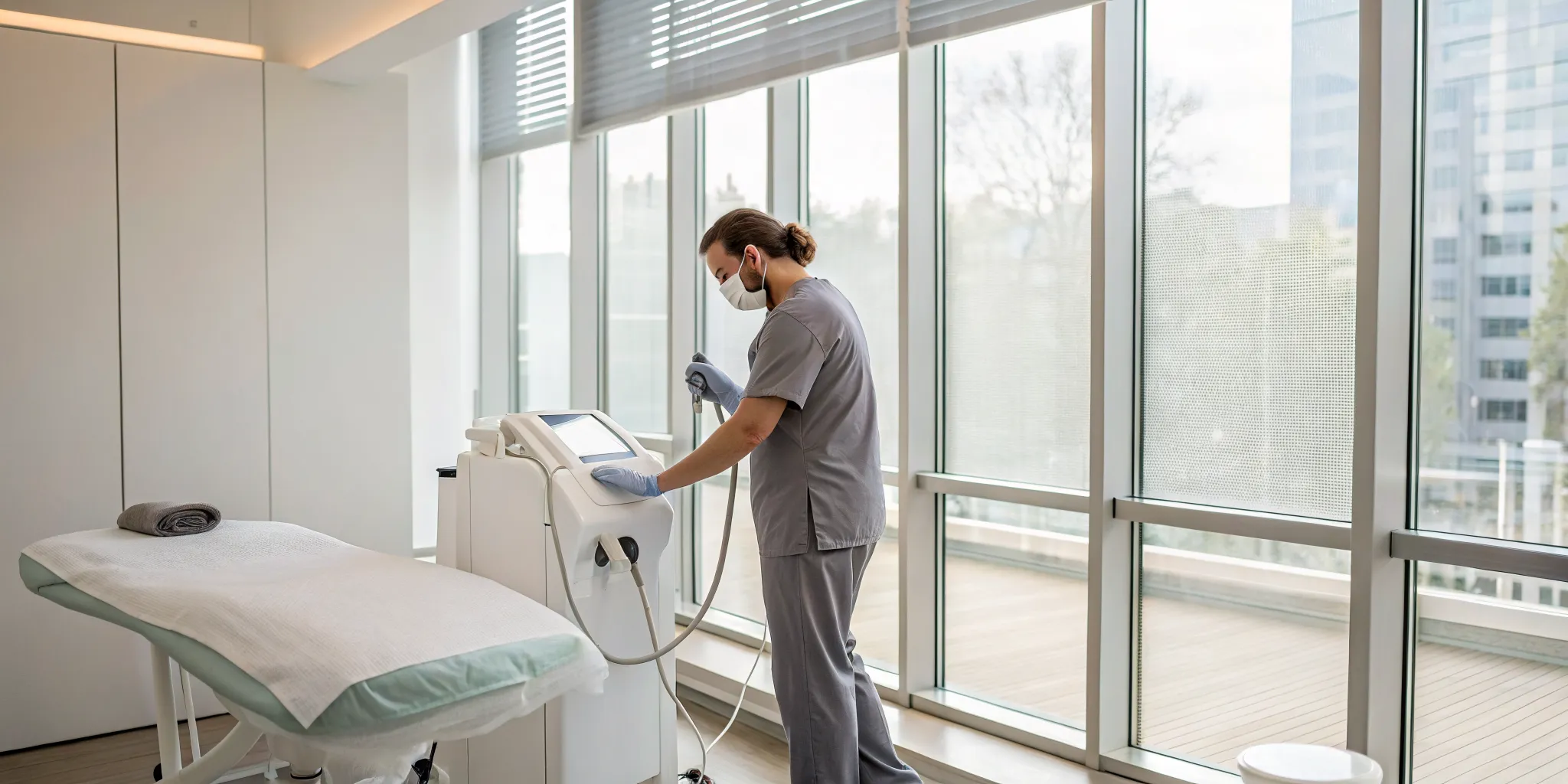
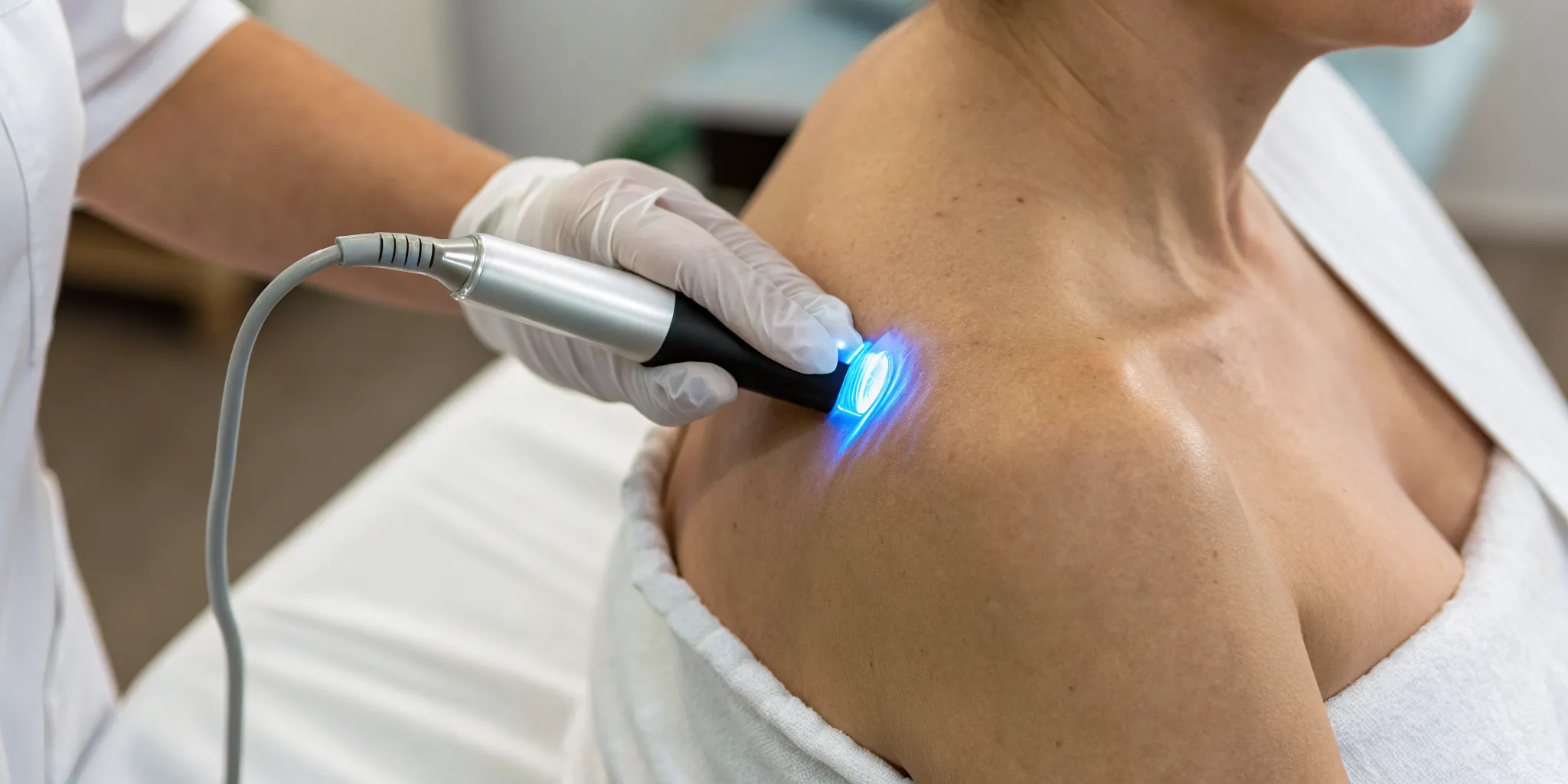
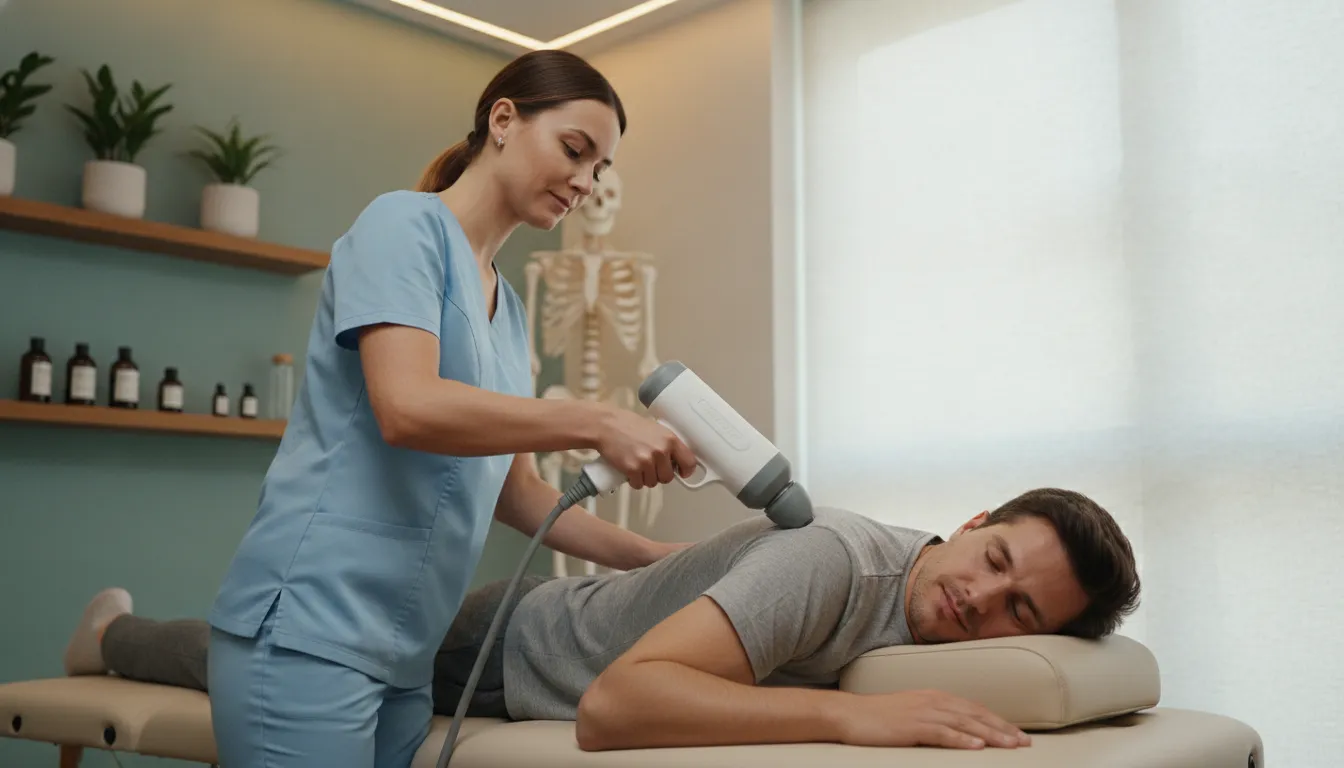
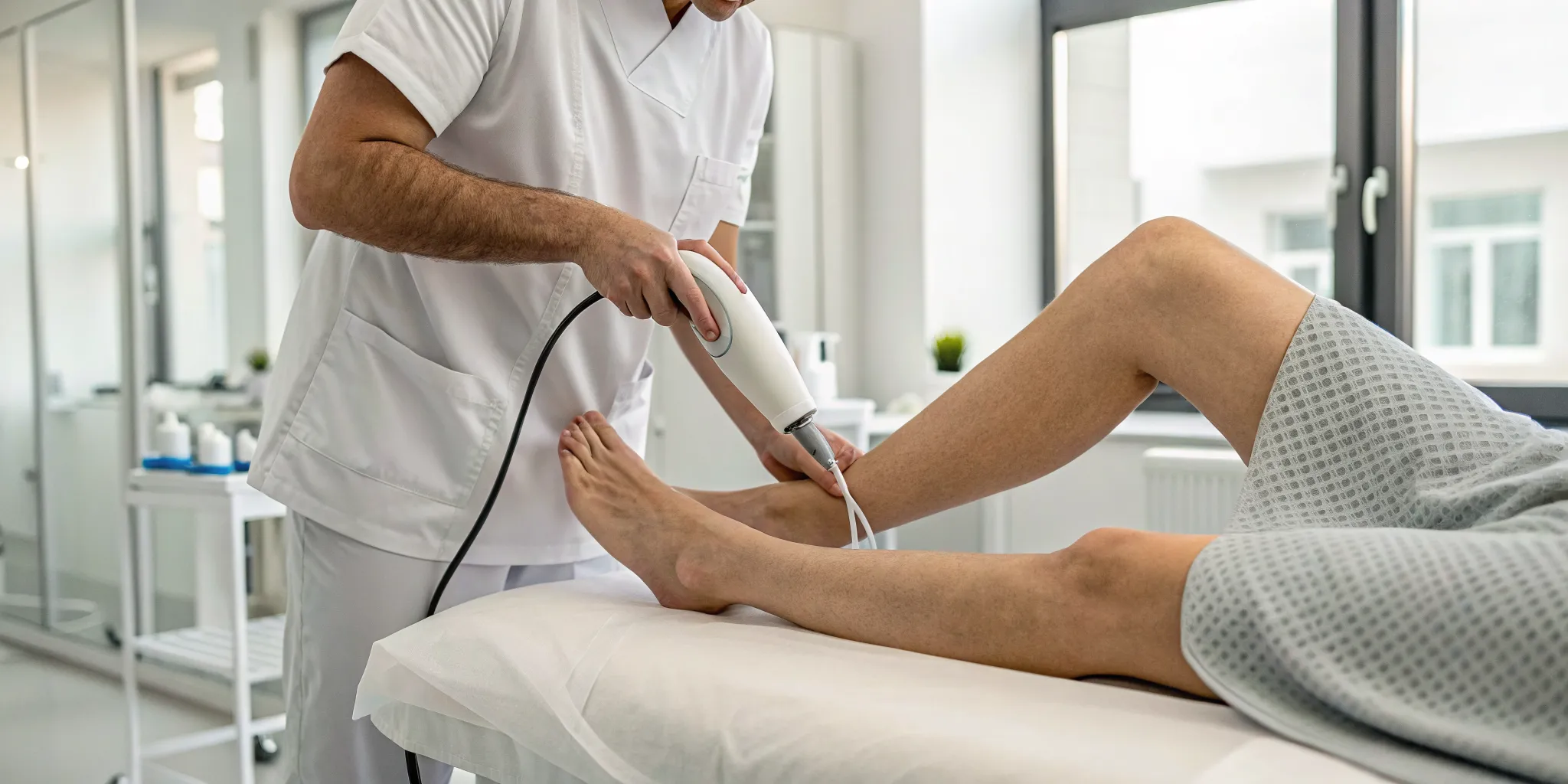
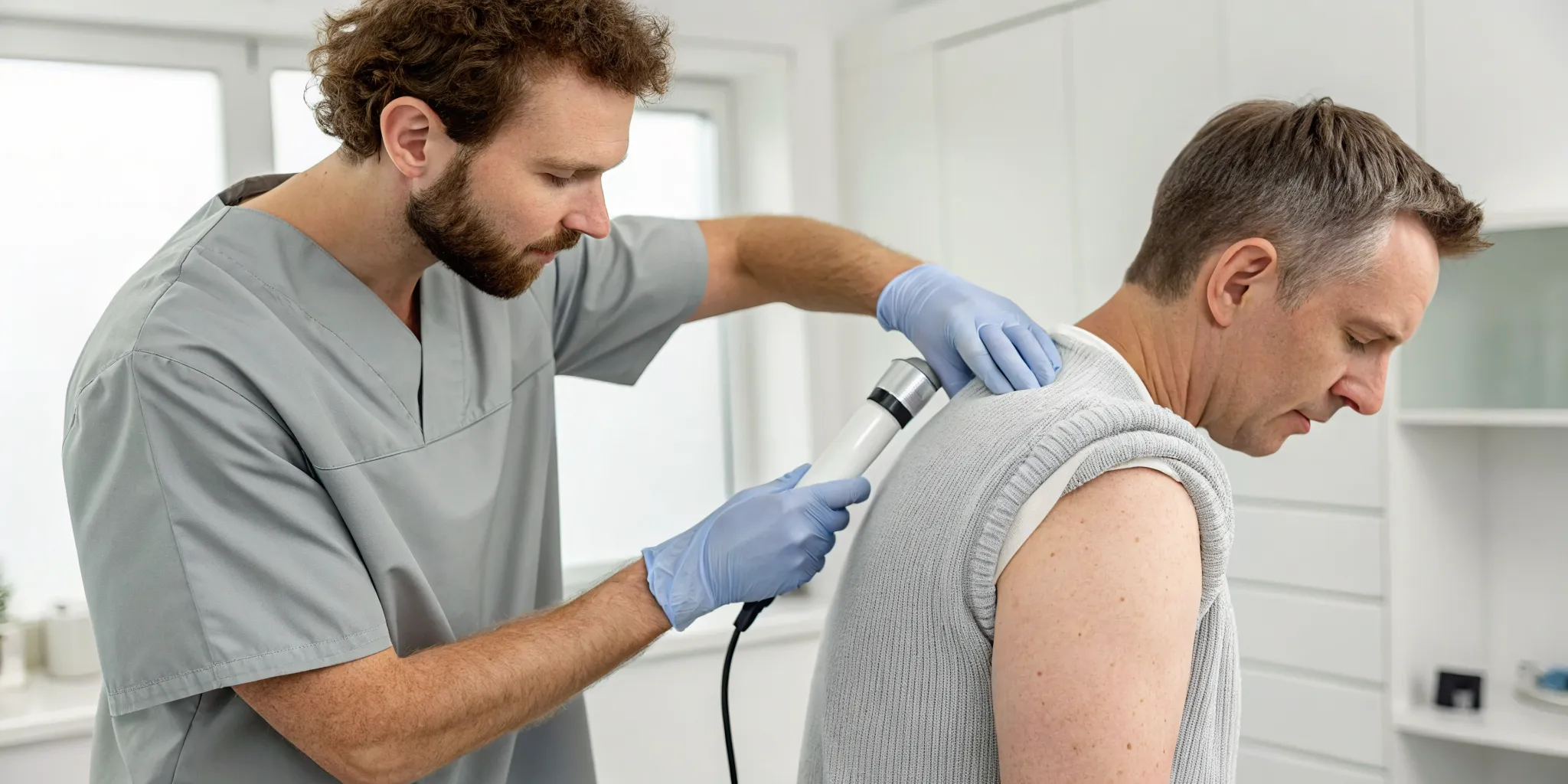
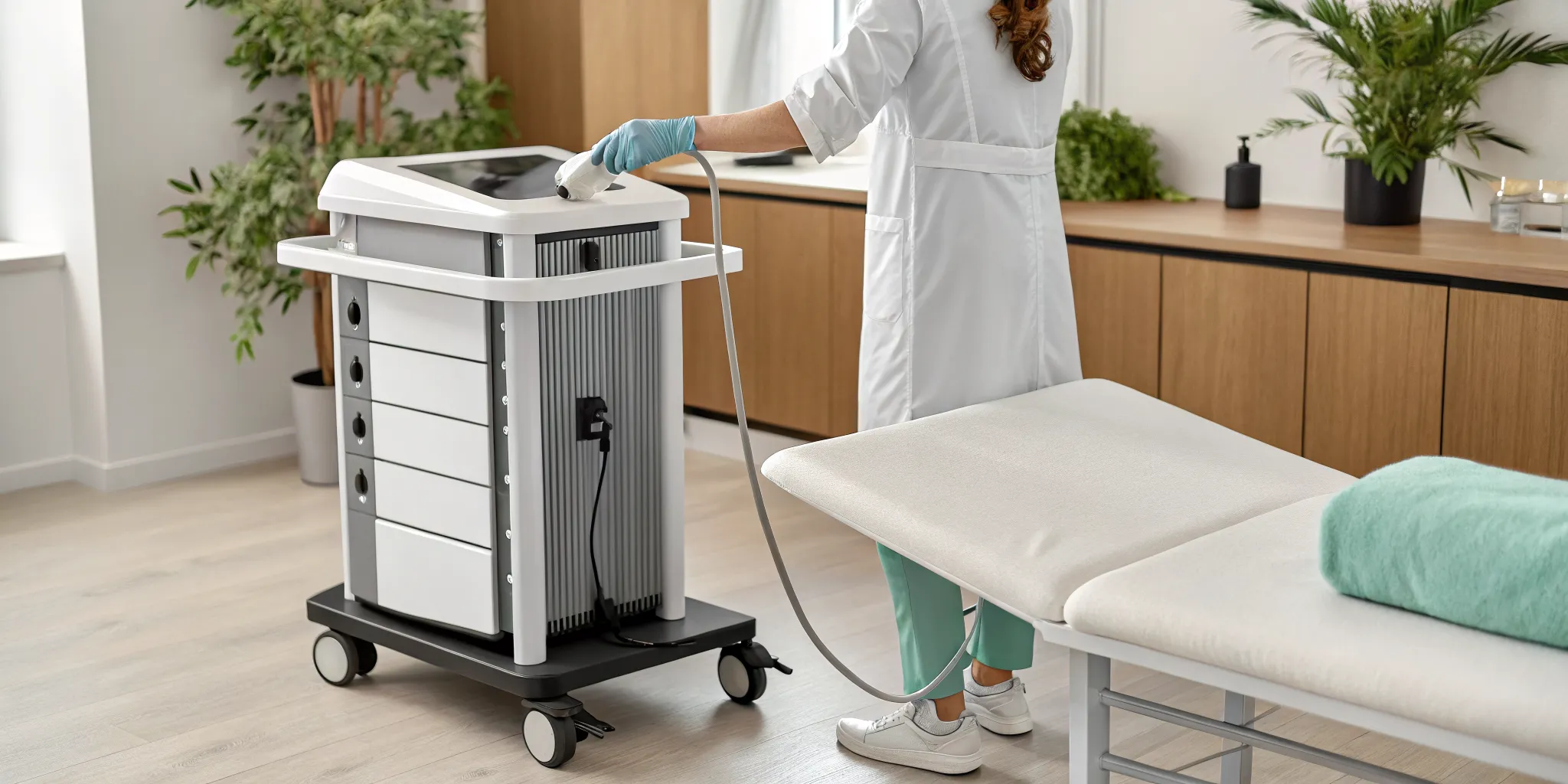
A trained practitioner uses a special handheld device to send these waves directly to the stiff and painful areas of your shoulder. This targeted approach allows us to address the problem right at the source. Our goal is to work with your body, providing the stimulus it needs to get back on track. For a condition like frozen shoulder, where the joint capsule becomes thick and tight, this precise application is key. By stimulating the exact tissues that are causing the problem, we can encourage a healing response that reduces stiffness and restores movement, helping you avoid more aggressive interventions.
How Acoustic Waves Promote Healing
The magic of shockwave therapy lies in its ability to create a biological response. When the high-energy acoustic waves penetrate your shoulder tissue, they create tiny, controlled micro-disruptions. This process signals your body to increase metabolic activity around the site of pain. In response, your system naturally ramps up its healing efforts, sending growth factors and other restorative cells to the area. It’s a non-invasive way to stimulate tissue regeneration and accelerate the repair of the stiffened shoulder capsule that causes so much discomfort in frozen shoulder. This is your body’s own healing process, just given a helpful nudge in the right direction.
Focused vs. Radial Shockwave: What's the Difference?
You might hear the terms "focused" and "radial" when discussing shockwave therapy, and they simply refer to how the sound waves are delivered. Radial shockwave therapy sends out pressure waves in a wider, more dispersed pattern, making it great for treating larger surface areas. In contrast, focused shockwave therapy concentrates its energy on a single, deeper point within the tissue. The choice between them isn't random; it depends entirely on your specific condition. At Ascend, our personalized approach means we carefully assess your shoulder to determine which type of therapy will be most effective for you and your unique situation.
Restoring Tissue and Improving Blood Flow
One of the biggest hurdles with frozen shoulder is the buildup of scar tissue and poor circulation in the joint capsule. Shockwave therapy directly addresses this by promoting the formation of new blood vessels, a process called neovascularization. This increased blood flow delivers more oxygen and nutrients to the area, which helps reduce inflammation and pain. The acoustic waves also work to break down fibrous scar tissue and stimulate collagen production. This makes the tissues in your shoulder more flexible and resilient, helping you regain movement and function. It’s a powerful tool for addressing chronic joint pain and restoring your shoulder’s mobility.
Why Shockwave Therapy is Effective for Frozen Shoulder
Frozen shoulder can feel relentless, but shockwave therapy offers a way to address the problem at its source instead of just managing the pain. This approach works by tackling the core physical issues that cause the stiffness and discomfort. By directly targeting the dysfunctional tissue, stimulating the body's natural healing processes, and working in tandem with other therapies, it creates a clear path toward regaining mobility and finding lasting relief. Let's look at exactly how it accomplishes this.
Targets Scar Tissue and Adhesions
The defining feature of frozen shoulder is the thick, restrictive scar tissue that forms inside the shoulder capsule. These bands of tissue, called adhesions, are what make the joint feel "frozen" and painful to move. Shockwave therapy directly confronts this problem. The treatment uses high-energy sound waves to penetrate deep into the shoulder, precisely targeting and breaking down these stubborn adhesions. Think of it as a non-invasive way to dismantle the very structures that are holding your shoulder captive. By breaking up this scar tissue, the therapy helps to immediately improve your ability to move and sets the stage for long-term healing.
Reduces Inflammation and Restores Circulation
Chronic inflammation is a major contributor to the pain and stiffness of frozen shoulder. Shockwave therapy helps calm this inflammation by stimulating a powerful healing response within the body. The acoustic waves promote the formation of new blood vessels in the affected area, a process known as neovascularization. This improved circulation is critical because it delivers a fresh supply of oxygen and nutrients to the damaged tissues while flushing away inflammatory substances. This process doesn't just temporarily soothe the area; it actively helps your shoulder regenerate healthy tissue and reduce the chronic inflammation cycle that keeps you in pain.
Accelerates Your Return to Full Mobility
One of the most compelling reasons to consider shockwave therapy is its ability to speed up your recovery. While stretching and physical therapy are essential for treating frozen shoulder, adding shockwave therapy to your plan can significantly shorten the timeline. Research shows that combining these treatments helps patients regain their range of motion much faster than with physical therapy alone. In fact, clinical trials have found that this integrated approach can accelerate the recovery of movement by up to 30%. This means you get back to your daily activities, from reaching for a coffee mug to enjoying your favorite hobbies, more quickly and with greater confidence.
Key Benefits of Shockwave Therapy
When you're dealing with the persistent pain and stiffness of a frozen shoulder, you want a solution that does more than just mask the symptoms. You want something that truly helps your body heal and gets you back to your daily activities. Shockwave therapy offers some powerful advantages that make it a compelling option for many people. It’s designed to work with your body’s natural healing processes to provide relief, restore movement, and deliver results that last. Let’s look at what makes this treatment so effective.
A Non-Invasive Path to Pain Relief
One of the most significant benefits of shockwave therapy is that it's a non-invasive procedure. This means it doesn't require any incisions, needles, or anesthesia. The entire treatment happens outside of your body, using acoustic waves to target the affected tissues in your shoulder. For many people, this is a huge relief. You can get the care you need without the downtime or risks associated with more invasive options. This approach is a cornerstone of our physical medicine services, as we believe in supporting the body’s healing capacity with the least intervention necessary. You can come in for your session and get right back to your day afterward.
Regain Your Full Range of Motion
A frozen shoulder doesn’t just hurt; it limits your ability to perform simple, everyday tasks like reaching into a cabinet or putting on a coat. Shockwave therapy directly addresses this by breaking down the adhesions that restrict your shoulder joint. In fact, studies have shown that patients receiving shockwave therapy can improve their shoulder movement up to 30% faster than with physiotherapy alone. This accelerated progress means you can get back to your life, hobbies, and work more quickly. Our goal is to help you resolve the conditions we treat by restoring function, and regaining your full range of motion is a key part of that journey.
Achieve Lasting Results
While some treatments provide temporary comfort, shockwave therapy is designed to create lasting change. By stimulating blood flow and promoting tissue regeneration, it helps your body heal the root cause of the problem. Research comparing shockwave therapy to other common treatments found that it led to more significant, long-term improvements in both pain and shoulder mobility. This aligns perfectly with our philosophy at Ascend Functional Health, which focuses on facilitating the body's innate ability to heal itself. Instead of just quieting the pain for a little while, you’re investing in a solution that helps your shoulder become stronger and more resilient for the future.
Is Shockwave Therapy Safe?
It’s completely normal to ask about the safety of any new treatment. When you’re dealing with persistent pain, the last thing you want is a solution that causes more problems. The good news is that shockwave therapy has a strong safety record and is considered a very low-risk option for conditions like frozen shoulder. Because it’s non-invasive, you avoid the complications and recovery time associated with more intensive procedures.
Of course, no treatment is without its considerations. It’s important to understand what to expect during a session, who might not be a good candidate, and why this therapy is trusted by practitioners for musculoskeletal healing. A thorough evaluation of your health history is always the first step to ensure this is the right path for you.
What to Expect: Potential Side Effects
Most people find shockwave therapy sessions quite manageable. During the treatment, you might feel a tapping or pulsing sensation against your skin. Some describe it as a mild discomfort or pressure, but it’s not typically painful. The intensity can be adjusted to your comfort level, so always communicate with your practitioner.
After a session, it’s possible to experience some minor, temporary side effects. This could include slight redness, swelling, or bruising around the treated shoulder. These effects usually fade within a day or two. Think of it as a sign that your body’s natural healing process has been activated.
When to Reconsider This Treatment
While shockwave therapy is safe for most people, it isn’t the right choice for everyone. Certain health conditions can make this treatment unsuitable. For example, it’s generally avoided for individuals with pacemakers, active infections in the shoulder area, or bleeding disorders. It’s also important that your overall health is stable; some research suggests that conditions like uncontrolled diabetes can affect how well you respond to the treatment.
This is why a detailed consultation is so important. Before beginning any protocol, we’ll discuss your complete health history to determine if shockwave therapy is a safe and effective option for your specific needs. Your well-being is our top priority, and we’re here to answer any questions you have.
Understanding Its Strong Safety Record
One of the biggest advantages of shockwave therapy is its excellent safety profile, which is backed by years of research and clinical use. This treatment is completely non-invasive. That means no incisions and no instruments entering your body. It works from the outside-in to stimulate healing deep within the tissues of your shoulder.
This approach allows you to sidestep the risks and lengthy recovery periods that can come with more aggressive interventions. As a key component of our physical medicine services, shockwave therapy offers a reliable way to address the root cause of your shoulder pain without adding unnecessary stress to your body, helping you get back to your life faster.
Your Shockwave Therapy Session: What to Expect
Knowing what to expect can make any new treatment feel more comfortable. When you come in for shockwave therapy, our goal is to make the process clear, straightforward, and focused on your healing. We'll walk you through every step, but here’s a general idea of what your sessions will look like, from the treatment plan to what you’ll feel during and after the appointment. This approach is a key part of our commitment to providing effective, patient-centered care.
Your Treatment Plan: Frequency and Duration
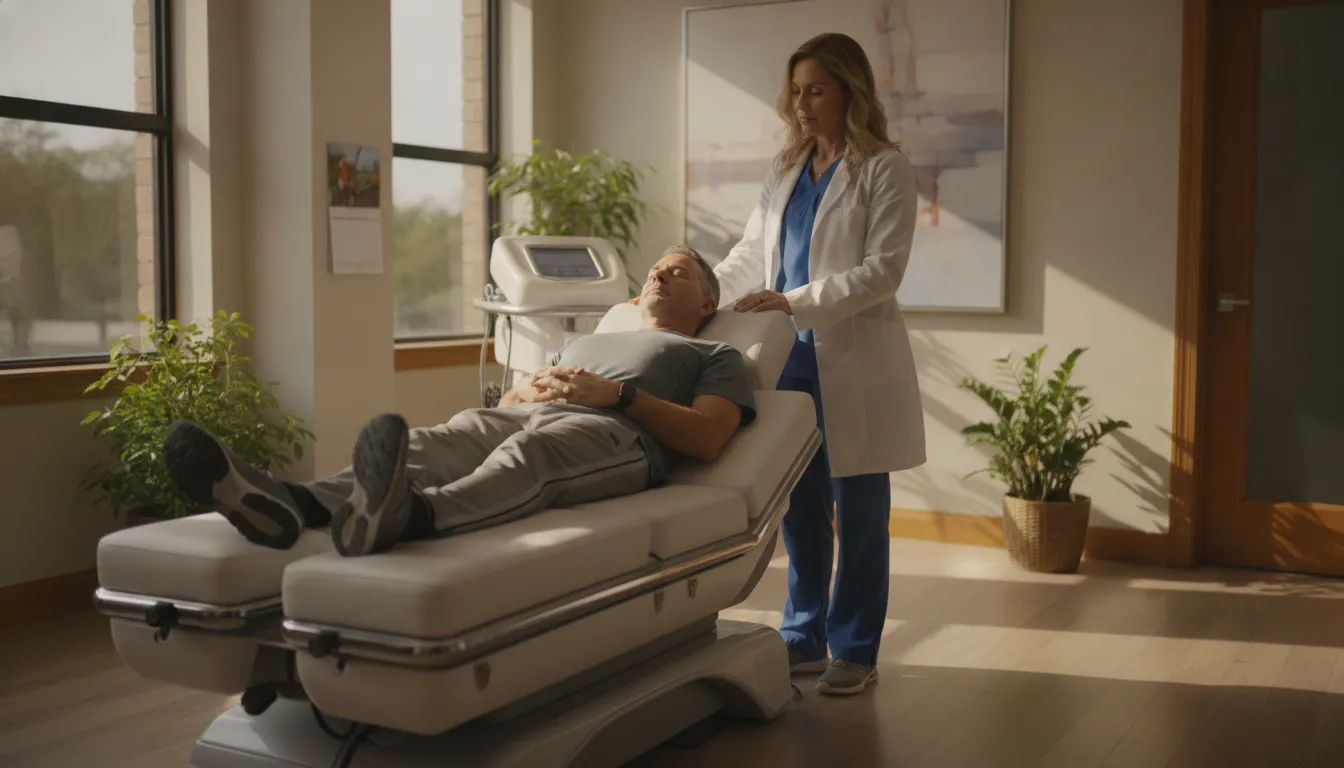
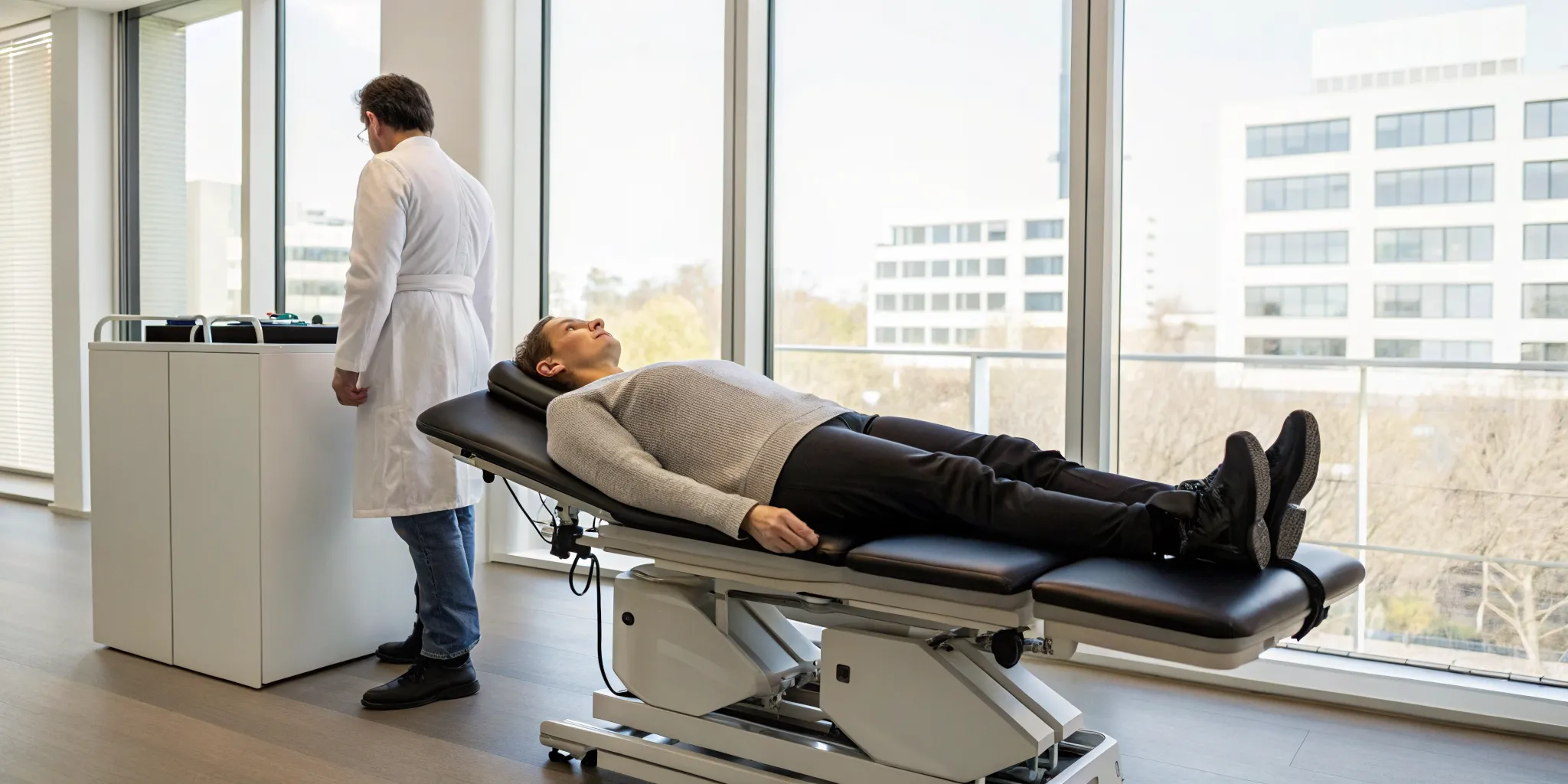
Your path to recovery is unique, so we’ll create a treatment plan tailored to your specific needs. Most people with frozen shoulder find relief after a series of three to six sessions. We typically schedule these appointments about one week apart to give your body time to respond and heal between treatments. Each session is quick and efficient, usually lasting between 10 and 30 minutes, making it easy to fit into your schedule. This structured approach is a core part of our physical medicine services, designed to produce consistent progress without overwhelming your body.
What Does the Treatment Feel Like?
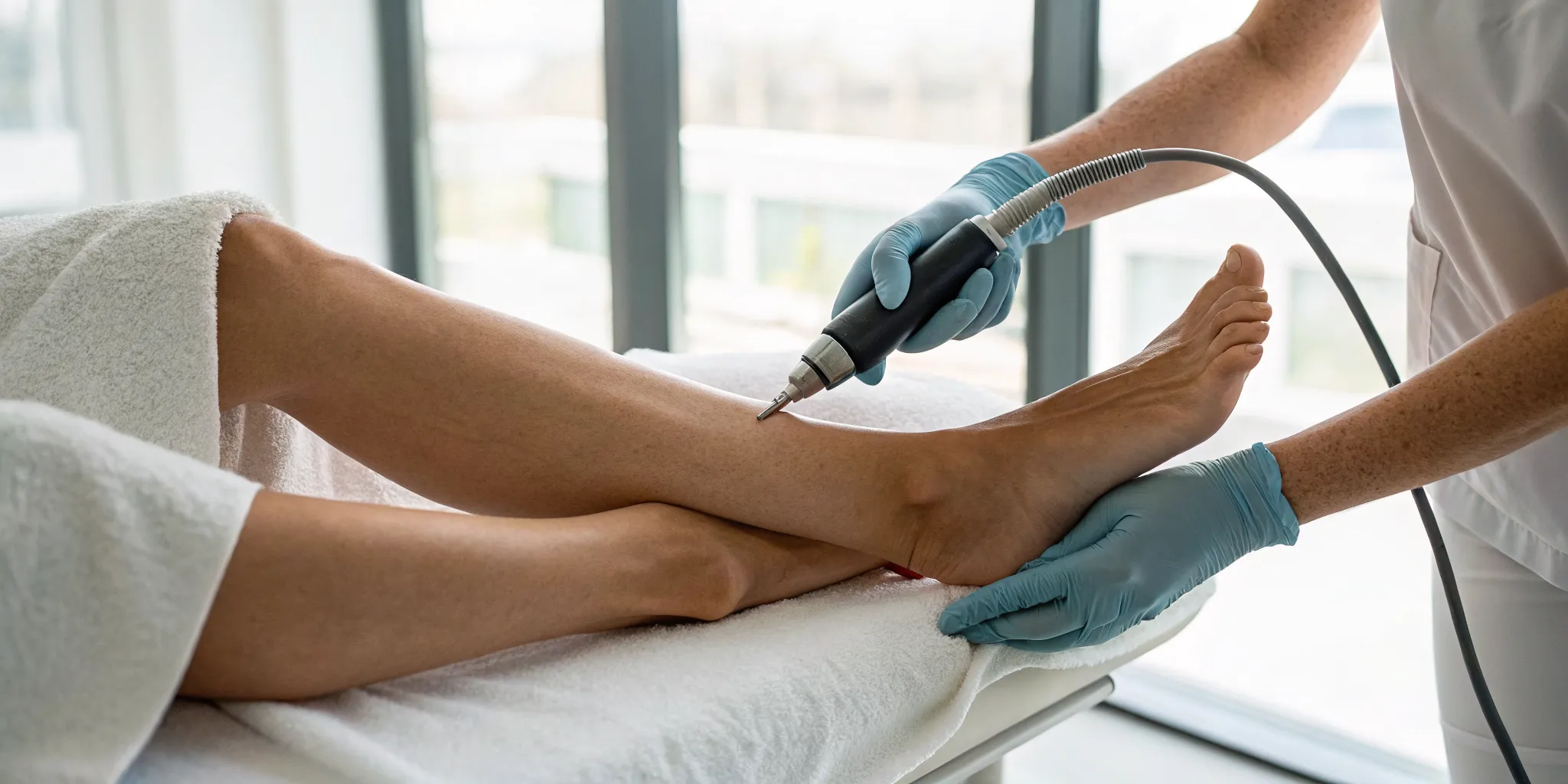
It’s completely normal to wonder if the treatment will be uncomfortable. While you may have heard that shockwave therapy is painful, that’s not the case for most people. During the session, you’ll likely feel a tapping or pulsing sensation against your skin. Some describe it as a strong vibration or a feeling of pressure on the targeted area. While there might be moments of mild discomfort, especially over more sensitive spots, the treatment is generally well-tolerated. Our team at Ascend Functional Health will communicate with you throughout the session to ensure you remain as comfortable as possible.
Post-Treatment Care and Comfort
One of the best parts of shockwave therapy is that there is no downtime. You can return to your daily activities right after your appointment. It’s possible to experience some mild, temporary soreness or tenderness in the treated shoulder, similar to how you might feel after a deep tissue massage, but this usually fades quickly. To get the most out of your sessions, it’s important to follow the specific aftercare instructions we provide. This might include gentle stretches or avoiding strenuous activity for a day or two. Following this guidance helps support your body’s healing process and leads to better, longer-lasting results. If you have any questions about your care plan, we encourage you to contact us.
5 Myths About Shockwave Therapy, Busted
When you’re dealing with persistent pain, it’s easy to get lost in a sea of information and misinformation. Shockwave therapy is a powerful tool in our physical medicine toolkit, but it’s surrounded by its fair share of myths. Let's clear up some of the most common misconceptions so you can feel confident about your treatment options.
Myth #1: It's Unbearably Painful
Let’s be direct: the word “shockwave” sounds intense. Many people assume the treatment must be painful, but that’s not the case. Shockwave therapy is a non-invasive procedure, meaning nothing pierces the skin. Most of our patients describe the sensation as a strong tapping or pulsing feeling. While you might experience some mild discomfort, especially over a particularly tender area, the intensity is adjusted to your tolerance level. The goal is to stimulate healing, not to cause unnecessary pain. It’s a therapeutic process that is generally very well-tolerated.
Myth #2: It's Only for Professional Athletes
While it’s true that many elite athletes use shockwave therapy to recover faster, this treatment is for anyone struggling with stubborn musculoskeletal pain. We use it to help people from all walks of life get back to their daily activities without discomfort. Whether you’re dealing with frozen shoulder from an old injury, plantar fasciitis from being on your feet all day, or tennis elbow from your weekend hobby, shockwave therapy can be a game-changer. It’s an effective option for many of the conditions we treat right here in our clinic.
Myth #3: It's an Invasive Procedure
This is one of the biggest misunderstandings about shockwave therapy. Unlike injections or other more intensive procedures, shockwave therapy is completely external. The entire treatment happens on the surface of your skin. We use a handheld applicator that delivers acoustic waves to the targeted tissue below. There are no needles and no incisions. This non-invasive approach is central to our philosophy of working with the body’s innate ability to heal itself, making it a safe and appealing option for many of our patients who want to avoid more aggressive interventions.
Myth #4: One Session is All You Need
While we’d all love a single-session solution, true healing is a process. Shockwave therapy works by triggering your body’s natural repair mechanisms, and this biological response takes time. It’s not a magic wand. A typical treatment plan involves a series of sessions, usually scheduled about a week apart for several weeks. This consistent stimulation is what helps break down scar tissue and regenerate healthy tissue for lasting results. We create a personalized plan for you, because our goal is genuine, long-term recovery, not a temporary fix.
Myth #5: It's the Same as Ultrasound Therapy
Although both treatments use sound waves, they are fundamentally different. Therapeutic ultrasound uses continuous, high-frequency waves to gently heat tissues, which can help relax muscles and improve blood flow. In contrast, shockwave therapy uses higher-energy acoustic pulses that are delivered in short bursts. These powerful waves create a controlled micro-trauma in the tissue, which stimulates a much stronger healing response from the body. This process is what makes it so effective at breaking down adhesions and promoting the formation of new blood vessels. They are two distinct tools for different therapeutic goals within our range of services.
Better Together: Shockwave Therapy and Physical Therapy
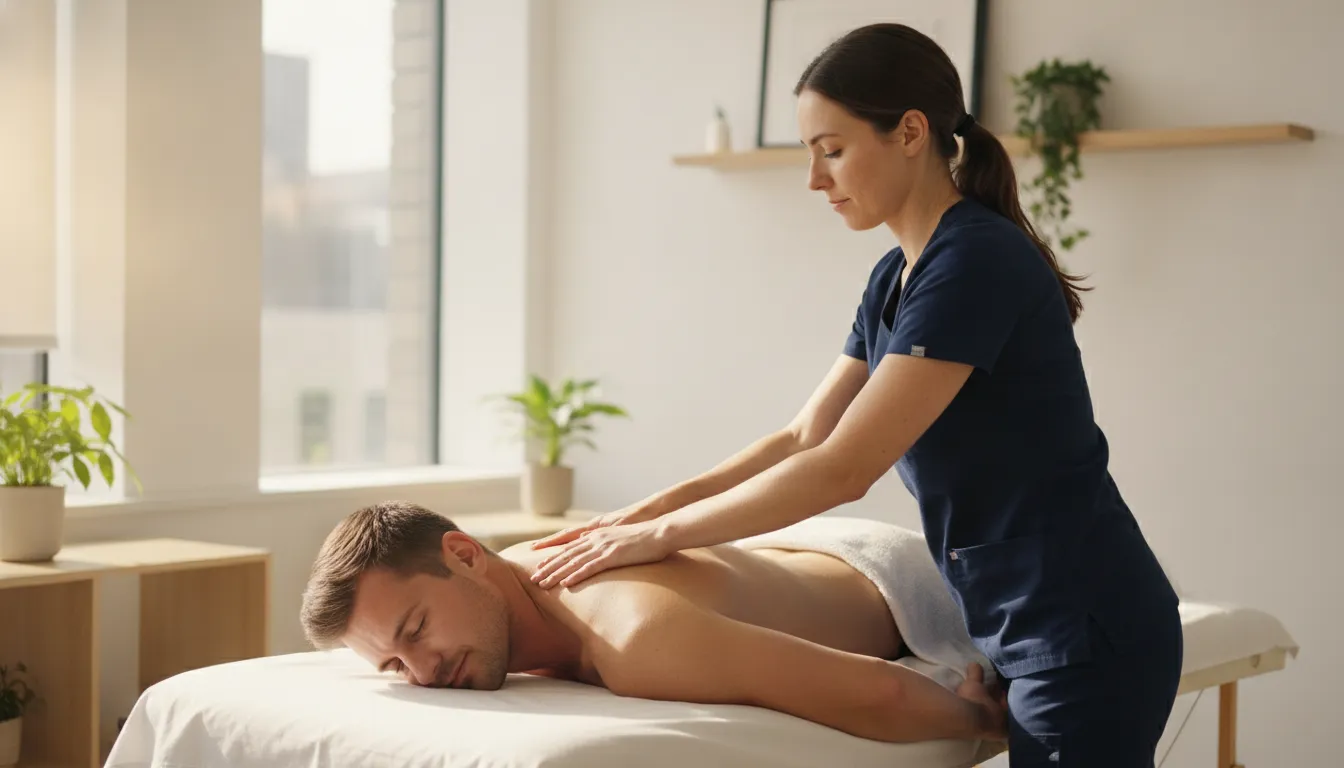
While shockwave therapy is a powerful tool on its own, pairing it with physical therapy creates a powerful synergy for healing frozen shoulder. Think of it as a one-two punch against stiffness and pain. This combined approach doesn't just cover up symptoms; it actively rebuilds function from the ground up. By integrating these two modalities, we can create a comprehensive plan that helps you recover more quickly and effectively, getting you back to your life with confidence.
How This Combination Speeds Up Healing
When you’re dealing with the frustration of a frozen shoulder, you want a solution that works efficiently. Combining shockwave therapy with physical therapy does just that. The acoustic waves from the shockwave treatment act as a catalyst, breaking down stubborn scar tissue and reducing inflammation. This initial step makes the shoulder joint more pliable and receptive to movement. As a result, the targeted stretches and exercises in your physical therapy sessions become much more effective. In fact, clinical trials show that this combination helps patients regain their range of motion significantly faster than with physical therapy alone. It’s a strategic approach that accelerates your body’s natural healing process.
What a Combined Treatment Plan Involves
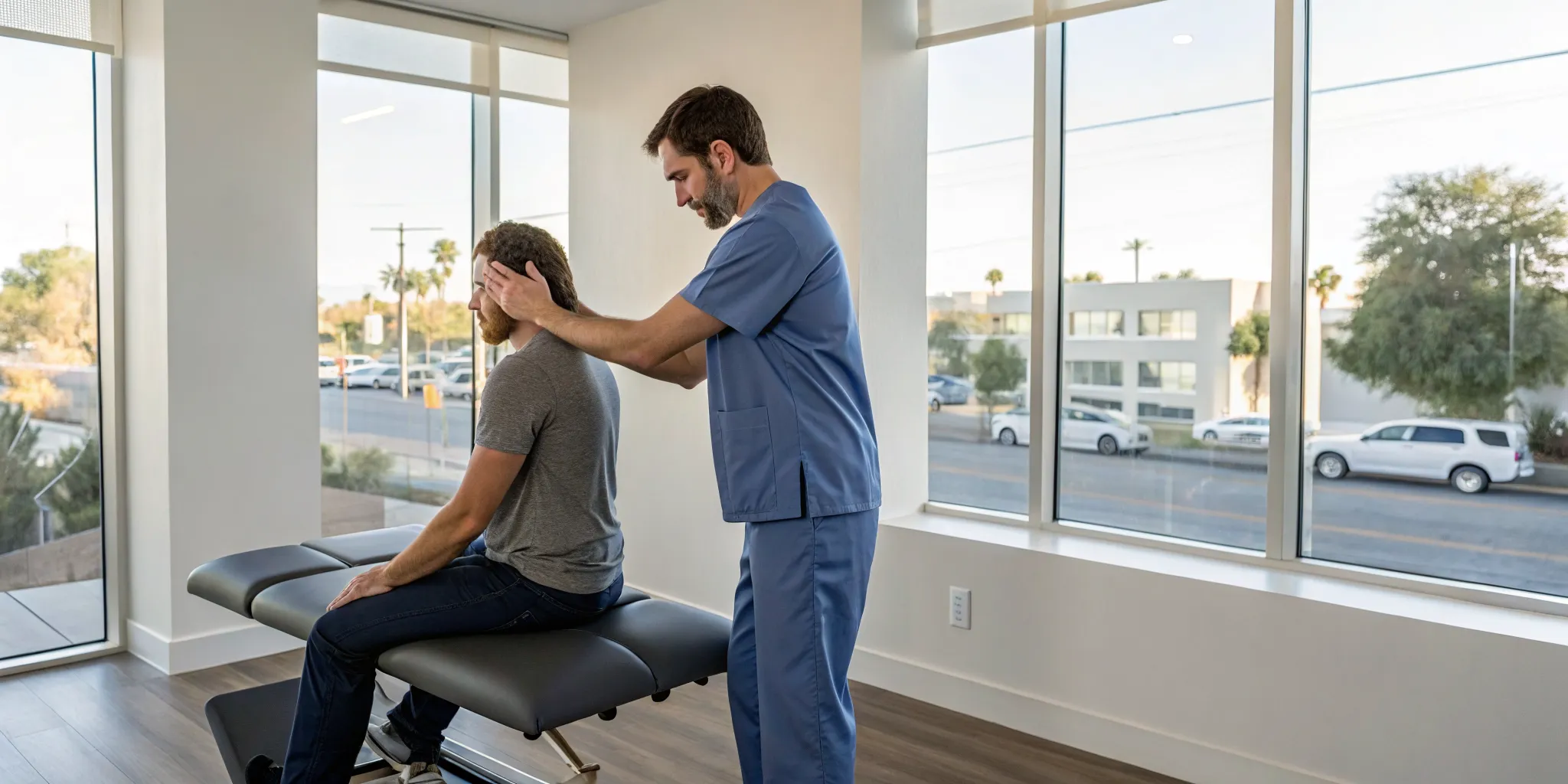
A combined treatment plan is a structured and personalized program designed around your specific needs. It typically begins with a series of shockwave therapy sessions to address the underlying adhesions and improve circulation in the shoulder capsule. Following these sessions, you’ll move into a customized physical therapy regimen. This isn't just a generic set of exercises; it’s a progressive plan focused on the corrective care needed to restore your shoulder’s mobility and strength safely. Your therapist will guide you through each movement, ensuring you’re rebuilding function without causing further irritation. This integrated strategy provides a clear path toward regaining full, pain-free movement and achieving lasting results.
Our Approach to Healing Frozen Shoulder
At Ascend Functional Health, we understand how frustrating frozen shoulder can be, and we take a targeted approach to help you find relief. A cornerstone of our physical medicine strategy is a non-invasive treatment called Extracorporeal Shockwave Therapy, or ESWT. Think of it as a way to jumpstart your body’s own healing abilities right where you need it most. This therapy uses acoustic waves to improve blood flow, reduce swelling, and encourage the growth of new blood vessels in the stiff shoulder tissue. It’s a powerful way to address the root cause of the problem, helping to break up the restrictive adhesions that limit your movement and even changing how your nerves send pain signals.
We don't just rely on what feels right; our methods are guided by solid research. Studies show that ESWT can significantly speed up recovery, which is great news for anyone eager to get back to their life. For example, research highlights the efficacy of shockwave therapy, showing that it helps people regain their range of motion up to 30% faster when it's part of a complete plan that includes physical therapy and stretching. This integrated approach means you can get back to your daily activities, like reaching for something on a high shelf or putting on a jacket, with less discomfort and more freedom.
It's not just about moving better; it's about feeling better, too. Further clinical trials have demonstrated that individuals who receive shockwave therapy report a much better improvement in their pain levels and ability to perform everyday tasks compared to those who undergo more traditional treatments. This evidence is exactly why we are so confident in using ESWT as part of our comprehensive care plans. Our goal is to provide effective, lasting results that allow you to move past the pain and get back to living your life to the fullest.
Related Articles
- Get Your Shoulder Moving Again: Alleviating Pain and Dysfunction | Alessi Functional Health
- SoftWave Tissue Regeneration Therapy in Tampa | Alessi Functional Health
- SoftWave TRT Therapy in Tampa, FL - Alessi Functional Health
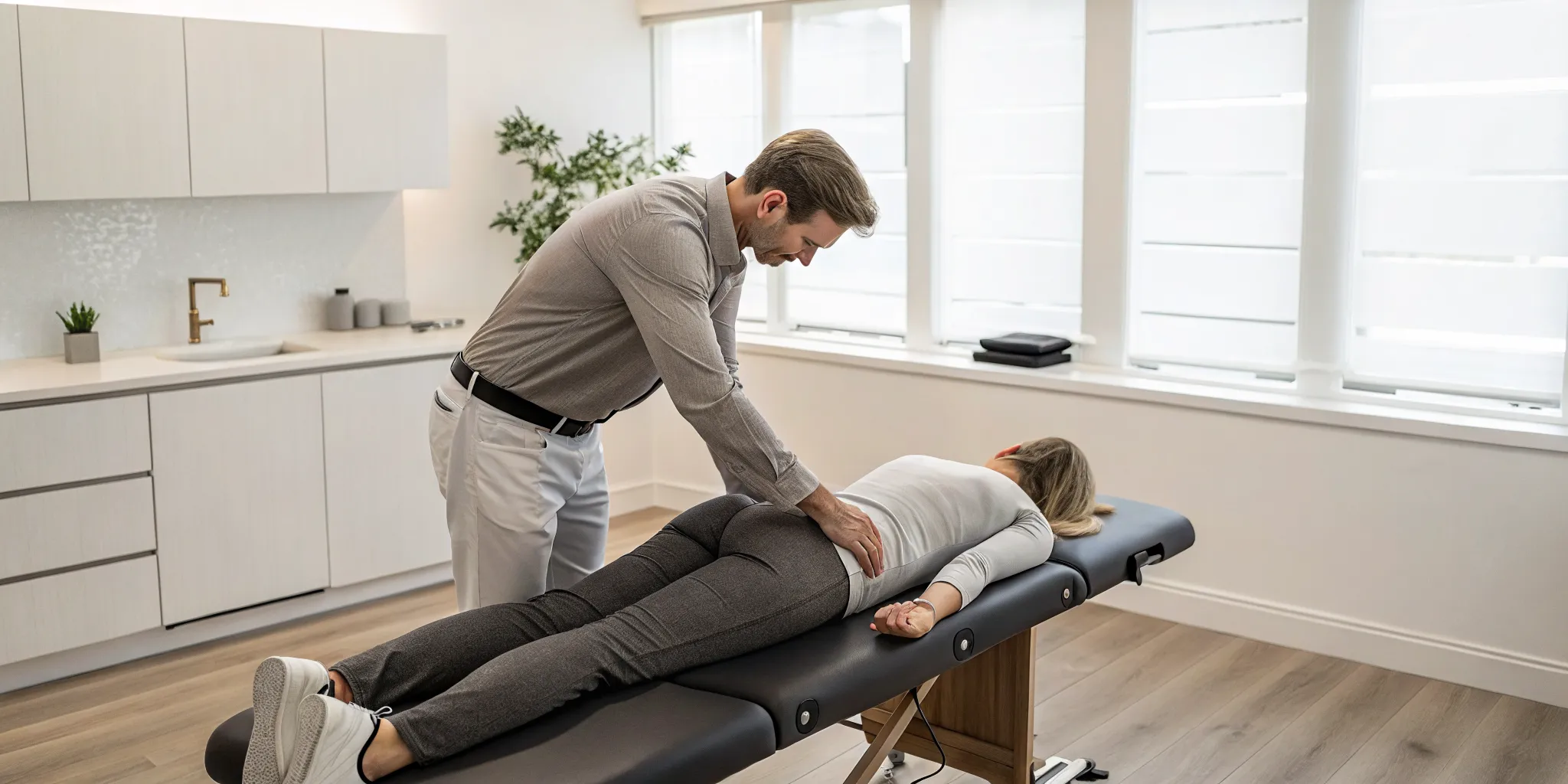
- What Is Joint Mobilization & How Does It Work?
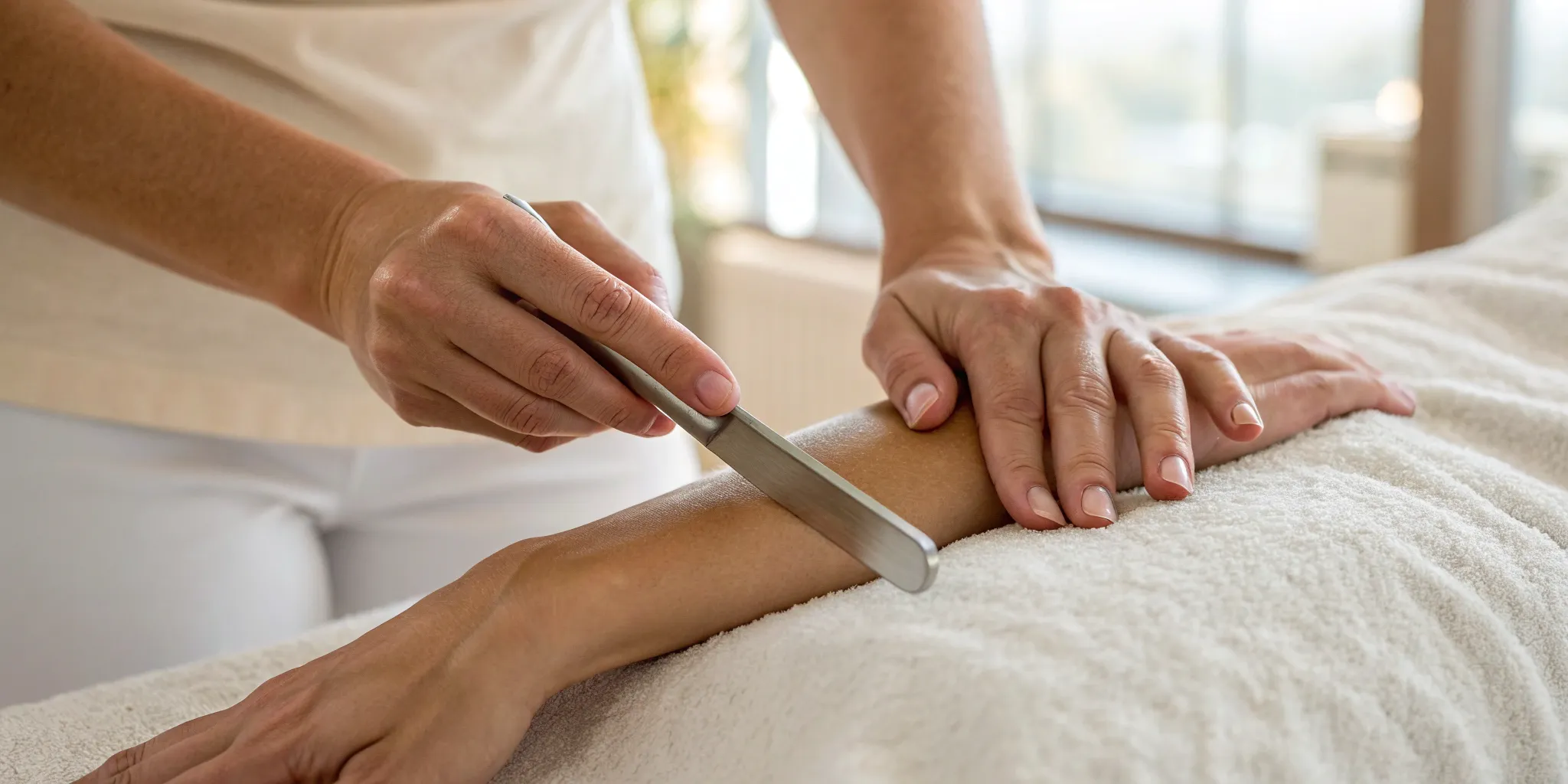
- What Is Graston Technique Therapy? A Beginner's Guide
Frequently Asked Questions
How do I know if shockwave therapy is the right choice for my shoulder pain? The best way to know for sure is to get a proper evaluation. While shockwave therapy is highly effective for the adhesions and inflammation typical of frozen shoulder, other conditions can cause similar pain. A thorough assessment allows us to understand the specific cause of your discomfort. We'll discuss your health history and symptoms to determine if you're a good candidate and create a treatment plan that directly addresses the root of your problem.
You mention the treatment isn't painful, but what does it actually feel like? That's a great question, as the name can sound a bit intimidating. Most people describe the sensation as a strong, rhythmic tapping or a deep pulsing against the skin. While you might feel some mild discomfort when the applicator passes over a particularly tight or tender spot, the intensity is always adjusted to your personal comfort level. The goal is to stimulate your tissue, not to cause pain, and we'll communicate with you throughout the short session to make sure you're comfortable.
How soon can I expect to feel a difference in my shoulder? Healing is a gradual process, not an overnight fix. While some people notice a decrease in pain after just one or two sessions, the most significant changes often come from completing the full treatment plan. The therapy works by triggering your body’s natural repair cycle, which takes time. You'll likely notice a progressive improvement in your range of motion and a reduction in stiffness after each session as your body breaks down scar tissue and restores circulation.
Is shockwave therapy a standalone treatment, or will I need to do other things? For the best and most lasting results, we see shockwave therapy as a key part of a comprehensive recovery plan. It does the heavy lifting of breaking down adhesions and reducing inflammation, which makes your shoulder much more receptive to other therapies. We almost always pair it with a customized physical therapy program. This combination allows you to rebuild strength and mobility safely, ensuring you don't just feel better temporarily but truly restore your shoulder's function.
Why choose this approach over something like a pain-relieving injection? This approach is fundamentally different because it focuses on healing the source of the problem rather than just masking the symptoms. While some methods can offer temporary pain relief, they don't address the underlying scar tissue and poor circulation that cause frozen shoulder. Shockwave therapy actively stimulates your body to regenerate healthy tissue and break down the adhesions that restrict your movement. It's a strategy for long-term resolution, helping your shoulder become more resilient and functional for the future.