Chronic pain has a way of costing you more than just money; it costs you experiences. It’s the weekend hikes you skip, the family activities you watch from the sidelines, and the daily discomfort that drains your energy. Investing in your health means choosing a path that aims for long-term resolution, not just another temporary patch. It’s about reclaiming your quality of life. This is where treatments that support your body's own healing processes make a real difference. By addressing the root cause of your discomfort, you’re not just buying a moment of relief; you’re investing in a future with more freedom and mobility. SoftWave therapy for pain relief is one of these powerful investments, helping your body rebuild from within.
Key Takeaways
- It Works With Your Body, Not On It: SoftWave therapy uses acoustic waves to kickstart your body's natural repair mechanisms. It helps increase blood flow and activate stem cells, encouraging damaged tissue to regenerate from within.
- Find Relief Without the Downtime: As a non-invasive treatment, SoftWave is an effective option for chronic pain in joints, tendons, and muscles, helping you avoid the long recovery of surgery or the temporary effects of injections.
- Lasting Improvement is Built Over Time: While some people feel better right away, true healing is a cumulative process. Each session builds on the previous one, helping your body address the root cause of pain for more sustainable wellness.
How Does SoftWave Therapy Work?
If you’re looking for a way to address pain without surgery or medication, you might be curious about how newer technologies can help. SoftWave therapy is a non-invasive treatment that uses sound waves to support your body’s natural healing abilities. Instead of just masking symptoms, it works by getting to the source of the problem, stimulating repair at a cellular level. It’s a cornerstone of our physical medicine approach because it helps your body heal itself from the inside out.
This advanced therapy is a gentle yet powerful way to manage pain and improve function. A handheld device is used to deliver acoustic waves deep into injured tissue, triggering a cascade of healing responses. Think of it as a wake-up call for your body's internal repair system. The process is straightforward and is designed to help you find relief and get back to doing what you love.
Using Acoustic Waves to Trigger Healing
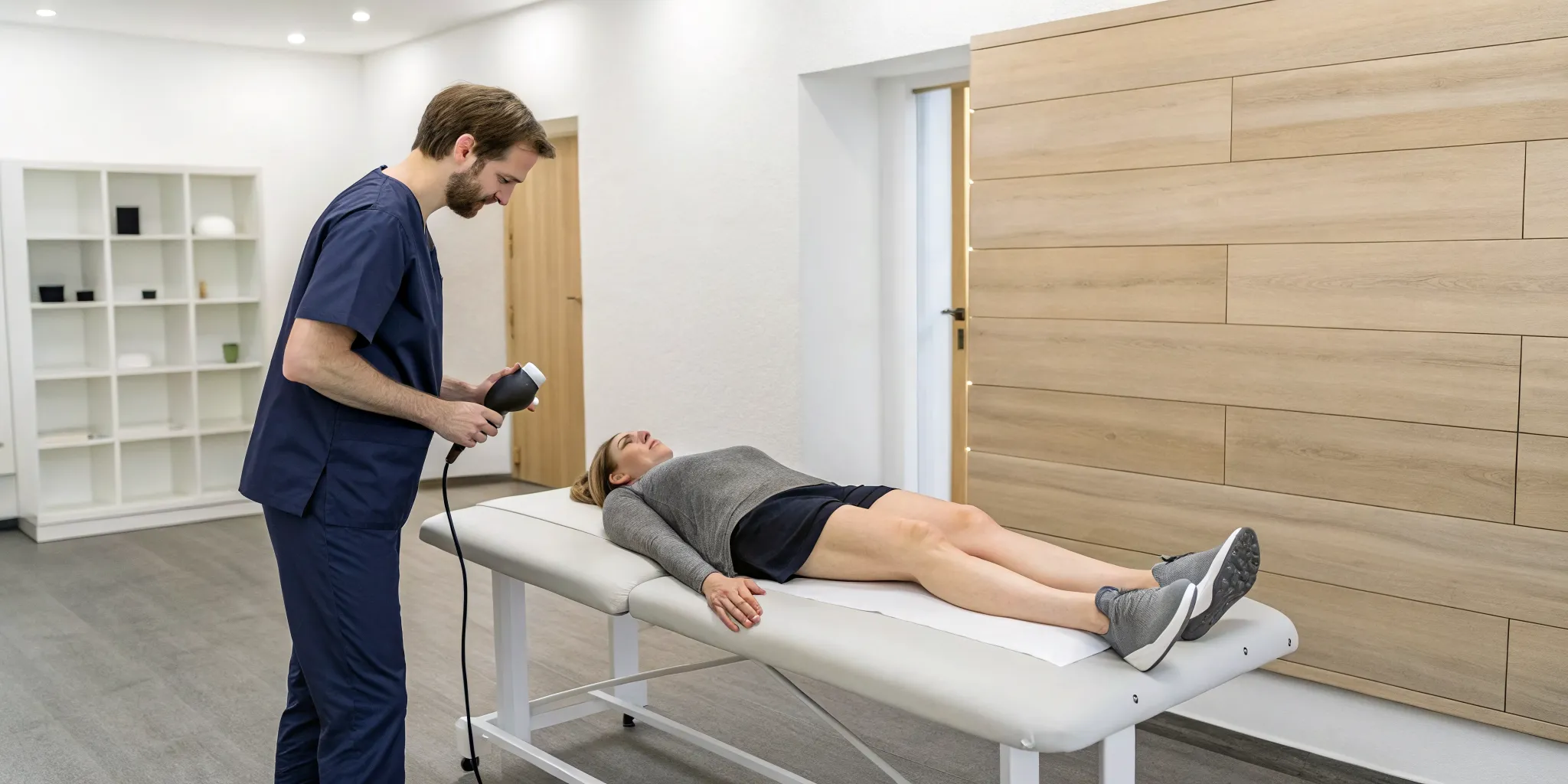
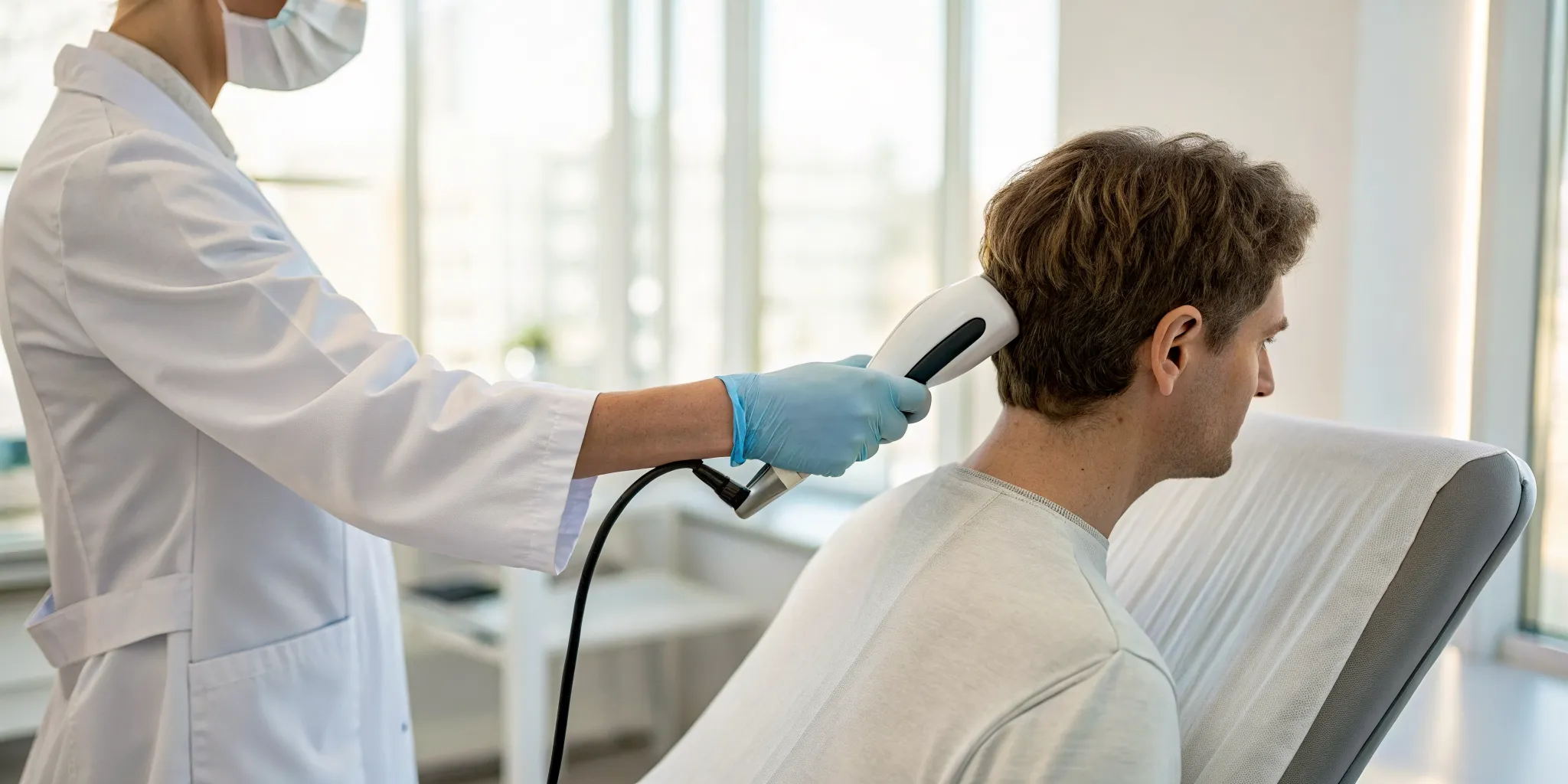
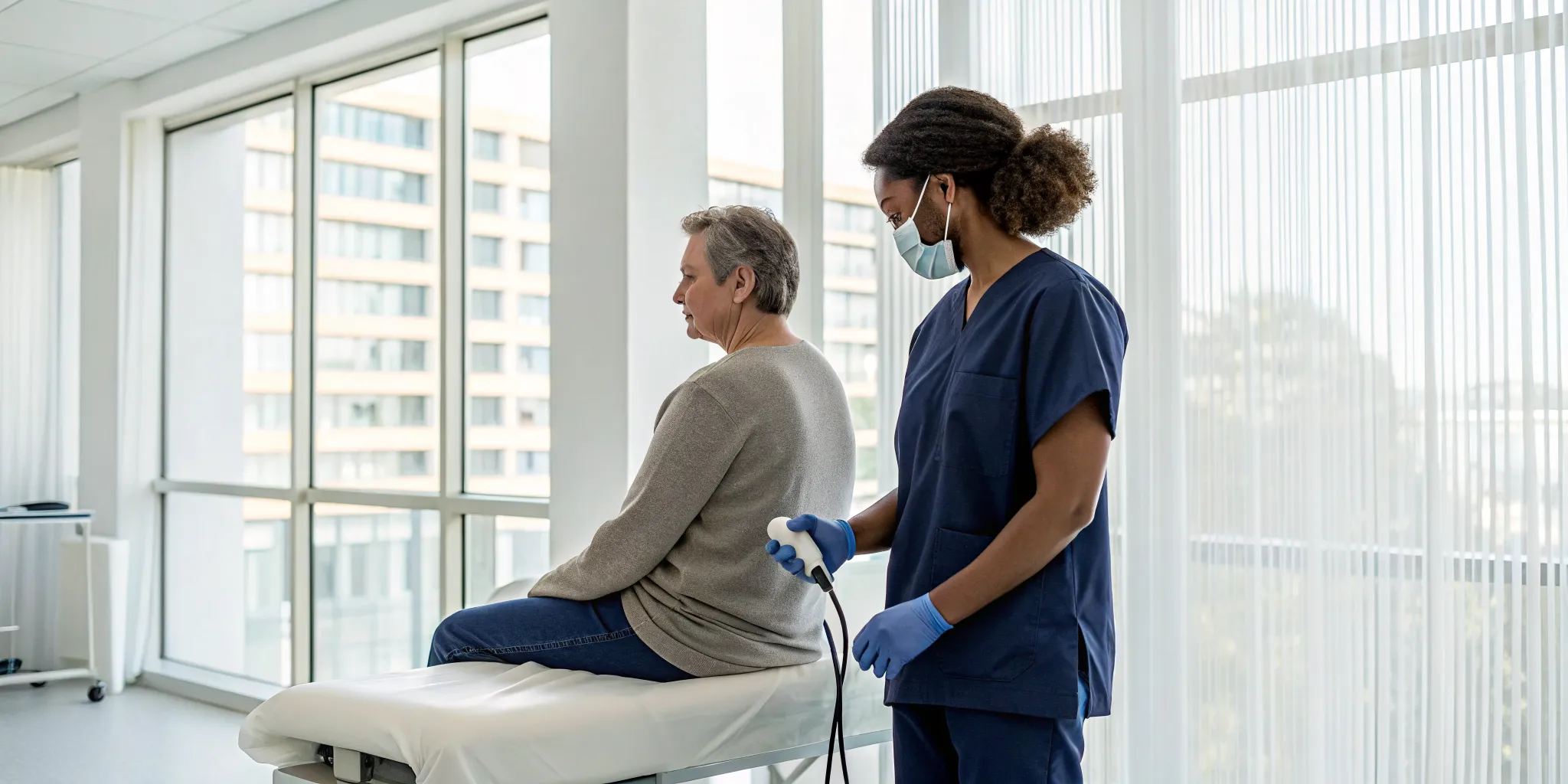
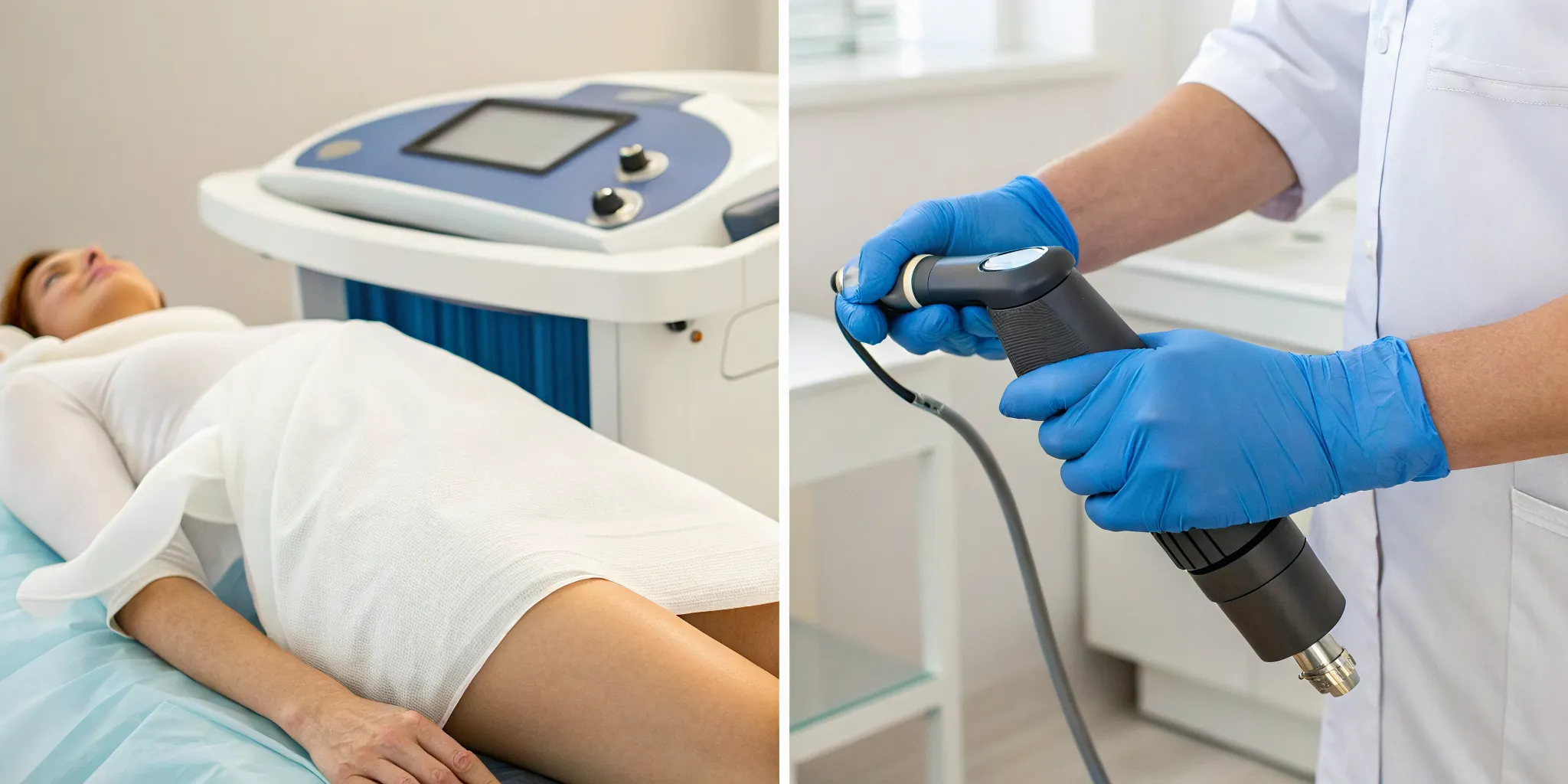
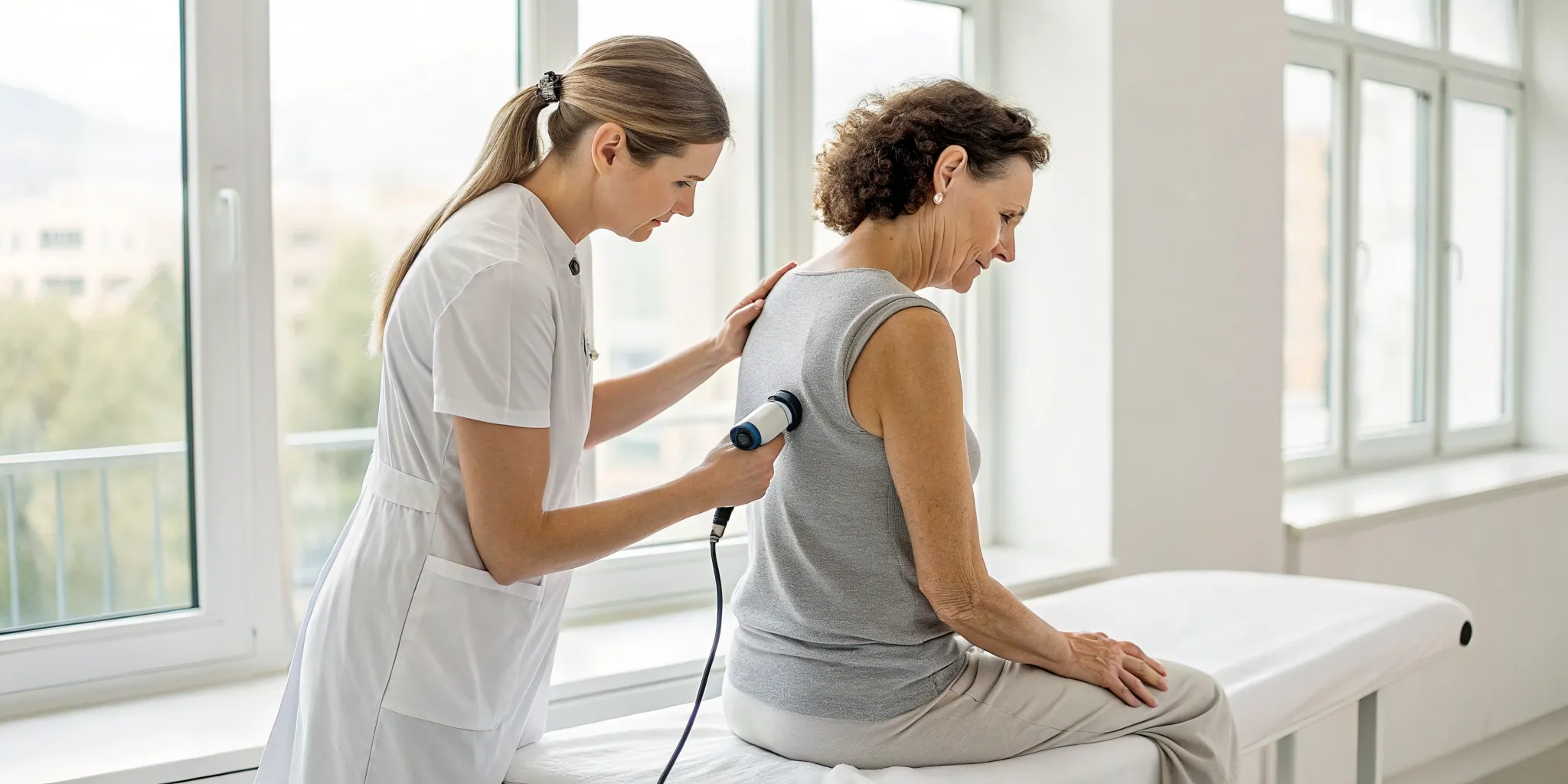
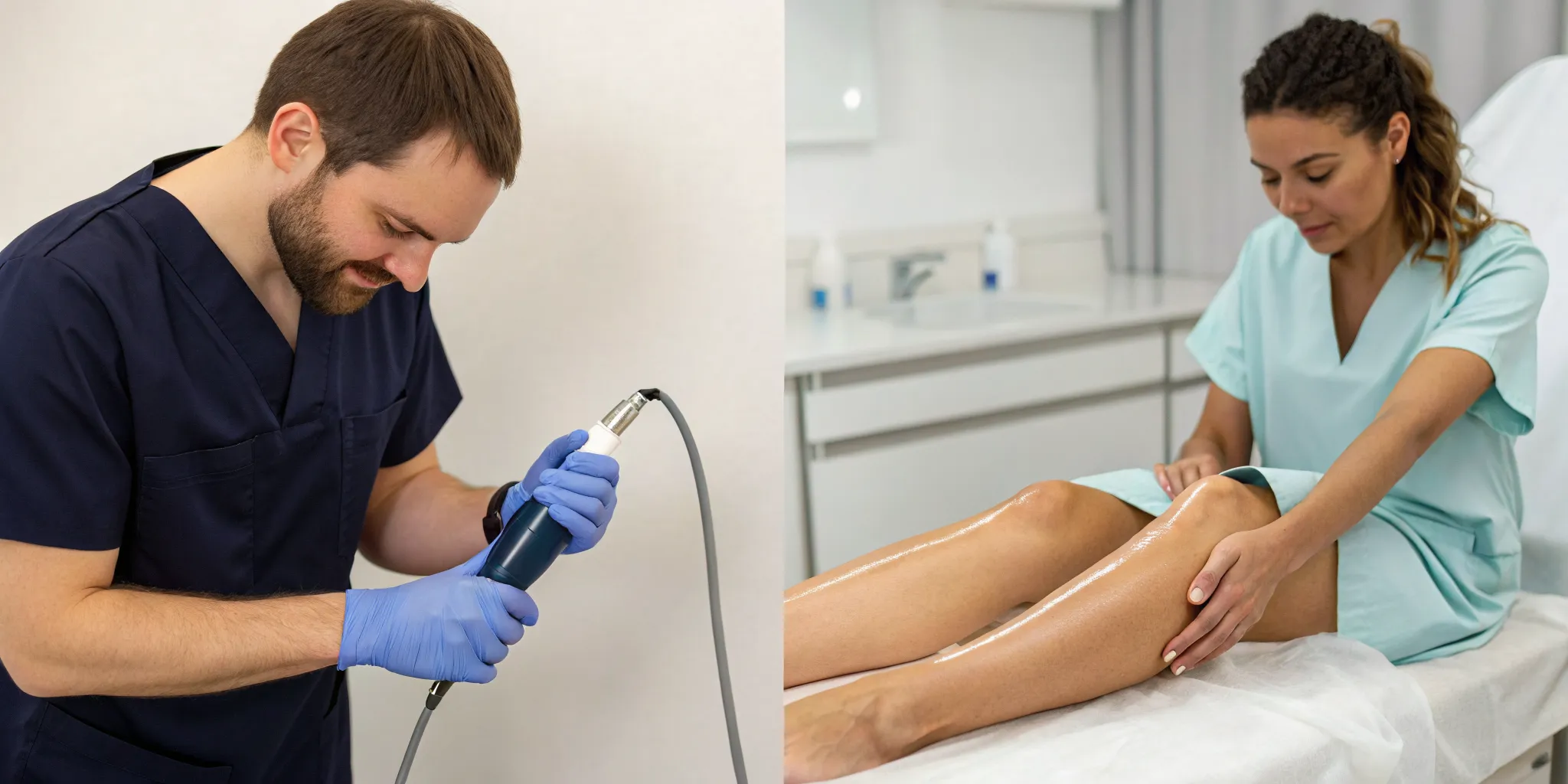
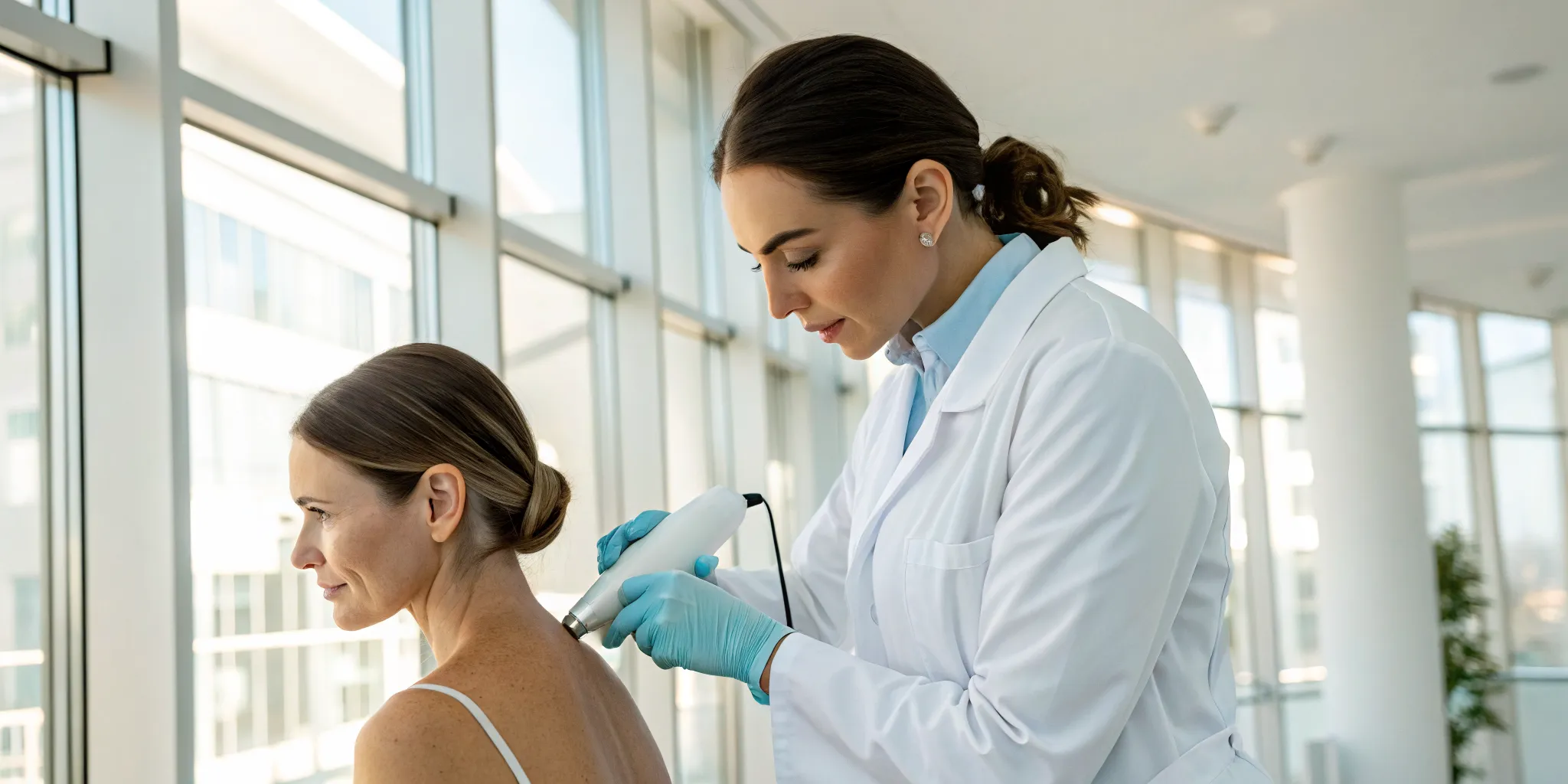
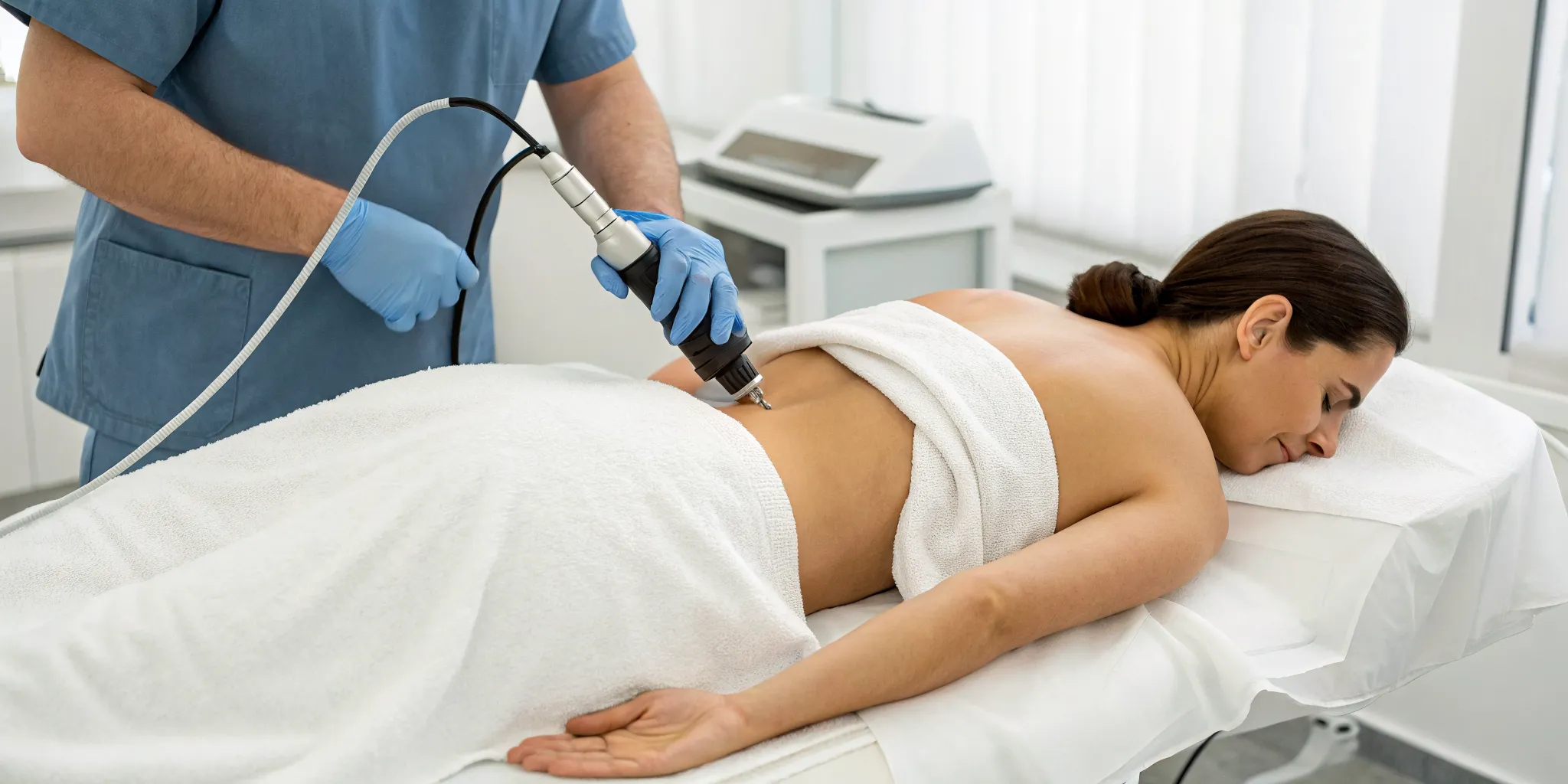
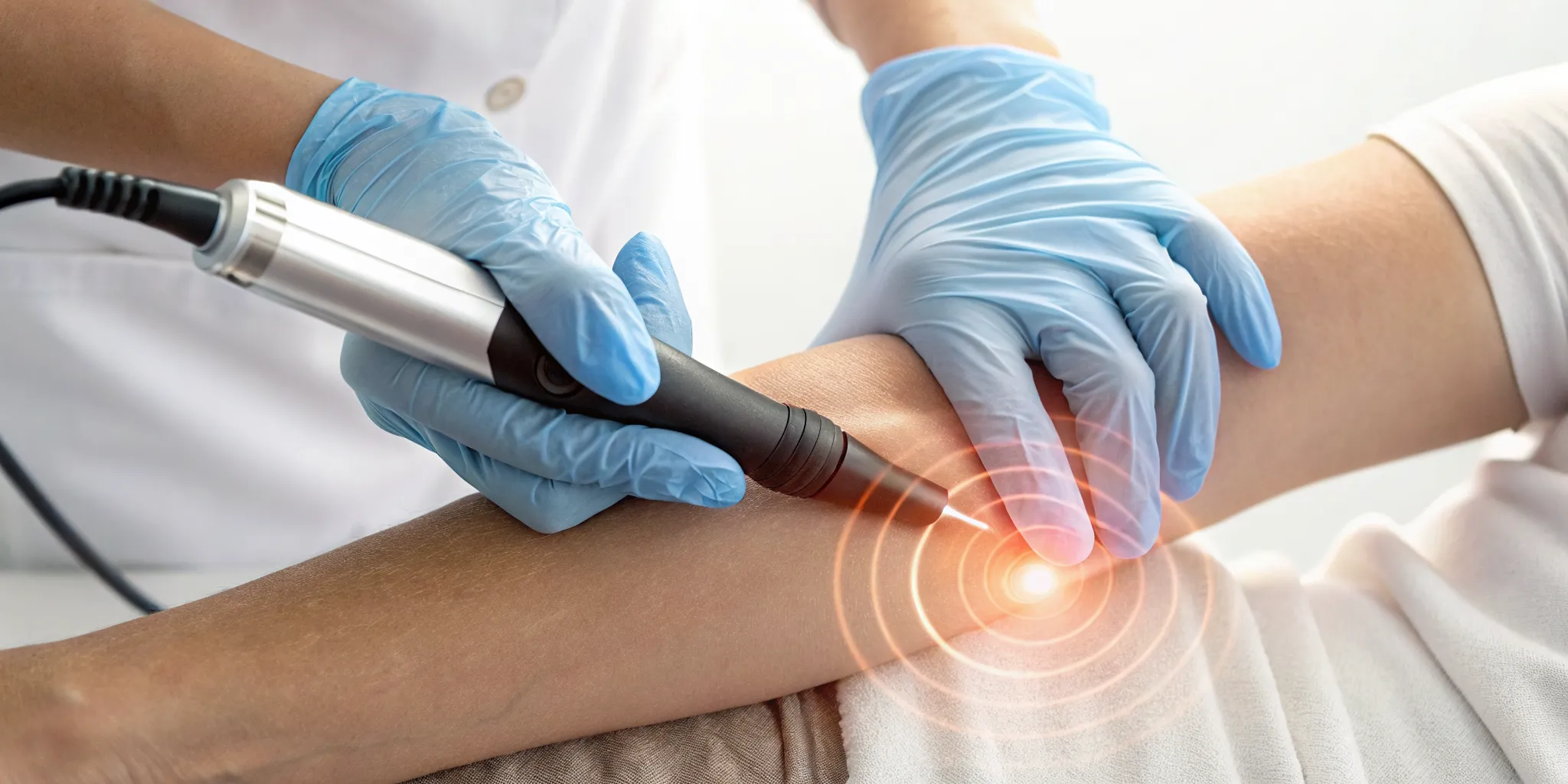
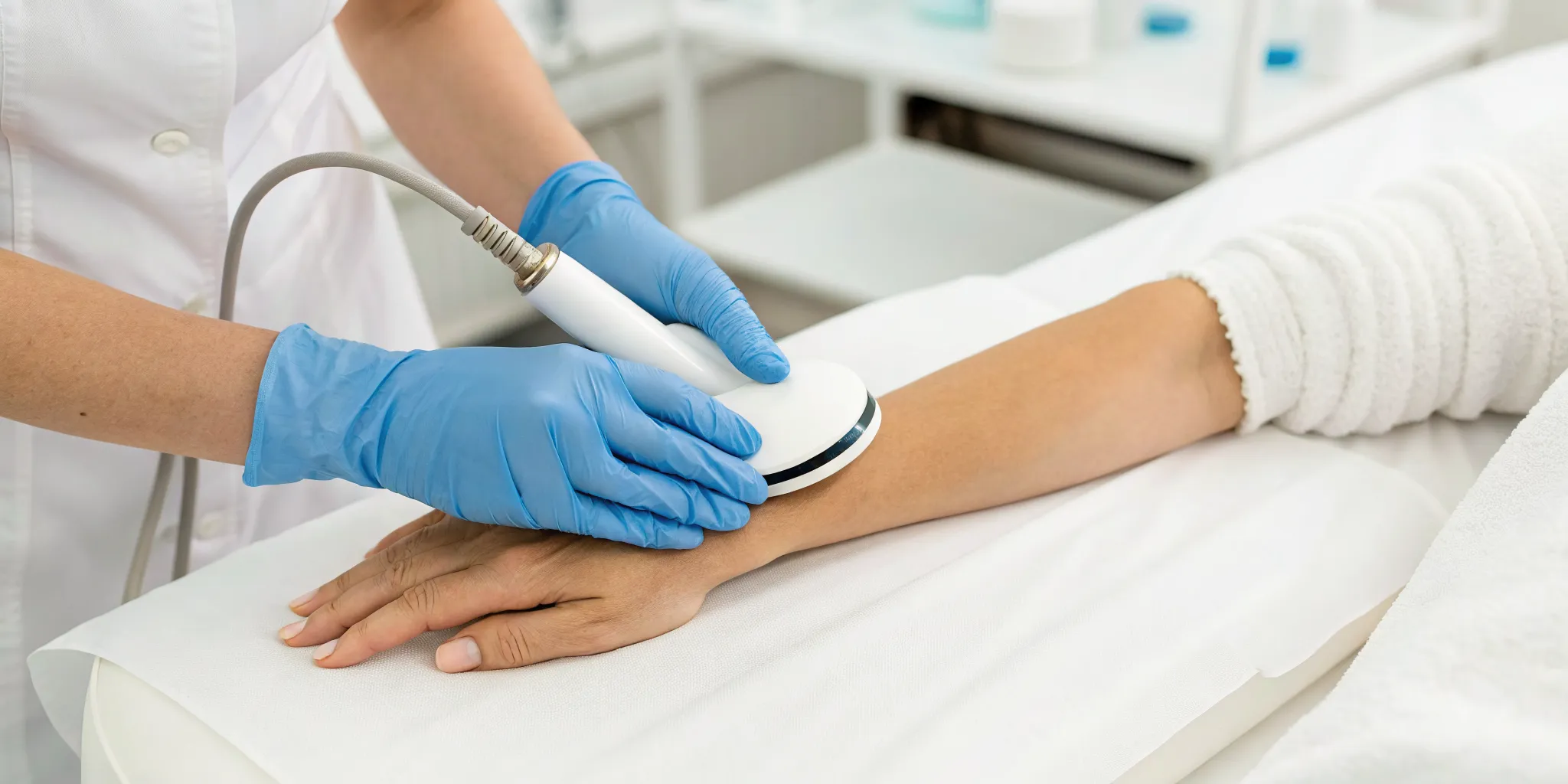
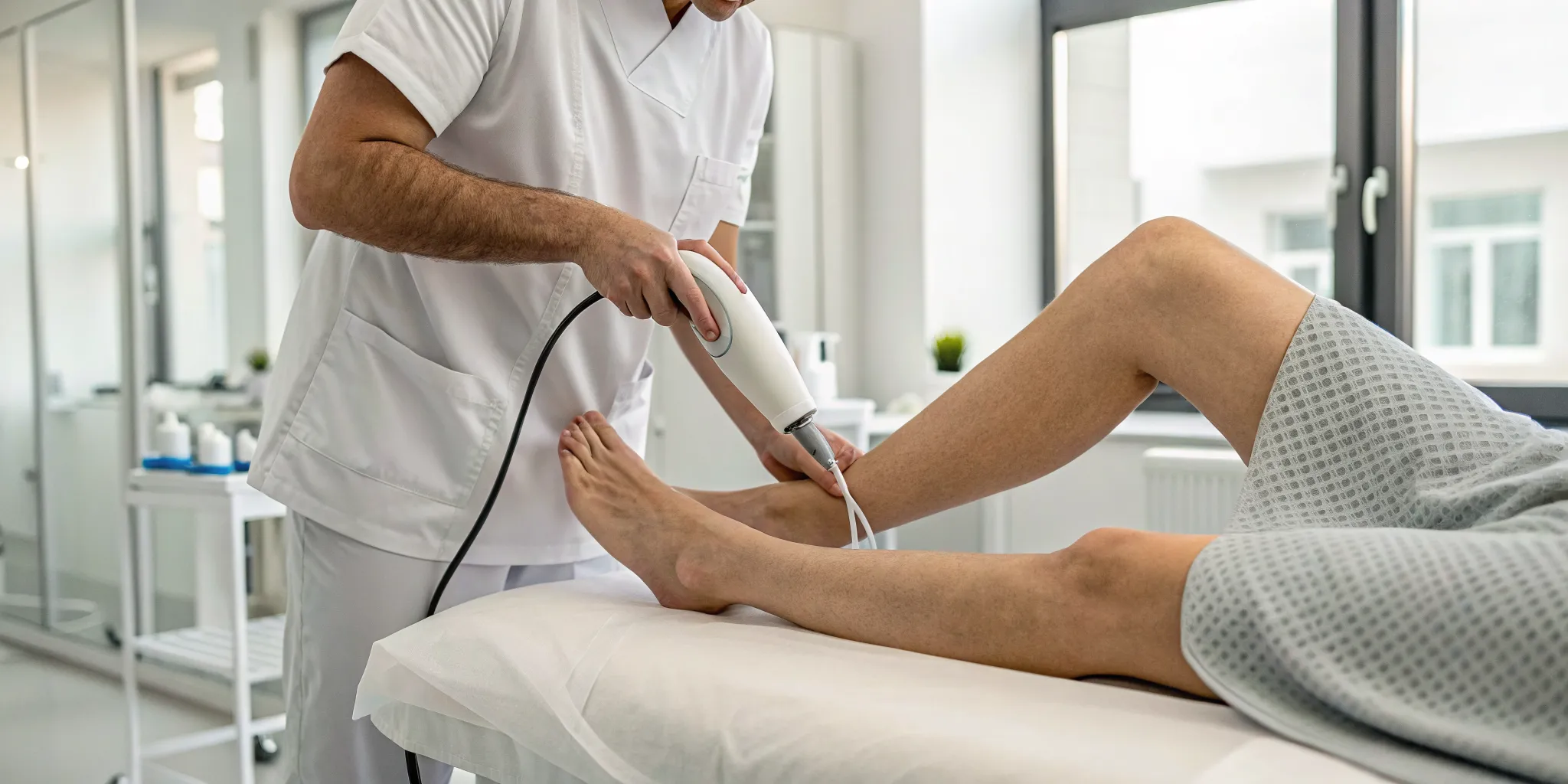
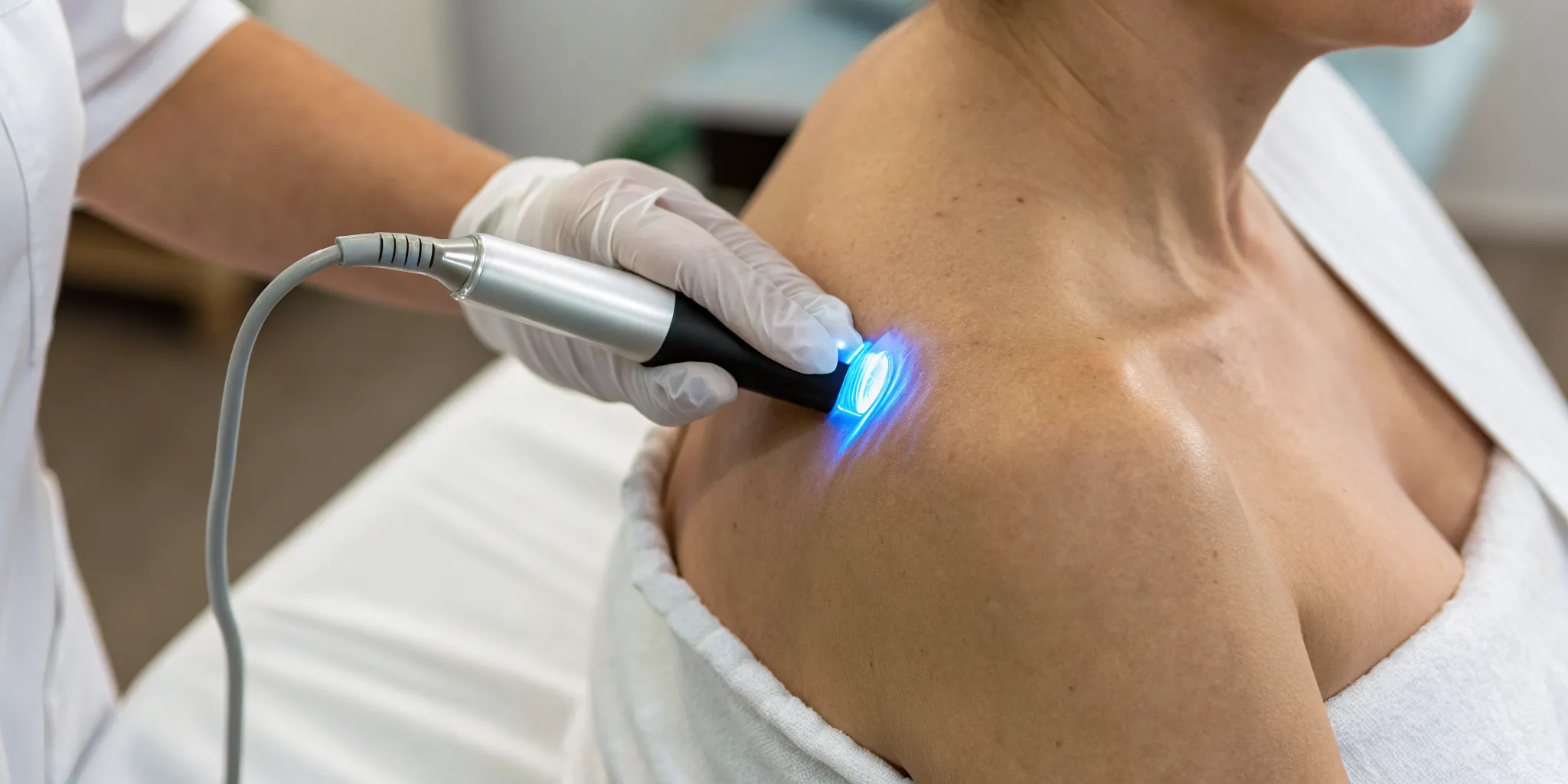
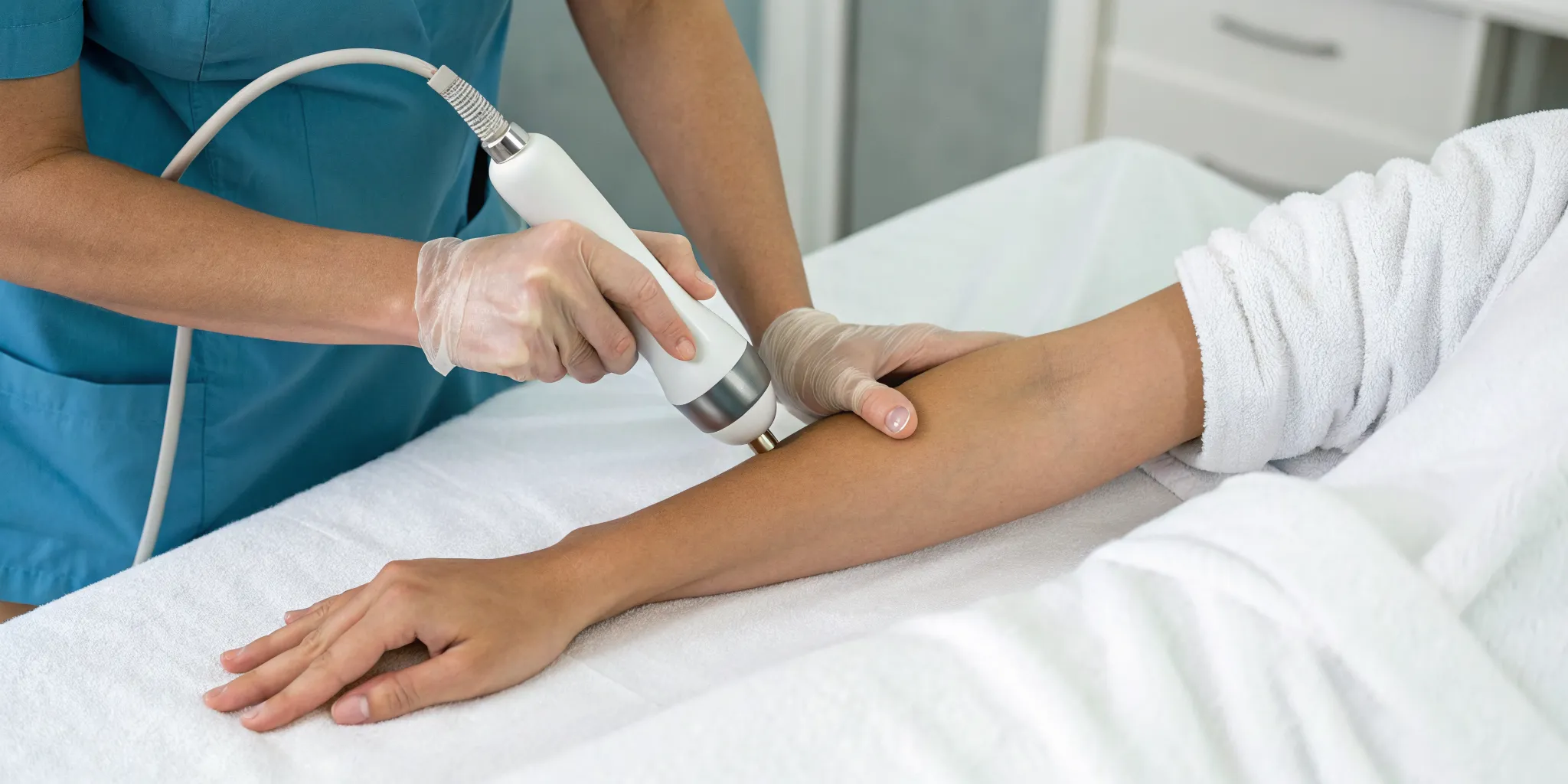
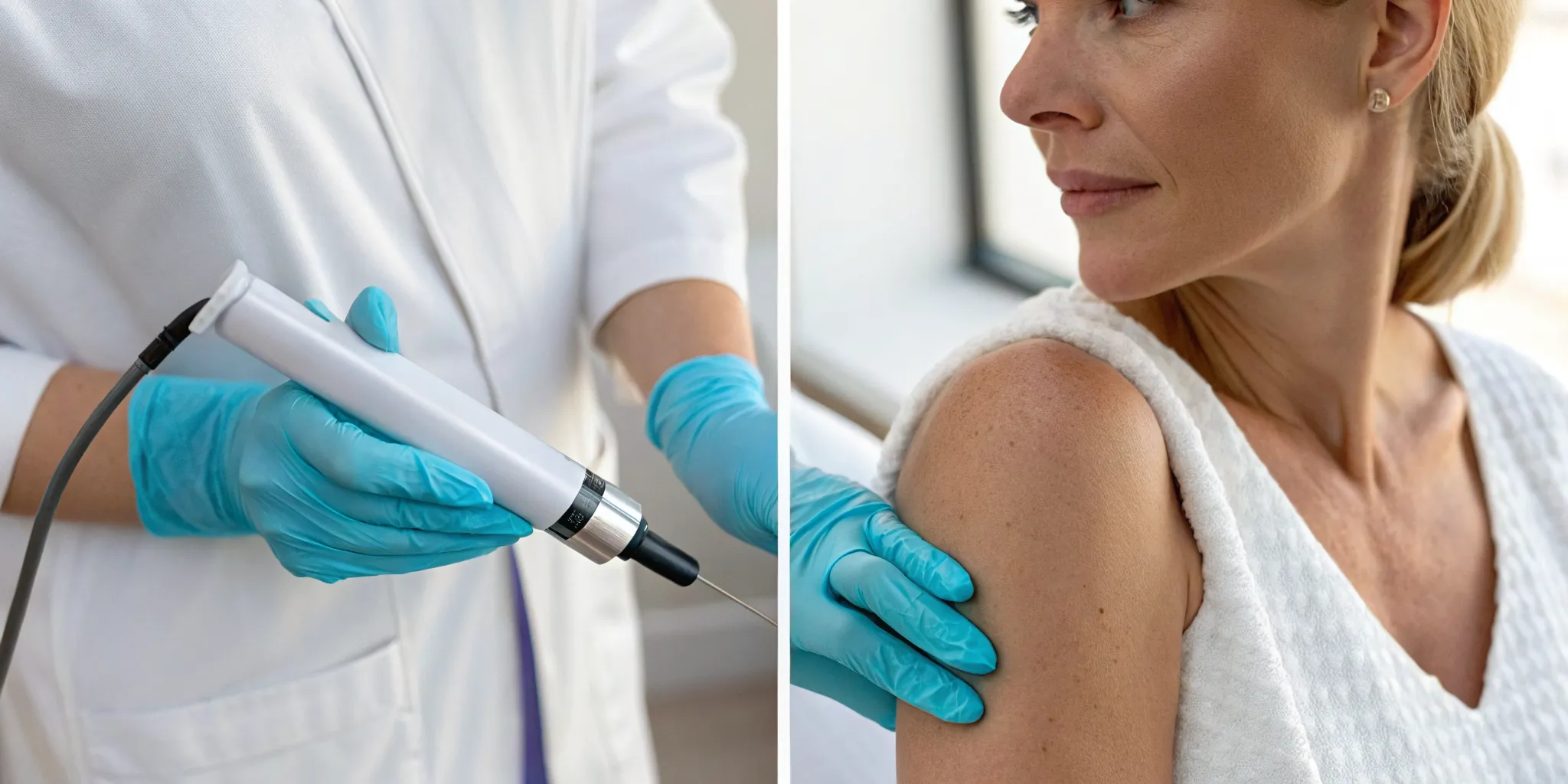
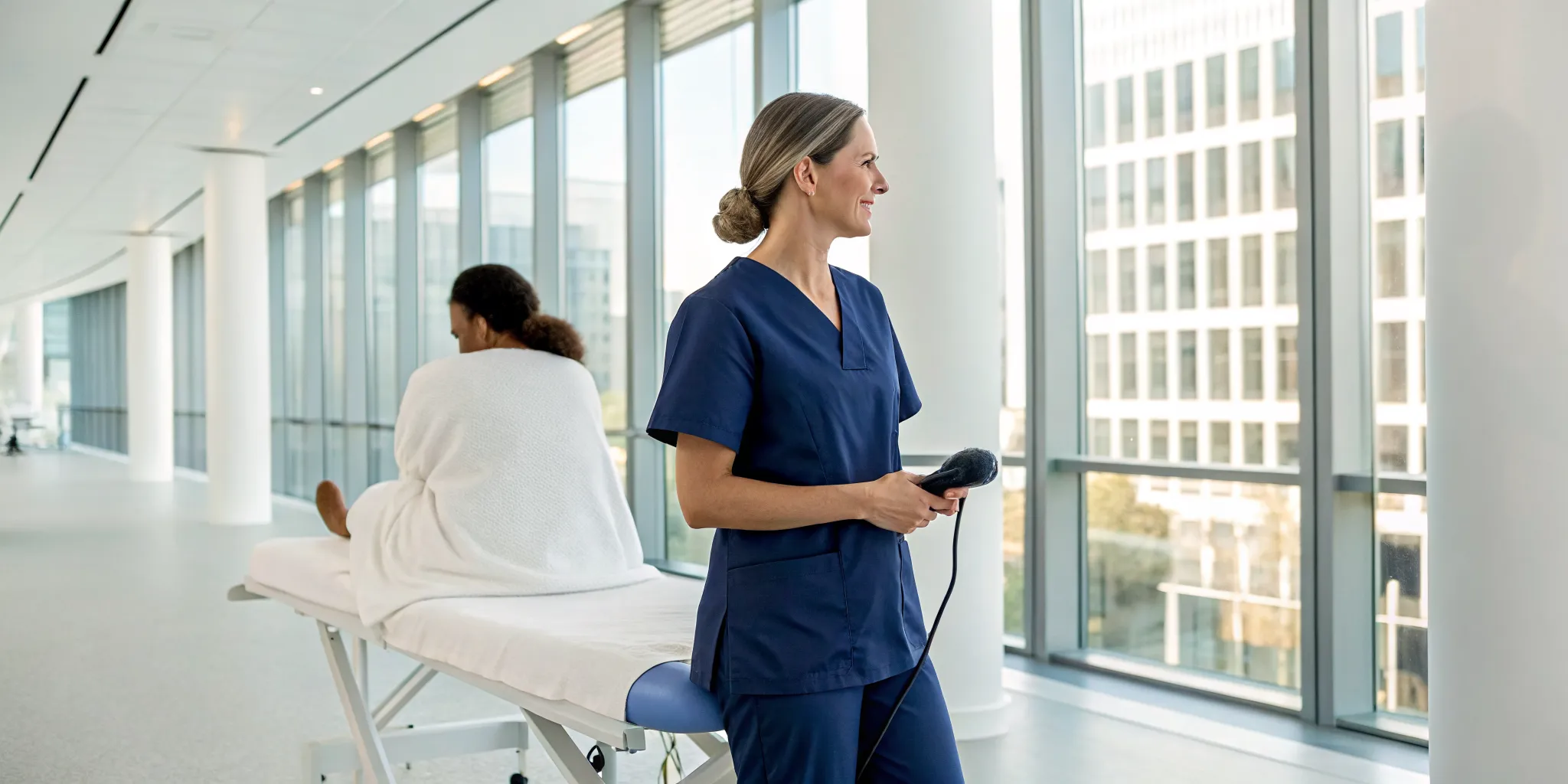
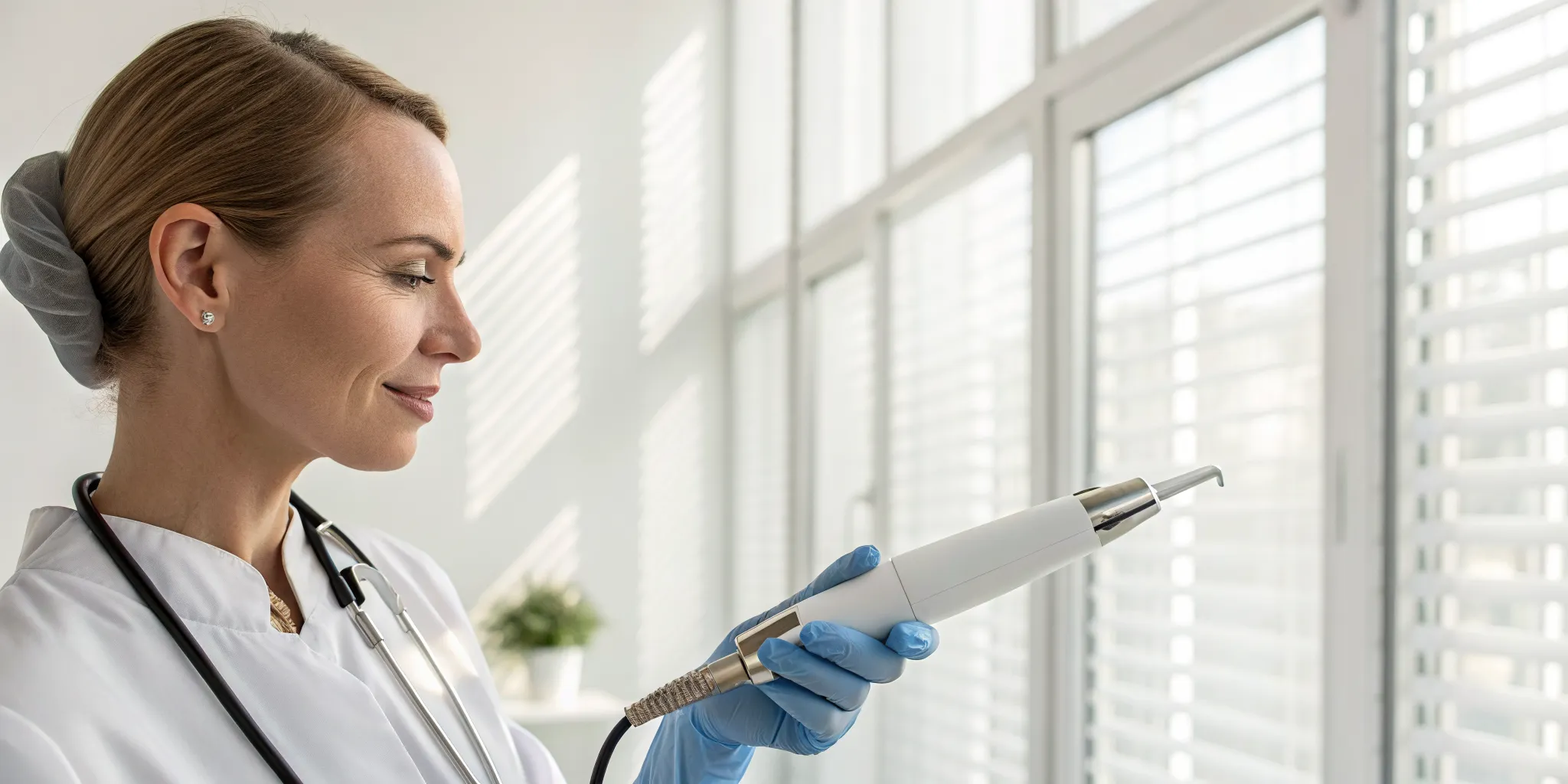
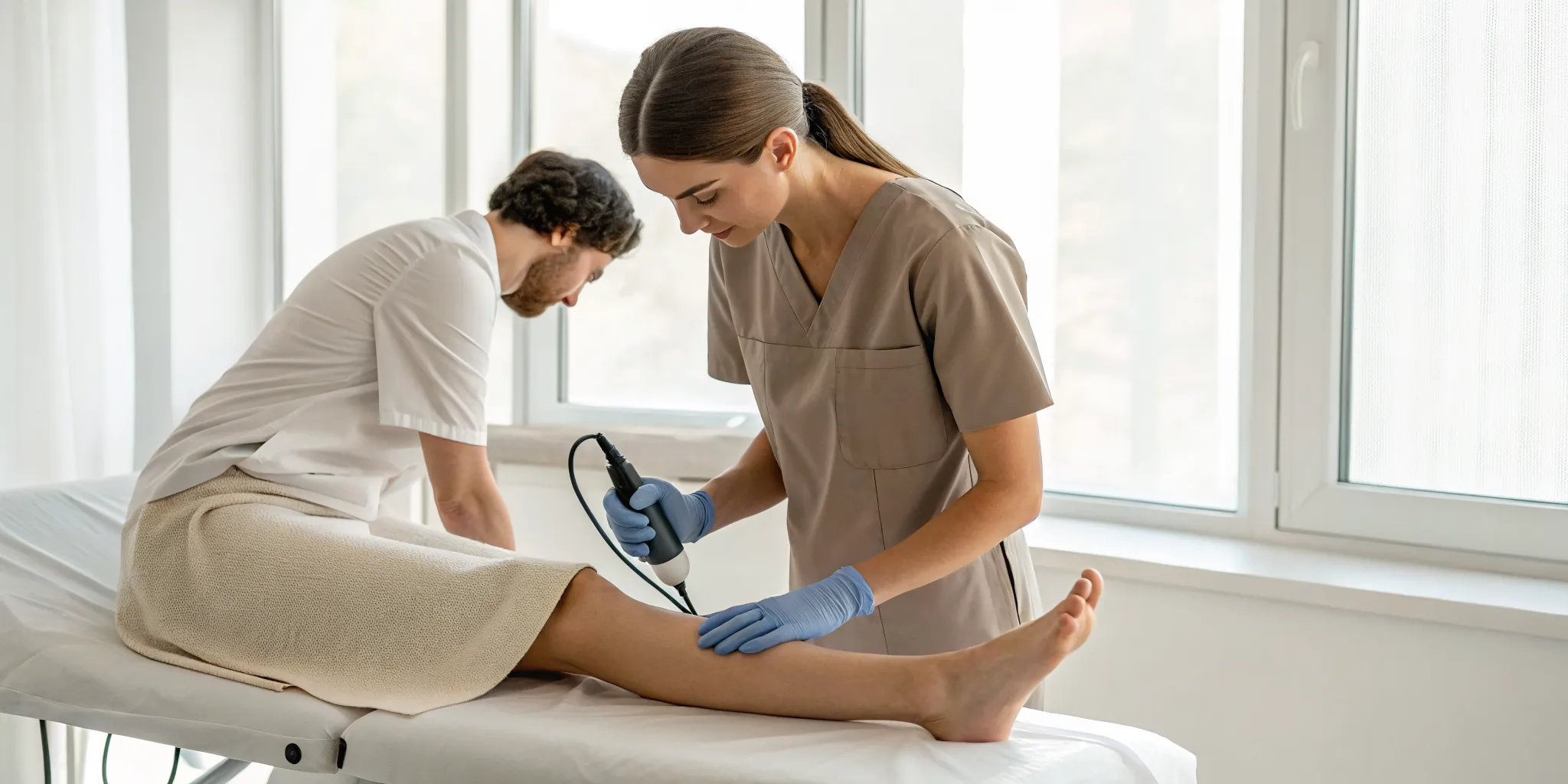
So, how do sound waves actually help you heal? SoftWave therapy uses a special type of acoustic wave that travels through your skin and deep into damaged muscles, tendons, and joints. During a session, a team member will apply a gel to the treatment area and move a handheld applicator over your skin. This device sends gentle, unfocused waves of sound energy into the tissue.
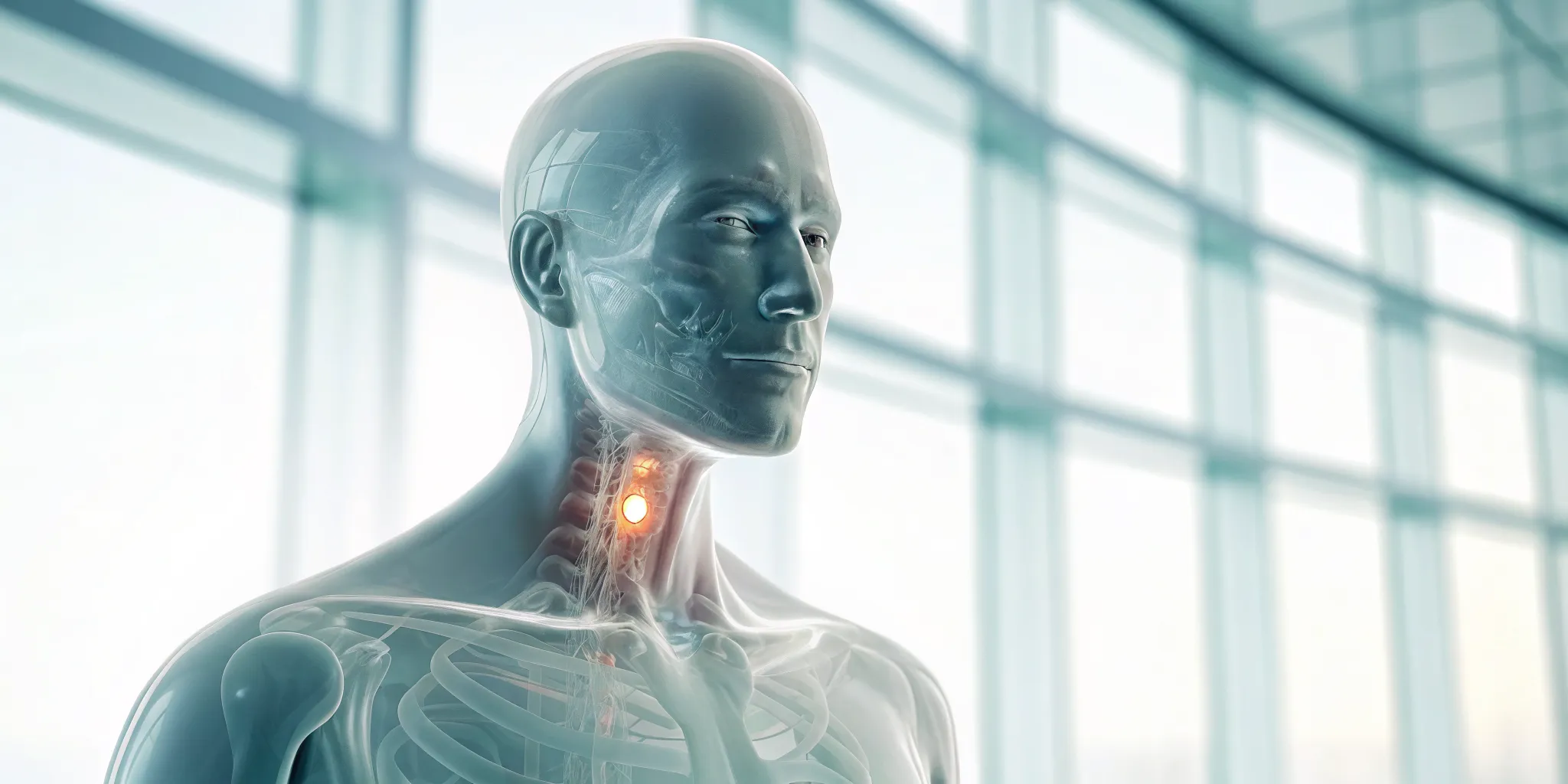
These waves create a mild and positive inflammatory response that does a few important things. First, it significantly increases blood flow to the area, bringing more oxygen and nutrients needed for repair. It also helps reduce pain and swelling. Most importantly, it activates your body’s own stem cells and other growth factors, which are essential for rebuilding and regenerating healthy tissue.
SoftWave vs. Ultrasound and Laser Therapy
You may have heard of other treatments that use energy waves, like therapeutic ultrasound or laser therapy, but SoftWave is different. While other shockwave devices often use focused, high-intensity waves that can be uncomfortable and target a very small spot, SoftWave uses a patented design. It delivers low-intensity, parallel waves of acoustic energy that spread out over a much wider and deeper area.
This unique wave pattern makes the treatment more comfortable and allows us to treat a larger area of tissue in a single session. Because the energy is spread out, it can penetrate more deeply without the discomfort associated with older shockwave technologies. This makes it an effective solution for a wide range of conditions we treat, from shoulder pain to plantar fasciitis.
Activating Your Body's Natural Repair System
The ultimate goal of SoftWave therapy is to empower your body to fix itself. It’s not a temporary patch; it’s a way to stimulate long-term healing. The acoustic waves trigger a process called angiogenesis, which is the formation of new blood vessels. This new network brings a fresh supply of oxygen and nutrients to the injured site, speeding up recovery.
At the same time, the therapy helps break down old scar tissue and adhesions that can restrict movement and cause pain. By activating your body’s resident stem cells, SoftWave encourages the regeneration of healthy tissue. This comprehensive approach of reducing inflammation, improving circulation, and rebuilding tissue is what makes it a powerful part of a functional medicine plan designed to restore your health.
What Conditions Can SoftWave Therapy Treat?
One of the most encouraging aspects of SoftWave therapy is its versatility. Because it works by stimulating your body’s own repair mechanisms at a cellular level, it can be applied to a wide range of musculoskeletal issues. It’s particularly effective for chronic conditions that haven’t responded well to other treatments. If you’re dealing with persistent pain or an injury that just won’t heal, SoftWave may offer a new path forward.
This therapy addresses pain and tissue damage in joints, muscles, tendons, and ligaments throughout the body. At Ascend Functional Health, we use it as a key part of our physical medicine services to help patients find lasting relief and get back to the activities they love. Let’s look at some of the specific conditions that show significant improvement with SoftWave.
Joint Pain in Knees, Hips, and Shoulders
Chronic joint pain can make simple movements feel like a monumental task. Whether it’s a knee that aches when you walk, a hip that hurts when you stand, or a shoulder that limits your reach, this kind of persistent discomfort can seriously impact your quality of life. SoftWave therapy targets these areas with acoustic waves, reducing inflammation and promoting the regeneration of cartilage and other tissues. By improving blood flow and stimulating stem cells, it helps your body repair the underlying damage that causes the pain. This approach gets to the source of the problem, offering a way to restore function and mobility without invasive procedures.
Tendon and Ligament Injuries
Tendons and ligaments are the tough, fibrous tissues that connect muscles to bones and bones to each other. Injuries to these areas, like tennis elbow, rotator cuff tears, or Achilles tendonitis, are notoriously slow to heal because they have limited blood supply. SoftWave therapy directly addresses this challenge. The acoustic waves create a response in the body that increases circulation and stimulates the formation of new blood vessels in the treated area. This process delivers more oxygen and nutrients to the injured tissue, accelerating your body’s natural healing and helping you recover from nagging sprains and strains more effectively.
Plantar Fasciitis and Other Foot Pain
If you’ve ever felt a sharp, stabbing pain in your heel with your first steps in the morning, you know how disruptive plantar fasciitis can be. This common condition, along with others like Achilles tendonitis and nerve pain in the feet, can make standing or walking incredibly painful. SoftWave is an excellent option for foot pain because it can precisely target the inflamed fascia or damaged tendons. The therapy helps break down scar tissue and stimulates cellular repair, providing relief from the chronic inflammation that causes the pain. Many of our patients find it helps them get back on their feet without discomfort.
Lower Back Pain and Muscle Discomfort
Lower back pain is one of the most common complaints we see, affecting millions of people and stemming from a variety of causes, including muscle strain and ligament issues. SoftWave therapy can be a powerful tool for addressing this type of chronic discomfort. It works by targeting the deep tissues of the lower back to reduce inflammation, release tight muscles, and trigger repair in strained ligaments. By addressing the root causes of the pain rather than just masking the symptoms, SoftWave supports long-term healing and helps restore stability and flexibility to your back, which is a core part of our philosophy for treating conditions like chronic pain.
Slow-Healing Wounds and Tissue Damage
Beyond joint and muscle pain, SoftWave therapy is also FDA-cleared for its remarkable ability to help heal chronic wounds. Conditions like diabetic foot ulcers or other slow-healing sores can be difficult to manage because of poor circulation and damaged tissue. SoftWave’s acoustic waves stimulate the release of growth factors and the formation of new blood vessels, which are essential for tissue regeneration. This process helps activate the body’s own healing resources to close wounds, repair damaged skin, and reduce the risk of complications. It’s a clear demonstration of how this technology supports the body’s innate ability to mend itself.
Is SoftWave an Alternative to Surgery or Injections?
When you’re dealing with persistent pain, it’s easy to feel like invasive procedures are your only real options. Many people believe they have to choose between living with discomfort or committing to surgery or a series of injections. But what if there was another way? A way that didn't involve scalpels, needles, or a long recovery, but instead worked with your body's own incredible ability to heal itself. SoftWave therapy presents this different path. It's a non-invasive technology that uses patented, unfocused sound waves to reach deep into injured tissue, stimulating your body’s natural repair mechanisms right at the source.
Instead of just cutting out a problem or masking symptoms, this approach helps your body rebuild and regenerate from within. It’s a cornerstone of our philosophy at Ascend Functional Health, where we focus on finding and addressing the root cause of your health concerns. This treatment can be a powerful alternative for many chronic conditions, helping you find lasting relief without the complications and downtime of more aggressive treatments. It allows you to get back to living your life, pain-free, by supporting the very systems designed to keep you well. By activating stem cells and increasing blood flow, SoftWave encourages true healing, making it a transformative option for those who have felt stuck or disappointed by conventional methods.
Get Pain Relief Without the Downtime
One of the biggest concerns with surgery is the recovery period. Weeks or even months of downtime can disrupt your work, family life, and daily routines. SoftWave therapy helps you sidestep that entirely. Because the treatment is non-invasive, there is no need for anesthesia, no incisions, and no lengthy healing process. The sessions themselves are quick, and you can walk out of the office and get right back to your day. This approach uses powerful, unfocused sound waves to stimulate your body’s natural repair processes, reducing pain and inflammation for many common conditions we treat without forcing you to put your life on hold.
SoftWave vs. Injections and Medication
Injections and pain relievers can provide temporary relief, but they often act like a bandage, covering up the pain without fixing the underlying problem. Over time, their effectiveness can diminish, and they may come with unwanted side effects. SoftWave therapy is fundamentally different. It’s a drug-free treatment that gets to the root of the issue by promoting the growth of new blood vessels and stimulating stem cells to repair damaged tissue. Rather than just silencing pain signals, it helps your body actually heal the injury. This makes it a compelling part of our physical medicine toolkit for creating long-term solutions, not just short-term fixes.
SoftWave vs. Surgery and Physical Therapy
For many people, SoftWave therapy can be a powerful alternative to consider before committing to surgery. It’s particularly effective for chronic joint pain, tendon injuries, and other musculoskeletal issues that haven't improved with other methods. While physical therapy is a crucial component of recovery, sometimes the body needs an extra signal to initiate deep healing, and that’s exactly what SoftWave provides. Many patients find relief with this therapy even after other treatments have fallen short. By incorporating it into a comprehensive plan, we can offer an effective, non-surgical option that supports your body’s ability to repair itself, aligning perfectly with our integrated services.
What to Expect During a SoftWave Session
If you're considering SoftWave therapy, you might be wondering what the experience is actually like. It’s natural to be curious about a new treatment. The good news is that a SoftWave session is a quick, simple, and comfortable process. Our goal at Ascend is to make your healing journey as smooth as possible, and that starts with making sure you know exactly what to expect when you walk through our doors. Let’s break down the appointment from start to finish so you can feel confident and prepared.
A Step-by-Step Look at the Process
When you come in for your session, one of our trained team members will guide you through every step. First, we’ll apply a gel to the skin over the area we’re treating; this helps the acoustic waves travel more effectively. Next, we use a handheld device and move it over the targeted spot. You’ll likely feel a gentle tapping or pulsing sensation, but it’s not painful. The entire process is designed to be comfortable while activating your body’s own healing mechanisms. Our approach to physical medicine is all about using advanced, non-invasive methods to help you feel your best.
How Long Does Each Appointment Take?
We know your time is valuable, which is why SoftWave therapy is designed to be incredibly efficient. A typical appointment lasts only about 10 to 15 minutes. During that short time, the device delivers gentle, rhythmic waves to the treatment area. While some people might feel a brief, mild discomfort if we’re working on a particularly sensitive spot, there’s no downtime required. You can get right back to your daily routine, whether that’s heading back to the office or running errands. It’s a powerful treatment that fits easily into a busy schedule. If you're ready to see how it can fit into your life, feel free to contact us to schedule a consultation.
How Many Sessions Will You Need?
The number of sessions you’ll need is tailored to you and your specific condition. There’s no one-size-fits-all answer because your healing journey is unique. For more recent injuries, patients often see great results within three to five sessions. If you’ve been dealing with a chronic or long-standing issue, you may need between six and twelve sessions spread out over a few weeks to achieve the best outcome. We’ll work with you to create a personalized plan that addresses the root of your discomfort. This targeted approach helps us treat many of the conditions that hold people back from living a full, active life.
How Quickly Can You Expect to Feel Better?
It’s the question on everyone’s mind when they start a new treatment: “When will I feel better?” With SoftWave Therapy, the answer isn't one-size-fits-all, because your healing journey is as unique as you are. Many people walk out of their first session feeling a noticeable shift, while for others, improvement is a more gradual process that unfolds over several appointments. The timeline really depends on what your body is dealing with and its incredible capacity for healing.
Factors like the type of injury, how long you've been in pain, and your overall health all play a role in how quickly you'll notice changes. For example, an acute issue like a recent muscle strain might respond faster than a degenerative joint condition you've managed for years. Your body's inflammatory state and metabolic health also influence the speed of repair. This is why we take a holistic view of your health at Ascend. We see patients for a wide range of conditions we treat, from nagging joint pain to more complex chronic issues, and each person's path to feeling better is different. The most important thing is to trust the process and communicate with your practitioner about what you're experiencing along the way, so we can support you at every step.
Why Some People Feel Relief Right Away
It’s not uncommon for patients to report feeling a difference after their very first session. This immediate response often comes as a pleasant surprise, especially if you've been living with discomfort for a while. The reason for this quick relief is that the acoustic waves from SoftWave Therapy can immediately help reduce inflammation and increase blood flow to the treated area. This jumpstarts your body's natural healing mechanisms, often leading to a rapid decrease in pain and an improvement in your range of motion. It’s a fantastic sign that your body is responding positively to the treatment.
Why Others See Gradual Improvement
If you don't feel a dramatic change after your first appointment, don't be discouraged. For long-lasting or more complex problems, healing is a cumulative process. Think of it as rebuilding something from the ground up; it takes time and consistency. While new injuries might resolve in just a few sessions, chronic conditions often require a more extended series of treatments to achieve lasting results. Each session builds on the last, stimulating stem cell activity and promoting tissue regeneration. This is where our functional medicine approach shines, as we look at the whole picture to support your body's healing capacity over the long term.
Debunking Common Myths About SoftWave Therapy
When a new therapy shows promising results, it’s natural for questions and a bit of skepticism to pop up. SoftWave therapy is no exception. Let's clear the air and look at some of the most common misconceptions we hear from patients. By separating fact from fiction, you can get a clearer picture of how this treatment works and whether it might be the right step for you.
Myth: "It's painful."
The idea of "waves" being applied to a sore area can sound intimidating, but most people find the experience surprisingly gentle. Patients often describe the sensation as a light, rhythmic tapping on the skin. While you might feel a bit of discomfort over a particularly sensitive spot, it’s typically very brief. The goal isn't to cause pain; it's to stimulate healing. Many people start to feel better after just a few short sessions, making any momentary discomfort well worth the lasting relief that follows.
Myth: "It's the same as ultrasound."
While both use sound waves, SoftWave and therapeutic ultrasound are very different. Ultrasound uses a focused beam to generate heat in a small, specific area. SoftWave, on the other hand, uses a patented technology to send unfocused, parallel waves over a much wider and deeper area of tissue. This unique approach allows the treatment to stimulate a larger region, promoting cellular repair without the intense, focused heat of an ultrasound. It’s a key reason why our physical medicine protocols can be so effective for complex joint and tissue problems.
Myth: "It's just for athletes."
It’s true that many professional athletes use SoftWave to recover faster, but this therapy is definitely not just for the pros. We see incredible results for people from all walks of life. It’s a fantastic option for anyone dealing with chronic pain, including older adults with nagging joint problems, office workers with overuse injuries, or anyone whose body is just not healing as it should. If you have one of the many conditions we treat, SoftWave can help your body get back on track, regardless of your activity level.
Myth: "It won't help me if other treatments failed."
Feeling discouraged after trying treatments that didn't work is completely understandable. However, many patients find success with SoftWave precisely because it works differently. Instead of just managing symptoms, SoftWave gets to the heart of the problem by activating your body’s own stem cells and triggering natural repair processes. This approach helps regenerate damaged tissue from the inside out. So, even if physical therapy, medications, or other methods haven't given you the relief you need, SoftWave offers a new path forward by helping your body heal itself.
Is SoftWave Therapy Safe?
It’s completely normal to ask about the safety of any new treatment you’re considering. When it comes to SoftWave, the great news is that it’s a non-invasive therapy with a strong safety profile. Because it works by stimulating your body’s own healing mechanisms rather than introducing foreign substances or requiring incisions, the risks are very low. Most people find the sessions to be a comfortable and straightforward experience.
However, like any effective therapy, it’s important to understand the full picture. This includes knowing about the potential side effects, which are typically minor and short-lived, and recognizing that the treatment isn’t the right fit for everyone. A thorough evaluation is always the first step to ensure any therapy aligns with your specific health needs and goals. At Ascend, our patient-first approach means your well-being is our top priority, and we’ll always have an open conversation about what you can expect.
Understanding Potential Side Effects
One of the biggest benefits of SoftWave is that it’s a gentle alternative to more invasive procedures, with minimal side effects. During a session, you might feel a mild tapping or pulsing sensation on your skin, but it shouldn't be painful. Afterward, it’s possible to experience slight redness or tenderness in the treated area for a day or two. This is a normal response and a sign that the healing process is kicking into gear.
Most of our patients find the treatment very tolerable and appreciate that there is little to no downtime required after a session. You can typically get right back to your daily activities. This makes it an excellent option within our physical medicine services, allowing you to get relief without putting your life on hold.
Who Should Avoid This Treatment?
While SoftWave is safe for most people, it isn’t the right choice for every person or every condition. The therapy is generally not recommended for individuals with certain health factors, such as active infections, tumors in the treatment area, or some circulatory disorders. It’s also typically avoided over open growth plates in children. This is why a professional consultation is so important.
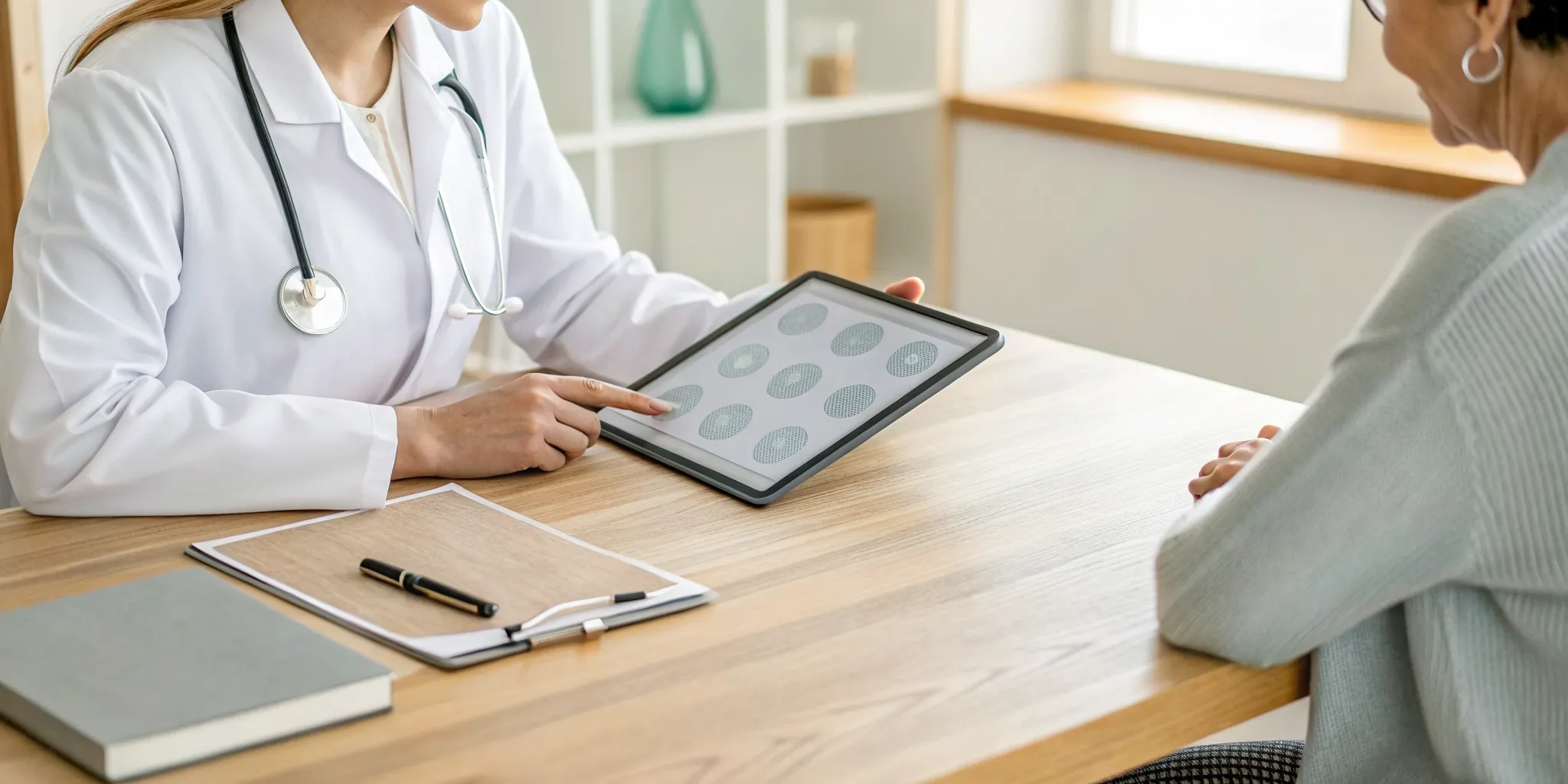
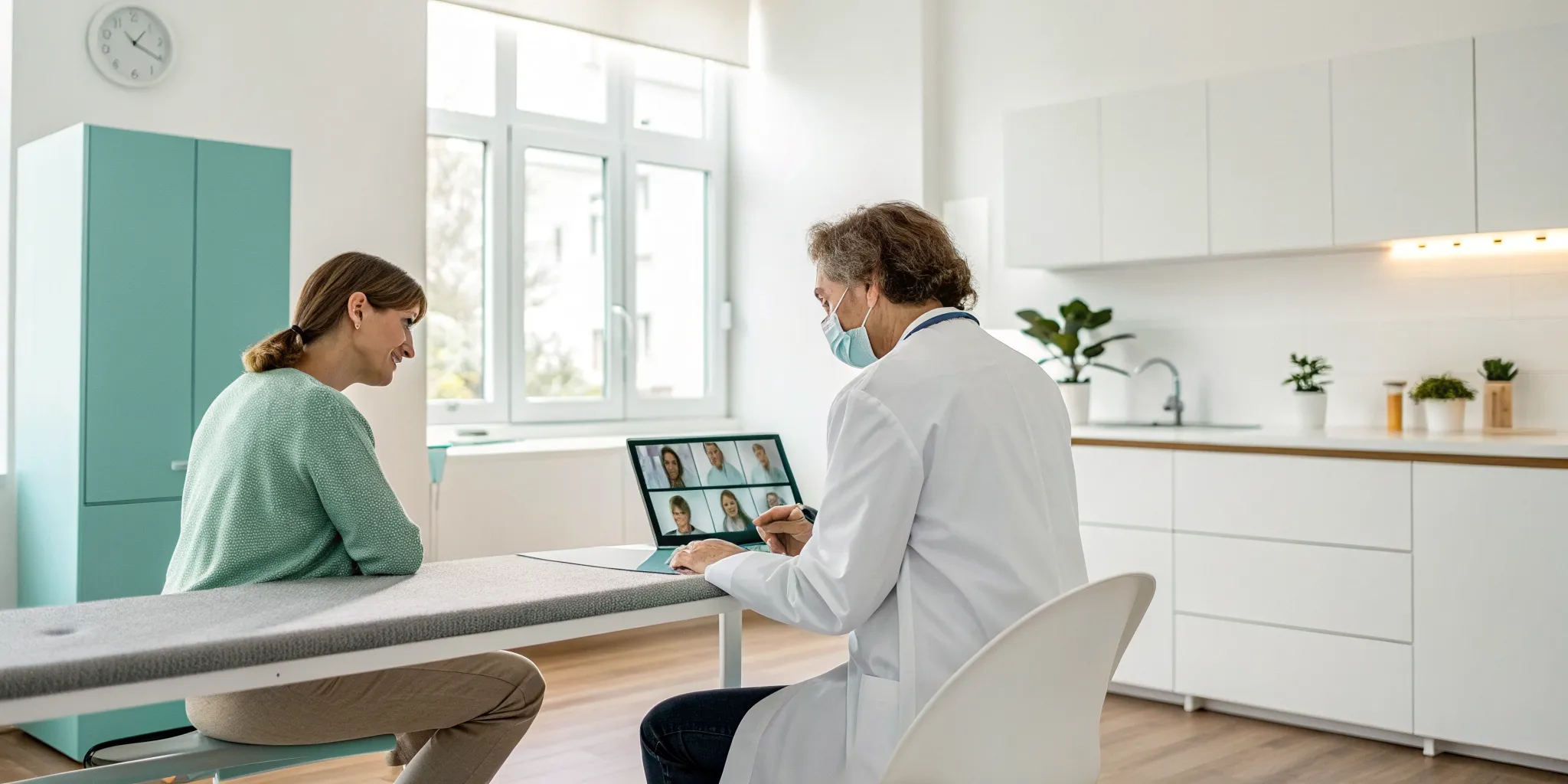
Before beginning any treatment, we take the time to understand your complete health history and current situation. This helps us determine if SoftWave is appropriate for you and allows us to create a personalized plan that addresses the specific conditions we treat. Your safety and success are our primary concerns, and an honest, in-depth discussion is the best way to ensure you get the right care for your unique needs.
How SoftWave Fits into Your Overall Health Plan
Thinking about your health as a complete picture is key to finding lasting relief. SoftWave therapy isn't just a standalone fix; it's a powerful tool that integrates beautifully into a comprehensive wellness strategy. At Ascend, our approach is always to look at the whole person, not just a single symptom. By combining innovative therapies with foundational health practices, we can create a plan that addresses your health from every angle, helping your body heal more effectively and paving the way for long-term well-being.
Combining SoftWave with Chiropractic and Functional Medicine
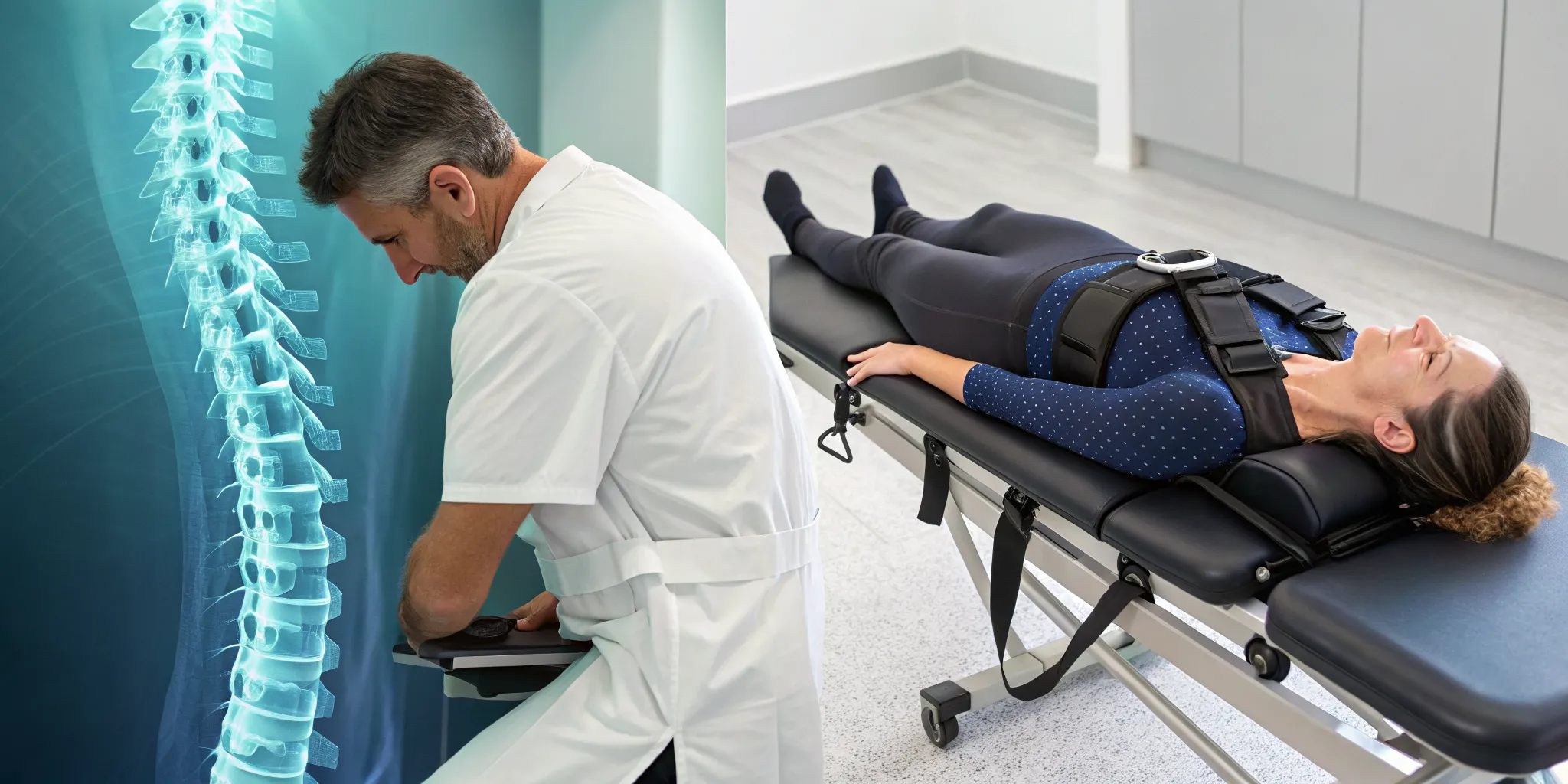
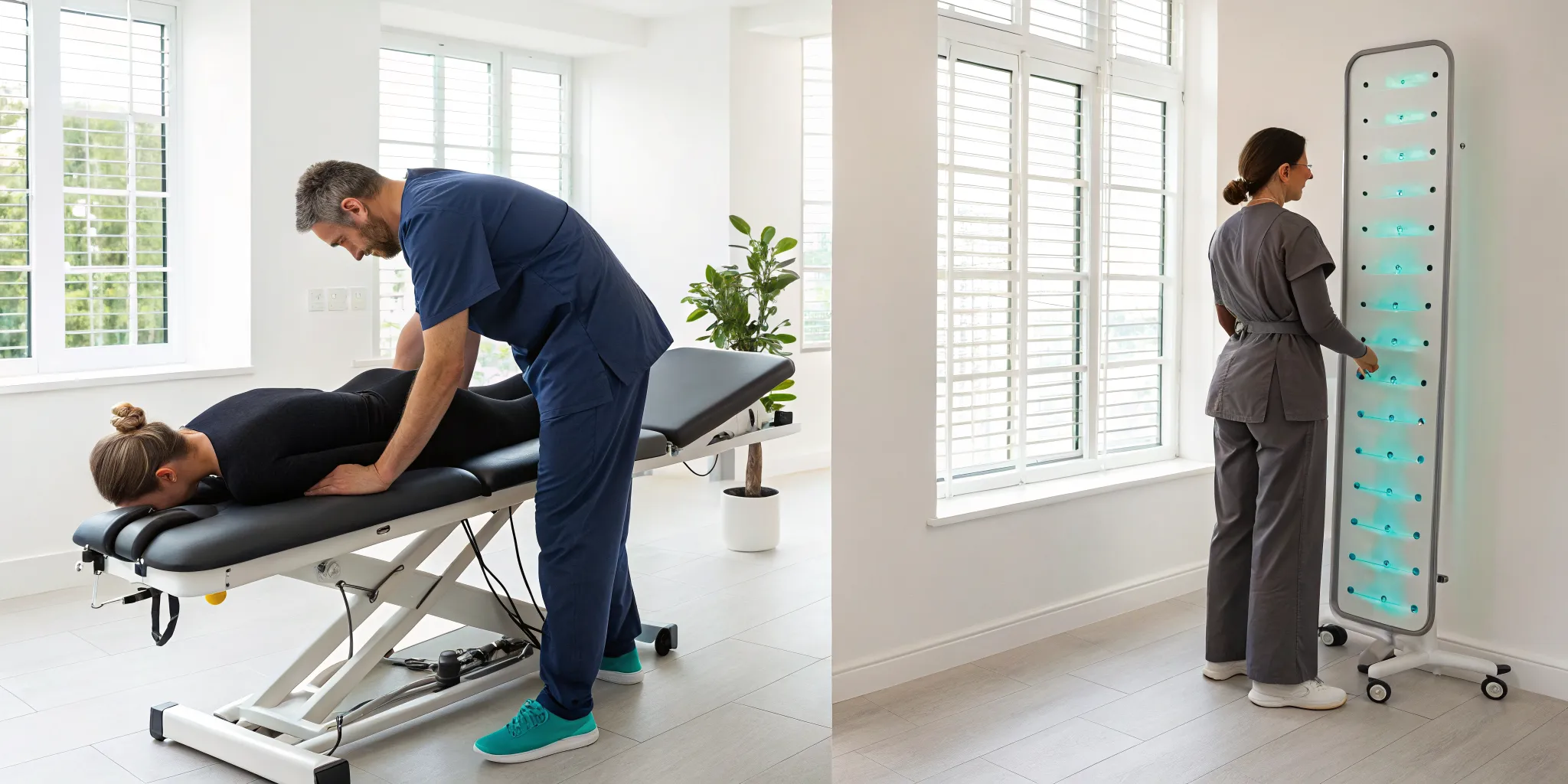
SoftWave therapy works hand-in-hand with our other core services. Think of it this way: while physical medicine and chiropractic care focus on restoring proper alignment and function to your body's structure, SoftWave targets healing at the cellular level. It helps repair the very tissues that are causing pain, whether it's a stubborn tendon injury, joint discomfort, or muscle strain. This regenerative process, which activates your body’s own repair mechanisms and improves blood flow, perfectly complements the goals of functional medicine. We’re not just managing your condition; we’re giving your body the support it needs to truly rebuild and recover.
Moving Beyond Symptoms to Find the Root Cause
One of the most significant benefits of SoftWave is that it helps you heal without invasive procedures or a reliance on pain relievers. Because the treatment is non-invasive and requires no downtime, you can stay focused on the bigger picture: addressing the underlying reasons for your pain. This approach is central to everything we do. Instead of just masking a symptom, we want to understand and correct the root cause. SoftWave helps your body genuinely repair an injury, creating a stable foundation for lasting health. This allows you to move away from a cycle of discomfort and toward a state of true, sustainable wellness, which is the ultimate goal of any effective health plan.
Considering the Investment in Your Health
When you're dealing with persistent pain, it’s natural to weigh the financial aspect of any treatment. But it’s helpful to think of your health not as an expense, but as an investment in your quality of life. Chronic pain has its own costs, ones that don’t always show up on a bill. It can mean missing out on family activities, struggling to focus at work, or giving up hobbies you once loved. Constantly seeking temporary fixes can become a frustrating and expensive cycle that never truly gets to the bottom of the problem.
Choosing a treatment like SoftWave is about investing in a solution that aims for long-term resolution. Instead of just masking symptoms, this approach is designed to support your body’s own healing mechanisms. By addressing the root cause of health concerns, you’re not just buying a moment of relief; you’re investing in more pain-free days, better mobility, and the freedom to live your life more fully. It’s a commitment to your future self and a step toward reclaiming your well-being from the ground up.
Why Patients Find SoftWave to Be a Valuable Choice
Patients often find SoftWave to be a worthwhile choice because it offers a path to healing without the trade-offs of more aggressive options. The treatment is non-invasive, meaning there are no needles or incisions involved. A huge benefit is the lack of downtime; you can walk out of your appointment and get right back to your day. This is a significant advantage over procedures that require a long and often difficult recovery period. SoftWave works by stimulating your body’s natural repair processes, promoting genuine tissue regeneration. It’s a key part of a comprehensive physical medicine plan that helps you heal from the inside out.
Find Out if SoftWave Therapy Can Help You
If you're dealing with persistent pain and looking for a solution that works with your body, SoftWave Therapy might be the answer. This innovative treatment is non-invasive, meaning no needles or surgery are involved. Instead, it uses patented acoustic waves to stimulate healing deep within your tissues. These sound waves increase blood flow to the painful area, reduce swelling, and activate your body’s own stem cells to begin repairing and regenerating damaged tissue. It’s a way to encourage your body’s innate ability to heal itself from the inside out.
Many people who find relief with SoftWave are those struggling with chronic conditions that haven't responded to other approaches. It’s particularly effective for long-lasting pain and injuries affecting joints, tendons, and muscles. This includes common issues like knee or shoulder discomfort, plantar fasciitis, tennis elbow, and persistent lower back pain. Because it addresses the underlying cause of pain, like inflammation and poor circulation, the results are often lasting. Many patients report a significant reduction in pain and an improvement in mobility after just a few short sessions.
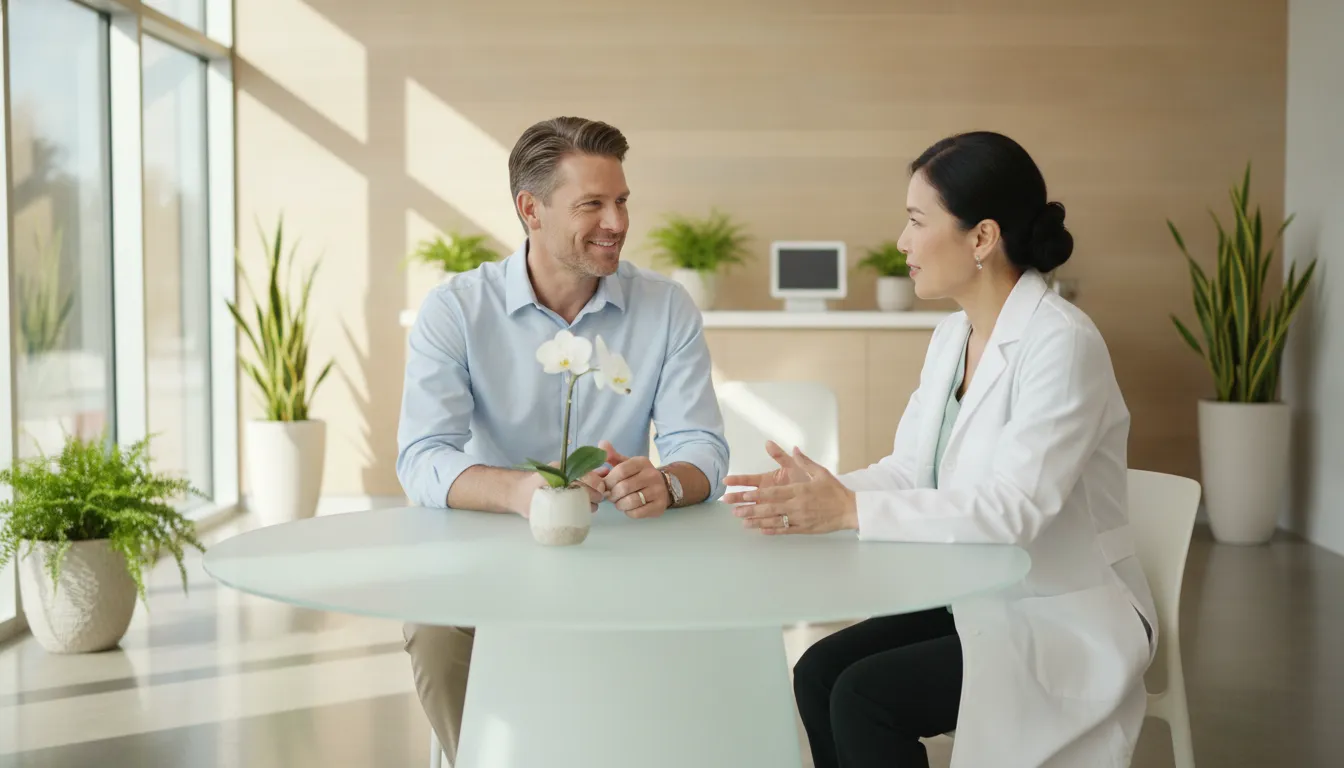
SoftWave is an excellent option for anyone who wants to avoid more aggressive interventions. If you've been told surgery is your only choice or you're tired of relying on temporary fixes, this therapy offers a different path. It supports your body’s natural processes, helping you get back to the activities you love without the lengthy downtime. The best way to know for sure if SoftWave can help with your specific condition is to have a conversation with a specialist. You can schedule a consultation to discuss your health history and see if this treatment aligns with your wellness goals.
Related Articles
- SoftWave Tissue Regeneration Therapy in Tampa | Alessi Functional Health
- SoftWave TRT Therapy in Tampa, FL - Alessi Functional Health
- What Is Soft Tissue Therapy? A Complete Guide
- Is Deep Tissue Massage Good for You? An Expert Explains
Frequently Asked Questions
Does SoftWave therapy hurt? This is a great question, and one I hear a lot. Most people describe the sensation as a light, rhythmic tapping on the skin. If we pass over a particularly inflamed or injured spot, you might feel a brief, deeper sensation, but it’s generally very tolerable. The goal is to stimulate healing, so the process is designed to be gentle while still being effective.
How many treatments will I need to feel better? The number of sessions you'll need is completely unique to you and your situation. For a more recent injury, you might find significant relief in just three to five sessions. For chronic issues that you've been dealing with for a long time, it might take between six and twelve sessions to achieve the best, most lasting results. We create a personalized plan for every patient.
Is this a permanent fix, or will the pain come back? SoftWave therapy is designed to create long-term healing, not just provide a temporary patch. By stimulating your body’s own repair mechanisms, like activating stem cells and building new blood vessels, it helps regenerate the damaged tissue at the source of your pain. Because it helps your body truly fix the problem, the results are intended to be lasting.
Can I continue my normal activities during the treatment period? Absolutely. One of the best parts about SoftWave therapy is that there is no downtime. The appointments themselves are quick, usually lasting only about 10 to 15 minutes. You can come in for your session and head right back to work, the store, or whatever else your day holds.
How do I know if SoftWave is right for me? SoftWave is incredibly versatile, but the best way to know for sure is to have a conversation about your specific health concerns and goals. It’s particularly helpful for people with chronic joint pain, tendon and ligament injuries, or other musculoskeletal issues that haven't improved with other methods. A consultation will help us determine if it’s the right fit for your health plan.