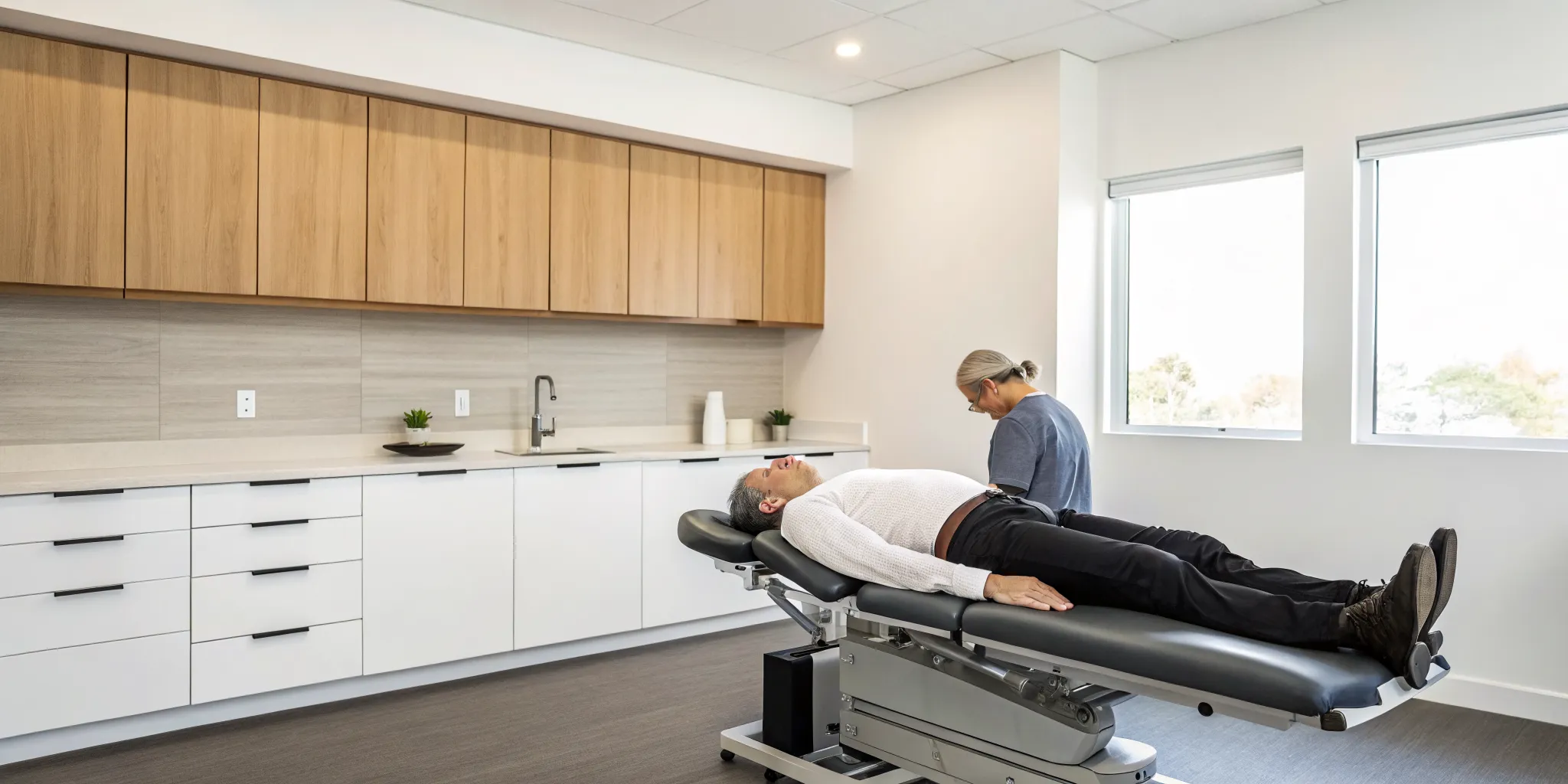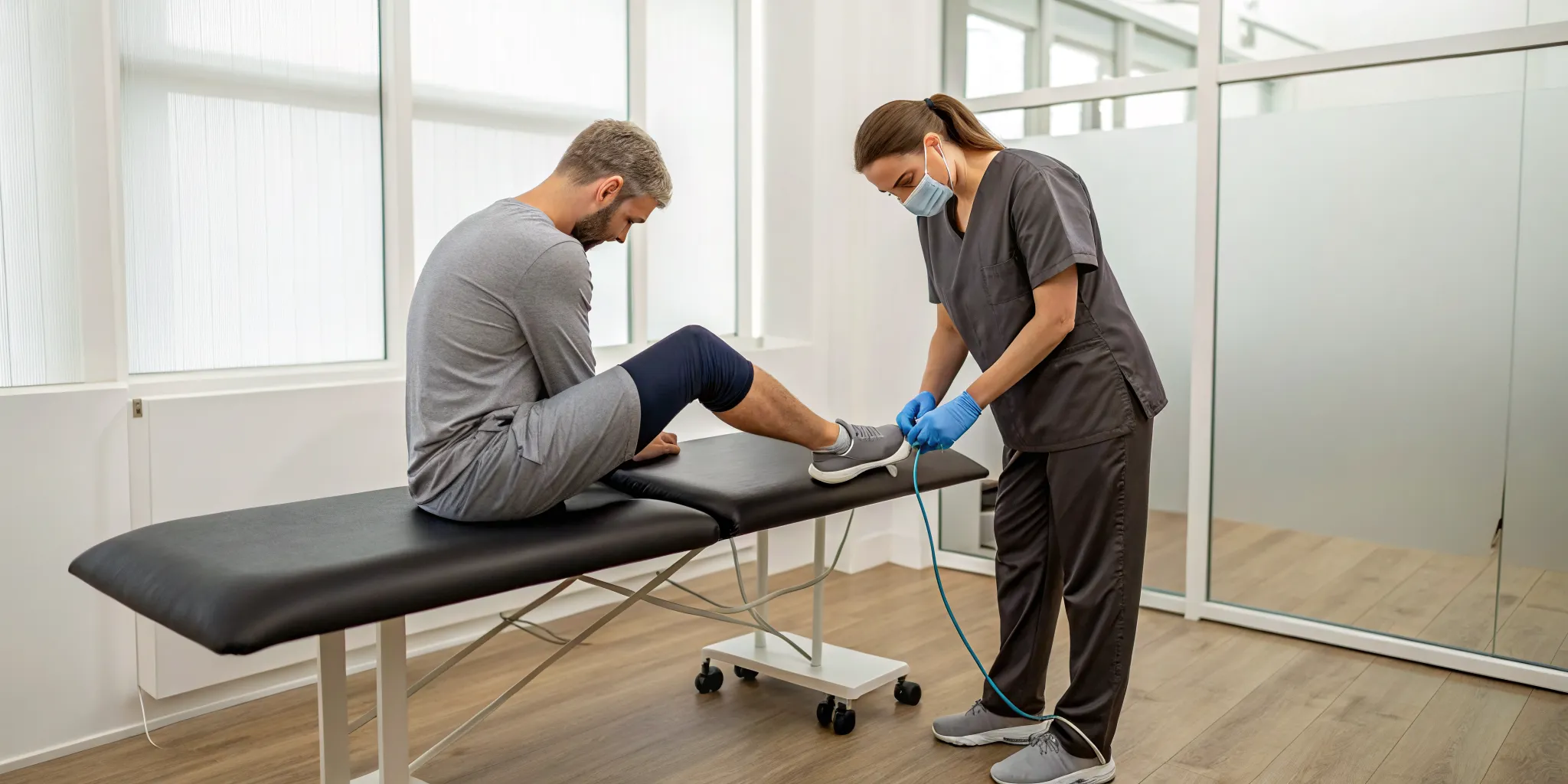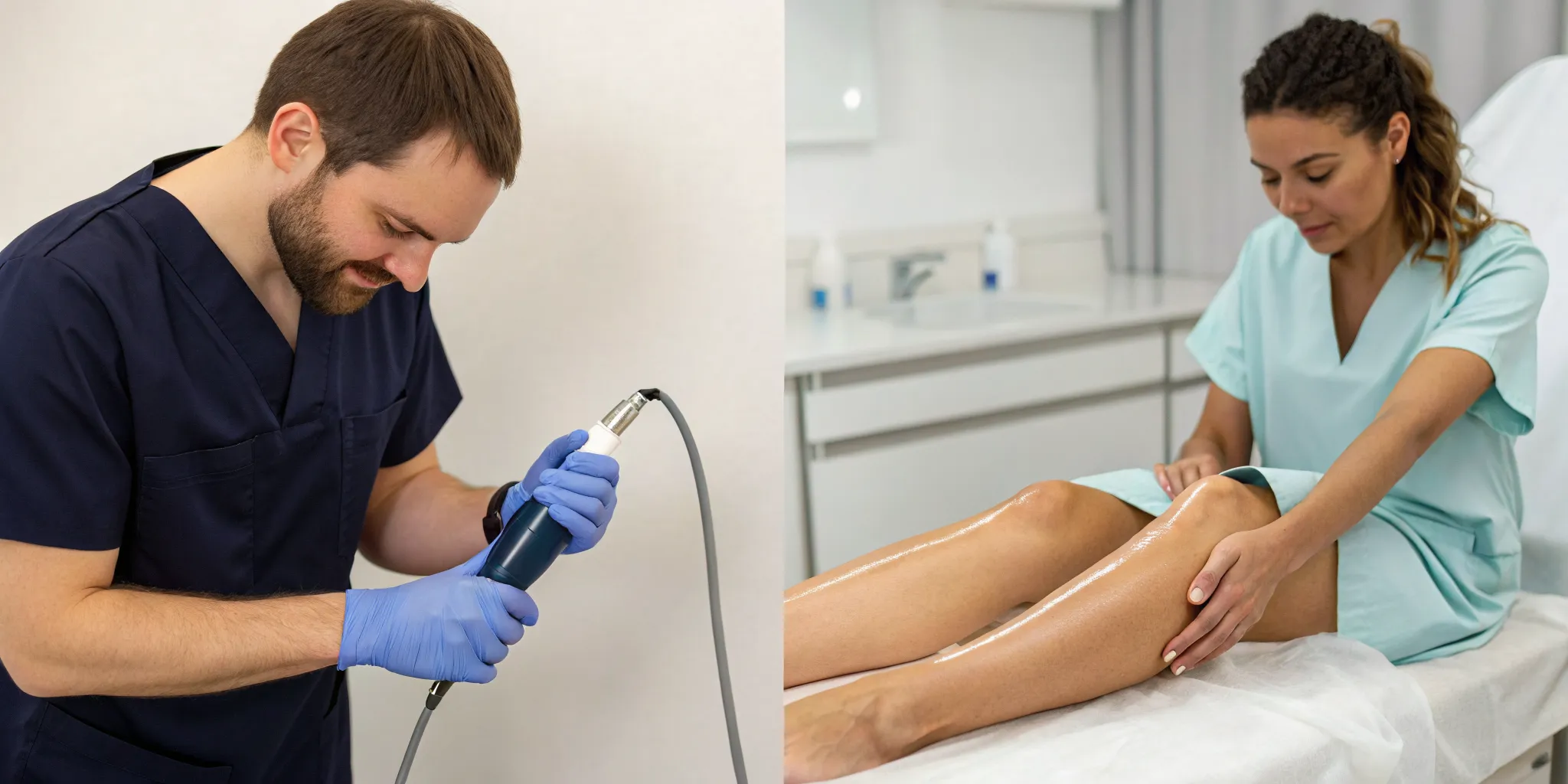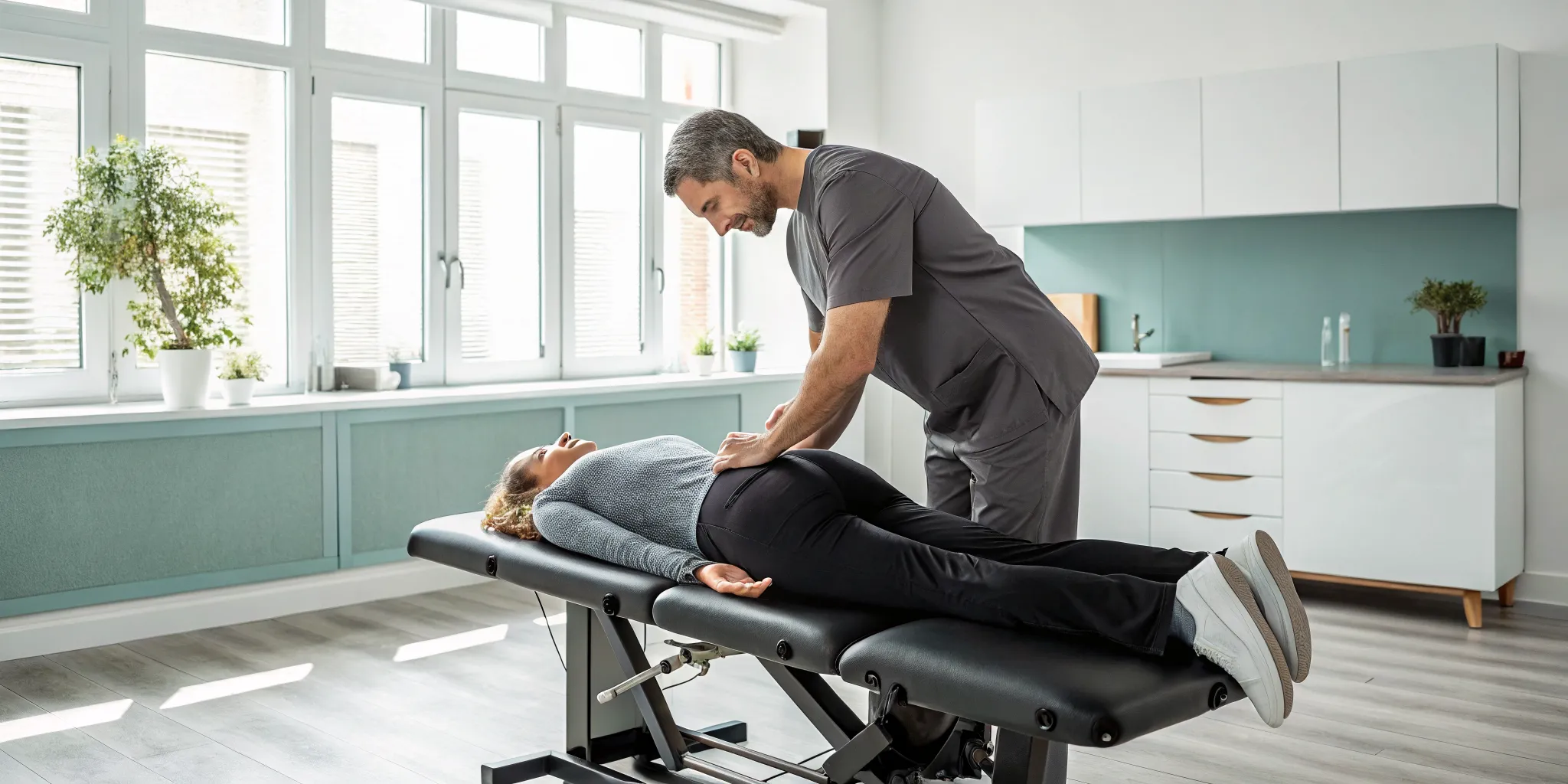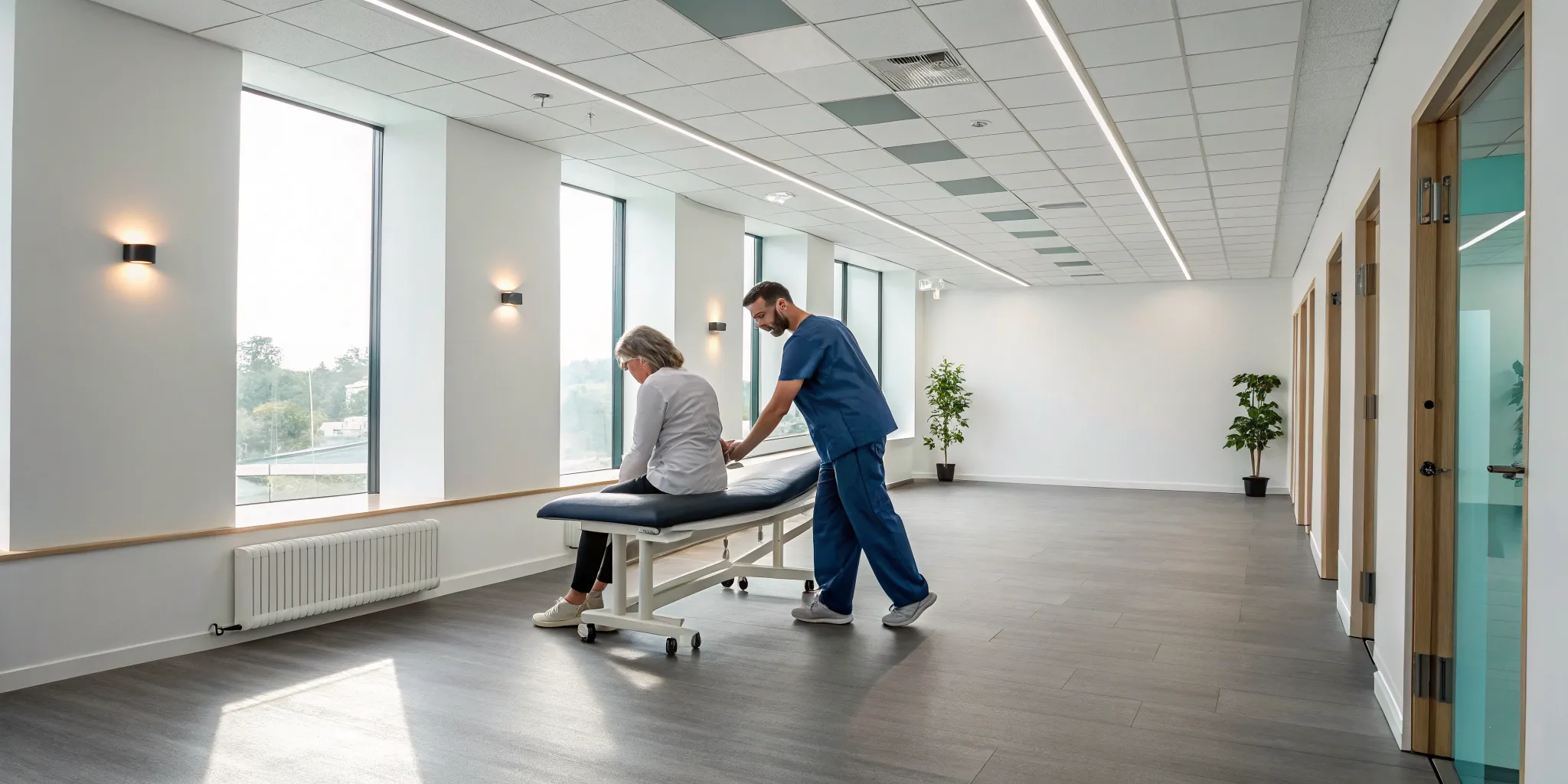
If joint discomfort is changing how you walk, reach, or take part in your usual activities, it can be hard to know where to begin. Non-surgical joint pain relief options range from movement-focused care to a broader evaluation of factors that may affect comfort and function. The right next step depends on the joint, your health history, and your goals. For adults in Tampa Bay, a personalized assessment can help clarify which approaches are appropriate to discuss.
Explore Physical Medicine and discuss an evaluation
Which factors can shape joint discomfort?
Joint discomfort can have more than one contributing factor, so an evaluation should look beyond a single symptom. The location, duration, movement patterns, prior health history, and daily demands all help guide a useful conversation.
A sore knee, for example, may feel different during stairs than during a long walk. Shoulder symptoms may change with reaching or lifting. Clinicians may ask when symptoms began, which activities affect them, whether stiffness is present, and how the concern is changing over time. These details can help distinguish a movement-related concern from one that may need another type of assessment.
It can also help to describe the impact in practical terms: shorter walks, difficulty rising from a chair, interrupted sleep, or less confidence using a joint. Bring a list of current health conditions and any prior evaluations or therapies. A full picture supports an individualized discussion; it does not establish a diagnosis on its own.
Be specific about the pattern rather than trying to label the cause. Note whether discomfort changes with a particular motion, follows a period of activity, or feels different at different times of day. Mention recent changes in routine, prior injuries, or previous care that may be relevant. A timeline can help a clinician understand whether the concern is stable, improving, or changing.
It may be useful to record several examples before an appointment. Note the activity, how long you did it, what you noticed during or afterward, and whether the same pattern appears on another day. For example, “stairs feel difficult after sitting for a while” gives a different kind of detail than “my knee hurts.” Avoid forcing a movement to test it; describe only what you have already noticed in ordinary activities.
Also mention what you hope to regain or maintain. One person may want to manage routine errands more comfortably, while another may be focused on a work task or a recreational activity. Defining a practical goal helps keep the conversation centered on function instead of an abstract promise to eliminate every sensation.
Which non-surgical options might be discussed?
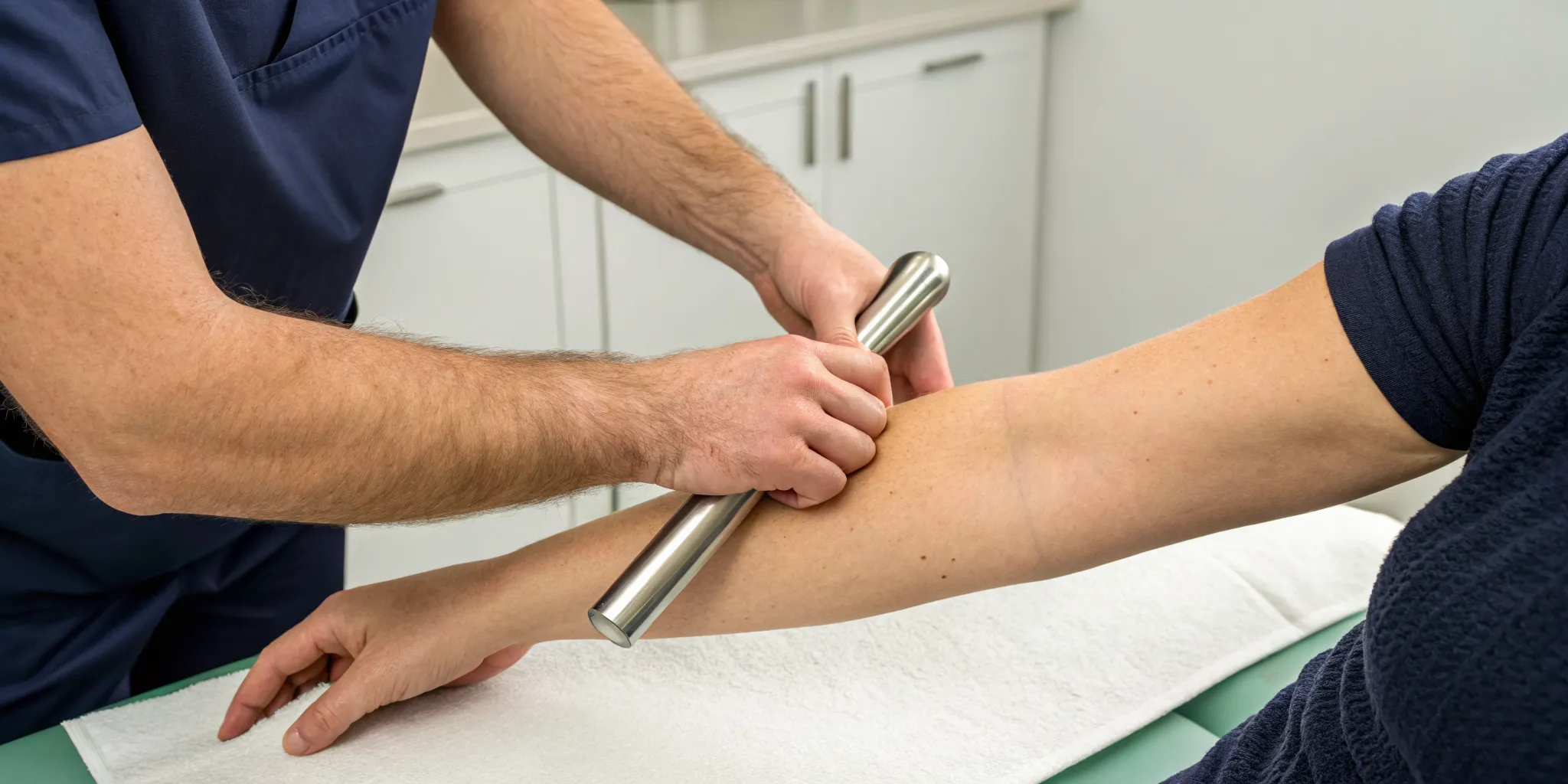
Non-surgical care may include movement assessment, chiropractic approaches, decompression or soft-tissue work when appropriate, and broader clinical evaluation. A clinician should explain why an option fits your circumstances and how progress will be reviewed.
There is no single plan for every joint or person. A provider may first assess mobility, posture, strength, comfort during selected movements, and relevant health history. Based on that assessment, a plan might focus on physical medicine approaches or may involve coordination with another clinician when the concern calls for a different type of care.
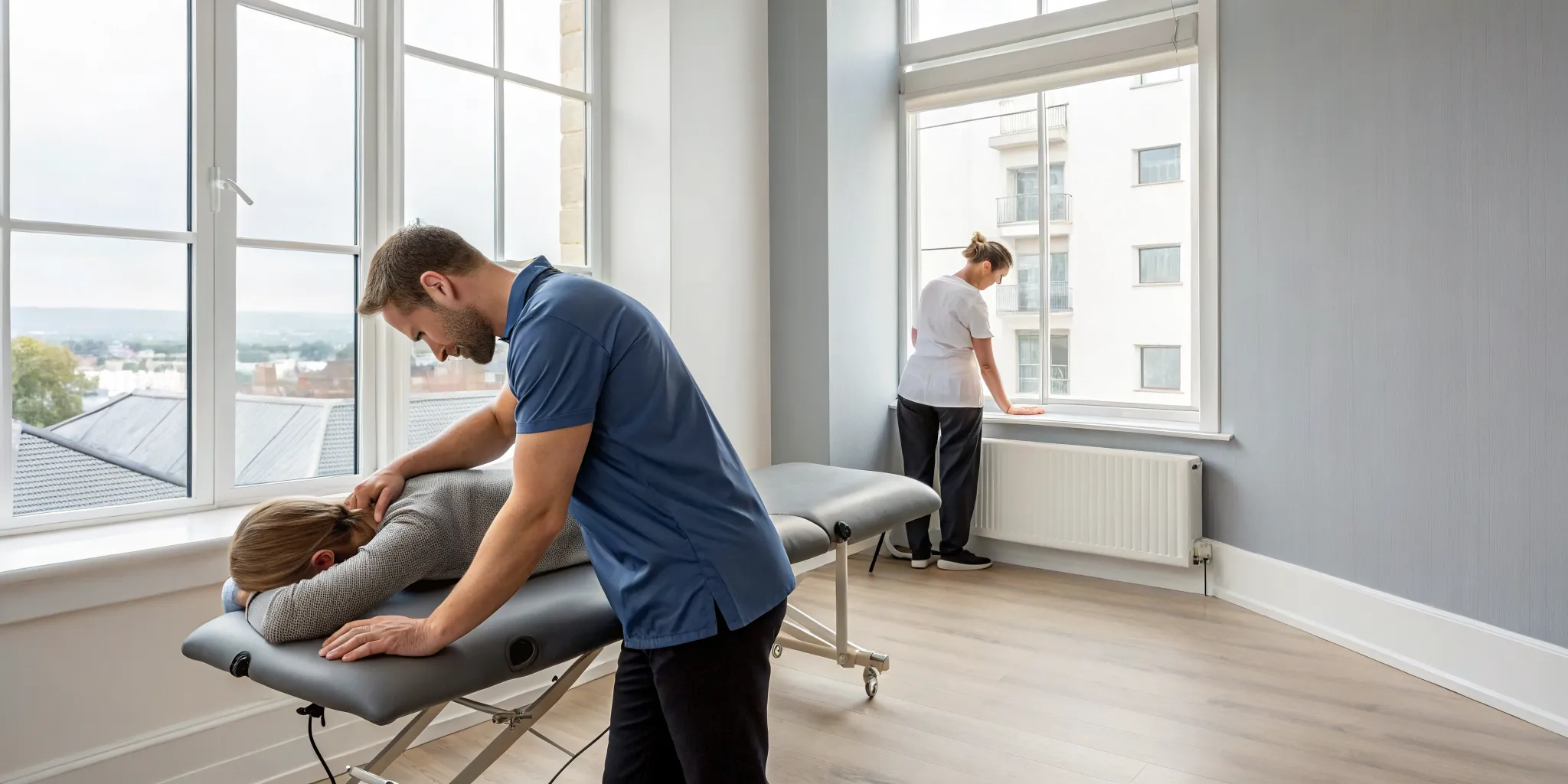
- Chiropractic care: An assessment may consider joint motion, alignment, and how movement relates to your reported concern. Any hands-on approach should be selected based on an individual evaluation.
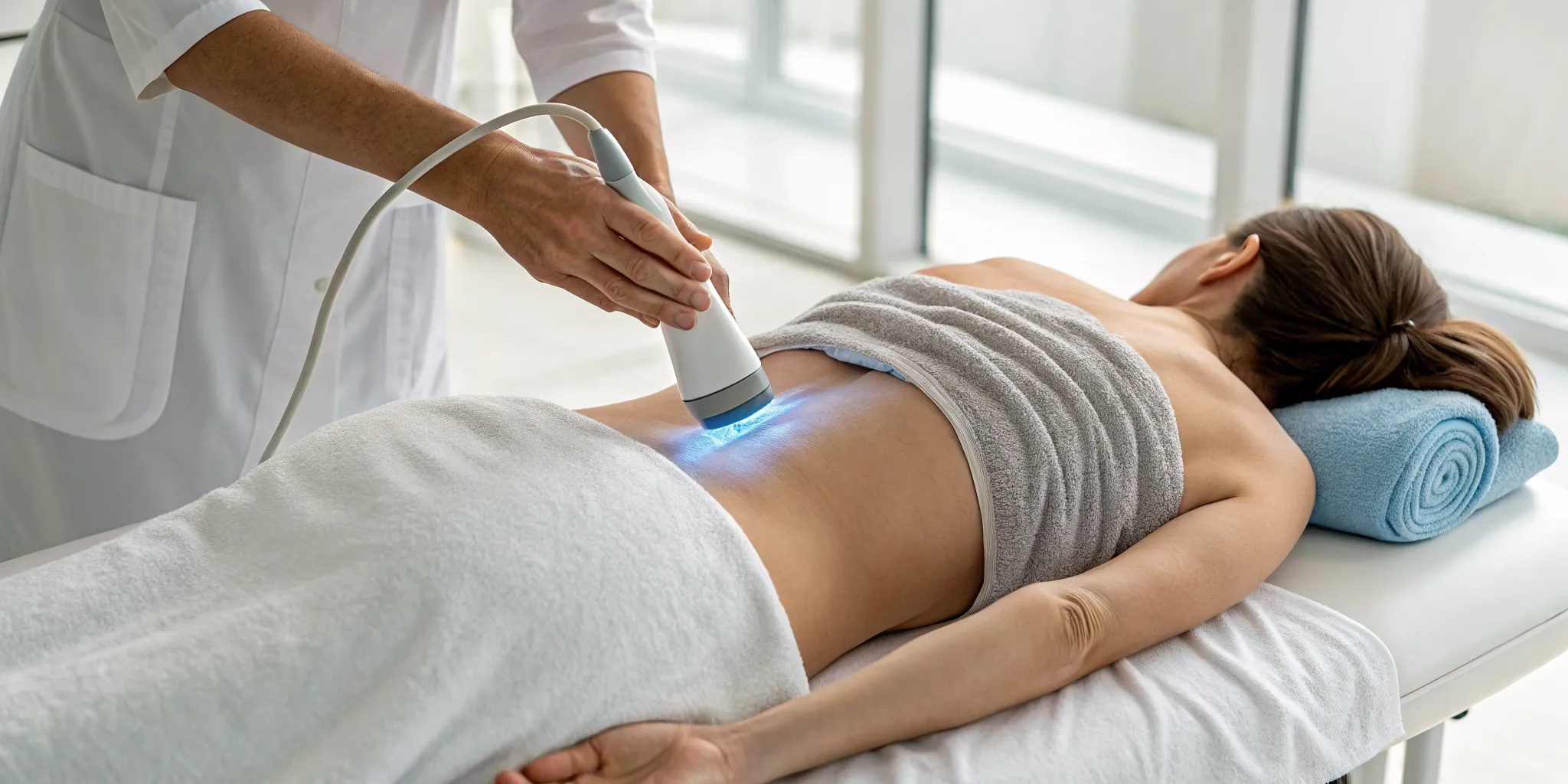
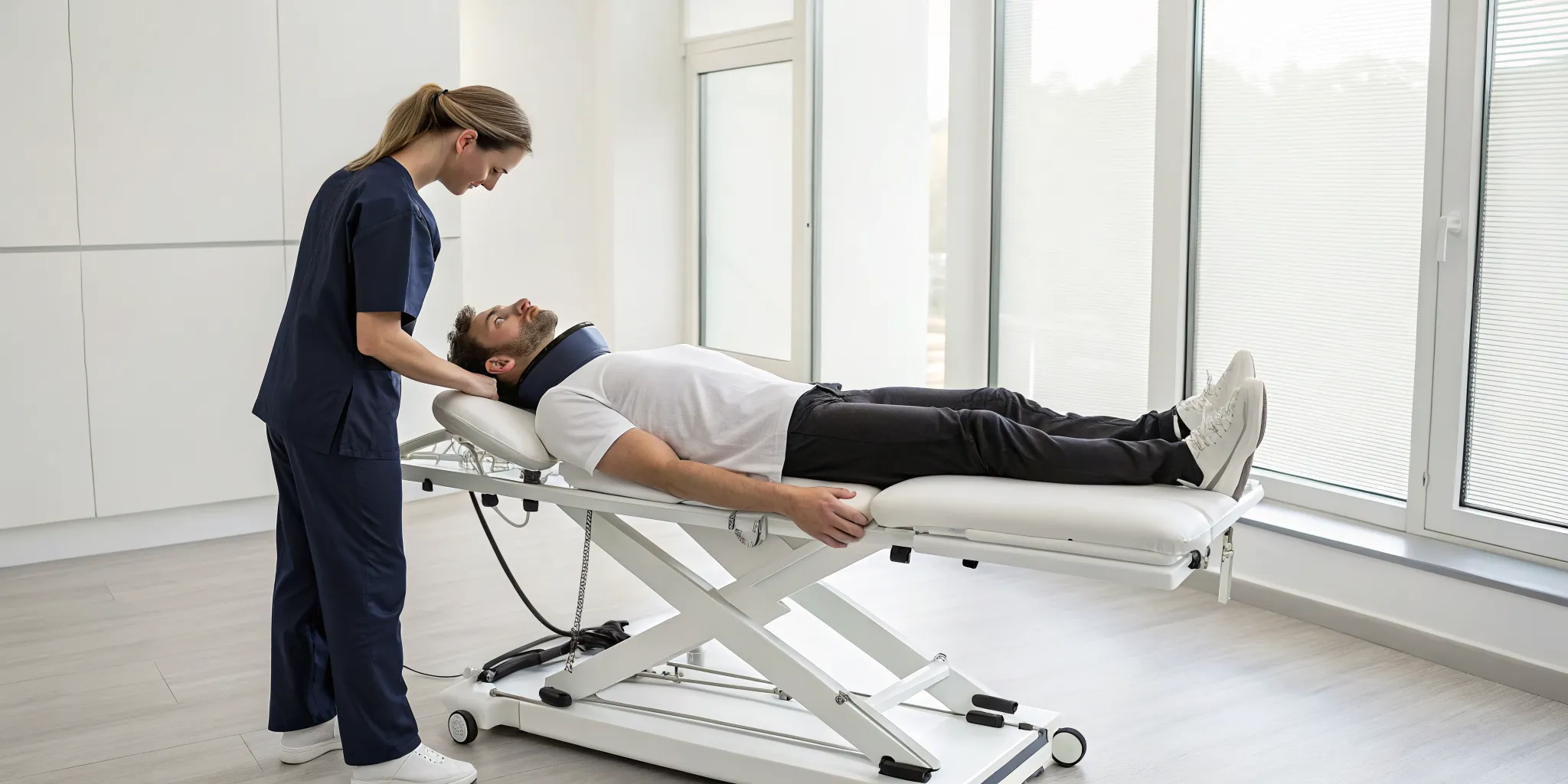
- Decompression and lumbar care: These may be considered when symptoms involve the lower back or related movement patterns. They are not a universal choice for discomfort in other joints.
- Corrective care and movement planning: A clinician may discuss posture, mobility, and functional goals as part of a plan tailored to your findings.
- Myofascial release or soft-tissue work: These methods focus on soft tissues and may be discussed when the assessment suggests they could fit your needs.
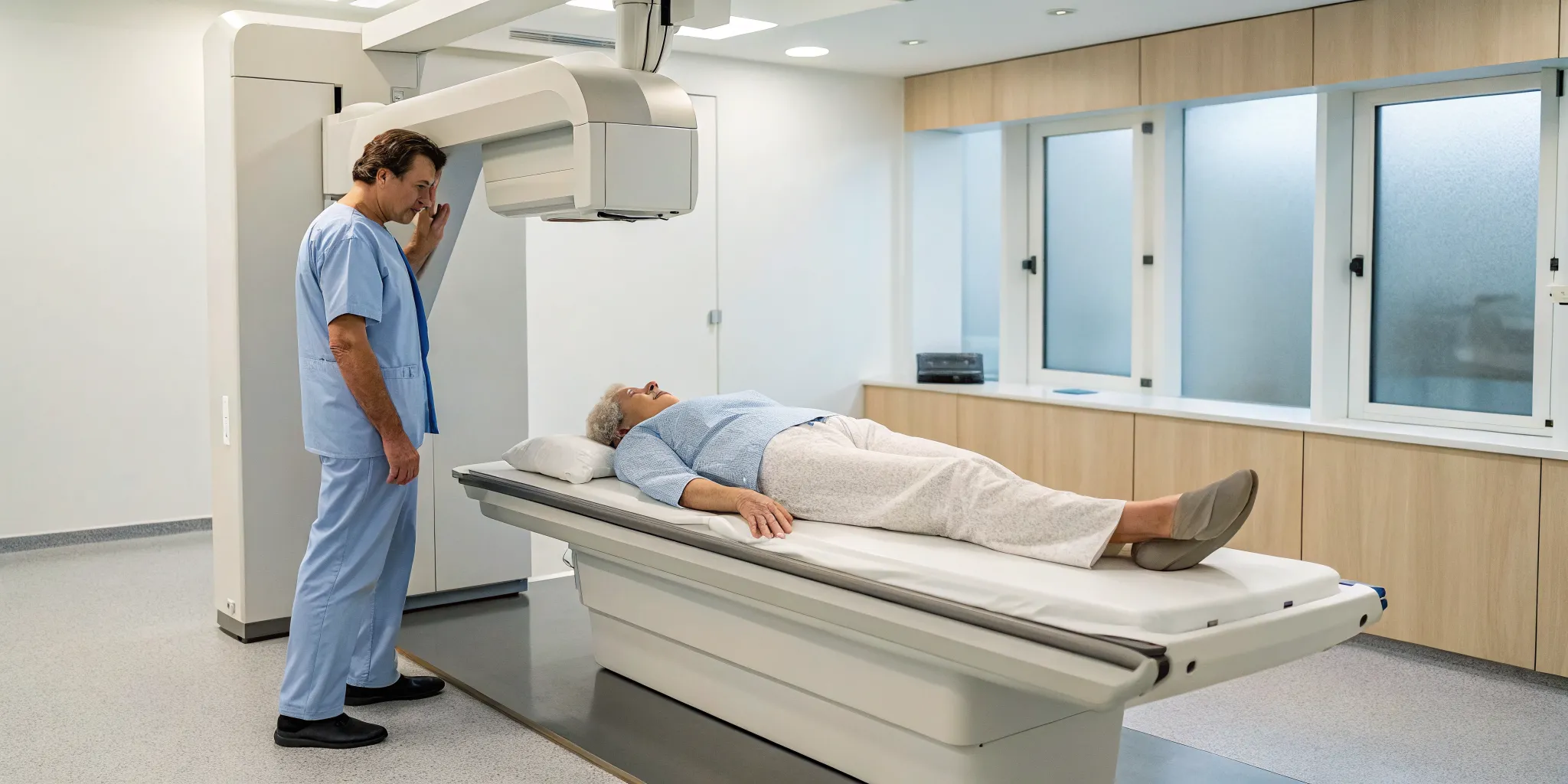
- Additional clinical evaluation: Depending on your history and findings, a clinician may recommend further testing or consultation with another qualified professional.
Ascend Functional Health organizes care around Physical Medicine, Functional Medicine, and Regenerative Medicine. Physical Medicine includes chiropractic, decompression, corrective care, and soft-tissue approaches. Learn more about its Physical Medicine services and discuss whether an evaluation is a suitable starting point.
Each option has a different purpose, and the label alone does not indicate suitability. Ask the clinician to connect a proposed approach to the specific findings from your assessment. The plan should also make clear which concerns fall outside the scope of that approach and when another professional's input may be useful.
For a clear discussion, ask the clinician to explain the sequence rather than only naming a technique. Which point is the initial assessment intended to clarify? What would make a hands-on method appropriate or inappropriate? How often will you review how the joint is functioning? These questions help distinguish a tailored plan from a list of available modalities.
You can also ask how recommendations may change if the first approach does not fit or if your symptoms shift. A thoughtful care discussion leaves room to reassess. It should explain how a clinician will review your response and whether a referral or other evaluation could be appropriate based on new information.
How can a whole-person evaluation fit into joint care?
A whole-person evaluation can add context to a joint concern by considering relevant health history alongside movement and function. It should complement, not replace, an appropriate physical assessment.
Depending on the concern, a clinician may ask about energy, sleep, digestive symptoms, previous conditions, and other health changes. Those details do not prove a cause for joint discomfort, but they can help a care team understand the person's overall context. Functional Medicine at Ascend may include a review of health history and, when clinically appropriate, bloodwork or stool testing. Testing is considered case by case rather than as a standard answer for every joint concern.
Regenerative Medicine is another part of the practice's care model. Services described by Ascend include PRP and other approaches that require an individual clinical workup. They are not suitable for everyone, and no outcome should be assumed before evaluation. Ask which evidence informs a proposed option, which uncertainties remain, what alternatives should be considered, and how changes in function will be assessed.
To understand how the broader model is organized, see Ascend's Functional Medicine approach and its overview of available care services. The goal is to connect the assessment to a plan with clear priorities, not to add tests or procedures without a reason.
A broader review is most useful when it leads to a clear decision. Before agreeing to testing, ask which question the test is meant to address and how the result could change the plan. If a result would not affect decisions about next steps, ask why it is being considered. The same standard applies to procedures: the clinician should explain the intended role, how suitability is determined, and how your response will be evaluated.
For instance, if several health details are discussed, ask which ones are directly relevant to the decision in front of you. A clinician might explain that a history item affects whether an approach is appropriate, that a test could clarify a specific concern, or that the available information does not support adding a test now. The point is to understand the reasoning, not to assume that every possible contributor has been found or that one result explains all symptoms.
How do you compare common care paths?
Compare care paths by their purpose, the kind of assessment they involve, and how progress will be reviewed. A method's availability does not mean it is appropriate for every person or every joint.
| Care path | Common focus | Questions to discuss |
|---|---|---|
| Movement and physical assessment | Mobility, function, posture, and activity-related symptoms | Which movements will be assessed? Which goals make sense to track? |
| Chiropractic or soft-tissue approaches | Joint motion and surrounding soft tissues, based on clinical findings | Why is this approach being considered? Are there reasons to modify or avoid it? |
| Functional health evaluation | Relevant history and possible contributing health factors | Would testing change the plan? How will results be interpreted in context? |
| Regenerative options | Selected concerns after clinical evaluation and appropriate workup | Which details are established, which remain uncertain, and what alternatives should I consider? |
| Consultation with another clinician | Concerns needing a different specialty or further assessment | Which information should be shared, and who will coordinate next steps? |
For some knee osteoarthritis cases, genicular artery embolization is one procedure discussed in clinical settings. The Society of Interventional Radiology describes this approach as targeting inflammation to improve function and quality of life for some people with moderate to advanced arthritis. It is a distinct procedure, not a service claim for Ascend. Read the society's overview of genicular artery embolization, then discuss individual options with an appropriately qualified clinician.
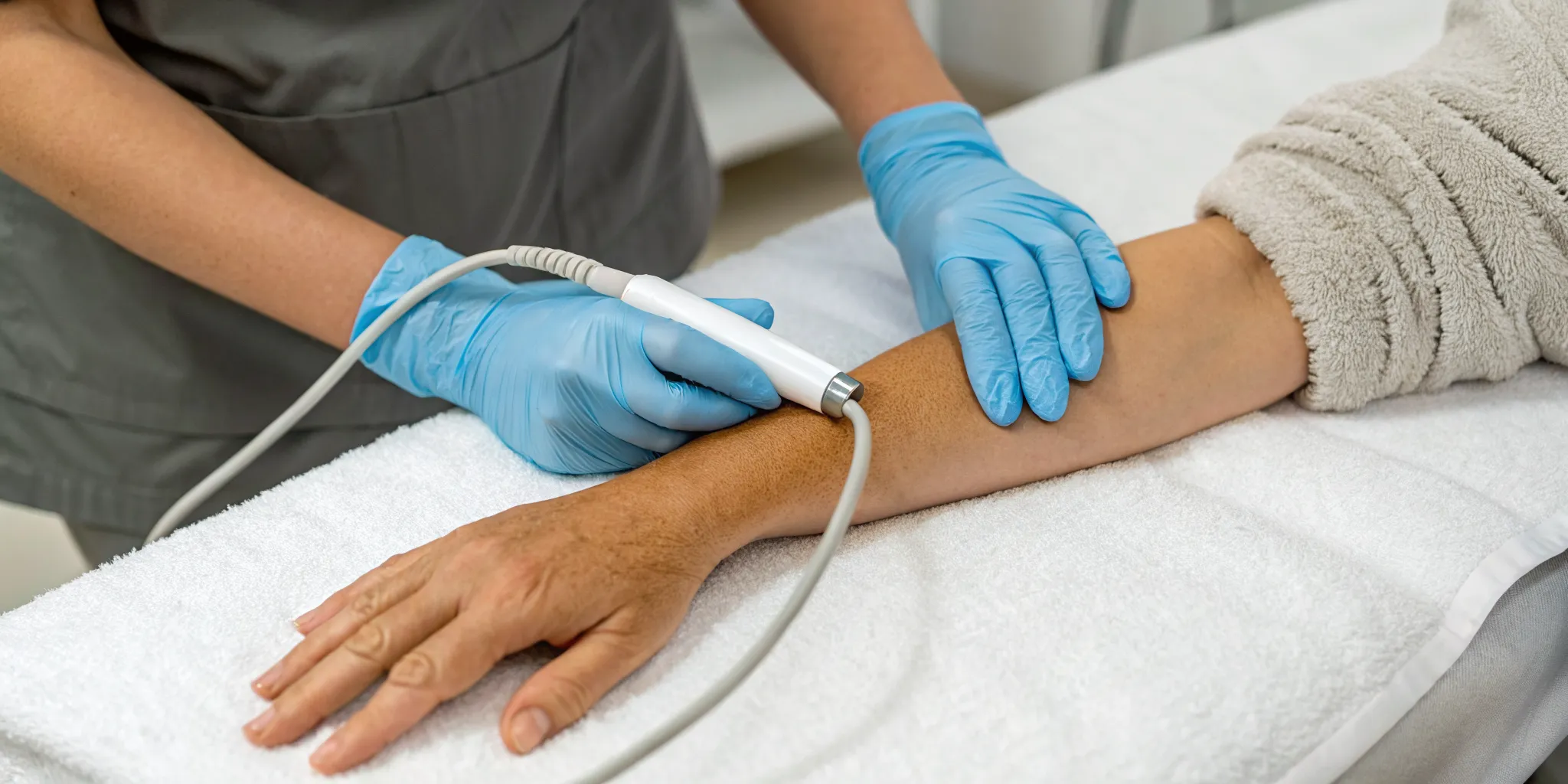
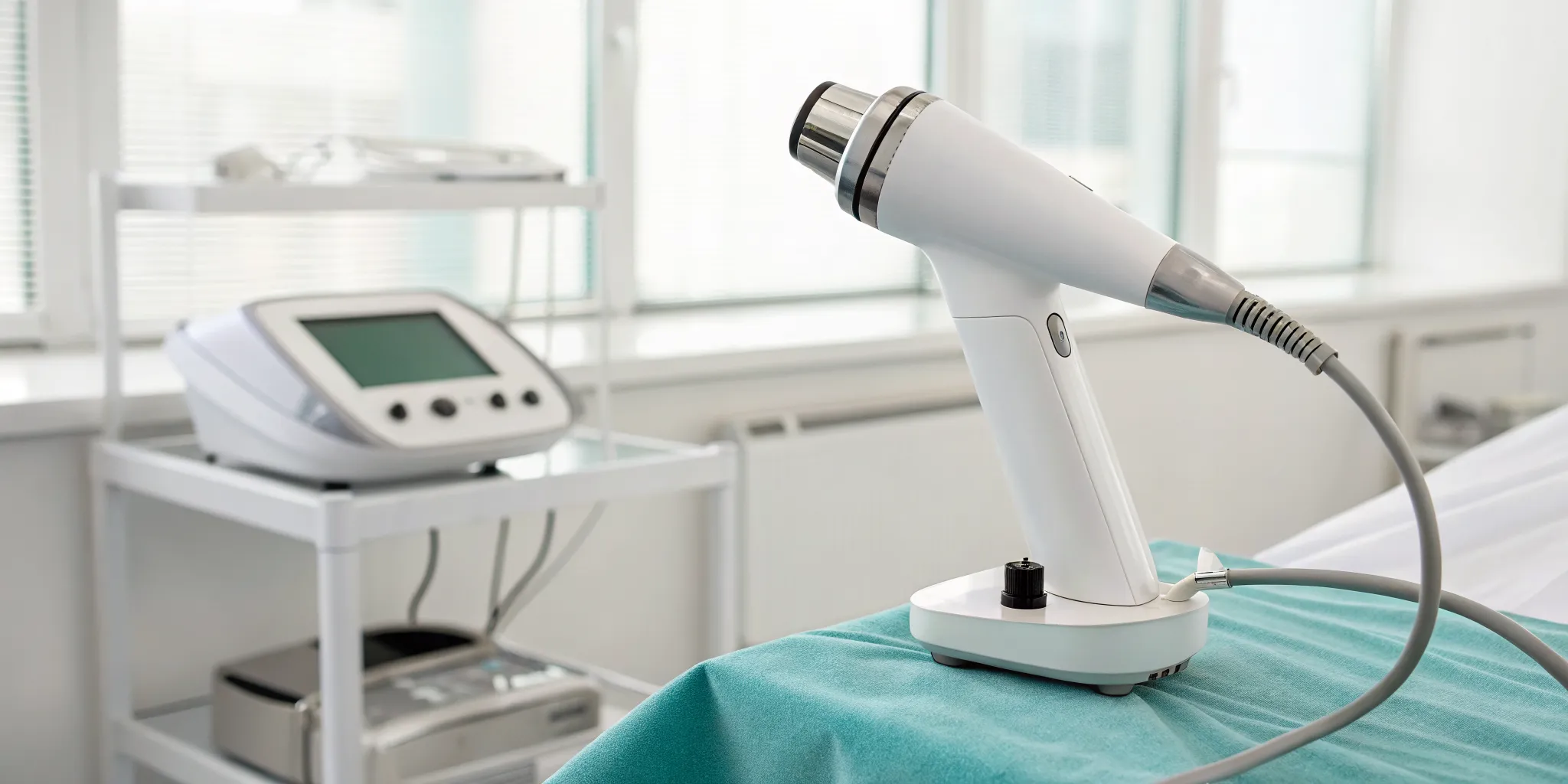
When comparing plans, ask about the expected visit sequence, the rationale for each step, ways to track changes in function, and circumstances that would prompt a change in approach. Also clarify which clinician will review your response and whether recommendations depend on additional findings. Learn more about SoftWave therapy as one of Ascend's regenerative offerings, while keeping in mind that a clinician must determine whether any particular modality fits your case.
It can help to compare plans using the same questions instead of comparing names of treatments alone. Consider the assessment behind the recommendation, its intended purpose, what practical outcomes will be monitored, and what happens if the plan is not a good fit. Ask about the time and follow-up involved so you can decide whether the proposed sequence is workable for your needs.
A practical comparison can include three checkpoints. First, identify the specific concern the approach is intended to address. Second, ask what finding supports considering it in your circumstances. Third, agree on what you will review and when. For example, a person whose main difficulty is walking might track that activity in a consistent way, while a person whose concern is reaching may discuss how that motion is assessed. Use observations that matter to you, not a measure that feels unrelated to your day.
Also distinguish established details from unresolved questions. A clinician can describe the intended role of a method without promising a particular result. If two options are discussed, ask what distinguishes them, what trade-offs matter for your goals, and what other professional input may be useful. This makes the comparison more informative than simply ranking options as better or worse.
What happens during a personalized consultation?
A useful consultation connects your goals and health history with an assessment and a clear discussion of possible next steps. It should leave room for questions and avoid promising a particular result.
You may be asked where the discomfort occurs, when it started, which movements affect it, and how it influences routine activities. The clinician can review relevant medical history and prior evaluations, then decide whether a physical assessment or additional information is appropriate. Depending on the concern, a plan may involve Physical Medicine, a broader Functional Medicine discussion, or a recommendation to consult another professional.
To make the visit more productive, consider bringing:
- A short timeline of the concern and changes you have noticed.
- Examples of activities that are easier or harder because of it.
- A list of health conditions and current treatments to share with the clinician.
- Reports from prior evaluations, if available and relevant.
- Your questions about options, risks, expected milestones, and how progress will be measured.
Before the visit, choose one or two daily activities that matter most to you. Examples might include walking a familiar route, reaching a shelf, or managing stairs. Describing how those activities feel now can make your goals more concrete. If symptoms vary, explain the variation rather than summarizing them as simply better or worse.
Ascend's practice overview explains its integrative approach. You can also review the frequently asked questions before requesting a conversation. No online article can determine which care path is right for an individual.
You can make a short appointment note with a few headings: when the concern began, movements or activities that affect it, what you have already tried with a clinician, and what you want to understand next. Keeping the note brief makes it easier to cover the most important points without needing to recall every detail from memory. If you have records from past evaluations, ask whether they would be useful to review.
At the end of the discussion, try summarizing the proposed next step in your own words. Confirm what the clinician recommends, the reason for it, what you should monitor, and when you will revisit the decision. If any part remains unclear, ask for an explanation before moving ahead. A shared understanding can help you take part in decisions about your care.
How can you set realistic expectations?
Set expectations around measurable function and regular reassessment, not a guaranteed timeline or promised result. Joint concerns vary, and the response to care varies as well.
Choose practical markers with your clinician, such as how comfortably you manage a particular daily activity or how movement changes over time. A simple record of those observations can help make follow-up discussions specific. If a plan is not helping as expected, ask how the findings should be reviewed and whether another approach or referral is appropriate.
Useful markers are personal and easy to describe. You might note how long a walk feels manageable, whether reaching overhead feels different, or how much support you need to rise from a chair. The point is not to create a score that explains the cause. It is to give you and your clinician consistent observations to review alongside the assessment.
Questions worth asking include: Which purpose does each recommended step serve? Which changes would count as progress? When will we review the plan? What should I do if symptoms change? What other professional input could be useful? These questions encourage a transparent discussion and keep decisions grounded in your circumstances.
Ascend serves the Tampa Bay area with an integrative model that brings together physical, functional, and regenerative perspectives. An initial conversation can help determine whether that model aligns with your concern and what a reasonable next step may be.
It is reasonable to ask when the plan will be reassessed and what would prompt a different recommendation. Progress may not follow a straight line, and day-to-day variation can make it hard to judge change from memory alone. Consistent notes about a chosen activity can provide useful context, but they are only one part of a clinician's evaluation. If new or changing symptoms raise questions, describe them and ask whether the care plan should be reviewed.
Good expectations also include understanding the limits of a proposed approach. Ask what the approach is meant to address, what it is not intended to address, and what alternatives exist if it does not match your needs. A careful conversation about fit and uncertainty can help you make a more informed decision without assuming that any one method will work for everyone.
Discuss your joint-care questions with Ascend
Frequently Asked Questions
These answers offer general context for comparing non-surgical approaches. Individual recommendations depend on a person's symptoms, health history, and clinical assessment.
Can non-surgical care address every cause of joint pain?
No. Joint discomfort can have different causes, and non-surgical approaches are not appropriate for every condition. A clinician can assess your history and symptoms, discuss options, and recommend another type of evaluation when needed.
Does everyone need testing before discussing joint care?
No. Whether any testing is useful depends on the concern, health history, and clinical assessment. Ask how a proposed test could inform decisions and how its findings would be interpreted.
How should I compare two proposed treatment plans?
Ask which concern each plan is intended to address, what the assessment supports, which uncertainties remain, and how changes in function will be reviewed. Also ask about alternatives and when the plan might be adjusted.
Does a consultation guarantee a specific treatment?
No. A consultation is an opportunity to review your concern and discuss fit and next steps. The clinician's recommendations depend on the individual evaluation, and a particular service or outcome is not guaranteed.
What should I bring to a first conversation?
Bring a brief symptom timeline, relevant health history, a list of current treatments, prior evaluation reports if available, and questions about goals and options. Concrete examples of how joint discomfort affects daily activities can also help.
Request a consultation with Ascend Functional Health
This article is for educational purposes only and is not medical advice. Consult your clinician before acting on health information or changing your care.