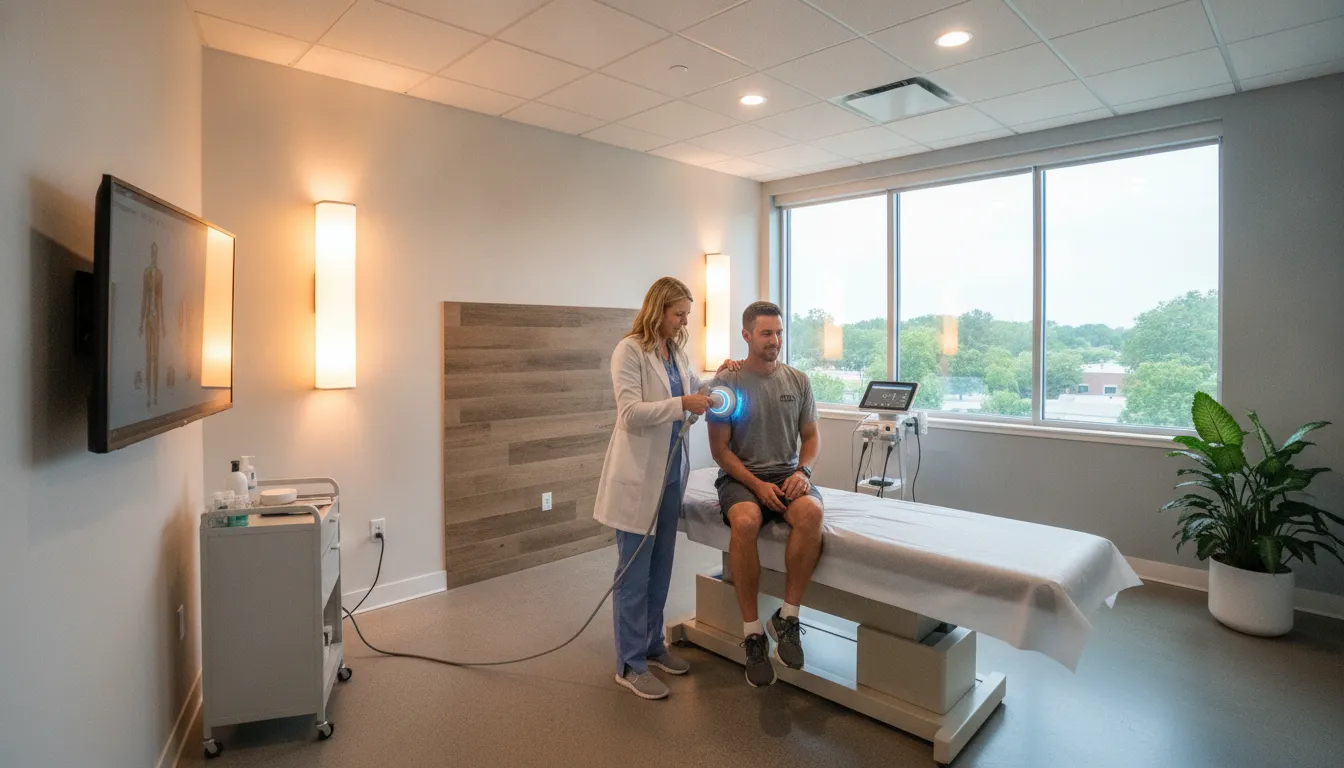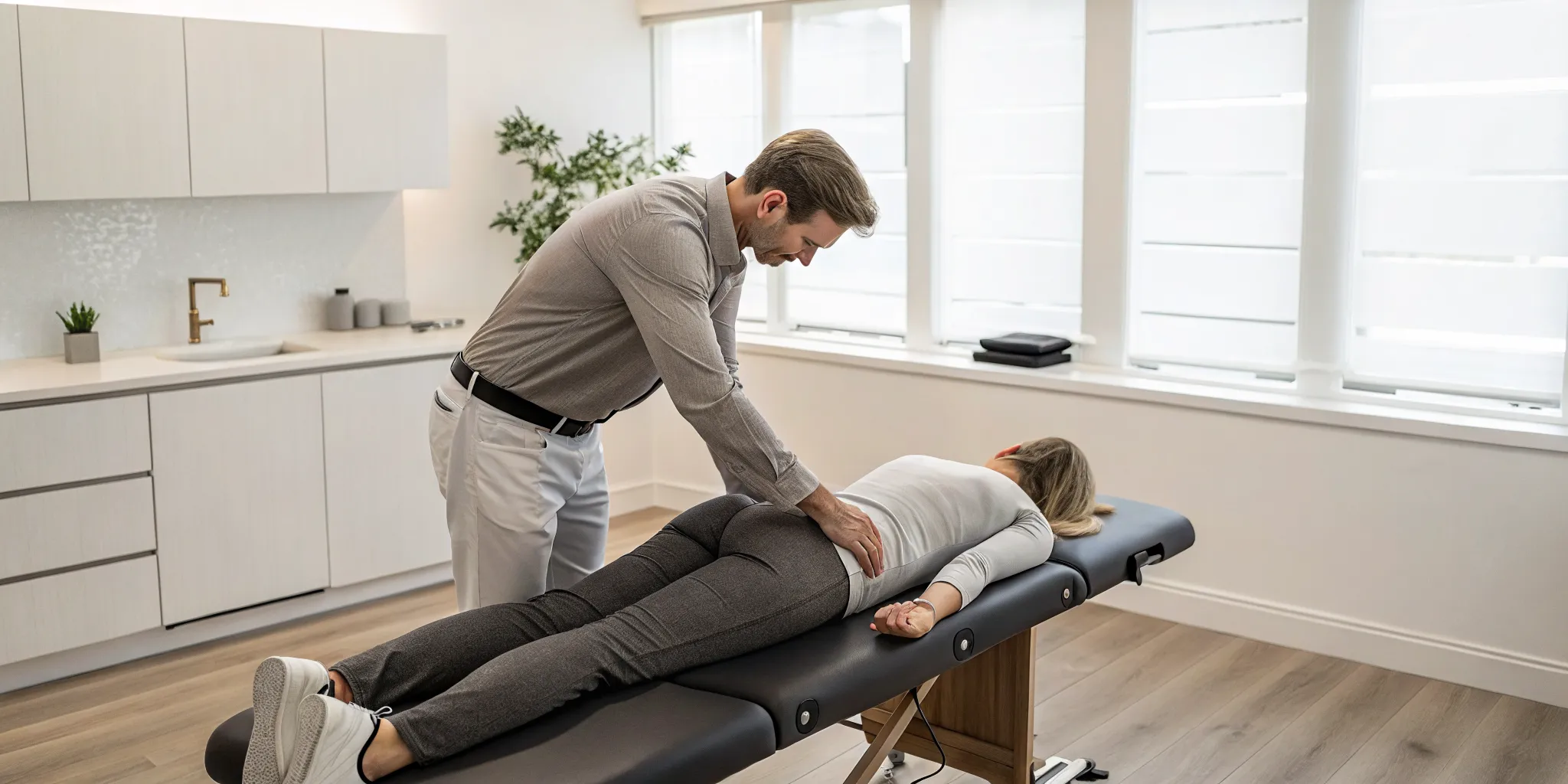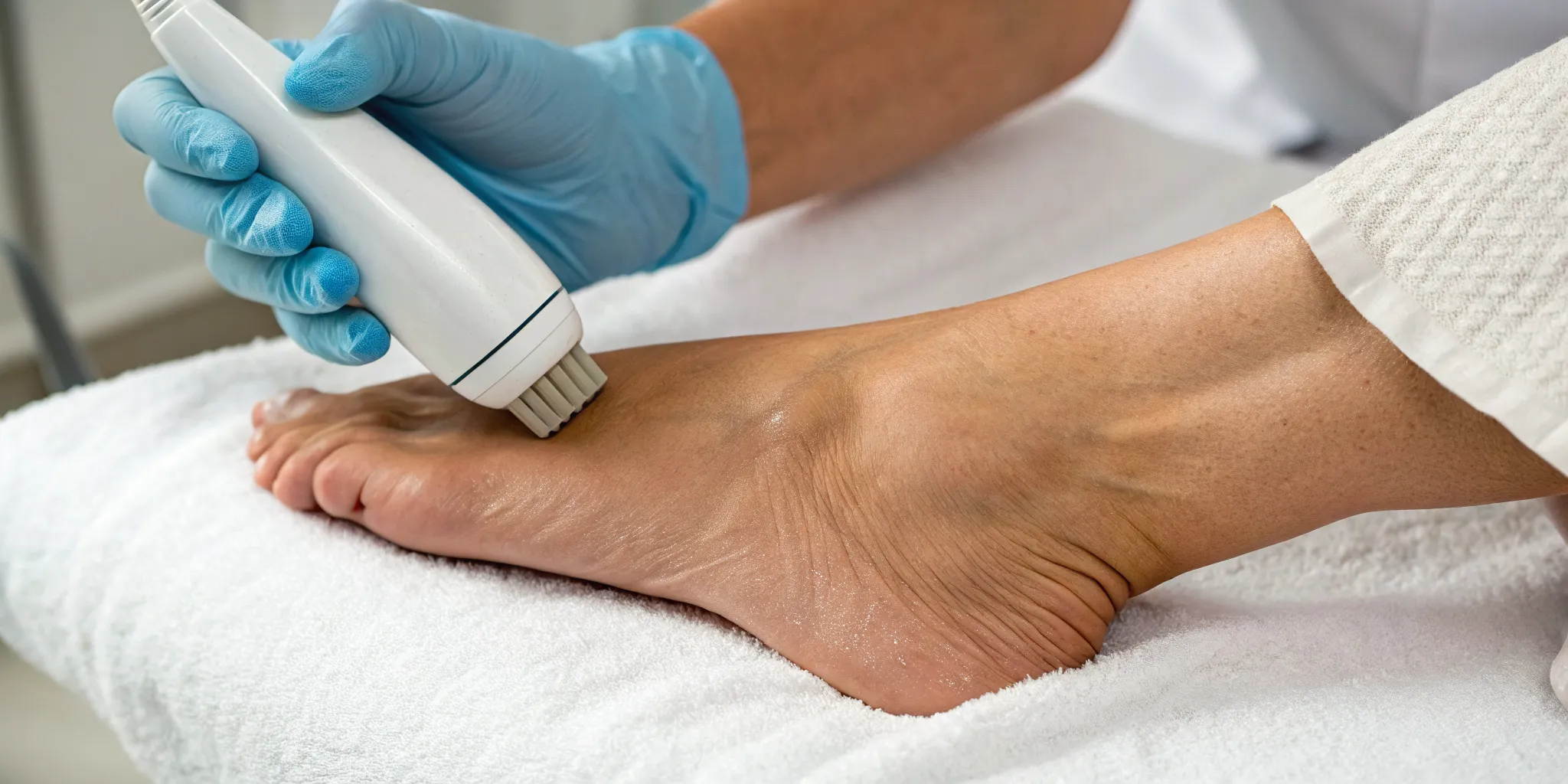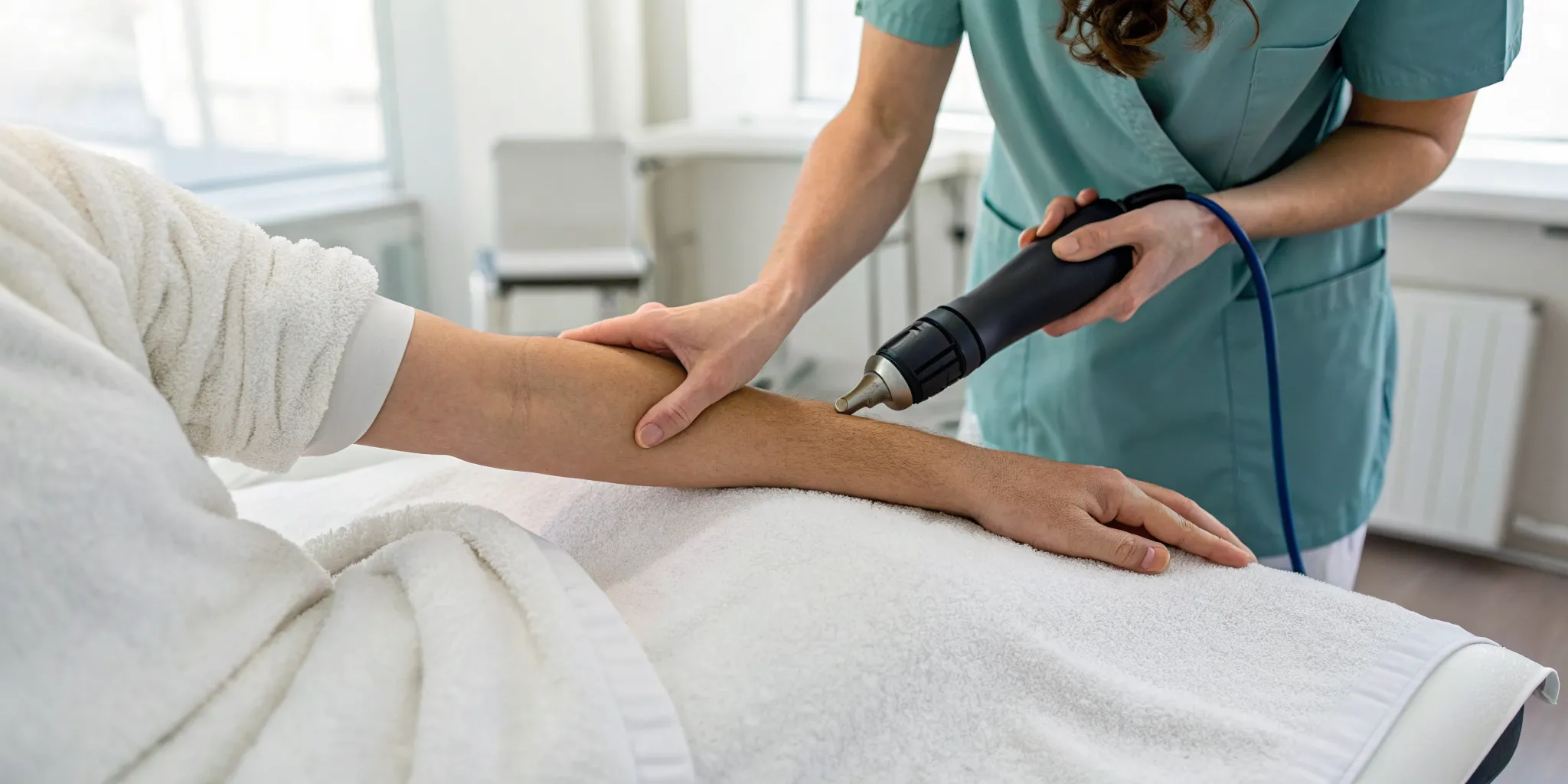
Taking a proactive approach to your health means looking for care that aligns with your long-term goals. Naturopathic medicine offers a path to understanding and addressing the underlying causes of your symptoms, which is a true investment in your future self. If you have a Health Savings Account, you’re already thinking ahead financially. It only makes sense to wonder if you can pair these two forward-thinking tools together. So, is naturopathic medicine HSA eligible? For many people, the answer is a resounding yes. This guide will break down how you can use your pre-tax dollars for consultations, lab work, and personalized protocols, making your journey toward optimal health both accessible and financially smart.
Key Takeaways
- Use Your HSA for Holistic Care: Your Health Savings Account (HSA) and Flexible Spending Account (FSA) can typically be used for naturopathic and functional medicine because these services qualify as medical expenses, allowing you to use pre-tax dollars for your care.
- Keep Your Paperwork in Order: Successful HSA use depends on good documentation. Always request itemized receipts (superbills) for your records and ask your provider for a Letter of Medical Necessity (LMN) to justify expenses like prescribed supplements.
- Verify Eligibility with Your Administrator: Before scheduling appointments, contact your HSA administrator to confirm your plan’s specific rules. Ask directly if naturopathic services are eligible expenses and if any pre-approvals are needed to avoid unexpected costs.
Your Guide to Naturopathic Medicine
If you’re exploring ways to support your health that go beyond conventional methods, you’ve likely come across naturopathic medicine. It’s a distinct system of health care that blends modern scientific knowledge with traditional and natural forms of medicine. The entire philosophy is built on the belief that your body has an incredible, innate ability to heal itself. Instead of just chasing symptoms, this approach seeks to understand the "why" behind them, creating a path toward genuine, lasting wellness. It’s a partnership between you and your provider, focused on restoring balance from the inside out.
The Principles of Naturopathic Wellness
At its heart, naturopathic wellness is guided by a few simple but powerful principles. The primary goal is to identify and address the underlying root cause of a health concern rather than just suppressing symptoms. Think of it as figuring out why a plant is wilting instead of just painting its leaves green. This approach honors the body’s self-healing capabilities and uses therapies that support this process. It’s a holistic perspective that considers all the factors contributing to your health, including your lifestyle, environment, and emotional well-being. By treating the whole person, naturopathic care aims to help you achieve a state of optimal health, not just an absence of disease.
The Expertise Behind Naturopathic Care
It’s important to understand who is providing your care. A licensed Naturopathic Doctor (ND) is a graduate of a four-year, doctoral-level naturopathic medical school accredited by the Council on Naturopathic Medical Education. These programs are comprehensive, covering basic sciences as well as diagnostics, natural therapeutics, and conventional medicine. After graduating, NDs must pass rigorous professional board exams to become licensed practitioners. This level of training is what separates a licensed ND from a traditional naturopath, who may have a different educational background. Knowing your provider has this extensive training ensures you are receiving knowledgeable and professional guidance on your health journey.
Can You Use Your HSA for Naturopathic Services?
If you're exploring naturopathic care to address your health concerns, you might be wondering how to manage the costs. The good news is that you can often use your Health Savings Account (HSA) to pay for these services. This is a fantastic way to invest in your well-being using pre-tax dollars, making your health journey more accessible.
Understanding how your HSA applies to naturopathic medicine can feel a bit complex, but it doesn't have to be. It really comes down to knowing what qualifies as a medical expense and confirming the details of your specific plan. Let's walk through what makes naturopathic care eligible and clear up some common points of confusion so you can feel confident in your financial planning.
Why Naturopathic Care Is a Qualified Medical Expense
Yes, you can absolutely use your Health Savings Account (HSA) and Flexible Spending Account (FSA) for naturopathic services. Because these services are considered a qualified medical expense, you're able to pay for them with pre-tax money, which can lead to significant savings. Using an HSA for these costs can also provide tax deductions, helping to lower your overall expenses.
Eligible expenses typically include office visits, consultations, and the diagnostic lab tests that are crucial for getting to the root cause of your symptoms. Even certain supplements can be covered if your provider supplies a "Letter of Medical Necessity" that explains why they are essential for treating a specific medical condition. This makes it easier to follow the personalized protocol designed for you.
Clearing Up Common HSA Misconceptions
While HSAs are a great tool, it's important to know that not all accounts are created equal. For example, naturopathic services are generally not eligible for payment with a Limited-Purpose Flexible Spending Account (LPFSA) or a Dependent Care Flexible Spending Account (DCFSA), as these are designed for very specific expenses.
The most important step you can take is to check your specific plan documents. The rules for your account can vary, and sometimes your employer may have guidelines that affect what is eligible. Taking a few minutes to review your plan or call your HSA administrator can save you a lot of headaches later. This proactive step ensures you have the correct information for your unique situation before you schedule your appointments.
What Naturopathic Expenses Does Your HSA Cover?
Using your Health Savings Account (HSA) for naturopathic medicine is a fantastic way to invest in your long-term wellness with pre-tax funds. While every plan has its own specifics, many common expenses associated with a holistic approach to health are eligible. Understanding what generally qualifies can help you plan your finances as you work toward your health goals. From initial consultations to specific therapies, your HSA can be a powerful tool on your wellness journey. Let's look at the different types of naturopathic services and products that you can typically use your HSA funds for.
Consultations and Office Visits
Your journey with a naturopathic provider often begins with an in-depth consultation. The good news is that office visits and consultations with a qualified naturopathic doctor are generally considered eligible medical expenses for your HSA. This allows you to use your pre-tax dollars for the foundational appointments where you and your provider build your personalized health map. These visits are essential for creating a strategy that addresses your unique needs, making it a great starting point for anyone seeking a more holistic approach to their health.
Diagnostic Lab Tests and Bloodwork
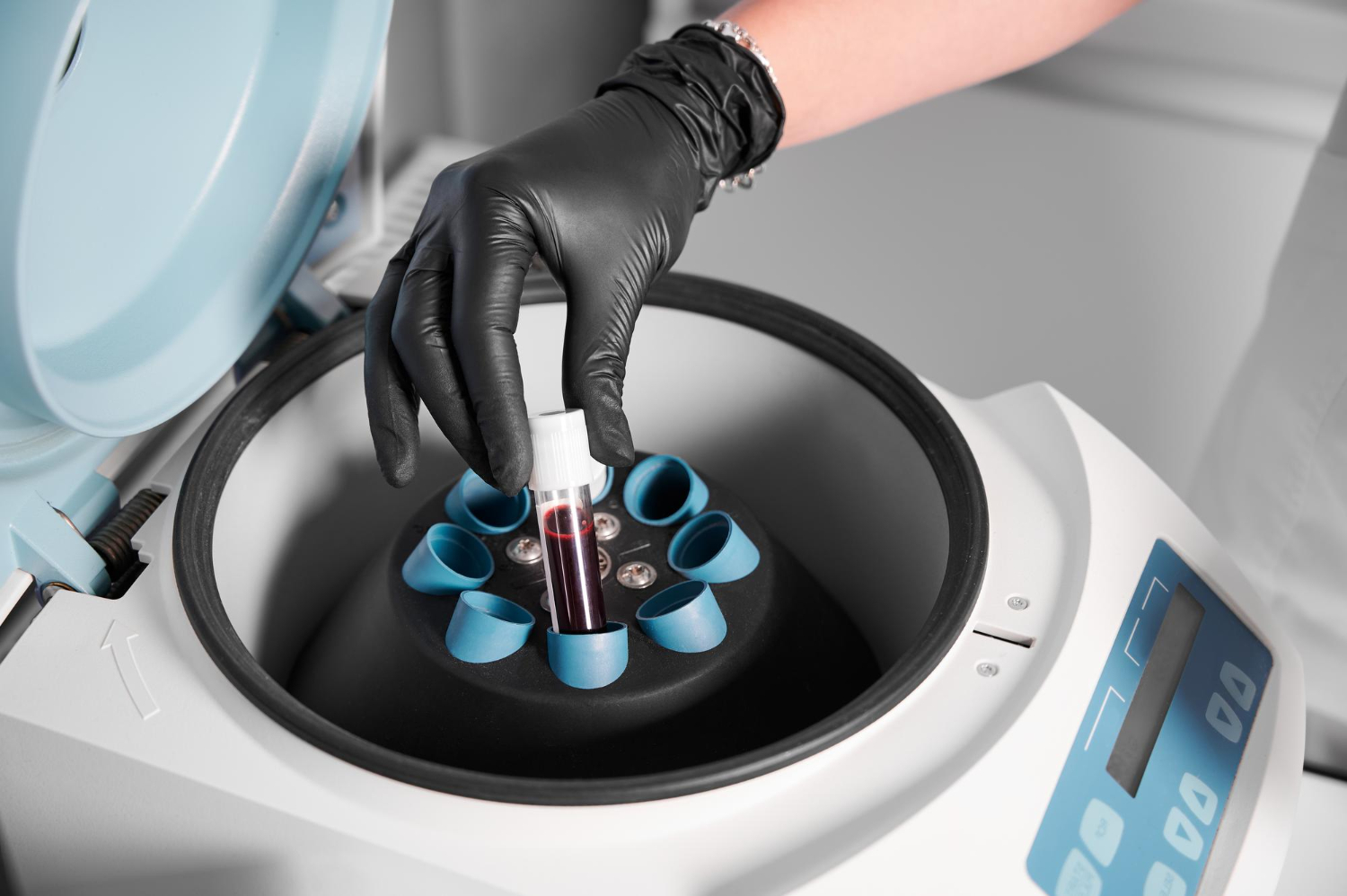
One of the core principles of functional and naturopathic medicine is to identify the root cause of your symptoms, and that requires data. Diagnostic tools, including detailed lab tests and bloodwork, are crucial for getting a clear picture of what’s happening inside your body. These tests are often eligible for payment with your HSA funds. This includes a wide range of assessments that go beyond standard panels, giving your provider the insights needed to understand the underlying factors affecting your health and the conditions you may be experiencing.
Custom Treatments and Therapies
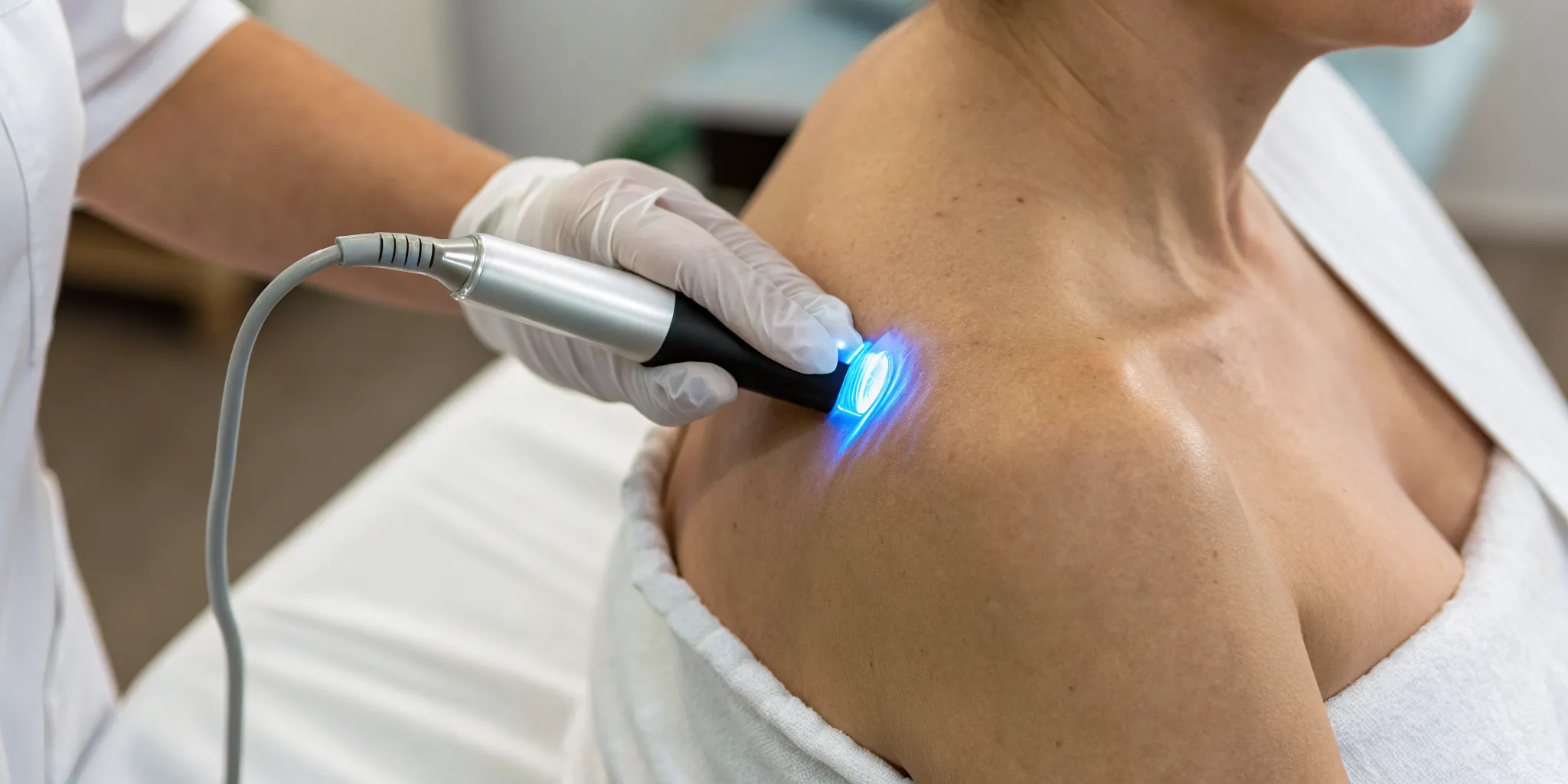
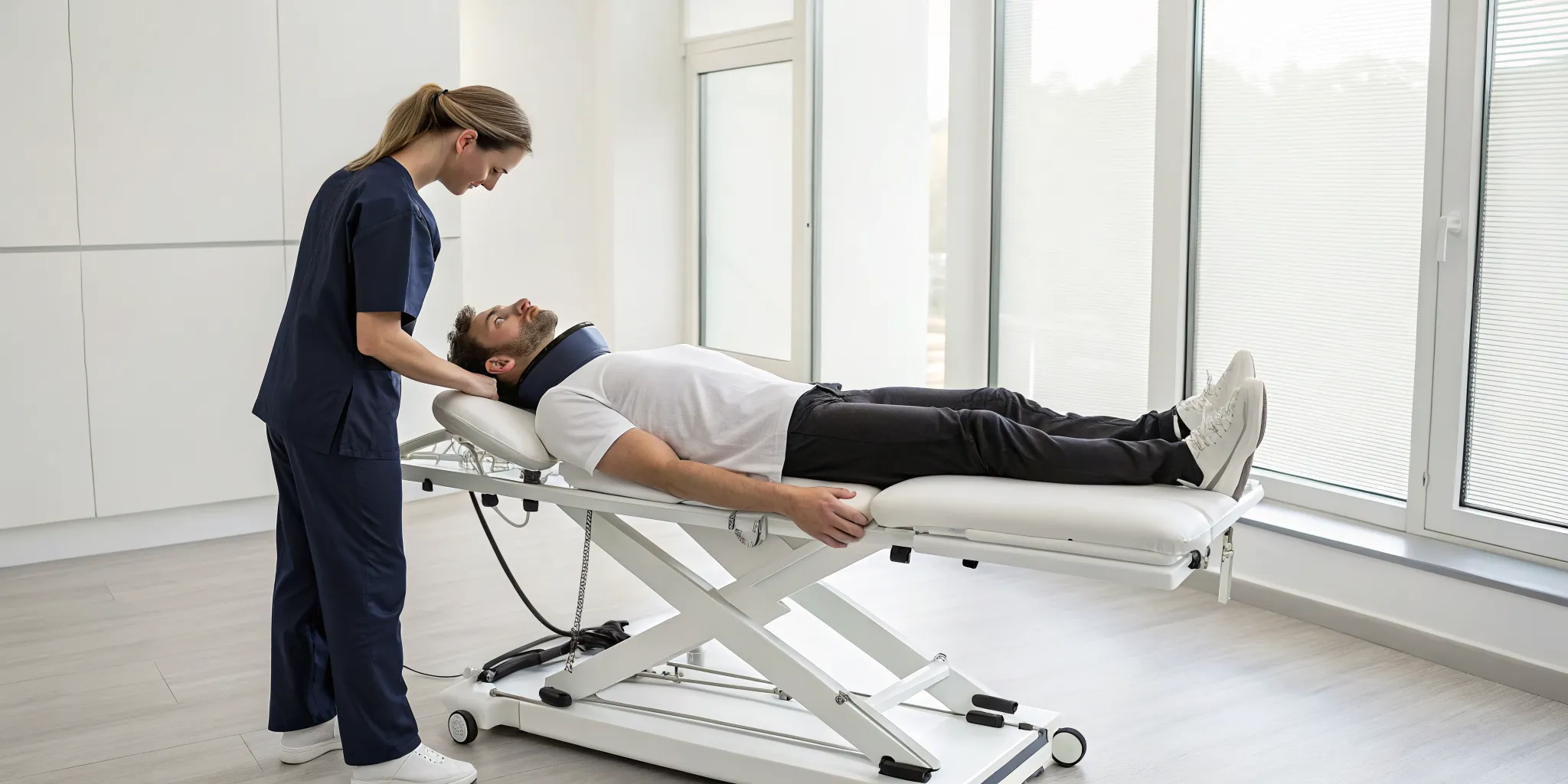
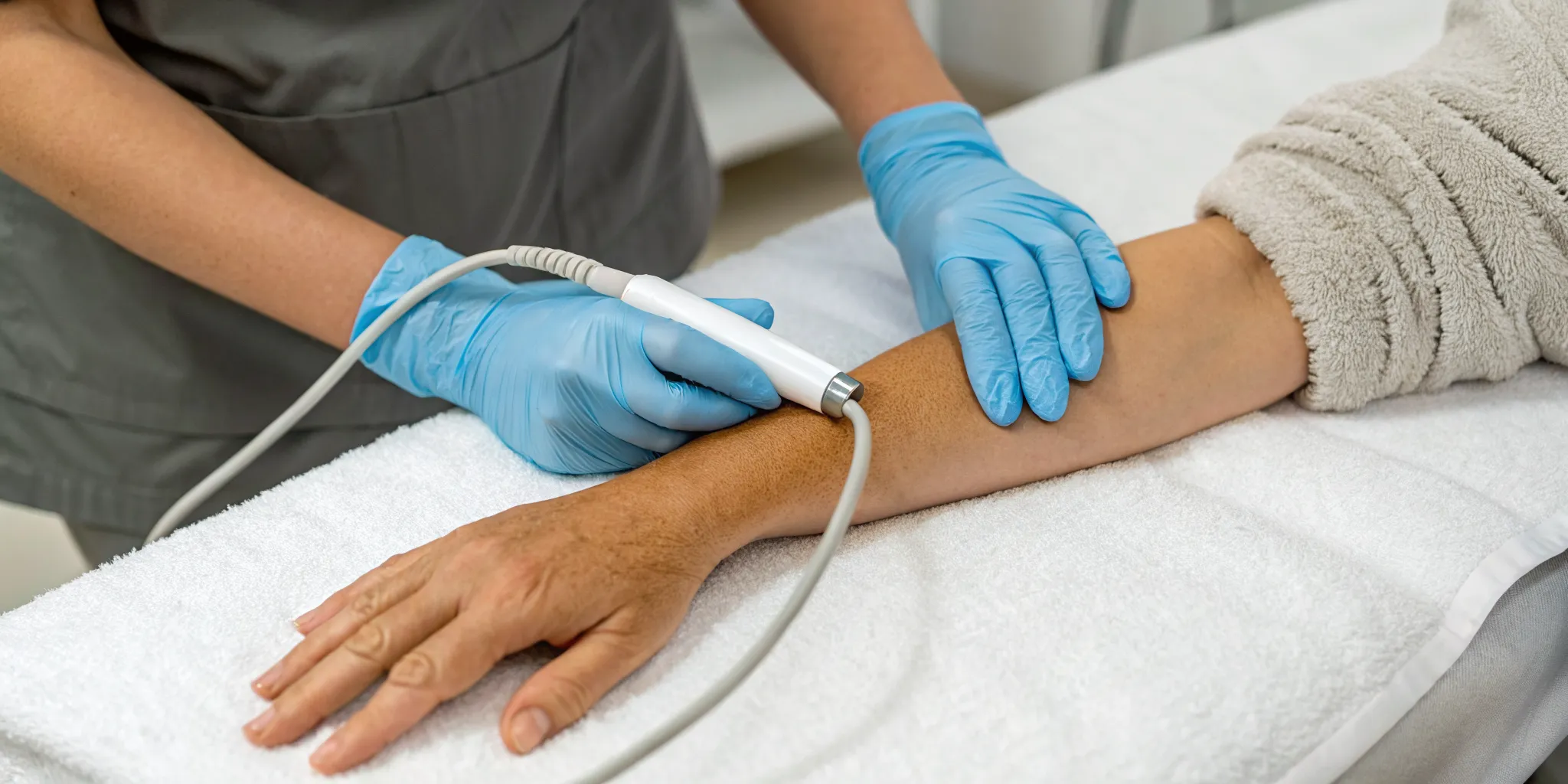
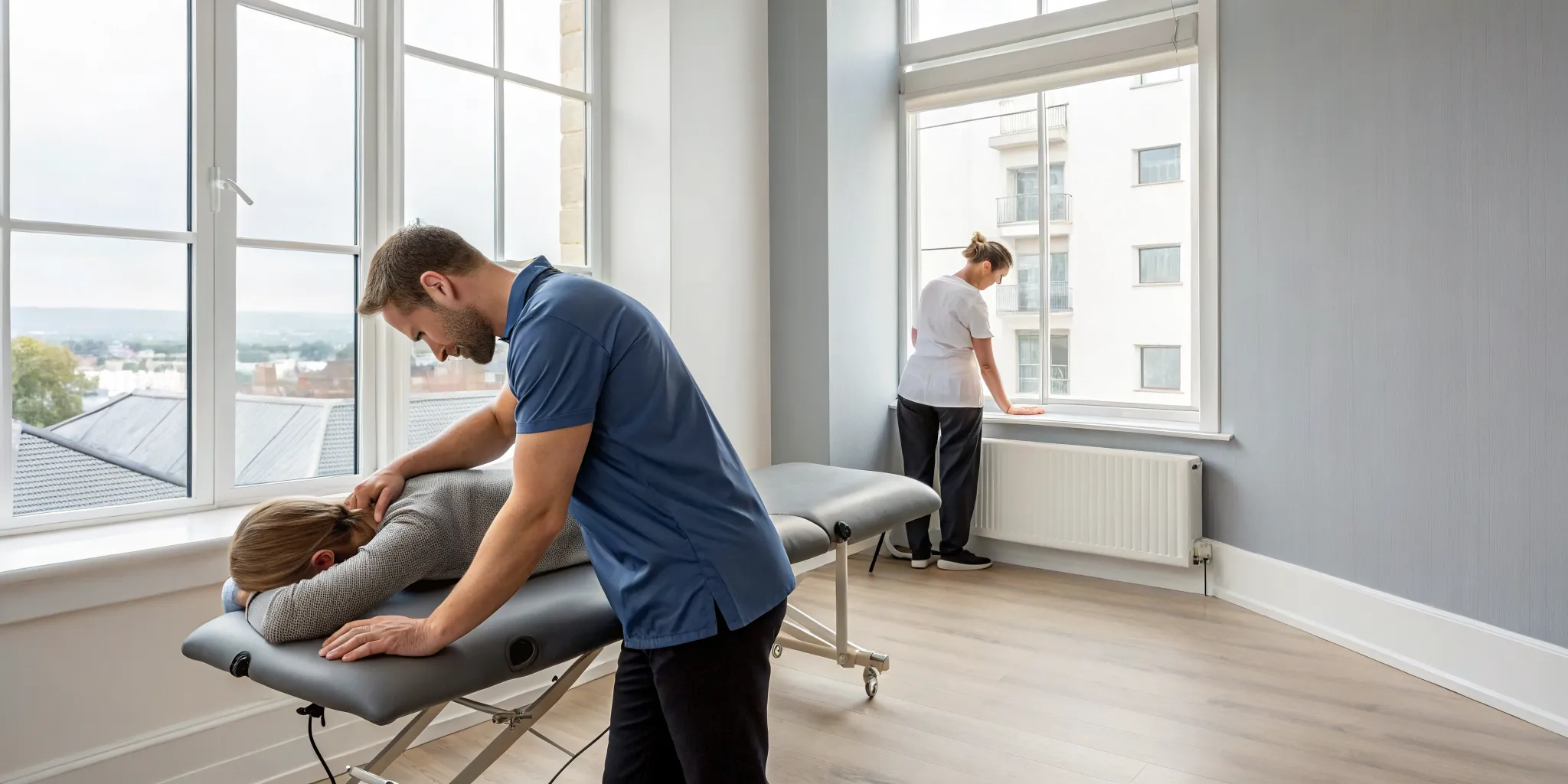
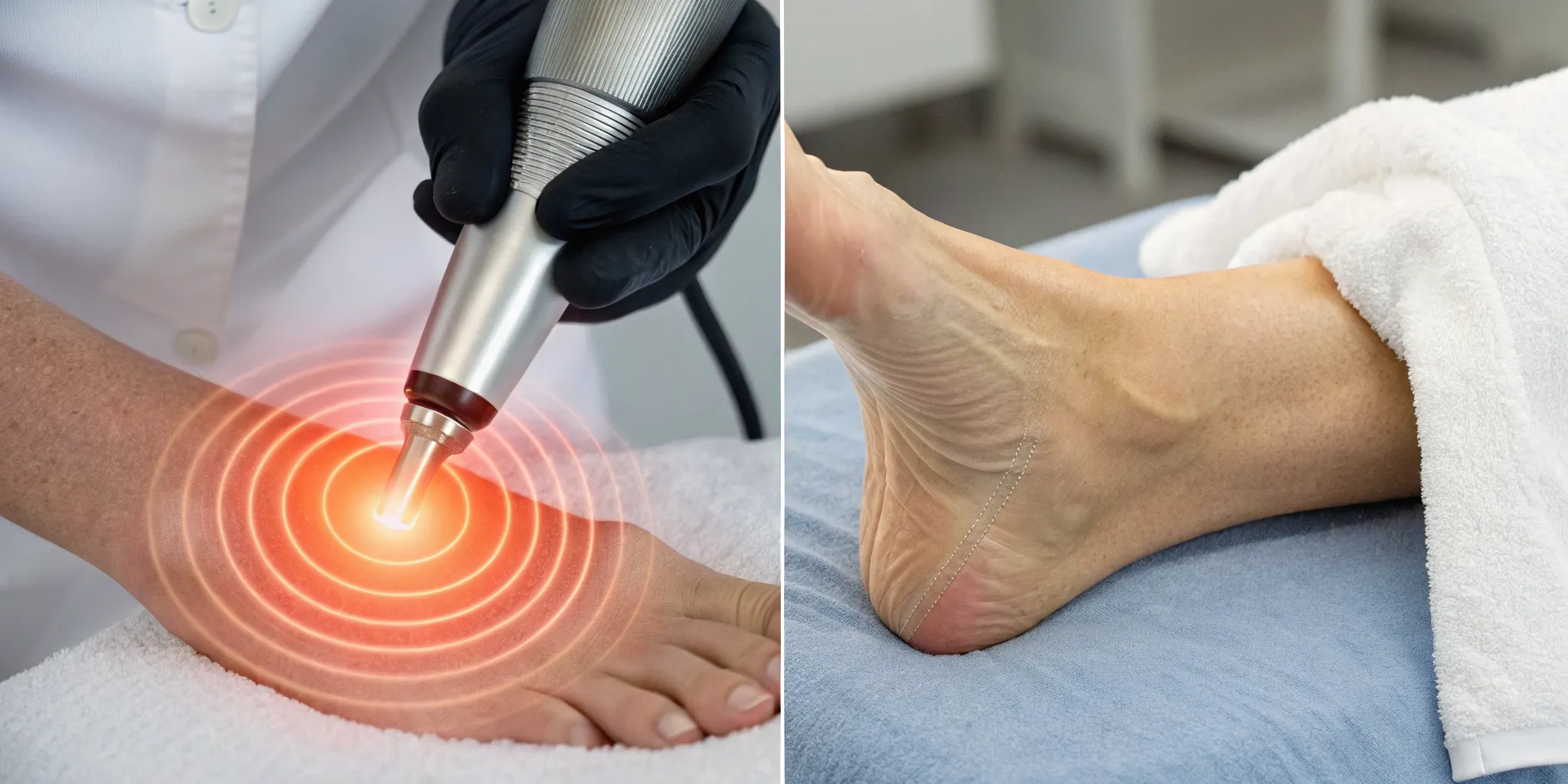
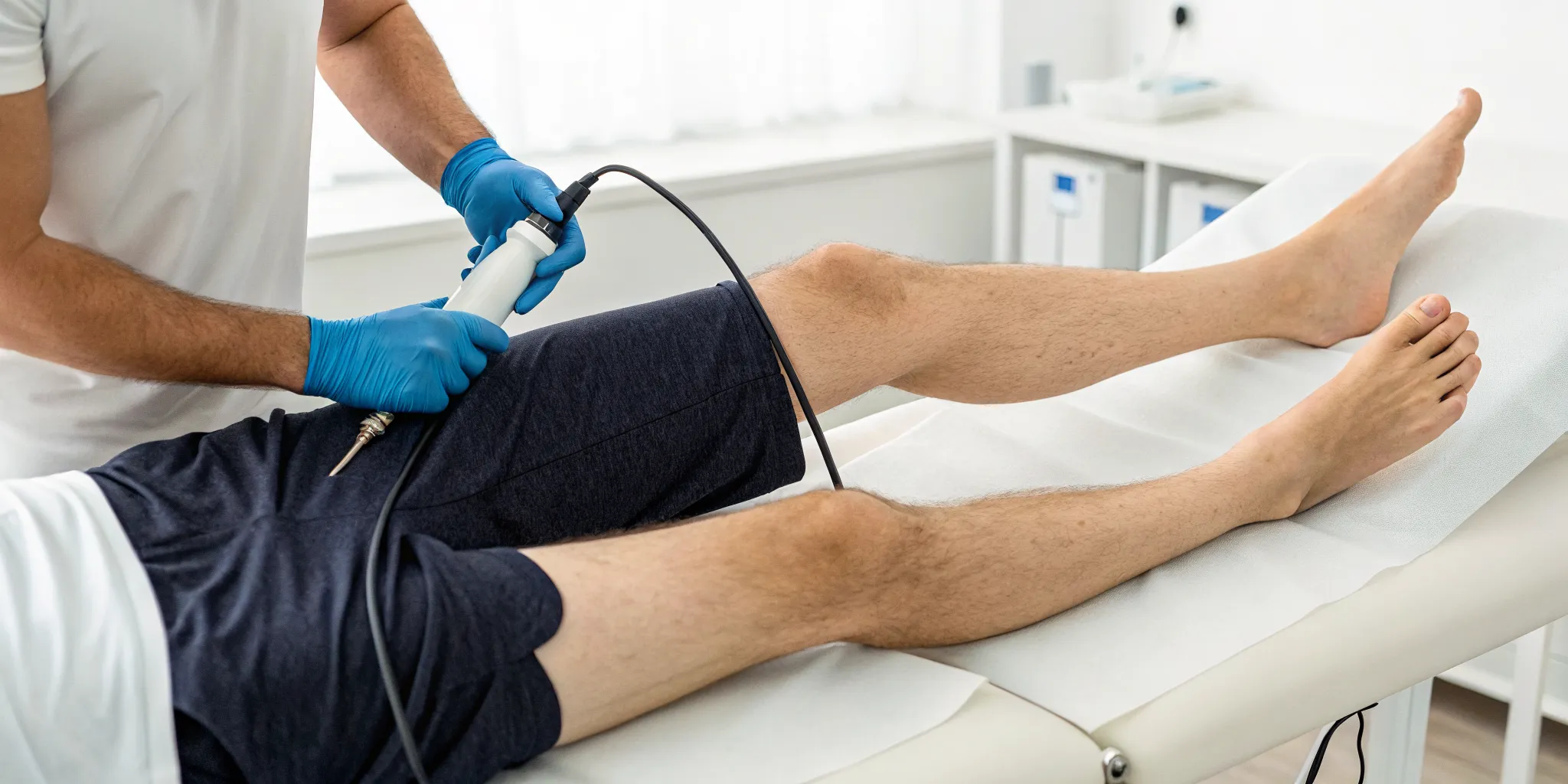
Once your provider understands your health situation, they will recommend a personalized treatment plan. This plan may include various therapies designed to support your body’s healing process. Many of these prescribed treatments and therapies can be paid for using your HSA. For example, services that fall under physical medicine, such as corrective care or spinal decompression, may qualify when they are part of a formal treatment plan for a specific medical condition. It’s always a good idea to confirm the eligibility of a specific therapy with your HSA administrator.
Prescribed Supplements and Herbal Remedies
Supplements and herbal remedies are often a key part of a naturopathic protocol, but they fall into a special category for HSA eligibility. Generally, you cannot use your HSA for supplements you buy for general wellness. However, they can become an eligible expense if your provider gives you a Letter of Medical Necessity (LMN). This is a formal document that explains why a specific supplement is essential for treating your medical condition. With an LMN, you can use your HSA funds to purchase high-quality, practitioner-grade supplements that are part of your care plan.
Expenses That Aren't Covered
While HSAs are quite flexible, there are some limitations. The most important factor is the qualification of the provider. Services from "traditional naturopaths" who may have less formal training are generally not considered eligible expenses. It's vital to work with a licensed and credentialed provider. You can learn more about a clinic's credentials and approach on their about page. Additionally, expenses for general health and wellness, like vitamins purchased without a Letter of Medical Necessity or fitness programs, are typically not eligible for HSA funds.
Which HSA and FSA Accounts Apply to Naturopathic Care?
Navigating the world of health spending accounts can feel complicated, but when it comes to naturopathic care, it's often simpler than you might think. Understanding which accounts you can use is a key step toward using your pre-tax dollars for your health journey. Many people find they can use these funds for services that support their well-being in a more holistic way. Let's break down which accounts typically apply and which ones have limitations, so you can feel confident in your financial planning.
Accounts That Typically Offer Coverage
The great news is that you can often use funds from a Health Savings Account (HSA), Flexible Spending Account (FSA), or Health Reimbursement Arrangement (HRA) for naturopathic services. These accounts are designed to help you pay for qualified medical expenses with pre-tax money, which can be a significant financial benefit. Generally, naturopathic healers are considered an eligible expense under HSA and FSA guidelines. This means you can use your account to pay for things like initial consultations, follow-up visits, and specific lab tests that are part of your personalized care plan. At Ascend, many of our functional medicine services fall into this category, allowing you to invest in finding the root cause of your health concerns.
When Your Account Might Not Apply
While many accounts are flexible, it's important to know that some have specific restrictions. For example, a Limited-Purpose Flexible Spending Account (LPFSA), which is often restricted to vision and dental costs, typically won't apply to naturopathic care. The same goes for a Dependent Care Flexible Spending Account (DCFSA), which is meant for child and dependent care expenses. It's also worth noting that some government-funded health programs may not recognize naturopathic doctors as eligible providers, so their services are not always included. Always check the specific terms of your account to be sure. If you have questions about your situation, we're here to help you find clarity, so please feel free to contact us.
Do You Need a Letter of Medical Necessity?
Sometimes, using your HSA funds requires an extra step to show that an expense is truly for medical care. This is where a Letter of Medical Necessity (LMN) comes in. It’s a simple but important document that connects your provider’s recommendations with your HSA’s rules. Understanding when and how to get this letter will make the process of paying for your care much smoother.
Understanding the Letter of Medical Necessity
A Letter of Medical Necessity is a formal document written by your healthcare provider that explains why a particular treatment or service is essential for your health. Think of it as a doctor's note, but for your HSA administrator. This letter confirms that an expense isn't just for general wellness but is a specific part of your care plan for a diagnosed medical condition. For certain naturopathic services to be considered eligible expenses, this letter is the key piece of documentation you’ll need. It bridges the gap between your provider's recommendation and your HSA's requirements, ensuring everything is clear and accounted for.
When You'll Need This Letter
You won't need a Letter of Medical Necessity for every single expense, but it's commonly required for items that aren't automatically recognized as standard medical care. For example, while a consultation might be easily approved, things like therapeutic supplements or specialized therapies often need justification. If your functional medicine protocol includes specific vitamins or herbal remedies, your HSA will likely require an LMN. The letter from your provider will detail why these supplements are critical for managing your health issue, differentiating them from over-the-counter products you might buy for general health. This documentation is what makes them a valid medical expense.
How to Request a Letter from Your Provider
Getting this letter is a straightforward part of working with your provider. Simply let their administrative team know you plan to use your HSA funds. You can ask for a "superbill," which is an itemized receipt that includes all the necessary information, like medical codes for services and diagnoses. Your provider can then use this information to draft the Letter of Medical Necessity for you. Communication is key, so have a conversation with your care team about your needs. Here at Ascend, our team is happy to help you get the documentation you need; just reach out to our office, and we can guide you through the process.
A Step-by-Step Guide to Using Your HSA for Naturopathic Care
Using your Health Savings Account for naturopathic care might seem complicated at first, but it’s a straightforward process once you know the steps. Think of it as a simple checklist to make sure you can use your pre-tax dollars for the wellness services you value. By being organized and proactive, you can confidently use your HSA funds for treatments that get to the root cause of your health concerns. This guide will walk you through everything you need to do, from verifying your provider’s qualifications to submitting your expenses for reimbursement.
Following these five steps will help you handle the administrative side of things smoothly, so you can focus on what truly matters: your health journey. We’ll break down how to confirm credentials, communicate with your HSA administrator, obtain necessary documentation, keep meticulous records, and file your claims correctly. Taking these actions ensures you’re prepared and can make the most of the functional medicine services that support your well-being. It’s all about empowering you to use your resources wisely for personalized, effective care.
Step 1: Confirm Your Provider's Credentials
Before you book an appointment, it’s a good idea to confirm your provider’s credentials. For naturopathic services to be eligible for HSA funds, they generally must be performed by a licensed professional. This means your provider should have graduated from an accredited institution and passed the necessary board exams. This step is crucial because it helps ensure the care you receive is recognized as a qualified medical expense by HSA administrators.
At Ascend Functional Health, our team consists of highly qualified professionals dedicated to providing exceptional care. You can learn more about our practitioners and their expertise on our About page. Taking a moment to verify a provider’s background gives you peace of mind and sets you up for a smooth reimbursement process.
Step 2: Talk to Your HSA Administrator
Every HSA plan has its own set of rules, so what works for one person might not apply to another. The best way to get clear answers is to talk directly to your HSA administrator. Before you incur any expenses, take a few minutes to call the number on the back of your HSA card or log into your online portal. It’s wise to check your specific plan documents, as some employers have unique guidelines that affect what is considered an eligible expense.
When you speak with them, ask specifically about using your funds for "naturopathic care" or "functional medicine." This simple conversation can save you a lot of headaches later and confirm that you’re on the right track.
Step 3: Get a Letter of Medical Necessity (If Required)
Sometimes, your HSA administrator may require a Letter of Medical Necessity (LMN) to approve an expense. An LMN is a formal document from your provider explaining why a specific treatment, test, or supplement is essential for diagnosing or treating your health condition. While not always needed for standard office visits, it’s often requested for more specialized therapies or high-quality supplements that aren’t automatically considered medical expenses.
If your administrator requires an LMN, your provider can easily prepare one for you. They will document how the recommended service directly addresses one of the conditions we treat and why it is medically appropriate for you.
Step 4: Keep Detailed Records and Receipts
Meticulous record-keeping is your best friend when using an HSA. You’ll want to hold onto every receipt and document related to your naturopathic care. This is important for your own records and in case you ever need to verify your expenses. When you pay for a service, ask your provider for a "superbill." This is an itemized receipt that includes specific medical codes for each service you received.
A superbill contains all the details your HSA administrator needs to process your claim. Create a dedicated folder, either digital or physical, where you can store all your superbills, receipts, and any communication with your HSA plan. This simple habit will make managing your health expenses much easier.
Step 5: Submit Your Claims Promptly
Once you have your superbill, the final step is to submit it for reimbursement. Most HSA administrators have an online portal where you can upload your documents and fill out a simple claim form. Submitting your claims soon after your appointment helps keep your records current and ensures you get your funds back in a timely manner. The reimbursement process typically takes a few weeks, so filing promptly helps keep the process moving.
If you have any questions about filling out the forms or what information is needed, don’t hesitate to ask for help. Our team is always happy to provide the necessary documentation and can be reached through our contact page.
How to Verify Your Specific HSA Plan's Coverage
While the IRS generally gives a green light to using HSA funds for naturopathic care, every plan has its own fine print. Your employer or the financial institution managing your account might have specific rules that can affect what’s eligible. Taking a few minutes to confirm your coverage is the best way to feel confident when you pay for your appointments and treatments. It saves you from any potential headaches or unexpected costs down the road. Think of it as a simple check-in to make sure you and your plan administrator are on the same page. Getting this clarity upfront allows you to focus on what truly matters: your health journey. Here’s how to get the clear answers you need.
Reviewing Your Plan Documents
Your first stop should be your plan documents. This paperwork is your personal guide to what your HSA covers, and it’s the most reliable source of information for your specific account. Tucked away in the details, you’ll find the benefits and limitations of your coverage. It’s important to remember that your employer might have rules that change what's covered, so what applies to a standard HSA might be slightly different for yours. Taking the time to read through these documents helps you understand exactly what to expect and ensures you’re following the guidelines of your unique plan.
Key Questions for Your HSA Administrator
If your plan documents feel like they’re written in another language or you just want to be extra sure, the next best step is to contact your HSA administrator directly. A quick phone call is often the easiest way to get accurate information straight from the source. To make the conversation productive, have a few specific questions ready before you call.
Here’s what you can ask:
- Does my plan cover services provided by licensed naturopathic doctors?
- Are there specific providers I need to see, or can I choose any licensed ND?
- What portion of the cost will I be responsible for with these services?
- Do I need to get approval before my appointment or for certain treatments?
How Functional Medicine Fits with Your HSA
If you have a Health Savings Account (HSA), you already know it’s a fantastic tool for managing health-related costs with pre-tax dollars. But what you might not realize is that these funds can often extend beyond conventional medical appointments and prescriptions. When you’re ready to move past symptom management and address the root causes of your health concerns, your HSA can be a valuable partner on your journey. While the IRS has specific rules about what counts as a qualified medical expense, many services within functional medicine perfectly align with these guidelines.
The key is understanding how functional medicine services are categorized for this purpose. Because functional medicine is an investigative approach that focuses on identifying and treating the underlying sources of health issues, its services often overlap with other recognized forms of care, like naturopathic medicine. This connection is frequently the bridge that allows you to use your HSA funds for things like in-depth consultations, specialized lab work, and the personalized health protocols that get you on the path to lasting wellness. By understanding this relationship, you can confidently use your HSA to invest in a more comprehensive and proactive approach to your health, making your pre-tax dollars work even harder for your well-being.
Functional vs. Naturopathic Medicine: The Connection
So, what’s the link between functional and naturopathic medicine? Think of them as two approaches with a shared philosophy. Naturopathic medicine uses natural treatments to help your body heal itself, and its practitioners focus on finding the root cause of illness. Similarly, functional medicine is an investigative approach that looks at how and why illness occurs in your body.
Both disciplines move beyond just managing symptoms. They use a systems-oriented method to understand the connections between your genetics, environment, and lifestyle factors. This shared focus on root-cause resolution is why many functional medicine services are viewed through the same lens as naturopathic care when it comes to HSA eligibility.
HSA-Eligible Functional Medicine Services at Ascend Functional Health
Because Health Savings Accounts (HSA) and Flexible Spending Accounts (FSA) can be used for naturopathic services, you can often pay for your care with pre-tax money. At Ascend Functional Health, many of our services fall into this category. Eligible expenses can include office visits, consultations, and the advanced lab tests we use to get a clear picture of your health.
This means your HSA funds can likely be applied to your initial consultation, follow-up appointments, and the detailed bloodwork or stool tests that inform your personalized protocol. The goal of these services is to diagnose and treat a medical condition, which is the fundamental requirement for any HSA-qualified expense. We are always happy to provide the necessary documentation for your records.
Related Articles
- How to Find a Functional Medicine Doctor: A Guide
- What Is an Integrative Health Practitioner?
- What is Functional Medicine? A Simple Guide
- Functional Medicine Doctor: A Patient's Guide
- What Does a Functional Nutritionist Do? A 2026 Guide
Frequently Asked Questions
What's the difference between using my HSA for a regular doctor's visit and a naturopathic one? The process is quite similar, but with naturopathic care, it’s smart to be a bit more proactive. While standard office visits are usually straightforward, you may need extra documentation, like a Letter of Medical Necessity, for specific therapies or supplements. It’s also important to ensure your provider is a licensed professional, as this is a key factor for eligibility with most HSA plans.
Can I use my HSA to pay for supplements my provider recommends? You can often use your HSA for supplements, but there's an important condition. The supplements must be recommended by your provider to treat a specific medical condition, not just for general wellness. To prove this, you will need a Letter of Medical Necessity from your provider, which explains why that particular supplement is essential for your care plan.
How do I know if my specific HSA plan will cover these services? The best way to get a definite answer is to go directly to the source. Start by reviewing your plan documents, which outline your specific coverage rules. For even more clarity, call the number on your HSA card and speak with an administrator. You can ask them directly if services from a licensed naturopathic doctor are considered qualified medical expenses under your plan.
What happens if I pay for a service that my HSA administrator later denies? This is why verifying coverage beforehand is so important. If a claim is denied, you would be responsible for paying for the service with your own post-tax money. Keeping detailed records, including itemized receipts (superbills) and any Letters of Medical Necessity, can help you appeal a decision if you believe it was made in error.
My provider focuses on functional medicine. Does that still count for my HSA? Yes, absolutely. Functional medicine and naturopathic medicine share a core philosophy of identifying and addressing the root cause of health issues. Because of this overlap, services that fall under functional medicine, such as in-depth consultations and specialized lab work, are often treated the same as naturopathic care and are considered qualified medical expenses for your HSA.