Your body has an incredible, innate ability to heal itself. But sometimes, with chronic injuries like tennis elbow or plantar fasciitis, that healing process hits a wall. The tissue gets stuck in a state of dysfunction, and the pain becomes a constant companion. We use technology that works to re-engage your body’s own repair mechanisms. A radial shockwave therapy machine is a key tool in our physical medicine practice because it acts as a catalyst for natural healing. By delivering targeted acoustic waves, it helps break down scar tissue and encourages regeneration. This article explores how this therapy supports your body’s recovery.
Key Takeaways
- Address the source of chronic pain without invasive methods: This therapy uses acoustic waves to prompt your body’s natural repair mechanisms, making it a powerful solution for persistent issues like plantar fasciitis and tennis elbow.
- Understand the "radial" advantage for surface-level pain: Unlike focused shockwave, radial therapy spreads its energy over a wider, shallower area, making it the go-to choice for treating common problems affecting larger muscle groups and tendons.
- Look for quality in both the provider and the equipment: The success of your treatment depends on a skilled practitioner using a high-quality machine, which allows for therapy to be tailored directly to your specific injury for better results.
What Is a Radial Shockwave Therapy Machine?
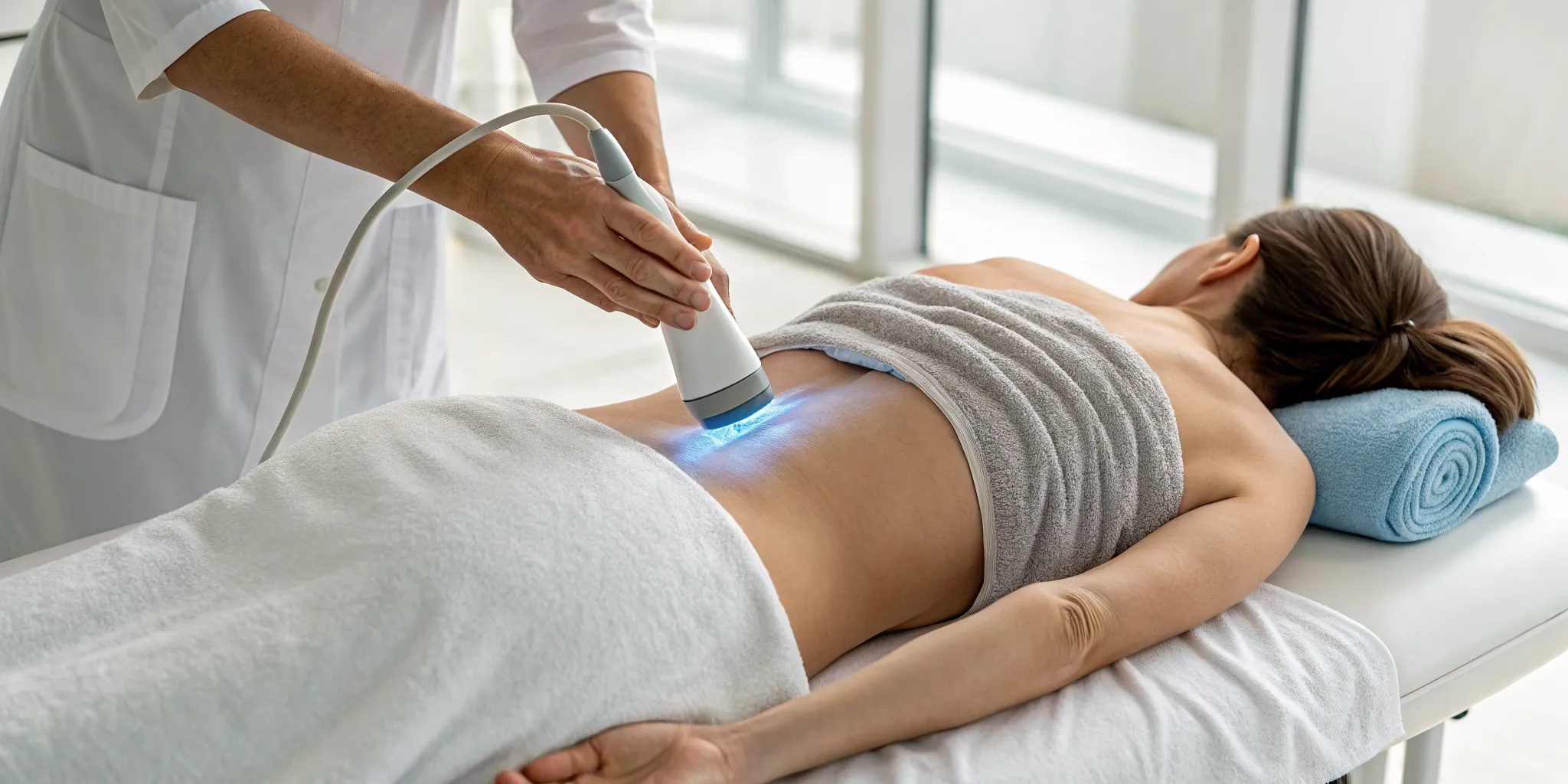
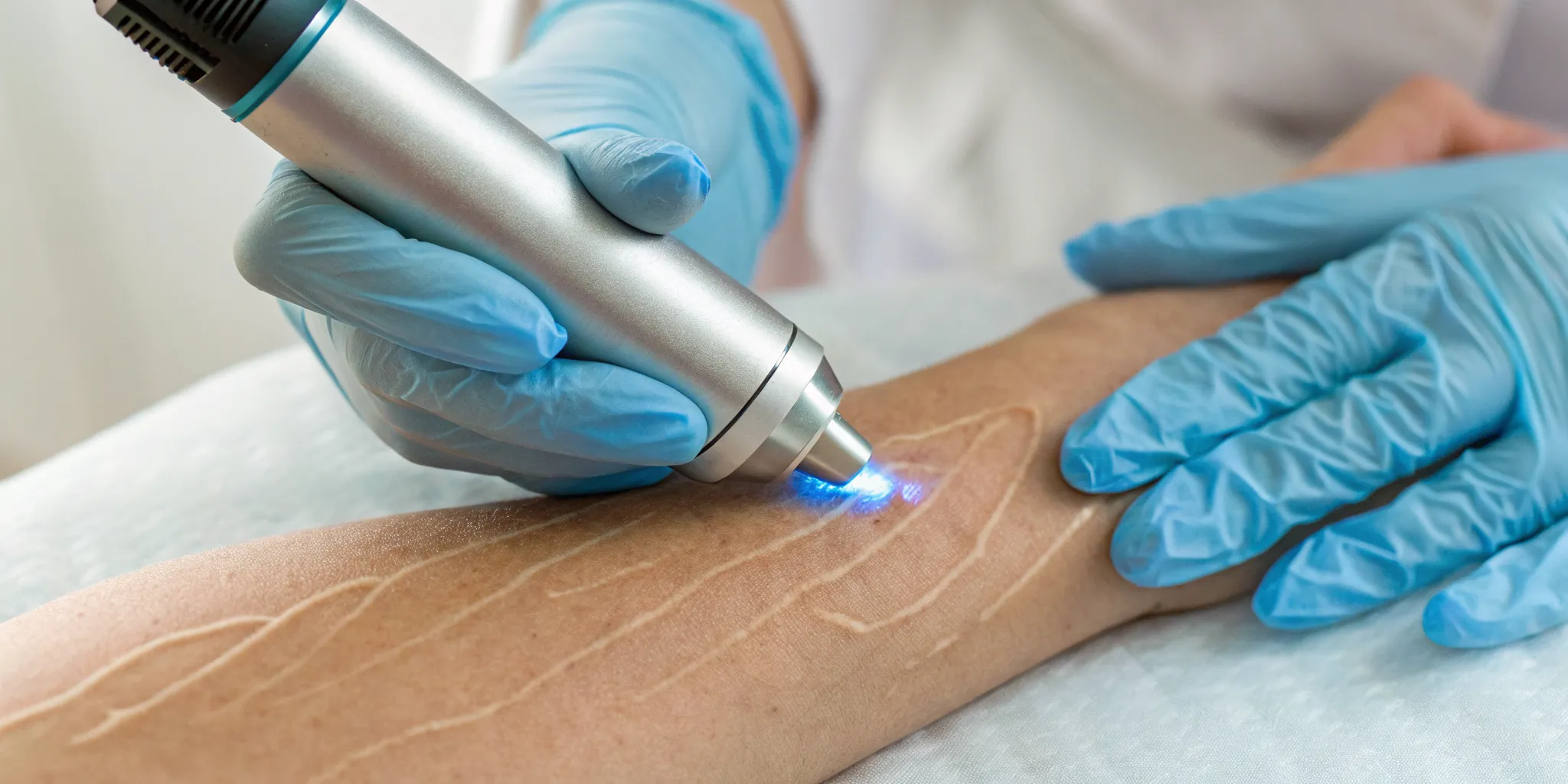
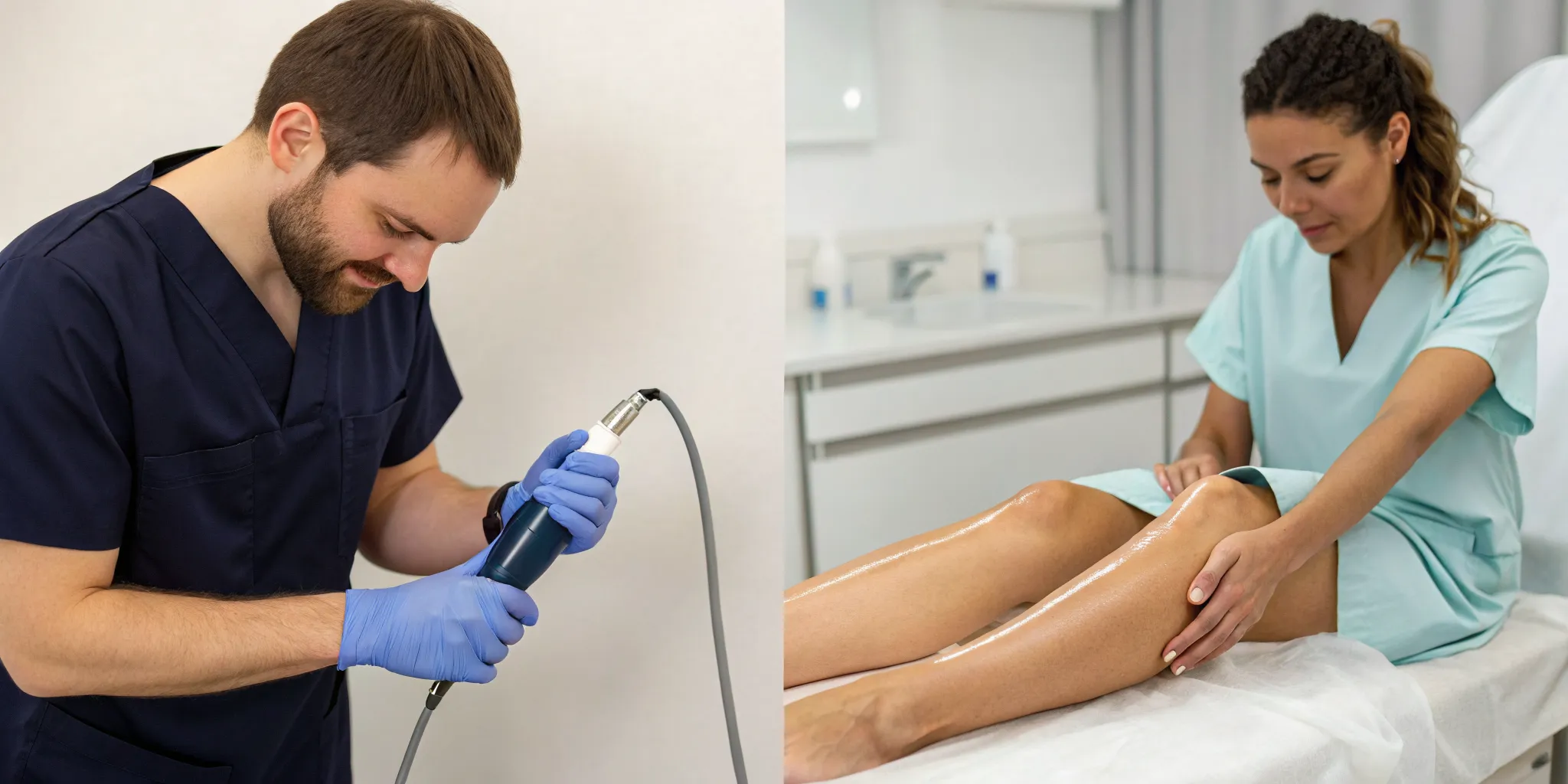
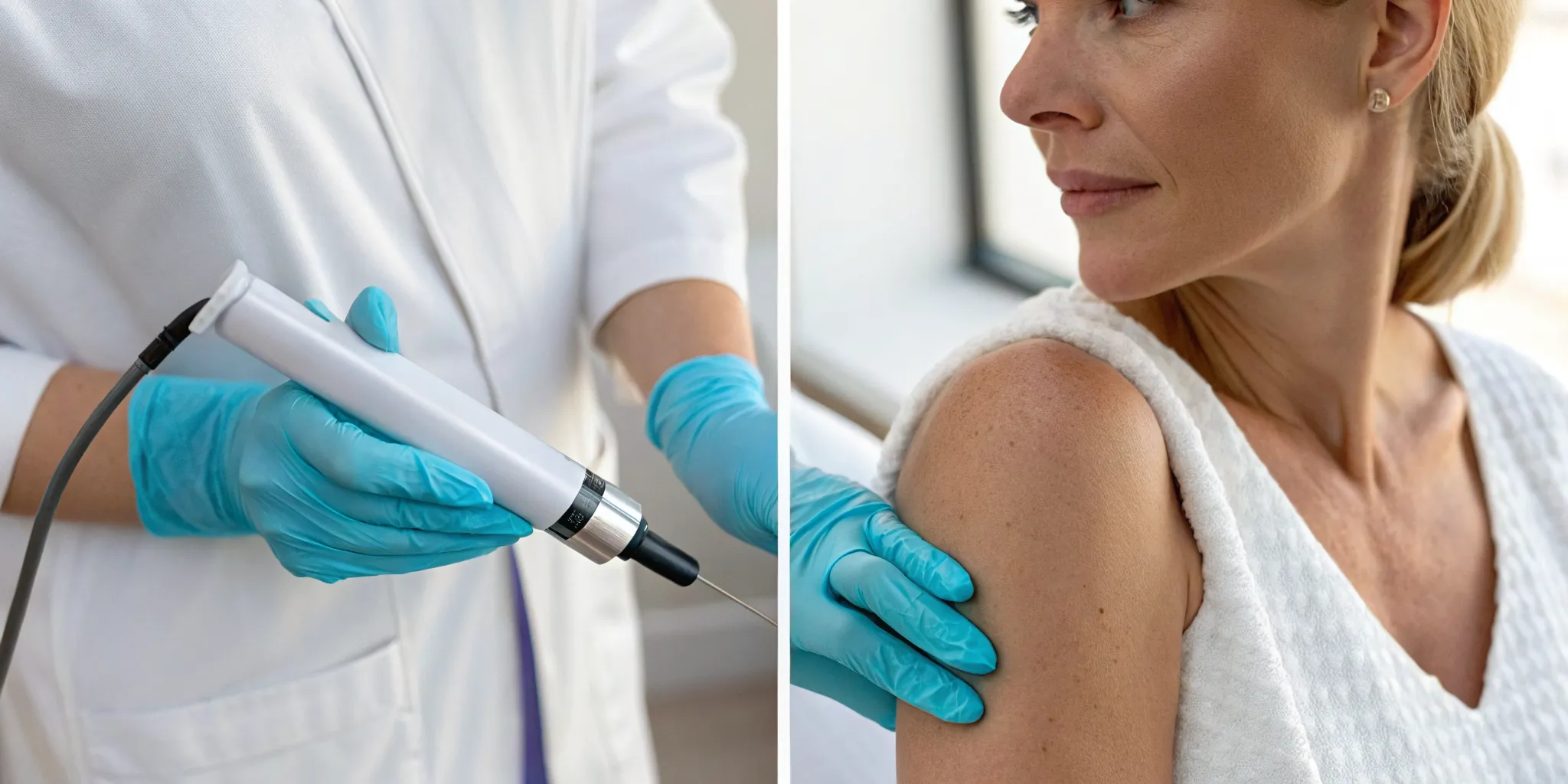
If you've been dealing with persistent muscle or tendon pain, you might have heard about shockwave therapy. A radial shockwave therapy machine is a non-invasive device that helps practitioners address musculoskeletal pain without needles or downtime. It’s a key part of our physical medicine toolkit, designed to work with your body to resolve the source of discomfort. The machine itself has a handheld piece that a practitioner places on your skin over the painful area.
Using compressed air, the device generates acoustic pressure waves that radiate outward from the applicator and into the affected tissue. It might sound intense, but the process is meant to stimulate your body’s own healing mechanisms. Think of it as a way to restart the healing process in tissues that have been stuck in a chronic state of pain or inflammation. By creating this response, the therapy can help reduce pain and improve function, getting you back to the activities you love. It’s a modern approach that complements other corrective care techniques to support long-term recovery.
How Does Radial Shockwave Therapy Work?
The science behind radial shockwave therapy is centered on regeneration. The handheld device delivers high-energy acoustic waves (sound waves) directly to the injured area. These waves create a controlled, therapeutic effect within the tissue, which helps to stimulate blood flow, break down scar tissue, and encourage the formation of new blood vessels.
Essentially, the therapy sends a signal to your body that an area needs attention. This prompts a natural healing cascade, bringing growth factors and other "repair" cells to the site of pain. It’s a way of waking up your body’s innate ability to heal itself, especially in chronic conditions where the natural healing process has stalled. The result is accelerated tissue repair and a reduction in the pain signals being sent to your brain.
Radial vs. Focused: What's the Difference?
When people talk about shockwave therapy, they could be referring to one of two types: radial or focused. The main difference lies in how the energy is delivered. A radial shockwave machine creates a "wide and shallow" energy pattern. The waves spread out from the applicator, making it highly effective for treating broader, more superficial areas of tissue, like a tight muscle group or a large tendon.
Focused shockwave therapy, on the other hand, concentrates its energy on a single, deeper point. Think of it like the difference between a floodlight (radial) and a laser pointer (focused). Neither is better than the other; they simply have different applications. For many common musculoskeletal issues, the wider distribution of radial shockwave is exactly what’s needed to treat the entire affected area.
Comparing Penetration Depth and Energy
The "shallow" nature of radial shockwave therapy is one of its key features. The acoustic waves from a radial device typically penetrate to a depth of about 3.5 centimeters (around 1.5 inches). While that might not sound very deep, it’s the perfect depth for reaching many of the common sources of chronic pain.
This level of penetration allows the therapy to effectively target superficial muscles, tendons, and ligaments that are causing problems. For example, the plantar fascia on the bottom of your foot or the tendons around your elbow are well within this range. The energy is dispersed across this area to stimulate a wide field of tissue, rather than concentrating all its power in one tiny spot, which is ideal for these types of conditions.
When to Use Each Therapy Type
Because of its wide and relatively shallow energy distribution, radial shockwave therapy is the go-to choice for a specific set of common ailments. It’s particularly effective for issues involving tendons and the points where they connect to bone, as well as for tight bands of muscle. Our team finds it helps provide significant relief for many of the conditions we treat.
Practitioners often use radial shockwave therapy for:
- Plantar fasciitis and general heel pain
- Tennis elbow and golfer's elbow
- Achilles tendinopathy
- Patellar tendinopathy (jumper's knee)
- Myofascial trigger points and muscle knots
- Shoulder pain, including calcific tendonitis
What Conditions Does Radial Shockwave Therapy Address?
Radial shockwave therapy is a versatile tool that our team uses to address a wide range of stubborn musculoskeletal problems. If you've been dealing with chronic pain that just won't quit, this therapy might be the key to finding lasting relief. It’s particularly effective for conditions affecting tendons, ligaments, and muscles, especially in cases where conventional treatments haven't delivered the results you need. Think of it as a way to restart the healing process in tissues that have been "stuck" in a state of chronic inflammation or degeneration. By delivering acoustic waves to the affected area, the therapy stimulates blood flow, breaks down scar tissue, and triggers the body's natural repair mechanisms at a cellular level.
This approach allows us to get to the root of the problem instead of just managing symptoms. At Ascend Functional Health, we see it as a powerful component of our physical medicine toolkit, helping patients move past their limitations and get back to living fully. It’s a non-invasive solution that bridges the gap between simple therapies and more aggressive interventions. From nagging heel pain that makes your first steps in the morning a nightmare to persistent shoulder stiffness that limits your reach, the applications are broad. It's a go-to for many of the chronic conditions we treat, helping people return to their favorite activities without pain. Let's look at some of the specific issues where this therapy truly shines.
Plantar Fasciitis and Heel Pain
If you've ever felt that sharp, stabbing pain in the bottom of your foot with your first steps out of bed, you know how frustrating plantar fasciitis can be. This condition involves inflammation of the thick band of tissue that runs across the bottom of your foot. For many, it becomes a chronic issue that makes walking, running, or even standing a painful ordeal. Radial shockwave therapy is an excellent, non-invasive option for chronic plantar fasciitis. Studies show it is a safe and effective treatment, especially for stubborn cases that haven't responded to other therapies. The acoustic waves target the inflamed fascia, promoting circulation and stimulating repair to provide lasting relief from heel pain.
Common Tendinopathies (Achilles, Patellar, Tennis Elbow)
Tendinopathies, or chronic tendon injuries, are notoriously difficult to resolve. Conditions like Achilles tendinitis, patellar tendinopathy (jumper's knee), and lateral epicondylitis (tennis elbow) often result from overuse and can sideline you from your favorite activities. These issues involve degeneration and disorganized healing in the tendon tissue. Radial shockwave therapy is increasingly recognized as an effective treatment for these disorders because it directly addresses the underlying problem. The energy waves break down scar tissue and calcifications while encouraging the formation of new blood vessels. This process helps reorganize and regenerate the tendon fibers, reducing pain and restoring strength and function so you can get back in the game.
Myofascial Pain and Trigger Points
Sometimes, the source of chronic pain isn't a specific joint or tendon but rather tight, painful "knots" in your muscles known as trigger points. These points can cause referred pain in other parts of your body and often don't respond to stretching or massage alone. Myofascial pain syndrome can be incredibly persistent, but radial shockwave therapy offers a way to finally release that tension. The acoustic pulses penetrate deep into the muscle tissue to break up the trigger points and increase blood flow to the area. This helps relax the muscle, alleviate pain, and restore your normal range of motion, providing relief when other treatments have fallen short.
Calcific Tendonitis and Athletic Injuries
Calcific tendonitis occurs when calcium deposits build up in a tendon, most commonly in the shoulder's rotator cuff, causing intense pain and stiffness. This condition can be debilitating, but shockwave therapy is a proven and effective solution. The acoustic energy helps break down these calcium deposits, which the body can then absorb and clear away naturally. Beyond this specific issue, the therapy is also beneficial for a wide range of athletic injuries, including hamstring strains and shin splints. By accelerating tissue repair and reducing inflammation, it helps athletes recover more quickly and reduces the risk of the injury becoming a chronic problem, with scientific evidence supporting its use.
How Effective Is This Therapy?
When you're dealing with persistent pain, the most important question is, "Will this actually work for me?" The good news is that radial shockwave therapy has a strong track record of success. It’s an evidence-based treatment that’s widely used in physical therapy and sports medicine to help people recover from chronic pain and stubborn injuries, especially when other treatments haven't provided the relief they need. It’s particularly effective for a range of musculoskeletal conditions, from nagging heel pain to shoulder tendonitis.
The therapy works by using acoustic waves to stimulate your body's natural healing processes right at the source of your pain. Think of it as a way to jump-start recovery in tissues that have been stuck in a cycle of inflammation and dysfunction. This approach aligns perfectly with a functional health philosophy, as it focuses on helping the body repair itself rather than just masking symptoms. By addressing the root cause of the pain, we see lasting improvements in both comfort and mobility. Many of our patients at Ascend Functional Health find it to be a key part of their recovery, helping them get back to the activities they love without invasive procedures. We use it to treat many of the conditions we see in our Tampa clinic.
Gauging Results: Pain Relief and Improved Function
So, what kind of results can you realistically expect? The primary goals of radial shockwave therapy are to reduce pain, promote healing, and improve your ability to move freely. It’s a non-invasive treatment that has been shown to be effective in accelerating recovery from both sports injuries and long-term trauma. For many people, this means finally getting over that chronic ache that has limited their daily life or athletic performance.
Because this therapy targets specific tissues, it helps break down scar tissue and calcifications while stimulating the formation of new blood vessels. This process, known as neovascularization, brings more oxygen and nutrients to the injured area, which is essential for healing. This is a core component of our physical medicine approach, helping you regain strength and function.
Setting Expectations: Treatment Timelines and Frequency
Healing is a process, not an overnight fix, and it’s helpful to have a clear timeline in mind. Clinical research shows that patients often experience a significant reduction in pain within one to three months after starting treatment. While some people feel better after just one or two sessions, the full benefits build over time as your tissue regenerates.
Most treatment plans involve a series of sessions to achieve lasting results. A typical course of therapy includes between five and ten sessions, usually spaced about a week apart. The exact number and frequency will depend on your specific condition, how long you've had it, and how your body responds. We create a personalized plan for you and adjust it as you progress, ensuring you get the best possible outcome. You can hear directly from our patients about their results.
Understanding Patient Safety and Suitability
It's completely normal to have questions about the safety of any new treatment. One of the biggest advantages of radial shockwave therapy is that it is a non-invasive procedure. There are no incisions or instruments inserted into the body, which means the risks associated with surgery are avoided. The treatment is performed right here in our office and typically takes only a few minutes per session.
It’s also important to know that not all shockwave therapy is the same. The technology and techniques can vary, so it's crucial to work with a provider who understands the nuances of your condition. We encourage you to ask questions so you feel confident and informed about your care plan. If you're wondering if this therapy is the right choice for you, we're here to help you figure that out. Feel free to contact our team to start the conversation.
What to Look For in a Shockwave Therapy Machine
When you’re exploring radial shockwave therapy, it’s helpful to know that the machine itself plays a big role in the quality of your treatment. Just like any advanced technology, not all devices are created equal. A high-quality machine in the hands of a skilled practitioner allows for a more precise, effective, and personalized session. At Ascend Functional Health, we believe in using top-tier equipment to address the root cause of your discomfort. Understanding the features of a quality machine can help you feel more confident in the care you receive.
From power settings to the types of applicators used, these details determine how well the therapy can be tailored to your specific needs. Whether you're dealing with a stubborn tendon issue or chronic muscle pain, the right technology ensures the acoustic waves are delivered exactly where they need to go. Let’s walk through the key features that distinguish a professional-grade shockwave therapy machine.
Power Output and Frequency Settings
One of the most important factors in a shockwave machine is its ability to deliver adequate power and a wide range of frequencies. Think of this as the machine's strength and speed. A quality device should be capable of producing strong pressure, with some clinical models offering up to 6 bars of pressure and frequencies as high as 22 Hz. This range is significant because it gives your practitioner the flexibility to customize the treatment. Lower frequencies are often used for deeper tissues and chronic conditions, while higher frequencies can be better for more superficial areas. This adaptability is key to providing effective physical medicine that truly targets your unique issue.
Applicator Options and Versatility
The part of the machine that makes contact with your body is called the applicator, and its design matters. Radial shockwave therapy works by sending high-energy acoustic waves through a handheld device to a specific area. The best machines come with a variety of applicator heads, each designed for different purposes. Some are broad to cover larger muscle groups, while others are small and focused to pinpoint trigger points or treat delicate areas. This versatility allows your practitioner to select the perfect tool for the job, ensuring the therapy is both comfortable and precisely targeted to the tissue that needs healing.
Build Quality, Portability, and Ease of Use
When you see a shockwave therapy machine in a clinical setting, you’ll notice it’s a substantial piece of equipment. Professional-grade machines are built for durability and consistent performance. While smaller, portable units exist, the systems used in dedicated health practices are typically more robust. The investment in these machines reflects the difference between basic portable units and comprehensive clinical systems. A well-built machine ensures that every pulse is delivered with the same energy and precision, which is essential for achieving predictable and positive outcomes throughout your treatment plan.
User Interface and Pre-Set Protocols
A modern shockwave machine should have a clear, intuitive user interface. Many high-end devices feature a large touchscreen that displays pre-set protocols for various conditions. These protocols are based on successful clinical findings and suggest optimal settings for treating issues like plantar fasciitis or tennis elbow. This functionality helps the practitioner operate the machine efficiently and apply the right parameters from the very first session. Of course, a skilled provider will always adjust these settings based on your feedback and specific condition, but having these evidence-based starting points helps ensure a high standard of care for the conditions we treat.
Exploring Reputable Machine Brands
When it comes to medical technology, the manufacturer matters. A well-built machine from a reputable company ensures reliability, effectiveness, and ongoing support. In the world of radial shockwave therapy, a few key players have established themselves as leaders through innovation and consistent clinical results. Understanding these brands can give you a clearer picture of the technology available and what sets high-quality devices apart. Here’s a look at some of the most respected names in the industry.
STORZ Medical
STORZ Medical is a prominent name in the field, recognized for its powerful and reliable technology. The company produces some of the industry's most respected devices, including the OrthoPulse Ultra 100 and the DUOLITH SD1. These industry-leading systems are behind a significant number of radial pressure wave (RPW) therapies performed in clinics worldwide. Practitioners often choose STORZ for their consistent performance and effectiveness, making them a staple in many physical medicine and sports therapy settings. Their reputation is built on years of engineering and a commitment to producing devices that deliver dependable outcomes for both patients and clinicians.
BTL Industries
BTL Industries is another major manufacturer, known for creating versatile and powerful devices. A great example is their Magnum applicator, which is capable of delivering significant pressure in a portable design. This flexibility is a huge asset, allowing the technology to be used in a wide range of environments, from a dedicated clinical office to a mobile setup at a sporting event. The ability to bring effective therapy directly to the patient without being tied to a large, stationary unit makes BTL a popular choice for practices that value both power and adaptability in their treatment tools.
Zimmer MedizinSysteme
Zimmer MedizinSysteme stands out for its focus on patient comfort without sacrificing therapeutic results. The company developed innovative compressor-free systems like the enPuls 2.0, which uses a unique "softshot" technology. This approach is designed to be better tolerated by patients, making the treatment experience more comfortable. By generating the shockwave electromagnetically instead of with an air compressor, the device operates more quietly and delivers a pulse that feels less intense on the skin. This innovation allows clinicians to provide effective therapy while prioritizing a positive patient experience, which is crucial for compliance and overall satisfaction.
Other Notable Manufacturers
Beyond the big three, the radial shockwave therapy market includes a variety of other manufacturers offering a spectrum of devices. You can find everything from compact, portable units designed for smaller practices or mobile use to comprehensive, heavy-duty systems for large clinical settings. The investment for these devices varies accordingly. Entry-level or portable units typically fall into one price bracket, while professional clinical devices designed for high-volume use are in a higher range. The most advanced modular systems, which may integrate shockwave with other therapeutic modalities, represent the top end of the market.
Understanding the Investment: Machine Costs
Adding a radial shockwave therapy machine to your practice is a significant decision, and the financial investment is a major piece of that puzzle. The price of these machines can vary dramatically, from a few thousand dollars to tens of thousands. This range reflects differences in power, features, portability, and overall build quality. Understanding these tiers is crucial for matching a machine to your clinic’s specific needs and goals. Think of it less as a simple purchase and more as an investment in your practice's capabilities and your patients' outcomes. The right machine can expand the conditions you treat and become a cornerstone of your physical medicine offerings. As you evaluate your options, consider not just the upfront price but also the long-term value it brings to your patients and the growth it can support for your practice.
Entry-Level and Portable Units
For practices just starting with shockwave therapy or those needing a mobile option, entry-level units are a great starting point. These machines typically fall in the $1,500 to $2,500 price range. While they may not have all the bells and whistles of more expensive models, they are perfectly capable of delivering effective treatments for common musculoskeletal issues. Their portability is a huge plus for practitioners who work in multiple locations. Choosing an entry-level unit allows you to introduce this valuable therapy to your patients and build a client base for it without a massive initial financial commitment. It’s a practical way to test the waters and see the positive results firsthand.
Mid-Range Clinical Systems
If you plan to make shockwave therapy a core part of your daily services, a mid-range clinical system is likely the best fit. Priced between $8,500 and $17,000, these machines are built to be the workhorses of a busy clinic. They offer greater durability, higher power outputs, and more sophisticated features than entry-level models. You’ll often find a wider selection of applicator heads and pre-set treatment protocols for various conditions. This versatility allows you to provide more customized and effective care, making it a solid investment for an established practice looking to expand its physical medicine toolkit and handle a consistent patient volume with confidence.
High-End, Feature-Rich Units
For clinics that aim to be at the forefront of therapeutic technology, high-end systems represent the top tier of shockwave therapy. With prices often exceeding $20,000, these machines offer unparalleled performance and features. They typically come with the highest energy outputs, the most advanced user interfaces, and modular designs that can be integrated with other modalities like diagnostic ultrasound. These premium units are designed for specialized practices and high-volume clinics that require maximum efficiency and versatility. Investing in a high-end machine demonstrates a commitment to providing the most advanced services available, positioning your practice as a leader in the field of regenerative and physical medicine.
Final Questions to Ask Before You Buy
You've explored the technology, the brands, and the costs. Now, it's time to bring it all together and ask the final, practical questions that will determine if a radial shockwave machine is the right move for your practice. Making a significant investment requires looking beyond the specs and considering how this tool will fit into your daily operations, your financial planning, and your long-term vision for patient care. Let's walk through the key areas to evaluate before you make your decision.
Your Patient Load and Clinical Focus
First, take a close look at who you treat every day. Does your practice see a high volume of patients with chronic musculoskeletal issues? Radial shockwave therapy is a powerful tool in orthopedics and sports medicine, often helping people find relief from stubborn injuries when other approaches haven't worked. If your days are filled with cases of plantar fasciitis, tennis elbow, or myofascial pain, this modality could be a game-changer. Consider if adding this service aligns with your current physical medicine offerings and the health goals of your community. A clear understanding of your patient base will tell you if there's enough demand to justify the investment.
Available Training and Technical Support
A new machine is only as good as the person operating it. Before you commit, find out what kind of training the manufacturer provides. Is it online, in-person, or a combination? While some sources suggest focused shockwave therapy requires a physician's hand, comprehensive training is essential for any type of shockwave device to ensure both safety and effectiveness. You’ll also want to know what technical support looks like. When a machine goes down, you need a responsive team to help you troubleshoot. Ask about their support hours and typical response times. Having confidence in the company’s support system is just as important as having confidence in the machine itself.
Warranty, Maintenance, and Ongoing Costs
Think of a shockwave machine as a long-term relationship, not a one-time purchase. What does the warranty cover and for how long? A solid warranty is a sign that the manufacturer stands behind its product. Beyond that, ask about the recommended maintenance schedule and what it entails. Radial shockwave therapy devices are professional medical tools that require proper care. You should also factor in the ongoing costs of consumables, like applicator heads, which have a limited lifespan. Getting a clear picture of these recurring expenses will help you create an accurate financial forecast and avoid any surprises down the road.
Calculating Your Potential ROI
Finally, let's talk about the return on your investment (ROI). This calculation goes beyond just covering the machine's price tag. Adding a new, effective service can attract a different type of patient and set your practice apart. Studies show that shockwave therapy can significantly reduce pain and shorten rehabilitation time, which is a powerful outcome for your patients. By offering solutions for a wider range of conditions we treat, you create more value and can become the go-to clinic for complex cases. Consider how many treatments you would need to perform each month to make the investment worthwhile and how this new service fits into your practice's growth strategy.
Making the Right Choice for Your Practice
Selecting a radial shockwave therapy machine is a significant investment for your clinic, one that goes beyond just the equipment cost. The right choice can fundamentally change your approach to patient care, offering a powerful tool for stubborn injuries and chronic pain. It’s about finding a machine that aligns with your practice's philosophy and the specific needs of the people you help every day. Think about the primary conditions you treat. Are you seeing a lot of athletes with tendinopathies or patients with chronic plantar fasciitis? The versatility of radial shockwave therapy is one of its greatest strengths, but your patient demographics should guide your decision on features like applicator heads and power settings.
Your goal is to provide effective, evidence-based treatment that delivers real results. Radial shockwave therapy is a non-invasive modality that excels where other treatments may have fallen short, helping to reduce pain and improve mobility. By choosing a reputable machine, you are equipping your practice with a technology proven to enhance blood circulation and accelerate the body's own healing processes. This approach fits perfectly within a holistic model of physical medicine, where the aim is to address the root cause of dysfunction, not just manage symptoms. The right device will empower you to shorten rehabilitation times and help your patients regain function faster, solidifying your reputation as a results-oriented practice.
Related Articles
- SoftWave Tissue Regeneration Therapy in Tampa | Alessi Functional Health
- SoftWave TRT Therapy in Tampa, FL - Alessi Functional Health
- What Is Soft Tissue Therapy? A Complete Guide
- Regenerative Medicine for Pain Recovery | Ascend Functional Health
- Is Myofascial Release Legitimate? What Science Says
Frequently Asked Questions
What does a radial shockwave therapy session actually feel like? Most people describe the sensation as a strong, rhythmic tapping or pulsing against the skin. Your practitioner will use a gel on the treatment area and move a handheld applicator over it. While you will definitely feel the acoustic waves at work, the intensity is adjustable to keep you comfortable. Some spots might feel more sensitive than others, especially right over the source of your pain, but the sessions are typically short, lasting only a few minutes.
How do I know if I'm a good candidate for this therapy? This therapy is most effective for people dealing with chronic musculoskeletal conditions, particularly tendon and soft tissue problems that haven't improved with other treatments like stretching or massage. If you have a stubborn issue like plantar fasciitis, tennis elbow, or persistent muscle knots, you could be an excellent candidate. The best way to know for sure is to have a thorough evaluation with a qualified practitioner who can diagnose the root cause of your pain and determine if shockwave therapy is the right fit for your specific situation.
Are there any side effects or is there any downtime after a session? One of the main benefits of radial shockwave therapy is that it is non-invasive and requires no downtime, so you can get back to your day right after a session. Some people may experience minor, temporary side effects like redness, mild soreness, or slight swelling in the treated area for a day or two. This is a normal reaction and is actually a positive sign that the therapy has initiated a healing response in the tissue.
How is this different from other treatments I've tried for chronic pain? While treatments like massage or foam rolling can provide temporary relief by relaxing tight muscles, radial shockwave therapy works on a deeper, cellular level. Instead of just managing symptoms, it actively stimulates your body’s own repair processes. The acoustic waves help break down scar tissue and trigger the formation of new blood vessels, which brings more oxygen and nutrients to the injured area. It’s a way of restarting the healing process in tissue that has been stuck in a chronic state of dysfunction.
How long does it take to see results from the treatment? Healing is a process, and everyone’s body responds differently. Some patients report feeling a noticeable reduction in pain after just one or two sessions, but the full benefits are cumulative and develop over time as your tissue regenerates. A typical treatment plan involves a series of sessions spaced about a week apart. The goal is long-term resolution, not just a quick fix, so lasting improvement is often seen in the weeks and months following the completion of your treatment plan.