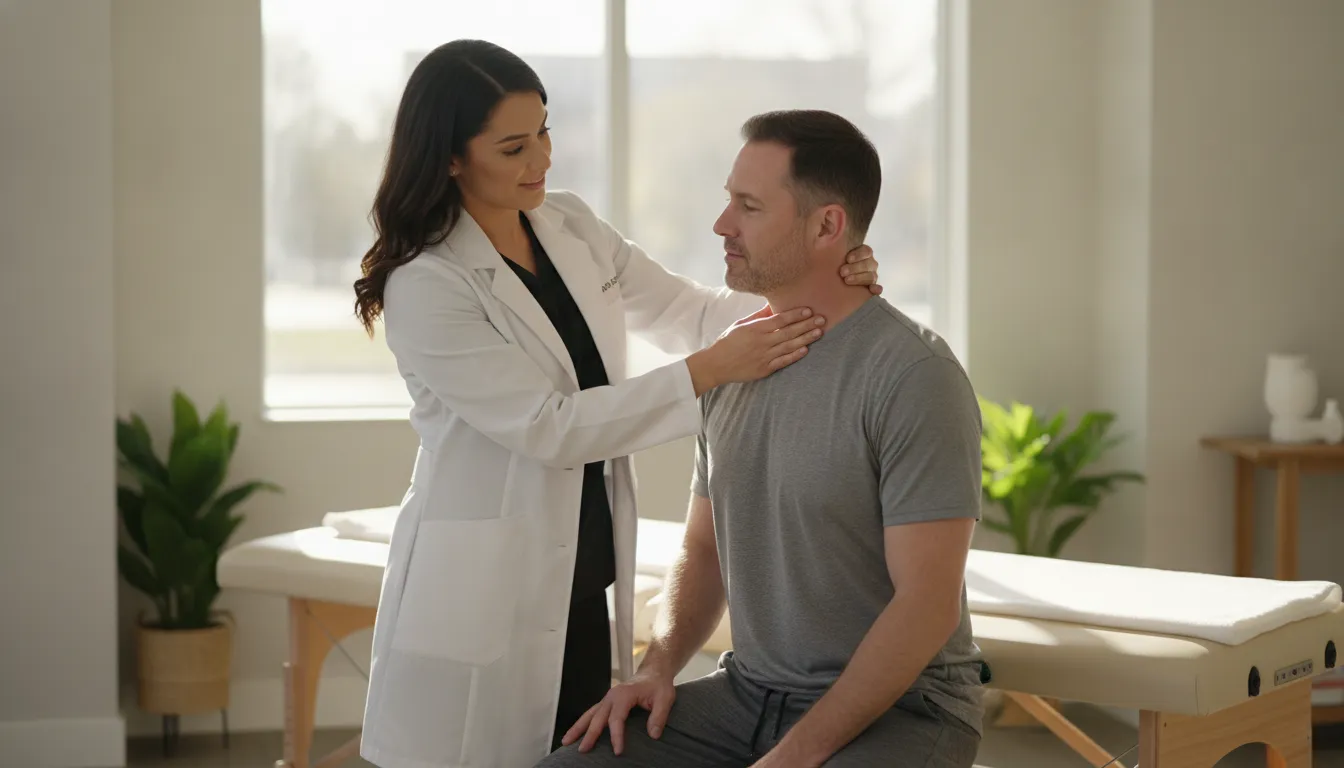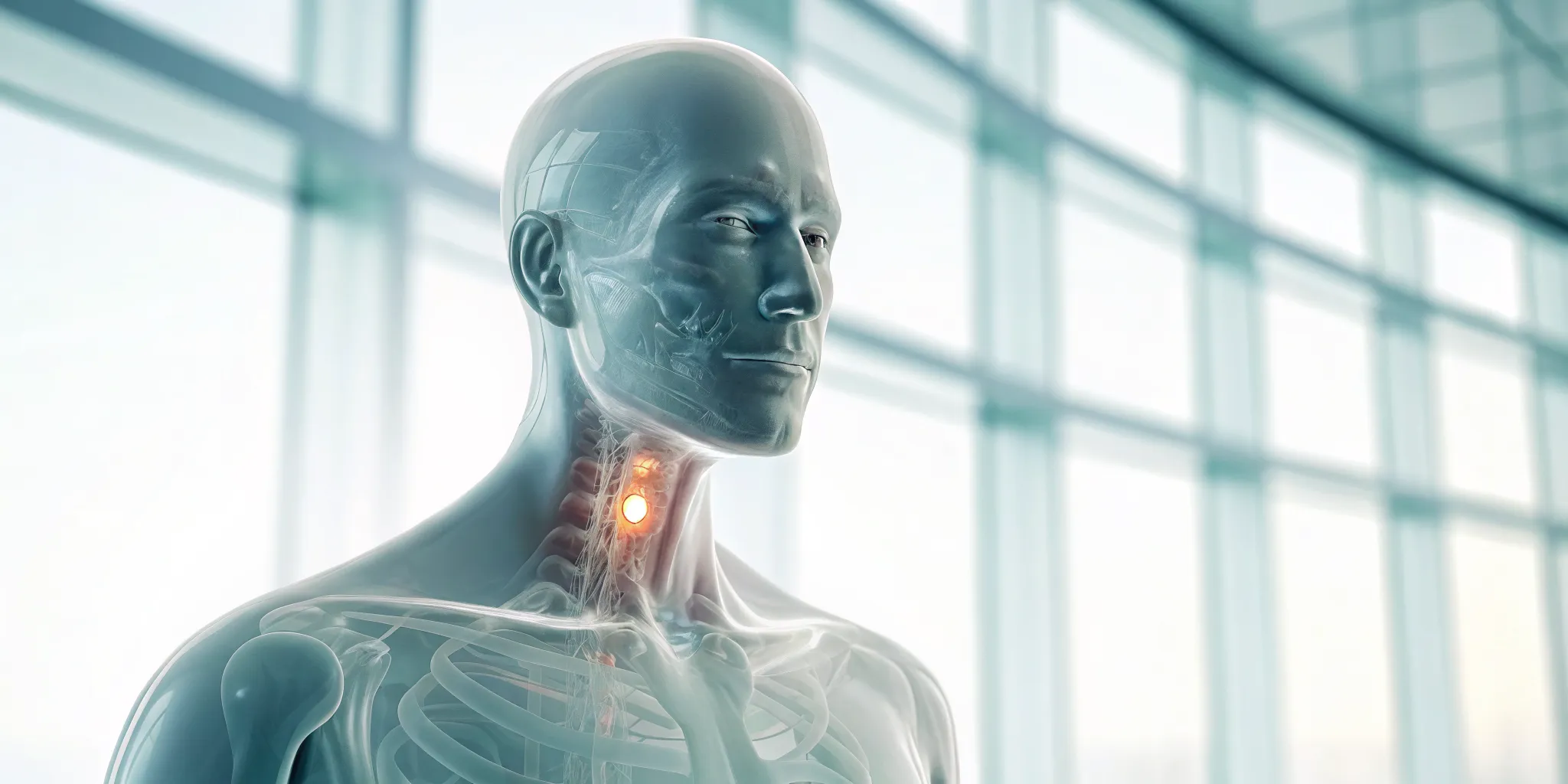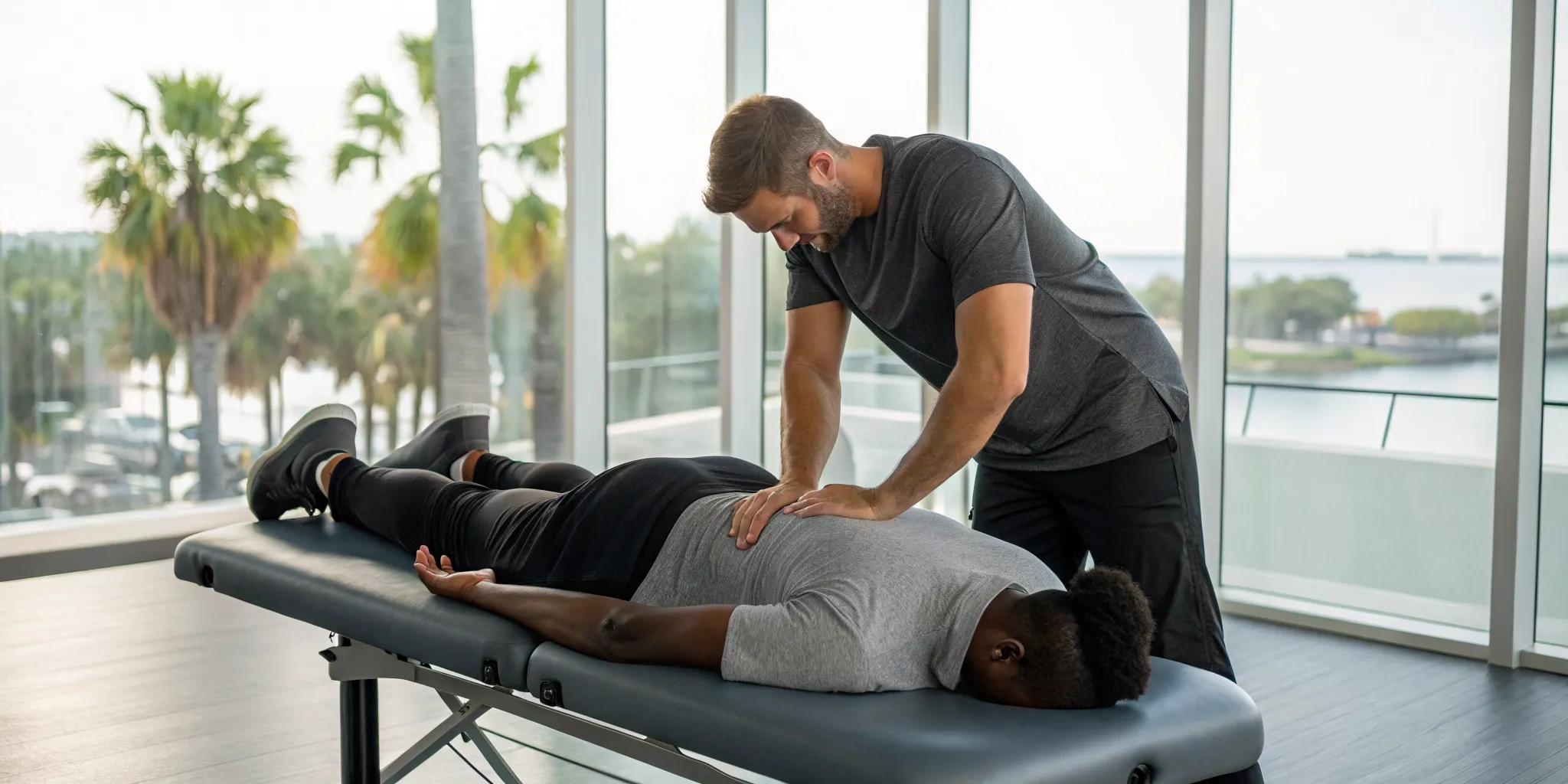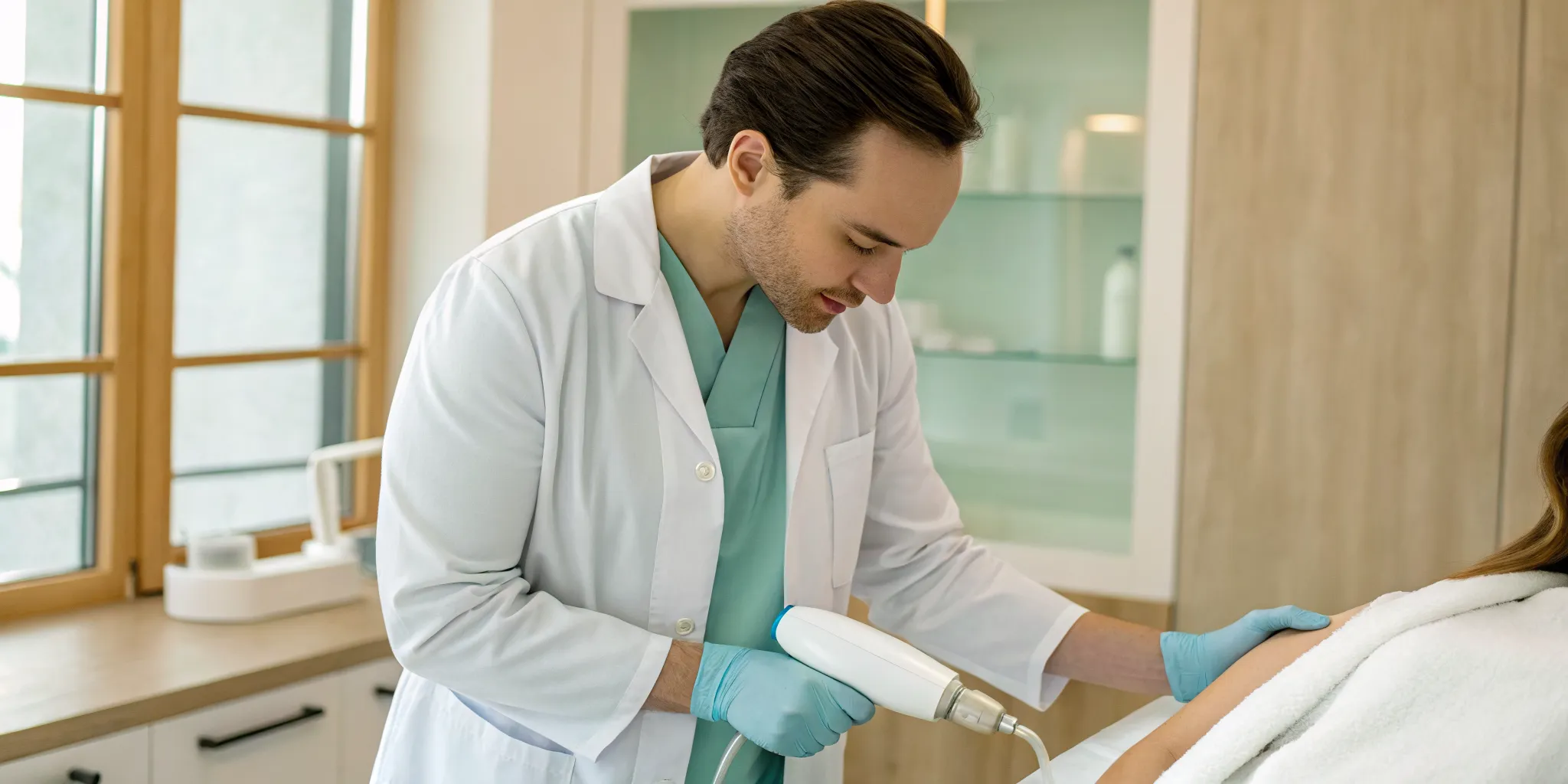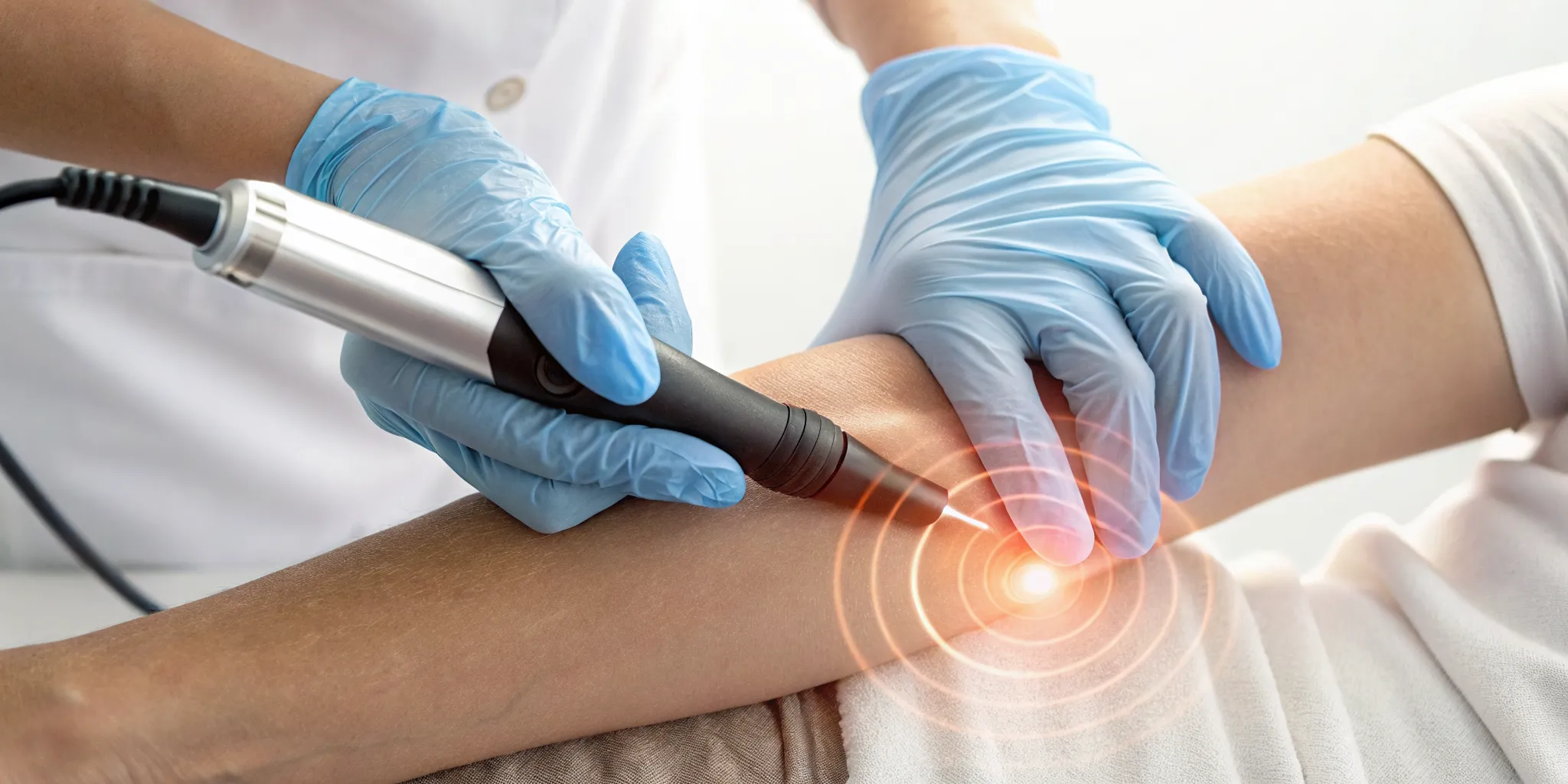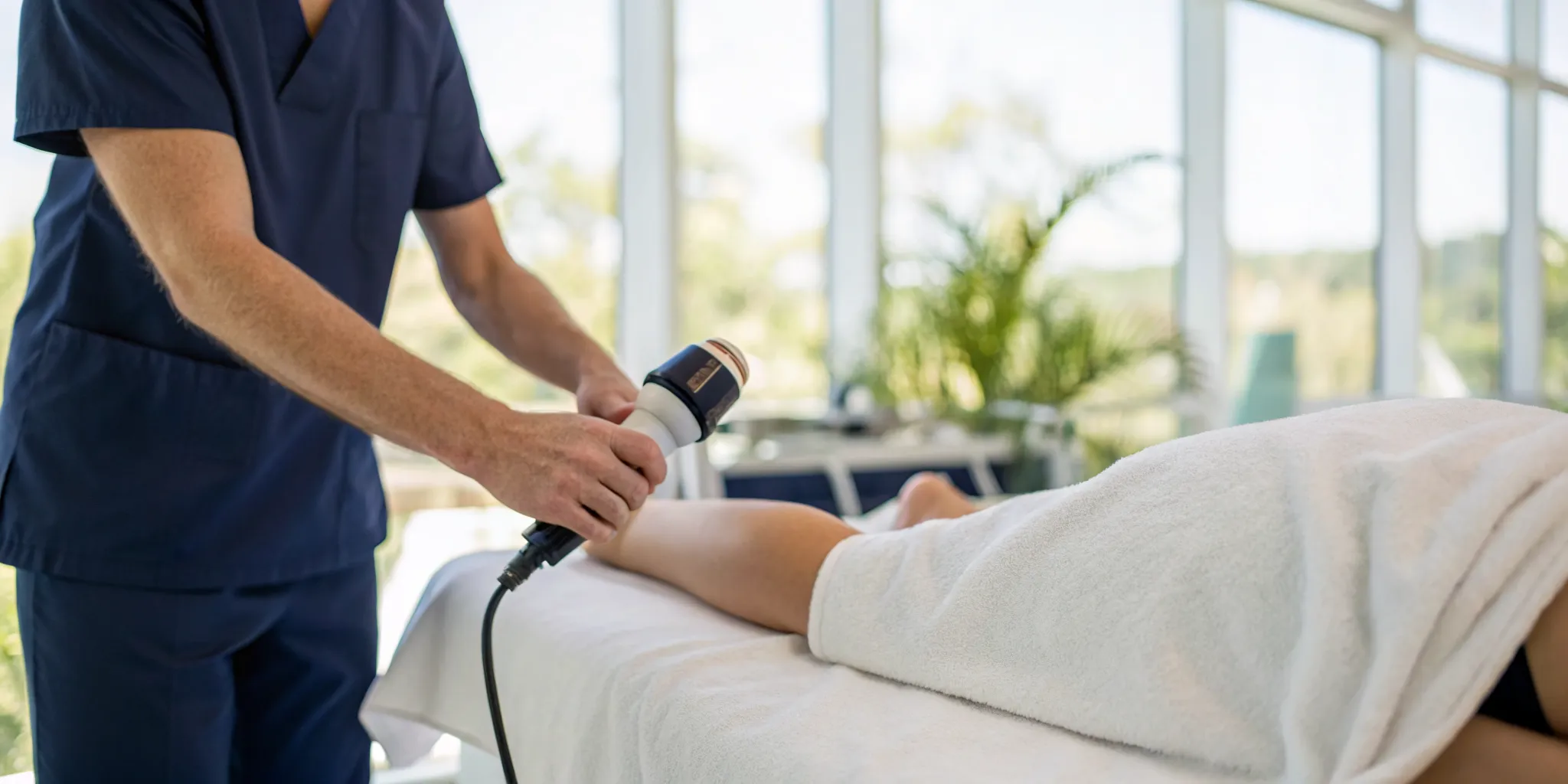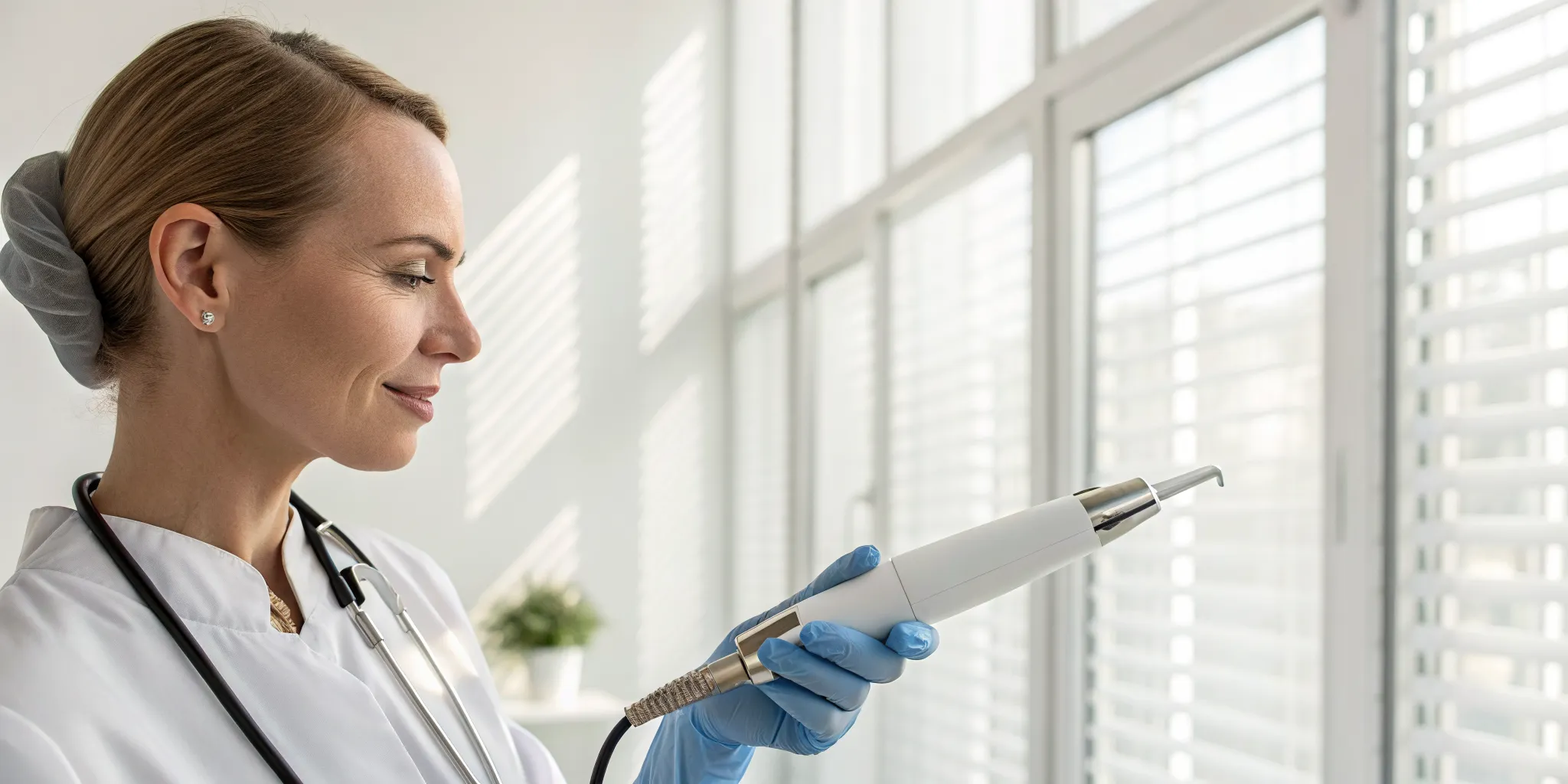
The name “shockwave therapy” might sound a bit intense, but let’s clear the air: it has nothing to do with electric shocks. Instead, this non-invasive treatment uses powerful acoustic waves—essentially sound pulses—to target injured tissue and kickstart your body’s own repair crew. Think of it as a way to wake up dormant healing processes, encouraging new blood flow and cell regeneration right where you need it most. When you look for a "shockwave therapy specialist near me," you’re seeking an expert who can harness this technology to address the root of your pain. Here, we’ll break down the science, debunk common myths, and show you how this innovative approach can help you heal without downtime.
Key Takeaways
- Heal from the inside out: Shockwave therapy is a non-invasive treatment that uses acoustic waves to prompt your body’s natural healing process, addressing the source of pain without requiring surgery or downtime.
- Find relief for chronic injuries: It is an excellent solution for stubborn soft tissue conditions like plantar fasciitis, tennis elbow, and rotator cuff pain, especially when other methods have not provided lasting results.
- Integrate it into a larger plan: This therapy works best when it is part of a comprehensive strategy. A qualified provider will combine it with other treatments to correct the underlying cause of your pain, leading to more durable and sustainable relief.
How Does Shockwave Therapy Work?
It might sound intense, but shockwave therapy is a straightforward and non-invasive treatment that taps into your body’s own ability to heal. The entire process is designed to address the root cause of your pain by stimulating repair at the cellular level. Let’s break down exactly how it works.
The Science of Acoustic Waves
At its core, shockwave therapy uses a specialized device to send high-energy acoustic waves, which are essentially powerful sound pulses, directly to an injured or painful area. Think of it as a highly targeted sound wave designed to interact with your tissues and wake them up. This approach is a key part of our physical medicine services because it works with your body, not against it. The goal isn’t to mask pain but to stimulate a genuine healing process from within, helping to regenerate tissue and restore function without incisions or a long recovery.
Radial vs. Focused Shockwaves
You might hear about two types of shockwave therapy: radial and focused. For many of the conditions we treat, like tendonitis and chronic muscle pain, radial pressure waves are used. These waves are generated and then spread out, or radiate, across a wider surface area of tissue. This makes them ideal for addressing larger zones of injury or discomfort that are closer to the skin's surface. Focused shockwaves, on the other hand, are more concentrated and can penetrate deeper to a very specific point. While both have their place, radial shockwaves provide an excellent, effective treatment for many common musculoskeletal issues by stimulating a broad healing response.
Triggering Your Body's Natural Healing Response
So, what do these acoustic waves actually do? When they reach the targeted tissue, they create a series of tiny, controlled disruptions. This signals your body to kick its natural healing mechanisms into high gear. In response, your body increases blood flow to the area, which delivers more oxygen and nutrients essential for repair. It also stimulates the production of new cells and growth factors that are crucial for rebuilding damaged tissues, like tendons and ligaments. This process helps break down scar tissue and calcifications that can limit movement and cause pain. It’s a way of telling your body exactly where to focus its restorative efforts, addressing many of the conditions we treat at their source.
What Conditions Does Shockwave Therapy Address?
One of the most impressive things about shockwave therapy is its versatility. Because it works by stimulating your body’s own repair mechanisms, it can be used to address a wide range of musculoskeletal conditions, especially those that have become chronic and resistant to other forms of treatment. It’s particularly effective for issues involving connective tissues like ligaments and tendons.
If you're dealing with persistent pain that limits your daily activities or athletic performance, there's a good chance this therapy could be part of your solution. From nagging foot pain to stubborn shoulder stiffness, shockwave therapy targets the source of the problem to promote genuine healing. Let's explore some of the most common conditions we use it for in our physical medicine practice.
Plantar Fasciitis and Heel Pain
If you’ve ever felt a sharp, stabbing pain in your heel with your first steps in the morning, you know how disruptive plantar fasciitis can be. This condition involves inflammation of the thick band of tissue connecting your heel to your toes. Shockwave therapy is a highly effective, non-invasive approach for this frustrating issue. The acoustic waves penetrate the tissue, breaking down scar tissue and stimulating blood flow to the inflamed fascia. This process helps reduce pain and encourages the tissue to heal properly, allowing you to walk, stand, and live more comfortably.
Tendonitis and Common Overuse Injuries
Tendonitis occurs when a tendon becomes inflamed from repetitive use, leading to chronic pain and weakness. You might know it as Tennis Elbow, Golfer's Elbow, or Jumper's Knee. These overuse injuries can be stubborn because the affected tendons often have poor blood supply, which slows down the natural healing process. Shockwave therapy gives your body a helping hand by creating a new inflammatory response in the area. This signals the body to send in fresh blood and growth factors, effectively restarting the healing cycle for these chronic tendon problems and helping you get back to your activities.
Rotator Cuff and Shoulder Pain
Shoulder pain can make simple tasks like reaching into a cabinet or putting on a coat feel impossible. Conditions like rotator cuff tendinopathy, calcific tendonitis, and even frozen shoulder can significantly impact your quality of life. Shockwave therapy offers a powerful tool for addressing these issues without invasive procedures. By targeting the damaged tissues in the shoulder, the therapy helps to break down calcium deposits, reduce inflammation, and improve blood circulation. This not only relieves pain but also helps restore your shoulder's range of motion, giving you back your freedom of movement.
Chronic Low Back and Knee Discomfort
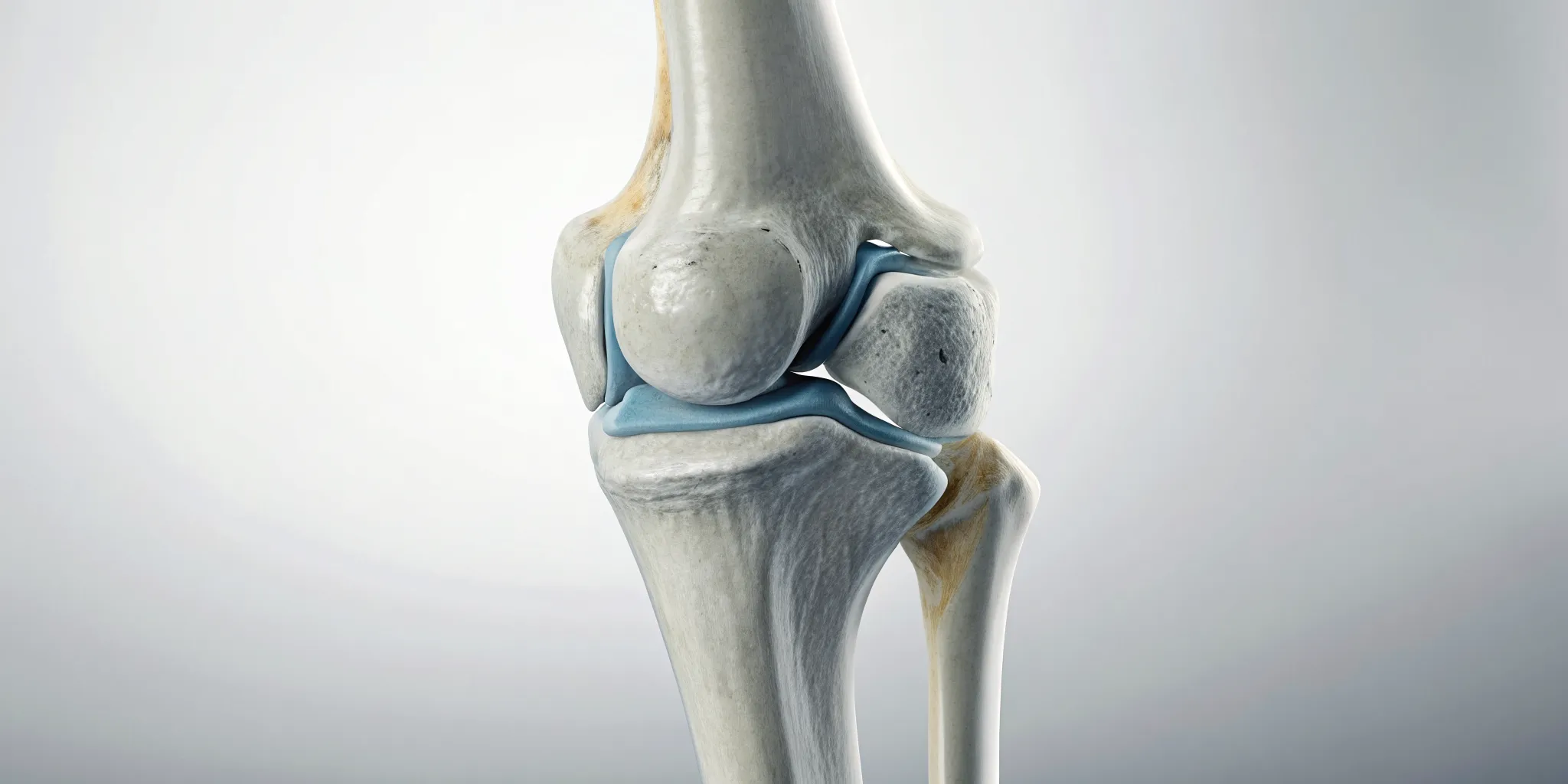
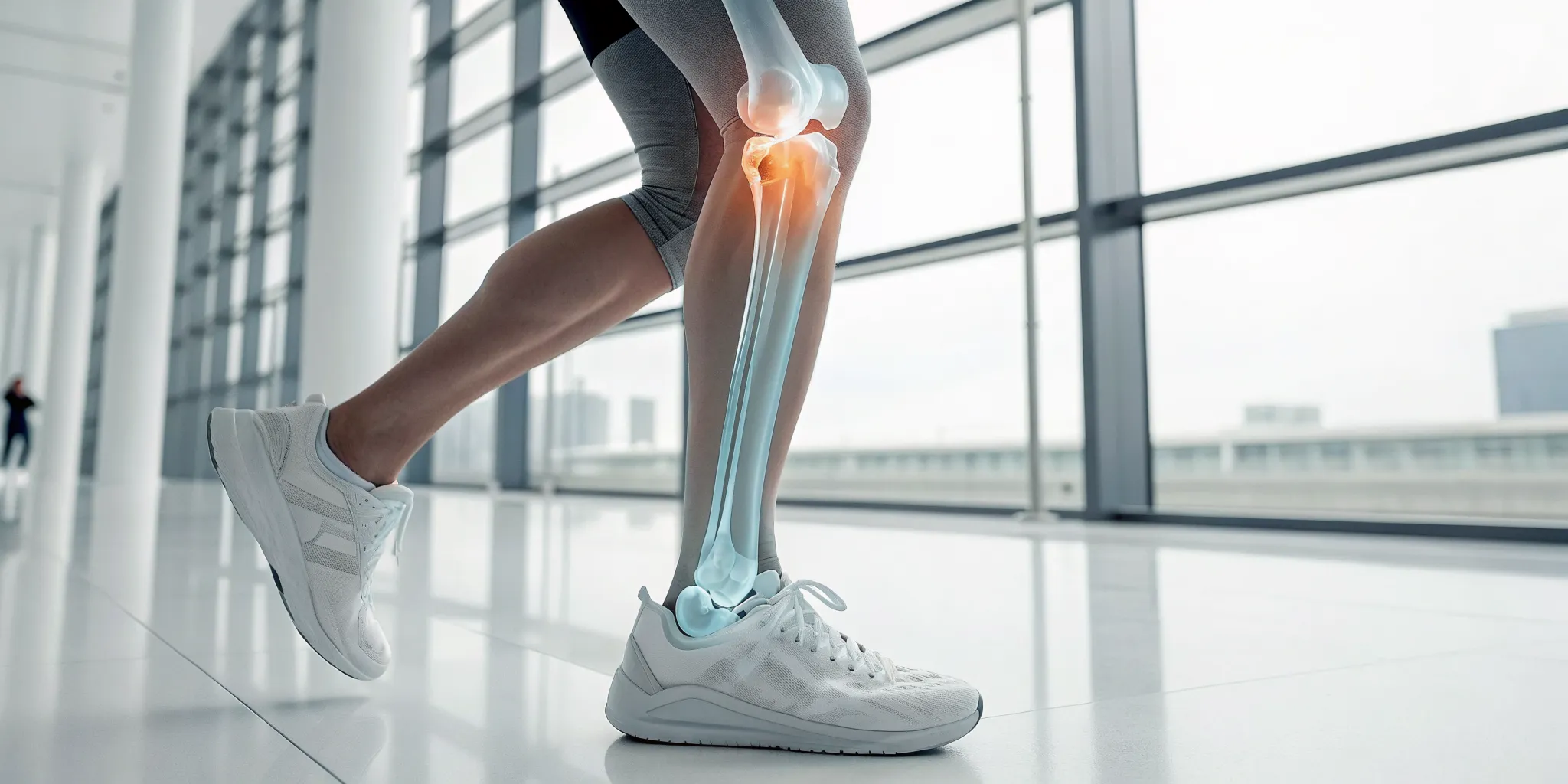
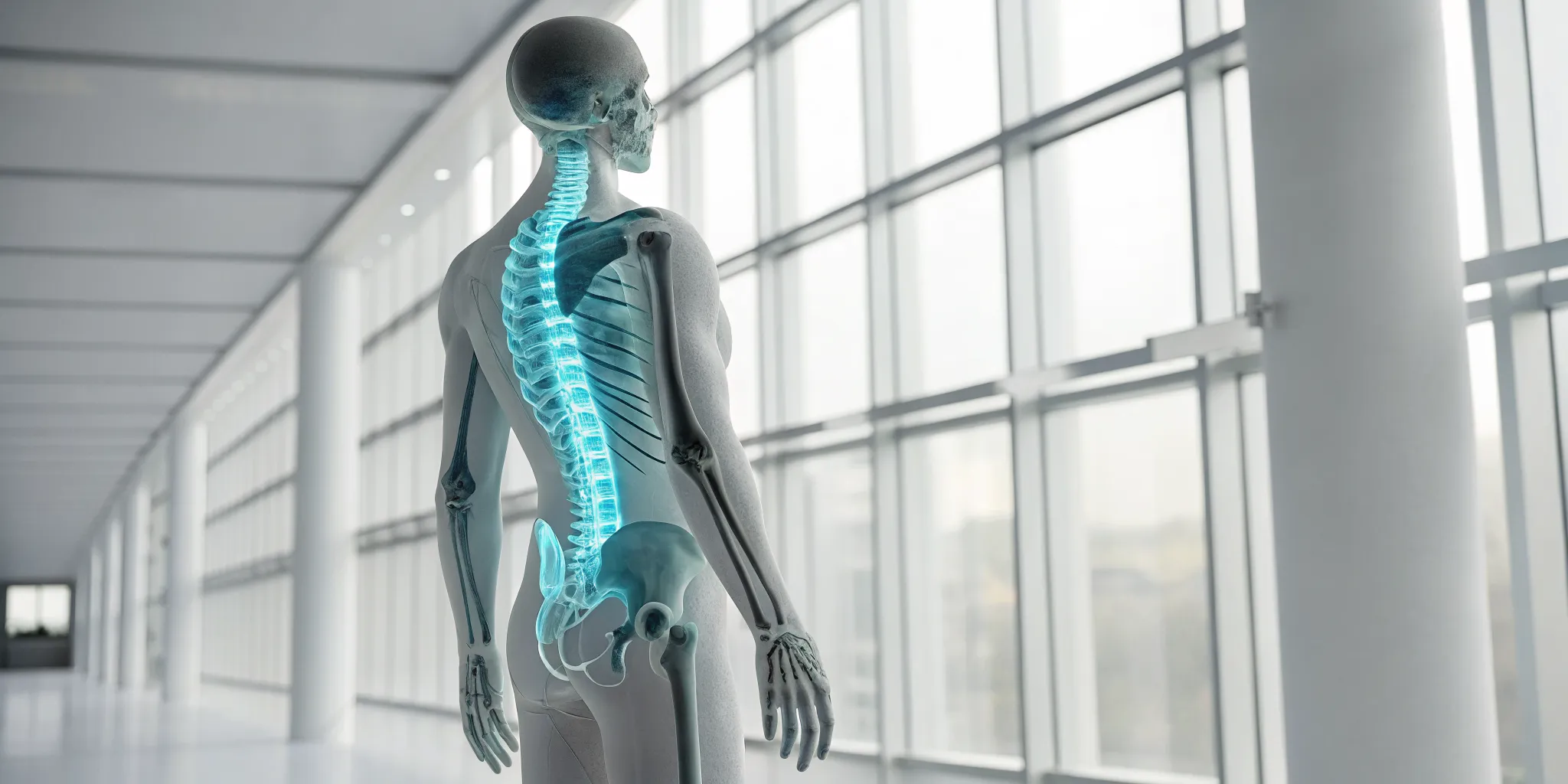
Persistent low back and knee pain are two of the most common complaints that bring people into our clinic. These issues can stem from a variety of underlying causes, from muscle imbalances to chronic inflammation in the connective tissues. Shockwave therapy can be an excellent component of a comprehensive treatment plan for these areas. For the low back, it can help release chronic trigger points and muscular tension. For knees, it’s effective for conditions like patellar tendonitis. By addressing the dysfunctional tissue directly, it helps manage the persistent discomfort that keeps you from living fully.
Sports Injuries and Soft Tissue Damage
For athletes, nothing is more frustrating than an injury that just won’t heal. Chronic soft tissue injuries like hamstring strains, shin splints, and Achilles tendinopathy can keep you on the sidelines for months. Shockwave therapy is a game-changer for these types of sports injuries. It accelerates recovery by stimulating metabolic activity and enhancing blood flow to the injured tissue. This helps repair damaged soft tissues more quickly and thoroughly, building resilience against future injury. It’s one of the many conditions we treat to help athletes and active individuals return to their peak performance safely.
The Primary Benefits of Shockwave Therapy
When you’re dealing with persistent pain, you want a solution that does more than just quiet the symptoms for a little while. You want real, lasting healing. Shockwave therapy stands out because it works with your body to repair damage from the inside out. It’s a modern approach that can help you get back to your life without the long recovery times associated with more intensive procedures. Let’s look at some of the key benefits you can expect.
Heal Without Surgery or Downtime
One of the most significant advantages of shockwave therapy is that it’s a completely non-invasive procedure. This means it doesn't require any incisions, anesthesia, or lengthy hospital stays. You can come in for your appointment and get right back to your day with minimal disruption. For anyone who can’t afford to press pause on work, family, or life, this is a game-changer. Instead of a long and often painful recovery period, you can focus on a treatment that supports your body’s healing process without putting your life on hold. It’s a powerful option within a comprehensive physical medicine plan.
Find Lasting Relief by Treating the Source
Masking pain is a temporary fix, but addressing the root cause is how you find true, lasting relief. Shockwave therapy is designed to do just that. By targeting the underlying issue, such as poor blood flow or damaged tissue, it helps your body resolve the problem instead of just hiding it. This approach is backed by research and is typically done over several sessions to create lasting results. It aligns perfectly with a functional medicine philosophy, which focuses on understanding and correcting the fundamental reasons for your health concerns, leading to more sustainable well-being.
Improve Blood Flow and Tissue Repair
So, how does it actually work? Shockwave therapy uses a special device to send high-energy acoustic waves to the injured area. These sound waves create a therapeutic effect that stimulates your body’s natural healing process and encourages tissue regeneration. This process helps form new blood vessels, which is critical for recovery. Improved circulation brings more oxygen and nutrients to the damaged tissue, speeding up repair and reducing inflammation. It’s like giving your body’s internal repair crew the green light to get to work on the specific conditions causing you pain, from tendonitis to plantar fasciitis.
Achieve Results in Fewer Sessions
Living with chronic pain can feel like a never-ending battle, so finding a treatment with a clear and relatively short timeline is a huge relief. Most people undergoing shockwave therapy need about three to six sessions, which are usually spaced five to ten days apart. While every person’s healing journey is unique, this provides a predictable framework for recovery. Instead of facing months of uncertainty, you can work with your provider to create a structured plan. If you're ready to explore a timeline for your specific needs, the first step is to schedule a consultation to discuss your goals.
Is Shockwave Therapy the Right Choice for You?
Deciding on any new treatment can feel like a big step, and it’s smart to gather all the facts first. Shockwave therapy is an incredible tool for stimulating the body’s natural healing process, but it’s not a universal fix for every type of pain or injury. The most important thing is finding a solution that aligns with your specific health goals and addresses the root cause of your discomfort.
This therapy works by delivering acoustic waves to injured tissue, promoting regeneration and repair from within. It’s a non-invasive approach that we often integrate into a larger healing plan. Understanding if you’re a good fit involves looking at your symptoms, your health history, and what you hope to achieve. Let’s walk through who typically sees the best results with this treatment and when another path might be more appropriate for your journey back to health.
Signs You Might Be a Good Candidate
You might be an excellent candidate for shockwave therapy if you're dealing with chronic pain from a soft tissue or tendon injury that just won’t go away. This often includes conditions like plantar fasciitis, tennis elbow, or rotator cuff tendonitis. If you’ve tried rest, ice, and stretching without finding lasting relief, shockwave therapy could be the next logical step. It’s designed to kickstart your body’s own repair mechanisms, making it a great option for those looking to heal without invasive procedures.
This treatment is particularly effective for people with stubborn pain that limits their daily activities. If you're looking for a way to address the underlying tissue damage rather than just masking symptoms, you’re thinking along the right lines. We see great success with patients who are ready to actively participate in their recovery and want a solution that supports the body’s innate ability to heal itself. Many of the conditions we treat respond well to this approach.
Who Should Reconsider This Treatment
While shockwave therapy is versatile, it isn’t the right fit for everyone. It’s important to have a thorough consultation to ensure it’s a safe and effective choice for you. For example, this treatment is generally not recommended for individuals who are pregnant, have certain nerve or circulation disorders, or have active infections in the target area. A comprehensive health history review is a critical first step to rule out any contraindications.
It’s also worth noting that while the treatment is well-tolerated, some people describe the sensation as a mild, tapping discomfort. It’s not a one-and-done solution, and it requires a series of sessions to achieve the best results. If you’re looking for an instant fix, this might not be the right path. Our goal is to find the most effective and appropriate physical medicine tools for your unique situation.
When to Explore It as an Alternative
Many people mistakenly believe shockwave therapy is only for chronic pain that has lingered for months or years. While it’s fantastic for those conditions, it can also be a powerful tool for addressing more acute musculoskeletal injuries. Exploring it early on can help speed up tissue regeneration and may prevent an acute issue from becoming a chronic problem down the road. It’s a proactive way to support your body’s healing process from the start.
If you’ve been told that more invasive options are your only choice, it’s definitely worth asking if shockwave therapy could be an alternative. Because it’s non-invasive and requires no downtime, it allows you to continue with your life while your body heals. Our team of experts can help you determine if this well-studied therapy can be integrated into your health plan to help you find lasting relief and get back to doing what you love.
What to Expect During a Shockwave Therapy Session
If you’re considering shockwave therapy, you’re probably wondering what an actual appointment looks like from start to finish. Knowing what to expect can help you feel more prepared and confident about your treatment plan. The process is straightforward, non-invasive, and designed to fit into your life with minimal disruption.
At Ascend Functional Health, we prioritize your comfort and ensure you understand every step of your care. Our goal is to make your experience as smooth as possible while we work together to address the root cause of your discomfort. This approach is a core part of our physical medicine services, focusing on long-term wellness instead of temporary fixes. From the moment you walk in for your session to the aftercare instructions you’ll follow at home, we’re here to support your body’s healing journey.
A Look at a Typical Appointment
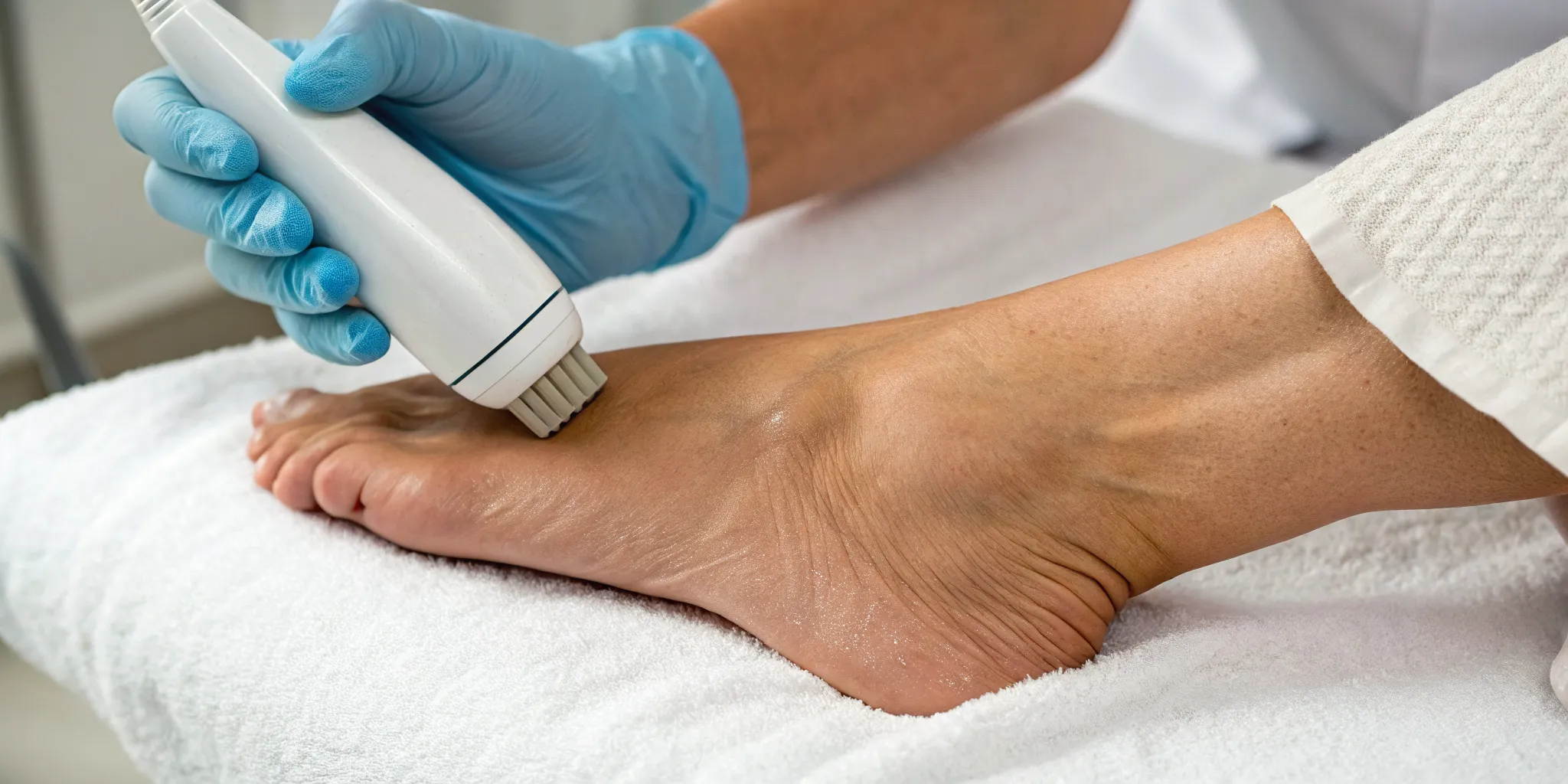
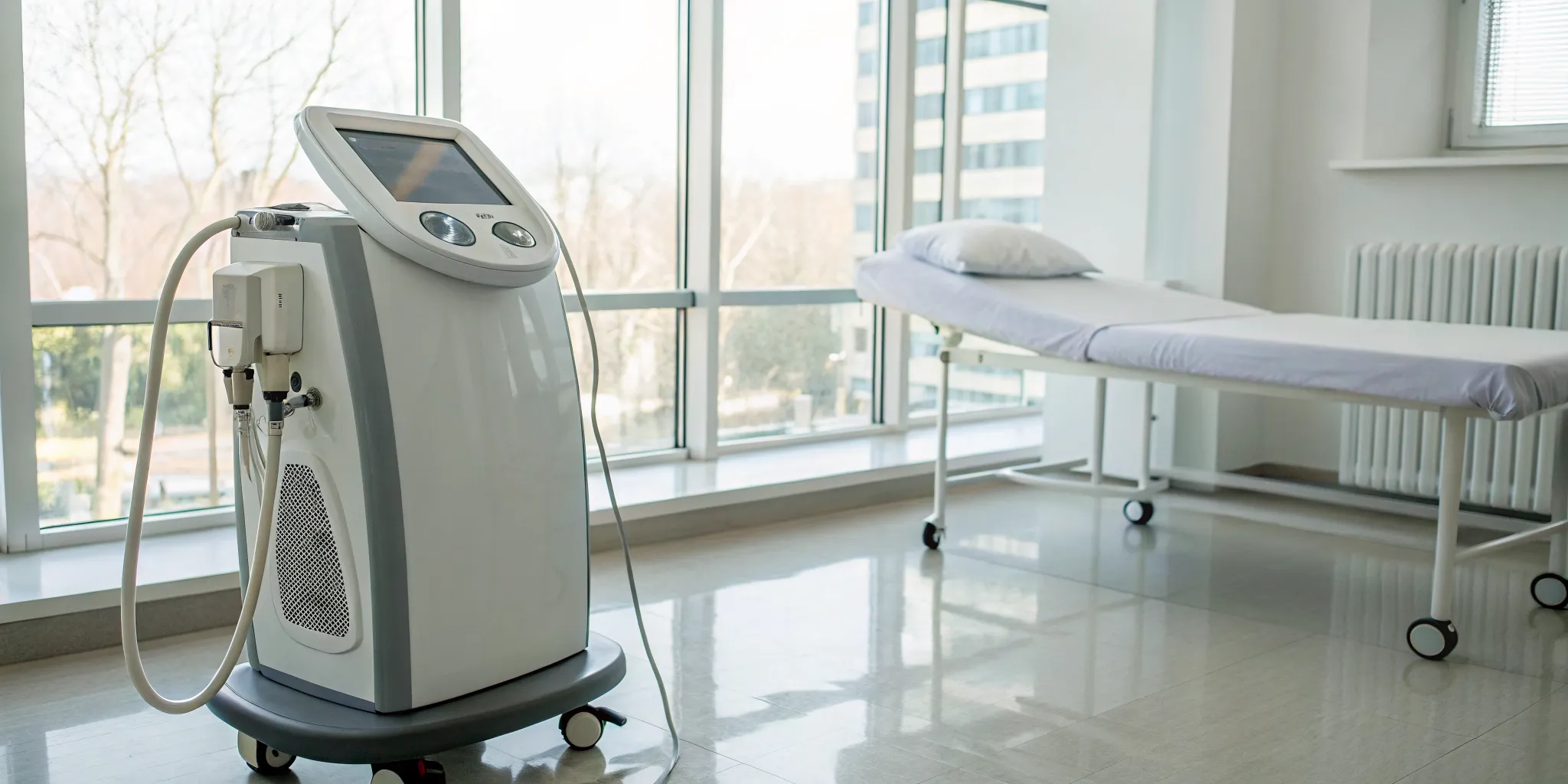
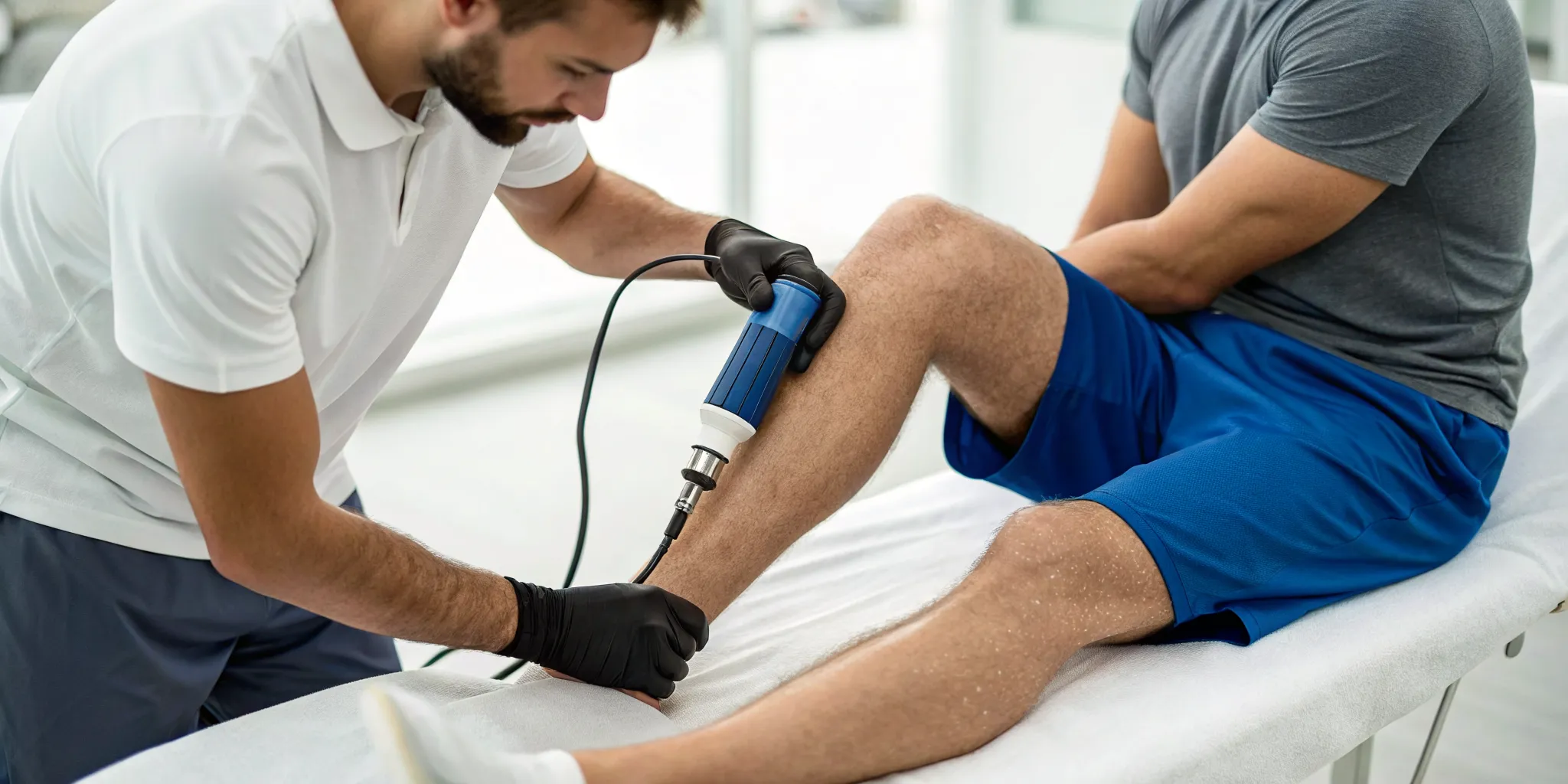
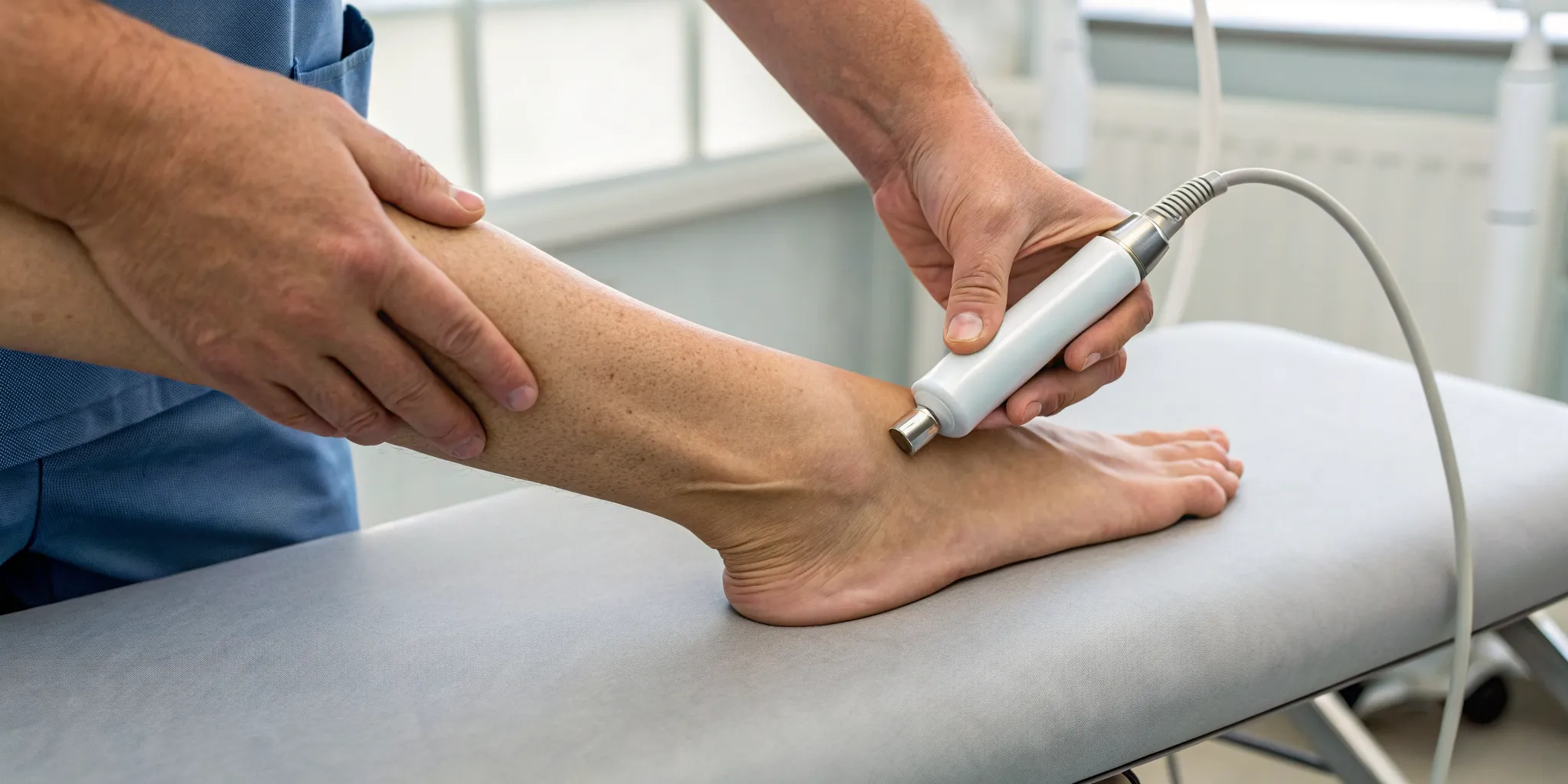
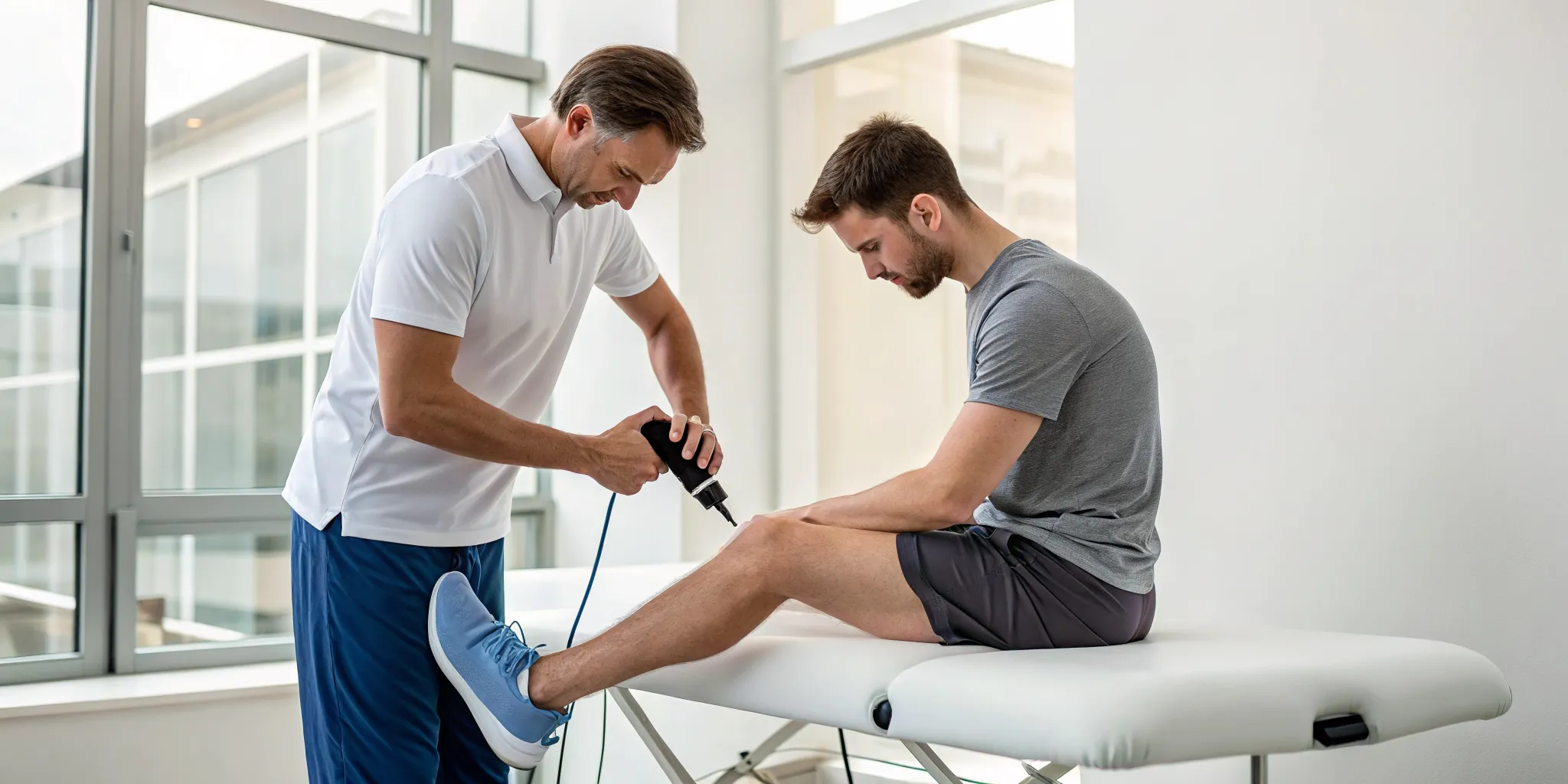
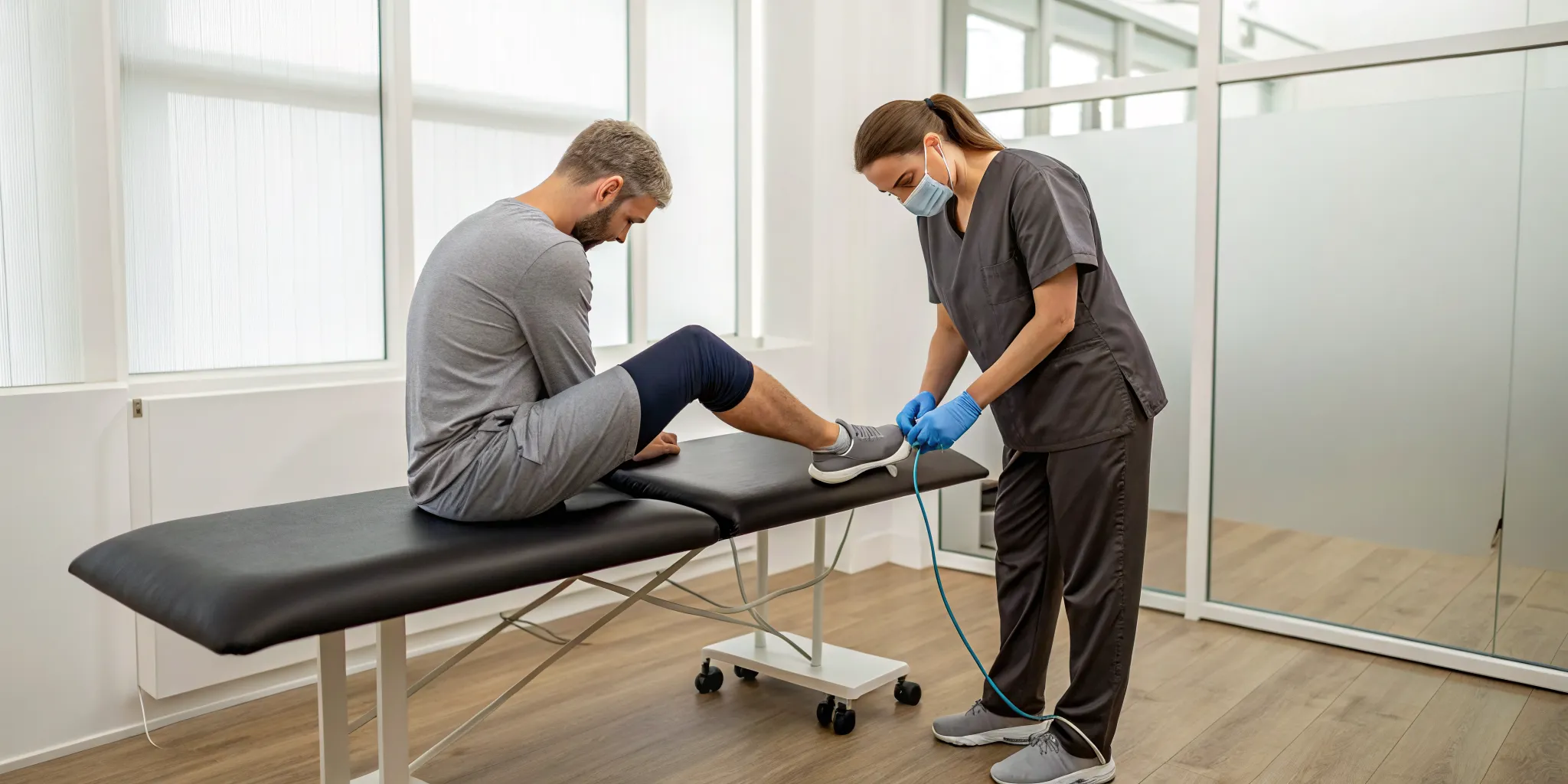
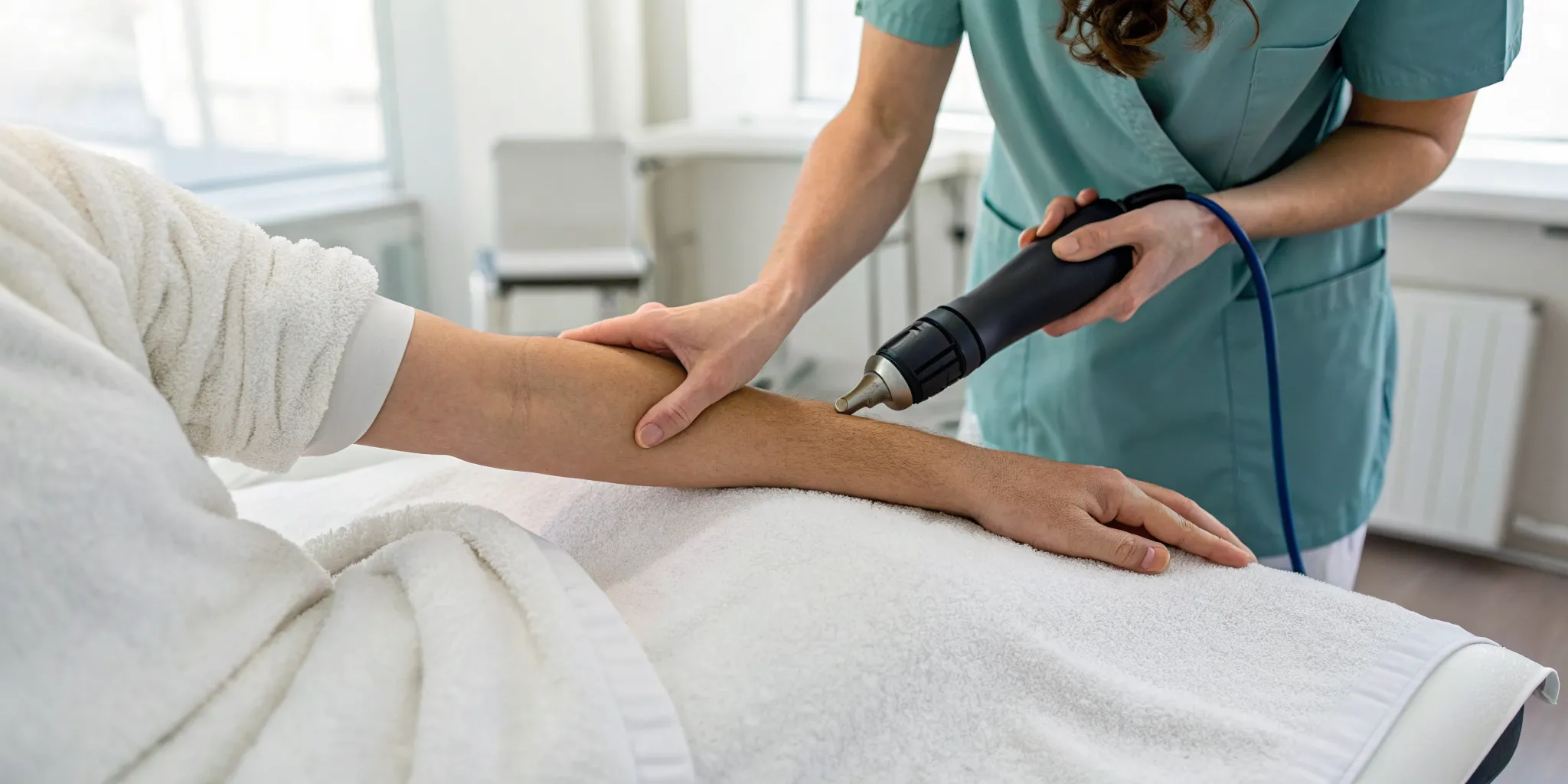
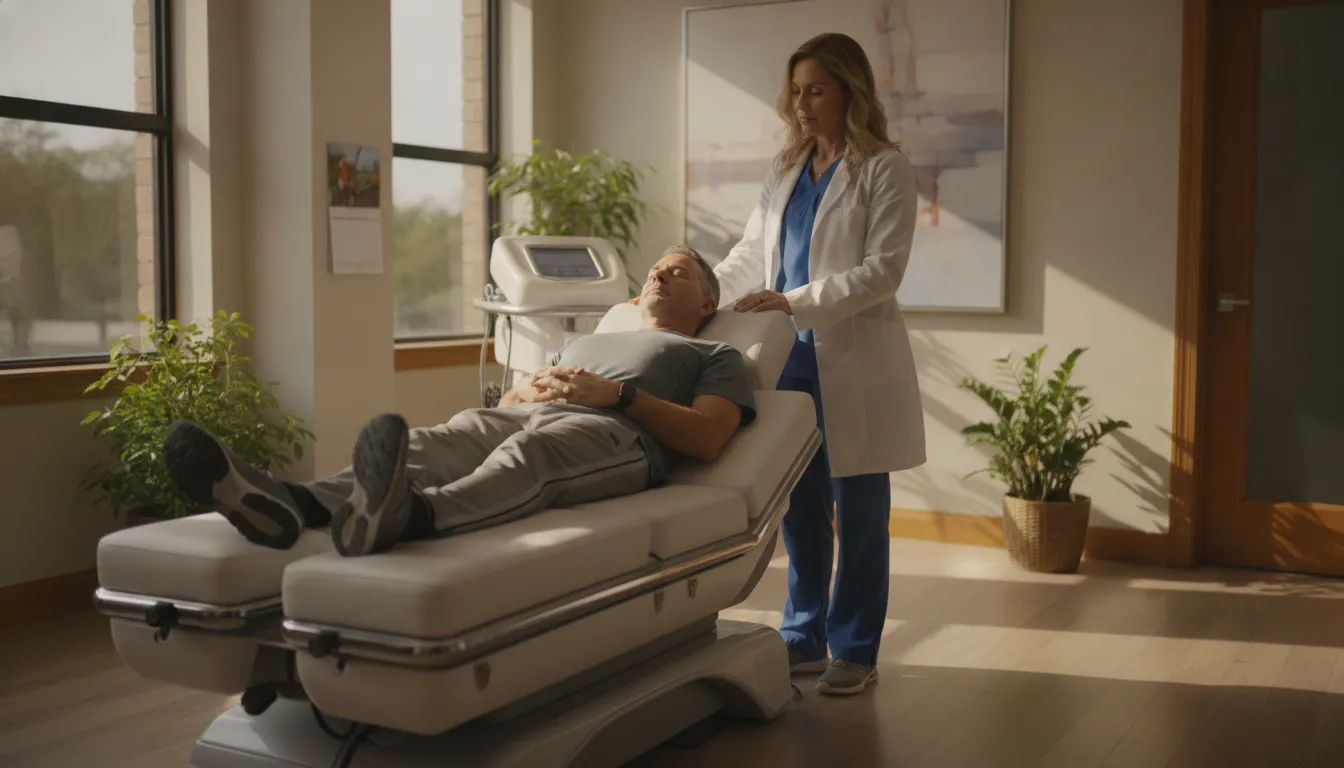
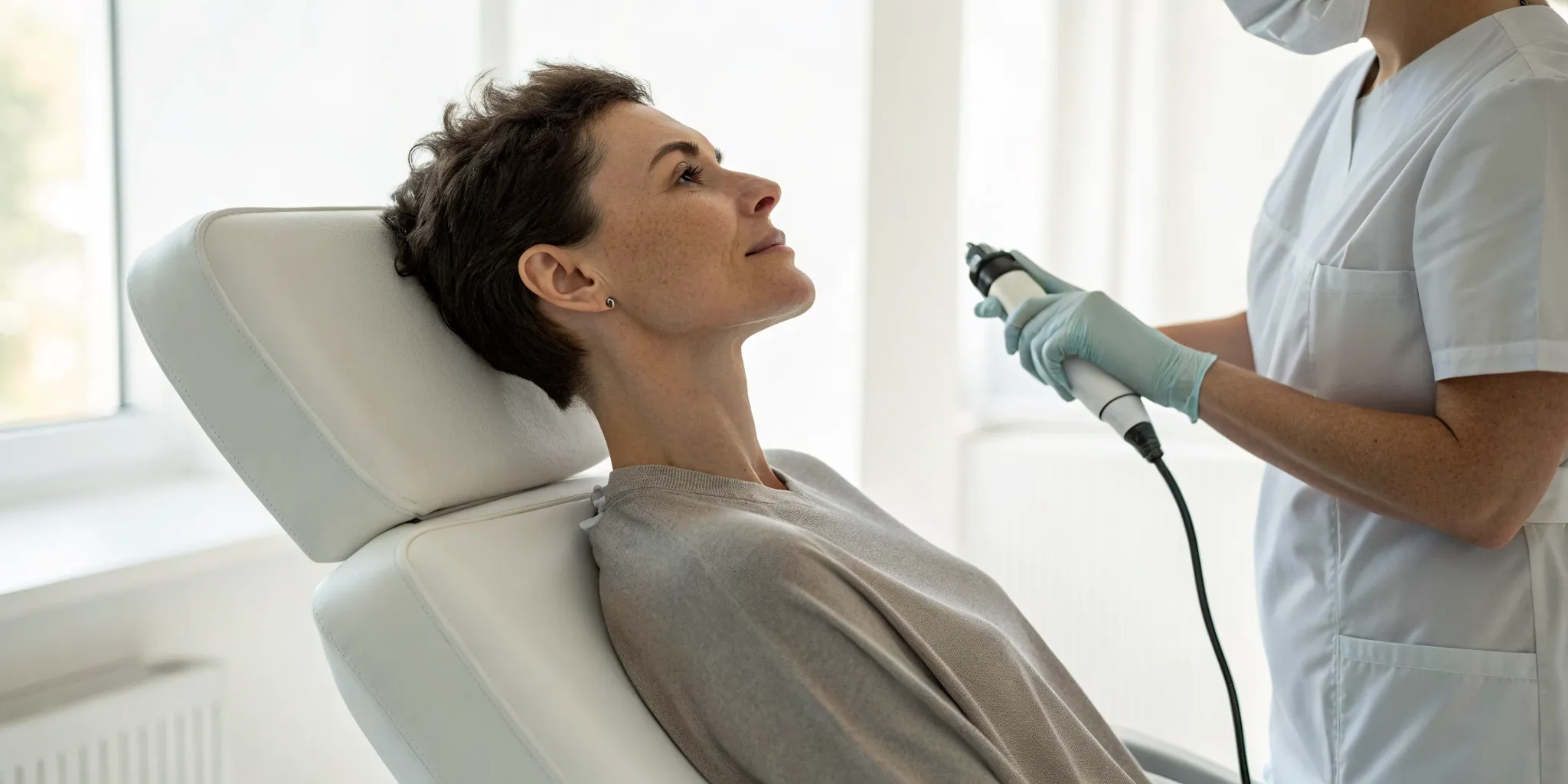
During your shockwave therapy session, you’ll get comfortable in a treatment room while your practitioner prepares the equipment. We’ll apply a gel to the target area, which helps the acoustic waves travel more effectively into the tissue. Then, we’ll use a handheld device that delivers the shockwaves directly to the source of your discomfort. You might feel a tapping, pulsing, or a sensation of pressure, but the treatment is generally well-tolerated. A typical session is quite brief, usually lasting between 15 and 30 minutes, making it easy to schedule into your day.
Understanding Your Treatment Timeline
Shockwave therapy isn’t a one-time solution but rather a cumulative process that encourages lasting tissue repair. Most people achieve the best results with a series of three to six sessions. These appointments are typically spaced about five to ten days apart to give your body adequate time to respond and begin its natural healing cascade. This structured timeline is essential for addressing the chronic conditions we treat, as it allows the therapy to build upon the progress of the previous session, leading to more significant and durable relief.
Your Guide to Post-Treatment Care
After your session, it’s common to experience some mild soreness or redness in the treated area for a day or two, which is a normal sign that your body’s healing response has been activated. You can generally return to your light, daily activities right away. However, we recommend avoiding strenuous exercise or high-impact movements for at least 48 hours to allow the tissues to recover properly. Following these simple guidelines helps ensure you get the most out of your treatment. If you ever have questions about your post-treatment care, our team is always available to help when you contact us.
Debunking Shockwave Therapy Myths
When you hear about a treatment like shockwave therapy, it’s easy to get tangled in a web of misinformation. New technologies often come with questions and a few myths. Let's clear the air on some of the most common misconceptions so you can feel confident and informed about your health choices. We'll walk through what this therapy is, and just as importantly, what it isn’t.
Is the Treatment Painful?
One of the biggest myths is that shockwave therapy is a painful procedure. The reality is that this treatment is non-invasive, meaning there are no incisions or injections involved. Instead, it uses acoustic waves applied to the skin’s surface. While you might feel some discomfort during the session, similar to a deep tissue massage, it’s generally very tolerable. Your provider can also adjust the intensity to match your comfort level. The goal is to stimulate healing, not cause unnecessary pain, as part of a comprehensive physical medicine plan designed for your body.
Is It Just for Athletes?
While shockwave therapy is popular for treating sports injuries, its benefits are definitely not limited to athletes. This is a common misunderstanding. Many people develop chronic pain from everyday activities, repetitive movements at work, or simply the wear and tear of life. Shockwave therapy is an effective option for anyone dealing with persistent issues like plantar fasciitis, tennis elbow, or chronic shoulder pain. If you're struggling with a nagging injury that won't go away, this treatment could be a great fit, regardless of how much time you spend on a sports field. It addresses a wide range of conditions we treat for people from all walks of life.
How Is It Different From Ultrasound?
It’s easy to confuse shockwave therapy with therapeutic ultrasound, but they work in very different ways. Therapeutic ultrasound uses high-frequency sound waves to generate a gentle heating effect deep in the tissue, which can help relax muscles and improve circulation. Shockwave therapy, on the other hand, uses higher-energy acoustic pulses. These waves create a controlled micro-trauma in the affected area, which stimulates your body’s natural healing cascade. This process promotes new blood vessel formation and triggers the release of growth factors, actively repairing tissue from the inside out. It’s a more direct approach to kick-starting regeneration.
Can You Expect Instant Results?
While we all wish for a quick fix, true healing takes time. Shockwave therapy is not a one-and-done solution. It works by prompting your body to repair itself, and that biological process doesn't happen overnight. Some people report feeling a reduction in pain after their first or second session, but the most significant and lasting results typically build over the course of your full treatment plan. Think of it as laying the foundation for long-term recovery, not just patching over the symptoms. This aligns with a root-cause approach to wellness, which focuses on creating sustainable health rather than temporary relief.
How to Choose a Shockwave Therapy Specialist
Finding the right specialist is a critical step in your healing journey. The effectiveness of shockwave therapy depends not only on the technology itself but also on the expertise and approach of the person administering it. A great provider will do more than just perform the treatment; they will partner with you to understand your health goals and create a plan that addresses the root cause of your discomfort. Taking the time to find a qualified professional ensures you receive safe, effective, and personalized care.
Important Credentials to Look For
Shockwave therapy is a non-invasive procedure, meaning it doesn’t involve any incisions or surgery. Because of its success in rehabilitation, it has become a popular tool in the world of physical medicine. When searching for a provider, look for a licensed professional with extensive experience in treating musculoskeletal conditions. This could be a chiropractor or physical therapist who specializes in corrective care and soft tissue injuries. Their expertise in the body's structure and movement is key to applying the therapy correctly. A clinic that offers a range of physical medicine services is often a good sign, as it shows they have a deep understanding of how to restore function and mobility.
Tips for Evaluating Local Providers
Once you have a few potential providers in mind, it’s time to evaluate their approach to patient care. Start by reading through patient testimonials to see what others have experienced. Do they feel heard, supported, and respected? A quality care team will always prioritize your comfort. While you might feel a tapping or pulsing sensation during the session, it shouldn't be overly painful, and your provider should adjust the intensity based on your feedback. Look for a specialist who sees you as a whole person, not just a collection of symptoms. Their goal should be to help you find lasting relief by getting to the source of the problem.
Questions to Ask During Your Consultation
Your initial consultation is the perfect opportunity to ask questions and make sure the provider is the right fit for you. Don't hesitate to ask why they are recommending a specific type of shockwave therapy and how it differs from other treatments. A knowledgeable specialist will be happy to explain their reasoning. You should also ask what a complete treatment plan looks like and how shockwave therapy will be integrated with other therapies for the best results. This is your chance to gauge their philosophy on health and healing. If you're ready to have that conversation, you can schedule a consultation to discuss your specific needs and goals.
Integrating Shockwave Therapy into Your Health Plan
Think of shockwave therapy as a powerful catalyst for healing, not just a one-off treatment. While it’s incredibly effective at targeting specific areas of pain and injury, its true potential is realized when it’s part of a bigger picture. A skilled provider won’t just treat the symptom; they’ll work with you to build a comprehensive health plan. This strategy ensures that you’re not only addressing the immediate discomfort but also correcting the underlying issues that caused it. By weaving shockwave therapy into a broader wellness strategy, you can achieve results that are not only faster but also far more durable.
Combining Treatments for Better Results
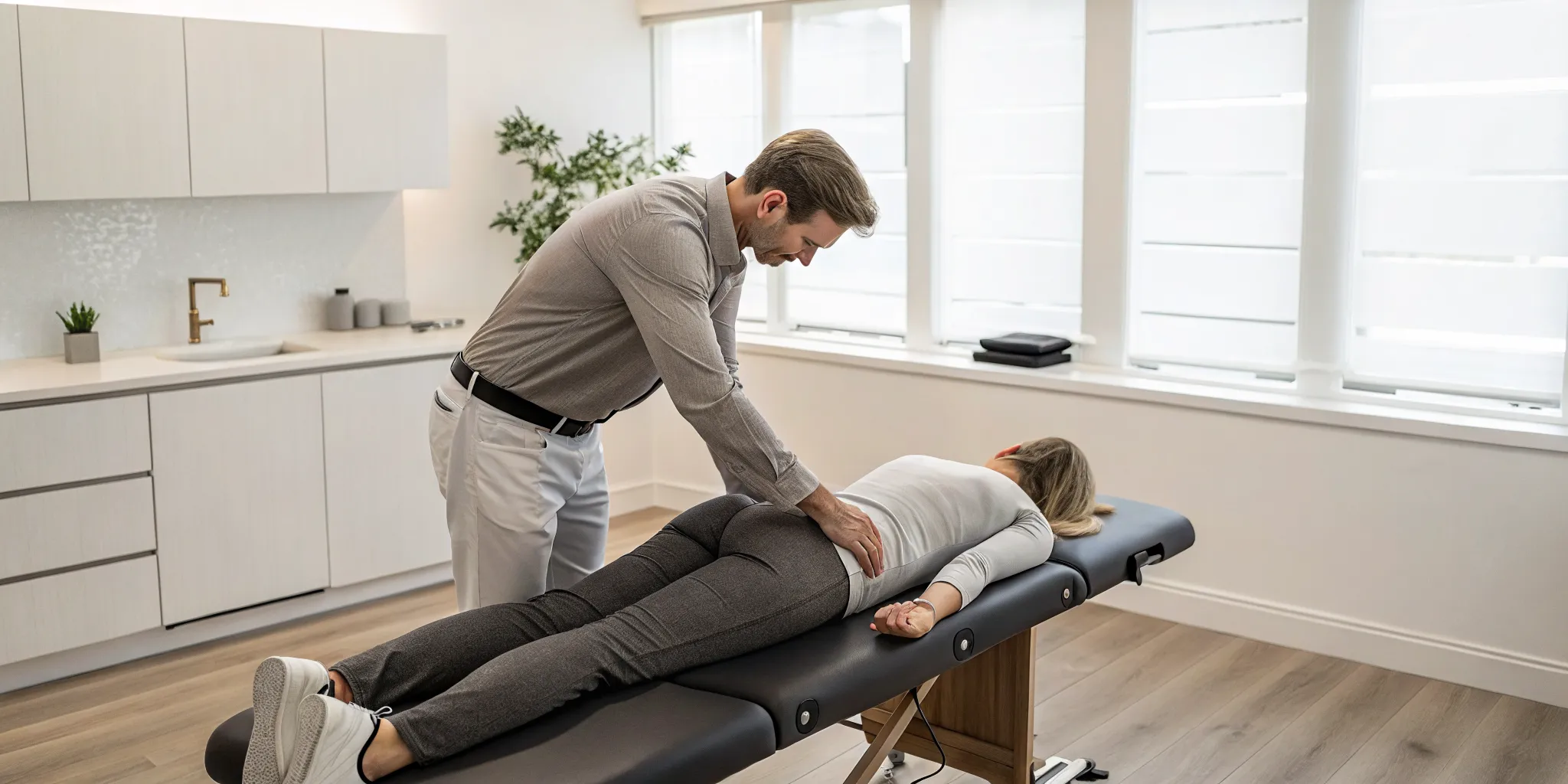
Shockwave therapy is a team player. It excels at breaking down scar tissue and kickstarting the body’s repair processes, but it works best when supported by other therapies. Imagine shockwave as the tool that clears the way for healing, while treatments like chiropractic adjustments, corrective exercises, and soft tissue work help rebuild and strengthen the area. This integrated approach ensures your body regains proper alignment and function. Combining treatments creates a powerful synergy, helping you recover more completely and reducing the likelihood of the injury returning. This is the foundation of a truly effective physical medicine plan that focuses on lasting wellness, not just temporary fixes.
Why a Root-Cause Approach Is Key for Lasting Relief
Lasting relief comes from understanding the "why" behind your pain. Shockwave therapy is fantastic for stimulating tissue regeneration and improving blood flow to a damaged area, but a root-cause approach asks what caused the damage in the first place. Was it a biomechanical imbalance, chronic inflammation, or a postural issue? This is where a holistic strategy makes all the difference. By pairing shockwave therapy with a functional medicine perspective, you can identify and address the core factors contributing to your condition. This deeper investigation helps create a personalized plan that supports your body’s innate ability to heal and prevents the problem from coming back, allowing you to move forward with confidence.
Find Your Shockwave Therapy Specialist in Tampa
Finding the right healthcare partner is a critical step in your healing journey. When you’re looking for a shockwave therapy specialist in the Tampa area, you want to find a clinic that not only has the right technology but also aligns with your long-term health goals. It’s about finding a team that listens and looks beyond the symptoms to find the source of your discomfort.
What to Look for in a Tampa Provider
When you start your search, focus on a few key qualities. Look for a provider with deep experience in treating conditions like yours, whether it’s plantar fasciitis or chronic shoulder pain. A clinic that uses modern, effective technology is also important, as this shows a commitment to providing high-quality care. Finally, consider if they offer a whole-patient approach. The best outcomes often come from a team that provides comprehensive care, integrating shockwave therapy with other treatments to support your body’s complete healing process. This ensures your treatment plan is tailored specifically to you and not just a one-size-fits-all solution.
Why Tampa Trusts Ascend Functional Health for Physical Medicine
At Ascend Functional Health, we are dedicated to a patient-first philosophy. Our approach to physical medicine centers on using innovative, non-invasive therapies like shockwave therapy to address pain at its source. We don’t just want to manage your symptoms; we want to facilitate true, long-term healing and recovery. By focusing on the root cause of your discomfort, we create personalized protocols that help your body repair itself. This commitment to lasting results is why so many in Tampa trust our team to guide them back to optimal health and function, helping them avoid more invasive procedures.
Related Articles
- SoftWave Tissue Regeneration Therapy in Tampa | Alessi Functional Health
- SoftWave TRT Therapy in Tampa, FL - Alessi Functional Health
- Regenerative Medicine for Pain Recovery | Ascend Functional Health
- What Is Soft Tissue Therapy? A Complete Guide
- Pain Free Future | Alessi Functional Health
Frequently Asked Questions
What does shockwave therapy actually feel like? This is a great question, and one I get all the time. Most people describe the sensation as a strong, rhythmic tapping or pulsing against the skin. While you will certainly feel it working, the treatment is not meant to be painful. Your practitioner can adjust the intensity to a level that is therapeutic yet comfortable for you. The entire session is quite brief, and any mild discomfort is a small trade-off for the healing it stimulates.
How quickly will I feel better after starting treatment? While some people report feeling a bit of relief after just one or two sessions, it’s important to think of this as a cumulative process. The therapy works by prompting your body to begin a natural repair cycle, and that process takes time. The most significant and lasting improvements typically develop over the full course of your recommended sessions as the tissue regenerates. True healing is a marathon, not a sprint, and this treatment helps your body run that race effectively.
Why is shockwave therapy often combined with other treatments? We combine therapies because we are focused on addressing the root cause of your issue, not just the symptom. Think of shockwave therapy as the specialized tool that breaks down stubborn scar tissue and restarts the healing process in a specific area. Other treatments, like chiropractic care or corrective exercises, then help ensure your body’s alignment and movement patterns are corrected. This integrated approach creates a more complete and lasting solution.
What should I do after my appointment to support the healing process? Your role after the session is simple: give your body the space to heal. We generally recommend avoiding any strenuous, high-impact activities for about 48 hours. This doesn't mean you need to be on bed rest; in fact, light movement is encouraged. By taking it easy for a couple of days, you allow your body to fully respond to the treatment and direct its resources toward repairing the targeted tissue.
I've had this pain for years. Can shockwave therapy still help me? Absolutely. In fact, shockwave therapy is particularly effective for chronic conditions that have stopped responding to other treatments. When an injury becomes chronic, the body's natural healing process can stall. Shockwave therapy is designed to reawaken that process, creating a new inflammatory response that brings fresh blood flow and nutrients to the area. It’s an excellent way to kickstart healing, even for pain you’ve been living with for a long time.