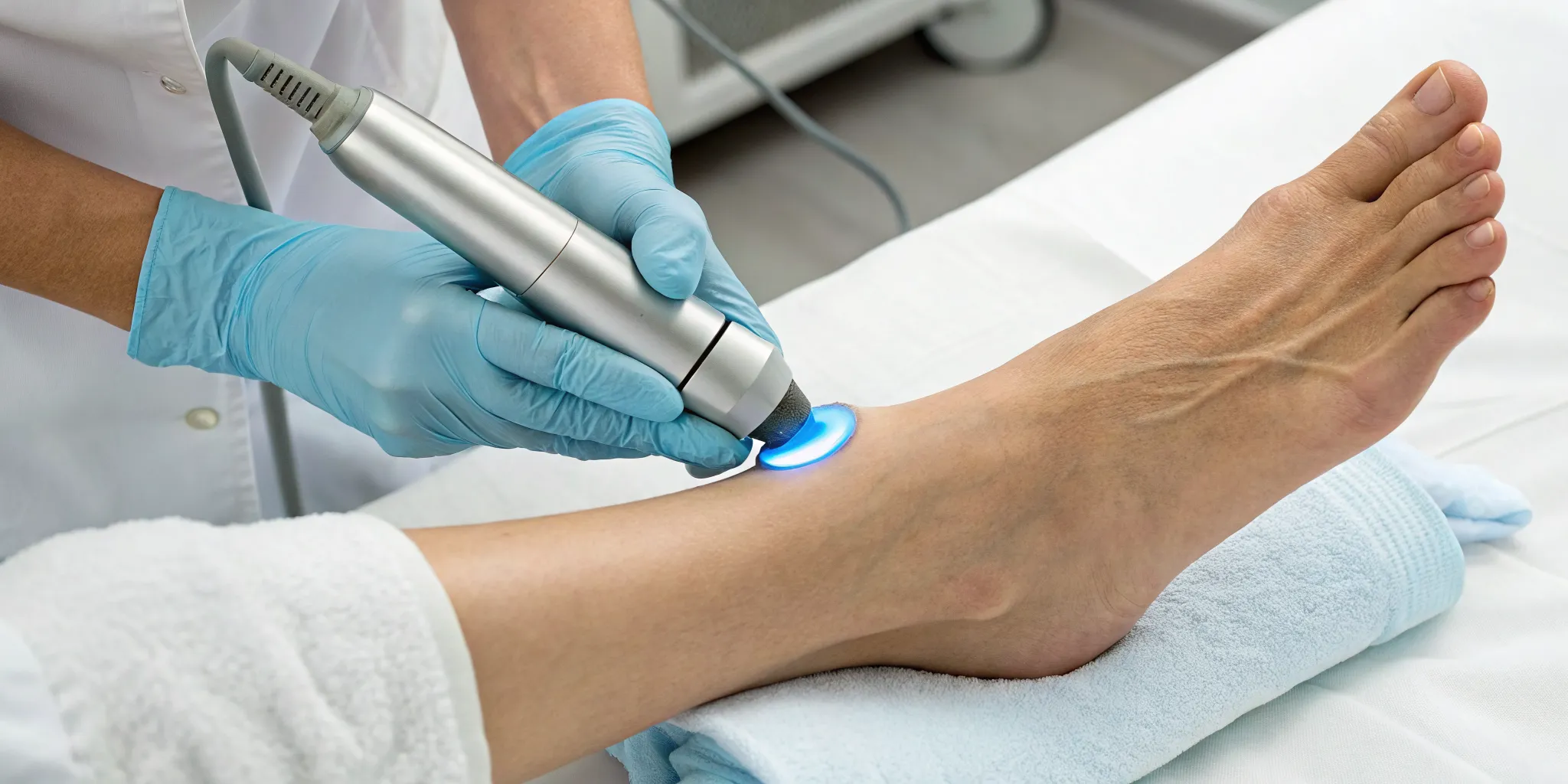
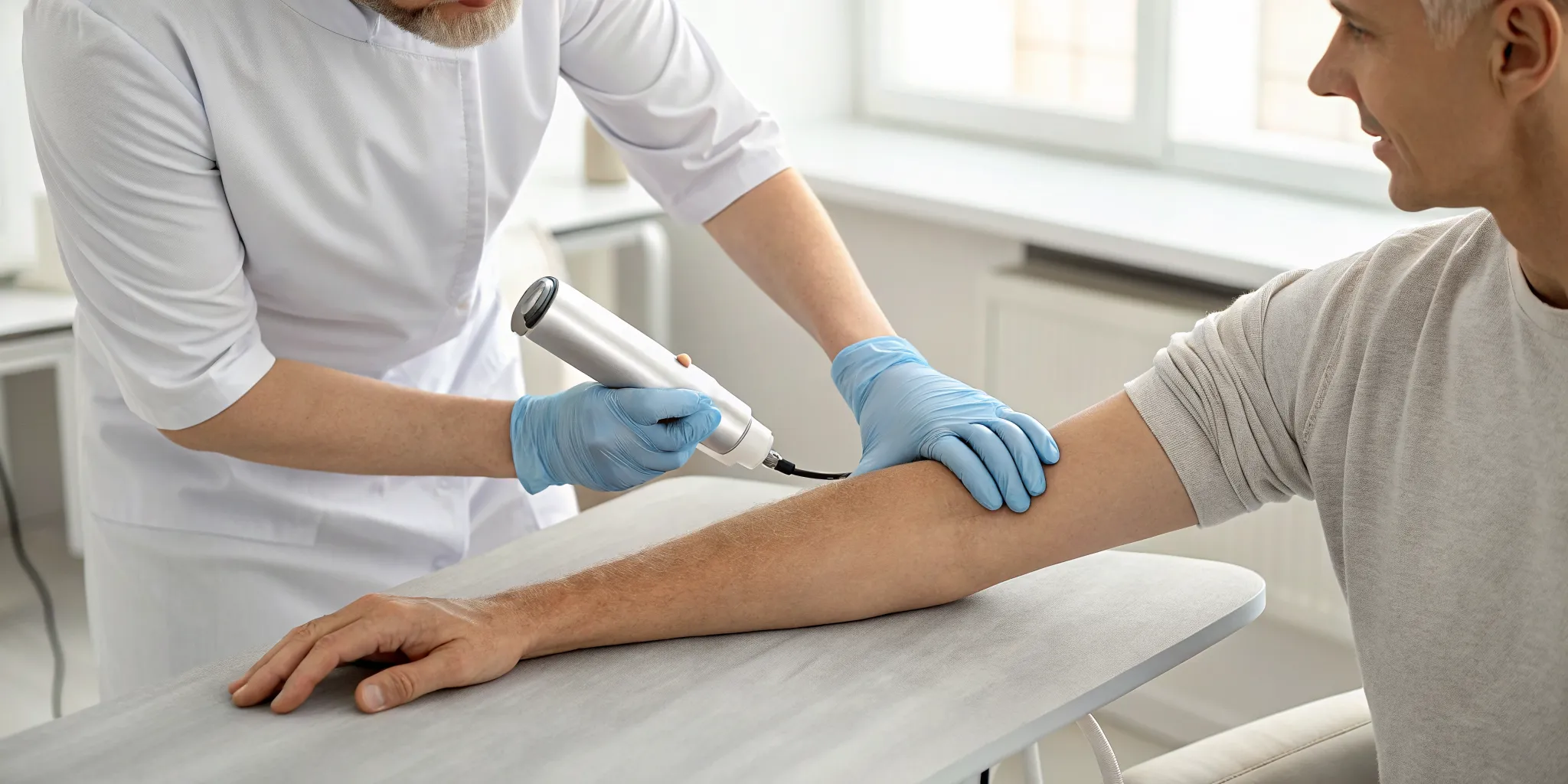
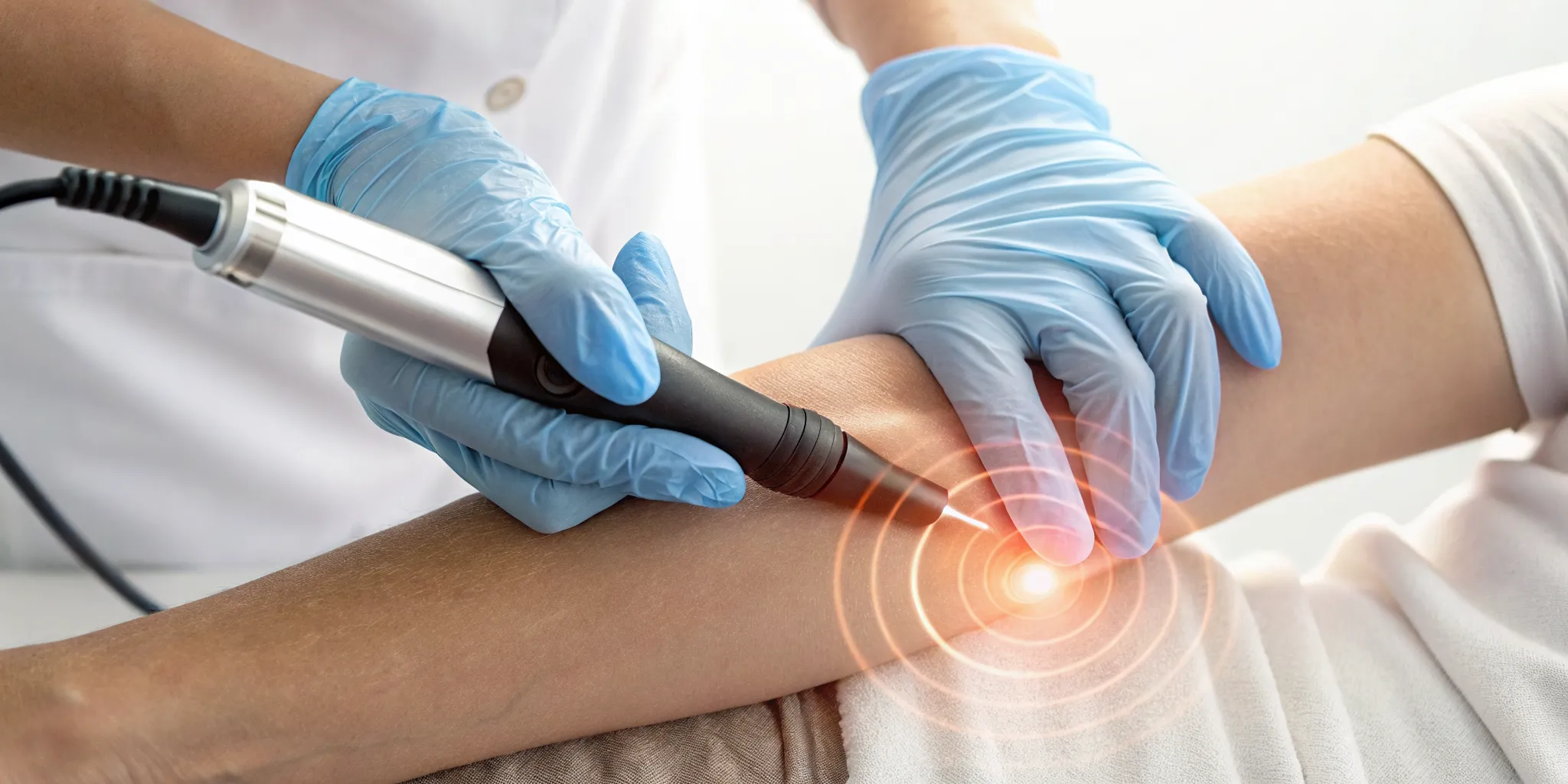
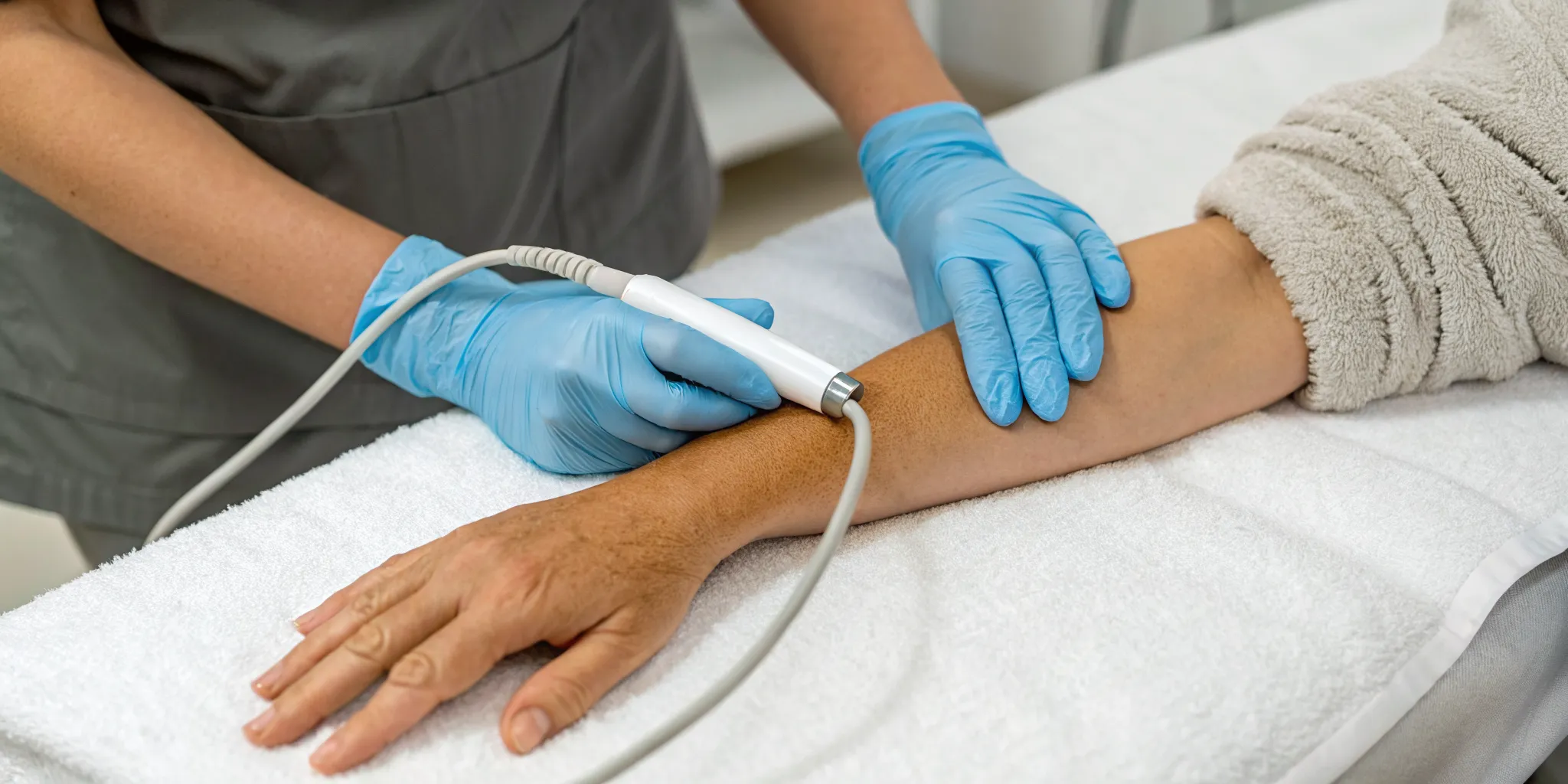
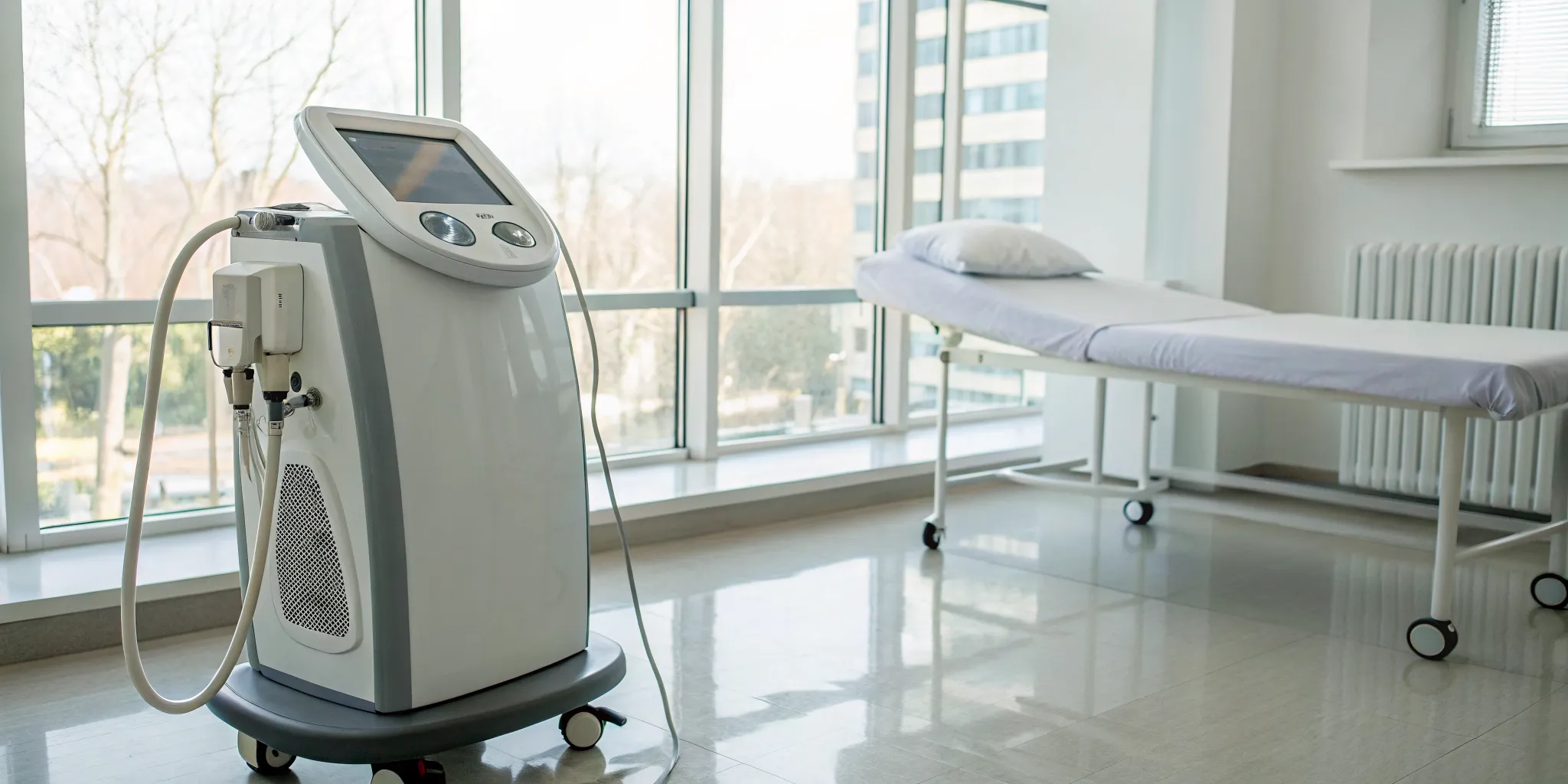
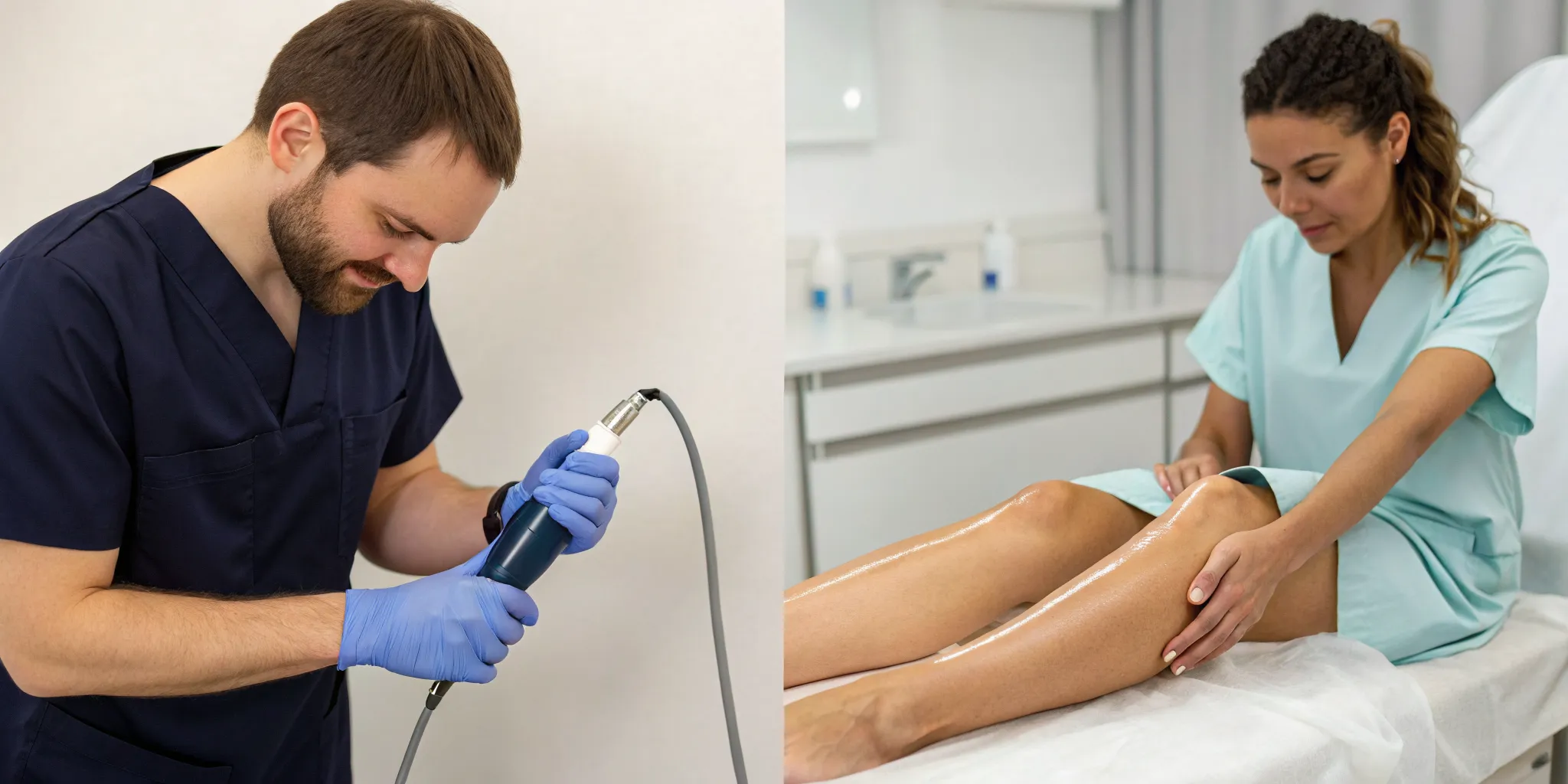
Not all treatments that call themselves "shockwave" are the same. Many consumer-grade massagers use simple vibration, which feels good but doesn't create the biological changes needed for true tissue repair. Professional shockwave therapy is a sophisticated medical treatment that uses focused acoustic waves to stimulate cell regeneration and increase blood flow deep within the injured area. The distinction lies in the technology. An FDA cleared shockwave device is a powerful instrument engineered for clinical results, backed by research and proven to be effective. This guide will help you understand why the tool used in your treatment matters so much.
Key Takeaways
- It Focuses on Regeneration, Not Just Symptom Management: Shockwave therapy uses acoustic waves to stimulate your body’s own repair processes, like increasing blood flow and rebuilding tissue. This approach addresses the root cause of pain for lasting results, unlike treatments that only offer temporary relief.
- It's Highly Effective for Chronic Soft Tissue Pain: This treatment is a well-researched solution for stubborn conditions that haven't responded to other methods. It is particularly successful for issues like plantar fasciitis, various forms of tendonitis (including tennis elbow and Achilles pain), and chronic shoulder discomfort.
- Professional Oversight is Crucial for Safety and Results: The success of shockwave therapy depends on using a powerful, FDA-cleared device in the hands of a trained professional. A qualified clinician provides the necessary assessment, precision, and personalized plan for a safe and effective outcome.
What FDA Clearance for Shockwave Therapy Really Means
When you're exploring treatments for pain and injury, you'll likely come across the term "FDA cleared." It sounds official and reassuring, but what does it actually mean for a device like the ones used in shockwave therapy? Understanding this label is key to making informed decisions about your health. It helps you separate proven technology from unverified gadgets and ensures you're choosing a path that prioritizes both safety and effectiveness. Let's break down what that FDA clearance really signifies.
A Quick Look at the 510(k) Process
The path to FDA clearance for most medical devices, including shockwave therapy equipment, is called the 510(k) process. Instead of starting from scratch, a manufacturer must demonstrate that their new device is "substantially equivalent" to a device that is already legally marketed. This means it has the same intended use and similar technological characteristics. The FDA reviews this comparison to ensure the new device is at least as safe and effective as its predecessor. This process is different from "FDA approval," which is a much more intensive review reserved for high-risk or entirely new types of devices.
What FDA Clearance Guarantees (and What It Doesn't)
Receiving FDA clearance is a significant milestone. It confirms that a device has been reviewed for both safety and effectiveness for specific clinical uses. For example, a shockwave device might be cleared for treating plantar fasciitis or certain types of tendon pain. This tells you the technology isn't experimental; it has provided enough evidence to meet the FDA's standards for its intended purpose. However, clearance isn't a blanket endorsement for all conditions. It also doesn't mean that every cleared device offers the same quality or power. The effectiveness of your treatment still depends heavily on the specific device used and the expertise of the practitioner operating it.
Why This Matters for Your Safety and Results
This distinction is crucial for your well-being. Choosing a treatment that uses an FDA-cleared device ensures the technology has been properly vetted. Shockwave therapy is a safe and effective treatment when administered with a regulated, medically engineered device. This is why we exclusively use professional-grade, cleared technology in our clinic. Unregulated devices, which you might see marketed online, lack this oversight and may be ineffective or even unsafe. At Ascend Functional Health, our commitment to your recovery is rooted in using proven methods that support your body's natural healing abilities, which is a core principle of our physical medicine services.
How Shockwave Therapy Promotes Natural Healing
Shockwave therapy is a fascinating approach that uses acoustic waves to stimulate your body’s own healing abilities. Instead of just masking symptoms, this treatment gets to the source of your discomfort by prompting a natural, biological response. It’s a non-invasive way to encourage tissue repair and find lasting relief from chronic pain. By working with your body, we can address the underlying issues that contribute to conditions like tendonitis and plantar fasciitis. This method is a cornerstone of our physical medicine services, helping you get back to feeling your best.
Focused vs. Radial: Understanding the Two Main Types
When we talk about shockwave therapy, it’s helpful to know there are two main types, and the one we choose depends on your specific needs. Think of it like the difference between a laser pointer and a flashlight.
Focused Shockwave Therapy (ESWT) is like the laser pointer. It sends a precise, high-energy sound wave deep into a specific point in your body. This is ideal for targeting deep-seated issues or very specific trigger points.
Radial Shockwave Therapy (EPAT), on the other hand, is more like a flashlight. It spreads the sound waves over a wider, more superficial area. This approach is great for larger muscle groups or conditions that affect a broader patch of tissue.
A Look at What Happens Inside Your Body
So, what’s actually going on when these sound waves enter your tissue? The therapy creates what’s known as micro-trauma in the targeted area. This controlled stimulation essentially sends a signal to your body that it’s time to start the repair process. In response, your body increases blood flow and forms new blood vessels, a process called neovascularization. This influx of fresh blood brings oxygen and nutrients to the injured tissue. It also prompts the release of natural growth factors, which are crucial for cell regeneration and healing the conditions we treat. It’s a powerful way to restart a healing process that may have stalled.
How Many Sessions Until You See Results?
This is one of the most common questions we hear, and the answer is that it’s unique to you. Your healing journey depends on the specific condition, how long you’ve been dealing with it, and your body’s individual response. While some people feel a difference after just one or two sessions, most conditions require a series of treatments to achieve lasting results.
Studies have shown impressive success rates, with many patients experiencing significant relief. The goal is cumulative repair, so each session builds on the last. We will create a personalized plan for you and closely monitor your progress to ensure you’re on the right track. If you're curious about what a plan might look like for you, we're here to help you get started.
Common Conditions That Respond to Shockwave Therapy
One of the most exciting things about shockwave therapy is its versatility. This isn't a one-trick pony; it’s a powerful tool for addressing chronic pain in different parts of the body, especially where soft tissues like tendons and ligaments are involved. If you've been dealing with a nagging injury that just won’t heal, there’s a good chance it’s a condition that responds well to this kind of regenerative approach. By targeting the root cause of the problem, shockwave therapy helps your body rebuild and repair itself. Let's look at some of the most common issues we see improve with this treatment.
Plantar Fasciitis and Heel Discomfort
If you’ve ever felt that sharp, stabbing pain in your heel with your first steps in the morning, you know how frustrating plantar fasciitis can be. This condition happens when the thick band of tissue on the bottom of your foot becomes inflamed and painful. Shockwave therapy is a game-changer here, with studies showing excellent outcomes. One report found that over 75% of patients were pain-free a year after treatment. The acoustic waves stimulate blood flow and kickstart the healing process in the damaged tissue, offering lasting relief so you can get back on your feet without that dreaded morning pain.
Tendonitis and Tendinopathy
Tendonitis (inflammation) and tendinopathy (chronic degeneration) are common culprits behind persistent joint pain, from tennis elbow to Achilles tendon issues. These conditions often result from repetitive strain that breaks down the tendon over time. Research shows that shockwave therapy has high success rates, ranging from 68% to over 90% for issues like tennis elbow and jumper's knee. The treatment works by breaking down scar tissue and stimulating the formation of new collagen fibers, which are essential for strong, healthy tendons. It’s an effective way to address the underlying damage that our physical medicine team often sees.
Calcific Shoulder and Rotator Cuff Pain
Chronic shoulder pain can make simple tasks like reaching overhead or getting dressed feel impossible. Sometimes, this pain is caused by calcific tendinitis, where small calcium deposits form within the rotator cuff tendons. Shockwave therapy has proven to be incredibly effective for this, with success rates as high as 91%. The sound waves help break down and reabsorb these calcium deposits while also reducing inflammation and promoting tissue repair. Many people experience a significant reduction in pain and a noticeable improvement in their shoulder’s range of motion, allowing them to move freely again.
Knee Discomfort and Patellar Tendinopathy
Patellar tendinopathy, often called "jumper's knee," causes pain right below the kneecap and is common among active individuals. It can be a stubborn condition that sidelines you from the activities you love. For difficult cases, shockwave therapy has been shown to be a highly effective option, even when compared to more invasive procedures. By promoting regeneration in the patellar tendon, this therapy helps resolve the chronic pain and dysfunction. It’s one of the many conditions we treat to help you regain strength and get back to your life without being limited by knee discomfort.
Myofascial Pain and Trigger Points
Those deep, nagging knots in your muscles that just won't release are known as trigger points, and they are a hallmark of myofascial pain syndrome. While research is still growing, shockwave therapy is showing great promise as a treatment for these painful spots. The focused acoustic waves can penetrate deep into the muscle tissue to break up the tight bands of fibers that form a trigger point. This helps restore normal blood flow to the area, flush out metabolic waste, and release the tension that causes localized and referred pain, offering a new path to relief for many.
A Guide to Professional, FDA-Cleared Devices
When it comes to your health, the tools used in your treatment matter just as much as the expertise of the practitioner. That’s why we rely on professional, FDA-cleared shockwave devices. These aren't the gadgets you might see advertised for personal use; they are sophisticated instruments designed for safety and clinical effectiveness. Understanding the technology behind your care can help you feel more confident in your healing plan. Let's walk through a few of the industry-leading devices that professionals trust.
SoftWave OrthoGold 100
The SoftWave OrthoGold 100 is a highly versatile tool in a clinical setting. It uses a patented type of energy wave called a “broad-focused” shockwave. Think of it as a beam of light that’s wider than a laser pointer but more targeted than a floodlight, allowing it to treat a larger area of tissue at once. While it has received FDA clearance for helping with specific skin conditions, it’s also widely recognized for its ability to address discomfort and support the body's healing processes. This versatility makes it an excellent option for a variety of musculoskeletal issues, helping to reduce pain and improve function.
CuraMedix DUOLITH SD1 T-TOP Ultra
Considered an industry standard, the CuraMedix DUOLITH SD1 T-TOP Ultra is a powerhouse in focused shockwave therapy. Powered by the renowned STORZ Medical, this device is known for its reliability and proven results. It has earned FDA approval for treating chronic conditions like plantar fasciitis, a common source of persistent heel pain. Its ability to deliver targeted energy to specific tissues makes it a go-to for addressing both acute and chronic musculoskeletal pain. When a practitioner uses a device like the DUOLITH, you can feel confident you’re receiving care from one of the most trusted focused shockwave therapy devices available.
Intelect Focus Shockwave by Enovis
Precision is the name of the game with the Intelect Focus Shockwave. This electromagnetic system is designed to deliver a deep, non-invasive acoustic treatment with incredible accuracy. It’s particularly well-suited for conditions that require pinpointing a very specific area of concern, such as chronic plantar heel pain. The technology emphasizes delivering energy exactly where it’s needed most, deep within the tissue, without affecting the surrounding areas. This level of precision makes the Intelect Focus Shockwave a valuable tool for creating highly targeted and effective treatment plans for stubborn pain.
How They Differ in Power and Precision
The main distinction between shockwave technologies comes down to how they deliver energy. It’s helpful to understand the difference between focused and radial shockwave therapy. Focused Shockwave Therapy (ESWT) sends strong, concentrated sound waves deep into the body, making it ideal for precise treatment of specific tissues. In contrast, Radial Shockwave Therapy (EPAT) generates pressure waves that spread over a wider, more superficial area. This fundamental difference in power and precision is why a knowledgeable practitioner will choose a specific type of device based on your unique condition, ensuring the right approach for the best possible outcome.
Professional vs. At-Home Devices: What's the Difference?
When you’re dealing with persistent pain, the idea of a treatment device you can use on your own schedule can sound incredibly appealing. A quick search online reveals dozens of gadgets claiming to offer shockwave therapy. While the convenience is tempting, it’s crucial to understand that these consumer-grade products are worlds apart from the medical-grade technology used in a professional setting. The differences in power, precision, and safety can have a major impact on your results and overall health. Choosing the right path is about more than just convenience; it’s about ensuring your treatment is both safe and genuinely effective.
Power, Precision, and Proper Oversight
Professional shockwave devices are powerful medical instruments. They deliver focused acoustic waves at specific energy levels, penetrating deep into tissue to stimulate healing exactly where it’s needed. This level of precision is something most consumer devices simply cannot replicate, as they often use less powerful, radial (or vibratory) waves that don't reach the target tissue effectively. More importantly, a trained clinician provides the essential oversight needed for a safe outcome. They understand the body’s anatomy and can tailor the treatment to your specific condition, ensuring the therapy is both beneficial and safe. This expert guidance is a critical part of our physical medicine approach.
The Importance of Proven, Effective Technology
The term "shockwave" is sometimes used loosely by companies selling massagers. True shockwave therapy employs a sophisticated device that delivers high-energy acoustic waves to trigger your body’s natural healing and regeneration processes. The professional, FDA-cleared systems used in clinical settings are supported by extensive research and clinical evidence demonstrating their effectiveness. When you receive treatment from a verified device, you can feel confident that the technology is designed to produce real, therapeutic results for a variety of conditions we treat. Many consumer devices lack this scientific validation, leaving you to guess whether they will actually work.
Why Treatment from a Professional Is Key
Ultimately, the biggest difference isn't just the device itself, but the expertise of the person operating it. A qualified professional does more than just turn on a machine. We start with a thorough assessment to identify the root cause of your pain and determine if shockwave therapy is the right fit for you. From there, we develop a personalized treatment plan, adjusting the device’s settings and application to ensure optimal results. This ability to distinguish between risky devices and verified systems is central to patient safety and achieving consistent outcomes. Choosing professional care means you’re not just getting access to better technology; you’re getting a partner dedicated to your healing journey. If you're ready to explore a safe and effective solution, we encourage you to contact us to learn more.
Understanding the Benefits and Potential Side Effects
When you’re dealing with persistent discomfort, you want a solution that does more than just mask the symptoms. You’re looking for real, lasting change. Shockwave therapy is designed to do just that by working with your body to heal the underlying issue. It’s a well-researched approach used in orthopedics and physical medicine to stimulate tissue repair and improve pain outcomes. The goal is to help you find significant relief so you can get back to living your life fully.
Of course, with any treatment, it’s important to have a clear picture of what to expect, both the good and the not-so-good. The benefits often include reduced pain and restored movement, but it's also normal to experience some minor, temporary side effects. Let's walk through what this therapy can do for you and what you might feel along the way.
Finding Significant and Lasting Relief
One of the most compelling aspects of shockwave therapy is its focus on long-term results. Instead of providing a temporary patch, this treatment aims to resolve pain at its source. By stimulating your body’s own healing mechanisms, it encourages repair in damaged tissues, whether it's a stubborn tendon or a tight muscle. This approach has become a trusted, evidence-based method for helping people find lasting relief from chronic conditions.
Many people who have tried other treatments without success find that shockwave therapy finally gives them the breakthrough they need. The goal isn't just to feel better for a day or a week; it's to support your body in a way that creates sustainable improvement. We focus on a wide range of conditions we treat, helping you move past limitations and toward a more active, comfortable life.
Regaining Mobility and Function
Feeling stuck because of pain or stiffness can be incredibly frustrating. Shockwave therapy can be a powerful tool for regaining your freedom of movement. The device delivers high-energy acoustic waves to the affected area, which kickstarts your body’s natural healing process and promotes tissue regeneration. Think of it as a non-invasive way to give your body a focused signal to start repairing itself.
This process helps to break down scar tissue and calcifications that can restrict movement and cause pain. As your tissues heal and regenerate, you’ll likely notice improved flexibility and function. Our approach to physical medicine is all about restoring your body's optimal performance, and shockwave therapy is a key part of helping you get back to the activities you love, from walking on the beach to playing with your kids.
Supporting Your Body's Healing Response
Your body has an incredible, innate ability to heal itself. Shockwave therapy simply gives it a helping hand. The acoustic waves from the treatment create a response deep within your tissues, helping them repair and grow new cells. A key part of this process is the growth of new blood vessels, which improves blood supply to the area.
This enhanced circulation is crucial because it delivers more oxygen and nutrients right where they're needed most. It also helps release important growth factors that are essential for tissue regeneration. This is a core principle of functional medicine: supporting your body’s systems so they can work together to create health from the inside out. By encouraging this natural biological response, we’re not just treating a symptom; we’re fostering true healing.
Common, Temporary Side Effects to Expect
It’s completely normal to have questions about what a treatment will feel like. With shockwave therapy, the side effects are typically minor and short-lived. Most people tolerate the sessions very well. Afterward, it’s possible to experience some temporary redness, mild swelling, or bruising in the treated area. Some people also report a dull ache, similar to how a muscle feels after a deep massage.
These reactions are a normal part of the healing process and are simply signs that your body is responding to the therapy. They usually fade on their own within a day or two. We will always talk you through what to expect before, during, and after your session. If you ever have concerns, we encourage you to contact us so we can provide guidance and support.
When to Consider Other Options
While shockwave therapy is an effective solution for many musculoskeletal issues, it’s not the right fit for everyone. Your safety and results are our top priorities, which is why a thorough evaluation is the first step. Certain conditions or health factors may mean that another approach would be more beneficial for you. We only use technology with verified regulatory clearance to ensure the highest standards of care.
This is why working with a qualified professional is so important. We take the time to understand your complete health picture before recommending a course of action. Our team is committed to creating a personalized plan that addresses your specific needs and goals. You can learn more about us and our patient-first philosophy. If shockwave isn't the best path for you, we'll explore other effective options to help you heal.
How Shockwave Compares to Other Treatment Options
When you’re dealing with persistent pain, it’s easy to feel like your options are limited to temporary fixes or invasive procedures. Many people believe they just have to live with the discomfort. However, shockwave therapy offers a different path by working with your body to create lasting change. It’s not about masking symptoms; it’s about addressing the root cause of your pain. Let’s look at how this approach stacks up against some of the more common treatments for chronic pain and injury.
Shockwave Therapy vs. Injections
Injections are often one of the first solutions offered for joint and tendon pain. While they can provide relief, it’s often temporary. That’s because injections typically work by reducing inflammation or numbing the area, which can feel great for a while but doesn’t actually repair the damaged tissue underneath. Think of it as a patch on a bigger problem.
Shockwave therapy takes a completely different approach. It’s a non-invasive procedure that uses targeted acoustic waves to stimulate your body’s natural healing response. Instead of just silencing the pain signals, it encourages increased blood flow and cell regeneration right at the source of the injury. This focus on true healing is why our physical medicine protocols often incorporate shockwave to achieve better, more sustainable outcomes.
Shockwave Therapy vs. Surgical Procedures
The idea of surgery can be intimidating. Between the risks, the anesthesia, and the long, often difficult recovery period, it’s a major undertaking that many people understandably want to avoid. For certain chronic conditions, surgery is presented as the only way to find permanent relief. Fortunately, that’s not always the case.
Research has shown that for some conditions, like chronic plantar fasciitis, shockwave therapy can be just as effective as surgery. It offers a powerful, non-invasive alternative that can provide significant pain relief and restore function without the associated downtime. By promoting tissue repair from the outside in, shockwave helps you get back to your life faster, sidestepping the need for more drastic interventions for many musculoskeletal disorders.
Shockwave Therapy vs. Physical Therapy Alone
Physical therapy is a cornerstone of rehabilitation for a reason. It’s essential for restoring strength, flexibility, and proper movement patterns. However, sometimes progress can plateau if the underlying tissue isn’t healing effectively. This is where combining physical therapy with shockwave therapy can make a world of difference.
Think of shockwave as a way to prepare the ground for the work you do in physical therapy. The therapy stimulates tissue repair and reduces pain, creating a better environment for your body to respond to rehabilitative exercises. This evidence-based approach can enhance the results of physical therapy, helping you achieve your goals more efficiently. It’s a perfect example of how we combine treatments to address the specific conditions we treat and get you feeling better for good.
Your Shockwave Therapy Plan: What to Expect
Starting a new treatment can feel a little uncertain, but we believe in making your healing journey as clear and comfortable as possible. When you begin shockwave therapy with us, we don't just start the treatment; we create a personalized roadmap tailored to your body and your goals. We'll walk you through every step, ensuring you feel informed and confident. Your plan is a partnership, and it's designed to support your body's natural healing process from your very first session to your last.
Typical Session Length and Frequency
One of the best parts of shockwave therapy is how easily it fits into your life. A typical session is quick, usually lasting between 15 and 30 minutes. Most of our patients see the best results with a series of three to six treatments, scheduled about a week apart. This schedule gives your body the time it needs to respond to the therapy and kickstart its own repair mechanisms. We create a plan based on the specific conditions we treat and your unique situation, so you'll know exactly what your schedule looks like from the start.
How We Track Your Progress
Your progress is our top priority, and we monitor it closely throughout your treatment plan. We track improvements by assessing changes in your pain levels, checking your range of motion, and discussing how your daily activities are becoming easier. Your feedback is a vital part of this process. We want to hear from you about how you're feeling and what you're noticing. This collaborative approach allows us to make sure the therapy is working effectively for you and adjust as needed. If you're ready to discuss how this could work for you, we encourage you to contact our team to get started.
Begin Your Healing with Shockwave Therapy in Tampa
If you're tired of living with persistent pain and searching for a solution that works with your body, shockwave therapy could be the breakthrough you need. This innovative, non-invasive treatment uses high-energy acoustic waves to stimulate your body’s own natural healing response. Instead of just masking symptoms, it promotes tissue regeneration right at the source of your discomfort. It’s a key part of our physical medicine approach, which focuses on helping your body repair itself so you can find lasting relief.
The effectiveness of shockwave therapy is supported by extensive clinical research, making it a reliable option for many musculoskeletal conditions. Whether you're dealing with chronic tendon issues, plantar fasciitis, or shoulder pain, this treatment can help improve your mobility and reduce discomfort without injections or lengthy recovery times. Our focus is always on helping you get back to your life, feeling stronger and more capable. We believe healing is about restoring function so you can return to the activities you enjoy, free from the limitations of pain.
Choosing the right provider is just as important as choosing the right treatment. At Ascend Functional Health, we are committed to your safety and success. We use only medically validated, professional-grade shockwave devices to ensure you receive a safe and effective therapy session every time. If you're in the Tampa area and ready to take a proactive step in your healing journey, we're here to help. Let's explore how shockwave therapy can fit into your personalized health plan. To learn more or schedule a consultation, please contact our team today.
Related Articles
- SoftWave Tissue Regeneration Therapy in Tampa | Alessi Functional Health
- SoftWave TRT Therapy in Tampa, FL - Alessi Functional Health
- Pain Free Future | Alessi Functional Health
- Regenerative Medicine for Pain Recovery | Ascend Functional Health
- 5 Disadvantages of Stem Cells for Arthritis
Frequently Asked Questions
What does a shockwave therapy session actually feel like? Most people describe the sensation as a series of strong taps or pulses against the skin. We apply a gel to the treatment area, similar to what’s used for an ultrasound, and then move the applicator over the source of your pain. While you might feel some discomfort, especially over a particularly sensitive spot, the intensity is adjustable to keep you comfortable. The entire session is quite quick, and the feeling stops as soon as the treatment is over.
Why can't I just use one of the "shockwave" devices sold online? This is a great question because the difference is significant. The devices we use in our clinic are professional, medically engineered instruments that deliver focused acoustic waves deep into your tissue to create a real biological response. The gadgets marketed for home use are typically just percussive massagers or vibration tools. They lack the power and precision to stimulate the cellular repair process that makes true shockwave therapy so effective, and without a professional diagnosis, you might be treating the wrong thing.
How soon can I expect to feel better? Your healing journey is unique, so the timeline for relief varies. Some people notice an improvement in their pain after just one or two sessions, but the therapy is designed to have a cumulative effect. The goal is to create lasting tissue repair, not just temporary relief. Each session builds on the last, so the most significant and sustainable results typically develop over the full course of your personalized treatment plan.
Are there any activity restrictions after a treatment session? Because shockwave therapy is non-invasive, there is no required downtime. Most people return to their normal daily activities immediately after their appointment. We generally recommend you listen to your body and perhaps avoid strenuous exercise or activities that heavily strain the treated area for a day or so. This gives your body’s natural inflammatory and healing response a chance to get started without added stress.
How do you determine if shockwave therapy is the right choice for me? We always begin with a thorough evaluation. This involves discussing your health history, understanding the nature of your pain, and performing a physical assessment to identify the root cause of your issue. This comprehensive first step allows us to determine if your specific condition is one that responds well to shockwave therapy. If it is the best path forward for you, we create a personalized plan; if not, we will explore other effective options to help you reach your goals.