If you’ve ever had a massage to relieve tight muscles, only to feel the tension return a few days later, you understand the frustration of temporary fixes. The same can be true for chiropractic adjustments that don’t seem to hold. Often, this happens because the root of the problem involves both your muscles and your spine. Tight muscles can pull your joints out of alignment, while a misaligned spine can cause muscles to tense up in response. To break this cycle, you need an approach that addresses both sides of the issue. That’s why finding chiropractors that do massage therapy can be a game-changer for your health, offering a cohesive treatment that provides more profound and lasting relief.
Key Takeaways
- Think of it as a team effort: Starting with massage therapy helps relax your muscles, which allows for more comfortable and effective chiropractic adjustments that provide longer-lasting relief.
- Treat the root cause, not just symptoms: An integrated approach addresses both tight muscles and spinal misalignments, targeting the interconnected issues that contribute to pain and limited mobility.
- Find a provider who truly integrates care: When choosing a practitioner, ask how they combine the two therapies in a session and what a full treatment plan looks like to ensure their approach aligns with your health goals.
What an Integrated Chiropractic & Massage Appointment Involves
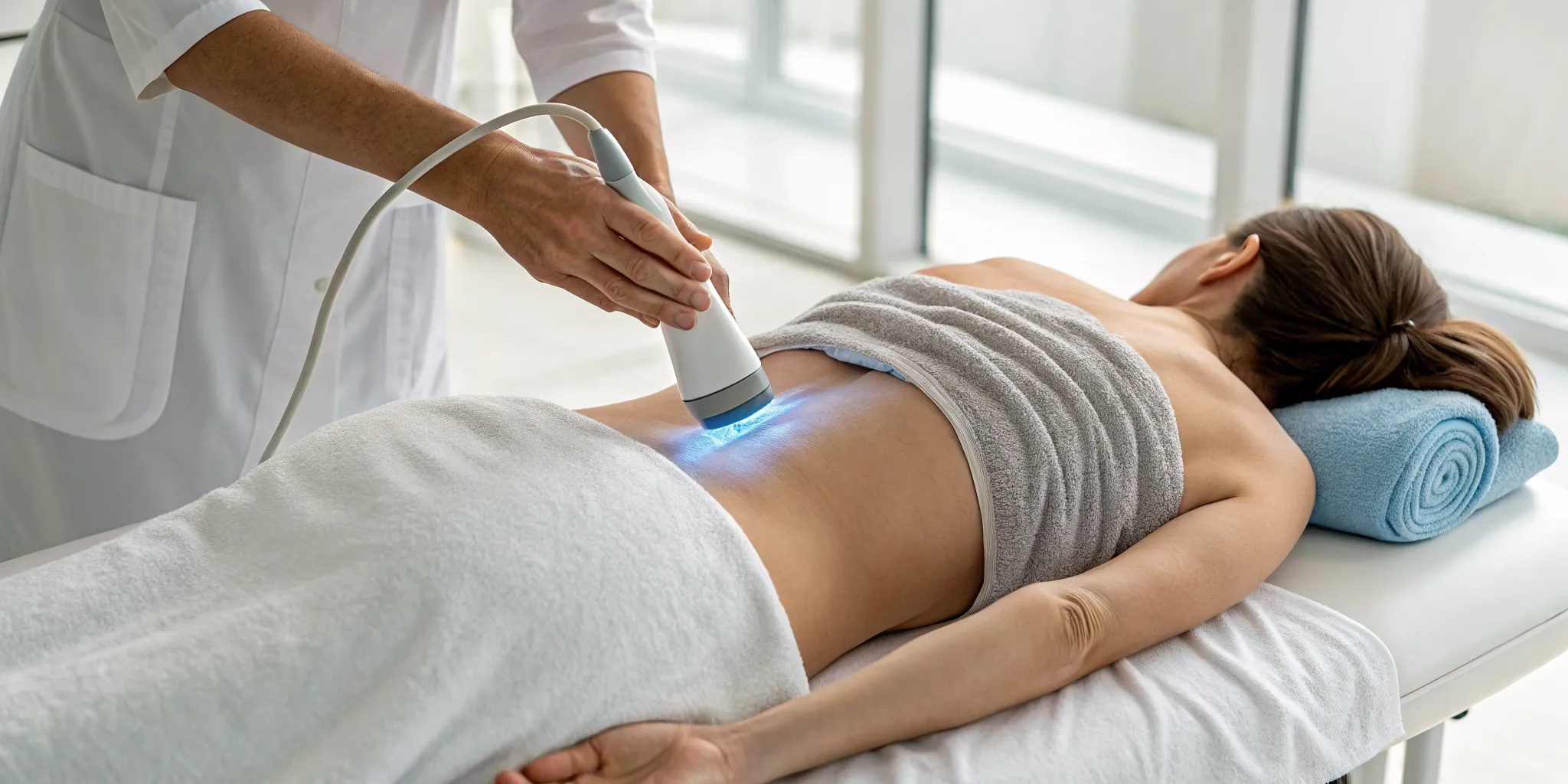
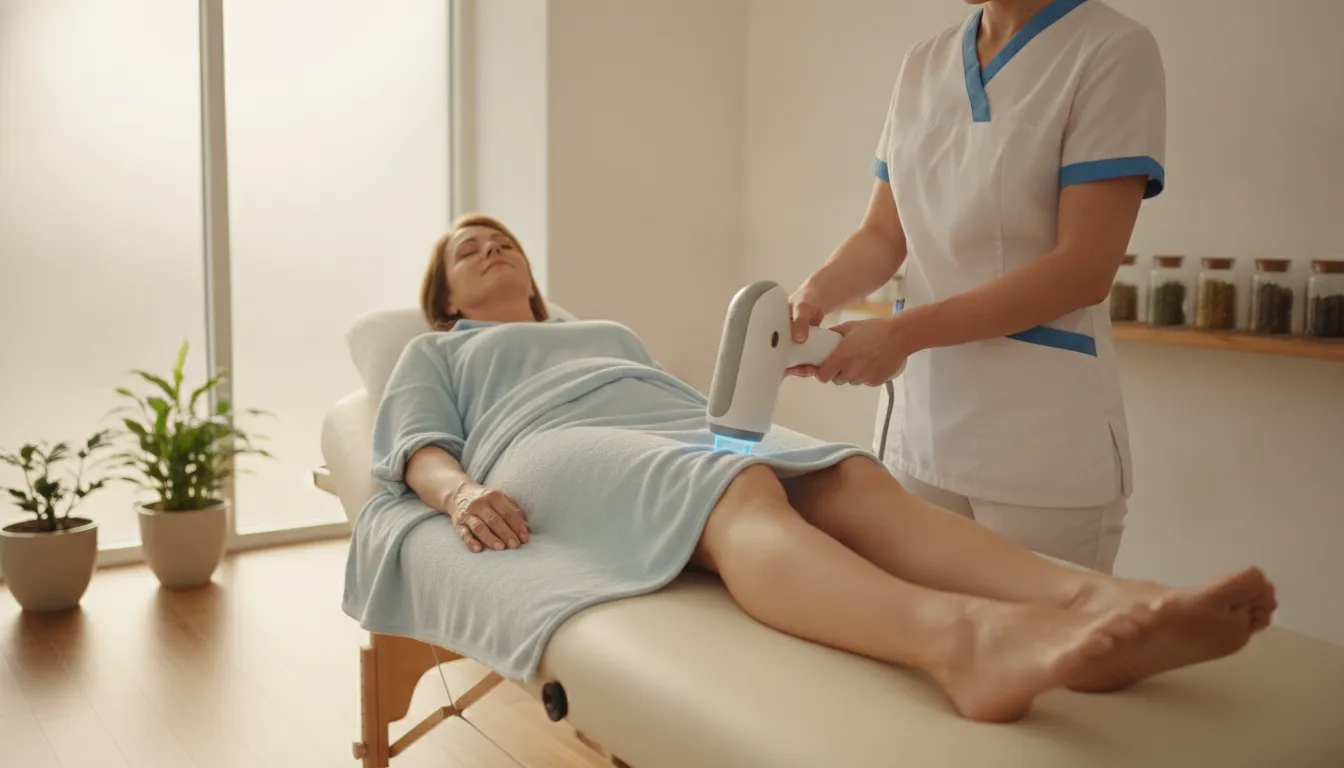
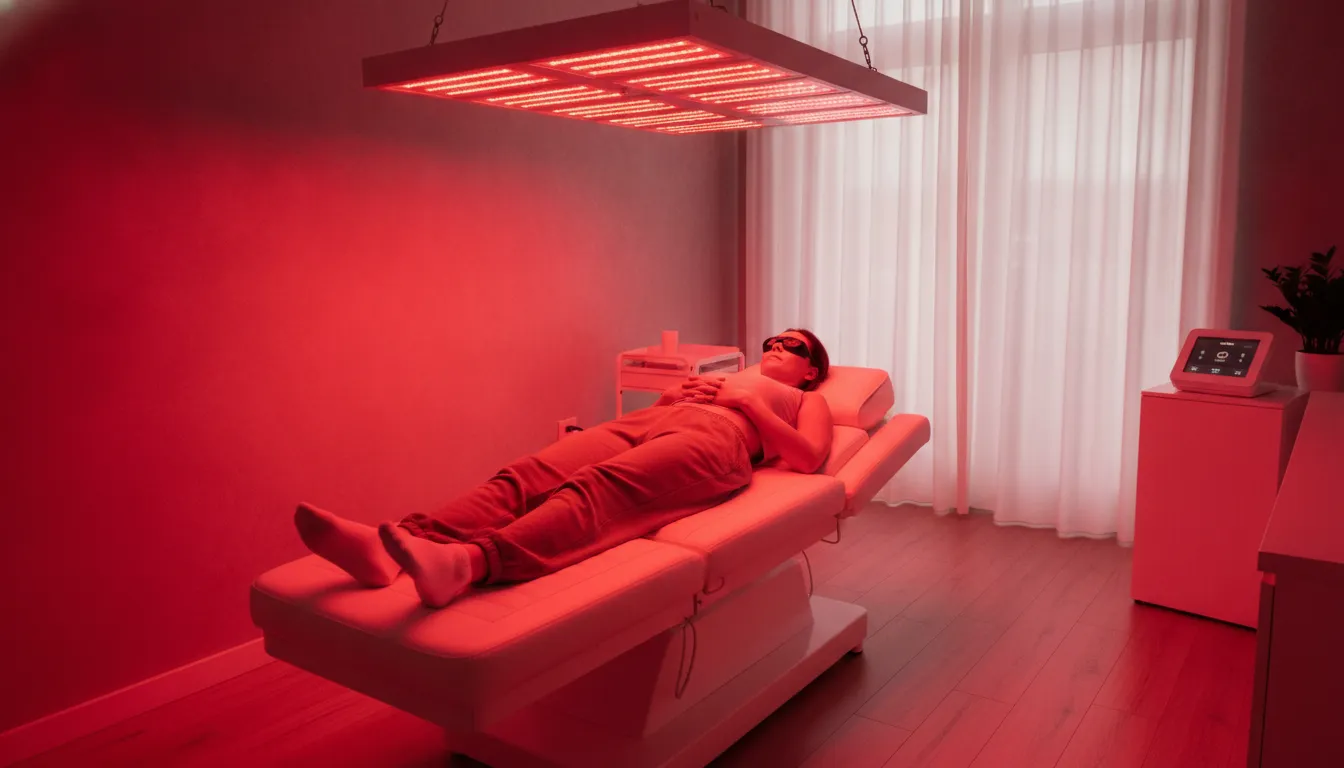
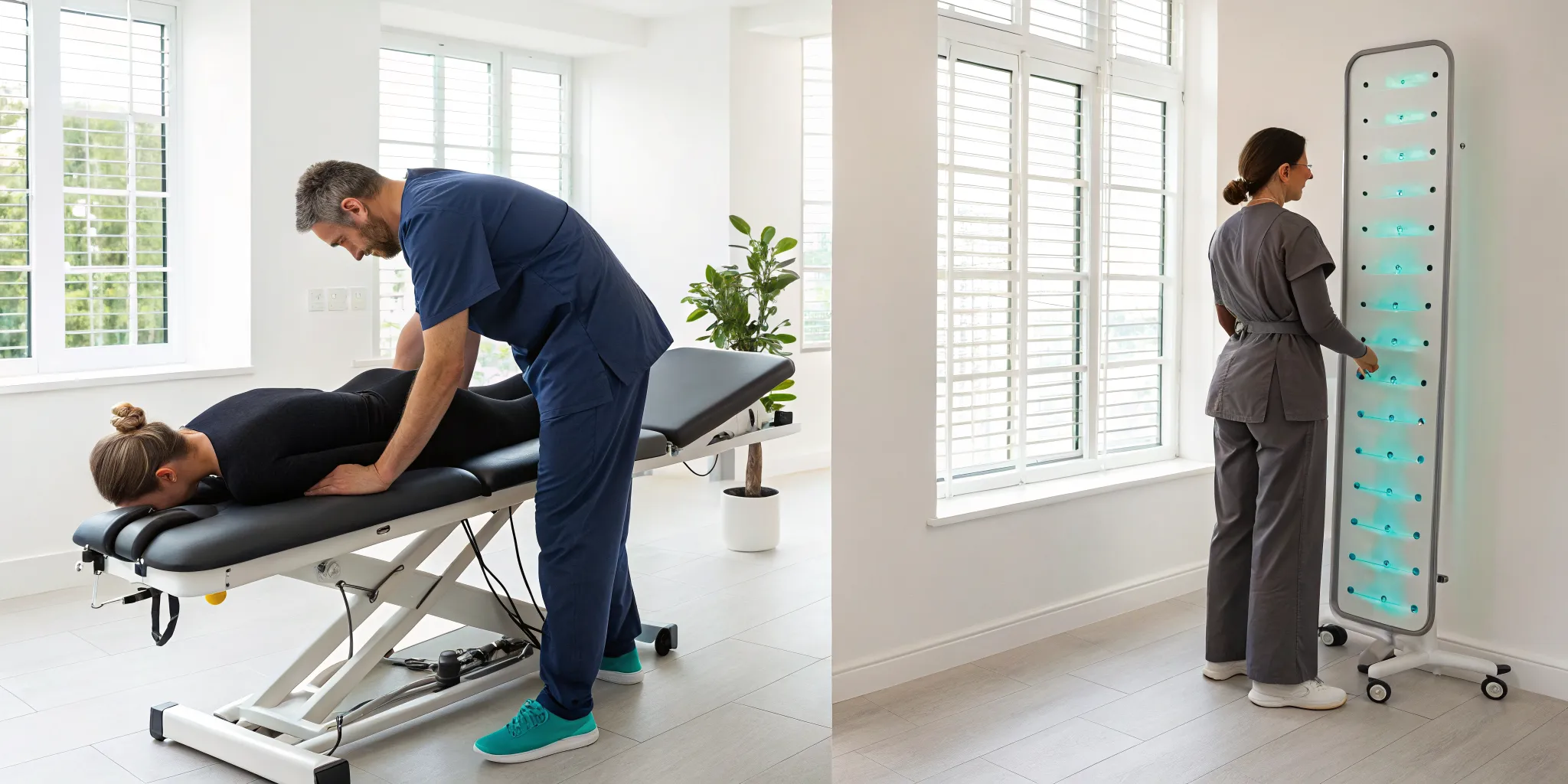
If you’ve never had an integrated appointment, you might be picturing two separate sessions back-to-back. In reality, it’s a much more cohesive experience. Combining chiropractic care with massage therapy allows your practitioner to treat your body’s interconnected systems, addressing both muscle and skeletal issues in a single, streamlined visit. The entire appointment is designed to make your treatments more effective and your relief more profound.
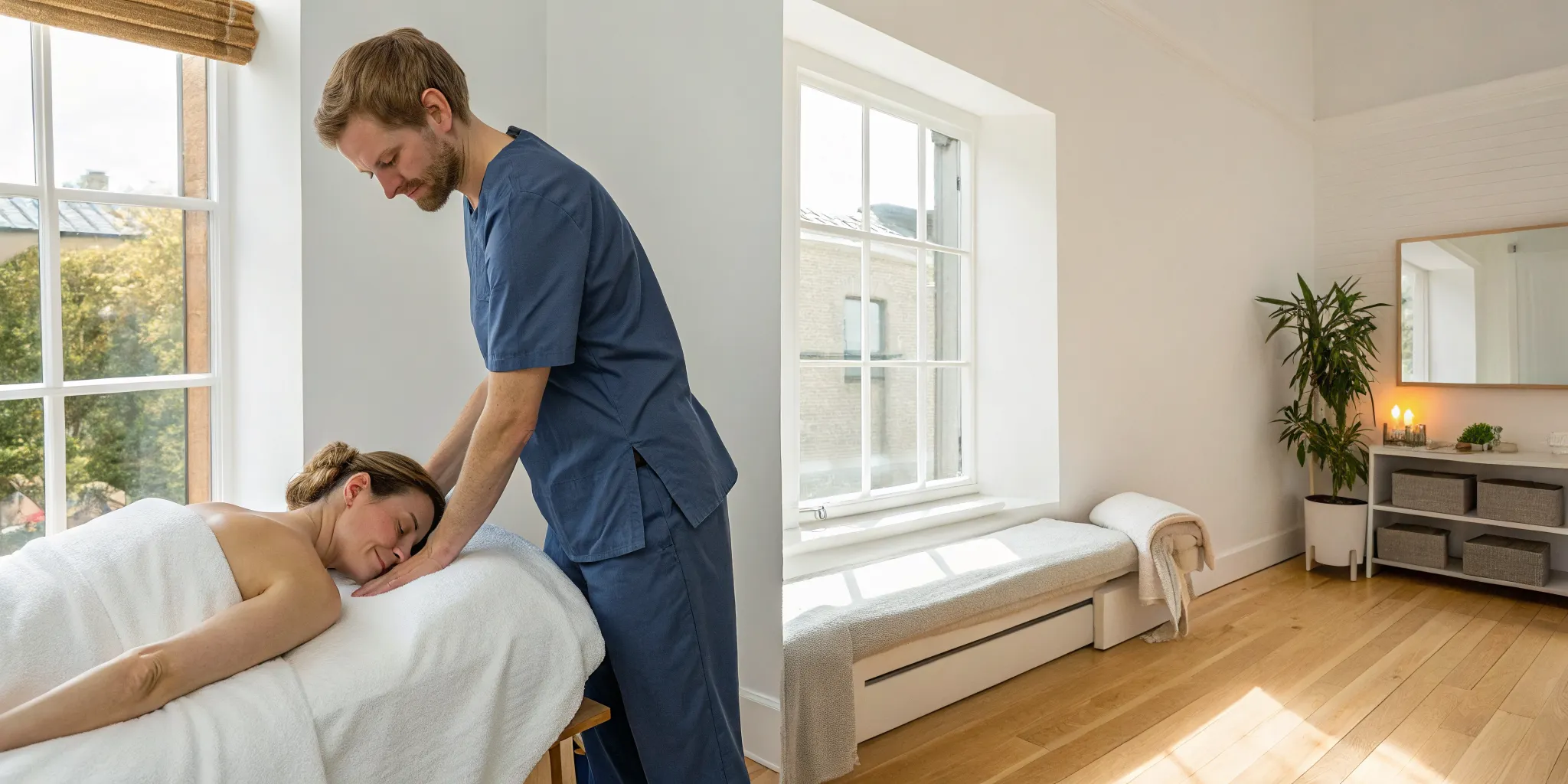
Think of it this way: your muscles and spine are a team. When muscles are tight and knotted, they can pull your spine out of alignment. On the other hand, a misaligned spine can cause muscles to tense up in response. An integrated appointment addresses both sides of the problem. The session typically starts with massage to warm up and relax your muscles, preparing your body for gentle and effective chiropractic adjustments. This combination treats both your muscles and your spine at the same time, creating a powerful path toward better health.
Targeted Spinal Adjustments
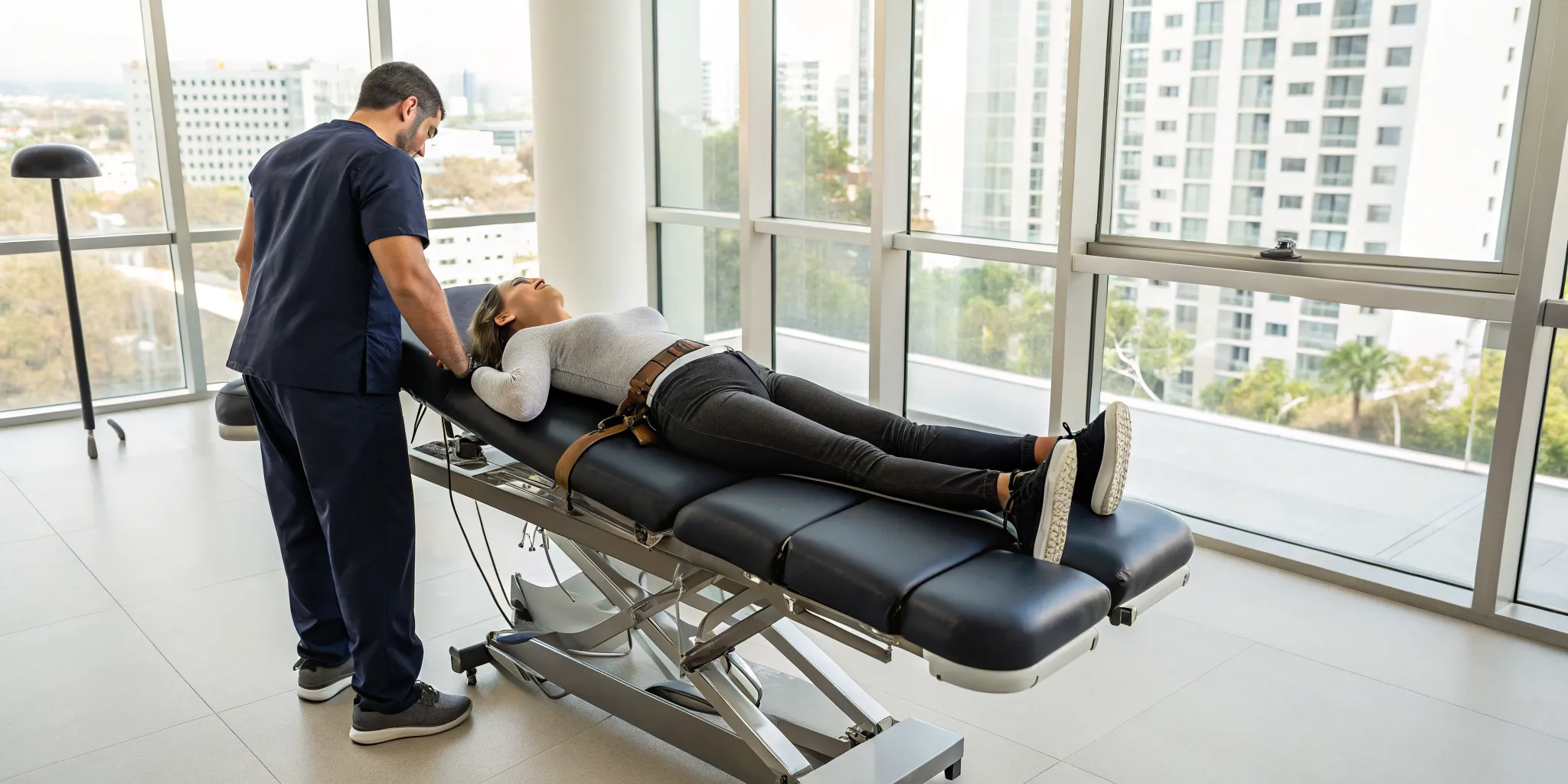
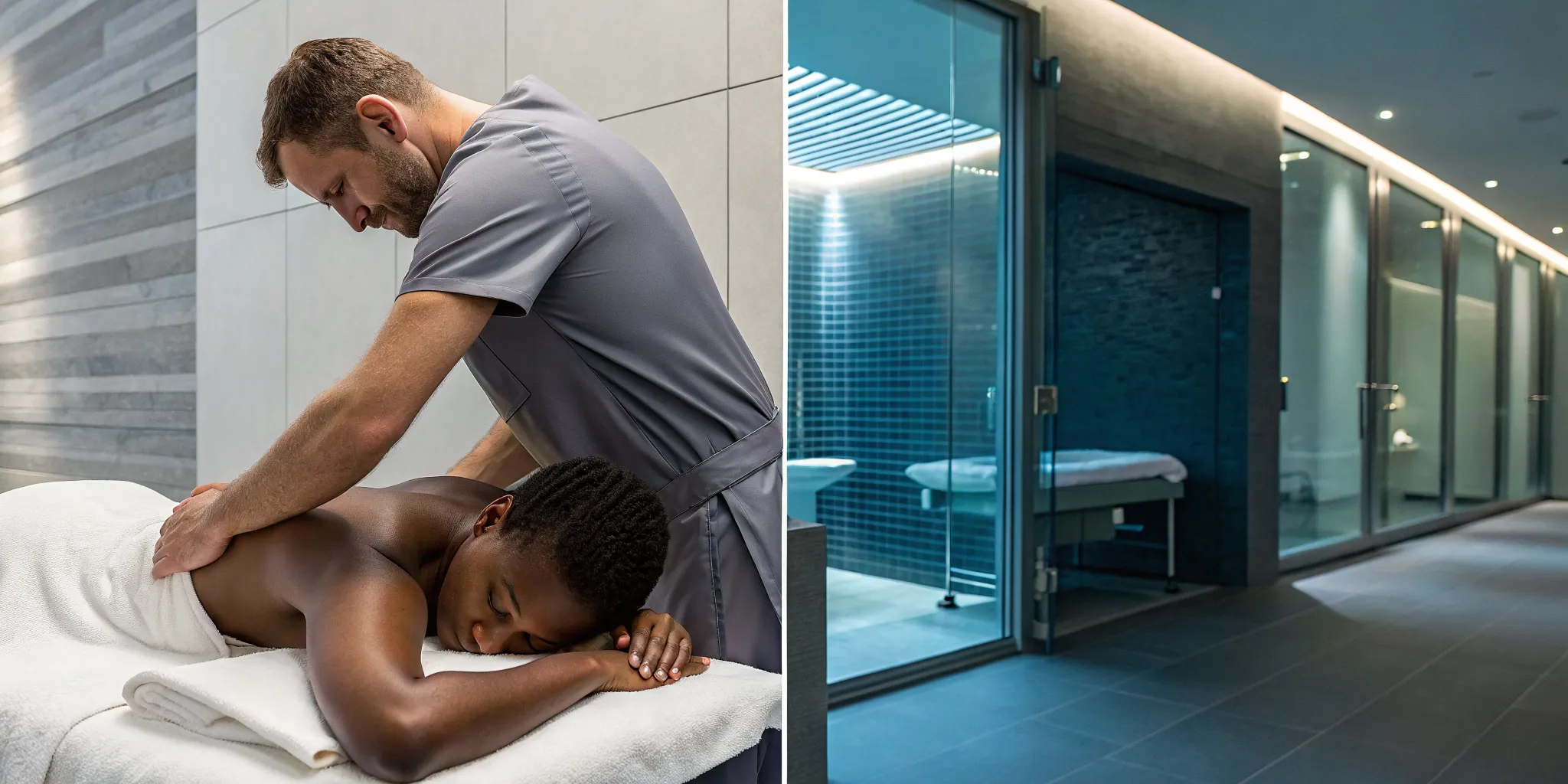
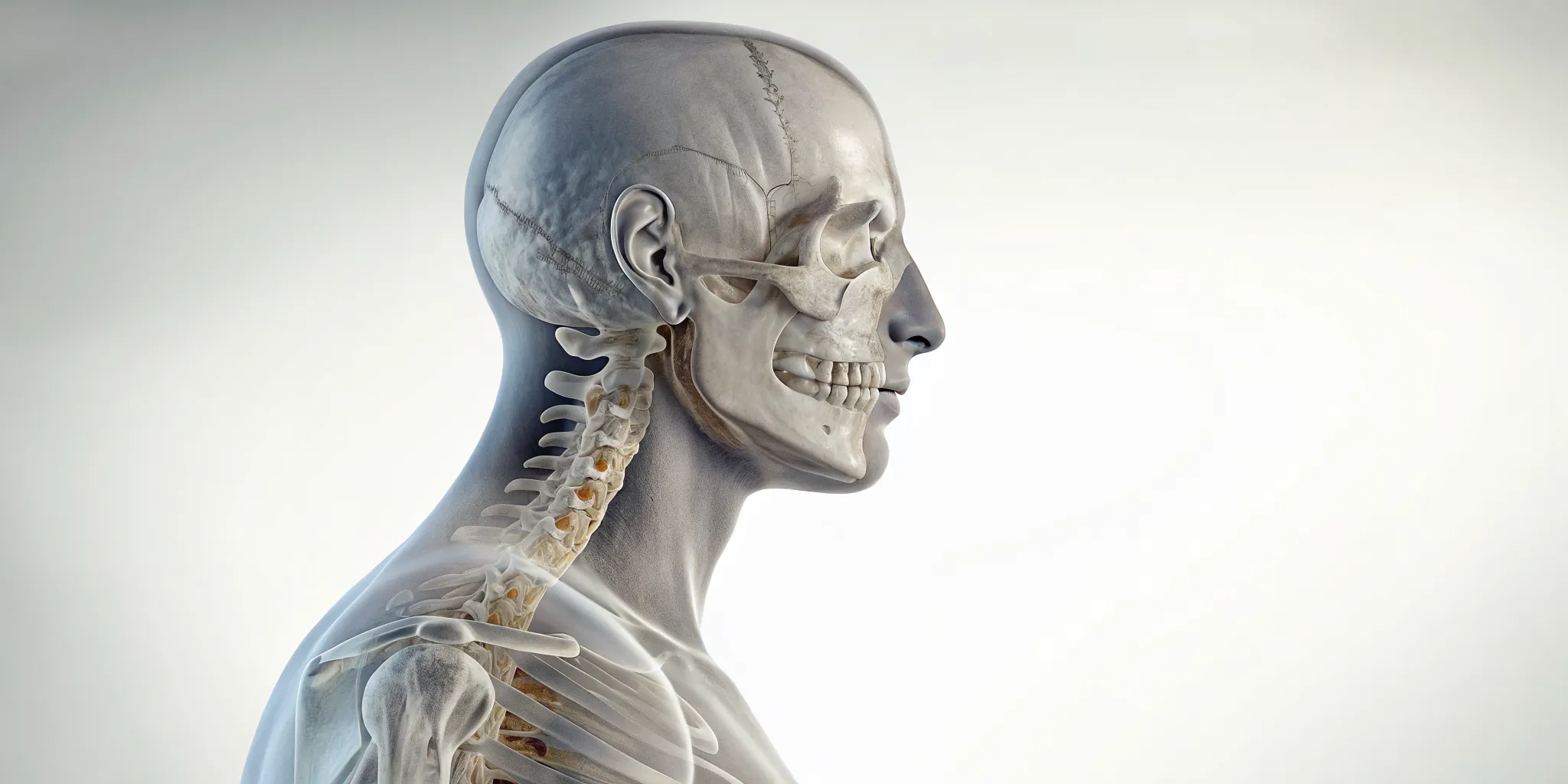
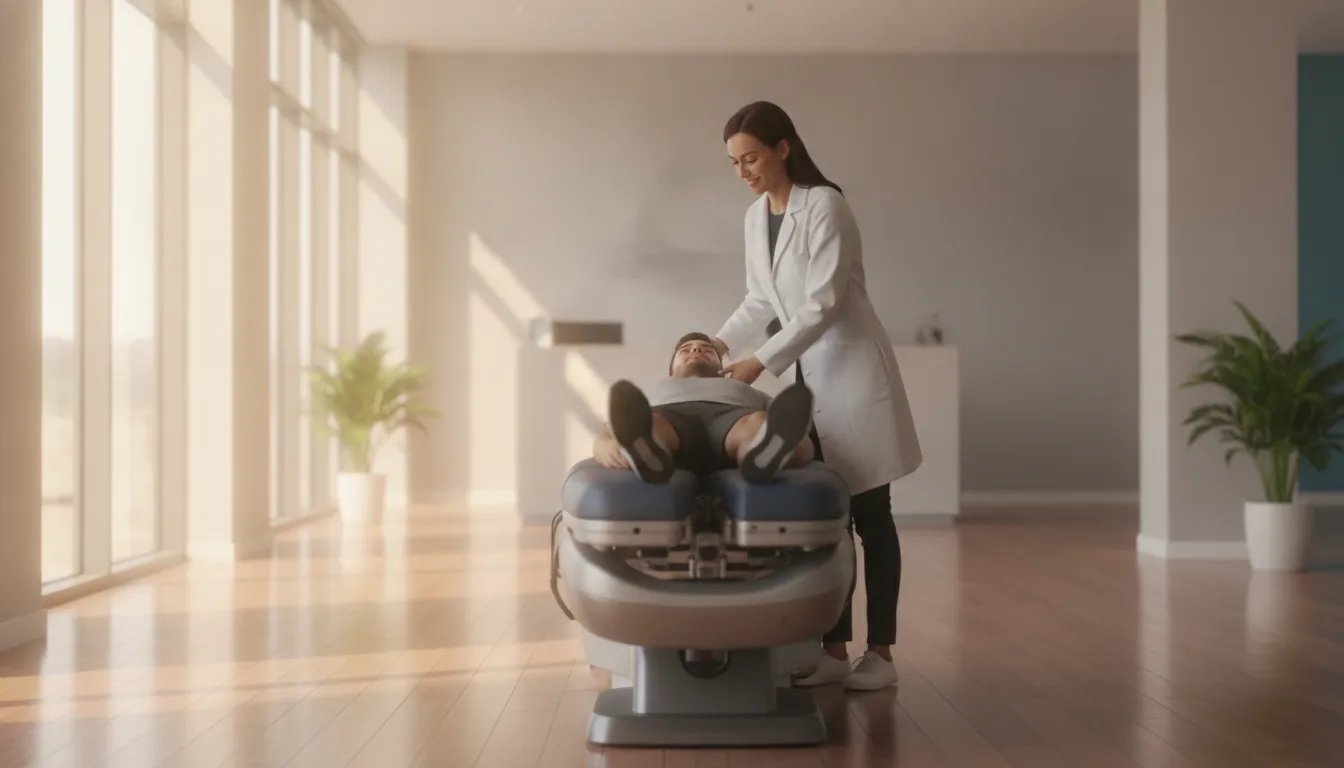
After the massage therapist has worked on releasing tension in your soft tissues, the chiropractor steps in. With your muscles relaxed and pliable, your body is much more receptive to adjustments. This allows the chiropractor to perform targeted spinal adjustments with greater ease and precision. The goal is to correct misalignments in the spine, restore proper joint motion, and take pressure off irritated nerves. This process not only helps relieve pain but also improves your body’s overall function. By treating both the muscles and the spine together, we can achieve better alignment and more lasting results than with either therapy alone.
Key Therapeutic Massage Techniques
The massage you receive in an integrated session is more than just a relaxing spa treatment; it’s a therapeutic tool. Your therapist will use specific techniques to address your unique needs. This might include deep tissue massage to release chronic muscle tension, trigger point therapy to target specific knots causing referred pain, or Swedish massage to improve circulation and promote relaxation. This targeted approach helps with a wide range of health concerns, from persistent back pain and tension headaches to stiffness and limited mobility. By loosening tight muscles and breaking up adhesions, the massage sets the stage for a more effective chiropractic adjustment.
Your Personalized Recovery Plan
Every integrated appointment is built around you. We don’t follow a one-size-fits-all script. Instead, your care is based on a thorough understanding of your health history, current symptoms, and wellness goals. Combining massage and chiropractic care allows us to create a powerful, synergistic treatment plan that supports your body’s natural ability to heal. This holistic approach ensures that both therapies work together to improve your flexibility, reduce pain, and help you achieve your health goals more efficiently. It’s a partnership focused on getting you back to feeling your best and staying that way.
How Chiropractic and Massage Therapy Work Together
When you think about chiropractic care and massage therapy, you might picture them as two separate paths to feeling better. But the truth is, they work best as a team. Combining these two therapies creates a powerful synergy that addresses your body’s needs from multiple angles. Massage focuses on your muscles and soft tissues, while chiropractic care targets your spine and joints. Together, they create a comprehensive approach that helps your body heal more effectively and provides more lasting relief.
Easing Muscles for More Effective Adjustments
Think of your muscles as the support system for your spine. If that system is tight, tense, and full of knots, it can pull your joints out of alignment and resist any attempts to correct them. This is where massage therapy comes in. By starting with a targeted massage, we can relax those tight muscles and reduce inflammation. This preparation makes your body more receptive to chiropractic adjustments. When your muscles are loose, your chiropractor can make more precise and gentle adjustments that are not only more comfortable for you but also more likely to hold, leading to better, longer-lasting results.
Targeting Both Joints and Soft Tissues
Pain and discomfort are rarely caused by just one thing. Often, it’s a complex issue involving your bones, joints, muscles, and other soft tissues. A key benefit of an integrated approach is that it addresses your entire musculoskeletal system. While chiropractic adjustments focus on correcting spinal alignment and improving joint function, therapeutic massage targets the muscles and connective tissues that support those joints. This dual-action treatment ensures that we’re not just fixing a joint issue while ignoring the muscle tension that might have caused it in the first place. By treating both, we can address the root cause of your discomfort for more complete healing.
Finding Lasting Pain Relief
The goal of any treatment should be sustainable relief, not just a temporary fix. Combining massage and chiropractic care is one of the best ways to achieve that. Research suggests that patients often experience faster reductions in pain when these two therapies are used together. The relaxation from a massage doesn't just feel good; it actually improves the effectiveness of your adjustment. When your body isn't fighting against its own muscle tension, the adjustments can settle in more effectively. This helps break the cycle of pain and stiffness, allowing your body to maintain proper alignment and function for longer periods.
Activating Your Body's Natural Healing
Your body has an incredible, innate ability to heal itself. Our job is to create the right conditions for that to happen. Integrating massage and chiropractic care does exactly that. This combination helps improve blood flow, which delivers essential oxygen and nutrients to injured tissues. It also helps calm your nervous system, shifting you out of a "fight or flight" state and into a "rest and repair" mode. This holistic approach supports enhanced healing from within, reducing pain and improving your overall wellness by working with your body’s natural processes, not against them.
The Benefits of Combining Chiropractic and Massage
When you bring chiropractic care and massage therapy together, you get a powerful, combined approach that works on your body’s structure and soft tissues at the same time. Think of it as a team effort. Massage therapy warms up and relaxes your muscles, preparing them for the chiropractic adjustment. The adjustment can then be more effective because your body is less resistant. This synergy is what helps you feel better faster and stay that way longer. It’s a comprehensive strategy that addresses your health from multiple angles, leading to more complete and lasting results. By treating both the muscles and the joints in a single session, you’re not just putting a temporary fix on your symptoms. Instead, you’re addressing the interconnected systems that contribute to pain and stiffness, which helps your body heal more thoroughly. This integrated method ensures that every part of the problem is getting the attention it needs, setting you up for better long-term wellness.
Reduce Pain and Discomfort
One of the most immediate benefits of combining these two therapies is significant pain reduction. If you're dealing with chronic issues like back pain or headaches, this integrated approach can be incredibly effective. Massage therapy works to release tension in the muscles and soft tissues that are often tight and sore. This not only feels good but also prepares your body for a chiropractic adjustment. With your muscles relaxed, your chiropractor can more easily address misalignments in your spine and joints, which are frequently the root cause of the pain. This one-two punch helps you find relief more quickly than with either treatment alone.
Improve Flexibility and Range of Motion
Feeling stiff and restricted in your movements can keep you from doing the things you love. Combining chiropractic care with massage therapy is a fantastic way to restore your flexibility and range of motion. Massage focuses on loosening tight muscles, tendons, and ligaments that limit how you move. Once your soft tissues are more pliable, chiropractic adjustments can gently restore proper alignment and mobility to your joints. Our approach to physical medicine is designed to address these exact issues. By tackling both the muscular and skeletal components of stiffness, you’ll find yourself moving more freely and with less strain.
Ease Muscle Tension and Inflammation
Persistent muscle tension is often a sign that something is out of balance structurally. Your muscles may be overworking to compensate for a misaligned joint, leading to knots, soreness, and inflammation. Massage provides direct relief by breaking up these knots and improving circulation to the area, which helps reduce inflammation. Following this with a chiropractic adjustment corrects the underlying structural issue, taking the strain off your muscles. This helps the adjustment hold longer and prevents the tension from quickly returning. It’s a proactive way to break the cycle of pain and tension for good.
How to Find the Right Integrated Health Provider
Choosing a healthcare provider is a big decision. You’re not just looking for someone with the right qualifications; you’re looking for a partner who will listen to you and support your health goals. When you’re seeking a practitioner who combines chiropractic care with massage therapy, it’s important to find someone who is skilled in both and understands how to weave them together for the best results. Taking a little time to do your research upfront can make all the difference in your treatment experience and long-term wellness. Think of it as building your personal health team. You want to find someone you trust, who understands your unique needs, and who has a clear, effective approach to care.
Check Credentials and Specializations
First things first, you’ll want to confirm that any provider you’re considering is properly licensed and certified. A qualified chiropractor will have a Doctor of Chiropractic (DC) degree and be licensed to practice in their state. When they also offer massage therapy, look for specific training or certifications in various massage techniques. A provider who is truly an expert in integrated care will be transparent about their qualifications. You can usually find this information on their website or by simply asking their office. Knowing your provider has the right background and expertise gives you the confidence that you’re in capable hands.
Questions to Ask During Your Consultation
Your initial consultation is the perfect opportunity to see if a provider is the right fit for you. Don’t be shy about asking questions. This is your chance to understand their approach and ensure it aligns with your expectations. To get a clear picture, consider asking things like:
- How do you integrate chiropractic and massage therapy in a typical session?
- What is your experience with conditions like mine?
- What does a full treatment plan look like?
- How will we measure progress?
A good provider will welcome your questions and give you thoughtful, clear answers, making you feel heard and respected from the very beginning.
What to Expect on Your First Visit
Knowing what will happen during your first appointment can help ease any nerves. Typically, your visit will start with a detailed conversation about your health history, current concerns, and wellness goals. This is followed by a thorough physical assessment. The practitioner will then explain their findings and propose a personalized treatment plan. In an integrated session, this might involve starting with massage therapy to relax tight muscles and reduce inflammation. Once your muscles are prepared, the chiropractor can perform more gentle and effective spinal adjustments. This thoughtful, step-by-step approach ensures your body is ready for treatment, setting the stage for better results.
Related Articles
- Chiropractic Care: Everything You Need to Know
- Massage Therapy | Alessi Functional Health
- Chiropractic Treatment for Migraines: What to Know
- Expert Treatment for Neck, Back, Joint Pain & More | Conditions We Treat - Alessi Functional Health
Frequently Asked Questions
What does a combined chiropractic and massage session actually feel like? An integrated session is designed to be a smooth and cohesive experience. It typically begins with a therapeutic massage focused on your specific areas of concern. This helps warm up your muscles, making them feel relaxed and pliable. Following the massage, the chiropractor performs the adjustment. Many people find the adjustment feels gentler and more comfortable because their body is already prepped and not resisting the correction.
Why is it better to combine these treatments in one session instead of booking them separately? The main advantage is the synergy between the two therapies. When performed in the same visit, the massage directly prepares your muscles and soft tissues for the chiropractic adjustment, making it more effective. This immediate, coordinated approach helps the results of the adjustment hold longer. If you book appointments separately, you lose that powerful preparatory benefit, as muscles can tighten up again in the time between visits.
I have chronic back pain. How can this integrated approach help me more than just chiropractic alone? Chronic back pain usually involves a cycle of tight muscles and misaligned joints. Chiropractic care on its own addresses the joint alignment, but if your muscles remain tense, they can easily pull your spine back out of place. By including therapeutic massage, we first release that deep muscle tension. This allows the chiropractic adjustment to be more effective and provides more complete, lasting relief by addressing both sides of the problem.
Is the massage part of the treatment just for relaxation, or is it therapeutic? While you will likely feel more relaxed, the massage in an integrated session is entirely therapeutic. Your therapist uses specific techniques to target the exact muscles and connective tissues contributing to your pain and limiting your movement. Think of it as a clinical tool that helps release knots, reduce inflammation, and prepare your body for a more successful chiropractic adjustment.
How is a treatment plan created for an integrated session? Your treatment plan is built entirely around you. It starts with a detailed conversation about your health history and a physical assessment to pinpoint the root cause of your issue. From there, your practitioner develops a personalized plan that specifies which massage techniques and chiropractic adjustments will work together most effectively to help you reach your health goals. It’s a focused strategy, not a one-size-fits-all routine.