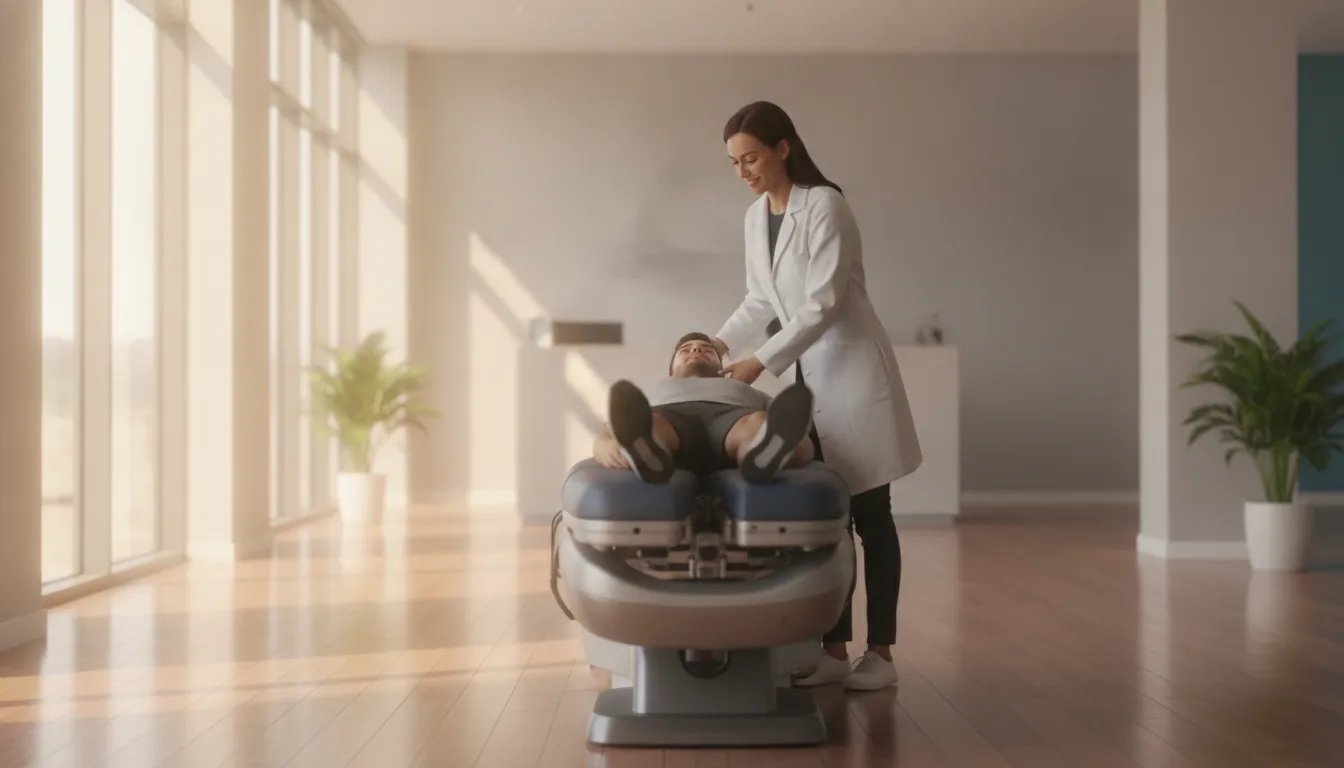
A search for spinal decompression often starts with a simple number. Responsible cost planning begins with a better question: what care does your condition actually require? The answer can vary because evaluation findings, technology, visit frequency, and follow-up all shape the plan.
When asking how much does spinal decompression cost, there is no responsible universal figure. The total depends on your diagnostic workup and personalized care plan, including whether decompression fits your goals and which related Physical Medicine services are appropriate.
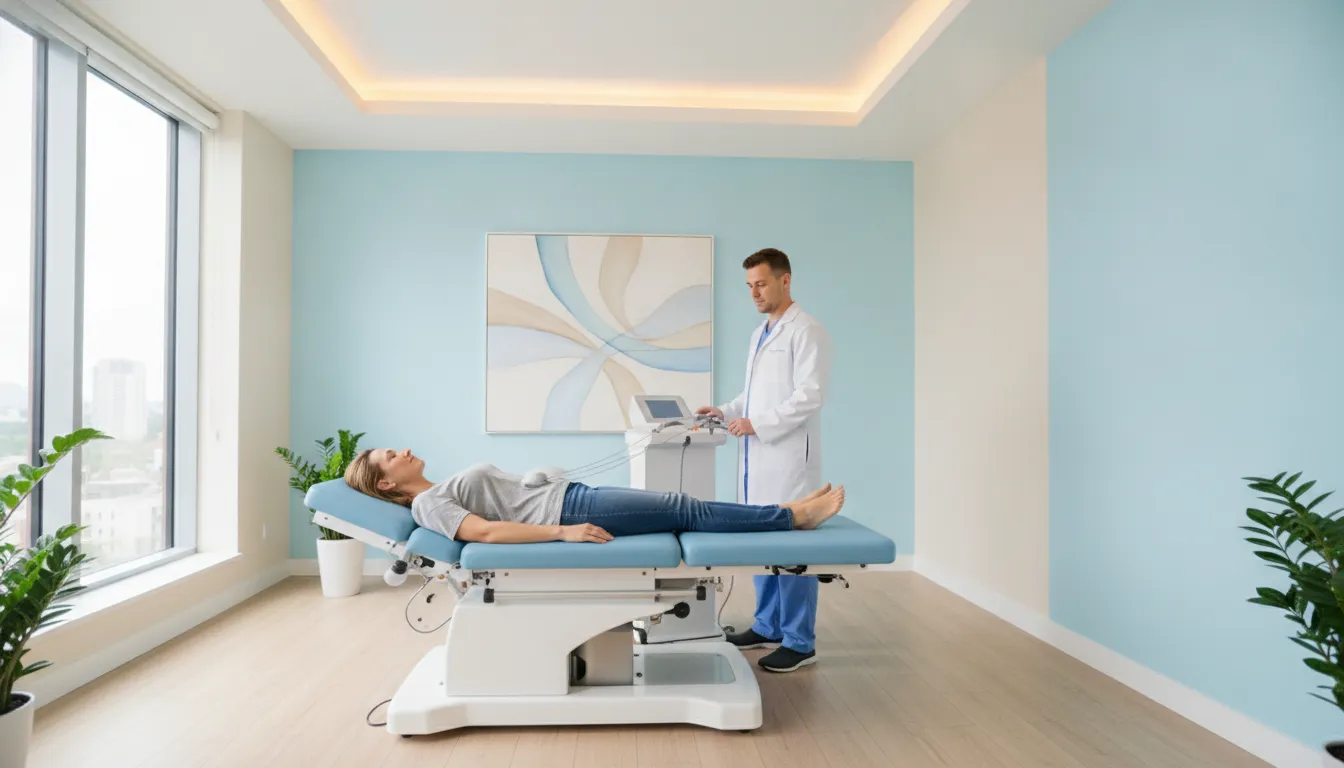
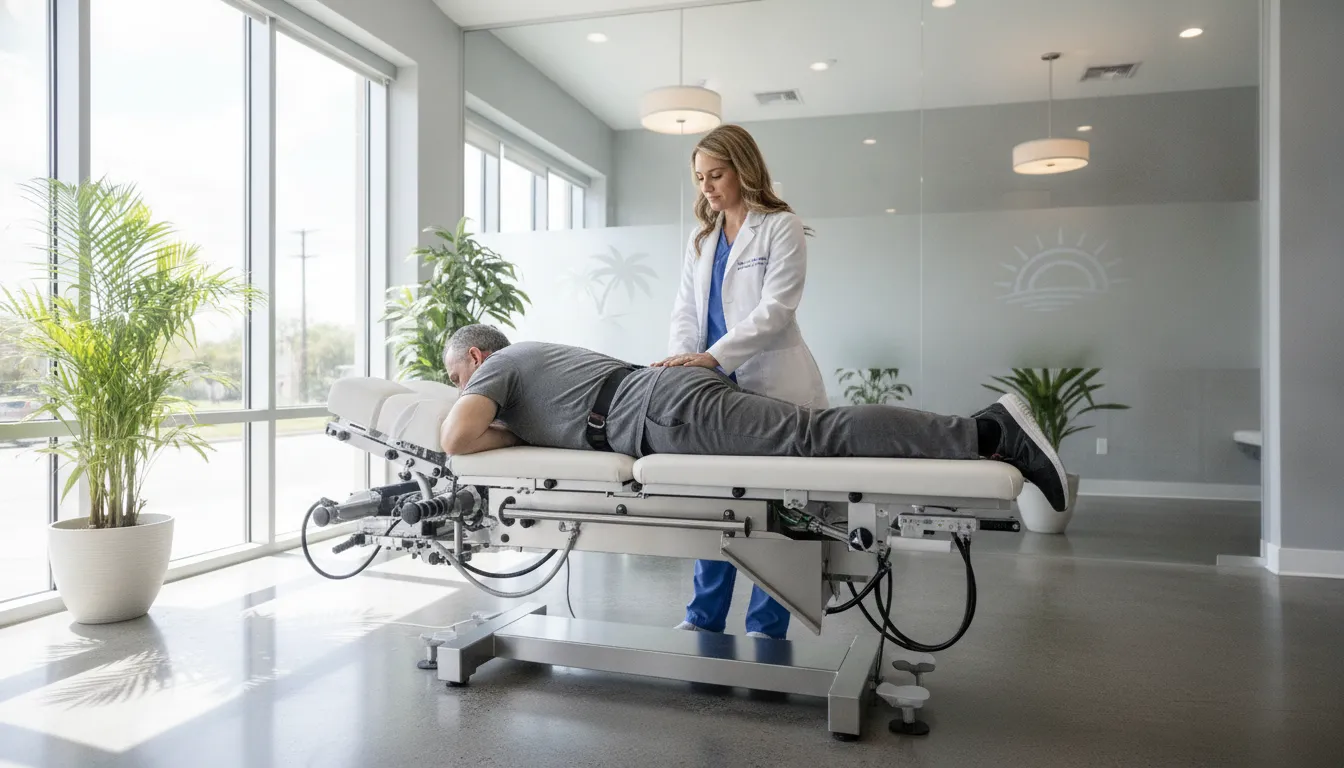
Spinal decompression is a form of intermittent motorized mechanical traction used as a non-surgical approach for chronic low-back and disc-related concerns. At Ascend Functional Health, the process begins with a sit-down consultation, diagnostic testing when clinically appropriate, and a review of findings to determine candidacy. That foundation helps Tampa Bay patients understand what they are considering before discussing the practical details of care.
Explore Ascend Physical Medicine
How Much Does Spinal Decompression Cost? Start With the Care Plan, Not a Guess
A responsible answer to "how much does spinal decompression cost" begins with an evaluation, not a universal figure. The appropriate plan depends on your findings, goals, and the services a clinician determines are relevant to your situation.
Spinal decompression is a form of intermittent motorized mechanical traction used as a nonsurgical approach for some chronic low-back and disc-related concerns. Because it is a treatment modality rather than a complete diagnosis or care strategy, its role should be considered within a broader clinical picture. A clinician first needs to understand what may be contributing to your symptoms and whether decompression is an appropriate fit.
Evaluation gives the cost discussion context
An evaluation may include a sit-down consultation, a review of your health history, diagnostic testing, and a discussion of the findings. Imaging can sometimes help evaluate an underlying spinal condition, but the need for imaging depends on the symptoms and clinical judgment. It should not be assumed that every person needs the same tests or follows the same pathway.
This initial work helps clarify several questions:
- What symptoms are you experiencing, and how are they affecting daily activities?
- What findings may be relevant to your condition and treatment options?
- What goals should guide the plan, such as improving function or supporting more comfortable movement?
- Which services, if any, should be included alongside decompression?
Those answers can change the scope of care. A person whose plan includes decompression as one component may have different needs from someone who also benefits from chiropractic care, corrective care, or soft-tissue work. At Ascend Functional Health, decompression is part of the Physical Medicine approach, where the broader context of the patient's condition helps guide recommendations.
A treatment component is not the same as a full plan
Looking only for a per-treatment figure can make two plans appear comparable when they are not. One discussion may address the evaluation and decompression visits, while another may include related services, follow-up review, and reassessment. A transparent conversation separates these components so you can understand the recommendations and their rationale.
The plan should also remain responsive to your findings, tolerance, progress, and goals. Rather than committing to a fixed course before the evaluation, ask how progress will be reviewed and what would prompt the clinician to adjust the approach. That creates a more useful basis for discussing the overall investment than a generic number detached from your clinical needs.
| Cost discussion area | Questions to clarify |
|---|---|
| Evaluation | What consultation, examination, or testing is appropriate, and why? |
| Care plan | Which services are recommended, and how do they relate to the findings? |
| Follow-up | When will progress and tolerance be reviewed? |
| Adjustments | What could change the plan as the clinical picture becomes clearer? |
Which Evaluation Steps Can Influence the Overall Cost?
The overall care discussion is shaped by the evaluation, not by a universal figure. A consultation, health history, physical assessment, and clinically appropriate testing help determine which services may fit your needs.
Consultation and health history
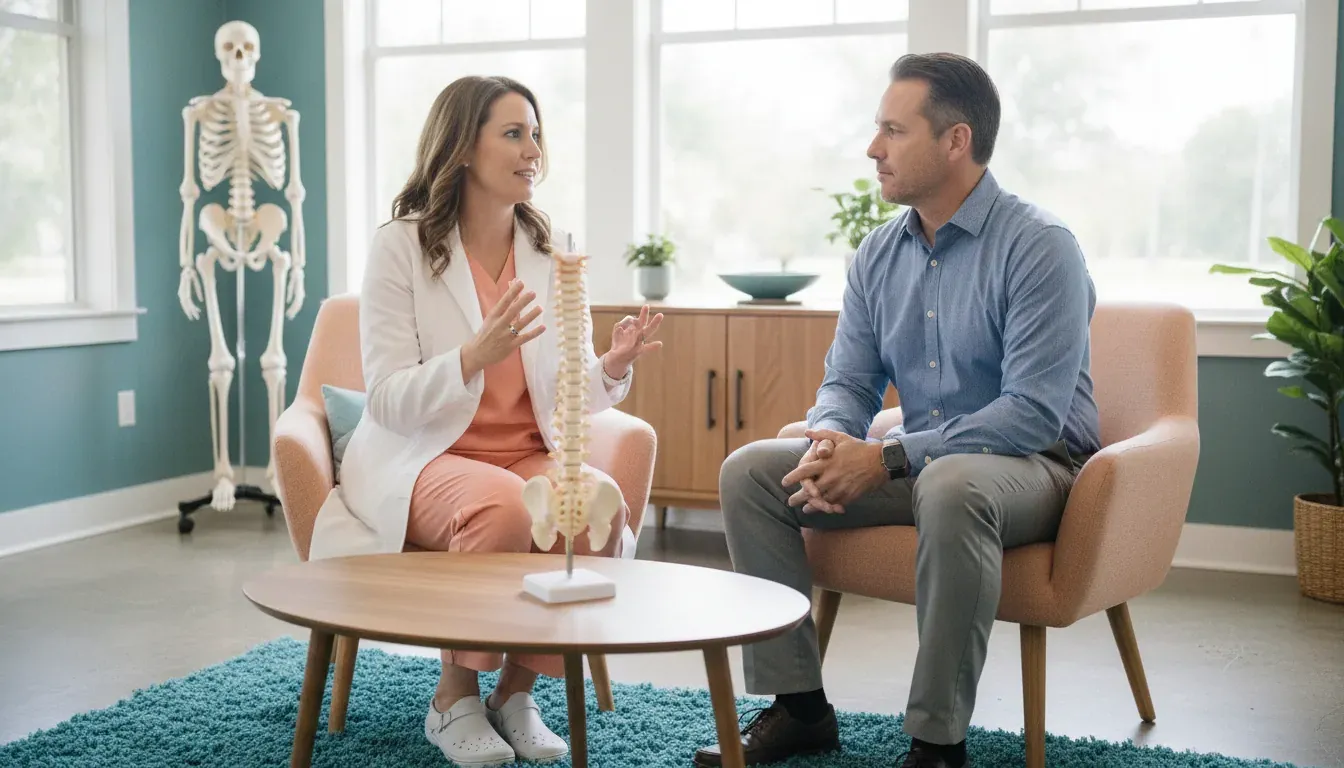
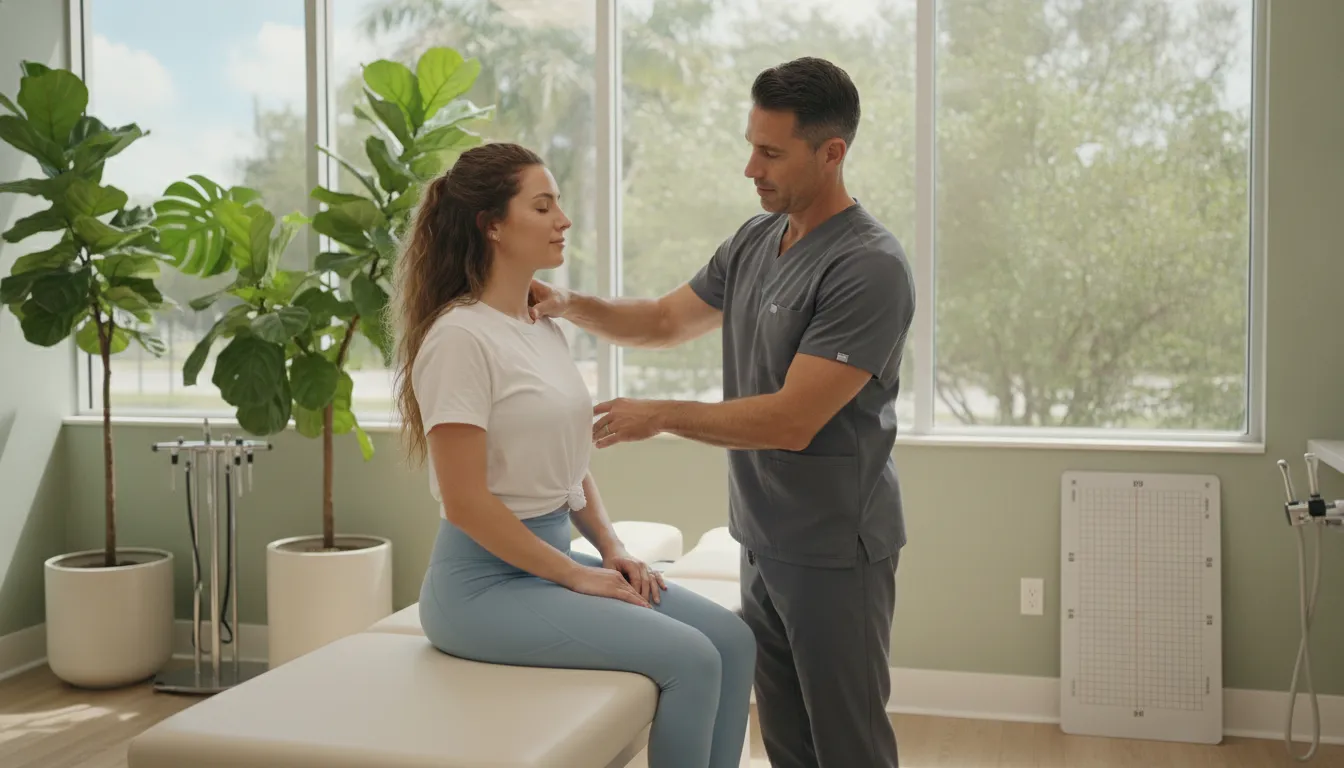
A sit-down consultation gives you and the provider time to discuss the concern bringing you in, how it affects daily activities, and what you hope to improve. Your health history adds important context, including when symptoms began, previous injuries or procedures, relevant diagnoses, medications, and approaches you have already tried.
This conversation helps distinguish a focused spinal concern from a situation that may call for a broader Physical Medicine evaluation. It also gives you an opportunity to explain your priorities. Someone seeking support for persistent low-back discomfort may need a different discussion from someone managing symptoms that extend into the leg or limit movement.
Physical and neurological assessment
A hands-on assessment can examine posture, movement, range of motion, tenderness, strength, reflexes, and sensation. Depending on your symptoms, the provider may also assess how certain movements affect your condition and whether findings suggest nerve involvement.
These observations help place spinal decompression within an appropriate care plan rather than treating it as an isolated service. They may also indicate that chiropractic, corrective-care, or another Physical Medicine approach deserves consideration alongside or instead of decompression. The purpose is to connect the findings with a reasonable next step, not to assume that one modality suits every person.
Imaging when clinically appropriate
Imaging is not automatically necessary for every patient. When symptoms and clinical judgment indicate that a closer view of the spine could help evaluate an underlying condition, imaging may become part of the assessment. Mayo Clinic describes imaging as one component that may support evaluation of spinal conditions, depending on the clinical situation: spinal stenosis diagnosis and treatment.
If imaging or additional diagnostic testing is recommended, ask what question the test is intended to answer and how its findings could affect the plan. A clear evaluation should explain which steps are relevant to your presentation, which services are being proposed, and when your findings will be reviewed. That level of detail makes the care discussion easier to understand and keeps planning connected to your individual needs.
How Do Treatment Length and Visit Frequency Affect Planning?
Treatment length and visit frequency should be shaped by your findings, goals, response to care, and the services that fit your needs, not by a preset package size. A thoughtful plan leaves room for reassessment so your clinician can adjust the approach as new information or changes in tolerance and progress emerge.
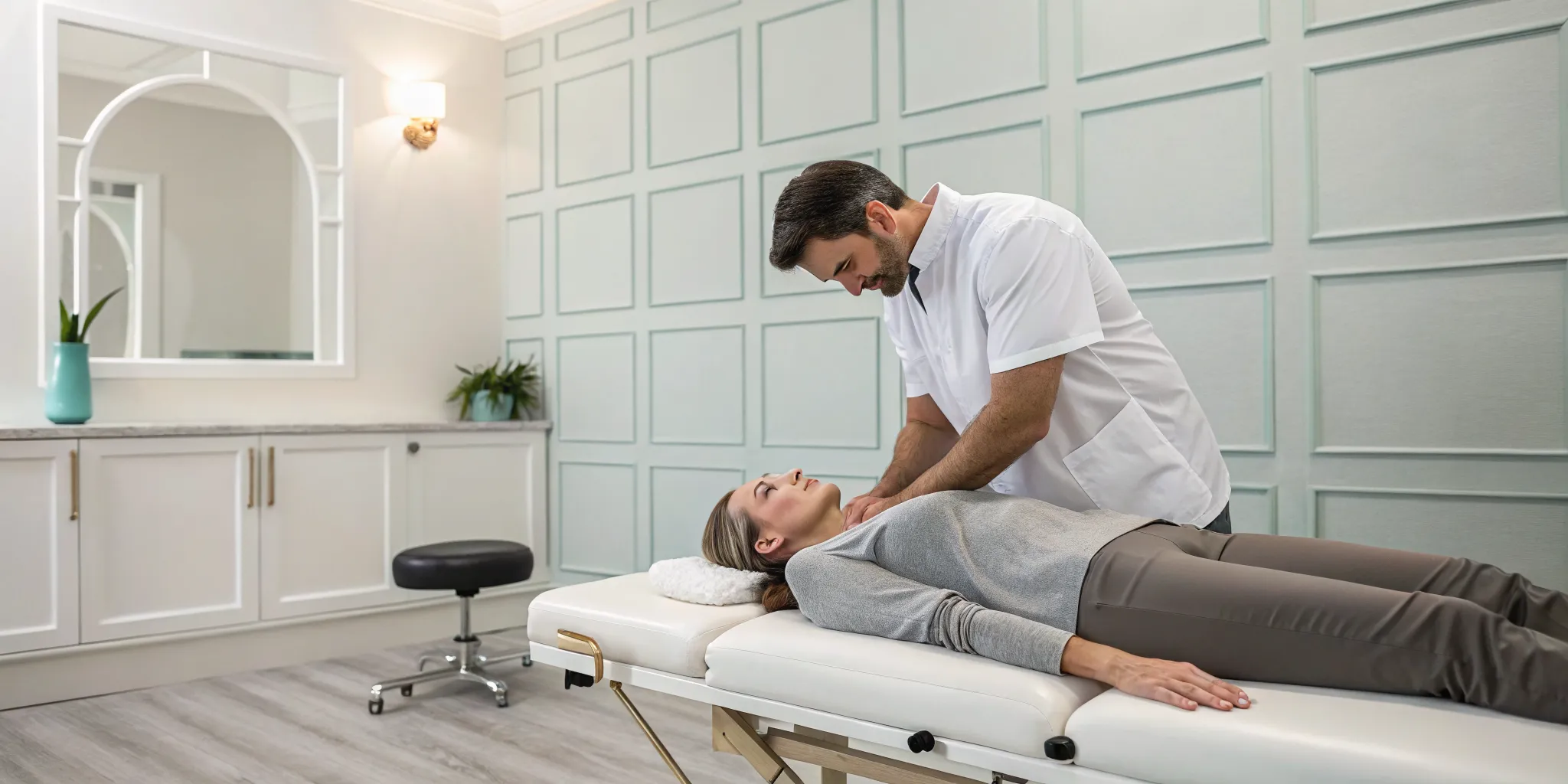
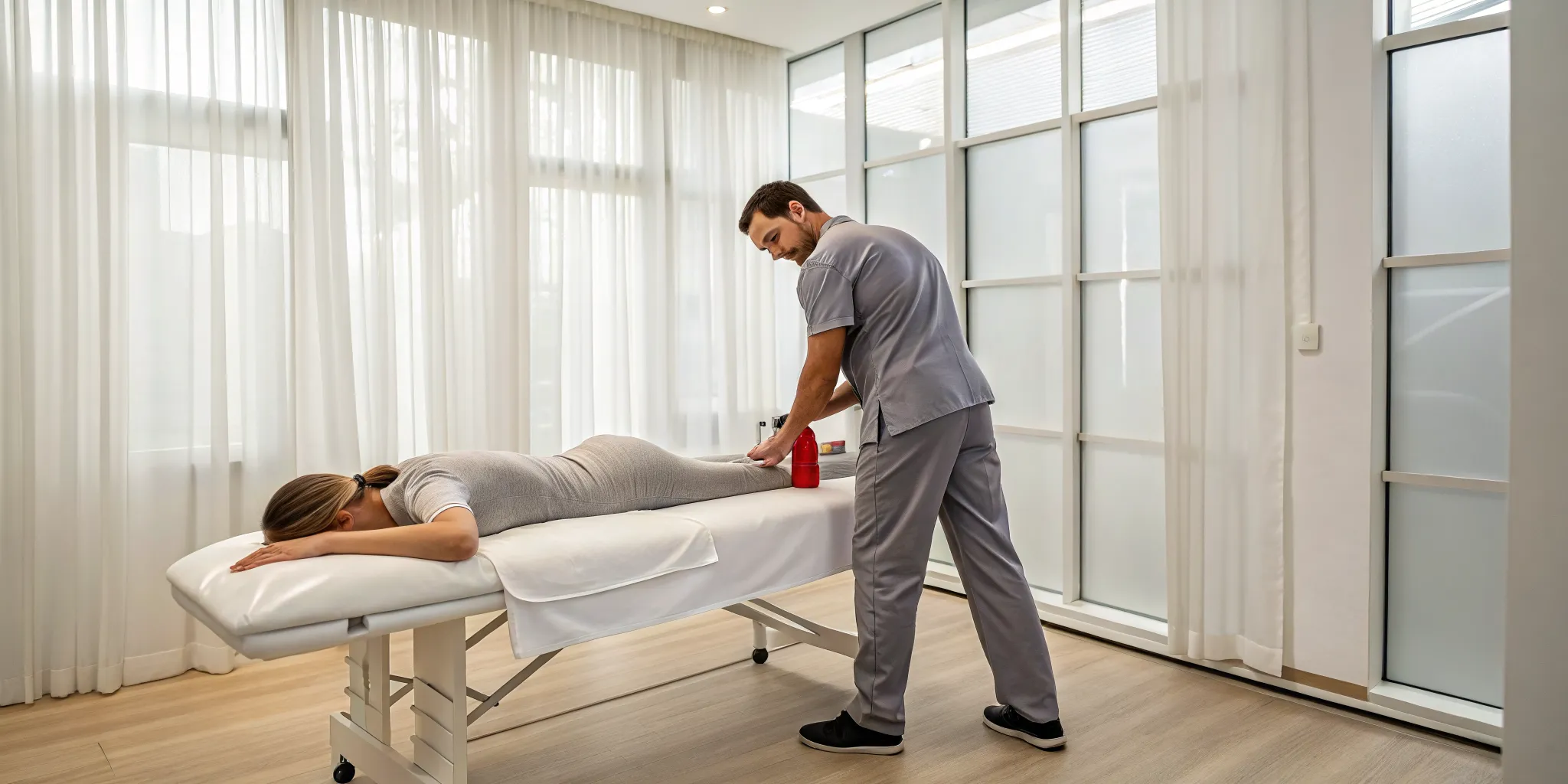
Spinal decompression is not a standalone decision for every patient. It may be considered within a broader Physical Medicine plan that also includes chiropractic care, corrective care, or soft-tissue work. The appropriate mix depends on the condition being addressed, the findings from your evaluation, and the goals you and your clinician establish together. You can learn more about Ascend's chiropractic and decompression care to see how these services fit within its broader approach.
Why frequency may change over time
Visit frequency is a planning variable, not a measure of treatment quality. Early visits may focus on establishing tolerance, observing how your body responds, and building a clear baseline. Later, the emphasis may shift toward reviewing progress, refining technique, supporting movement patterns, or deciding whether a related service is appropriate.
That process is more useful than assuming that more visits automatically produce better care. A clinician should be able to explain why a particular cadence is recommended, what the visits are intended to accomplish, and when the plan will be reviewed. If your symptoms, examination findings, activity demands, or goals change, those details may justify a different approach.
What reassessment adds to the plan
Reassessment creates a decision point rather than allowing a plan to continue without review. It gives you an opportunity to discuss changes in symptoms, daily function, comfort during visits, and any questions about the next phase of care. It also helps separate the role of decompression from the role of other Physical Medicine services, so the plan remains understandable.
When considering how much does spinal decompression cost, ask how the practice determines the recommended length of care and how follow-up decisions are made. A transparent discussion should identify the evaluation, proposed services, reassessment process, and circumstances that could alter the plan. Package size alone cannot show whether care is clinically appropriate. The quality of planning comes from the reasoning behind the recommendations and the communication that supports them.
Does the Technology or Type of Decompression Change the Discussion?
Yes, the technology can be relevant, but a device label alone does not determine whether spinal decompression fits your needs. Clinical oversight, patient findings, treatment goals, and how the modality fits within a broader Physical Medicine plan all matter when discussing care and expected expenses.
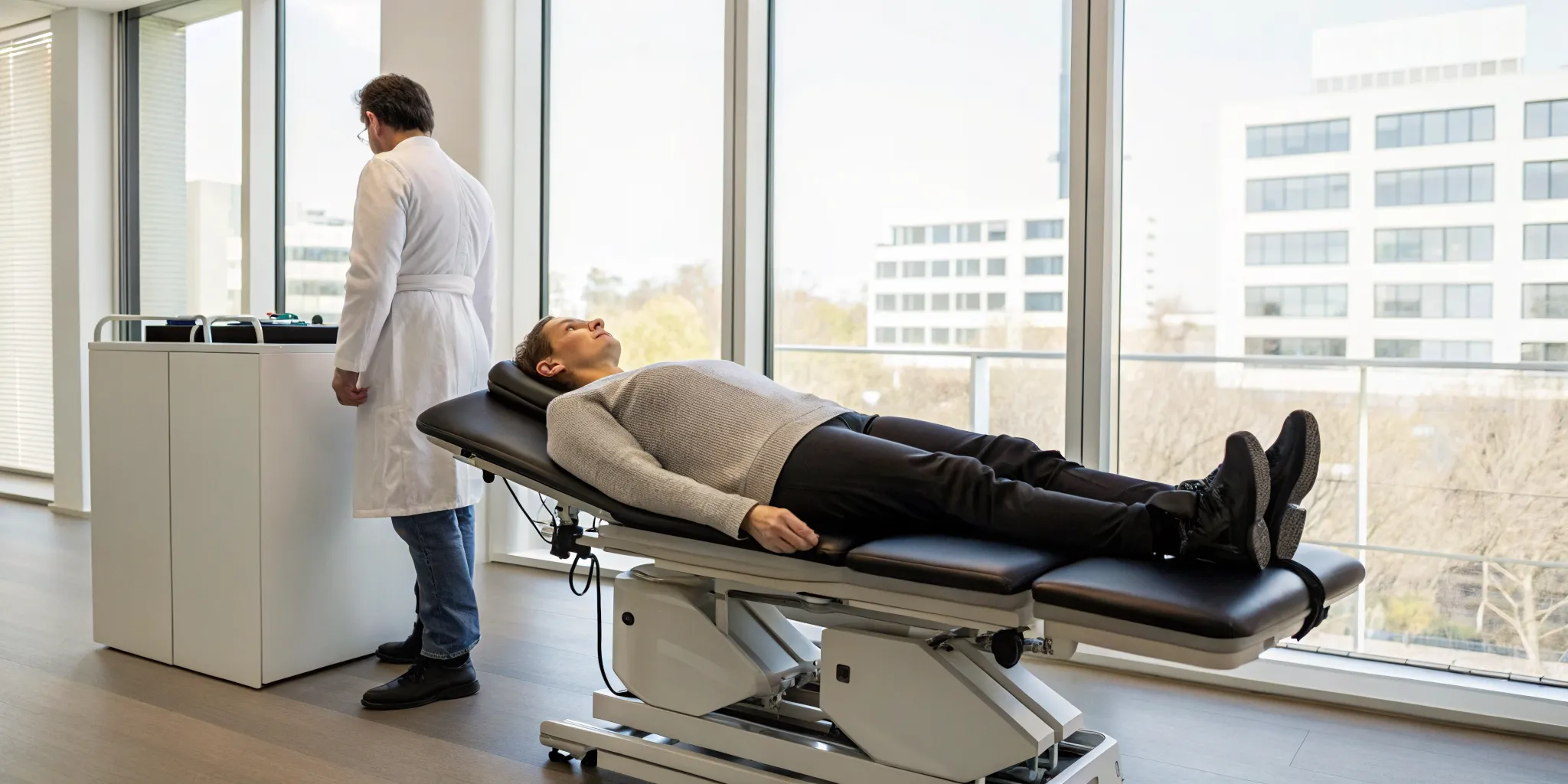
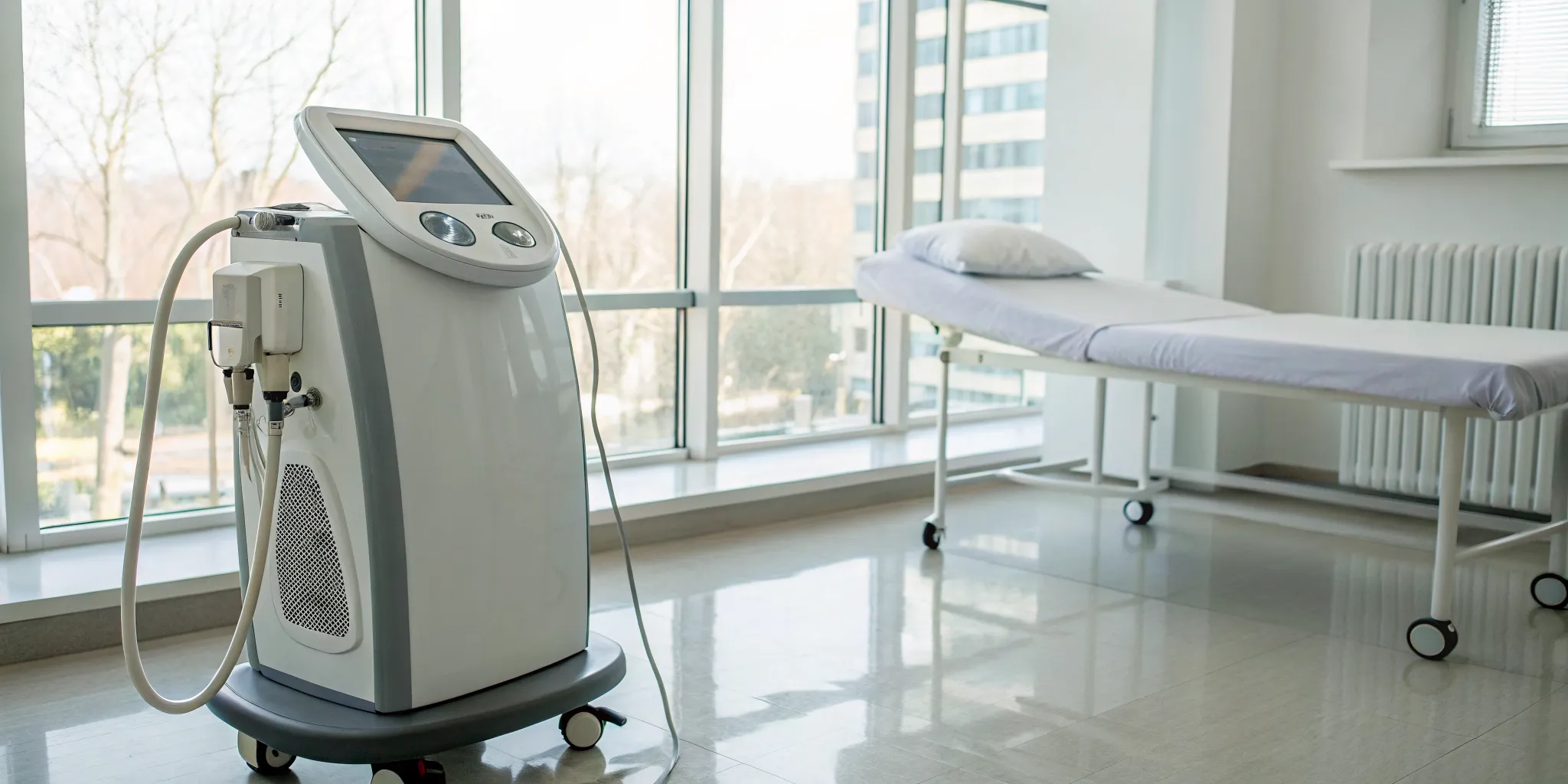
Spinal decompression is commonly described in academic literature as a form of intermittent motorized mechanical traction used as a nonsurgical approach for chronic low-back and disc-related concerns. The mechanical action is only one part of the discussion, however. A responsible evaluation considers why symptoms are present, whether decompression is clinically appropriate, and which related services may support the overall plan.
Why clinical oversight matters
Technology should be selected and adjusted by a qualified clinician who understands the patient's history, examination findings, tolerance, and goals. The same general modality may not be appropriate for every person or every spinal condition. A sit-down consultation, diagnostic testing, and review of findings help the care team determine whether a patient is a candidate and how the treatment should be approached.
This is also why comparing care based only on a machine name can be misleading. Useful questions focus on the clinical process: How are findings evaluated? Who determines whether decompression is appropriate? How is comfort monitored? When will the plan be reviewed? Clear answers provide more useful context than a technology label by itself.
How decompression fits Physical Medicine
At Ascend Functional Health, decompression is positioned within Physical Medicine alongside chiropractic and corrective-care approaches. Depending on the patient's condition and findings, the plan may involve decompression as one component rather than treating it as an isolated service. This integrated approach gives the clinician room to consider related factors, such as movement patterns, spinal mechanics, and soft-tissue needs, without assuming that every patient requires the same combination of care.
For that reason, a thoughtful discussion about how much does spinal decompression cost should include more than the type of equipment used. Ask how the technology relates to your assessment, what services are being recommended, and how progress or tolerance will guide follow-up. Those details help you compare care plans on clinical fit and transparency rather than on labels alone.
What Should a Transparent Cost Conversation Include?
A clear cost conversation should connect the financial discussion to the clinical plan. Before deciding whether spinal decompression fits, you should understand how the evaluation, proposed services, follow-up process, and written expectations relate to your goals and findings.
- A thoughtful evaluation. The conversation should begin with a review of your health history, current symptoms, goals, and relevant clinical findings. The provider should explain which parts of the assessment help determine whether decompression is appropriate for you. Diagnostic testing or imaging may be included when clinically appropriate, rather than being treated as an automatic step for every person. Ask how the evaluation informs candidacy and whether another approach may better match your situation.
- A specific explanation of proposed services. You should receive a plain-language explanation of what the plan may include and why each service is being recommended. That might involve spinal decompression within a broader Physical Medicine approach, such as chiropractic or corrective-care services, when those approaches fit the findings. Ask which services are essential to the proposed plan, which are optional, and how they are intended to support your goals. A transparent discussion should distinguish evaluation, treatment visits, and related services instead of combining everything into one unexplained item.
- A follow-up and reassessment process. A responsible plan should explain how progress, tolerance, and changing goals will be reviewed. Ask when the provider expects to reassess your response and what information will guide the next decision. Your plan may need to change as new findings emerge or your response becomes clearer. Be cautious of any discussion that treats a predetermined number of visits as appropriate for everyone. Ongoing clinical judgment matters more than a package size.
- Written expectations and room for questions. Request a written summary of the proposed services, the sequence of care, follow-up points, and your financial responsibilities. Before agreeing, ask what happens if your symptoms or goals change, whether additional evaluation could be recommended, and whom to contact with questions. You should have enough time to review the plan and make an informed decision without feeling pressured. Bringing a short list of questions can make the conversation more productive and help you compare care plans based on clarity, clinical fit, and accountability.
How Can Tampa Bay Patients Compare Care Plans Responsibly?
Patients can compare care plans responsibly by looking beyond a single number and asking how each plan fits their findings, goals, and expected follow-up. A useful comparison explains the evaluation, services, reassessment process, and communication standards involved in care.
Does the plan fit the clinical picture?
Start by asking what the evaluation found and how those findings connect to the recommended approach. Spinal decompression may be considered within Physical Medicine, but it should not be treated as an automatic answer for every person with back discomfort. A thoughtful plan accounts for symptoms, health history, physical findings, goals, and any factors that may affect tolerance or candidacy.
Ask whether the clinician can explain the purpose of each recommended service in plain language. You should understand whether decompression is being considered on its own or alongside chiropractic, corrective-care, or other Physical Medicine approaches. Ascend describes its Physical Medicine approach as including chiropractic care, decompression, and corrective care, with the appropriate scope determined by the individual's findings and needs.
Which evaluation steps matter?
A useful comparison separates the initial evaluation from later treatment visits. Ask whether the process includes a sit-down consultation, a review of your health history, a physical assessment, and diagnostic testing when clinically appropriate. Imaging may be relevant in some situations, but it should be guided by symptoms and clinical judgment rather than assumed to be necessary for everyone.
Also ask how the findings will be explained. The clinician should be able to identify the concern being addressed, describe reasonable options, and clarify what would prompt a different recommendation. If you are researching how much does spinal decompression cost, these details matter because a plan built without adequate evaluation may not be comparable to one based on a more complete clinical picture.
How will progress be reviewed?
Ask when your response will be reassessed and which observations will guide the next decision. Follow-up may consider changes in symptoms, function, tolerance, examination findings, and personal goals. A responsible plan leaves room to adjust the approach when the clinical picture changes instead of treating a preset number of visits as the entire strategy.
Before moving forward, request clear expectations about what care includes, who answers questions between visits, and how recommendations are updated. Tampa Bay patients who want to discuss whether an individualized evaluation is appropriate can request a consultation with the Ascend team.
Request a consultation with Ascend Functional Health
Frequently Asked Questions
What factors influence spinal decompression costs?
The main factors are the evaluation needed, your clinical findings, the technology used, the number and frequency of visits, related Physical Medicine services, and follow-up planning. A personalized care plan is more informative than a single advertised figure because the diagnostic workup and recommended services vary by patient.
Does everyone need imaging before spinal decompression?
No. Imaging depends on your symptoms, health history, examination findings, and the clinician's judgment. X-rays, MRI, or CT scans may help evaluate an underlying spinal condition when clinically appropriate. But an evaluation should explain why a test is being recommended and how its findings may affect the care plan. Mayo Clinic describes imaging as something a patient might need when evaluating spinal stenosis.
How long might a spinal decompression care plan last?
There is no responsible universal timeline. Duration and visit frequency should reflect your condition, goals, findings, tolerance, and progress. A thoughtful plan includes opportunities to reassess rather than promising a fixed number of sessions. Ask when progress will be reviewed and which findings would lead the clinician to adjust the plan.
How can I tell whether spinal decompression is appropriate for me?
Start with a sit-down consultation, relevant diagnostic testing, and a review of the findings. The clinician can then discuss candidacy, expected steps, and alternatives. You can also discuss whether decompression fits within a broader Physical Medicine approach.
Bring your symptom history and questions so the discussion is specific to your needs.
Ready to Discuss Your Spinal Decompression Options?
A thoughtful conversation can help connect your goals, evaluation findings, and potential care-plan components before you make a decision. Ascend Functional Health's Physical Medicine team can discuss whether spinal decompression fits your situation and what an individualized plan may include.
Request a conversation with the Physical Medicine team
This article is for educational purposes only and is not medical advice. Consult your clinician before acting on health information.