After a car accident, it’s natural to focus on what you can see: the damage to your car or any visible cuts and bruises. But the most significant injuries are often the ones you can’t see. The sudden impact can lead to whiplash, herniated discs, and nerve pain that may not surface for hours or even days. Furthermore, the emotional toll of an accident, like anxiety and stress, can create physical tension and inflammation that slows down your healing. True recovery means addressing the whole picture. An effective car accident injury treatment plan considers both the structural damage and the body’s internal response, creating a path to lasting wellness. Let’s explore how to support your body’s complete healing process.
Key Takeaways
- Prioritize a professional evaluation: Adrenaline can hide injuries after an accident, so getting checked out early is the best way to prevent minor issues from becoming chronic pain.
- Embrace a whole-body approach: A complete recovery plan addresses more than just the obvious injury; it combines physical adjustments, corrective exercise, and internal support to help your body heal fully.
- Focus on long-term stability, not just pain relief: The goal of recovery is to rebuild strength and function through personalized physical therapy, which helps you return to your life and prevent future injuries.
Common Car Accident Injuries & Symptoms to Watch For
Even a minor car accident can jolt your body in ways that lead to significant issues. The rush of adrenaline right after a crash can often mask pain, making you think you’re fine when you might not be. That’s why it’s so important to pay close attention to your body in the hours, days, and even weeks that follow. Some injuries are obvious, but others can be subtle and develop over time. Knowing what to look for is the first step toward getting the right care and preventing long-term problems. Let’s walk through some of the most common injuries that can result from a car accident.
Whiplash and Soft Tissue Damage
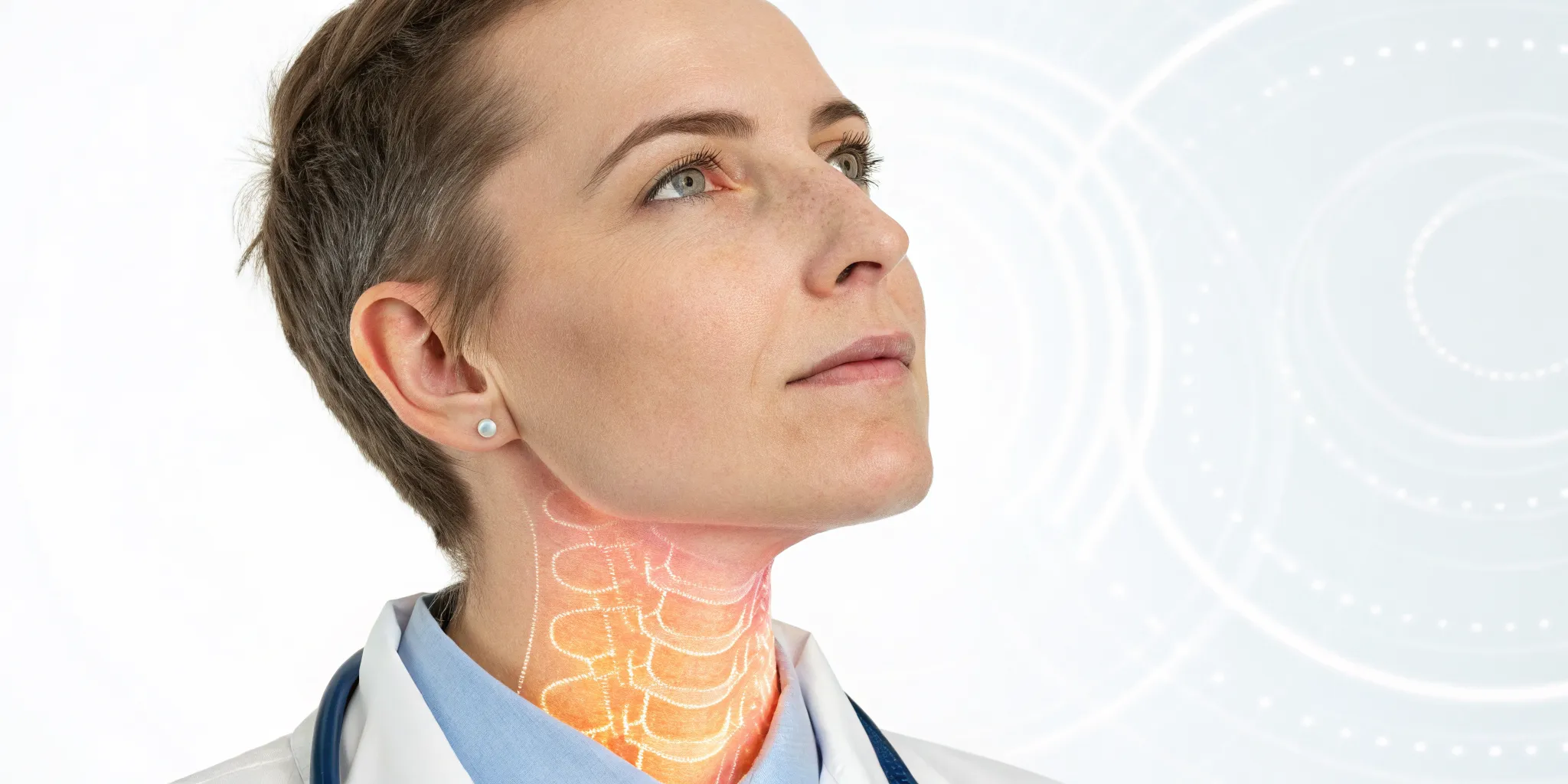
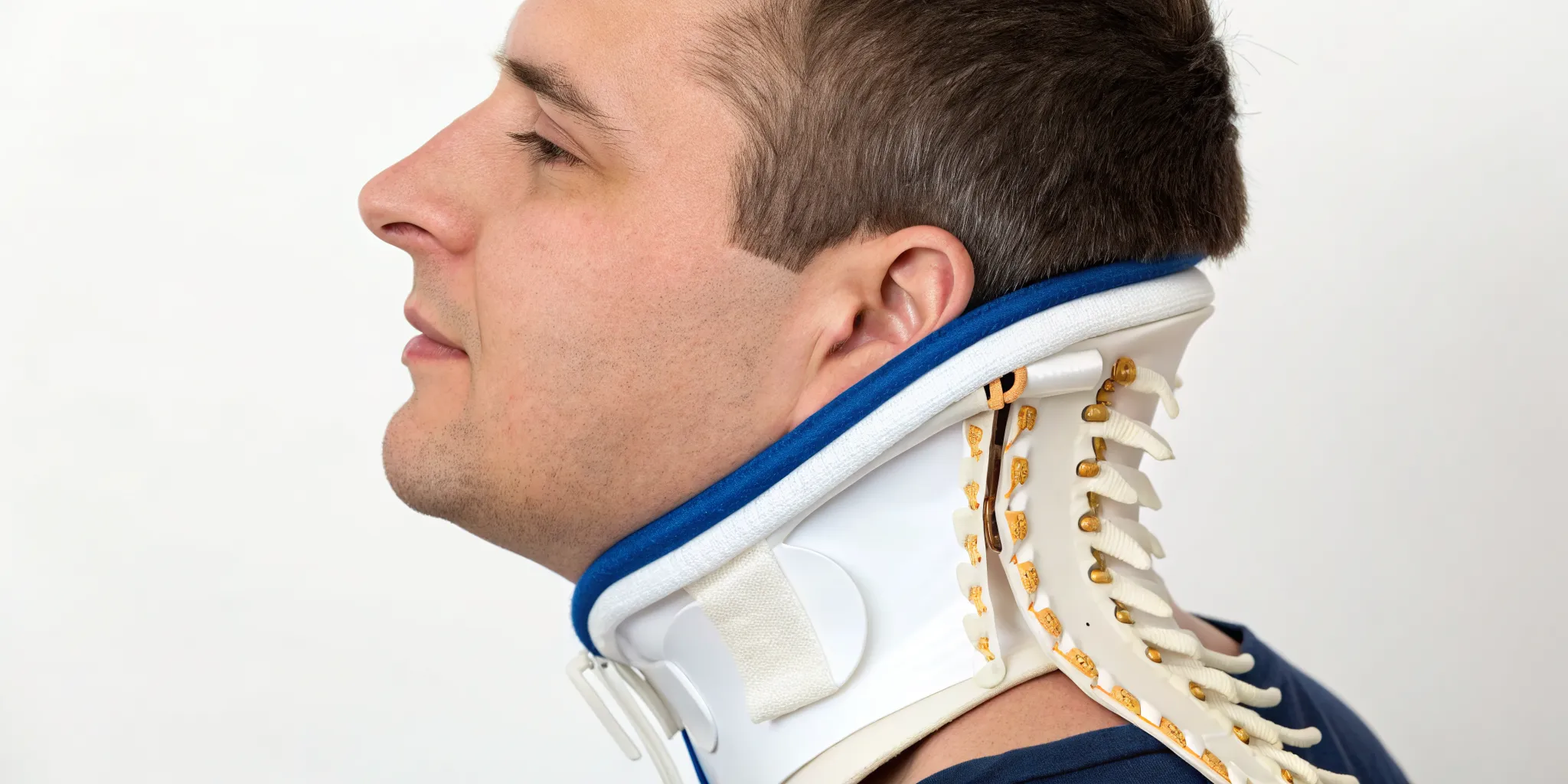
One of the most frequent injuries from a car accident is whiplash. This happens when your head is suddenly thrown backward and then forward, straining the muscles and ligaments in your neck. You might not feel it right away, but it can lead to neck pain, stiffness, headaches, and difficulty turning your head. Whiplash is a type of soft tissue injury, which also includes sprains and strains in other parts of your body. You might notice soreness, bruising, or pain in your shoulders, back, and limbs. While resting and icing the area can help initially, a professional evaluation is essential to ensure the tissue heals correctly and you regain your full range of motion. Proper physical medicine can guide this recovery.
Back, Spine, and Nerve Pain
The force from a collision can do a number of things to your back and spine. It can strain the muscles in your lower back, misalign vertebrae, or even cause a disc to bulge or herniate. A herniated disc can press on nearby nerves, leading to sharp, radiating pain, numbness, or tingling. One common example of this is sciatica, where pain travels from your lower back down your leg. These types of spinal and nerve issues often don't resolve on their own and can worsen without proper care. It’s important to address these conditions we treat to restore alignment, relieve nerve pressure, and prevent chronic pain from setting in.
Head Injuries and Concussions
It’s crucial to take any impact to your head seriously, no matter how minor it seems. Hitting your head on the steering wheel, window, or headrest can cause a concussion. Symptoms aren't always immediate and can include headaches, dizziness, confusion, memory problems, or sensitivity to light and noise. Because car accidents are a leading cause of traumatic brain injuries, you should never ignore these signs. A thorough assessment is key to understanding the extent of the injury and creating a safe recovery plan. Our team is dedicated to a comprehensive approach to health, and you can learn more about us and our patient-focused philosophy.
Uncovering Hidden or Delayed Injuries
Right after an accident, your body’s "fight or flight" response kicks in, releasing adrenaline that can completely mask pain. You might walk away from a crash feeling shaken but otherwise unharmed, only to wake up a day or two later with significant pain and stiffness. This delayed onset of symptoms is very common. Sometimes, the hidden injuries are more serious, like subtle brain injuries or internal damage that only become apparent later. This is why seeking a professional evaluation soon after any accident is so important, even if you feel fine. Catching these issues early is the best way to ensure a faster, more complete recovery. We encourage you to contact us for an assessment.
What to Do Right After a Car Accident
The moments following a car accident can feel disorienting and stressful. Your priority is safety, but knowing which steps to take can protect your health and set you on a path to a smooth recovery. Taking calm, deliberate action can make a significant difference in the hours and days that follow. These steps will guide you through the immediate aftermath and help you care for yourself properly.
Get to a Safe Location and Call for Help
Your first move should always be toward safety. If you can, move your vehicle out of traffic to the side of the road and turn on your hazard lights. Once you are in a safer spot, call 911. This is important for reporting the accident to the police and requesting medical assistance if anyone is obviously hurt. Car accidents are a major cause of injury, so it's wise to have first responders evaluate the scene. Following a clear set of post-accident steps can help you stay organized during a chaotic time.
Check for Immediate Injuries
After ensuring you're in a safe location, check yourself and any passengers for injuries. Look for visible cuts, bruises, or areas of immediate pain. However, the adrenaline from an accident can easily mask symptoms. Some of the most common car accident injuries, like whiplash or internal bruising, don't show up right away. That's why it's so important to pay close attention to your body in the hours and days following the incident. We see many patients with these types of delayed-onset conditions and can help you understand what to watch for.
Use the RICE Method for Initial Care
If you notice any immediate swelling, soreness, or sprains, you can use the RICE method as a first-aid measure while you arrange for a professional evaluation. RICE stands for Rest, Ice, Compression, and Elevation. Rest the injured area, apply an ice pack for about 15-20 minutes at a time to reduce swelling, use a light compression wrap if appropriate, and elevate the injured limb above your heart. This simple RICE protocol can provide temporary comfort for minor soft tissue injuries before you see a practitioner.
When to Seek Professional Medical Care
Even if you feel fine, you should always seek a professional medical evaluation after a car accident. As mentioned, many injuries have delayed symptoms, and getting checked out quickly can identify underlying issues before they become more serious problems. A thorough assessment from a practitioner who specializes in car accident injuries is the best way to get a clear diagnosis and a personalized recovery plan. Getting help right away can lead to a faster, more complete recovery. If you're in the Tampa area, we encourage you to schedule an evaluation with our team to address your concerns.
Effective Treatments for Car Accident Injuries
After a car accident, your main goal is to feel like yourself again. The path to recovery looks different for everyone, but it often involves a combination of treatments designed to address your specific injuries and support your body’s natural healing process. Finding the right care is about more than just addressing symptoms; it’s about restoring long-term function and well-being.
At Ascend Functional Health, we create personalized plans that focus on getting to the root of your pain. We combine different methods from our three pillars of healing to help you heal correctly and build resilience against future issues. Let’s walk through some of the most effective treatments we use to help our patients recover.
Chiropractic Care and Spinal Decompression
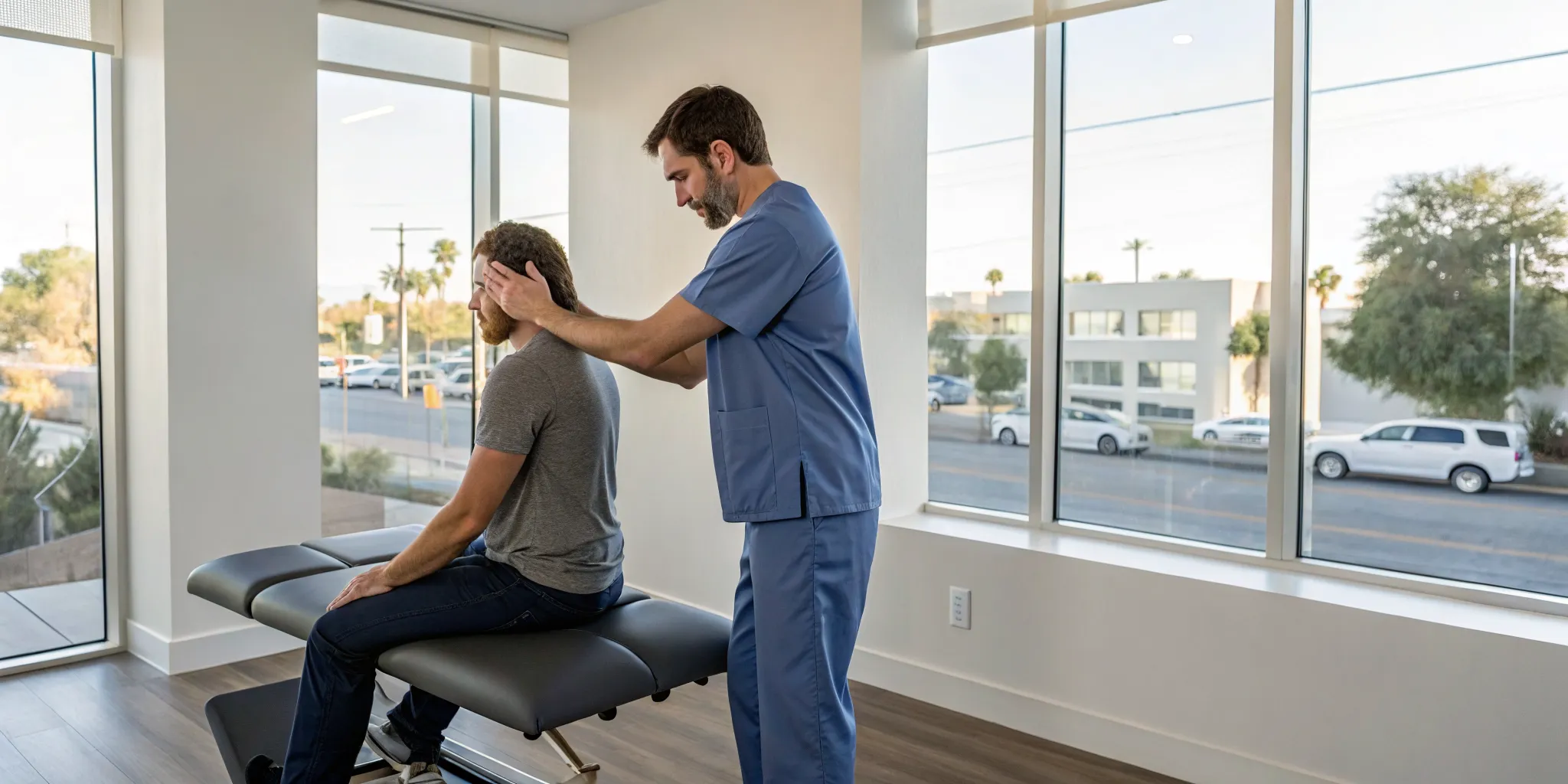
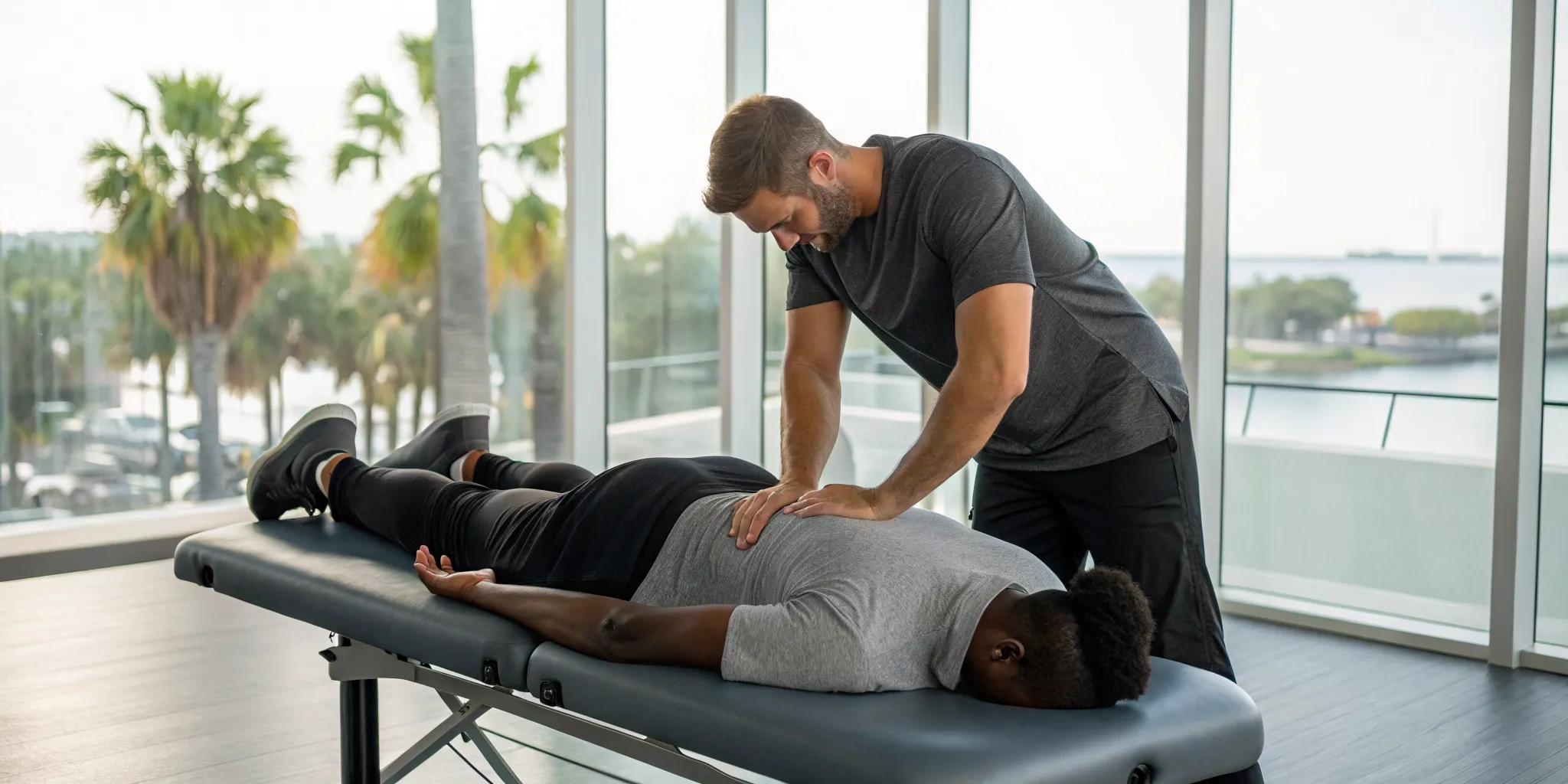
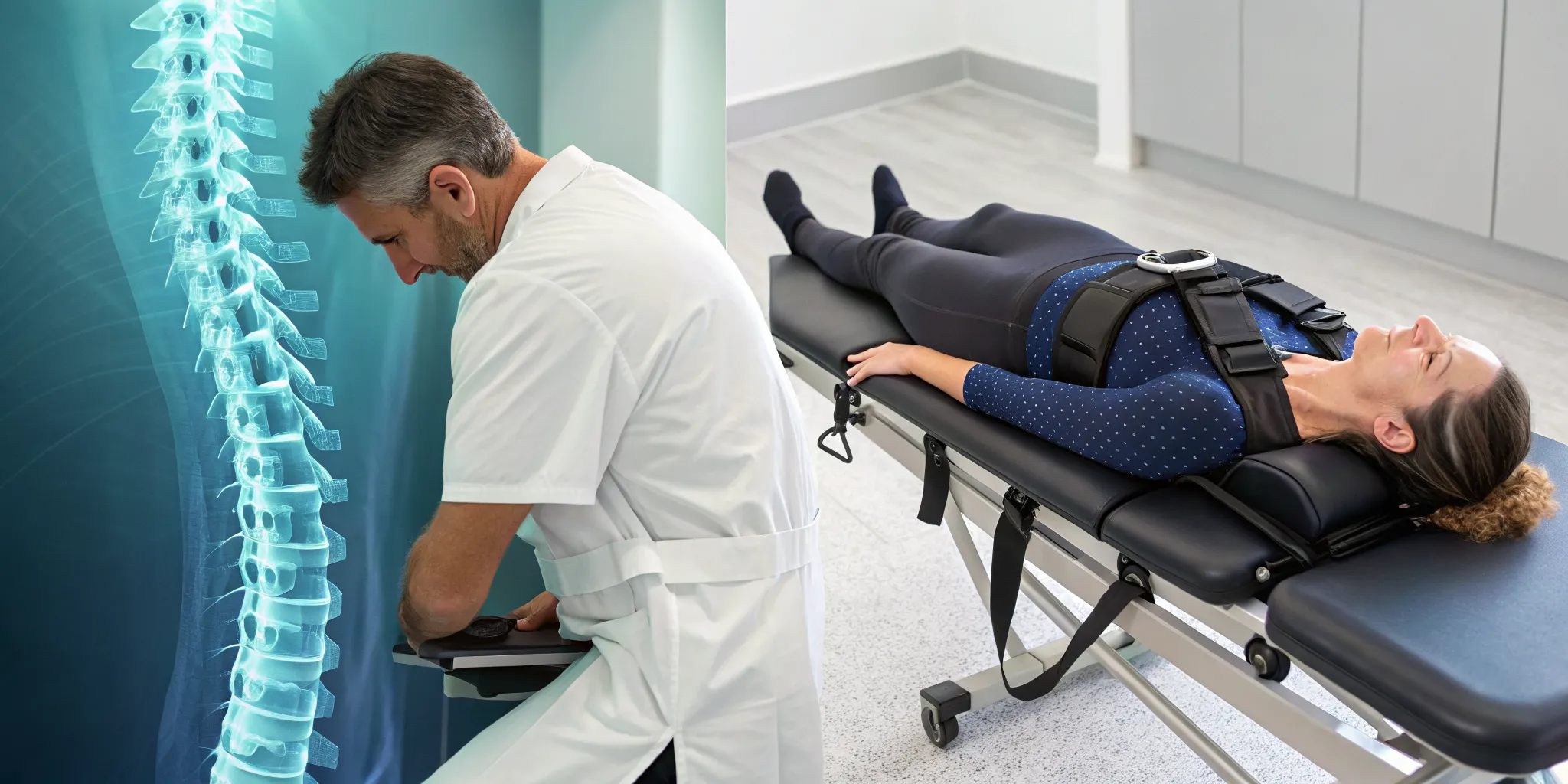
A car accident, even a minor one, can jolt your spine out of alignment. This misalignment is often the source of nagging neck pain, back pain, and headaches, especially from whiplash. Chiropractic care is a fantastic way to address these structural issues directly. Through gentle, precise adjustments, we can help restore proper alignment, which takes pressure off your nerves and reduces inflammation. This not only helps with pain but also improves your overall mobility. For more targeted relief, especially for disc-related pain, we may use spinal decompression to gently stretch the spine, creating an environment that promotes healing.
Corrective Care and Physical Rehabilitation
Once your immediate pain and inflammation start to subside, the next step is rebuilding your body’s strength and stability. Corrective care and physical rehabilitation are all about helping you regain strength, flexibility, and a full range of motion. This isn't about generic exercises; it's a highly personalized plan tailored to your body and your recovery goals. We guide you through specific therapeutic movements and stretches designed to heal damaged tissues and strengthen the muscles that support your spine and joints. This active approach is a crucial part of a lasting recovery and helps protect your body from reinjury down the road.
A Functional Approach to Pain Relief
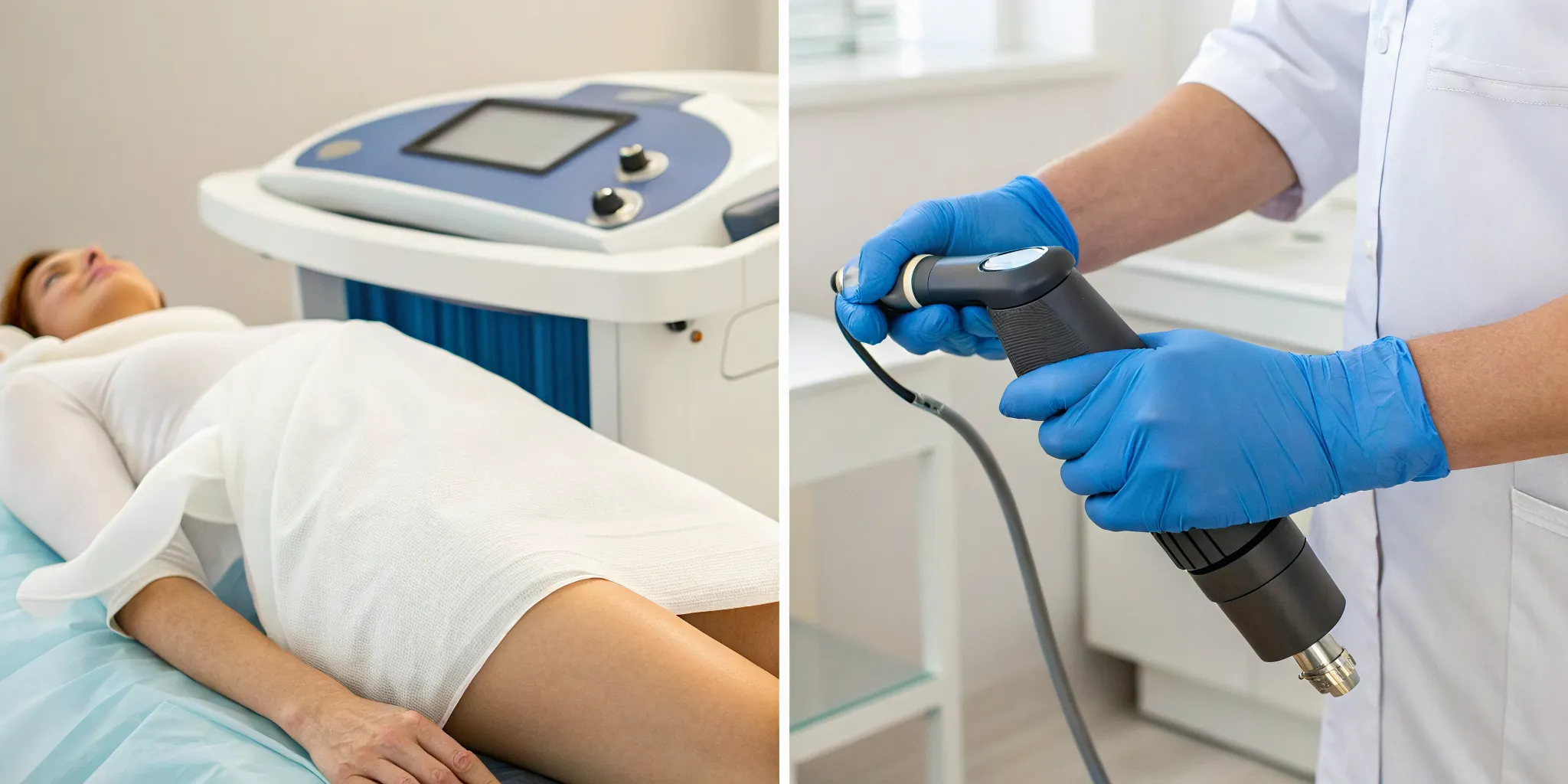
Sometimes, even after the initial injury is addressed, lingering pain and inflammation can stick around. This is where a functional approach can make a huge difference. Instead of just chasing symptoms, we look deeper to understand why you're still in pain. Our functional medicine services investigate underlying issues, like systemic inflammation or nutrient deficiencies, that can hinder your recovery. By understanding the complete picture of your health through targeted testing, we can support your body’s healing from the inside out. This approach complements the physical treatments you receive, ensuring a more complete and lasting recovery.
How Physical Therapy Speeds Up Your Recovery
After a car accident, it’s natural to want to get back to your life as quickly as possible. While rest is important, proactive treatment is what truly rebuilds your strength and resilience. Physical therapy is a cornerstone of recovery, working hand-in-hand with treatments like chiropractic adjustments to address the root of your pain and restore your body’s function. It’s not just about managing symptoms; it’s about actively participating in your healing journey.
This process focuses on rebuilding what the injury took away, from simple movements to overall strength. By engaging in a guided program, you give your body the tools it needs to heal correctly and completely. The goal is to move beyond the injury, helping you return to your daily activities with confidence and a reduced risk of future problems. At Ascend, our physical medicine services are designed to support this journey, guiding you from initial pain relief to long-term wellness and stability.
Restore Your Mobility, Strength, and Flexibility
An injury can leave you feeling stiff, weak, and hesitant to move. Physical therapy directly counters these effects by helping you regain your strength, flexibility, and range of motion. After an accident, your body’s natural response is to guard the injured area, which can lead to muscle tightness and joint stiffness. A therapist guides you through gentle, targeted movements and exercises designed to safely loosen tissues and reintroduce mobility. This process is crucial for preventing the formation of scar tissue that can limit movement long-term. By systematically rebuilding strength in the affected and supporting muscles, you can get back to your routine feeling stable and capable.
Your Personalized Corrective Exercise Plan
No two injuries are exactly alike, which is why a personalized recovery plan is so important. Your therapist will conduct a thorough assessment to understand the specifics of your injury, whether it’s neck pain, a back issue, or another soft tissue concern. Based on this evaluation, they create a specialized exercise plan tailored to your unique needs. This isn't a generic workout; it's a strategic set of movements designed to target your specific areas of weakness or instability. This customized approach to corrective care ensures that you are performing the most effective exercises for your condition, which helps speed up healing and ensures you are rebuilding strength in a balanced, functional way.
Prevent Future Injuries with Physical Therapy
The benefits of physical therapy extend far beyond healing your current injury. One of the most valuable aspects of this treatment is its focus on preventing future problems. By strengthening the muscles that support your joints and spine, you create a more stable and resilient body. This not only helps you return to your daily activities more safely but also reduces the likelihood of re-injury down the road. A therapist will also educate you on proper body mechanics and movement patterns for your daily life, from lifting objects to sitting at a desk. This holistic approach is a key part of our services, empowering you with the knowledge and strength to protect your body for years to come.
Using Functional Medicine for a Deeper Recovery
After a car accident, addressing the structural damage with chiropractic care is a critical first step. But what about the invisible impact? The trauma of a collision can send shockwaves through your entire system, affecting everything from your hormones to your gut health. This is where functional medicine comes in. It offers a path to a more complete recovery by looking at your body as a whole, interconnected system. By focusing on your internal environment, we can support your body’s healing processes from the inside out, helping you feel better, faster. This approach complements physical treatments by ensuring your body has everything it needs to repair itself on a cellular level.
Address the Root Cause of Your Pain
Pain is your body’s alarm system, but simply silencing the alarm doesn’t fix the problem. Functional medicine is all about finding the source of the fire. Instead of only focusing on the area that hurts, we explore the underlying reasons for your persistent pain and other symptoms. This involves taking a deep look at your health history, lifestyle, and unique genetic makeup. We see you as a whole person, not just a collection of symptoms. This partnership approach allows us to create a truly personalized plan that gets to the root cause of your health concerns and helps your body truly heal.
Manage Inflammation Through Targeted Testing
Inflammation is a normal and necessary part of healing right after an injury. However, when it sticks around for too long, it can become a major roadblock to your recovery, causing chronic pain, fatigue, and other issues. Rather than guessing, we use targeted testing to get a precise look at the inflammatory markers in your body. This data gives us a clear picture of what’s happening internally. Based on these results, we can develop a specific plan with dietary changes, professional-grade supplements, and lifestyle adjustments to calm the inflammation. This targeted strategy helps manage many of the conditions we treat and allows your body to focus its energy on healing.
Can a Car Accident Affect Your Mental Health?
The jolt of a car accident sends shockwaves through more than just your vehicle and your body. The experience itself is traumatic, and the aftermath can leave you feeling overwhelmed, anxious, and unlike yourself. It’s easy to focus solely on the physical injuries, like back pain or whiplash, but your mental and emotional health are just as critical to your overall recovery. Ignoring the emotional toll can unfortunately slow down your physical healing and keep you from feeling whole again.
Understanding the connection between your mind and body is the first step toward a truly comprehensive recovery. When you support your mental well-being, you create an internal environment that promotes physical healing. At Ascend Functional Health, our holistic approach considers every aspect of your health, ensuring that your recovery plan addresses you as a complete person, not just a collection of symptoms. We believe that true healing happens when both the body and mind are cared for.
Recognize Post-Accident Anxiety and Distress
After a car accident, it’s completely normal to feel shaken up. You might experience a flood of emotions, from stress and anxiety about driving again to frustration over your physical limitations. Many people also deal with feelings of trauma or loneliness, especially if their injuries disrupt their daily routines and social lives. It’s important to acknowledge that these feelings are a real and valid part of your experience.
What’s more, physical pain can make this emotional distress feel even more intense. When you’re in constant discomfort, it’s hard to stay positive and focused on healing. This can create a difficult cycle where physical pain worsens your mood, and that emotional stress, in turn, makes your body more sensitive to pain. Recognizing this connection is a key part of addressing all the conditions we treat after an accident.
The Link Between Mental and Physical Healing
Your mind and body are in constant communication, and this connection becomes incredibly important during recovery. When you experience emotional distress like anxiety or trauma, your body can get stuck in a "fight or flight" response. This state of high alert releases stress hormones that can increase inflammation and muscle tension, directly working against your body’s efforts to repair itself. You can’t fully heal physically if your mind is still in crisis mode.
This is why a recovery plan that only focuses on the physical side of things is incomplete. By actively managing your emotional well-being, you help regulate your nervous system and create the calm internal state necessary for healing. Our functional medicine services are built on this principle of interconnectedness, helping to identify and address the underlying factors that can stand in the way of a full and lasting recovery.
Add Mental Health Support to Your Recovery Plan
Making your mental health a priority is not a luxury; it's a fundamental part of your healing journey. For some, the emotional impact of an accident can develop into more persistent issues like depression, driving phobias, or post-traumatic stress disorder (PTSD), particularly if the physical injuries are severe or the recovery process is slow. If you find that emotional distress is affecting your daily life, it's a sign to seek support.
Integrating mental health support into your recovery doesn't always require a separate appointment. A healing environment that acknowledges the mind-body connection can make a significant difference. Our patient-centered philosophy ensures your concerns are heard, which can reduce stress and empower you in your recovery. By addressing the root causes of your physical pain through our physical medicine services, we also help alleviate a major source of mental strain, allowing your entire system to heal.
Why Early Treatment Makes All the Difference
After a car accident, it’s easy to get caught up in the logistics of car repairs and reports. But the most important asset you have is your health, and the steps you take immediately following an accident can shape your recovery for years to come. Waiting to see if the pain goes away on its own is a gamble. Being proactive, on the other hand, puts you back in control of your healing journey. Early, targeted care is the key to not just feeling better, but truly getting back to your life without lingering pain and limitations.
Stop Acute Injuries from Becoming Chronic Pain
In the moments after a collision, your body is flooded with adrenaline. This powerful hormone can mask pain and make you feel like you’re uninjured, even when you’re not. You might walk away feeling just a little stiff or sore, but this can be misleading. Underlying issues like whiplash, micro-tears in your muscles, or subtle shifts in your spine might not be obvious right away. Ignoring these initial signals can allow an acute injury to settle in, creating inflammation and scar tissue that leads to long-term problems. What starts as a minor ache can easily become chronic headaches or ongoing back issues if the root cause isn't addressed promptly.
Your Personalized Path to Healing
Getting care quickly isn't just about managing symptoms; it's about starting a personalized path to healing. A one-size-fits-all approach simply doesn’t work for car accident injuries because every person and every collision is unique. A thorough evaluation can pinpoint the exact source of your discomfort. From there, a provider can create a tailored plan that might include gentle chiropractic adjustments to restore alignment, spinal decompression to relieve pressure on nerves, and corrective exercises to rebuild strength. This kind of comprehensive physical medicine helps your body heal correctly from the start, reducing your risk of future complications and helping you regain your mobility and confidence.
Begin Your Car Accident Recovery in Tampa
Recovering from a car accident is a process, and taking that first step is the most important part of your healing. The time immediately following a collision can feel confusing and overwhelming, but prioritizing your health is essential. Even if you walk away feeling fine, it’s crucial to seek a professional medical evaluation. The rush of adrenaline after an accident can easily mask pain, and some injuries don't present symptoms until days or even weeks later.
An early and thorough assessment is the key to preventing acute issues from turning into long-term, chronic pain. A proper diagnosis helps catch hidden problems, like soft tissue damage or subtle spinal misalignments, before they become more serious. This allows for a treatment plan that is tailored specifically to you and your body’s needs. At Ascend Functional Health, our approach to physical medicine is built on identifying and addressing the root cause of your discomfort, not just managing the symptoms.
Your recovery plan should be as unique as you are, potentially combining chiropractic adjustments, corrective exercises, and other therapies to restore your body's natural function and mobility. You don’t have to go through this journey alone. If you’re in the Tampa area, our team is here to provide the expert care and support you need to get back on your feet. Taking proactive steps toward your recovery can make all the difference in your long-term health and well-being. When you're ready, we invite you to contact our office to schedule your initial consultation.
Related Articles
Frequently Asked Questions
Why should I get checked out if I feel fine after a minor accident? It’s a great question, and a very common one. Right after an accident, your body produces a surge of adrenaline, which is a powerful painkiller. This can make you feel perfectly fine, even if you have underlying soft tissue or spinal injuries. Seeking an evaluation is a proactive step to identify any hidden issues, like whiplash or misalignments, before they have a chance to cause inflammation and turn into bigger, more painful problems down the road.
I'm experiencing both neck pain and anxiety since my accident. Are these related? Yes, they absolutely can be. Your mind and body are deeply connected. The physical trauma of an accident can cause emotional distress, and that stress can make your physical healing more difficult by increasing inflammation and muscle tension. It's a cycle where pain can worsen your mood, and a low mood can make you more sensitive to pain. Acknowledging this is a key part of a complete recovery, and it's something we always consider in our approach to care.
What's the main difference between chiropractic care and physical therapy for recovery? Think of it this way: chiropractic care primarily focuses on your body's structure and nervous system. An adjustment helps restore proper alignment to your spine, which takes pressure off nerves and allows your body to function better. Physical therapy, on the other hand, focuses on rebuilding the strength and mobility of your muscles and soft tissues through targeted exercises. The two work together beautifully, with chiropractic care setting the foundation and physical therapy building a strong, resilient body on top of it.
How does functional medicine help with something like whiplash? While physical treatments address the direct structural damage from whiplash, functional medicine looks at your body’s internal response to the trauma. An accident can trigger body-wide inflammation that slows down healing and causes lingering pain and fatigue. Using a functional approach, we can investigate your internal environment and use targeted nutrition and supplements to help calm that inflammation, ensuring your body has everything it needs to repair itself efficiently from the inside out.
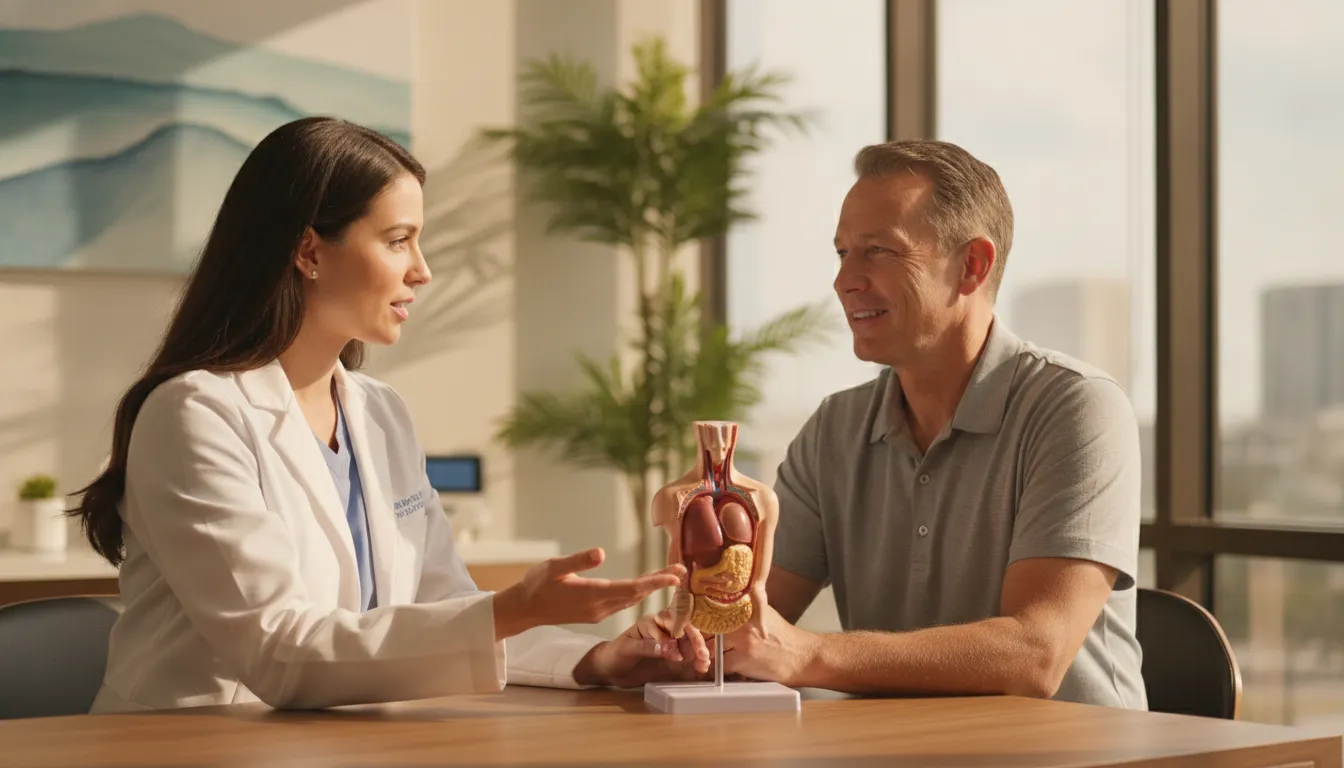
What can I expect during my first visit for a car accident injury? Your first visit is all about understanding your unique situation. We'll start by having a detailed conversation about the accident, your health history, and the specific symptoms you're experiencing. This is followed by a thorough physical evaluation to pinpoint the root cause of your discomfort. This comprehensive assessment allows us to create a personalized treatment plan that is tailored specifically to your body and your recovery goals, rather than just applying a generic solution.