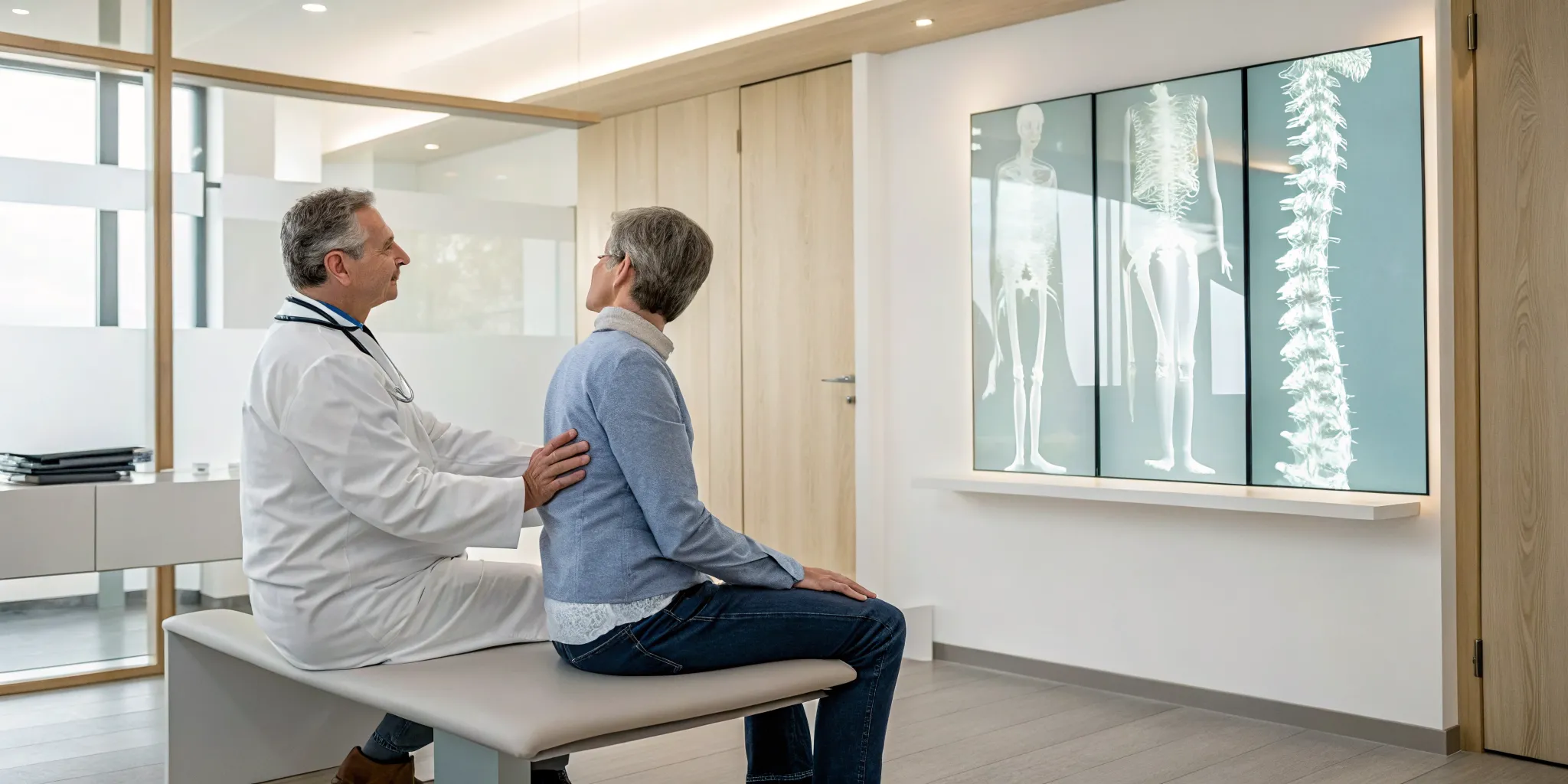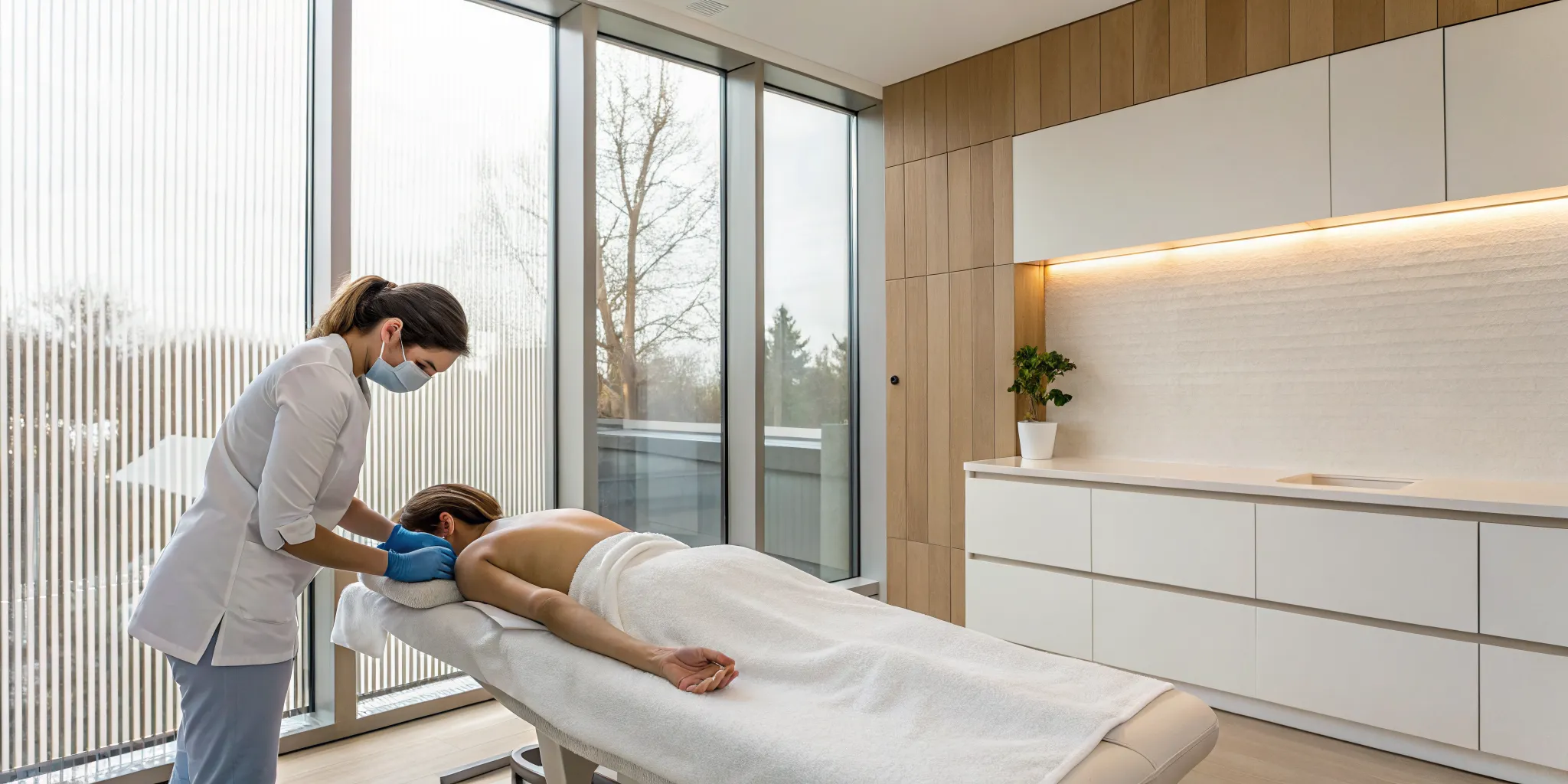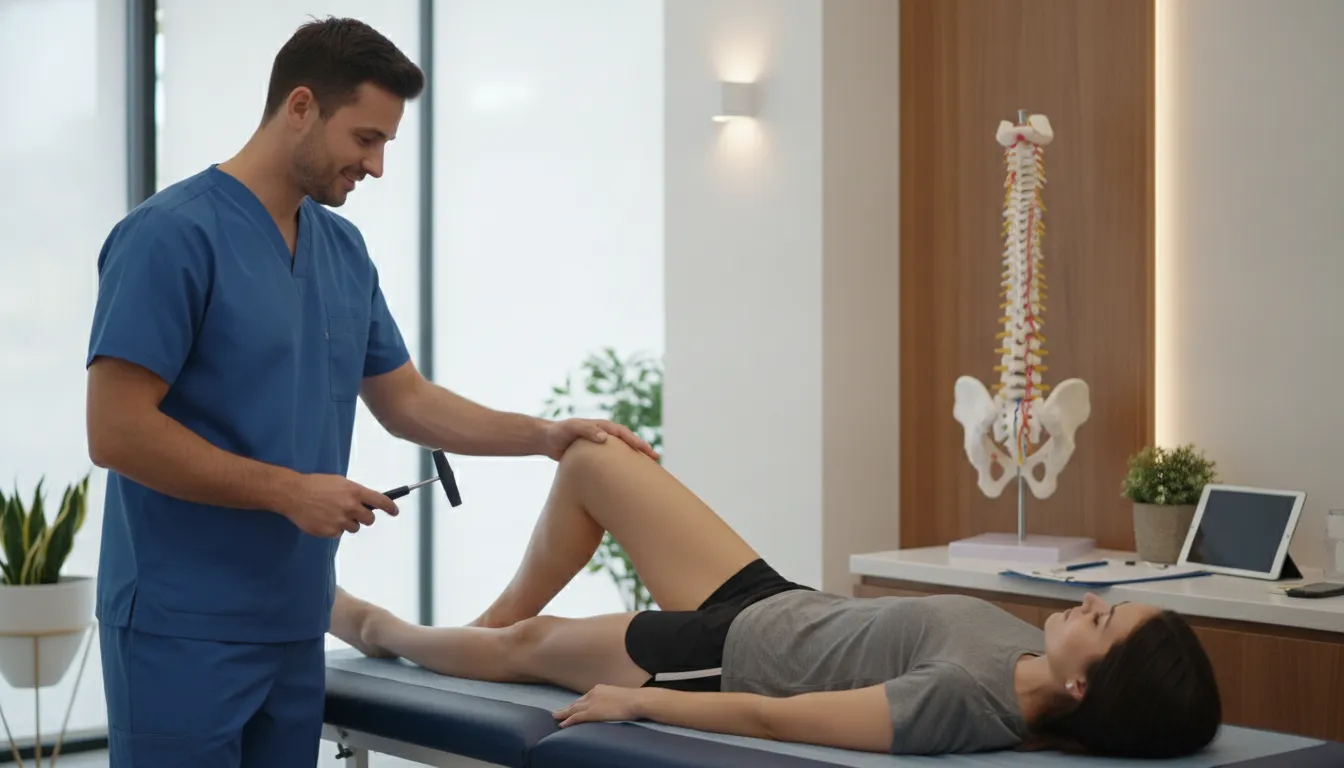
A bulging disc is a mechanical problem. Think of it this way: constant pressure has caused part of your spinal disc to push outward, where it doesn't belong, often pressing on a sensitive nerve. It stands to reason that a mechanical problem requires a mechanical solution. That’s the simple brilliance behind spinal decompression. It’s a non-surgical therapy that uses gentle, precise traction to create negative pressure within the spine, helping to guide that bulging material back into place. For those looking into spinal decompression for bulging discs near me Tampa, understanding this direct approach is key. It’s not about masking symptoms; it’s about correcting the underlying issue.
Key Takeaways
- Address the Root Cause, Not Just Symptoms: Spinal decompression is a gentle, non-surgical therapy that directly targets the mechanical pressure of a bulging disc, helping it retract and promoting your body's natural healing process.
- Healing Is a Process, Not an Event: Effective relief comes from a personalized treatment plan consisting of multiple comfortable sessions, which allows for cumulative, long-lasting results rather than an instant, temporary fix.
- Combine Therapies for Lasting Results: The best outcomes are achieved when spinal decompression is part of a comprehensive strategy that includes corrective exercises and holistic care to strengthen your spine and support overall health.
When to Seek Help for a Bulging Disc
It can be tempting to push through discomfort, hoping it will resolve on its own. But when it comes to spinal health, certain symptoms are clear signals that your body needs support. A bulging disc doesn't just cause localized pain; it can affect your entire quality of life. If you’re experiencing persistent issues that interfere with your daily activities, it’s time to listen to your body and seek a professional opinion. Ignoring these signs can lead to worsening symptoms, so addressing them proactively is key to finding lasting relief and getting back to the life you enjoy.
Persistent Back and Neck Discomfort
A dull ache that never quite goes away or a sharp pain that flares up with certain movements is more than just an annoyance. If you have back or neck discomfort that lasts for weeks, it’s a sign that an underlying issue needs attention. This type of persistent pain often indicates that a spinal disc is under stress and unable to heal on its own. Our approach with physical medicine is designed for this exact scenario. Gentle, motorized traction can create negative pressure within the disc, which helps the bulging material retract, relieving the pressure that causes chronic pain and allowing your body’s natural healing process to begin.
Radiating Pain, Tingling, or Numbness
Have you ever felt a shooting pain travel from your lower back down your leg? Or a strange tingling sensation move from your neck into your arm and fingers? This is a classic sign that a bulging disc is pressing on a spinal nerve. This nerve impingement can cause symptoms far from the actual site of the problem, a condition often referred to as sciatica when it affects the leg. Addressing these radiating symptoms is crucial for preventing long-term nerve irritation. By gently decompressing the spine, we can create more space for the nerves, relieving the pressure that causes that uncomfortable pain, tingling, or numbness you’re feeling.
Stiffness, Weakness, and Reduced Mobility
A bulging disc doesn't just cause pain; it can seriously limit your ability to move. You might find it difficult to bend over, twist, or even stand for long periods. This stiffness and weakness can make simple tasks feel monumental. This happens because the pressure on your spine disrupts its normal function and alignment. Spinal decompression therapy helps by gently stretching the spine, which relieves pressure and improves circulation to the injured area. This process delivers vital nutrients and oxygen that promote healing and help restore your spine's natural function and flexibility, allowing you to move with greater ease and confidence.
What Is Spinal Decompression Therapy?
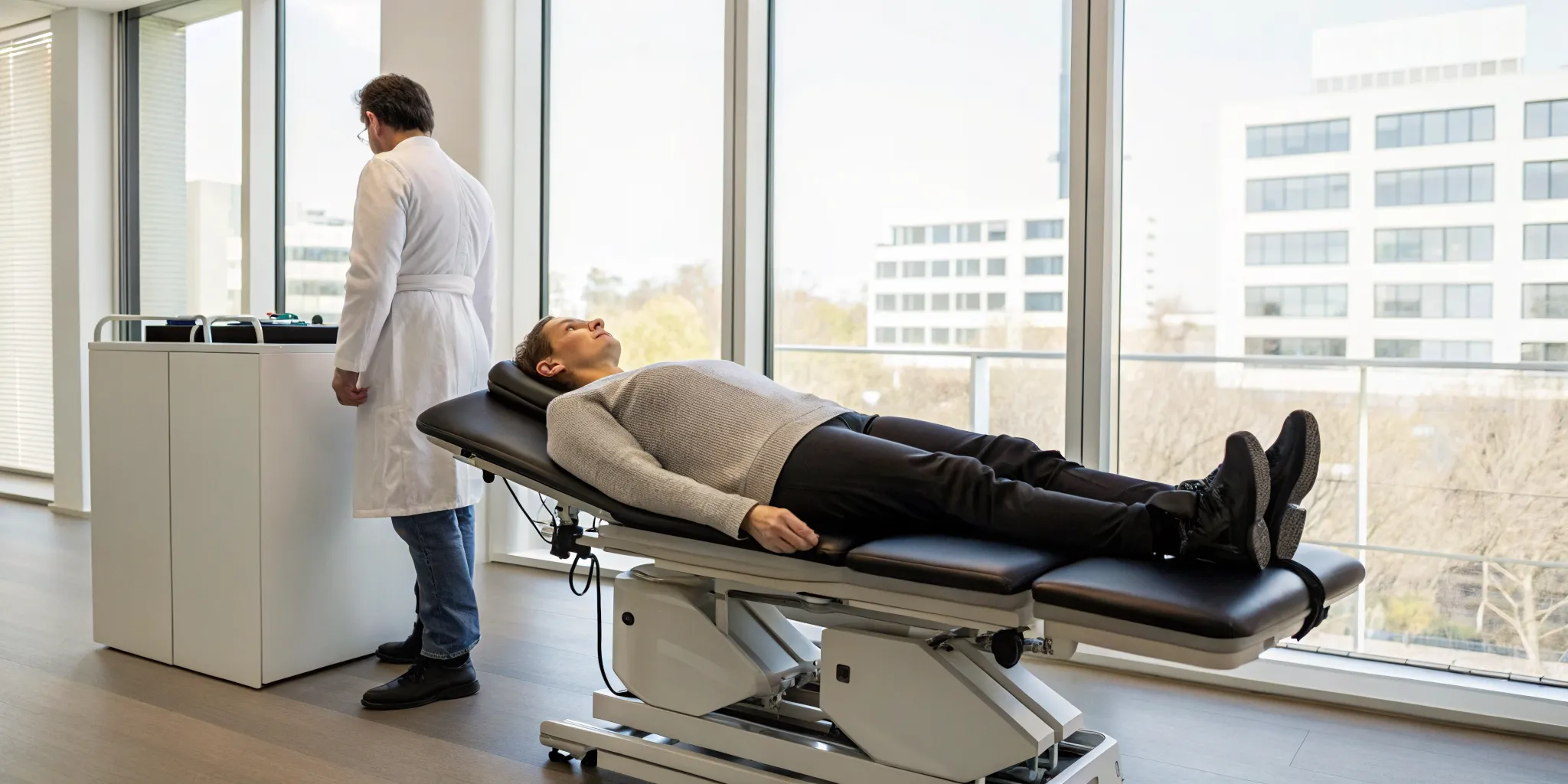
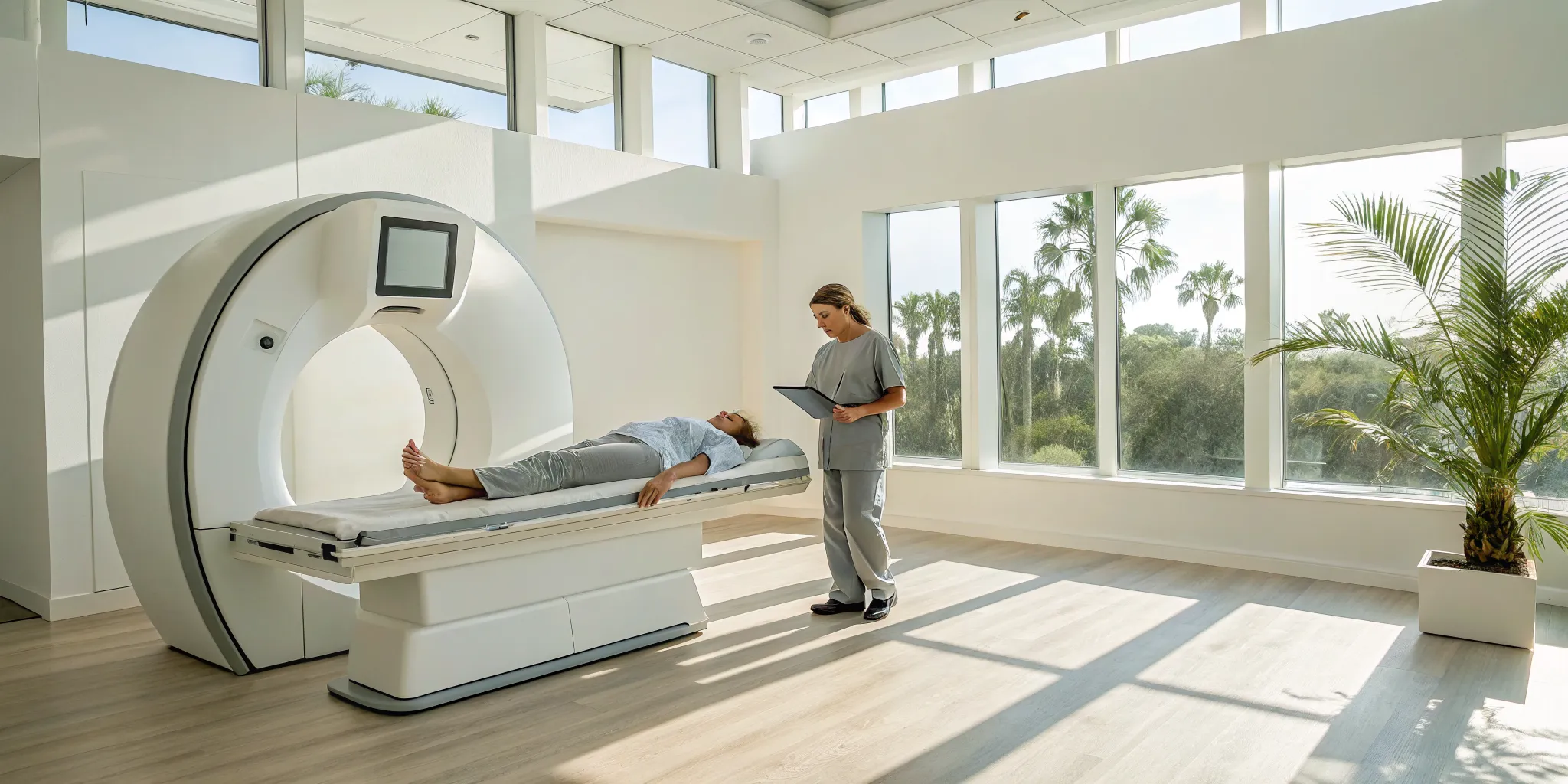
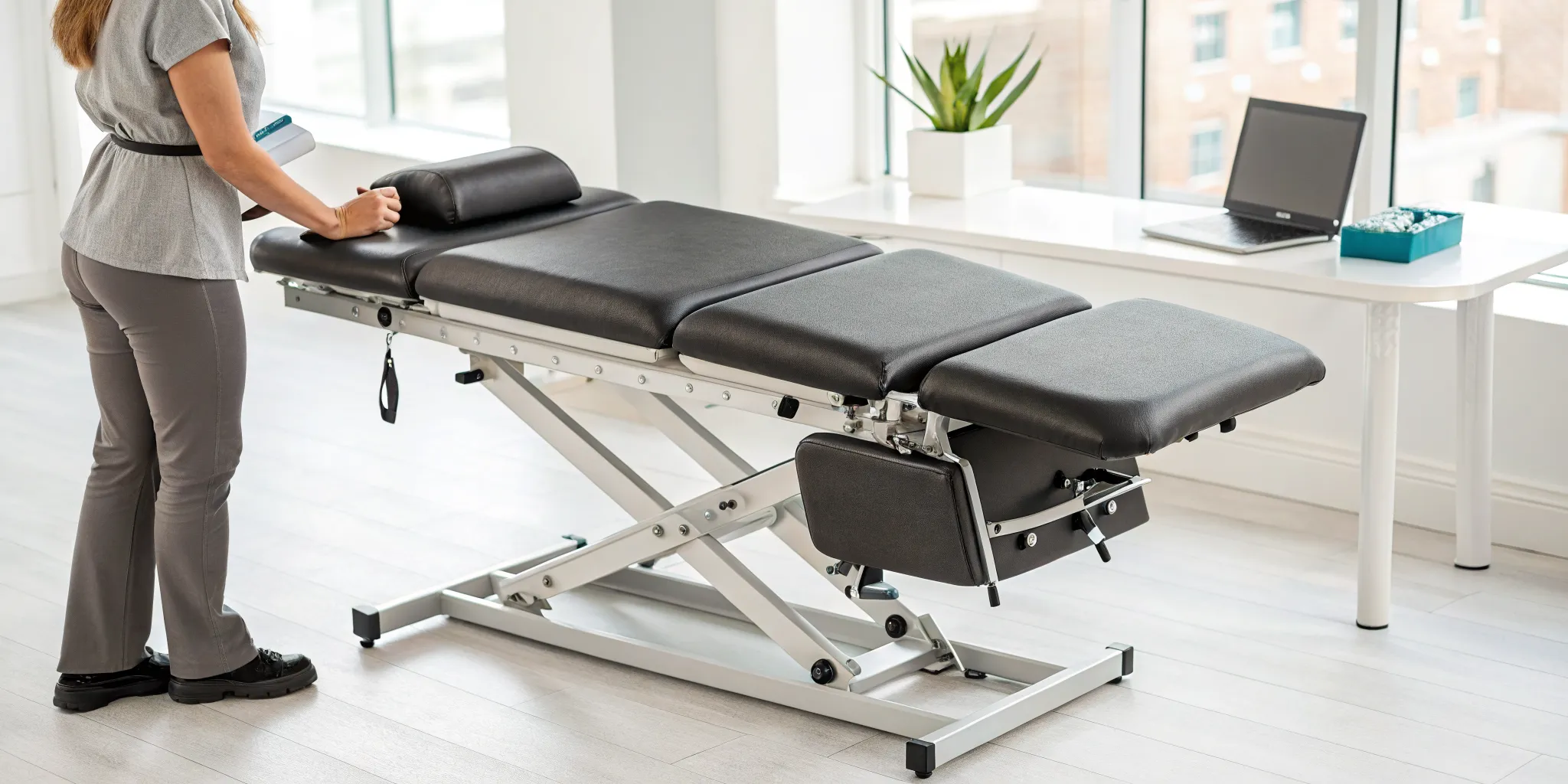
If you’re dealing with the persistent pain of a bulging disc, you’ve likely looked into every option for relief. Spinal decompression therapy is a gentle, non-surgical approach designed to address the root cause of your discomfort. Think of it as a sophisticated method of stretching the spine to relieve pressure on your spinal discs and nerves. Using a specialized, computer-guided table, this therapy creates negative pressure within the targeted disc.
This process is designed to help the bulging or herniated material retract, taking pressure off the nerves that are causing your pain. It’s a cornerstone of modern physical medicine because it works with your body’s own healing mechanisms. By creating more space between your vertebrae, it also improves the flow of oxygen, water, and nutrients to the disc, which is essential for long-term healing. It’s a focused treatment that offers a path toward relief without the need for invasive procedures.
How Spinal Decompression Works
The science behind spinal decompression is both simple and brilliant. When you lie on the decompression table, it applies a gentle, controlled stretching force to your spine. This subtle elongation creates a vacuum-like effect, or negative pressure, inside the affected disc. This is the key to its effectiveness.
This negative pressure can help draw the bulging disc material back into its normal position between the vertebrae. At the same time, this process allows for an influx of healing nutrients and hydration into the disc, which may have been blocked by the constant pressure. It’s a way of creating the ideal environment for your body to begin repairing itself from the inside out.
A Look at the Technology
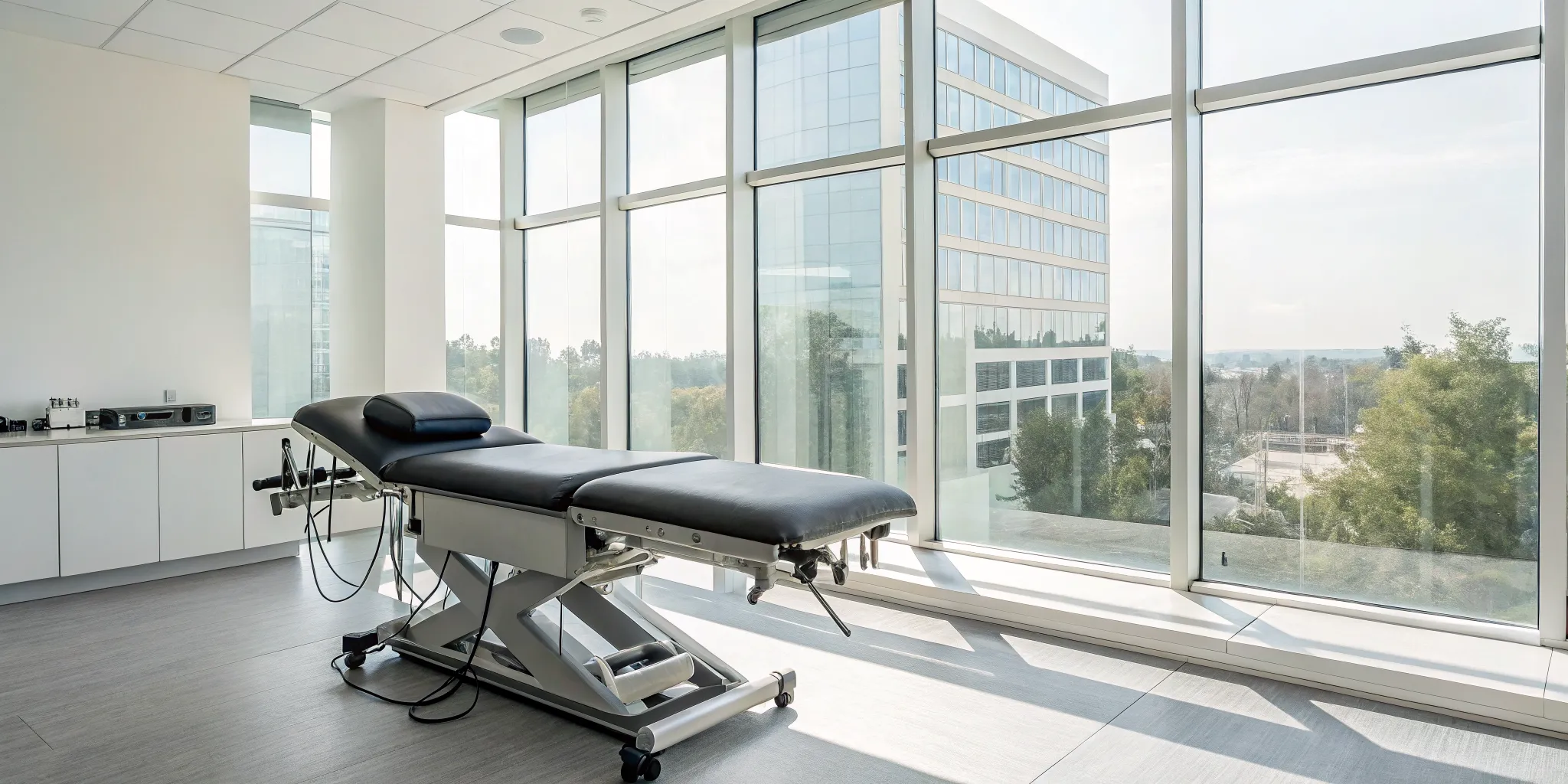
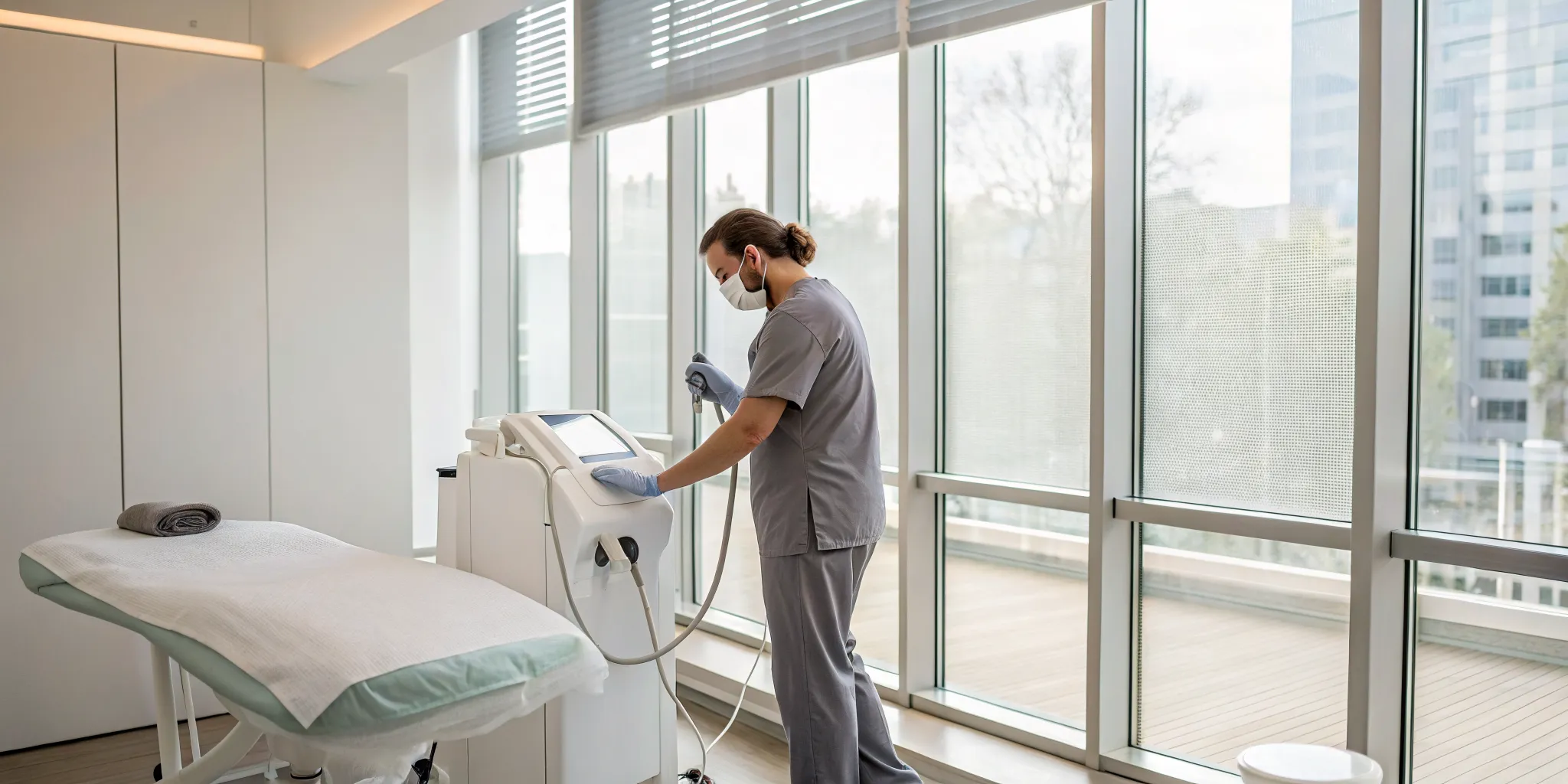
Spinal decompression isn’t performed on a simple traction table. The technology we use is highly advanced and precise. The treatment table is connected to a computer that allows your practitioner to customize the session specifically for your body and condition. It continuously monitors and adjusts the amount of force being applied, ensuring the stretch is always gentle, targeted, and comfortable.
This smart technology is what makes the therapy so effective. The computer can sense your body’s subtle muscle responses and make micro-adjustments to prevent resistance or guarding. This ensures that the therapeutic force reaches the intended spinal segment, allowing for a true decompression of the disc. Our commitment to using this kind of advanced equipment reflects our dedication to providing the best possible care for our patients.
How It Directly Addresses Bulging Discs
A bulging disc is a mechanical problem, and spinal decompression offers a mechanical solution. The constant pressure on your spine from daily life can cause discs to bulge and press on sensitive nerves, leading to pain, numbness, or weakness. Decompression therapy directly counteracts this pressure.
The gentle, motorized traction is specifically designed to target this issue. By creating negative pressure inside the disc, it encourages the displaced material to move back into its proper place. This can provide significant relief by taking pressure off the pinched nerve root. It’s one of the most effective ways to address the underlying cause of the pain, which is why so many people are excellent candidates for spinal decompression.
What Can Spinal Decompression Do for Your Bulging Disc?
If you're dealing with a bulging disc, you know how disruptive the discomfort can be. Spinal decompression offers a focused way to address the pressure that's causing your symptoms. By creating space in the spine, this therapy allows the disc to return to a more natural position, taking pressure off sensitive nerves and giving your body the chance to heal. It’s a targeted approach that goes beyond simply managing the discomfort and gets to the heart of the problem. Instead of just masking the issue, we can directly address the mechanical stress on your spine.
A Gentle, Non-Invasive Approach
When you hear "spinal decompression," it might sound intense, but the reality is quite the opposite. This therapy involves a specialized table that gently and precisely stretches your spine. Think of it as creating a subtle vacuum effect that pulls the bulging disc material away from the nerve it might be pressing on. This process is designed to be comfortable and works with your body’s own healing mechanisms to reduce pressure and improve your mobility. It’s a sophisticated method that provides relief without requiring any invasive procedures, allowing you to feel at ease throughout your session. The goal of spinal decompression therapy is to facilitate healing in the most natural way possible.
Get to the Root Cause of Your Discomfort
A key benefit of spinal decompression is that it addresses the mechanical issue behind the bulging disc, not just the symptoms. While temporary relief is great, our focus is on creating lasting change. Spinal decompression is a powerful tool, but it works best as part of a comprehensive strategy. We often combine it with other aspects of our physical medicine services, such as corrective exercises to strengthen supporting muscles and improve posture. This integrated approach ensures that we not only alleviate the immediate pressure but also build a stronger, more resilient foundation to support your long-term spinal health and prevent future issues.
Other Conditions That Benefit from Spinal Decompression
While spinal decompression is an excellent option for bulging discs, its benefits don't stop there. Because it works by relieving pressure on the entire spinal column, it can help with a variety of related issues. Many of our patients find relief from chronic back and neck pain, sciatica, and other forms of nerve pain that radiate down the arms or legs. It's also effective for those dealing with degenerative disc disease, where the spinal discs have worn down over time. If you're experiencing stiffness or a limited range of motion, decompression can help restore flexibility and movement. You can explore the full range of conditions we treat to see how our approach can help you.
Spinal Decompression vs. Other Treatment Options
When you’re dealing with persistent back discomfort, it can feel overwhelming to sort through all the different treatment options. You want relief, but you also want a solution that feels right for your body and your long-term health goals. Understanding how spinal decompression compares to other common approaches can help you make a more confident and informed decision. Decompression therapy stands apart from more invasive procedures and temporary fixes by offering a gentle, targeted approach to healing. It’s not about a quick fix; it’s about creating the right conditions for your body to repair itself from the inside out.
Many people find themselves stuck in a cycle of treatments that only mask their discomfort for a short time, never truly getting to the heart of the issue. This is where decompression therapy offers a refreshing alternative. Instead of just managing symptoms, it directly addresses the mechanical stress on your spine that contributes to bulging discs. By creating space and relieving pressure, it supports the body’s innate healing capabilities. This philosophy of working with the body, not just on it, is central to finding lasting wellness. Let's look at how it stacks up against other methods.
Compared to Invasive Procedures
One of the most significant distinctions of spinal decompression is that it's a non-surgical approach. When you’re facing a bulging or herniated disc, invasive options might be presented as a solution. These techniques, however, often involve altering parts of your spinal structure and come with greater risks and longer recovery times. Spinal decompression offers a different path. It works by using a specialized table to gently and precisely stretch the spine. This creates a negative pressure within the disc, which can help draw the bulging material back into place and away from your nerves. It’s a way to address the problem mechanically without incisions or a lengthy recovery period.
Compared to Symptom Management
Many conventional treatments focus on managing the symptoms of a bulging disc, like discomfort and inflammation, rather than addressing the root cause. While this can provide temporary relief, the underlying problem often remains, leading to recurring flare-ups. Spinal decompression is different because it’s designed to correct the mechanical issue causing your discomfort. By relieving pressure on the spinal discs and nerves, it does more than just quiet the symptoms. This process enhances your body’s natural ability to heal itself by improving blood flow and the delivery of oxygen and nutrients to the damaged tissues. This focus on facilitating true healing is a core part of our functional medicine approach.
Compared to Traditional Chiropractic Adjustments
Spinal decompression and traditional chiropractic adjustments are both valuable non-invasive therapies, but they work in different ways. A chiropractic adjustment typically focuses on restoring proper motion and alignment to the joints of the spine. Spinal decompression, on the other hand, is a specific therapy designed to target the discs themselves. It uses traction to gently decompress the spine, creating negative pressure to help retract bulging discs. While some people worry it might be too intense, it’s a very safe and controlled procedure when performed by a qualified professional. Often, these two therapies are used together as part of a comprehensive treatment plan to address both joint function and disc health for more complete and lasting results.
What to Expect During a Spinal Decompression Session
If you're considering spinal decompression, you probably have a lot of questions about what the process actually involves. It’s natural to feel a little uncertain about a new therapy, but knowing what to expect can make all the difference. The good news is that spinal decompression is a straightforward and gentle process. It’s designed to be a comfortable experience that helps your body do what it does best: heal.
We’ll walk you through what a session looks like, how a treatment plan is structured, and who typically benefits from this therapy. This way, you can feel confident and informed as you take the next step in addressing your back or neck discomfort.
Your Experience During Treatment
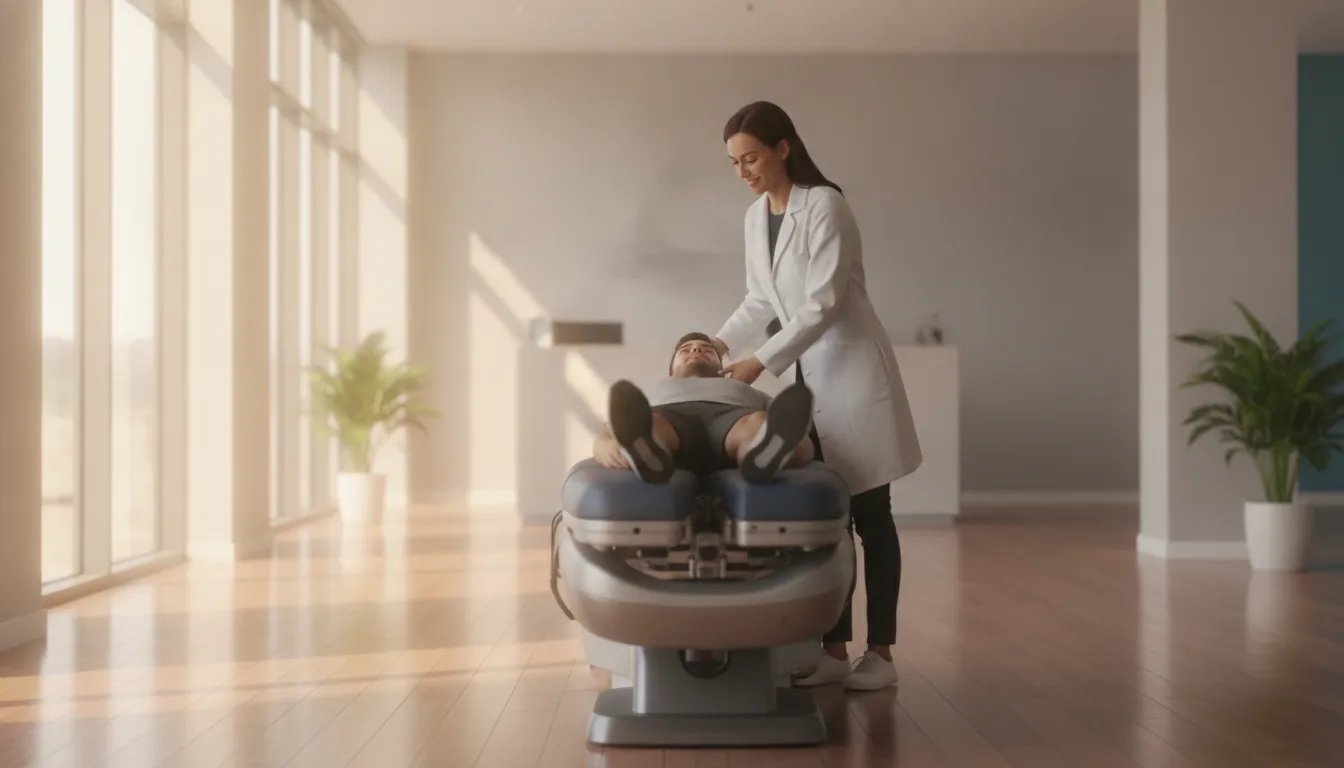
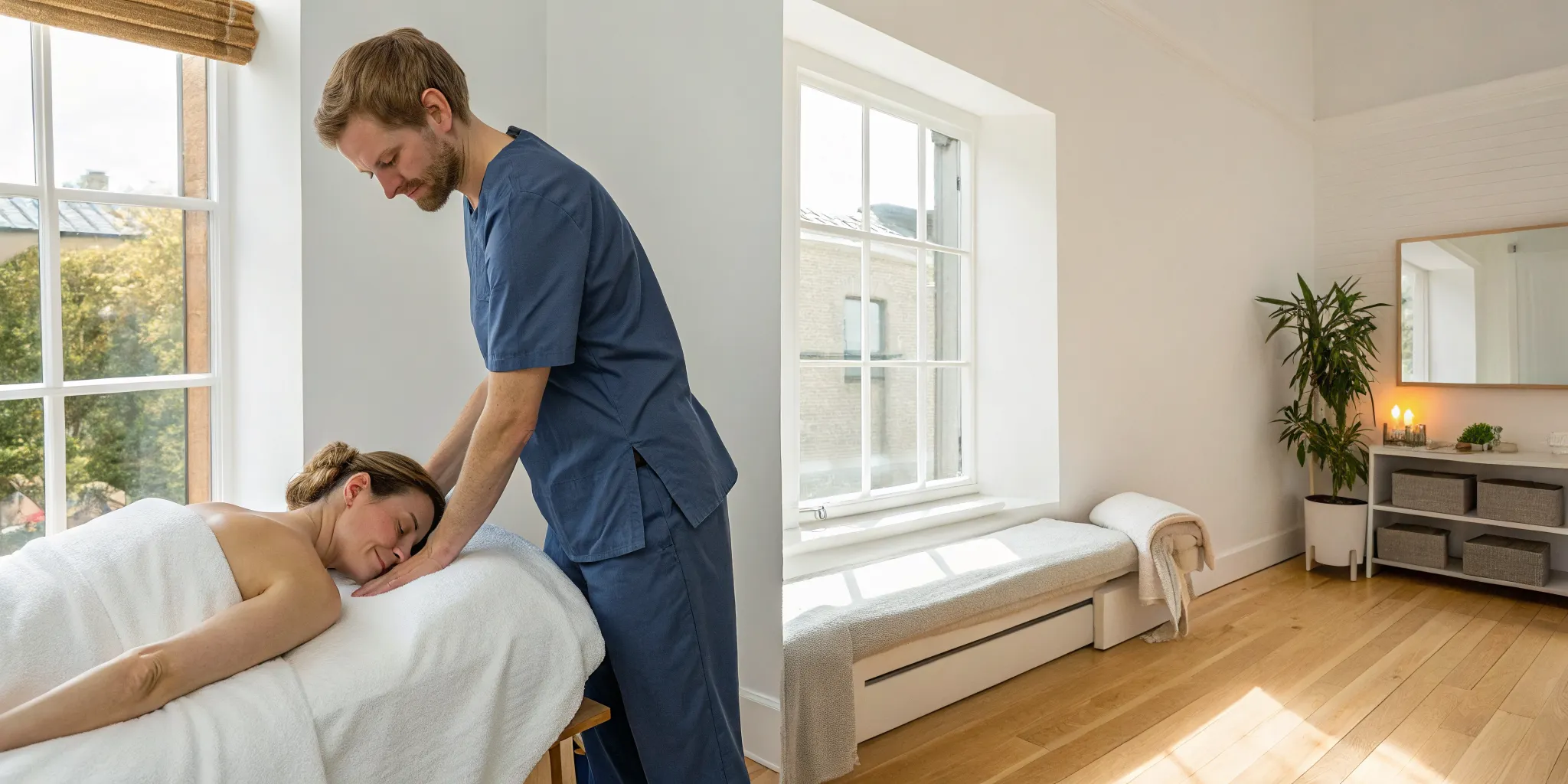
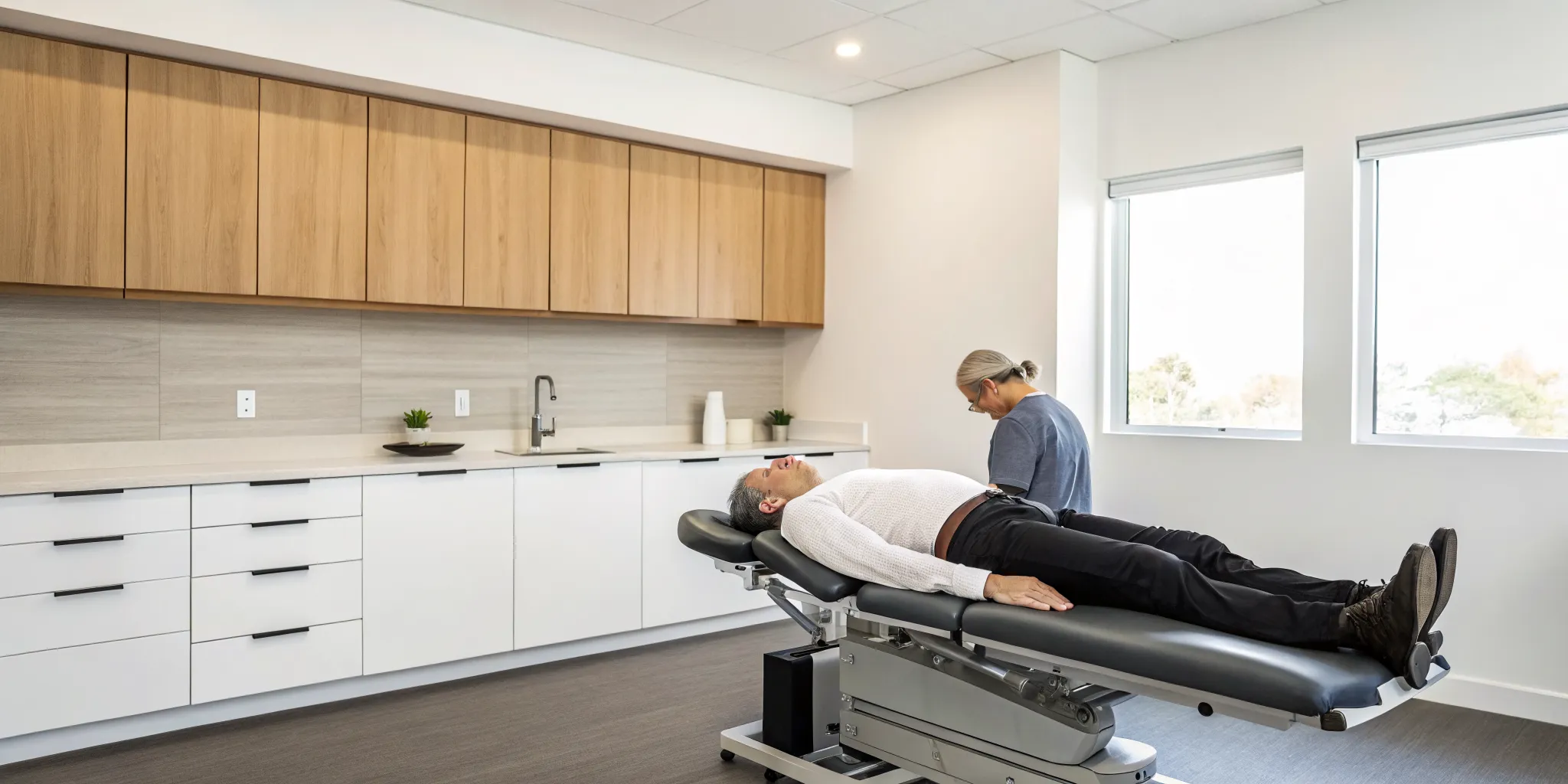
Many people are surprised to learn just how relaxing a spinal decompression session can be. You’ll lie down on a specialized, computer-controlled table designed for the therapy. Once you’re comfortable, the system will apply a gentle, targeted stretching force to your spine. This process is very gradual and precise, creating negative pressure within your spinal discs. This negative pressure helps retract the bulging or herniated material and encourages the flow of oxygen and nutrients to the area, which is essential for healing.
Most people describe the sensation as a mild stretch. It’s not painful, and many of our patients find the sessions so comfortable that they can listen to our podcast or even doze off.
Your Personalized Treatment Timeline
Spinal decompression isn't a one-and-done solution; it's a therapeutic process that unfolds over several weeks. A typical treatment plan might involve a series of sessions spread over four to six weeks, but your specific timeline will be tailored to you. Your progress, the specifics of your condition, and your body's response will all guide the plan.
At Ascend Functional Health, we see spinal decompression as a key part of a larger healing strategy. We often combine it with other aspects of our physical medicine services, like corrective exercises to strengthen your core and improve posture. This comprehensive approach helps ensure your results are not only effective but also long-lasting.
Are You a Candidate for Spinal Decompression?
This therapy is an excellent option for many people, but it’s not right for everyone. A herniated or bulging disc is one of the most common reasons people seek out spinal decompression, as the therapy is specifically designed to address this issue. It’s also effective for conditions like sciatica, degenerative disc disease, and facet syndrome.
It’s a common misconception that decompression is only for the most severe cases. In reality, it can be beneficial for a wide range of spinal issues. The best way to know for sure is to have a thorough evaluation. We can discuss your health history, symptoms, and goals to determine if spinal decompression is the right path for you.
Common Myths About Spinal Decompression
When you’re exploring new ways to address back pain, it’s natural to have questions. Spinal decompression is a powerful and gentle therapy, but it’s also surrounded by a few misconceptions. Let's clear up some of the most common myths so you can feel confident about your path to healing. Understanding the facts is the first step toward making an informed decision for your long-term spinal health.
Myth: "It's a painful procedure."
One of the biggest hesitations people have about spinal decompression is the fear of pain. The good news is that this couldn't be further from the truth. The therapy is specifically designed to be gentle and comfortable. Using a sophisticated, computer-controlled table, the treatment applies a slow and measured stretch to your spine, creating negative pressure within the disc. Most people describe the sensation as a mild pull, and many find the sessions so relaxing that they fall asleep. Our approach to physical medicine prioritizes your comfort while effectively treating the source of your pain.
Myth: "The results are immediate."
While we all wish for an instant solution, true healing is a process. Some people believe that spinal decompression offers immediate relief or that its effects are only temporary. In reality, this therapy is designed to create lasting structural change, not just provide a temporary patch. While many patients report feeling better after just a few sessions, the real magic happens over the course of a full treatment plan. Decompression works by helping your body heal itself, promoting the flow of oxygen and nutrients to the disc. This cumulative effect is what leads to sustained relief from the conditions we treat.
Myth: "It's only for the most severe cases."
You might think spinal decompression is a last-resort option, reserved only for those with extreme spinal issues. However, this therapy is beneficial for a wide range of people. It can be an effective, non-invasive solution for everything from persistent, nagging discomfort to diagnosed conditions like sciatica or herniated discs. The goal is to address the mechanical issue causing the pain, whether it's in its early stages or has become a chronic problem. By treating the root cause, you can often prevent the issue from becoming more severe. If you're curious whether you're a candidate, we encourage you to contact us to learn more.
Finding Spinal Decompression in Tampa
When you’re dealing with the persistent discomfort of a bulging disc, finding the right care in Tampa is the most important step you can take. It’s not just about finding a clinic with a decompression table; it’s about finding a team that understands the complexities of spinal health and is committed to your long-term well-being. The right approach goes beyond temporary relief and addresses the underlying causes of your pain, setting you up for a healthier, more active life. A comprehensive strategy that combines advanced technology with a holistic view of health is key to achieving lasting results.
Our Approach at Ascend Functional Health
At Ascend Functional Health, we believe that lasting relief comes from looking at the whole picture. Spinal decompression is an incredibly effective tool, but we see it as one part of a larger, personalized healing strategy. We use gentle, motorized traction to create negative pressure within the spinal disc. This process can help draw a bulging or herniated disc back into its proper place, taking pressure off your nerves and easing your discomfort. We often pair this therapy with other aspects of our physical medicine services, like corrective exercises designed to strengthen the muscles that support your spine and improve your overall posture for long-term stability.
Why We Combine Decompression with Holistic Care
Your body is an interconnected system, which is why we don’t just focus on the site of your pain. To support the healing process started by spinal decompression, we often incorporate principles from functional medicine. This might involve looking at how nutrition and lifestyle habits could be contributing to inflammation in your body. By addressing these underlying factors, we can create a more favorable environment for healing and help prevent future issues. Your safety and long-term wellness are our main priorities, so every treatment plan begins with a thorough evaluation to make sure we have a complete understanding of your health.
How to Choose a Spinal Decompression Provider
When you're looking for a provider, it's important to find someone who sees you as a whole person, not just a symptom. A great provider will take the time to understand the full scope of the conditions we treat and explain how decompression fits into a larger plan. Don't hesitate to ask questions about their approach. Spinal decompression is a very safe and controlled procedure when performed by a qualified professional, and it shouldn't be painful. It works best as part of a comprehensive treatment plan, so be wary of anyone promising a quick, standalone fix. True healing is a process, and the right partner will guide you every step of the way.
Investing in Your Spinal Health
Making the decision to address your spinal health is one of the best investments you can make in your overall quality of life. It’s about more than just finding relief from current discomfort; it’s about protecting your mobility, your independence, and your ability to enjoy your favorite activities for years to come. Your spine is the central support structure for your entire body, and caring for it properly can have a ripple effect on your total well-being. When your spine is out of alignment or under stress from something like a bulging disc, it can affect everything from your posture and energy levels to your body's ability to function optimally.
Instead of looking for a temporary patch, a strategic approach focuses on creating lasting change and building a foundation for a healthier future. This means partnering with a team that understands the intricate connections within your body and is committed to guiding you toward sustainable health, not just managing symptoms. It's a proactive step toward feeling and moving better, day in and day out. Choosing to pursue a comprehensive plan like spinal decompression is a commitment to yourself and your long-term health goals. It acknowledges that true healing takes time and a dedicated, thoughtful approach to care.
The Value of a Personalized Treatment Plan
When it comes to your health, a one-size-fits-all approach rarely works, and that’s especially true for your spine. Your body, your history, and the specifics of your bulging disc are unique. That’s why a thorough evaluation is always the first step; it ensures your safety and helps us design a plan that will actually work for you. A truly effective plan looks at the whole picture, often combining spinal decompression with other corrective care to support your body’s healing process. By addressing the root cause of your discomfort with personalized, research-backed protocols, we can work toward sustained improvements in how you feel and function long-term.
Related Articles
- Questions Before Spinal Decompression Therapy: What to Ask
- 4 Powerful Benefits of Spinal Decompression
- The 6 Best Candidates for Spinal Decompression
- Disc Bulge Therapy: A Complete Guide to Healing
- Avoid Back Surgery with Spinal Decompression
Frequently Asked Questions
Is spinal decompression therapy painful? Not at all. This is one of the most common questions, and it’s great that you’re asking. The therapy is designed to be very gentle and comfortable. You’ll feel a slow, controlled stretching sensation in your spine as the table works, but it shouldn't be painful. Many people find the sessions so relaxing that they can rest or even doze off during the treatment.
How is this different from a regular chiropractic adjustment or an inversion table? That's an excellent question. While chiropractic adjustments focus on restoring motion to spinal joints, spinal decompression specifically targets the discs themselves. It uses a computer-guided system to create a precise negative pressure that helps retract the bulging disc material. An inversion table provides a general stretch, but it lacks the targeted, controlled force and the ability to adjust to your body's responses, which is what makes our advanced technology so effective.
How long will it take for me to see results? Healing is a process, and everyone's body responds differently. While some people report feeling a sense of relief after just a few sessions, the therapy is designed to create cumulative change. A typical plan unfolds over several weeks to allow your body the time it needs to heal properly. The goal is to create lasting improvement by addressing the root cause, not just to provide a quick, temporary fix.
Will I need more than just spinal decompression? Spinal decompression is a powerful tool, but it works best as part of a complete strategy. To achieve lasting results, we often combine it with other therapies like corrective exercises. These exercises help strengthen the muscles that support your spine, improving your posture and stability. This integrated approach ensures we are not only relieving the immediate pressure but also building a more resilient foundation for your long-term spinal health.
Are the results from spinal decompression permanent? The goal of spinal decompression is to create lasting structural change that provides long-term relief. By decompressing the spine and allowing the disc to heal, we are addressing the underlying mechanical problem. When this is combined with a comprehensive plan that includes strengthening and postural improvements, the results can be very durable. The aim is to help your body heal itself and give you the tools to prevent the problem from returning.