Arthritis shouldn't dictate the terms of your life. The persistent stiffness and aching joints can slowly chip away at your freedom, making you second-guess activities you once loved. Reclaiming your mobility and independence starts with finding a treatment that does more than just quiet the pain. It requires a solution that helps your body rebuild and restore function. For many, SoftWave therapy for arthritis is that solution. By using gentle acoustic waves to stimulate your body’s own healing response, this non-invasive approach helps reduce inflammation and repair damaged tissue, allowing you to move more freely and get back to living your life with less discomfort.
Key Takeaways
- Address pain at the source: SoftWave therapy uses gentle acoustic waves to activate your body's natural repair mechanisms, helping to reduce inflammation and regenerate tissue where your arthritis pain originates.
- Find relief without injections or downtime: As a non-invasive treatment, SoftWave offers a path to lasting pain reduction and better mobility, with quick sessions that let you get right back to your life.
- Combine therapies for lasting results: SoftWave is most effective when integrated into a holistic plan that includes physical and functional medicine, allowing you to address both the site of the pain and its underlying causes.
How Does SoftWave Therapy Work?
SoftWave therapy might sound complex, but the idea behind it is refreshingly simple: it helps your body heal itself. Instead of just masking pain, this technology uses sound waves to reach deep into your tissues and address the source of your discomfort. It’s a non-invasive approach that stimulates your body’s own repair mechanisms, encouraging lasting relief from the inflammation and stiffness that come with arthritis. Think of it as giving your cells a gentle nudge to get back to the business of healing. This approach aligns perfectly with our goal of finding and treating the root cause of your health concerns.
The Science Behind SoftWave
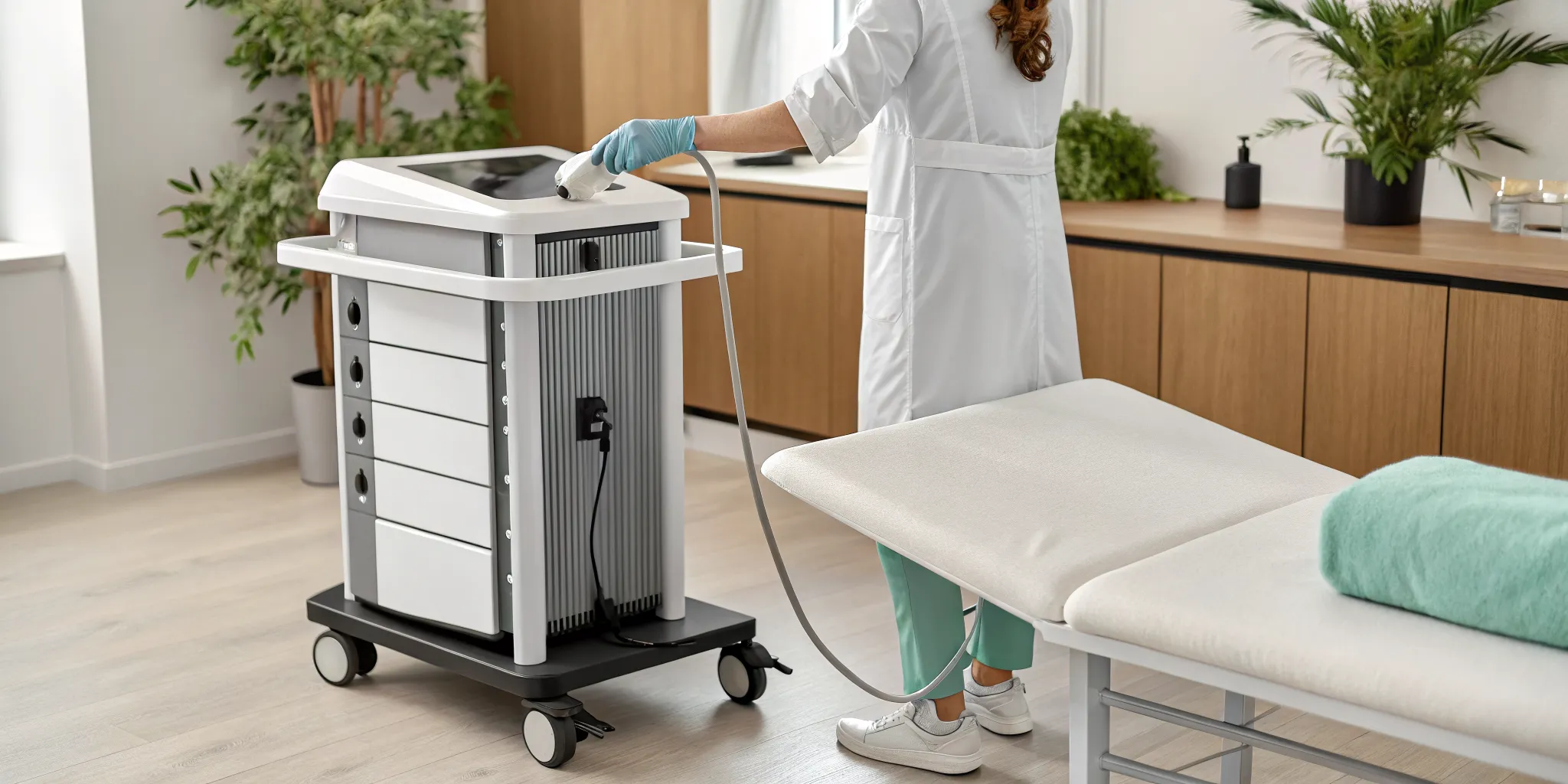
So, what’s actually happening during a session? SoftWave therapy uses patented technology to send low-intensity, unfocused acoustic waves deep into your injured joint tissue. These waves create a mild and brief physical response in the cells, which triggers a cascade of natural healing activities. This process helps increase blood flow to the area, reduces inflammation, and activates your body’s resident stem cells to begin repairing and regenerating damaged tissue. It’s a sophisticated part of our physical medicine services designed to work with your body, not against it.
How Is It Different from Traditional Shockwave Therapy?
You may have heard of shockwave therapy before, but SoftWave is a significant evolution of that technology. Traditional high-energy shockwave treatments often use focused, intense waves that can be uncomfortable. In contrast, SoftWave uses a wider, unfocused wave of energy that covers a larger area. This makes the treatment much gentler and more comfortable for most people. Because the waves are spread out, they can effectively stimulate healing without the sharp, jarring sensation associated with older methods. This allows us to provide a powerful therapeutic treatment that is both effective and easy to tolerate.
Getting to the Root of Arthritis Pain
For those dealing with arthritis, pain is often just the tip of the iceberg. The real issues are underlying inflammation, poor circulation, and tissue degeneration in the joint. SoftWave therapy gets to the heart of these problems. By stimulating blood flow and cellular repair, it directly addresses the inflammation that causes so many arthritis symptoms. This isn't a temporary fix; it's a method for promoting genuine tissue regeneration. By helping your body rebuild from within, SoftWave can lead to improved joint mobility, reduced stiffness, and a better overall quality of life, all without relying on pharmaceuticals.
What Types of Arthritis Can SoftWave Address?
Arthritis isn't a single condition; it's a term for joint pain or joint disease, and there are many different types. Because SoftWave therapy works by stimulating your body's own healing mechanisms, it can be a powerful tool for addressing the pain and inflammation associated with several common forms of arthritis. By promoting blood flow and activating stem cells, this approach helps manage symptoms and improve function at the source. It’s a versatile option that can be tailored to your specific condition and goals.
Osteoarthritis
Often called "wear and tear" arthritis, osteoarthritis (OA) happens when the protective cartilage that cushions your joints breaks down over time. This can lead to pain, stiffness, and swelling. SoftWave therapy directly addresses these issues by helping to reduce inflammation and promote the repair of damaged tissue. Many people with OA in their knees, hips, shoulders, hands, and feet find that this treatment helps them regain movement, experience less pain, and get back to their daily activities with greater ease. It’s a way to support your body’s healing process without invasive procedures, which is a core part of our physical medicine philosophy.
Rheumatoid Arthritis
Rheumatoid arthritis (RA) is different from osteoarthritis because it's an autoimmune condition, meaning your immune system mistakenly attacks your joints. While SoftWave therapy cannot cure an autoimmune disease, it can make a significant difference in your daily life by managing the symptoms. The treatment helps to decrease the chronic inflammation and pain that RA causes. For many, this leads to a much better quality of life. We often find that combining SoftWave with a functional medicine approach to address the autoimmune component provides the most comprehensive support for those living with RA.
Post-Traumatic Arthritis
If you've ever had a significant injury to a joint, like from a sports incident or an accident, you might develop post-traumatic arthritis (PTA) years later. This condition occurs when the injury damages the cartilage or bone, leading to premature wear and tear. SoftWave therapy is particularly effective for PTA because it uses acoustic waves to target and stimulate healing in previously injured tissues. By encouraging your body's natural repair processes right at the source of the old injury, it can help reduce chronic pain and stiffness, improving how the joint functions long after the initial trauma. This aligns with our goal to treat the underlying conditions we treat, not just mask the symptoms.
Which Joints Can Be Treated?
One of the best things about SoftWave therapy is its versatility. It can be used on almost any joint in the body that is causing you pain. We commonly treat knees, hips, shoulders, elbows, wrists, hands, ankles, and feet. Even pain in the small joints of the fingers and toes or discomfort along the spine can be addressed. The applicator allows us to target the precise area of inflammation and tissue damage. This makes it an excellent option for improving joint mobility and finding relief, regardless of which joint is affected. Our goal is to offer a range of services that help you feel and move better.
What Are the Benefits of SoftWave Therapy for Arthritis?
Living with arthritis often means navigating a world of limitations, where simple movements can bring discomfort and stiffness. While many treatments focus on managing symptoms, SoftWave therapy offers a different path. By working with your body’s natural healing processes, this innovative approach provides tangible benefits that can restore function and help you reclaim your life from chronic joint pain. It’s about more than just temporary relief; it’s about creating lasting change from the inside out.
Find Lasting Relief Without Injections
If the thought of repeated injections makes you cringe, you’re not alone. Many people with arthritis are looking for effective options that don’t involve needles or invasive procedures. SoftWave therapy is a non-invasive solution that helps your body heal itself. By using targeted sound waves, it stimulates your body’s own repair mechanisms to reduce inflammation and pain. This approach helps improve joint mobility and offers a path to lasting comfort. Instead of just masking the pain, SoftWave gets to the source, encouraging genuine healing within the affected joint tissue for relief that endures.
Move More Freely with Less Stiffness
Morning stiffness, aching joints, and difficulty with everyday tasks can take a toll on your independence. Arthritis shouldn't dictate what you can and can't do. SoftWave therapy helps address the underlying inflammation and tissue damage that cause these frustrating symptoms. The electrohydraulic acoustic waves encourage blood flow and stimulate cellular repair in the areas that need it most. For those seeking improved joint function, this can mean less stiffness when you wake up and more freedom of movement throughout your day. It’s an encouraging option for anyone who wants to get back to gardening, walking, or simply moving with greater ease and less discomfort.
Improve Your Everyday Quality of Life
Ultimately, the goal of any arthritis treatment is to help you live a fuller, more comfortable life. SoftWave therapy is a drug-free alternative that can significantly improve your overall well-being. When you experience less pain and move more freely, the positive effects ripple through every part of your day. You might find you have more energy, a brighter mood, and a renewed sense of confidence. By addressing the root cause of your joint pain, you can get back to the activities and people you love. Hearing from others who have found relief can be powerful, and many patient testimonials highlight this incredible shift in daily life.
What to Expect During a SoftWave Therapy Session
If you’re considering a new approach for your arthritis pain, it’s natural to have questions about what the treatment process is actually like. The good news is that a SoftWave therapy session is a straightforward and non-invasive experience. Knowing what to expect from start to finish can help you feel confident and prepared as you take the next step toward finding relief. Let’s walk through what your visit will look like.
Your First Session: A Step-by-Step Guide
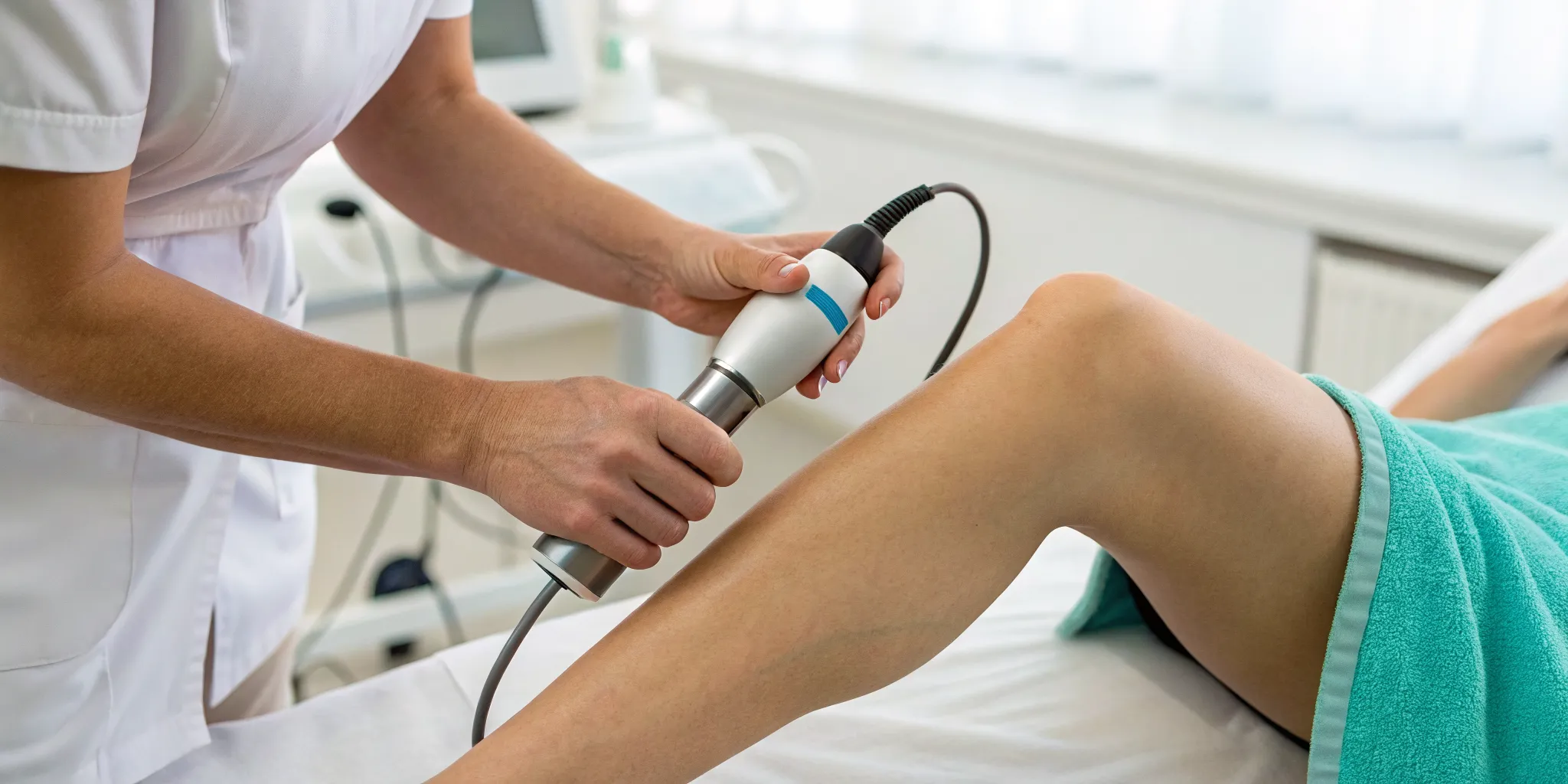
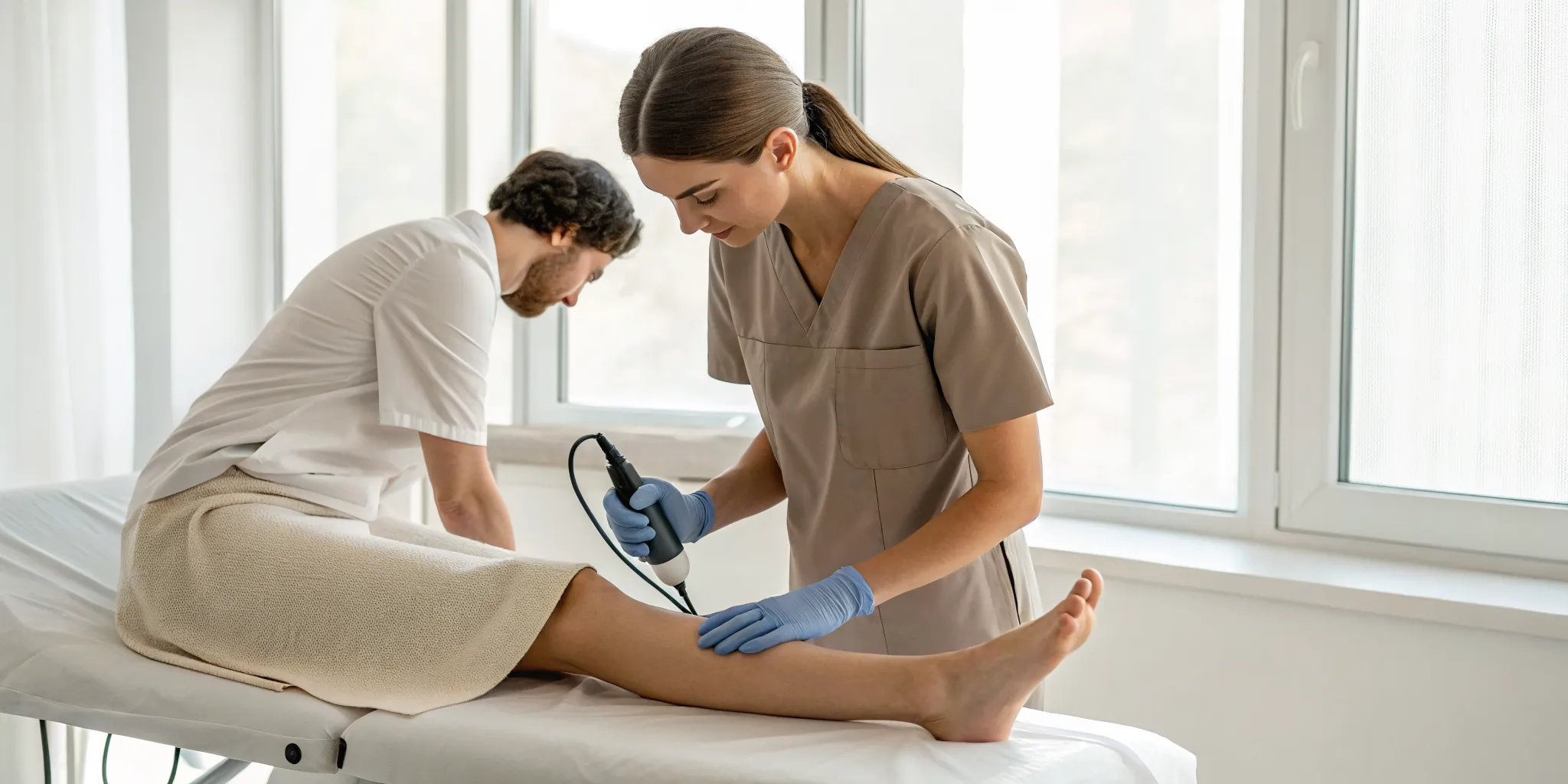
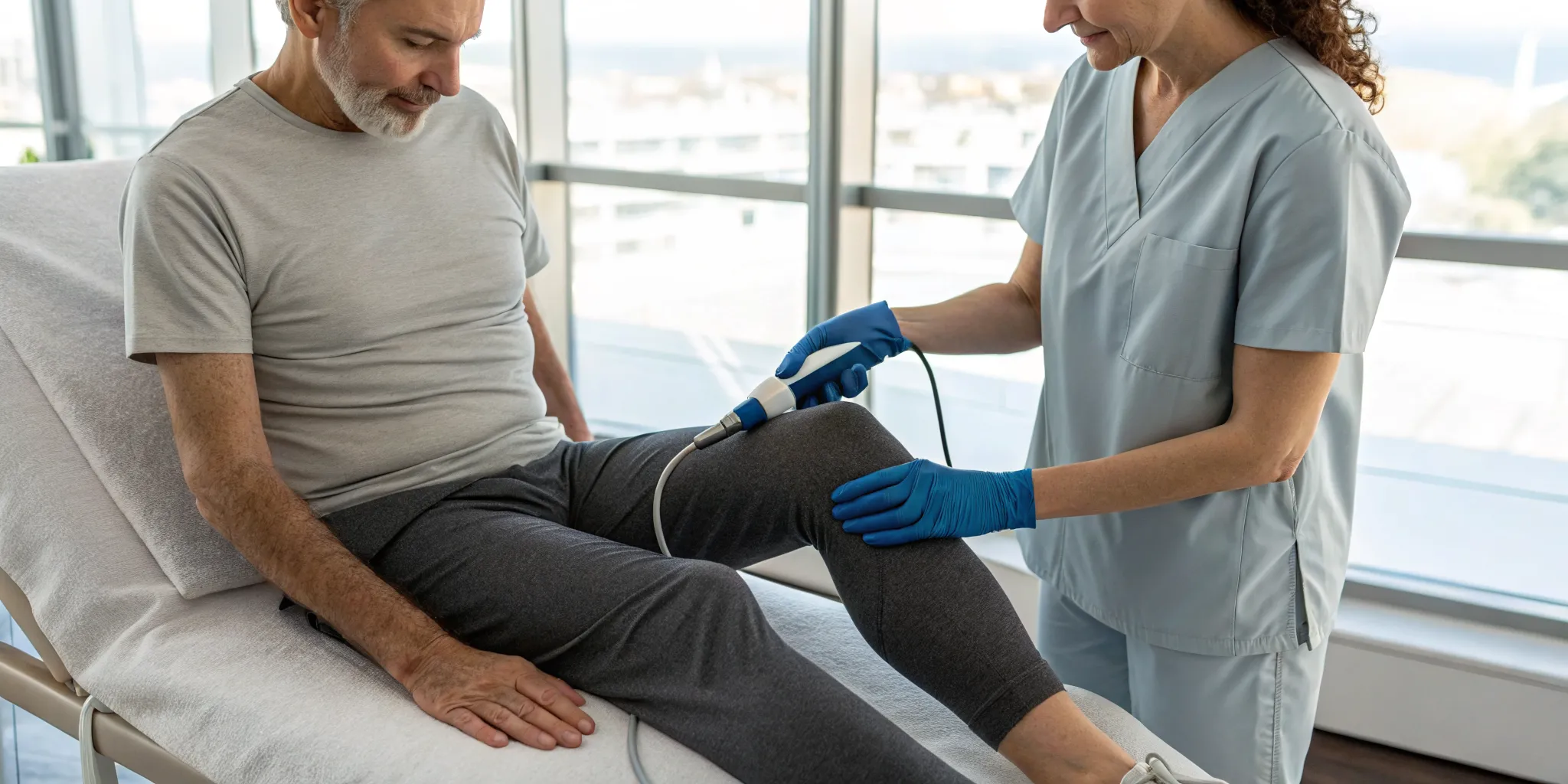
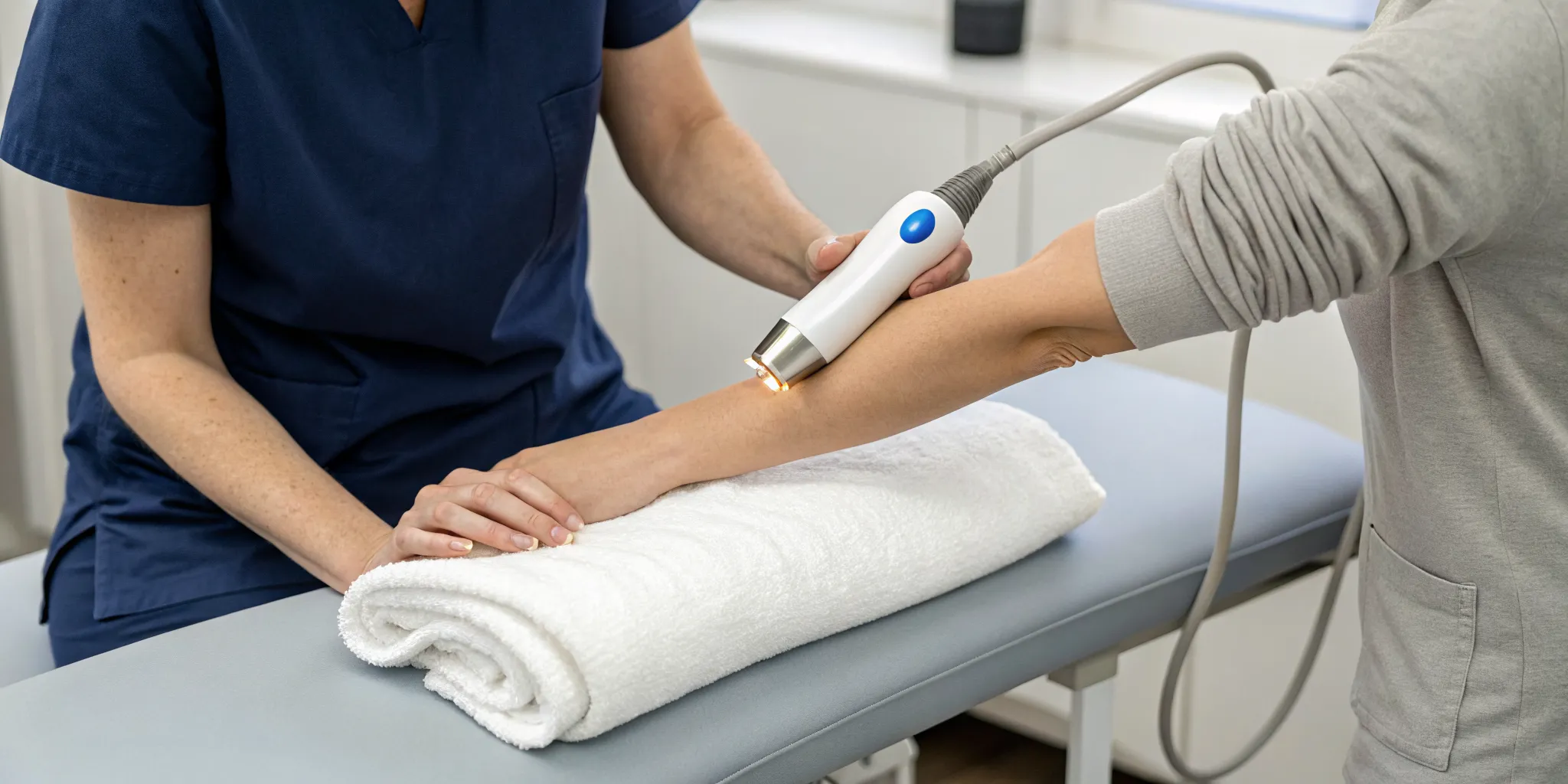
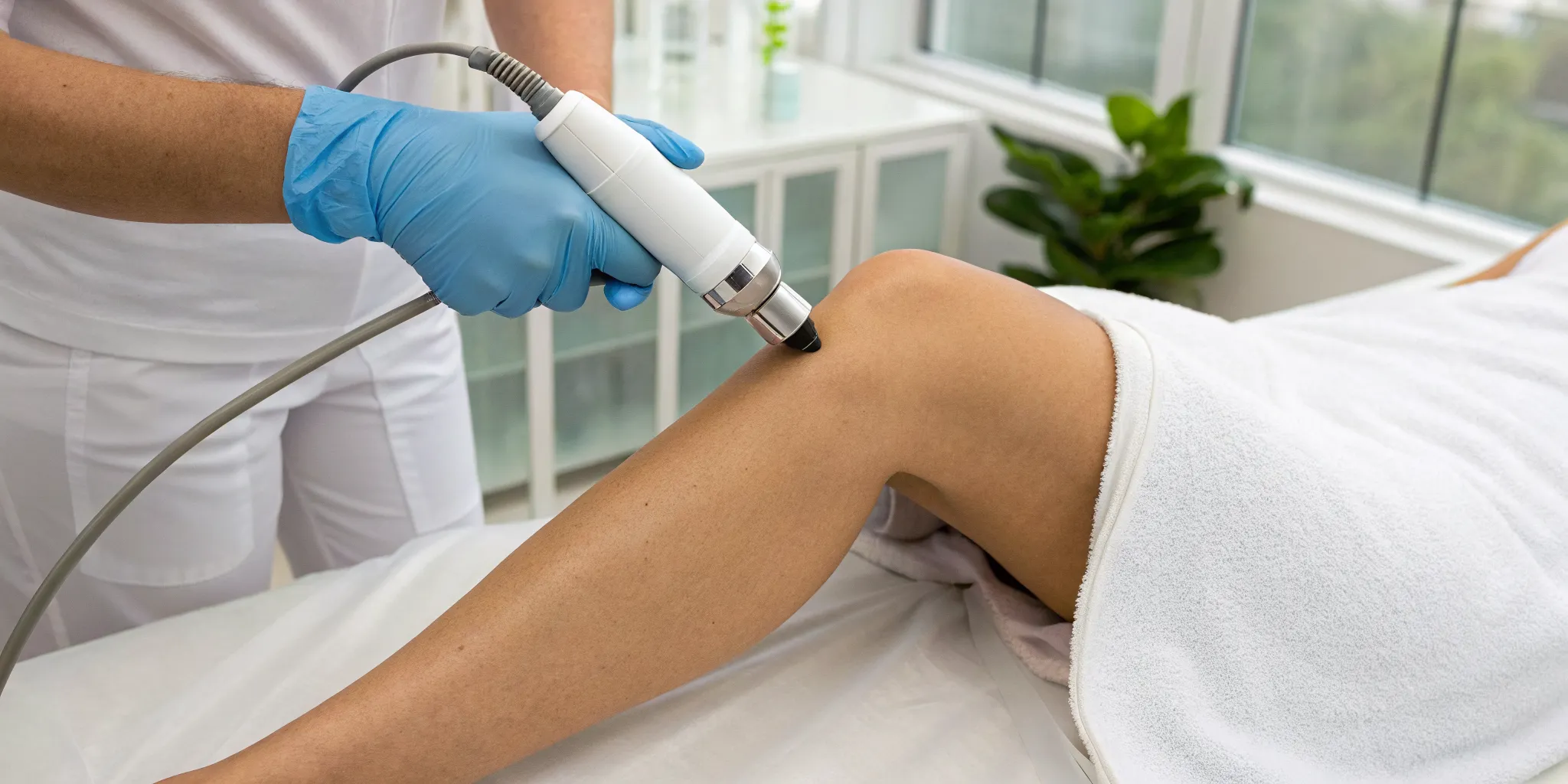
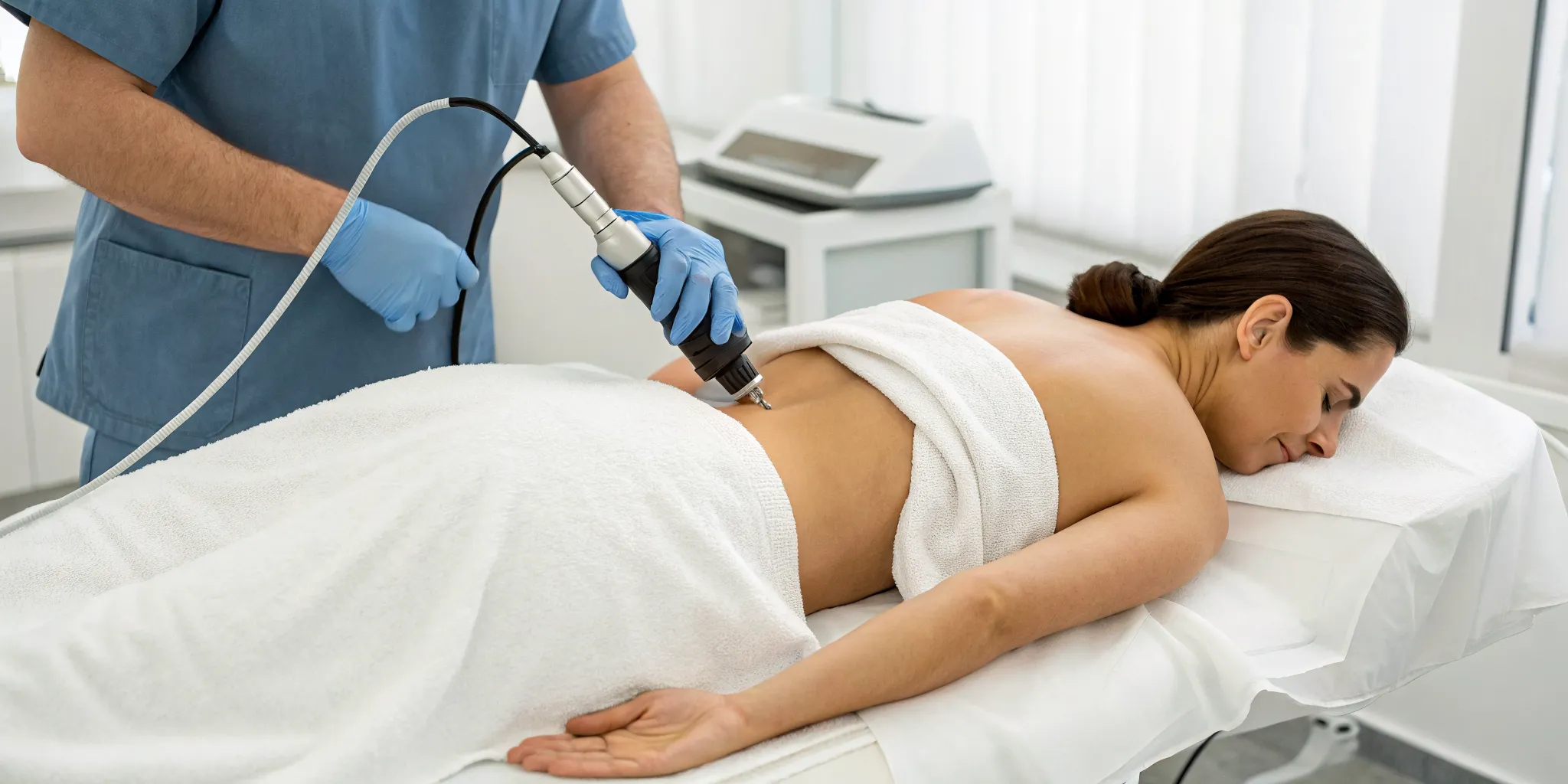
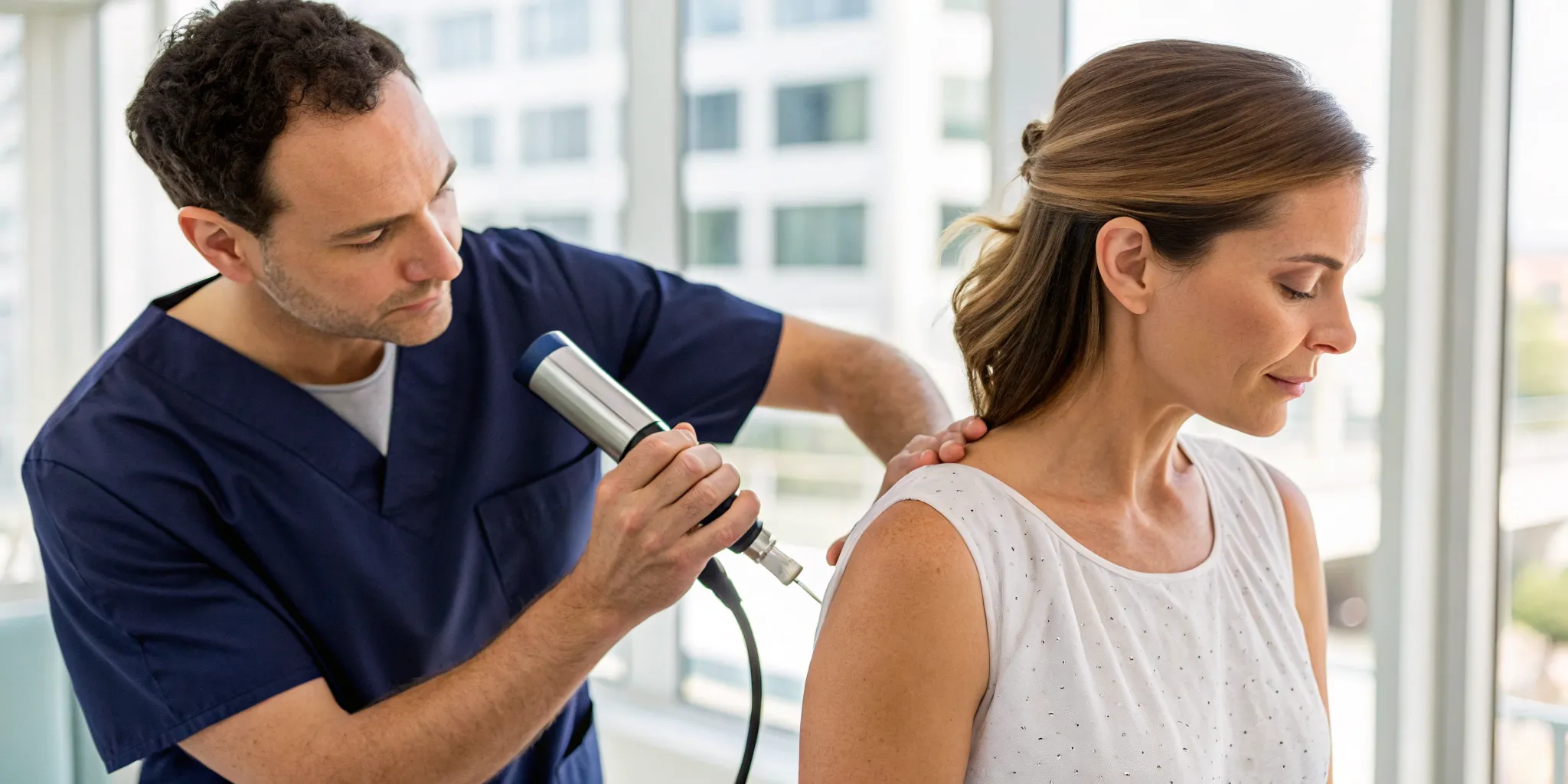
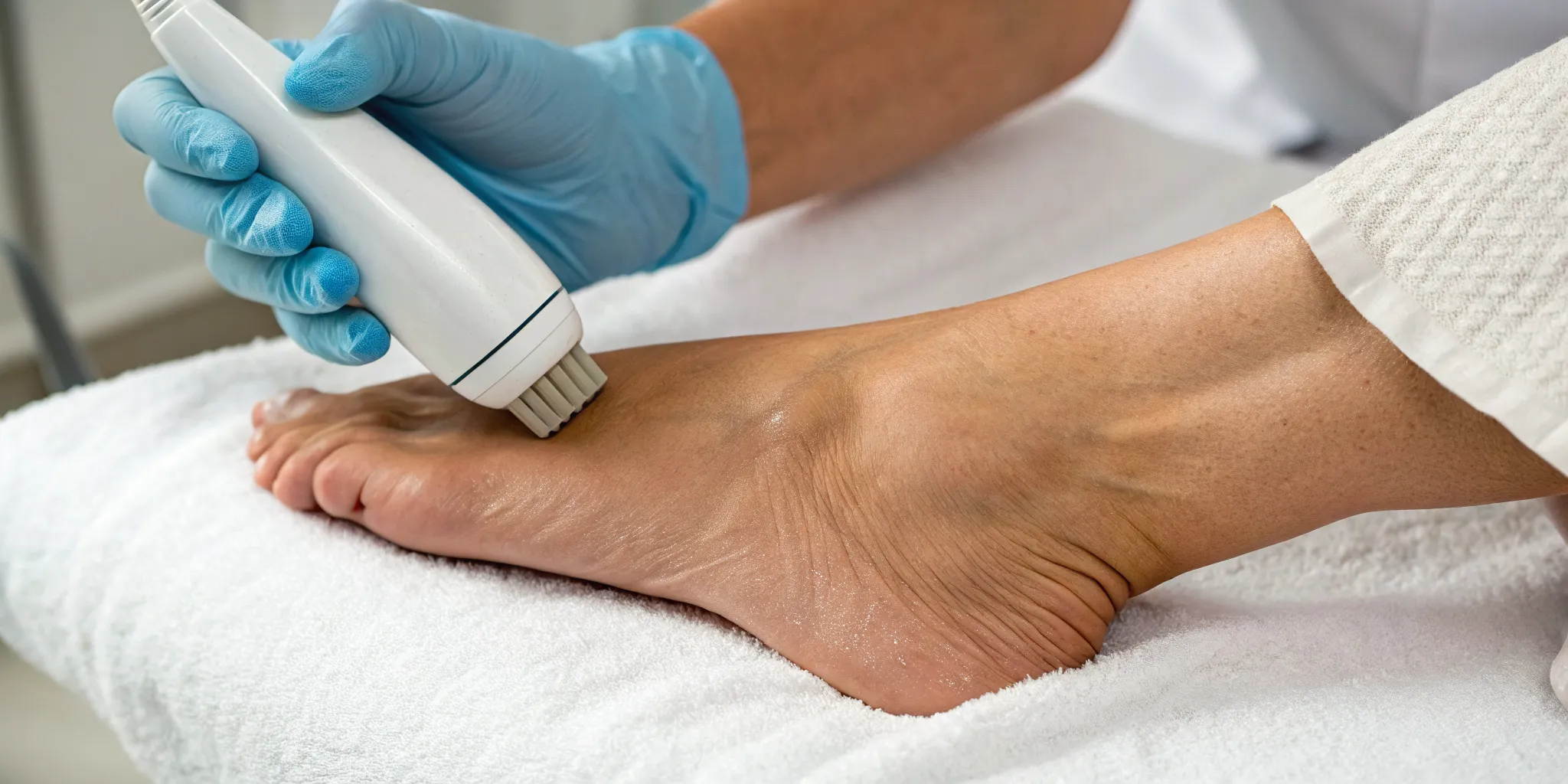
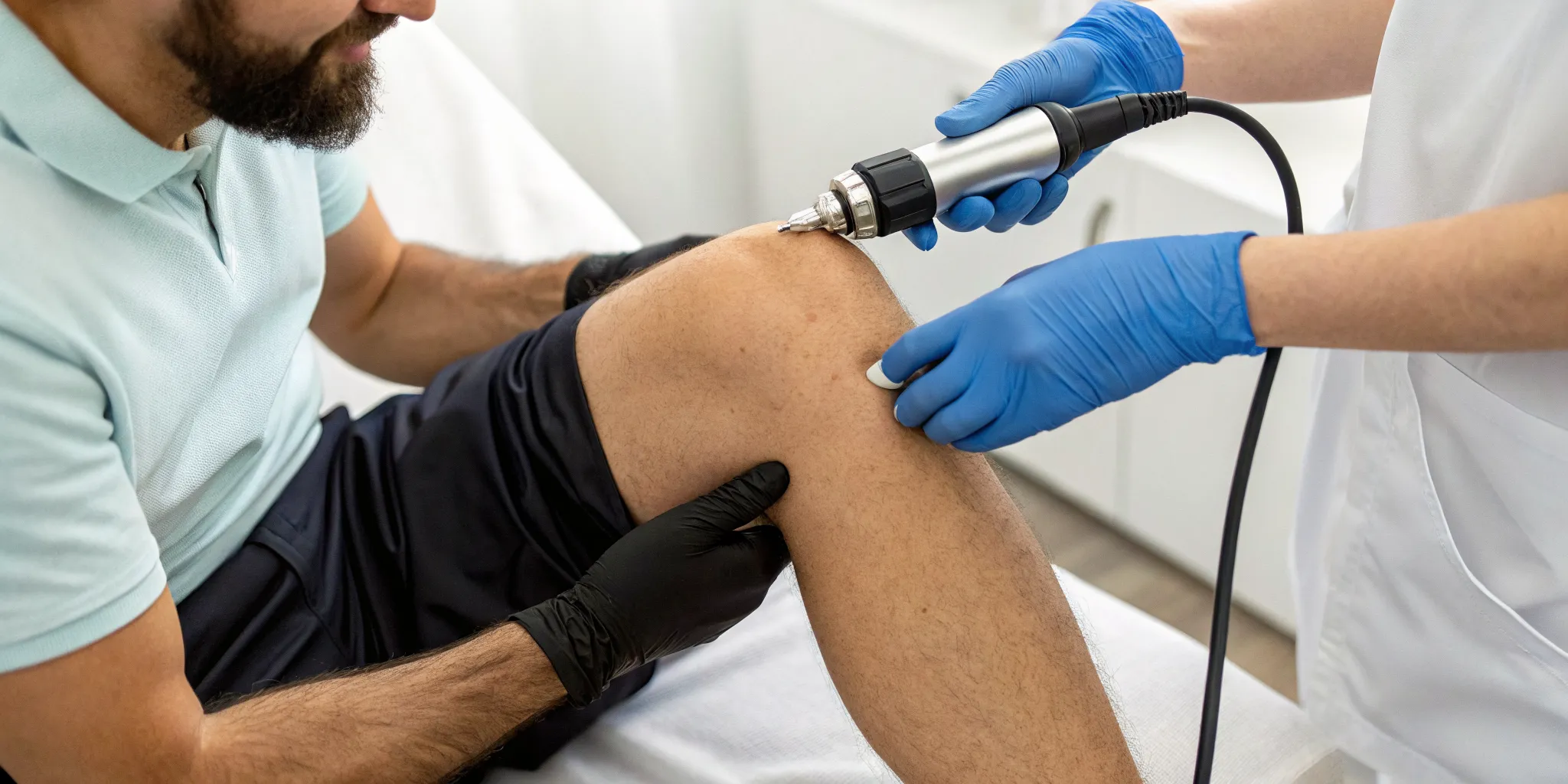
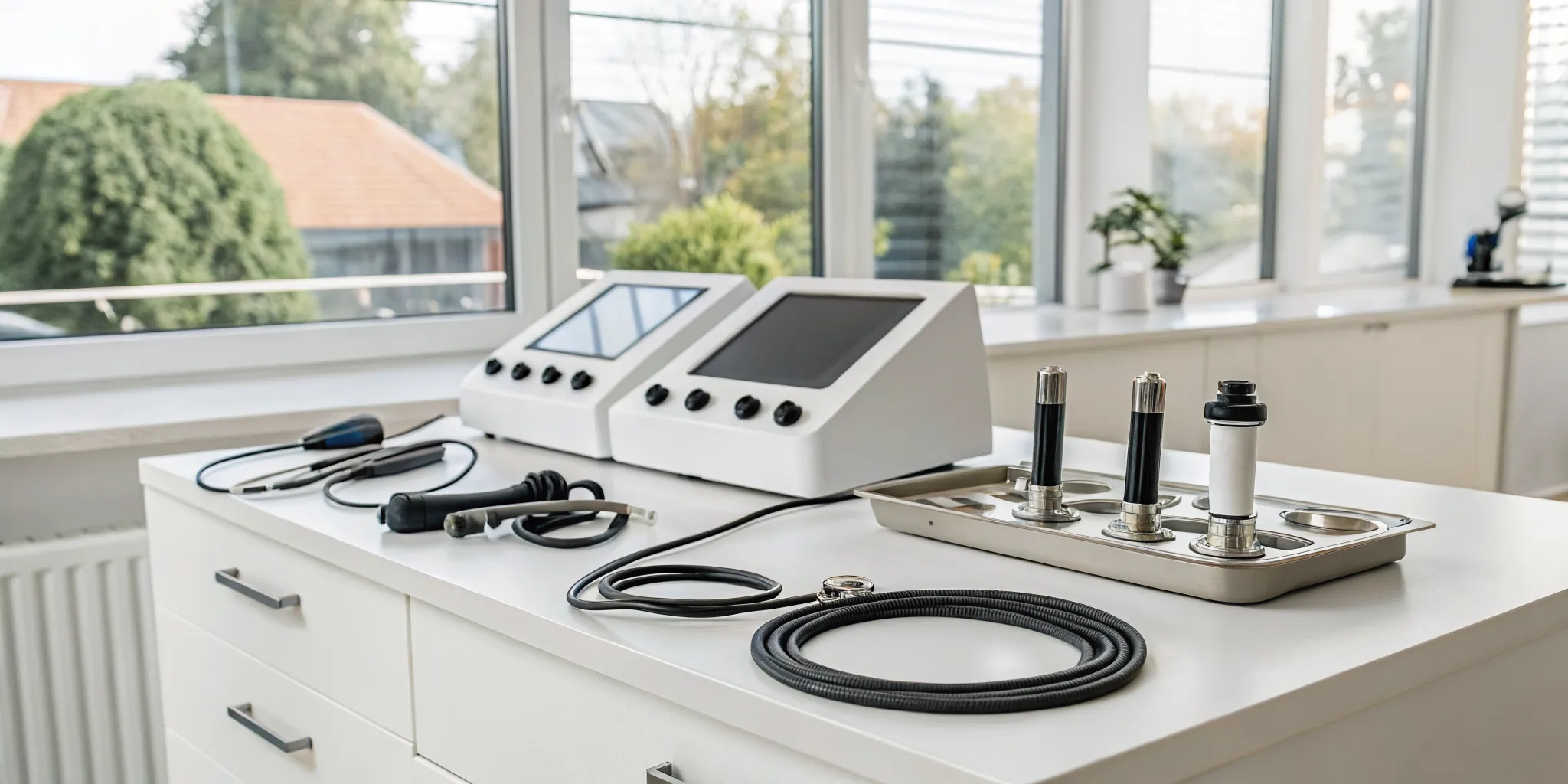
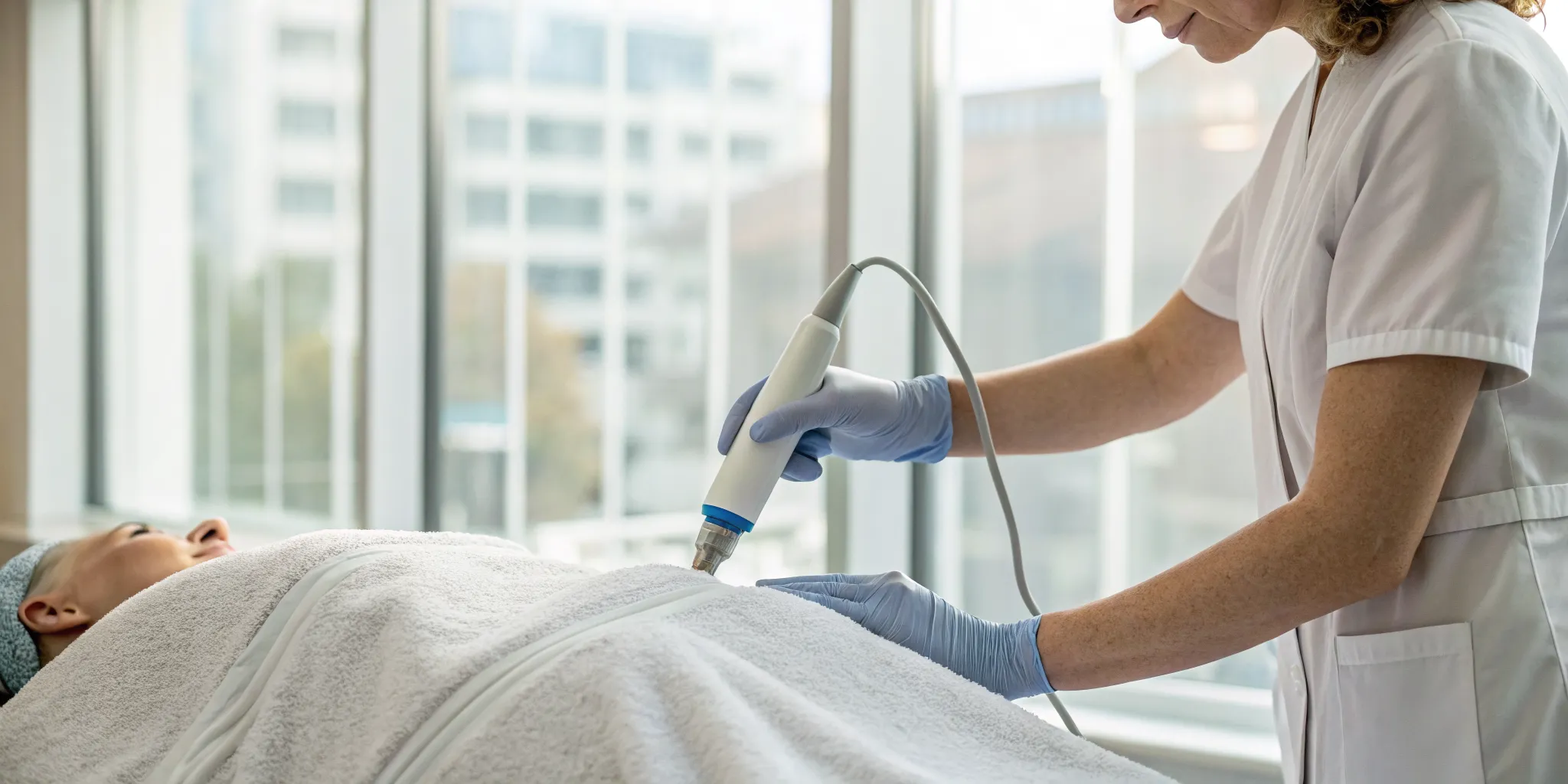
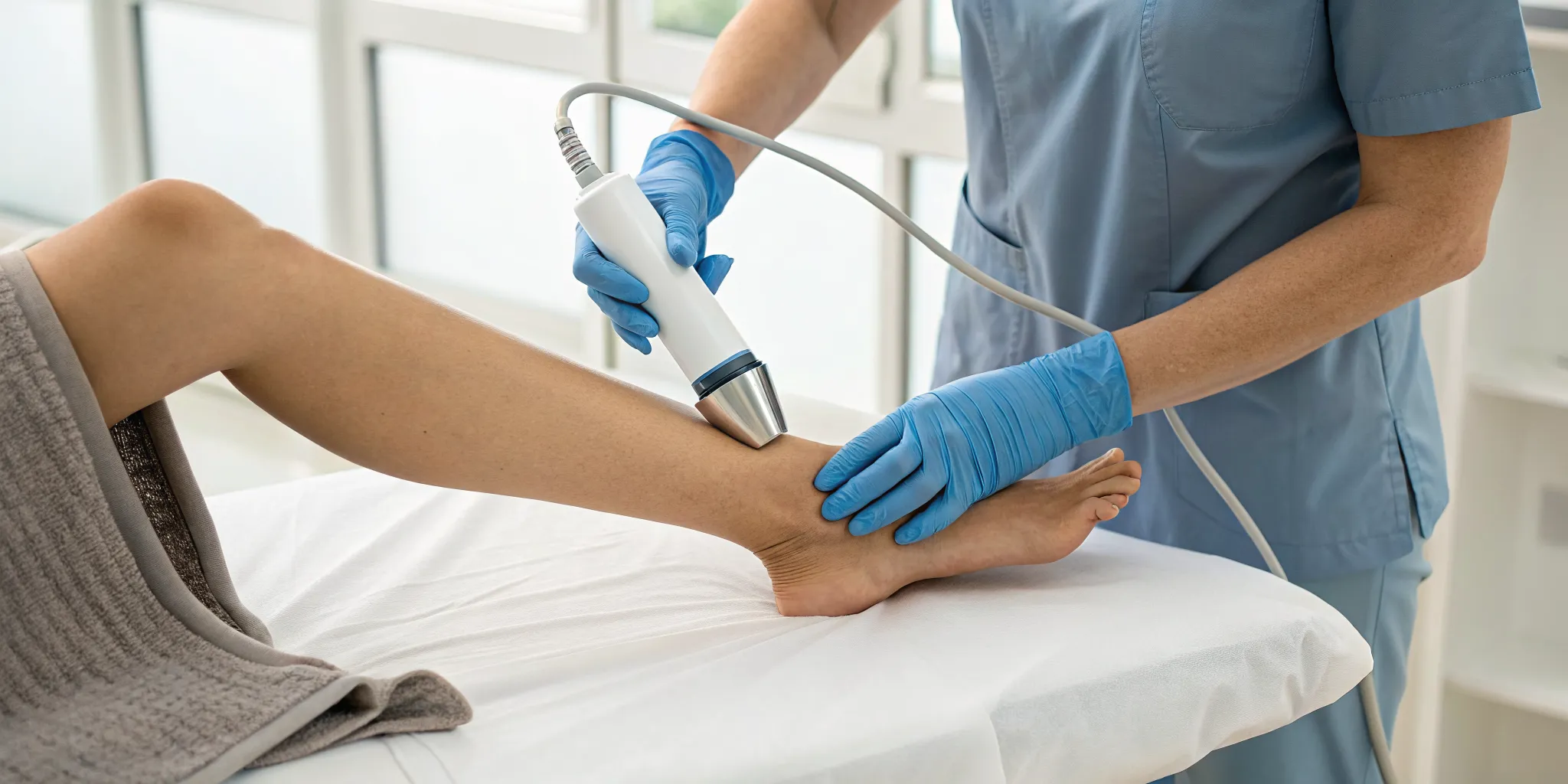
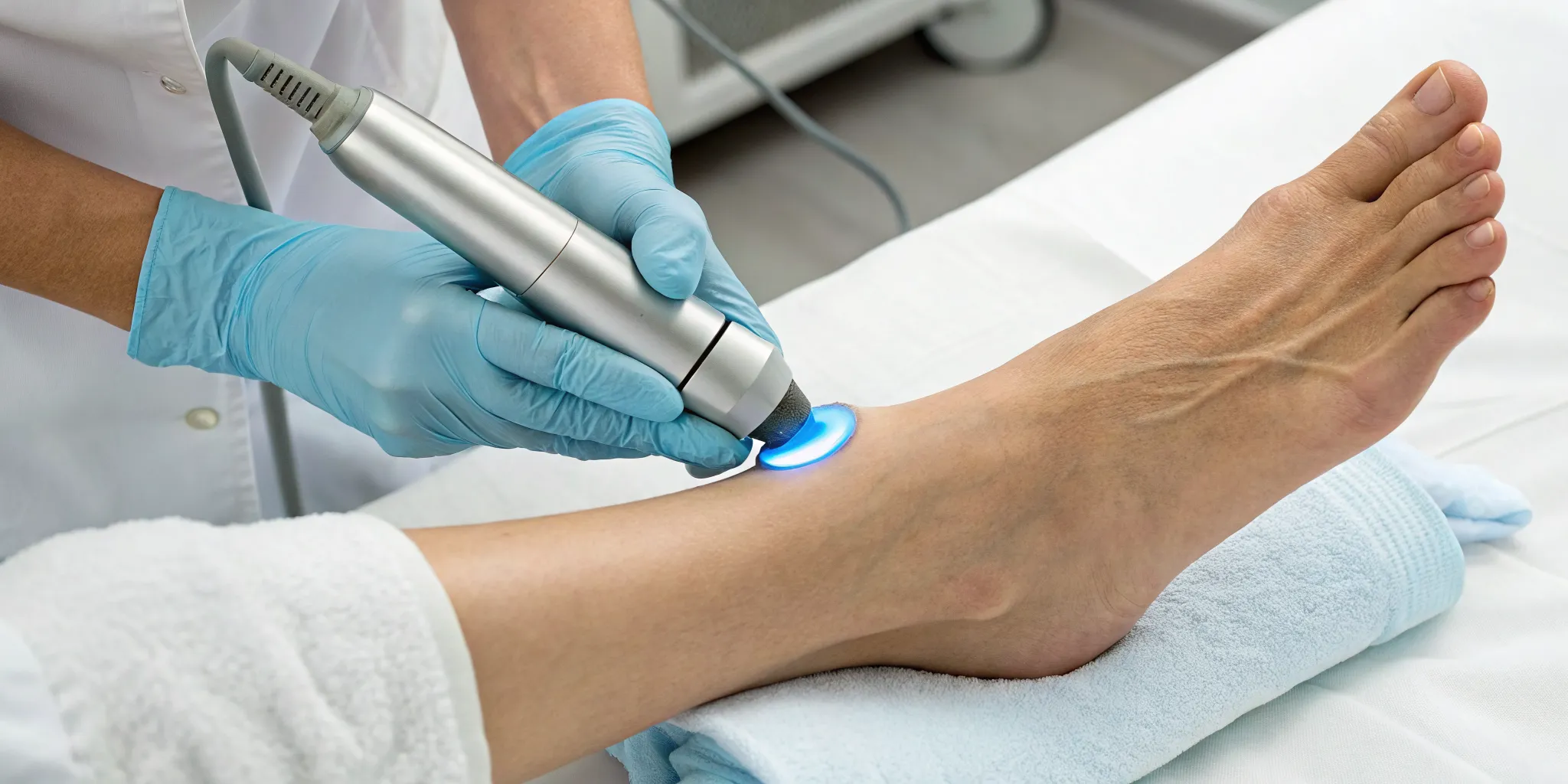
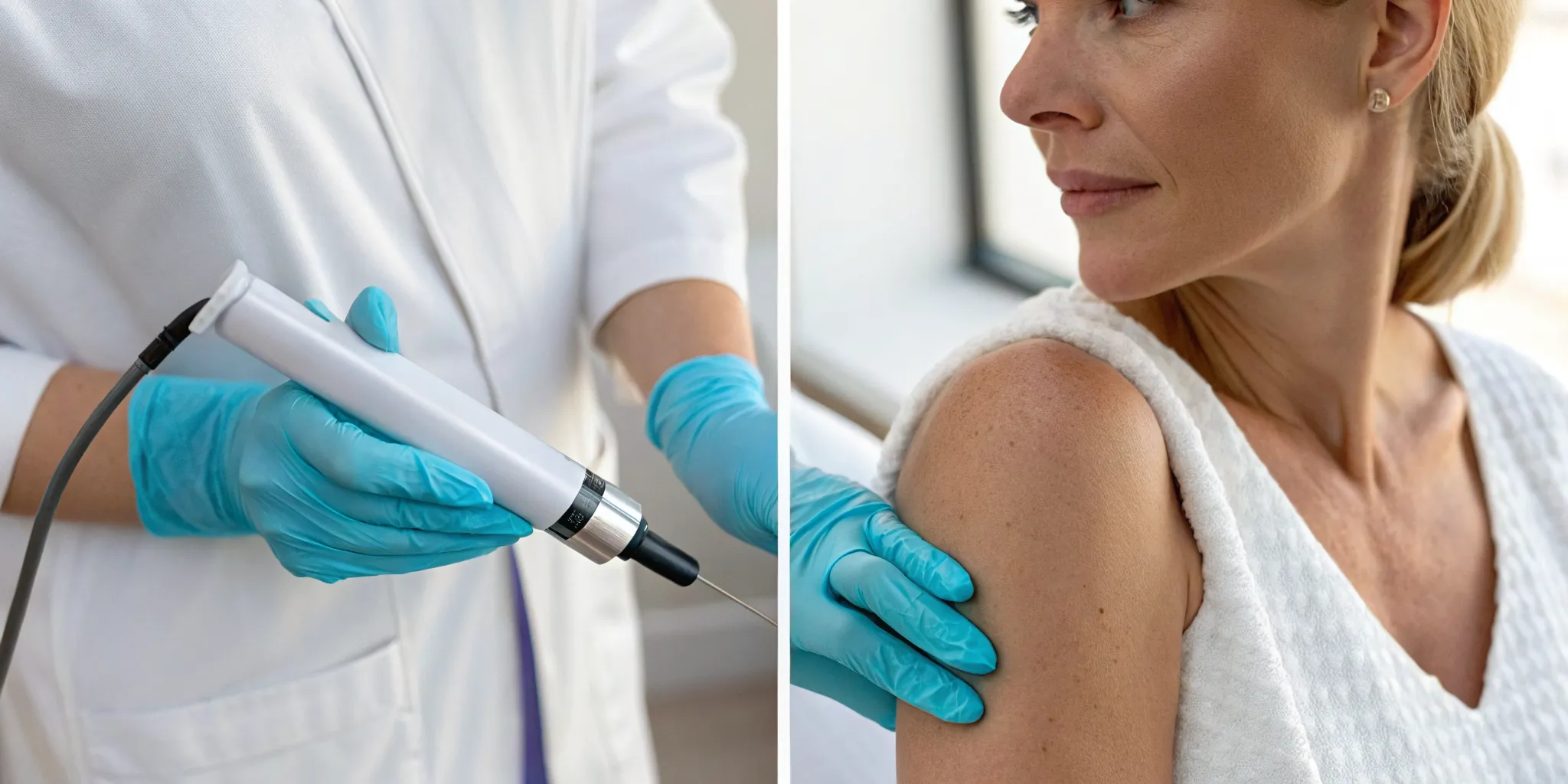
Your first session is all about getting you comfortable with the process. When you arrive, a technician will guide you through every step. They will start by applying a conductive gel to the skin over the painful joint, which helps the waves travel effectively. Then, they will use a handheld device to deliver the acoustic waves directly into the tissue. The entire process is quick and doesn’t require any anesthesia. Our team uses this technology as part of a comprehensive physical medicine plan designed to support your body’s healing capabilities without invasive procedures.
Does It Hurt? Understanding the Sensations
You’re probably wondering if the treatment is painful. Most people describe the feeling as a mild tapping or pulsing sensation on the skin. One of the unique aspects of SoftWave is that the device can help map out areas of inflammation; you might notice a bit more sensitivity in spots where your body has underlying damage. This feedback helps your practitioner target the treatment precisely. While some people experience mild, temporary soreness afterward, the procedure is generally very well-tolerated. This focused approach allows us to address many of the chronic conditions we treat by getting right to the source of the discomfort.
How Long and How Often Are the Sessions?
SoftWave therapy is designed to fit easily into your life. Each session typically lasts only 10 to 15 minutes, making it a convenient option even on a busy day. Better yet, there is no downtime required. You can get back to your normal activities immediately after your appointment. The total number of sessions you’ll need will depend on your specific situation and the severity of your arthritis pain. We will work with you to create a personalized treatment schedule that aligns with your health goals. To learn more about a plan tailored for you, we encourage you to contact our office and schedule a consultation.
Does the Clinical Evidence Support SoftWave for Arthritis?
It’s one thing to hear about a new therapy, but it’s another to know that it’s backed by solid evidence. When you’re dealing with chronic pain, you want confidence in your treatment plan. The good news is that SoftWave isn’t just a trend; it’s a technology supported by a growing body of clinical research. This therapy is gaining attention because it offers a way to address the source of joint pain, not just mask the symptoms. Let's look at what the studies and the shift toward non-invasive care mean for you.
What the Research Shows
When we look at the data, the results are encouraging. Studies exploring SoftWave therapy for arthritis consistently point to positive outcomes. For example, research has shown that individuals with knee osteoarthritis experienced significant improvements after treatment. They reported not only less pain but also better joint function and an overall higher quality of life. This is key because true relief isn't just about reducing pain; it's about getting back to the activities you love. The evidence suggests that SoftWave therapy helps by reducing inflammation and improving mobility, making it a powerful tool for managing the chronic conditions associated with arthritis. It’s about helping your body heal from the inside out.
The Shift Toward Non-Invasive Solutions
More and more, people are looking for health solutions that work with their bodies, not against them. For many dealing with arthritis, traditional approaches sometimes fall short or come with undesirable side effects. This is where the appeal of non-invasive therapies like SoftWave really shines. It represents a move toward treatments that support the body’s innate healing abilities without requiring downtime. By using electrohydraulic acoustic waves, SoftWave stimulates your own tissues to repair and regenerate. This approach helps with multiple aspects of osteoarthritis at once: pain, swelling, stiffness, and tissue damage. It’s an effective way to manage arthritis pain as part of a comprehensive physical medicine plan that prioritizes your long-term well-being.
Is SoftWave Therapy Safe?
When you’re exploring new treatments for arthritis, safety is understandably a top concern. SoftWave Therapy is a non-invasive approach, meaning it works from outside the body without breaking the skin. This makes it a gentle option, especially when compared to more intensive procedures. It’s designed to work with your body, stimulating its natural repair mechanisms to address the source of your joint pain.
Understanding Potential Side Effects
One of the most reassuring aspects of SoftWave Therapy is its minimal side effects. Because the treatment is completely non-invasive, it has significantly fewer risks than injections or other intensive procedures. It’s a treatment designed to support your body’s own healing abilities without harsh interventions.
During a session, most people simply feel a light tapping or pulsing sensation at the treatment site. Afterward, you might experience some mild, temporary soreness or tenderness in the area, much like you’d feel after a focused massage. This is a normal response and a sign that the therapy is activating the healing process within your tissues. Our team prioritizes your comfort and will guide you through every step of our physical medicine protocols.
Who Should Consider Other Options?
While SoftWave Therapy is a powerful tool, it’s important to have a clear picture of what it can achieve. Many of our patients seek us out after trying traditional approaches that didn't provide lasting relief or came with unwanted side effects. While SoftWave can be a fantastic alternative, it's not a one-size-fits-all solution for everyone.
For example, while it cannot cure an autoimmune condition like rheumatoid arthritis, it can be incredibly effective at managing the associated pain and stiffness, leading to a much-improved quality of life. The best way to know if SoftWave is right for you is to have a conversation with a provider who understands your full health history. We can help determine if this therapy aligns with the conditions we treat and your personal wellness goals.
Is SoftWave Therapy the Right Choice for You?
Deciding to try a new approach for your arthritis pain is a personal choice. While SoftWave therapy is a promising option for many, it’s important to understand if it aligns with your specific situation and health goals. This therapy is about working with your body’s natural healing processes, so it’s a commitment to a different kind of wellness journey. Let’s walk through what makes someone a good candidate and what you can realistically expect from the process.
Signs You Might Be a Good Candidate
If you're living with arthritis and looking for a non-invasive path toward relief, SoftWave therapy could be a great fit. It’s particularly suited for individuals who want to improve joint mobility, reduce persistent inflammation, and find lasting pain relief without relying on temporary fixes. Many people who explore this option are seeking an alternative to more aggressive procedures and want to address the underlying issues causing their discomfort.
This therapy is designed for those with chronic joint pain who are ready to find a solution that supports long-term function. If your goal is to move more freely and get back to the activities you love with less stiffness and pain, SoftWave presents an encouraging and innovative option. It’s about helping your body heal from the inside out, which is a cornerstone of our approach to physical medicine.
Setting Realistic Expectations for Your Results
It’s helpful to think of SoftWave therapy as a process, not a single event. The beneficial effects are cumulative, meaning they build on each other over time. This happens because the therapy progressively activates and recruits your body’s own stem cells to the injured tissue, encouraging gradual and sustainable healing. It’s a powerful way to support your body’s innate ability to repair itself.
While many people report feeling better after just a few sessions, the most significant and lasting changes happen with a consistent treatment plan. Our team creates a personalized protocol for you, and sticking with it is key to achieving the best outcome. The positive results and patient testimonials speak to the effectiveness of this approach, but patience is part of the journey. True healing takes time, and we’re here to support you every step of the way.
How SoftWave Fits into a Complete Wellness Plan
Finding a treatment that works for your arthritis pain is a huge step, but it’s often just one piece of the puzzle. At Ascend, we see health as a complete picture, not a collection of separate symptoms. That’s why we believe SoftWave therapy is most effective when it’s part of a comprehensive wellness plan. Think of it this way: SoftWave is brilliant at calming inflammation and kickstarting your body’s repair processes at the site of your joint pain. But to achieve lasting results, we also need to address the factors that contributed to the problem in the first place.
This is where a holistic strategy makes all the difference. By integrating SoftWave with other supportive therapies, we can create a powerful, synergistic effect. We’re not just managing your pain; we’re helping your body become more resilient. This approach combines targeted tissue repair with foundational support for your entire system. It means looking at your body’s structure, your internal health, and your lifestyle to build a plan that supports your well-being from every angle. This is how you move beyond temporary fixes and toward a life with more freedom and less pain.
Combining SoftWave with Physical Medicine
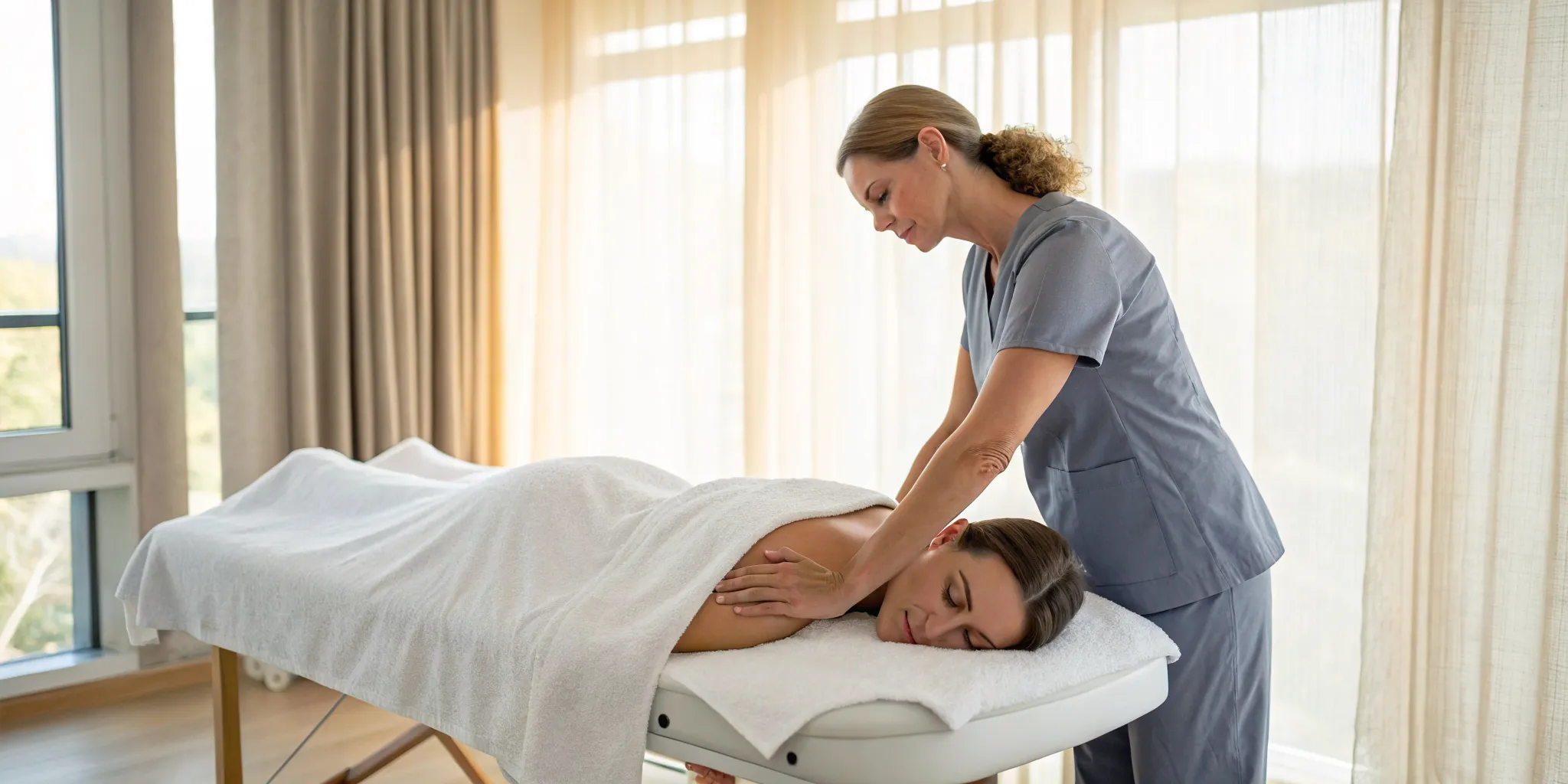
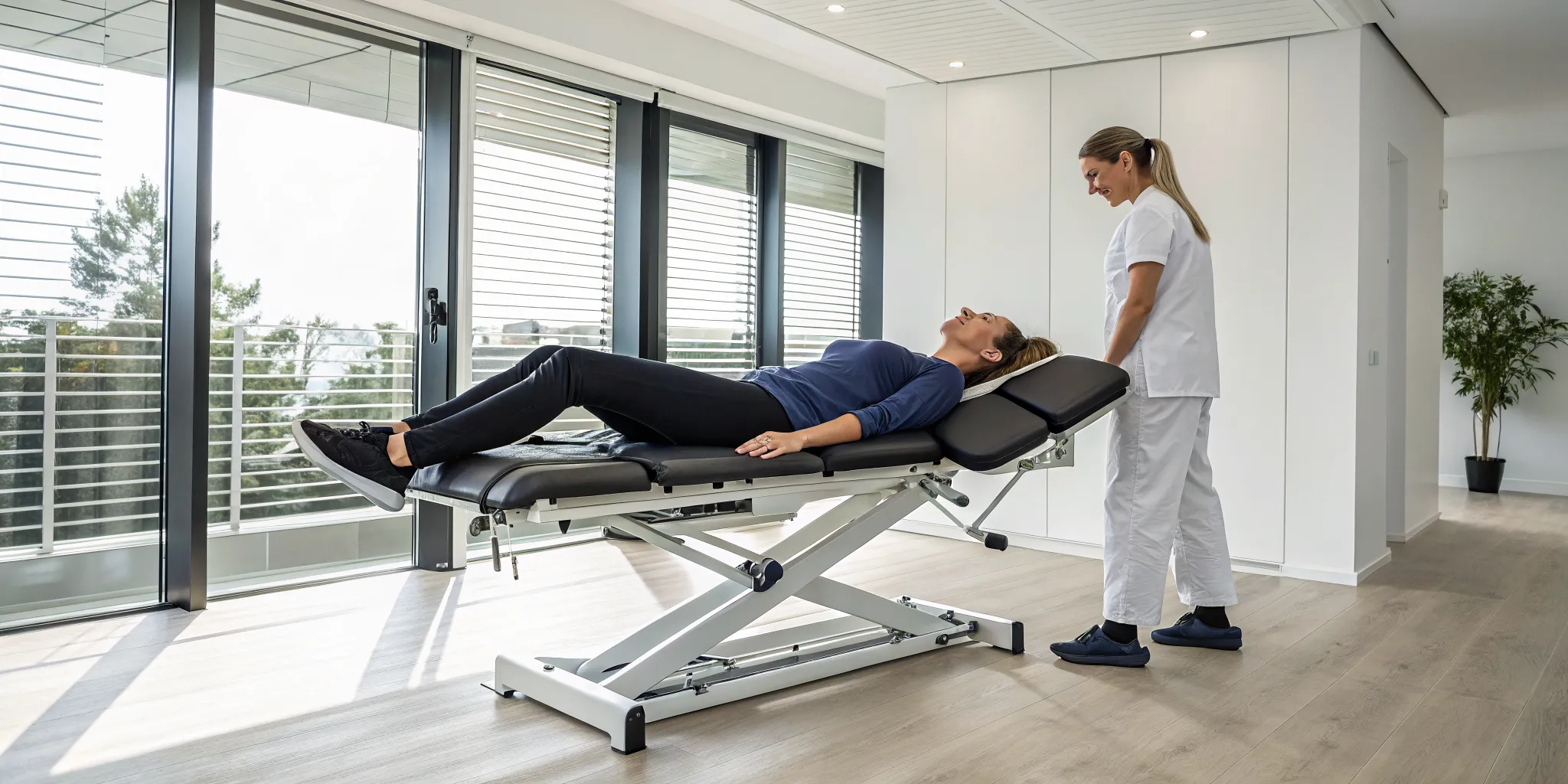
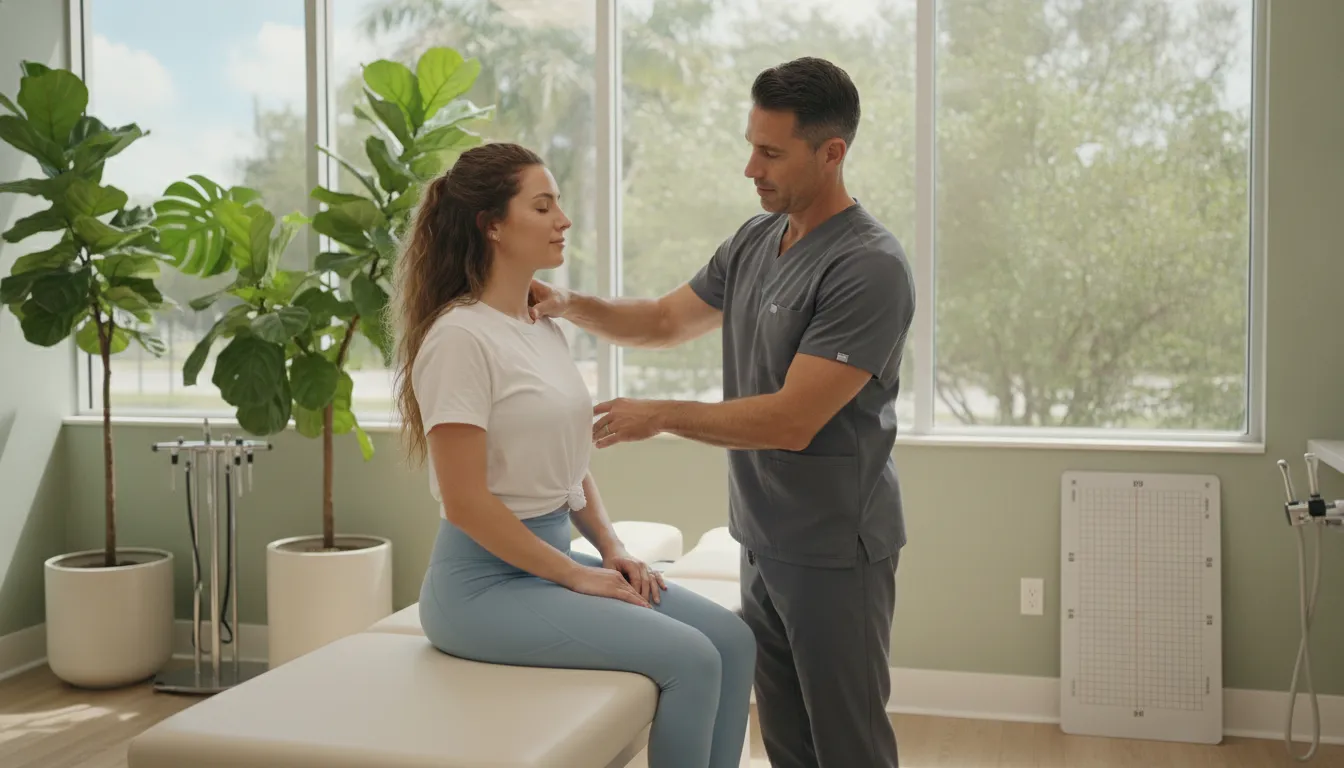
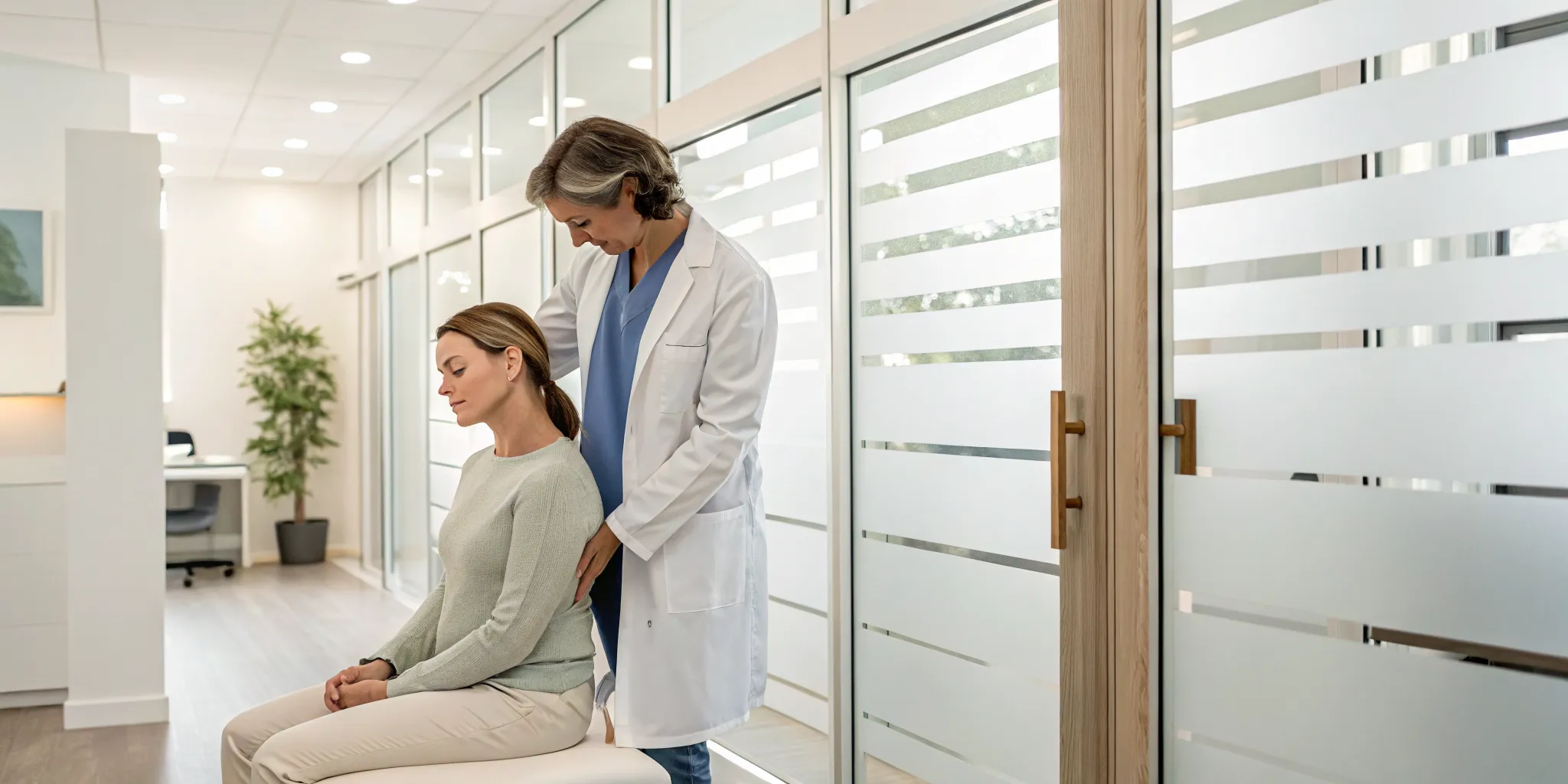
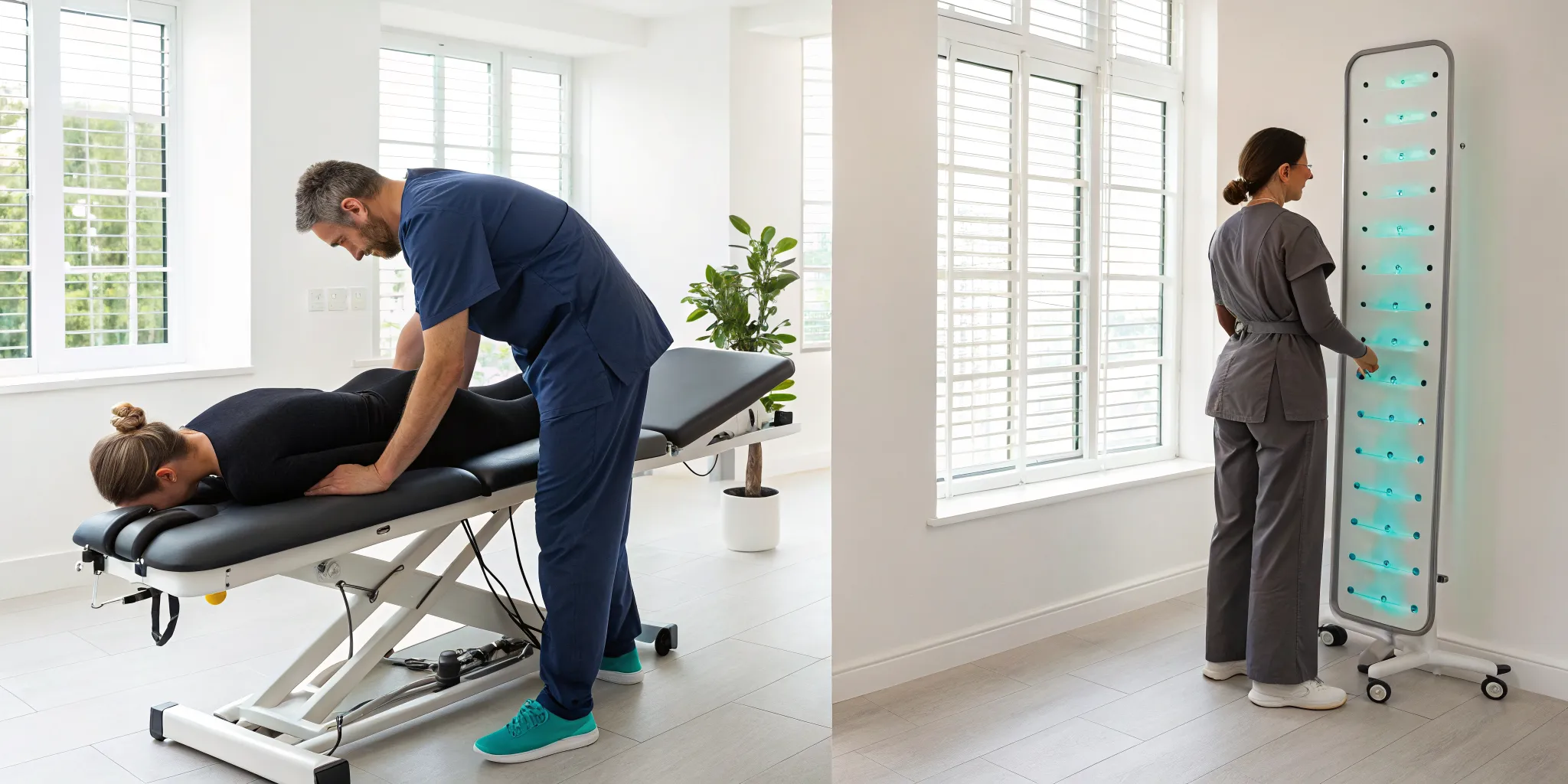
SoftWave therapy works hand-in-hand with our physical medicine protocols to create better, more lasting outcomes. While SoftWave focuses on healing tissues at a cellular level, physical medicine addresses the structural and mechanical issues that contribute to joint stress. For example, chiropractic adjustments can improve joint alignment and mobility, taking pressure off the arthritic area. Corrective exercises can then strengthen the supporting muscles, providing better stability.
When you combine these approaches, you’re tackling the problem from two essential angles. SoftWave helps repair the damage and reduce the pain that’s holding you back, making it easier and more comfortable to engage in physical therapies. In turn, improving your body’s alignment and function reduces the daily strain on your joints, creating a better environment for the healing stimulated by SoftWave to take hold.
Supporting Your Joints with Functional Medicine
While SoftWave and physical medicine address the site of your pain, it’s important to ask: why is there so much inflammation in the first place? This is where functional medicine provides crucial support. Chronic inflammation is often a system-wide issue, influenced by factors like diet, gut health, and nutrient imbalances. Functional medicine uses a deep-dive approach to identify and address these underlying triggers.
By looking at your unique biochemistry, we can create a personalized plan to help calm systemic inflammation. This might involve dietary adjustments, targeted supplementation, or protocols to support a healthy gut. When your body isn't in a constant state of inflammatory stress, the healing effects of SoftWave therapy can be even more profound. It’s about creating an internal environment that promotes healing rather than hinders it.
Why a Root-Cause Approach Is Key
Simply managing pain isn’t a long-term solution. A root-cause approach is about understanding why your body is struggling and giving it the tools it needs to heal itself. SoftWave therapy fits perfectly into this philosophy because it does just that. Instead of just masking symptoms, it stimulates your body’s own regenerative mechanisms, attracting stem cells to the injured tissue to facilitate genuine repair.
This is why the benefits are often cumulative; each session builds on the last, encouraging progressive healing. When you pair this with a plan that addresses structural imbalances and systemic inflammation, you’re creating a comprehensive strategy for wellness. This philosophy is at the heart of how we approach health. We want to help you build a foundation for lasting vitality so you can get back to living your life to the fullest.
Find Arthritis Relief with SoftWave Therapy in Tampa
Living with arthritis can feel like a constant battle, where joint pain and stiffness dictate what you can and can’t do. If you’re tired of letting discomfort keep you from enjoying the beautiful Tampa lifestyle, it might be time to explore a different path to relief. At Ascend Functional Health, we offer SoftWave Therapy as a modern, non-invasive treatment that works with your body to address the source of your arthritis pain.
This innovative therapy uses electrohydraulic acoustic waves to gently stimulate your body’s natural healing mechanisms right at the site of inflammation. Instead of just masking the pain, SoftWave helps reduce inflammation, improve joint mobility, and provide lasting relief so you can move more freely. For many of our patients, it’s been a game-changer in managing their arthritis without relying on invasive procedures or extensive downtime. It’s a treatment that supports your body’s incredible ability to repair itself.
This approach fits perfectly with our core belief in getting to the root cause of health issues. We see SoftWave Therapy as a key part of a comprehensive wellness plan that helps you regain function and improve your overall quality of life. If you're ready to see if this treatment is the right fit for your arthritis journey, we invite you to contact our Tampa office to schedule a consultation. We’re here to answer your questions and help you take the first step toward feeling better.
Related Articles
- SoftWave Tissue Regeneration Therapy in Tampa | Alessi Functional Health
- SoftWave TRT Therapy in Tampa, FL - Alessi Functional Health
- Regenerative Medicine for Pain Recovery | Ascend Functional Health
- Regenerative Medicine for Knee Arthritis: What to Know
- What Is Soft Tissue Therapy? A Complete Guide
Frequently Asked Questions
How is SoftWave therapy different from other arthritis treatments I’ve tried? Many common arthritis treatments focus on managing symptoms, like temporarily reducing inflammation or blocking pain. SoftWave therapy works differently by prompting your body to do its own repair work. Instead of just providing a temporary fix, the acoustic waves stimulate your cells to regenerate tissue, increase blood flow, and resolve inflammation at the source. It’s a shift from masking the problem to helping your body rebuild the damaged area for more sustainable results.
How long will it take to feel a difference from the treatments? Because SoftWave therapy encourages your body to heal itself, the results are gradual and build over time. Some people report feeling a reduction in pain and stiffness after just a few sessions, which is always encouraging. However, the most significant and lasting improvements come from completing your personalized treatment plan. True tissue regeneration is a process, and each session builds on the last to support that healing journey.
Is the treatment uncomfortable, and what does it actually feel like? Most people find the sessions to be very manageable. You will feel a tapping or pulsing sensation on your skin as the handheld device moves over the treatment area. An interesting aspect of the therapy is that you may notice a slightly stronger sensation over areas with more inflammation or tissue damage. This provides real-time feedback that helps us pinpoint exactly where your body needs the most support. The treatment itself is quick, and there is no downtime afterward.
Will SoftWave therapy be enough on its own to resolve my arthritis pain? While SoftWave is a powerful tool for promoting tissue repair, we find it works best as part of a complete wellness strategy. Think of it this way: SoftWave helps heal the damaged joint, while our other approaches address why the joint became a problem. By combining it with physical medicine to correct structural imbalances and functional medicine to calm system-wide inflammation, we create a comprehensive plan that supports lasting relief and helps prevent future issues.
How do I know if I am a good candidate for this therapy? You might be a great candidate for SoftWave if you’re dealing with chronic joint pain from a condition like osteoarthritis and are looking for a non-invasive solution. It’s especially well-suited for people who want to improve their mobility and find lasting relief without relying on injections or pharmaceuticals. If your goal is to get back to an active life with less pain and stiffness, this could be an excellent option. The best way to know for sure is to schedule a consultation so we can discuss your specific health history and goals.