True recovery from back pain isn’t just about making the ache go away; it’s about regaining the freedom to move, work, and live without constantly worrying about a flare-up. Lumbar decompression is a therapy focused on that long-term goal. By addressing the structural source of the pain, it helps restore your spine’s health and improves your overall mobility. This isn't a temporary patch. It's a foundational treatment that supports lasting change, allowing you to build a stronger, more resilient back for the future. This article explores how lumbar decompression therapy for lower back pain Tampa can help you move beyond managing pain and toward sustained wellness.
Key Takeaways
- Decompression Gently Relieves Pressure: This therapy works by creating space in your spine. This gentle stretching helps take pressure off pinched nerves and allows bulging discs to retract, giving your body the chance to start its own healing process.
- It's a Targeted Solution for Specific Pains: Lumbar decompression is most effective for pain caused by mechanical issues. If you have a herniated disc, sciatica, or spinal stenosis, this therapy directly addresses the compression causing your discomfort.
- A Complete Plan Creates Lasting Results: The best outcomes happen when decompression is part of a personalized strategy. Combining the therapy with corrective exercises and other supportive care helps ensure your results are sustainable for long-term spinal health.
How Lumbar Decompression Relieves Lower Back Pain
If you're dealing with persistent lower back pain, you might feel stuck between temporary fixes and more intensive procedures. Lumbar decompression offers a different path. It’s a gentle therapy designed to address the root cause of your discomfort by relieving pressure on your spinal discs and nerves. By creating the right conditions for your body to heal, this therapy can provide lasting relief and help you get back to the life you love.
How Does It Work?
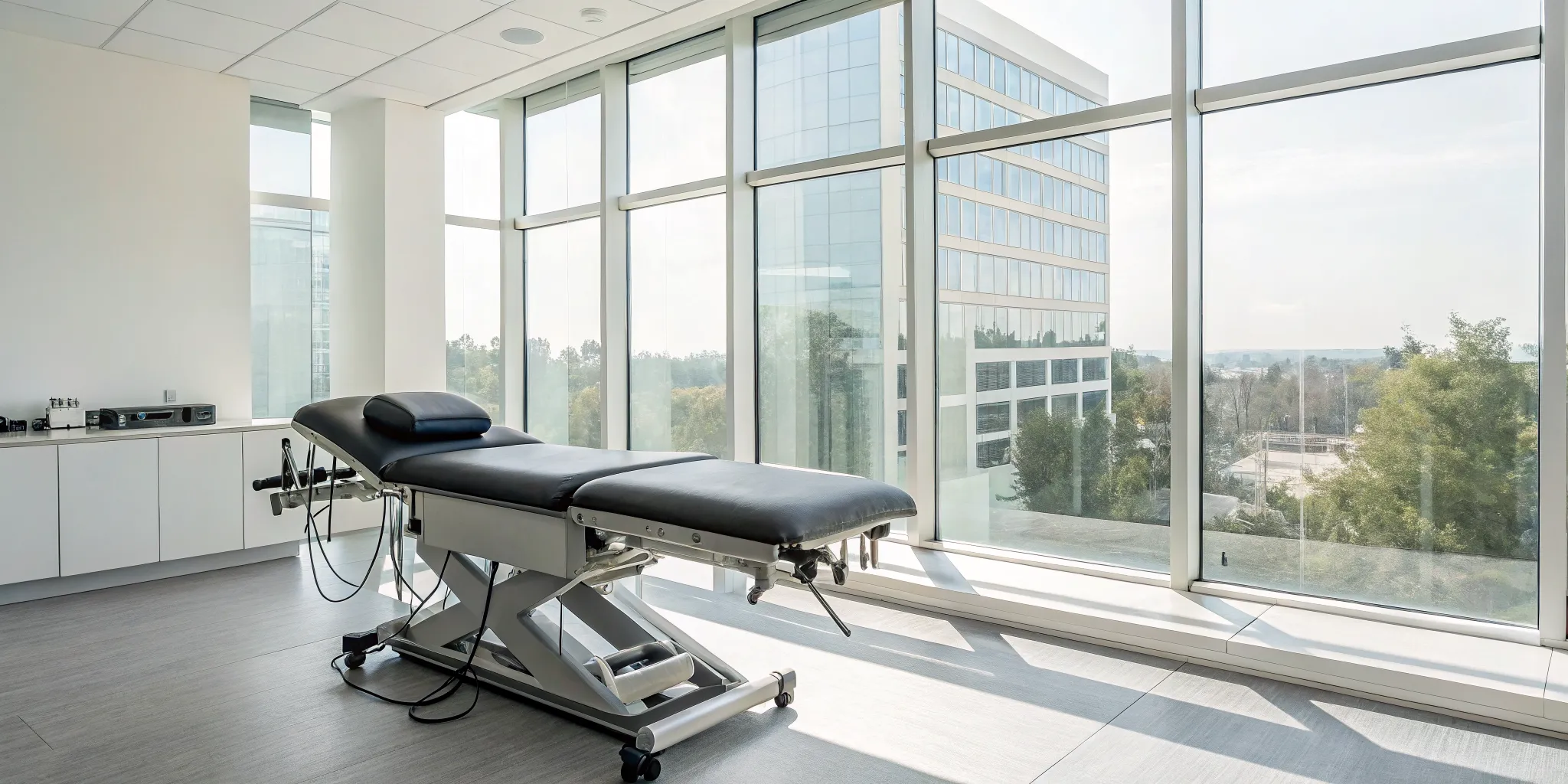
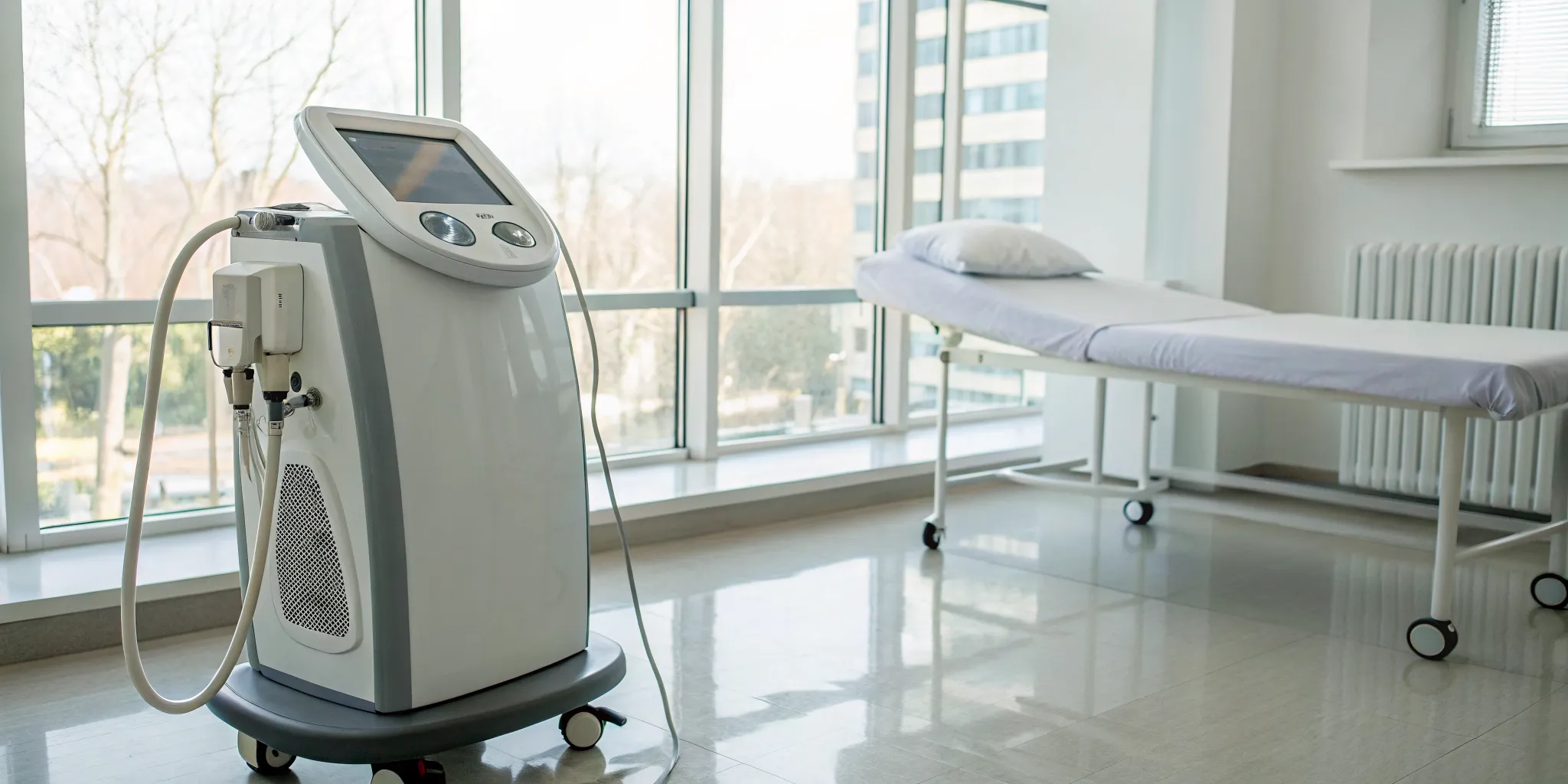
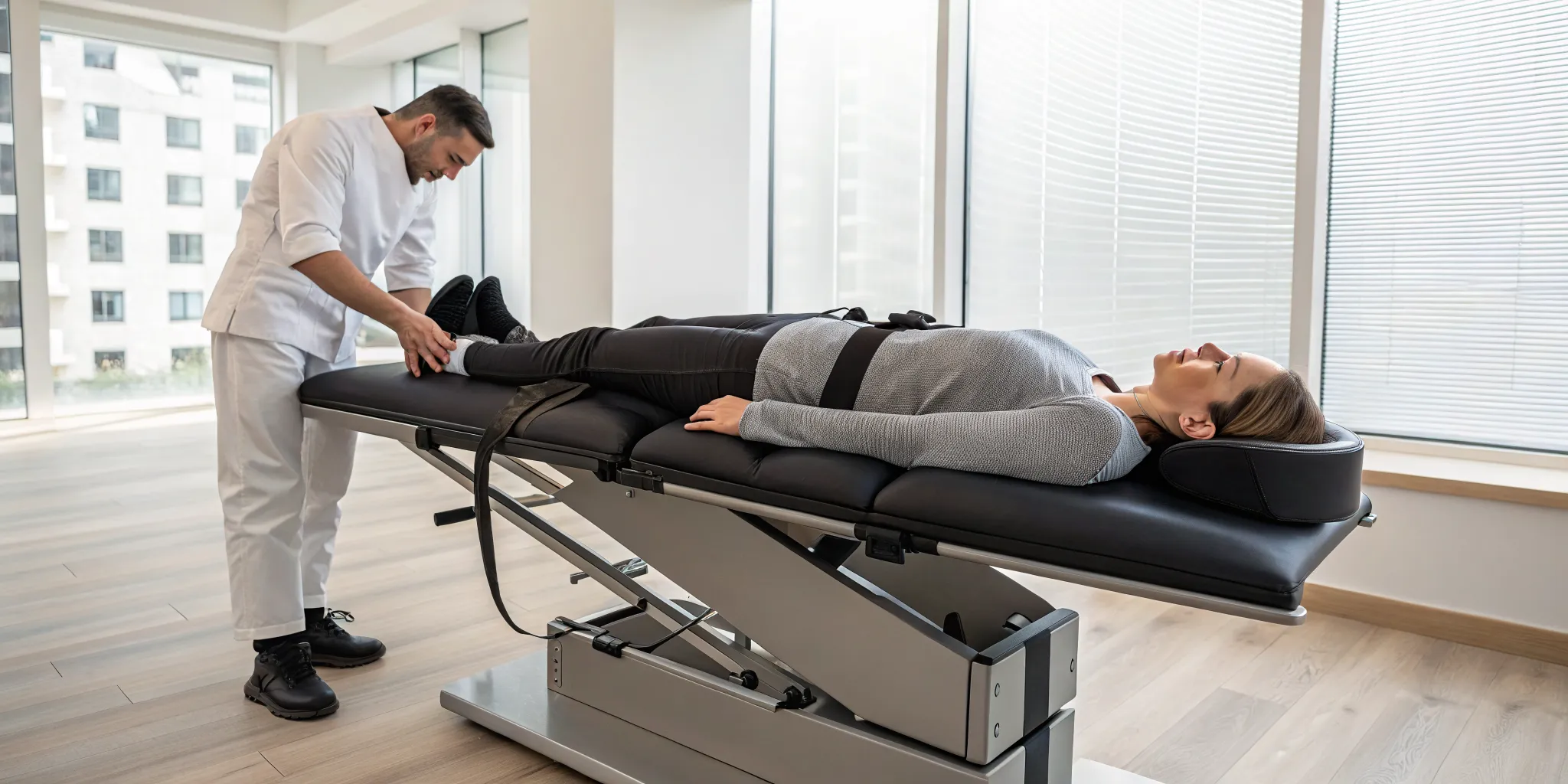
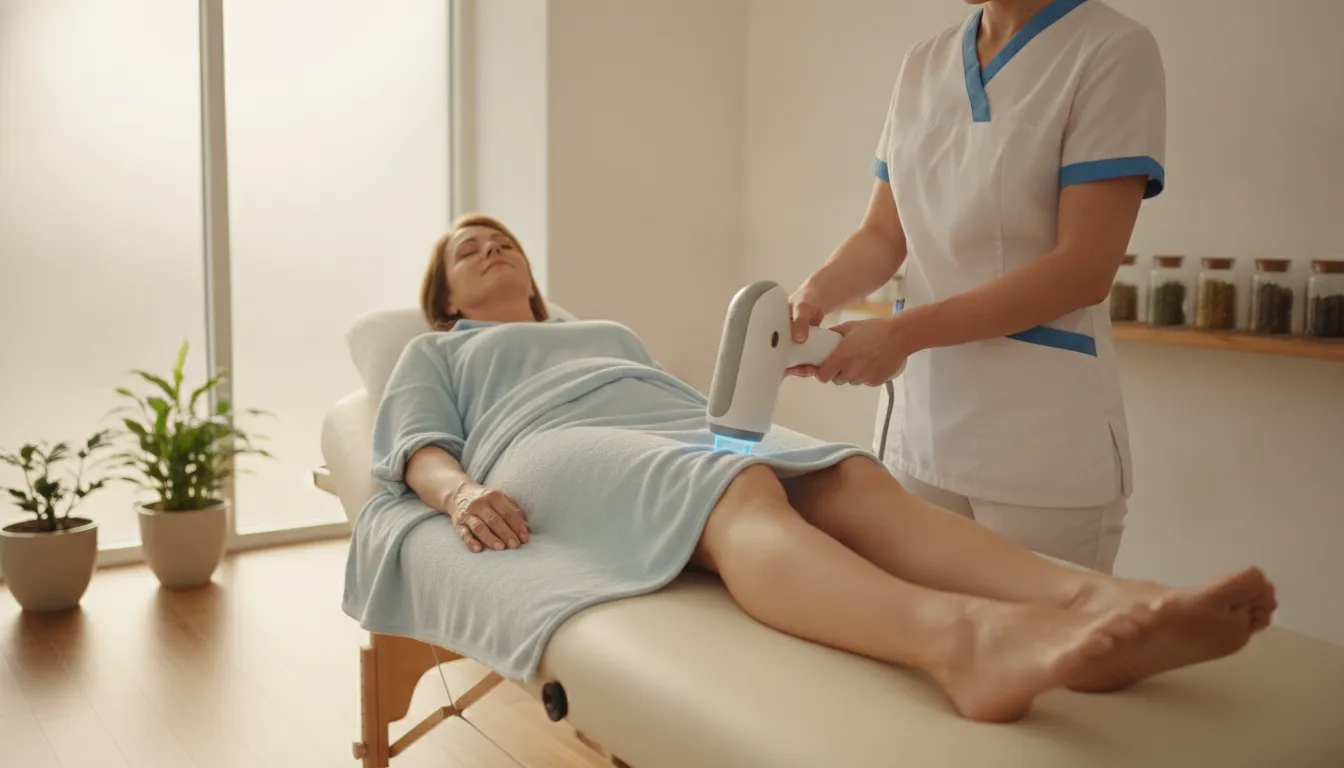
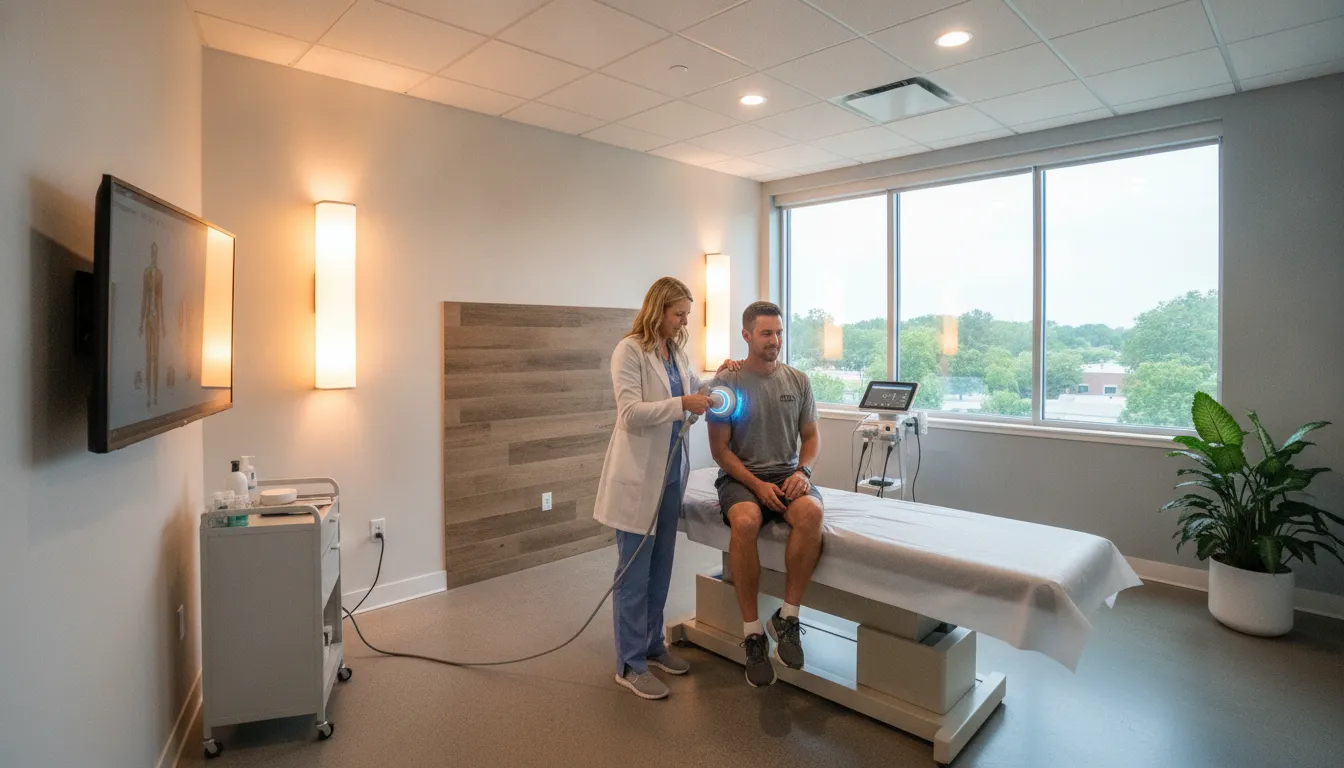
So, what actually happens during a session? It’s a lot more relaxing than it might sound. You’ll rest comfortably on a specialized, computer-controlled table that gently and precisely stretches your spine. This motion creates something called negative pressure within your spinal discs. Think of it like a subtle vacuum effect that helps pull bulging or herniated disc material back into place, taking pressure off sensitive nerves. It’s a highly controlled and comfortable process designed to work with your body, not against it, making it a cornerstone of our physical medicine approach.
The Science of Spinal Decompression
This isn't just a hopeful theory; spinal decompression is supported by a strong body of evidence. Studies have shown impressive success rates, often between 71% and 89%, for people with chronic back pain from issues like herniated discs and degenerative disc disease. By methodically decompressing the spine, the therapy directly addresses the mechanical problems causing the pain. This science-backed approach is why we confidently use it to help our patients find real, lasting relief from many of the conditions we treat, offering a powerful alternative for those who want to avoid more aggressive interventions.
Improving Blood Flow and Nutrients
One of the most important benefits of spinal decompression is its ability to restore your body's natural healing process. When your spinal discs are compressed, it’s hard for them to get the nutrients they need to stay healthy. The gentle stretching during therapy creates more space between your vertebrae. This does two critical things: it immediately reduces pressure on pinched nerves, which eases pain, and it improves circulation to the discs. This renewed blood flow brings a fresh supply of oxygen, water, and essential nutrients, giving your discs the resources they need to repair and rehydrate. It’s a fundamental part of our holistic services that supports your body’s innate ability to heal.
What Conditions Can Lumbar Decompression Treat?
If you're dealing with persistent lower back pain, you know it can stem from a variety of issues within the spine. Lumbar decompression is a versatile therapy because it addresses the mechanical source of many of these problems: compression. By gently stretching the spine, this treatment can create space, relieve pressure, and support the body’s natural healing process. It’s a targeted approach that can bring relief for several common and painful back conditions.
Herniated or Bulging Discs
Think of the discs in your spine as tiny jelly doughnuts that cushion your vertebrae. When a disc is herniated or bulging, its soft, gel-like center pushes out through a tear in the tougher exterior. This displaced material can press on surrounding nerves, causing significant pain. Lumbar decompression creates a negative pressure within the disc, which can help draw the bulging or herniated material back into place. This takes the pressure off the nerves and gives the disc an opportunity to heal. Our approach to physical medicine focuses on these types of gentle, restorative therapies to address the root cause of your discomfort.
Sciatica
Sciatica is the name for pain that radiates along the path of the sciatic nerve, which branches from your lower back through your hips and buttocks and down each leg. It’s not a condition itself, but rather a symptom of an underlying problem, most commonly a herniated disc or bone spur pressing on the nerve. Because lumbar decompression can relieve the compression caused by a bulging disc, it is often very effective for easing the shooting pain, numbness, or weakness associated with sciatica. By creating more space in the spine, the therapy directly addresses the source of the nerve irritation, providing relief that extends far beyond your lower back.
Spinal Stenosis
Spinal stenosis is a narrowing of the spaces within your spine, which can put pressure on the nerves that travel through it. Imagine a garden hose getting pinched; the flow is restricted. Similarly, when the spinal canal narrows, it can "pinch" the spinal cord and nerves, leading to pain, tingling, or numbness, often in the legs. Lumbar decompression therapy gently stretches the spine, which can help open up this narrowed space. This widening of the spinal canal can relieve the pressure on the affected nerves, reducing the painful symptoms of stenosis and improving your overall mobility.
Degenerative Disc Disease
Despite its name, degenerative disc disease isn't technically a disease but rather a condition that occurs when the discs between your vertebrae lose their cushioning, fragment, and wear down over time. This can lead to chronic pain and reduced flexibility. Spinal decompression can be a valuable part of a treatment plan for this condition. The gentle pulling motion helps to rehydrate the discs, encouraging the flow of water, oxygen, and nutrient-rich fluids into the disc space. This process supports healing and can help slow the degenerative process, offering a way to manage pain and improve function. It's one of the many chronic conditions we treat with a holistic perspective.
Pinched Nerves and Facet Syndrome
A "pinched nerve" in your back happens when too much pressure is applied to a nerve by surrounding tissues, like bones, cartilage, or muscles. This pressure disrupts the nerve's function, causing pain, tingling, or weakness. Facet syndrome is a related issue, involving irritation and inflammation in the small joints (facet joints) that link your vertebrae. Lumbar decompression helps by creating more space between the bones in your spine. This separation can take direct pressure off the pinched nerve and unload the irritated facet joints, providing significant relief from the sharp, localized pain these conditions often cause. If this sounds like what you're experiencing, we invite you to contact us for a consultation.
How Is Lumbar Decompression Different From Other Treatments?
When you’re exploring solutions for lower back pain, it’s easy to feel overwhelmed by the options. Understanding the key differences between treatments can help you make an informed decision about your health. Lumbar decompression is a specific, targeted therapy that stands apart from both general chiropractic care and invasive surgical procedures. Let's look at how it compares.
Decompression vs. Chiropractic Adjustments
While both lumbar decompression and chiropractic adjustments can be part of a comprehensive physical medicine plan, they work in different ways. A chiropractic adjustment involves a practitioner using their hands or a small instrument to apply a controlled, sudden force to a spinal joint. The goal is to improve spinal motion and your body's physical function.
Spinal decompression, on the other hand, uses a specialized motorized table to gently and consistently stretch the spine. This slow, steady pull creates negative pressure within the discs, which helps retract bulging or herniated material and allows for an influx of healing nutrients. It’s a gentle and precise process, and many people find it quite relaxing.
Decompression vs. Back Surgery
Lumbar decompression is a non-invasive therapy that many people explore to find relief and potentially avoid surgery. Back surgery is a serious undertaking that often involves a long recovery period and significant risks. Decompression therapy offers a way to address the root cause of pain without incisions or anesthesia.
By creating negative pressure in the spine, this therapy promotes the body's natural healing process for damaged discs and nerves. For many of the conditions we treat, such as sciatica or herniated discs, this gentle approach can provide lasting relief by helping the spine heal itself. It’s a proactive step that focuses on restoring function and structure from the inside out, rather than surgically altering it.
What to Expect During a Lumbar Decompression Session
If you're considering lumbar decompression, you might be wondering what a session actually involves. The good news is that the process is straightforward, gentle, and designed with your comfort in mind. Knowing what happens step-by-step can help you feel confident and relaxed as you begin your path toward pain relief. At Ascend Functional Health, we ensure you understand every part of your treatment, starting with your very first session.
Our approach to physical medicine is centered on personalized care, and that includes making sure you feel at ease. From getting you comfortably positioned on the table to explaining the sensations you'll feel, our team is there to guide you. Let’s walk through what a typical lumbar decompression appointment looks like.
Getting Positioned for Treatment
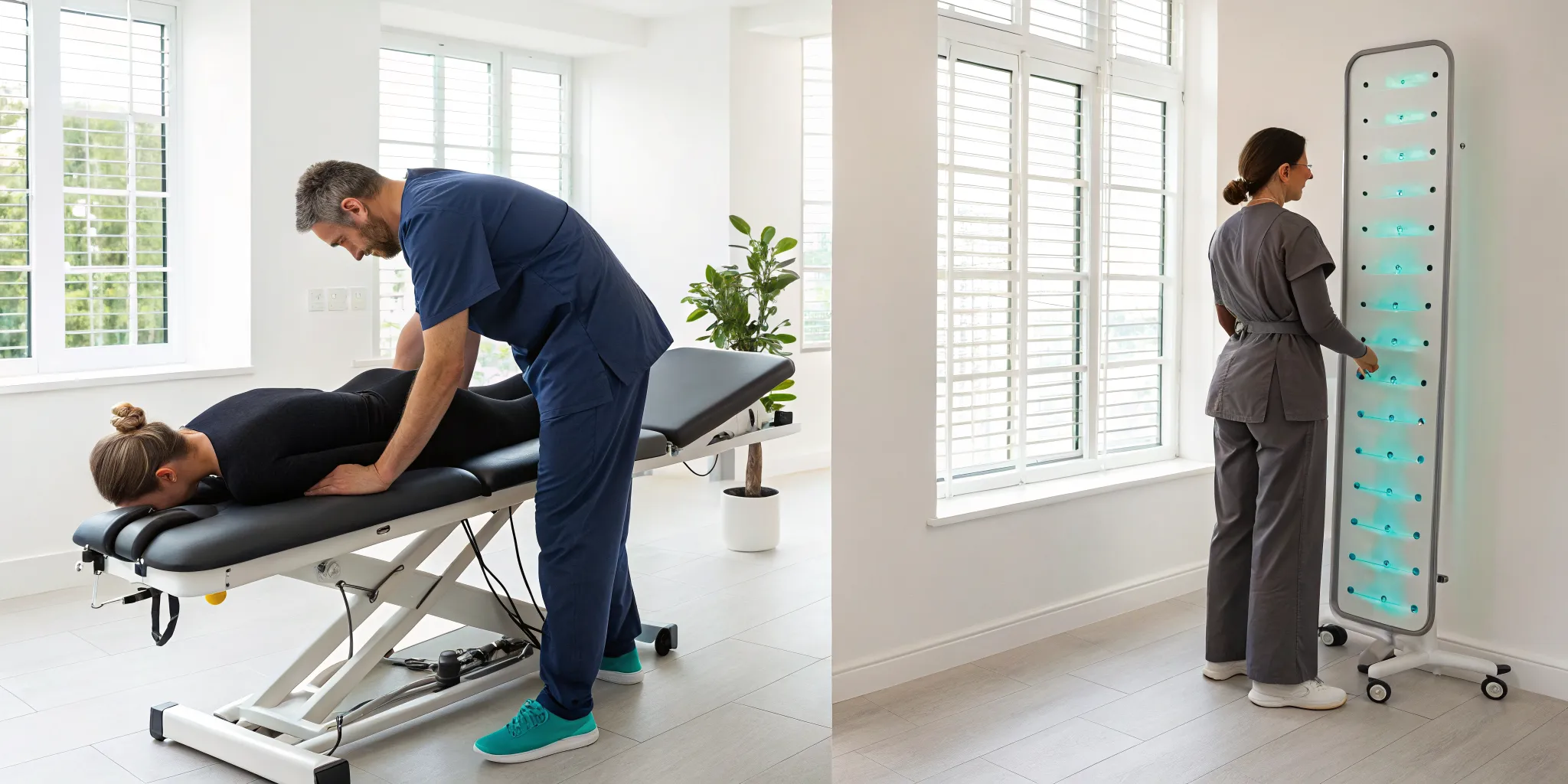
Your session will begin with you lying down on a specialized, computer-controlled table. You’ll be fully clothed, so we recommend wearing something comfortable. We will then place a soft harness around your hips, which connects to the lower portion of the table. This setup ensures that the gentle stretching force is applied directly to your lumbar spine, right where you need it.
The table is designed to move in a very slow, controlled manner. Once you are comfortably in place, your practitioner will set the system to a precise protocol tailored to your specific condition. The entire process is designed to be relaxing and secure, allowing you to lie back while the table does its work.
The Step-by-Step Treatment Process
Once the session starts, you will feel a slow, gentle stretching in your lower back as the table gradually lengthens your spine. This sensation is followed by a period of relaxation. The system cycles between these two phases for the duration of the treatment. This gentle pulling action creates a negative pressure within your spinal discs.
This process is key to healing. The negative pressure helps retract bulging or herniated disc material and creates space for your spine to receive a fresh supply of oxygen, water, and nutrients. This improved circulation supports the healing of the various conditions we treat, from sciatica to degenerative disc disease. The entire procedure is smooth and should not cause pain; many people find the gentle motion quite soothing.
Session Length and Frequency
One of the best parts of lumbar decompression therapy is how easily it can fit into your life. A single session is surprisingly quick, typically lasting less than 20 minutes from start to finish. You can get your treatment done and get right back to your day without significant interruption.
The total number of sessions you'll need depends on your individual condition and health goals. A common treatment plan might involve several sessions per week for about a month. During your initial consultation, we will create a personalized plan that outlines the recommended frequency and duration of your care. You can always contact our team with any questions about your specific treatment schedule.
How Soon Can You Expect Results?
While every person's healing journey is unique, many individuals start to feel a noticeable difference after just a handful of treatments, often within the first 6 to 10 sessions. The initial goal is to reduce your pain and discomfort, but the benefits often extend much further. As treatment progresses, you may find your mobility improves and your flexibility increases.
The ultimate goal is to help you return to the activities you love without being held back by pain. Our patients frequently share stories of getting back to gardening, playing with their grandkids, or simply walking without a constant ache. You can read some of their stories on our patient testimonials page to see what’s possible.
Is Lumbar Decompression Therapy Painful?
Let’s clear the air about one of the biggest questions people have: does lumbar decompression hurt? The idea of any procedure involving the spine can sound intimidating, but the reality of this therapy is far from painful. In fact, it’s designed to be a gentle and comfortable experience.
Common Misconceptions
One of the most persistent myths about lumbar decompression is that the treatment itself is painful. It’s easy to imagine forceful pulling or cracking, but that’s not how this therapy works at all. Non-surgical decompression is a highly controlled and gentle process. It’s a key part of our Physical Medicine services because it provides relief without the harshness of more invasive options. The technology is specifically designed to work with your body, not against it, to slowly and carefully create space in the spine. The entire session is calibrated to be comfortable, ensuring you feel secure and at ease from start to finish.
What the Therapy Actually Feels Like
So, if it’s not painful, what does it feel like? Most patients describe the sensation as a gentle, intermittent stretching of the lower back. During a session, you’ll lie on a specialized table, comfortably positioned for treatment. The system then creates a slow, rhythmic pull that lengthens the spine. This action is very smooth and controlled. The goal is to create negative pressure within the spinal discs, which helps draw in nutrients and water to promote healing for many of the conditions we treat. You’ll feel the tension and release, but it should never be uncomfortable. It’s a unique sensation of your spine being given the space it needs to breathe.
Why Many People Find It Relaxing
It might be surprising to hear that a treatment for back pain can be relaxing, but that’s exactly how many people describe their sessions. The gentle, rhythmic motion of the decompression table combined with the relief of pressure in the spine can be incredibly soothing. Many of our patients find it to be a calm and restorative part of their day, and some even drift off to sleep during the treatment. It’s a passive therapy, which means you can simply lie back and let the technology do the work. This provides a rare opportunity to rest while actively addressing the root cause of your discomfort, which our patient testimonials often highlight as a major benefit.
Is Lumbar Decompression Right for You?
Deciding on the right approach for your back pain can feel overwhelming, especially when you’ve been dealing with discomfort for a long time. While lumbar decompression is a fantastic, non-invasive option for many, it’s not a universal solution. The key is understanding if your specific symptoms and health profile align with what this therapy is designed to address. It’s about finding the most effective path for your body’s unique needs, not just chasing a temporary fix.
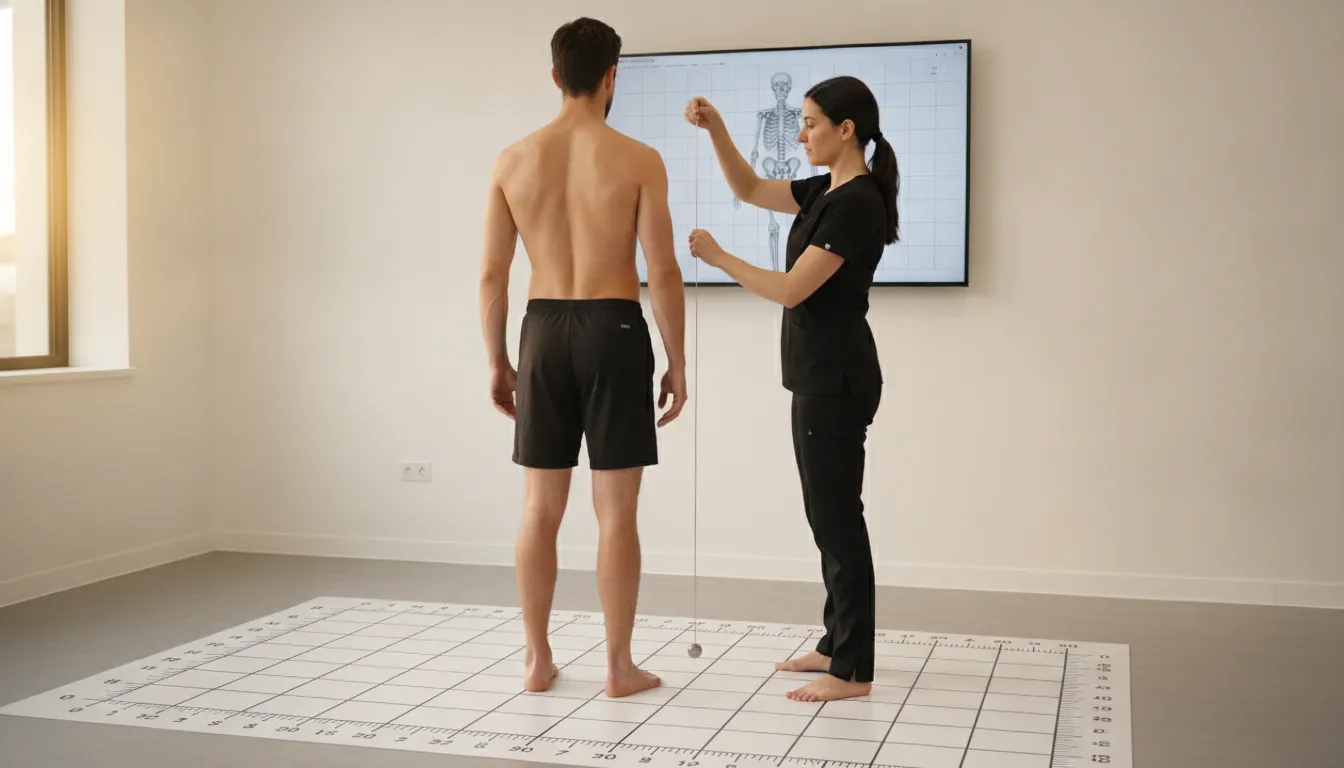
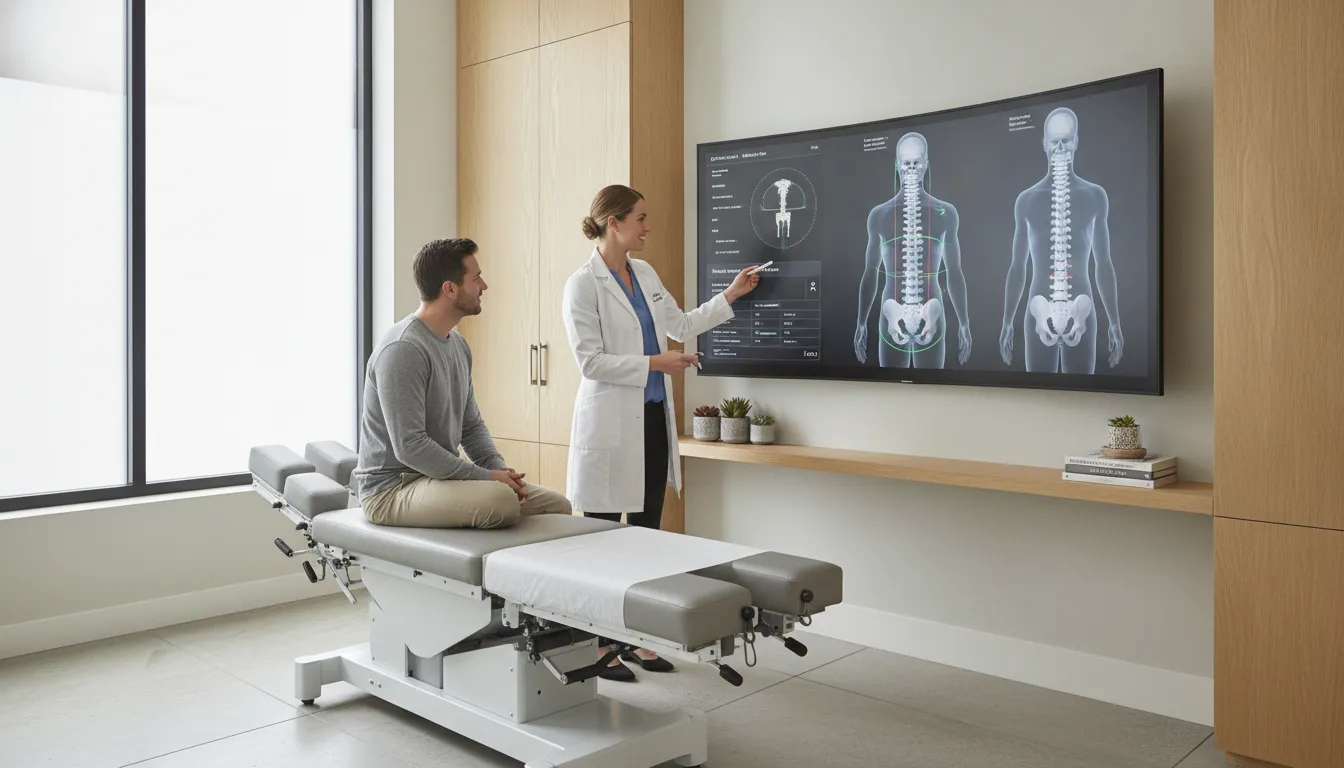
At Ascend Functional Health, we believe the first step is always a thorough evaluation. We need to get to the bottom of what’s causing your pain before we can recommend a course of action. This process is a partnership. We listen to your story, assess your condition, and work with you to determine if you are a good candidate for this therapy. Our goal is to empower you with knowledge so you can make an informed decision about your health. Finding a sustainable solution that fits your body and your life is the ultimate goal, and for many, decompression is a critical piece of that puzzle.
Signs This Treatment Could Help You
If you're struggling with persistent pain that disrupts your daily life, lumbar decompression might be the answer. This therapy is particularly effective for people experiencing chronic lower back pain, sciatica, or radiating pain from pinched nerves. It directly addresses issues within the spinal discs, so it’s an excellent option for conditions like bulging discs, herniated discs, or degenerative disc disease. Many of our patients report a significant reduction in pain and an increase in mobility, allowing them to return to activities they thought were off-limits. While every person is different, it's common to start feeling relief within just a few sessions as part of a complete physical medicine plan.
When to Consider Other Options
Honesty and transparency are central to how we approach care. Lumbar decompression is highly effective, but it isn't the right fit for every person or every condition. This therapy is generally best for individuals with mild to moderate spinal issues. It’s also important to know that certain health factors can make decompression unsuitable, including pregnancy, severe osteoporosis, or a history of spinal cancer. Because your safety is our top priority, we conduct a thorough health assessment to identify any concerns. The goal is to create a comprehensive and personalized plan that addresses the root cause of your discomfort, and for some, that may involve exploring other treatments from the wide range of conditions we treat.
The Long-Term Benefits of Lumbar Decompression
When you’re dealing with persistent back pain, finding a solution that offers more than just temporary comfort is the ultimate goal. It’s easy to get caught in a cycle of treatments that provide relief for a day or a week, only for the pain to return. Lumbar decompression is different. It isn't about a quick fix; it's about creating a foundation for long-term spinal health. The benefits go beyond the treatment table, helping you get back to a life with less pain and more movement. By addressing the underlying structural issues that cause the pain in the first place, this therapy aims to provide lasting change that you can feel for years to come.
We see this all the time. People come to us after trying everything else, feeling discouraged and believing they just have to live with the pain. But seeing their transformation is why we do what we do. Many of our own patients share stories of how this approach has made a significant difference in their daily lives, allowing them to pick up their grandkids, return to their favorite sport, or simply get through a workday without wincing. This process is designed to support your body's own healing abilities, creating a stronger, more resilient spine. Instead of just managing symptoms, we're getting to the root of the problem to help you build a healthier future. The aim is to move beyond the cycle of pain and treatment and into a state of sustained well-being where you feel in control of your body again.
Lasting Pain Relief
One of the most significant advantages of lumbar decompression is its potential for long-lasting relief. The therapy works by gently stretching the spine, which helps take pressure off your spinal discs and nerves. This process isn't just masking the pain; it promotes an environment where your body can begin to heal itself. By creating negative pressure within the disc, it can help retract bulging or herniated material and encourage the flow of oxygen and nutrients to the area. Studies have shown impressive success rates, with many people experiencing sustained improvements that allow them to reduce or even stop relying on other forms of pain management.
Improved Mobility and Spinal Health
Chronic back pain doesn't just hurt; it can stop you from enjoying your favorite activities, whether that's playing with your kids, gardening, or going for a walk. Lumbar decompression can help you regain your freedom of movement. As pressure on the spinal nerves is reduced and circulation improves, many people report a significant increase in their mobility and flexibility. This is a core part of our Physical Medicine approach. The goal is to help you return to the activities you once thought were off-limits. By addressing the mechanical issues in your spine early on, you can also support better overall spinal health and potentially prevent problems from getting worse down the road.
The Importance of a Personalized Plan
Lumbar decompression is a powerful tool, but it’s most effective when it’s part of a bigger picture. True healing happens when we look at your health from all angles. That’s why this therapy should be integrated into a comprehensive and personalized treatment plan tailored to your specific needs. Simply undergoing decompression without addressing other contributing factors may not lead to the lasting results you’re looking for. A complete plan may include corrective exercises, lifestyle adjustments, and other therapies designed to strengthen your core, improve your posture, and support your body’s healing process. This holistic strategy is key to ensuring your recovery is not only successful but also sustainable.
A Holistic Approach to Lower Back Pain in Tampa
Lasting relief from lower back pain rarely comes from a single treatment. While lumbar decompression is a powerful tool for healing, we believe the most effective path to wellness involves a comprehensive strategy that addresses your body as a whole. At Ascend Functional Health, we don’t just focus on the symptom; we investigate the root cause of your discomfort to create a plan that supports your body’s innate ability to heal.
This holistic view means looking beyond the spine itself. We consider how factors like inflammation, gut health, and hormonal balance might be contributing to your pain. By integrating different healing modalities, we can create a synergistic effect that not only alleviates your current pain but also builds a foundation for long-term spinal health and vitality. Our goal is to help you get back to living your life fully, with confidence in your body’s strength and resilience.
Combining Physical and Functional Medicine
Spinal decompression is a cornerstone of our Physical Medicine approach, but it works best as part of a complete treatment plan. There are many misconceptions about this therapy; it isn’t painful, and it isn’t just for severe cases. In fact, early intervention can prevent issues from getting worse. Decompression therapy helps reduce pressure on spinal nerves and improves circulation to the discs, providing a safe and effective way to find relief.
To support this process, we also use the principles of Functional Medicine to look at your body’s internal environment. Chronic inflammation, nutrient deficiencies, or digestive issues can all hinder your body’s ability to heal and contribute to persistent pain. By addressing these underlying factors through personalized protocols, we ensure your body has everything it needs to recover fully and maintain the results of your decompression therapy.
Maintaining Your Back Health After Treatment
Our objective is to provide more than just temporary relief. We want you to experience lasting results. Many people who complete a personalized decompression plan report significant, long-lasting reductions in pain and a return to activities they thought were no longer possible. While every person’s journey is unique, our approach is designed to promote healing and structural changes in the spine that contribute to sustained improvements.
Your care doesn’t end with your last decompression session. We create a personalized plan to help you maintain your progress and protect your spinal health for years to come. This may include corrective exercises, lifestyle recommendations, and ongoing nutritional support to keep your body strong and resilient. Investing in a comprehensive treatment plan is an investment in your long-term health and mobility, helping you stay active and pain-free.
Lumbar Decompression Therapy at Ascend Functional Health
If you’re considering lumbar decompression, you probably want to know what the process looks like and what makes our approach unique. At Ascend Functional Health, we see decompression as a key part of a larger, personalized strategy to restore your long-term spinal health, not just as a standalone treatment. Our goal is to get to the root of your back pain and create a plan that helps your body heal and strengthen for the future.
The Ascend Functional Health Difference
We believe that true healing happens when we support the body in multiple ways. That’s why we don’t just use a decompression table; we integrate it into a comprehensive physical medicine plan. Your care may also include corrective exercises to strengthen the muscles that support your spine, along with other therapies to improve blood flow and accelerate healing. This integrated approach helps ensure the results you feel are both significant and lasting.
Many of our patients begin to feel a noticeable difference within their first 6 to 10 sessions. A complete treatment program is typically finished in about eight weeks, giving your body the time it needs to heal properly and for you to build the strength to maintain your progress.
Questions to Ask at Your Consultation
It’s completely normal to have questions, especially with all the information out there. We encourage you to bring all your concerns to your consultation. You might be wondering if the therapy is painful, if it’s safe, or if the relief will last. We can walk you through how the treatment is a gentle, non-invasive therapy that many people find quite relaxing.
We can also discuss how it fits into a complete treatment plan to provide long-lasting results. There are no silly questions when it comes to your health. Our team is here to provide clear answers and help you feel confident and informed about your care. When you're ready to start the conversation, we invite you to contact our office to schedule a visit.
Related Articles
- Spinal Decompression Hurts Lower Back: Normal or Not?
- Avoid Back Surgery with Spinal Decompression
- Questions Before Spinal Decompression Therapy: What to Ask
- 4 Powerful Benefits of Spinal Decompression
- Is Lumbar Decompression Chiropractic for You?
Frequently Asked Questions
I’m worried about more pain. Is lumbar decompression therapy uncomfortable? That’s a completely understandable concern, but you can rest easy. The therapy is designed to be gentle and should not be painful at all. You’ll feel a slow, controlled stretching sensation in your lower back as the table works, but it’s a very smooth process. Many people actually find the rhythmic motion to be incredibly relaxing and use the time to rest.
How is this different from a standard chiropractic adjustment? While both are excellent therapies for spinal health, they work in different ways. A chiropractic adjustment focuses on restoring proper motion to your spinal joints, often using a quick, targeted force. Lumbar decompression, however, uses a slow and sustained pull to gently stretch the spine. This creates negative pressure inside the discs, which helps them heal by drawing in nutrients and retracting material that might be pressing on a nerve.
How soon can I expect to notice a difference? While everyone’s body responds differently, many of our patients begin to feel a noticeable reduction in their pain within the first 6 to 10 sessions. It’s important to remember that this therapy is designed to promote your body’s natural healing process, which takes time. The goal is not just immediate relief but progressive improvement in your pain levels and mobility as your treatment plan continues.
What is the typical time commitment for a treatment plan? One of the great things about this therapy is that individual sessions are quite short, usually lasting less than 20 minutes. The total number of sessions you’ll need will depend on your specific condition and our findings during your initial consultation. A typical plan might involve several visits per week for about a month, but we will create a personalized schedule that is tailored to your body’s needs and your health goals.
Will the pain just come back after I finish my treatment plan? Our goal is to provide lasting results, not just a temporary fix. Because lumbar decompression addresses the underlying mechanical cause of your pain, like a bulging disc or pinched nerve, it helps create a healthier environment for your spine to heal. To ensure your results are sustainable, we also integrate your therapy into a comprehensive plan that may include corrective exercises and lifestyle advice to help you maintain your spinal health for the long term.