We track our steps, our sleep, and even our screen time. So why not get a clearer picture of what’s happening inside our bodies? Understanding your hormones is a powerful step toward taking control of your well-being, from your energy levels to your reproductive health. An at-home hormone test makes this information more accessible than ever. These simple kits provide a snapshot of your key hormone levels, giving you personal health data you can use. But data is just the beginning; the real value comes from learning how to interpret it and create a plan for feeling your best.
Key Takeaways
- Use at-home tests to gather clues, not conclusions: These kits are a great first step for collecting personal health data, but they don't provide a full diagnosis without professional interpretation.
- Match the test to your specific health goals: To get the most relevant information, choose a test that measures the key hormones related to your concerns, whether that's fertility, perimenopause, or general wellness.
- Partner with a professional to turn data into a plan: The most important step is discussing your results with a provider who can connect them to your symptoms and create a personalized strategy to help you feel your best.
Thinking About an At-Home Hormone Test?
If you’ve ever felt like something was “off” with your body but couldn’t pinpoint why, you're not alone. At-home hormone tests for women are designed to give you a starting point for understanding what’s happening inside. These kits, offered by companies like Everlywell and LetsGetChecked, let you measure key hormone levels from the comfort of your home. They typically use a small saliva or finger-prick blood sample to check important biomarkers like progesterone, estradiol, FSH, and testosterone.
Think of it as gathering personal data. These tests can provide valuable clues about everything from your fertility and menstrual cycle to the underlying causes of fatigue, mood swings, or weight changes. While they aren't a substitute for a full medical diagnosis, they can empower you with information. Understanding your hormone levels is a key part of functional medicine, which focuses on identifying the root cause of your symptoms. An at-home test can be the first step in that process, giving you a clearer picture of your health that you can then discuss with a professional.
Why So Many Women Are Turning to At-Home Tests
The appeal of at-home hormone tests really comes down to convenience and privacy. Instead of coordinating a doctor's appointment and a separate trip to a lab, you can collect a sample from your own home using a simple saliva or finger-prick test. These kits offer a discreet way to get answers about persistent symptoms that are often dismissed, like unexplained fatigue, mood swings, weight gain, or irregular periods. For many women, it’s about finally getting concrete data to validate what they’ve been feeling for months or even years. This information provides a powerful starting point for a more productive conversation with a healthcare provider, helping you understand your body and explore personalized approaches to your hormonal health.
How Do These At-Home Tests Actually Work?
The process is surprisingly straightforward. First, you order a kit online, which typically costs between $100 and $250. Once it arrives, you’ll find everything you need inside, including detailed instructions. You collect your sample at home, package it up, and send it to a lab using the pre-paid shipping label provided.
Within a few days, your results are ready. The company will notify you that your report is available to view on a secure online platform. These results are reviewed by a physician and presented in a way that’s easy to understand, often with explanations of what each hormone does and where your levels fall on the normal spectrum.
Different Testing Methods
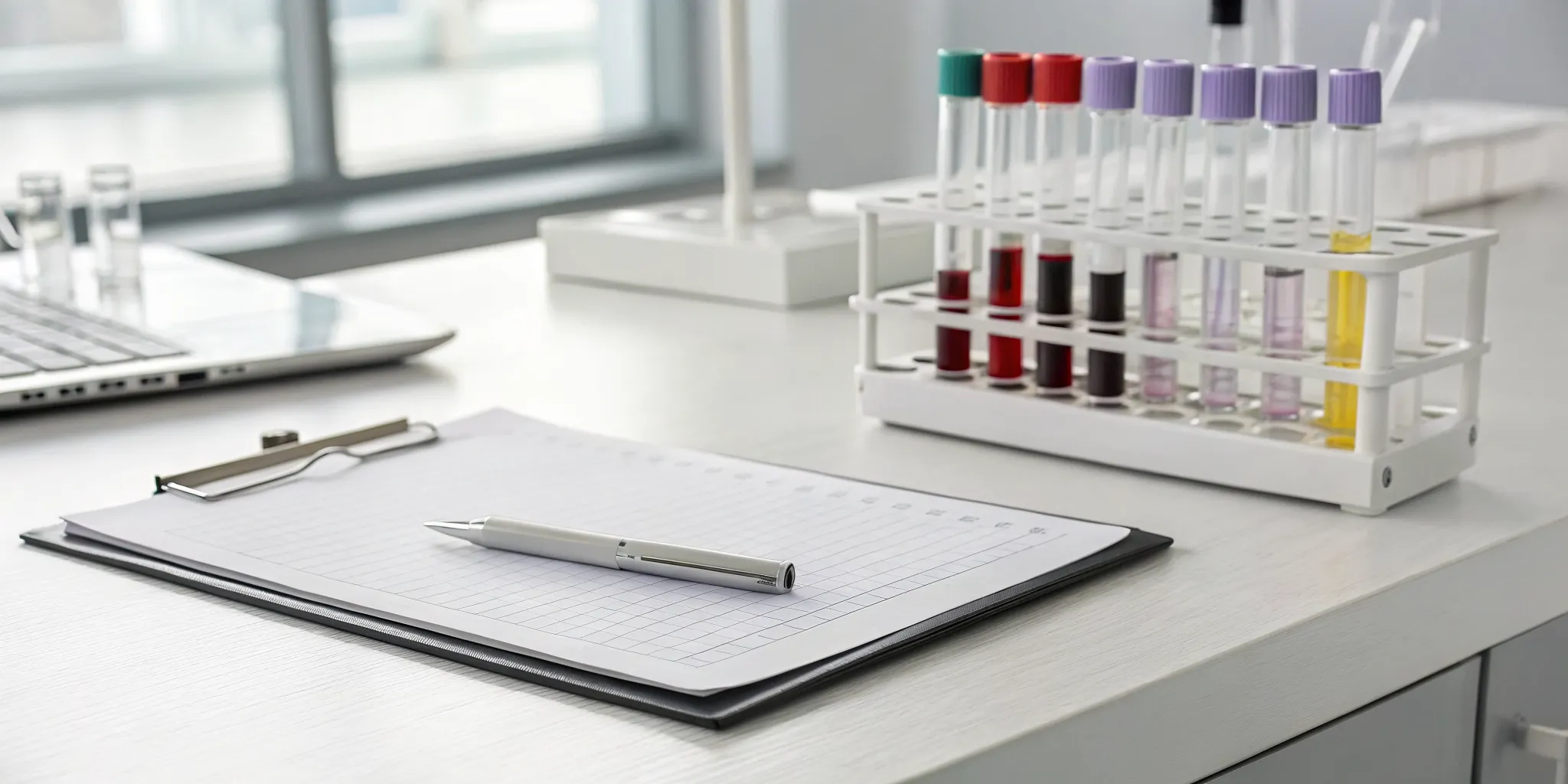
Most at-home hormone tests use one of three main collection methods: a finger-prick blood sample, a saliva sample, or a urine sample. The method you'll use depends on which hormones the test is designed to measure. For example, a finger-prick test, where you collect a few drops of blood on a card, is common for assessing reproductive hormones like estrogen and testosterone. Saliva tests, which just require you to spit into a tube, are often used to measure cortisol levels and get a picture of your body's stress response—a key part of functional medicine. Other kits, particularly those for fertility tracking, use urine strips that you scan with a smartphone app to measure hormones like FSH. Reputable companies send these samples to CLIA-certified labs, ensuring the results are processed according to federal quality standards.
How You'll Collect Your Sample
Don't worry, you won't need to be a phlebotomist to collect your sample. At-home kits are designed for ease of use and typically require a finger-prick blood sample, a saliva sample, or sometimes urine. The type of sample depends on which hormones are being measured. For example, cortisol is often measured through saliva, while reproductive hormones are usually checked with a blood sample.
Each kit comes with clear, step-by-step directions and all the necessary tools, like a lancet for the finger prick or a tube for saliva. The goal is to make the collection process as simple and painless as possible, so you can get an accurate snapshot of the hormones that influence many common health concerns.
Comparing Sample Types: Blood, Saliva, and Urine
When you're looking at at-home hormone tests, you'll notice they ask for different types of samples. The choice between blood, saliva, and urine isn't random; each method gives a different piece of the puzzle and is better suited for measuring specific hormones. Understanding these differences helps you pick the right test for your health questions. Each one provides a unique window into your body's inner workings, and the best one for you depends entirely on what you want to learn about your health.
Many popular tests use a finger-prick blood sample. This method is often considered the gold standard for measuring reproductive hormones like progesterone, estradiol, and testosterone. That's because it provides a direct look at the hormone levels circulating in your bloodstream at that moment. It’s particularly useful for tracking the hormonal fluctuations tied to your menstrual cycle or fertility. While the idea of a finger prick might seem a little intimidating, the kits make it simple, and the data you get is incredibly valuable for understanding your reproductive and overall hormonal health.
Saliva testing is a completely painless and non-invasive option. You simply collect a small amount of saliva in a tube. This method is especially effective for measuring "free" hormones—the active forms of hormones that your body can readily use. It's the preferred method for tracking cortisol, the primary stress hormone, because cortisol levels naturally rise and fall throughout the day. Collecting multiple saliva samples allows you to map out this daily rhythm, giving you a much clearer picture of how your body is managing stress than a single blood test could provide.
Urine testing offers a unique advantage by measuring hormone metabolites. Instead of just showing you the level of a hormone, it reveals how your body is breaking down and using those hormones. This is particularly insightful for understanding estrogen metabolism, which can be linked to certain health risks. A common method is the DUTCH test (Dried Urine Test for Comprehensive Hormones), which involves collecting several samples over 24 hours. This provides a comprehensive overview of your hormone production and pathways, offering a deeper layer of information for creating a targeted wellness plan.
Which Hormones Should You Test For?
When you hear the word "hormones," you might immediately think of your monthly cycle, but they do so much more. Hormones are chemical messengers that influence everything from your mood and energy levels to your metabolism and sleep quality. Getting a clear picture of your hormone levels is a foundational step in understanding your body's unique needs. Think of it as getting the instruction manual for your own health. By testing key hormones, you can start connecting the dots between how you feel and what’s happening on a biological level. This information helps you and your healthcare provider create a targeted plan to get you back to feeling your best.
Your Reproductive Hormones: Estradiol, Progesterone & More
These are the primary hormones that regulate your menstrual cycle and reproductive health. Estradiol, a key form of estrogen, is vital for bone health, brain function, and reproduction. Progesterone works alongside it, preparing the uterine lining and supporting a potential pregnancy. Then you have Luteinizing Hormone (LH) and Follicle-Stimulating Hormone (FSH), which work as a team. FSH helps with egg growth, while an LH surge triggers ovulation. Imbalances in this group can lead to issues like irregular periods, fertility challenges, and symptoms associated with PCOS. Understanding these levels is crucial if you're experiencing any of these common health concerns.
Feeling Stressed or Sluggish? Check These Hormones
This group of hormones governs your energy, stress response, and metabolism. Cortisol is famously known as the "stress hormone," but it also plays a critical role in managing blood sugar and energy. DHEAS, produced by your adrenal glands, is a precursor that your body uses to make other hormones like estrogen and testosterone. And yes, testosterone is important for women, too. It's essential for maintaining muscle mass, bone density, and a healthy sex drive. When these hormones are out of balance, you might experience fatigue, weight gain, or low libido. A functional medicine approach can help identify the root cause of these imbalances.
Is Your Thyroid Working for You?
Your thyroid acts as your body's internal thermostat, regulating your metabolism and energy use. Thyroid-Stimulating Hormone (TSH) is the signal sent from your brain to your thyroid, telling it to get to work. In response, your thyroid produces hormones, primarily Free T4. Your body then converts T4 into Free T3, the active form of the hormone that your cells use for energy. If this system isn't working correctly, you might feel sluggish, cold, or notice changes in your hair, skin, and weight. A complete thyroid panel that includes all three of these markers gives a much clearer picture of your thyroid function than testing TSH alone.
Beyond the Basics: Additional Health Markers to Consider
While reproductive, stress, and thyroid hormones are the big players, a truly comprehensive health picture often includes a few other key markers. Think of these as the supporting cast that can have a major impact on the main story. For instance, Vitamin D, often called the "sunshine vitamin," functions more like a hormone and is crucial for your immune system, bone health, and mood. It's also worth looking at markers for inflammation, like hs-CRP, which can reveal underlying stress on your body that contributes to a wide range of health issues. A functional medicine approach helps connect these dots, showing how seemingly unrelated markers can influence how you feel every day.
Comparing the Top At-Home Hormone Tests
Once you decide to test your hormones, you'll find quite a few options available online. It can feel a little overwhelming to sort through them all, but the key is to find a test that aligns with your specific health questions and goals. Are you curious about your fertility, trying to understand perimenopause symptoms, or just want a general wellness check? Different tests focus on different hormones and use various collection methods, like blood spots, saliva, or urine.
To help you get started, I’ve gathered a few of the most popular and reputable at-home hormone tests for women. We’ll look at what each one measures and who it might be best for. Remember, an at-home test is a great starting point for gathering information, but the most valuable insights come from discussing your results with a qualified health professional who can help you create a plan.
Ascend Functional Health Hormone Testing
Here at Ascend, we offer comprehensive hormone testing that goes beyond just the numbers. Our approach is rooted in functional medicine, which means we focus on finding the root cause of your symptoms. This test provides a detailed look at your key hormones, giving us the data we need to understand your body’s unique patterns. Instead of leaving you with a confusing report, we guide you through your results and create a personalized plan to help you restore balance naturally. It’s the perfect choice if you’re looking for not just data, but a clear path forward with professional support.
Everlywell Women's Health Test
You’ve likely seen Everlywell mentioned, as it’s a popular option for at-home health testing. Their Women's Health Test uses a finger-prick blood sample to measure 11 key biomarkers, including progesterone, estradiol, testosterone, and thyroid-stimulating hormone (TSH). It’s designed to give you a broad picture of the hormones related to your overall wellness and potential thyroid issues. The kit comes with everything you need, and you can even use FSA/HSA funds for payment. This test is a solid choice for anyone wanting a general overview of their hormonal health from a well-known brand.
LetsGetChecked Female Hormone Test
If your primary concerns are centered around your menstrual cycle and fertility, the LetsGetChecked Female Hormone Test is a great option to consider. This test specifically measures four key hormones that regulate your cycle: Follicle-Stimulating Hormone (FSH), Luteinizing Hormone (LH), Prolactin, and Estradiol. The collection method is a simple finger-prick blood sample you take on day three of your cycle for the most accurate reading. With results available in just a few days, it offers a quick and focused look into your reproductive health, making it ideal for women who are planning for pregnancy or experiencing irregular cycles.
myLAB Box Women's Health + Fertility Test
The myLAB Box test offers a comprehensive panel that checks 11 hormones related to both general health and fertility. It measures key reproductive hormones like FSH and estradiol, but also includes cortisol (the stress hormone), DHEA, and thyroid hormones. This makes it a well-rounded option if you suspect your symptoms might be linked to stress or thyroid function in addition to your reproductive cycle. The test uses a combination of a blood spot and saliva sample, giving you a broader look at how different systems in your body are communicating.
Proov Empower Perimenopause Tracker
For women experiencing the transition into perimenopause, the Proov Empower test offers a unique approach. Instead of a single blood or saliva sample, this kit uses urine test strips to track four key hormones over 15 days of your cycle. This allows you to see your hormone fluctuations and patterns, which can be especially helpful when your cycle starts to become unpredictable. It specifically monitors FSH, LH, E3G (a metabolite of estrogen), and PdG (a metabolite of progesterone). This test is less of a one-time snapshot and more of a tool for understanding your body’s changes during this specific life stage.
Your At-Home Testing Process
If you've never used an at-home test before, the idea might feel a little intimidating. But the process is designed to be as simple and straightforward as possible. From ordering your kit to understanding your results, each step is clearly laid out so you can feel confident and in control. Let’s walk through what you can typically expect when you decide to test your hormones from the comfort of your home.
Step 1: Ordering Your Test Kit
The first step is choosing and ordering your test online. Companies ship the kit directly to your door in discreet packaging. Many providers, like the popular Everlywell Women's Health Test, make the process as easy as any other online purchase. A great perk is that many at-home tests are eligible for payment with a Flexible Spending Account (FSA) or Health Savings Account (HSA), which can make them more accessible. Once you place your order, your kit should arrive within a few business days, containing everything you need.
Step 2: Collecting Your Sample at Home
Once your kit arrives, you’ll find detailed instructions for collecting your sample. Don't worry, it's not as complicated as it sounds. Most hormone tests require a small blood sample from a simple finger prick, and some may also ask for a saliva sample. For example, the LetsGetChecked Female Hormone Test uses this quick finger-prick method, providing you with lancets that make the process nearly painless. The key is to read the instructions carefully, especially regarding the time of day or point in your cycle to collect the sample, as this ensures the most accurate results.
Step 3: Sending Your Sample to the Lab
After you’ve collected your sample, you’ll pack it back into the original box. Every kit comes with a prepaid shipping label, so all you have to do is seal it up and drop it in the mail. Your sample is then sent to a certified lab for analysis. The labs used by reputable testing companies are the same ones often used by doctors' offices, so you can trust the quality of the analysis. You’ll typically be notified via email once your sample arrives at the lab and again when your results are ready, which usually takes just a few days.
Step 4: Understanding Your Results
This is the moment you’ve been waiting for. Your results will be available through a secure online portal. Instead of just giving you numbers, most companies present your data in an easy-to-understand format with explanations for what each hormone level means. Some services go a step further to help you interpret the information. For instance, LetsGetChecked has a medical team available to discuss your results with you over the phone. This guidance is incredibly valuable, as it helps you turn your results into actionable next steps for your health journey.
How Much Do At-Home Hormone Tests Cost?
When you’re ready to get answers about your health, the last thing you want is a surprise bill. Understanding the costs associated with at-home hormone testing can help you make an informed decision that fits your budget. The price often reflects the complexity of the test, the number of hormones it measures, and the support offered by the company. Let's break down what you can expect to pay and how you might be able to save.
What's the Average Price?
Most at-home hormone test kits cost between $100 and $250. Simpler tests that look at one or two key hormones will be on the lower end of that spectrum, while more comprehensive panels that check a wider array of markers can cost several hundred dollars. For example, a general women's wellness test that tracks fertility or perimenopause markers usually falls comfortably within this range. The price typically includes the collection kit, prepaid shipping to the lab, and your digital results, so there are no hidden fees.
How to Save Money on Your Test
Many testing companies run promotions, especially around holidays or health awareness months. It’s common to find discounts of 10%, 20%, or even 25% off the regular price. Before you buy, it’s worth taking a moment to check the company’s website for any active coupon codes or sales. Signing up for their email newsletter can also be a great way to get notified about special offers, making these valuable health insights a little more accessible. A little bit of searching can often lead to a good deal.
Subscription and Multi-Kit Options
If you plan on monitoring your hormones over time, a subscription service can be a smart and cost-effective choice. Many companies, including LetsGetChecked, offer plans that automatically deliver tests to your door at a discount, saving you both money and the hassle of reordering. Another great option is purchasing multi-test kits. Some providers bundle several tests together, allowing you to get a more comprehensive look at your health for a lower price than buying each one individually. This approach is perfect if you want to see how different systems in your body are connected, which is a key part of understanding your overall wellness.
Will Insurance Cover Your Test?
This is a big question for many people, and the short answer is usually no. Most at-home hormone tests are not covered by health insurance, so you should plan to pay for them out-of-pocket. However, there’s a silver lining. Many companies, including LetsGetChecked, allow you to pay using funds from a Flexible Spending Account (FSA) or Health Savings Account (HSA). This lets you use pre-tax dollars to cover the cost, which can be a significant saving. Be sure to check with your provider to confirm eligibility.
How Accurate Are At-Home Hormone Tests?
At-home hormone tests have become incredibly popular, offering a convenient way to get a glimpse into your body's inner workings. But when it comes to accuracy, it’s important to approach the results with a healthy dose of caution. The truth is, these tests can sometimes be misleading. Your hormone levels aren't static; they fluctuate constantly throughout the day and in response to stress, sleep, diet, and your menstrual cycle. A single test provides just one snapshot in time, which may not reflect your overall hormonal health. While these kits can be a starting point, understanding their limitations is key to using them wisely.
Factors That Can Affect Your Results
Several factors can influence the reliability of an at-home test. The way you collect your sample, whether it's saliva, urine, or a finger-prick of blood, matters. Mail-in samples can also be exposed to temperature changes or delays that might compromise their integrity before they even reach the lab. Beyond the logistics, these tests simply can't see the whole picture. They don't account for your personal health history, current symptoms, or lifestyle factors, all of which provide crucial context. Think of it as reading a single page from a book and trying to guess the entire plot. You get a piece of the story, but you're missing the most important details.
Daily Hormone Fluctuations
Your hormones are in constant motion, not sitting still waiting for a test. Levels of hormones like cortisol and estrogen naturally rise and fall throughout the day and across your menstrual cycle. For example, your cortisol is highest in the morning to help you wake up, while progesterone peaks after ovulation. Because of this constant flux, a single test only captures one moment in time. It’s like taking a single photo of a marathon and trying to understand the entire race. This snapshot can be a useful piece of information, but it doesn't show the dynamic patterns that are essential for understanding your overall hormonal health.
Lifestyle Factors: Food, Stress, and Time of Day
What you do every day has a direct impact on your hormones. A high-stress week at work, a few nights of poor sleep, or even the meal you ate before collecting your sample can alter your results. These lifestyle inputs are exactly what a functional medicine approach examines to understand the root cause of your symptoms. The timing of your sample collection is also critical. Taking a test at the wrong time of day or on the wrong day of your cycle can give you a misleading reading that doesn’t accurately reflect your baseline levels, making it difficult to draw meaningful conclusions from the data.
Hormonal Birth Control and Medications
If you're taking hormonal birth control, certain medications, or even some supplements, your test results will be affected. Hormonal contraceptives, like the pill or an IUD, work by introducing synthetic hormones into your system to regulate your cycle. This means a test will measure these external hormones, not your body's natural production. Similarly, hormone replacement therapy and supplements like soy or chasteberry can influence your levels. It’s essential to consider these factors, as they provide critical context for interpreting your results and understanding what they truly say about your health.
Why Timing Your Test with Your Cycle Matters
If you have a menstrual cycle, timing is everything when it comes to hormone testing. Key reproductive hormones like estrogen and progesterone rise and fall in a predictable pattern throughout the month. A test taken during your period will show very different levels than one taken right after ovulation. Without knowing exactly where you are in your cycle, a result that’s flagged as "high" or "low" might be perfectly normal for that specific day. This is one of the biggest reasons why a single, random test can be so confusing. It lacks the context of your unique hormonal health, making it difficult to draw any meaningful conclusions.
When Should You See a Doctor Instead?
While an at-home test might spark a question, a healthcare professional can provide the answer. These kits are not a substitute for a medical diagnosis. If you're experiencing symptoms like fatigue, mood swings, or irregular periods, the best next step is to consult with an expert. This is where a functional medicine approach makes all the difference. We use comprehensive lab testing combined with a deep dive into your health history and symptoms to identify the root cause of your concerns and create a personalized plan. Think of an at-home test as a starting point for a conversation, not the final word on your health.
The Limitations of a Single Snapshot
Imagine trying to understand an entire movie by looking at just one single frame. That’s what an at-home hormone test provides: a snapshot in time. Your hormone levels aren't static; they are constantly in flux, responding to your stress levels, what you ate for lunch, and how well you slept last night. This is especially true if you have a menstrual cycle, where hormones like estrogen and progesterone follow a predictable rhythm of rising and falling throughout the month. A test taken on day 3 of your cycle will look completely different from one taken on day 21. Without this crucial context, a result that’s flagged as “abnormal” might be perfectly normal for that specific day, making it easy to misinterpret the data and worry unnecessarily.
Is At-Home Hormone Testing Worth It?
At-home hormone tests are becoming more popular, and it's easy to see why. They offer a new level of access to your health information. But before you add one to your cart, it’s helpful to weigh the benefits against the drawbacks. Understanding both sides can help you decide if an at-home test is the right first step for you.
Why You Might Love At-Home Testing
The biggest advantage of at-home testing is convenience. You can collect your sample, whether it's saliva, urine, or a finger-prick blood sample, right from your own home on your own schedule. This process eliminates the need to schedule an appointment, travel to a lab, and wait for a phlebotomist. For anyone with a packed schedule or who lives far from a medical center, this is a major plus. The privacy of testing at home is also a significant benefit, allowing you to take the first step in understanding your health in a comfortable and familiar environment.
The Downside: What These Tests Can't Do
While convenient, at-home tests have some real limitations. Your hormone levels aren't static; they can change significantly throughout the day and at different points in your menstrual cycle. A single test provides just one snapshot in time, which may not accurately reflect your overall hormonal patterns. Furthermore, the accuracy of your results depends on collecting and mailing your sample correctly. Any small error in the process could potentially skew the outcome, leading to confusing or misleading information that doesn't truly represent what's happening in your body.
Why Your Results Aren't a Diagnosis
It's crucial to remember that at-home test results are data points, not a diagnosis. They offer a glimpse into specific hormone levels but don't provide the complete picture of your health. A true diagnosis requires a comprehensive evaluation that considers your symptoms, medical history, lifestyle, and often, more extensive lab work. Think of an at-home test as a conversation starter. The next step should always be to discuss your results with a qualified healthcare provider who can interpret them in the context of your unique situation and guide you toward an effective treatment plan.
Is an At-Home Hormone Test Right for You?
Deciding to test your hormones is a personal choice, but certain signs and life events can make it a particularly helpful step. If you're feeling "off" but can't pinpoint why, or if you're approaching a new phase in your life, understanding your hormonal baseline can provide valuable insights. Let's look at some of the most common reasons women choose to explore at-home hormone testing.
Could You Have a Hormonal Imbalance?
Our bodies have a way of telling us when things aren't quite right. If you're dealing with persistent symptoms, a hormonal imbalance could be the underlying cause. Common signs include irregular periods, unexplained weight gain, constant tiredness, and noticeable mood changes. Some women also experience physical symptoms like acne, new hair growth on the face or chest, vaginal dryness, or pain during sex. Because these symptoms can point to a variety of common health concerns, getting a clear picture of your hormone levels can be a crucial first step toward feeling like yourself again.
When to Consider Testing: Key Life Stages
Hormone levels aren't static; they shift and change as we move through different life stages. Testing can be especially insightful during these transitions. For example, if you are trying to start a family, thinking about getting pregnant later, or simply want to understand your body better, checking your hormone levels is a great idea. It’s also a proactive step if you're experiencing symptoms that suggest an imbalance as you approach perimenopause. A functional medicine approach uses this data to create a personalized plan, helping you feel your best no matter what stage of life you're in.
How to Choose the Right Hormone Test
With so many at-home hormone tests on the market, picking the right one can feel a little overwhelming. The good news is that you can simplify the process by focusing on two key things: your personal health goals and the quality of the testing company. Thinking through what you want to learn and what makes a company reliable will help you find a test that gives you clear, actionable insights. Let's walk through how to pick the best one for you.
How to Match a Test to Your Symptoms
The first step is to get clear on why you want to test your hormones. Are you trying to understand persistent fatigue, mood swings, or weight changes? Are you interested in your fertility or preparing for a major life stage like perimenopause? Your specific goals will determine which hormones you need to look at. At-home tests offer different collection methods, like a simple finger-prick blood sample, saliva, or urine, so you can choose one that aligns with your comfort level and the information you need. A good starting point is to consider if you're experiencing symptoms of a hormonal imbalance or simply want a baseline understanding of your body to discuss with your doctor.
What to Look For in a Testing Company
Once you know what you want to test, it’s time to find a trustworthy company. Not all tests are created equal, so look for a few markers of quality. A reputable company uses highly accredited labs (look for terms like CLIA-approved and CAP-accredited), which are the same standards used by hospitals and doctor’s offices. This ensures your results are reliable. You’ll also want to choose a service where a physician reviews your results before you receive them. Finally, make sure the company is transparent about its privacy policies to keep your health data secure. Remember, these results are a valuable piece of the puzzle, but they should always be shared with a trusted healthcare provider who can help you understand the complete picture.
Lab Certifications: CLIA and CAP Standards
When you're trusting a company with your health data, you want to know the results are sound. That’s where lab certifications come in. The most important one to look for is CLIA certification. CLIA stands for the Clinical Laboratory Improvement Amendments, which are federal standards that ensure a lab’s testing is accurate and reliable. Think of it as the baseline for quality control. Some of the best companies go a step further and use labs that are also CAP-accredited. The College of American Pathologists (CAP) has an even more rigorous accreditation program. Choosing a test processed in a CLIA-certified lab means you can be confident in the quality of the analysis.
Data Privacy and HIPAA Compliance
Handing over your personal health information can feel a bit vulnerable, so it’s important to know your data is protected. Reputable at-home testing companies are HIPAA-compliant. HIPAA, or the Health Insurance Portability and Accountability Act, is the same federal law that protects your privacy at your doctor's office. This means the company has strict security measures in place to keep your identity and your test results confidential. Before you purchase a kit, take a moment to review the company’s privacy policy. You should see a clear commitment to protecting your information, ensuring your health journey remains your own private business.
Practical Considerations: State Availability and Return Policies
Before you get your heart set on a specific test, there are a couple of practical details to check. First, due to different state regulations, some at-home tests can’t be shipped everywhere. Most company websites will have a list of states they can't ship to, so it’s a good idea to confirm your state is eligible. Second, check the return policy. Because these are medical products, they are almost always final sale. It’s also important to remember what these tests are for. As many kits state, they are for wellness monitoring and information, not to diagnose a condition. They provide clues, but a professional should always make the final call.
The Value of Tracking Hormones Over Time
A single hormone test gives you one snapshot on one particular day. While that can be a helpful starting point, the real magic happens when you track your hormones over time. Your levels aren't static; they naturally rise and fall throughout your cycle. By testing over several months, you can begin to see your body’s unique patterns and identify trends. This is how you move from a single data point to a deeper understanding of your hormonal health. This long-term view is a core principle of a functional medicine approach, as it helps connect your symptoms to your body's rhythms, providing the insights needed to create a truly personalized health plan.
Related Articles
- The 5 Best At-Home Estrogen Tests Reviewed
- At Home Lab Tests | Alessi Functional Health
- Hormone Optimization Therapy | Alessi Functional Health
Frequently Asked Questions
What should I do with my at-home hormone test results? Think of your results as the first chapter of a story, not the entire book. They provide valuable data points, but they need context. The best next step is to share them with a healthcare provider who can interpret the numbers alongside your personal symptoms, health history, and lifestyle. A functional medicine practitioner, for example, can use this information to help you connect the dots and create a personalized plan that addresses the root cause of how you're feeling.
Are these at-home tests as good as the ones my doctor orders? They serve different purposes. At-home tests are a great screening tool for gathering preliminary information and getting a baseline understanding of your health from the convenience of home. Tests ordered by a doctor are typically more comprehensive and are used for diagnostic purposes after a full clinical evaluation. One isn't necessarily better than the other; they are simply different tools used at different stages of a health investigation.
When is the best time during my menstrual cycle to collect my sample? This really depends on what the test is measuring. For many tests that look at reproductive hormones like FSH and estradiol, the instructions will specify collecting your sample on day three of your cycle (the third day of your period). This provides a consistent baseline reading. However, the most critical step is to read and follow the directions included with your specific kit, as timing is key to getting an accurate snapshot.
Can an at-home test diagnose a condition like PCOS or a thyroid disorder? No, an at-home test cannot provide a medical diagnosis. While the results might show hormonal patterns that are associated with certain conditions, they are just one piece of a much larger puzzle. A formal diagnosis requires a comprehensive evaluation from a qualified healthcare professional who will consider your symptoms, conduct a physical exam, and likely order more detailed lab work.
Why do some tests use blood while others use saliva or urine? Different hormones are measured most accurately in different bodily fluids. For instance, reproductive hormones are often stable and easily measured in a blood sample from a finger prick. On the other hand, a stress hormone like cortisol is best measured in saliva, as its levels change significantly throughout the day. Companies choose the collection method that provides the most reliable data for the specific hormones included in their test panel.