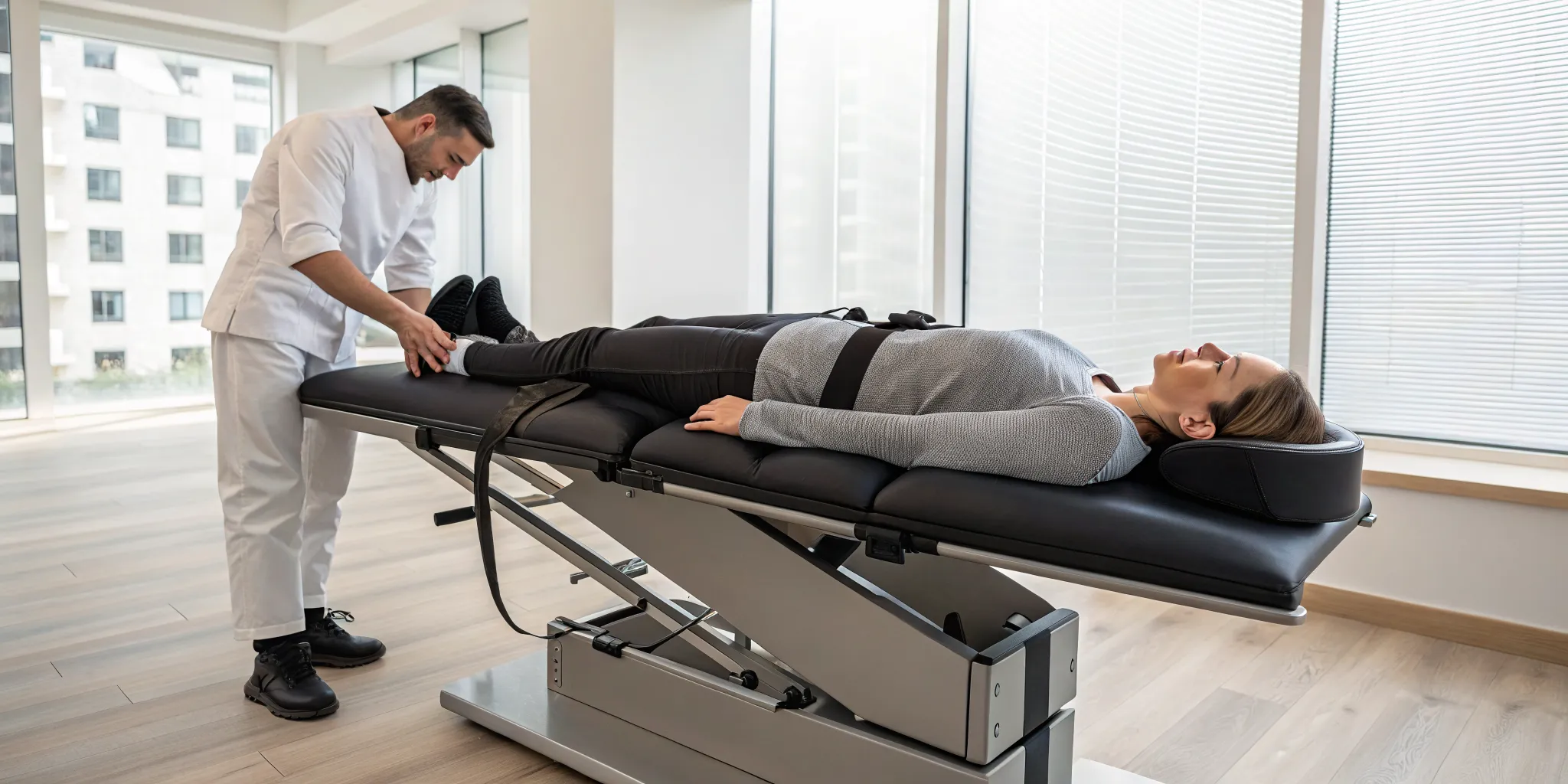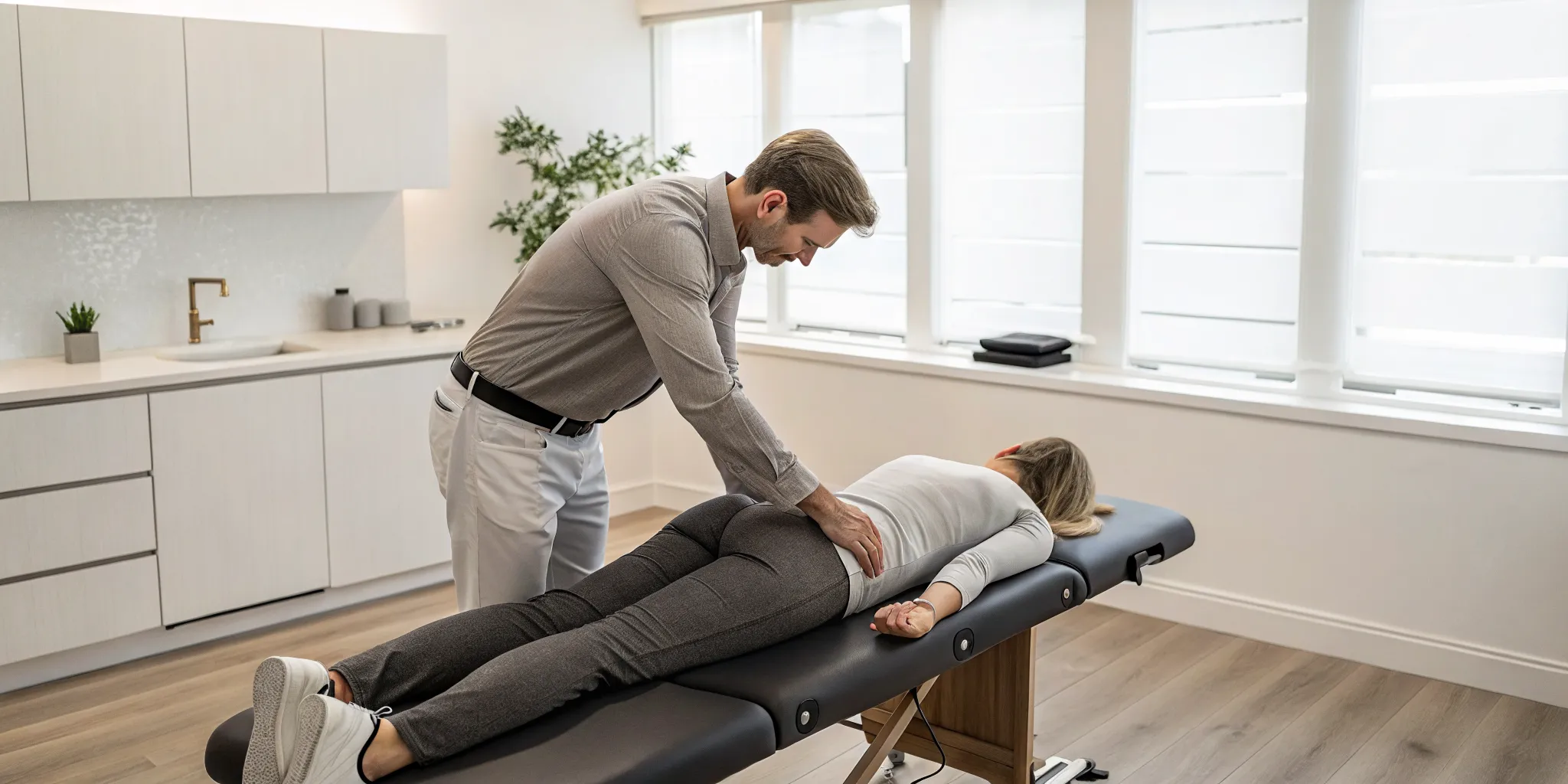
That persistent ache in your shoulder or the stubborn tightness in your hips might not be a muscle issue at all. Often, the real culprit is your fascia, the thin, strong connective tissue that encases your entire body like a web. When this tissue gets tight and restricted, it can pull on your muscles and joints, causing pain and limiting your movement. This is where the myofascial release vs massage debate becomes crucial. While a traditional massage works to relax your muscles, myofascial release is specifically designed to release these fascial restrictions, addressing the source of the problem for more lasting relief and improved mobility.
Key Takeaways
- Massage works on muscles; myofascial release works on fascia: A massage is your go-to for relaxing sore muscles and easing general tension. Myofascial release goes deeper, addressing the connective tissue (fascia) that can be the true source of chronic pain and stiffness.
- Choose massage for relaxation and myofascial release for resolution: Pick a traditional massage when your goal is to manage daily stress, unwind, and soothe tired muscles. Opt for myofascial release when you want to address the root cause of persistent pain, improve mobility, and create lasting structural change.
- The techniques are fundamentally different: A massage uses flowing, kneading strokes with oil to promote relaxation across broad areas. Myofascial release uses slow, sustained pressure on specific points without oil, allowing the practitioner to precisely target and release fascial restrictions.
Myofascial Release vs. Massage: What's the Difference?
If you’re dealing with muscle tightness or chronic pain, you’ve probably considered some form of bodywork. On the surface, myofascial release and traditional massage seem similar. Both involve a skilled practitioner using hands-on techniques to help you feel better. But that’s where the similarities end. They work in very different ways and for very different reasons. Think of it like this: a traditional massage is often focused on relaxing your muscles, which is wonderful for stress relief and temporary comfort. It’s the go-to for unwinding after a tough week.
Myofascial release, on the other hand, goes a layer deeper to address the root of the problem. This therapy focuses on your fascia, the web of connective tissue that wraps around your entire body. The goal isn't just relaxation; it's to release restrictions in this tissue that can be the underlying source of persistent pain and stiffness. Understanding the distinction between these two approaches is the first step in choosing the right therapy to help your body heal and function at its best. By looking at what each therapy targets, you can make a more informed decision for your specific health goals.
What Is Fascia and Why Does It Matter?
Imagine a thin, strong, spiderweb-like material that wraps around every single muscle, bone, nerve, and organ in your body, connecting them all. That’s your fascia. This connective tissue provides structure and support, allowing you to move while holding everything in place. When your fascia is healthy, it’s flexible and glides smoothly. But due to injury, inflammation, or even poor posture, it can become tight, sticky, and restricted. These restrictions can put immense pressure on your muscles and nerves, leading to pain and limited mobility. This is why addressing fascial health is a key component of our physical medicine services.
How Each Therapy Approaches Your Body
A traditional massage typically uses techniques like kneading, stroking, and gliding movements with oil or lotion. The primary focus is to relax your muscles, reduce general tension, and improve blood flow. It feels great and is an excellent tool for managing stress and soothing sore muscles. Myofascial release, however, is more targeted. A practitioner will use slow, sustained pressure on specific areas of fascial restriction, often without lotion. This gentle but firm pressure allows the fascia to soften and release, addressing the root cause of many types of chronic pain and postural imbalances, rather than just the muscular symptoms.
A Look at the Techniques: How They Feel Different
If you’ve ever had a massage, you probably have a good idea of what to expect: soothing music, warm oils, and long, flowing strokes. Myofascial release, on the other hand, feels quite different. While both are hands-on therapies designed to make you feel better, the way your practitioner uses their hands and the sensations you experience are distinct. Understanding these differences in technique is the first step in figuring out which approach is the right fit for your body and your goals. Let’s break down what each session actually feels like.
The Myofascial Release Method: Sustained Pressure
Imagine a therapist finding a specific tight spot and then applying slow, steady pressure directly to that area. That’s the essence of myofascial release. This technique is typically done on dry skin, without oils or lotions, so the practitioner can accurately feel the texture of your fascia and pinpoint restrictions. They will hold gentle, sustained pressure on a single point for several minutes at a time. It might feel intense at first, but as the fascia begins to unwind, you’ll notice the tissue softening and lengthening. This patient approach gives the connective tissue the time it needs to release, which is key for addressing long-standing tension and mobility issues.
The Traditional Massage Method: Kneading and Flow
A traditional massage is likely what comes to mind when you think of bodywork. It involves a variety of techniques, including rubbing, kneading, and gliding strokes, all designed to work on the muscles. Your therapist will use oil or lotion to allow their hands to move smoothly across your skin, covering broad areas like your back, shoulders, or legs. The rhythm is often more continuous and flowing compared to the static holds of myofascial release. The primary goal here is to ease general muscle soreness, improve circulation, and promote a deep sense of relaxation, making it a great choice for managing everyday stress or post-exercise aches.
Pressure and Movement: A Key Distinction
The most significant difference between these two therapies lies in the application of pressure and movement. Myofascial release is highly targeted; your practitioner zeroes in on specific areas of fascial restriction and applies sustained, static pressure to encourage a release. In contrast, massage therapy uses more dynamic, rhythmic movements that cover larger muscle groups to address overall tension. Think of it this way: myofascial release is about holding and waiting for the tissue to change, while massage is about moving and kneading the muscles into a more relaxed state. This targeted approach is why MFR is often a core component of a physical medicine plan for chronic pain.
What Can Each Therapy Do for You?
Deciding between myofascial release and massage comes down to your goals. Are you looking for long-term structural change or immediate relief from stress and muscle soreness? Both therapies are valuable, but they serve different purposes by working on your body in distinct ways. Understanding what each can accomplish will help you choose the right path for your body’s needs.
Myofascial Release for Lasting Mobility
If you’re dealing with chronic tightness, limited range of motion, or persistent pain that never seems to fully resolve, myofascial release offers a path toward lasting improvement. This therapy goes beyond the muscles to address the underlying fascial network. By applying sustained pressure to release these deep connective tissue restrictions, MFR helps restore proper movement patterns and alignment. It’s less about temporary relief and more about creating fundamental changes that allow your body to move with greater ease and freedom. This approach is a core part of our physical medicine services, designed to correct the root of your discomfort.
Traditional Massage for Immediate Relaxation
A traditional massage is your go-to for unwinding and soothing tired muscles. Using familiar techniques like kneading and gliding, a massage therapist works to ease general muscle tension caused by exercise, stress, or a long day hunched over a computer. The primary goal is relaxation and immediate comfort. It helps increase blood flow to sore areas and calm your nervous system, making it an excellent choice for managing daily stress or recovering from a tough workout. While you’ll certainly feel better walking out, the effects are generally focused on the muscles themselves rather than the deeper connective tissues.
How Each Approach Addresses Pain
Both therapies can help with pain, but they tackle it from different angles. Think of traditional massage as addressing the symptom; it soothes a sore muscle, providing direct relief to the area that hurts. Myofascial release, on the other hand, seeks to address the source. The pain you feel in your shoulder might actually stem from a fascial restriction in your chest or back. MFR works to identify and release that restriction, which in turn alleviates the strain on your shoulder. By focusing on the root cause, it helps resolve complex pain patterns for many of the conditions we treat and prevents the issue from returning.
Is Myofascial Release or Massage Right for Your Body?
Deciding between myofascial release and a traditional massage comes down to your personal health goals. Are you looking for immediate relaxation and relief from general muscle soreness, or are you trying to solve a deeper, more persistent issue with pain and mobility? Both therapies are valuable, but they serve different purposes. Understanding what you want to achieve is the first step in choosing the right path for your body. Let’s look at a few common scenarios to help you figure out which approach fits your needs best.
When to Choose Myofascial Release for Chronic Issues
If you're dealing with pain that just won't quit, stiffness that limits your movement, or a feeling of constant tightness, myofascial release is likely the better option. This therapy is designed to address the root of the problem, which often lies in the fascia, the web of connective tissue surrounding your muscles. Instead of just temporarily soothing sore muscles, MFR applies sustained, gentle pressure to release these deep restrictions. This can lead to lasting improvements in mobility and significant pain reduction for many of the conditions we treat, like recurring headaches or persistent back pain. It’s a targeted approach for anyone seeking a long-term solution.
When to Choose Massage for Stress and Wellness
Sometimes, what your body needs most is a chance to relax and reset. A traditional massage is perfect for this. If you’re feeling wound up from a stressful week at work, have general muscle tension from your daily routine, or your muscles are tired after a good workout, massage therapy can provide wonderful relief. The kneading and flowing strokes help release common muscle "knots" and encourage a sense of calm and well-being. While it may not resolve deep-seated fascial restrictions, it’s an excellent tool for managing stress and promoting overall wellness. It’s a key part of our physical medicine offerings for exactly this reason.
Supporting Athletic Performance and Recovery
For athletes and active individuals, the choice isn't always one or the other. In fact, combining both therapies can be a powerful strategy for maintaining your body and improving performance. Myofascial release is fantastic for addressing chronic mobility issues or stubborn trigger points that might be holding you back. By releasing fascial tightness, you can improve your range of motion and functional movement. A traditional massage, on the other hand, is ideal for post-event recovery, flushing out soreness, and promoting relaxation. Taking a holistic approach that incorporates both can help you recover faster, move better, and stay on top of your game.
What to Expect During Your Session
Walking into a treatment room for the first time can feel a little uncertain, especially if you're not sure what the session will involve. Understanding the process beforehand helps you relax and communicate more effectively with your practitioner. Both myofascial release and traditional massage are hands-on therapies, but the experience in the room, from the techniques used to the sensations you'll feel, is quite different. Knowing what's coming allows you to mentally prepare and be an active participant in your own healing.
For myofascial release, this might mean focusing on your breathing as the therapist applies sustained pressure to a tight area. For a massage, it might mean simply letting go and enjoying the relaxing strokes. We want you to feel comfortable and confident in the care you receive, which is a core part of our approach to physical medicine. Let’s walk through what a typical session for each therapy looks like, so you know exactly what to expect when you arrive for your appointment. This will help you better understand which approach aligns with your body's needs and your personal health goals. Whether you're seeking relief from chronic pain or a way to manage daily stress, the in-session experience is a key part of the therapy's effectiveness.
Your Myofascial Release Experience
When you come in for myofascial release, you’ll notice a few key differences from a typical massage. Your therapist won't use any oils or lotions. This is because they need to accurately feel the texture of your fascia and apply pressure without slipping. The technique involves applying gentle, sustained pressure to specific areas of tightness for several minutes at a time. You might feel a stretching or softening sensation as the connective tissue begins to release. The process is slow and intentional, allowing your body time to respond and let go of long-held restrictions. It’s a focused therapy designed to create structural change.
Your Traditional Massage Experience
A traditional massage session is likely what comes to mind when you think of bodywork. Your therapist will use oil or lotion to allow their hands to glide smoothly over your skin. The session will involve various strokes, like rubbing and kneading, to work on general muscle tension. This approach is fantastic for soothing sore muscles after a workout, easing the tightness that comes from a stressful week, or simply promoting a sense of peace and well-being. The focus is on broad muscle relaxation and improving circulation, making the experience feel calming and restorative from start to finish.
How You'll Feel Afterward
After a myofascial release session, many people report feeling an immediate sense of openness and improved movement. Because the therapy targets the root of fascial restrictions, you may notice a lasting reduction in pain and an increase in your range of motion. In contrast, a traditional massage typically leaves you feeling deeply relaxed and peaceful. While this feeling is wonderful for stress relief, the effects on muscle tension are often more temporary. The goal of MFR is to create lasting change in your body's structure, helping you move better and feel better long after you leave the table, which is essential for many of the conditions we treat.
Finding Your Best Fit: Who Benefits Most?
Deciding between these two powerful therapies really comes down to your specific goals and what your body is telling you. While both can be incredibly beneficial, they serve different primary purposes. Understanding your own needs is the first step toward choosing the right path for your body. Let's look at who is an ideal candidate for each type of manual therapy.
Who Is a Good Candidate for Myofascial Release?
Myofascial release is often the right choice if you're dealing with chronic pain, stiffness, or a feeling of restricted movement that just won’t go away. This therapy is designed to create lasting structural changes by applying sustained pressure to the fascia, the connective tissue web that surrounds your muscles and bones. If you feel like you’ve been fighting the same battle with tightness for months or even years, MFR can be a game-changer. It’s particularly effective for those with ongoing issues like persistent back pain, headaches, or limited mobility from old injuries, as it targets the underlying restrictions rather than just the surface-level muscle soreness.
Who Is a Good Candidate for Traditional Massage?
A traditional massage is likely your best bet when you need relief from general muscle tension, soreness, and stress. Think of it as a reset button for your body after a tough workout, a long week hunched over a desk, or a period of poor sleep. Massage focuses on kneading and gliding strokes to relax muscles, improve circulation, and calm your nervous system. It’s perfect for managing the physical effects of daily life and promoting overall wellness. If your main goal is to feel more relaxed, soothe tired muscles, and walk out feeling immediately looser and less stressed, a traditional massage is an excellent option.
How Your Health History Shapes Your Choice
Your personal health journey plays a huge role in this decision. If you have a history of chronic pain and have tried other treatments that only provided temporary relief, it might be time to consider myofascial release. Many conventional approaches can focus on symptoms without addressing the root causes of your discomfort. Myofascial release goes deeper to address the fascial restrictions that could be the source of the problem. On the other hand, if your history is more about acute soreness or stress-related tension, a massage can provide the perfect amount of relief and relaxation to get you back on track.
Clearing Up Common Myths
When it comes to bodywork, a few misconceptions can get in the way of finding the right care. Let's clear the air on some common myths about myofascial release so you can make an informed choice for your health.
Myth: Myofascial Release Is Just a Deep Massage
It’s easy to confuse myofascial release with a deep tissue massage, but they work on your body in fundamentally different ways. While a massage therapist primarily kneads and strokes muscles for relaxation and temporary relief, a myofascial release practitioner focuses on the fascia, your body’s web-like connective tissue. The goal isn’t just to relax you; it’s to address deeper restrictions that can limit mobility and cause chronic discomfort. Think of it this way: massage helps the muscles, while myofascial release helps the system that holds your muscles in place. This targeted approach is a key part of our physical medicine services, aimed at creating lasting change.
Myth: It Has to Hurt to Work
The old saying "no pain, no gain" doesn’t apply here. Myofascial release shouldn't be a painful ordeal. Instead of aggressive force, your practitioner will apply steady, sustained pressure to a specific area for several minutes. This gentle but firm pressure gives the tight fascia time to soften, lengthen, and release on its own. You might feel a sensation of tenderness or deep stretching, but it should always feel productive, not harmful. Open communication with your provider is essential to stay within your comfort zone. Our entire approach to health is built on a partnership between you and your practitioner, ensuring your session is both effective and comfortable.
Why Your Practitioner's Training Matters
Because myofascial release is a specialized technique, the person performing it matters immensely. A trained practitioner knows how to feel for fascial restrictions and apply precise, sustained pressure to release them, something that isn't typically covered in standard massage training. They can pinpoint the exact source of your discomfort rather than just addressing a general area of tightness. This expertise allows them to effectively treat the root cause of many chronic issues. When you work with a provider who has advanced training, you’re getting a targeted therapy designed to resolve the specific conditions that are holding you back, not just a temporary fix.
How to Choose the Right Therapy for You
Deciding between myofascial release and massage comes down to understanding your body’s needs and your personal wellness goals. One isn't better than the other; they just serve different purposes. Think of it like choosing a workout. Some days you need a restorative yoga class, and other days you need a high-intensity session to build strength. By looking closely at your symptoms, your schedule, and what you hope to achieve, you can make an informed choice that truly supports your health journey.
Assess Your Goals and Symptoms
First, take a moment to check in with your body. Are you looking for a way to unwind and soothe general muscle tightness after a stressful week? Or are you dealing with persistent pain, stiffness, or limited mobility that just won’t go away? If your goal is relaxation and temporary relief from everyday tension, a traditional massage is a wonderful option. However, if you're experiencing more stubborn issues, myofascial release may be the better path. This technique applies sustained pressure to your fascia, the connective tissue surrounding your muscles and bones, to address the root cause of many chronic conditions and create lasting change.
Consider Your Time and Commitment
Your availability and what you're willing to invest in your care also play a role. A massage session typically lasts between 30 and 60 minutes and leaves you feeling peaceful and relaxed right away. It’s a fantastic way to practice self-care. Myofascial release, on the other hand, is more of a therapeutic process. The sessions involve holding pressure on specific points for longer periods to allow the fascia to release. This approach often requires a series of treatments to fully resolve underlying restrictions. It’s less about immediate bliss and more about a commitment to restoring your body’s long-term function and mobility through dedicated physical medicine.
Key Questions to Ask Your Provider
The best way to find clarity is to have an open conversation with a qualified practitioner. They can assess your specific situation and recommend the most effective treatment. Don't hesitate to ask questions that help you understand the process. You might ask, "Based on the pain I'm describing, which therapy do you believe will offer more lasting results?" or "What would a typical treatment plan look like for me?" A knowledgeable provider will listen to your history and goals to help you make the right choice. If you're dealing with persistent pain that hasn't improved with rest, it's a good idea to talk with one of our specialists to see if myofascial release is right for you.
Our Integrated Approach at Ascend Functional Health
At Ascend Functional Health, we don’t see the choice between myofascial release and massage as a simple "either or" decision. Instead, we view these therapies as powerful tools in a much larger toolkit designed just for you. Your body’s story is unique, and understanding the root cause of your pain or discomfort is our primary goal. We believe true healing happens when we look at the complete picture, which is why our approach integrates targeted manual therapies with a deep dive into your overall health.
Your Personalized Assessment and Plan
Your journey with us begins with a thorough assessment. We listen to your health history, discuss your goals, and perform a detailed evaluation to understand what’s really going on beneath the surface. This allows us to create a personalized plan that addresses your specific needs. For some, that might mean focusing on myofascial release to address chronic tension in connective tissues. For others, a combination of therapies might provide the best results. Our goal is to offer comprehensive health solutions that move you toward lasting wellness, not just temporary relief.
Blending Manual Therapies with Our Healing Pillars
Manual therapies like massage and myofascial release are a key part of our Physical Medicine pillar, but they rarely stand alone. We integrate these hands-on treatments with our three pillars of healing to address your health from every angle. For example, chronic inflammation, which we can explore through Functional Medicine, can contribute to fascial restrictions. By combining targeted bodywork with nutritional and lifestyle support, we can help your body heal more effectively. This integrated method ensures we’re not just treating symptoms, but supporting your body’s innate ability to repair and thrive for the long term.
Related Articles
Frequently Asked Questions
I have chronic back pain. Should I get a massage or myofascial release? For a persistent issue like chronic back pain, myofascial release is often the more effective starting point. A traditional massage can provide wonderful, temporary relief by relaxing the sore muscles in your back. However, myofascial release is designed to address the underlying fascial restrictions that could be the root cause of your long-term pain, offering a better chance at lasting improvement.
Is myofascial release painful? I've heard it can be intense. Myofascial release should not be painful in a way that makes you tense up. While the practitioner applies firm, sustained pressure, it is done slowly and gently to encourage the tissue to release. You might feel a deep stretching sensation or some tenderness in tight areas, but it should always feel productive. Good communication with your therapist is key to ensure the pressure stays within your comfort zone.
How is this different from a deep tissue massage? This is a great question because they can feel similar, but their goals are very different. A deep tissue massage uses strong, forceful pressure to work out knots deep within the muscle tissue. Myofascial release, in contrast, uses less force and more sustained pressure to target the fascia, the connective tissue system. It's less about forcing a muscle to relax and more about allowing the entire fascial web to unwind and rehydrate.
Can I get both types of therapy? Absolutely, and many people find that combining them is a great strategy. You might use myofascial release as part of a focused treatment plan to resolve a specific mobility issue or chronic pain pattern. Then, you could incorporate traditional massage on other weeks for general relaxation, stress management, and to soothe tired muscles. They serve different purposes but can work together beautifully.
How will I feel the day after a session? After a traditional massage, you will likely feel very relaxed, calm, and maybe a little sleepy. The primary sensation is one of ease. After a myofascial release session, the feeling can be quite different. Some people feel a little sore, as if they've had a workout, while others report an immediate sense of lightness, openness, and improved mobility. Your body is adjusting to a new alignment, so the after-effects are often more about structural change than simple relaxation.