The number on the scale only tells a fraction of your health story. True wellness is about understanding your body’s composition: the ratio of bone, muscle, and fat. A DEXA scan provides this detailed map, making it one of the most valuable tools for anyone serious about their health and fitness. It moves beyond simple weight to show you what’s really going on inside. This data is essential for creating a truly effective nutrition and exercise plan tailored to your unique body. A dexa scan appointment gives you the precise insights needed to stop guessing and start building a stronger, healthier you from the foundation up.
Key Takeaways
- Get a clear picture of your bone strength: A DEXA scan is a simple, low-dose X-ray that measures your bone density, helping you understand your risk for osteoporosis and fractures long before they happen.
- Preparing for your scan is straightforward: The appointment is quick and painless, typically lasting under 30 minutes; all you need to do is wear comfortable, metal-free clothing and lie still during the scan.
- Use your results to create an action plan: Your T-score provides the data needed to work with your provider on a personalized strategy, which often includes targeted nutrition and weight-bearing exercises to protect your bones.
What Is a DEXA Scan and Why Might You Need One?
Thinking about your bone health might not be at the top of your to-do list, but it’s a crucial piece of your long-term wellness puzzle. As we age, our bones can lose density, making them more fragile and susceptible to fractures. The tricky part is that this process often happens silently, with no obvious symptoms until a bone breaks. That’s where proactive testing comes in, and one of the best tools we have for this is the DEXA scan.
A DEXA scan gives you a clear picture of what’s happening inside your bones. It’s a simple, non-invasive way to measure your bone mineral density and assess your risk for osteoporosis, a condition that causes bones to become weak and brittle. Understanding your bone health allows you to take control, making informed decisions about your diet, exercise, and overall wellness plan. At Ascend, we believe in getting to the root cause of health issues, and a DEXA scan provides the data we need to create a personalized Functional Medicine plan that supports your body from the inside out.
What is bone density testing?
So, what exactly is a DEXA scan? Think of it as a specialized, low-dose X-ray. The full name is Dual-Energy X-ray Absorptiometry, but everyone just calls it DEXA (pronounced “dex-uh”). The scan measures the amount of calcium and other minerals packed into your bones. This measurement tells your doctor how strong and dense your bones are.
The primary goal is to find bone loss early. Catching it before it becomes a major problem gives you the power to act. This information is vital for preventing or managing osteoporosis and is a key part of any comprehensive Longevity Medicine strategy. It’s a quick, painless test that provides invaluable insight into your skeletal health.
Who should consider a DEXA scan?
You might be wondering if a DEXA scan is right for you. Generally, it’s recommended for women aged 65 and older and men aged 70 and older. However, age isn’t the only factor. Post-menopausal women under 65 should also consider a scan if they have risk factors like a family history of osteoporosis, a smoking habit, or long-term use of certain medications.
Other signs might also point to a need for a bone density test. For example, your doctor might suggest one if you’ve lost more than an inch and a half in height or if you’ve broken a bone from a minor fall or incident. If you have any of these risk factors, it’s a good idea to contact us to discuss whether a DEXA scan is the right next step for you.
Are DEXA scans safe?
It’s completely normal to have questions about the safety of any medical procedure, especially one that involves X-rays. The good news is that DEXA scans are incredibly safe. They use a very low dose of radiation, significantly less than what you’d be exposed to during a standard chest X-ray.
The minimal risk associated with the scan is far outweighed by the benefit of detecting bone loss early. Finding out your bone density status can help you prevent painful fractures and maintain your mobility and independence for years to come. Our team is always focused on your well-being, and you can learn more about our patient-first philosophy on our About page. We’re here to make sure you feel comfortable and confident in your healthcare choices.
How to Prepare for Your DEXA Scan
Getting ready for your DEXA scan is simple, but a little preparation can make your appointment go smoothly. Knowing what to expect helps you feel more comfortable and ensures we get the clearest, most accurate results possible. Think of these steps as setting the stage for a successful scan, giving you and your provider the best information to work with. From choosing the right outfit to knowing which questions to ask, these tips will have you fully prepared for your visit.
What to wear (and what to leave at home)
Your outfit for a DEXA scan is all about comfort and simplicity. The best choice is loose-fitting clothing without any metal. Think yoga pants, sweatpants, or comfortable shorts paired with a simple t-shirt. Metal from zippers, buttons, snaps, and even underwire bras can interfere with the imaging, so it’s best to leave those items at home or be prepared to change into a gown. You’ll also want to remove any jewelry, watches, or belts before the scan begins. The goal is to have a clear, unobstructed view for the scanner, and your clothing plays a big part in that.
Talking to your provider about medications
It’s important to have a quick chat with your provider about any medications or supplements you’re taking. Certain medications, like steroids, can impact bone density over time, which might be one of the reasons you’re getting the scan in the first place. You should also mention if you take calcium supplements, as you may be asked to stop taking them for 24 hours before your appointment. This conversation is a key part of our functional medicine approach, ensuring we have a complete picture of your health and can interpret your scan results accurately.
When is the best time to schedule?
Scheduling your DEXA scan is easy, but there are a couple of timing considerations. If you’ve recently had another imaging procedure that required a contrast agent (like a barium study or a CT scan with contrast), you’ll need to wait about a week before your DEXA scan. The contrast material can interfere with the accuracy of the bone density reading. Otherwise, you can schedule your appointment for any time that works for you. The scan itself is quick, so it’s easy to fit into a busy day. Ready to book? You can contact our office to find a time that’s convenient for you.
Feeling nervous? Here’s how to prepare
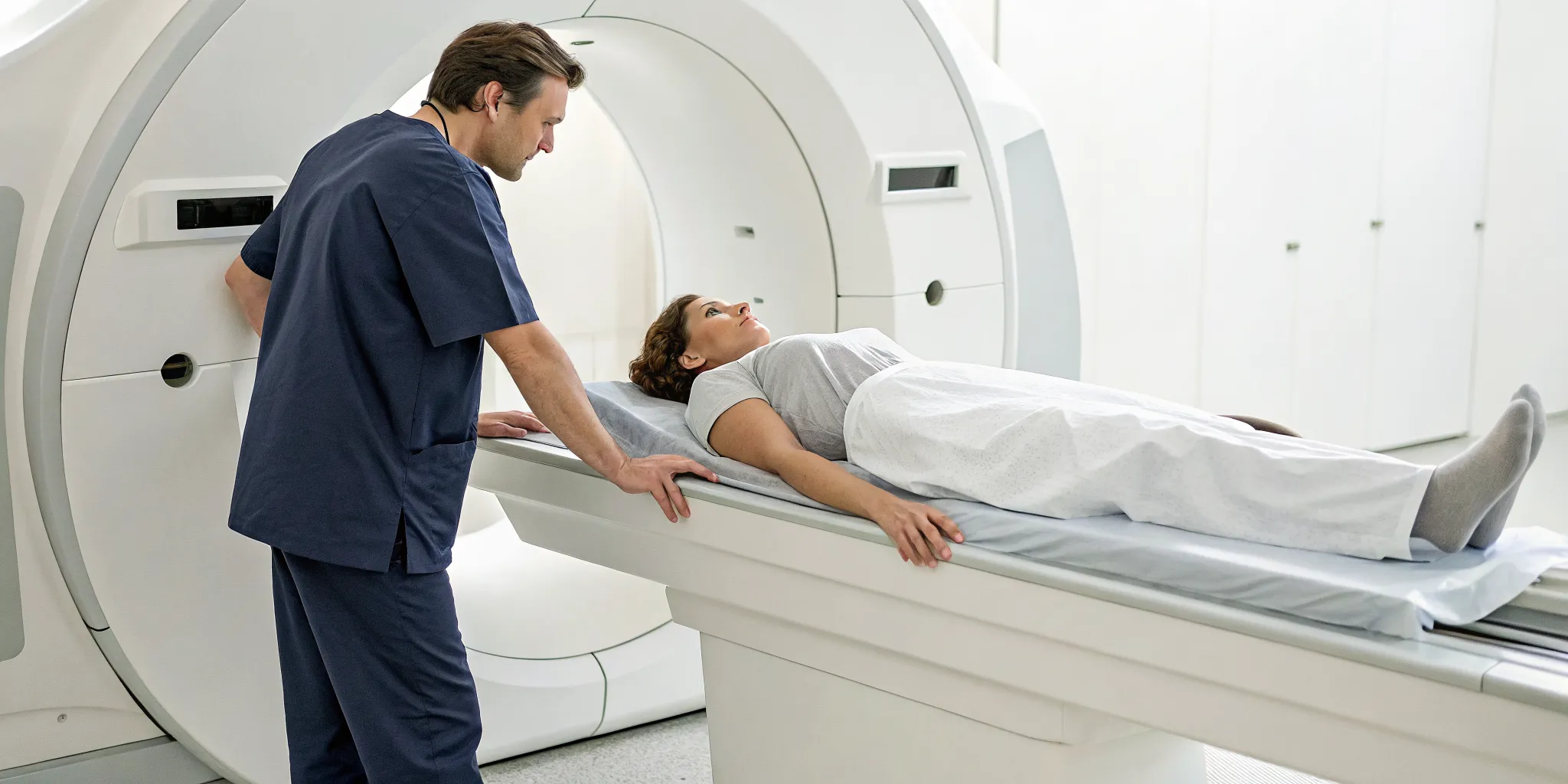
It’s completely normal to feel a little anxious before any medical test, but you can rest assured that a DEXA scan is a painless and straightforward process. During the scan, you’ll simply lie down on a comfortable, padded table while a scanner arm passes over your body. You won’t feel a thing. The main thing you’ll need to do is stay still to ensure the images are clear. If you’re feeling nervous, try a few slow, deep breaths before your appointment. Remind yourself that this is a quick, non-invasive step toward getting valuable information about your health.
What to Expect During Your DEXA Scan
Knowing what happens during a DEXA scan can make the entire experience feel much more comfortable. The good news is that the process is quick, painless, and straightforward. From the moment you walk in, our team is there to guide you. Here’s a closer look at what you can expect during your appointment.
A step-by-step look at the scanning process
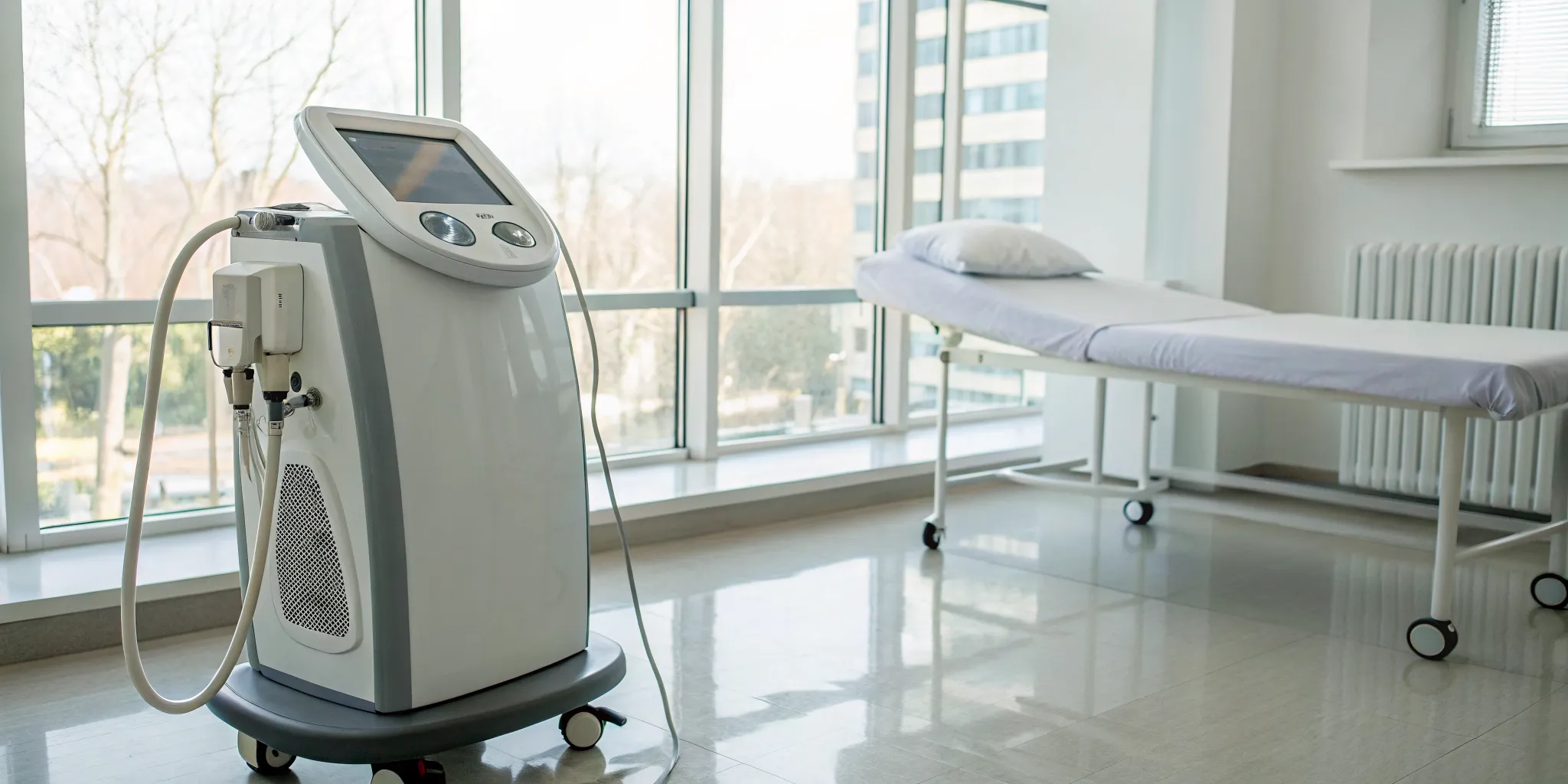
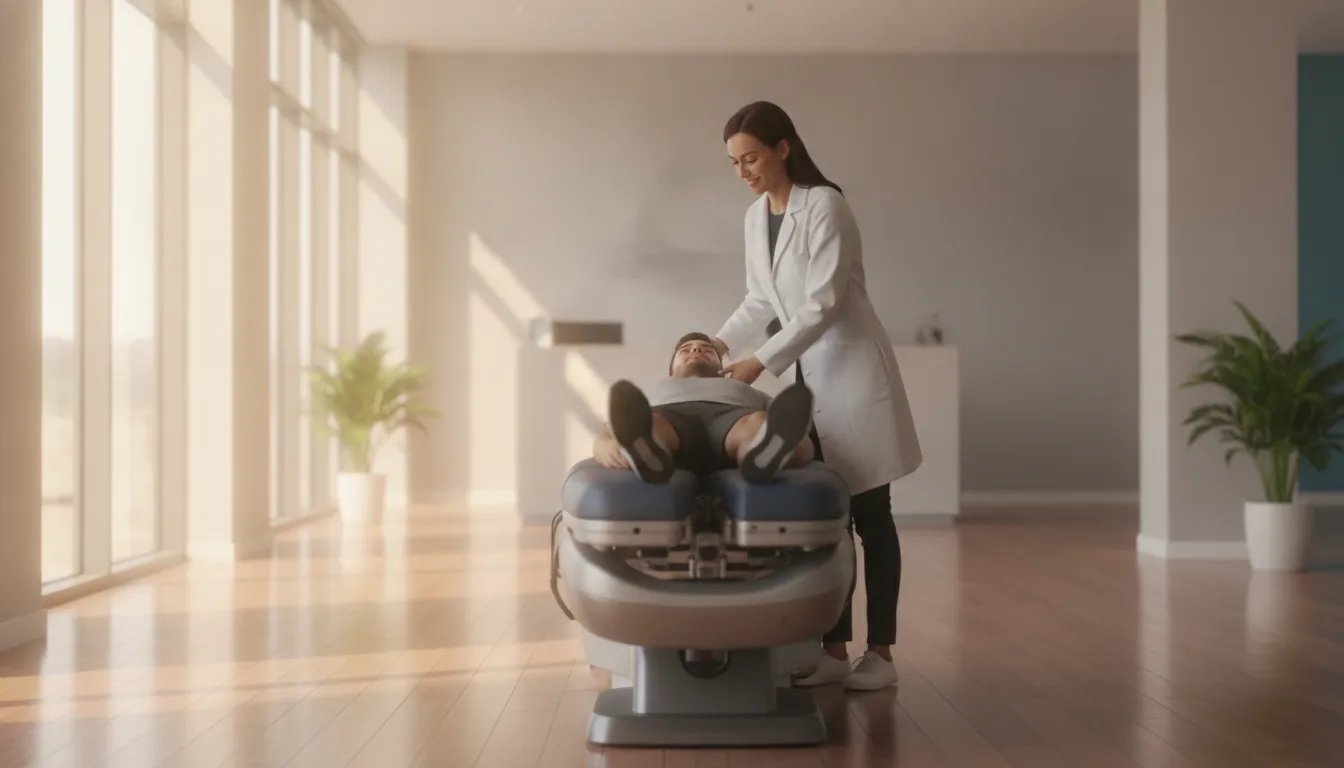
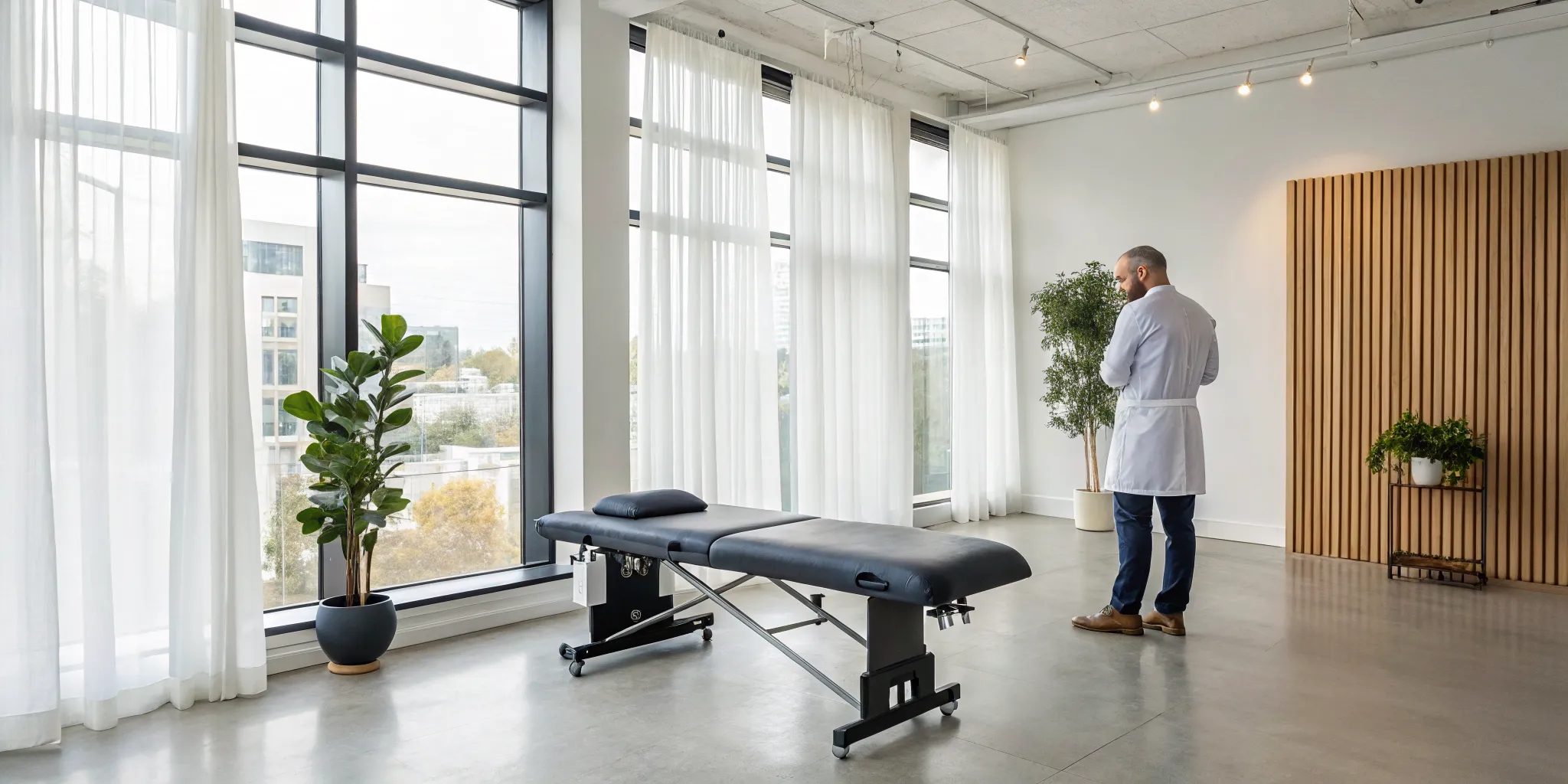
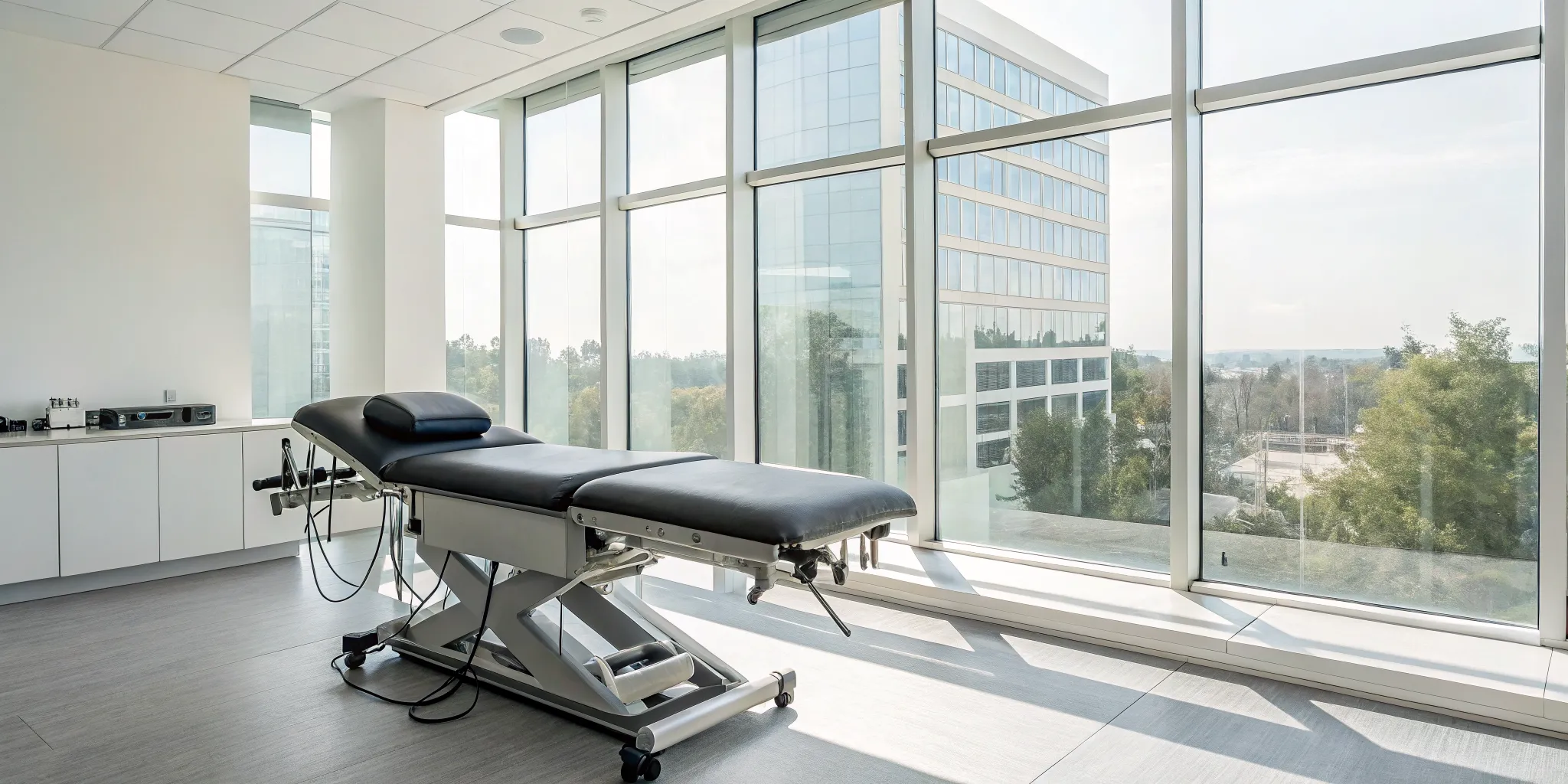
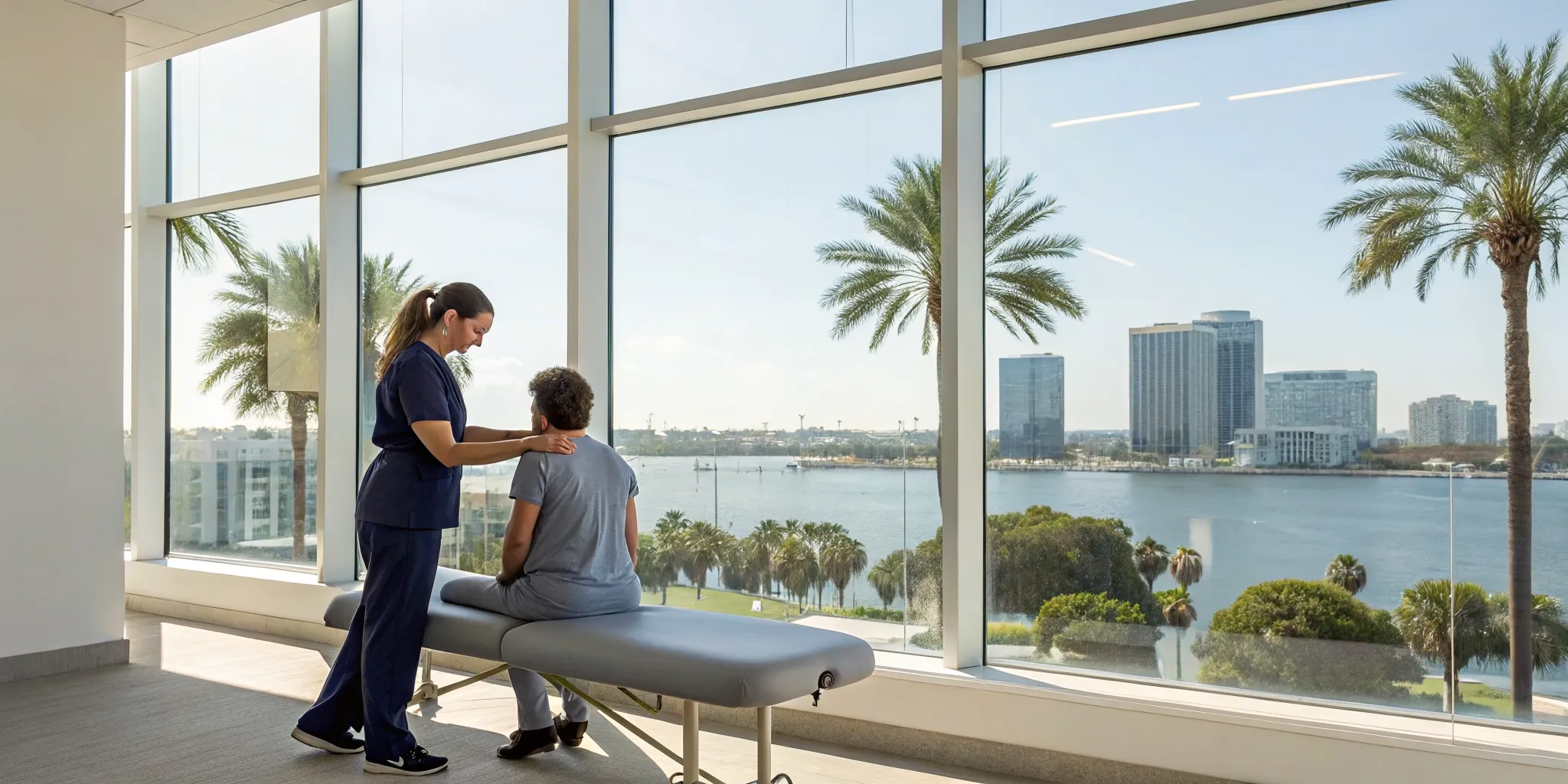
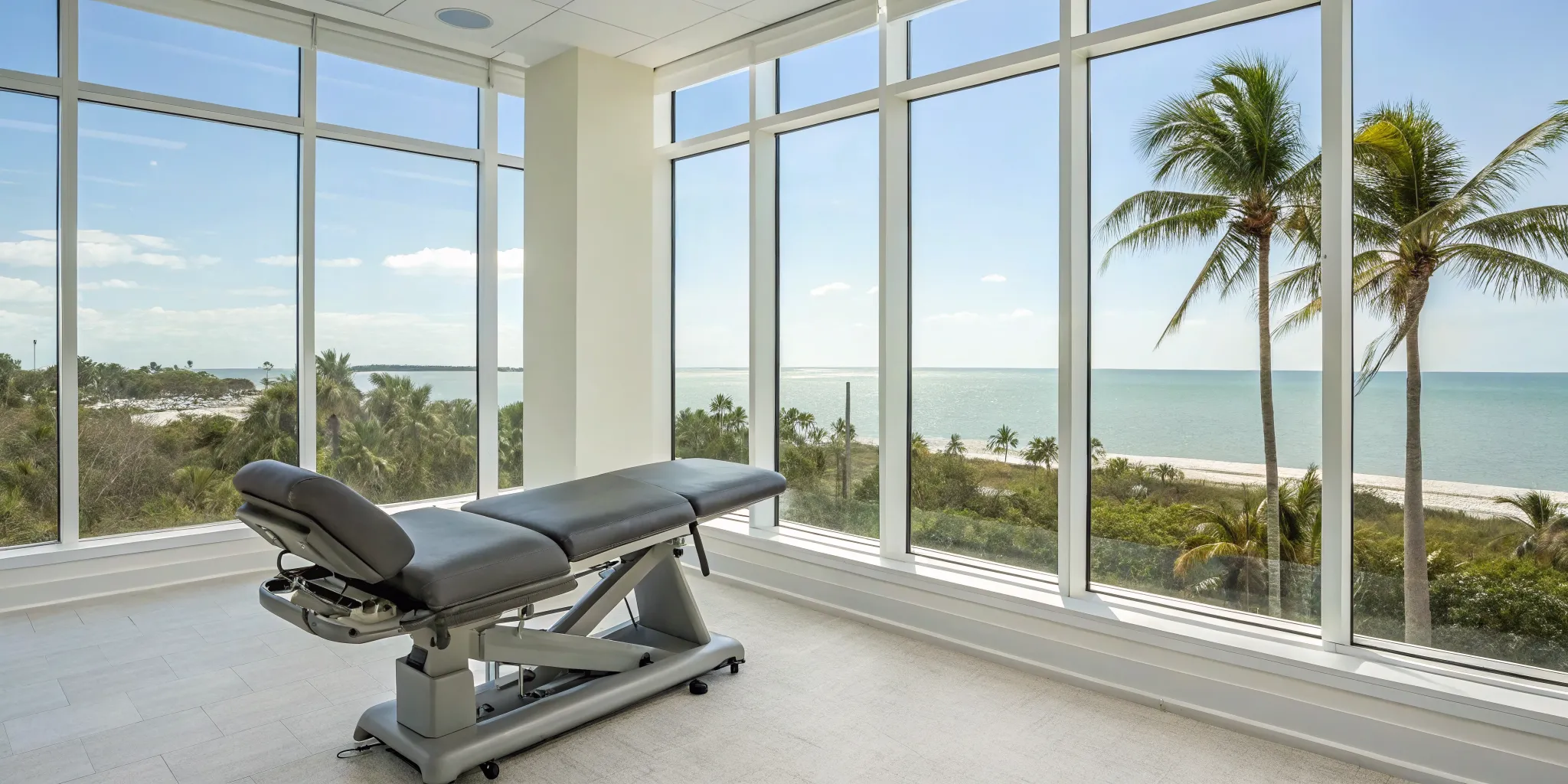
A DEXA scan is a simple and non-invasive imaging test. You’ll be asked to lie down on your back on a padded, open X-ray table. Once you’re comfortable, a scanning arm will slowly pass over your body to capture images of your bones, typically in the hip and spine. The machine never touches you, and the whole procedure is completely painless. It uses very low-dose X-rays to measure your bone mineral density, giving us a clear picture of your bone health. This information is a key part of our physical medicine approach to understanding your body’s needs.
How long will the scan take?
You can expect the scan itself to be quite fast, usually taking between 15 and 30 minutes to complete. While the actual scanning time is short, it’s a good idea to plan for a slightly longer appointment. This allows time for you to change into a gown if needed, get positioned correctly on the table, and ask the technician any questions you might have before you begin. We know your time is valuable, so we work to make the process as efficient as possible without rushing you.
The technician’s role in your scan
Your scan will be performed by a trained radiographer or technician who specializes in this type of imaging. Their job is to make sure you are safe and comfortable throughout the entire process. They will guide you onto the table and help you find the correct position to ensure the clearest possible images. The technician will operate the DEXA machine from an adjacent room but will be able to see and speak with you the whole time. Think of them as your guide for the appointment; they are there to answer your questions and make the experience a smooth one.
Tips for staying still and comfortable
The most important thing you need to do during a DEXA scan is to lie as still as possible. This helps the machine capture a sharp, accurate image of your bone density. The table is padded, but if you’re feeling a bit anxious, try taking a few slow, deep breaths to help your body relax before the scan begins. Finding a single spot on the ceiling to focus on can also help you stay still. Remember, the scan is short, and your technician will let you know as soon as it’s over. If you have any concerns, don't hesitate to contact our team ahead of your appointment.
Understanding Your DEXA Scan Results
Once your scan is complete, the next step is interpreting the results. This report is a key piece of information about your bone health, but the numbers and terms can feel a little confusing at first. Don’t worry, we’ll walk through what to expect and how to make sense of it all. Your results are not just a diagnosis; they are a starting point for a conversation and a plan to support your long-term health and strength.
When to expect your results
After your appointment, the radiologist will review your images and prepare a report. This report is typically sent to your referring doctor within a few days to a week. Your doctor will then contact you to discuss the findings. It’s a good idea to schedule a follow-up appointment so you have dedicated time to go over the numbers and ask questions. If you have any concerns or haven’t heard back within the expected timeframe, you can always reach out to your provider’s office for an update.
Making sense of T-scores and Z-scores
Your DEXA report will feature two main scores: a T-score and a Z-score. The T-score is the most important number for assessing your risk of fracture. It compares your bone density to that of a healthy 30-year-old of the same sex.
Here’s a simple breakdown of what the T-score means:
- -1.0 or higher: Your bone density is considered normal.
- Between -1.0 and -2.5: This indicates low bone mass, sometimes called osteopenia.
- -2.5 or lower: This score suggests you have osteoporosis.
The Z-score compares your bone density to other people of your same age, sex, and ethnicity. While helpful, the T-score is the primary number used to diagnose osteoporosis in postmenopausal women and men over 50.
What are the next steps?
Receiving a score in the osteopenia or osteoporosis range can feel unsettling, but it’s important to see it as an opportunity to take action. If your results show significant bone loss, your provider will likely recommend a treatment plan. This isn’t just about managing a number; it’s about reducing your risk of fractures and improving your quality of life. Your next steps will involve a comprehensive look at your health, from nutrition to lifestyle. This is where functional medicine can be incredibly valuable, as it focuses on identifying the root causes of bone loss and creating a personalized strategy for you.
Follow-up care and lifestyle changes
A DEXA scan report is just one tool in your health toolkit. While medication may be part of the plan, a truly effective approach goes much further. True bone health is built on a foundation of supportive lifestyle habits. This includes eating a nutrient-dense diet rich in calcium and vitamin D, and just as importantly, incorporating weight-bearing exercise. Activities like walking, jogging, and strength training help stimulate your bones to become stronger and denser. Our physical medicine services can help you build a safe and effective movement practice that improves your strength, balance, and bone density.
How to process your results
It’s completely normal to feel a mix of emotions when you get your results. Give yourself time to process the information. Remember that improving bone density is a gradual process, not an overnight fix. Try not to get discouraged if follow-up scans don’t show dramatic changes right away. The goal is to stabilize your bone density and prevent future loss. Focus on the positive steps you’re taking and celebrate the small wins along the way. Having a supportive health care team you trust can make all the difference, providing guidance and encouragement as you work toward your health goals.
Finding a Provider and Managing Costs
Once you’ve decided a DEXA scan is right for you, the next step is handling the logistics. Finding the right provider and understanding the costs involved can feel like a big task, but it doesn't have to be. With a little preparation, you can find a great clinic in the Tampa area and get a clear picture of your investment. Let’s walk through how to find a provider, what to ask before you schedule your appointment, and how to manage the costs, so you can feel confident and prepared.
How to find a DEXA scan provider in Tampa
Your search for a DEXA scan provider in Tampa should start with an accredited clinic. Ask your doctor for a referral or search online for local imaging centers with experienced technicians. Choosing the right facility ensures your scan is performed correctly and the results are accurate. At Ascend Functional Health, we integrate advanced diagnostics like DEXA scans into our patient care plans. You can contact our team to learn how we use this technology to get a complete picture of your health.
Key questions to ask before you book
Before scheduling your scan, it’s smart to have a few questions ready to ensure the provider is a good fit. Be sure to ask about the total cost, who will interpret the results, and what you need to do to prepare. It's also crucial to let the provider know if you are or might be pregnant. Your safety is the top priority, and they need this information to proceed with the scan.
DEXA scan costs and insurance coverage
A DEXA scan typically costs between $150 and $400. Insurance coverage often depends on why you're getting the scan. It’s more likely to be covered if a doctor orders it to screen for a medical condition like osteoporosis. For general wellness, it may be an out-of-pocket expense. Always call your insurance company first to verify your health plan benefits and coverage.
Using your HSA/FSA and other payment options
You can manage the cost of a DEXA scan by using a Health Savings Account (HSA) or Flexible Spending Account (FSA). Using pre-tax money from these accounts can significantly lower your out-of-pocket expense. If you have one of these accounts, check your balance and confirm how to use the funds for medical services. Don’t hesitate to ask clinics about payment plans as well.
The Ascend Functional Health approach
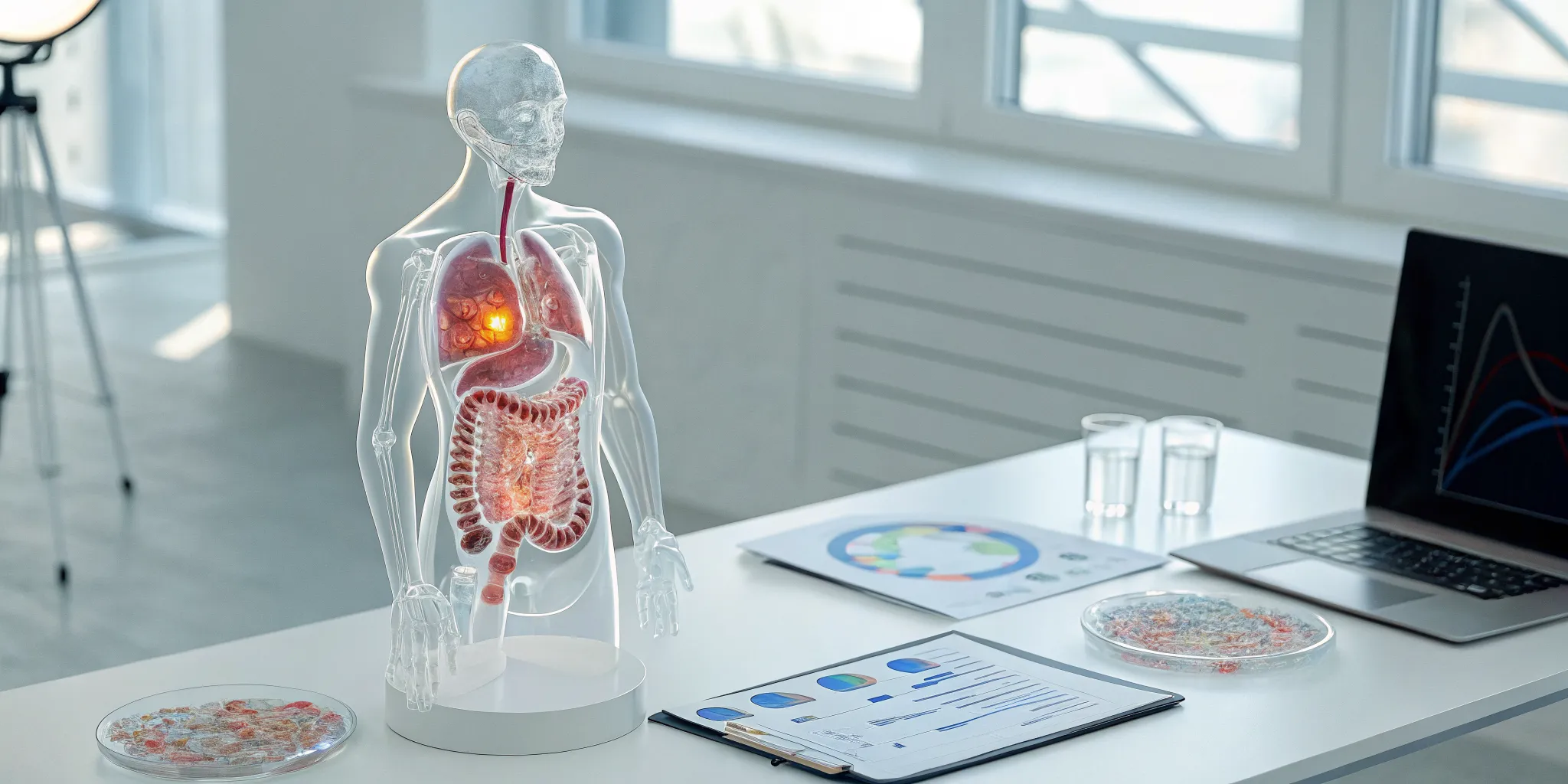
At Ascend Functional Health, a DEXA scan is more than just a test. It’s a tool that gives us a detailed map of your body composition, including fat, muscle, and bone density. This information allows us to create truly personalized functional medicine protocols. By understanding your unique makeup, we can better address the root causes of your health concerns and build a tailored plan that helps you reach your goals.
Related Articles
- Functional Medicine in Tampa | Root Cause Care | Ascend Functional Health
- At Home Lab Tests | Alessi Functional Health
- Comprehensive Blood Work | Alessi Functional Health
- Chiropractic, Functional & Regenerative Medicine in Tampa | Ascend Functional Health
- Longevity Medicine in Tampa | Joint & Recovery Care | Ascend
Frequently Asked Questions
How is a DEXA scan different from a regular X-ray? While both use X-ray technology, they serve very different purposes. A standard X-ray is designed to find things like fractures or joint issues by creating a picture of your bones. A DEXA scan, however, uses two distinct, low-energy beams to measure the mineral content inside your bones. This gives us a precise density score rather than just a structural image, which is essential for assessing your risk for osteoporosis.
If my results show bone loss, can I reverse it? This is a great question, and the answer is encouraging. While it can be difficult to completely reverse significant bone loss, you can absolutely take powerful steps to stop it from progressing and even rebuild some density. A proactive plan that includes specific nutrition, weight-bearing exercise, and other lifestyle adjustments can significantly strengthen your bones over time. The goal is to stabilize your bone health and reduce your future fracture risk.
How often will I need to get a DEXA scan? The frequency of your scans really depends on your initial results and personal risk factors. If your bone density is in the normal range, your doctor might suggest a follow-up scan in several years. However, if your results show osteopenia or osteoporosis, you may be asked to come back in one to two years to monitor your progress and see how well your treatment plan is working.
Can a DEXA scan tell me anything besides my bone density? Yes, it can. While its primary function is to assess bone health, many modern DEXA scanners can also provide a detailed analysis of your body composition. This includes measuring your lean muscle mass and body fat percentage, and even showing how they are distributed throughout your body. This extra information gives us a more complete picture of your overall health, which is incredibly useful for creating a truly personalized wellness plan.
Do I need a doctor's referral to schedule a DEXA scan? In most cases, having a referral from your doctor is the best way to go. A referral confirms that the scan is medically necessary, which is often required for insurance to cover the cost. More importantly, it ensures that you have a dedicated provider who will receive the report, interpret the findings with you, and help you create a clear plan based on your results.