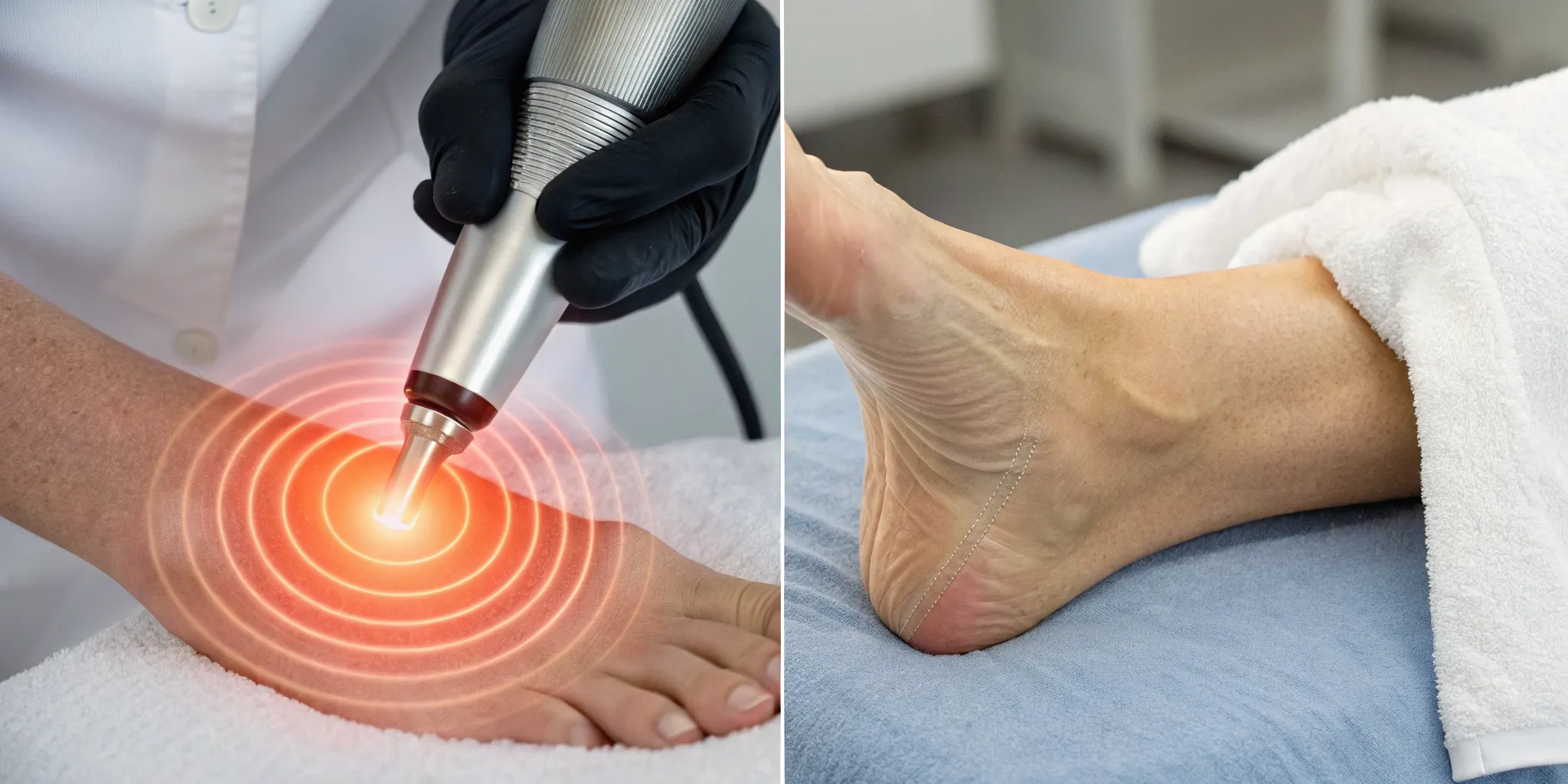
Treating pain can sometimes feel like a game of whack-a-mole. You address the ache in your shoulder, only for a new one to pop up in your neck. This often happens when you only treat the symptoms instead of the underlying cause. At Ascend Functional Health, our goal is to find the source of the problem, which is why we often turn to myofascial release. This therapy addresses the body's interconnected web of fascia, which can hold tension and create problems throughout your system. But is myofascial release legitimate as a way to treat the root cause of pain? We'll explain how this gentle, hands-on technique can create lasting change by restoring balance to your entire body.
Key Takeaways
- Focus on the fascia, not just the muscles: Myofascial release uses gentle, sustained pressure to release tightness in your fascia, the connective tissue surrounding your muscles. This targeted approach helps restore movement and relieve pain at its source, unlike a typical deep tissue massage.
- Find relief from chronic pain and stiffness: This therapy is effective for conditions like low back pain, fibromyalgia, and general tension. By releasing fascial restrictions, it can improve your flexibility, expand your range of motion, and ease the physical symptoms of stress.
- Combine professional care with at-home maintenance: While foam rollers can help with daily tightness, a trained therapist is necessary to identify and treat the root cause of chronic pain. Lasting relief comes from a consistent, professional plan that addresses your body's unique patterns of restriction.
What Is Myofascial Release Therapy?
If you've ever felt a persistent tightness or a nagging ache that a simple stretch can't seem to fix, you might be dealing with an issue in your fascia. Myofascial Release (MFR) is a hands-on therapy designed to address this. Think of it as a specialized form of physical therapy that applies gentle, sustained pressure to the tight spots in your muscles and the connective tissues that surround them. The main goal is to release that built-up tension, which can reduce pain and restore your body's natural ability to move freely and comfortably.
This therapy is a core part of our physical medicine services because it directly targets the structural issues that cause discomfort. Instead of just treating the symptoms, MFR helps address the source of the problem within the body's complex network of tissues. It’s a gentle yet powerful way to help your body let go of restrictions that hold you back.
What Is Fascia, and What Does It Do?
So, what exactly is this fascia we're talking about? Imagine a thin, strong, web-like tissue that wraps around every single part of your insides: your muscles, bones, nerves, and even your organs. That’s fascia. When it’s healthy, it’s flexible and allows you to move without restriction. But things like injuries, inflammation, stress, or even poor posture can cause the fascia to become tight, stiff, and dehydrated. This tightness creates tension and can pull on your body, leading to pain and limited mobility in areas you might not expect. It’s why that shoulder pain could actually be connected to tightness in your chest.
How Does Myofascial Release Work?
Myofascial release works by targeting what are often called "trigger points." These are essentially knots or stiff areas within your fascial tissue that can be a major source of pain. During a session, a trained therapist uses their hands to feel for these tight spots. Once a restriction is found, they apply gentle, steady pressure to the area. This isn't a quick, forceful movement. Instead, the pressure is held for several minutes, allowing the fascia to slowly unwind and release. This process helps restore your ability to move with ease and can improve how your nerves and muscles communicate, which is key for many of the conditions we treat.
Myofascial Release Myths, Busted
A couple of common myths about myofascial release can make people hesitant to try it. The first is that it has to be painful to work. This isn't true. Unlike some deep tissue massages that can feel intense, MFR is known for being quite gentle. The therapist works with your body, applying pressure only until they feel resistance and then holding it until the tissue releases on its own. Another misconception is that the therapy "breaks up" fascia or scar tissue. The reality is much more nuanced. MFR doesn't destroy tissue; instead, it helps reorganize the collagen fibers within the fascia, making it more flexible and hydrated.
What Conditions Can Myofascial Release Help?
Myofascial release is a versatile therapy that addresses a wide range of issues rooted in the body's connective tissue. It’s not just for a single type of ache or injury. Instead, it helps with everything from persistent, nagging pain to the kind of stiffness that holds you back from your favorite activities. By targeting the fascia, this therapy can offer relief for several conditions, helping you feel and move better. Many people find it helpful for chronic pain, limited mobility, and even the physical tension that comes from stress.
Relief for Chronic Pain and Aches
If you live with chronic pain, you know how it can affect every part of your life. Myofascial release offers a targeted way to find relief. For those with chronic low back pain, studies show that MFR can effectively reduce pain and improve physical abilities, which can also lift your mood and overall quality of life. It’s also a promising therapy for fibromyalgia, helping to ease muscle pain and improve sleep. The benefits extend to other common issues, including the nagging discomfort of carpal tunnel syndrome, jaw pain from TMJ disorders, and even chronic migraines. By addressing the fascial restrictions contributing to these problems, MFR helps calm the sources of persistent pain.
Improving Mobility and Easing Stiffness
Feeling stiff or restricted in your movements can be incredibly frustrating, whether you're an athlete or just trying to get through your day comfortably. Myofascial release works to restore your body's natural fluidity. It helps improve muscle and tissue flexibility, which is why many athletes use it to reduce muscle tension and increase their joint range of motion. When fascia becomes tight, it can pull on your muscles and joints, limiting how well you can move. This therapy gently stretches and releases that tension, giving your body the freedom it needs to bend, reach, and twist without feeling stuck. It’s a great way to get back to moving with ease.
How It Helps with Physical Symptoms of Stress
Stress doesn't just live in your head; it often shows up as physical tension in your body. You might feel it as tight shoulders, a stiff neck, or knots in your back. Myofascial release directly addresses these physical symptoms by focusing on "trigger points," which are those tight, sensitive areas in your fascial tissue. The sustained pressure and gentle stretching used in the therapy help loosen these knots and the surrounding muscles. While you might feel some initial discomfort as the fascia begins to release, this "therapeutic pain" gradually eases up. Releasing this stored tension can provide a profound sense of physical and mental relief, helping your body let go of accumulated stress.
Is Myofascial Release Backed by Science?
It’s smart to ask about the science behind any health treatment, and when it comes to myofascial release, the research is encouraging. While it’s a field with ongoing studies, the existing evidence points to real, measurable benefits for people dealing with pain and stiffness. This therapy isn’t just a trend; it’s a technique grounded in a growing understanding of how the body’s connective tissues influence our overall well-being. As researchers learn more about fascia, the support for treatments that target it continues to build, offering a solid foundation for its use in a holistic health plan.
What the Studies Show
Current research shows that myofascial release is a powerful tool for pain relief and improved mobility. For instance, a major review of multiple studies on chronic low back pain found that MFR could effectively relieve pain, increase range of motion, and improve physical function for patients. This means people were not only feeling better, but they were also moving better.
Other studies have shown that MFR can be an effective adjuvant therapy, meaning it enhances the results of other treatments like physical therapy or exercise. Research has also noted modest but positive effects in managing chronic neck pain00083-4/fulltext), suggesting it has a valuable role in addressing discomfort in different areas of the body.
Where More Research Is Needed
While the current findings are positive, the scientific community agrees that more research would be beneficial. Myofascial release is a popular and effective therapy, but many studies focus on specific conditions, like back or neck pain. Researchers are still exploring its full potential across a wider variety of health issues.
More comprehensive studies are needed to compare its effectiveness for different conditions and to better understand the precise mechanisms behind how it works. This is common for many hands-on therapies. The good news is that interest in fascia is growing, and the body of research is constantly expanding, which will only give us a clearer picture of its benefits in the future.
How It's Viewed in the Medical Community
In the broader medical world, hands-on therapies like massage and spinal adjustments are widely accepted as effective treatments for issues like back pain. Myofascial release is part of this family of treatments, though it is more specialized. While it may not have as many dedicated studies as general massage therapy, the existing research is respected and points toward clear benefits.
Institutions like the Cleveland Clinic note that self-myofascial release with tools like foam rollers can help increase joint mobility. The consensus is that it’s a safe and promising therapy, especially when performed by a trained professional as part of a comprehensive treatment plan.
The Real Benefits of Myofascial Release
So, what can you actually expect from myofascial release? Beyond the technical explanations, this therapy offers tangible improvements that can make a real difference in your daily life. It’s about more than just a temporary fix; it’s about restoring function, easing discomfort, and helping your body feel and move the way it’s supposed to. From chronic aches to that persistent feeling of stiffness, the benefits address both the physical and emotional sides of your well-being. Let’s look at what this gentle, effective therapy can do for you.
Find Relief from Pain and Tension
One of the most celebrated benefits of myofascial release is its ability to alleviate chronic pain. If you’re dealing with persistent discomfort, like nagging lower back pain, you know how it can affect everything from your work to your mood. By applying gentle, sustained pressure to fascial restrictions, this therapy helps release the tightness that contributes to pain. Research has shown it can effectively reduce pain and improve physical abilities for those with chronic low back issues. It’s a way to address the source of the tension, not just the symptoms, leading to more lasting relief and a better quality of life.
Move More Freely with Better Flexibility
Feeling stiff or restricted in your movements can be incredibly frustrating. Myofascial release works to unbind tight connective tissues, which can dramatically improve your flexibility and range of motion. While often used by athletes to reduce muscle tension, you don’t have to be a pro to feel the difference. This therapy enhances flexibility in your muscles and tissues, allowing your joints to move more freely. Whether you’re reaching for something on a high shelf or simply bending down, you’ll notice an ease of movement that may have been missing for years.
Support for Physical and Emotional Recovery
The connection between physical pain and emotional stress is strong. Myofascial release can be a powerful tool for recovery on both fronts. Described as a gentle, sustained massage technique, its calming approach helps soothe the nervous system. For conditions like fibromyalgia, studies show it can significantly lessen muscle pain, improve sleep patterns, and have a positive impact on mood. By releasing physical tension, you often release the emotional stress that’s held in your body, creating a sense of calm and well-being that supports your overall healing process.
Myofascial Release vs. Other Therapies
When you hear "manual therapy," your mind might jump straight to deep tissue massage. While both can be incredibly helpful, myofascial release is a distinct practice with a different target and technique. Understanding these differences can help you choose the right therapy for your body's needs.
It's Not Just a Deep Tissue Massage
Many people think myofascial release is just another name for a deep tissue massage, but they are fundamentally different. A deep tissue massage uses firm pressure and slow strokes to reach deeper layers of muscle and connective tissue. Its main goal is to work out knots in the muscles. Myofascial release, on the other hand, uses a gentle, sustained pressure to specifically target the fascia. This technique is less about forceful manipulation and more about patiently waiting for the fascia to release. This approach is a key part of our Physical Medicine services, focusing on restoring function without aggressive force.
Why Targeting Fascia Matters
So, why focus on fascia? Think of fascia as a continuous web of connective tissue that wraps around every muscle, bone, nerve, and organ in your body. When it becomes tight or restricted due to injury, stress, or inflammation, it can pull on your entire system, causing pain and stiffness in seemingly unrelated areas. Myofascial release doesn't aim to "break up" this tissue. Instead, the sustained pressure helps stretch and reorganize it. This process encourages tissue realignment and supports healthy collagen fibers, which is essential for reducing pain and improving your overall mobility. It’s a perfect example of addressing the source of the problem, a core principle of functional medicine.
A Holistic Approach to Healing
Because fascia is interconnected throughout the body, treating it has a ripple effect. Releasing a restriction in your shoulder could ease tension in your neck or even improve your posture. This is what makes myofascial release a truly holistic therapy. It doesn't just isolate a single sore muscle; it considers how the entire system works together. By applying gentle pressure, practitioners can help release widespread tension, improve muscle function, and contribute to your overall sense of well-being. This approach fits perfectly into a comprehensive health plan designed to help your body heal itself from the inside out, addressing the many conditions we treat with a whole-body perspective.
What Are the Limitations?
While myofascial release offers incredible benefits for so many people, it's also helpful to have a clear picture of its current limitations. Understanding the state of the research and what to expect from treatment can help you decide if it's the right fit for your wellness journey. This isn't about questioning its effectiveness, but about being an informed partner in your own health. When you know what to expect, you can approach your sessions with confidence and realistic goals. Let's walk through the nuances of the research and why your experience might be unique.
The Debate Around the Research
If you look into the science, you'll find that while MFR is a popular and effective therapy, the volume of research isn't as extensive as it is for other types of massage. Many studies on back pain, for example, group MFR with other hands-on therapies like spinal adjustments, making it tricky to isolate its specific effects. However, this doesn't mean the evidence isn't there. In fact, existing studies are promising, suggesting that MFR can be an effective adjuvant therapy when combined with physical therapy or exercise. The medical community is increasingly recognizing its value, but more focused research will help us fully map out its benefits.
Why Your Results May Vary
Like any form of bodywork, myofascial release isn't a magic bullet, and it may not be the perfect solution for everyone. Your unique health history, the specific nature of your condition, and even your body's individual response to treatment all play a role in the outcome. For some, the relief is immediate and profound, while for others, it's a more gradual process. It's also worth noting the difference between professional MFR and self-treatment. While using a foam roller at home can certainly help increase your joint mobility, it doesn't replace the targeted, intuitive pressure a trained therapist can provide.
Setting Realistic Expectations for Treatment
One of the most important things to know about MFR is that it's a process, not a one-time fix. Lasting change in your fascia takes time and consistency. For the best results, you might need a series of regular sessions, sometimes a few times a week for several weeks or months, to allow your body to adapt and heal. Think of it as retraining your body's connective tissue. The good news is that MFR is a non-drug therapy with very few side effects, making it a safe and sustainable part of a long-term health plan. It's a commitment, but one that can offer profound, lasting relief.
Is Myofascial Release Right for You?
Deciding to try a new therapy can feel like a big step, especially when you're already dealing with pain or discomfort. You want to know if it’s truly a good fit for your specific situation. Myofascial release is a gentle yet powerful technique, but like any treatment, it’s not a one-size-fits-all solution. Let’s walk through who tends to get the most out of this therapy, why professional guidance is key, and a few important safety points to keep in mind. This will help you figure out if myofascial release could be the missing piece in your health puzzle.
Who Can Benefit Most?
If you're living with persistent aches and stiffness, you’re exactly the kind of person who might find relief with myofascial release. It’s widely used for various musculoskeletal and pain-related conditions. Studies have shown it can be particularly effective for people with chronic low back pain, helping to reduce discomfort and improve how well they can move. It has also been a game-changer for many with fibromyalgia, as it can ease muscle pain, improve sleep, and contribute to a better quality of life. If you feel like you’re constantly fighting against your own body’s tension, this therapy could help you find some much-needed ease.
Why You Should See a Professional
While it might sound like a massage, myofascial release is a specific therapeutic technique that requires a trained hand. A professional therapist knows how to use light, sustained pressure to locate the exact areas of tightness in your fascia. They can feel for those restricted spots, or trigger points, and gently work on them until the tension lets go. This isn't about aggressive force; it’s about a knowledgeable, patient approach. Working with one of our skilled therapists ensures the technique is applied correctly and safely, targeting the root of your discomfort for more effective and lasting results.
Important Safety Considerations
Myofascial release is safe for most people, but there are a few situations where it’s best to proceed with caution. If you have conditions like bone fractures, burns, open wounds, or deep vein thrombosis (blood clots), this therapy should be avoided. It’s also important to talk with your doctor first if you take blood-thinning medication or have certain metabolic conditions. Honesty with your therapist is crucial for your safety. It’s also good to remember that while many people experience incredible relief, results can vary. If you have any questions about your specific health concerns, it's always a good idea to talk with one of our specialists first.
Can You Do Myofascial Release at Home?
Yes, you absolutely can practice some forms of myofascial release on your own. This is often called self-myofascial release, or SMR, and it’s a fantastic way to manage day-to-day muscle tightness and support the work you do with a professional therapist. Using simple tools like foam rollers, lacrosse balls, or even just your hands, you can apply pressure to tight spots to encourage the fascia to relax.
Think of at-home care as maintenance. It’s perfect for addressing the general stiffness that comes from a tough workout, a long day at your desk, or minor stress-related tension. It helps keep your tissues pliable between professional sessions and can prevent minor issues from becoming bigger problems. However, while these techniques are incredibly helpful, they are a complement to, not a replacement for, professional treatment. A trained therapist can identify and address the complex patterns of restriction that you might not be able to reach or even recognize on your own. They provide a level of diagnosis and precision that is essential for resolving deeper, chronic issues. An expert can see how tightness in your hip might be causing your knee pain, a connection that’s nearly impossible to make on your own. So, while SMR is a powerful tool for your wellness toolkit, it works best as part of a comprehensive care plan.
Simple Techniques to Try Yourself
Getting started with self-myofascial release is easy. The most common tools are foam rollers for larger areas like your quads and back, and tennis or lacrosse balls for more targeted spots like your shoulders, hips, and the arches of your feet. The goal is to use your body weight to apply gentle, sustained pressure to a tender area. For example, you can sit on the floor and place a lacrosse ball under your glute, then gently lean into it until you feel the muscle begin to soften. This can provide immediate relief for tightness. Remember, self-myofascial release is best for general soreness, not for acute, sharp injuries, which should always be assessed by a professional.
Getting the Pressure and Movement Right
The key to effective self-myofascial release is patience. It’s not about aggressively rolling back and forth over a sore muscle. Instead, you want to slowly explore an area until you find a point that feels tender and tight. Once you’ve found it, simply rest on that spot, applying gentle, consistent pressure. Breathe deeply and try to relax. You might feel the tension start to melt away after 30 to 60 seconds. It’s important to listen to your body; the pressure should feel productive, not painful. If you experience any sharp or shooting pain, ease off immediately. The idea is to coax the tissue into releasing, not force it.
Knowing When to Call an Expert
While at-home tools are great for maintenance, they have their limits. If you’re dealing with chronic pain, recurring injuries, or postural problems, it’s time to see a professional. A trained therapist can accurately diagnose the root cause of your fascial restrictions, which often stem from complex patterns of tension throughout the body. At-home methods can’t replicate the specific angles, pressures, and techniques an expert uses to achieve a deep and lasting release. If your pain persists or worsens, it’s a clear sign you need a more comprehensive evaluation. Our physical medicine services are designed to uncover and treat these underlying issues for long-term relief.
Myofascial Release and Our Functional Medicine Approach
At Ascend Functional Health, we see myofascial release as a key part of a bigger picture. It’s not just about temporarily relieving pain; it’s about understanding why that pain exists and creating a path toward lasting wellness. Our approach combines MFR with a deep understanding of the body’s interconnected systems, ensuring that your treatment is part of a comprehensive strategy for better health. We believe in empowering your body to heal, and MFR is one of the most effective tools we use to help you do just that. By integrating this therapy into our personalized plans, we address both the symptoms and their underlying causes, helping you move better and feel better for the long term.
Getting to the Root Cause of Your Pain
Instead of just chasing symptoms, our functional medicine philosophy is all about finding the root cause of your discomfort. Myofascial release fits perfectly into this approach. It’s a hands-on therapy that uses gentle, sustained pressure on the fascia, the connective tissue that surrounds your muscles. This technique helps release tension and restrictions that you might not even realize are there. Think of it as untangling the knots that are causing pain, stiffness, and limited movement throughout your body. By addressing these foundational issues within the fascial system, we can get to the heart of what’s causing your pain, rather than simply masking it.
How It Complements Your Overall Health Plan
Myofascial release is rarely a standalone treatment. Instead, we use it as a powerful component of your personalized health plan. Studies show that MFR can effectively reduce pain and improve mobility for people with conditions like chronic low back pain, which in turn improves their mood and quality of life. When combined with our other physical medicine services, like chiropractic care or targeted exercises, its benefits are even greater. This integrated strategy allows us to address your health from multiple angles, ensuring that every part of your treatment works together to support your recovery and overall well-being.
Helping Your Body Heal Itself
Your body has an incredible capacity to heal, and our goal is to support that natural process. Myofascial release therapy is an effective way to do this because it helps restore the health of your fascia. By releasing tightness and restrictions, MFR improves your ability to move freely and helps your nerves and muscles communicate more effectively. This isn't a quick fix; it's a way to create lasting change by improving your body's fundamental mechanics. By addressing the wide range of conditions we treat, this therapy helps your body function as it should, paving the way for genuine, long-term healing.
Related Articles
- Massage Therapy | Alessi Functional Health
- Graston Technique Side Effects: What's Normal?
- Spinal Decompression Hurts Lower Back: Normal or Not?
- SoftWave Tissue Regeneration Therapy in Tampa | Alessi Functional Health
Frequently Asked Questions
What does a myofascial release session actually feel like? Unlike the continuous, gliding strokes of a typical massage, a myofascial release session involves a much more targeted approach. Your therapist will use their hands to locate areas where your fascia feels tight or restricted. They will then apply gentle, sustained pressure to that spot and hold it, sometimes for several minutes, until they feel the tissue begin to release. You might feel a gentle stretching sensation or a bit of tenderness, but it shouldn't be intensely painful. The goal is to work with your body, not against it.
How is myofascial release different from a deep tissue massage? While both therapies can help with muscle pain, they have different goals and methods. Deep tissue massage uses firm pressure to work out knots deep within the muscle tissue itself. Myofascial release, however, focuses specifically on the fascia, which is the web of connective tissue surrounding your muscles. It uses a lighter, more sustained pressure to gently stretch and unwind this tissue, which can relieve tension across a broader area of the body.
How many sessions will I need to feel better? The number of sessions you'll need really depends on your individual situation, including how long you've been dealing with the issue and how your body responds to treatment. Some people feel a noticeable improvement after just one session, but for chronic or long-standing issues, lasting change often requires a series of treatments. We typically recommend a consistent plan, perhaps a few times a week for several weeks, to give your body the time it needs to truly release old patterns and heal.
Is it normal to feel a bit sore after a treatment? It’s possible to feel some mild soreness or tenderness in the treated areas for a day or two after your session. This is a normal response as your body adjusts to the release of long-held tension and your tissues begin to reorganize. Drinking plenty of water after your appointment can help minimize any discomfort. Any soreness should be temporary and is often followed by a sense of increased mobility and relief.
Can I just use a foam roller at home instead of getting professional treatment? Using a foam roller or a lacrosse ball at home is a fantastic way to manage day-to-day tightness and support your progress between appointments. However, it doesn't replace the expertise of a trained therapist. A professional can identify complex patterns of restriction that you might not be aware of and apply precise pressure at specific angles to achieve a much deeper release. Think of at-home care as important maintenance, while professional sessions are where the foundational repair work happens.