Persistent fatigue, stubborn acne, and unpredictable mood swings can feel like separate, frustrating issues. But what if they’re all connected? These seemingly unrelated symptoms are often the classic signs of hormone imbalances. Your hormones are powerful chemical messengers that regulate nearly every process in your body, from your sleep cycle to your appetite. When even one is slightly off, it can create a domino effect that impacts your overall well-being. Instead of just treating the individual symptoms, a functional medicine approach looks at the bigger picture. This article will help you connect the dots, understand what your body is trying to tell you, and explore solutions that address the root cause.
Key Takeaways
- Recognize the signs of imbalance: Symptoms like persistent fatigue, mood shifts, and weight changes are your body's way of communicating. Identifying the root cause, from stress to diet, is the first step toward feeling like yourself again.
- Build your health with daily habits: Your choices around food, movement, and sleep are fundamental to hormonal balance. Prioritizing balanced meals, consistent exercise, and quality rest provides the support your body needs to function at its best.
- Seek professional guidance for clarity: If lifestyle changes aren't enough, working with a doctor is essential. Proper testing can provide a clear diagnosis and lead to a personalized treatment plan that addresses your specific needs, taking the guesswork out of your health.
What Is a Hormone Imbalance?
If you've ever felt "off" without a clear reason, your hormones might be the cause. A hormonal imbalance happens when your body has too much or too little of one or more hormones. Think of it like a complex recipe: if you add too much of one ingredient or not enough of another, the final dish just won't turn out right. This is a broad term that covers many different conditions, from thyroid issues to adrenal fatigue, but the core problem is the same: your body's chemical signals are getting crossed.
Your endocrine system, a network of glands that produces these hormones, is responsible for keeping everything in check. When it's working properly, it releases the precise amount of each hormone needed to carry out different functions throughout your body. But when this delicate system is disrupted, the effects can ripple through your entire well-being. Because hormones direct so many of your body's processes, even a slight imbalance can create noticeable changes in your health. Understanding what hormones do and how they can get out of sync is the first step toward feeling like yourself again. At Ascend Functional Health, we focus on identifying the root cause of these issues through our longevity medicine services to help you find lasting balance.
How Hormones Work in Your Body
So, what are hormones, exactly? They are essentially your body's chemical messengers. Produced by your endocrine glands, these powerful chemicals travel through your bloodstream, telling your tissues and organs what to do. They are vital for managing many of your body's most important functions, including your metabolism, sleep cycles, mood, growth, and reproductive health. When everything is working correctly, your hormones operate quietly in the background, keeping your body running smoothly. They are the unsung heroes of your daily health, coordinating complex processes without you ever having to think about it.
What Happens When Hormones Are Imbalanced
An imbalance occurs when your hormone levels are either too high or too low. This disruption can send mixed signals throughout your body, leading to a wide range of uncomfortable hormonal imbalance symptoms. Even a very small change in hormone levels can cause significant shifts in your body and how you feel. The specific symptoms you experience will depend on which hormones are out of balance. For example, a thyroid imbalance might cause fatigue and weight changes, while an imbalance in cortisol could affect your sleep and stress levels. Because the signs can be so varied, it's always a good idea to talk with a doctor about any new or ongoing symptoms to get a clear diagnosis and a personalized treatment plan.
Signs Your Hormones Might Be Off
Your body has a way of telling you when something isn’t quite right. Sometimes, the signals are subtle, a whisper of fatigue here or a bit of unexplained irritability there. Other times, the signs are much louder. Because hormones influence so many of your body’s functions, from your metabolism and energy levels to your mood and sleep cycles, an imbalance can show up in ways that seem completely unrelated. You might blame a busy schedule for your exhaustion or stress for your recent breakout, but your hormones could be the real driver behind the scenes.
Learning to recognize these signs is the first step toward getting back to feeling like yourself. It’s about connecting the dots between what you’re experiencing and what might be happening internally. Keep in mind that symptoms can vary widely from person to person, depending on which hormones are out of sync. The key is to pay attention to persistent changes that affect your quality of life. Our approach with Functional Medicine is to listen to these signals and investigate the root cause, helping you understand what your body is trying to tell you.
Physical Signs to Look For
Have you noticed the number on the scale changing, even though your diet and exercise habits are the same? Unexplained weight gain or loss can be a classic sign of a hormonal issue. Other physical clues include persistent fatigue that sleep doesn't seem to fix, new or worsening acne (especially around the chin and jawline), thinning hair, or unusually dry skin. These symptoms happen because hormones like cortisol, thyroid hormones, and insulin play a huge role in regulating your metabolism, energy levels, and skin health. When they're not balanced, the effects can show up all over your body.
Emotional and Mental Shifts
If you feel like you’re on an emotional rollercoaster, your hormones might be in the driver's seat. Heightened feelings of anxiety, irritability, or even depression that don't seem tied to specific life events can point to an imbalance. Many people also experience brain fog, finding it hard to concentrate or remember things. Trouble falling or staying asleep is another common complaint, sometimes accompanied by night sweats. These mental and emotional shifts aren't just "in your head"; they are often the direct result of fluctuating levels of hormones like estrogen, progesterone, and cortisol, which can significantly impact your mood and cognitive function.
Changes in Your Reproductive Health
For women, one of the most obvious signs of a hormonal imbalance often appears in the menstrual cycle. Periods that become irregular, unusually heavy, or painful can be a major red flag. Other symptoms might include a lower sex drive, vaginal dryness, or pain during sex. As women approach perimenopause and menopause, hot flashes and night sweats can become common due to shifting estrogen levels. These issues are often directly linked to the balance between estrogen and progesterone. Addressing them is a core part of our Longevity Medicine services, where we focus on restoring balance for long-term wellness.
What Causes Hormone Imbalances?
Hormones are powerful chemical messengers, and when they’re out of sync, it’s usually for a reason. Think of a hormonal imbalance not as a random event, but as your body’s response to specific internal or external triggers. These causes can range from underlying health issues to the daily habits you practice and even the environment you live in. Understanding these potential sources is the first step toward figuring out what your body is trying to tell you and how you can start to feel like yourself again. By looking at the full picture, you can begin to connect the dots between your symptoms and their root causes.
Underlying Medical Conditions
Sometimes, a hormonal imbalance is a sign of a deeper medical issue that needs attention. Conditions like polycystic ovary syndrome (PCOS), thyroid disorders, and diabetes can directly interfere with your body's ability to produce and regulate hormones correctly. Even less common conditions, such as Addison's disease or Cushing's syndrome, have hormone disruption at their core. In some cases, growths like tumors or cysts on your endocrine glands (like the pituitary or adrenal glands) can throw your levels off balance. If you suspect an underlying condition, it’s essential to work with a healthcare provider who can run the right tests and get to the bottom of what’s going on.
How Your Lifestyle Plays a Role
Your daily habits have a huge impact on your hormonal health. Chronic stress is a major culprit, as it keeps your cortisol levels consistently high, which can disrupt your other hormones. What you eat also matters; a diet high in processed foods and sugar can contribute to imbalances. Your exercise routine plays a part, too. While regular movement is fantastic, both not getting enough activity and over-exercising can create hormonal stress. Even certain medications, like hormonal birth control or steroids, can alter your natural rhythm. The good news is that these are all areas where you can make positive changes to support your body’s balance.
Environmental Triggers and Toxins
It’s not just what’s inside your body that counts; your external environment can also play a significant role. We’re often exposed to endocrine-disrupting chemicals (EDCs) in everyday products, from plastics and pesticides to cosmetics and cleaning supplies. These toxins can mimic or block your natural hormones, creating confusion in your body’s communication system. Over time, this exposure can contribute to imbalances that affect everything from your reproductive health to your metabolism. Becoming more mindful of the products you use and the food you eat is a great way to reduce your toxic load and protect your hormonal health.
How Doctors Diagnose Hormone Imbalances
Figuring out if you have a hormone imbalance isn't a simple one-and-done process. It’s more like putting together a puzzle. Your doctor will look at the full picture of your health, not just a single number on a lab report. This comprehensive approach starts with a detailed conversation and may include specific tests to identify the root cause of your symptoms. Because your hormone levels can change daily, or even hourly, getting an accurate diagnosis requires a careful and thorough evaluation.
At Ascend Functional Health, we believe in a personalized strategy. We combine your personal health story with advanced testing to understand exactly what’s happening inside your body. This allows us to move beyond just managing symptoms and instead focus on creating a plan that supports your body’s natural ability to heal. Our goal is to connect the dots between how you feel and what your body is telling us, so you can finally get the answers you’ve been looking for.
Your First Consultation and Health History
Your first appointment is one of the most important steps. This is where you and your doctor become a team. You can expect to have an in-depth conversation about your symptoms, your health history, any medications you’re taking, and your daily lifestyle. Be prepared to talk about your stress levels, sleep patterns, diet, and exercise habits. Every detail helps create a clearer picture of your hormonal health. This initial discussion is the foundation for determining which tests, if any, are needed. It’s your chance to share your story and be heard, which is a critical part of the functional medicine process.
Common Tests for Hormone Levels
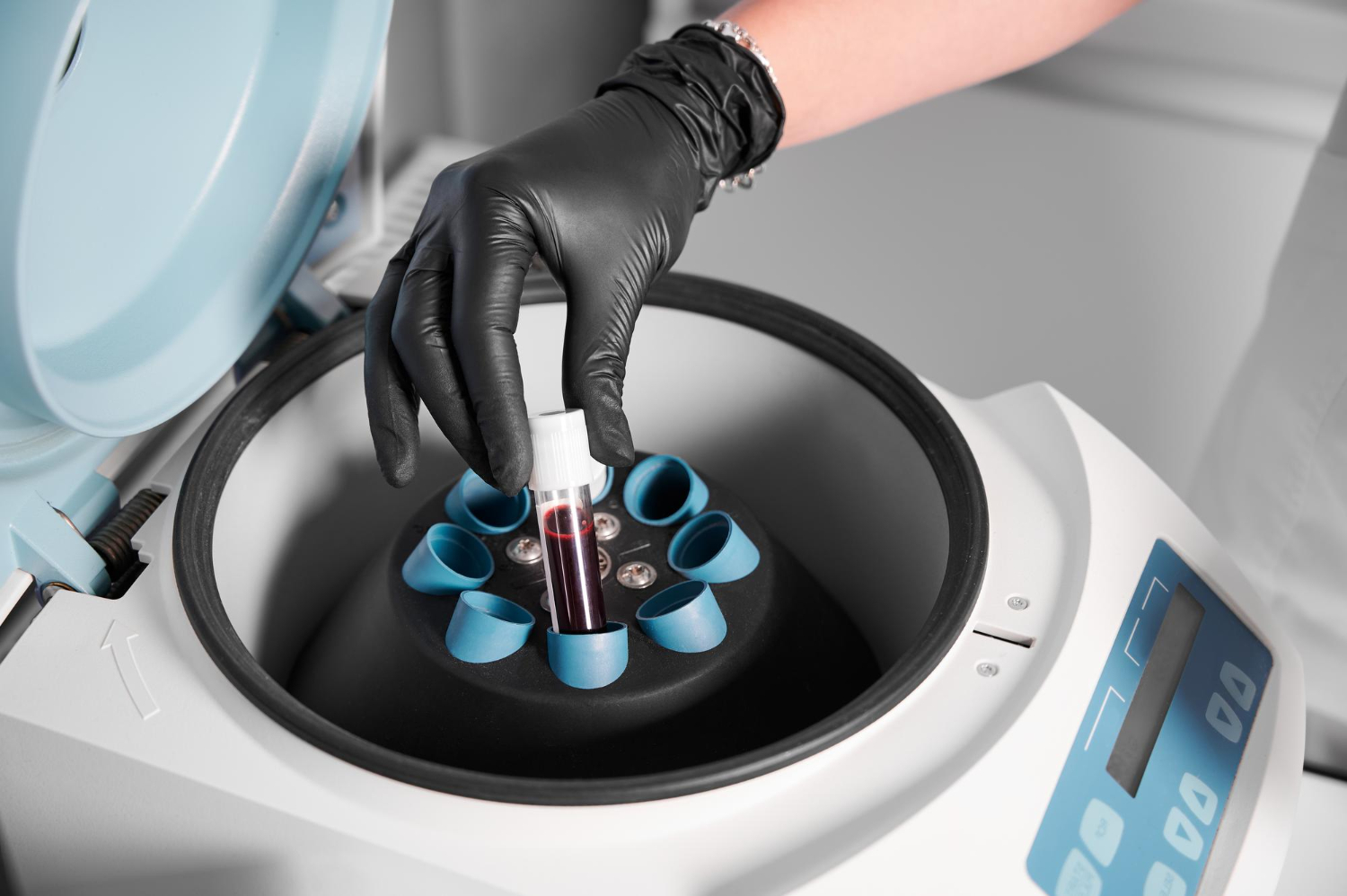
After your initial consultation, your doctor may recommend specific tests to measure your hormone levels. A blood test is the most common method, but depending on your symptoms, your doctor might also suggest saliva or urine tests. These tests can check levels of key hormones like estrogen, progesterone, testosterone, cortisol, and thyroid hormones. It’s important to remember that there isn't a single test for every hormone imbalance. Because your levels can fluctuate, your doctor might recommend testing more than once to see a pattern. A physical exam or even an ultrasound may also be used to gather more information and rule out other conditions.
How to Read Your Test Results
Getting your lab results back can feel overwhelming, but you won’t be left to figure them out on your own. Your doctor will interpret the results in the context of everything you discussed during your consultation. A number that’s considered “normal” for one person might not be optimal for you. That’s why your symptoms and health history are just as important as the lab work. Your doctor will explain what the numbers mean for your specific situation and use them to build a personalized treatment plan. This is a key part of our approach to longevity medicine, where we focus on optimizing your health, not just meeting standard lab ranges.
Can Stress Really Affect Your Hormones?
If you’ve ever felt drained or irritable after a tough week, you’ve experienced the mind-body connection. Stress isn't just a feeling; it's a physiological response that can throw your hormones out of whack. The short answer is yes, stress absolutely affects your hormones. Understanding how this happens is the first step toward getting things back in balance. When your body is under constant pressure, it can disrupt the delicate dance of your hormonal system, leading to symptoms that impact your daily life.
Understanding the Stress-Hormone Link
Think of your hormones as messengers that tell your body what to do, controlling everything from your mood to your metabolism. A hormonal imbalance occurs when your body produces too much or too little of a specific hormone. When you experience stress, your body goes into "fight or flight" mode, releasing cortisol to handle immediate threats. The problem arises when the stress doesn't go away. Your body isn't meant to be in a constant state of high alert, and this sustained hormonal surge is where the trouble begins, impacting your overall hormonal health.
The Impact of Long-Term Stress
While your body can handle short bursts of stress, chronic stress is a different story. When you're constantly stressed, your cortisol levels can remain elevated, disrupting your other hormones. It’s like one instrument in an orchestra playing too loud. Chronically high cortisol can interfere with your thyroid, suppress reproductive hormones like estrogen and testosterone, and affect insulin levels. Over time, this can lead to fatigue, weight gain, and digestive problems. Many of the chronic conditions people face have roots in this kind of long-term hormonal disruption.
Simple Ways to Break the Cycle
The good news is that you can take steps to manage stress and support your hormones. It starts with simple lifestyle adjustments. Prioritizing seven to nine hours of quality sleep is crucial, as this is when your body repairs itself. Gentle movement, like walking or yoga, can help lower cortisol levels. A balanced diet rich in whole foods also provides the building blocks your hormones need. Incorporating stress-reducing practices like deep breathing or meditation can make a significant difference. A functional medicine approach often focuses on these foundational habits to restore balance from within.
Finding the Right Treatment for Hormone Imbalances
Once you know what’s causing your hormonal imbalance, you can start exploring treatment options. The right path for you will be unique, depending on which hormones are affected and what the root cause is. It’s normal for your hormone levels to shift during different life stages, like before your period, during pregnancy, or as you approach menopause. The goal of treatment is to help your body find its equilibrium again.
For many people, the most effective strategy combines medical treatments with meaningful lifestyle adjustments. Think of it as a partnership: medical interventions can provide targeted support, while daily habits build a strong foundation for long-term hormonal health. Whether you’re dealing with imbalances in estrogen, thyroid hormones, or insulin, a personalized plan is key. At Ascend, our longevity medicine services focus on creating these tailored protocols to help you feel your best. Working with a provider who listens to your specific symptoms and health history is the first step toward getting the relief you need.
Medical Treatments and Hormone Therapy
Conventional medicine offers several ways to manage hormone imbalances. One of the most common approaches is hormone replacement therapy (HRT). This treatment involves taking medication to replace hormones the body is no longer making enough of, which can be especially helpful for relieving menopause symptoms like hot flashes and night sweats. For managing irregular periods or symptoms related to the menstrual cycle, doctors often prescribe hormonal birth control, which can come in the form of pills, patches, rings, or IUDs. These methods help regulate hormone levels to create a more predictable cycle and ease related symptoms.
Prescription Medications
Beyond hormone therapy, other prescription medications can address specific symptoms of an imbalance. For instance, if high levels of androgens (male hormones) are causing issues like severe acne, unwanted hair growth, or hair loss, a doctor might prescribe anti-androgen medications to block their effects. Similarly, if your thyroid isn't producing the right amount of hormones, medications can help restore normal levels. These treatments are designed to target a specific part of the hormonal puzzle, offering relief by directly addressing the chemical messengers that are out of sync.
A Functional Medicine Approach
A functional medicine approach looks at the bigger picture. Instead of just managing symptoms, the goal is to understand and address the underlying reasons why your hormones are imbalanced in the first place. This often involves looking closely at your lifestyle. Simple, consistent habits can make a world of difference. For example, managing your stress, eating a balanced diet full of whole foods, getting regular exercise, and sticking to a consistent sleep schedule are all powerful tools for supporting your endocrine system. Our functional medicine programs are built around this principle: empowering you with the knowledge and tools to help your body heal itself from the inside out.
How to Balance Your Hormones Naturally
While medical treatments are sometimes necessary, your daily habits create the foundation for your hormonal health. Simple, consistent changes to your diet, exercise routine, and stress management techniques can have a profound impact on how you feel. Think of these strategies as powerful tools you can use every day to support your body’s natural rhythms.
A functional medicine approach focuses on these foundational lifestyle factors to address the root cause of imbalances. By making mindful choices, you can help your body regulate its hormone production and improve your overall well-being. Let's look at a few practical, actionable steps you can start taking today.
Eat for Hormonal Health
What you put on your plate directly influences your hormones. Instead of focusing on restrictive diets, aim for consistency and balance. Eating three well-rounded meals and one or two healthy snacks throughout the day can help stabilize your blood sugar and prevent the hormonal spikes and crashes that leave you feeling drained.
Each meal should include a mix of protein, healthy fats, and fiber-rich carbohydrates. Think grilled chicken with avocado and a side of roasted sweet potatoes, or salmon with quinoa and steamed broccoli. A balanced, healthy diet provides the essential building blocks your body needs to produce and regulate hormones effectively, helping you feel more energized and in control.
The Role of Movement, Sleep, and Stress Relief
Your lifestyle habits are deeply connected to your hormonal health. Gentle, consistent movement is a great place to start. Aiming for at least 20 minutes of physical activity every day, like a brisk walk or a yoga session, can make a real difference.
Quality sleep is just as important. When you get seven to nine hours of sleep each night, you give your body the time it needs to repair and regulate key hormones like cortisol. Finally, finding ways to manage stress is crucial. Practices like deep breathing, meditation, or even just spending a few minutes in nature can help lower stress hormones and restore a sense of calm to your system.
Helpful Supplements and Natural Remedies
It can be tempting to reach for a supplement that promises a quick fix for hormonal issues, but it’s best to be careful. Many products on the market aren't backed by solid scientific evidence. The most effective approach is to work with a professional who can identify your specific needs through proper testing.
Before you try any new supplements or natural remedies, it's always a good idea to talk to your doctor. A healthcare provider can help you understand if you have any nutrient deficiencies and recommend a safe, personalized plan. This ensures you’re giving your body exactly what it needs without wasting money on unproven solutions or taking something that could do more harm than good.
When to See a Doctor About Your Hormones
Knowing when to reach out for help is a huge step toward feeling better. If you’ve been feeling “off” but can’t quite pinpoint why, it might be time to talk to a professional. Listening to your body’s signals is key. When symptoms start to interfere with your quality of life, a conversation with a doctor can provide clarity and a path forward. Here’s how to know when to make that call and what you can do to prepare.
Warning Signs You Shouldn't Ignore
It’s easy to dismiss feeling tired or moody as just a part of a busy life. However, you should see a doctor if you have new symptoms that don't go away. Pay close attention to sudden or severe changes, like unexplained weight fluctuations, rapid hair loss, or persistent fatigue that makes it hard to get through your day. These aren't things you just have to live with. Getting help and treatment early can make a significant difference in how quickly you start feeling like yourself again. If your symptoms are disrupting your daily routine, that’s a clear sign to schedule a consultation.
Preparing for Your Doctor's Visit
To get the most out of your appointment, a little prep work goes a long way. Before you go, take a few minutes to jot down your symptoms. Note when they started, how often they occur, and anything that seems to make them better or worse. It’s also helpful to list any medications, vitamins, or supplements you’re taking. Your doctor will want to understand your complete health picture. Our approach with Functional Medicine involves looking at your health history in detail to connect the dots, so having this information ready helps us work together to uncover the root cause of your concerns.
What to Expect at Your Appointment
Your first visit is all about gathering information. You can expect to have a thorough conversation about your symptoms, lifestyle, and health history. Your doctor will likely perform a physical exam and may recommend specific lab tests to get a clear picture of your hormone levels. This often involves simple blood, urine, or saliva tests. Because hormone levels can fluctuate, sometimes more than one test is needed to see the full picture. Based on these results, we can create a personalized plan for you. Our goal is to move beyond just managing symptoms and address the underlying imbalance through our Longevity Medicine and other holistic services.
Take Control of Your Hormonal Health
Feeling empowered to manage your hormonal health is a huge step, and it begins with small, consistent actions. It’s not about finding a quick fix, but about creating a lifestyle that supports your body’s natural rhythms. Recognizing the signs of hormonal imbalance is the first step, but what comes next is just as important. By focusing on a few key areas, you can build a strong foundation for lasting balance and well-being.
At Ascend Functional Health, we believe in addressing the root cause of health issues, and that often starts with your daily habits. Our approach to Functional Medicine is built on this principle. Taking proactive steps can make a significant difference in how you feel every day.
Build a Strong Foundation with Lifestyle Habits
Your daily choices are the building blocks of hormonal health. Think of it this way: your body needs the right materials to function correctly. A balanced diet rich in whole foods gives your body the nutrients it needs to produce and regulate hormones. Regular, gentle movement helps manage weight and reduce stress, both of which are crucial for hormonal equilibrium. And never underestimate the power of sleep. Getting enough quality rest allows your body to repair and reset, which is essential for keeping your hormones in check.
Make Stress Management a Priority
If you feel like you’re constantly running on empty, your stress hormones are likely working overtime. Chronic stress can significantly impact your hormone levels, throwing everything from your reproductive cycle to your metabolism out of whack. The good news is that you don’t need a week-long vacation to make a difference. Incorporating simple stress-reducing practices into your day can be incredibly effective. This could be a 10-minute walk outside, a few minutes of deep breathing at your desk, or a relaxing yoga class. The key is finding what works for you and doing it consistently.
Partner with a Healthcare Professional
While lifestyle changes are powerful, sometimes they aren't enough to resolve persistent symptoms. If you’ve made adjustments and still feel off, it’s time to talk to a doctor. Working with a professional can help you get to the root cause of your imbalance through targeted testing and a personalized plan. This is where services like Longevity Medicine can be transformative, offering solutions tailored to your unique biology. Think of it as having an expert guide on your team, helping you connect the dots and find the right path forward.
Related Articles
- At-Home Hormone Testing for Women: A Full Guide
- Hormone Optimization Therapy | Alessi Functional Health
- What is Functional Medicine? A Simple Guide
- What Does a Functional Nutritionist Do? A 2026 Guide
Frequently Asked Questions
Are my symptoms just a normal part of aging, or is it a hormone imbalance? This is a great question, and the answer can be complex. While it's true that hormone levels naturally shift as we age, especially during perimenopause and menopause, that doesn't mean you have to accept feeling unwell. Persistent symptoms like severe fatigue, brain fog, or drastic mood swings aren't just a standard part of getting older. A functional medicine approach helps distinguish between normal age-related changes and a true imbalance that can be addressed to improve your quality of life.
How long does it take to see improvements once I start a treatment plan? There isn't a one-size-fits-all timeline, as everyone's body responds differently. Some people notice positive changes in their energy and mood within a few weeks of making lifestyle adjustments, while for others, it might take a few months to feel a significant shift, especially if we are addressing a more deep-rooted issue. The goal is steady, sustainable progress, not an overnight fix. Consistency with your personalized plan is the most important factor in seeing lasting results.
Can I balance my hormones with just diet and exercise? Lifestyle habits like nutrition and movement are the foundation of hormonal health, and for some people, making positive changes in these areas is enough to restore balance. However, if your imbalance is caused by an underlying medical condition or a more significant hormonal shift, lifestyle changes alone may not be sufficient. In these cases, a targeted treatment plan, which might include hormone therapy or specific supplements, can provide the necessary support to help your body get back on track.
What makes a functional medicine approach to hormones different from a conventional one? A conventional approach often focuses on managing symptoms, for example, by prescribing a medication to address a specific issue like irregular periods or hot flashes. A functional medicine approach aims to understand why those symptoms are happening in the first place. We use in-depth testing and a detailed health history to identify the root cause of the imbalance, then create a personalized plan that uses lifestyle changes, nutrition, and targeted treatments to help your body heal itself.
Will I have to be on hormone therapy forever? Not necessarily. The goal of any treatment, including hormone replacement therapy (HRT), is to restore balance and improve your quality of life. For some, HRT is a short-term solution to help them through a specific life stage, like menopause. For others, it may be a longer-term strategy to manage a chronic condition. Your treatment plan will be regularly reviewed and adjusted based on your symptoms and lab results to ensure you are on the lowest effective dose for the right amount of time.