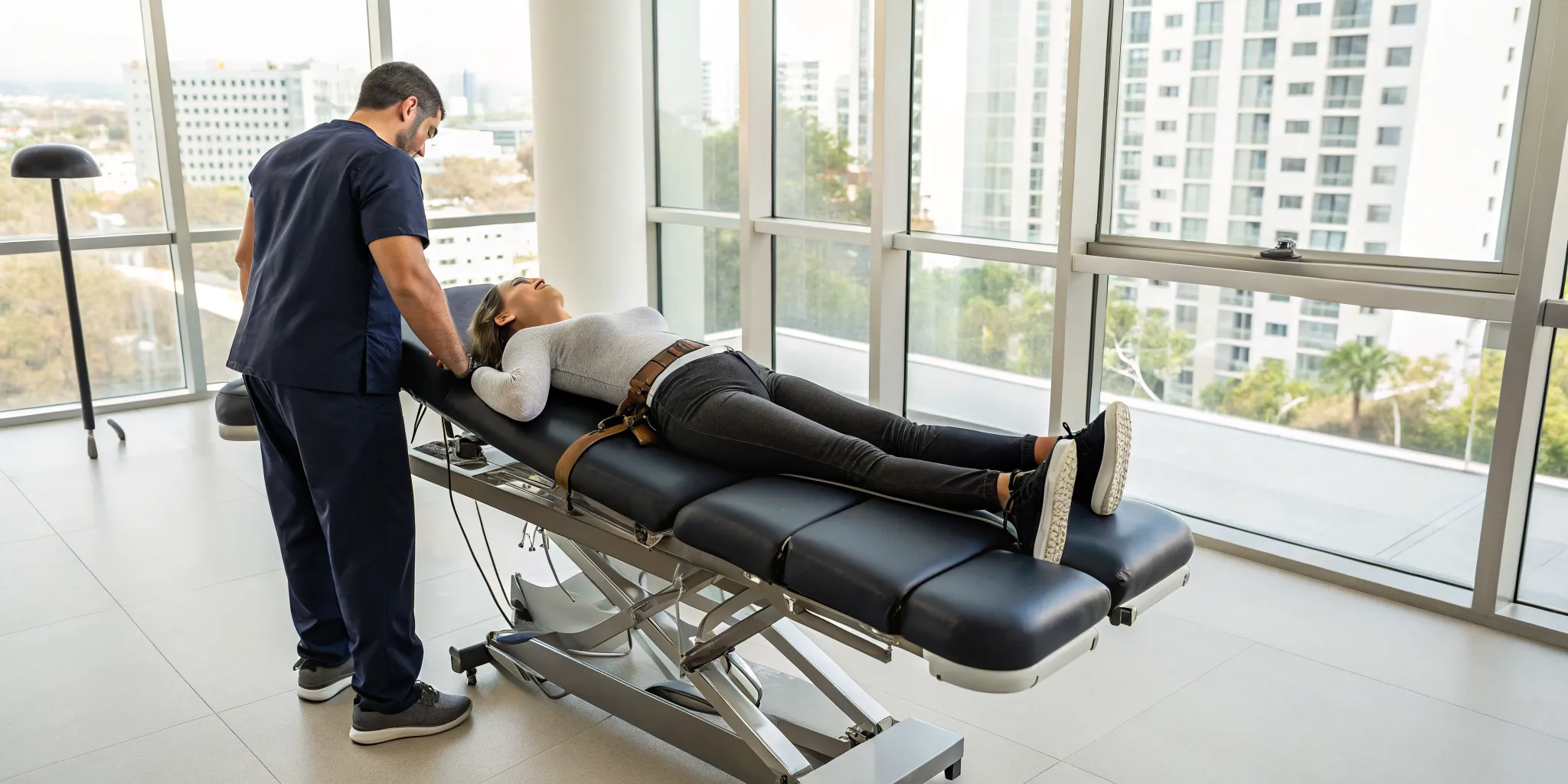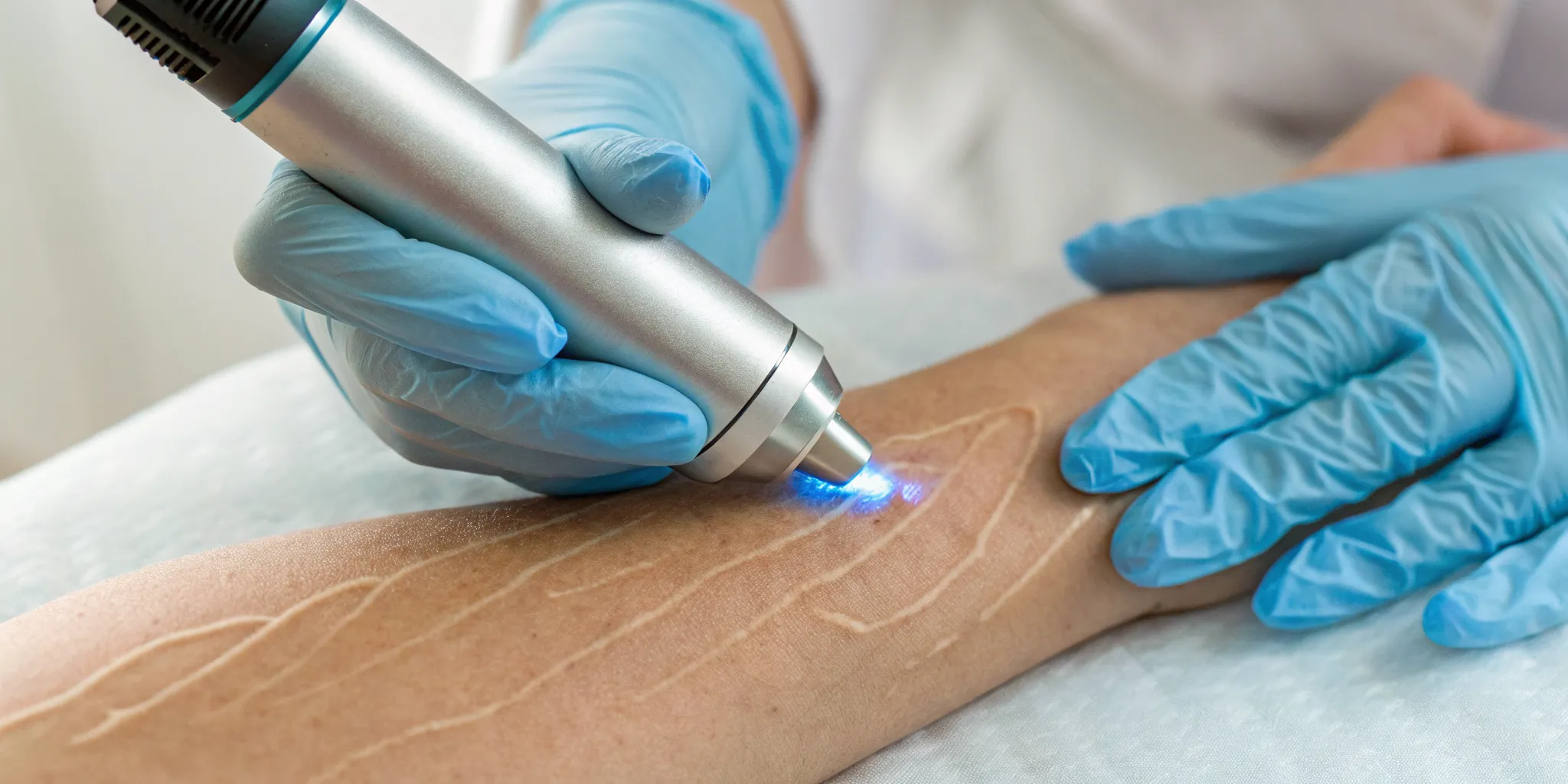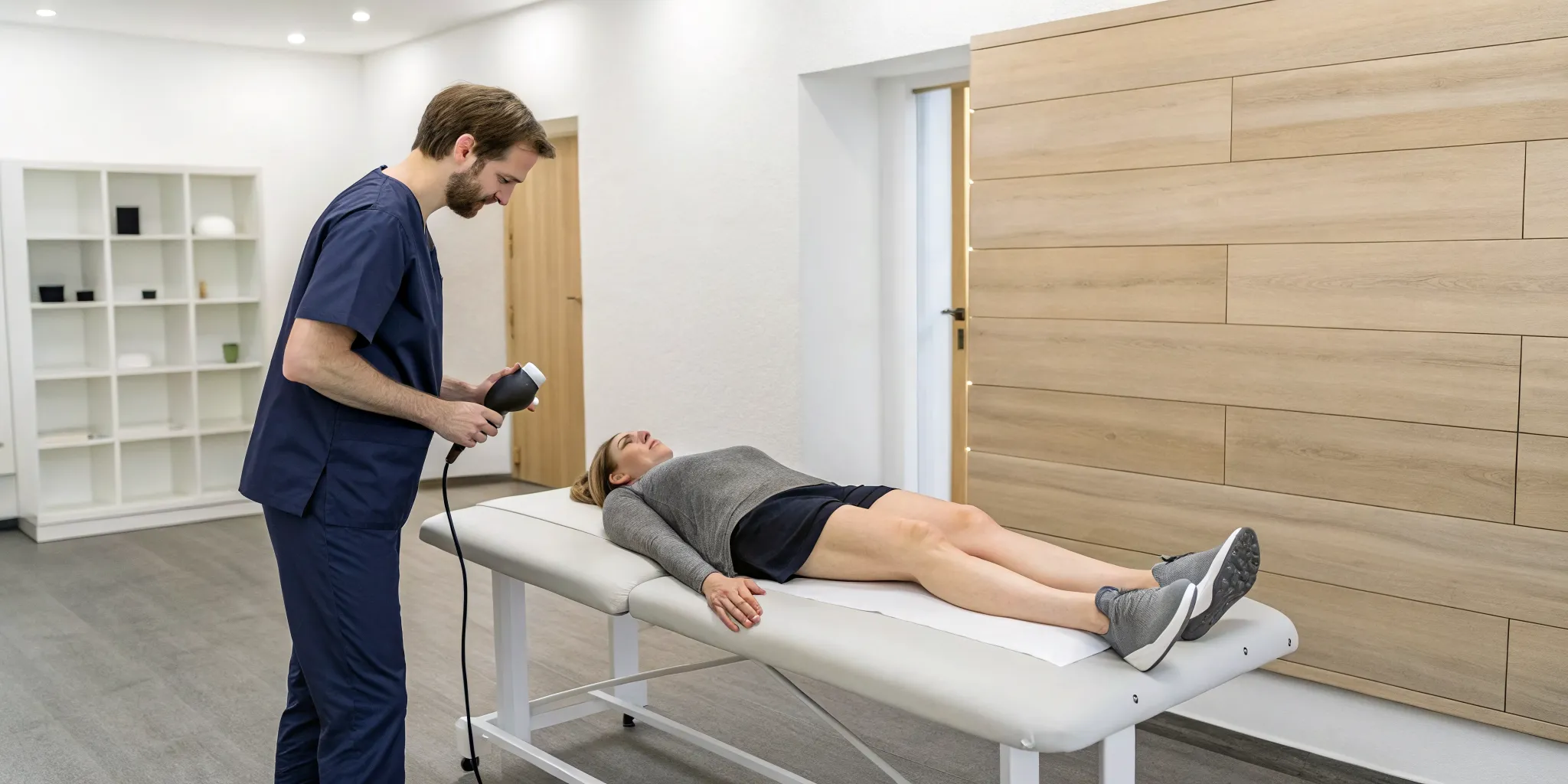
When you first hear about a therapy that uses stainless steel tools to work on your muscles, it’s natural to be a little skeptical. The Graston Technique is a form of instrument-assisted soft tissue mobilization that looks different from a typical massage or adjustment. A trained practitioner gently glides the smooth instruments over your skin to detect and break up fibrous knots and scar tissue that you can’t feel from the surface. This process helps restore mobility and reduce pain. The main question people have is, beyond the unique tools, is Graston Technique effective at providing lasting relief? This article will demystify the process, explain the science behind it, and help you understand if it’s the right approach for your recovery.
Key Takeaways
- Address the root cause of pain: This technique uses unique tools to find and break up scar tissue and other restrictions in your muscles, which helps your body heal correctly and can lead to lasting relief.
- Find relief from persistent issues: It's a great option for stubborn conditions like chronic back pain, tennis elbow, or plantar fasciitis, especially when other treatments haven't provided the results you want.
- Combine it for better results: The Graston Technique works best as part of a complete care plan, often paired with chiropractic adjustments and specific exercises to support long-term healing and improve your overall function.
What Is the Graston Technique?
If you've ever dealt with persistent muscle pain or stiffness that just won't go away, you know how frustrating it can be. Sometimes, the root of the problem lies deeper, in the soft tissues like your muscles, ligaments, and tendons. This is where a specialized therapy can make a real difference. The Graston Technique is a form of hands-on therapy that uses specially designed stainless steel tools to find and treat soft tissue injuries. It’s a targeted approach our team uses to address issues like scar tissue and restrictions that cause pain and limit your movement.
How Does It Work?
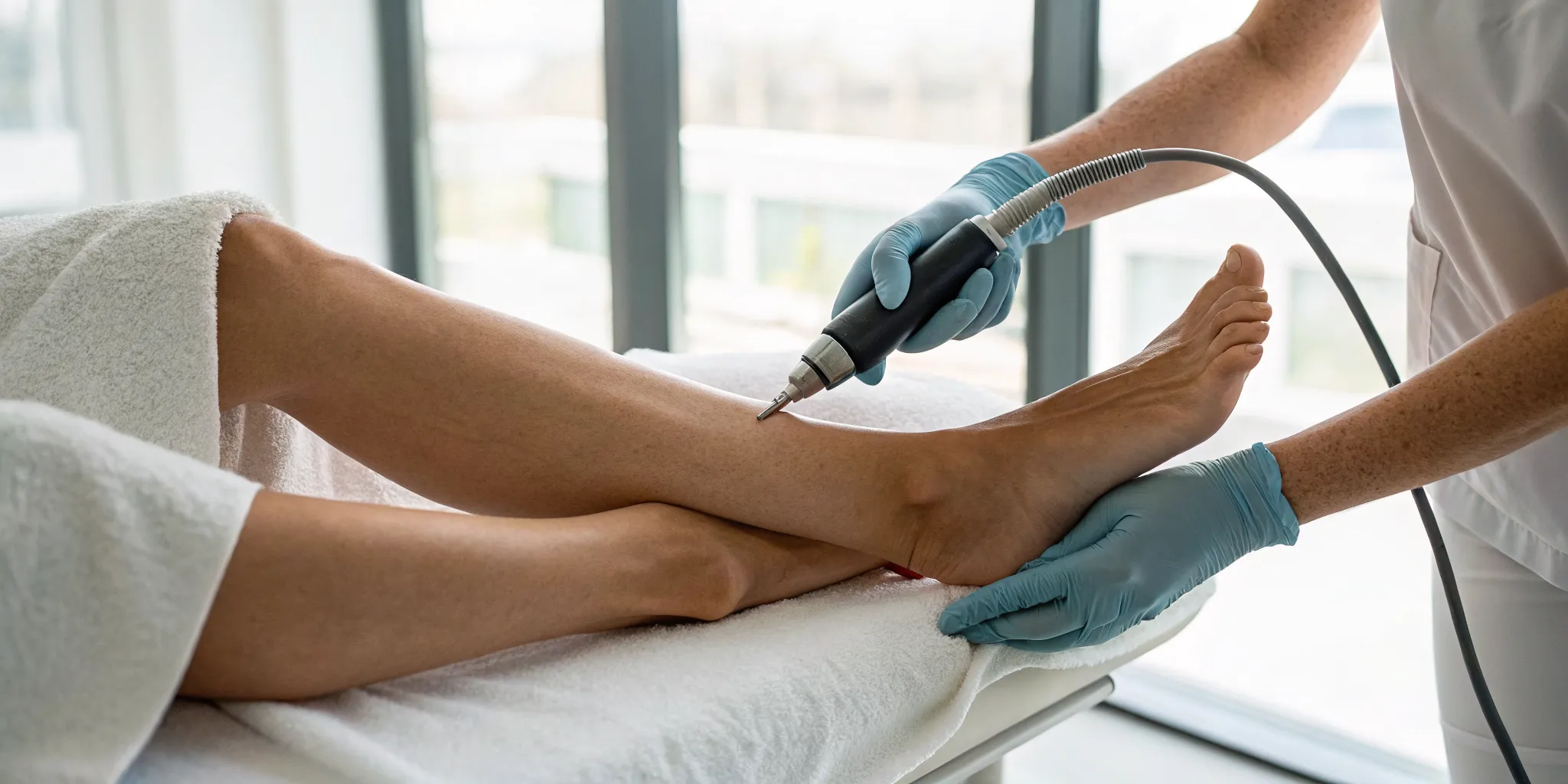
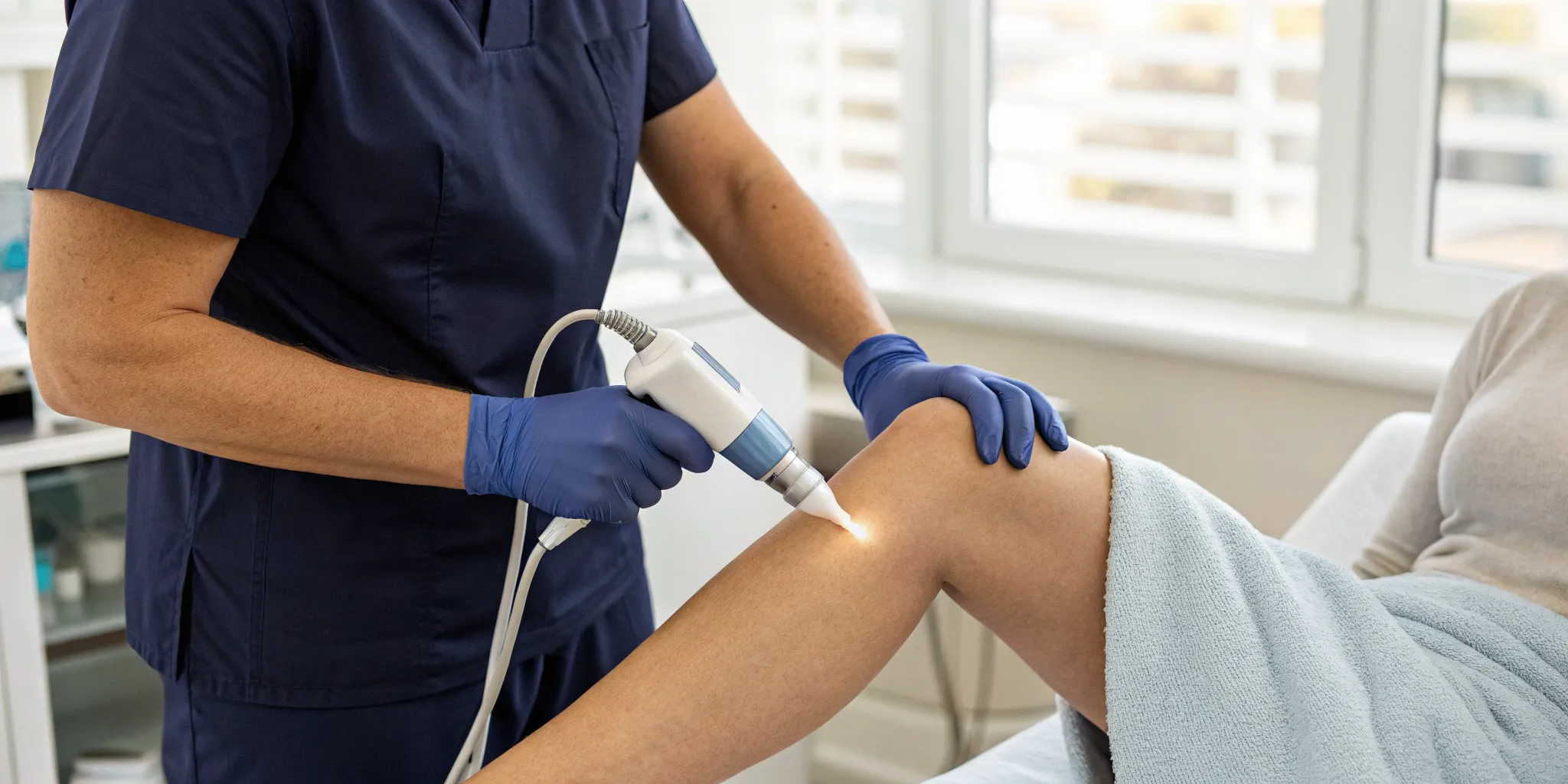
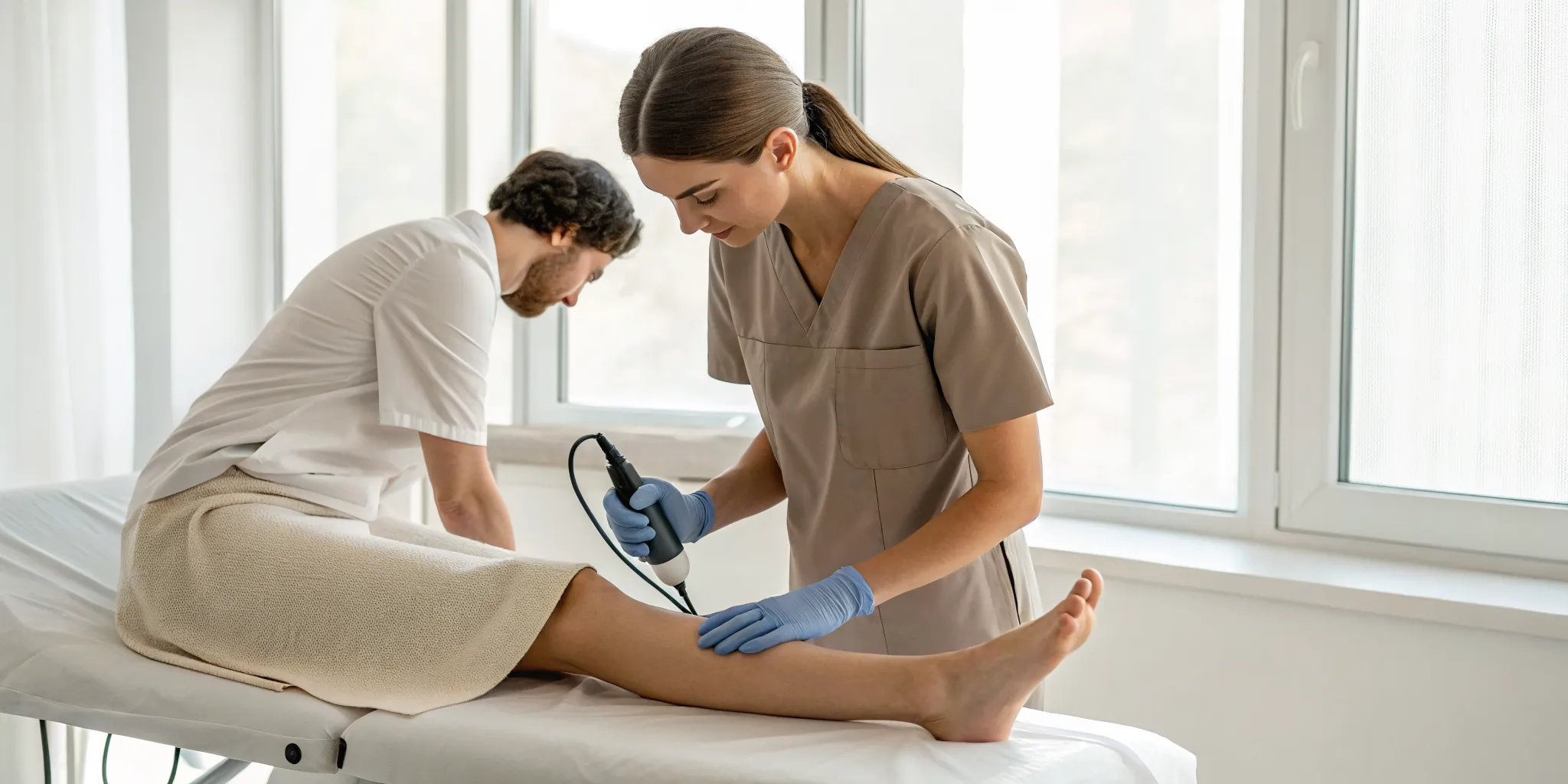
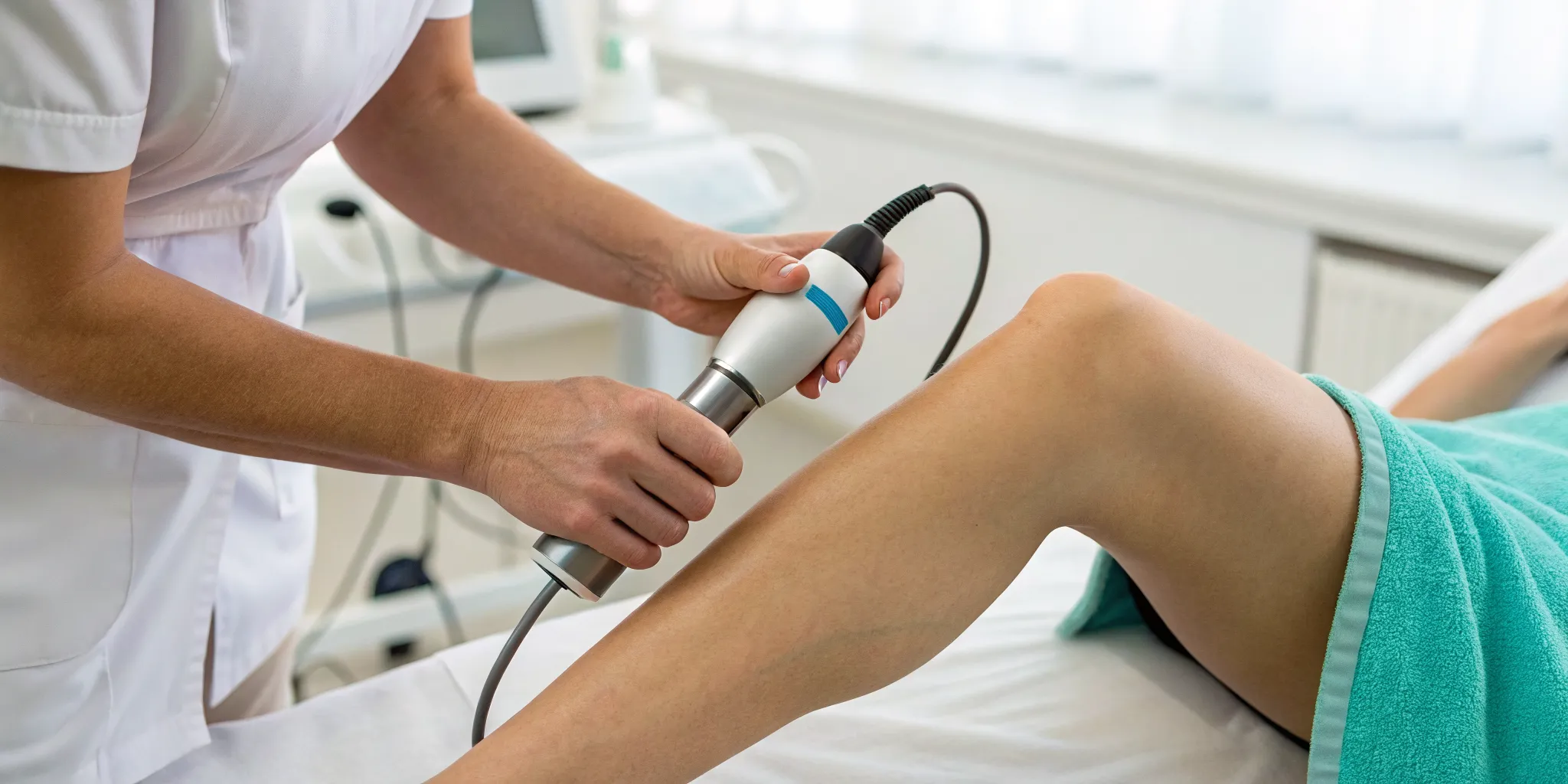
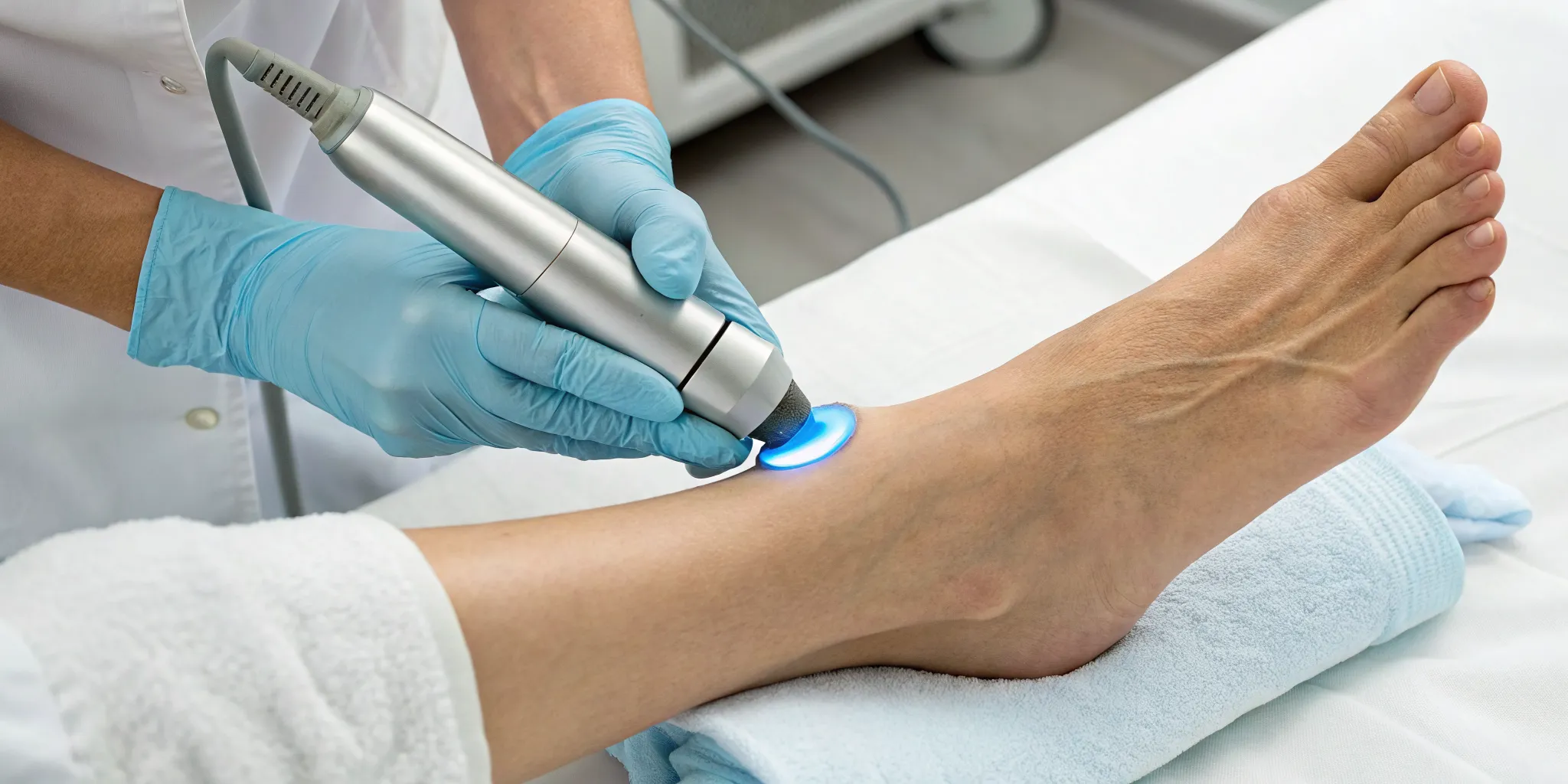
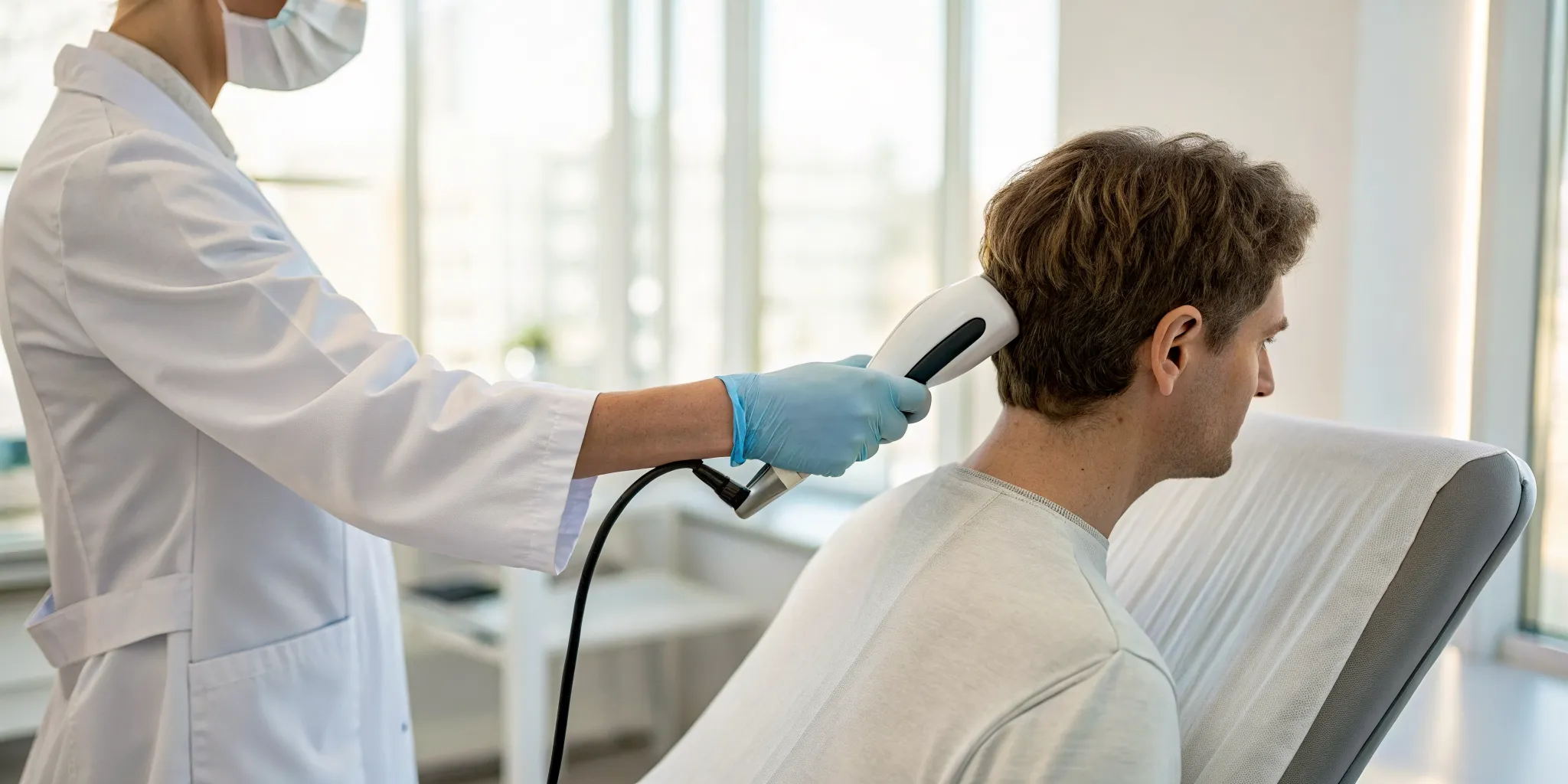
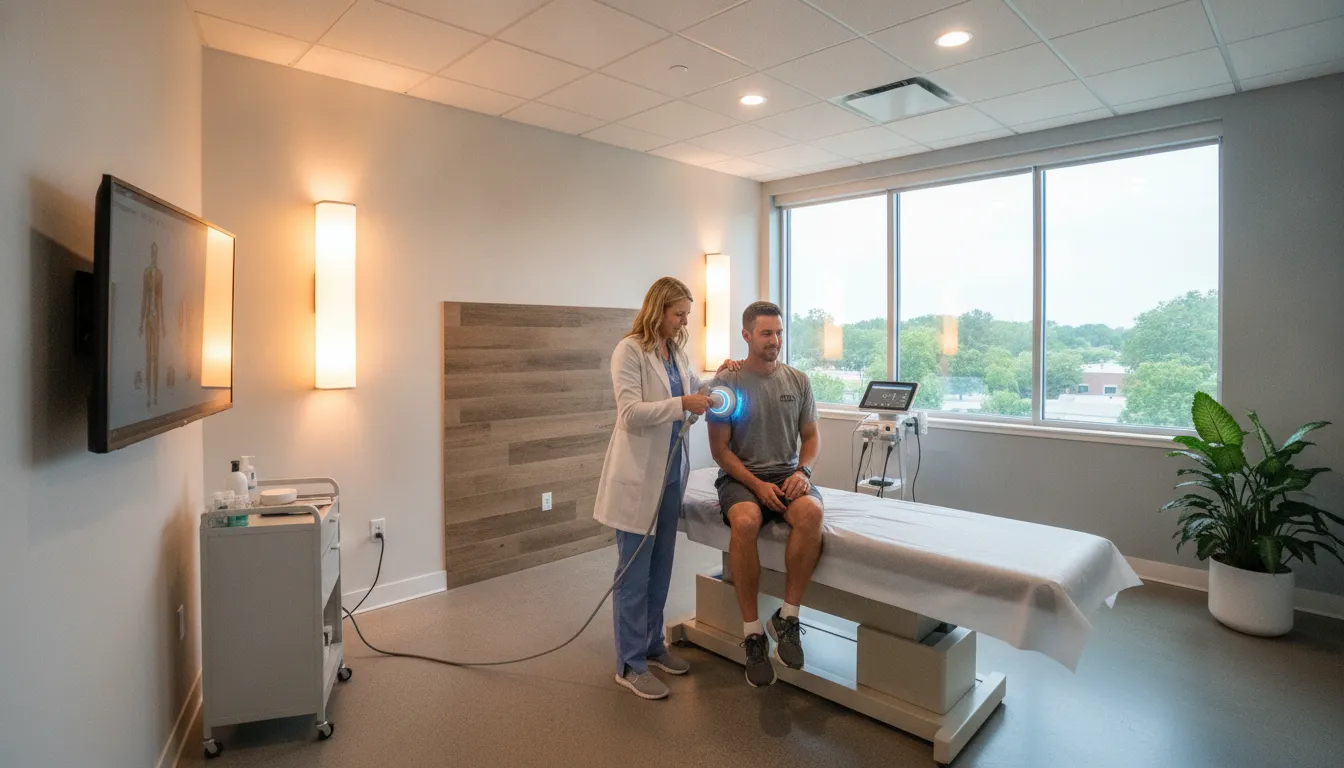
So, what does a session actually look like? A trained practitioner will gently glide the smooth, stainless steel instruments over your skin. These tools act like a stethoscope for your soft tissues, helping your provider locate the source of your discomfort, like muscle knots or scar tissue adhesions. Once these problem areas are identified, the tools are used to apply precise pressure to break them up. This process creates a small, controlled inflammatory response in the area. While that might sound counterintuitive, it’s actually the key. This response kickstarts your body’s natural healing process, bringing more blood flow to the area and starting the repair cycle as part of our physical medicine approach.
The Science Behind the Tools
The real magic of the Graston Technique happens at a cellular level. By breaking down disorganized scar tissue, the treatment encourages your body to create new, healthy collagen fibers. Think of it like replacing a tangled knot of yarn with neatly aligned threads. This process helps rebuild your soft tissues to be stronger and more flexible, restoring proper function. Because it’s a non-invasive and drug-free approach, it’s an excellent option for many people looking for lasting relief from the chronic conditions we treat without relying on medication. It’s particularly effective for those who have tried other common treatments without success, offering a new path toward healing and better movement.
What Conditions Can the Graston Technique Help With?
The Graston Technique is a versatile therapy that addresses a wide range of issues rooted in the body's soft tissues. It’s not a one-size-fits-all solution but a precise method for finding and treating the source of discomfort. From nagging, long-term pain to fresh injuries, this approach helps restore function by targeting scar tissue and restrictions that other methods might miss. It’s a key part of our physical medicine toolkit, helping people feel and move better. Let's look at some of the specific areas where it can make a real difference.
Easing Chronic Pain and Soft Tissue Injuries
Living with chronic pain can be exhausting, especially when it limits your daily activities. The Graston Technique offers a targeted approach for these persistent issues by addressing the underlying cause in your muscles, ligaments, and tendons. It’s particularly effective at breaking down scar tissue and fascial restrictions, which are often the culprits behind stiffness and pain. By smoothing out these adhesions, the technique helps improve your range of motion and lessen discomfort. This makes it a powerful tool for many of the chronic conditions we see, including plantar fasciitis, carpal tunnel syndrome, and persistent lower back pain.
Accelerating Sports Injury Recovery
For an athlete, an injury can be a major setback. The goal is always to get back to your sport safely and quickly, without losing your competitive edge. The Graston Technique is a go-to for sports injuries because it allows us to treat you in positions that mimic your athletic movements. This precision helps us isolate and release the specific soft tissue restrictions that are holding you back. By improving tissue mobility and reducing pain, it helps you regain optimal function faster. Whether you're dealing with tennis elbow, shin splints, or rotator cuff tendonitis, this therapy can be a game-changer in your recovery plan.
Aiding Post-Surgical Rehabilitation
Recovering from a procedure is a journey, and sometimes scar tissue can create roadblocks, causing tightness and limiting movement. The Graston Technique is an excellent tool to use during post-surgical rehabilitation because it helps manage how scar tissue forms. By gently breaking down adhesions, it encourages the tissue to heal in a more flexible, organized way. This can lead to a smoother recovery with less pain and improved mobility. Integrating this into a broader plan of rehabilitation services helps support your body’s healing process so you can get back to your life with greater comfort and function.
Does the Graston Technique Actually Work?
When you're dealing with persistent pain, you want to know that a treatment will actually deliver results. The Graston Technique is a form of instrument-assisted soft tissue mobilization that has gained a lot of attention for its ability to address scar tissue and fascial restrictions. But does it live up to the hype? The short answer is that for many people, it does. A growing body of research, combined with countless patient testimonials, points to its effectiveness in reducing pain and restoring function.
The goal of the Graston Technique is to find and treat the root cause of your symptoms, which often lies in adhesions or restrictions within your muscles, ligaments, and tendons. By using specially designed stainless steel instruments, a trained practitioner can detect these problem areas and apply precise pressure to break them down. This process helps to stimulate the body's natural healing response, leading to healthier tissue and improved movement. It’s a key part of our physical medicine approach because it directly targets the source of mechanical pain. Let's look at what the science says about how this technique performs in clinical settings for specific conditions and what you should know about the current state of the research.
What Clinical Studies Reveal About Pain and Mobility
When we look at the research, the results are promising. One significant study focused on individuals with chronic low back pain. It found that the group receiving the Graston Technique experienced a major drop in their pain levels, with scores decreasing by nearly half. This wasn't just a small change; it was a clinically important improvement. The same study showed that while general exercise helped with mobility, the Graston group saw much larger improvements in their ability to bend forward, backward, and side-to-side. This suggests the technique is highly effective at not just easing pain but also restoring your freedom of movement.
Evidence for Treating Specific Conditions
The Graston Technique isn't just for general aches; research supports its use for a variety of specific musculoskeletal issues. It’s a non-invasive treatment that can produce noticeable results, which is especially encouraging for people who haven't found relief with other methods. For example, studies on conditions like plantar fasciitis, a common cause of heel pain, have shown that patients get much better results when the Graston Technique is added to their care plan compared to standard treatments alone. This makes it a valuable tool for many of the conditions we treat, from tennis elbow to carpal tunnel syndrome.
Acknowledging the Limits of Current Research
It's also important to have a balanced perspective. While the evidence is encouraging, much of the research on the Graston Technique involves smaller studies, and more large-scale human trials are needed to fully understand its effects. You might also experience some minor side effects, like temporary bruising or redness in the treated area, as the tissue begins to heal. This is a normal part of the process. It’s also why choosing a provider who is properly trained is so important. An experienced practitioner, like our team you can learn about here, knows how to apply the technique safely and effectively, tailoring the treatment to your body’s specific needs.
What Results Can You Expect?
When you commit to a new treatment, you want to know what’s on the other side. While every person’s healing journey is unique, the Graston Technique has a strong track record of helping people feel and move better. The goal isn't just to manage symptoms; it's to address the underlying restrictions in your soft tissue so your body can heal more effectively. This approach is a core part of our physical medicine philosophy at Ascend Functional Health.
Most people seek out this treatment to find relief from persistent pain and stiffness that holds them back from their daily activities. The results often go beyond just feeling less pain. Patients frequently report a renewed sense of freedom in their bodies, whether that means being able to pick up their kids without a second thought, getting back to a favorite sport, or simply moving through their day with more ease. We'll work with you to set clear goals and track your progress, ensuring the treatment plan is tailored to your specific needs and helping you get back to living your life fully.
Less Pain and Better Range of Motion
One of the most significant benefits people experience with the Graston Technique is a noticeable reduction in pain. Clinical research supports this, showing that individuals with chronic low back pain reported a dramatic drop in their pain levels after treatment. Beyond just feeling better, they also saw real improvements in their mobility.
This means gaining a greater range of motion for everyday movements like bending forward to tie your shoes, reaching backward, or twisting from side to side. When your muscles and connective tissues are no longer restricted by adhesions, you can move more freely and with much less discomfort. This combination of pain relief and improved flexibility is key to getting you back to your active life.
Breaking Down Scar Tissue for Better Healing
Think of scar tissue like a tangle in a rope; it’s disorganized, tight, and restricts movement. The Graston Technique uses specially designed instruments to gently glide over your skin and detect these fibrous knots. The process helps to break down this old, restrictive scar tissue and stimulate your body’s natural healing response.
This encourages the growth of new, healthy collagen fibers that are organized and flexible, replacing the dysfunctional tissue with tissue that can function properly. By addressing the root cause of the restriction, we’re not just temporarily relieving pain. We’re helping your body rebuild stronger, more resilient tissue, which is essential for long-term healing and preventing future soft tissue injuries.
Understanding Your Recovery Timeline
Your path to recovery is personal, and the timeline can vary depending on your specific condition and how long you've been dealing with it. Generally, a full course of treatment with the Graston Technique involves between 6 and 12 sessions. However, many people start to feel a positive difference after just two or three visits.
We’ll create a personalized plan for you and adjust it based on your progress. Open communication is key, so we’ll check in with you every step of the way to see how you’re feeling. To get a better idea of what your specific timeline might look like, we encourage you to schedule a consultation with our team.
Are There Any Risks or Side Effects?
It’s completely normal to wonder about the side effects of any new treatment. When performed by a trained professional, the Graston Technique is a safe and effective way to address soft tissue restrictions. The most common effects are temporary and a sign that the treatment is working to break down adhesions and stimulate healing.
After a session, it’s possible to experience some minor bruising or redness in the treated area, similar to what you might see after a deep tissue massage. This happens because the instruments are increasing blood flow and breaking up scar tissue just below the skin. While some people feel mild discomfort during the process, many find it to be a “good hurt” that leads to significant relief. The goal is always to work within your comfort level to achieve the best results. At Ascend Functional Health, we see this technique as one part of a comprehensive physical medicine plan designed to help your body heal itself. We’ll always communicate with you throughout the session to make sure you feel comfortable and safe.
What to Expect After a Session
Right after your Graston Technique session, you might feel a little sore, and the treated area may look a bit red. This is a normal response and usually fades within a day or two. We recommend drinking plenty of water to help your body flush out metabolic waste released from the soft tissues.
The real magic happens in the days following your appointment. Many people report a noticeable improvement in flexibility and a decrease in pain as the initial soreness subsides. The treatment itself only takes a few minutes per area, but it’s part of a larger healing strategy. We’ll support your recovery with specific stretches, corrective exercises, or chiropractic adjustments to help the tissues heal correctly and maintain your newfound mobility.
When to Consider Other Options
The Graston Technique is a fantastic tool, but it isn’t the right fit for every person or every condition. Your health and safety are our top priorities, so we always conduct a thorough evaluation to determine the best course of action for you. This approach may not be suitable for individuals with certain health concerns, such as bleeding disorders, or for those taking blood thinners. We also avoid using it over open wounds, infections, or areas with very fragile skin.
It’s also important to remember that the Graston Technique is often most effective when used as part of a broader treatment plan. For example, studies show it can be a valuable component in a plan for chronic low back pain to reduce discomfort and improve function. During your consultation, we’ll discuss your health history and goals to create a personalized plan that addresses the root cause of your symptoms.
Debunking Common Graston Technique Myths
When you first hear about the Graston Technique, which uses stainless steel instruments to work on soft tissue, it’s easy to let your imagination run wild. A few common misconceptions often come up, so let's clear the air. Understanding the reality of the treatment can help you decide if it’s the right step for you on your healing journey. We believe in being transparent about our methods, and that includes separating fact from fiction.
Myth: The Treatment Is Always Painful
Let’s be honest: the idea of metal tools scraping your skin doesn't sound pleasant. Many people assume the Graston Technique is going to be an intensely painful experience. While you might feel some discomfort, it’s generally described as a "good hurt," similar to a deep-tissue massage. The goal is to break up adhesions, not to cause unnecessary pain. Your practitioner will be in constant communication with you to ensure the pressure is manageable. Many patients find the temporary discomfort is well worth it for the relief it provides, especially for stubborn conditions that haven't responded to other physical medicine approaches.
Myth: There's No Science to Back It Up
Some people dismiss the Graston Technique as a fad without any real evidence behind it. However, a growing body of research supports its use. For example, a study in the Journal of Physical Therapy Science found that combining the Graston Technique with general exercise was very helpful for people with chronic low back pain, significantly improving both pain levels and function. Other research shows that it can lead to better outcomes for conditions like plantar fasciitis. At Ascend, we prioritize evidence-based treatments to address the root cause of the many conditions we treat.
Myth: You'll Get Instant Results
While we all wish for a magic wand to wave away pain, healing takes time. The Graston Technique is highly effective, but it’s not an overnight fix. Some people report feeling better after just two or three sessions, but a full course of treatment is often needed to achieve lasting results. It’s a process of breaking down scar tissue and allowing the body to heal correctly. Think of it as remodeling your soft tissue. This commitment to a process aligns with our overall approach to health, which focuses on creating sustainable, long-term wellness rather than offering temporary solutions.
How to Find a Qualified Provider
Finding the right person to perform the Graston Technique is just as important as the treatment itself. Because it involves specialized tools and a specific method, you want to be sure you’re in capable hands. The provider’s experience and approach can make all the difference in your results and overall comfort. Looking for someone with the right credentials and a comprehensive treatment philosophy is the first step toward a successful outcome.
The Importance of Training and Certification
When you’re looking for a provider, ask about their training and certification. The Graston Technique requires specific instruction to be performed safely and effectively. A certified practitioner has completed hands-on training to master the stainless steel instruments, learning how to identify underlying tissue restrictions and apply the right amount of pressure to facilitate healing. This specialized knowledge ensures they can address your unique condition without causing further irritation. Choosing a well-trained provider is key to getting the relief you’re looking for.
Our Integrated Approach at Ascend Functional Health
We view the Graston Technique as a powerful tool within a larger healing strategy. While it’s excellent for breaking up scar tissue and muscle knots, we find it delivers the best results when it’s not used as a standalone solution. At Ascend Functional Health, we incorporate it into a personalized physical medicine plan. This means we may pair it with chiropractic adjustments, corrective exercises, and lifestyle recommendations to address the root cause of your pain and improve how your body functions as a whole. This integrated approach helps ensure your results are both significant and lasting.
Is the Graston Technique Right for You?
Deciding on the right treatment path can feel overwhelming, but understanding who benefits most from a specific therapy is a great first step. The Graston Technique is a powerful tool, but its effectiveness often depends on your specific condition and your overall treatment plan. Let's look at what makes someone a good candidate and how this technique fits into a broader healing strategy.
Factors That Influence Your Success
If you're dealing with persistent pain from a soft tissue injury that just won't quit, the Graston Technique might be an excellent option for you. It’s particularly effective for chronic conditions where scar tissue and adhesions are limiting your movement and causing discomfort. Research has shown that for issues like chronic low back pain, the Graston Technique can lead to a more significant drop in pain compared to general exercise alone. This makes it a strong consideration for anyone who feels like they've hit a plateau with other therapies and is looking for a way to finally address the root of their chronic pain.
Combining Treatments for the Best Results
The Graston Technique rarely works in isolation. Think of it as one highly effective player on a well-rounded team. Its benefits are often amplified when integrated into a comprehensive treatment plan. For example, using the Graston Technique to break down scar tissue can make subsequent chiropractic adjustments more effective and your therapeutic exercises more productive. This multi-faceted approach is key to not just relieving symptoms but fostering genuine, long-term healing. By combining therapies, we can address your condition from all angles, helping you recover faster and more completely.
Related Articles
- What Is Graston Technique Therapy? A Beginner's Guide
- Graston Technique Side Effects: What's Normal?
- What Is Soft Tissue Therapy? A Complete Guide
Frequently Asked Questions
What does a Graston Technique session actually feel like? Many people describe the sensation as similar to a deep tissue massage, but more targeted. You'll feel the smooth, stainless steel tools gliding over your skin as your practitioner searches for areas of restriction. When they find a knot or adhesion, you might feel a more specific pressure or a slightly gritty texture. We always communicate with you during the session to make sure the pressure is productive but still comfortable for you.
How is this different from a deep tissue massage? While both treatments address muscle tension, the Graston Technique is much more specific. The specially designed instruments allow your practitioner to detect and treat fibrous scar tissue in a way that hands simply cannot. This precision helps break down adhesions more effectively, targeting the root cause of your pain and stiffness rather than just providing general muscle relief.
How quickly will I feel better after starting treatment? Your recovery timeline is unique to you, but many people report feeling a noticeable improvement in their pain and movement after just two or three sessions. Lasting change, however, takes time. A complete treatment plan is often necessary to fully break down old scar tissue and help your body build new, healthy tissue in its place.
Will I be bruised or sore after a session? It's common to see some temporary redness or minor bruising in the treated area, which is a sign that the tissue is responding and the healing process has begun. You might also feel a bit of soreness, much like you would after a tough workout. This typically fades within a day or two, and we'll give you instructions on how to care for the area at home.
Is the Graston Technique the only treatment I will need? We find that the Graston Technique works best as part of a comprehensive care plan. By itself, it's great for breaking up tissue restrictions. When we combine it with other therapies like chiropractic adjustments and corrective exercises, we can address your body's mechanics as a whole. This integrated approach helps ensure your results are not only effective but also long-lasting.