Dealing with chronic pain or a persistent injury is frustrating enough without having to worry about the cost of care. You want a solution that gets to the source of the problem, not just a temporary fix. That’s where your Health Savings Account (HSA) can be a powerful ally. It allows you to use your own pre-tax dollars to invest in your long-term health. Many people are surprised to learn that targeted chiropractic services often qualify as a medical expense. Understanding the guidelines for HSA reimbursement for chiropractic care can make a significant difference, empowering you to pursue a treatment plan that truly supports your body’s healing process and helps you get back to feeling your best.
Key Takeaways
- Focus on Medically Necessary Care: Your HSA is a great tool for chiropractic treatments that address a specific, diagnosed health issue. To use your funds correctly, ensure your care plan is for a condition like back pain or headaches, not just for general wellness.
- Document Everything for a Smooth Process: Always get an itemized receipt for your appointments and ask your provider for a Letter of Medical Necessity (LMN). These documents are your proof that the care is for a qualified medical expense, making reimbursement stress-free.
- Leverage the Triple Tax Advantage: Make your money go further by using your HSA. Your contributions are pre-tax, the funds grow tax-free, and withdrawals for qualified care are also tax-free, which makes investing in your long-term health more manageable.
How Does an HSA Work?
Think of a Health Savings Account, or HSA, as a personal savings account, but specifically for qualified medical expenses. It’s a smart way to set aside money for your health needs, including services like chiropractic care. The money you put in is yours to keep and use whenever you need it. Unlike other accounts, an HSA offers some unique advantages that can make managing your health expenses much easier. Let's walk through how it operates, who can use one, and why it’s such a powerful tool for your long-term wellness journey.
Who can open an HSA?
To open an HSA, you generally need to meet a few specific criteria. The main requirement is that you must be enrolled in a high-deductible health plan (HDHP). An HDHP is a type of health plan that typically has lower monthly premiums but a higher deductible, which is the amount you pay out-of-pocket before your plan starts to pay.
Beyond having an HDHP, you also must:
- Not be covered by another health plan that isn't an HDHP.
- Not be enrolled in certain federal health programs for seniors.
- Not be claimed as a dependent on someone else’s tax return.
If you check all these boxes, you are likely an eligible individual who can open an HSA and start saving.
Understanding contribution limits and tax benefits
Each year, there's a maximum amount of money you can contribute to your HSA. These limits are set by the IRS and can change annually, so it's a good idea to check the current figures when planning your contributions. One of the biggest perks of an HSA is its tax advantages. When you contribute money, it's often done with pre-tax dollars, which lowers your taxable income for the year. This means you save money on taxes while setting funds aside for your health. We’ll get more into the tax benefits later, but this is a key feature that makes HSAs so valuable for managing your health and wellness expenses.
How HSA funds roll over each year
One of the best features of an HSA is that your money never expires. Unlike a Flexible Spending Account (FSA), where you often have to use the funds within the year, your entire HSA balance rolls over automatically. This means the money you don’t spend simply stays in your account, ready for you when you need it next month, next year, or even a decade from now. The funds are yours to keep, even if you switch jobs, change your health plan, or retire. This makes an HSA an excellent tool for long-term planning, allowing you to build a dedicated health fund that grows with you over time.
Is Chiropractic Care HSA-Eligible?
Good news. In most cases, you can absolutely use your Health Savings Account (HSA) to pay for chiropractic care. Think of your HSA as a dedicated savings account for your health, and using it for chiropractic services is a smart way to invest in your well-being. However, there are a few key details to understand to make sure you're using your funds correctly. The main thing to remember is the difference between care for a specific medical need and general wellness visits. Let's walk through what makes a service eligible.
What the IRS says about chiropractic expenses
The IRS generally views chiropractic care as a qualified medical expense. This means you can use the money in your HSA to pay for treatments that address a specific health issue. This includes services like your initial examination, chiropractic adjustments, and other therapies designed to treat pain or a particular condition. At Ascend Functional Health, our physical medicine services are focused on correcting the underlying cause of your symptoms, which aligns with the IRS guidelines for qualified medical expenses. So, if you're coming in for a specific problem, your HSA is a great tool to have.
What counts as "medically necessary"?
This is the most important part to understand. For a chiropractic service to be eligible for HSA funds, it needs to be considered "medically necessary." This means the care is intended to treat a specific injury or medical condition, like chronic back pain, sciatica, or headaches. Routine visits for general wellness or maintenance, without a specific diagnosis, typically don't qualify. Our approach at Ascend Functional Health is to identify and address the root cause of the conditions we treat, so the care you receive here is designed to be targeted and necessary for your recovery and long-term health.
HSA and chiropractic: Fact vs. fiction
Let's clear up any confusion. Fact: You can use your HSA for chiropractic services that address discomfort, improve your body's movement, and support your long-term health. Fiction: Your HSA can be used for any and every chiropractic visit, no questions asked. The reality is that as long as your care is tied to treating a diagnosed health concern, it almost always qualifies. We believe in creating personalized, research-backed protocols to help your body heal, and your HSA can be a valuable resource on that journey. If you have questions about your specific situation, we're here to help you get clarity.
Which Chiropractic Services Qualify for Your HSA?
When you’re dealing with pain or a chronic condition, the last thing you want to worry about is how to pay for care. The good news is that your Health Savings Account (HSA) can be a fantastic tool for covering chiropractic services. The key is understanding which treatments qualify. Generally, if a service is considered medically necessary to diagnose or treat a specific health issue, you can use your HSA funds for it. This is great because it allows you to use your pre-tax dollars for care that gets to the root of your problem. Let's look at the specific services that typically get the green light.
Spinal adjustments and manipulations
Spinal adjustments are the cornerstone of chiropractic care, and they are almost always an HSA-qualified expense when used to treat a medical condition. If you're seeking treatment for issues like back pain, neck pain, sciatica, or headaches, you can confidently use your HSA debit card. The important distinction is that the care must be medically necessary. So, if a practitioner determines that adjustments are needed to correct a spinal issue or relieve symptoms from an injury, your HSA is there to help you cover the cost. This aligns perfectly with a physical medicine approach focused on restoring proper function and movement.
Decompression therapy
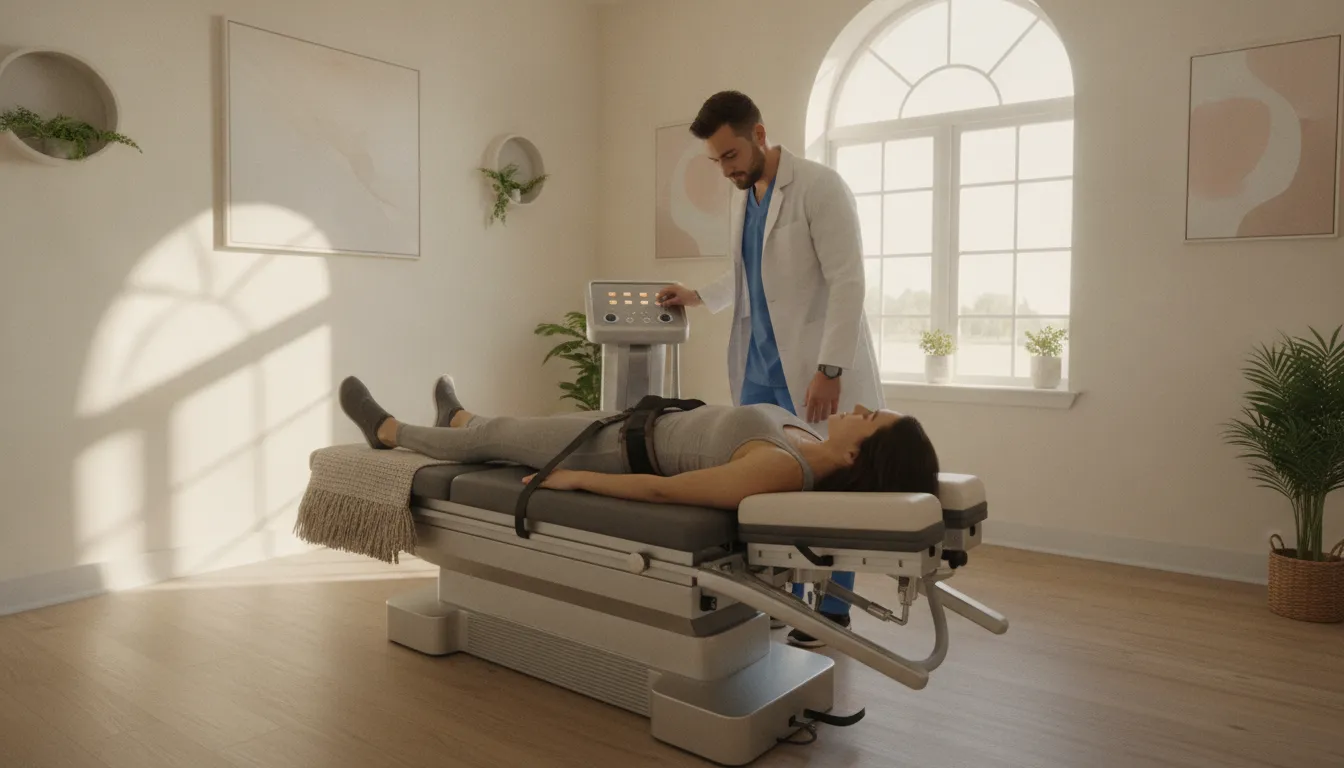
Spinal decompression is a modern, non-invasive therapy that’s incredibly effective for conditions like herniated discs, degenerative disc disease, and chronic low back pain. Because it’s a specific treatment for a diagnosed medical problem, decompression therapy is considered a qualified medical expense. You can use your HSA funds to pay for these sessions without any issue. This is a huge benefit for anyone needing more intensive care to find relief and address the underlying cause of their pain. It’s another way your HSA empowers you to choose effective treatments that help you heal and get back to your life.
Corrective care and rehabilitation
Chiropractic care often extends beyond initial relief to include corrective and rehabilitative strategies. These long-term plans are designed to address the root cause of your health concerns, strengthen your body, and prevent future problems. As long as this ongoing care is part of a documented treatment plan for a chronic condition, like persistent headaches or musculoskeletal imbalances, it qualifies for HSA spending. This is where functional health really shines, as it focuses on lasting solutions rather than temporary fixes. Using your HSA for corrective care helps make a comprehensive, root-cause approach more accessible.
Therapeutic modalities and diagnostic services
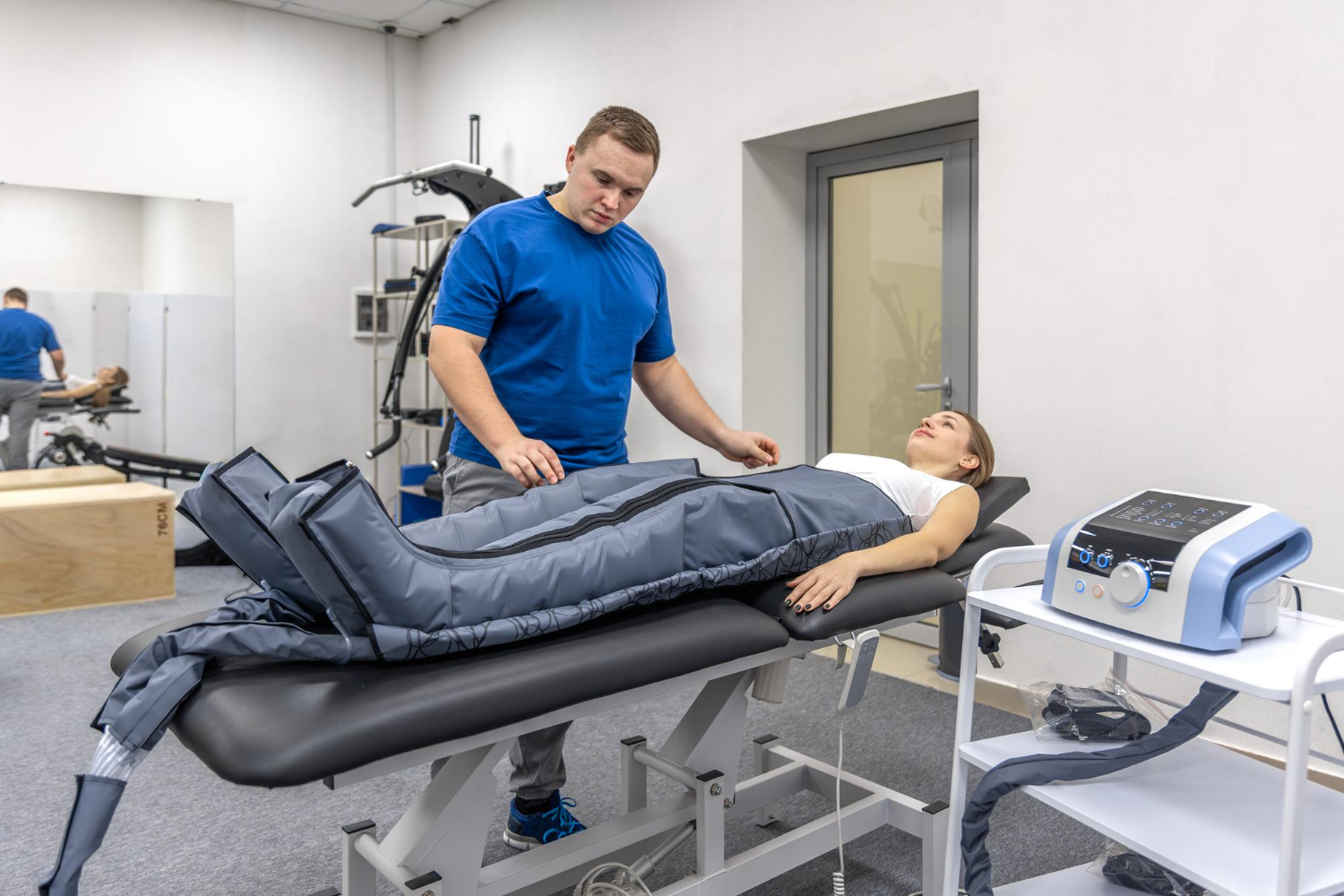
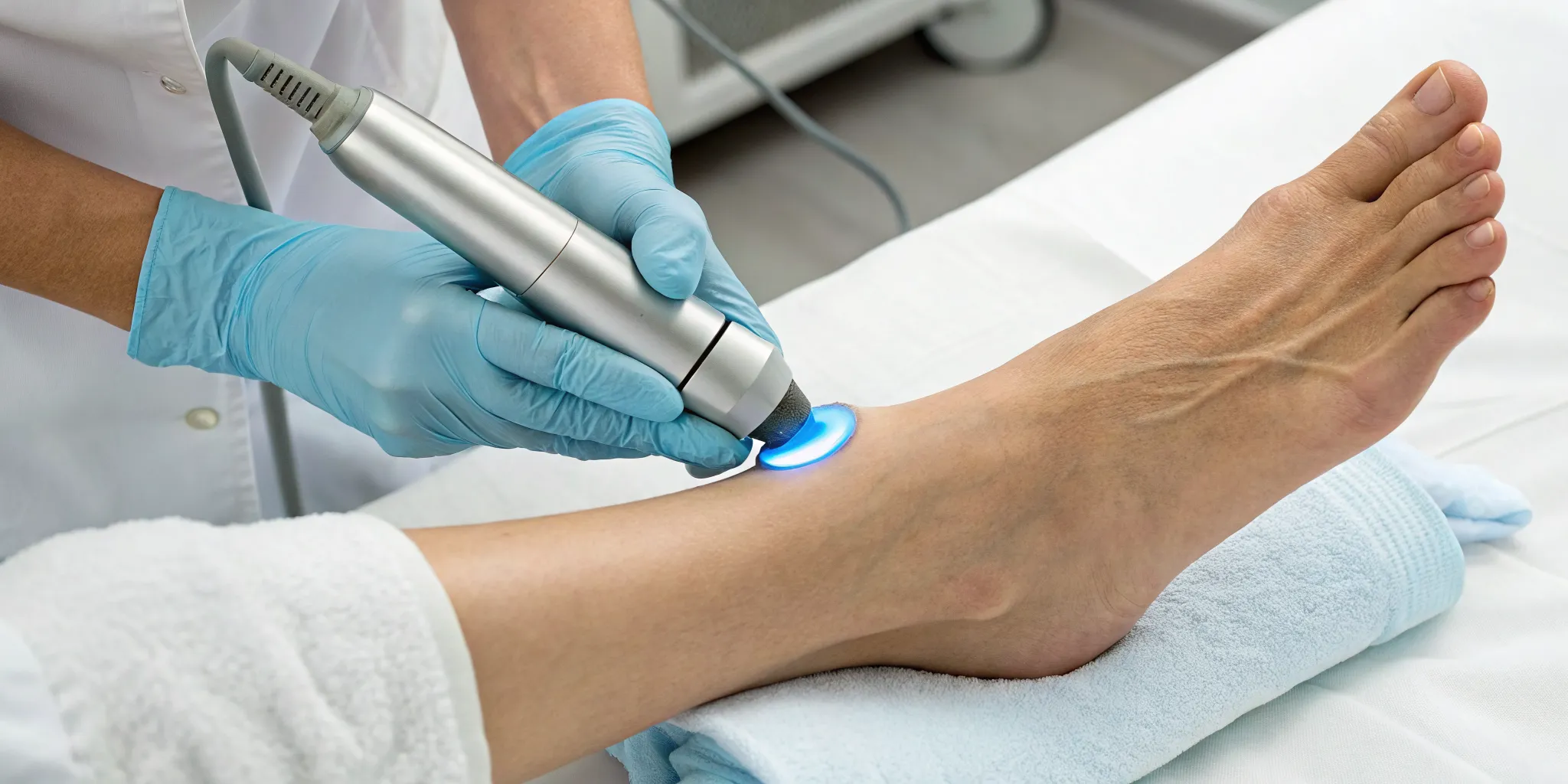
A thorough treatment plan often involves more than just adjustments. Diagnostic services, such as posture analysis or functional movement screenings, are essential for accurately identifying the source of your problem. These services are HSA-eligible because they are a necessary step in creating your treatment protocol. Additionally, therapeutic modalities that support your recovery, like electrical stimulation or cold laser therapy, also qualify. These services are part of a complete care plan aimed at improving your health and function, making them a legitimate use of your HSA funds and a key part of our functional medicine philosophy.
What doesn't qualify?
It’s just as important to know what you can't use your HSA for. The main exclusion is general wellness or maintenance care. If you’re visiting a chiropractor for a routine adjustment to simply "stay aligned" without a specific medical diagnosis or active treatment plan, the IRS does not consider this a qualified medical expense. Think of it this way: if the care is to treat an existing injury or illness, it’s eligible. If it’s purely for prevention or general well-being without a documented medical need, you’ll have to pay for it out of pocket. Always be clear about the purpose of your visit to avoid any issues.
Tax Benefits of Using Your HSA for Chiropractic Care
Using a Health Savings Account (HSA) for your chiropractic care is one of the smartest ways to manage your health expenses. It’s not just a savings account; it’s a powerful tool that offers significant financial advantages. When you pair your HSA with a proactive approach to your well-being, you’re investing in your health on multiple levels. Let’s look at the key tax benefits that make your HSA an incredible asset for your wellness journey.
Understanding the triple tax advantage
The most celebrated feature of an HSA is its triple tax advantage. Think of it as a three-in-one benefit that helps your money work harder for you. First, the money you contribute to your HSA is not taxed, which lowers your overall taxable income for the year. Second, the funds in your account can grow over time without being taxed. Finally, when you withdraw money for qualified medical expenses, like the physical medicine services we offer, those withdrawals are also completely tax-free. This unique combination means every dollar you set aside is maximized for your health.
How pre-tax dollars lower your costs
Paying for care with pre-tax dollars is a game-changer. Because your HSA contributions are made before taxes are taken out, you’re essentially paying for your appointments with money you haven't paid taxes on. This effectively reduces the out-of-pocket expense for your care. For example, if you're in a 25% tax bracket, paying with $100 from your HSA feels like spending only $75 of your take-home pay. This makes it more manageable to invest in consistent care for chronic conditions and stick to a treatment plan that truly addresses the root cause of your symptoms.
How provider flexibility benefits you
Your HSA funds are yours, which means you have the freedom to choose the provider that’s right for you. You are not limited to a specific network of doctors. This flexibility allows you to select a practitioner whose approach aligns with your personal health goals. It empowers you to work with a team, like ours at Ascend Functional Health, that is committed to a holistic philosophy and personalized care. You can confidently invest your HSA funds in a provider you trust to guide you on your path to better health, ensuring your money supports the wellness journey you believe in.
What Paperwork Do You Need for Reimbursement?
Using your HSA for chiropractic care is a smart financial move, but it requires a little bit of organization. Keeping your paperwork in order is the key to a smooth and stress-free reimbursement process. Think of it as creating a clear paper trail that confirms your expenses are eligible. With just a few key documents, you can confidently use your pre-tax dollars to invest in your health. Let’s walk through exactly what you’ll need to have on hand.
Do you need a Letter of Medical Necessity?
In many cases, yes. Your HSA funds are designated for care that is medically necessary, meaning the treatment addresses a specific injury or health condition. A Letter of Medical Necessity (LMN) is a formal document from a provider that officially links your chiropractic care to a diagnosis. This letter is your proof that the services aren't just for general wellness but are an essential part of your treatment plan. If you're receiving care for issues like sciatica, migraines, or disc problems, an LMN solidifies your expense as a qualified one in the eyes of your HSA administrator and the IRS.
Keeping itemized receipts and proof of payment
A simple credit card slip isn’t enough. For every appointment, you need to get an itemized receipt. This is a detailed bill that lists the date, the specific services you received, and the cost of each one. For example, it would separately list a spinal adjustment or a session of decompression therapy. This level of detail proves that your HSA funds were spent on eligible medical services. Make a habit of asking for an itemized receipt at the end of each visit and file it away immediately. This simple step ensures you have the exact documentation required for reimbursement or in case of an audit.
How long to keep your records
So, you’ve collected your receipts and letters. How long do you need to keep them? A safe rule is to hold onto all HSA-related paperwork for at least three years after the tax filing deadline for that year. This is the standard period during which the IRS can ask you to verify your expenses. To be extra cautious, some financial advisors suggest keeping them for up to seven years. The easiest way to manage this is to create a dedicated folder on your computer or a physical file for all your medical receipts. That way, you’ll have all the proof of your medical expenses organized and accessible if you ever need it.
How to Pay for Chiropractic Care With Your HSA
Using your Health Savings Account (HSA) is a smart way to handle the costs of your chiropractic care. Because you contribute pre-tax dollars to this account, you’re essentially getting a price reduction on your treatments. It’s a fantastic tool for making your health journey more manageable. The process is usually simple, whether you pay at your appointment or request reimbursement later. Let's walk through exactly how you can use your HSA funds for your care at Ascend Functional Health.
Pay directly at your appointment
The most straightforward way to use your HSA is to pay for your care right at our office. Think of it just like using a debit card. When you check out after your appointment, you can present your HSA card to cover the cost of your visit. This method works for all our qualified services, from spinal adjustments to corrective care plans. It’s a seamless process that lets you immediately apply your saved funds toward your health goals without any extra steps. We want to make every part of your experience here as smooth as possible, and that includes payment.
HSA debit card vs. manual reimbursement
Your HSA provider will typically give you a debit card linked to your account, which is the easiest way to pay. You just swipe it at checkout, and the funds are deducted automatically. However, life happens. If you forget your card or run into a technical issue, you still have a great option: manual reimbursement. You can pay for your appointment using a different method (like a personal credit or debit card) and then submit a claim to your HSA provider afterward. They will then send you the money from your account. This ensures you can always access your pre-tax health funds, even if you don't have your HSA card on hand. If you have questions about this, our team is always here to help.
How to submit a reimbursement claim
If you need to file for reimbursement, the process is pretty simple. First, you'll need an itemized receipt from our office detailing the services you received. Hold onto this! Next, you’ll submit this receipt to your HSA administrator, usually through their online portal or a mobile app. Some providers may also require you to fill out a short claim form. To be extra thorough, you can request a Letter of Medical Necessity (LMN) from your doctor. This letter explains why your chiropractic care is essential for your health, confirming it as a qualified medical expense. Our team at Ascend Functional Health can help you get the documentation you need to make reimbursement a breeze.
HSA Reimbursement Mistakes to Avoid
Using your HSA for chiropractic care is a smart financial move, but it’s important to follow the rules to avoid any issues with your account or the IRS. A little preparation goes a long way in making sure your reimbursement process is smooth and successful. By steering clear of a few common mistakes, you can confidently use your pre-tax dollars for the care you need. Here’s what to watch out for.
Don't confuse wellness with medical expenses
The IRS makes a clear distinction between treatment for a specific medical condition and general wellness care. While you might visit a chiropractor to feel your best, your HSA can only be used for services that address a diagnosed health issue. As one guide explains, "Routine chiropractic care, such as visits for general wellness or maintenance, is not considered a qualified medical expense and cannot be paid for with HSA funds." This is why having a clear diagnosis for conditions like back pain, sciatica, or headaches is so important. Your care plan at Ascend Functional Health is always tied to addressing the root cause of specific conditions we treat.
Avoid incomplete paperwork
One of the biggest hurdles to successful HSA reimbursement is missing or incomplete documentation. To prove your chiropractic care is a medical necessity, you’ll need the right paperwork. The most important document is a Letter of Medical Necessity (LMN) from your provider. This letter officially connects your treatment to a specific diagnosis, making it a qualified medical expense in the eyes of your HSA administrator. To ensure your care qualifies, you should obtain a Letter of Medical Necessity from your healthcare provider. Our team can help you with this process to make sure you have what you need when you contact us.
Always check your HSA provider's rules
While the IRS sets the general guidelines for what constitutes a medical expense, the specifics can sometimes vary between HSA providers. Don’t assume that every service is automatically approved. It’s always a good idea to "check with your HSA provider or read your plan documents to be sure your specific chiropractic expenses are covered." A quick look at your plan’s website or a call to customer service can clarify any questions you have about HSA eligibility for chiropractic care. This proactive step can save you from having a claim denied or needing to pay back funds later on.
Keep records in case of an audit
Even after your reimbursement is approved, your job isn’t quite done. The IRS can audit HSA spending for up to three years, so proper record-keeping is essential. You need to be able to prove that your funds were spent on qualified medical expenses if asked. Be sure to "keep good records, like detailed receipts, for all your chiropractic visits and costs." This includes itemized receipts from your appointments, copies of your LMN, and any other relevant documentation. Creating a dedicated digital or physical folder for these documents each year is a simple way to stay organized and prepared.
Can You Use an HSA for Long-Term Chiropractic Care?
Absolutely. Using your Health Savings Account (HSA) is a smart way to invest in your long-term well-being, especially when you're dealing with a persistent health issue. Chiropractic care isn't just for a one-time adjustment; it's a powerful tool for managing chronic conditions and improving your quality of life over time. Your HSA funds are there to support you on this journey, making consistent care more accessible.
Using your HSA for chronic condition management
If you're managing ongoing back pain, recurring headaches, or other musculoskeletal issues, your HSA can be a huge asset. The IRS considers chiropractic care a qualified medical expense when it's used to treat a specific medical condition. This means you can confidently use your pre-tax HSA dollars for your treatment plan. Think of it as a dedicated savings account for your health, allowing you to address the root cause of your chronic conditions without financial stress. This approach helps you stay on track with your care and focus on what truly matters: feeling your best.
How to plan for ongoing treatment costs
To make sure your ongoing treatments are covered without any issues, it’s wise to have the right documentation. The key piece of paperwork is a Letter of Medical Necessity (LMN) from your provider. This letter officially confirms that your chiropractic care is essential for treating your specific health concern. At Ascend Functional Health, we can guide you through this process. An LMN solidifies that your physical medicine services are for targeted treatment, not just general wellness, giving you peace of mind when using your HSA funds for continued care.
Maximize your HSA contributions for continued care
If you anticipate needing consistent chiropractic care, planning your HSA contributions is a great strategy. Because HSA funds roll over year after year, any money you don't use remains in your account for future needs. By contributing the maximum allowed amount each year, you not only lower your taxable income but also build a solid financial cushion for your health. This makes it easier to stick with a long-term health plan and utilize all the services that can help you achieve lasting results. It’s a proactive way to prioritize your health and your finances at the same time.
Your Next Steps with Ascend Functional Health
Feeling ready to take control of your health with us? That's fantastic. If you have a Health Savings Account (HSA), you might be wondering how you can use it for your care at Ascend Functional Health. It's a great question, and the good news is, it's often possible. Using your HSA is a smart way to invest in your well-being with pre-tax dollars, making your health journey more accessible.
The key is that the care must be considered "medically necessary" to treat a specific condition. This isn't just about general wellness; it's about addressing the root cause of issues like chronic back pain, headaches, or sciatica. At Ascend, our entire approach is built around diagnosing and treating the specific health concerns you're facing, which aligns perfectly with these requirements. Chiropractic services that address discomfort and improve function are typically considered qualified medical expenses by the IRS.
Using your HSA funds is pretty straightforward once you have the right documentation in place. We're here to support you through the process, from your initial consultation to providing the necessary paperwork for your records. Let’s walk through what you need to do to make it happen.
Confirm Your Care is Medically Necessary
First things first, your chiropractic services need to address a specific medical issue. Think of things like spinal adjustments for back pain, decompression therapy for a herniated disc, or corrective care for poor posture causing headaches. During your initial consultation with our team, we'll conduct a thorough evaluation to identify the root cause of your symptoms and create a personalized treatment plan. This plan is what establishes the medical necessity of your care, making it clear that your treatment is for a specific condition.
Gather the Right Paperwork
To make sure everything is clear for your HSA provider, getting a Letter of Medical Necessity (LMN) is a smart move. This is a formal document from your healthcare provider that outlines your diagnosis and the recommended treatment plan. It officially states that the chiropractic care you're receiving is essential for your health. Our team at Ascend Functional Health can provide you with this letter after your evaluation. It’s a key piece of documentation that helps ensure your care is considered a qualified medical expense. Always hold onto your itemized receipts for every visit and payment, as these records are your proof of payment.
Schedule Your Appointment
Once you understand how your HSA can work for your treatment, you’re ready to get started. You can pay for your services directly at our office using your HSA debit card, just like a regular debit card. If you don't have a card, you can pay out-of-pocket and then submit a reimbursement claim to your HSA provider using the paperwork we provide. Ready to begin your healing journey? Contact our Tampa office today to schedule your initial evaluation. We look forward to helping you get to the root of your health concerns.
Related Articles
- Chiropractic Care: Everything You Need to Know
- Spinal Health Chiropractic: A Complete Guide
- Expert Treatment for Neck, Back, Joint Pain & More | Conditions We Treat - Alessi Functional Health
- How a Chiropractor Helps Neck Pain and Headaches
- Chiropractic Treatment for Migraines: What to Know
Frequently Asked Questions
Can I use my HSA for any visit to a chiropractor? Not exactly. The key is that the care must be considered medically necessary. This means your visit is to diagnose or treat a specific health condition, like back pain, sciatica, or chronic headaches. General wellness or maintenance visits without a documented medical need typically do not qualify. Our approach is to create a treatment plan that addresses the root cause of your symptoms, which aligns with the requirements for using your HSA funds.
What's the most important document I need to use my HSA for chiropractic care? The most helpful document you can have is a Letter of Medical Necessity, or LMN. This is a formal letter from your provider that confirms your diagnosis and explains why chiropractic care is an essential part of your treatment. It serves as official proof for your HSA administrator that your expenses are for a qualified medical purpose. Our team can help you get the proper documentation after your evaluation.
What happens to my HSA money if I don't use it all by the end of the year? One of the best features of an HSA is that the money is always yours. Unlike some other health accounts, your entire balance rolls over year after year. The funds never expire, so you can continue to save and grow your account for future health needs. This makes it a great tool for long-term planning, even if you change jobs or health plans.
How do I actually pay for my appointment with my HSA? You have a couple of simple options. The easiest method is to use your HSA debit card right at our office when you check out, just like you would with any other debit card. If you happen to forget your card or prefer another way, you can pay for the service with a personal card and submit a reimbursement claim to your HSA provider afterward using the itemized receipt we give you.
Can I use my HSA for other services at Ascend Functional Health besides chiropractic adjustments? Yes, you often can. As long as a service is part of a documented treatment plan to address a specific medical condition, it generally qualifies. This can include services like spinal decompression therapy, corrective care exercises, and even certain diagnostic tests that help us understand the root cause of your health issues. Your HSA is a tool to support your entire healing journey.