Neck pain is rarely just about the neck. It can disrupt your sleep, drain your energy, and prevent you from enjoying the activities you love. It’s a problem that affects your whole life, which is why it requires a solution that considers your whole person. At Ascend Functional Health, we see the complete picture. While a treatment like cervical spinal decompression is a highly effective tool for relieving the physical pressure causing your pain, we know that true, lasting wellness goes deeper. We integrate this physical medicine approach with a functional perspective, looking at factors like inflammation and overall health to create a comprehensive plan that supports your body’s ability to heal from the inside out.
Key Takeaways
- Non-surgical options create space to heal: Treatments like spinal decompression work by gently relieving pressure on nerves and discs in your neck, which allows your body's natural healing processes to begin.
- A conservative approach comes first: Effective, non-invasive treatments like physical therapy, chiropractic care, and spinal decompression are the primary tools for addressing neck pain; surgery is typically only considered when these methods do not provide sufficient relief.
- Your recovery extends beyond the clinic: Achieving lasting results involves actively participating in your own care through corrective exercises, posture awareness, and other lifestyle adjustments recommended by your practitioner to support your long-term spinal health.
How Does Cervical Spinal Decompression Work?
If you're dealing with persistent neck pain, you've probably wished you could just gently stretch your spine to make it all go away. In a way, that's the core idea behind cervical spinal decompression. It’s a non-surgical therapy designed to relieve pressure on the discs and nerves in your neck. Think of it as creating space in your spine, allowing things to settle back into a more comfortable and natural position. This process helps address the root cause of the pain, rather than just masking the symptoms.
Relieving pressure on your spine
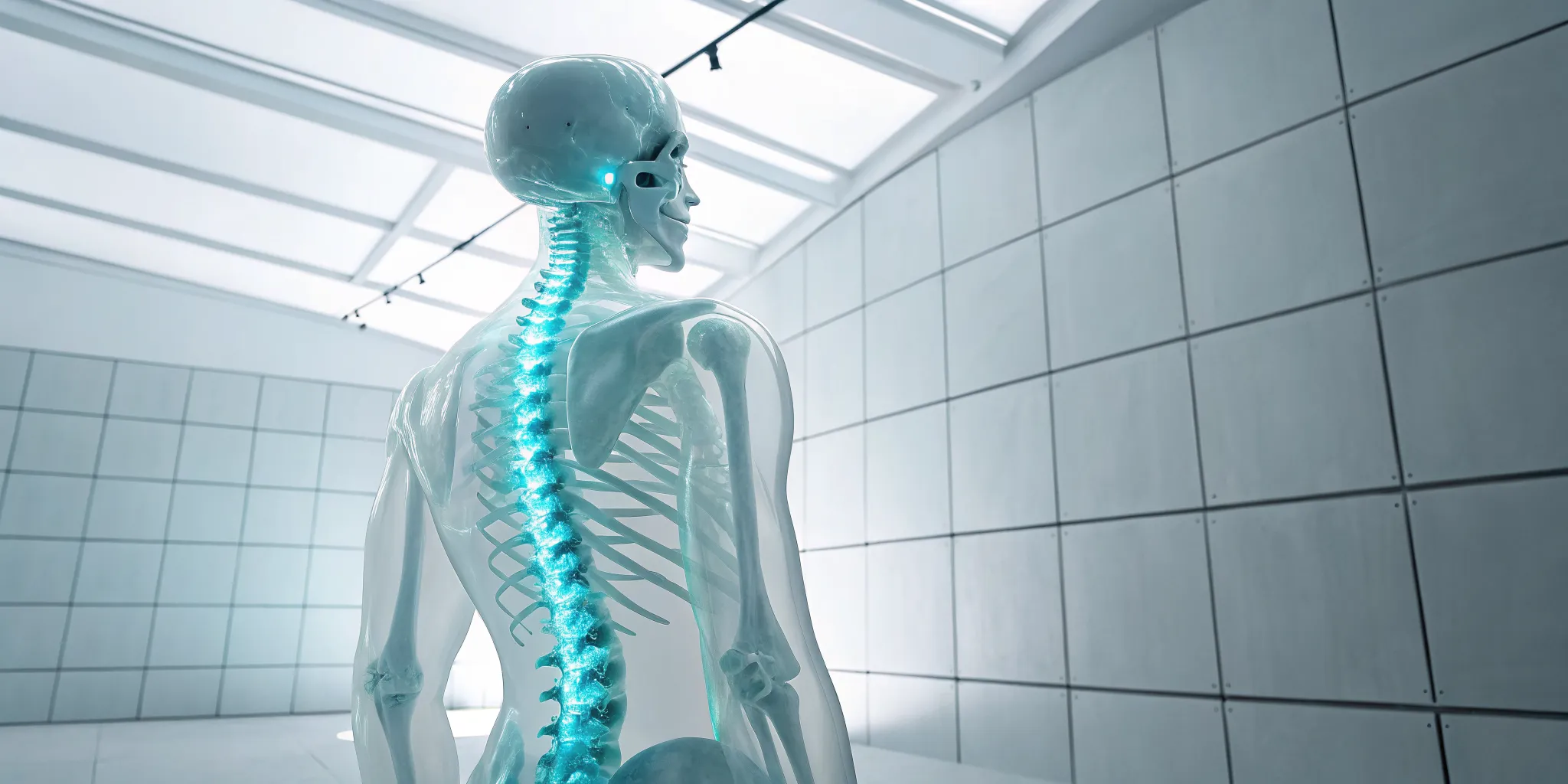
The pain, tingling, or numbness you feel often comes from a spinal disc that has moved out of place or become damaged, pressing on sensitive nerves. Cervical spinal decompression addresses this by gently and methodically stretching the neck. This careful traction creates a state of negative pressure within the affected disc. This vacuum-like effect can help draw the bulging or herniated material back into the disc and away from the nerve. By taking the pressure off, we allow for improved circulation of water, oxygen, and nutrients into the disc, which supports the body's innate ability to heal. It's a key part of our physical medicine approach.
What conditions can it help?
This therapy is particularly effective for people experiencing ongoing neck or arm pain, weakness, or numbness that hasn't responded to other treatments. It's a valuable option for several specific spinal issues. We often see positive results for individuals with herniated or bulging discs, where the inner gel of the disc pushes out and irritates nearby nerves. It can also provide relief for those with degenerative disc disease, which is the natural wear and tear on your spinal discs over time. Additionally, it can help with spinal stenosis, a condition where the spinal canal narrows, putting pressure on the spinal cord and nerves. You can see a full list of conditions we treat at our Tampa clinic.
Is this treatment right for you?
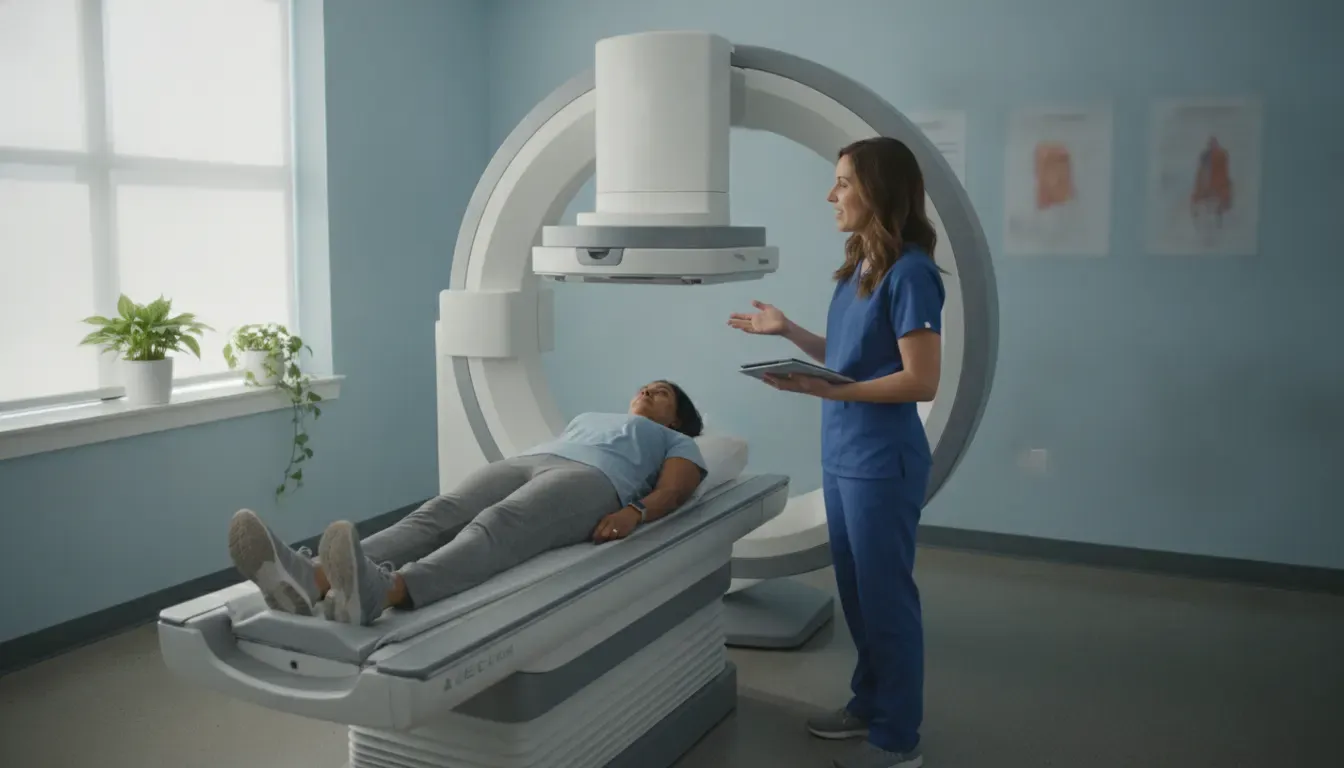
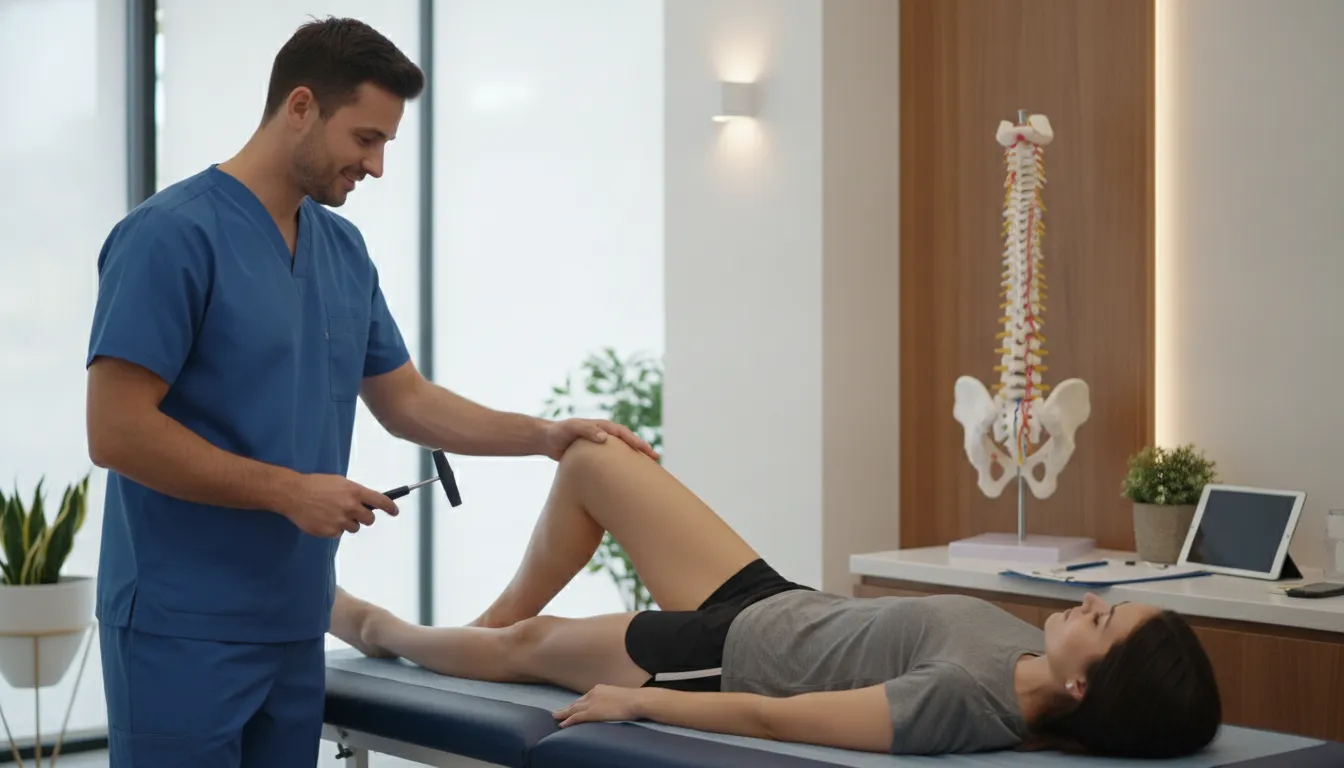
While spinal decompression can be incredibly helpful, it’s not the right fit for everyone, and it’s usually not the first thing we try. A responsible approach means considering it after other conservative methods, like specific exercises or chiropractic adjustments, haven't provided the relief you need. Before recommending this path, we conduct a thorough evaluation. This includes a detailed discussion of your health history, a physical examination, and a review of any imaging you may have, like X-rays or MRIs. This comprehensive process ensures we understand the precise cause of your discomfort and can confirm that you are a good candidate for the therapy, aligning with our commitment to personalized care.
Exploring Your Non-Surgical Options
If you're dealing with persistent neck pain, the thought of surgery can be daunting. The good news is that it's often not the first or only solution. A range of effective, non-surgical treatments can address the root cause of your discomfort, helping your body heal and regain function without invasive procedures. These approaches focus on relieving pressure, restoring alignment, and strengthening the structures that support your spine.
At Ascend Functional Health, our approach to physical medicine is built on the principle of using the most conservative and effective methods first. By exploring options like cervical traction, chiropractic adjustments, spinal decompression, and physical therapy, we can create a personalized plan that targets your specific condition. These treatments work with your body’s natural healing abilities to provide lasting relief and improve your overall quality of life. Let's look at how each of these can help you on your path to feeling better.
Cervical traction
Cervical traction is a method used to gently stretch your neck. Think of it as creating a little more space for everything to function properly. By applying a light, steady pulling force, this technique helps to open up the space between your vertebrae. The goal is to reduce pressure on the spinal discs and nerves that may be compressed or irritated, which is often a source of pain, numbness, or tingling. This process can help alleviate discomfort and improve your neck's mobility. It’s a controlled and gentle way to decompress the structures in your neck and encourage relief.
Chiropractic adjustments
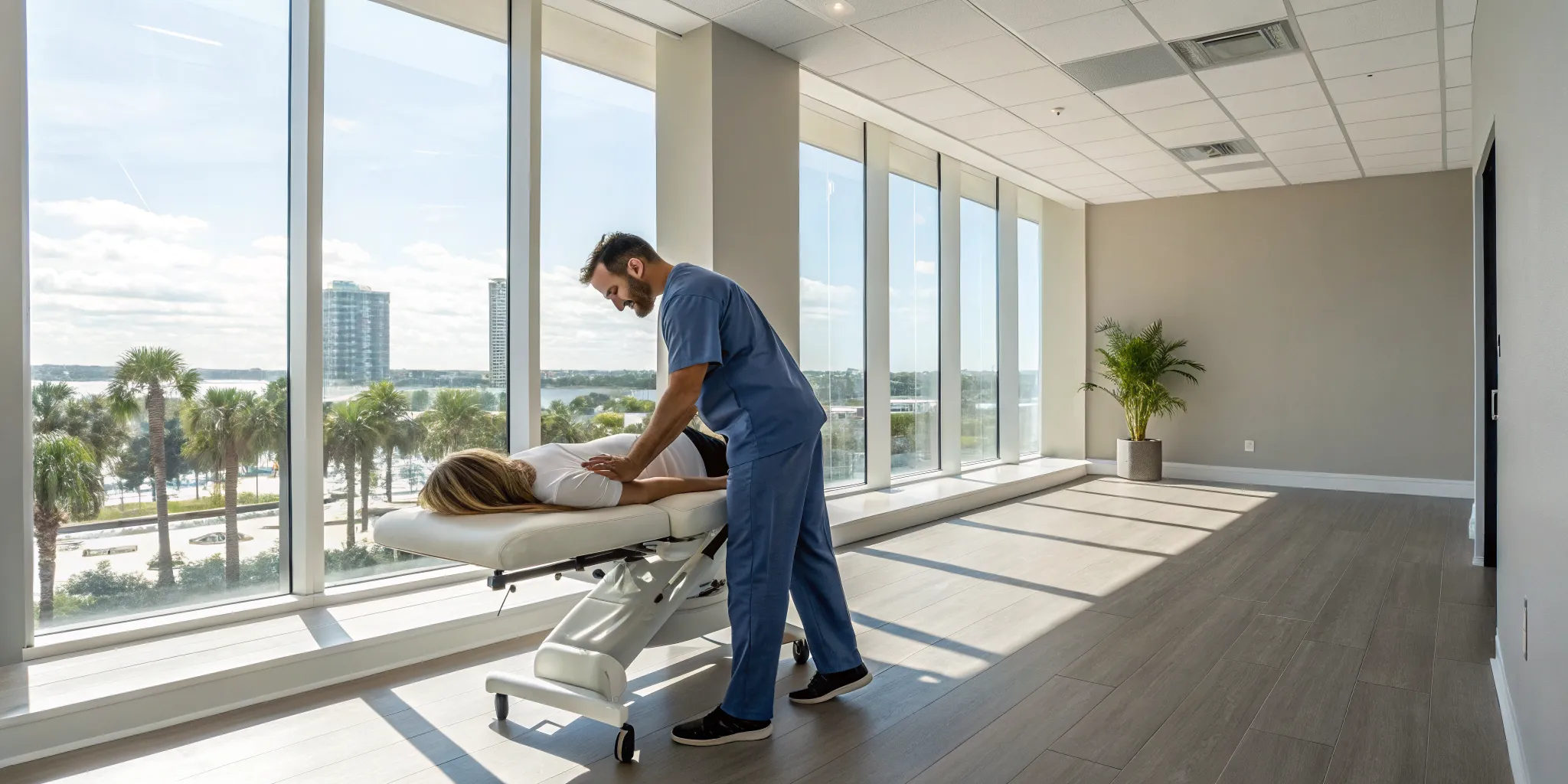
Chiropractic care is a hands-on approach focused on the relationship between your spine and your nervous system. When the vertebrae in your neck are out of alignment, they can interfere with nerve function and cause pain. Through precise and gentle adjustments, a chiropractor can help restore proper motion and positioning to the joints of your spine. This realignment takes pressure off the surrounding nerves and tissues, which can significantly reduce neck pain and improve your range of motion. It’s a foundational treatment for addressing the structural source of many neck-related conditions we treat.
Spinal decompression therapy
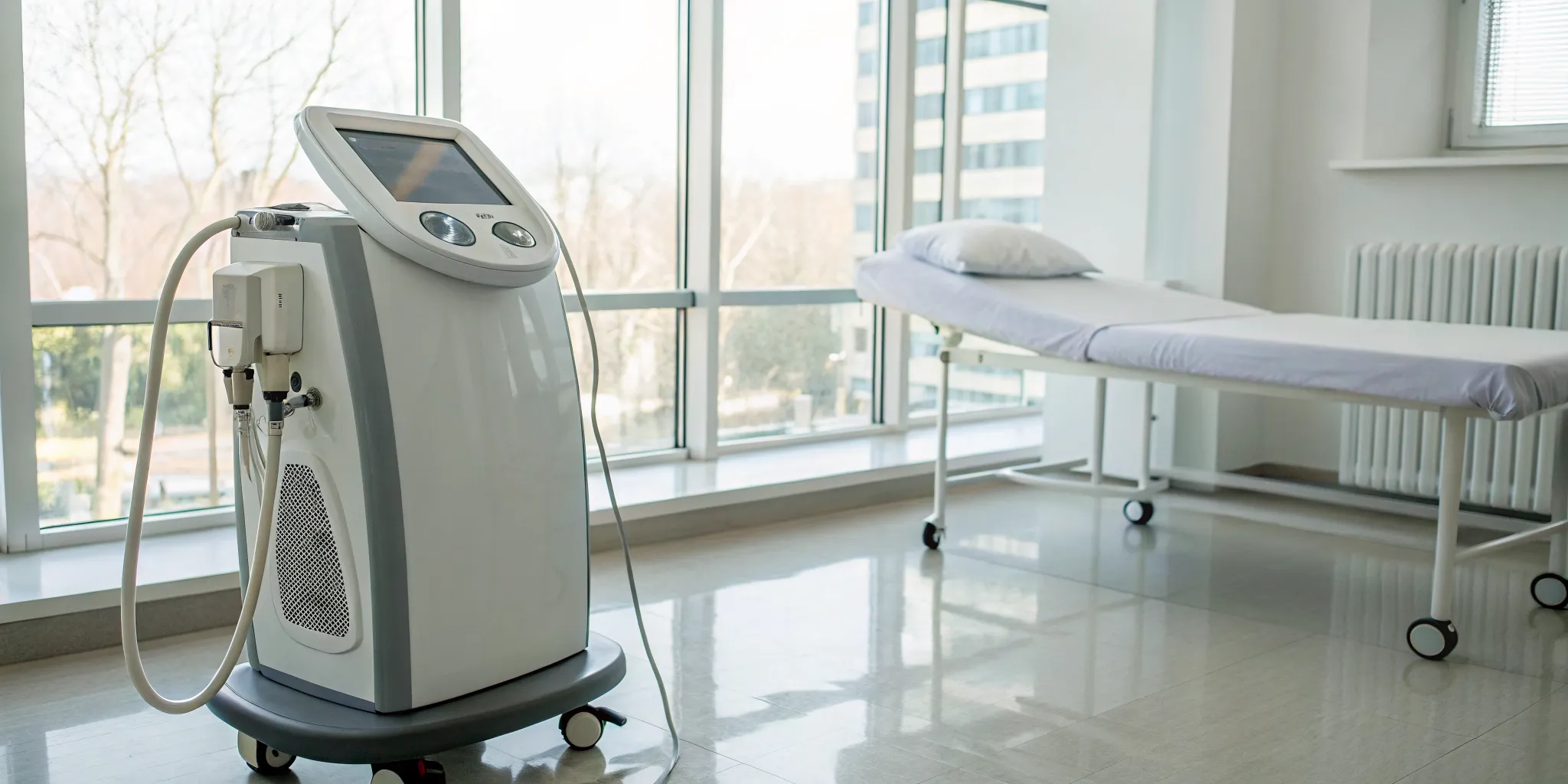
Spinal decompression therapy is a more advanced, targeted treatment designed to relieve pressure on your spinal discs. During a session, you lie on a specialized table as it gently and methodically stretches and relaxes your spine. This creates a negative pressure inside the discs, which acts like a vacuum. This vacuum effect can help draw bulging or herniated disc material back into place and pull in oxygen, water, and nutrients to promote healing. It’s a highly effective, non-invasive way to address the direct cause of pain from conditions like pinched nerves or degenerative disc disease.
Physical therapy
Physical therapy plays a crucial, active role in your recovery from neck pain. While other treatments focus on relieving pressure and correcting alignment, physical therapy empowers you to strengthen and stabilize your neck for the long term. A therapist will guide you through specific exercises and stretches designed to improve your neck's flexibility, build strength in the supporting muscles, and correct your posture. This not only helps resolve current pain but also makes your neck more resilient against future strain or injury. It’s an essential part of a comprehensive plan for lasting relief.
Understanding Surgical Decompression
When non-surgical treatments don't provide the relief you need, it can feel discouraging. But it’s important to remember that you still have options. For some people experiencing persistent neck pain and nerve-related symptoms, a surgical procedure may be the most effective path toward healing. Thinking about surgery can be overwhelming, which is why the first step is simply understanding what these procedures involve. This knowledge empowers you to have more productive conversations with your healthcare team and make informed decisions about your health.
Surgical decompression aims to do exactly what it sounds like: relieve the pressure on your spinal cord or nerve roots. This pressure is often the root cause of chronic pain, numbness, tingling, or weakness in your neck, shoulders, and arms. There are several different surgical techniques, and the one a surgeon might recommend depends entirely on your specific situation, including the location and cause of the compression. Learning about these options isn't about deciding on one yourself; it's about building a foundation of knowledge so you can feel confident as you discuss the conditions we treat and your potential solutions with a specialist.
Anterior cervical discectomy and fusion (ACDF)
Anterior cervical discectomy and fusion, or ACDF, is a common procedure used to address a damaged disc in the neck. During this surgery, the surgeon makes an incision in the front (anterior) of the neck to access the spine. They then carefully remove the problematic disc that is pressing on your nerves or spinal cord. To maintain stability after the disc is gone, the two vertebrae on either side of the removed disc are fused together, often with a bone graft and a small plate. This fusion creates a single, solid piece of bone, preventing painful motion and stabilizing that segment of your spine.
Laminectomy
A laminectomy is a procedure designed to create more space within the spinal canal. Your lamina is the back part of the vertebra that forms a bony roof over your spinal cord. If this area becomes narrowed, it can squeeze the spinal cord and nerves. During a laminectomy, a surgeon removes a portion of the lamina, effectively "opening up" the spinal canal. This gives the spinal cord and nerves more room, relieving the compression that causes pain, numbness, and other neurological symptoms. It’s a way to directly address the pressure inside the spine.
Foraminotomy
Imagine the nerves in your spine exiting through small bony doorways on their way to your arms and hands. These openings are called foramina. Sometimes, due to arthritis or a bulging disc, these doorways can become narrow and pinch the nerve as it passes through. A foraminotomy is a surgical procedure that widens this opening. By carefully removing small amounts of bone or tissue that are causing the blockage, the surgeon gives the nerve root more space, relieving the pressure and the painful symptoms that come with a pinched nerve.
Corpectomy
A corpectomy is a more extensive procedure reserved for situations where there is significant pressure on the spinal cord, often from multiple levels or from bone spurs that have formed on the vertebral body itself. During a corpectomy, the surgeon removes the main body of one or more vertebrae, along with the discs above and below them. This removes the source of the compression entirely. To reconstruct and stabilize the spine, a large bone graft and a plate with screws are used to bridge the gap, creating a strong, stable column.
When is surgery the best path forward?
Deciding to have surgery is a significant step, and it’s typically not the first option on the table. Surgery is generally considered when more conservative treatments, like the ones offered in physical medicine, have been tried but haven't provided enough relief. If you’ve diligently followed a plan involving chiropractic care or physical therapy and are still struggling with debilitating pain, surgery might become a necessary conversation. Furthermore, if your neurological symptoms, such as numbness, weakness in your arms or hands, or issues with coordination, are getting progressively worse, a surgeon may determine that a procedure is needed to prevent permanent nerve damage.
Weighing the Benefits and Risks
Making an informed decision about your health means looking at the full picture: the potential rewards and the realities of the process. Cervical spinal decompression, whether surgical or non-surgical, is a significant step. Let’s walk through what you can expect so you can feel confident in the path you choose for your care.
Potential benefits: relief, mobility, and function
The primary goal of cervical spinal decompression is to find relief. When discs in your neck are damaged or out of place, they can press on nerves, causing persistent pain, numbness, or weakness that can travel down your arms. By gently creating space in the spine, this treatment relieves that pressure. Many people report a significant reduction in their symptoms, sometimes feeling better right away. The ultimate aim is to restore your mobility and function, allowing you to get back to your life with less pain holding you back. Our approach to physical medicine focuses on these exact outcomes.
Important risks and considerations
While non-surgical decompression has a very low-risk profile, it's important to understand the considerations that come with any medical procedure, especially surgery. Surgical decompression is typically recommended only after more conservative treatments haven't provided the needed relief. Like any surgery, it carries potential risks, including infection, bleeding, or nerve damage. This is why having a thorough consultation is so critical. It’s your opportunity to discuss your specific health situation, understand the potential outcomes, and weigh them against any risks. We believe in creating a personalized plan that addresses the root cause of your condition with clarity and care.
Supporting your long-term results
Your journey doesn’t end after the treatment session. In fact, what you do afterward is key to achieving lasting success. Post-treatment care is all about supporting your body’s natural healing process. You’ll receive specific guidance from your practitioner, which is designed to help you heal fully without requiring extended bed rest. Recovery times vary, but most people can return to light activities within a few weeks. True, long-term wellness often involves integrating supportive lifestyle habits. This holistic view is a core part of our functional medicine philosophy, ensuring your results are sustained for years to come.
What to Expect During and After Treatment
Deciding on a treatment path is a big step, and it’s natural to wonder what the process actually looks like. Whether you’re exploring non-surgical options or considering a procedure, understanding the journey ahead can help you feel more confident and prepared. The goal is always the same: to find lasting relief and get you back to living your life fully. From the initial session to long-term wellness strategies, here’s a breakdown of what you can anticipate during and after cervical spinal decompression treatment.
A look inside a non-surgical session
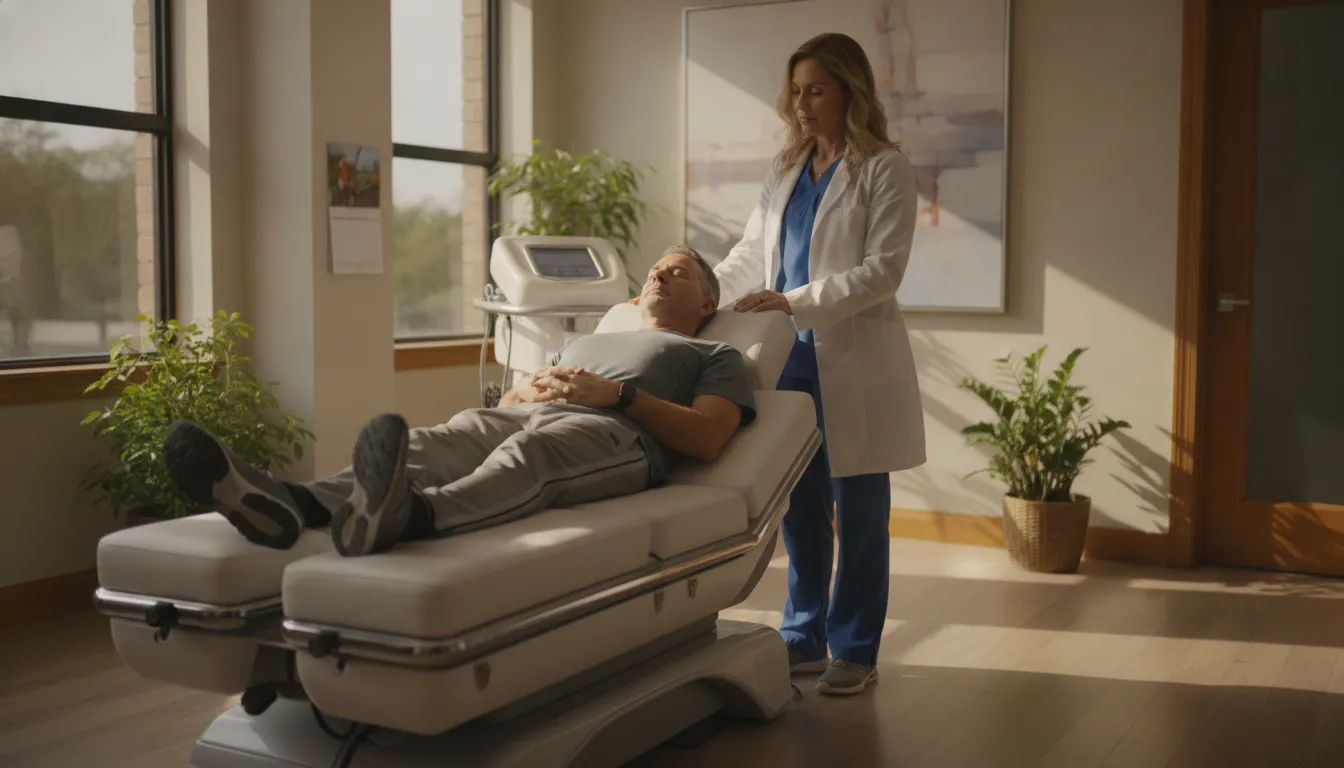
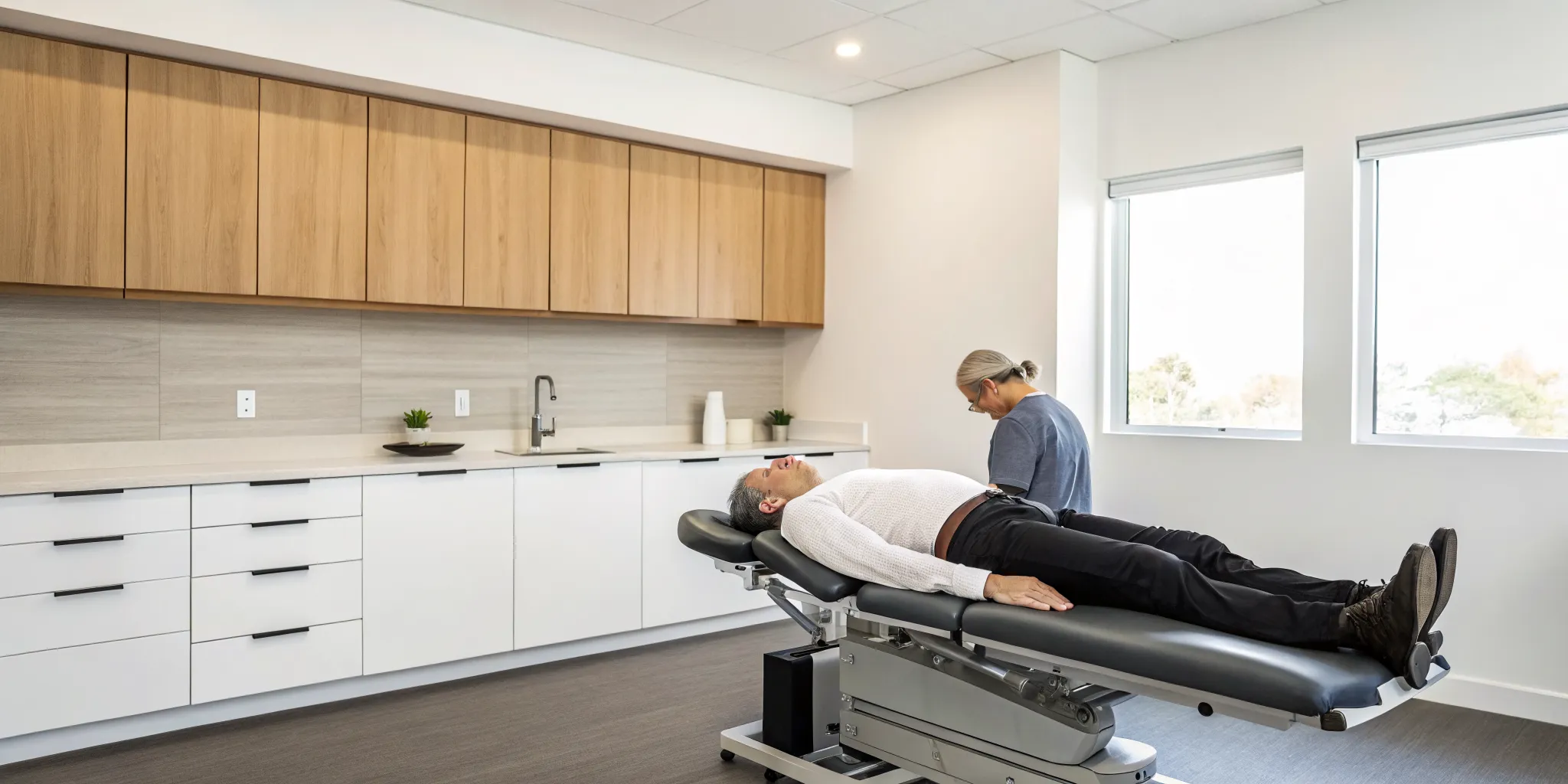
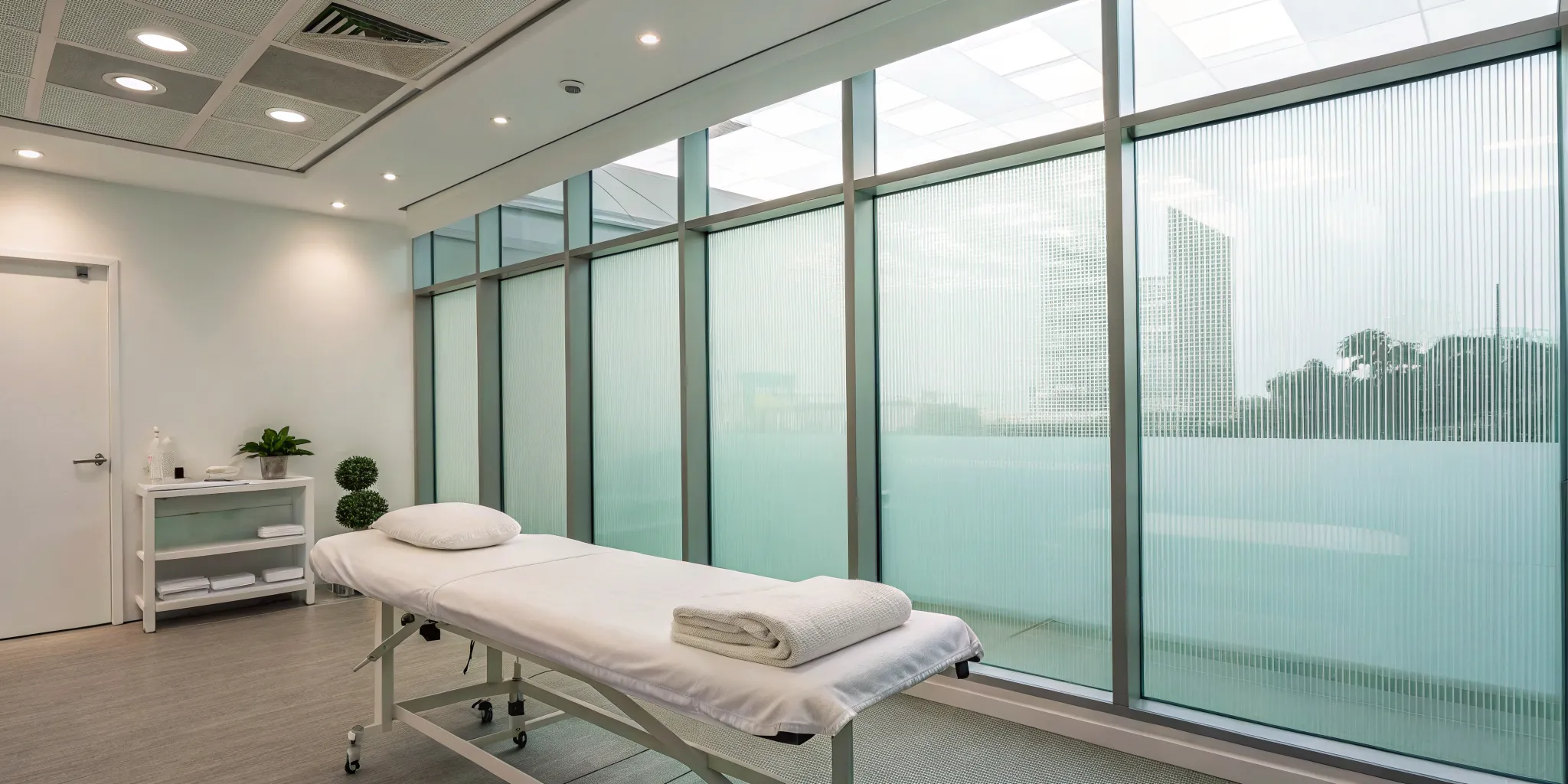
If you and your practitioner decide non-surgical decompression is the right fit, your first step will be a thorough evaluation. We need to understand exactly what’s causing your neck pain, whether it’s a disc issue or something else. From there, we create a plan tailored just for you. During a treatment session, you’ll lie on a specialized, computer-controlled table. The system works by gently and precisely stretching your cervical spine, creating negative pressure within the discs. This process helps retract bulging or herniated disc material and encourages the flow of healing nutrients into the disc. Most people find the sessions to be comfortable and relaxing. Our approach to physical medicine focuses on these gentle, effective techniques to relieve pressure without invasive procedures.
The surgical recovery timeline
For those whose condition requires a surgical procedure, the recovery process is a crucial part of the journey. After a minimally invasive procedure, where a surgeon removes the bone or disc material pressing on your nerves, you’ll receive a detailed recovery plan. This guide will include specific exercises and activity modifications to help you heal properly. While some people report feeling better almost immediately, it’s important to remember that recovery is a gradual process. Your body needs time to adjust and repair. In many cases, you can expect to be up and walking the day after your procedure, but you’ll work closely with your medical team to determine the right pace for your return to normal activities.
Lifestyle adjustments for lasting relief
True healing goes beyond the treatment room. To achieve lasting relief from neck pain, it’s important to adopt lifestyle habits that support a healthy spine. This often involves incorporating specific corrective exercises into your routine to strengthen the supporting muscles in your neck and upper back. We also focus on improving your posture and making ergonomic adjustments to your workspace and daily activities. Since inflammation can contribute to pain, we may also explore how your diet and overall wellness affect your condition. Making these supportive changes is key to maintaining your results and preventing future issues. You can find more wellness insights on our blog.
The Ascend Functional Health Approach in Tampa
At Ascend Functional Health, we see your treatment as a partnership. We don’t just focus on the single symptom of neck pain; we look at your entire health picture to find and address the root cause. Our unique approach combines three pillars of healing. We use Physical Medicine for treatments like spinal decompression. We then integrate Functional Medicine to investigate underlying factors like gut health and inflammation that could be contributing to your pain. Finally, our Longevity Medicine services support your body’s overall vitality. This comprehensive strategy allows us to create a truly personalized protocol that facilitates your body’s innate ability to heal, ensuring you get results that last.
Related Articles
- Revitalize Your Spine with Spinal Decompression Therapy in Tampa, FL
- Spinal Decompression Therapy in Tampa, FL - Alessi Functional Health
- Expert Spinal Curve Correction in Tampa Bay - Alessi Functional Health
- Discover Expert Chiropractic Care in Tampa, FL for Pain Relief
- Expert Treatment for Neck, Back, Joint Pain & More | Conditions We Treat - Alessi Functional Health
Frequently Asked Questions
Is non-surgical spinal decompression painful? Not at all. In fact, most people find the process quite comfortable and even relaxing. The therapy involves a very gentle, computer-controlled stretching of your neck. You’ll feel a light pulling sensation as the machine works, but it’s designed to be a slow and methodical process that avoids triggering any muscle guarding or discomfort. The goal is to create relief, and the treatment itself reflects that.
How is this different from a simple cervical traction device? That's a great question. While both use a pulling force, spinal decompression therapy is a much more advanced and specific treatment. Simple traction applies a steady, static pull. In contrast, the computerized decompression table alternates between gentle stretching and relaxation. This cycle is key because it creates a precise negative pressure inside the disc, which is more effective at drawing in healing nutrients and retracting disc material than a simple, constant pull.
How long will it take before I feel better? This really varies from person to person, as everyone's body and condition is unique. Some people report feeling a sense of relief after just a few sessions, while for others, the improvement is more gradual and cumulative. The therapy works with your body's natural healing timeline. We create a personalized plan for you, and we'll monitor your progress closely to make sure you're moving in the right direction.
What happens if this treatment doesn't work for me? It's important to remember that spinal decompression is one part of a comprehensive strategy, not a standalone solution. Our thorough initial evaluation helps us determine if you are a strong candidate for the therapy. If we find that it isn't providing the expected results, we don't just give up. We reassess and explore the other tools we have, such as targeted physical therapy or specific chiropractic adjustments, to find the approach that will work best for you.
Why is it important to address things like posture and diet for neck pain? Your neck pain doesn't exist in a vacuum. Chronic strain from poor posture can constantly work against any treatment, while systemic inflammation, often influenced by diet, can make you more susceptible to pain and slow down healing. By addressing these lifestyle factors, we aren't just treating the symptom (your neck pain), we are supporting your body's overall ability to heal and making it more resilient against future problems. This is a core part of creating results that truly last.