Navigating the world of healthcare expenses can feel complicated, especially when you have a Health Savings Account (HSA). You know you have these tax-advantaged funds set aside, but what exactly can you use them for? The good news is that the list of qualified expenses is broader than you might think. It often includes the very services that help you address chronic issues at their source. We’ll show you how your HSA can be used for HSA eligible alternative medicine, from chiropractic adjustments to in-depth functional medicine consultations, so you can confidently invest in your path to feeling better.
Key Takeaways
- Take advantage of your HSA's triple-tax benefit: Your contributions, account growth, and withdrawals for qualified medical expenses are all tax-free. This unique structure helps your healthcare dollars go further.
- Pay for holistic care with a clear purpose: Your HSA can cover services like chiropractic, functional medicine, and acupuncture, but the treatment must be for a specific medical condition. General wellness services typically don't qualify without a formal recommendation.
- Keep a clear paper trail for your expenses: To properly manage your HSA, always save your itemized receipts and any Letters of Medical Necessity. Holding onto these records for at least three years ensures you can verify your spending if needed.
How Does a Health Savings Account (HSA) Work?
Think of a Health Savings Account (HSA) as a personal savings account, but one that’s exclusively for your health expenses. It’s a powerful tool that puts you in control of your healthcare spending, allowing you to set aside money specifically for your well-being. When you have an HSA, you can confidently invest in treatments and therapies that align with your personal health goals, including holistic approaches that focus on finding the root cause of your symptoms. This is especially useful for services that support your long-term wellness, like functional medicine, which aims to restore your body’s natural balance.
An HSA is more than just a way to pay for appointments; it’s a financial strategy. The money you contribute can grow over time, creating a dedicated fund for your future health needs. It empowers you to be proactive about your health, giving you the freedom to choose the care that feels right for you without being limited by traditional payment structures. By planning ahead with an HSA, you’re making a direct investment in your most important asset: your health. It’s a practical step toward building a foundation of wellness that can support you for years to come.
Qualifying with a High-Deductible Health Plan (HDHP)
To open and contribute to an HSA, there’s one main requirement: you must be enrolled in a high-deductible health plan (HDHP). These plans are exactly what they sound like. They typically have lower monthly payments in exchange for a higher deductible, which is the amount you pay out-of-pocket for health services before your plan starts to contribute. While a higher deductible might seem daunting, choosing an HDHP is the key that gives you access to the powerful savings and tax benefits of an HSA. It’s a trade-off that many people find worthwhile for the financial flexibility and control it provides.
Understanding the Tax Advantages
The biggest perk of an HSA is its triple-tax advantage, which is hard to find with other savings accounts. First, the contributions you make are tax-deductible, lowering your taxable income for the year. Second, the money in your account grows tax-free, so you won’t pay taxes on any interest or investment earnings. Finally, when you withdraw money for qualified medical expenses, those withdrawals are also completely tax-free. This unique combination means every dollar you save goes further, making it one of the most effective ways to pay for the care you need to address various health concerns. You can find more details on the IRS website.
HSA vs. FSA: What's the Difference?
You might have also heard of Flexible Spending Accounts (FSAs), but they work very differently from HSAs. The most important distinction is that FSAs often have a "use it or lose it" rule. This means you must spend most or all of the funds by the end of the year, or you forfeit the money. An HSA, on the other hand, is your personal asset. The funds roll over year after year, so you can build up a healthy balance without the pressure to spend it. Plus, your HSA is portable, so it stays with you even if you change jobs, making it a true long-term savings tool for your health.
HSA-Eligible Holistic Treatments
One of the best things about having a Health Savings Account (HSA) is the freedom it gives you to pay for care that truly supports your well-being. Many holistic and alternative treatments, which focus on addressing the root cause of health issues, are considered qualified medical expenses. This means you can use your pre-tax HSA dollars to invest in your long-term health, making services like those we offer at Ascend Functional Health more accessible. It’s a fantastic way to take an active role in your health journey by choosing therapies that align with your goals. Let’s walk through some of the most common HSA-eligible treatments that can help you feel your best from the inside out.
Chiropractic Care
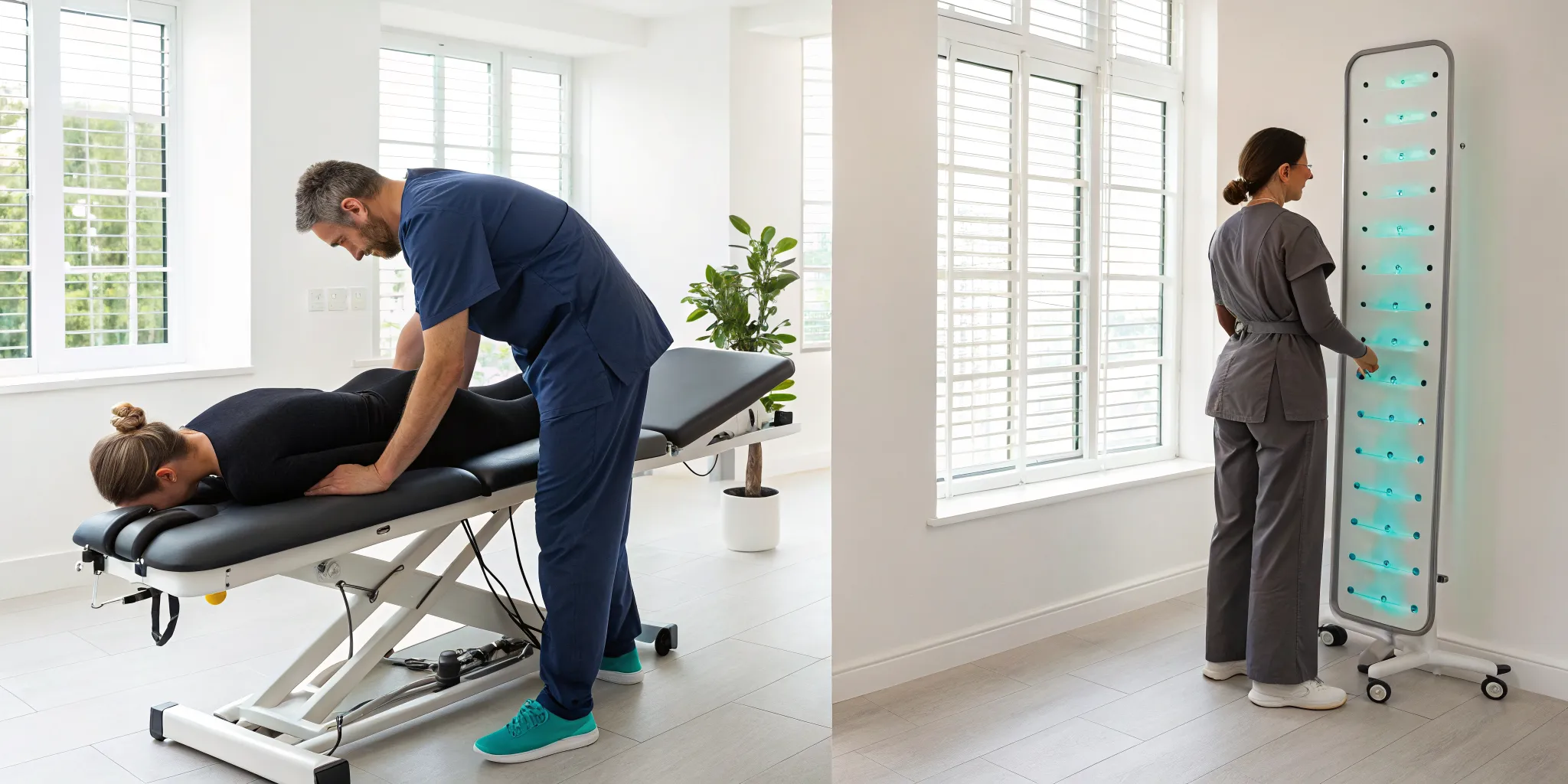
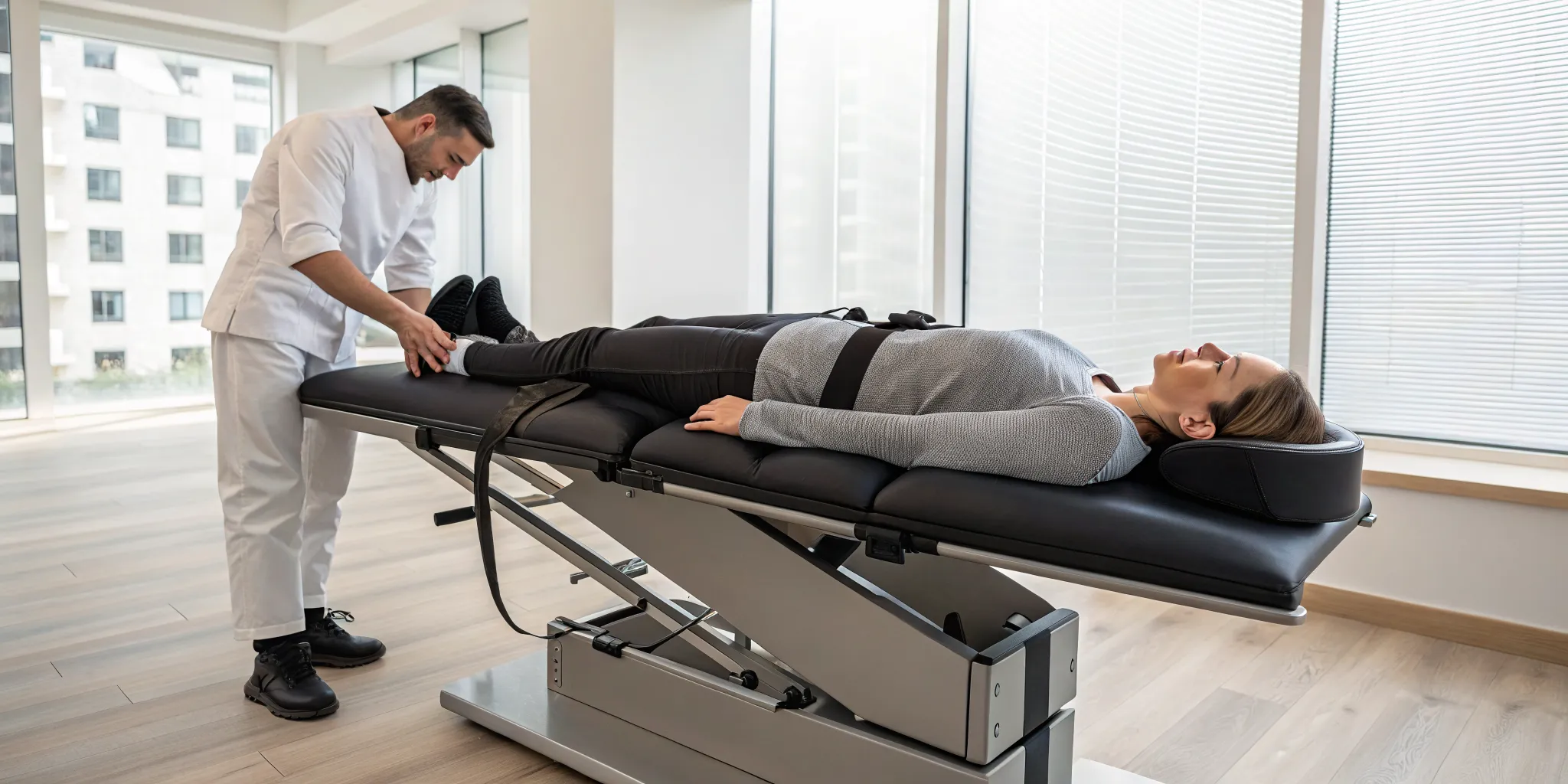
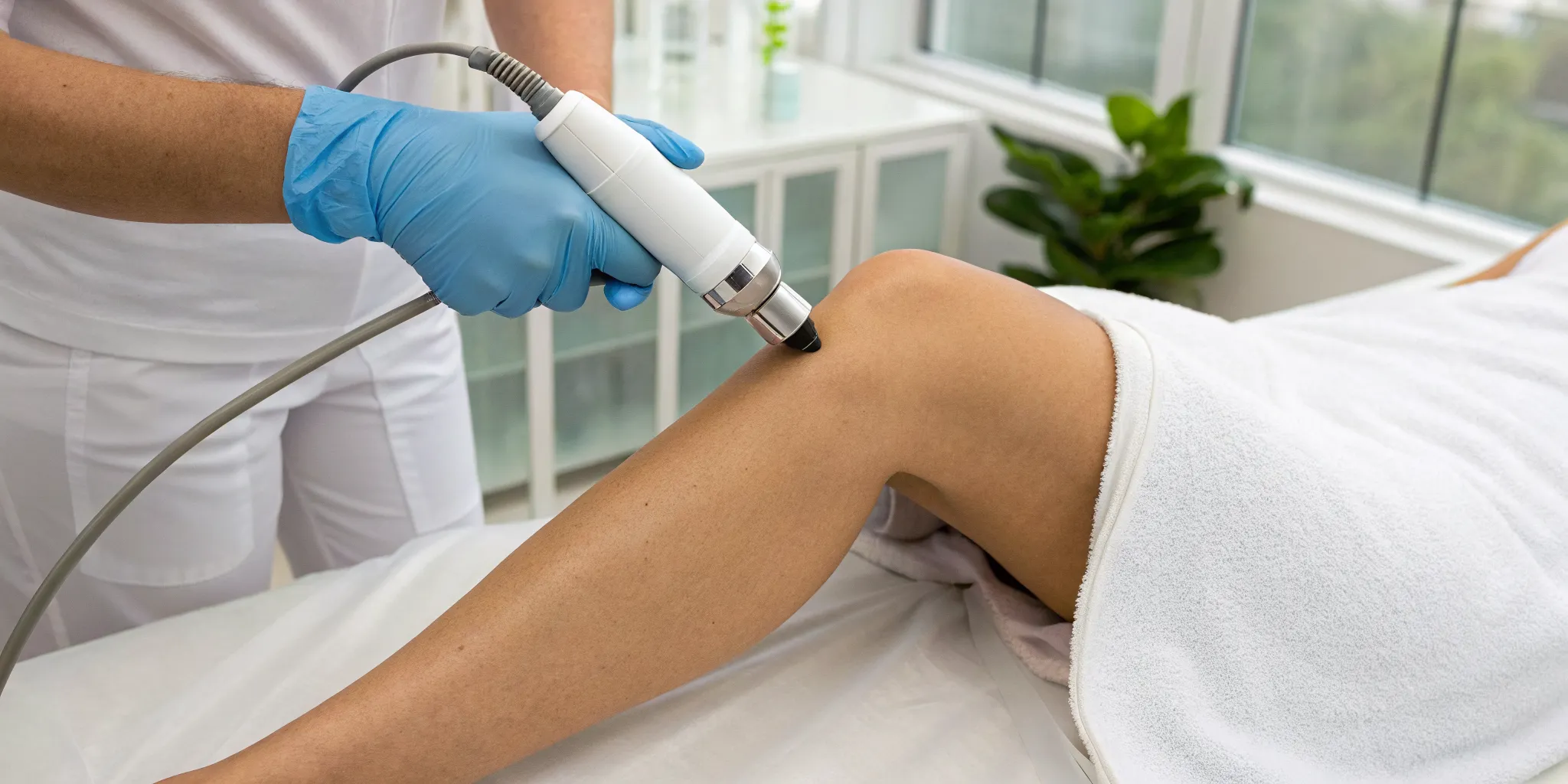
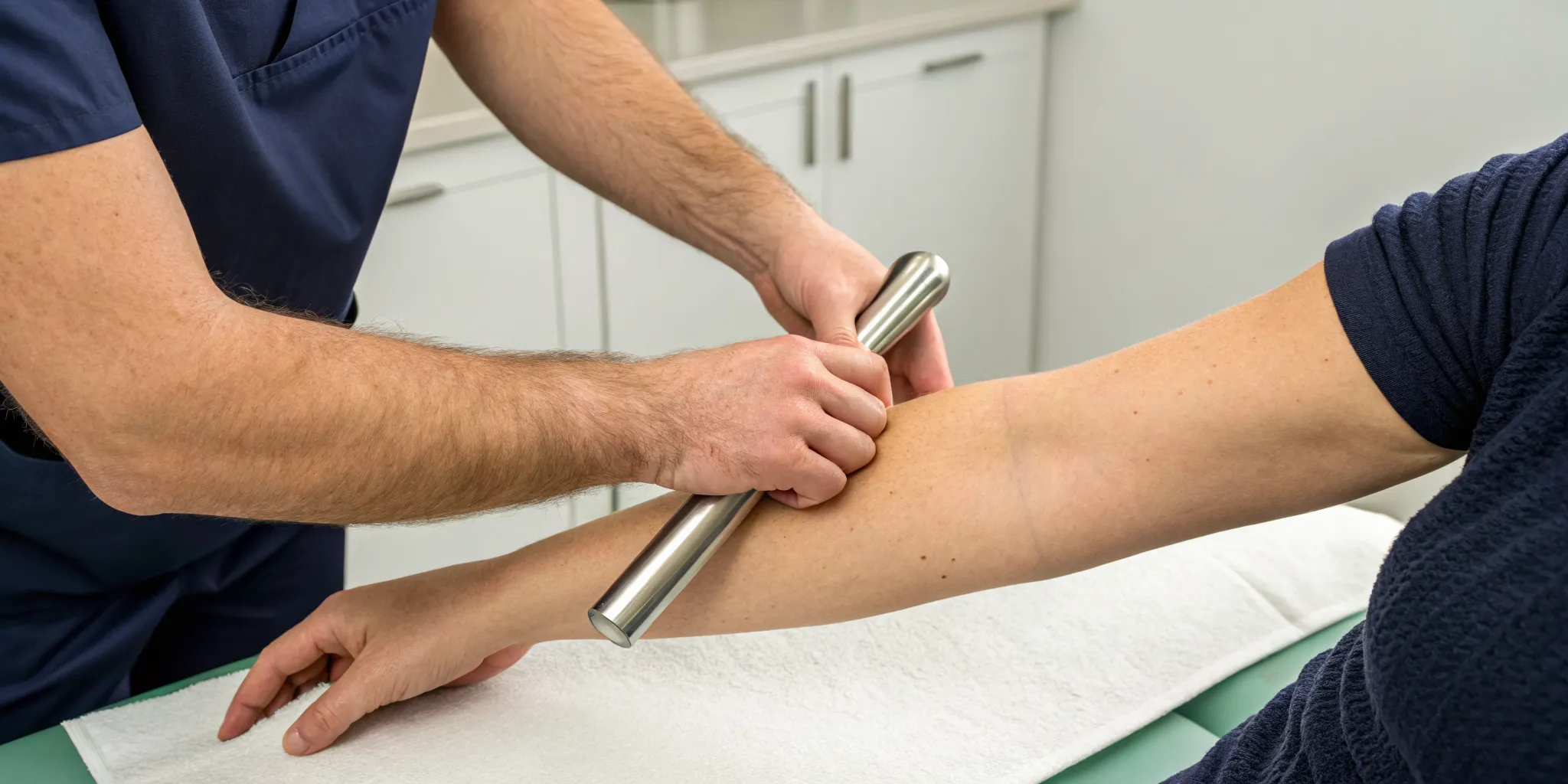
If you’re dealing with back pain, neck stiffness, or headaches, chiropractic care can be a game-changer. The good news is that treatments aimed at correcting spinal alignment and improving mobility are generally considered an HSA-eligible expense. This allows you to use your funds for services like chiropractic adjustments and corrective care. Since many standard health plans offer limited appointments for these services, using your HSA is a practical way to fund the consistent care needed for lasting results. Our approach to physical medicine focuses on restoring your body's natural function, and your HSA can be a key part of that journey.
Acupuncture
Acupuncture is another powerful therapy that your HSA can cover. As long as the treatment is for a specific medical condition, like chronic pain, migraines, or even digestive issues, it’s recognized as a qualified medical expense. This ancient practice involves placing thin needles at specific points on the body to rebalance energy flow and stimulate your body’s natural healing abilities. It’s a fantastic, minimally invasive option for managing a wide range of symptoms. Many of our patients find it to be an effective part of their personalized health protocol, and being able to use an HSA makes it an even more attainable choice.
Nutritional Counseling and Functional Medicine
Functional medicine and nutritional counseling are at the heart of what we do, and thankfully, these services can often be covered by your HSA. When you work with a practitioner to address health concerns like bloating, fatigue, or hormonal imbalances through targeted dietary changes and lifestyle adjustments, it qualifies as a medical expense. This includes consultations and even some lab tests that help us understand the root cause of your symptoms. To ensure eligibility, the services should be recommended by a healthcare provider to treat a specific condition. This makes your HSA a perfect tool for investing in a functional medicine approach that’s tailored just for you.
Massage Therapy
A therapeutic massage can do more than just help you relax; it can be a crucial part of managing pain and recovering from injury. Massage therapy is an eligible HSA expense when it’s prescribed by a healthcare professional to treat a specific medical condition. For example, if you have chronic back pain, sciatica, or persistent muscle tension, your practitioner can recommend massage as part of your treatment plan. This allows you to use your HSA funds for targeted bodywork that helps release tension, improve circulation, and support your body’s healing process. Just be sure to get that recommendation to ensure it qualifies.
Traditional Chinese Medicine (TCM)
Traditional Chinese Medicine (TCM) is a comprehensive system of healing that includes practices like acupuncture and herbal formulas. These treatments are designed to restore balance and address the underlying causes of illness. Because TCM is used to treat specific medical conditions, its services are typically eligible for HSA reimbursement. Whether you're seeking relief from a chronic condition or looking to support your overall vitality, TCM offers a holistic framework for health. Using your HSA funds can make it easier to incorporate these time-tested practices into your wellness routine, providing another avenue for you to take control of your health.
Other Eligible Therapies
Beyond the treatments we’ve covered, your HSA may cover a variety of other therapies as long as they are for treating a specific medical condition rather than for general wellness. This can sometimes include things like biofeedback or other mind-body therapies. The key is always medical necessity. If a practitioner recommends a treatment as part of your plan to address a health issue, it’s likely to be a qualified expense. We encourage you to explore all the ways your HSA can support your health goals and to contact our team if you have questions about paying for your care at our clinic.
Know the Rules: HSA Limitations
Using your Health Savings Account for holistic care is a fantastic way to manage your health expenses, but it’s important to know the rules set by the IRS. Think of your HSA as a dedicated fund for your health, but one that comes with a user manual. The most important rule to understand is that funds must be used for “qualified medical expenses.” This is where things can get a little tricky with holistic and alternative therapies, but a little knowledge goes a long way.
The key distinction the IRS makes is whether a service or product is intended to treat a specific medical condition or if it’s for general health and wellness. While we know that your overall wellness is deeply connected to preventing and treating illness, the rules require a more direct link. For a treatment to be eligible, it must be primarily for alleviating or preventing a physical or mental defect or illness. Most alternative treatments can meet this standard, but you have to be prepared to show that the care you received was for a diagnosed condition and not just for relaxation or general well-being. Understanding this difference is the first step to using your HSA funds confidently and correctly on your functional medicine journey.
Medical Necessity vs. General Wellness
The most critical factor in determining HSA eligibility is medical necessity. As the HSA Store explains, most alternative treatments can qualify, but they must be "primarily for the treatment of a specific medical condition and not for general health purposes." For example, getting a massage to alleviate chronic back pain or sciatica that your practitioner has diagnosed is a medical necessity. However, getting a massage simply to relax and de-stress would be considered a general wellness expense and would not be eligible. This is why working with a provider who can properly document your condition is so important.
What Isn't Covered?
While many holistic therapies are covered, some items are almost always excluded because they fall into the "general wellness" category. According to GoodRx, things like aromatherapy, herbal supplements for general health, and other natural remedies intended for overall well-being are typically not considered eligible expenses. This doesn't mean these things aren't beneficial for you. It just means that from an HSA perspective, they don't meet the specific requirement of treating a diagnosed medical condition. Always check the eligibility of a product or service before you assume it will be covered.
Rules for Supplements and OTC Products
This is a common question, especially in functional medicine where high-quality supplements are a key part of many treatment protocols. Generally, over-the-counter supplements, vitamins, and essential oils are not HSA-eligible on their own. However, there is a very important exception. As HSA Trackr points out, these items can become eligible if they are specifically recommended by a medical practitioner to treat a specific medical condition. This usually requires a formal prescription or a Letter of Medical Necessity from your provider, which connects the supplement directly to your diagnosis.
How to Use HSA Funds for Your Care
Using your HSA funds for holistic care is a fantastic way to invest in your long-term health. While it might seem like there are a few hoops to jump through, the process is usually quite simple once you know the steps. Think of it as your roadmap to making your tax-free health dollars work for you, allowing you to access the personalized care you deserve. Let's walk through how to handle payments and any necessary paperwork.
When You Need a Letter of Medical Necessity
For many services like chiropractic adjustments, your HSA will cover the cost without any extra documentation. However, for some treatments, you may need what’s called a Letter of Medical Necessity (LMN). This is a formal letter from a practitioner that explains why a specific service or product is essential for your health. Many Americans use alternative treatments to manage medical issues, and this letter is the key to making sure those expenses are qualified. You’ll typically need an LMN for things like specialized lab tests, nutritional supplements, or therapeutic massage if it’s prescribed to treat a specific condition.
How to Get Your Letter of Medical Necessity
Getting an LMN is a straightforward process. At Ascend Functional Health, we can help guide you. The letter simply needs to state the medical condition you have and how the recommended treatment or product will help manage or alleviate it. For some services, you may use a platform like TrueMed, where an independent doctor can review your situation and issue a letter. This letter officially proves your purchase is a valid medical expense, giving you the confidence to use your HSA funds. It’s a simple step that confirms your care is eligible.
Using Your HSA at a Cash-Pay Clinic
Many people wonder if they can use their HSA at a clinic that operates on a cash-pay basis, and the answer is a resounding yes. You can absolutely use your HSA and FSA accounts to pay for many Functional Medicine services, even if the clinic doesn't directly bill health plans. This model allows us to provide highly personalized, in-depth care that focuses on you as an individual. Using your HSA here helps you get the dedicated attention you need while taking advantage of your tax-free savings. You can either pay with your HSA card directly or pay out-of-pocket and reimburse yourself from your account later.
Your HSA Paper Trail: What to Keep
Using your HSA funds correctly is one thing, but proving it is another. Keeping good records is a non-negotiable part of managing your Health Savings Account. Think of it as your financial self-care routine. It ensures you can confidently account for every dollar spent on your health journey, especially if your HSA administrator or the IRS has questions. A little organization now can save you a lot of headaches later. Luckily, you only need to hold onto a few key documents.
Itemized Receipts
When you pay for care, a simple credit card slip won't be enough for your records. You need an itemized receipt. This document breaks down the specific services you received and their costs. If you pay for a service out-of-pocket with the plan to get reimbursed, you will need to submit this itemized receipt to your HSA administrator. Always make sure to request one from your provider’s office. It’s a simple but crucial step for validating your health-related expenses and ensuring your records are complete.
Letters of Medical Necessity
For some treatments, especially those that aren't automatically recognized as standard medical care, you may need a Letter of Medical Necessity (LMN). This is a formal letter from your healthcare provider explaining why a specific service, lab test, or supplement is essential for diagnosing or treating your health condition. For example, advanced functional medicine testing or specific therapeutic-grade supplements often require an LMN. Our team at Ascend can help you get the proper documentation you need when a service is deemed medically necessary for your care plan.
How Long to Keep Records
Once you have your itemized receipts and any Letters of Medical Necessity, you’ll need to hang onto them. It’s best practice to keep all records related to your HSA spending for at least three years from the date you file your taxes for that year. This is the standard window during which the IRS can audit your tax return. Keeping a dedicated digital folder or a simple file box for your HSA paperwork makes it easy to stay organized. This simple habit protects you and ensures you have everything you need to verify your qualified medical expenses.
Paying for Your Appointment with an HSA
Using your Health Savings Account (HSA) is a smart way to invest in your well-being, and the process is more straightforward than you might think. Many of our patients at Ascend Functional Health use their HSA funds to pay for their care, from functional medicine consultations to chiropractic adjustments. Think of your HSA as a dedicated savings account for your health journey. It allows you to set aside money before taxes to pay for qualified health expenses. Let’s walk through exactly how you can use these funds for your appointments, so you can focus on what truly matters: feeling your best.
Paying with Your HSA Card
The simplest way to use your HSA is by paying directly with your HSA card, which works just like a debit card. Health Savings Accounts are designed to help you handle healthcare costs, and many alternative therapies are eligible. This often includes services like chiropractic care, acupuncture, and nutritional counseling. When you check out after your appointment, you can simply swipe your card. The funds will be drawn directly from your account, making the payment process seamless. It’s a direct and easy method that keeps your personal and health-related spending separate.
Getting Reimbursed for a Payment
If you prefer to pay for your appointment with a personal credit card or cash, you can still use your HSA funds through reimbursement. After your visit, just ask our front desk for an itemized receipt that details the services you received. You can then submit this receipt to your HSA administrator. They will process the claim and send you a reimbursement directly from your account. This method gives you flexibility in how you pay upfront while still letting you take advantage of your tax-advantaged health savings. It just adds one simple step to the process.
Confirming Eligibility Before You Book
Before scheduling your visit, it’s always a good idea to double-check your plan’s specifics. You can do this by calling your HSA provider or checking their online portal. While most alternative treatments for a specific health issue should qualify, it’s important to confirm. The key is that the service must be for treating a particular medical condition, not just for general wellness. For example, seeing a chiropractor for back pain is an eligible expense, but a massage for simple relaxation might not be. A quick call can give you peace of mind and ensure you’re following all the guidelines for using your HSA funds.
Using Your HSA at Ascend Functional Health
We know that figuring out how to pay for your care is a big piece of the puzzle. The great news is that your Health Savings Account (HSA) can be a powerful tool on your health journey with us. Many of our patients successfully use their HSA funds to cover the costs of their personalized care plans at our clinic, making it a straightforward way to invest in your well-being.
HSAs are designed to give you more flexibility, which is perfect for the kind of personalized, root-cause care we provide. Many of the services we offer, from chiropractic adjustments to our in-depth functional medicine protocols, are considered qualified medical expenses. This means you can often use your HSA to pay for our services, even if we don't directly bill your health plan provider. The key is that the treatment must be for a specific medical condition rather than for general wellness. Since our entire approach is built on identifying and treating the underlying cause of your symptoms, the care you receive here is designed to meet that requirement. We focus on helping you heal, and that's exactly what your HSA is for. Our team is here to provide the necessary documentation for your records, making it as simple as possible for you to use your HSA funds for your long-term health.
Related Articles
- How to Find a Functional Medicine Doctor: A Guide
- Spinal Health Chiropractic: A Complete Guide
- Functional Medicine in Tampa | Root Cause Care | Ascend Functional Health
- Physical Medicine in Tampa | Chiropractic & Rehab Care | Ascend Functional Health
- Expert Acupuncture Services in Tampa | Alessi Functional Health
Frequently Asked Questions
What’s the real difference between a “medical expense” and a “general wellness” expense? Think of it this way: a qualified medical expense is for a service or product that treats a specific health condition. For example, using acupuncture to address chronic migraines is a medical expense. A general wellness expense is something you do for overall well-being without targeting a specific problem, like getting a massage just to relax. The key is having a documented health reason for the treatment, which is why working with a practitioner to create a care plan is so helpful.
Do I need special paperwork to use my HSA for things like supplements or massage therapy? Yes, for certain items like supplements and massage, you typically need a Letter of Medical Necessity (LMN). This is simply a formal note from your practitioner that connects the treatment or product directly to your diagnosed health condition. It officially documents that the expense is for treating a medical issue, not just for general health. Our team can help you get the right documentation when these therapies are part of your personalized care plan.
How can I use my HSA at a clinic that doesn't bill health plans directly? You can absolutely use your HSA funds here. You have two easy options. The first is to pay for your appointment directly with your HSA card, just like you would with any other debit card. The second option is to pay with a personal card and then request an itemized receipt from us. You can submit that receipt to your HSA administrator, who will send you a reimbursement from your account.
What happens if I accidentally use my HSA for something that isn't a qualified expense? If you use your HSA funds for a non-qualified expense, you will generally have to report that amount as taxable income. You may also have to pay an additional tax penalty on the funds. This is why keeping good records, like itemized receipts and Letters of Medical Necessity, is so important. It helps you prove that your spending was for legitimate medical care and protects you from any potential issues.
How do I know if a specific treatment at Ascend Functional Health will be eligible for my HSA? Since our entire approach is built on diagnosing and treating the root cause of your symptoms, the care you receive here is designed to meet the standard for medical necessity. The best way to be certain is to discuss your personalized care plan with our team. We can confirm which services are eligible and provide you with the itemized receipts or other documentation you need to confidently use your HSA funds.