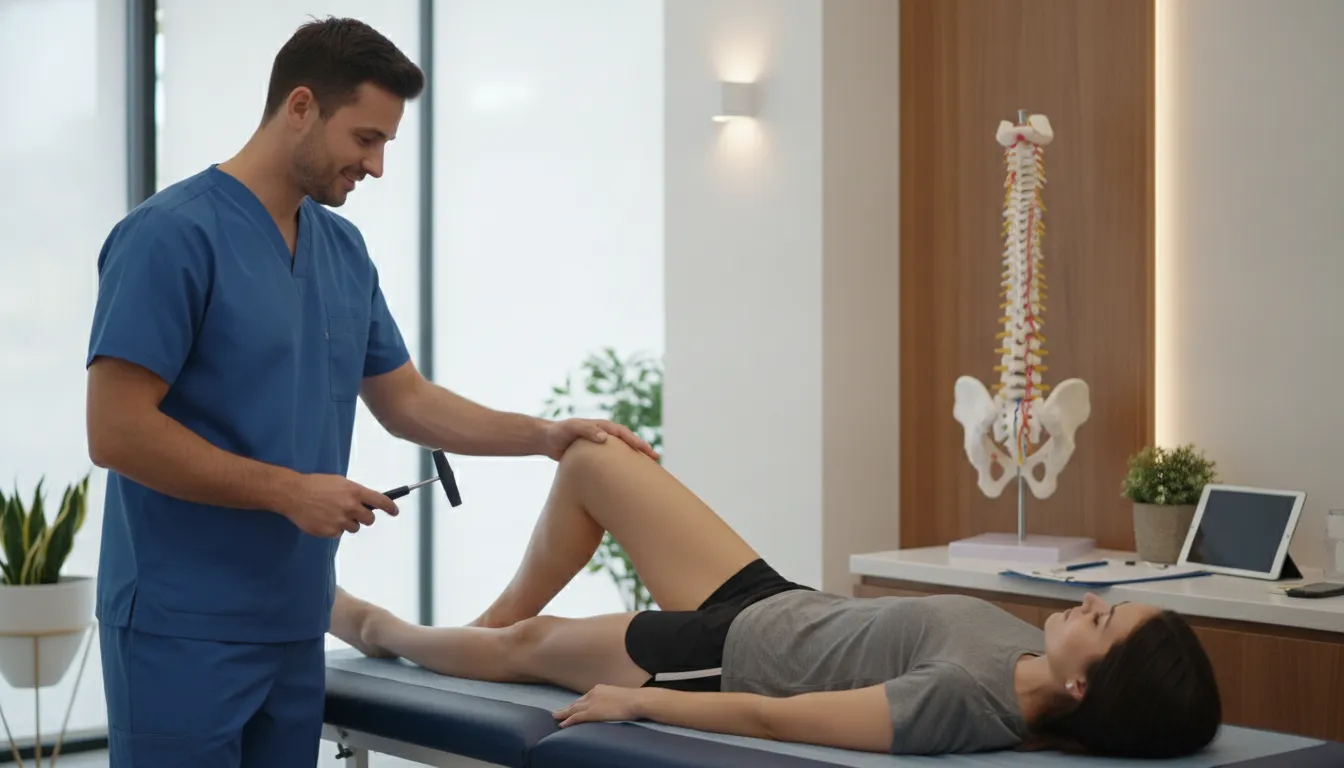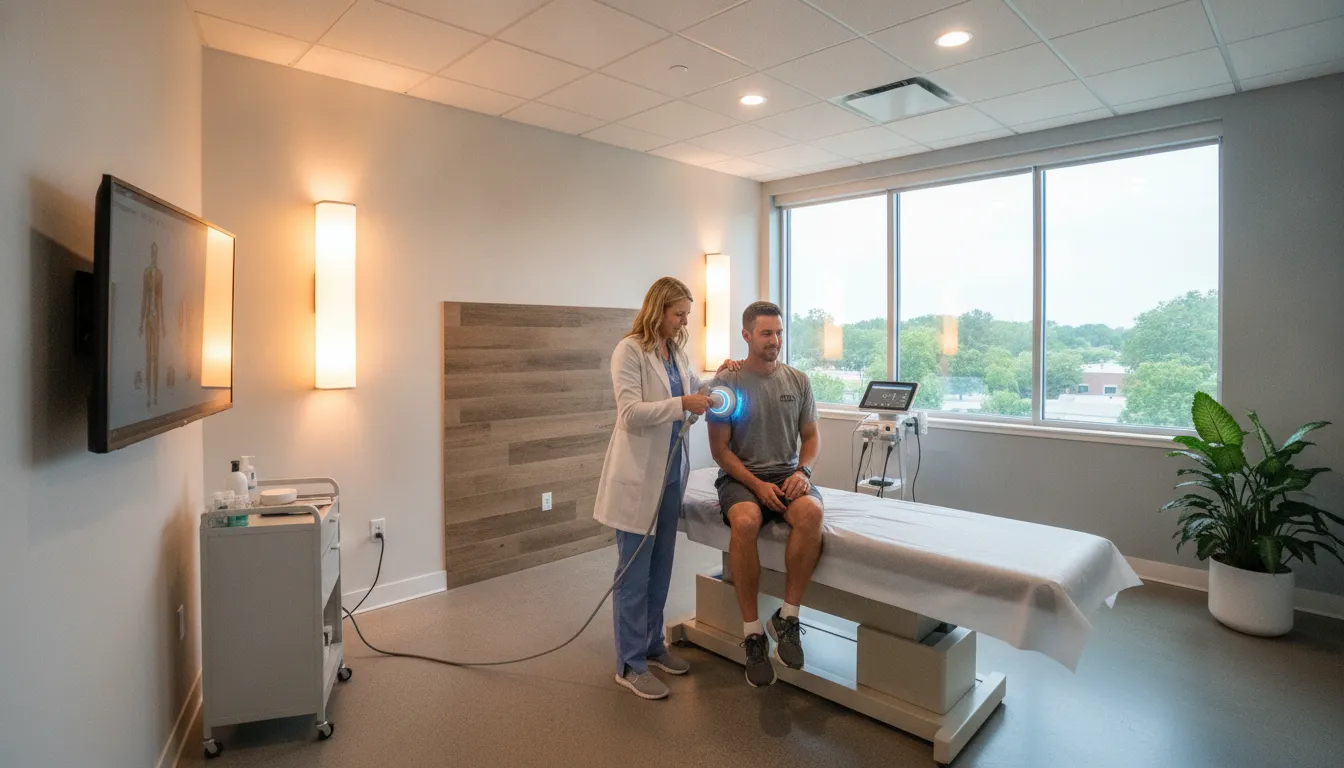
Your body has an incredible, innate ability to heal itself. But sometimes, due to chronic inflammation or an old injury, that healing process can stall out, leaving you with persistent pain and limited mobility. What if you could send a direct signal to the damaged tissue, telling it to get back to work? That’s the fundamental idea behind shockwave therapy. This treatment uses powerful, focused sound waves to communicate with your cells, stimulating blood flow, promoting tissue regeneration, and reducing pain. It’s not a temporary fix; it’s a regenerative approach that works with your body’s own wisdom. As a key tool in shockwave therapy for orthopedic pain, it helps us address the underlying dysfunction for true, long-term recovery.
Key Takeaways
- It works by activating your body's repair crew: Shockwave therapy sends targeted sound waves to injured areas, signaling your body to increase blood flow and start rebuilding damaged tissue without needles or surgery.
- Find relief for persistent tendon injuries: This treatment is a great option for chronic pain from conditions like plantar fasciitis, Achilles tendinopathy, and shoulder pain that has not improved with other methods.
- Expect a simple process with little interruption: A typical plan includes a few short, weekly sessions, and you can usually resume your daily routine immediately with only minor activity modifications.
What Is Shockwave Therapy?
If you're dealing with chronic pain from an old injury or a persistent condition, you might feel like you've tried everything. Shockwave therapy is a modern, non-invasive treatment that helps your body heal itself from the inside out, without needles or downtime. It’s one of the key tools we use in our Physical Medicine services to address the root cause of musculoskeletal pain. Instead of just masking symptoms, this approach uses targeted sound waves to stimulate your body’s own powerful repair mechanisms, helping you find lasting relief and get back to the activities you love. It’s a way to work with your body, not against it, to rebuild and recover.
Understanding Acoustic Wave Technology
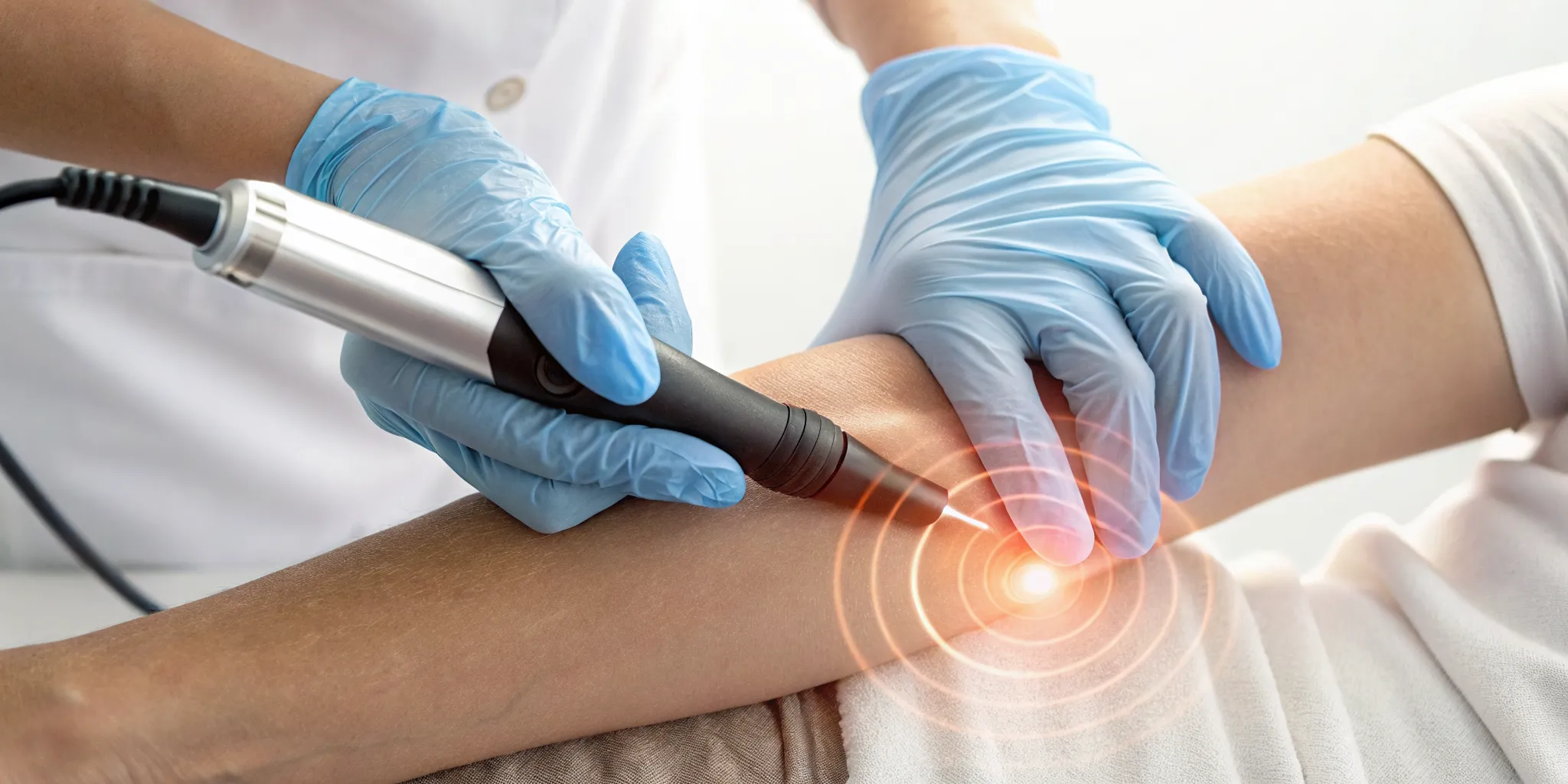
At its core, shockwave therapy uses acoustic waves, which are essentially powerful pulses of sound, to target injured areas. Think of it as a way to send a message directly to the damaged tissue, telling it to wake up and start the healing process. This treatment is completely non-invasive, meaning nothing breaks the skin. The sound waves pass through to the targeted area, where they help increase blood flow, encourage the formation of new blood vessels, and reduce the chronic inflammation that often contributes to pain. It’s a method designed to restart a healing process that may have stalled.
Radial vs. Focused Shockwaves
Not all shockwaves are the same, and the type we use is tailored specifically to your condition. The two main types are radial and focused shockwaves. Radial shockwaves are great for treating larger, more superficial areas. They spread out from the point of contact, making them ideal for muscle strains and tendon issues. Focused shockwaves, on the other hand, are more precise. They deliver a higher concentration of energy to a single, deeper point. This makes them effective for targeting specific spots within a tendon or addressing issues closer to the bone. Your treatment plan will determine which type is right for you.
How It Activates Your Body’s Healing Process
So, how can sound waves actually repair tissue? The process is called mechanotransduction, which is a scientific term for how cells convert mechanical signals into a biological response. The acoustic waves create controlled micro-trauma in the tissue, which signals your body to jump into action. This response activates your body's natural healing mechanisms in a few important ways. It helps relieve pain by calming overactive nerve endings, promotes the growth of new blood vessels for better circulation, and stimulates the production of collagen, which is essential for rebuilding strong, healthy tendons and ligaments.
What Conditions Can Shockwave Therapy Address?
If you're dealing with persistent pain that just won’t quit, shockwave therapy might be the solution you’ve been looking for. This treatment is incredibly versatile and has become a trusted option for a wide range of chronic musculoskeletal issues, especially those that haven't improved with traditional methods. It’s particularly effective for tendinopathies, which are injuries to the tough, flexible cords that connect your muscles to your bones.
At Ascend, our approach to physical medicine is all about finding and treating the source of your pain, not just masking the symptoms. Shockwave therapy fits perfectly into this philosophy by stimulating your body’s own healing mechanisms. It can be a game-changer for nagging injuries that keep you from living your life to the fullest. Let’s look at some of the specific conditions where this therapy truly shines.
Plantar Fasciitis and Heel Pain
If you’ve ever felt that sharp, stabbing pain in your heel with your first steps in the morning, you know how frustrating plantar fasciitis can be. This condition is one of the most common causes of heel pain, and it has a long history of being successfully treated with shockwave therapy. In fact, it was one of the first conditions for which the therapy was approved.
When stretching, new shoes, and inserts don’t provide lasting relief, shockwave therapy can step in to target the inflamed plantar fascia tissue directly. The acoustic waves stimulate blood flow and kickstart the healing process in an area that is notoriously slow to repair. It’s a powerful, non-invasive way to address the root cause of the pain and help you get back on your feet comfortably.
Achilles Tendinopathy
The Achilles tendon, that large tendon at the back of your ankle, is essential for walking, running, and jumping. When it becomes painful and stiff from overuse or injury, it’s known as Achilles tendinopathy. This condition can be stubborn, partly because tendons have a limited blood supply, which slows down the natural healing process. This is where shockwave therapy can make a significant difference.
Strong evidence shows that applying shockwaves to the affected area helps to create new blood vessels and enhance nutrient delivery to the damaged tendon. This process accelerates tissue repair and regeneration, reducing pain and improving function. For athletes and active individuals sidelined by Achilles pain, this treatment can be a key step in their recovery plan.
Shoulder Pain and Calcific Tendinitis
Shoulder pain can be incredibly disruptive, making simple tasks like reaching overhead or getting dressed a painful ordeal. One common culprit is calcific tendinitis, a condition where small calcium deposits build up in the rotator cuff tendons. These deposits can cause intense pain and inflammation, severely limiting your shoulder's range of motion.
Of all the conditions it treats, calcific tendinitis has some of the strongest research supporting the use of shockwave therapy. The high-energy acoustic waves work to break down these calcium deposits, which the body can then absorb and clear away. This process not only alleviates pain but also helps restore mobility, offering a fantastic alternative for those hoping to avoid more invasive procedures.
Knee Pain and Patellar Tendinopathy
Often called "jumper's knee," patellar tendinopathy causes pain in the tendon that connects your kneecap to your shinbone. While common in athletes who do a lot of jumping, like basketball or volleyball players, it can affect anyone who puts repetitive strain on their knees. This nagging pain right below the kneecap can make it difficult to run, climb stairs, or even sit for long periods.
Research has shown that shockwave therapy is a highly effective treatment for this condition. By targeting the inflamed patellar tendon, the therapy helps to reduce pain and stimulate the cellular repair process. It addresses the underlying damage, helping you build strength and resilience in the knee so you can return to your favorite activities without that persistent ache.
Hip Pain and Trochanteric Pain Syndrome
Pain on the outer side of your hip can be a sign of greater trochanteric pain syndrome. This condition involves inflammation of the tendons and bursa (a fluid-filled sac) around the bony point of your hip. It can make walking painful and sleeping on the affected side nearly impossible. If you've been struggling with this type of persistent hip pain, shockwave therapy offers a promising solution.
There is strong evidence supporting its use for this syndrome. The therapy targets the inflamed tissues, increasing blood flow and promoting healing deep within the hip structure. By addressing the inflammation and stimulating tissue regeneration, it helps break the cycle of chronic pain and allows you to move with greater ease and comfort. It's one of the many chronic conditions we treat to help our patients regain their mobility.
Key Benefits of Shockwave Therapy
When you're dealing with persistent pain, finding a solution that offers more than temporary relief can feel like a game-changer. Shockwave therapy stands out because it works with your body to create real, lasting change from within. Instead of just masking symptoms, this treatment targets the root cause of your discomfort, helping to rebuild and restore injured tissue. It’s a proactive approach that supports your body’s natural healing mechanisms, making it a powerful tool for long-term recovery and improved function.
Achieve Lasting Pain Relief
One of the most significant benefits of shockwave therapy is its ability to provide lasting pain relief, especially for chronic conditions that haven't responded to other treatments. The acoustic waves used in the therapy help to reduce pain signals and desensitize nerve endings in the affected area. More importantly, by stimulating the healing process at a cellular level, it addresses the underlying cause of the pain. This isn't a quick fix; it's a method for encouraging genuine tissue repair, which can lead to a sustained reduction in pain and a return to the activities you love. Many people find this approach helps them manage a variety of orthopedic conditions that have lingered for months or even years.
Promote Tissue Repair and Blood Flow
Shockwave therapy is incredibly effective because it kickstarts your body’s own repair crew. The process, known as mechanotransduction, uses acoustic waves to create micro-disruptions in the targeted tissue. Your body responds to this by increasing circulation and forming new blood vessels, a process called neovascularization. This enhanced blood flow delivers more oxygen and nutrients to the injured area, which is essential for healing. It also stimulates the production of collagen, a key protein for repairing muscles, tendons, and other soft tissues. This makes it a cornerstone of our physical medicine services, as it directly supports the body’s innate ability to heal itself.
Break Down Scar Tissue and Calcifications
Over time, chronic inflammation can lead to the development of scar tissue or hardened calcium deposits in your tendons, a common issue in conditions like calcific tendinitis of the shoulder. This can cause stiffness, weakness, and persistent pain. Shockwave therapy is uniquely capable of breaking down these formations. The high-energy acoustic waves work to dismantle the fibrotic scar tissue and calcifications, which the body can then clear away through its normal metabolic processes. By clearing out this old, dysfunctional tissue, the therapy creates a healthier environment for new, flexible tissue to grow, restoring mobility and reducing pain.
A Non-Invasive Path to Recovery
For many people, the thought of invasive procedures is a major concern. Shockwave therapy offers a compelling alternative. As a non-invasive treatment, it requires no incisions, needles, or lengthy recovery periods. Sessions are relatively short, and you can typically return to your daily activities right away with just a few modifications. This makes it an excellent option for anyone seeking effective pain relief without the risks and downtime associated with more aggressive interventions. If you're looking for a way to address chronic pain that aligns with your body's natural healing processes, we can help you determine if this treatment is the right fit. You can schedule a consultation with our team to learn more.
How Effective Is Shockwave Therapy?
When you’re dealing with persistent pain, you want a solution that doesn’t just mask the symptoms but actually helps you heal. That’s where shockwave therapy truly shines. Research shows that Extracorporeal Shock Wave Therapy (ESWT) is a safe and effective non-surgical option for many types of long-lasting muscle and bone pain, especially when other treatments haven't brought relief. The goal isn't just temporary comfort; it's about creating real, lasting change in the tissue.
Studies confirm that this therapy can significantly reduce pain and promote healing, with benefits that can endure long after your sessions are complete. By stimulating your body’s natural repair mechanisms, shockwave therapy helps address the root cause of your discomfort. It’s a proactive approach that empowers your body to rebuild and recover. At Ascend Functional Health, we see it as a powerful tool within our Physical Medicine services, helping our patients get back to living their lives without being held back by chronic pain. It’s about working with your body, not against it, to achieve genuine, sustainable wellness.
Who Sees the Best Results?
While shockwave therapy can be beneficial for a variety of musculoskeletal issues, it’s particularly effective for chronic conditions involving tendons and their attachment points to bone. If you've been struggling with pain that just won’t go away, this could be the treatment that finally makes a difference. Research shows the strongest evidence for its use in conditions like Plantar Fasciitis, Achilles Tendinopathy, Tennis Elbow (Lateral Epicondylitis), and shoulder pain from calcific tendinopathy. It’s also a proven method for addressing Greater Trochanteric Pain Syndrome (hip pain) and can even help with delayed bone healing. These are often the exact types of stubborn injuries that can frustrate both patients and practitioners, making shockwave therapy a valuable part of our approach to the conditions we treat.
When Is This Treatment Recommended?
Shockwave therapy is typically recommended for chronic pain, which is generally defined as pain that has lasted for three to six months or longer. It’s not usually a first-line treatment. Instead, it’s an excellent option when other, simpler treatments haven't worked. Perhaps you’ve already tried rest, ice, stretching, physical therapy, or even injections without finding the lasting relief you need. If you’re at a point where you feel stuck and are looking for a way to avoid more invasive procedures, this is often the perfect time to consider shockwave therapy. It fills a crucial gap for people who need more than conservative care but want to find a solution before turning to surgery.
Comparing Shockwave to Other Treatments
It’s helpful to think of shockwave therapy as a bridge between conservative care and surgery. It’s a powerful, non-invasive option that steps in when initial treatments aren't enough. Unlike some therapies that only manage symptoms, shockwave is a regenerative treatment designed to stimulate your body’s own healing capabilities. For many chronic tendon problems, it has been shown to be more effective than other non-surgical options. By promoting blood flow and breaking down scar tissue, it helps restart the healing process in areas that have been stuck in a cycle of pain and inflammation. This focus on true healing is what makes it such a cornerstone of modern physical medicine.
What to Expect During Your Treatment
If you're considering shockwave therapy, it’s helpful to know what the process looks like from start to finish. We believe in making your experience as comfortable and clear as possible. Here’s a breakdown of what happens before, during, and after your sessions at our Tampa clinic.
Preparing for Your First Session
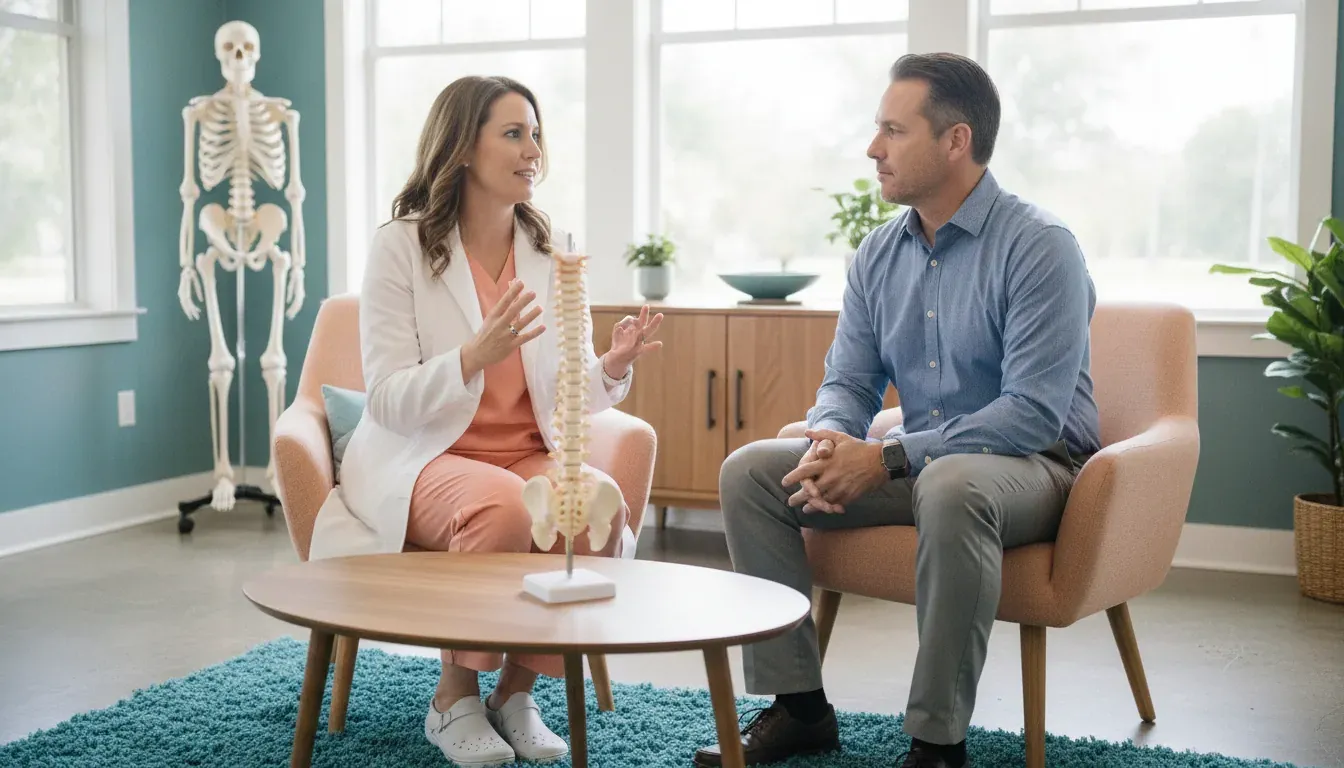
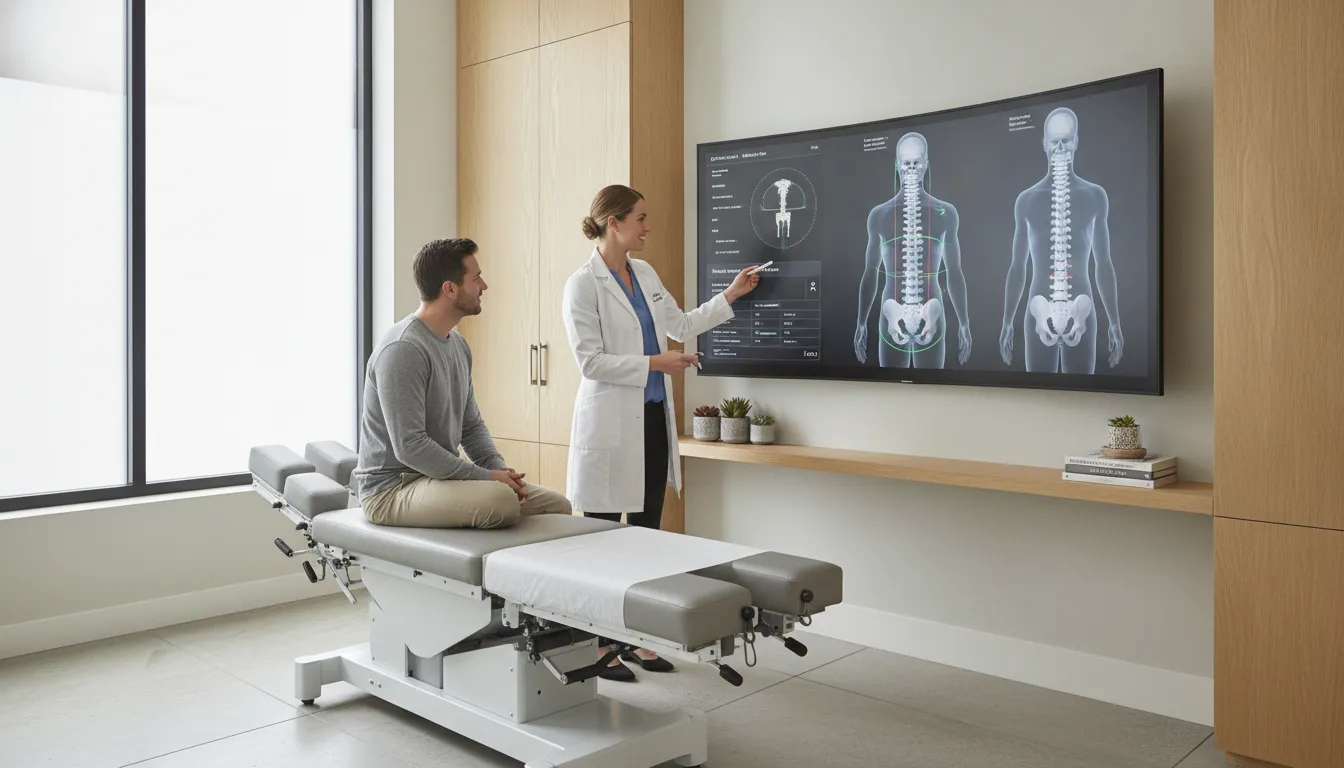
Your journey begins with a comprehensive evaluation. One of our doctors will sit down with you to understand your health history and the specifics of your pain. This allows us to create a precise treatment plan tailored just for you. Once your plan is set, our highly trained staff will perform the shockwave sessions. Our team is dedicated to guiding you through a process that supports your body's innate healing abilities, ensuring your treatment protocol is designed to address the root cause of your discomfort.
What Happens During the Session?
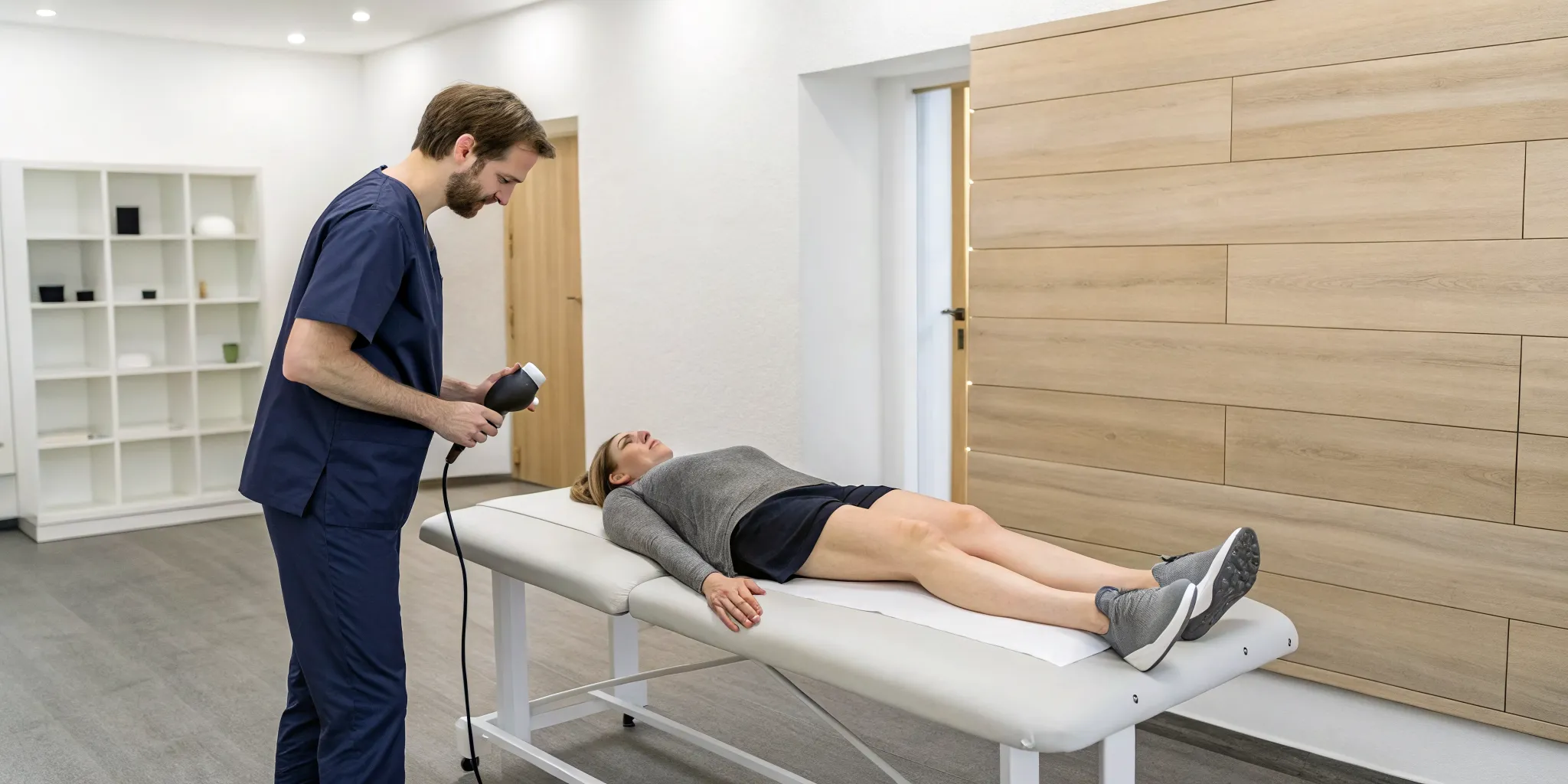
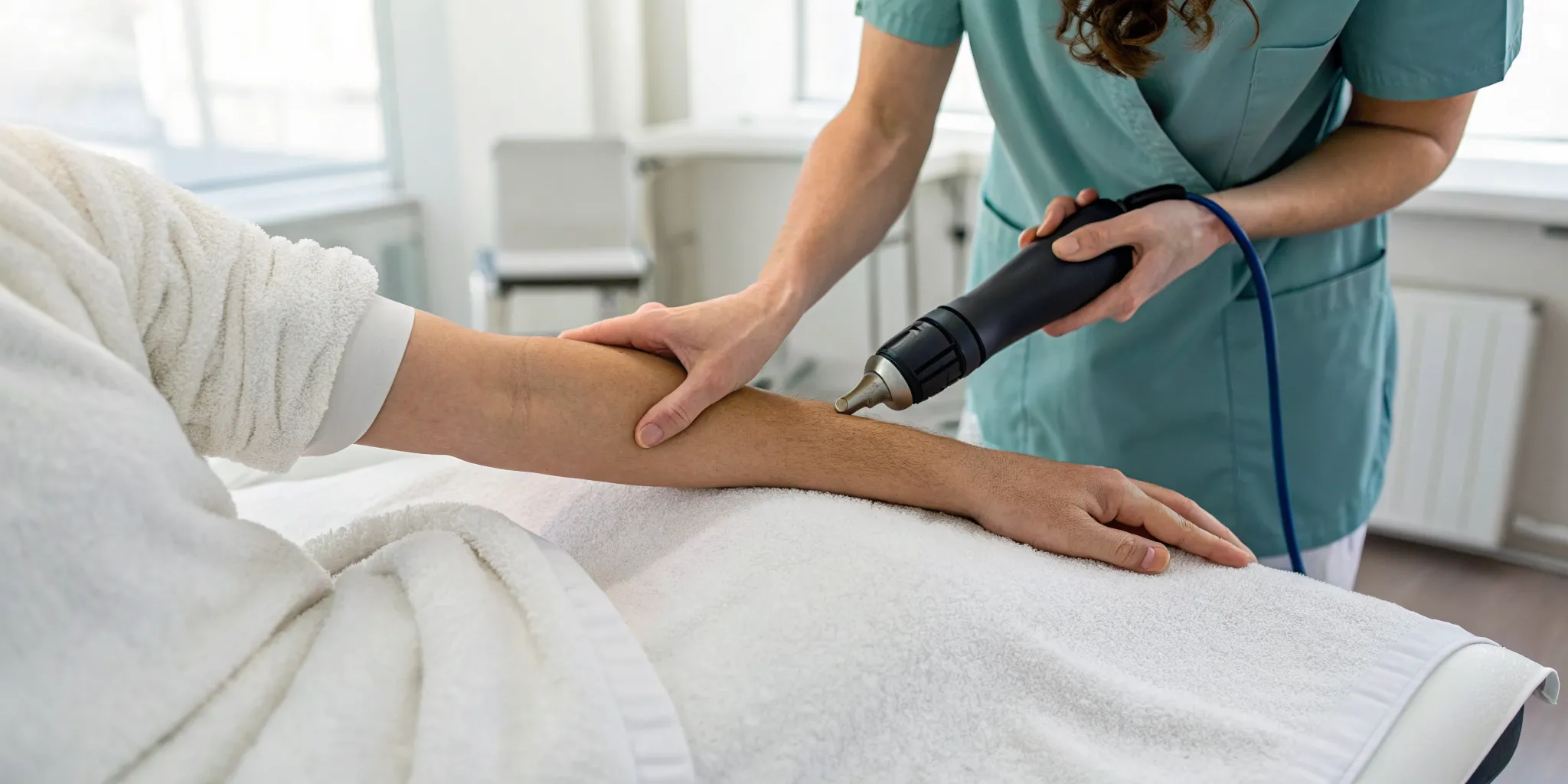
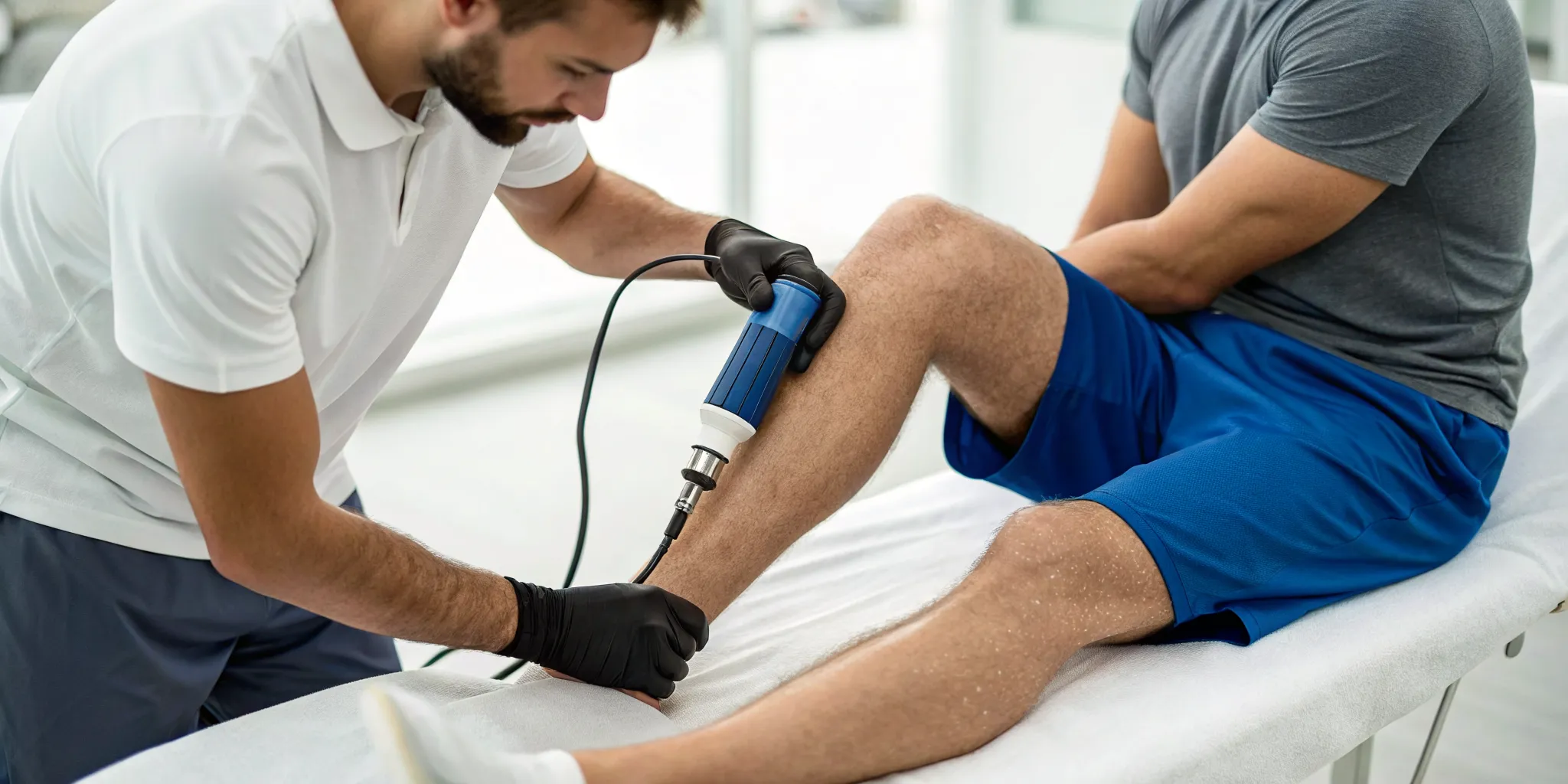
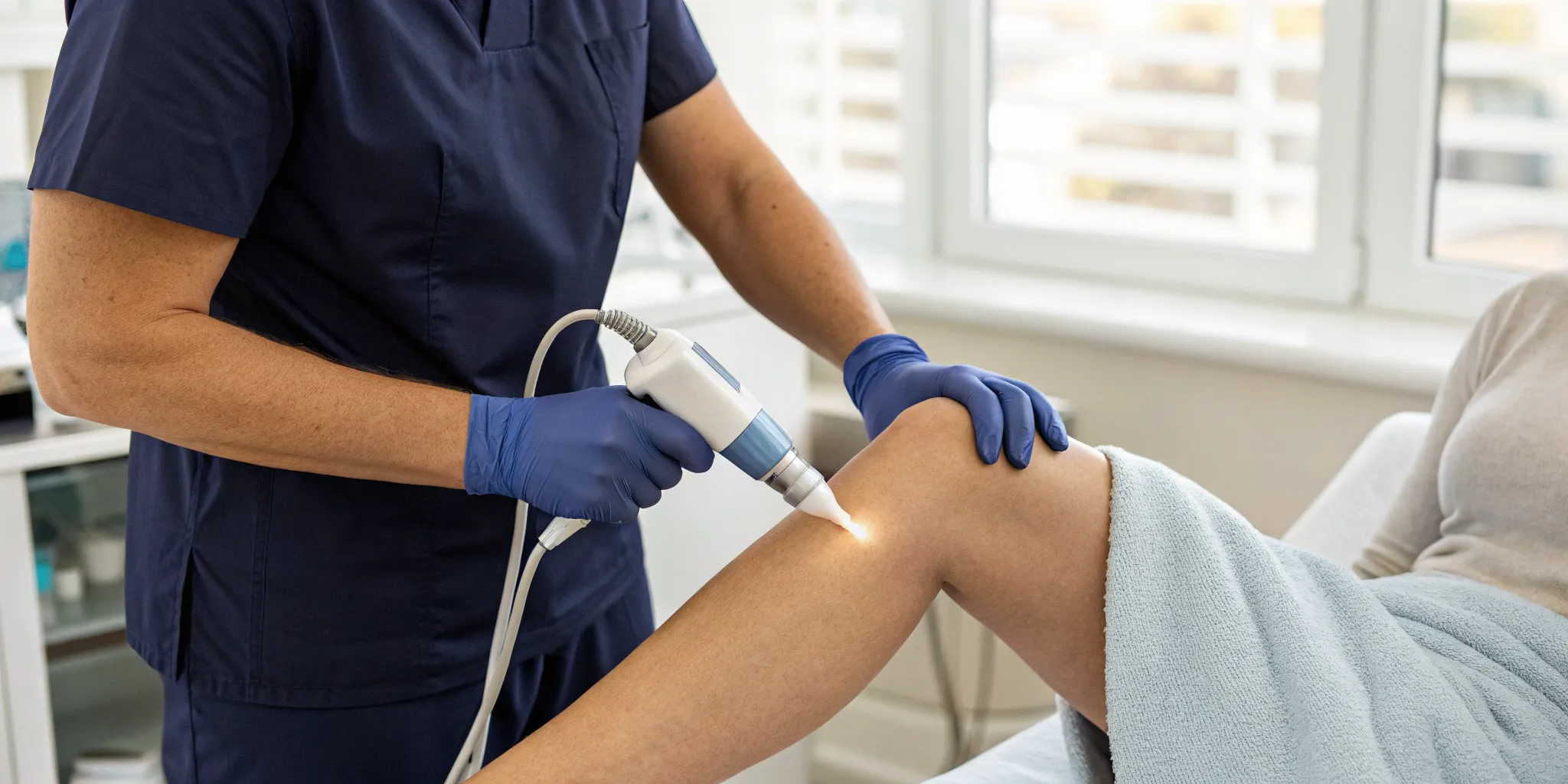
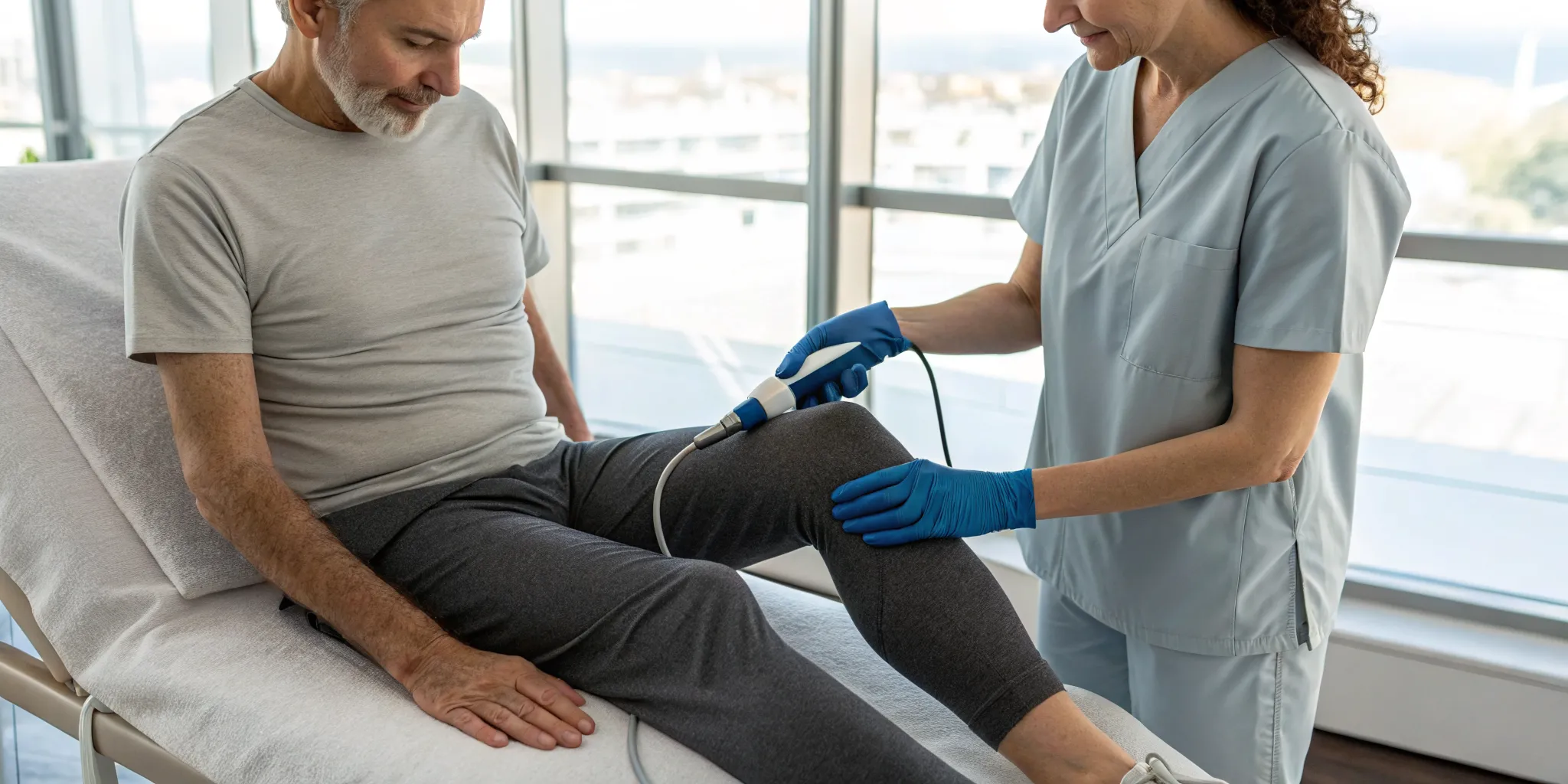
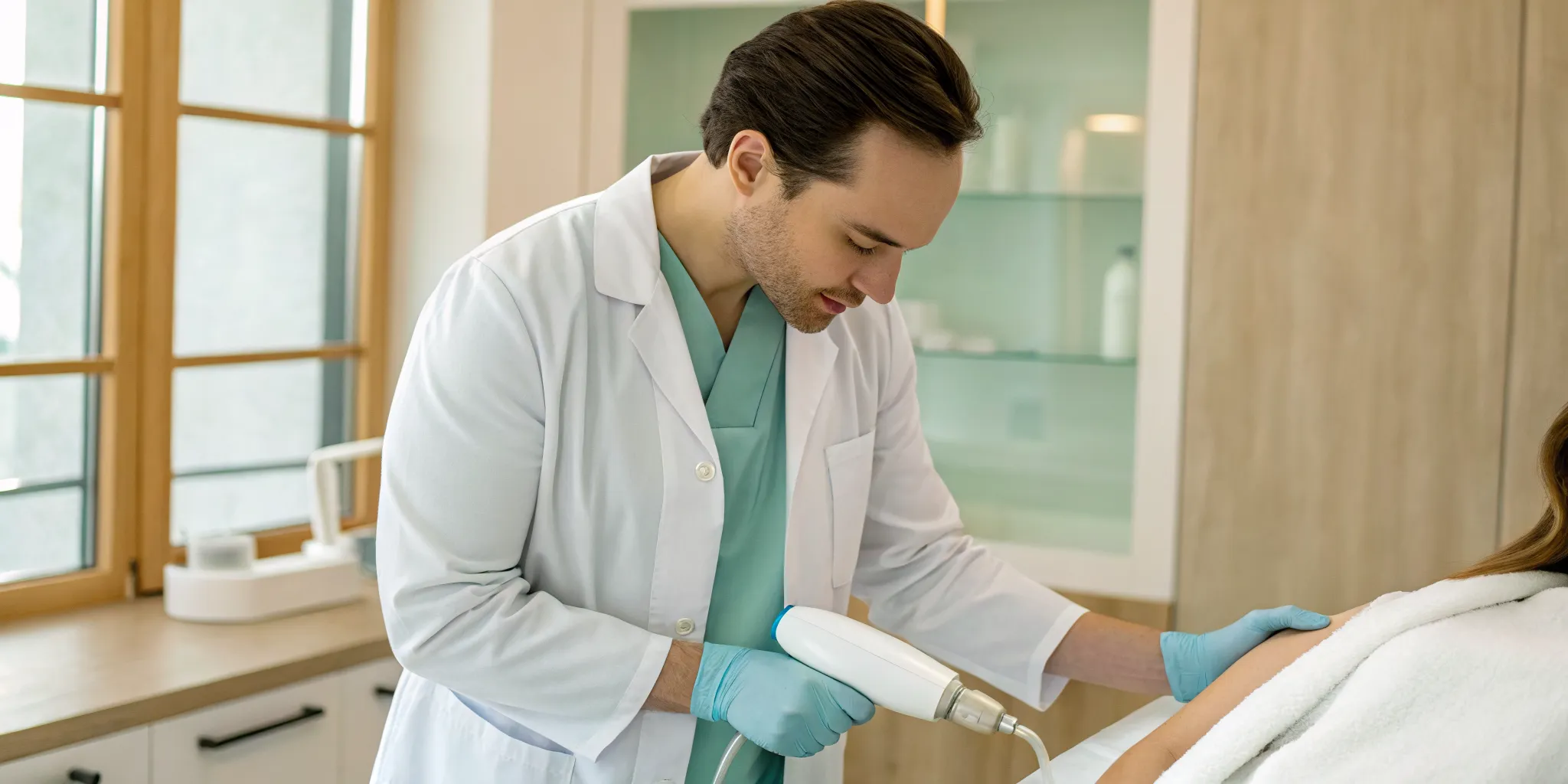
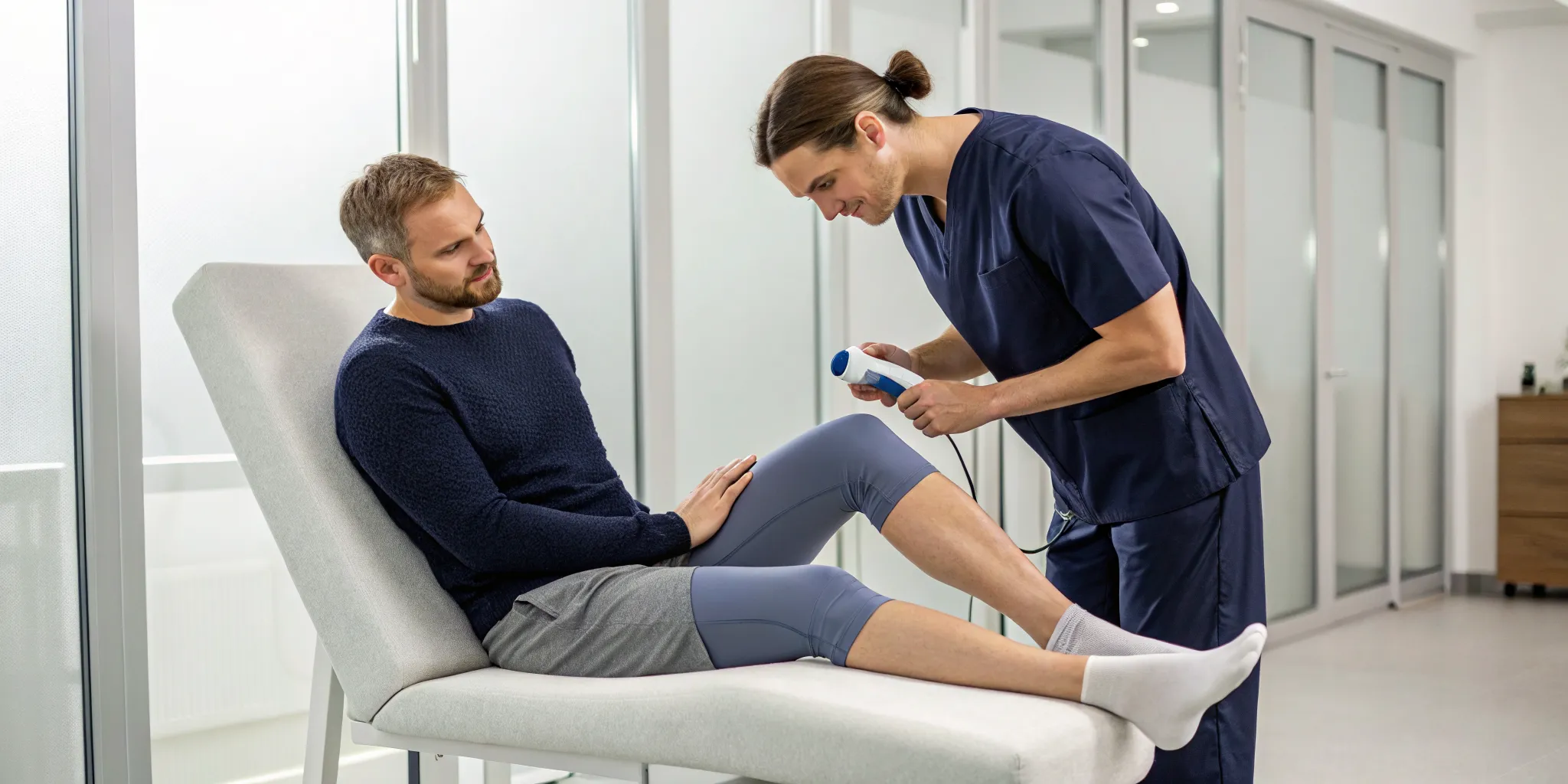
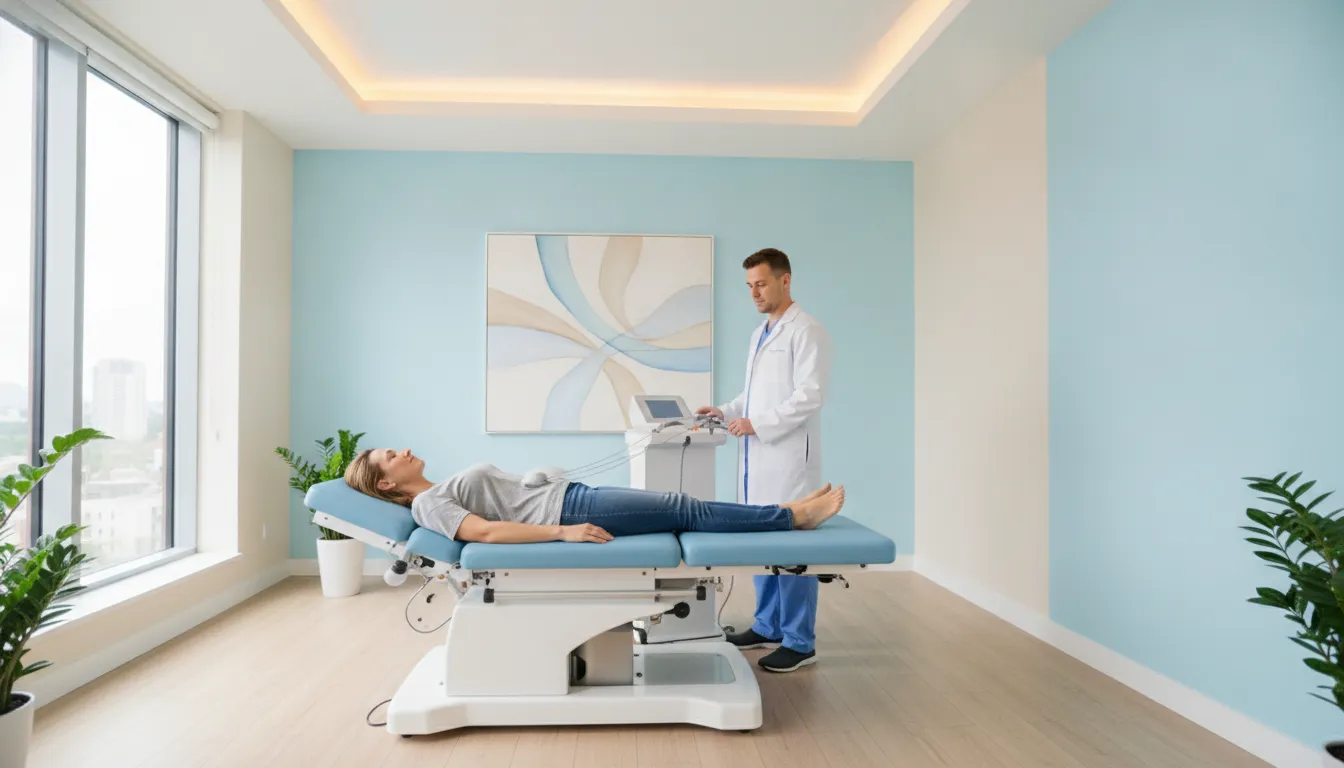
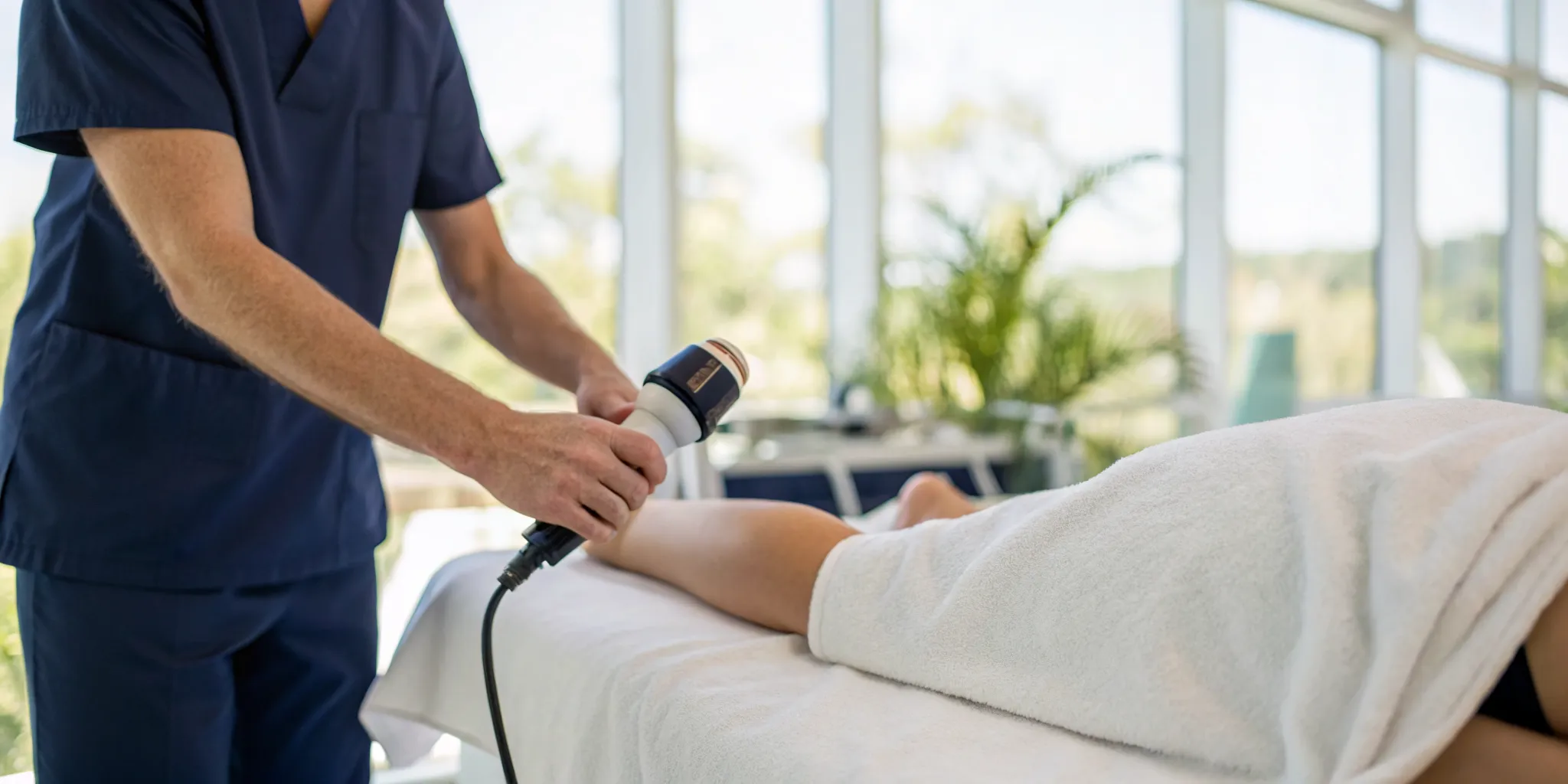
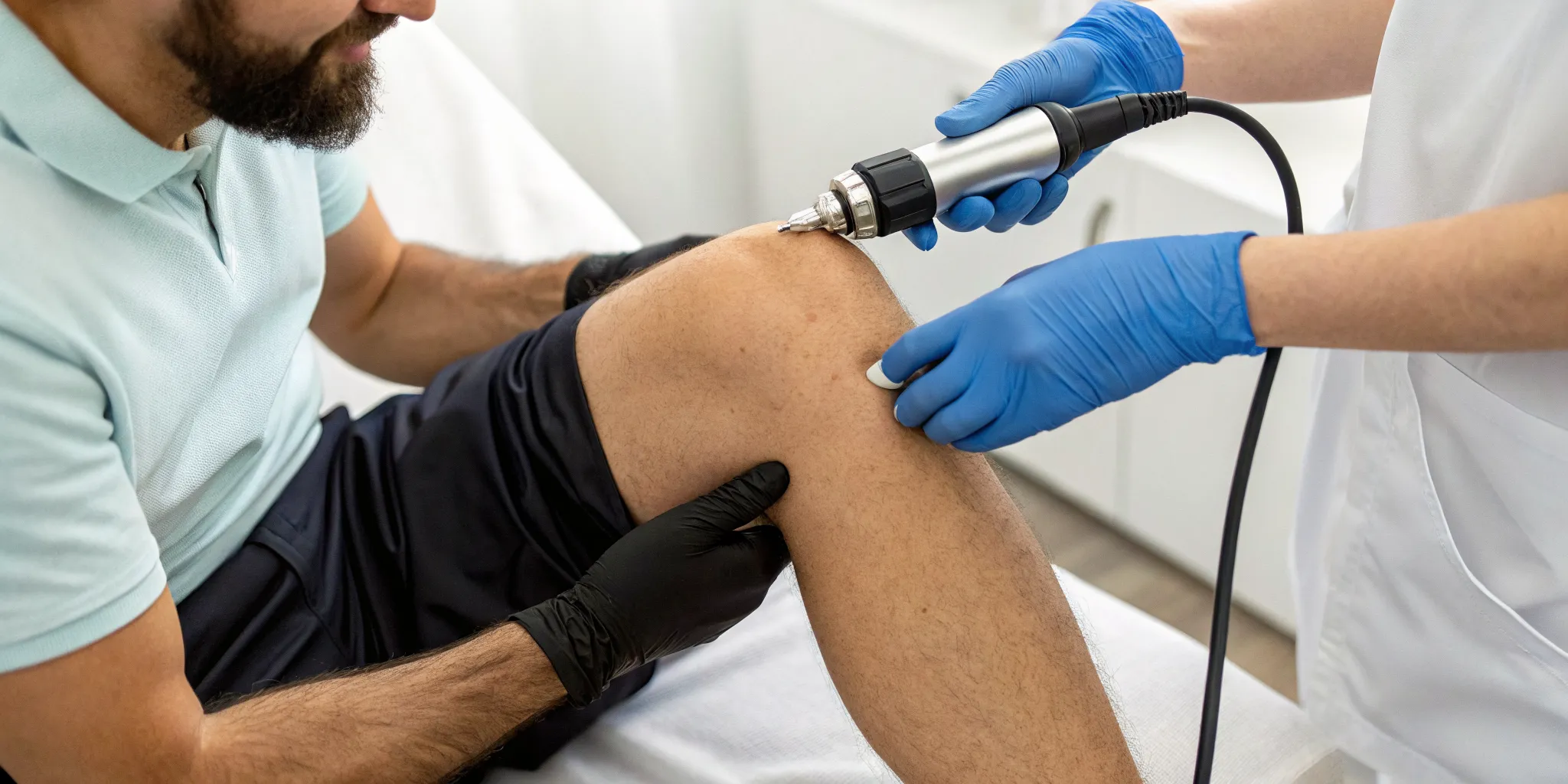
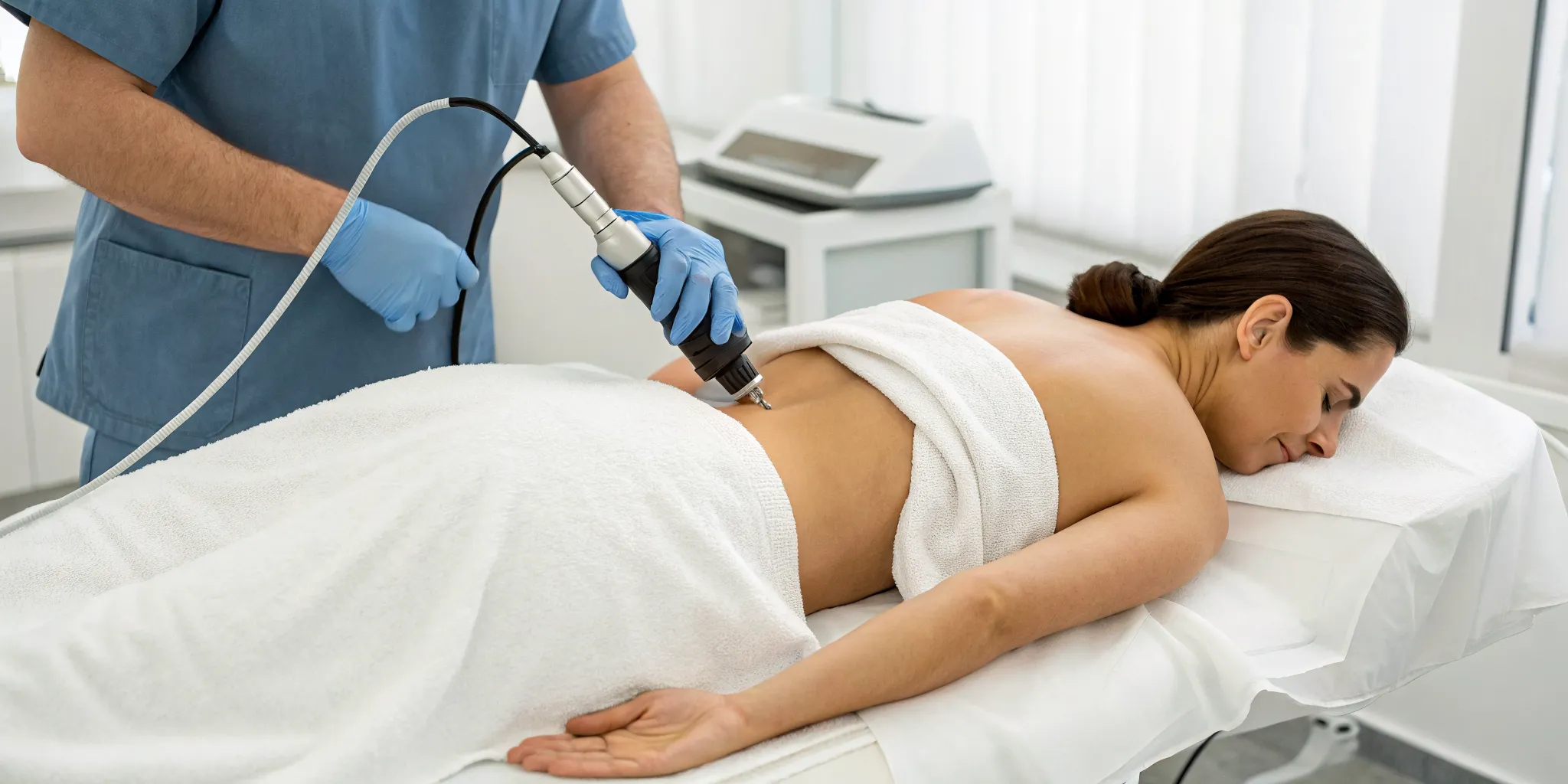
During your appointment, we’ll make sure you’re comfortable. We’ll apply a special gel to the skin over the painful area. Then, a team member will use a handheld device to deliver the acoustic waves directly to the targeted tissue. It’s really important that you communicate with us throughout the session. Let us know exactly where you feel the pain so we can be precise. You might feel some discomfort, but we'll work with you to keep it at a manageable level. This feedback helps us make the treatment as effective as possible for your specific physical medicine needs.
How Many Sessions Will You Need?
The number of sessions you’ll need depends on your specific condition, its severity, and how your body responds to the treatment. Generally, most people see significant improvement with a series of three to five sessions. We typically schedule these appointments about a week apart to give your body time to respond and begin the healing process between visits. During your initial consultation, we will outline a recommended treatment schedule for the conditions we treat. We'll continue to assess your progress along the way, making adjustments as needed to ensure you get the best possible results.
After Your Session: Care and Activity
After a session, it’s normal to feel some mild soreness or see a bit of redness in the treated area for a day or two. This is a sign that the healing process is underway. If you feel sore, you can apply an ice pack to the area for about 10 to 15 minutes to help with any discomfort. We recommend you avoid strenuous activities, like running or heavy lifting, for at least 48 hours after your treatment. Giving your body this time to rest is a key part of the recovery process and helps you get the most out of your therapy.
Are There Any Risks or Side Effects?
Shockwave therapy is widely considered a safe and effective treatment, especially when you compare it to more invasive procedures. Because it works by stimulating your body’s own healing mechanisms, the side effects are typically mild and short-lived. However, like any therapeutic procedure, it’s not the right fit for everyone. Understanding the potential reactions and contraindications is an important step in making an informed decision about your health.
A thorough evaluation is key to ensuring this treatment is appropriate for you. Our team carefully reviews your health history and the specific nature of your condition to determine the best path forward. Below, we’ll walk through what you can expect after a session and who should approach this treatment with caution.
Common Reactions After Treatment
It’s completely normal to experience some minor effects after your shockwave session. You might notice temporary soreness, tenderness, or slight swelling in the treated area. Think of this as a positive sign; it’s an indication that the therapy has successfully triggered an inflammatory response, which is the first step in the healing cascade. Your body is getting to work repairing the tissue.
These reactions are usually mild and tend to resolve on their own within a day or two. To manage any discomfort, you can apply an ice pack to the area for about 10 to 15 minutes. Most people are able to return to their normal daily activities right away, though we may advise you to take it easy and avoid strenuous exercise for a short period.
Who Should Avoid This Treatment?
While shockwave therapy is versatile, there are certain situations where it may not be the best option. The treatment should not be applied directly over major nerves or large blood vessels. A skilled practitioner will have the anatomical knowledge to avoid these sensitive areas and ensure your safety. This is why our approach to physical medicine always begins with a detailed assessment to map out the precise treatment zone.
Additionally, this therapy is generally not recommended for treating complete tendon ruptures. In those cases, the tendon is fully torn, and a different type of intervention is usually required to reattach it. Shockwave therapy is most effective for chronic tendinopathies and other conditions where the tissue is damaged but still intact.
Important Contraindications to Consider
For your safety, there are several conditions that are considered absolute contraindications for shockwave therapy. This treatment should not be performed if you are pregnant, as its effects on a developing fetus are unknown. It’s also avoided in areas with an active infection or cancerous tissue, as the increased blood flow and metabolic activity could worsen these conditions.
If you have a bleeding disorder or are taking blood-thinning medication, shockwave therapy may not be suitable due to the risk of bruising or bleeding. Finally, the treatment is not used over open growth plates in children or adolescents. During your initial consultation, it’s crucial to share your complete medical history so we can confirm that you are a good candidate. If you have questions about your specific situation, please contact our team to discuss your concerns.
Is Shockwave Therapy Right for You?
Deciding on the right treatment for chronic pain can feel overwhelming, but understanding your options is the first step toward relief. Shockwave therapy is a powerful tool we use for specific types of musculoskeletal pain, especially when other methods haven't brought the results you need. It’s designed to work with your body, stimulating its natural repair processes to address the source of your discomfort. Let’s explore what makes someone a good candidate for this treatment and how we approach it at our Tampa clinic.
Signs This Treatment Could Be a Good Fit
If you're dealing with stubborn pain in your joints or soft tissues that just won’t go away, shockwave therapy might be an excellent option for you. This treatment is particularly effective for chronic tendon and connective tissue problems. We often see great results for individuals with plantar fasciitis (heel pain), Achilles tendinopathy, tennis elbow, and persistent shoulder pain. The therapy uses powerful acoustic waves to create a healing response deep within the tissue, helping your body get back to the business of repairing itself.
This approach is best suited for pain that has lingered for several weeks or months and hasn't fully responded to initial care like rest and stretching. It addresses a wide range of conditions we treat, helping to reduce pain and improve your ability to move freely.
Our Approach to Shockwave Therapy in Tampa
At Ascend Functional Health, we consider shockwave therapy a key part of our physical medicine toolkit, especially when you need a solution that goes beyond surface-level treatments. We recommend it when other conservative methods haven't provided lasting relief. Our process begins with a thorough evaluation to pinpoint the exact source of your pain. During the session, we apply the shockwave applicator directly to the affected area, ensuring the acoustic waves are delivered precisely where they’re needed most.
A typical treatment plan involves a series of short sessions, usually spaced about a week apart, to give your body time to respond and heal. Our goal is to help you find significant relief and improved function, offering a path to recovery that supports your body’s innate healing abilities without requiring more invasive options.
Related Articles
- SoftWave Tissue Regeneration Therapy in Tampa | Alessi Functional Health
- SoftWave TRT Therapy in Tampa, FL - Alessi Functional Health
- Physical Medicine | Alessi Functional Health Tampa, FL
- Physical Medicine in Tampa | Chiropractic & Rehab Care | Ascend Functional Health
- Regenerative Medicine | Alessi Functional Health Tampa, FL
Frequently Asked Questions
Does shockwave therapy hurt? It’s a common question, and the honest answer is that you will likely feel some discomfort during the session. The sensation is often described as a deep, pulsing pressure. However, the treatment is designed to be tolerable. We communicate with you the entire time to adjust the intensity, and any discomfort you feel is a good sign that we are targeting the precise area of injured tissue that needs attention.
When can I expect to see results from the treatment? While some people feel a bit of relief right away, shockwave therapy is designed to create long-term healing, not an instant fix. The real magic happens in the weeks following your sessions as your body’s repair processes get to work. Most people notice significant improvement after completing their full series of treatments, with the benefits continuing to build as the tissue regenerates over time.
What makes shockwave therapy different from other treatments for chronic pain? Many treatments focus on temporarily managing your symptoms, like reducing inflammation or blocking pain signals. Shockwave therapy is different because it’s a regenerative approach. It works by creating a biological response that actively stimulates your body to repair itself. Instead of just putting a bandage on the problem, it helps rebuild damaged tissue, break down old scar tissue, and improve blood flow for more sustainable, long-term relief.
What are the activity restrictions after a session? After your appointment, we generally recommend avoiding any high-impact or strenuous activities for about 48 hours. This gives your body the focused time it needs to kickstart the healing response we just triggered. Light, everyday activities are perfectly fine, but holding off on that intense workout or long run allows the treated area to recover properly and helps you get the most benefit from your session.
Is there a point where my injury is too old for this therapy to be effective? Actually, the opposite is often true. Shockwave therapy is specifically designed for chronic conditions, which are injuries that have lingered for months or even years without fully healing. If you have an old injury where the recovery process has stalled, this treatment can be an excellent way to restart that natural healing cascade. It’s a way to tell your body it’s time to get back to work on repairing that old, stubborn source of pain.