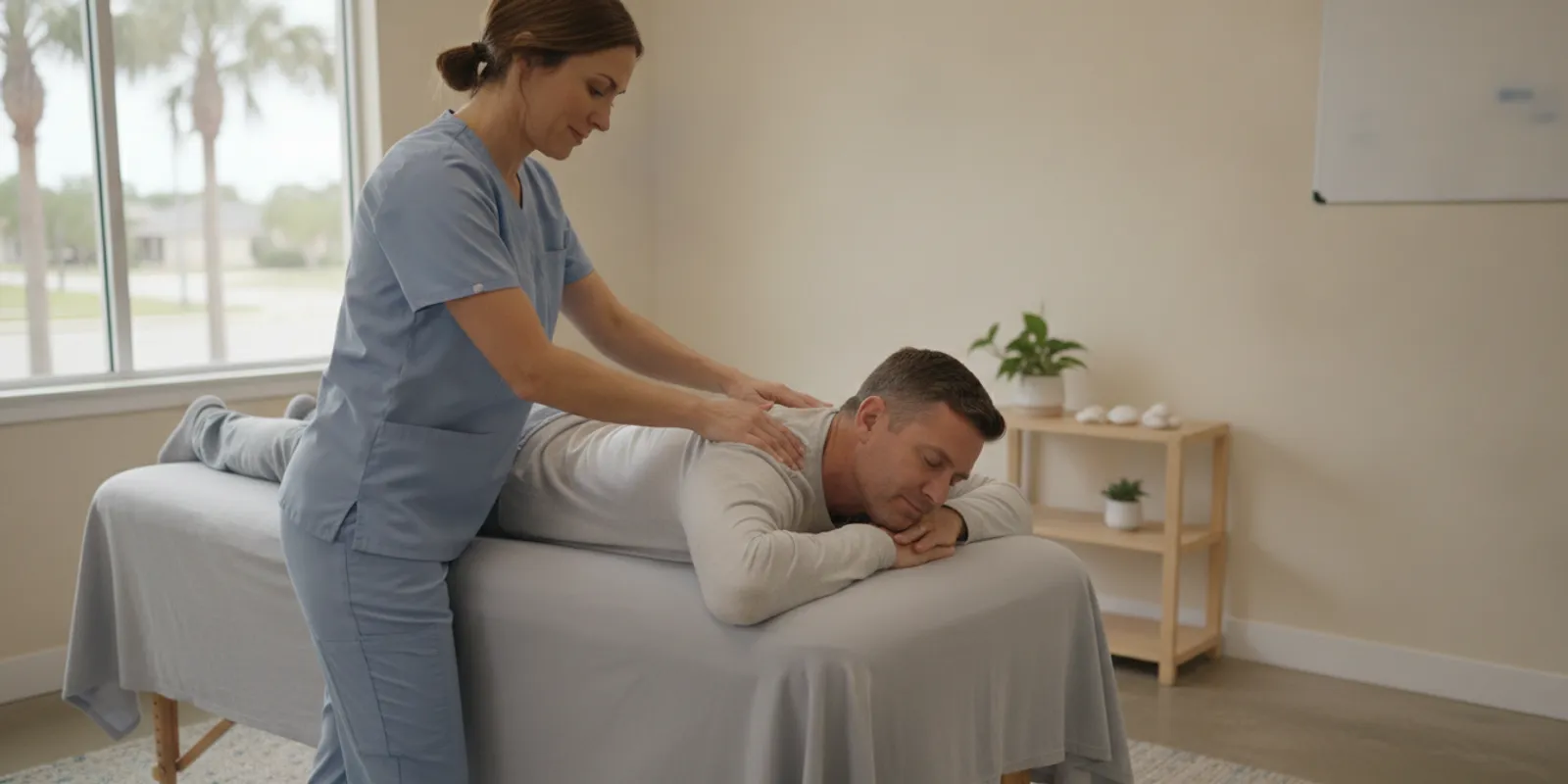
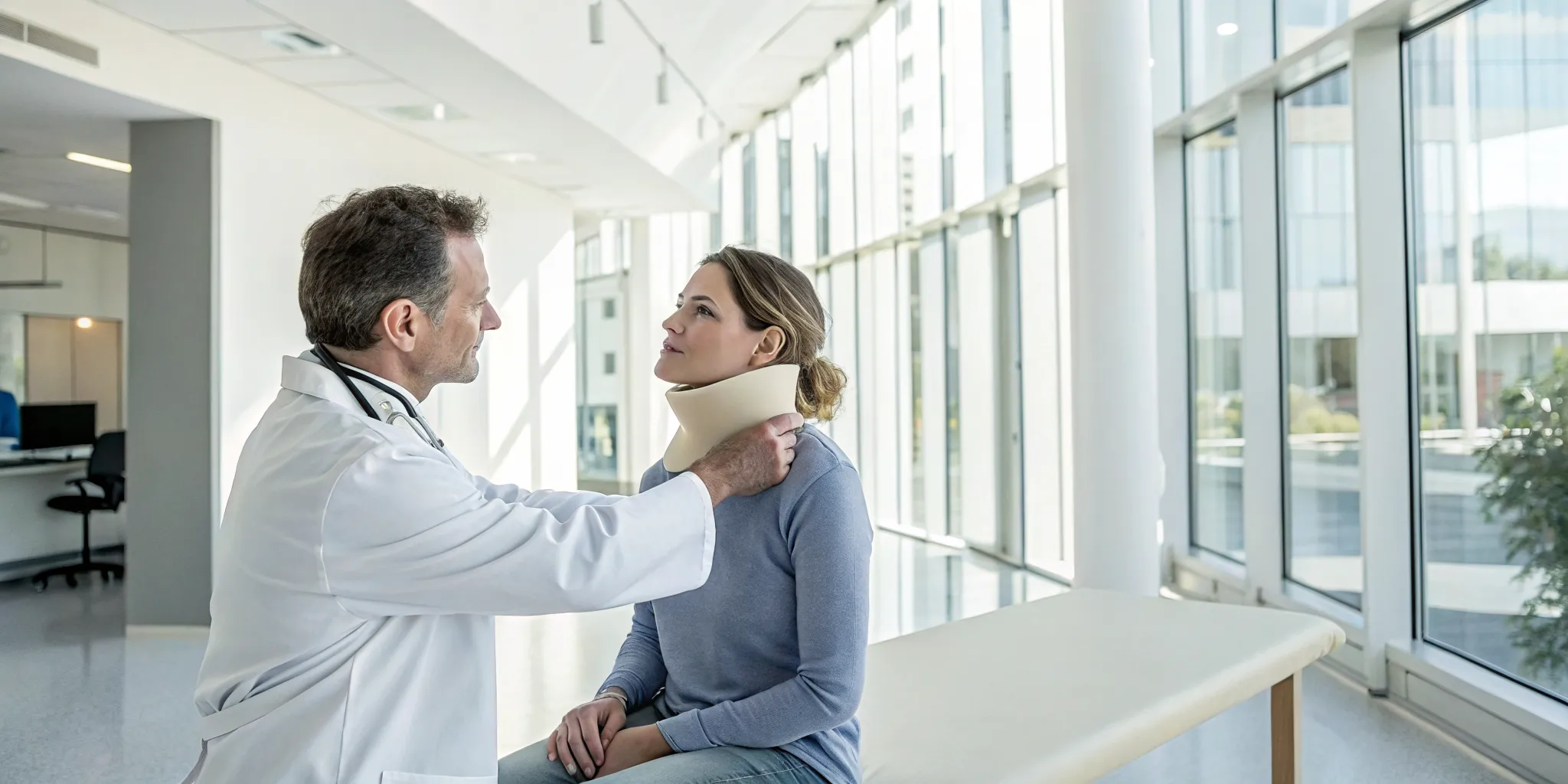
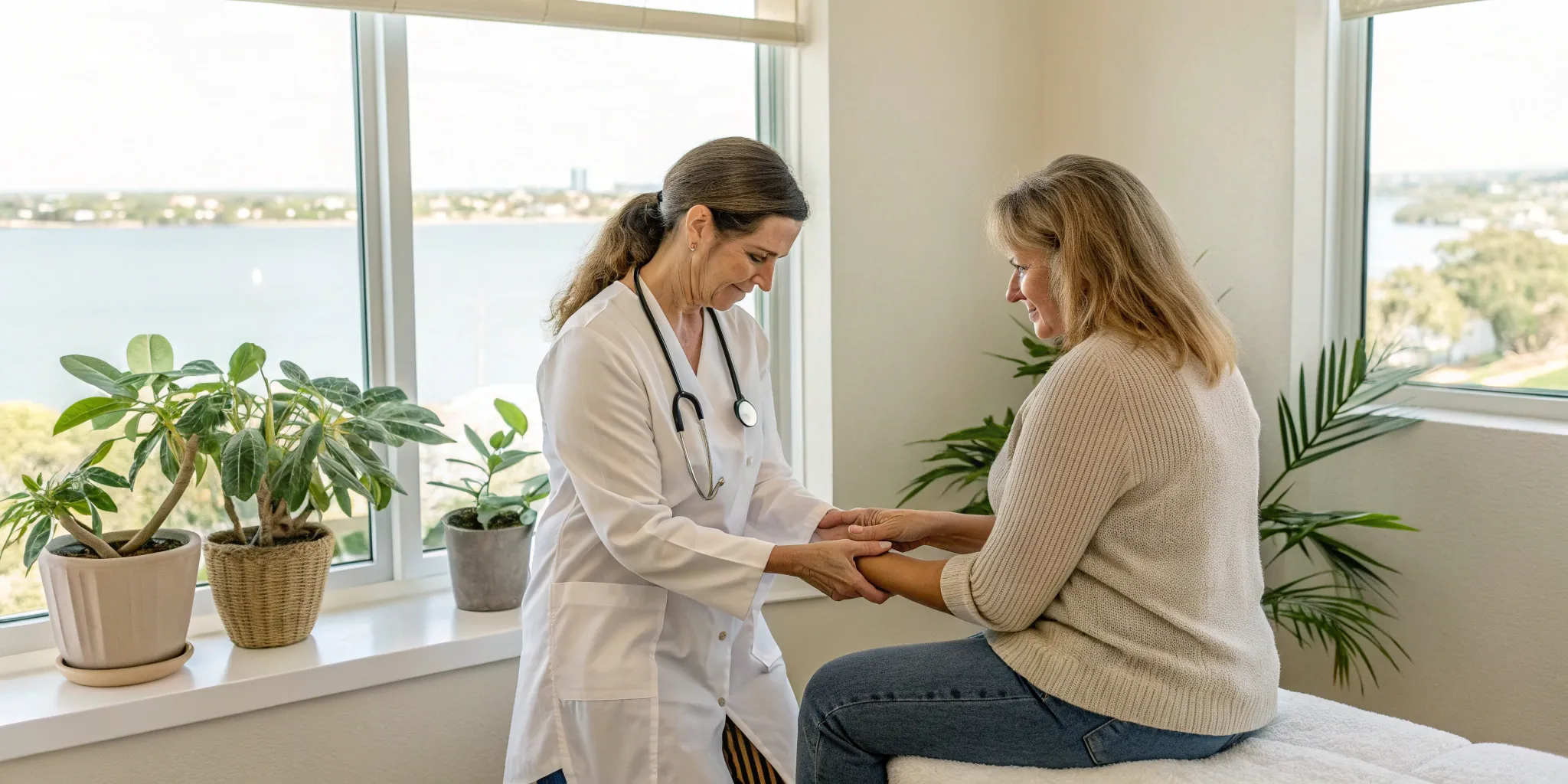
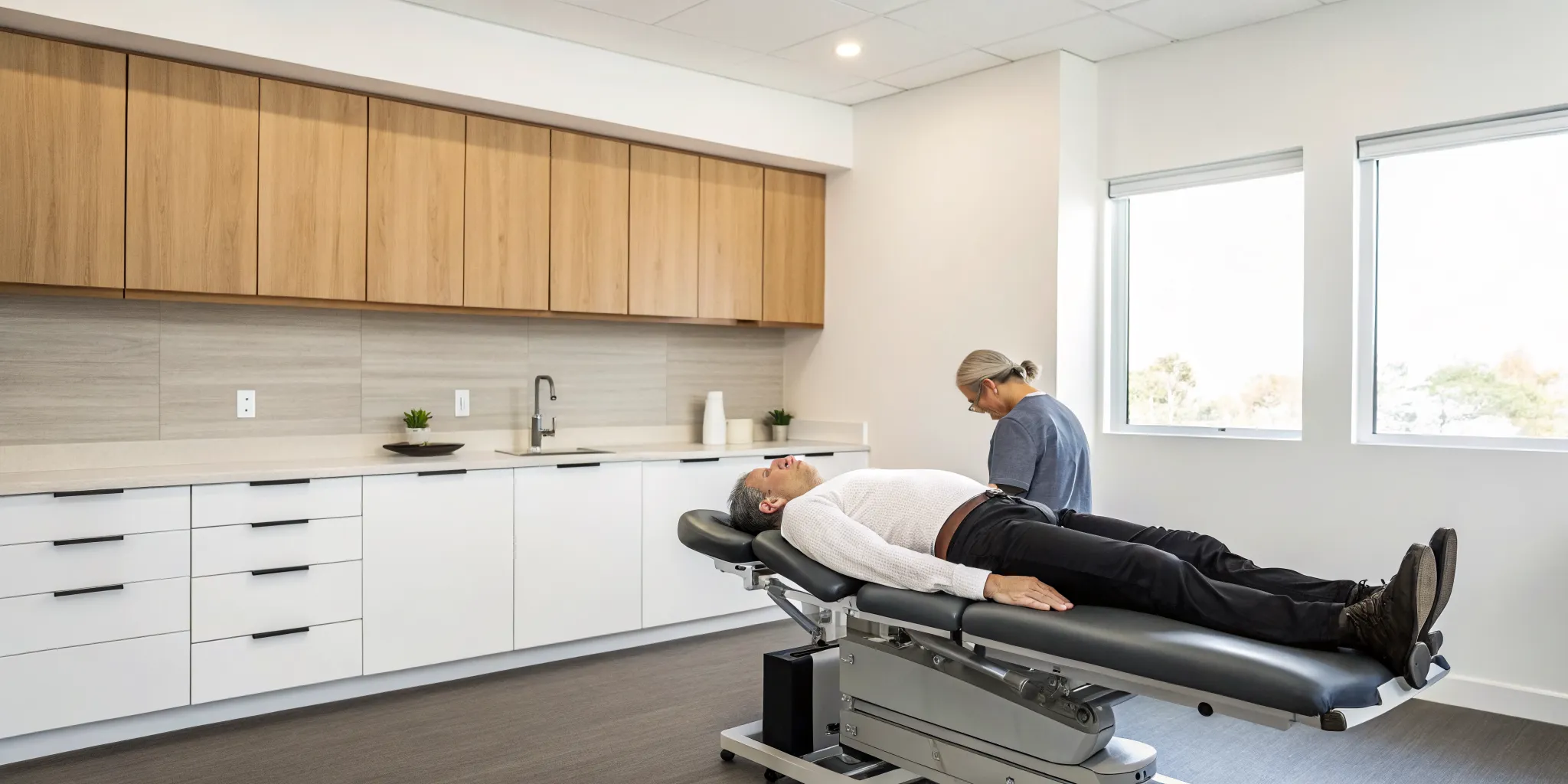
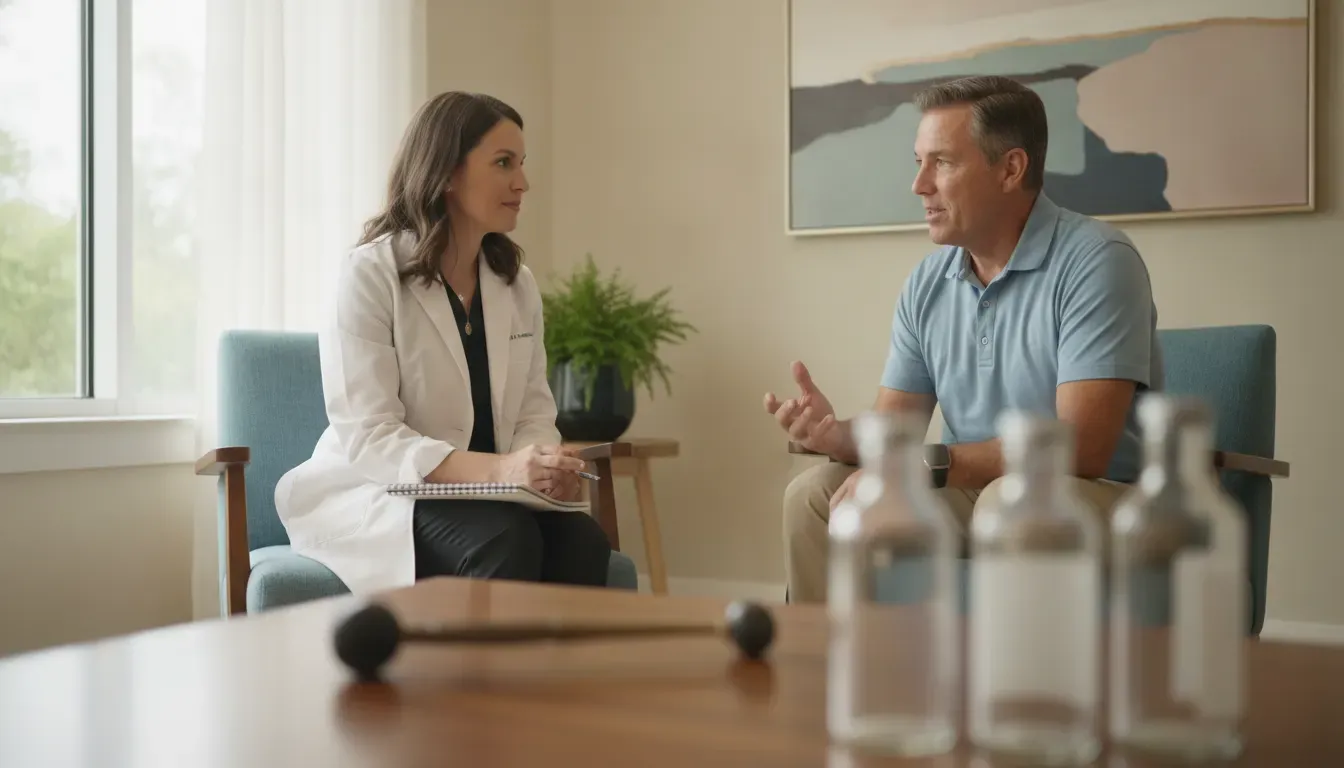
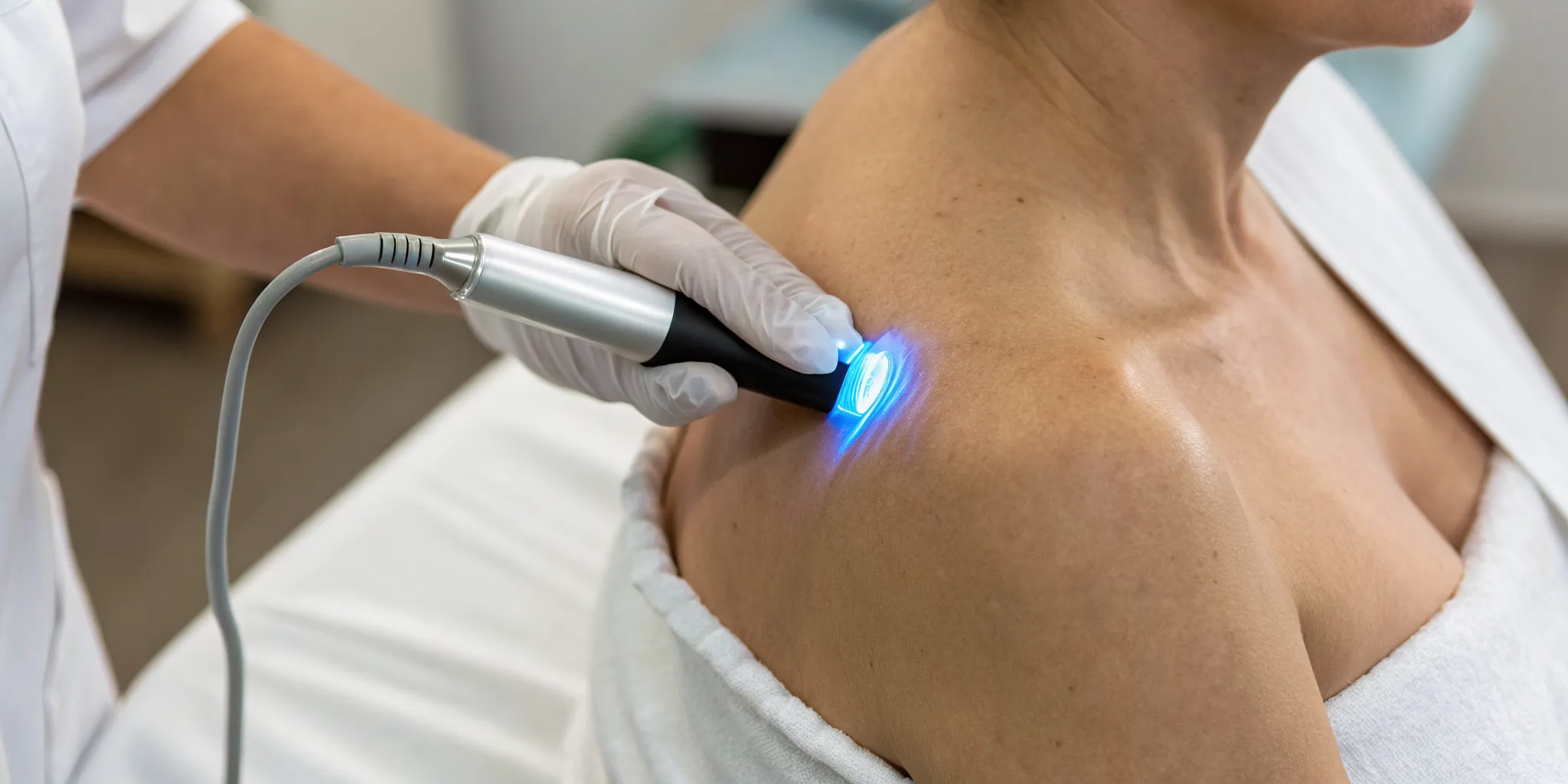
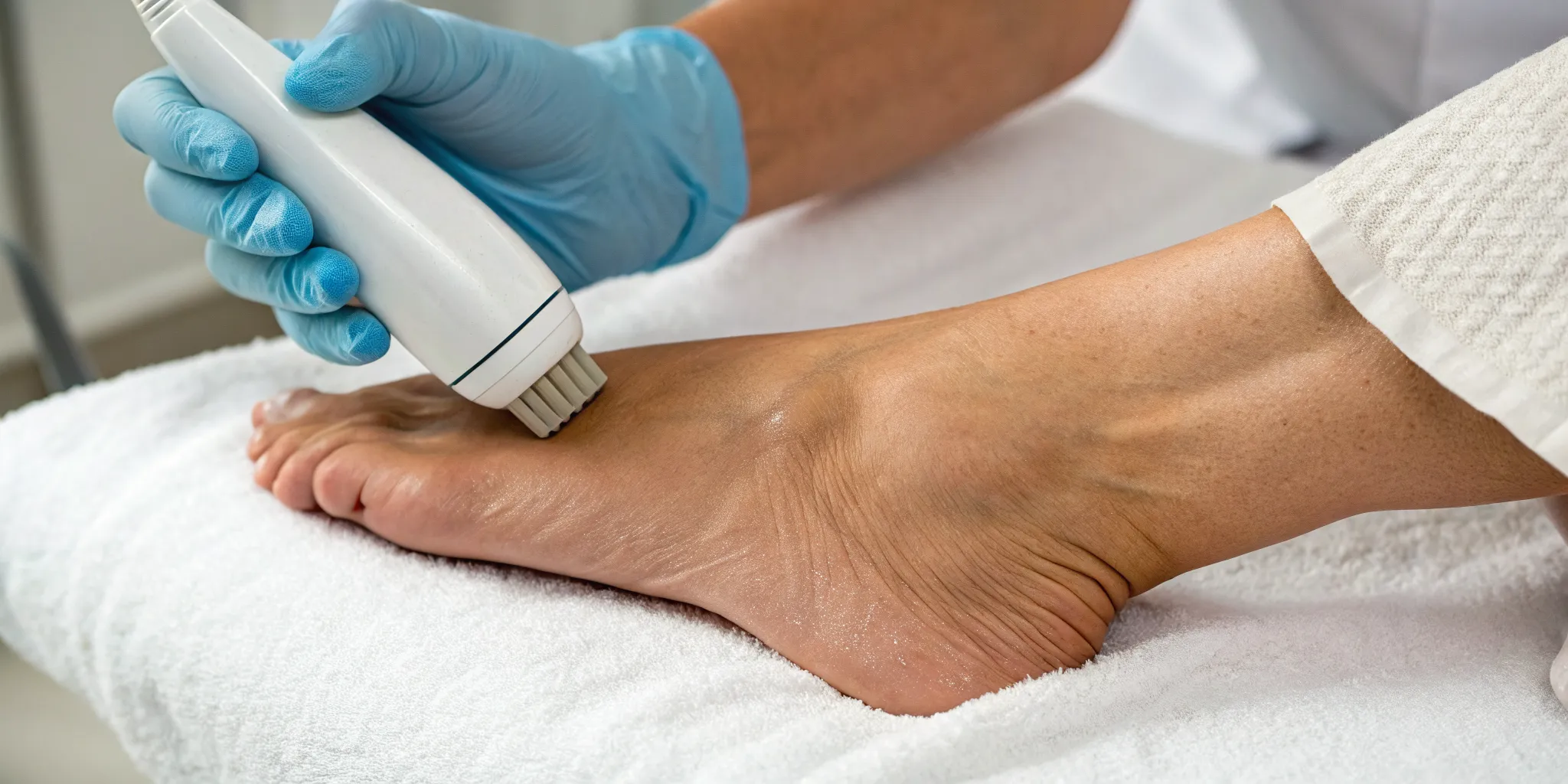
A stiff neck after a desk day can raise the question. So can a shoulder that sits higher in photos, or a teen who leans to one side. Spinal and postural screenings are a short, hands-on look at how the spine and the body line up while you stand and while you move. They are a starting observation, not a diagnosis and not a treatment plan. In Tampa, the useful version of that visit tells you what was seen. It also tells you what still needs a fuller exam, and whether a clinician conversation is the right next step.
Schedule a screening consult with Ascend
What Are Spinal and Postural Screenings?
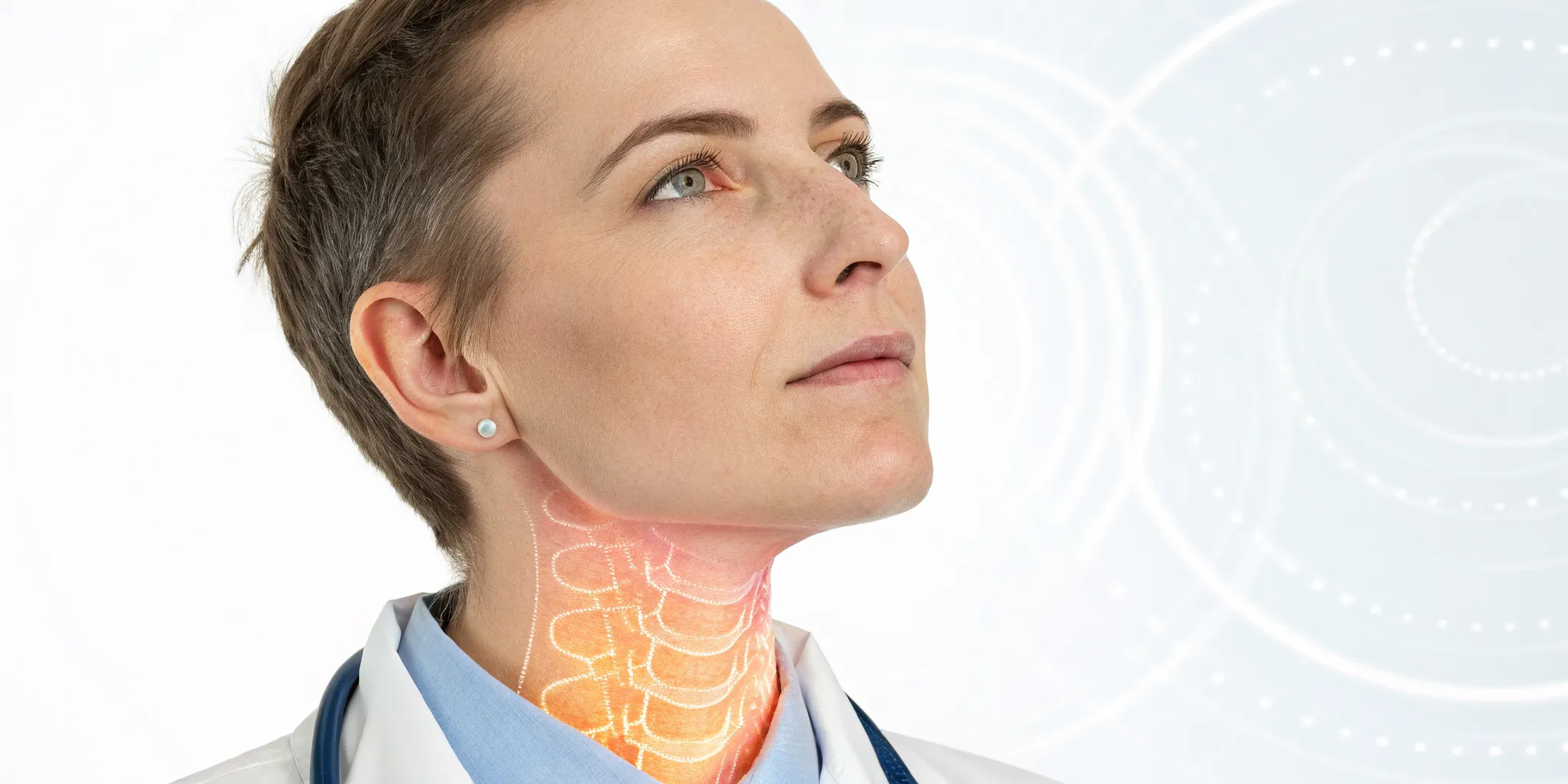
Spinal and postural screenings are a painless visual and movement check of the spine, shoulders, hips, and the way the body carries itself. A clinician looks for asymmetry, limited motion, and patterns that may deserve a closer exam. The visit does not, by itself, name a condition or prescribe care.
People often use "screening" and "assessment" as if they were the same appointment. They are not. A screening is a first pass. It answers whether something looks uneven enough to study further. A full posture and movement assessment goes deeper into how joints and muscles share load across a whole movement. If you want that longer look, the posture and movement assessment guide covers it. This page stays with the screening visit itself.
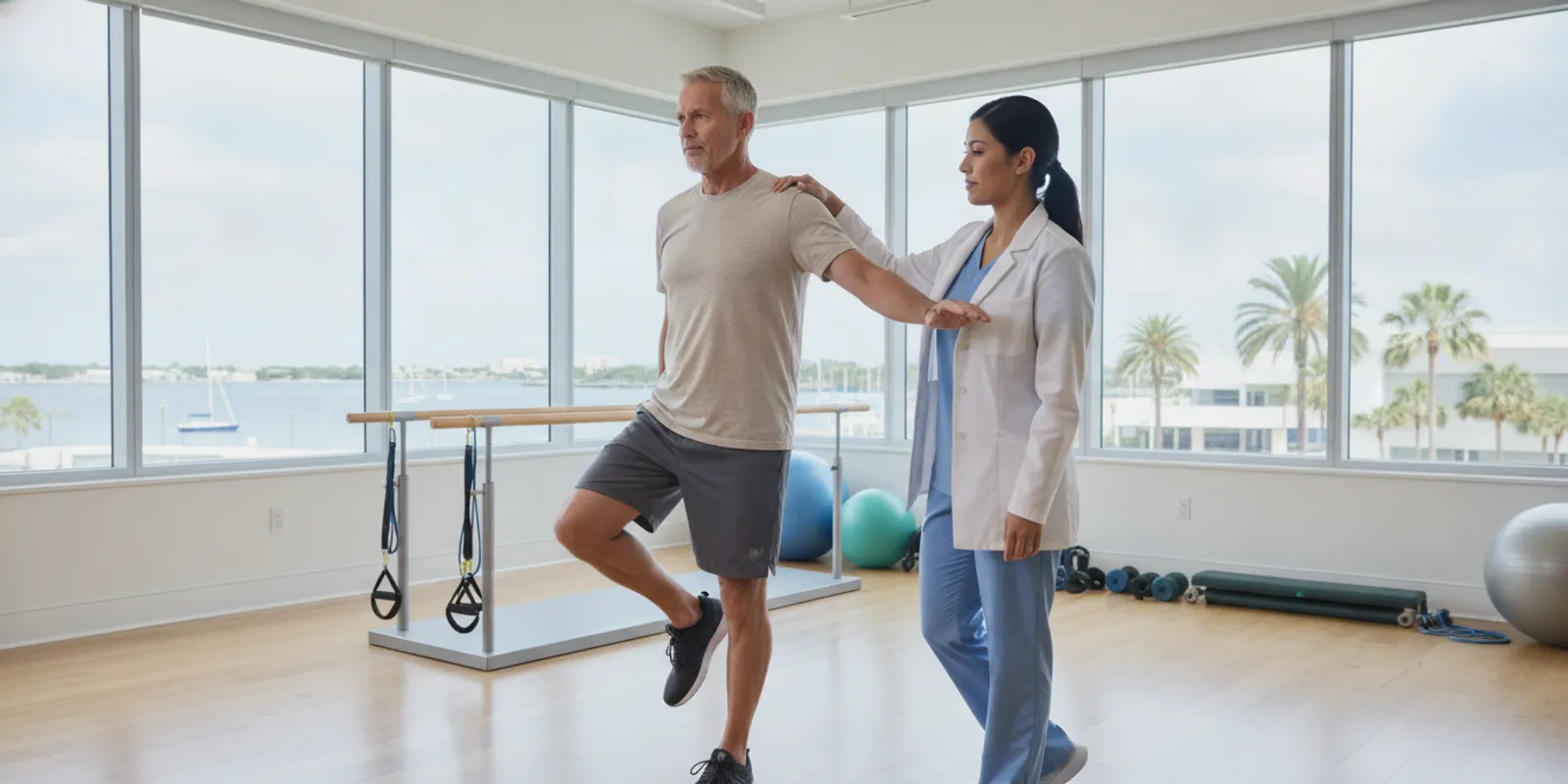
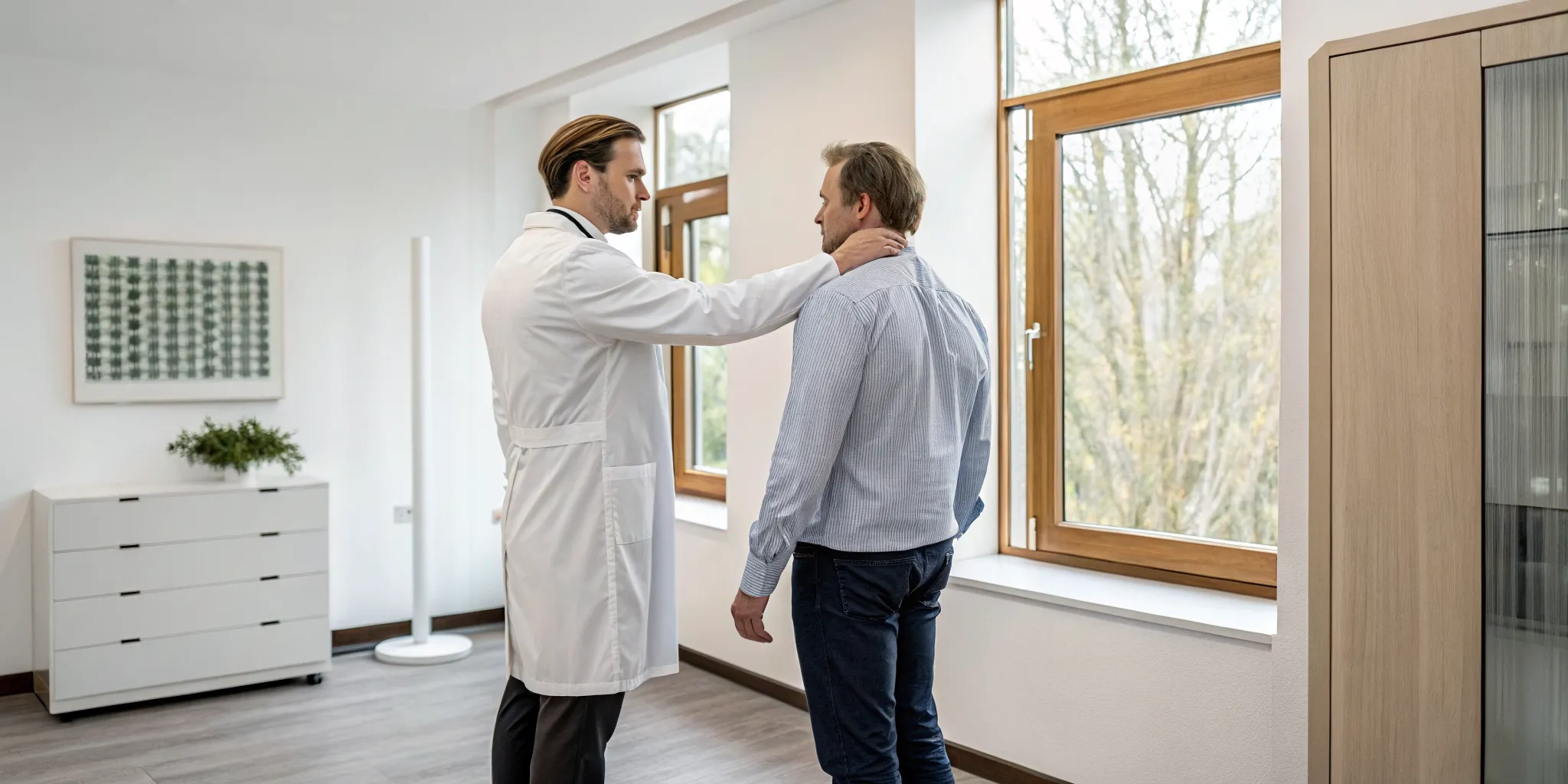
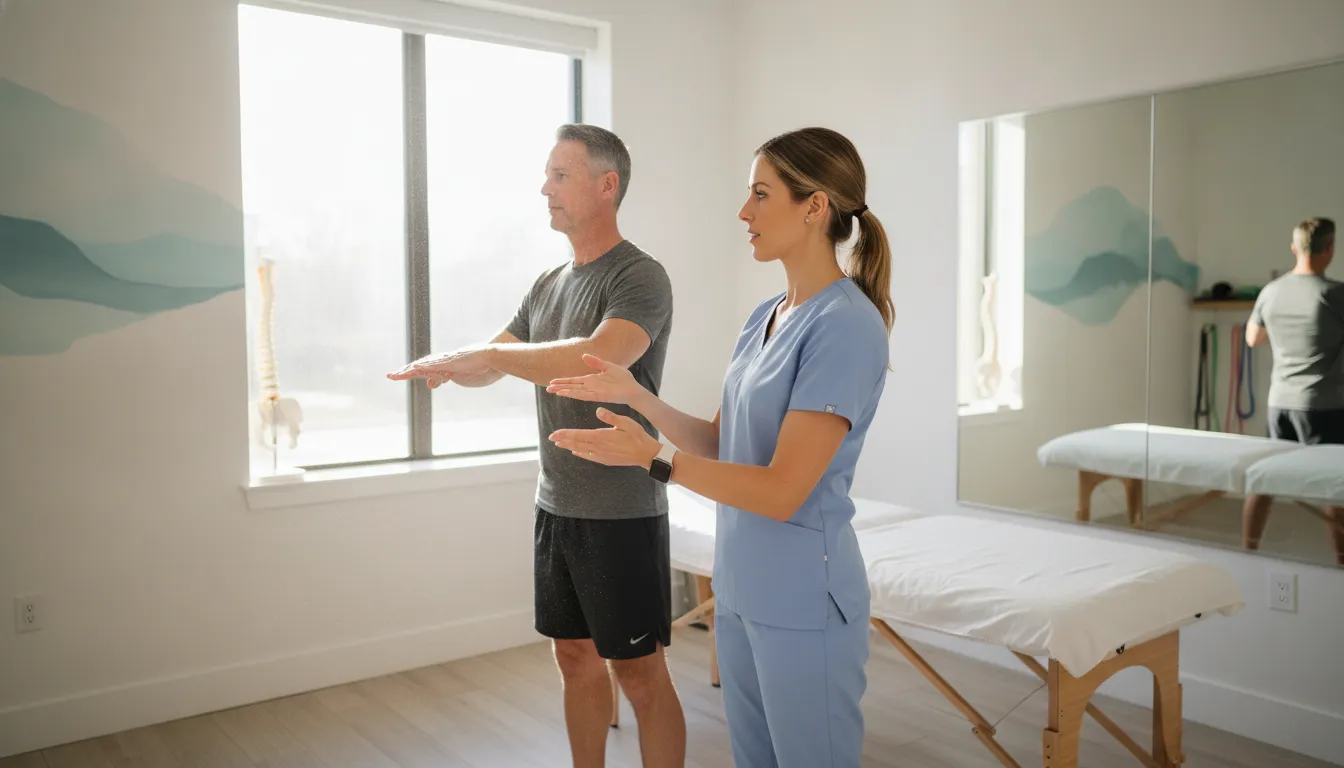
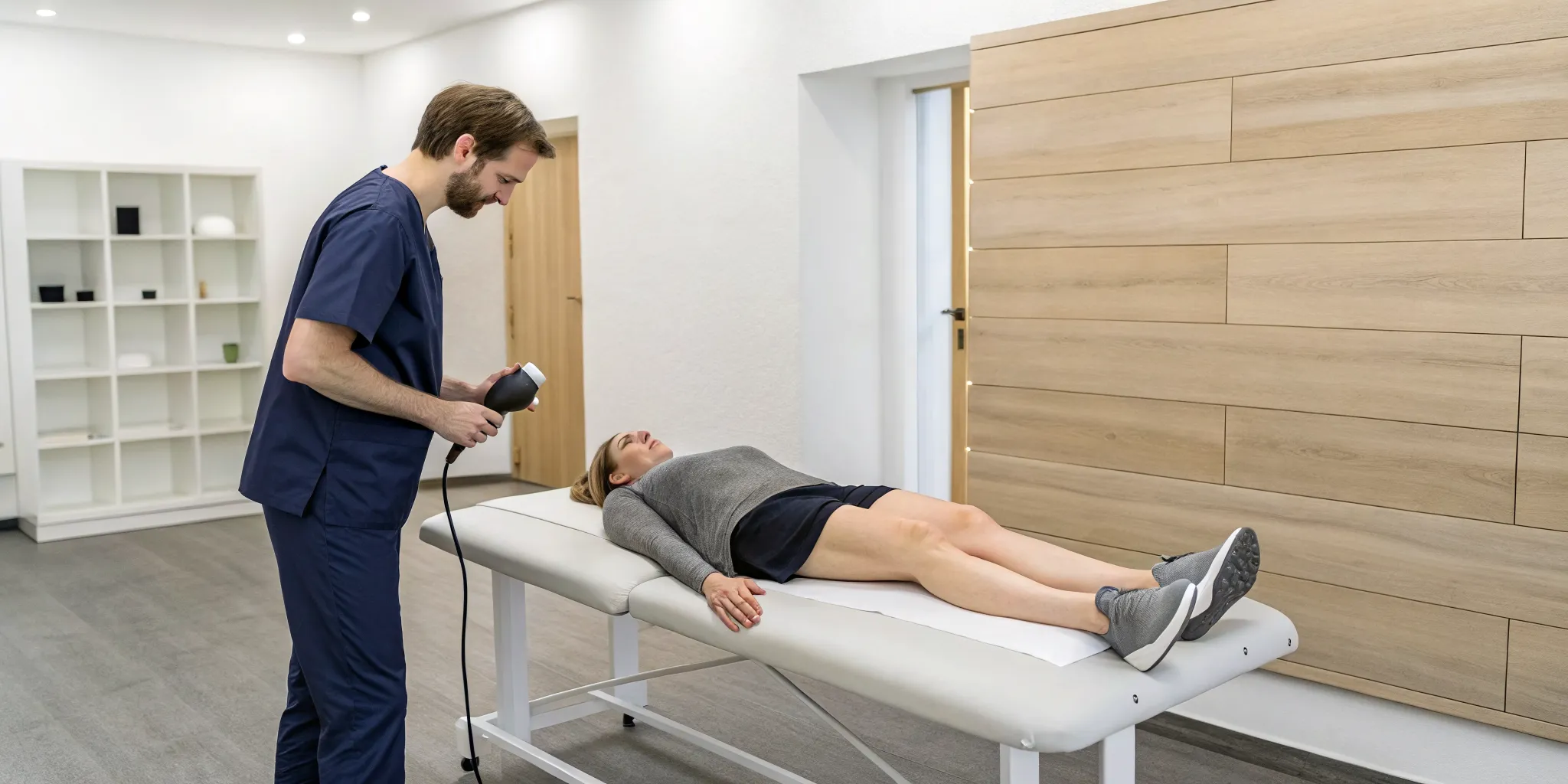
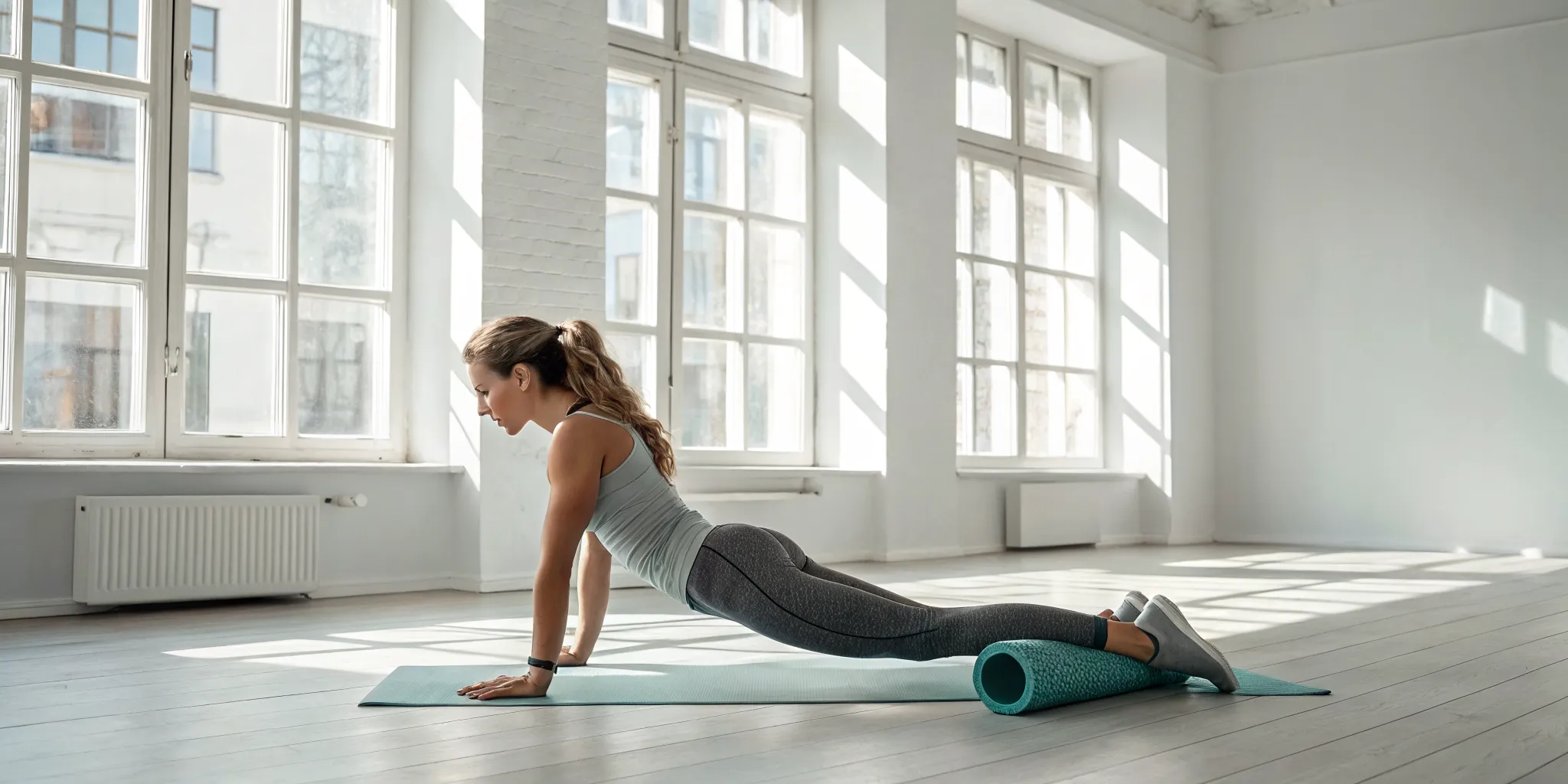
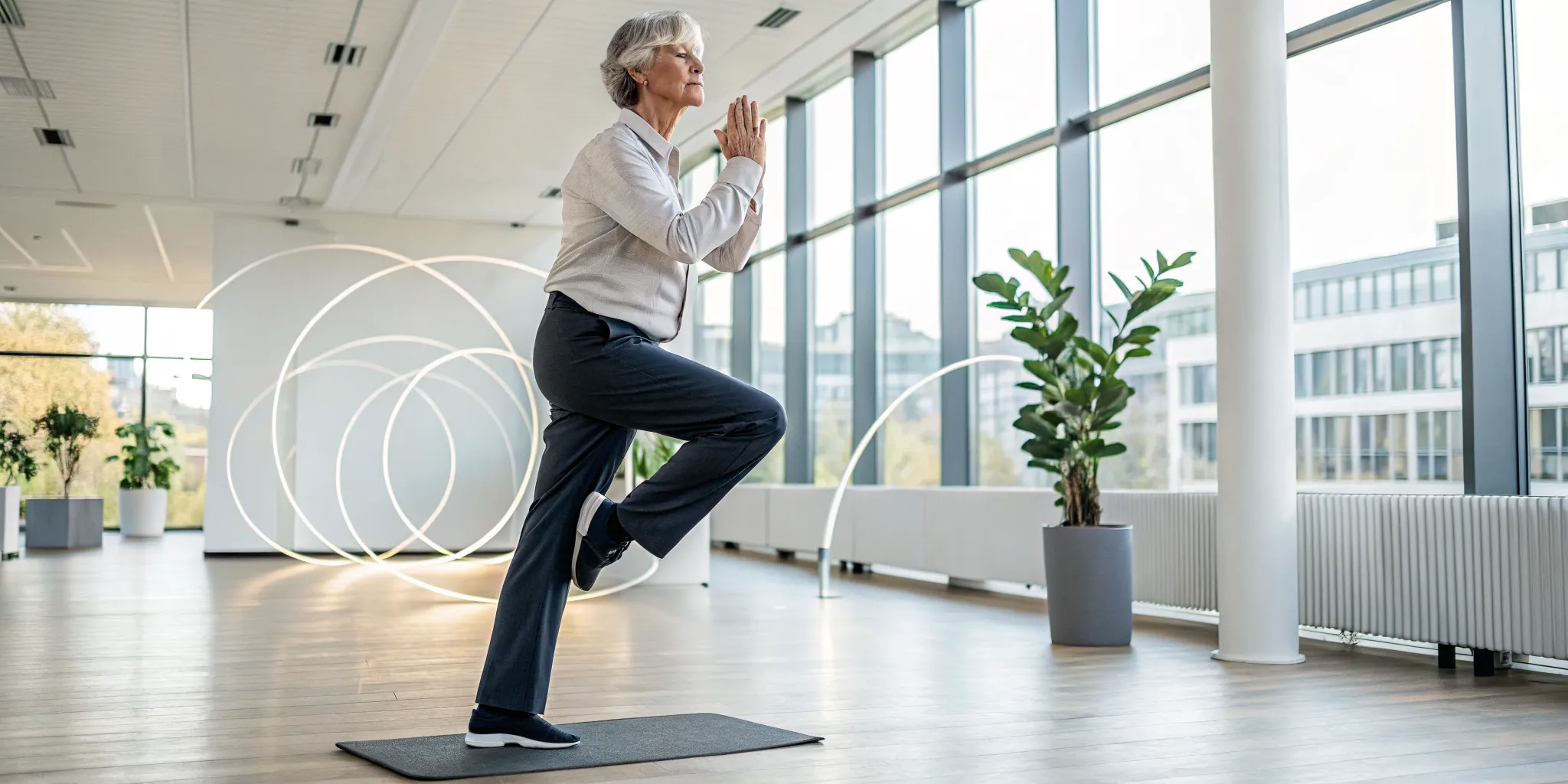
Most screenings have two views. In a static view, you stand in a relaxed posture while the clinician looks from the front, the side, and the back. They note whether the head sits forward of the shoulders. They also note whether one shoulder or hip is higher, and whether the rib cage or pelvis appears rotated. In a dynamic view, you bend, turn, or take a few steps so the same landmarks can be watched in motion. A shape that looks even while you stand can change once you move, and the reverse is also true.
The point is pattern recognition, not a score you take home as a grade. A screening can show that one side of the back lifts when you bend. It can also show that turning the neck to one side is clearly shorter than the other. It cannot tell you why that happened, how long it has been there, or what care would change it. Those questions belong to a history and an exam.
That limit is useful. It keeps a short visit honest. You leave knowing what was observed and what was not decided. If nothing notable shows up, that is still information. If something does, the next conversation can be specific instead of general.
Who in Tampa Bay Might Book a Screening?
Spinal and postural screenings in Tampa are most useful for people who want a clear look before they commit to a longer plan of care. The visit fits a question, not a crisis. Sudden weakness, numbness, fever, or pain after a major injury needs urgent medical care, not a posture screen.
Adults who sit for long stretches are a common fit. Driving I-275, working at a laptop, or standing at a counter all ask the same tissues to hold one shape for hours. A screen can show whether that shape has become your standing posture, or whether it only shows up when you are tired. Parents sometimes book for a teen whose clothes hang unevenly or whose one shoulder looks higher in photos. Older adults may want a baseline after they notice they lean when they walk.
Athletes and former athletes are another group. A recurring pull on one side can start with a simple symmetry check. So can a hip that feels stuck after training, or a serve that has lost range. The screen does not replace sport-specific testing. It tells you whether the standing body already shows a side-to-side difference worth a fuller visit.
A screening is a poor match when you already have a diagnosis and want treatment options, or when you are shopping for a same-day adjustment. It is also a poor match for bargain visits, coverage-network searches, or do-it-yourself fixes. Ascend Functional Health is a cash-pay practice in Tampa. Recommendations come from your history, the exam, and any testing the clinician thinks is appropriate, not from a coverage rule.
Neck or back pain, sports strain, or postural strain that has already lasted weeks is a broader question. Start with the physical medicine services page. That page describes the assess, plan, and track process. A screening can be the first observation inside that process. It is not a separate product with its own promise.
What Does the Clinician Actually Look At?
During spinal and postural screenings, the clinician compares left with right and front with side, then watches the same landmarks while you move. The goal is a plain description of which landmarks match and which do not. You should be able to repeat that description in your own words before you leave.
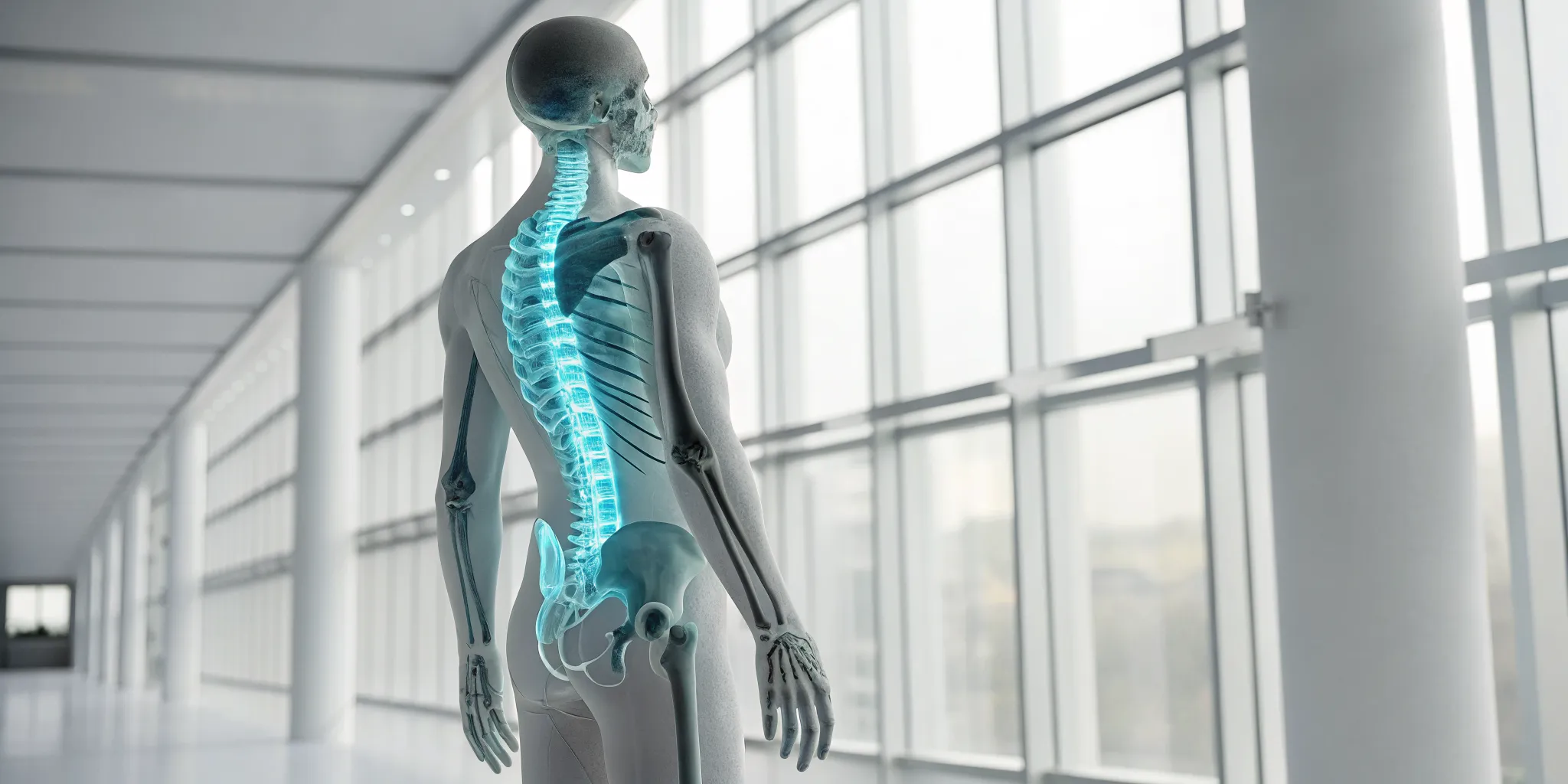
From the front, the clinician looks at ear height, shoulder height, the crease at the waist, and whether the kneecaps point the same direction. From the side, they look at whether the head sits forward, how the mid back rounds, and how the low back curves. From the back, they look at shoulder-blade position, the line of the spine, and pelvic height. None of these views is a measurement you can treat as a lab value. They are observations that guide the next question.
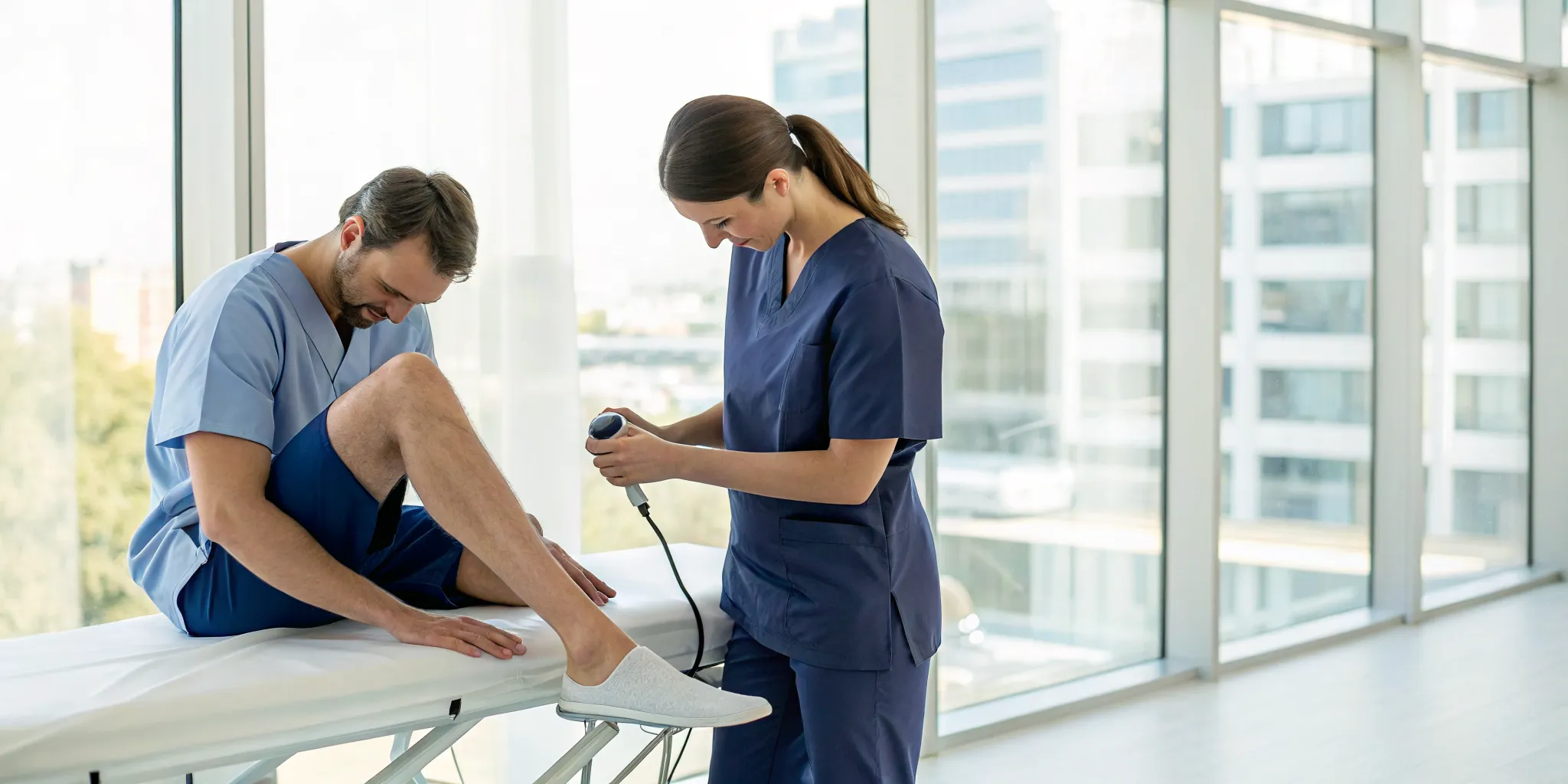
Movement adds the second half. You may be asked to bend forward, look over each shoulder, reach overhead, or walk a short line. The clinician watches whether one side of the rib cage or low back rises. They also watch whether motion stops early, and whether you shift your weight to avoid one side. Pain is noted if you report it. A screen does not try to provoke pain, and you can stop a movement that does not feel right.
Clothing matters more than people expect. A loose sweatshirt hides shoulder blades and the line of the spine. Shorts or fitted athletic wear and a top that lets the clinician see the shoulders make the visit more accurate. Shoes come off for the standing view so the feet can be seen as the base. If you use a lift, a brace, or orthotics every day, bring them and say so.
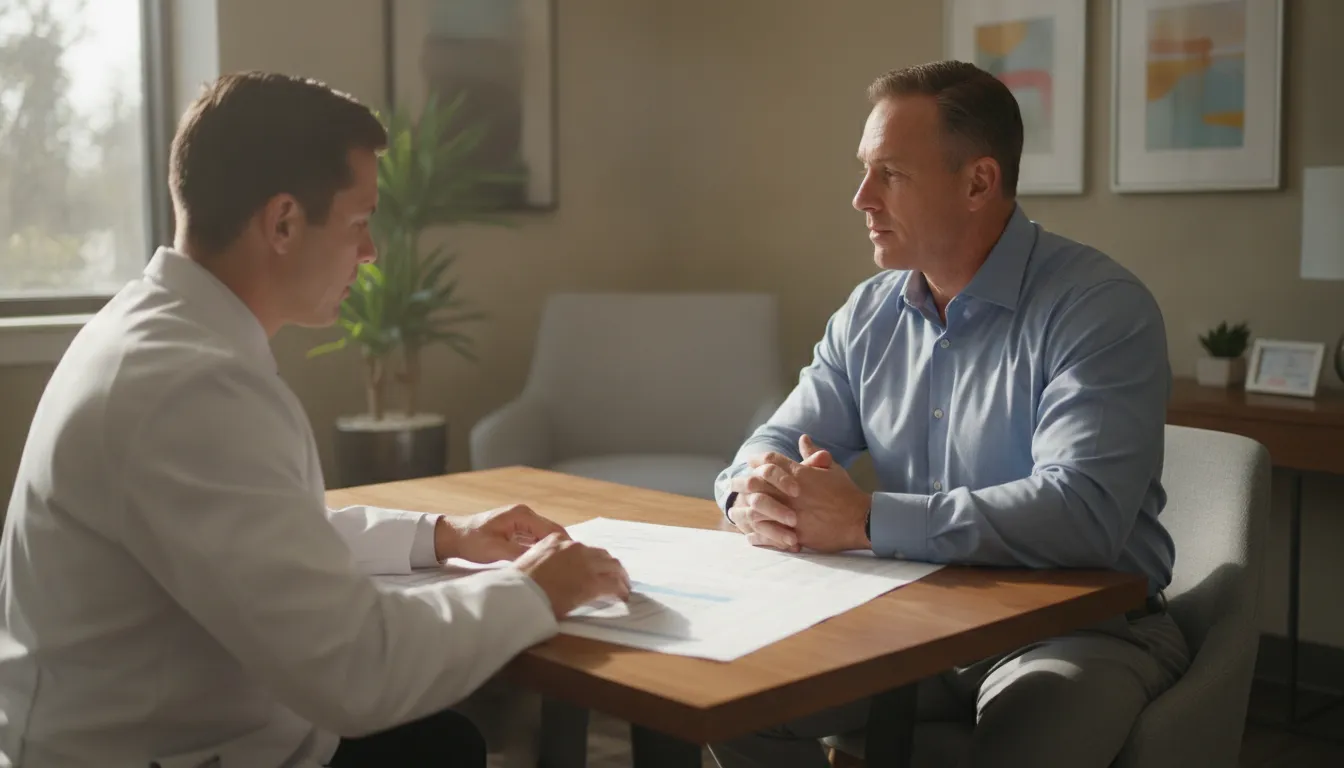
Bring a short list, not a stack of records. Note when you first noticed the change, what makes it better or worse, and any prior imaging you already have. Ascend's new-patient process on day one is a discovery visit. It includes a sit-down consultation and X-rays when the doctor deems them appropriate. Treatment that day happens only if the doctor deems it appropriate. A screening conversation can happen inside that visit. It does not replace it, and it does not mean imaging will be taken.
How Is a Forward-Bend Check Different From a Diagnosis?
A forward-bend observation is one part of spinal and postural screenings, and it is often confused with a scoliosis diagnosis. It is not one. Bending forward with the feet together and the knees straight lets a clinician see whether one side of the rib cage or back is higher. That is a clue. It is not a curve measurement.
MedlinePlus describes the forward bend test as a screen used in schools and medical offices. The person bends forward with the feet together and the knees straight while the arms hang down. An imbalance in the rib cage or along the back can be a sign of scoliosis, and it still has to be confirmed another way. The MedlinePlus forward bend overview is a fair public description of that single test.
The American Academy of Family Physicians describes adolescent idiopathic scoliosis as a side-to-side curve of at least 10 degrees. That measurement is the Cobb angle. It applies to adolescents ages 10 to 18 who have no underlying congenital or neuromuscular cause. The Academy notes that the forward bend test may detect it. A scoliometer measurement should confirm the finding. Mild curves are often quiet. Severe curves, around 40 degrees or more, can bring pain, visible shape change, or, rarely, breathing limits. Their review is in American Family Physician.
The U.S. Preventive Services Task Force has said the evidence is insufficient here. It cannot weigh benefits and harms of routine scoliosis screening for children and adolescents ages 10 to 18. That statement is about population screening in that age group. It is not a rule about an adult who wants a posture check. It is also not a rule about someone who already has pain or a visible asymmetry. You can read the statement at the U.S. Preventive Services Task Force.
Ascend does not turn a screening into a scoliosis verdict. A clear rib prominence on a forward bend may need a dedicated scoliosis conversation, imaging, or a referral. The same is true when a teen's posture question is really a curve question. The scoliosis care guide covers curve types, monitoring, and non-surgical options. This screening page does not repeat that guide. A normal-looking bend also does not prove that discs, nerves, and strength are fine. Those are separate questions.
What a Screening Can and Cannot Decide
A screening can decide that the standing body looks symmetric enough to skip further posture work for now. It can also decide that one region deserves a fuller exam. It cannot decide that you have a disc injury, a pinched nerve, or a curve of a certain size. It also cannot promise that care will change the shape you saw in the mirror.
| Question | What a screening can do | What it cannot do |
|---|---|---|
| Is one shoulder or hip higher while I stand? | Describe the difference from the front, side, and back | Explain the cause or how long it has been present |
| Does one side of my back rise when I bend? | Note rib or lumbar prominence as a clue | Measure a Cobb angle or diagnose scoliosis |
| Is turning or reaching clearly shorter on one side? | Compare left and right motion in a few simple moves | Score a seven-test movement screen or rate injury risk |
| Should I start a plan of care? | Point toward a consult, imaging, or no further step | Prescribe adjustments, decompression, or exercises |
| Is this the wrong visit for a sudden serious symptom? | Recognize that a screen is the wrong visit | Replace an exam for sudden serious symptoms |
Read the middle column as the product you are buying with your time. Some clinics treat a screening as a sales step that always ends in a package. Ask what finding would lead them to recommend no further care. A trustworthy answer includes that possibility.
Two neighboring topics stay off this page on purpose. The seven-test functional movement screen, including its 0-to-3 scores, lives in the functional movement screening guide. Named postural patterns and the overhead squat belong to the assessment guide linked above. A Tampa screening visit may use ideas from both. It should not pretend to be either one.
How Ascend Uses Screening Findings in a Consult
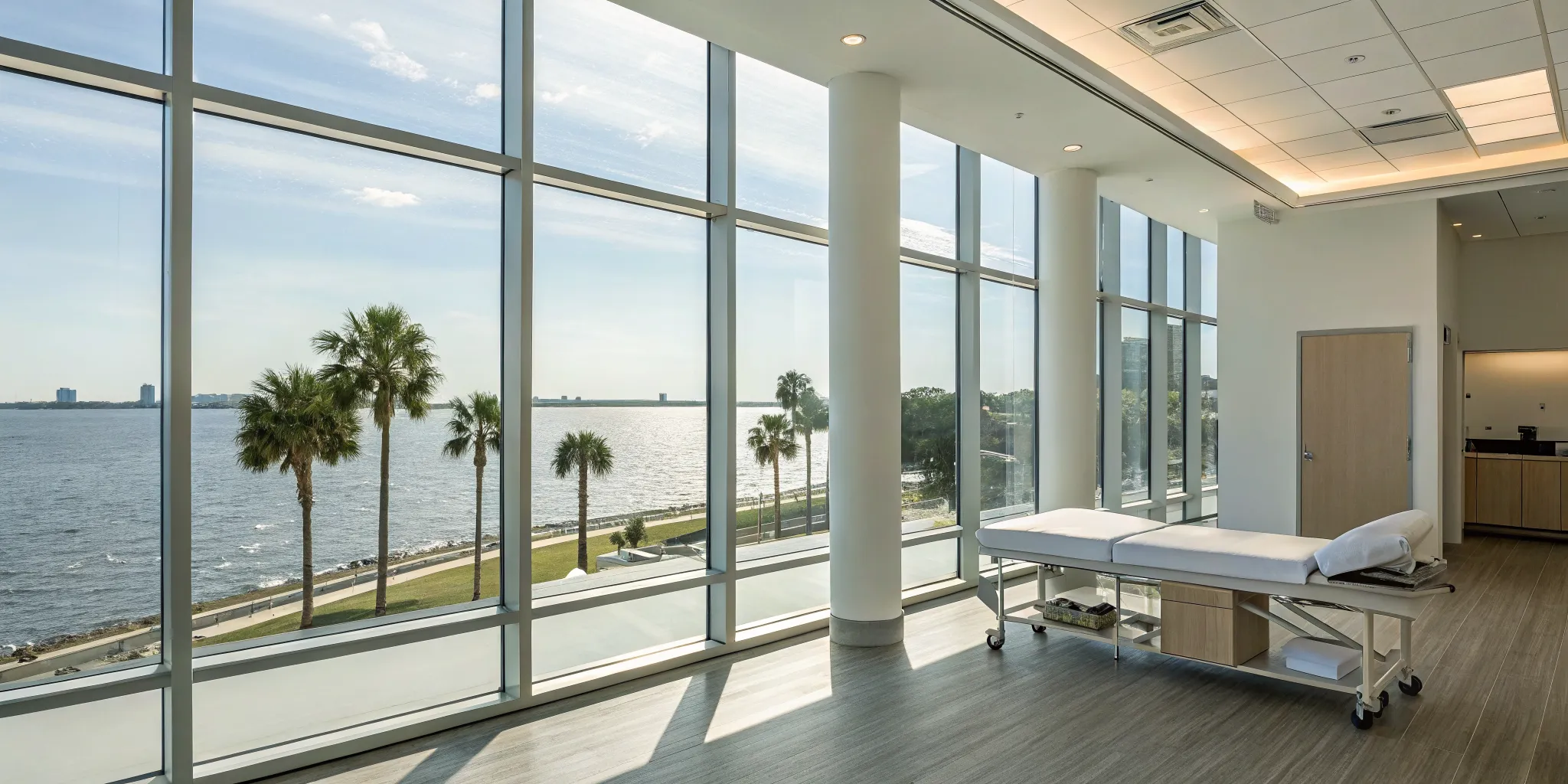
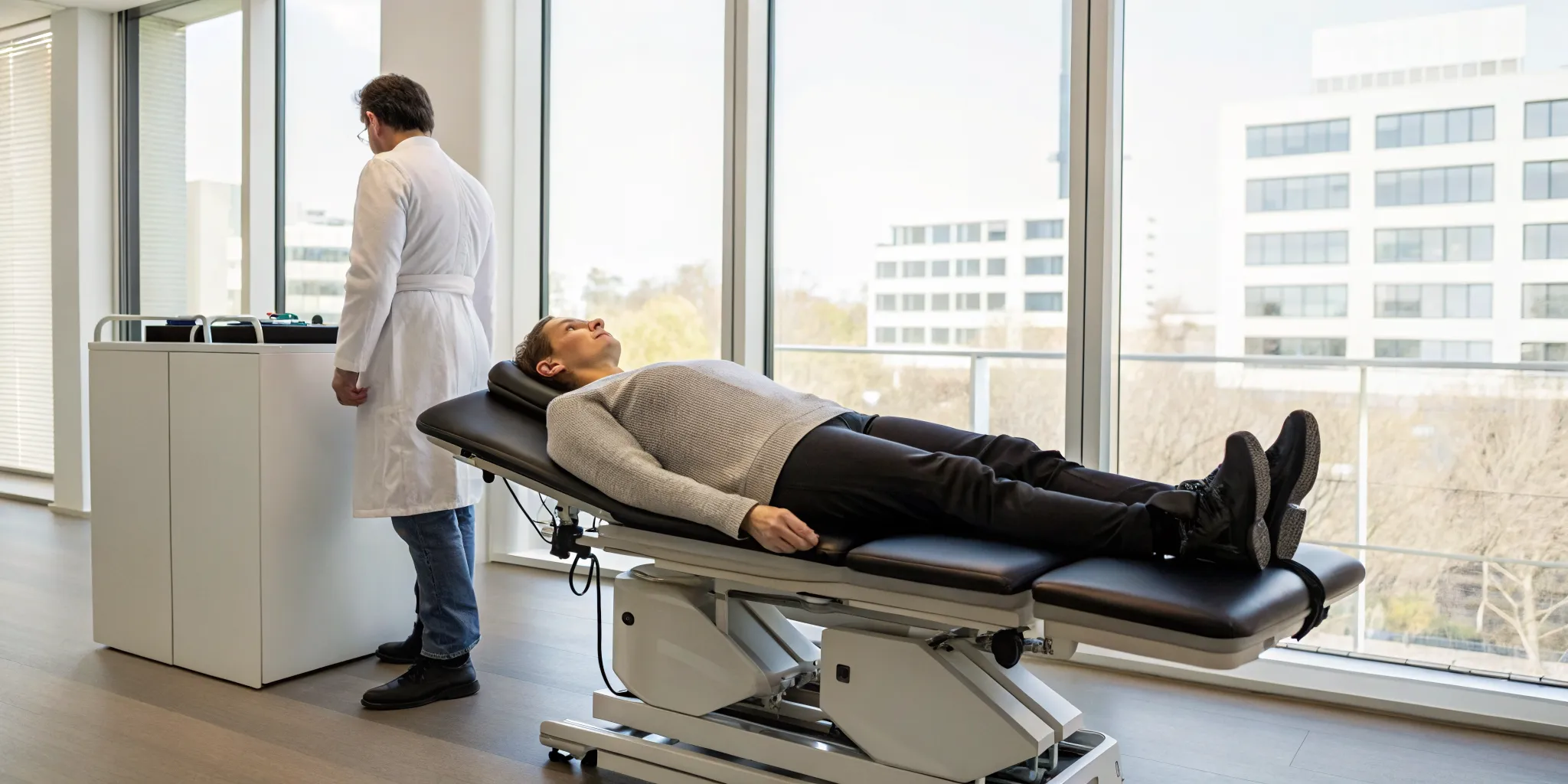
At Ascend Functional Health, spinal and postural screenings feed a Physical Medicine consult. They do not stand in for one. The practice is at 800 W. Dr. Martin Luther King Jr. Blvd., Suite 3, Tampa, FL 33603, and serves greater Tampa Bay, including St. Petersburg, Wesley Chapel, Brandon, and Clearwater. Reach the team through the contact page.
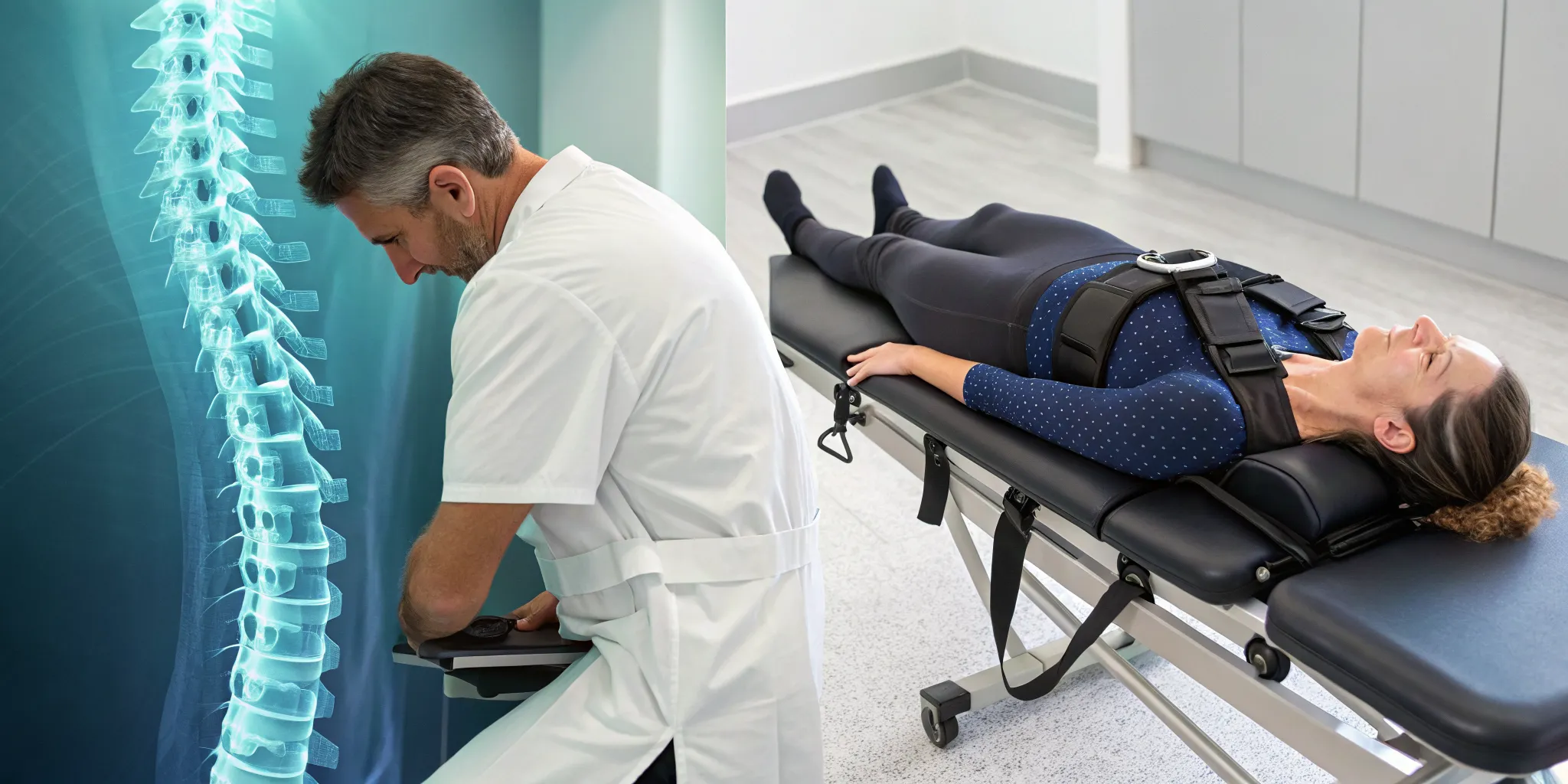
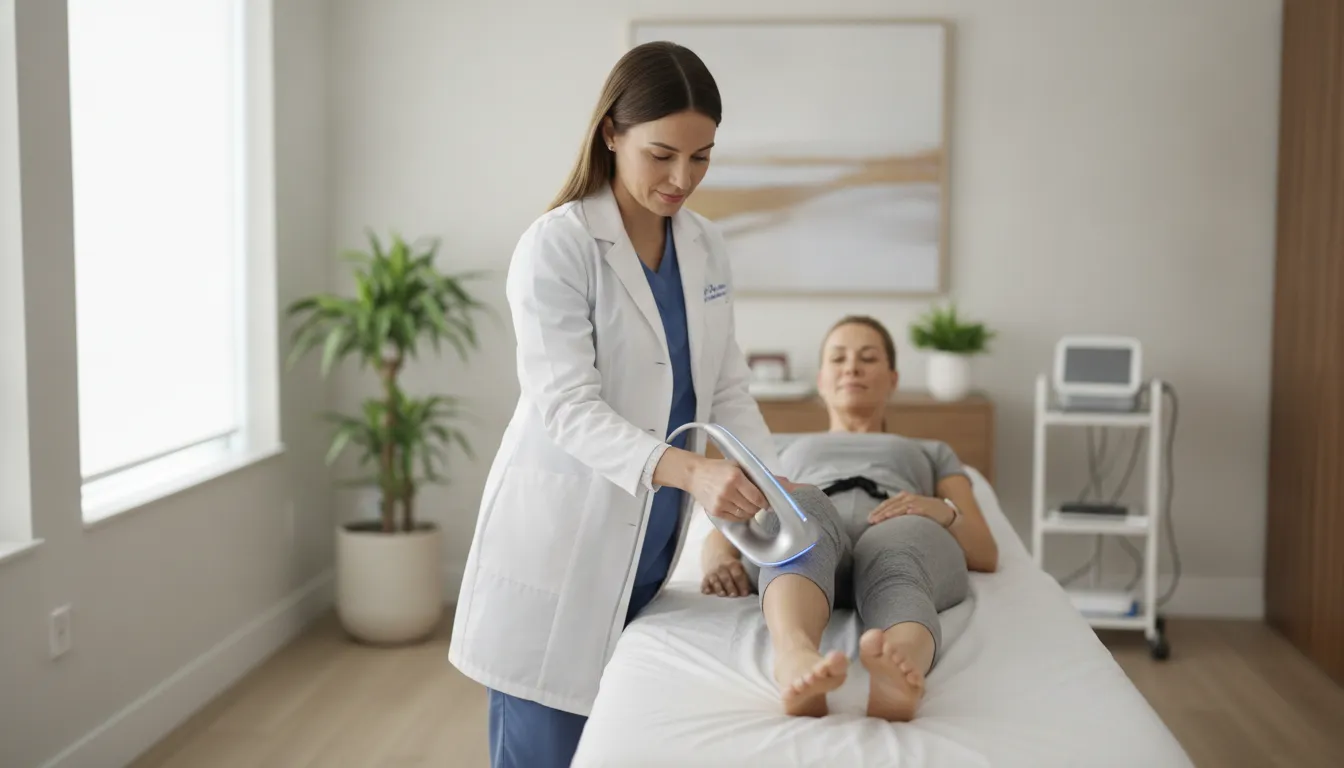
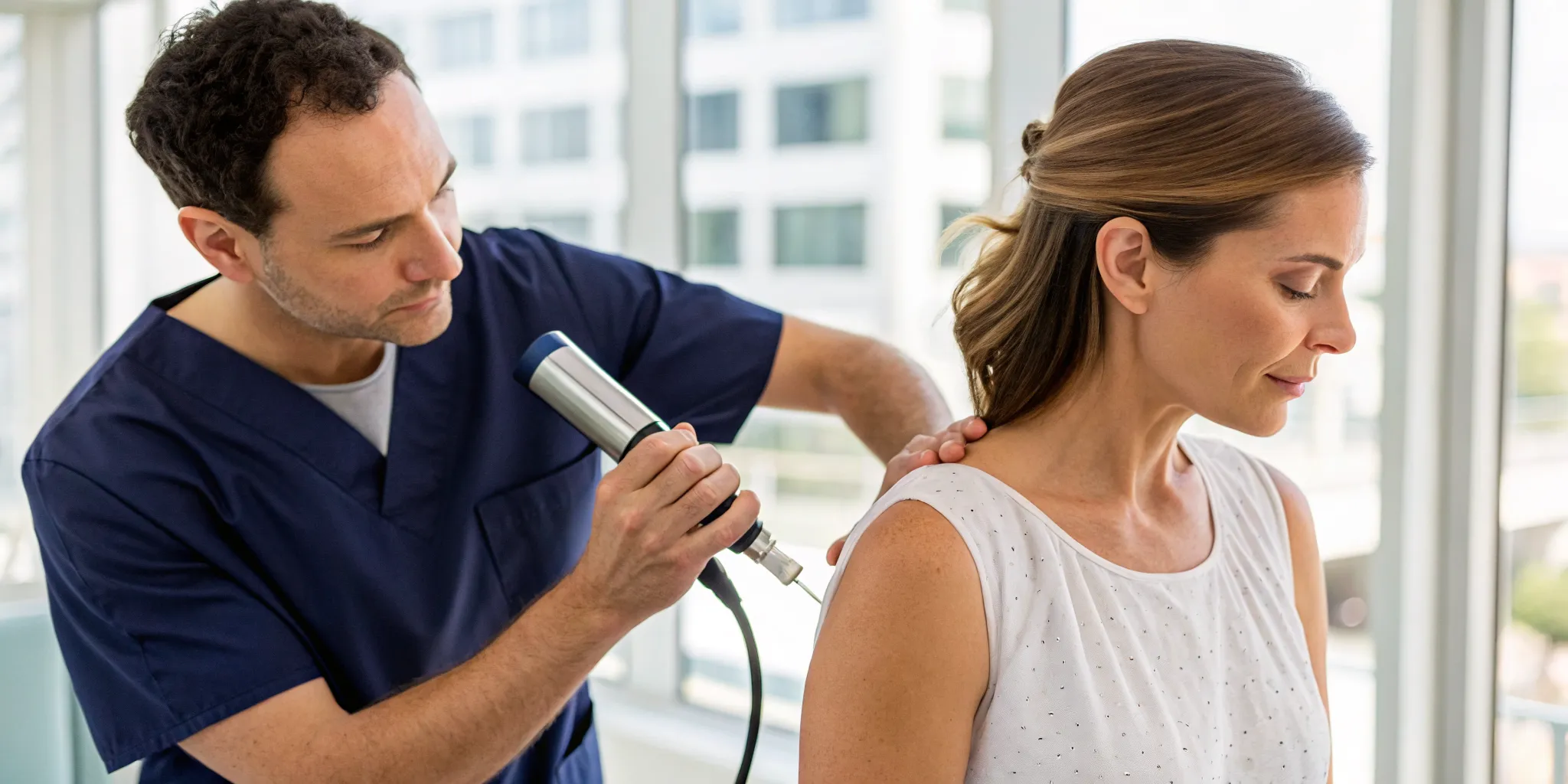
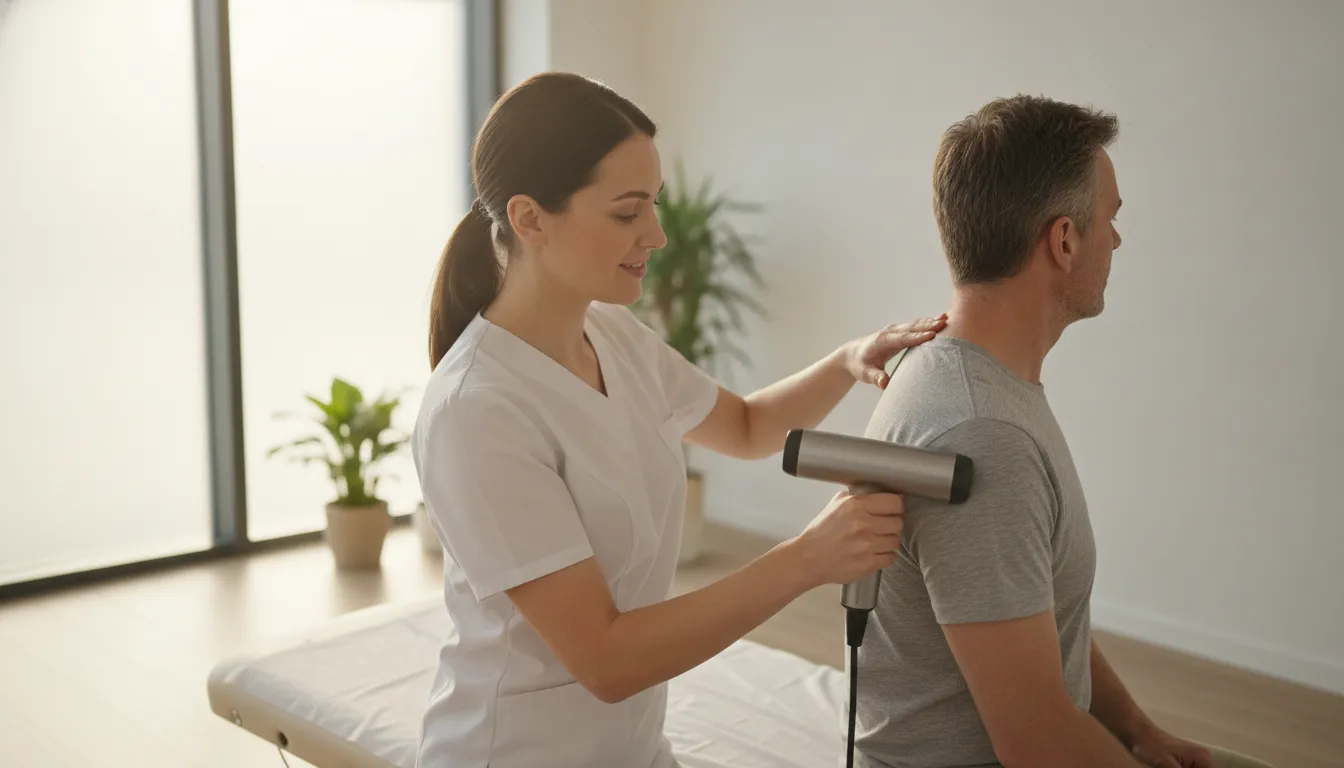
Physical Medicine at Ascend is the structural pillar: chiropractic care, spinal decompression, soft-tissue work, and postural restoration. The screening visit asks whether structure is even part of your question. A person with fatigue, gut symptoms, or hormone concerns may need a different pillar. A person whose main issue is how they stand and move is more likely to start here.
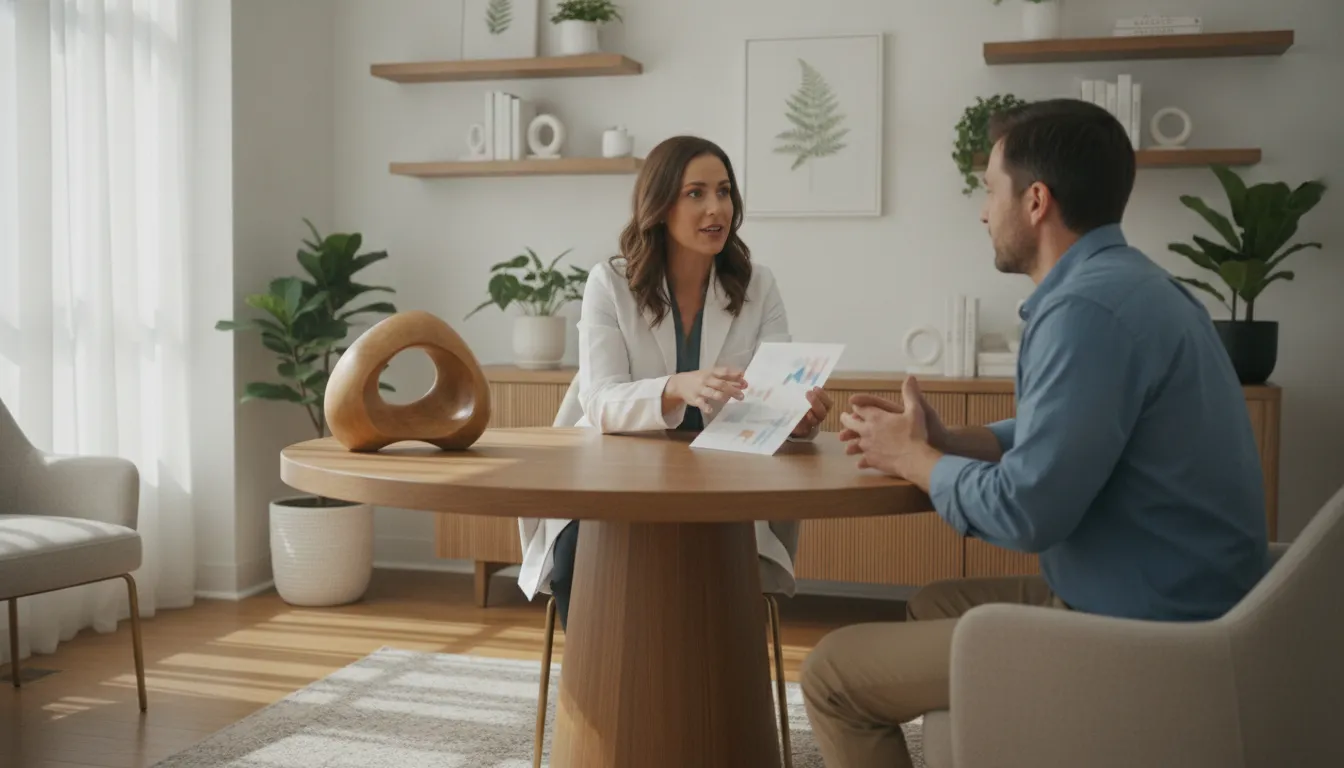
Day one is discovery. You sit down with the clinician, review history, and may have X-rays if the doctor deems them appropriate. Treatment that day happens only if the doctor deems it appropriate. Day two is the report of findings, a strategy session, and the doctor's recommendations. A screening observation from day one should show up in that report as something you can see, not as a label you cannot question.
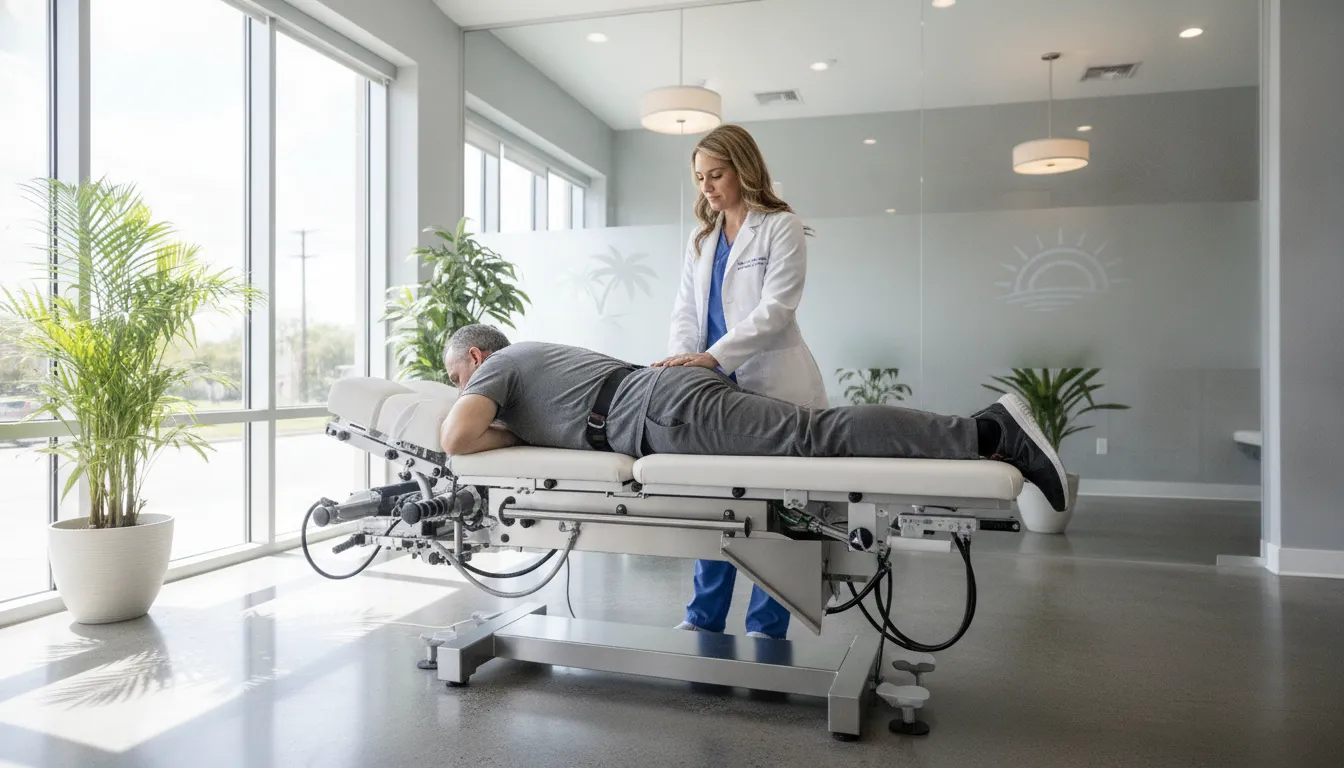
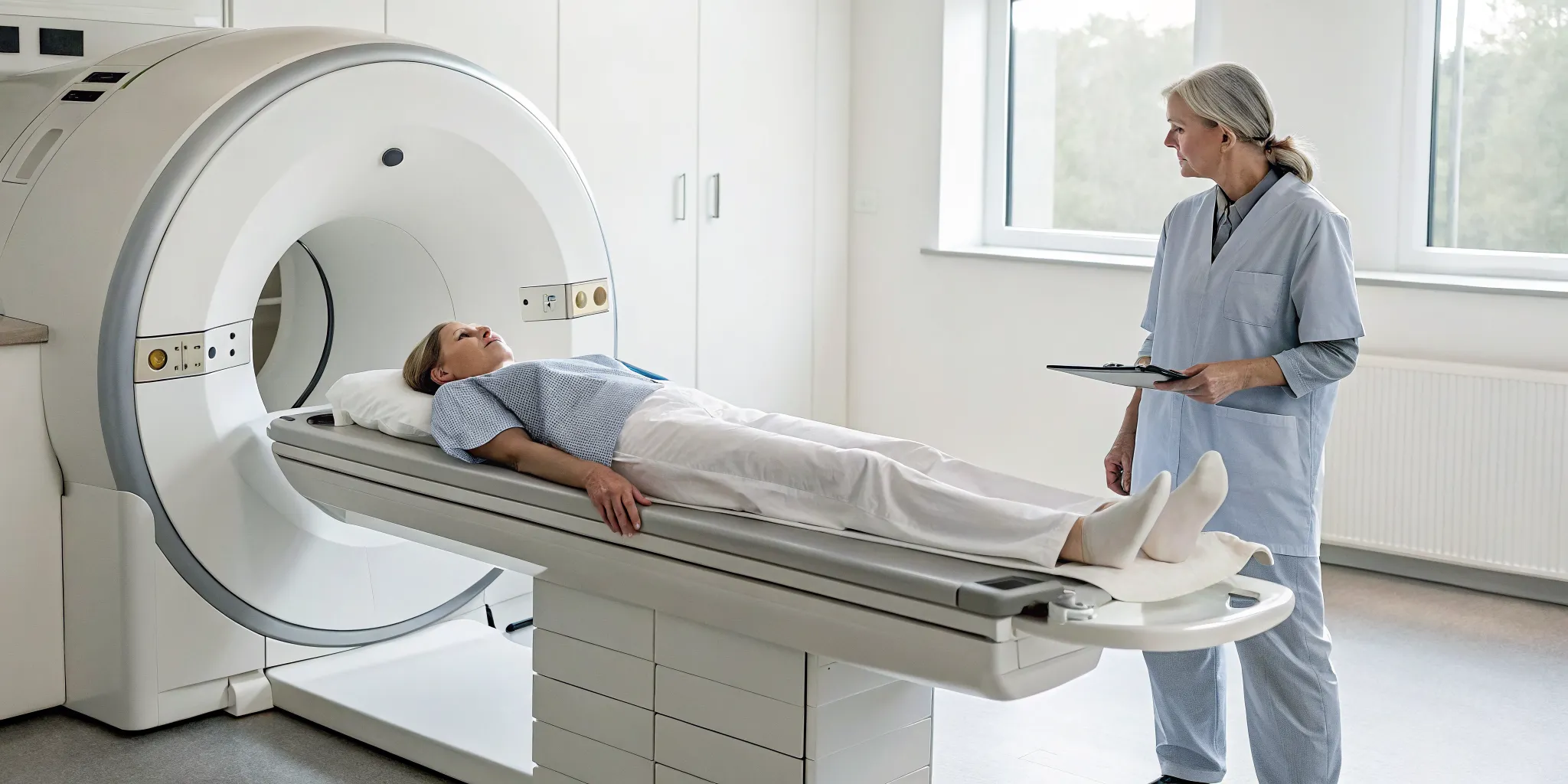
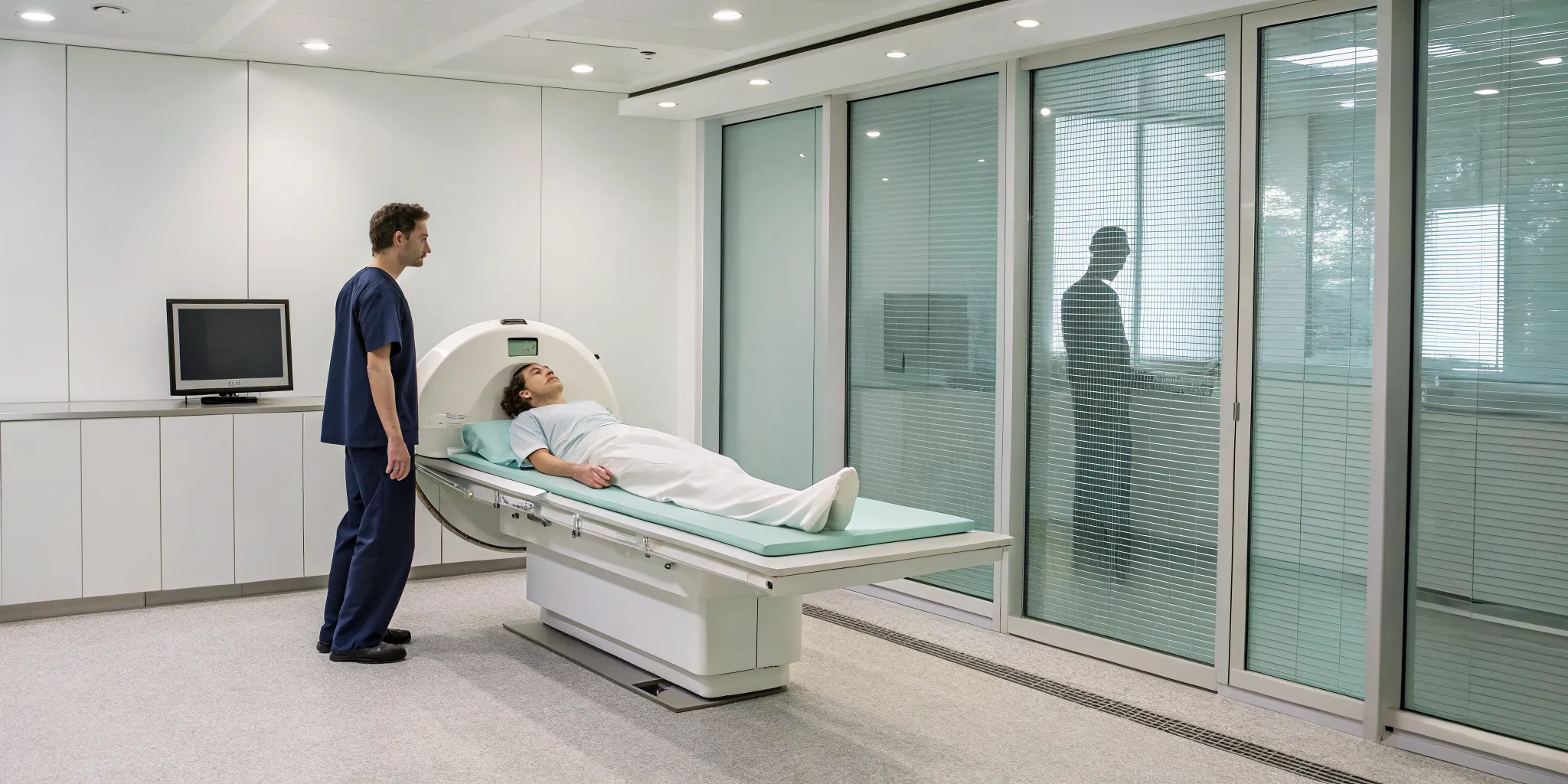
Imaging is a separate decision. Digital postural views can be appropriate when the history and the screen suggest a structural question that a mirror cannot answer. They are not automatic, and a screening article should not talk you into them. If imaging is proposed, ask what decision it will change. The same standard applies to any later suggestion of chiropractic care or spinal decompression. Those services have their own pages: chiropractic care and spinal decompression therapy. A screen does not make you a candidate for either.
Ascend is a cash-pay practice. Many patients use HSA or FSA funds for eligible holistic and chiropractic services. Eligibility is a question for your plan administrator, not a promise from the clinic. Ask what the consult includes and what it costs before you book, so the visit matches the question you actually have. A screening conversation is not a package of visits.
What Should You Ask Before You Book in Tampa?
Before you book spinal and postural screenings, ask questions that reveal how the visit will be used. A clear clinic can answer them without pushing you toward a plan you have not discussed.
- Ask who performs the screen and what training they have in posture and spinal observation.
- Ask how long the standing and movement portions take, and whether the visit includes a history.
- Ask what you should wear, and whether shoes, orthotics, or a brace should come with you.
- Ask which findings would lead to no further care, and which would lead to imaging or a second visit.
- Ask how results are explained on the report-of-findings day, and what you can take home in writing.
- Ask what the consult costs, which services it includes, and how HSA or FSA questions are handled.
Write the answers down. If the only outcome on offer is a block of visits, you are no longer talking about a screening. You are talking about a plan, and that plan deserves the day-two conversation after someone has actually examined you.
Bring one goal in a single sentence. You might want to know why your right shoulder sits higher. You might want a baseline before a teen's growth spurt. You might want to know if desk posture still shows when you stand. One aim keeps the visit from wandering into treatment advice you did not ask for yet.
If you are comparing clinics in Tampa, use the same questions at each one. Local search results mix injury clinics, general chiropractic offices, and integrated practices. The screening itself is a method. The practice wrapped around it is what you are choosing. Ascend's first-visit overview is the right companion if your question later becomes chiropractic care. Read it after the screening question is answered, not instead of it.
Talk with Ascend about a screening consult
Frequently Asked Questions
What are postural screenings?
Postural screenings are a visual check of how you stand and how a few simple movements look. The clinician compares the head, shoulders, rib cage, hips, and spine from the front, side, and back. The result is a description of asymmetry or limited motion, not a diagnosis.
What does a spinal screening involve?
You stand in a relaxed posture. Then you bend, turn, or walk a short distance. The clinician watches the line of the spine and the height of the shoulders and hips. A forward bend may be included to look for a rib or back prominence. The visit should not be forced through pain, and it does not include a treatment.
Are spinal and postural screenings the same as a functional movement screen?
No. A spinal and postural screening looks at standing alignment and a few movements to see whether a fuller exam is worth doing. A functional movement screen is a named set of tests with its own scoring. Ascend covers that system in a separate guide so the two visits are not mixed together.
How do I ask about a screening visit in Tampa?
Use the contact form and say you want to talk about a spinal and postural screening. Bring your questions, a list of medications, and any imaging you already have. The team can tell you how a new-patient consult is booked. X-rays are taken only if the doctor deems them appropriate.
Can a screening find scoliosis?
A forward bend can show a sign, such as one side of the rib cage sitting higher. It cannot measure the curve or confirm scoliosis. Confirmation takes a proper exam and, when indicated, imaging. The U.S. Preventive Services Task Force has also said evidence is insufficient to judge routine adolescent screening for ages 10 to 18. A personal visit for a visible asymmetry is a different decision.
This article is educational. It is not medical advice, and it is not a substitute for an exam. Talk with your clinician before you change activity or start care. If you have sudden weakness, numbness, fever, or pain after an injury, seek in-person medical care the same day instead of a screening visit.