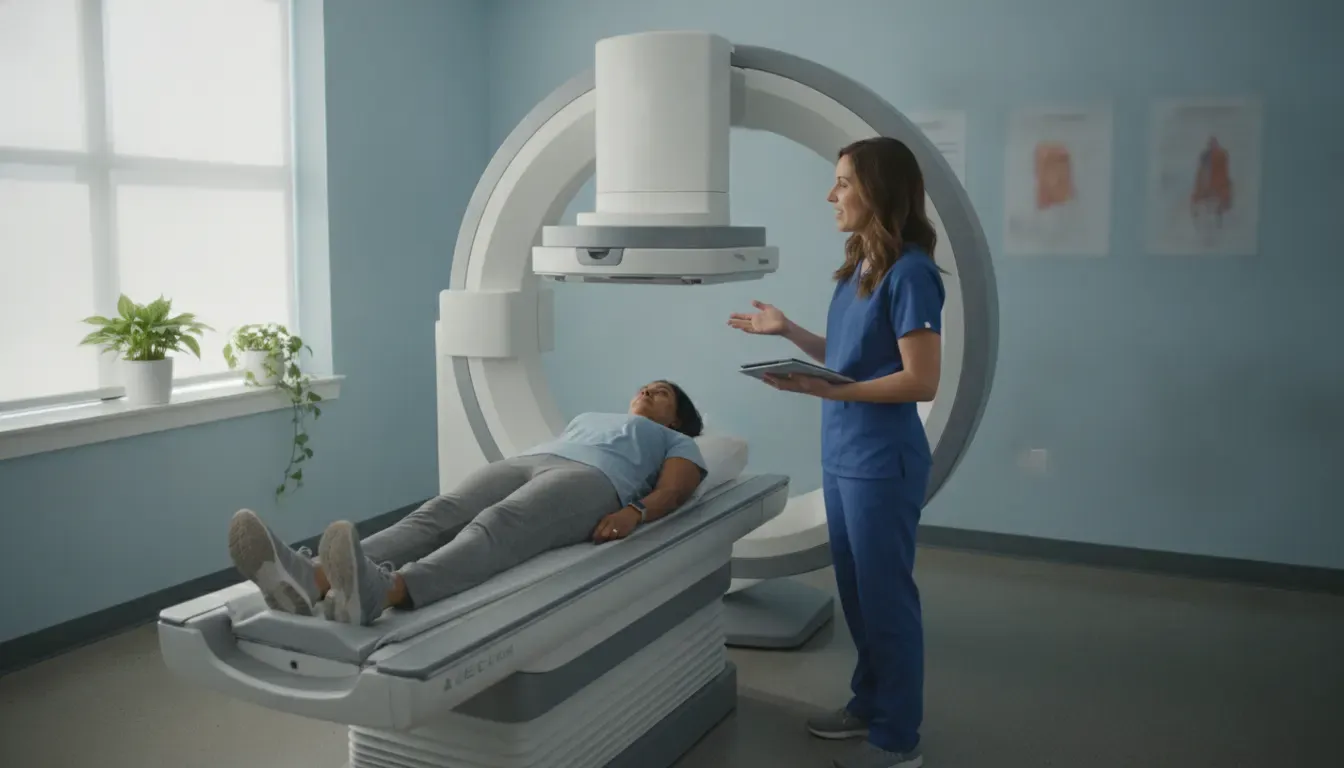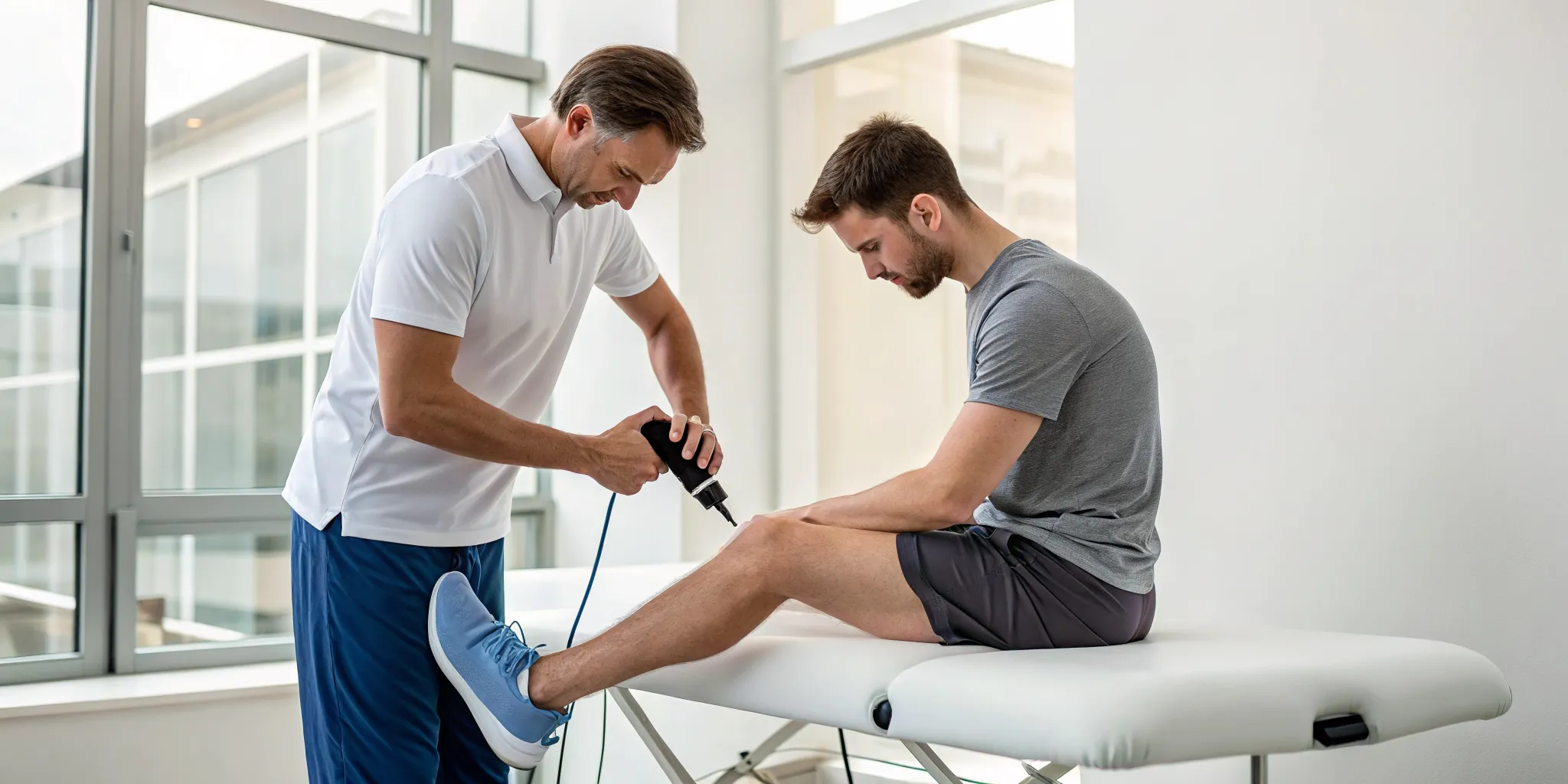
The common belief is that a herniated disc diagnosis automatically leads to the operating room. The good news is that for the vast majority of people, this simply isn’t true. Research consistently shows that conservative, non-invasive treatments are incredibly effective, often producing long-term results that are equal to or better than surgical outcomes. The key is committing to a structured plan that addresses the source of the problem. This guide breaks down the most successful non-surgical approaches, from physical medicine to regenerative therapies. If you’re searching for a proven alternative to back surgery for herniated disc Tampa, you’ve come to the right place. Let’s explore the data-backed options that can help you heal without the risks and recovery time of an operation.
Key Takeaways
- Surgery Is Rarely the First Step: Most herniated disc pain resolves with conservative care like physical therapy and chiropractic adjustments, which offer long-term outcomes similar to surgery but without the associated risks and recovery time.
- Effective Relief Comes from a Comprehensive Plan: The most successful recovery plans often combine multiple strategies, such as chiropractic care to restore alignment, physical therapy to build strength, and regenerative options to support tissue repair.
- A Personalized Approach Is Essential for Healing: A one-size-fits-all solution does not work; find a provider who performs a detailed evaluation to understand the underlying cause of your pain and creates a customized roadmap for your specific needs and goals.
Herniated Disc Pain? Explore Your Treatment Options
Hearing you have a herniated disc can feel overwhelming. Your mind might immediately jump to worst-case scenarios, like invasive procedures and long, difficult recovery periods. But the reality of a herniated disc diagnosis is often much more hopeful. Before you assume a major intervention is your only path forward, it’s important to know that many effective, non-surgical treatments can help you find lasting relief and get back to your life in Tampa. The key is to find a provider who focuses on identifying the root cause of your pain instead of just masking the symptoms.
The journey to recovery begins with understanding what’s happening in your body and learning about the full spectrum of options available. Your spine is a complex structure, and pain is its way of signaling that something is wrong. Simply quieting that signal doesn't fix the underlying issue. By exploring treatments that support your body’s natural healing processes, you can make an informed choice that aligns with your long-term health goals. This approach empowers you to move beyond temporary fixes and toward genuine, sustainable healing. Let's walk through what a herniated disc actually is and why surgery is rarely the first or only answer for resolving the pain.
What Really Happens When a Disc Herniates?
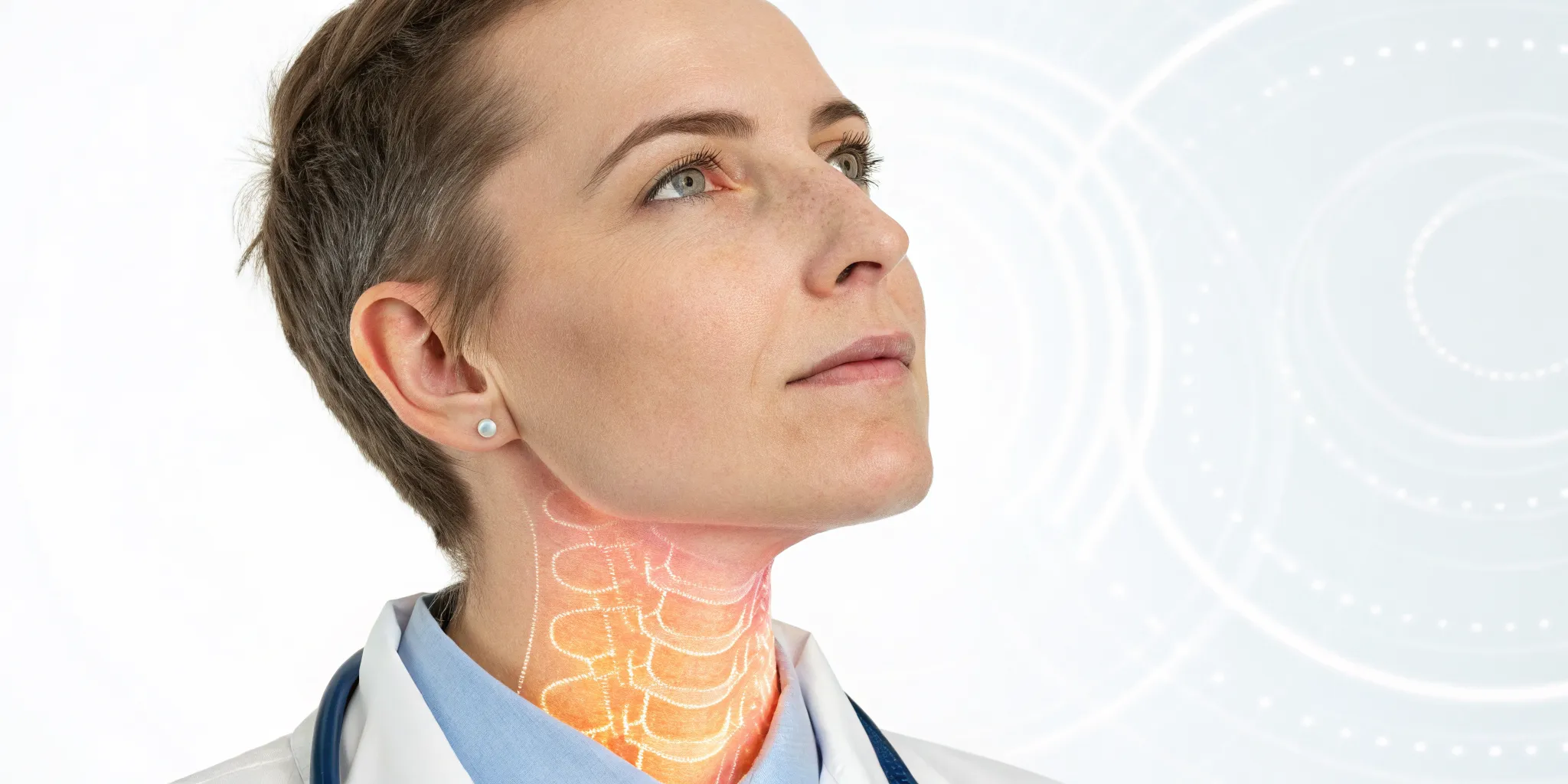
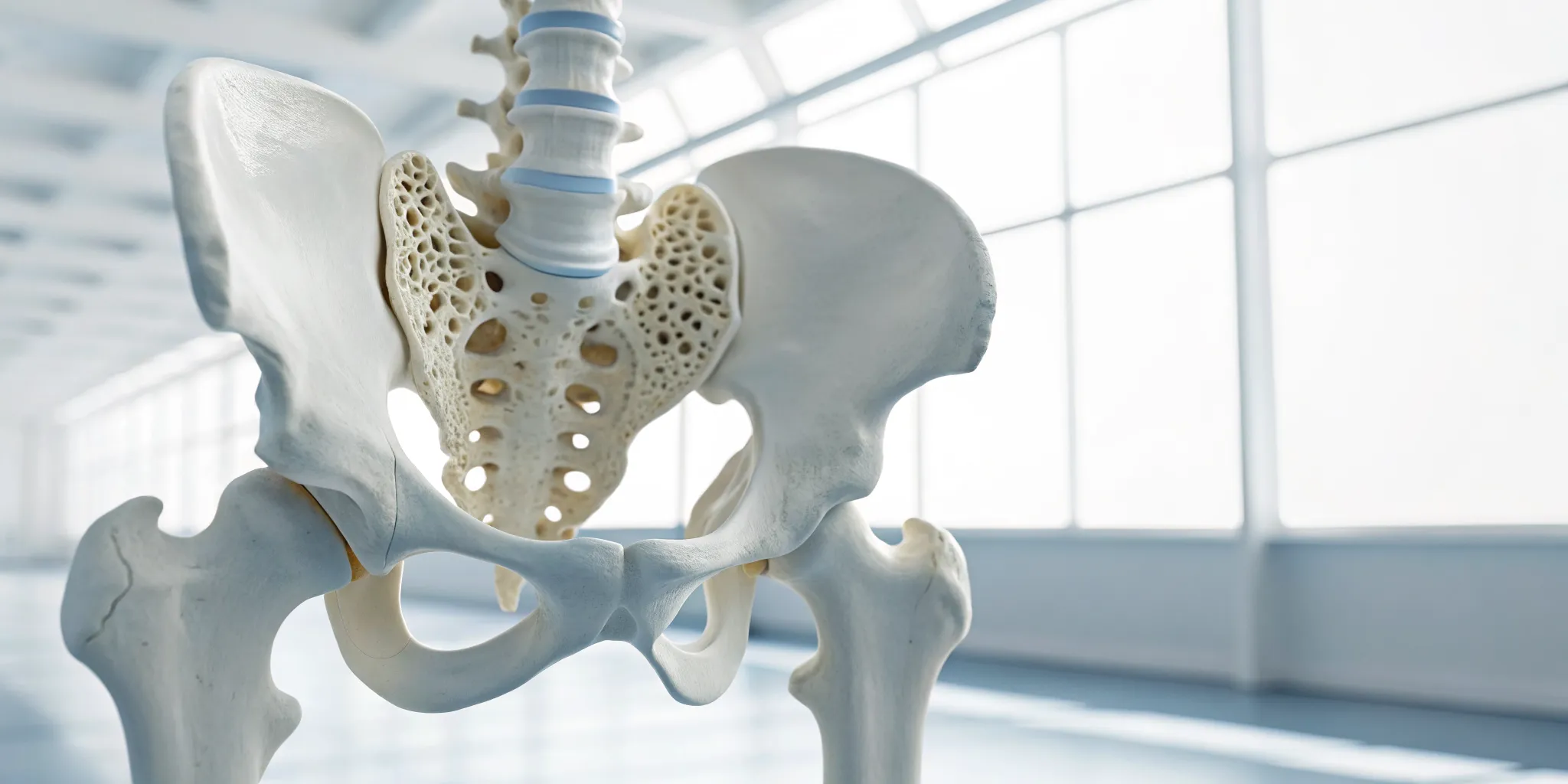
Your spinal discs are the cushions between your vertebrae, acting as shock absorbers for your spine. Each one has a tough, fibrous outer layer and a soft, gel-like center. A herniation occurs when a tear in that outer layer allows some of the soft interior to push through. Think of it like the filling squeezing out of a jelly donut. This displaced material can then press on the sensitive spinal nerves nearby. That pressure is what causes the classic symptoms you might be feeling, like sharp pain, tingling, numbness, or weakness that radiates into your arms or legs. Understanding this mechanism is the first step toward finding a treatment that addresses the source of the problem through physical medicine.
Why Surgery Isn't Always the First Step
If you’ve been told you have a herniated disc, your first thought might be about surgery. The good news is that most people find relief without ever needing an operation. Your body has an incredible capacity for healing, and in many cases, it can reduce inflammation and even reabsorb the herniated disc material over time. Conservative care is often the most effective starting point for the conditions we treat. In fact, research shows that a significant majority of patients, between 70% and 90%, achieve meaningful recovery through physical therapy alone. This approach, along with chiropractic adjustments, helps restore proper function and alleviates pressure on the nerve, allowing your body to heal the way it's supposed to.
Find Herniated Disc Relief in Tampa—Without Surgery
If you’re dealing with the sharp, radiating pain of a herniated disc, the thought of a long surgical recovery can be daunting. The good news is that surgery isn't your only path forward. Many highly effective, non-invasive treatments can address the root cause of your pain, helping your body heal and getting you back to the life you love. By exploring these alternatives, you can find a solution that aligns with your health goals and provides lasting relief. These approaches focus on reducing pressure on the nerve, decreasing inflammation, and strengthening your body to prevent future injury. Let's look at some of the leading non-surgical options available right here in Tampa.
Chiropractic Care and Spinal Decompression
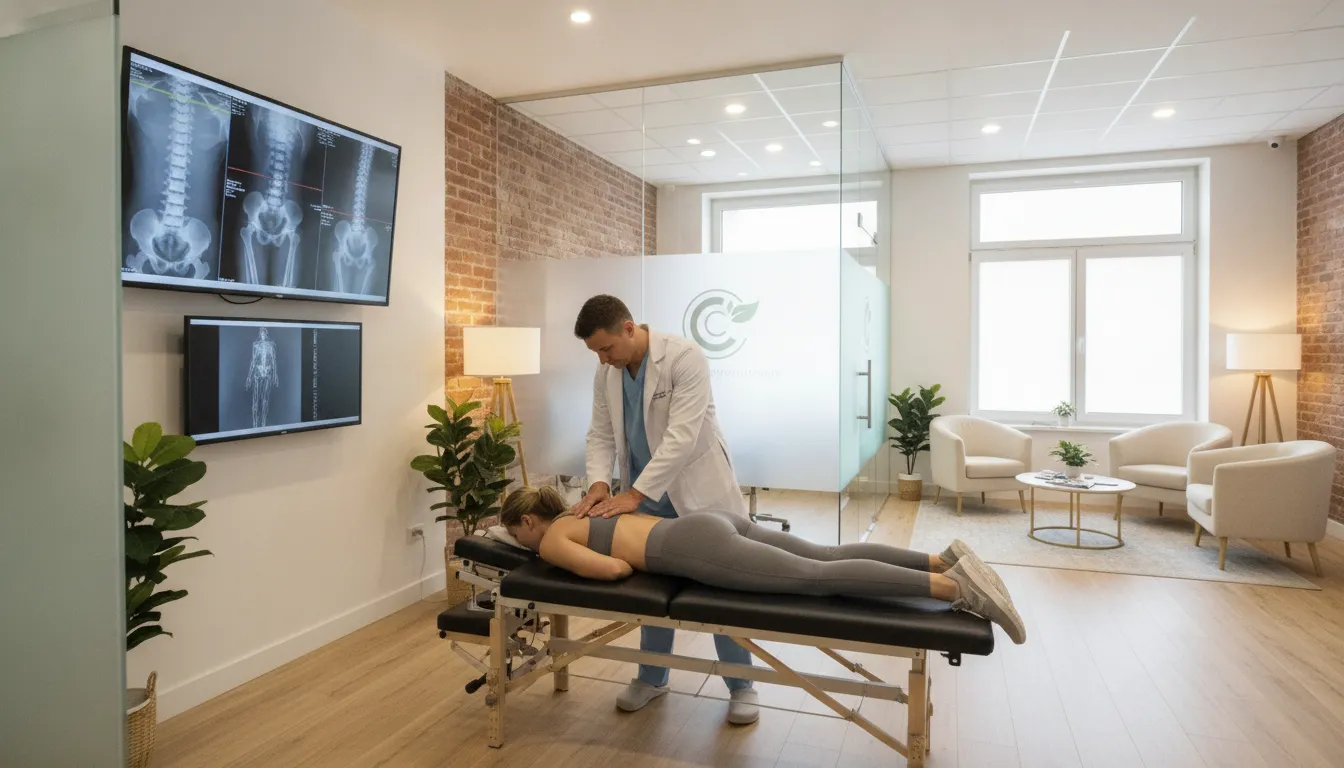
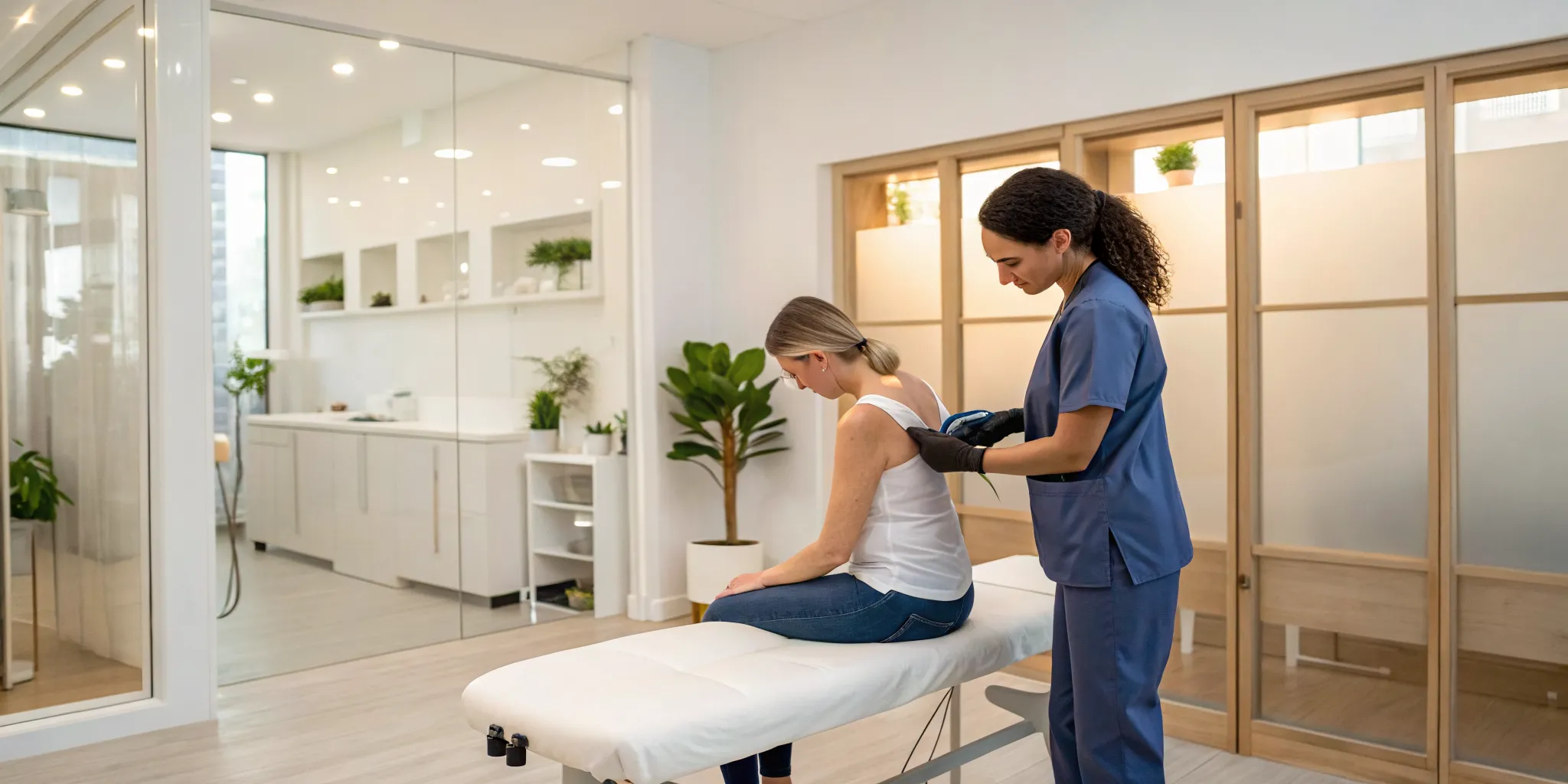
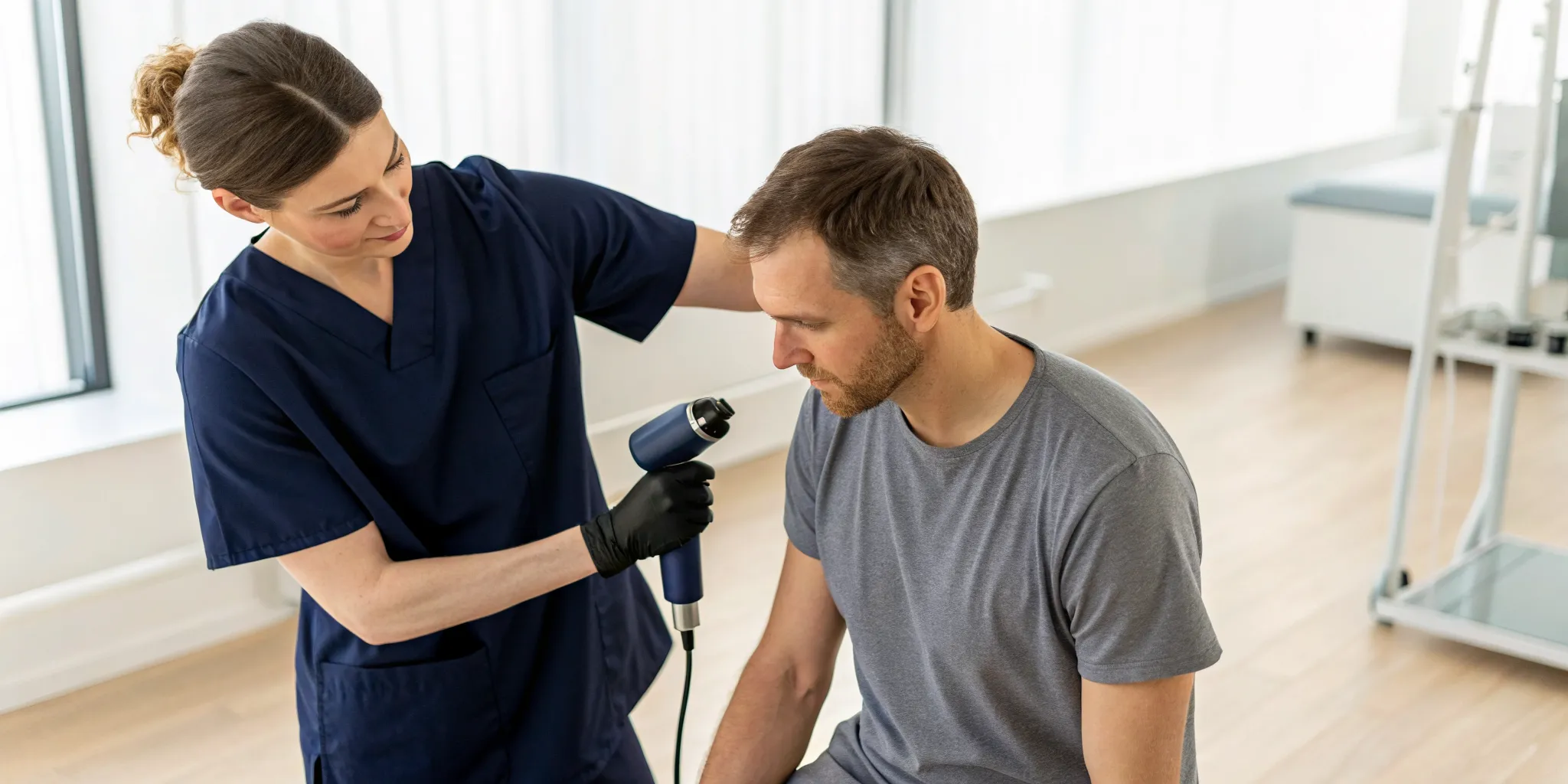
When a disc herniates, it can put immense pressure on surrounding nerves, leading to pain, numbness, or weakness. Chiropractic care directly addresses this issue through precise, gentle adjustments. A chiropractor uses safe, controlled movements to restore proper alignment and mobility to your spine, which can take pressure off the irritated nerve.
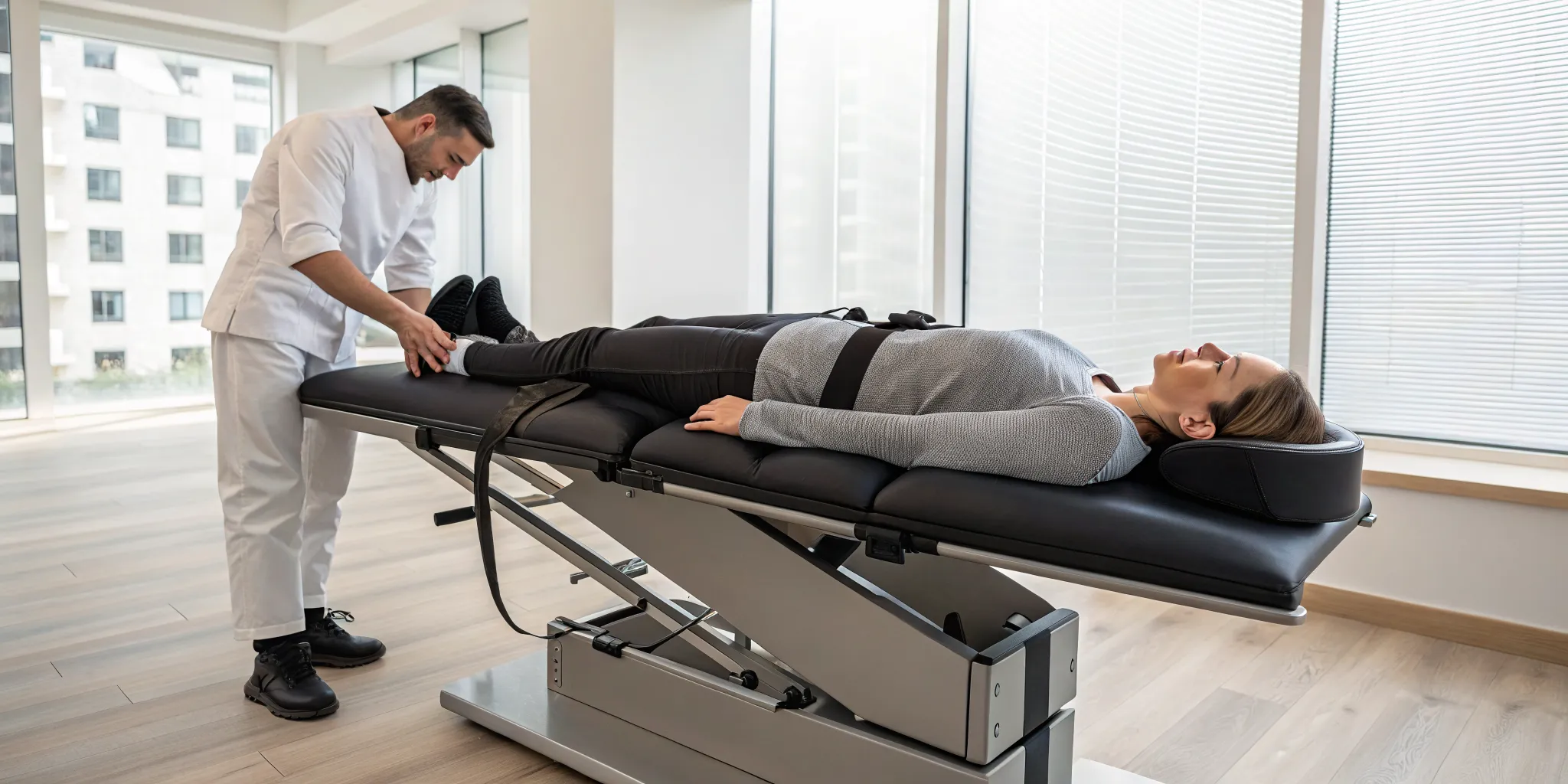
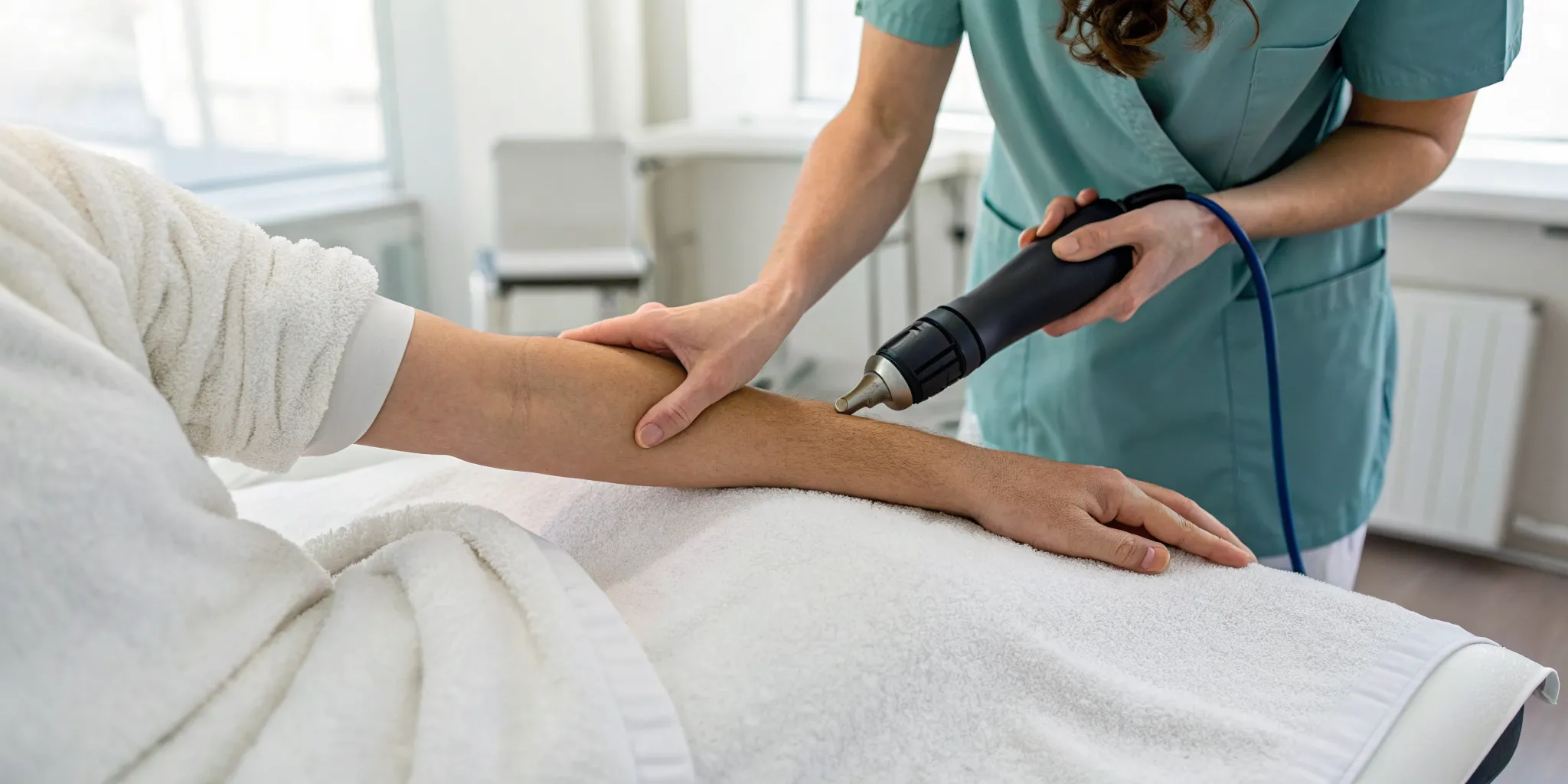
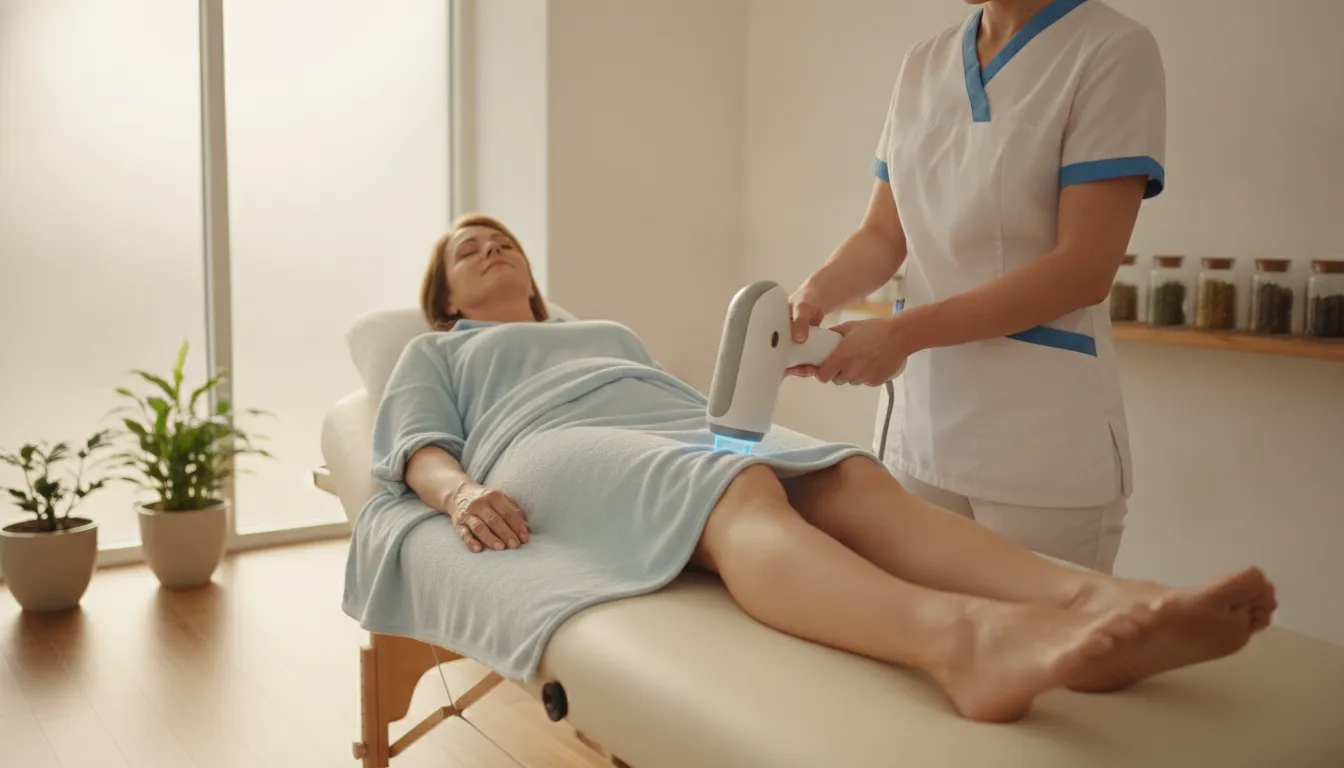
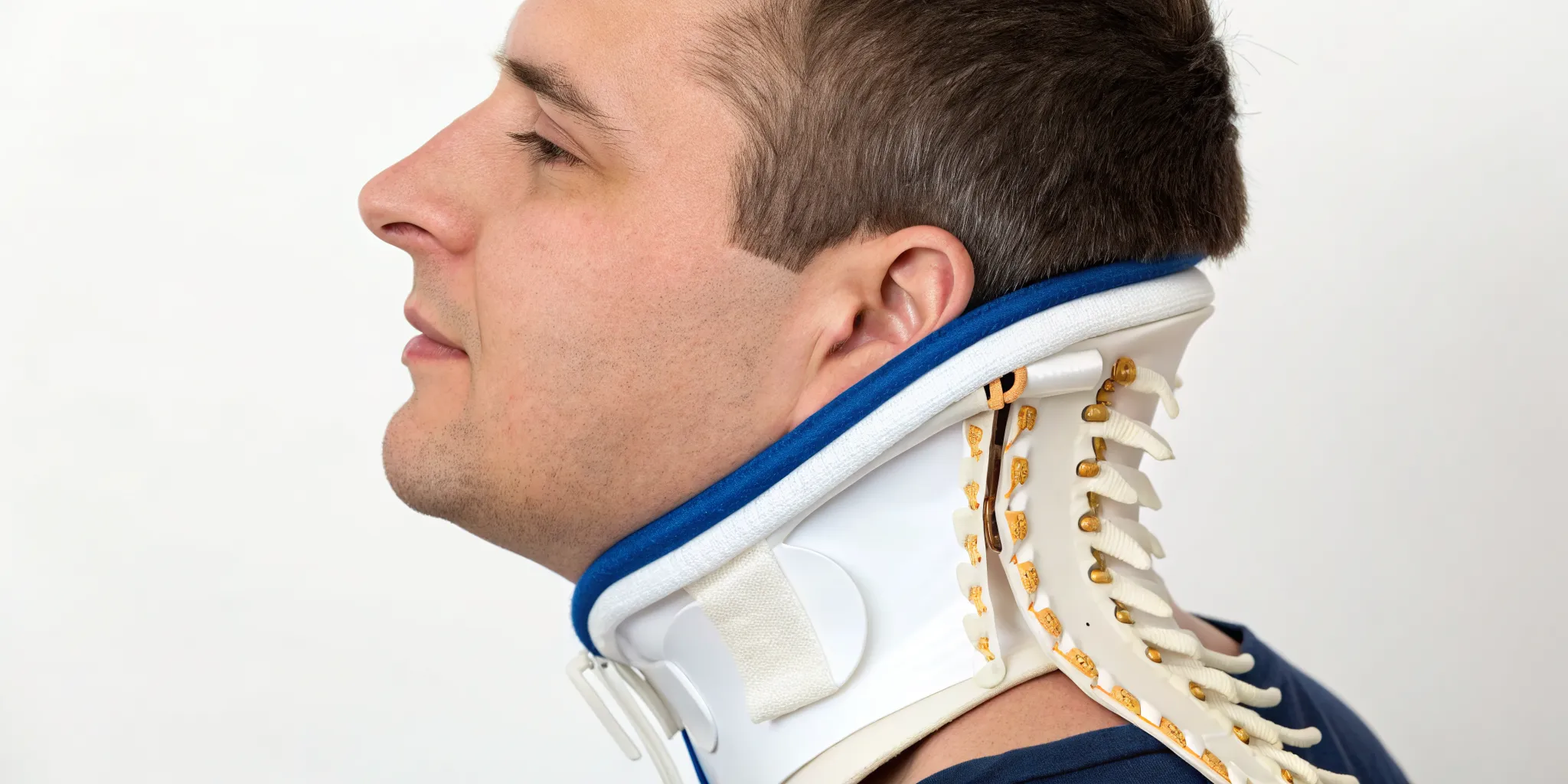
Many people also find relief with spinal decompression, a technique that gently stretches the spine. This creates a negative pressure within the disc, which can help the bulging material retract and pull healing nutrients into the area. Paired with therapies that target tight muscles and soft tissue, this approach provides a powerful, non-invasive way to support your body’s healing process. Our physical medicine services are designed to do just that.
Physical Therapy and Corrective Care
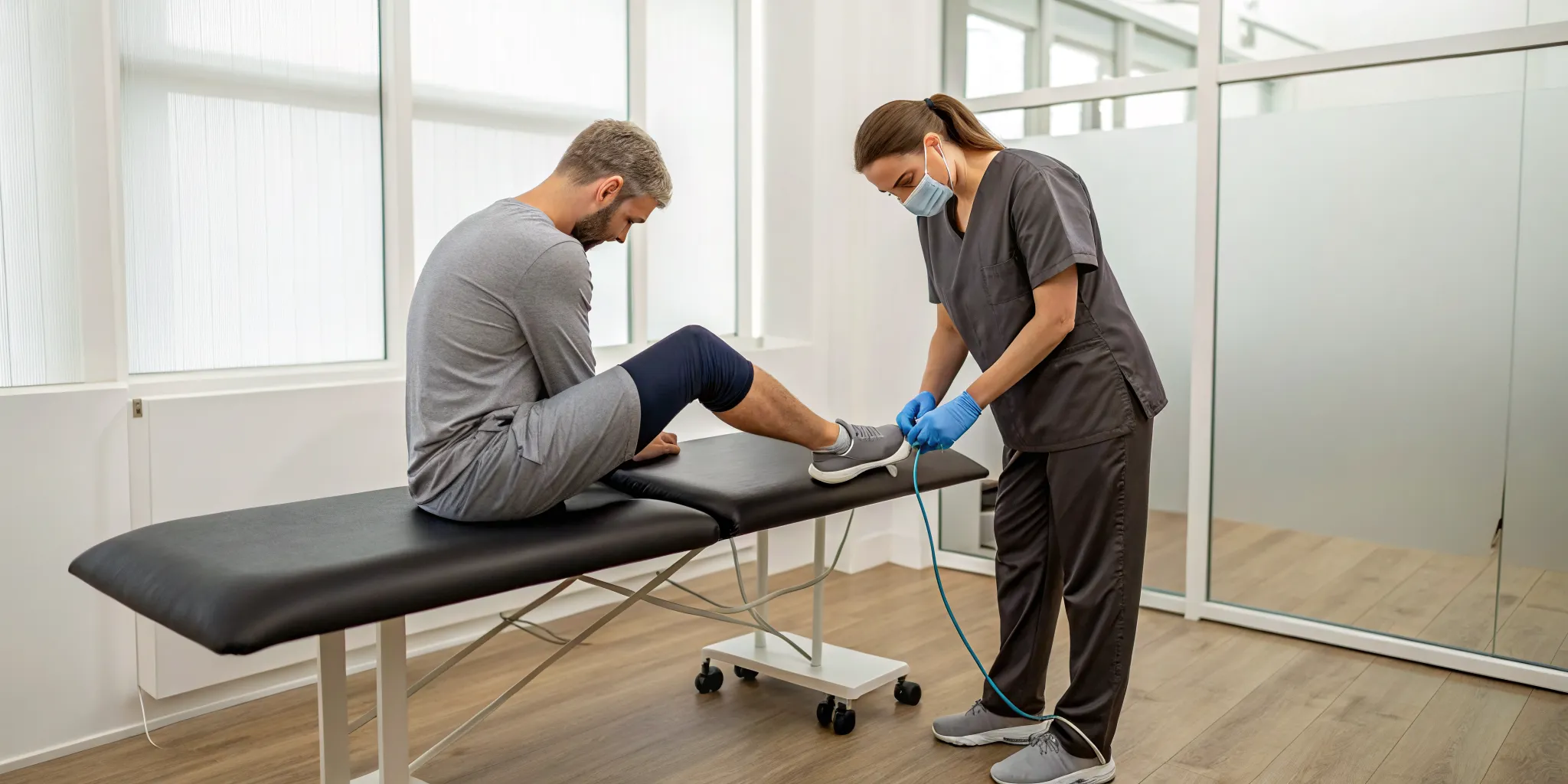
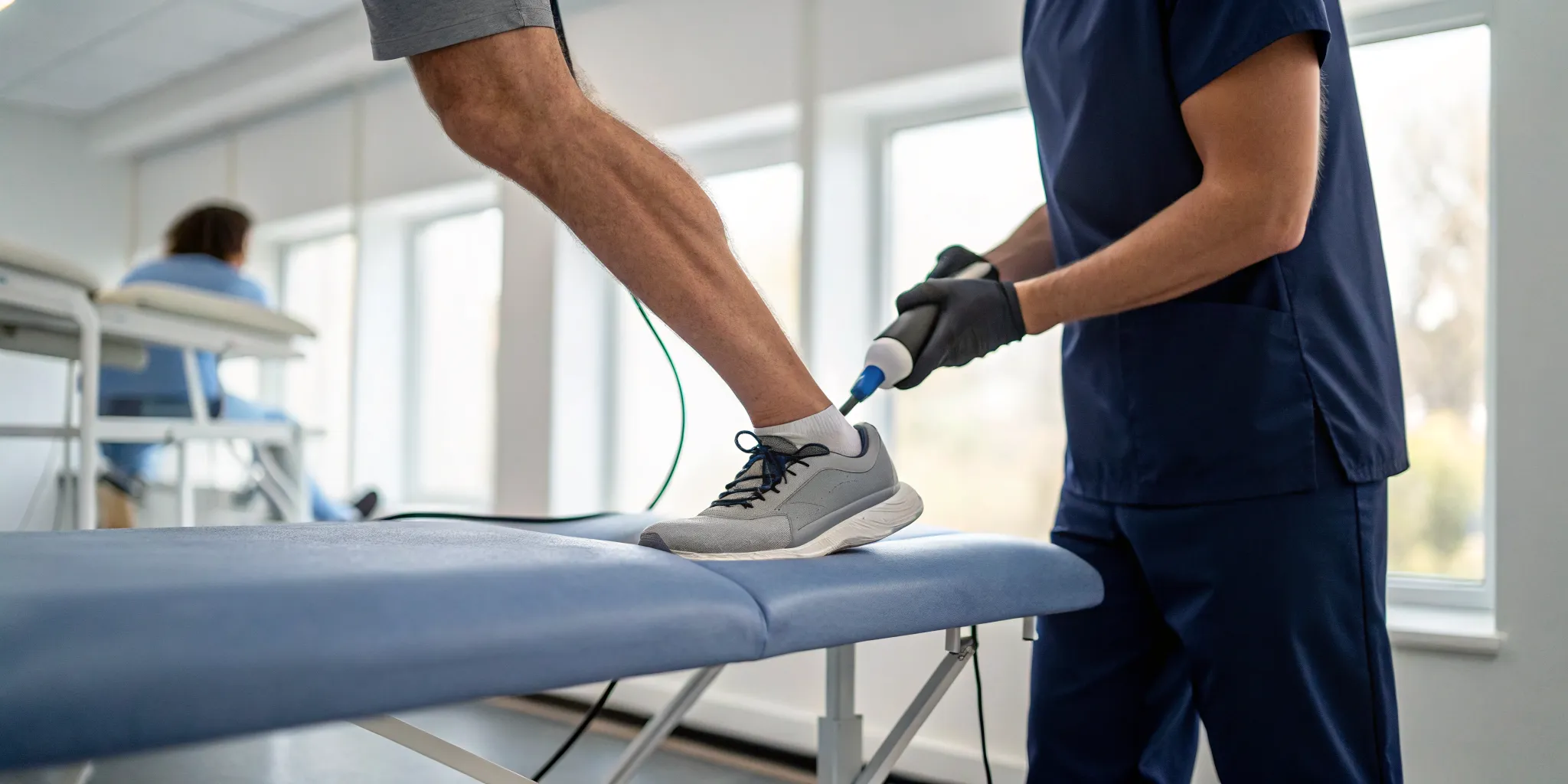
While chiropractic care focuses on spinal alignment, physical therapy empowers you to build the strength and stability needed for long-term health. A physical therapist acts as your guide, creating a personalized program of movements and exercises designed to support your recovery. The goal isn't just to alleviate current symptoms but to correct the underlying imbalances that may have contributed to the injury in the first place.
Specific exercises can help gently move the herniated disc material away from the nerve root, providing significant relief. Your therapist will also focus on strengthening your core muscles, improving your posture, and increasing your flexibility. This comprehensive approach not only helps you heal but also equips your body to better handle daily stresses, reducing the risk of future pain and injury. These guided movements are key to restoring long-term function.
Regenerative Medicine: What It Is and How It Helps
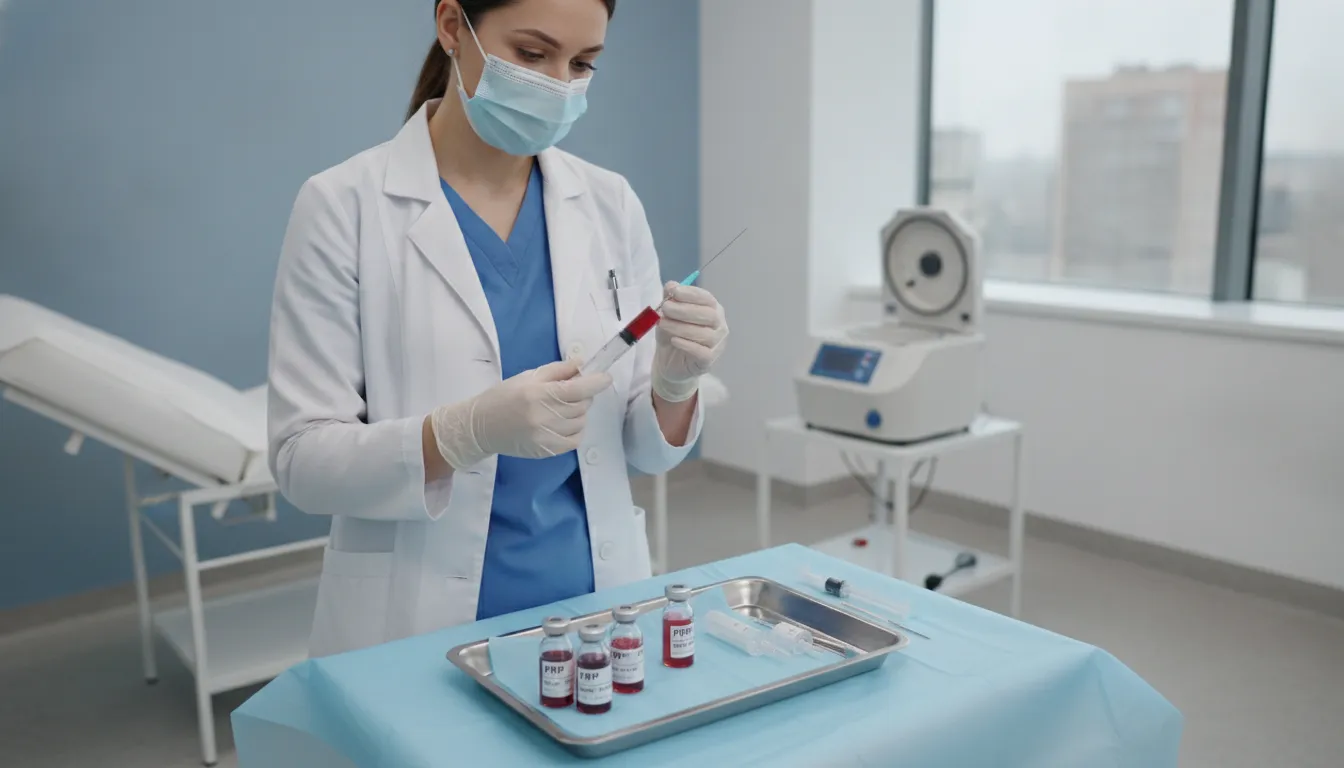
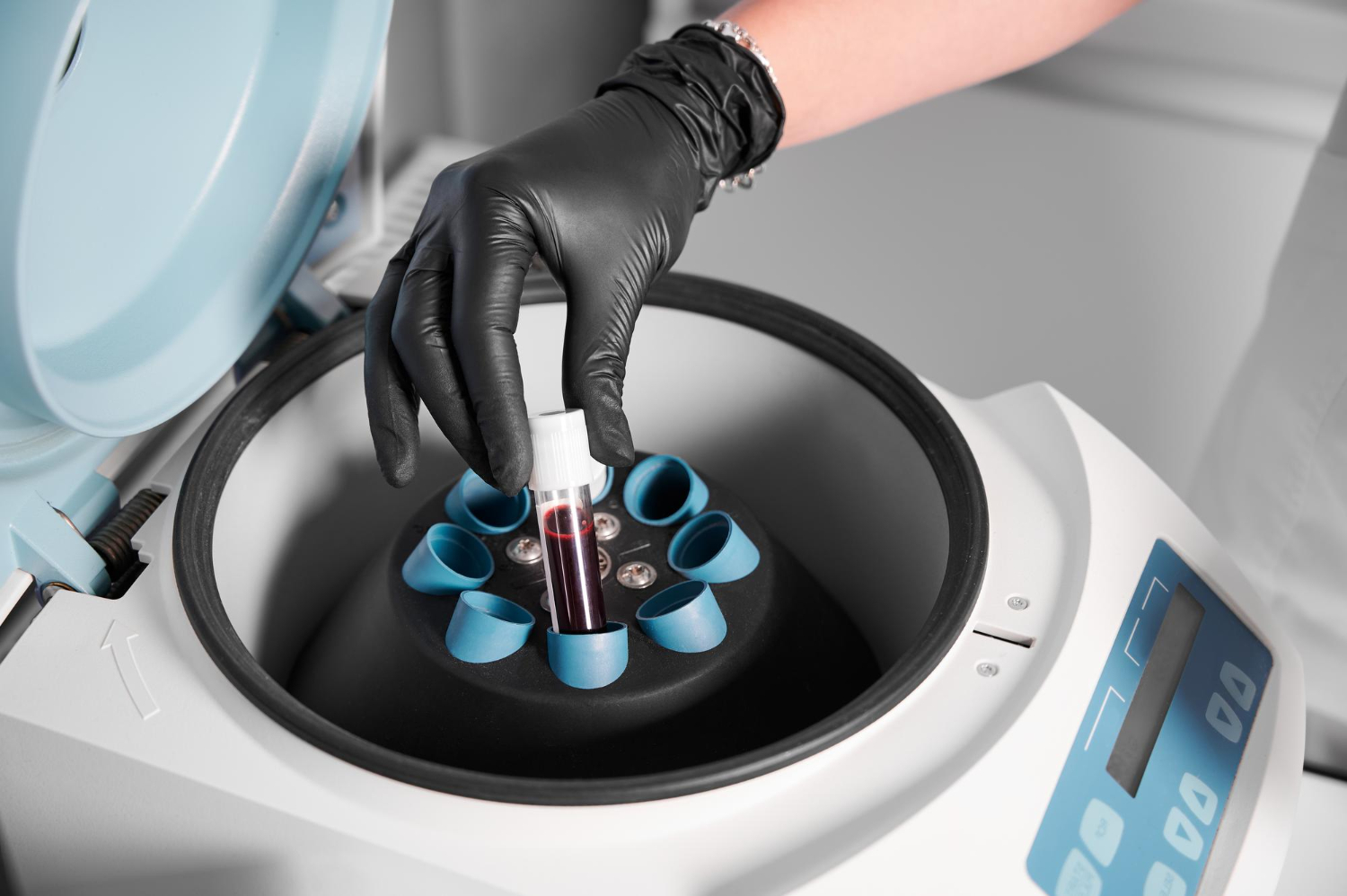
Regenerative medicine represents a groundbreaking approach to healing that uses your body's own powerful healing components. Instead of just managing symptoms, these treatments aim to repair damaged tissue at a cellular level. For a herniated disc, this can be a game-changer. Treatments like Platelet-Rich Plasma (PRP) involve concentrating the platelets from your own blood and injecting them into the injured area.
These platelets release growth factors that signal your body to reduce inflammation and begin rebuilding damaged tissue. This process can help heal the tears in the disc and strengthen the surrounding ligaments, providing stability and lasting pain relief. It’s a way to work with your body’s innate healing intelligence, offering a path to recovery without synthetic substances or invasive procedures. Our approach to longevity medicine incorporates these kinds of advanced, restorative therapies.
Epidural Injections: What to Know Before You Commit
When herniated disc pain is severe and debilitating, an epidural injection can provide powerful, targeted relief. This procedure involves injecting an anti-inflammatory medication directly into the space around the irritated nerve in your spine. The goal is to quickly and dramatically reduce inflammation, which in turn calms the nerve and alleviates pain.
It’s important to view these injections as a tool rather than a cure. The relief they provide, which can be significant, is often temporary. However, this window of reduced pain can be incredibly valuable. It can allow you to comfortably engage in physical therapy and other corrective exercises that are essential for long-term healing. Think of it as a way to break the cycle of pain so you can focus on the restorative work needed for a full recovery. These injections are a well-supported part of a non-surgical management plan for many people.
Weighing Your Options: Non-Surgical vs. Back Surgery
When you’re dealing with the constant pain of a herniated disc, the idea of a "quick fix" through surgery can sound appealing. But it’s important to understand what each path truly involves, from the recovery process to the long-term results. Surgery is a major decision, and for many people, it’s not the only or even the best route to feeling better. Exploring conservative treatments first often leads to the same, if not better, outcomes without the risks of an invasive procedure. Let's compare the two paths side-by-side so you can feel confident in your decision-making process.
Recovery Time and Getting Back to Your Life
One of the biggest questions on your mind is likely, "How long until I feel normal again?" While surgery might seem like a faster solution, the total recovery time tells a different story. The initial procedure is just the beginning, often followed by months of post-surgical rehabilitation. On the other hand, with a consistent physical medicine plan, many people feel significant improvement within six to twelve weeks. While it takes commitment, this approach allows your body to heal and strengthen over time, often getting you back to your life on a timeline that’s comparable to, or even shorter than, a full surgical recovery.
Comparing Long-Term Results
It’s natural to wonder if non-surgical treatments are just a temporary patch. The good news is that research shows conservative care provides lasting relief. Studies have found that at the one and two-year marks, there is no significant difference in outcomes between those who had surgery and those who stuck with a non-surgical plan. In fact, a large percentage of people find meaningful, long-term recovery through treatments like chiropractic care and physical therapy alone. This means you can achieve the same lasting results as surgery, but by working with your body’s natural ability to heal.
A Look at the Risks and Side Effects
Every medical procedure comes with potential risks, and surgery is no exception. It’s an invasive process that carries risks like infection and complications from anesthesia, not to mention the required downtime. Non-surgical treatments, however, have a much lower risk profile. The focus is on strengthening your body and addressing the root cause of the pain, rather than surgically altering your spine. This approach offers an effective path to recovery that matches surgical outcomes over the long term, without the inherent risks and lengthy recovery of an operation. Our patient testimonials show just how powerful this approach can be.
Investing in Your Health: What to Expect
Choosing a path to heal from a herniated disc is a significant decision, and it’s natural to wonder what the process will entail. Thinking of your treatment as an investment in your long-term well-being can be a helpful way to frame it. This investment isn’t just about money; it’s also about your time, energy, and commitment to the healing process. The right approach for you will depend on your specific condition, your lifestyle, and your personal health goals.
Understanding the commitment required for different treatments helps you make a confident and informed choice. For some, the path involves consistent, hands-on therapy to rebuild strength and function. For others, it might involve more advanced procedures that support the body’s inherent ability to repair itself. Below, we’ll walk through what you can generally expect from the leading non-surgical options so you can feel prepared and empowered on your journey back to health.
The Investment for Chiropractic & Physical Therapy
When you commit to a plan involving chiropractic care or physical therapy, your biggest investment is consistency. These treatments aren't a one-time fix; they are a process of retraining your body, building strength, and restoring proper function over time. Most people begin to feel significant improvement within six to twelve weeks of dedicated sessions. This approach focuses on guided movements, corrective exercises, and manual adjustments to improve mobility and relieve pressure on the affected disc.
Your active participation is key to success. Think of it as a partnership between you and your provider. By dedicating yourself to the recommended treatment schedule and at-home exercises, you are building a foundation for lasting relief and resilience. Our approach to physical medicine is designed to support you every step of the way.
The Investment for Regenerative & Injection-Based Treatments
Regenerative medicine represents a different kind of investment in your health. These cutting-edge treatments focus on stimulating your body’s own natural healing mechanisms to repair damaged tissue. Because these therapies are highly specialized, they often represent a direct financial commitment from the patient. This path is for those who are looking for a solution that addresses the root cause of tissue degeneration, potentially offering a more permanent fix.
It’s also important to understand the difference between regenerative options and conventional treatments like epidural steroid injections. While injections may offer temporary relief, they don't heal the underlying problem and can sometimes interfere with your body's ability to repair itself. Regenerative treatments, on the other hand, are designed to work with your body, fostering true healing from within as part of a comprehensive longevity medicine strategy.
Making an Informed Decision for Your Health
Ultimately, the best decision is one that aligns with your body’s needs and your long-term goals. It’s empowering to know that conservative care has a remarkable track record. Research shows that 70-90% of patients find meaningful, lasting relief through physical therapy alone, with outcomes that match those of surgery after one or two years. This means you can achieve a full recovery without the extended downtime, risks, and complications associated with an operation.
Making an informed choice starts with a thorough evaluation and an open conversation with a provider who listens. By understanding all your options, you can choose a path that feels right for you. We believe in creating a personalized plan that addresses your unique situation, helping you feel confident in your treatment. If you're ready to explore your options, we encourage you to get in touch with our team to learn more.
When Is Back Surgery the Right Choice?
Let's be honest, the thought of back surgery can be overwhelming. For many people dealing with herniated disc pain, it feels like an inevitable, and often dreaded, final step. The good news is that it’s usually not the first, second, or even third option on the table. Surgery is a serious decision, and it’s typically viewed as a last resort for a reason. Most treatment protocols, including those from major health institutions, recommend exploring conservative options first.
Surgery is generally considered only when other treatments, like the physical and functional medicine approaches we’ve discussed, haven't provided the relief you need. It’s a conversation to have with your provider when you feel you’ve exhausted your other avenues. But how do you know if you’re approaching that point? Understanding the signs that point toward or away from a surgical path is key to making an informed and confident decision about your health. It’s all about knowing what to look for and what questions to ask.
Red Flags: When to Re-evaluate Your Options
While we focus on non-surgical care, it’s important to recognize when a different approach might be necessary. There are specific indicators that suggest it may be time to discuss surgical options with a specialist. If your pain is severe, debilitating, and has persisted for more than six weeks without any signs of improvement from conservative care, it could be a red flag. This is especially true if the pain is accompanied by progressive neurological symptoms like worsening weakness, numbness, or loss of function in a leg or arm. As one study on lumbar disc management notes, surgery is often recommended in these specific scenarios.
Signs Non-Surgical Treatment Is Still Right for You
Now for some reassuring news: most people do not need surgery to find relief from a herniated disc. If your pain is manageable, improving (even slowly) with treatments like chiropractic care or physical therapy, and you aren't experiencing severe neurological symptoms, you are likely on the right track. Your body has incredible, natural healing mechanisms that can help reduce inflammation and even absorb the herniated portion of the disc over time. Many find that consistent, targeted nonsurgical treatments are enough to get them back to living a full, active life without ever needing to consider a more invasive procedure.
How We Tailor Herniated Disc Treatment to You
A herniated disc feels different for everyone, so a one-size-fits-all treatment plan simply won't work. That’s why our approach is built entirely around you. We create a personalized roadmap to recovery that addresses your specific symptoms, lifestyle, and health goals. It’s about understanding your unique story to find the most effective and sustainable path forward, helping you get back to living your life.
Finding the Root Cause of Your Pain
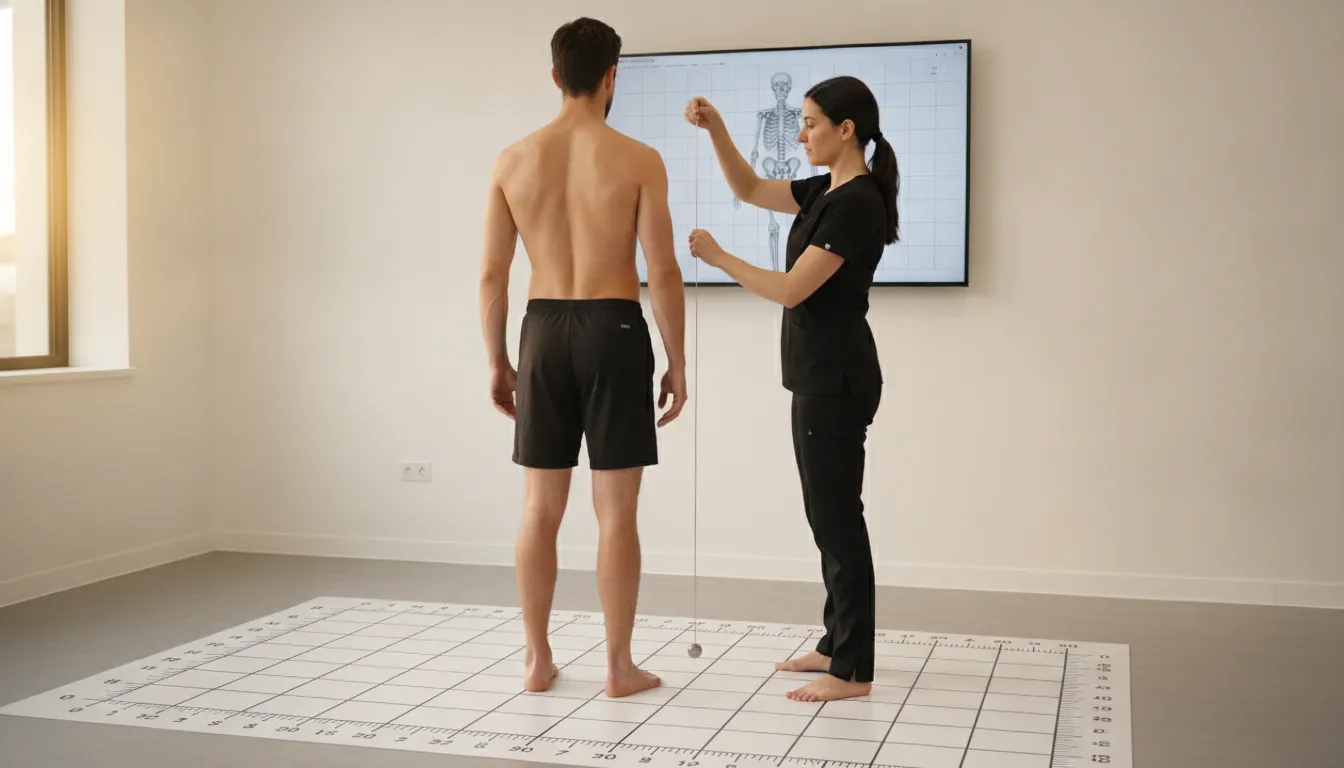
Lasting relief from a herniated disc starts with understanding why it happened in the first place. Your first visit with us isn't about quick fixes; it's a deep dive into your health. We conduct a thorough evaluation to understand your pain patterns, how your body moves, and the ways this injury impacts your daily life. We look at your strength, your range of motion, and your nerve function to get a complete picture. This detailed assessment allows us to pinpoint the underlying issues contributing to your pain, rather than just masking the symptoms. By identifying the root cause, we can build a treatment plan that’s truly designed for your body and your recovery.
A Whole-Person Approach to Healing
Your spine doesn't exist in a vacuum, and your treatment plan shouldn't either. We believe in a whole-person approach to healing, which means we look at how different systems in your body are connected. Chronic inflammation, poor gut health, or even hormonal imbalances can hinder your body's ability to repair itself and can make pain from a herniated disc feel worse. Our Functional Medicine services allow us to explore these connections. By considering your entire lifestyle and internal health, we can create a more comprehensive and effective plan. This holistic view often leads to longer-lasting results because we’re supporting your body’s innate ability to heal from the inside out.
Your Partner in Health: Ongoing Support and Education
Our role doesn't end when your appointment is over. We see ourselves as your partners in health, here to provide ongoing support and education throughout your recovery. A key part of your personalized plan will include specific stretches and corrective exercises you can do to continue your progress and prevent future injury. We’ll equip you with the knowledge and tools you need to take an active role in your healing. This partnership is central to our Physical Medicine philosophy. By working together, we can maximize the effectiveness of your treatment and empower you to maintain a strong, healthy back for years to come.
Finding the Right Herniated Disc Specialist in Tampa
What to Look for in a Provider
When you're dealing with the pain and numbness of a herniated disc, figuring out who to see can feel overwhelming. You might wonder if you need a chiropractor or a physical therapist. The truth is, both can be valuable parts of your recovery, but they approach the problem from different angles. Physical therapy often focuses on targeted exercises to relieve pain and strengthen the muscles supporting your spine. Chiropractic care, on the other hand, centers on spinal adjustments to improve alignment and function.
Instead of choosing just one, look for a provider who offers a comprehensive plan. A great specialist will sit down with you to understand your specific symptoms, assess your range of motion, and learn how the pain impacts your daily life. They won't just look at your back; they'll look at your whole picture to create a plan that’s right for you, often integrating multiple forms of physical medicine to get the best results.
The Ascend Functional Health Difference
Many clinics focus on a single treatment, but a herniated disc is a complex issue that often benefits from a more integrated strategy. This is where a holistic approach comes in. Instead of only treating the symptom (your back pain), we focus on you as a whole person to find and address the root cause. This might mean combining chiropractic adjustments with corrective exercises and even looking at lifestyle factors that could be contributing to inflammation and slowing your healing.
At Ascend Functional Health, our team collaborates to build a personalized plan that draws from our expertise across multiple disciplines. An approach that treats the patient as a whole often yields better, more lasting outcomes than relying on a single treatment alone. We believe in creating a partnership with you, giving you the tools and support needed to not just manage pain, but to truly heal and get back to your life.
Related Articles
- Disc Bulge Therapy: A Complete Guide to Healing
- How Chiropractic Care Helps Herniated Disc Pain
- Cervical Spinal Decompression: Your Options Explained
- Bulging Disc Therapy Treatment: A Complete Guide
- Avoid Back Surgery with Spinal Decompression
Frequently Asked Questions
Are non-surgical treatments just a temporary fix for a herniated disc? Not at all. The goal of conservative care is to create lasting change. By addressing spinal alignment, strengthening your core muscles, and improving your body's mechanics, these treatments help resolve the root cause of the pressure on your nerve. It's about teaching your body how to support itself properly, which provides long-term relief and helps prevent future injuries, rather than just masking the pain.
How long does it take to feel better without surgery? While every person's recovery is unique, many people start to feel significant improvement within six to twelve weeks of consistent, dedicated care. The key is active participation. This isn't a passive process; it's a partnership where you work with your provider through targeted exercises and therapies to help your body heal itself. The timeline is often comparable to a full surgical recovery, but without the associated risks.
How do I know if I'm one of the few who might actually need surgery? Surgery is typically only considered after conservative treatments have been thoroughly explored without success. The main indicators for a surgical consultation are progressive neurological symptoms, such as worsening weakness in a leg or arm, or severe, unrelenting pain that doesn't respond to any other form of care over an extended period. If your symptoms are stable or improving with therapy, you are on the right track.
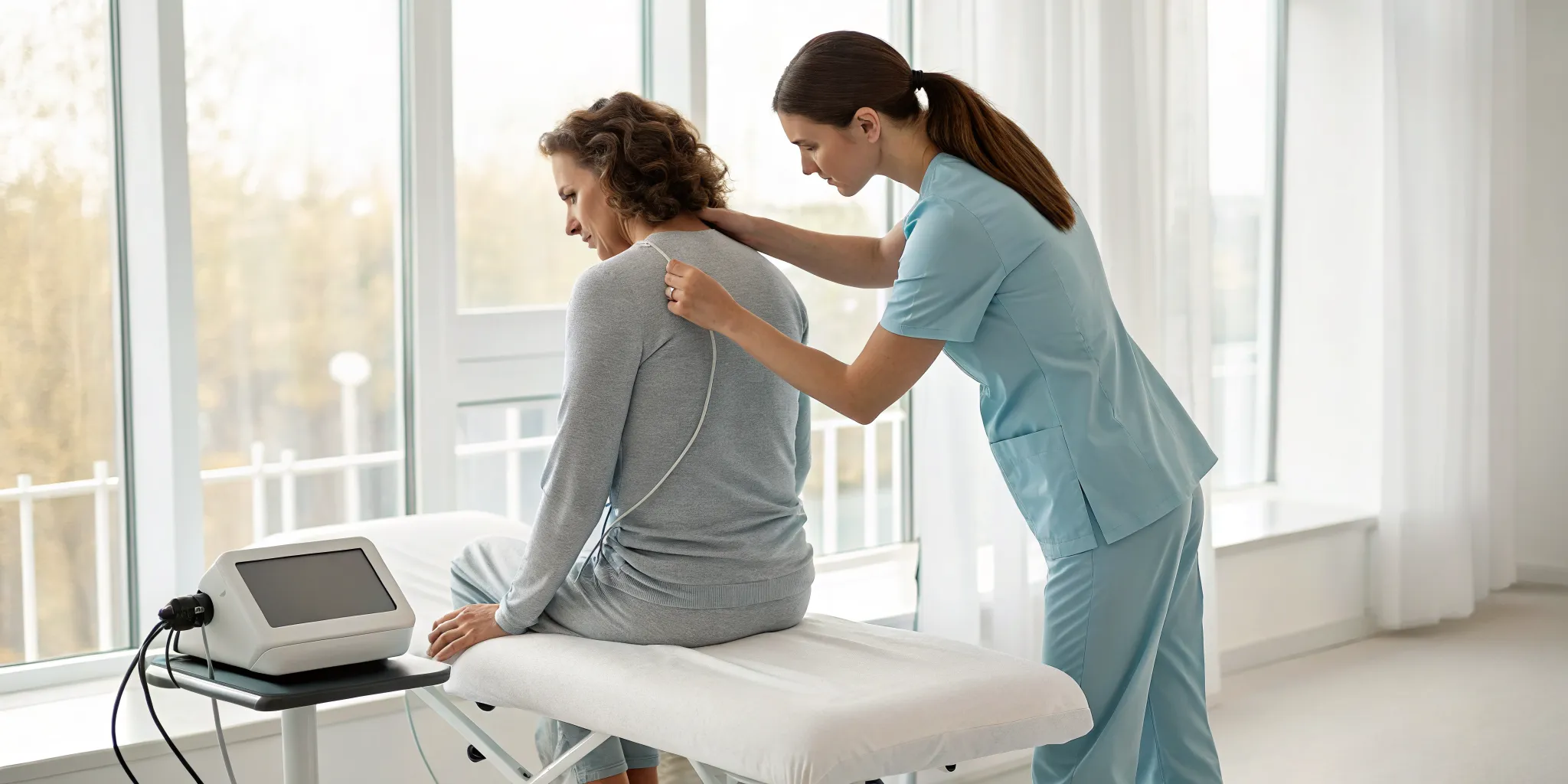
What does a typical non-surgical treatment plan look like? A personalized plan usually involves a combination of therapies designed to work together. It often starts with a thorough evaluation to pinpoint the exact cause of your pain. From there, your plan might include gentle chiropractic adjustments to relieve nerve pressure, spinal decompression to create space for the disc to heal, and a specific physical therapy program to build strength and stability. It's a multi-faceted approach tailored to your body.
Why is a 'whole-person' approach important for a herniated disc? Your back pain doesn't happen in isolation. Factors like chronic inflammation or other internal health issues can slow down your body's healing process and make pain feel more intense. A whole-person approach considers these connections. By supporting your overall health, we can create an internal environment that promotes faster, more effective healing for your back, leading to better and more sustainable results.