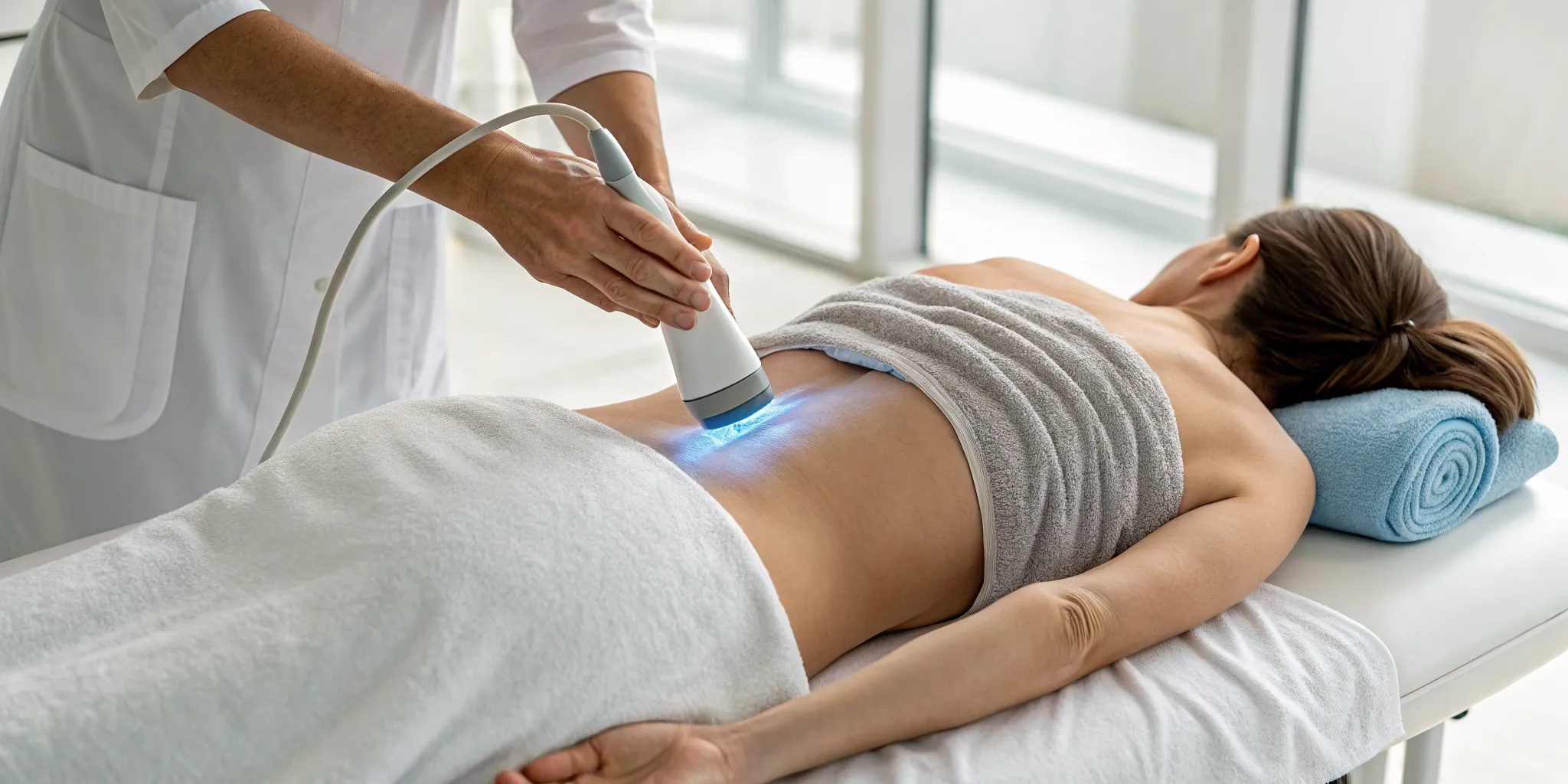
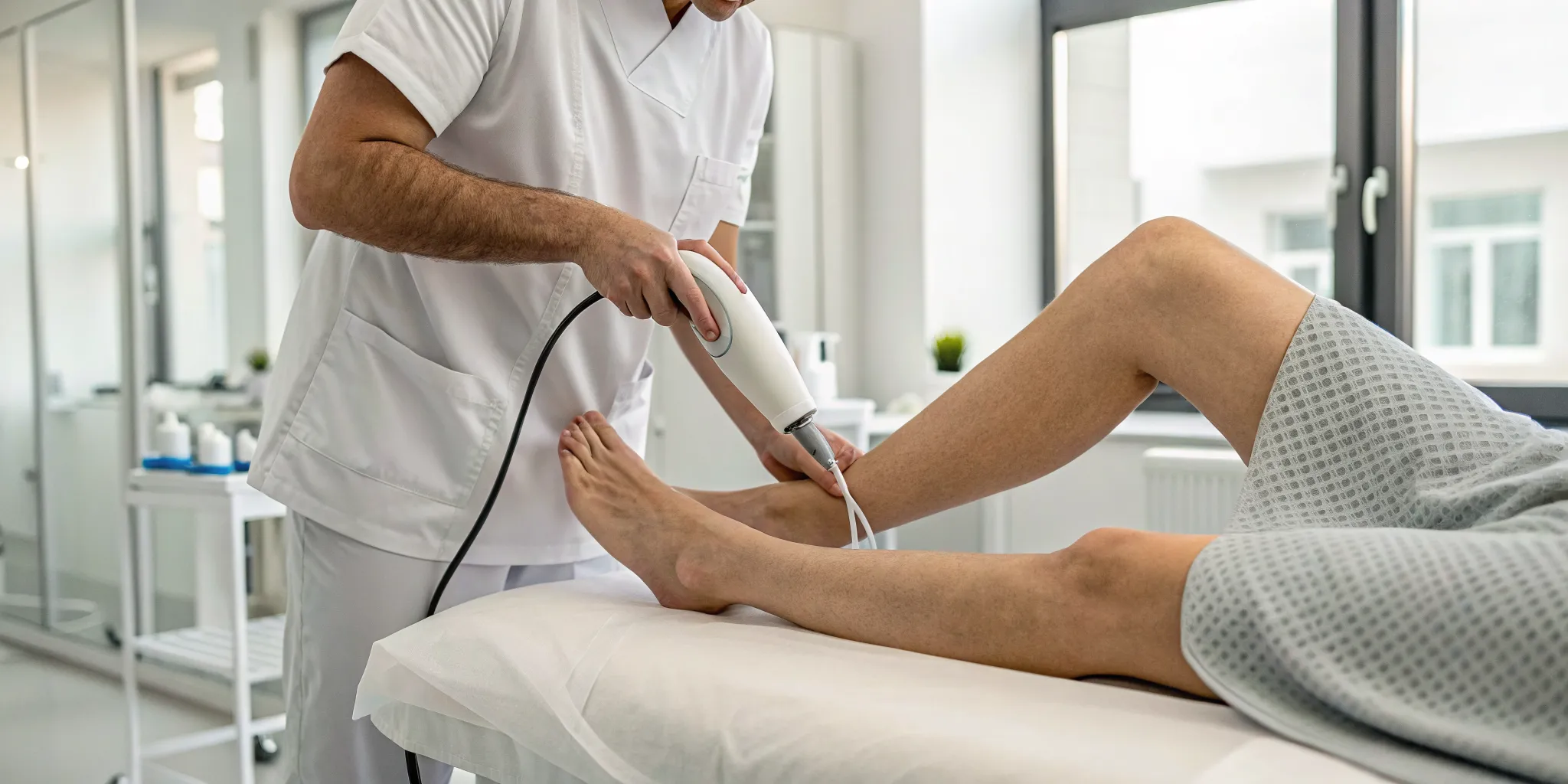
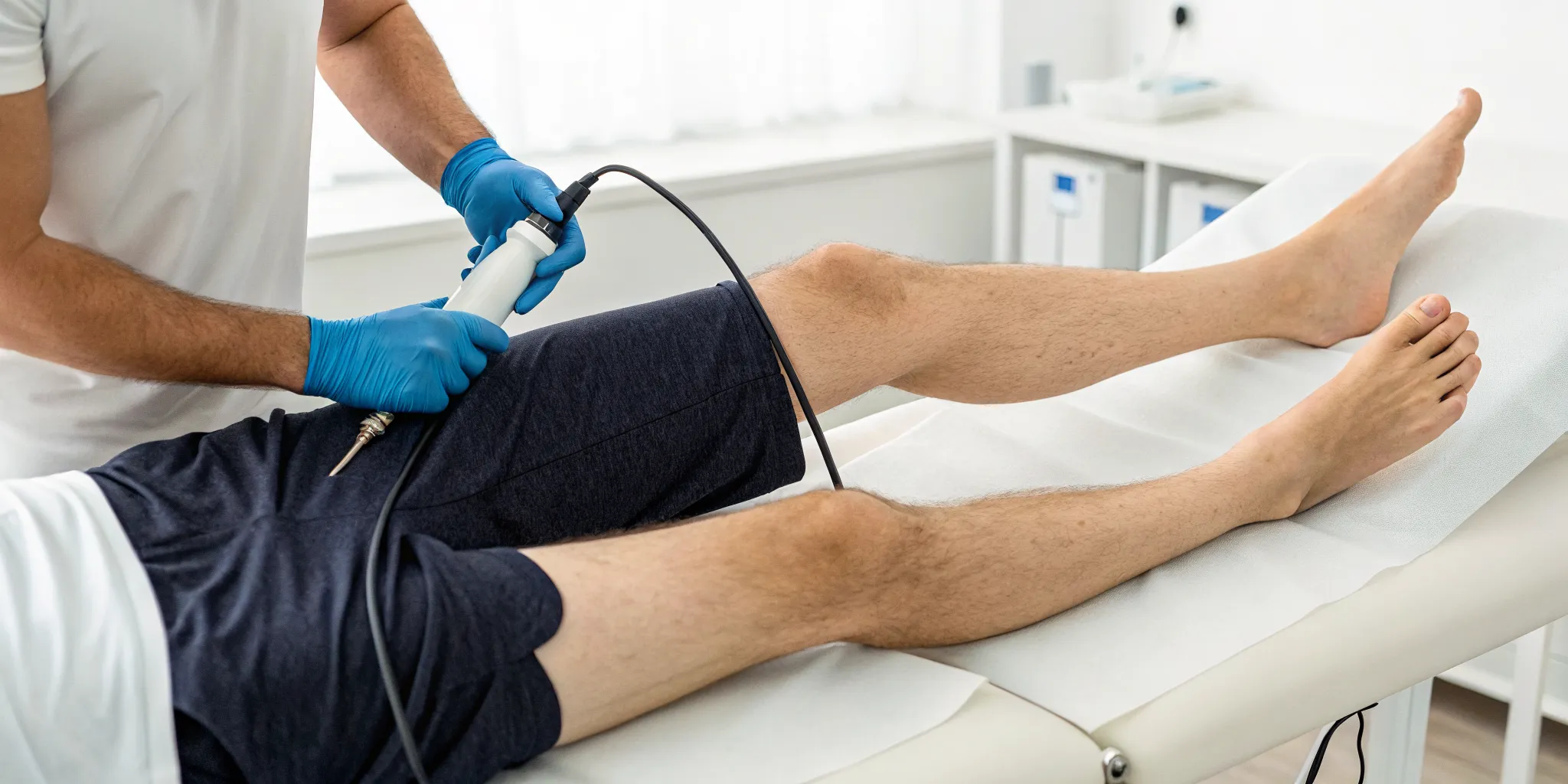
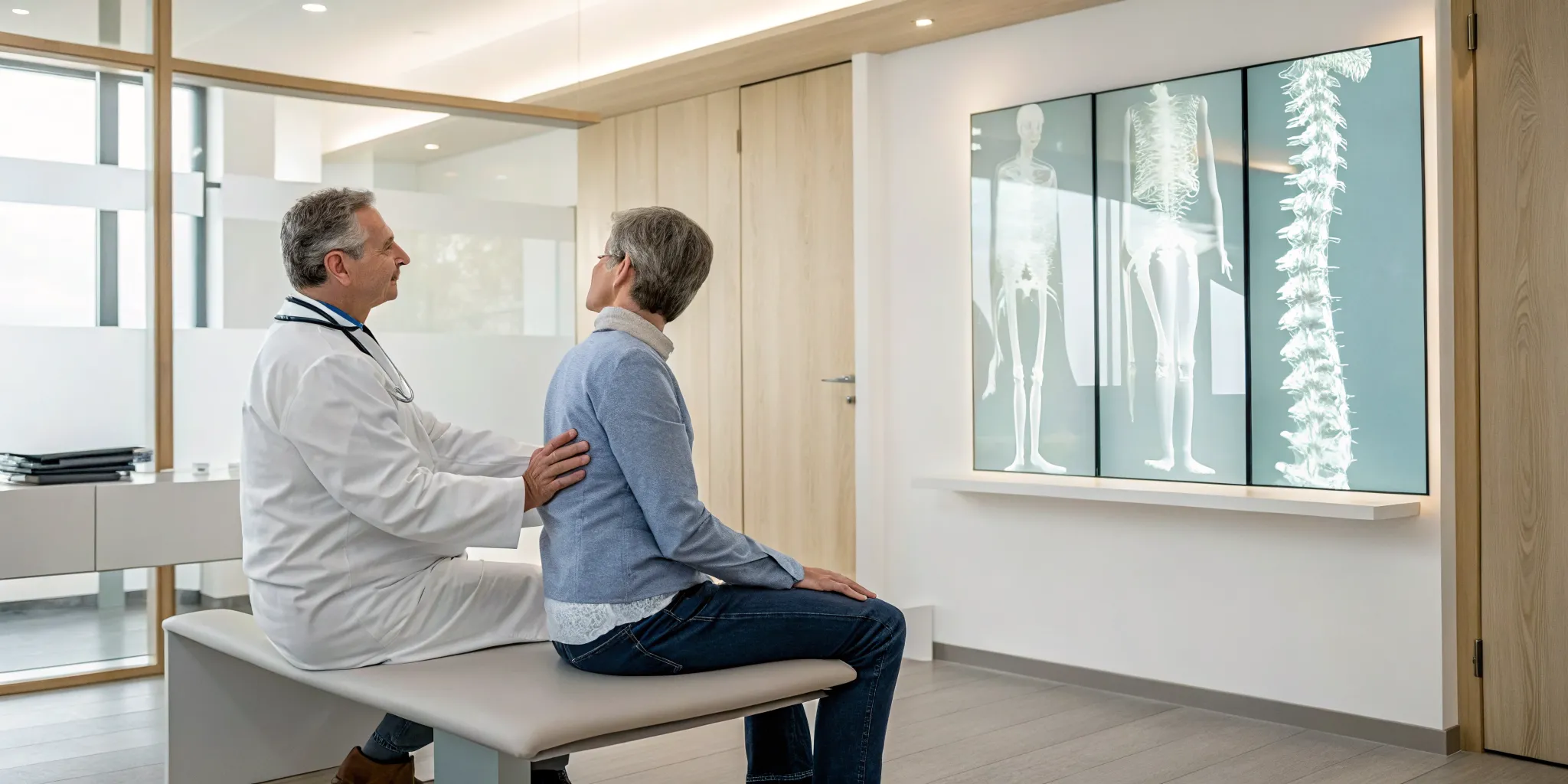
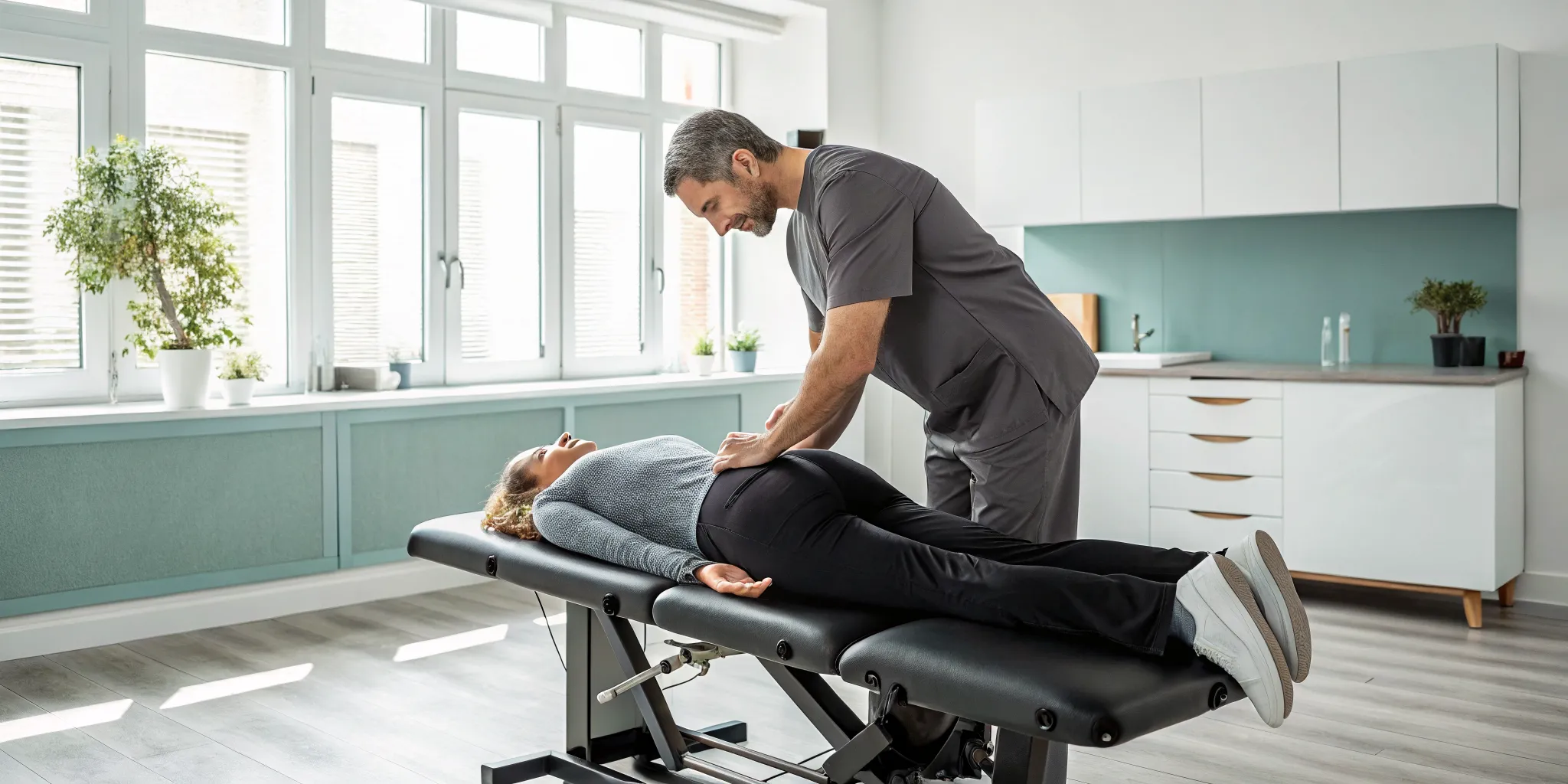
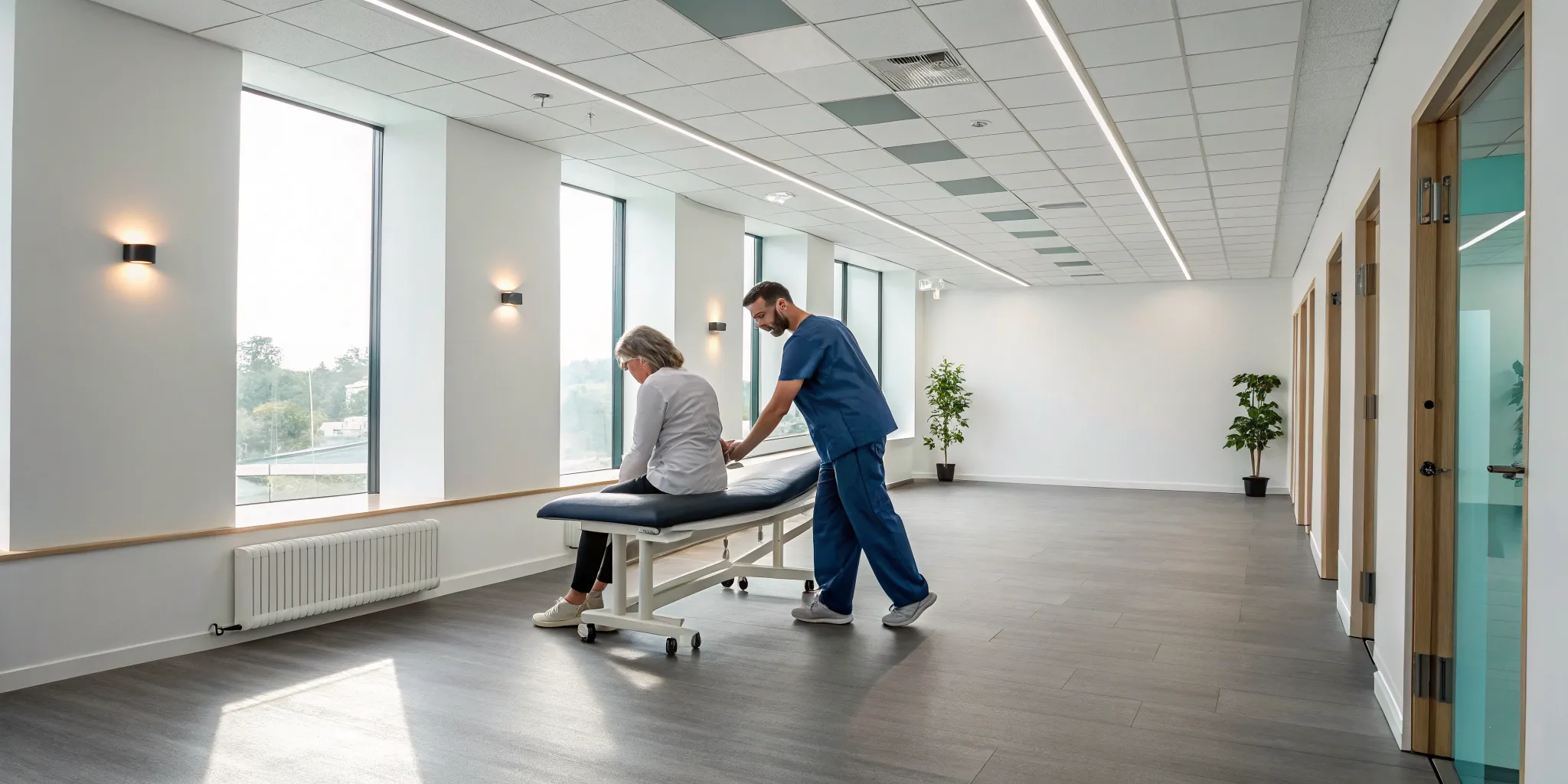
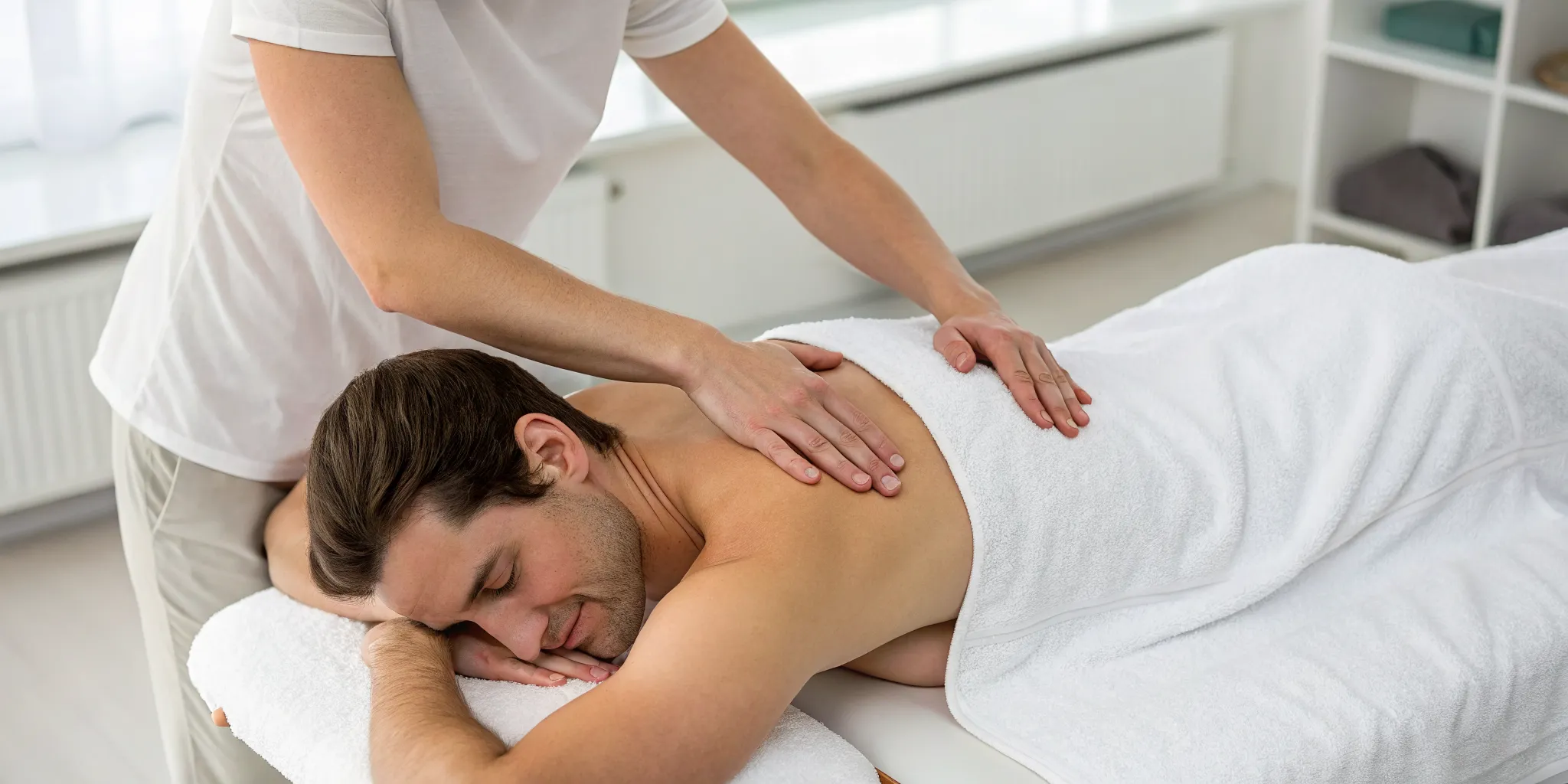
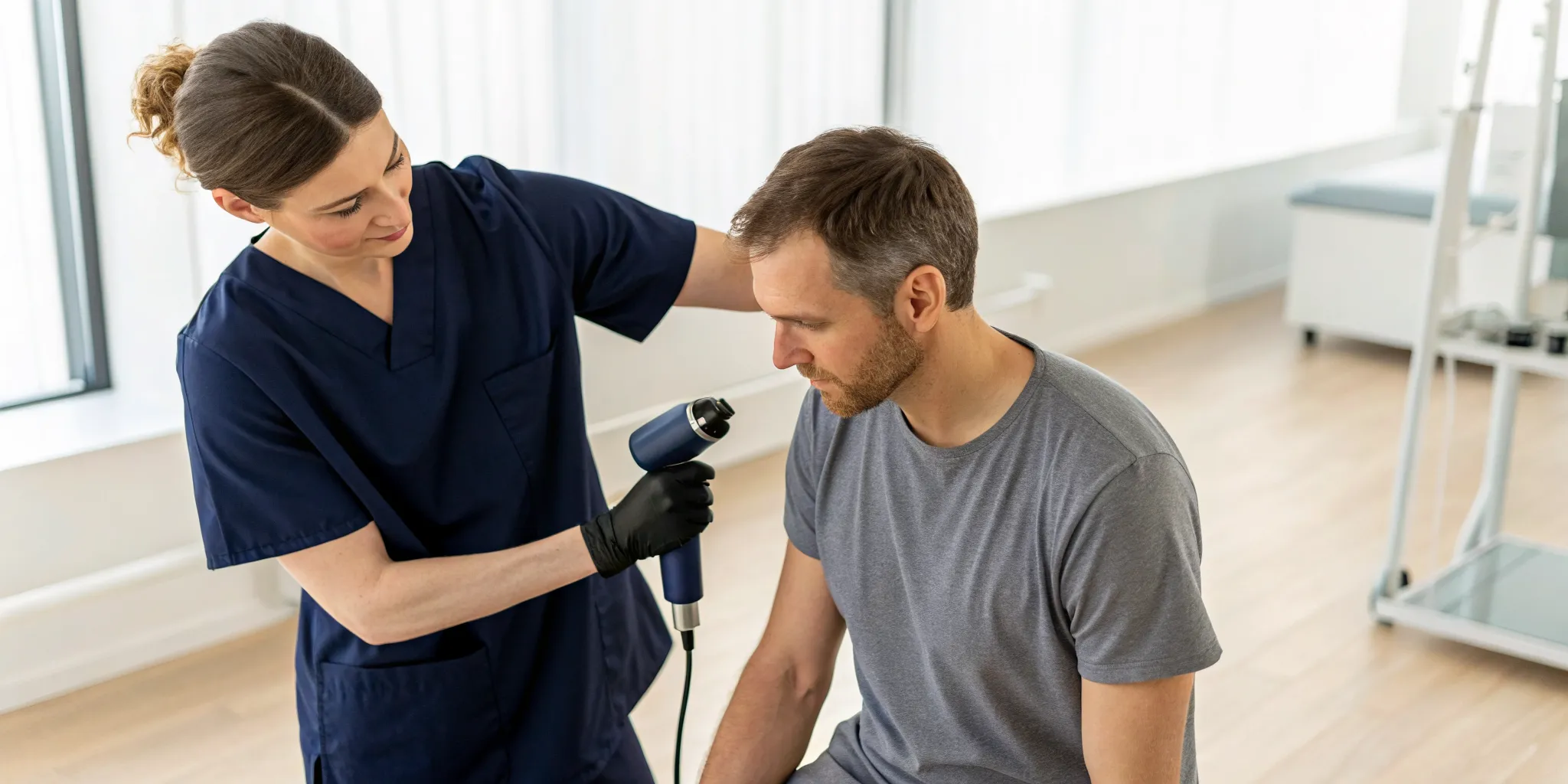
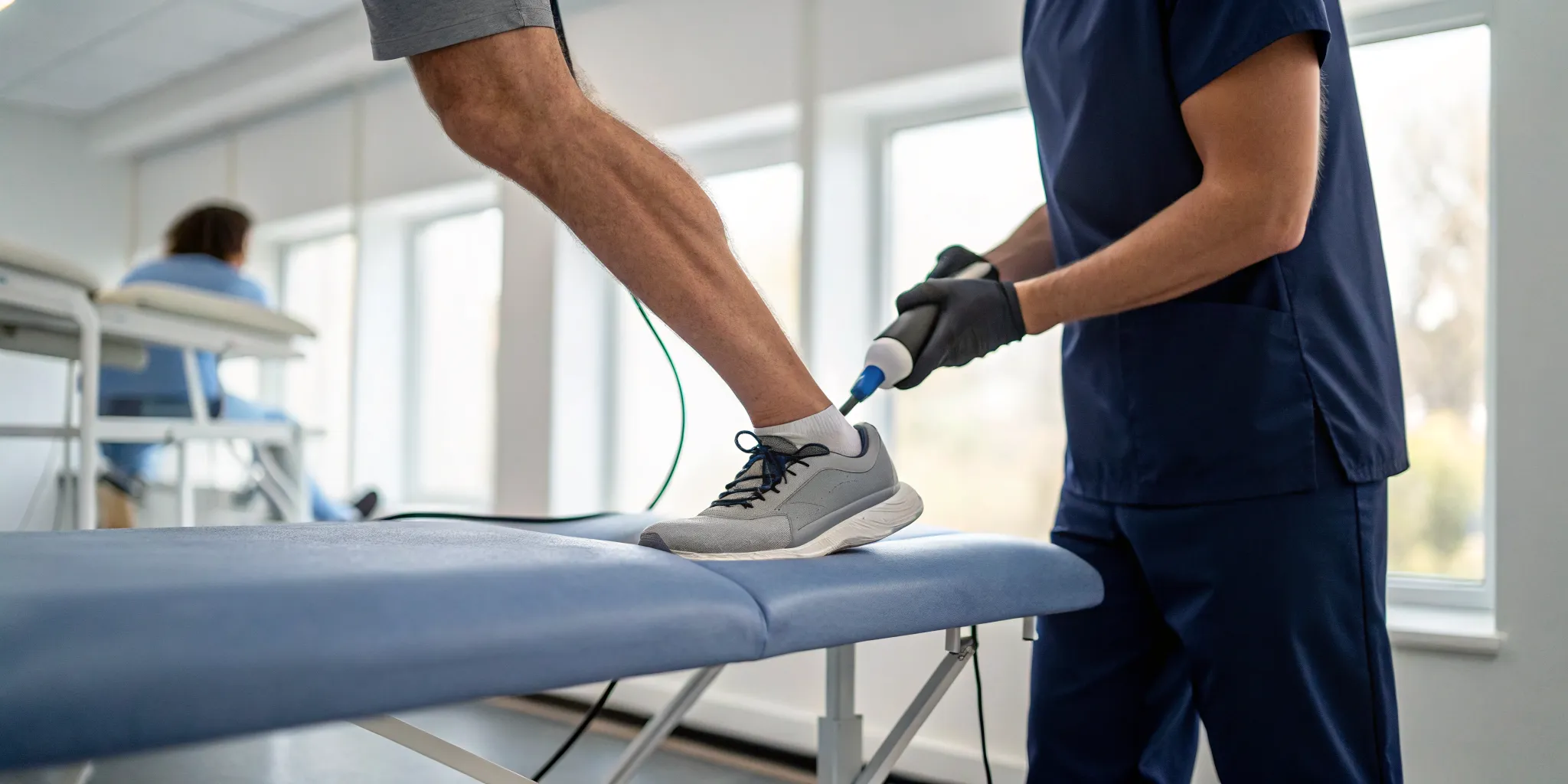
The name “shockwave therapy” might sound intense, but it’s not what you think. This treatment doesn’t involve electric shocks; instead, it uses gentle, powerful acoustic waves to stimulate healing deep within your tissues. Think of it as a wake-up call for your body’s internal repair crew. For a stubborn issue like tennis elbow, where the tendon has been under chronic stress, this stimulation can be a game-changer. Unlike treatments that just mask the pain, shockwave therapy for tennis elbow works by increasing blood flow and encouraging cell regeneration. It’s a research-backed approach designed to help your body fix the damage, not just quiet the symptoms, offering a path to genuine, long-term recovery.
Key Takeaways
- Go Beyond the Elbow Pain: True healing for tennis elbow means looking at the bigger picture. To prevent the pain from coming back, it's essential to identify and correct the movement patterns or muscle imbalances that caused the strain initially.
- Restart Your Body's Repair Process: Shockwave therapy is a non-invasive way to prompt your body to heal itself. It uses sound waves to wake up the damaged tendon, stimulating a natural repair response that addresses the injury at its source instead of just masking the pain.
- Create a Complete Healing Plan: Shockwave therapy is most effective when it's part of a larger strategy. Combining it with corrective exercises and other physical medicine therapies helps rebuild strength, improve function, and create a strong foundation for lasting results.
What is Tennis Elbow, Really?
Despite its name, you don’t have to be a tennis star to experience tennis elbow. In fact, most people who get it have never even picked up a racquet. This common condition, known clinically as lateral epicondylitis, is an overuse injury that affects the tendons connecting your forearm muscles to the outside of your elbow. It often shows up in adults between 30 and 60 and is frequently caused by repetitive wrist and arm movements. Think about the motions involved in painting, plumbing, cooking, or even prolonged computer use.
When you repeatedly strain these tendons, tiny tears can form, leading to inflammation and pain. The discomfort you feel is your body signaling that the area is overloaded and needs a different kind of support to heal properly. While rest is a crucial first step, it often isn't enough to solve the underlying problem because it doesn't address why the overload happened. At Ascend, our approach to physical medicine focuses on not just calming the inflammation but also correcting the movement patterns and muscle imbalances that led to the injury. By looking at how your entire arm, shoulder, and even your posture contribute to the strain, we can build a foundation for long-term healing, not just a temporary fix.
Signs You Might Have Tennis Elbow
The symptoms of tennis elbow usually develop gradually. It might start as a mild ache on the outside of your elbow that you only notice after a long day of activity. Over time, this can progress to more persistent pain.
You might have tennis elbow if you experience:
- Pain or a burning sensation on the outer part of your elbow.
- Discomfort that radiates down your forearm toward your wrist.
- A weakened grip, making it hard to hold a coffee mug, turn a doorknob, or shake someone’s hand.
- Pain that gets worse when you lift something, make a fist, or use your wrist.
If these symptoms sound familiar, it’s a clear sign that your elbow and forearm are under stress. We see these issues frequently and have a range of diagnostic tools to confirm what’s happening and pinpoint the exact source of your pain among the conditions we treat.
Why the Pain Keeps Coming Back
One of the most frustrating things about tennis elbow is its tendency to linger or return. You might rest your arm for a few weeks and feel better, only to have the pain flare up as soon as you return to your normal activities. This happens because the initial inflammation is just one part of the problem. The pain often persists because the root cause hasn't been addressed.
Ongoing strain, inadequate healing time, and underlying muscle imbalances in the arm, shoulder, and even neck can create a cycle of re-injury. Simply resting the area doesn't correct the faulty mechanics that caused the overload. To achieve lasting relief, it’s essential to look at the bigger picture. Our comprehensive services are designed to identify and resolve these root causes, helping your body heal correctly and preventing the pain from becoming a chronic issue.
How Shockwave Therapy Promotes Healing
It might sound like something from a sci-fi movie, but shockwave therapy is a well-established treatment that uses your body’s own healing power to repair tissue. Instead of just masking the pain, it gets to the heart of the problem by stimulating a natural repair process right where you need it most. This approach is a cornerstone of physical medicine, focusing on long-term recovery rather than temporary relief. By creating a controlled healing response, we can help your body rebuild damaged tendons and find lasting strength and function.
Using Acoustic Waves to Repair Tissue
At its core, shockwave therapy uses targeted acoustic waves (a type of sound wave) to create micro-trauma in the affected tendon. This might sound counterintuitive, but this process is precisely what triggers your body’s healing cascade. The waves increase blood flow to the area, bringing essential nutrients and oxygen needed for repair. This also stimulates cellular activity, encouraging the formation of new, healthy tissue. Think of it as a wake-up call for your body’s internal repair crew, directing them to get to work on that stubborn elbow pain that just won’t quit.
Focused vs. Radial: What's the Difference?
Not all shockwave therapy is the same. The two primary types are focused and radial, and the one that’s right for you depends on your specific condition. Focused shockwave therapy uses a precise, high-energy wave to target a small, deep area of tissue. It’s ideal for pinpointing the exact origin of your pain. Radial shockwave therapy, on the other hand, uses lower-energy waves that spread out over a larger, more superficial area. This is great for treating broader regions of discomfort. Determining which approach is best is a key part of creating a personalized plan for the unique conditions we treat.
Why It's Not Like Other Treatments
Unlike treatments that only offer temporary relief, shockwave therapy is designed to promote actual healing within the tendon. It’s a non-invasive option, meaning it works from outside the body without the need for more aggressive procedures. The goal isn't to cover up symptoms but to address the underlying tissue damage that’s causing them in the first place. This aligns with our core philosophy of helping the body heal itself from the inside out. By stimulating your natural repair mechanisms, we can work toward a more permanent solution for your pain and get you back to doing what you love.
Could Shockwave Therapy Work for You?
If you’re dealing with nagging elbow pain that just won’t quit, you’ve probably tried a lot of different things to find relief. When rest, stretching, and conventional treatments don't seem to make a dent, it’s easy to feel stuck. This is often the point where people start considering more drastic options, but what if there was another way? Shockwave therapy is a compelling treatment for chronic tendon issues precisely because it helps people who feel like they’ve exhausted their other choices.
This approach isn't a first-line defense for a new injury, but rather a targeted solution for persistent pain that has settled in for the long haul. It’s designed to restart the healing process in tissues that have become stagnant and unresponsive. Understanding if you’re a good fit for this therapy involves looking at your history with the injury and your goals for recovery. For many, it represents a path to healing that doesn't require injections or going under the knife, aligning with a desire to help the body repair itself. Let's explore what makes someone a strong candidate and why this treatment is a standout alternative.
Signs You're a Good Candidate
So, how do you know if shockwave therapy is the right next step for you? It’s typically recommended for elbow pain that has become chronic. If your pain has lingered for more than six months and hasn't improved with other methods, you might be an ideal candidate. Think about the things you’ve already tried: rest, bracing, physical therapy, or anti-inflammatory medications. If those approaches haven't delivered the lasting relief you need, it’s a strong sign that your body needs a different kind of signal to kickstart the repair process.
This therapy is for people whose pain is actively interfering with their lives, making it hard to grip a coffee cup, type at a computer, or enjoy their favorite hobbies. If you’re looking for a solution that addresses the underlying tissue damage instead of just masking the symptoms, shockwave therapy is worth considering. It’s a key part of a comprehensive physical medicine plan for stubborn injuries.
A Non-Invasive Alternative to Injections or Surgery
One of the most significant benefits of shockwave therapy is that it’s a non-invasive treatment. It uses acoustic waves to stimulate healing deep within the damaged tendon, all from outside the body. There are no needles and no incisions. For many people, this provides a safe and effective alternative to more aggressive treatments they may be hesitant to try. It’s a way to avoid the potential complications and extended recovery time that can come with surgical procedures.
This treatment works by promoting your body’s own natural healing abilities, which is a cornerstone of functional medicine. Instead of introducing foreign substances or surgically altering the tissue, shockwave therapy creates a response that increases blood flow and cell activity, helping to repair the conditions we treat at their source. If you're looking for a powerful, research-backed therapy that supports your body's innate capacity to heal, shockwave is an excellent option to discuss with your practitioner.
Debunking Myths About Shockwave Therapy
When you’re dealing with persistent pain, it’s easy to get your hopes up about a new treatment, but it’s also normal to be a little skeptical. Shockwave therapy is an effective tool for healing, but a lot of misinformation can create confusion about how it works and what to expect. Let’s clear up some of the most common myths so you can make an informed decision about your health. Understanding the reality of the treatment is the first step toward finding lasting relief.
Myth: It's an Instant Fix
It’s tempting to hope for a single treatment that will make your pain disappear for good. However, shockwave therapy isn’t a one-and-done solution. This treatment is designed to stimulate your body’s natural healing processes over time, not just mask the pain. While many people feel some relief after their first session, the real magic happens as your tissues repair and regenerate in the weeks that follow. True healing is a process, and achieving optimal results often requires a series of treatments tailored to your specific condition. This approach ensures we’re addressing the underlying issue for long-term results.
Myth: It's Only for Severe Pain
You don’t have to wait until your elbow pain is unbearable to seek help. Shockwave therapy is a versatile treatment that can help with various stages of tissue injury, not just the most severe cases. In fact, addressing the issue sooner can prevent it from becoming a chronic problem that disrupts your life. Whether you’re dealing with a nagging ache from your weekend tennis match or more persistent discomfort, this non-invasive therapy can help trigger the healing your body needs. It’s one of the many conditions we treat with a focus on early and effective intervention.
Myth: It's Completely Without Side Effects
While shockwave therapy is very safe, it’s not entirely without any post-treatment sensations. It’s common to experience some mild, temporary soreness or redness in the treated area. Think of this as a sign that the therapy has activated a healing response in your tissues. These effects typically fade within a day or two. For the best results, this treatment is often part of a comprehensive plan. Combining it with other physical medicine approaches and corrective exercises helps support your body’s recovery and strengthens the area to prevent future injury.
Your First Shockwave Therapy Session: What to Expect
Walking into any new treatment can feel a little uncertain, especially when you’ve been dealing with persistent pain. We get it. The good news is that shockwave therapy is a straightforward and non-invasive process. Knowing exactly what happens during and after your session can help you feel confident and prepared as you take this next step toward healing. At Ascend, we integrate treatments like shockwave therapy into our broader physical medicine protocols to ensure you get comprehensive care. Let’s walk through what your first appointment will look like, from the moment you sit down for treatment to how you’ll feel afterward.
How Long It Takes and What It Feels Like
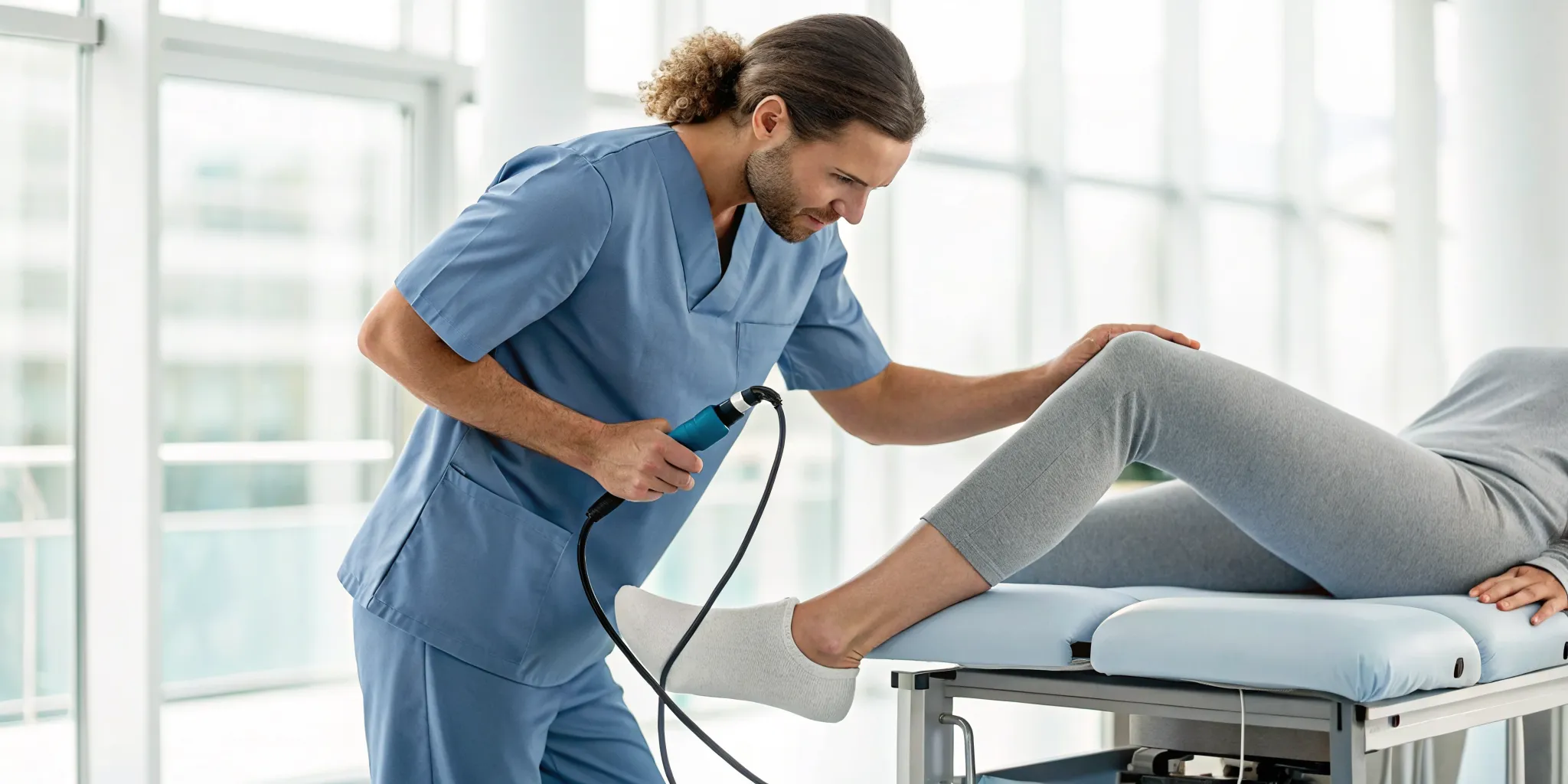
One of the best parts of shockwave therapy is how efficiently it fits into your day. Each session is surprisingly quick, usually lasting only 15 to 20 minutes. To achieve lasting results, most people benefit from a series of three to five sessions, typically scheduled once a week. During the treatment, your practitioner will apply a gel to your elbow and use a handheld device to deliver the acoustic waves to the injured tissue. Patients often describe the feeling as a tapping, pulsing, or a sensation of pressure. While you might feel some mild discomfort, the treatment is generally well tolerated. Our team will communicate with you the entire time to ensure you’re comfortable.
Tips for Managing Post-Treatment Discomfort
After your session, it’s normal to experience some mild soreness or tenderness in the treated area. This is actually a positive sign that your body has begun its natural healing response. If you notice any swelling or discomfort, you can apply an ice pack to your elbow for 10 to 15 minutes a few times throughout the day. It’s also a good idea to give your arm a little rest from strenuous activities for a day or two to let the healing process work its magic. Over-the-counter pain relievers can also help manage any soreness. Listening to your body is key, and you can find more wellness advice on our blog.
How Well Does Shockwave Therapy Actually Work?
When you’re dealing with persistent pain, the most important question is always, "Will this treatment actually help me?" It’s a fair question, and when it comes to shockwave therapy, the evidence is very encouraging. The goal isn’t just to mask the pain for a little while; it’s about creating real, lasting change so you can get back to your life. Success is measured in tangible results, like being able to pick up your coffee cup, swing a golf club, or work at your computer without that familiar ache. Let's look at what the research says about how effective this therapy can be.
Measuring Success: Pain Relief and Restored Function
The effectiveness of shockwave therapy is often measured by two key indicators: a reduction in pain and an improvement in function. Studies show impressive outcomes on both fronts. For example, one clinical trial found that shockwave therapy significantly reduced pain for people with tennis elbow by nearly 60%. Another study tracked participants for 60 days and saw their average pain score drop from a 7.25 out of 10 to just 2.76. This kind of improvement means you can return to your daily activities with greater ease and comfort. Whether you receive focused or radial shockwave therapy, research shows both methods are effective at reducing pain over time.
Understanding Long-Term Results
While many people feel some relief after their first session, the true benefits of shockwave therapy are cumulative and designed for the long haul. The therapy works by stimulating your body's natural healing processes. It’s not just about feeling better; it’s about getting better. Research shows that shockwave therapy can reduce inflammation by more than 69%, which is a key factor in promoting genuine tissue repair. This is why the results tend to last. Instead of providing a temporary patch, the treatment helps rebuild and strengthen the affected tendon from the inside out. Most treatment plans involve a series of sessions, usually three to five, to ensure the healing process is fully supported for lasting relief.
Are There Any Side Effects?
It’s completely normal to wonder about side effects before trying a new treatment, and I always encourage patients to ask these questions. The good news is that for shockwave therapy, potential side effects are generally minimal and temporary. Most people tolerate the procedure very well. During the session itself, you might feel a tapping or pulsing sensation at the treatment site. Some patients describe it as a mild pressure or tingling, but it’s rarely described as painful. The intensity can be adjusted to your comfort level, so you are always in control.
Afterward, it’s possible to experience some minor discomfort, localized skin reddening, or slight swelling around the elbow. These reactions are a normal part of your body’s initial healing response and usually fade within a day or two. Think of it as a sign that the therapy has successfully activated the repair process. At Ascend, we consider shockwave therapy a key part of our physical medicine services because it works with your body to create real, lasting change. It’s a fantastic option for those seeking relief without more invasive procedures. We will walk you through every step of the process, ensuring you feel comfortable and informed from start to finish.
What to Expect Immediately After Treatment
In the hours following your session, you might feel some mild soreness in the treated area, similar to how a muscle feels after a new workout. This is a positive sign that the therapy has stimulated your tissue. If you feel any discomfort, simple over-the-counter pain relievers can help manage it.
Should you notice any swelling, applying an ice pack to your elbow for 10 to 15 minutes a few times throughout the day can provide relief. It’s also important to listen to your body and avoid strenuous activities that put a heavy strain on your arm for a day or two. If you have any questions about what you're feeling post-treatment, we encourage you to reach out to our team.
Supporting Your Body's Recovery Process
Shockwave therapy does more than just manage symptoms; it prompts a healing cascade deep within your tissues. The acoustic waves stimulate the growth of new blood vessels in the injured area. This process, called neovascularization, is crucial because it brings a fresh supply of oxygen and nutrients right where they’re needed most, fueling cellular repair.
The therapy also helps modulate inflammation. It initially triggers a controlled inflammatory response, which is your body’s natural first step in any healing process. Then, it helps the cells responsible for cleanup and repair to work more effectively, guiding the area from a state of chronic irritation to active recovery. This approach aligns perfectly with our goal of addressing the root cause of your pain and supporting your body's innate healing abilities.
Why a Holistic Approach Matters
Shockwave therapy is an incredible tool for addressing the pain and dysfunction of tennis elbow, but it’s rarely a one-and-done solution. True, lasting relief comes from looking at the bigger picture of your health. Simply targeting the pain in your elbow without understanding why it started in the first place is like patching a hole in a leaky pipe without turning off the water. The problem is likely to return.
At Ascend Functional Health, our entire philosophy is built on this principle. We don't just treat symptoms; we investigate the "why" behind them. An effective plan for tennis elbow uses shockwave therapy to manage pain and stimulate healing, but it also incorporates other strategies to correct the underlying issues. This comprehensive method ensures you not only feel better now but also build resilience against future injury. It’s about creating a solid foundation for your body to heal itself and function optimally for years to come.
Combining Shockwave with Physical Medicine
Think of shockwave therapy as the catalyst that gets the healing process moving. It’s fantastic for reducing pain and stimulating tissue repair, which is often the first major hurdle. Once that initial pain subsides, a critical window of opportunity opens. This is where our integrated approach to Physical Medicine becomes so important. With less pain, you can more effectively engage in the corrective exercises and therapies needed to rebuild strength and restore proper movement.
This combination is what creates lasting results. The shockwave treatment makes the physical rehabilitation possible, and the rehabilitation ensures the muscles and tendons supporting your elbow are strong and balanced. This prevents the repetitive strain that caused the problem in the first place, helping you return to your activities with confidence.
Getting to the Root Cause of Your Pain
While shockwave therapy helps repair the damaged tissue in your elbow, it’s just as important to ask why that tissue became damaged. Was it from your backhand technique on the court, the way you sit at your desk, or something else entirely? Sometimes, the source of chronic pain isn't just mechanical. Systemic inflammation, nutritional deficiencies, or even poor gut health can make you more susceptible to injury and slow down your body's ability to heal.
This is where a functional medicine perspective is invaluable. We look at how all your body's systems are connected to uncover the root cause of your pain. By addressing these underlying factors, we support your body’s innate healing abilities from the inside out, creating a comprehensive plan that goes far beyond just treating your elbow.
Find Lasting Relief from Tennis Elbow in Tampa
Dealing with the nagging, persistent pain of tennis elbow can feel like a never-ending battle. That familiar ache on the outside of your elbow, known as lateral epicondylitis, can make simple tasks like gripping a coffee cup or opening a door a painful ordeal. If you’ve tried rest and stretching without finding lasting relief, it might be time to explore a different approach. Here at Ascend Functional Health, we often see clients who are frustrated with their lack of progress, and we find that shockwave therapy can be a game-changer.
This innovative, non-invasive treatment uses acoustic waves to stimulate your body's natural healing processes right at the source of the pain. The sound waves help increase blood flow and encourage new cell growth, which can reduce discomfort and repair the damaged tendon. Research supports this, with one study finding that shockwave therapy can significantly reduce pain for people with tennis elbow, allowing them to rely less on other methods for managing discomfort. It’s a way to work with your body, not just mask the symptoms.
Most people see the best results over a series of three to five sessions, though many report feeling better even after the first treatment. As the pain subsides, you can start to use your arm more freely, which is key for rebuilding strength and getting back to the activities you love. By combining advanced treatments like shockwave therapy with our holistic physical medicine protocols, we can help you find a path toward genuine, long-term healing right here in Tampa.
Related Articles
- SoftWave Tissue Regeneration Therapy in Tampa | Alessi Functional Health
- SoftWave TRT Therapy in Tampa, FL - Alessi Functional Health
- What Is Graston Technique Therapy? A Beginner's Guide
- What Is Soft Tissue Therapy? A Complete Guide
- Neuromuscular Reeducation 101: The Full Guide
Frequently Asked Questions
Does shockwave therapy hurt? Most people describe the sensation during a shockwave session as a strong tapping or pulsing feeling rather than sharp pain. While you might feel some discomfort over the most sensitive parts of the tendon, the intensity is always adjusted to your personal comfort level. It’s common to feel some mild soreness afterward, similar to how a muscle feels after a good workout, which is a sign that the healing process has been activated.
How soon will I feel better after starting treatment? While some people notice an improvement after just one session, shockwave therapy is designed to create long-term healing, not provide an instant fix. The therapy stimulates your body’s natural repair cycle, which takes time. The most significant and lasting results typically develop over several weeks as your body rebuilds the damaged tissue. A full treatment plan usually involves a series of sessions to ensure the healing process is complete.
Why is shockwave therapy recommended when rest and stretching haven't worked? Rest and stretching are great first steps, but for chronic tennis elbow, the body's healing process has often stalled. The damaged tissue isn't getting the signal it needs to repair itself. Shockwave therapy acts as a catalyst to restart that process. It creates a controlled healing response that increases blood flow and cellular activity, addressing the stagnant tissue damage that rest alone can't resolve.
What should I do after a shockwave session? After your treatment, it’s best to give your arm a little break from strenuous activities for a day or two. This allows the healing response to get to work without added strain. If you experience any tenderness or mild swelling, you can apply an ice pack for about 15 minutes at a time. Listening to your body is the most important thing, and we will give you specific guidance based on your individual case.
Is shockwave therapy the only thing I'll need to do? Shockwave therapy is a powerful tool, but it works best as part of a comprehensive plan. Our goal is to address the root cause of your pain, not just the symptom. We often combine shockwave therapy with corrective exercises and other physical medicine techniques to strengthen the supporting muscles and correct the movement patterns that led to the injury. This holistic approach is what helps prevent the pain from coming back.