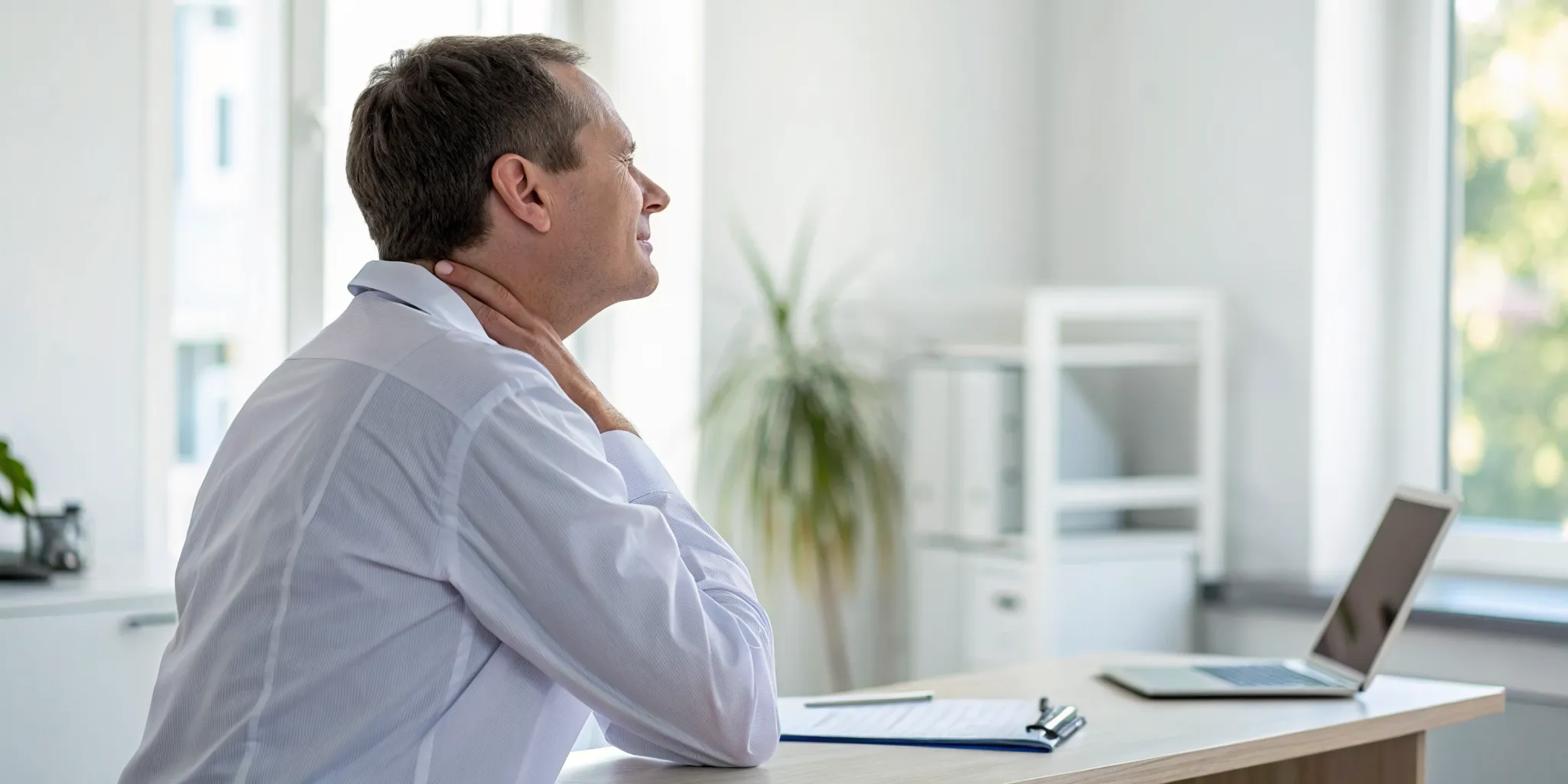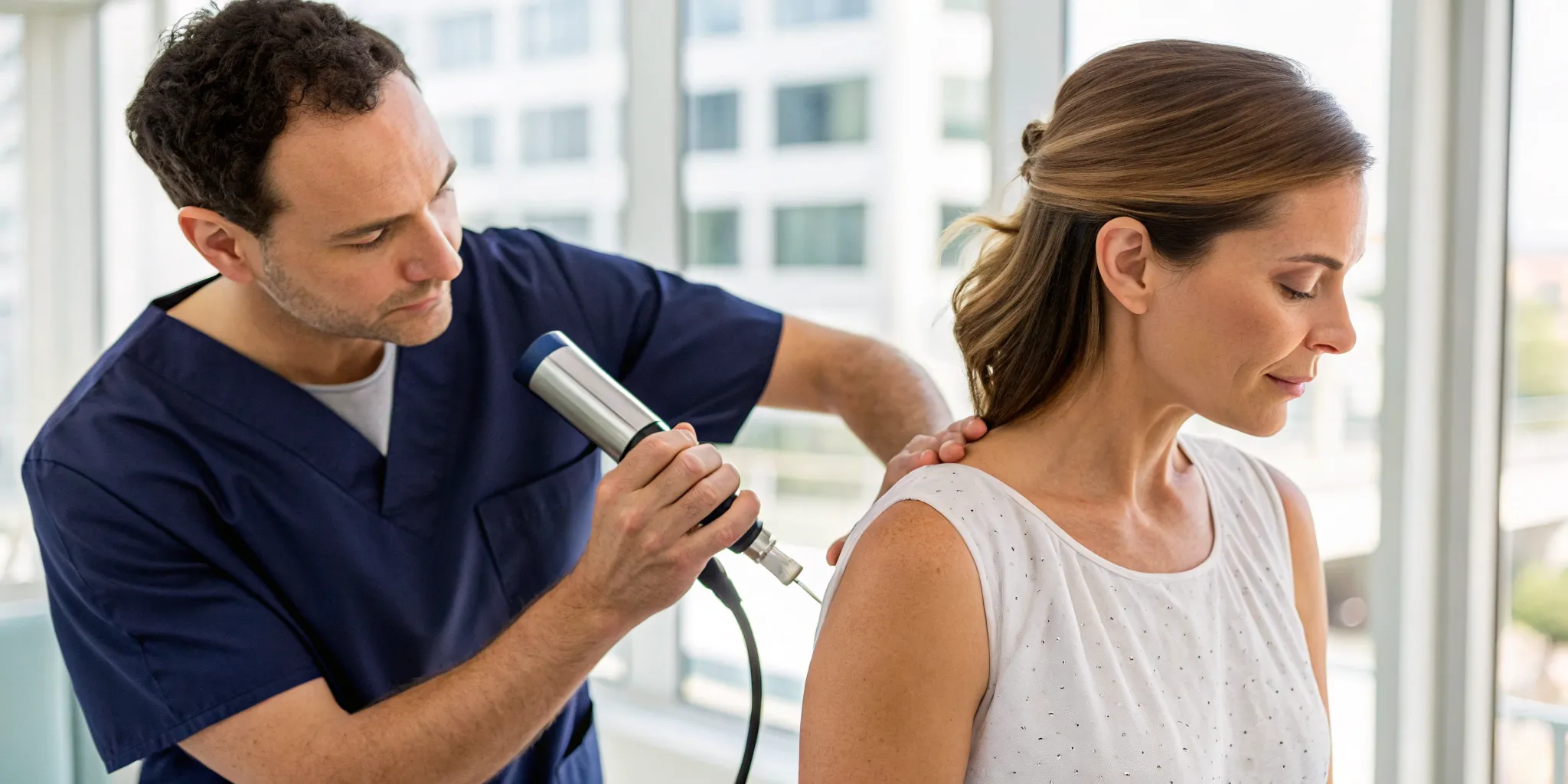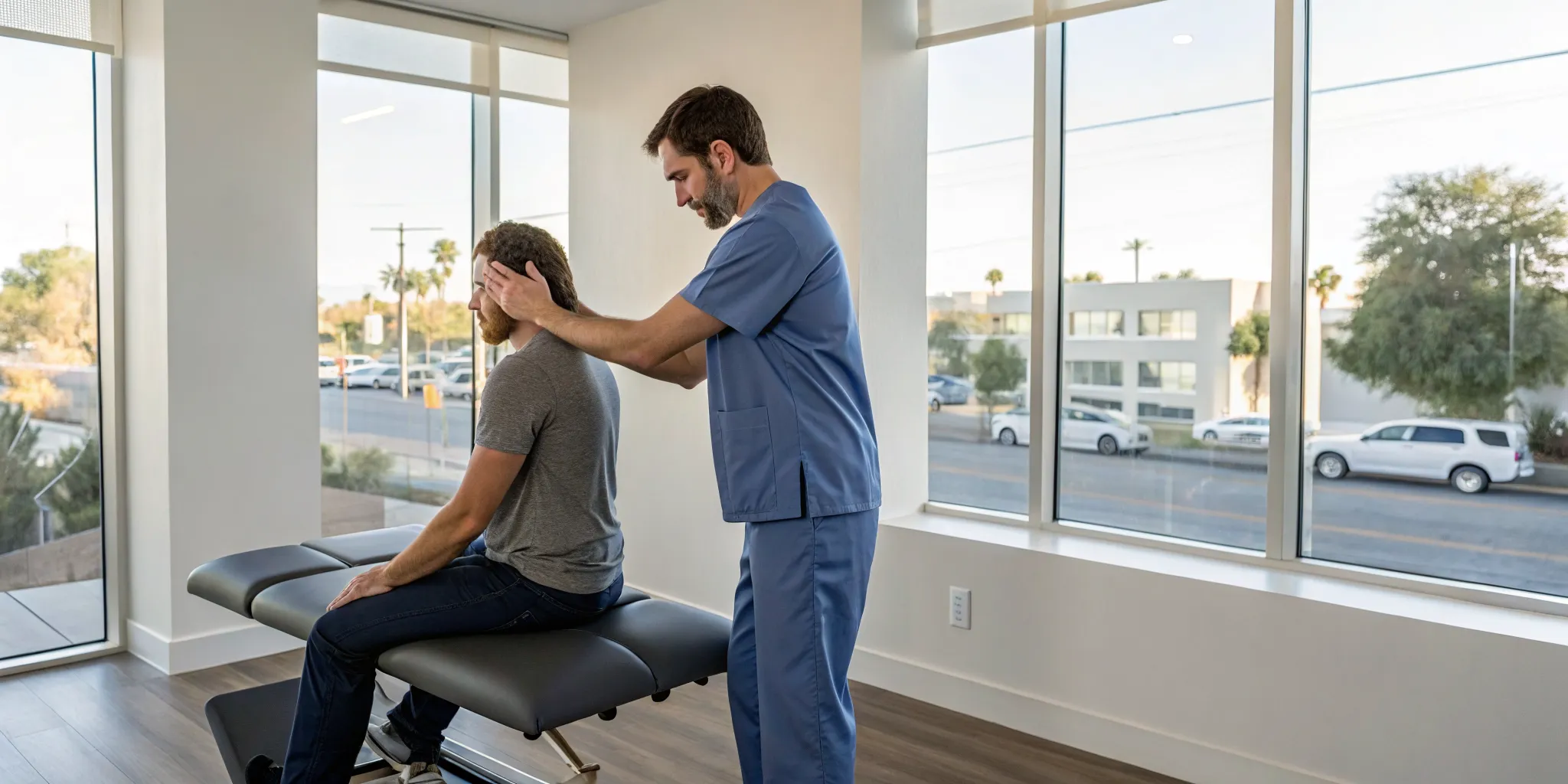
That nagging neck pain? It’s not just happening in your neck. It’s connected to how you sit at your desk, the foods you eat, and even how you manage stress. When we look at a condition like spinal narrowing neck, we see more than a structural issue—we see a chance to improve your overall health. A holistic approach means we don’t just quiet the symptoms. We ask why the narrowing is happening in the first place. This guide will show you how to take control with practical, everyday changes in posture, gentle exercises, and anti-inflammatory nutrition.
Key Takeaways
- Look Beyond Simple Neck Pain: Symptoms like tingling, numbness, or weakness in your arms and hands are often the result of nerve compression in your neck, not an issue with your limbs themselves.
- Prioritize Non-Surgical Solutions: Lasting relief often begins with a holistic plan that combines physical therapies to restore alignment, functional medicine to reduce inflammation, and regenerative treatments to support tissue repair.
- Your Daily Habits Are a Powerful Tool: You can actively manage your condition and reduce pain by making simple changes, such as improving your posture, incorporating gentle neck-strengthening exercises, and adopting an anti-inflammatory diet.
Getting to Know Spinal Narrowing in the Neck
If you’re dealing with persistent neck pain, stiffness, or strange sensations running down your arms, you might have heard the term “spinal narrowing.” It sounds a bit intimidating, but it’s simply a way to describe a condition where the spaces within your spine become smaller. When this happens in your neck, it’s called cervical spinal stenosis, and it’s more common than you might think.
Think of your spinal canal as a busy highway for your body's most important messages. When this highway narrows, it creates a traffic jam, putting pressure on your spinal cord and the nerves that travel through it. This compression is what can lead to a range of uncomfortable and sometimes confusing symptoms. It’s not just about a sore neck; it can affect your arms, hands, and even your balance. Understanding what’s happening inside your neck is the first step toward finding effective, lasting relief. By getting to the root of the issue, we can create a plan that doesn't just mask the pain but helps your body heal. Let’s break down exactly what this condition is and how your neck is designed to work.
Cervical Spinal Stenosis: A Simple Explanation
Cervical spinal stenosis is the medical term for the narrowing of the spinal canal in your neck. Your spinal canal is the hollow tube formed by your vertebrae that protects your spinal cord. When this canal narrows, it can squeeze or compress the spinal cord and the nerves that branch out from it. This pressure is often the root cause of the neck pain and other symptoms you might be feeling.
It’s a common condition that often develops gradually over time, usually due to age-related changes in the spine. While it can sound serious, many people find significant relief with the right approach to care that addresses the underlying cause of the narrowing.
How Common Are Age-Related Spinal Changes?
If you’ve learned that age-related changes are the cause of your neck issues, it’s natural to feel a bit concerned. But the reality is that these changes are a nearly universal part of life. Think of them less like a scary diagnosis and more like gray hairs or smile lines—just on the inside. In fact, studies show that up to 95% of people experience age-related spinal changes by the time they reach 50. Over decades of movement, spinal discs can lose some of their cushion and ligaments can thicken, which can gradually narrow the spinal canal. While this process is normal, the symptoms that sometimes come with it don't have to be your new normal. With the right combination of physical therapies and lifestyle adjustments, you can effectively manage discomfort and maintain your quality of life.
How Your Cervical Spine Works
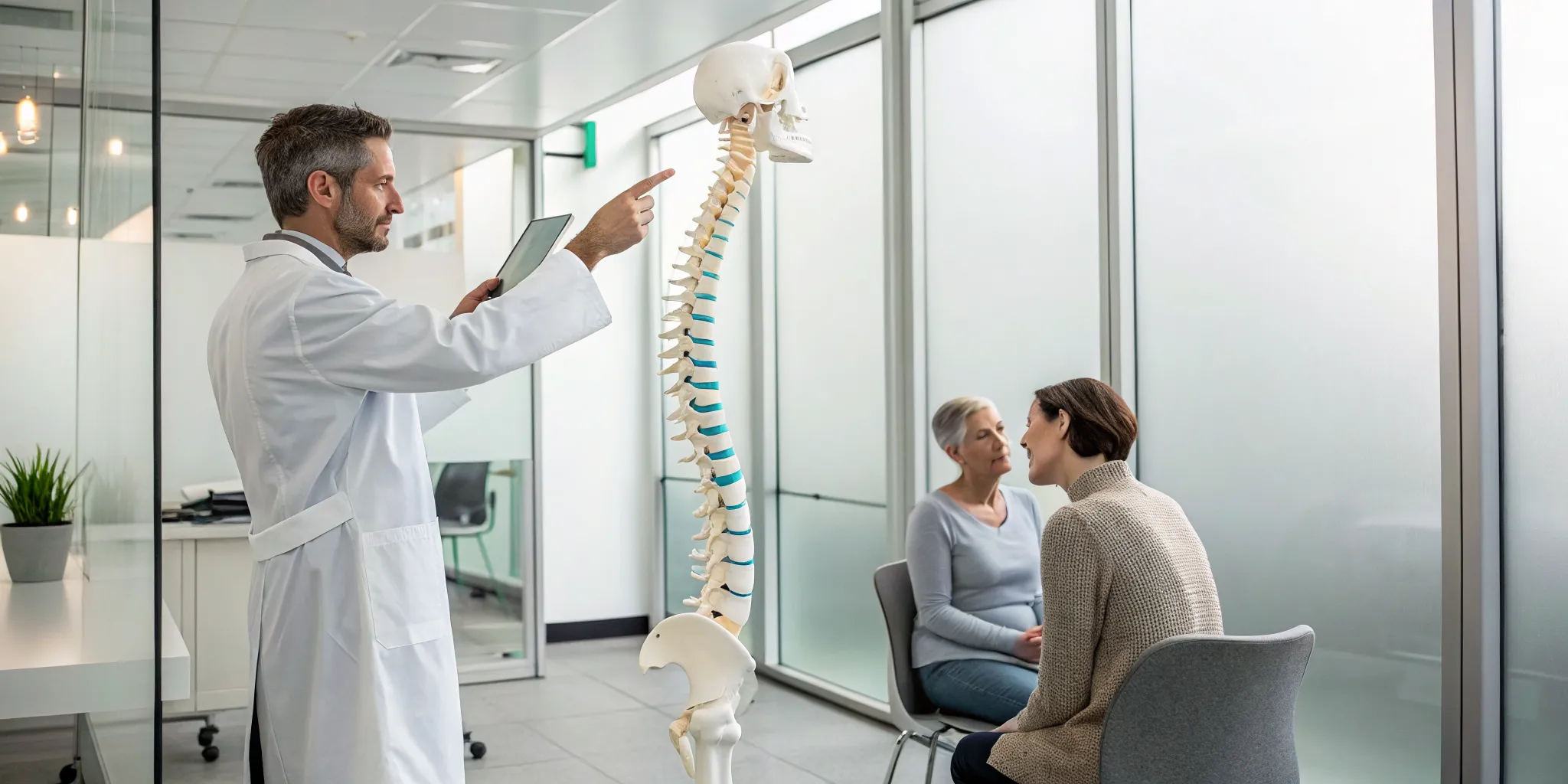
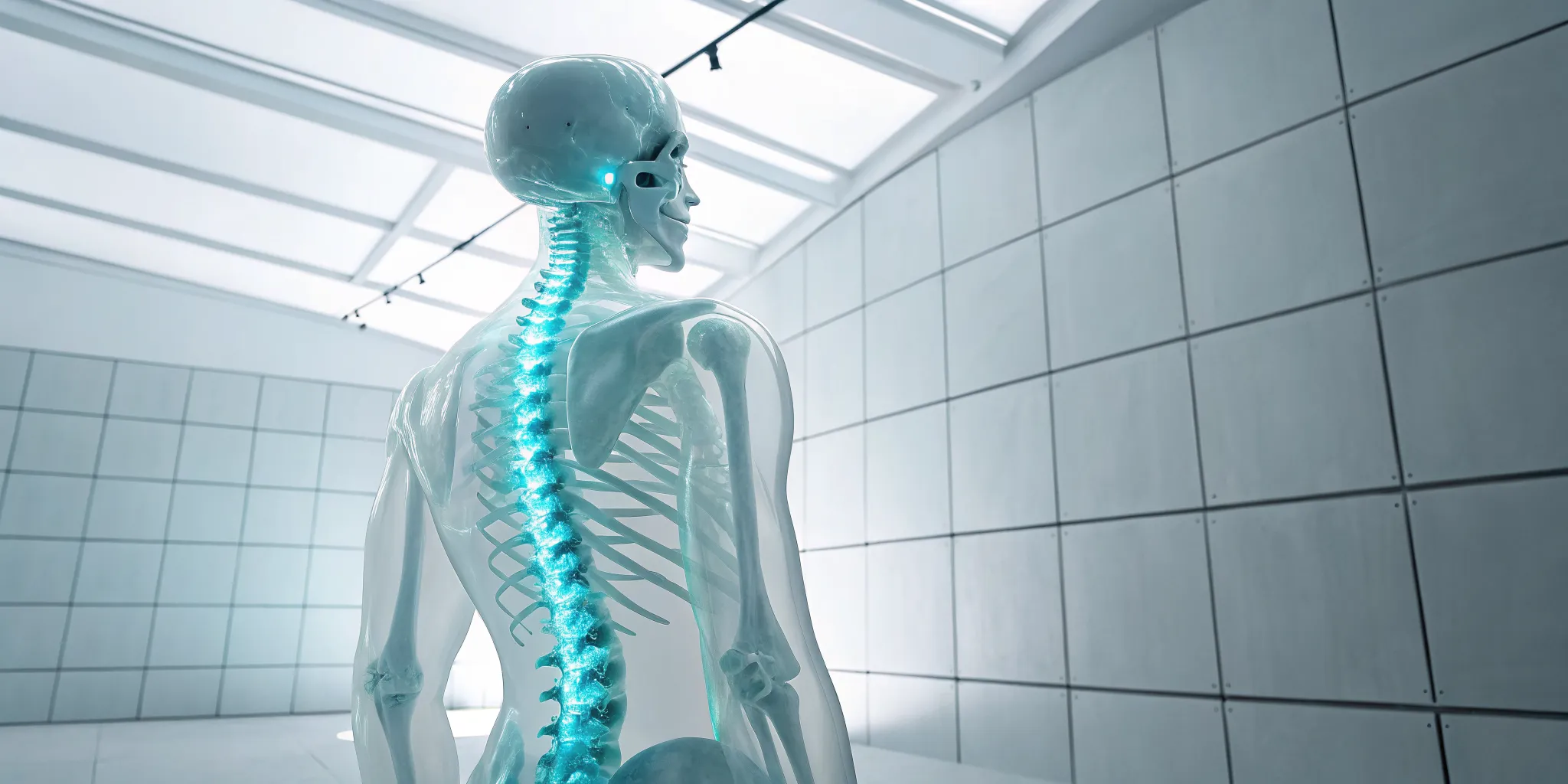
Your neck, or cervical spine, is an incredible structure. It’s made up of seven small bones called vertebrae (labeled C1 to C7) that stack on top of each other. This stack supports the weight of your head—about 10 to 12 pounds—while allowing you to nod, turn, and tilt your head with ease. Running through the center of these vertebrae is the spinal canal, which acts as a protective tunnel for your spinal cord.
Nerves branch off from the spinal cord and exit through small openings between your vertebrae, carrying messages to your shoulders, arms, and hands. The health of this entire system is crucial for pain-free movement, which is a core focus of physical medicine. When the spaces within this intricate structure narrow, it disrupts communication and can cause problems down the line.
What Causes Spinal Narrowing in the Neck?
Spinal narrowing in the neck, also known as cervical spinal stenosis, rarely happens overnight. Instead, it’s typically a gradual process where the open spaces within your cervical spine begin to shrink. Think of it like a tunnel slowly getting smaller over time. This narrowing can put pressure on your spinal cord and the nerves that travel through it to your arms and hands. While getting older is the most common reason for these changes, it’s not the only factor. Several conditions can contribute to the narrowing of your spinal canal, and understanding them is the first step toward finding relief.
How Normal Aging Affects Your Neck
The most frequent cause of spinal narrowing is the natural wear and tear that happens as we age. Over decades of movement, bending, and twisting, the structures in our spine can begin to show signs of use. This process is often linked to osteoarthritis, a condition where the cartilage that cushions your joints breaks down. As the cartilage in the facet joints of your cervical spine deteriorates, the space inside your backbone can become smaller. This gradual change is why symptoms of cervical stenosis often don't appear until after age 50. It’s a slow process that can eventually squeeze the spinal cord and the nerves branching out from it.
When Bone Spurs and Arthritis Are the Culprit
When your body tries to repair the damage from arthritis, it can sometimes overcompensate by creating small, irregular growths of bone called bone spurs (or osteophytes). While the intention is to stabilize the joint, these bony projections can grow into the spinal canal, further reducing the available space for your nerves. It’s a common response to the inflammation and joint instability caused by cervical osteoarthritis. Managing the underlying inflammation and improving joint mechanics through treatments like Physical Medicine can be key to addressing the pain and stiffness associated with both arthritis and the bone spurs it can cause.
The Role of Rheumatoid Arthritis
While osteoarthritis is often about wear and tear, rheumatoid arthritis (RA) tells a different story. RA is an autoimmune condition where the body's own immune system attacks the lining of your joints, leading to chronic inflammation. When this happens in the cervical spine, the persistent inflammation can erode cartilage and bone, causing the joints to become unstable. This instability can lead to a thickening of the surrounding ligaments or even a slight shifting of the vertebrae as the body tries to protect itself. Both of these responses can significantly narrow the spinal canal, contributing to cervical stenosis. Managing this condition effectively often involves looking at the body's overall inflammatory load, which is a foundational principle in functional medicine.
How Damaged Discs Contribute to Narrowing
Between each of your vertebrae are soft, gel-like cushions called intervertebral discs. They act as shock absorbers for your spine. As you age, these discs can lose water content, becoming flatter, more brittle, and less effective at cushioning your movements—a process called disc degeneration. Sometimes, a crack in the disc's tough outer layer can allow the soft inner material to bulge or leak out, resulting in a herniated disc. This displaced disc material can push directly into the spinal canal, pressing on the spinal cord or nerve roots and contributing significantly to the narrowing.
Other Common Causes: From Ligaments to Injuries
Your vertebrae are held together by strong bands of tissue called ligaments. Over time, these ligaments can lose their flexibility, becoming stiff and thick. This thickening can cause them to bulge into the spinal canal, taking up precious space. While less common, other issues can also lead to cervical stenosis. A traumatic injury to the neck from a fall or car accident can cause dislocations or fractures that narrow the canal. In rare cases, tumors or congenital conditions where a person is simply born with a smaller spinal canal can be the cause. Our comprehensive services are designed to identify and address these varied root causes.
Less Common Causes: Cysts, Tumors, and Congenital Factors
While age-related changes are the usual suspects, sometimes the cause of spinal narrowing is less obvious. In some instances, cysts can form within the spinal canal, taking up space and contributing to nerve compression. Although rare, tumors can also be a factor. Another possibility is a congenital condition, where an individual is simply born with a narrower spinal canal than average. This means there’s less room for the spinal cord from the start, making even minor changes more impactful. These less frequent causes highlight why a thorough diagnostic process is so important. Identifying the precise reason for the narrowing allows for a targeted and effective care plan that addresses the true root of the problem.
Signs You Might Have Spinal Narrowing in Your Neck
Recognizing the signs of cervical spinal stenosis is the first step toward finding relief. Because the condition involves nerve compression, the symptoms can show up in ways you might not expect. They often start subtly and can progress over time, ranging from mild discomfort to more significant issues that interfere with your daily life.
It’s important to remember that everyone experiences symptoms differently. You might have one or two of these signs, or a combination of several. The key is to listen to your body and pay attention to any new or worsening patterns. Understanding these common symptoms can help you identify what’s going on and know when it’s time to seek professional care.
More Than Just a Stiff Neck
One of the most common and earliest signs of cervical spinal stenosis is persistent neck pain. This isn't just the occasional "crick in your neck" from sleeping wrong. It's often a chronic ache or stiffness that can worsen with certain activities or positions. This happens because the narrowing of your spinal canal puts pressure on the surrounding structures. Over time, this constant irritation can lead to inflammation and discomfort. You might notice that your range of motion is limited, making it difficult to turn your head from side to side.
Understanding Different Types of Pain
The pain from spinal narrowing isn't always confined to your neck. Because this condition affects the nerves that travel to your arms and hands, you might experience symptoms in areas that seem completely unrelated. This is often described as radiculopathy, which is a term for pain, numbness, tingling, or weakness that radiates along a nerve path. You might feel a sharp, shooting pain down your arm, a persistent pins-and-needles sensation in your fingertips, or notice that your grip feels weaker than usual. These symptoms are a direct result of a nerve being compressed or irritated as it exits your cervical spine. It’s a crucial clue that the root of the problem isn't in your hand or arm, but higher up in your neck.
Finding Relief by Leaning Forward
Pay attention to how your posture affects your symptoms, as it can offer valuable insight into what’s happening. Many people with cervical stenosis find that their pain gets worse when they hold their neck in certain positions for a long time, like looking up or holding their head back. This is because extending your neck can temporarily make the spinal canal even narrower. Conversely, you might notice that your pain gets better when you lean forward slightly or tuck your chin. This simple movement can create a little more space in your cervical spine, providing temporary relief by taking pressure off the compressed nerves. Noticing these patterns is an important step in understanding your body's needs and finding a path toward lasting comfort.
That 'Pins and Needles' Feeling in Your Arms
Have you ever felt that "pins and needles" sensation in your arms or hands? When it happens frequently, it could be a sign of cervical spinal stenosis. The nerves that branch out from your spinal cord in your neck travel down to your shoulders, arms, and hands. When the spinal canal narrows, these nerves can get squeezed. This compression disrupts the signals between your brain and your limbs, leading to symptoms like numbness, tingling, or even a feeling of weakness in your arms or hands. You might find it harder to grip objects or perform fine motor tasks like buttoning a shirt.
Radiculopathy: Symptoms from a Pinched Nerve
When the pressure from spinal narrowing specifically affects one of the nerve roots branching off your spinal cord, it’s called cervical radiculopathy. This is what people commonly refer to as a "pinched nerve." The symptoms of radiculopathy are often felt along the path of that specific nerve, which means you might experience sharp, shooting pain that travels from your neck, through your shoulder, and down into your arm or hand. This pain can be accompanied by numbness, tingling, or muscle weakness in the same area. It's a clear signal that the communication line from your neck to your limb is being disrupted. Understanding these patterns helps us pinpoint exactly where the compression is happening and develop a targeted plan to relieve the pressure.
Feeling Unsteady? It Could Be Your Neck
Because cervical spinal stenosis can compress the spinal cord itself, it can interfere with the signals that control your movement and coordination. You might suddenly feel unsteady on your feet or notice a change in the way you walk. Some people describe feeling clumsy, frequently dropping things, or having difficulty with tasks that require fine motor skills. This isn't just a matter of being distracted; it's a neurological sign that the pressure on your spinal cord is affecting your body's ability to coordinate its movements properly.
Cervical Spondylotic Myelopathy: Symptoms from Spinal Cord Compression
When the narrowing in your neck puts direct pressure on the spinal cord itself, it can lead to a collection of symptoms known as cervical spondylotic myelopathy. This is more than just a pinched nerve branching off to your arm; it’s a sign that the main communication highway between your brain and the rest of your body is being compromised. This disruption can cause the balance and coordination issues mentioned earlier, but it can also affect your hand dexterity, making tasks like writing or buttoning a shirt feel clumsy and difficult. You might also notice weakness in your arms and legs or changes in your gait. Recognizing these neurological signs is crucial because they point to a deeper issue that requires a comprehensive evaluation to address the root cause of the compression.
Red Flags: When to Get Help Immediately
While many symptoms of spinal stenosis develop gradually, some are red flags that require immediate medical attention. If you experience a sudden loss of bladder or bowel control, this is considered a medical emergency. This symptom, known as cauda equina syndrome, indicates severe compression of the nerves at the base of the spinal cord. Similarly, if you notice a sudden onset of significant weakness, numbness, or severe, radiating pain in your arms or legs, it's crucial to get medical help right away. Don't wait to see if these symptoms improve on their own.
How Is Spinal Narrowing in the Neck Diagnosed?
Figuring out exactly what’s causing your neck pain and other symptoms is the first step toward finding relief. A proper diagnosis isn't a single event but a careful process of putting pieces together. It involves listening to your story, performing a hands-on examination, and sometimes, using advanced imaging to see what’s happening inside your cervical spine. At Ascend Functional Health, we use a comprehensive approach to get a complete picture of your health. This allows us to move beyond just managing symptoms and create a personalized plan that addresses the root cause of the problem. By understanding the specifics of your condition, we can guide you toward the most effective treatments, whether they involve physical medicine, regenerative therapies, or a combination of holistic strategies.
Starting with Your Story and a Physical Exam
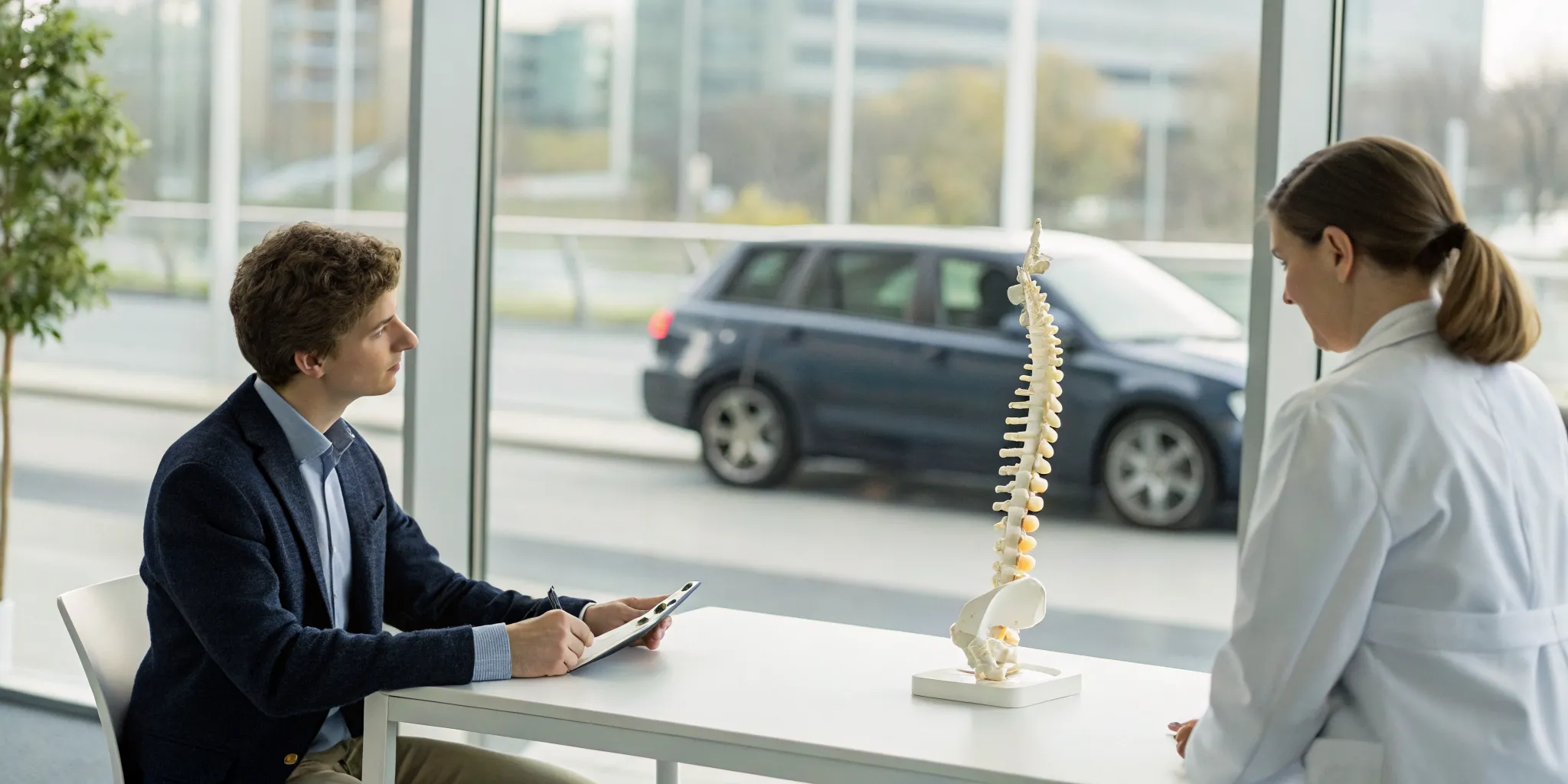
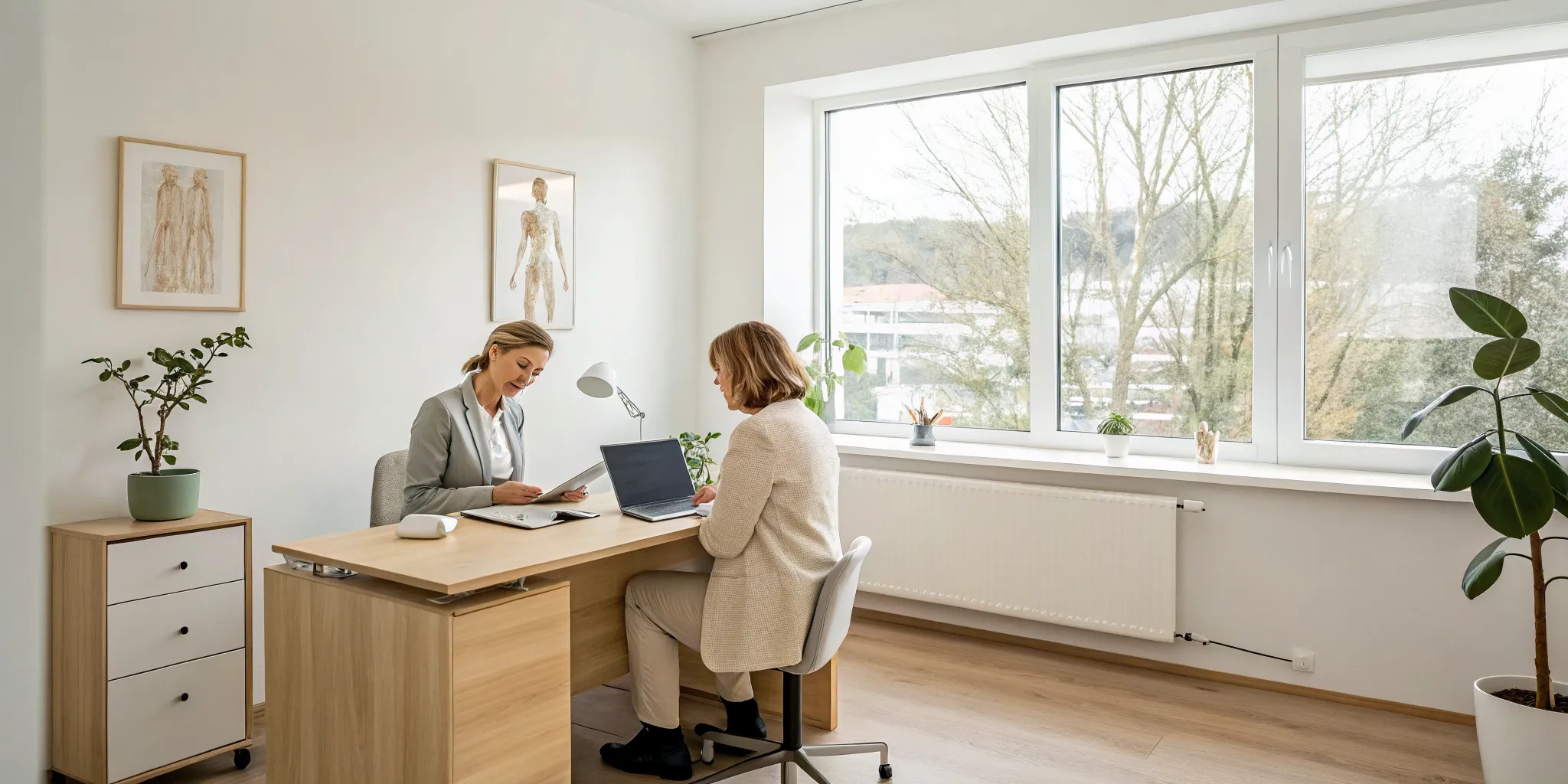
Your journey to a diagnosis starts with a conversation. We’ll sit down with you to discuss your symptoms, lifestyle, and medical history in detail. Your doctor will ask about what you're feeling and perform a physical exam to understand the nature and severity of your condition. We want to know when the pain started, what makes it feel better or worse, and if you’re experiencing any related symptoms like tingling, numbness, or weakness. The physical part of the exam involves checking your neck’s range of motion, testing your reflexes and muscle strength, and assessing your balance and gait. This initial assessment is crucial because it provides the foundational clues we need to pinpoint the problem and determine the next steps.
Getting a Clearer Picture with Imaging Tests
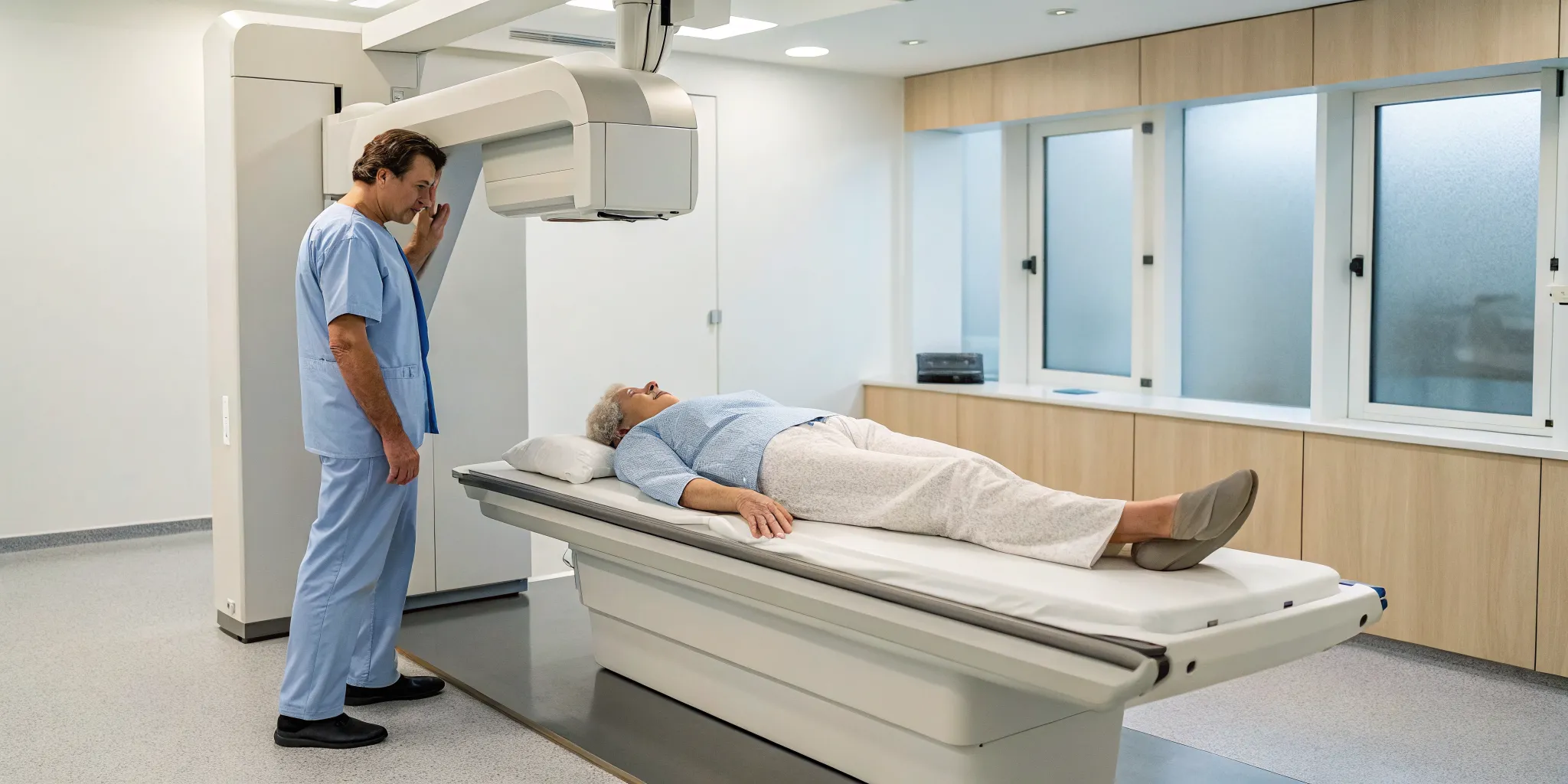
While a physical exam gives us important information, we often need to look inside your neck to confirm a diagnosis of spinal stenosis. Imaging tests are essential for getting a clear view of your spine’s structures. An X-ray is often the first step, as it can reveal changes in the bones, like the presence of bone spurs or issues with spinal alignment. For a more detailed look, a Magnetic Resonance Imaging (MRI) scan is incredibly helpful. It provides clear images of soft tissues, including your spinal cord, nerves, and discs, allowing us to see exactly where and how much the spinal canal has narrowed. In some cases, a CT scan might be used to create detailed cross-sectional images of your spine.
When a CT Myelogram Is Needed
Sometimes, an MRI doesn’t give us all the answers. For a more detailed look at exactly where and how your nerves are being compressed, a CT myelogram might be the next step. It’s a specialized imaging test that provides exceptional clarity when other tests don't offer enough information. The test involves carefully introducing a contrast material into the space around your spinal cord. This material acts like a highlighter, making your spinal cord and nerve roots show up brightly on a CT scan. This detailed view allows us to see subtle issues that might otherwise be missed, such as the precise location of a herniated disc or the extent of pressure from a bone spur. A myelogram gives us the clearest possible picture, which is essential for creating a targeted and effective plan to address your specific condition.
Checking In on Your Nerve Health
Because cervical stenosis directly impacts the nerves branching out from your spinal cord, we need to assess how well those nerves are functioning. Symptoms like numbness, tingling, or weakness in your arms and hands are signs that a nerve might be compressed or irritated. To measure the extent of any nerve involvement, we may recommend specific tests. An electromyography (EMG) test, for example, measures the electrical activity in your muscles to see how they are responding to nerve signals. A nerve conduction study (NCS) measures how quickly electrical signals travel along a nerve. These tests help us confirm which nerves are affected and how severely, which is critical information for developing an effective physical medicine treatment plan.
Measuring Severity with Scoring Systems
Beyond imaging and nerve tests, we often use standardized scoring systems to get an objective measure of how spinal stenosis is affecting your daily life. This isn't just about numbers; it's about understanding your functional abilities—how well you can walk, use your hands, and perform everyday tasks. Systems like the modified Japanese Orthopaedic Association (mJOA) score help us quantify symptoms like weakness or clumsiness. This provides a clear baseline, allowing us to accurately track your progress as we implement your personalized care plan. It helps turn subjective feelings into concrete data, ensuring your treatment is tailored to your specific needs and goals.
Finding Relief Without Surgery
Hearing you have spinal narrowing can feel overwhelming, but it doesn’t automatically mean surgery is in your future. In fact, many people find significant relief through conservative, non-surgical treatments. The goal is to reduce pain, improve your mobility, and get you back to doing the things you love. At Ascend, we start with the least invasive options first, creating a personalized plan that addresses your specific symptoms and the underlying cause of your neck issues.
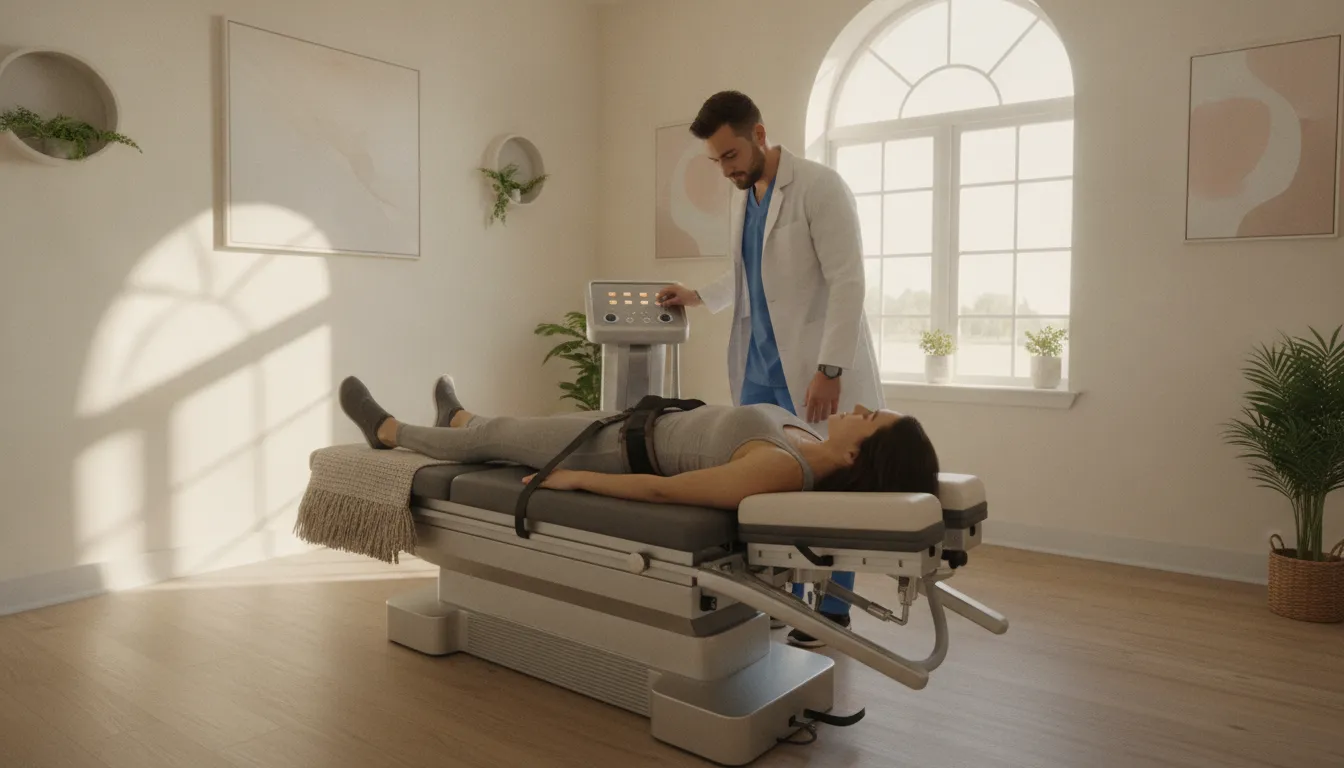
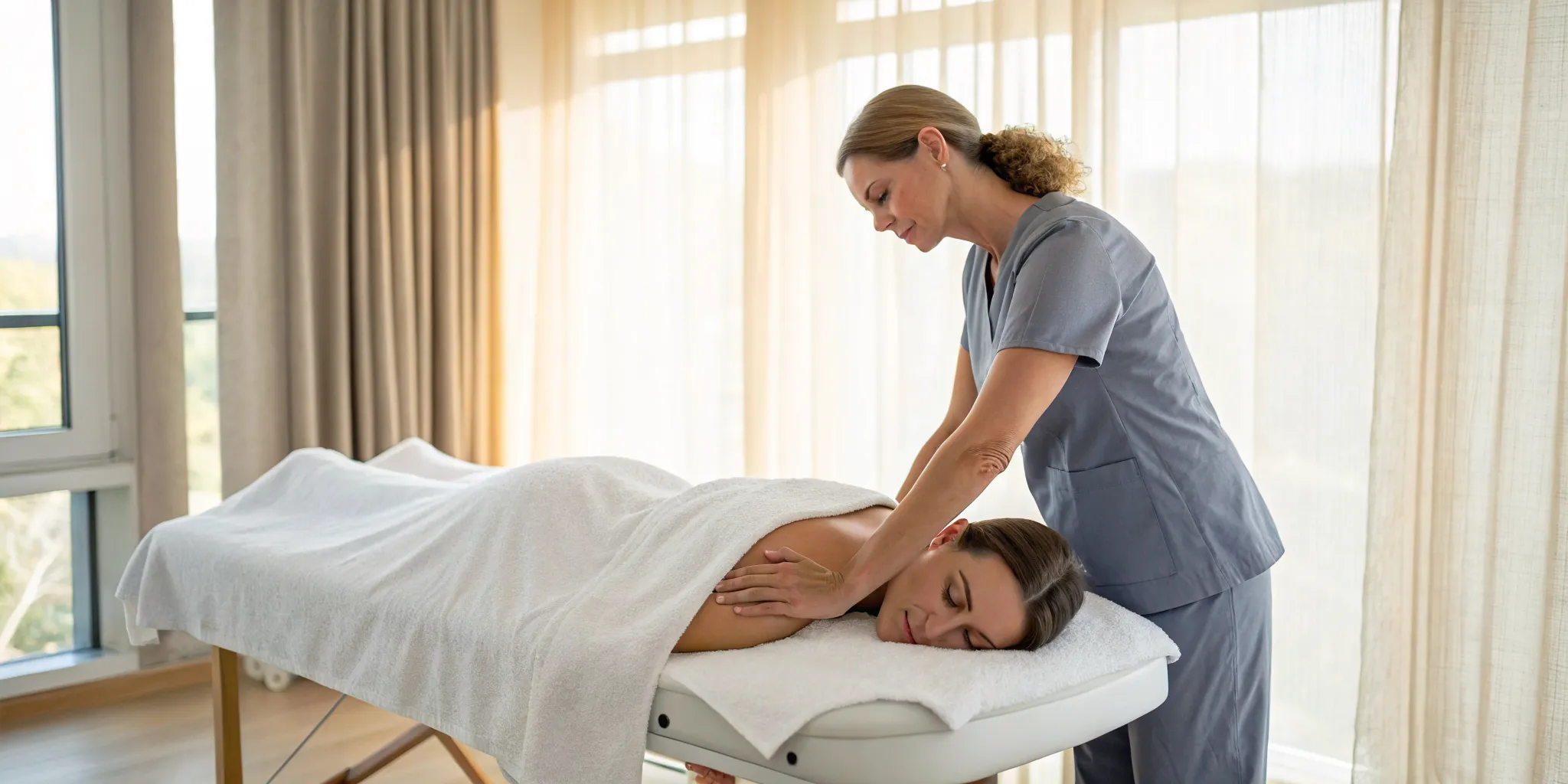
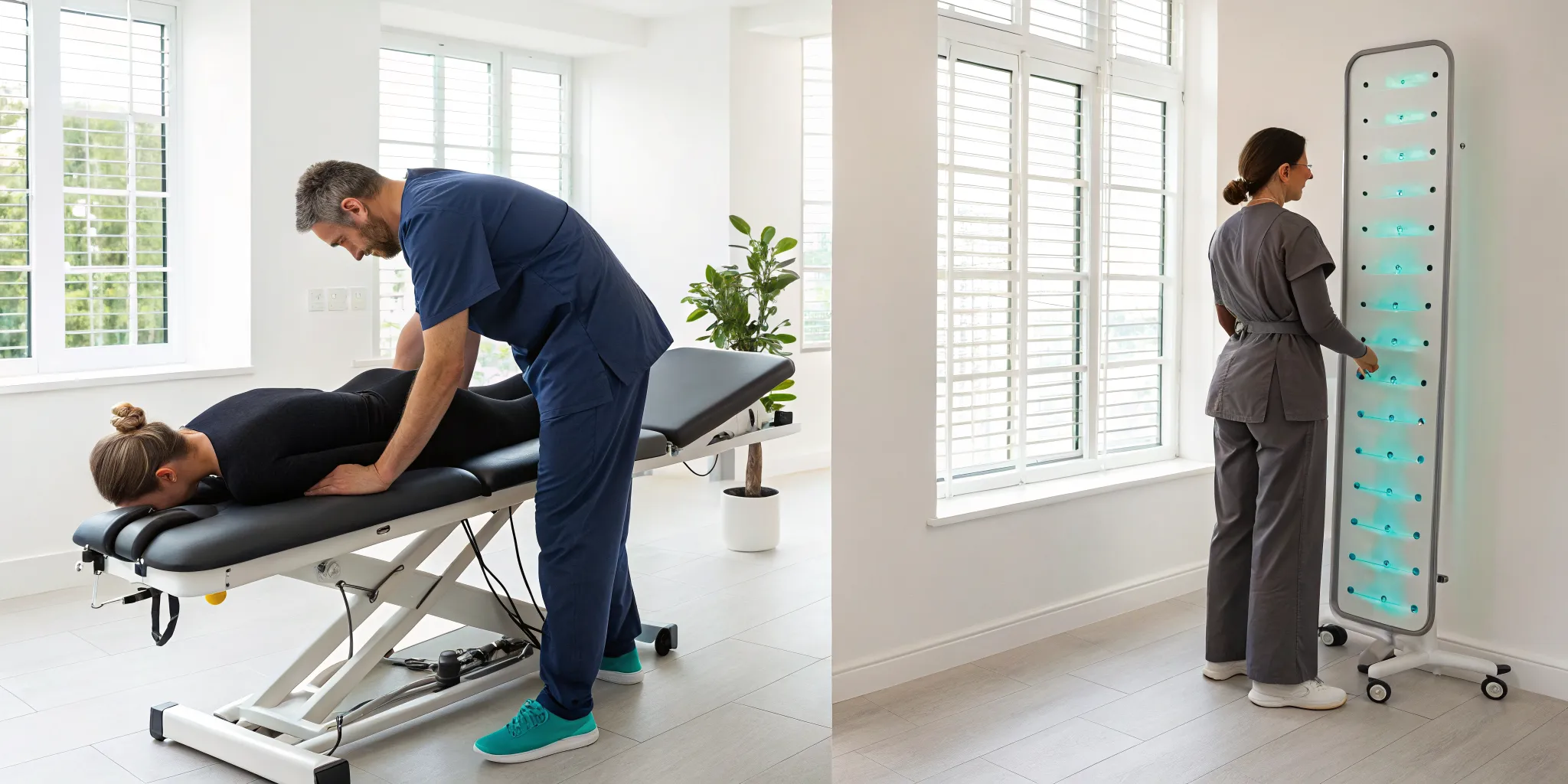
Non-surgical approaches such as spinal decompression, corrective chiropractic, and soft tissue therapy are central to physical medicine for neck pain in Tampa, FL — particularly for patients with cervical stenosis or disc-related compression. Think of this as a partnership. We’ll work together to explore treatments that not only manage your symptoms but also support your body’s natural ability to heal. From targeted physical therapies to advanced regenerative techniques, there are many effective paths to feeling better without going under the knife. Let’s walk through some of the most common and effective non-surgical solutions.
How Movement Therapies Can Help
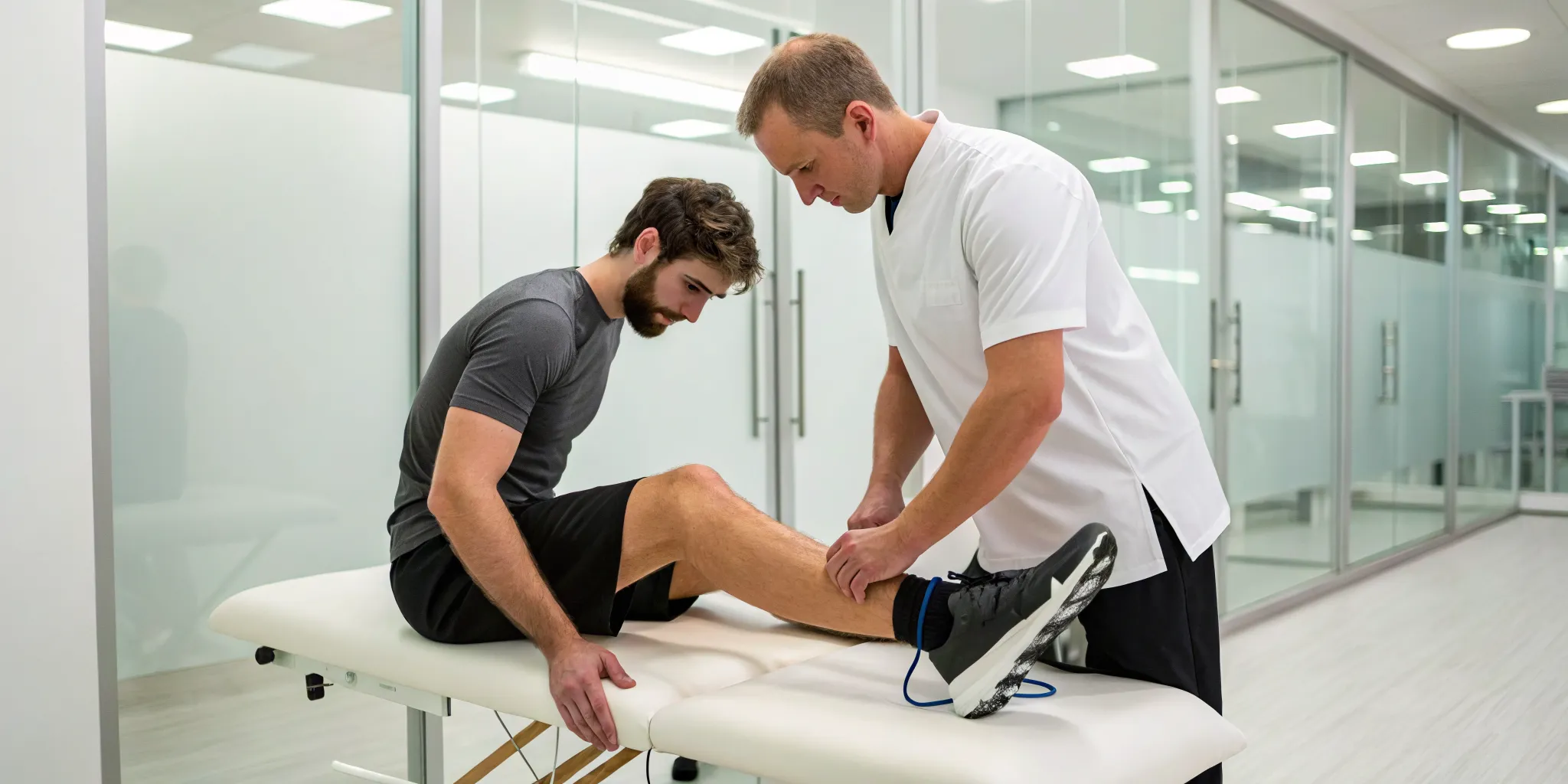
One of the first steps in managing neck stenosis is to improve the strength and flexibility of the muscles supporting your cervical spine. This is where a combination of physical therapy and chiropractic care can make a huge difference. A physical therapist can guide you through specific exercises to relieve nerve pressure and improve your posture.
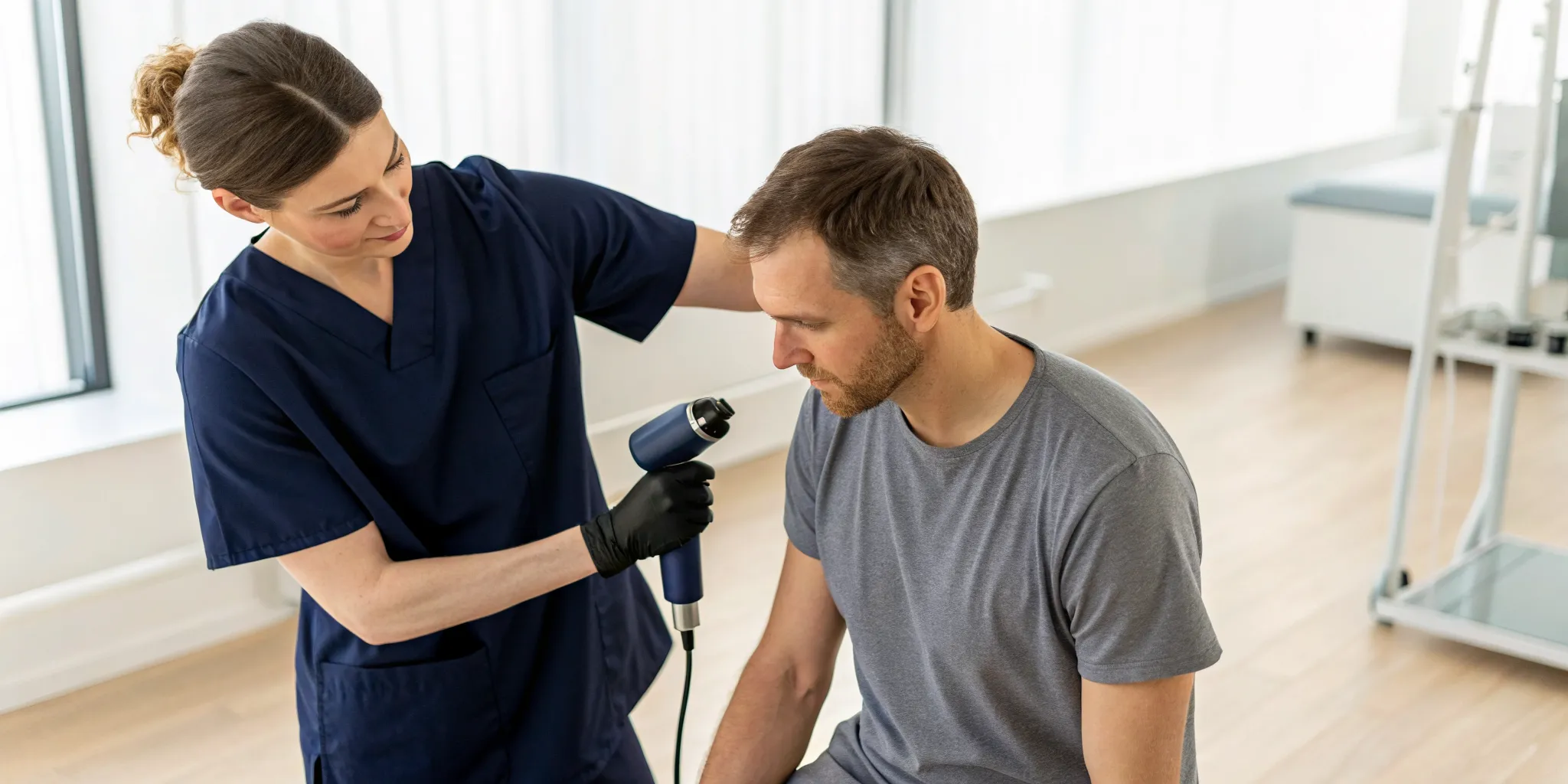
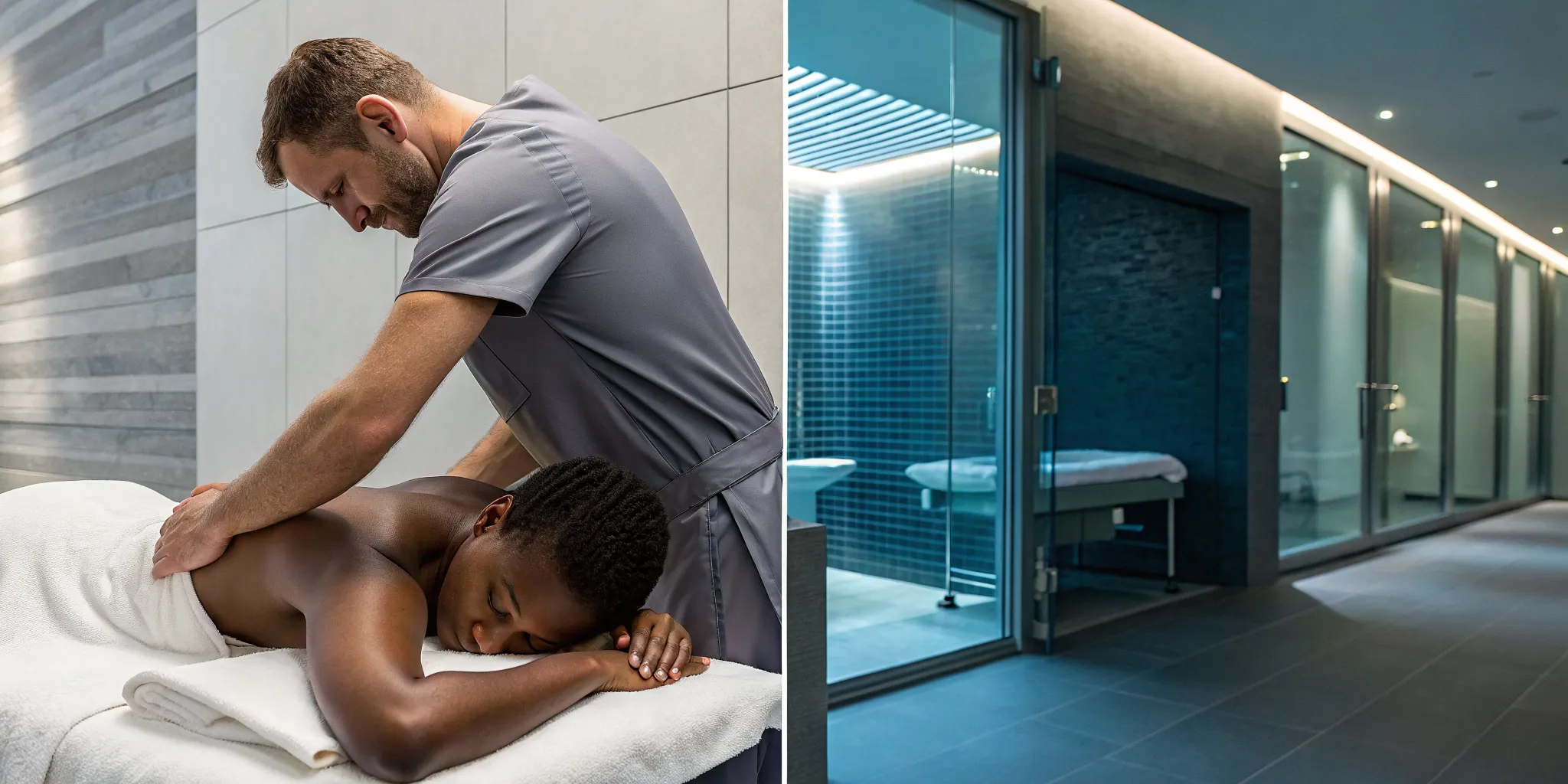
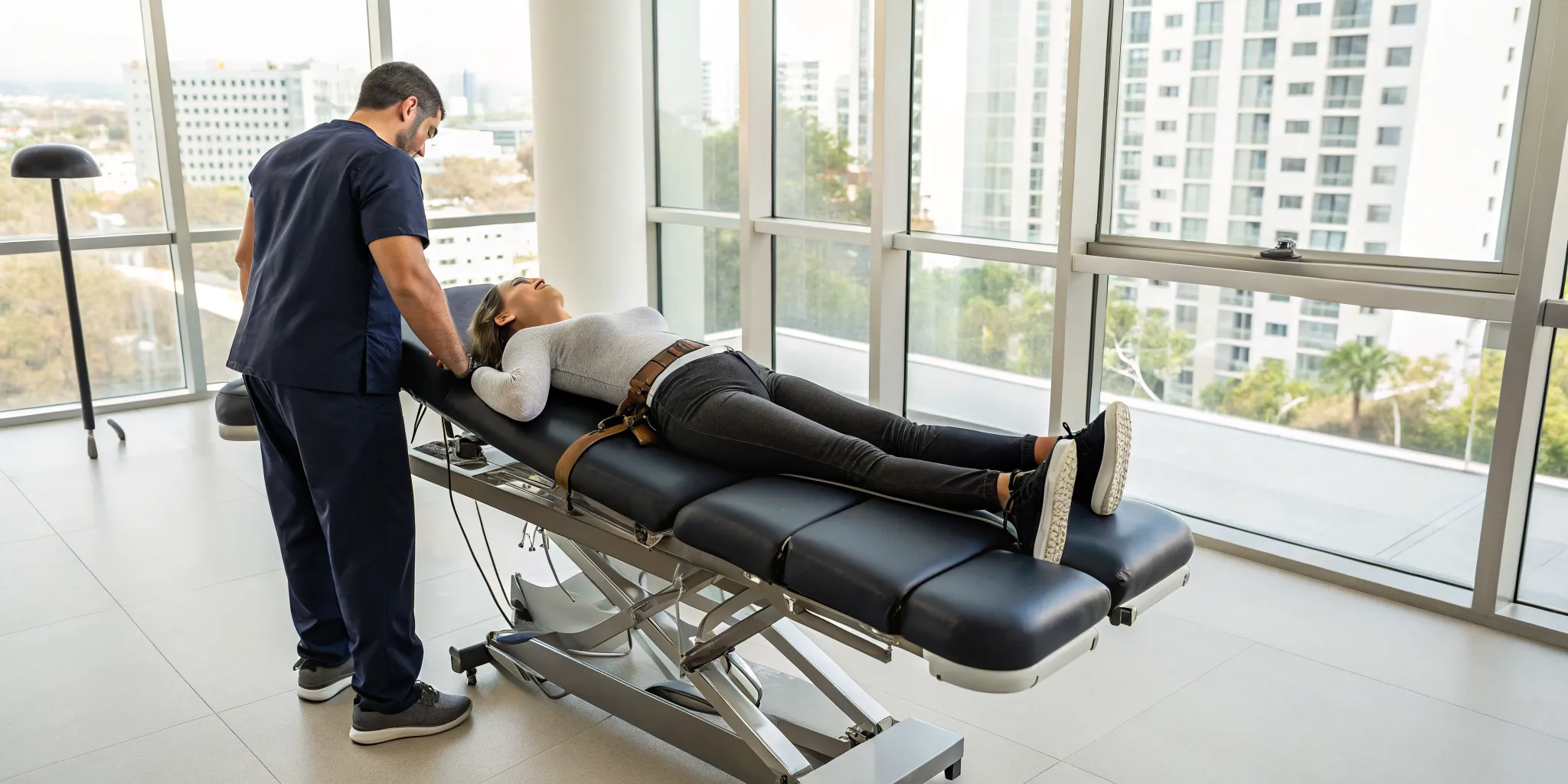
Chiropractic adjustments focus on restoring proper alignment and motion to the joints in your neck. Gentle, precise manipulations can help reduce inflammation and take the strain off compressed nerves. Our approach to physical medicine combines these disciplines to create a comprehensive plan that not only eases your current pain but also helps prevent it from coming back.
Exploring Acupuncture, Pilates, and Aquatic Therapy
Beyond traditional exercises, other gentle therapies can play a significant role in your recovery. Acupuncture, for instance, can be effective for managing pain and reducing the inflammation that often accompanies spinal narrowing. Pilates is another excellent option, as it focuses on building core strength and improving posture, which creates a stronger foundation to support your neck and reduce strain. For those who find weight-bearing exercise difficult, aquatic therapy offers a unique advantage. The buoyancy of water supports your body, allowing you to strengthen the muscles around your spine without impact. These therapies are excellent additions to a comprehensive physical medicine plan because they support your body in different ways, helping to improve function and provide lasting relief.
Managing Pain and Inflammation
When you’re dealing with a painful flare-up, medication can provide necessary short-term relief. Over-the-counter nonsteroidal anti-inflammatory drugs (NSAIDs) like ibuprofen can help reduce both pain and inflammation. If those aren’t cutting it, your doctor might suggest prescription medications, such as muscle relaxants or specific nerve pain medicines, to calm your symptoms.
In some cases, steroid injections may be recommended to deliver powerful anti-inflammatory medication directly to the source of the problem. While these options can be very effective for managing acute pain, it’s important to remember they primarily address the symptoms, not the root cause of the stenosis. They are often best used as part of a broader treatment strategy.
A Functional Medicine Approach to Healing
If you’re tired of just managing symptoms, it’s time to ask why they’re happening in the first place. This is where functional medicine comes in. Instead of only looking at your neck, we look at your entire body to uncover the underlying factors contributing to inflammation and degeneration.
Chronic inflammation is often a key driver of conditions like spinal stenosis. Through advanced testing, we can identify triggers that may be coming from your diet, gut health, or environmental exposures. From there, we can create a personalized plan that might include an anti-inflammatory diet, targeted supplements, and lifestyle changes to help your body heal from the inside out. This approach gets to the heart of the issue for more sustainable, long-term relief.
Exploring Regenerative Treatment Options
Regenerative medicine offers some of the most exciting non-surgical options for neck pain by harnessing your body’s own healing abilities. These therapies aim to repair and regenerate damaged tissues, like worn-out discs or ligaments, rather than just masking the pain. This approach can help restore function and reduce inflammation directly at the source.
At Ascend, our regenerative medicine services are designed to support your body’s natural repair processes. By addressing the tissue damage that contributes to spinal narrowing, these innovative treatments can offer lasting relief and help you avoid more invasive procedures down the road. It’s a proactive way to encourage true healing within the affected area of your spine.
Manage Your Symptoms with These Lifestyle Changes
While professional medical care is essential for treating cervical spinal stenosis, your daily habits have a powerful impact on your symptoms and overall quality of life. Making thoughtful changes to your routine can help manage pain, reduce inflammation, and support your body’s healing process. Think of these lifestyle adjustments as foundational practices that complement your treatment plan, putting you in the driver's seat of your own health journey. By focusing on posture, movement, nutrition, and stress management, you can create an environment where your neck and spine can thrive.
Simple Tweaks for Your Posture and Desk Setup
It’s easy to forget about posture, but how you hold your body throughout the day directly affects your spine. Slouching or craning your neck forward can add significant pressure to your cervical spine, potentially worsening your symptoms. Practicing good posture helps keep your spine aligned and reduces unnecessary strain. Start by being mindful of how you sit and stand—aim to keep your ears aligned over your shoulders. You can also make simple but effective changes to your workspace. Adjust your chair and desk so your computer screen is at eye level, and consider using ergonomic furniture to support a healthy posture throughout your workday.
Using Heat and Cold for Symptom Management
When neck pain flares up, simple tools like heat and cold packs can offer significant comfort. The key is knowing which one to reach for and when. For a new injury or a sudden increase in inflammation, cold therapy is your best bet. Applying an ice pack wrapped in a towel for about 15-20 minutes can help reduce swelling and numb the area. Think of it as calming down an angry, irritated nerve. On the other hand, for chronic stiffness and tight muscles, heat is incredibly effective. A warm compress or heating pad encourages blood flow to the area, which helps relax tense muscles and ease that persistent ache. Some people find that alternating between heat and cold provides the most relief. As a general guideline, you might use ice for the first day or two after a flare-up and then switch to heat, but always listen to what feels best for your body.
Safe Exercises and Stretches for Neck Relief
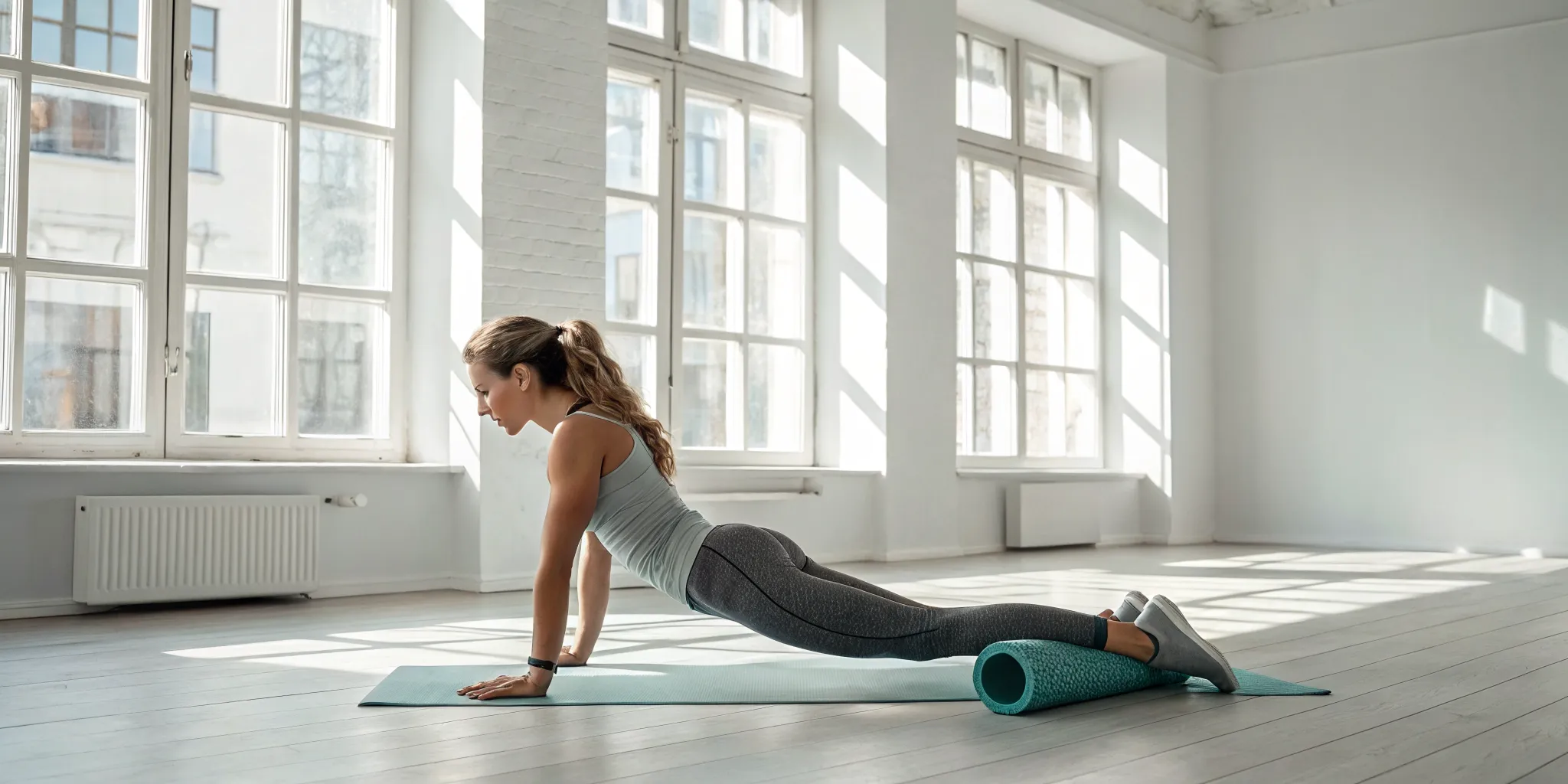
When you’re in pain, movement might be the last thing on your mind, but gentle, targeted exercise is crucial for managing spinal stenosis. The right kind of movement can strengthen the muscles that support your neck, improve flexibility, and increase blood flow to the area, all of which help alleviate pain. Our approach to Physical Medicine often includes specific exercises and therapies designed for your body. Activities like yoga, tai chi, and gentle neck stretches can improve your balance and range of motion. The goal isn’t to push through pain but to gently encourage your body to become stronger and more resilient, which is key for maintaining long-term spinal health.
How Nutrition and Weight Impact Your Neck
What you eat plays a significant role in your body's inflammation levels, which can directly influence your pain. A diet high in processed foods, sugar, and unhealthy fats can contribute to chronic inflammation, making your stenosis symptoms feel worse. On the other hand, adopting an anti-inflammatory diet rich in fruits, vegetables, lean proteins, and healthy fats can help calm your system. Maintaining a healthy weight also reduces the overall load on your spine. Embracing a healthier lifestyle is a simple yet powerful holistic treatment you can incorporate into your daily routine, and it’s a core principle of our Functional Medicine approach to wellness.
The Connection Between Sleep, Stress, and Neck Pain
Never underestimate the connection between your mind and body. Chronic stress can cause your muscles to tense up, which can significantly worsen neck pain and discomfort. Finding effective stress-reduction techniques that work for you is a vital part of managing your symptoms. Practices like deep breathing, meditation, or even spending quiet time in nature can make a big difference. Quality sleep is just as important, as it’s when your body does most of its healing and repair. To improve your sleep, try to maintain a consistent schedule, create a relaxing bedtime routine, and make sure your pillow provides proper support for your neck.
Potential Complications if Left Untreated
It’s easy to put off addressing neck pain, hoping it will just go away on its own. While many people successfully manage their symptoms with conservative care, ignoring the warning signs of cervical spinal stenosis can allow the condition to progress. The gradual narrowing of the spinal canal means the pressure on your spinal cord and nerves can increase over time. This isn't just about enduring more pain; it's about preventing the kind of long-term issues that can significantly impact your mobility and quality of life. Taking a proactive approach is key. By addressing the root causes of the compression early on, you give your body the best possible chance to heal and avoid more serious problems down the road.
The Risk of Permanent Nerve Damage
When nerves are squeezed for a prolonged period, the damage can shift from temporary to permanent. Think of it like a garden hose with a heavy stone on it; at first, the water flow is just restricted, but if the stone is left there for too long, the hose itself can become permanently creased and damaged. Similarly, ongoing nerve compression can lead to lasting numbness, a persistent loss of coordination in your hands, and chronic weakness in your arms. According to experts at the Ohio State Medical Center, this significant nerve compression can eventually result in irreversible changes if the underlying issue isn't addressed, making early intervention so important.
Severe Outcomes: From Paralysis to Sexual Dysfunction
In more advanced cases, the consequences of untreated cervical stenosis can become quite serious, affecting systems throughout the body. When the pressure on the spinal cord becomes severe, it can disrupt the nerve signals that control essential bodily functions. This can lead to a loss of bladder or bowel control, which is a significant red flag that requires immediate attention. According to the Cleveland Clinic, other severe outcomes can include sexual dysfunction and, in very rare instances, partial or even complete paralysis in the legs. While these outcomes are not common, they highlight the critical importance of listening to your body and seeking a proper diagnosis and care plan before the condition progresses to this stage.
When to Consider Surgery for Neck Stenosis
Deciding to have surgery is a significant step, and it’s usually considered only after non-surgical treatments haven’t provided the relief you need. If you’ve diligently tried physical therapy, medication, and other conservative approaches but still struggle with debilitating pain, numbness, or weakness, it might be time to discuss surgical options with your healthcare team. The primary goal of surgery for cervical stenosis is to create more space within your spinal canal, which takes the pressure off your spinal cord and nerves. This can help alleviate your symptoms and prevent further nerve damage. This isn't a decision to make lightly, but for the right person, it can be a path toward regaining function and improving quality of life. Your doctor will help you understand if the potential benefits of surgery outweigh the risks in your specific situation.
Why the Timing of Surgery Matters
Waiting too long to address severe nerve compression can have lasting consequences. While we always prioritize non-surgical solutions, there comes a point where ongoing pressure on the spinal cord can lead to irreversible nerve damage. The longer a nerve is squeezed, the harder it is for it to recover fully, even after the pressure is removed. This is why paying attention to worsening symptoms like progressive weakness in your hands, loss of coordination, or the kind of debilitating pain and numbness that interfere with your life is so important. The decision to proceed with surgery is often about preserving your future function and preventing a temporary problem from becoming a permanent one. It’s a critical conversation to have with your healthcare team, weighing the risks of waiting against the benefits of intervention.
Understanding Your Surgical Options
If you and your doctor decide surgery is the next step, there are several procedures designed to relieve pressure on your spinal nerves. The specific surgery recommended will depend on the exact cause and location of your stenosis. Common options include a laminectomy, where a surgeon removes bone, spurs, or ligaments that are compressing the nerves. In other cases, a discectomy might be performed to remove a bulging or herniated disc. Other surgical procedures, like a foraminotomy, focus on widening the spaces where nerves exit the spinal column. The goal of each of these is to give your nerves more room to function without being pinched or irritated.
Decompression Procedures: Laminoplasty and Spinal Fusion
Two common decompression procedures you might hear about are laminoplasty and spinal fusion. A laminoplasty is a technique where a surgeon creates more room in the spinal canal by essentially creating a hinge on one side of the vertebrae and swinging the bone open. This approach preserves more of the natural spinal structure while still relieving pressure on the nerves. On the other hand, spinal fusion is a procedure designed to create stability. It's often performed in combination with another decompression surgery, like a laminectomy. The goal is to permanently connect two or more vertebrae, eliminating motion between them and preventing future instability. The choice between these and other surgical options depends entirely on your unique anatomy and the specifics of your condition.
What to Expect During Recovery
Your recovery journey will depend on the type of surgery you have and your overall health. It’s a process that requires patience. For less invasive procedures, you might be back to many of your normal activities within a few weeks. However, if your surgery involves fusing vertebrae together to create stability, the recovery period is longer—often taking several months for the bones to heal completely. Your surgical team will give you a detailed plan that includes pain management, physical therapy, and guidelines on when you can safely return to work, driving, and other daily activities. Following this plan is key to achieving the best possible outcome.
A Typical Recovery Timeline
While everyone's path is unique, recovery often follows a general pattern. The first few weeks are typically focused on rest and managing discomfort as your body begins its healing process. You'll likely start with very light activities, like short walks, and gradually increase your movement as you feel able. This is also when you'll begin working with a physical therapist, who will introduce gentle exercises to restore mobility and build strength safely. As the weeks progress, you'll slowly reintroduce more of your daily routines. It's a marathon, not a sprint, especially since complete healing can take several months. Adhering to your medical team's specific instructions during this early phase is crucial for setting the stage for a successful recovery and preventing setbacks.
Weighing the Risks and Benefits
Having an open conversation with your doctor about the pros and cons of surgery is essential. The main benefit is that creating more space in the spine can effectively relieve the pressure that causes pain, numbness, and weakness in your arms and hands. For many, this leads to a significant improvement in their daily lives. However, it's also important to have realistic expectations. Surgery can't cure underlying conditions like arthritis, so you may still experience some degree of neck pain. The overall outlook for spinal stenosis is generally positive, and many people find lasting relief, but it's a personal decision that requires careful consideration.
When Should You Seek Medical Help?
It can be confusing to know when neck pain is just a temporary annoyance versus a sign of something more serious. While many symptoms of cervical spinal stenosis can be managed with conservative care, certain signs warrant immediate attention. Listening to your body is the first step, but knowing what to listen for is crucial. The goal isn't to cause alarm, but to empower you to make informed decisions about your health. If something feels off, it’s always best to get it checked out. Ignoring persistent or severe symptoms can lead to more significant problems down the road. Trust your instincts—if you feel you need professional help, you’re probably right. Taking action early can make a world of difference in your treatment outcome and overall quality of life.
Urgent Signs That Require a Doctor's Visit
Some symptoms are your body’s way of sending an urgent message. If you experience new neck or back pain accompanied by tingling, numbness, or weakness that spreads into your arms or legs, it's time to seek medical attention right away. These sensations can indicate that the nerves in your cervical spine are under significant pressure. Similarly, a sudden loss of balance, trouble with coordination, or changes in your bowel or bladder function are serious red flags that require an immediate evaluation. Don't wait to see if these symptoms go away on their own. A prompt and accurate diagnosis is key to preventing further issues.
Understanding the Speed of Symptom Progression
Cervical spinal stenosis symptoms rarely appear out of the blue. This condition is typically the result of a slow, gradual process that unfolds over years, often due to the natural wear and tear that comes with aging. Because the changes happen so slowly, it’s easy to dismiss early signs—like mild neck stiffness or occasional tingling in your fingers—as just a normal part of getting older. However, if you notice a consistent pattern or a slow worsening of these symptoms over months or years, it’s a signal that something more is going on. Understanding the causes of spinal narrowing can help you recognize that these subtle shifts are worth paying attention to. The key is to track these changes and seek guidance when you notice a persistent decline in your comfort or function, rather than waiting for the pain to become severe.
What to Do If Your Symptoms Worsen
Feeling like your current treatment plan isn't working is frustrating. If you’re already receiving care for spinal narrowing but your pain is getting worse, your mobility is decreasing, or your symptoms are interfering more with your daily life, it’s important to speak up. This doesn't mean your condition is hopeless; it simply means your current approach may not be addressing the root cause. A flare-up or lack of progress is a clear signal to consult your healthcare provider for a re-evaluation. It might be time to explore different therapies or a more comprehensive functional medicine approach that looks at the bigger picture of your health.
Finding Comprehensive Care in Tampa
If you’re dealing with the complex symptoms of cervical spinal stenosis, you deserve a team that looks at your health from every angle. Finding a specialist who can help you understand your condition and create an effective, personalized treatment plan is essential. Comprehensive care means going beyond just managing symptoms. It involves identifying the underlying causes of your spinal narrowing and using an integrated approach to healing. At Ascend, our holistic health solutions combine physical medicine, functional medicine, and regenerative therapies to support your body’s natural ability to heal. We’re here to provide the answers and support you need right here in Tampa.
Protect Your Neck: Prevention Strategies
While you can’t stop the clock on aging, you can take powerful, proactive steps to protect your neck from unnecessary strain and reduce your risk of developing spinal narrowing. Think of it as investing in your future comfort and mobility. By focusing on a few key areas of your daily life—like your posture, strength, and overall wellness—you can build a more resilient spine that’s better equipped to handle daily demands. Let’s walk through some practical strategies you can start using today.
Everyday Habits for Better Posture
Your head weighs about 10 to 12 pounds, and your neck has the tough job of supporting it all day. When you slouch or crane your neck forward to look at a screen, you dramatically increase the load on your cervical spine. Practicing good posture helps maintain a neutral spine position, which minimizes that strain. When sitting, try to keep your feet flat on the floor, your back against your chair, and your screen at eye level. When standing, think about aligning your ears over your shoulders and your shoulders over your hips. This simple awareness can make a world of difference.
Build a Stronger, More Supportive Neck
The muscles in your neck and upper back act as a natural support system for your spine. When these muscles are strong and balanced, they absorb shock and reduce the stress on your vertebrae and discs. Simple exercises like chin tucks and shoulder blade squeezes can help strengthen these crucial areas. Our Physical Medicine programs often include targeted exercises designed to build stability and improve muscle tone safely. A guided approach ensures you’re working the right muscles without causing further strain, creating a solid foundation for a healthier neck.
How Overall Wellness Protects Your Spine
Your neck health is directly connected to your overall well-being. Chronic inflammation, for example, can contribute to degenerative conditions like arthritis in the spine. A diet rich in anti-inflammatory foods like leafy greens, berries, and fatty fish can help manage this. Similarly, chronic stress causes muscle tension that often settles in the neck and shoulders. Mind-body practices like yoga or meditation can reduce this tension. By taking a whole-body view, our Functional Medicine approach helps identify and address these underlying factors to support your spinal health from the inside out.
Contact our Tampa physical medicine team to discuss a structural evaluation and personalized care plan.
The Importance of Quitting Smoking
Making positive changes to your lifestyle is a powerful way to support your spinal health, and quitting smoking is one of the most impactful steps you can take. Smoking contributes to systemic, chronic inflammation throughout your body, which can worsen the pain and discomfort associated with degenerative conditions like cervical spinal stenosis. Inflammation is often a key driver of the processes that lead to joint and disc damage. By making the decision to quit, you can significantly lower your body's inflammatory load. This not only benefits your spine but improves your overall health, supporting your body's innate ability to heal. It's a foundational change that complements other treatments by addressing one of the root causes of chronic pain.
Activities to Approach with Caution
While staying active is important, it’s wise to be mindful of activities that could put your neck at risk when you have spinal narrowing. High-impact movements or situations that could lead to a sudden jolt, like a fall or car accident, can cause a traumatic injury that worsens the narrowing of the spinal canal. It’s about being smart with your movement to avoid unnecessary strain. Pay close attention to your body’s signals. If you experience any new neck pain that comes with tingling, numbness, or weakness that travels into your arms or hands, it’s crucial to seek a professional evaluation. These symptoms can indicate significant nerve compression, and understanding how to protect your spinal health is key to managing your condition effectively.
Related Articles
- Cervical Spinal Stenosis: Symptoms, Causes, and Treatment
- Neck Pain: Causes, Symptoms, and Relief Strategies
- Physical Therapy for Cervical Stenosis
- How to Improve Posture and Reduce Neck Strain
- Understanding Herniated Discs in the Neck
Frequently Asked Questions
How do I know if my neck pain is just a simple strain or something more serious like spinal stenosis? A simple neck strain from sleeping awkwardly or a long day at the computer usually feels better within a few days. The discomfort from spinal stenosis, however, tends to be more persistent and chronic. The key difference often lies in the other symptoms that come with it. If your neck pain is accompanied by tingling, numbness, or a sense of weakness that travels down your arms or into your hands, that’s a sign that nerves might be involved and it’s a good idea to get a professional evaluation.
Can cervical spinal stenosis be reversed, or am I just managing symptoms forever? While we can't turn back the clock on age-related changes like bone spurs, the goal of a comprehensive treatment plan is to go far beyond just masking symptoms. By addressing the root causes of inflammation, improving spinal mechanics, and supporting your body's natural healing processes, we can significantly reduce nerve pressure and restore function. For many people, this leads to lasting relief and a return to the activities they love, which feels a lot more like healing than just managing.
Is it safe to exercise with spinal narrowing in my neck? Yes, and in fact, the right kind of movement is one of the best things you can do. The key is to focus on gentle, supportive exercises rather than high-impact or strenuous activities that could make things worse. Guided physical therapy, specific strengthening exercises for your neck and upper back, and gentle stretches can improve stability and relieve pressure. It’s all about working with a professional who can show you how to move in a way that helps, not hurts.
You mentioned so many non-surgical options. How do I know which one is right for me? That's a great question, and the answer is that there's no one-size-fits-all solution. The most effective treatment plan is one that is completely personalized to you. It starts with a thorough diagnosis to understand exactly what is causing the narrowing in your specific case. From there, we can build a strategy that might combine physical medicine to improve mechanics, functional medicine to reduce inflammation, and regenerative therapies to support tissue repair. The best approach is an integrated one tailored to your body's needs.
Does having spinal narrowing mean I will eventually need surgery? Absolutely not. Surgery is typically considered a last resort, reserved for cases where symptoms are severe and have not improved after trying a full range of conservative treatments. The vast majority of people with cervical spinal stenosis find significant and lasting relief through non-surgical methods like physical therapy, chiropractic care, and lifestyle adjustments. The goal is always to start with the least invasive, most effective options first.