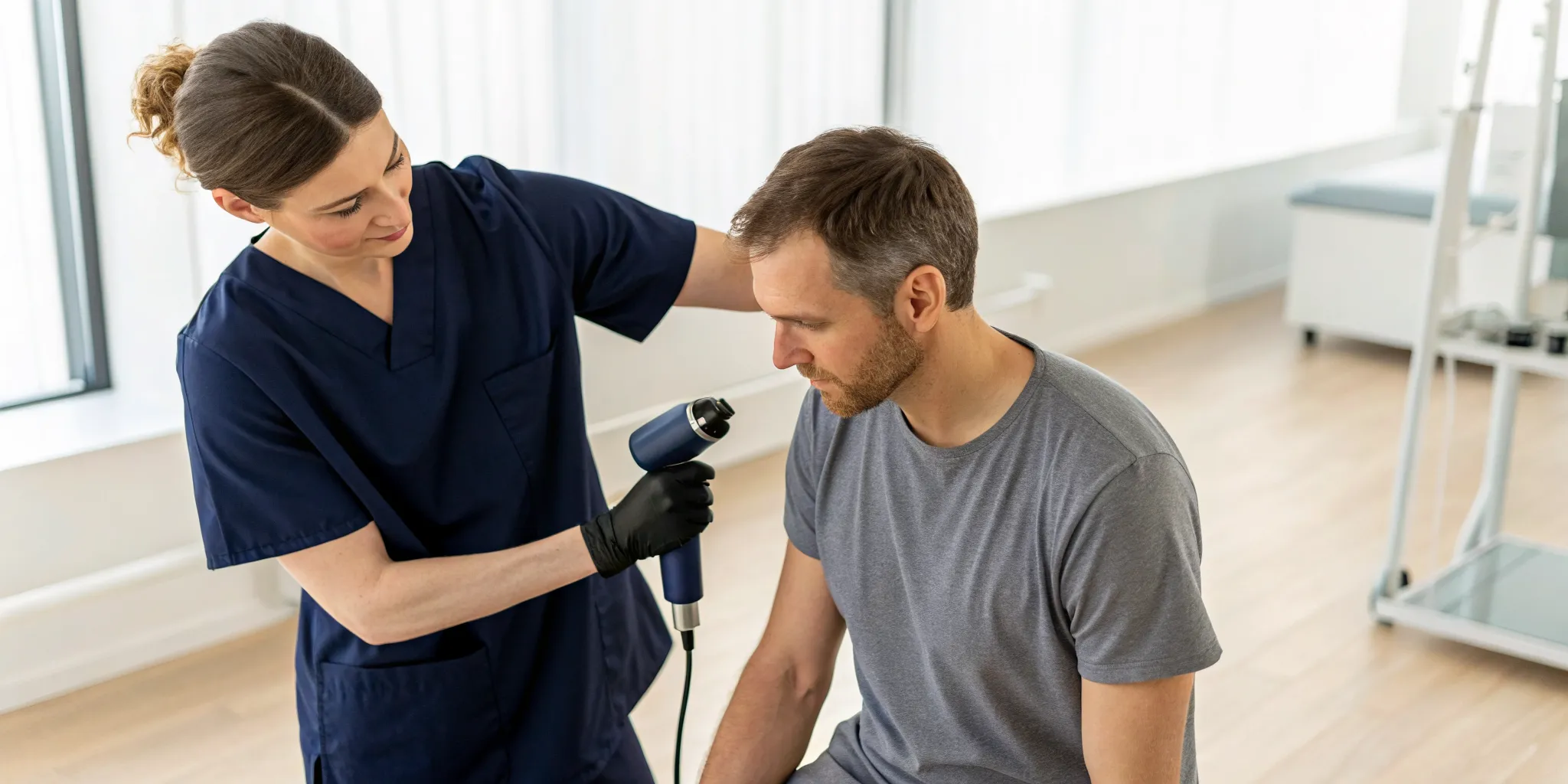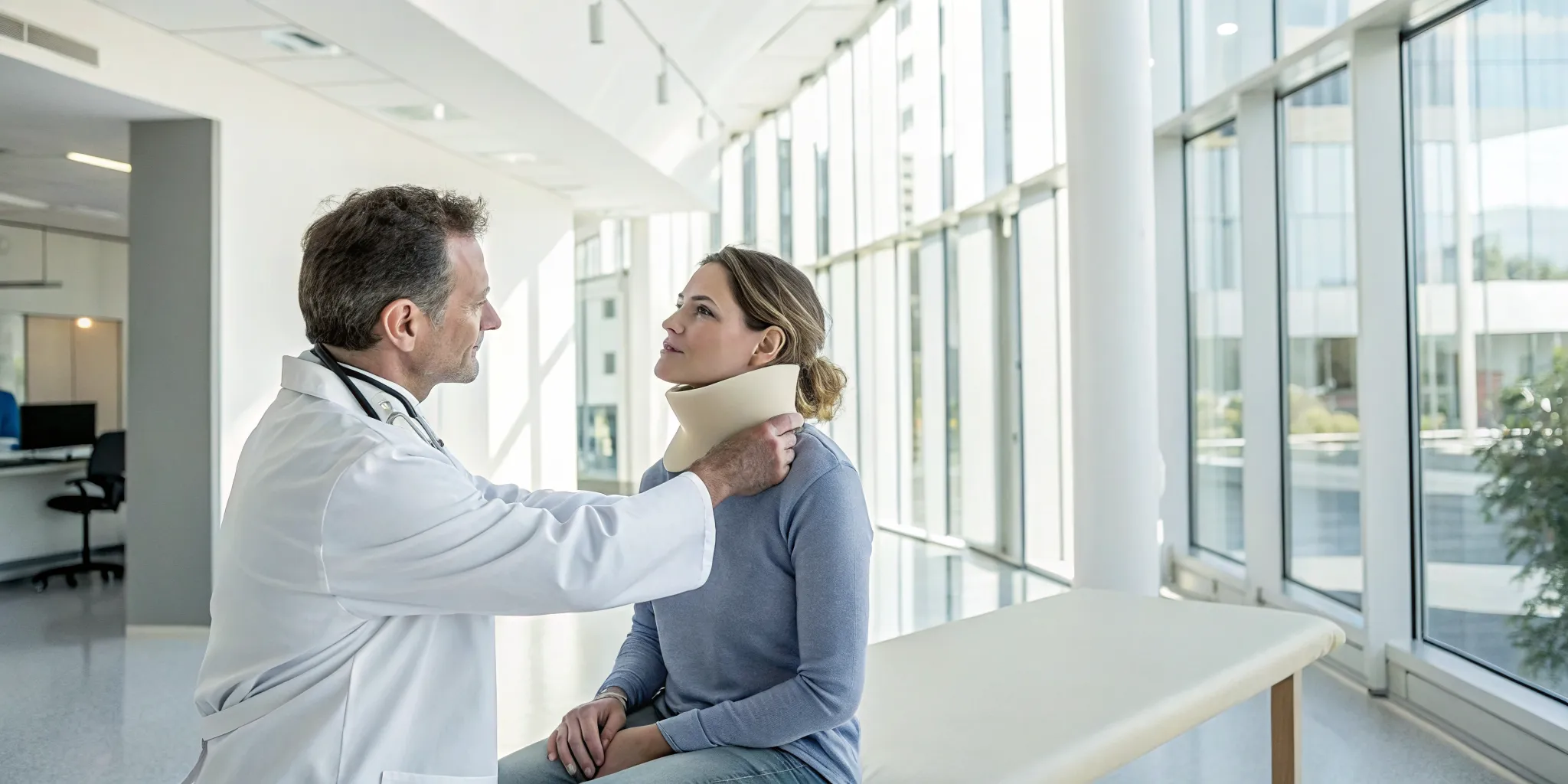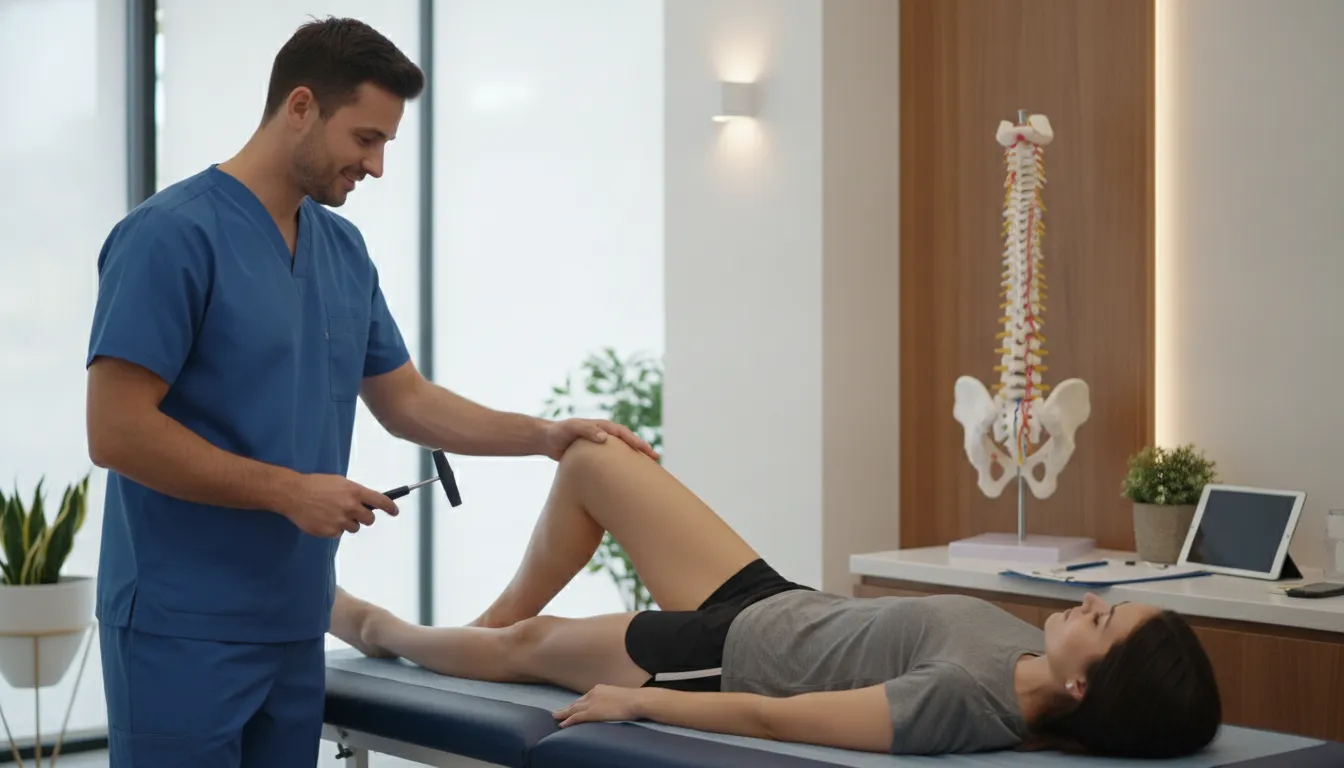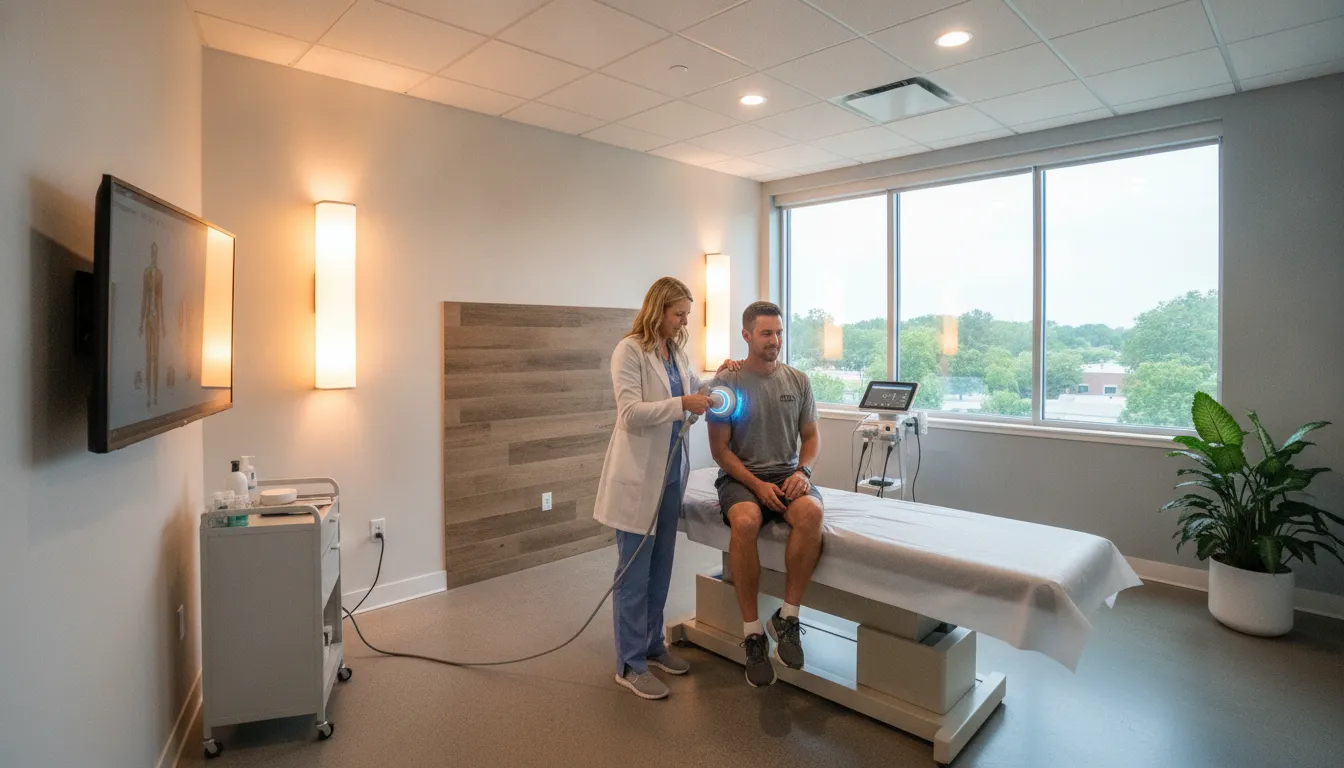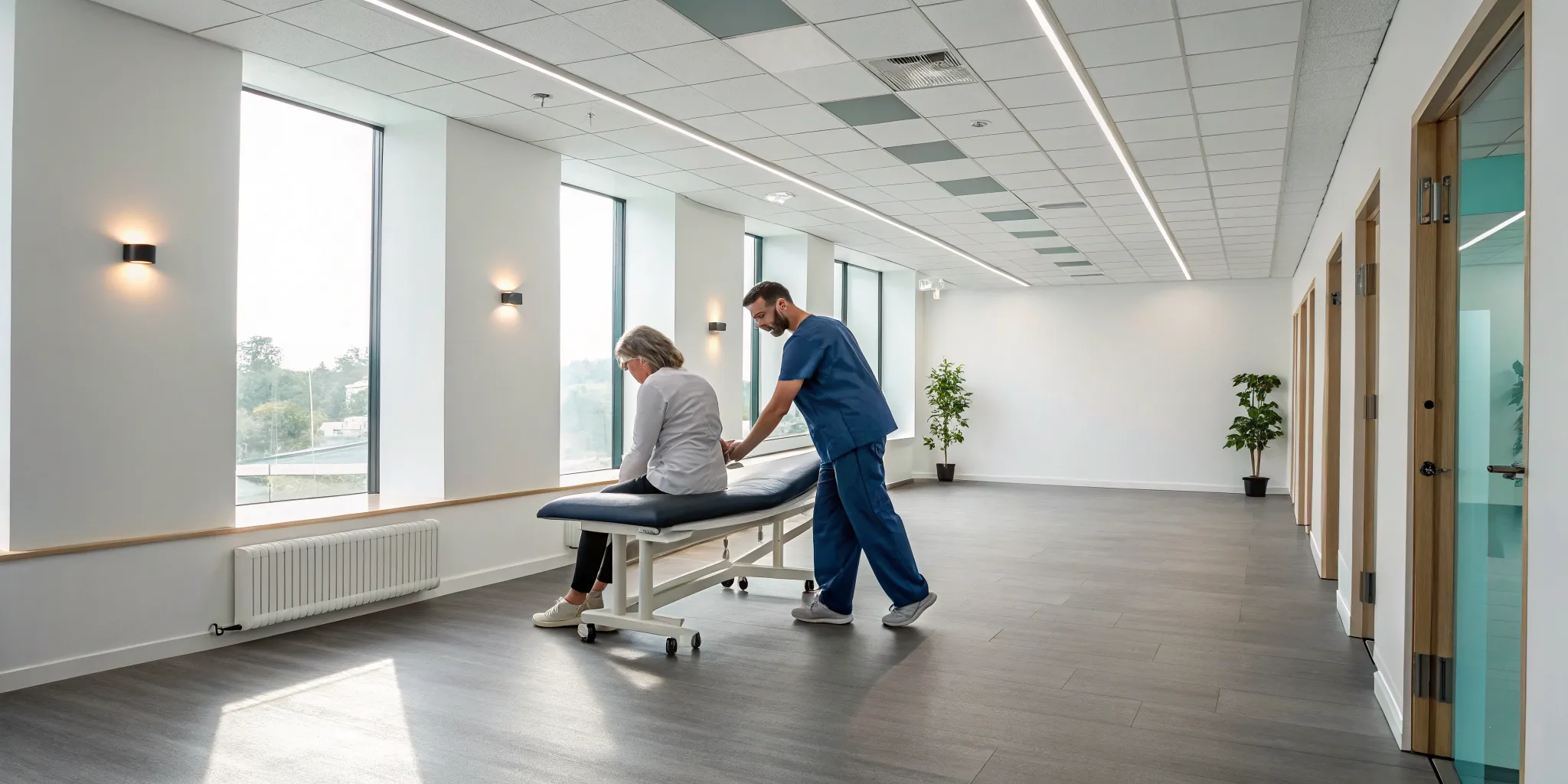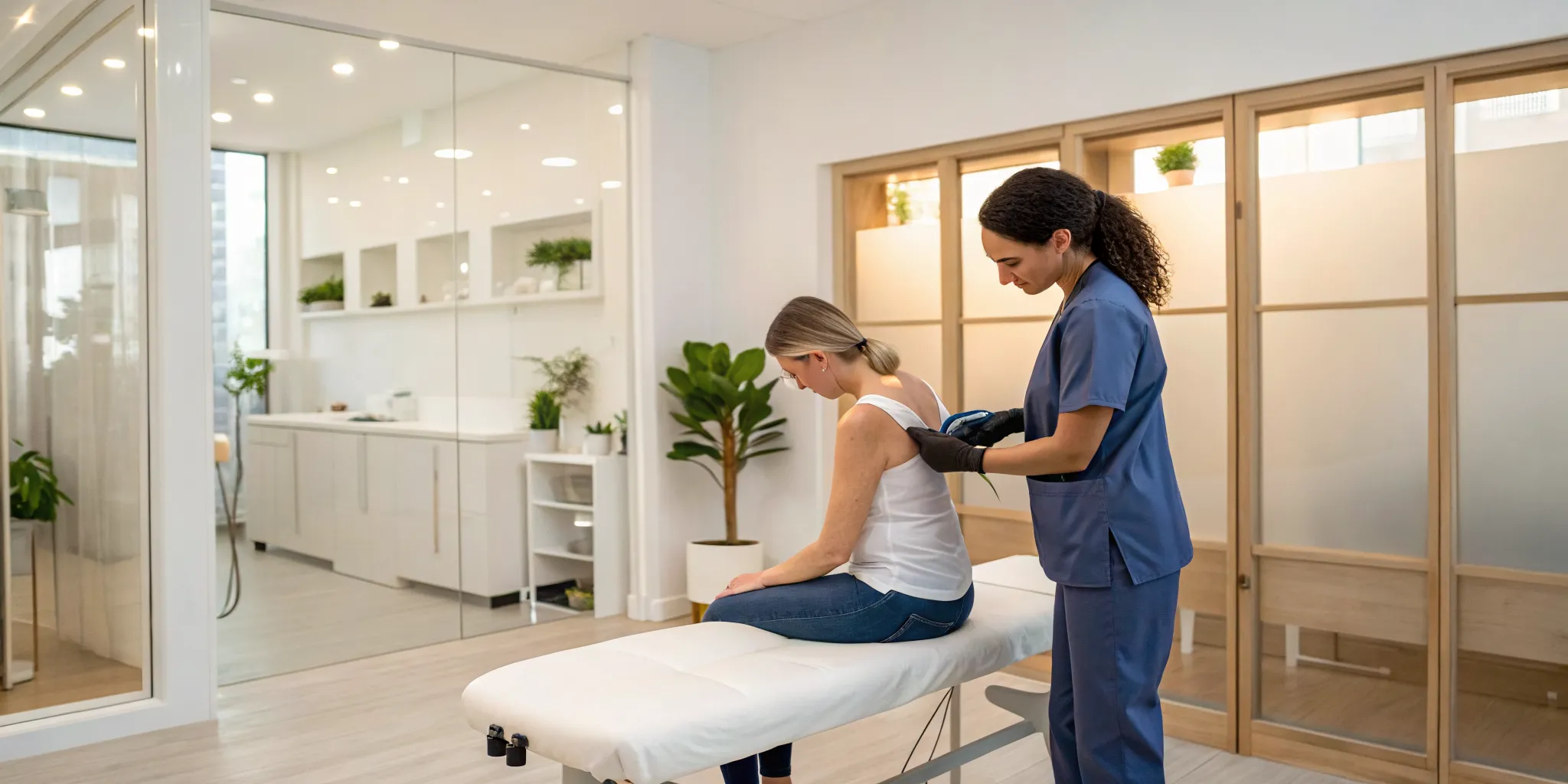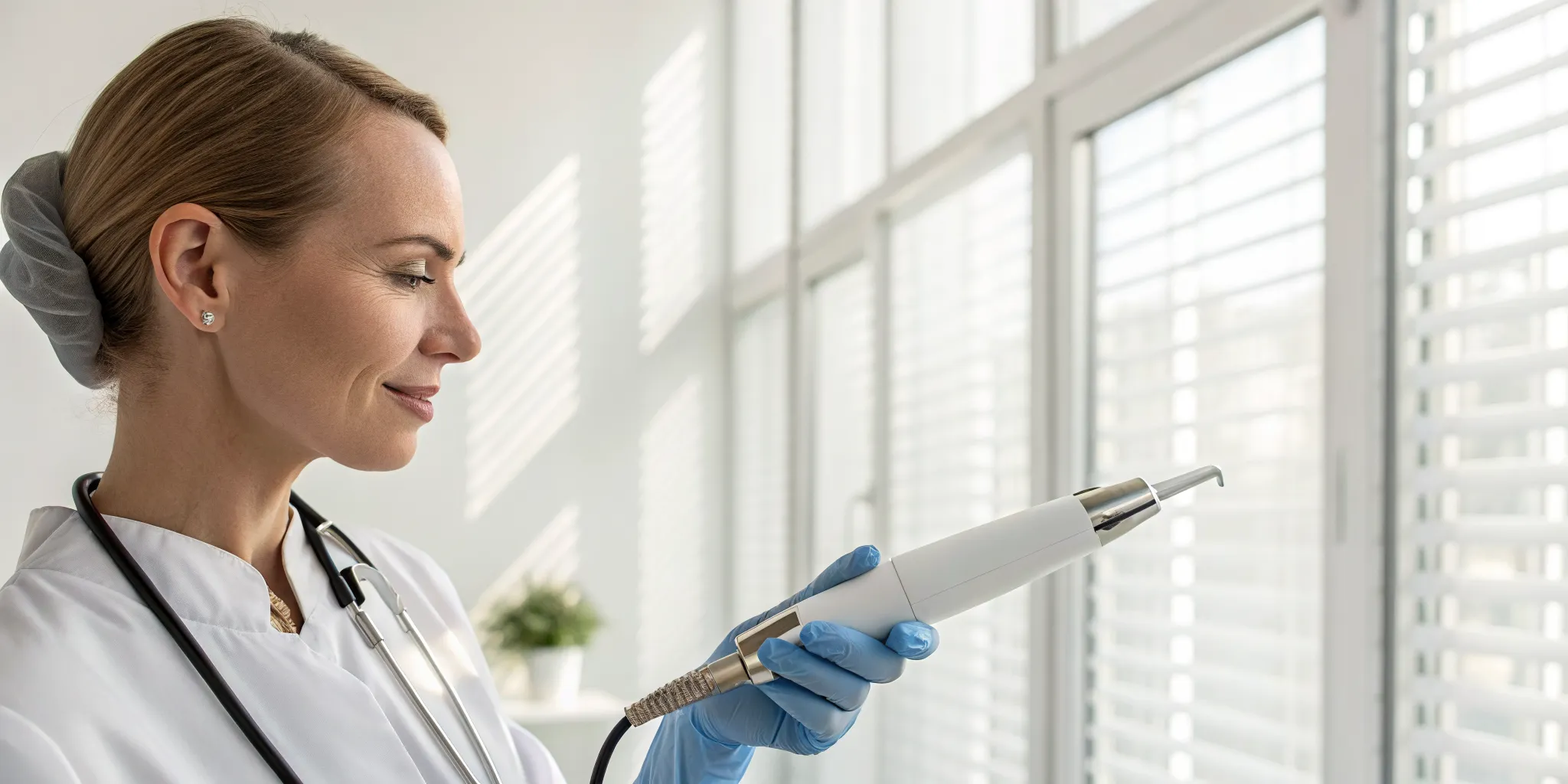
Living with chronic pain often means you’ve tried a little bit of everything to find relief. But when treatments only focus on the "ouch," they rarely provide a lasting solution. The key to true, long-term wellness is to look deeper and ask why the pain is happening in the first place. This is the core philosophy behind spinal rehabilitation. It’s a structured, evidence-based approach that moves beyond symptom management to identify and correct the underlying mechanical issues in your spine. This process helps your body heal itself, building a stronger, more resilient foundation for a pain-free future.
Key Takeaways
- Look beyond symptoms for lasting relief: Effective spinal rehabilitation identifies and treats the root cause of your pain through a personalized blend of therapies like chiropractic care and physical therapy, leading to more sustainable results than temporary fixes.
- Your recovery is a collaborative effort: A successful outcome depends on a strong partnership between you and your care team. Your role involves setting clear goals, asking questions, and committing to the home care plan that protects your progress long after your appointments end.
- Embrace the healing process, challenges and all: Recovery is a structured journey with a dedicated team to guide you. Staying motivated through the ups and downs is crucial, and celebrating small victories will help you regain your strength, independence, and quality of life.
What Is Spinal Rehabilitation?
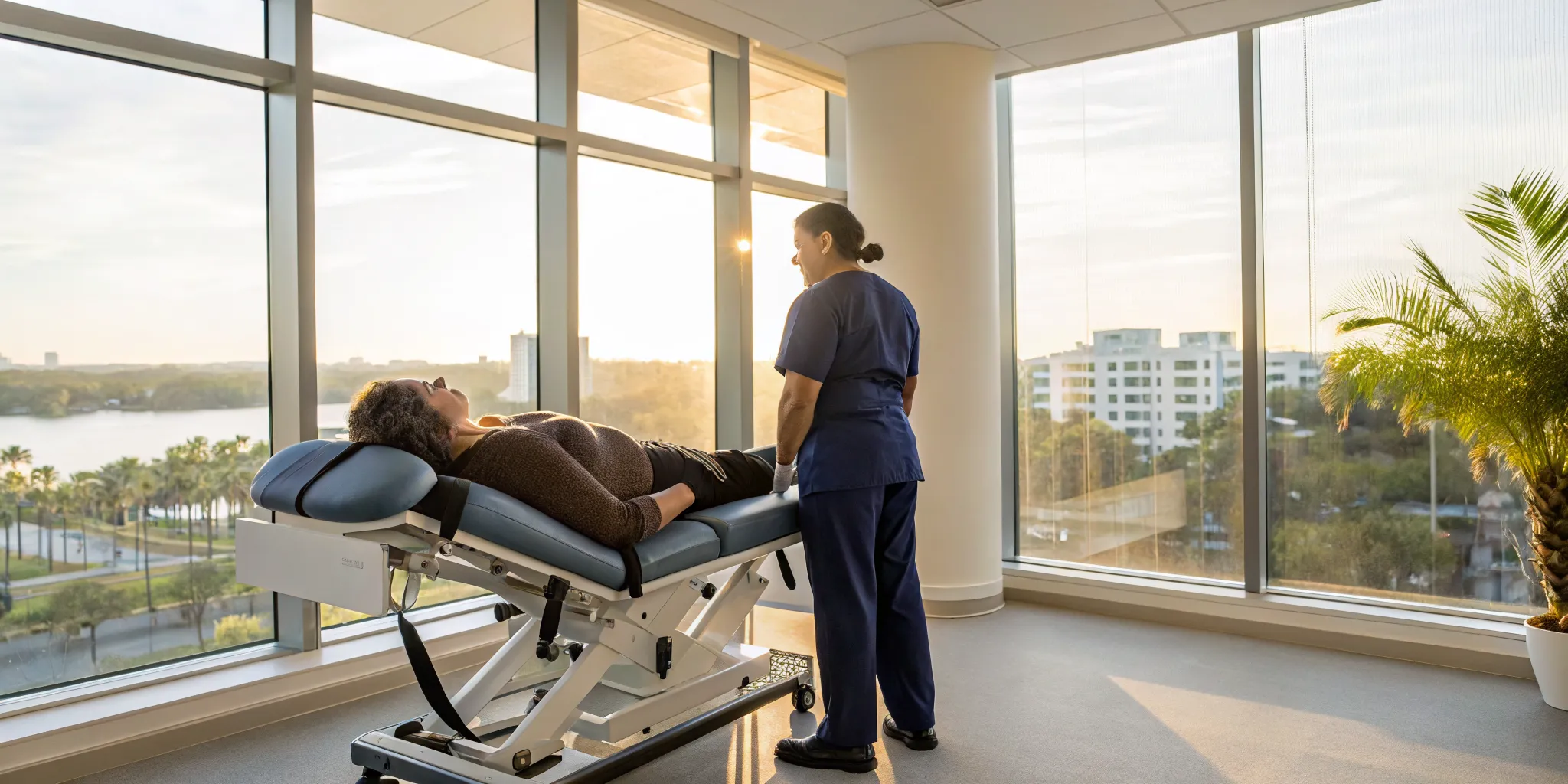
Spinal rehabilitation is a structured approach designed to restore movement, reduce pain, and improve your overall quality of life. Think of it as a comprehensive program that goes far beyond simply masking symptoms. Instead of just addressing the "ouch," it focuses on the root cause of your spinal issues. Through hands-on techniques and targeted therapies, the goal is to bring your body's musculoskeletal structure, especially the spine, back into proper alignment. This process helps your body heal itself naturally and function the way it was meant to.
This isn't a one-size-fits-all fix. A great spinal rehab program is completely personalized to your body, your history, and your goals. Whether you're dealing with the aftermath of an injury, chronic pain that just won't quit, or recovering from surgery, the journey is tailored to you. It combines different aspects of physical medicine, from chiropractic adjustments to corrective exercises, to create a plan that supports long-term healing. The ultimate aim is to get you back to doing the things you love, with more strength and less pain.
What Does Spinal Rehab Involve?
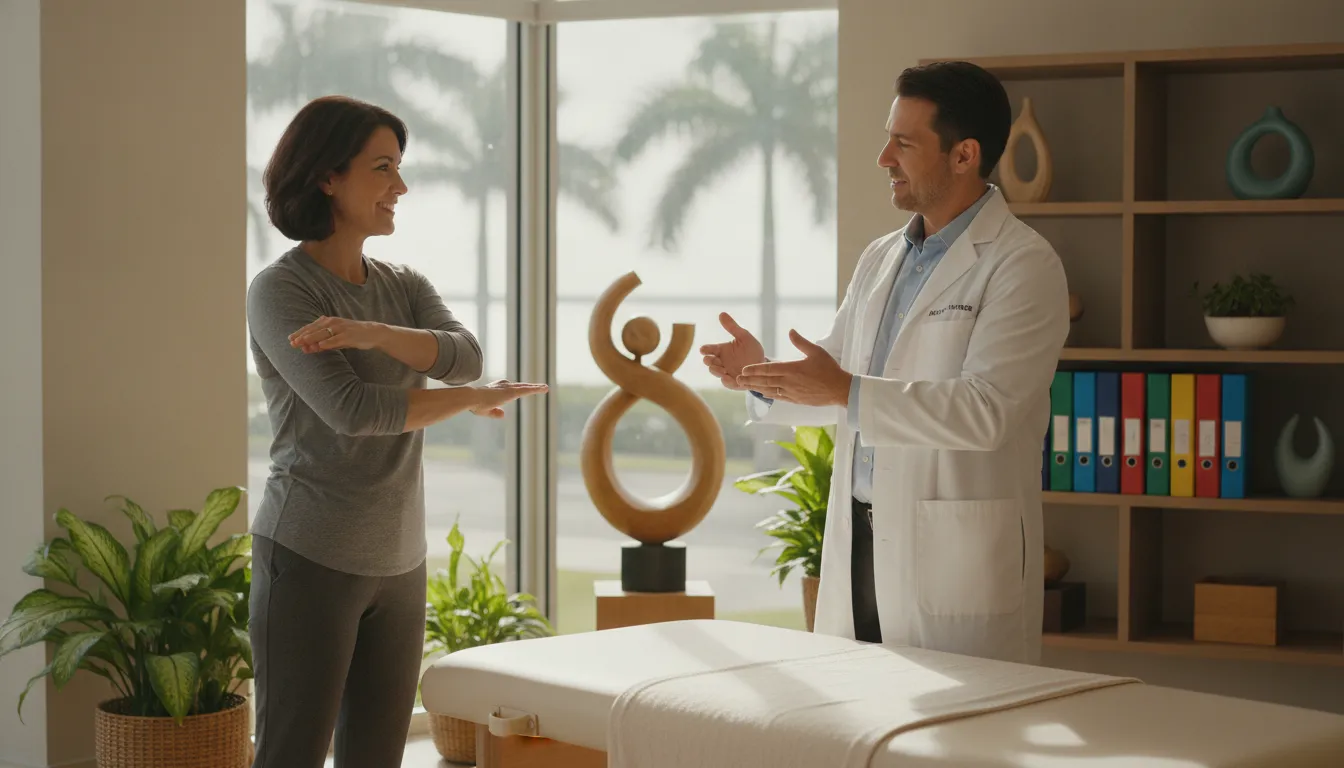
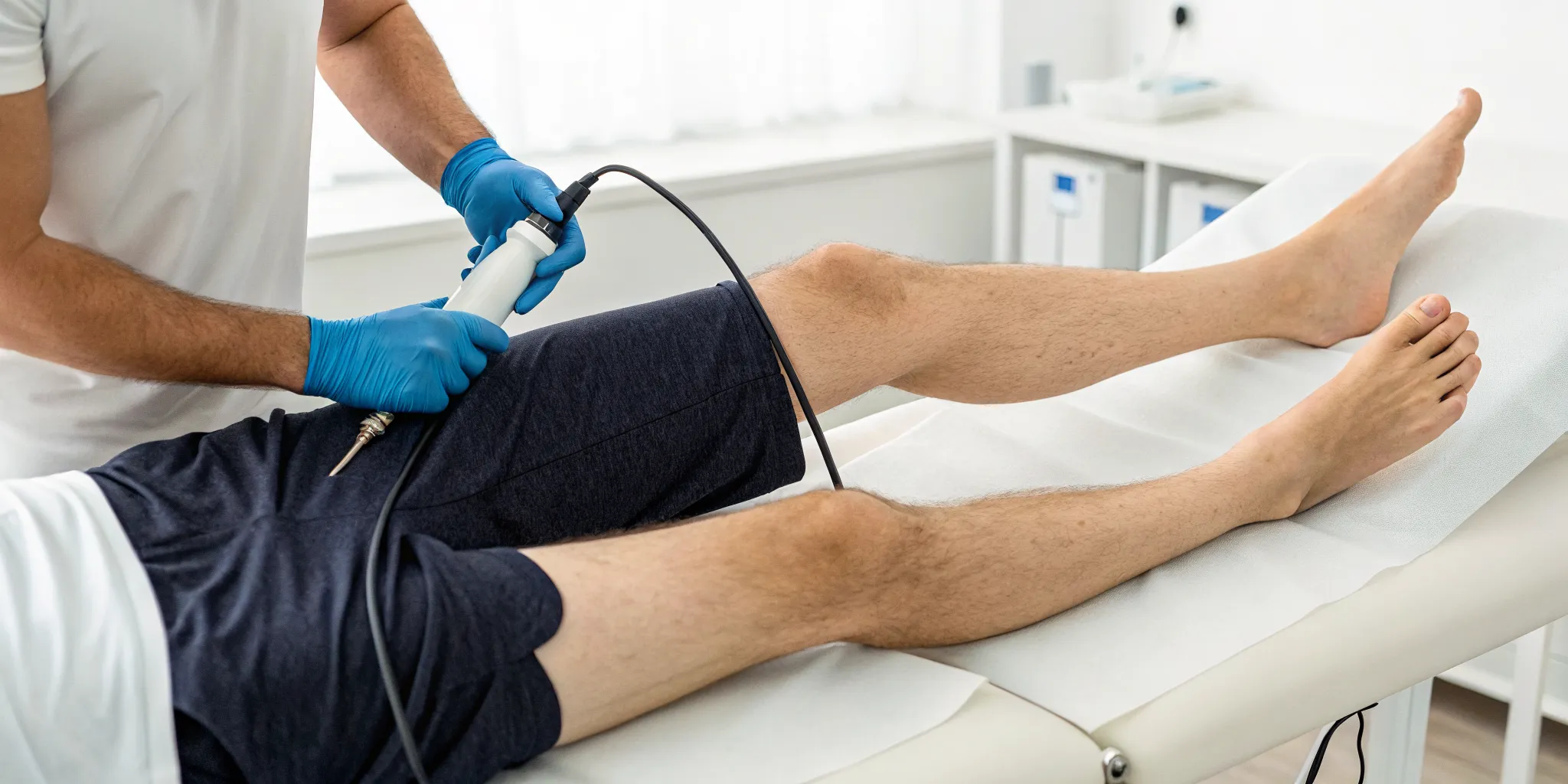
A spinal rehabilitation program is a multi-faceted process that brings together several different therapies. The core of it often involves manual therapy, which includes techniques designed to gently mobilize your joints, muscles, and ligaments to decrease pain and improve how you move. This is often paired with a customized exercise plan that strengthens supporting muscles, improves flexibility, and corrects your posture.
Beyond the physical treatments, a key component is education. You’ll learn about your body, what caused the issue, and how to prevent it from happening again. The main goal is to help you improve your physical abilities so you can live as independently and comfortably as possible, getting you back to your daily routine with confidence.
Is Spinal Rehab Right for You?
If you're experiencing persistent back or neck pain, recovering from a spinal injury, or dealing with a degenerative condition like a herniated disc, spinal rehab could be the right path for you. It’s also a great option for anyone looking to improve their posture, balance, and overall spinal health as a proactive measure. The key is finding a program that’s a good fit.
When considering a facility, look for specialists who have specific training and experience in treating spinal conditions. The best programs are led by a team that understands the complexities of the spine. The first step is always a detailed consultation to discuss your specific health concerns and determine if this approach aligns with your wellness goals.
Common Types of Spinal Rehabilitation
Spinal rehabilitation isn't a single treatment but a combination of therapies tailored to your specific needs. Think of it as building a customized toolkit for your recovery. Depending on the root cause of your pain or injury, your care team will select the right methods to help you heal, regain strength, and get back to your life. The goal is to create a comprehensive plan that addresses your unique situation. Below are some of the most effective and common types of spinal rehabilitation you might encounter on your journey to feeling better. Each approach plays a distinct role, and they often work together to produce the best results.
Manual Therapy and Chiropractic Care
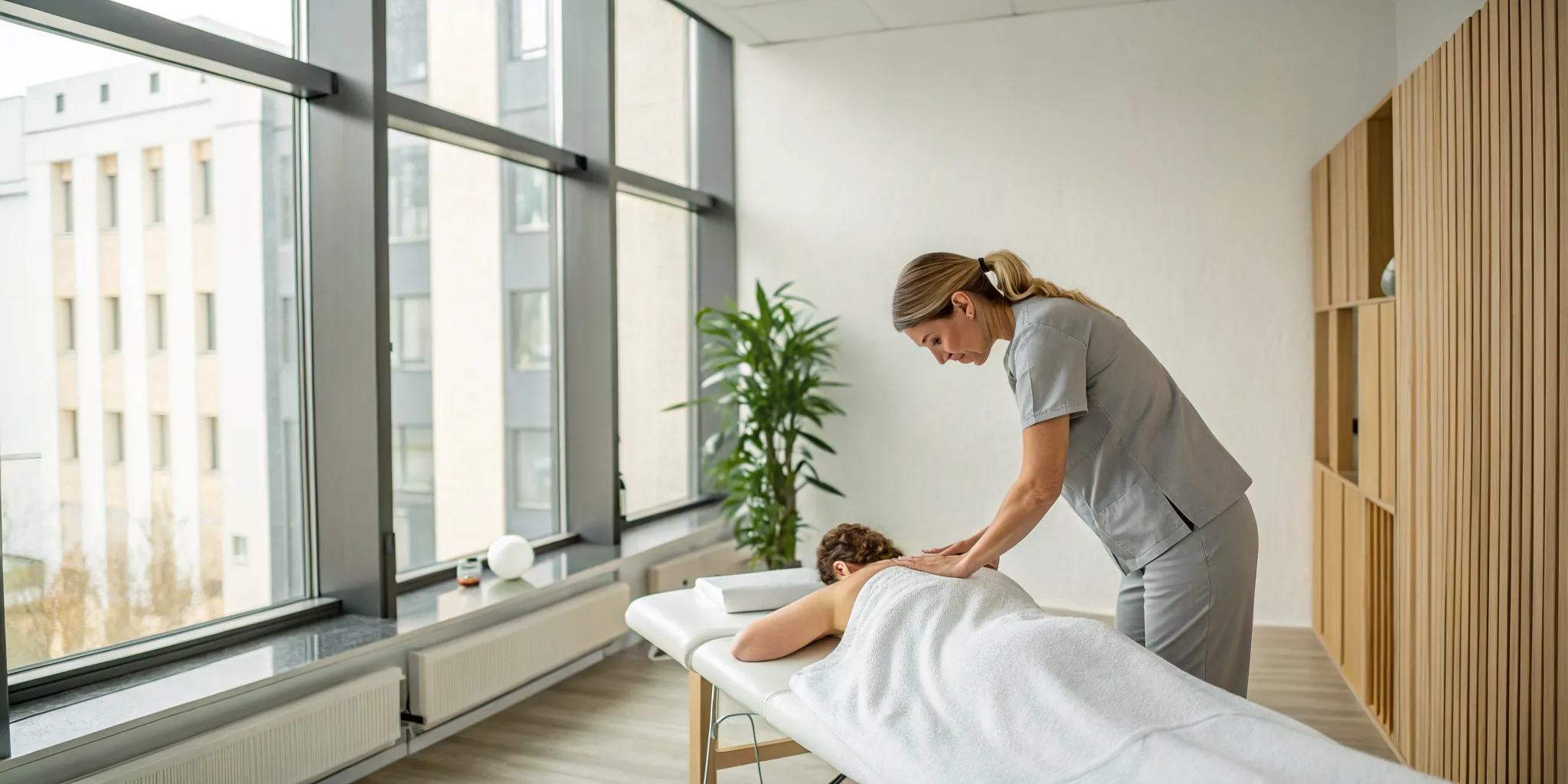
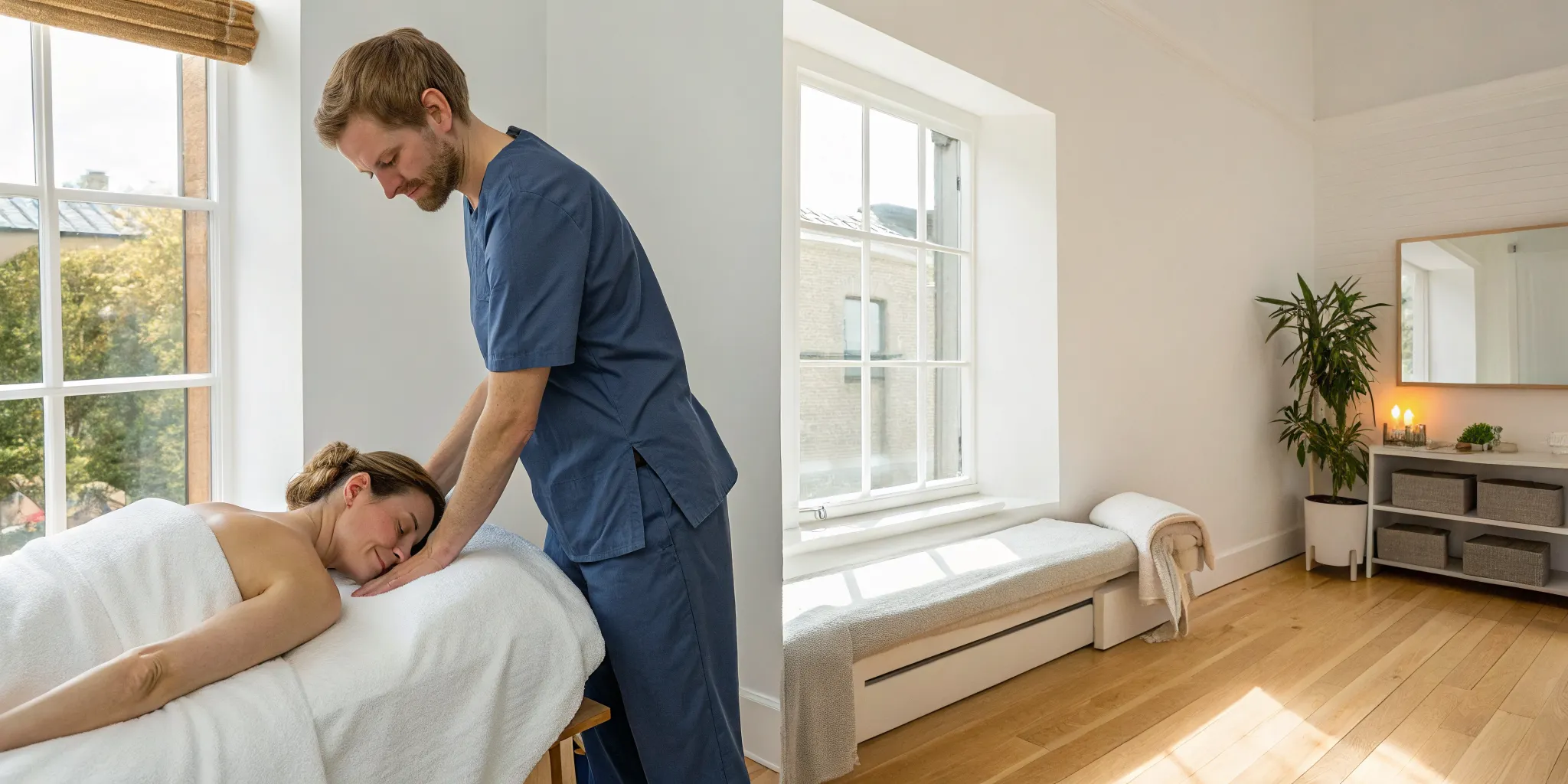
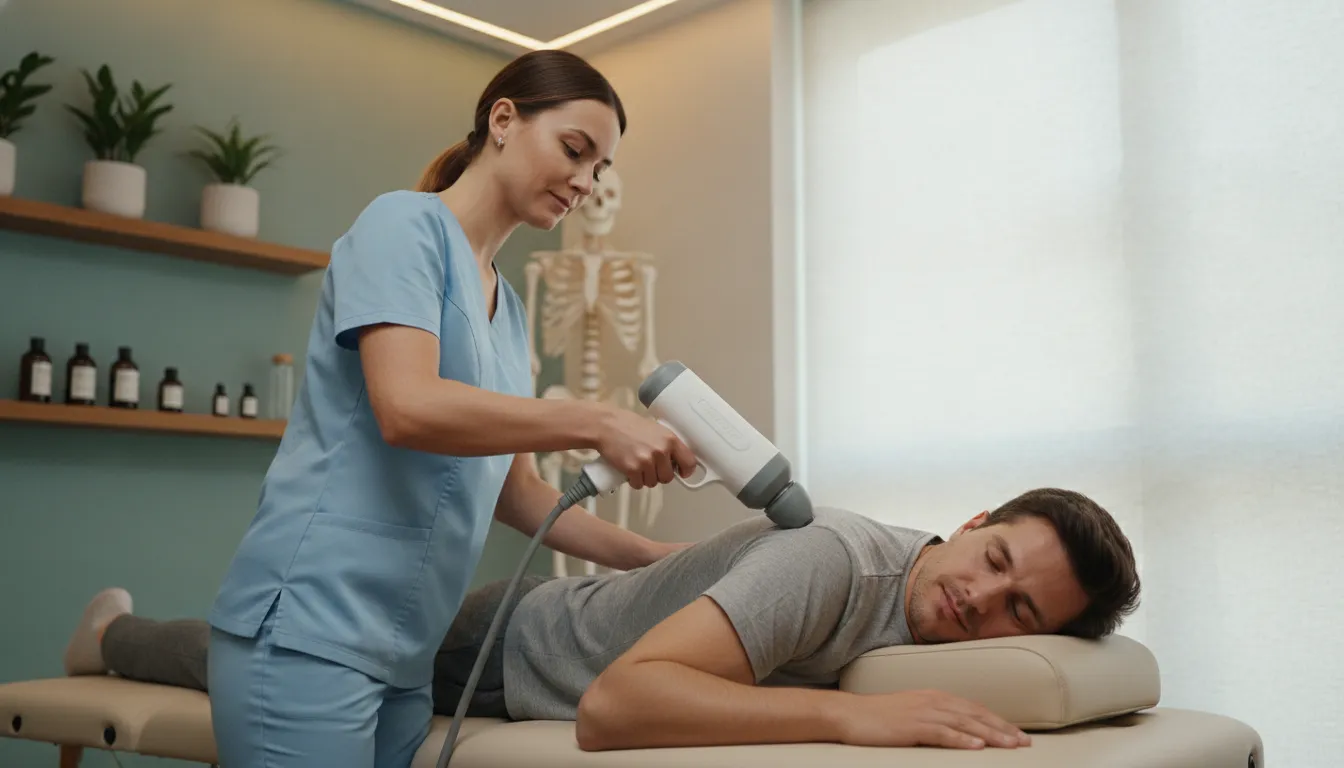
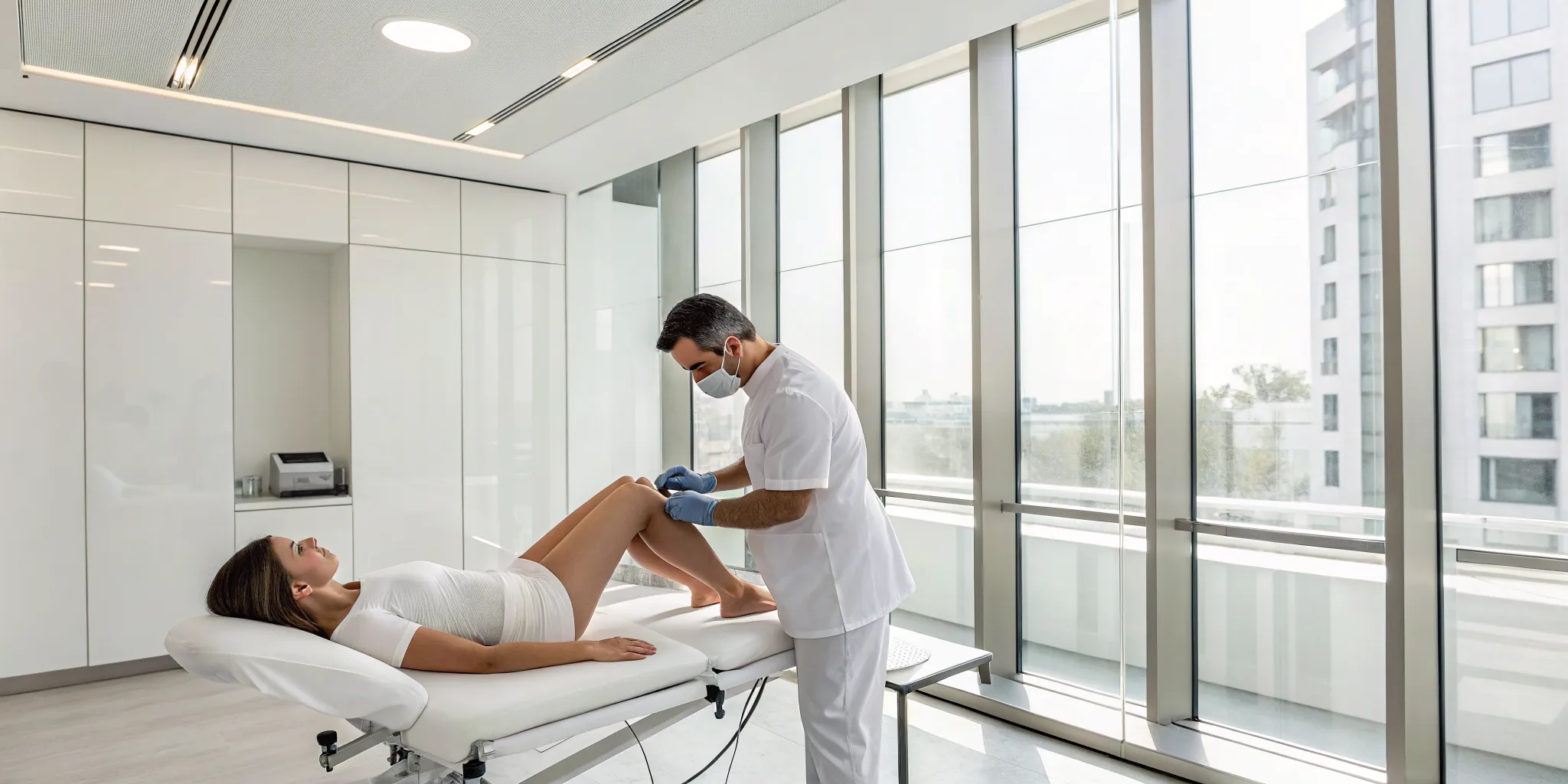
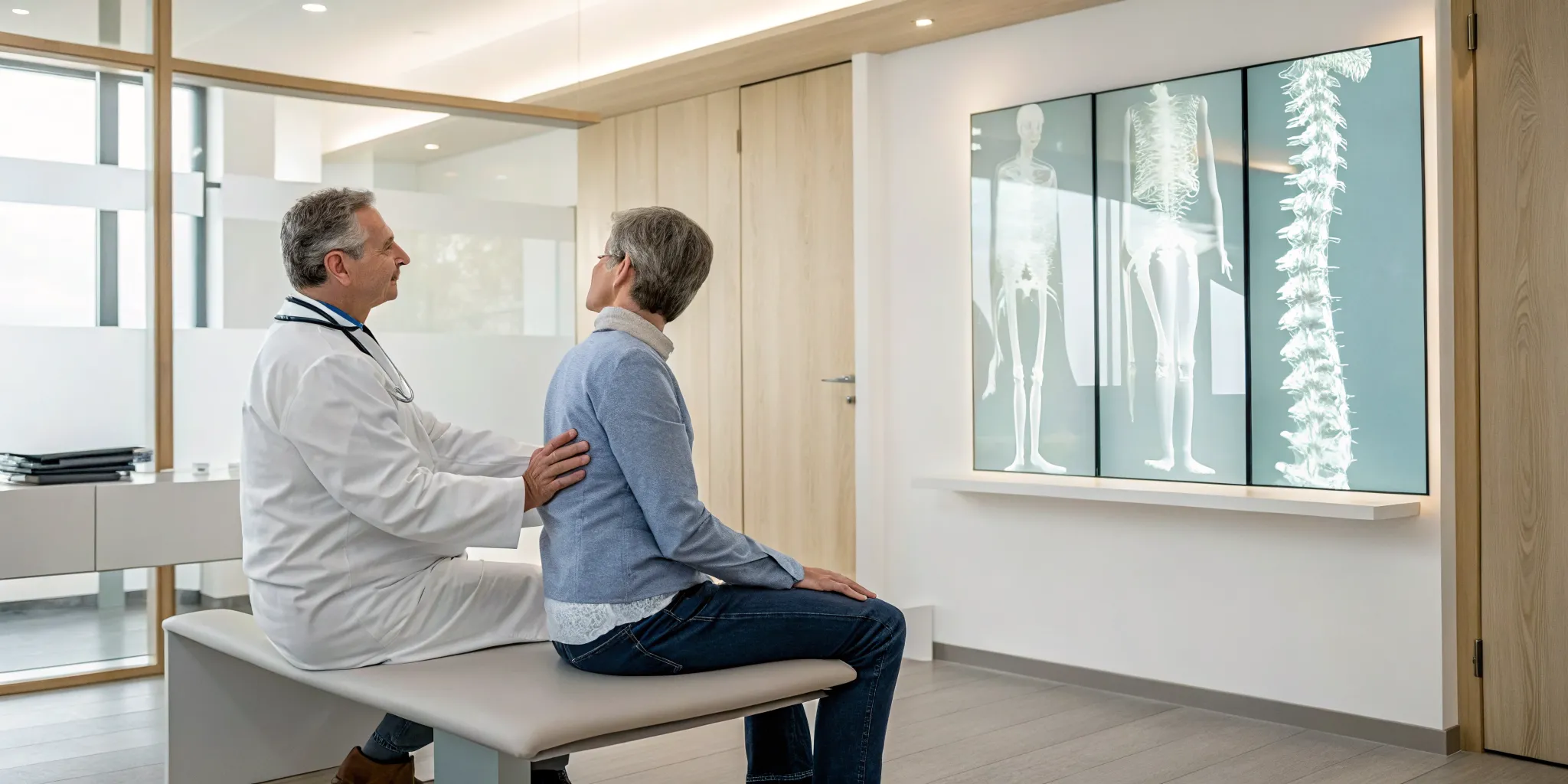
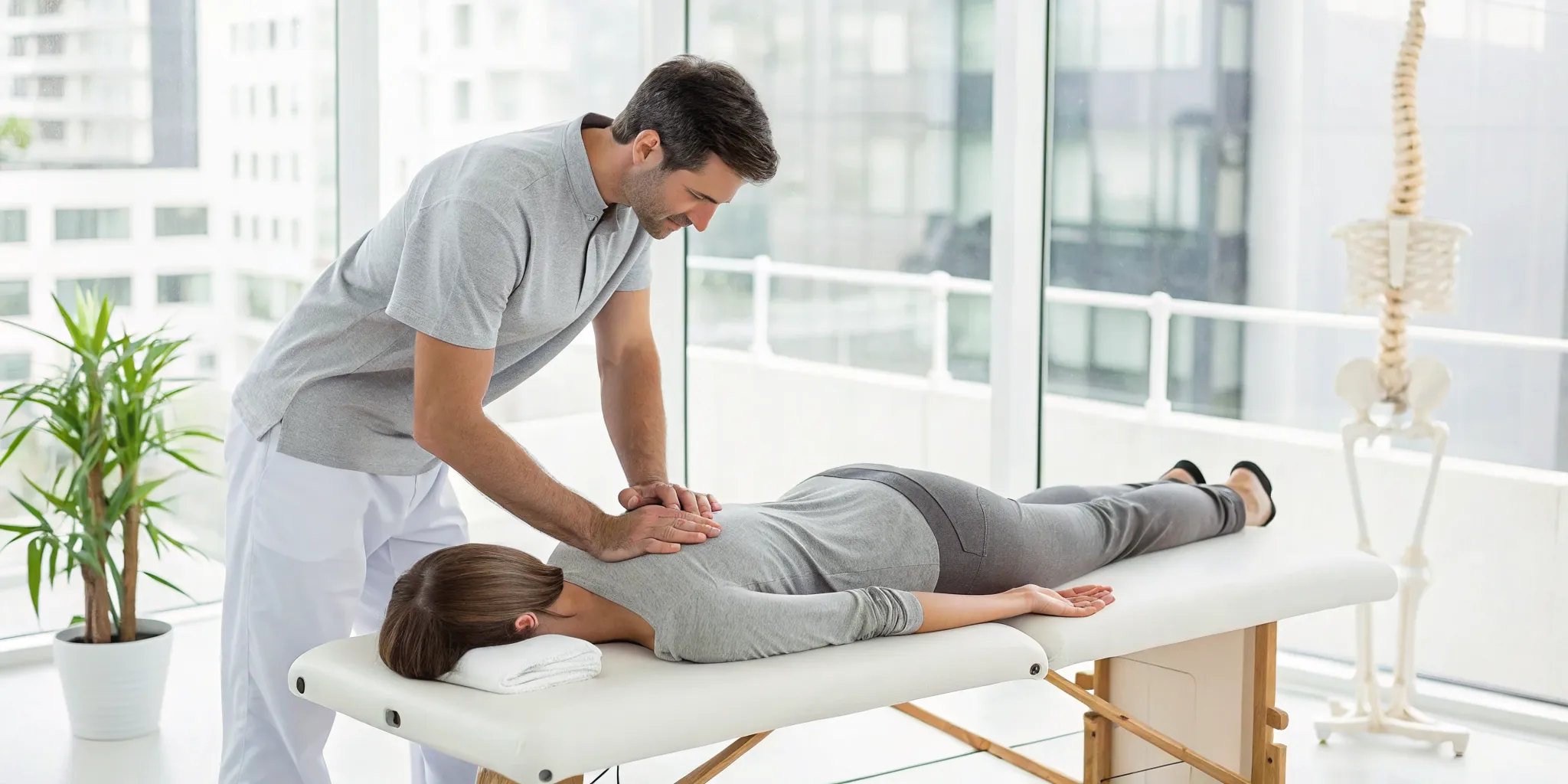
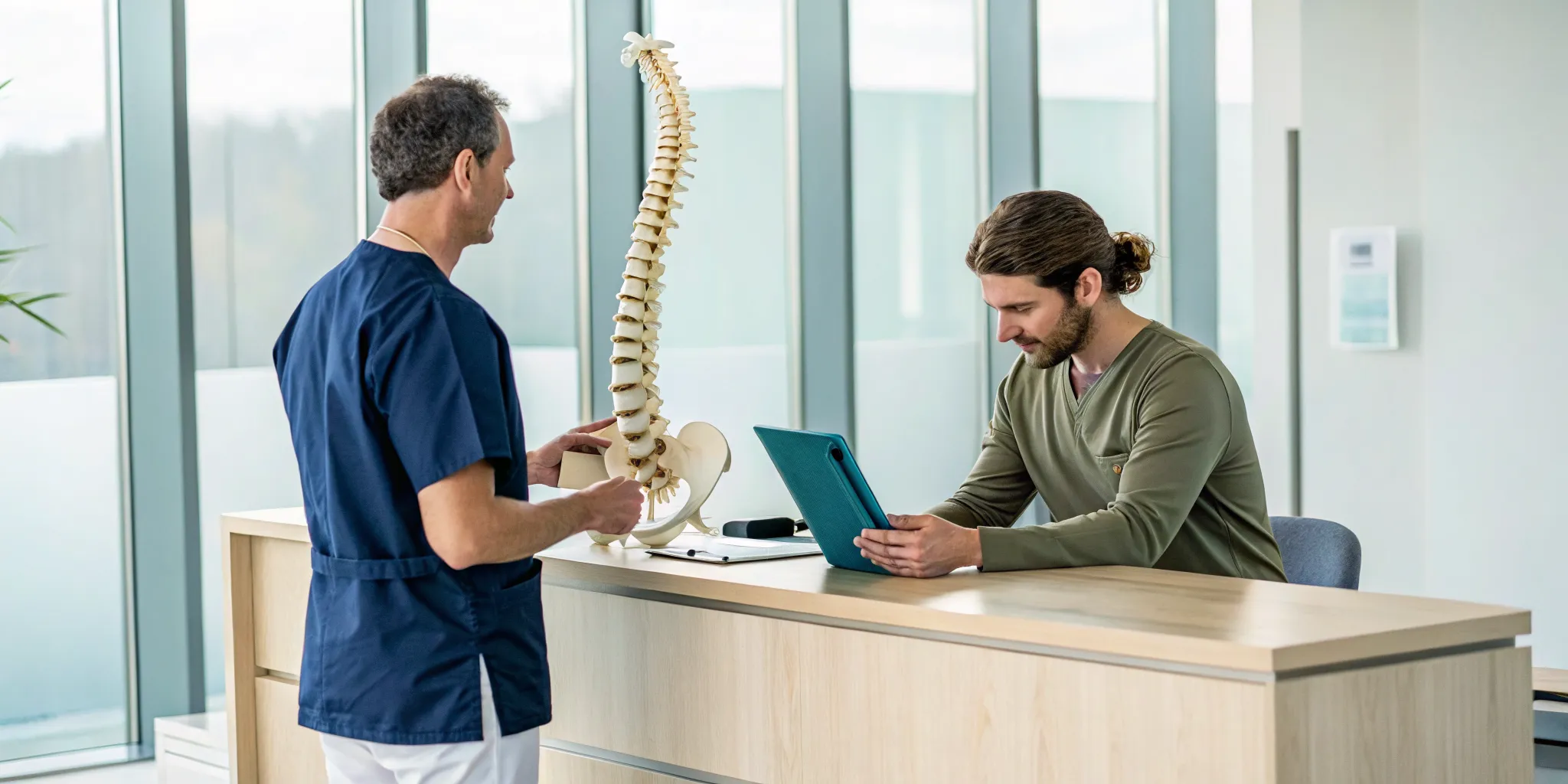
This is all about a hands-on approach to healing. Spinal manual therapy uses specialized techniques to mobilize joints, muscles, and ligaments, which helps reduce pain and improve your range of motion. It’s a gentle way to alleviate discomfort and restore proper function. Chiropractic care is a key part of this, focusing on targeted adjustments to correct spinal misalignments. By restoring proper alignment, chiropractors can relieve pressure on the nervous system, which allows your body to function and heal more effectively. This method is foundational for many spinal rehab programs because it directly addresses structural issues that cause pain.
Physical Therapy and Exercise
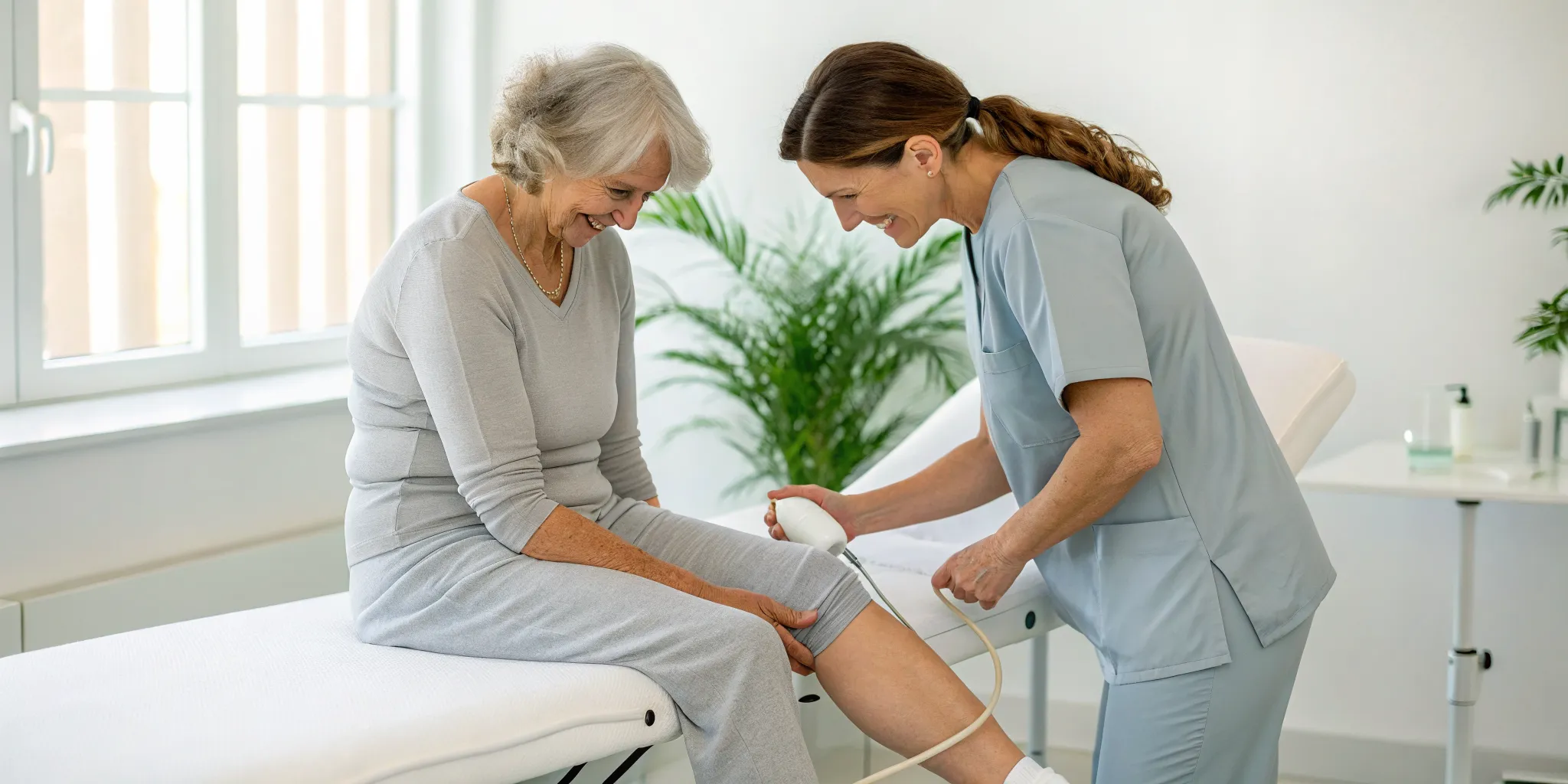
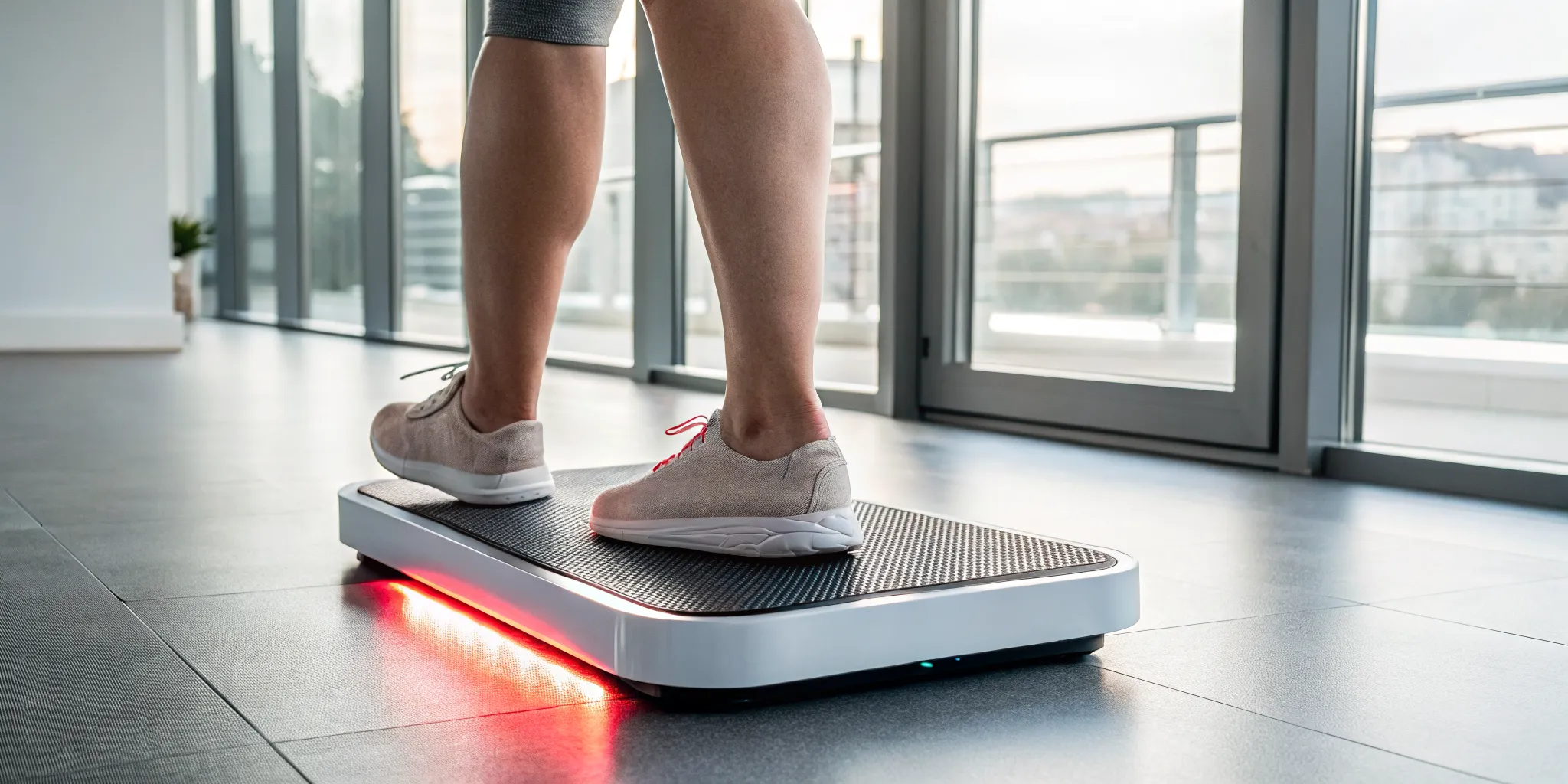
Movement is medicine, especially when it comes to your spine. The goal of physical therapy is to strengthen the core and back muscles that support your spine, which improves stability and prevents future injuries. Targeted physical treatments are designed to increase your mobility, ease tension, and make daily activities more comfortable. Your therapist will create a personalized exercise plan with specific stretches and strengthening movements just for you. Consistently following this regimen is one of the most powerful things you can do to support your recovery and maintain long-term spinal health.
Spinal Decompression
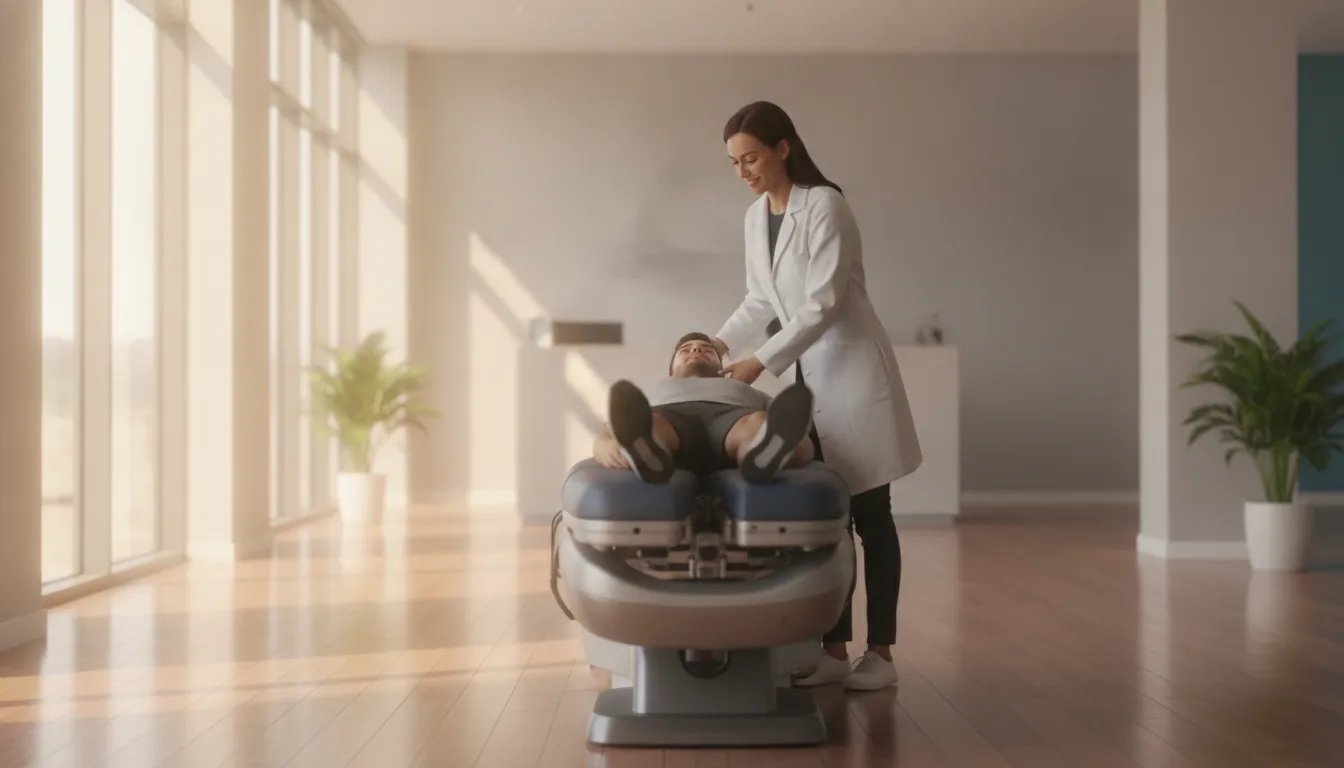
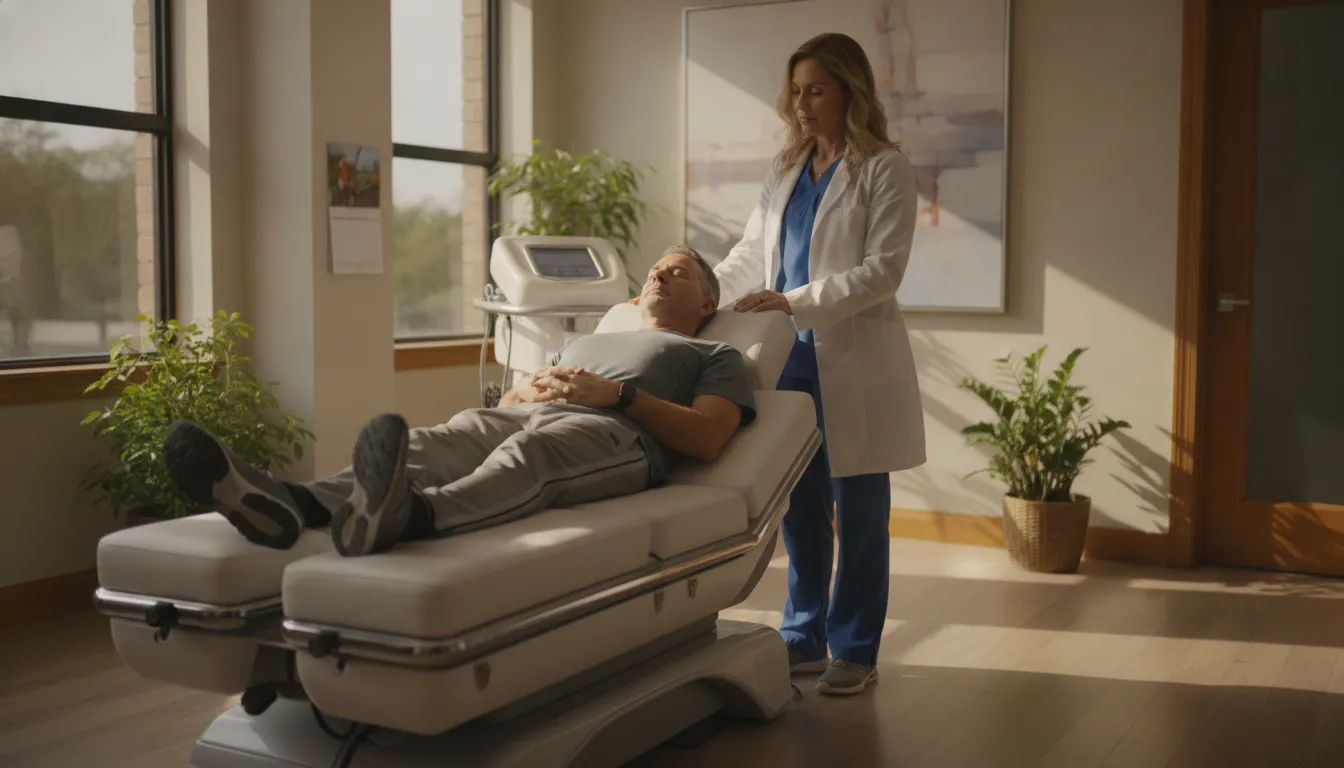
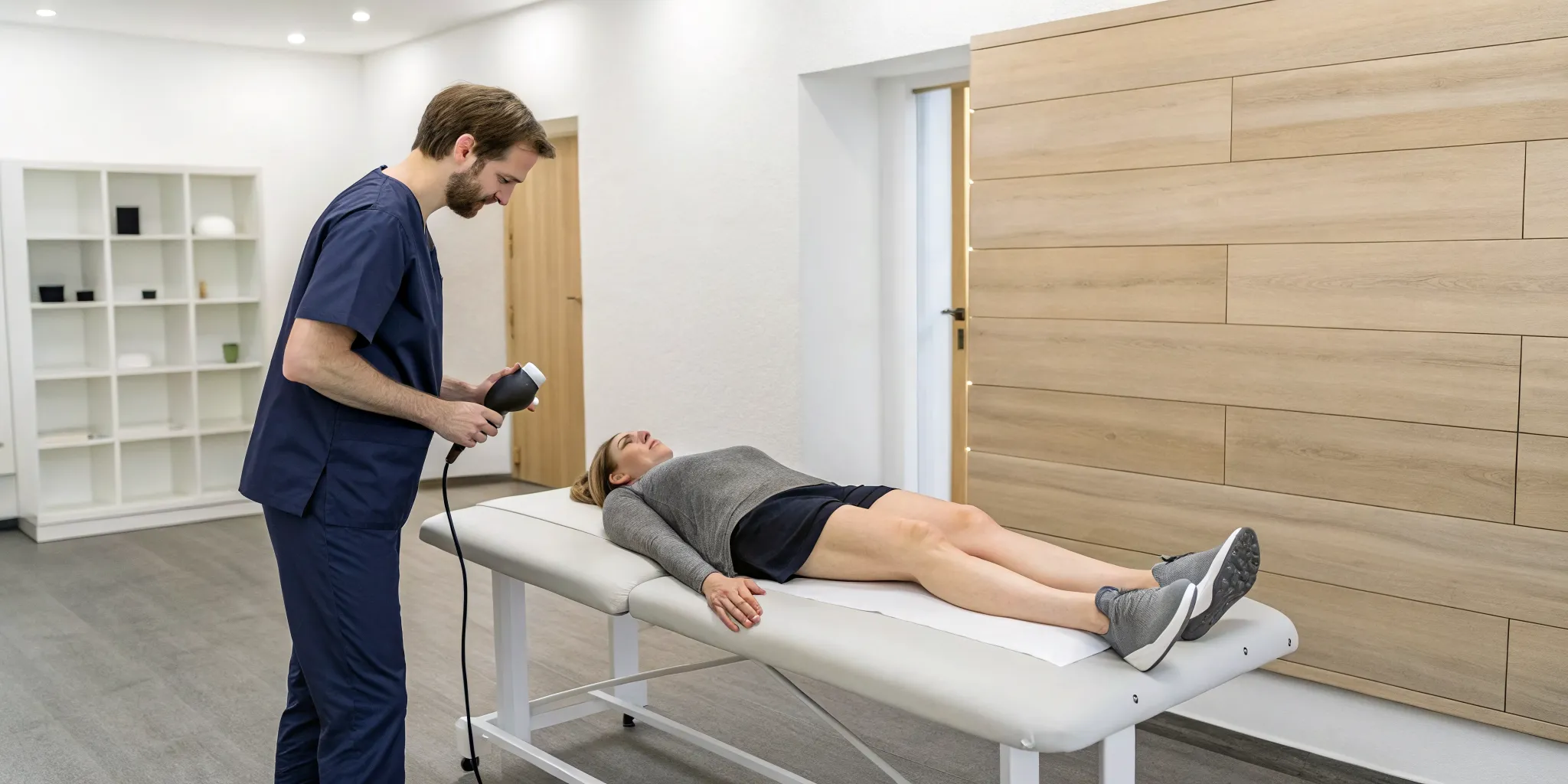
If you're dealing with pressure on your spinal discs from issues like herniated discs or sciatica, this therapy can be a game-changer. Spinal decompression therapy is a non-surgical treatment that gently stretches the spine to relieve pressure on your discs and nerves. It creates a negative pressure environment within the disc, which can help retract bulging or herniated material and encourage the flow of healing nutrients. After a detailed evaluation and a personalized treatment plan, many people feel immediate relief and enjoy long-lasting, pain-free periods. It’s a safe and effective way to find relief without invasive procedures.
Advanced Regenerative Therapies
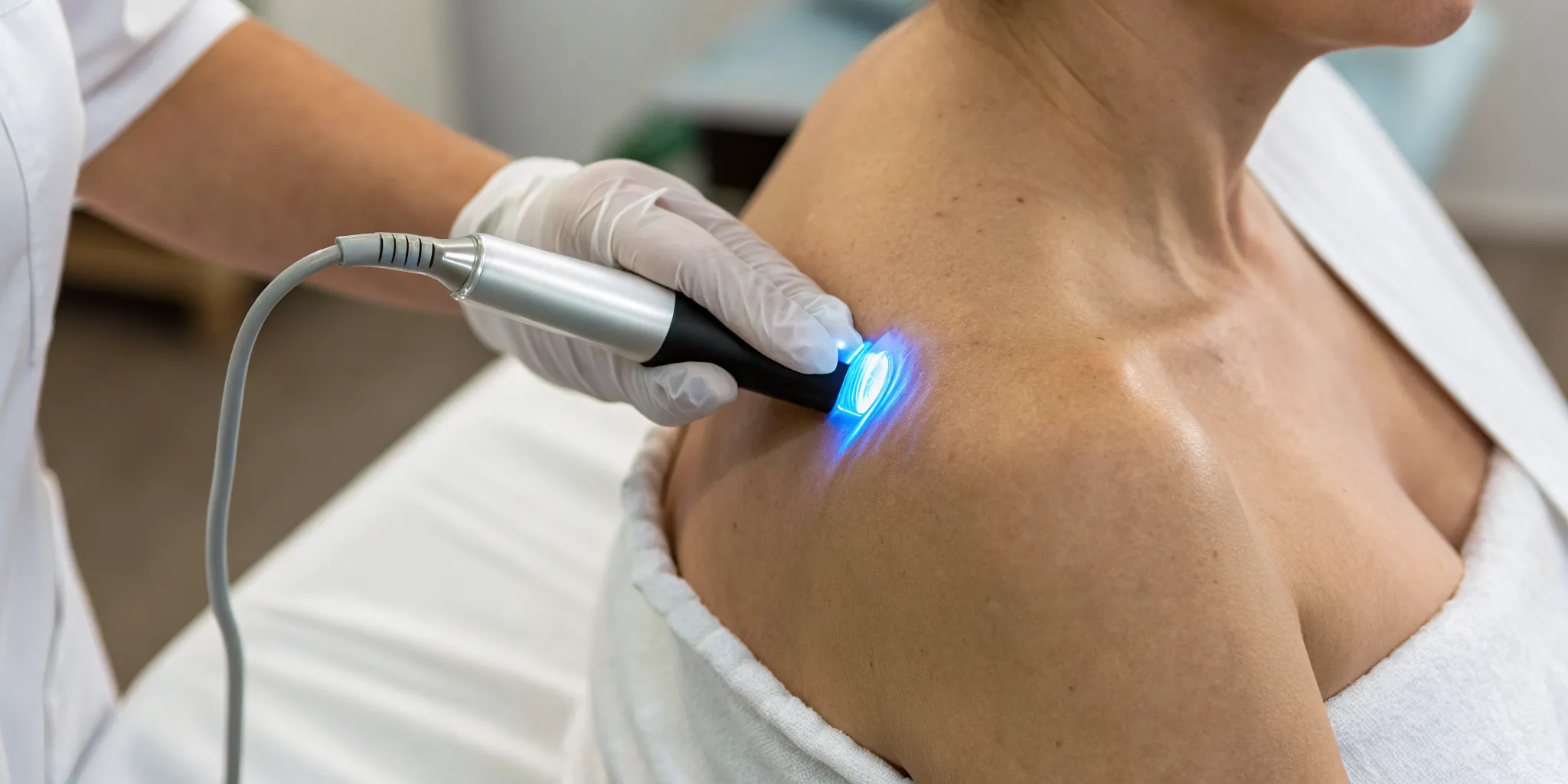
This modern approach focuses on helping your body heal itself from the inside out. At Ascend Functional Health, we integrate functional, physical, and regenerative care to help you understand all the factors contributing to your condition and take meaningful steps toward recovery. These advanced therapies use your body's own healing mechanisms to repair damaged tissues, reduce inflammation, and promote long-term healing in the spine. This can be an excellent option for chronic conditions or injuries that haven't responded well to other treatments, offering a path toward lasting improvement and better overall health.
How to Choose the Right Spinal Rehab Center
Choosing a spinal rehabilitation center is a significant decision in your health journey. The right team and environment can make all the difference in your recovery, so it’s worth taking the time to find a perfect fit. Think of it like building your personal health team; you want experts who not only have the right skills but also share your vision for wellness. When you start looking at your options, it can feel a little overwhelming. Where do you even begin?
The best way to approach this is to break it down into a few key areas. First, you’ll want to look at the credentials and experience of the providers. Are they specialists in spinal health? Next, consider their approach to treatment. Do they focus on simply managing symptoms, or are they committed to finding and addressing the root cause of your pain? Finally, see what other patients have to say. Real-world experiences can give you incredible insight into what you can expect. By focusing on these three pillars, you can confidently select a center that aligns with your needs and sets you up for a successful recovery.
Evaluate Provider Qualifications
When you’re dealing with something as important as your spine, you want to be sure you’re in expert hands. Look beyond the basic degrees and find out if the clinical team has specialized training or certifications in spinal rehabilitation, chiropractic care, or physical therapy. A provider who specializes in spinal conditions will have a deeper understanding of the complexities involved and be more familiar with the latest, most effective treatment methods.
Don’t hesitate to ask about the team’s experience with conditions similar to yours. A center that regularly treats issues like chronic back pain, sciatica, or post-surgical recovery will have refined protocols to support your healing. The United Spinal Association notes that specialization is essential for developing quality services tailored to your unique needs. A well-qualified team will be transparent about their credentials and confident in their ability to help you.
Understand Their Treatment Philosophy
A clinic’s treatment philosophy is its core belief about healing. Some centers may focus primarily on relieving immediate symptoms, while others adopt a more holistic approach that seeks to identify and correct the underlying cause of the problem. For lasting relief and true wellness, finding a center that aims to address the root cause is key. This approach ensures your treatment plan isn’t just a temporary fix but a long-term solution.
A holistic philosophy also recognizes that recovery involves more than just the physical body. It should support your psychological and emotional needs throughout the process. During a consultation, ask questions like, “What does a successful outcome look like for your patients?” or “How do you personalize treatment plans?” Their answers will reveal whether their approach is patient-centered and comprehensive, which is exactly what you need for a successful recovery.
Check Patient Reviews and Reputation
While qualifications and philosophy are crucial, nothing tells a story quite like the experiences of other patients. Before committing to a center, spend some time reading online reviews and patient testimonials. Look for feedback on platforms like Google or Yelp to get an unfiltered perspective on the patient experience. Pay attention to comments about the staff’s friendliness, the clinic’s environment, and, most importantly, the results patients achieved.
Look for patterns in the reviews. Are patients consistently mentioning a specific doctor’s attentive care? Do they feel listened to and respected? While an occasional negative review is normal for any business, a stream of similar complaints could be a red flag. On the other hand, consistent praise for a center’s compassionate care and effective treatments is a great sign that you’ve found a place that truly values its patients.
What to Expect During Your Spinal Rehab Journey
Starting spinal rehabilitation can feel like a big step, but knowing what the process looks like can make it feel much more manageable. Your journey is a partnership between you and your care team, focused on helping you regain function and confidence. It’s a path tailored specifically to you, with clear milestones to guide your progress from day one.
Your Initial Assessment and Personalized Plan
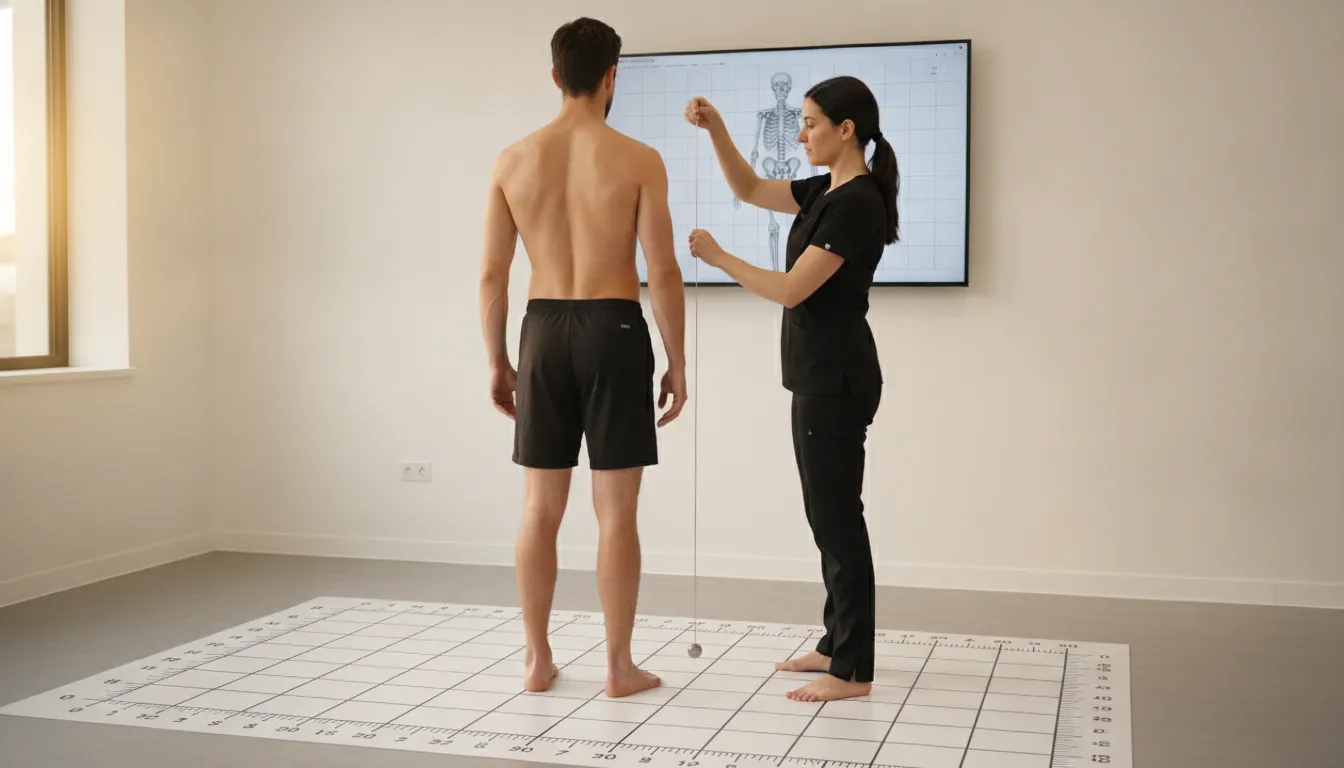
Your journey begins with a thorough evaluation. This isn't just a quick look at your symptoms; it's a deep dive into your health history, lifestyle, and the root causes of your condition. We use this data-guided health evaluation to understand the underlying factors contributing to your pain or limited mobility. From there, we create truly individualized care plans that combine movement-based treatment with advanced therapies. This personalized approach ensures your treatment directly addresses your specific needs and goals, setting you up for success.
Understanding Your Recovery Timeline
One of the first questions most people ask is, "How long will this take?" The honest answer is: it's different for everyone. Your recovery timeline depends on your specific injury, your overall health, and your personal goals. The main objective is to help you achieve the highest level of functional independence possible. This process involves more than just physical exercises; it also includes learning new ways to perform daily activities, managing your symptoms, and improving your overall well-being. Patience and consistency are your best friends during this phase.
Your Collaborative Care Team
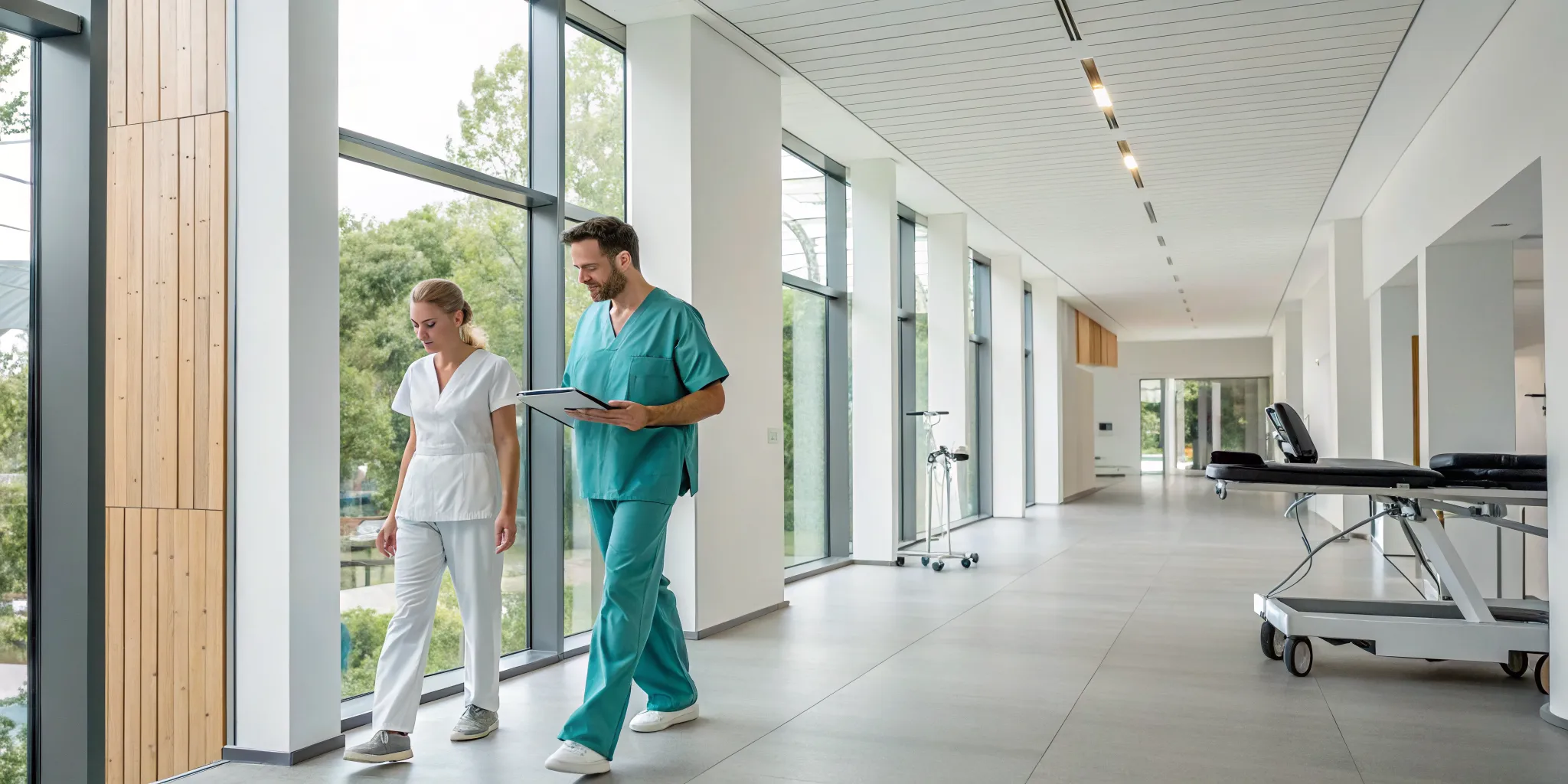
You won’t be going through this alone. Effective spinal rehab relies on a collaborative team of experts working together for you. This team often includes chiropractors, physical therapists, nurses, and other specialists who all bring specific training in treating spinal conditions. Everyone works in sync to monitor your progress, adjust your treatment plan as needed, and provide the support you need. Having a dedicated team ensures you receive comprehensive care that addresses every aspect of your recovery, from physical strength to emotional well-being.
The Benefits of Spinal Rehabilitation
Spinal rehabilitation is about so much more than just getting rid of back pain. It’s a comprehensive approach designed to restore your body’s function, improve your strength, and give you back the life you want to live. When your spine is out of alignment or weakened by injury, it can affect everything from your ability to walk comfortably to your overall mood. The goal of a great rehab program is to address the root cause of your issues, not just mask the symptoms.
By focusing on a combination of therapies, a personalized plan can help you move better, feel stronger, and prevent future injuries. It’s a proactive investment in your long-term health. The benefits extend far beyond your back, creating a positive ripple effect throughout your entire body and daily life. You’ll find that as your spinal health improves, so does your ability to engage with the world around you. This process is about empowering you with the tools and strength to live without limitations.
Reduce Pain and Improve Mobility
One of the most immediate goals of spinal rehabilitation is to get you out of pain. Chronic discomfort can be debilitating, but targeted treatments can make a world of difference. We use physical medicine techniques designed to improve mobility, relieve tension, and restore functional comfort in your daily activities. These therapies work to calm inflammation, release tight muscles, and gently correct misalignments that are causing you pain.
Instead of just covering up the symptoms, this approach addresses the underlying mechanical issues. The result isn't just temporary relief; it's an enhanced quality of movement that allows you to bend, twist, and walk with greater ease and confidence.
Build Strength, Balance, and Coordination
Once your pain is under control, the next step is to build a stronger foundation to prevent it from coming back. Spinal manual therapy involves several techniques designed to mobilize joints, muscles, and ligaments to improve function. This approach is crucial for building the strength, balance, and coordination that are vital for daily activities.
Think of your core muscles as a natural corset that supports your spine. A targeted exercise program strengthens these muscles, taking pressure off your spinal column and discs. This improved stability helps you maintain proper posture and move more efficiently, reducing the risk of re-injury and helping you feel more stable and confident on your feet.
Regain Independence and Quality of Life
Ultimately, the goal of spinal rehabilitation is to help you reclaim your life. Our mission is to give you the tools to rise above the limitations of pain and get back to the things you love. Effective rehab empowers you to regain independence and significantly improve your quality of life, whether that means gardening, playing with your kids, or simply sleeping through the night.
As one of our patients shared after completing their care plan, "my pain disappeared, my sleep improved, and I fully regained strength and mobility." These are the kinds of transformative results we strive for. You can read more patient testimonials to see how a dedicated plan can make a real difference.
How Much Does Spinal Rehabilitation Cost?
Let's talk about one of the most common questions we hear: "What is this going to cost?" It's a completely valid concern, and the answer isn't always straightforward. The cost of spinal rehabilitation isn't a single price tag; it's a personalized investment in your long-term health. The final cost depends on your unique needs, your recovery goals, and the specific therapies that will help you get there. Understanding the key factors can help you feel more prepared and confident as you start your healing journey.
Factors That Influence Cost
The cost of spinal rehabilitation can vary significantly from person to person. A systematic review of spinal cord injury costs found a huge range in expenses, which highlights just how personalized treatment is. The primary factors influencing your cost will be the type and severity of your condition, the length of your treatment plan, and the specific therapies you receive. For example, a plan focused on manual adjustments for chronic back pain will look different from a post-surgical recovery plan that includes spinal decompression. Additionally, some people may need assistive devices, which can also affect the overall investment in your health.
Insurance and Payment Options
Understanding your insurance coverage is a great first step. Most insurance plans cover rehabilitation services, but the specifics of your policy, like deductibles and co-pays, will determine your out-of-pocket expenses. It's always a good idea to review your plan's details or call your provider directly. Our team at Ascend is also here to help you make sense of your benefits and explore payment options. We believe that financial concerns shouldn't stand in the way of your health. Getting the right care is about more than just covering medical bills; it's an investment in your ability to live a full, active life. If you have questions about insurance or costs, please don't hesitate to reach out to our office.
Conditions Treated with Spinal Rehabilitation
Spinal rehabilitation is a versatile field of medicine that addresses a wide range of issues, from sudden, severe injuries to the nagging pain that has been a part of your life for years. It’s a common misconception that this type of care is only for catastrophic events. In reality, it’s a powerful tool for anyone looking to restore function, reduce pain, and improve their overall quality of life. Whether you're dealing with the aftermath of an accident, the slow progression of a degenerative condition, or the recovery process after surgery, a structured rehabilitation program can make a significant difference.
The core principle of spinal rehab is to look beyond the symptoms and address the underlying cause of your discomfort or limitation. It’s about strengthening the body’s support systems, correcting misalignments, and giving your body the tools it needs to heal itself. At Ascend Functional Health, we create personalized plans that target the specific conditions you are facing, ensuring your care is tailored to your unique body and goals. Let’s look at some of the most common reasons people seek out spinal rehabilitation.
Spinal Cord Injuries
Spinal cord injuries, whether from a traumatic accident or a non-traumatic cause, require a highly specialized and coordinated approach to healing. Recovery is about much more than just physical repair. A comprehensive program focuses on supporting a patient’s physical, emotional, and psychological abilities to ensure a complete recovery. This holistic view is critical because the impact of a spinal cord injury extends to every aspect of a person’s life. The goal is to rebuild strength and function while also providing the support needed to adapt and regain independence. Our physical medicine programs are designed to provide this exact kind of integrated care.
Chronic Back Pain and Degenerative Issues
If you live with chronic back pain, you know how draining it can be. This type of persistent pain often stems from issues like joint stiffness caused by old injuries, repetitive stress from your job, or even poor posture. Spinal rehabilitation uses hands-on methods and targeted treatments to realign the body's structure, with a special focus on the spine. By addressing the root mechanical problems, we can relieve pressure on nerves, reduce inflammation, and restore proper movement. This approach is highly effective for degenerative conditions like sciatica, herniated discs, and spinal stenosis, helping you find lasting relief and get back to your daily activities without constant pain.
Post-Surgical Recovery
Spinal surgery can be a necessary step to correct a serious structural problem, but the journey doesn’t end when you leave the operating room. Proper rehabilitation is essential for a successful recovery. Patients who follow a comprehensive care plan that includes therapies like chiropractic care often see major improvements in their pain levels, sleep quality, and the return of their strength and mobility. A post-surgical rehab program is designed to help you heal correctly, rebuild the muscles that support your spine, and safely return to your normal routine. Our team develops custom rehabilitation services to guide you through every step of your recovery, ensuring you heal stronger than before.
How to Prepare for Your First Appointment
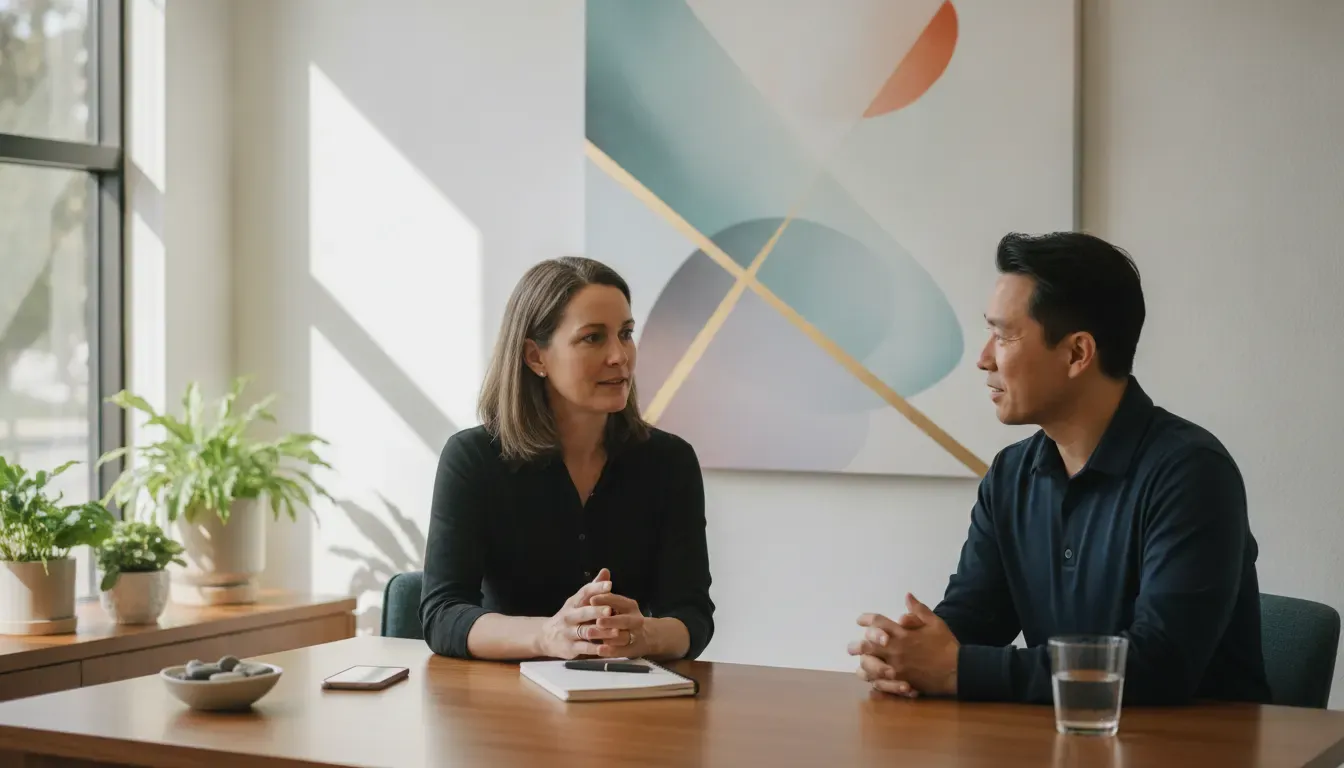
Walking into your first spinal rehabilitation appointment can feel a little overwhelming, but a bit of preparation goes a long way. Knowing what to bring and how to think about your goals will help you and your care team get on the same page from day one. This initial meeting is all about creating a partnership, where your provider understands your history and you feel confident in the path forward.
Think of this first visit as a collaborative strategy session for your health. You’ll be sharing your story, and your provider will be laying out a potential roadmap for recovery. The more information you can provide, the more personalized your plan will be. This is your opportunity to ask questions, share your concerns, and start building a relationship with the team dedicated to your well-being.
What to Bring with You
To make your first appointment as productive as possible, gather a few key items beforehand. Having your medical history organized helps your provider get a complete picture of your health. Be sure to bring any recent imaging reports like X-rays or MRIs, a list of current medications and supplements, and contact information for other doctors you see. It’s also helpful to jot down a brief timeline of your injury or condition. Beyond the paperwork, bring a list of questions. This is your time to understand the approach and ensure it’s the right fit. You might ask about the team’s experience with conditions like yours, what a typical treatment session looks like, and what educational resources are available to support you.
How to Set Realistic Goals
It’s natural to want immediate relief, but rehabilitation is a process of steady, meaningful progress. A vital part of recovery is taking a holistic approach that addresses your physical, mental, and emotional needs. When thinking about your goals, look beyond just the pain score. What activities do you want to get back to? Maybe it’s playing with your kids, gardening, or simply walking without discomfort. Your initial goals might be as simple as understanding your treatment plan and what to expect from the services offered. During your first appointment, be open with your provider about what success looks like for you. This conversation will help shape a personalized and achievable plan that focuses on restoring your function and quality of life, one step at a time.
Common Challenges During Recovery
The path to recovery is rarely a straight line. It’s a journey with incredible highs and some challenging moments that test your patience and resolve. Understanding these common hurdles can help you prepare for them and see them not as roadblocks, but as part of the process. Two of the most significant challenges patients face are adjusting to new physical realities and keeping motivation high when the going gets tough. It's important to remember that healing involves both your body and your mind. The key is to remember that you have a dedicated team ready to support you through every step, helping you manage both the physical and emotional aspects of your recovery journey.
Let's be honest, some days will be harder than others. You might feel frustrated by a lack of progress or overwhelmed by the changes in your daily life. This is completely normal. Recognizing that these feelings are a valid part of the healing process is the first step. The goal isn't to avoid challenges, but to build the resilience and strategies needed to move through them. At Ascend Functional Health, we focus on equipping you with the right tools, from physical therapies to mental fortitude techniques, ensuring you feel empowered rather than discouraged. Your journey is unique, and we tailor our support to fit your specific needs, celebrating every small victory with you along the way.
Adapting to Physical Limitations
Learning to work with your body after an injury or surgery can be one of the toughest parts of recovery. Everyday tasks might feel different, and it’s completely normal to feel frustrated. It’s important to remember that rehabilitation is a holistic process that considers your physical, mental, and emotional needs. Adapting isn’t just about regaining strength; it’s about discovering new ways to move and function with confidence. Our team at Ascend Functional Health will help you find practical solutions and modifications, giving you the tools to build independence as you heal and get back to the activities you love.
How to Stay Motivated
Some days, you’ll feel like you can conquer the world. On other days, progress might feel slow, and it can be hard to stay positive. This is where setting small, realistic goals becomes so important. Instead of focusing only on the final destination, we'll help you celebrate the small wins along the way, like walking a little farther or feeling a bit less pain. Creating a supportive environment is also crucial. Lean on your family, friends, and your care team. We’re here to be your cheerleaders, reminding you how far you’ve come and helping you stay focused on the next small victory.
How to Maintain Your Progress After Rehab
Completing your spinal rehabilitation program is a huge accomplishment, but the journey doesn't end there. Think of your formal rehab as the phase where you build the foundation and learn the rules of the game. Maintaining your progress is how you continue to play and win for years to come. This next chapter is all about taking the tools and knowledge you’ve gained and integrating them into your daily life to support your long-term health and prevent future issues.
The goal is to transition from a structured treatment schedule to a sustainable, independent routine that keeps you feeling strong, mobile, and pain-free. It requires a proactive mindset, where you become the expert on your own body. This doesn’t mean you’re on your own. Your care team is still a resource, but the focus shifts to empowering you with a personalized plan for exercise, self-care, and lifestyle adjustments. By understanding the factors that contribute to your well-being, you can make meaningful choices every day that protect your spine and enhance your quality of life. Our integrated health solutions are designed to help you understand these connections. It’s about building lasting habits that allow you to continue doing the activities you love with confidence and comfort.
Your Home Exercise and Self-Care Plan
Once you’ve completed your in-office treatments, you’ll leave with a customized home care plan. This isn’t a generic handout of exercises; it’s a strategic program designed to continue the progress you’ve already made. Your plan will likely include targeted stretches and strengthening exercises to improve mobility, relieve tension, and restore functional comfort in your daily activities. The key is consistency. Performing these exercises as prescribed helps solidify the gains you made during rehab and prevents your body from slipping back into old patterns of pain and dysfunction. Self-care also involves listening to your body, practicing good posture, and knowing when to rest. Your home plan is your roadmap for staying on track and managing your spinal health independently.
Lifestyle Changes for Long-Term Spinal Health
True spinal health goes beyond specific exercises. It’s woven into the fabric of your daily life. Making small, sustainable lifestyle changes can have a massive impact on your long-term results. This could mean paying attention to your nutrition to reduce inflammation, ensuring you get quality sleep to help your body repair itself, or managing stress, which can contribute to muscle tension. Understanding the root causes of your initial problem is key to making effective changes. Our approach to functional medicine helps you connect the dots between your lifestyle and your health. By adopting healthier habits, you’re not just preventing pain; you’re building a more resilient body from the inside out.
Related Articles
- Revitalize Your Spine with Spinal Decompression Therapy in Tampa, FL
- Spinal Decompression Hurts Lower Back: Normal or Not?
- Expert Spinal Curve Correction in Tampa Bay - Alessi Functional Health
- Spinal Stenosis of Lumbar Region: Symptoms & Treatment
- The Importance of Spinal Health for Overall Wellness | Alessi Functional Health
Frequently Asked Questions
How is spinal rehabilitation different from just seeing a chiropractor or physical therapist separately? Think of spinal rehabilitation as a team sport where you are the most valuable player. Instead of visiting separate specialists who might not be communicating, our approach brings everyone to the same table. A comprehensive rehab program integrates chiropractic care, physical therapy, and other treatments into one cohesive strategy. This ensures every part of your care plan works together to address the root cause of your issue, not just one piece of the puzzle.
Should I expect the treatments to be painful? This is a very common concern, and the short answer is no. The goal of rehabilitation is to reduce your pain, not create more of it. While you might feel some mild soreness after certain exercises, similar to what you’d feel after a good workout, the hands-on therapies are designed to be gentle and restorative. Your care team will always communicate with you and adjust the intensity to ensure you remain comfortable throughout the process.
How quickly can I expect to feel better? Recovery is a personal journey, so there isn't a universal timeline. Some people experience relief after their very first session, while for others with more chronic conditions, progress is more gradual. Your recovery speed depends on factors like the nature of your condition, your overall health, and how consistently you follow your personalized plan. We focus on celebrating steady progress and building a strong foundation for lasting results, rather than promising a quick fix.
What happens if my pain returns after I complete my program? Our primary goal is to equip you with the tools and knowledge to maintain your progress for the long haul. We create a detailed home care and lifestyle plan to help you prevent future issues. However, life happens. If you do experience a flare-up, you're not starting from scratch. We'll be here to help you identify the cause, make any necessary adjustments, and get you back on track quickly.
Do I need a referral from my primary care doctor to start? In most cases, you do not need a referral to begin your spinal rehabilitation journey with us. You can schedule a consultation directly to discuss your concerns and see if our approach is the right fit for you. We are happy to coordinate with your primary care doctor or other specialists to ensure your care is seamless and collaborative.