That persistent pain traveling down your leg is a clear message from your body, but the story doesn’t end there. Our bodies are complex, interconnected systems, and the source of your sciatica might be influenced by more than just one isolated issue. Your daily posture, movement patterns, and even systemic inflammation can play a role in nerve irritation. A truly effective approach looks at this whole picture. Instead of just focusing on the site of the pain, a comprehensive consultation for sciatica root cause investigates all the contributing factors. This allows us to connect the dots and create a holistic plan that supports your entire body’s return to health and function.
Key Takeaways
- Focus on the 'Why,' Not Just the Pain: Sciatica is a signal that something is wrong, not the actual diagnosis. True relief comes from finding the underlying issue, such as a herniated disc or muscle imbalance, rather than just masking the radiating pain.
- A Precise Diagnosis Guides Your Recovery: An effective treatment plan depends entirely on an accurate diagnosis. A thorough evaluation is necessary to determine if the problem is in your spine or a muscle, which ensures your care is targeted and successful.
- Most People Recover Without Surgery: The majority of sciatica cases respond very well to conservative care. A combination of chiropractic adjustments, corrective exercises, and gentle movement can correct the structural issue and relieve nerve pressure, making surgery a last resort.
Is It Sciatica? How to Read the Signs
That nagging pain in your lower back has turned into something more: a sharp, zinging sensation that travels down your leg. It’s a common question, since so many different issues can cause back pain. The key is learning to distinguish the unique symptoms of sciatic nerve pain from general muscle aches. Understanding these signs is the first step toward figuring out what’s really going on. Let’s look at the specific clues your body might be sending you.
Sharp Pain vs. Radiating Discomfort
Sciatica pain isn't a dull ache that stays put. Instead, it’s often a sharp, shooting pain starting in the lower back or buttock and traveling down the path of the sciatic nerve. This path runs down the back of your thigh and can go to your foot. The sensation is often compared to an electric shock that comes and goes. While the intensity varies, the defining feature is that the discomfort radiates along a clear line, usually on just one side of your body. This is very different from a simple muscle strain, which tends to feel sore and localized.
Numbness, Tingling, and Burning Sensations
Pain isn't the only signal. Because it’s a nerve issue, you might also experience other strange sensations. Many people report numbness, a "pins and needles" tingling, or a burning feeling in their leg or foot. These sensations can happen with the sharp pain or on their own. You might also notice some muscle weakness in the affected leg, making it feel heavy or difficult to move. These are classic signs that a nerve is being compressed or irritated. Our approach to physical medicine focuses on identifying and relieving this nerve pressure.
Sciatica vs. General Back Pain: What's the Difference?
Here’s the most important thing to understand: sciatica isn't a condition itself, but rather a symptom of an underlying problem. The term "sciatica" specifically describes pain caused by the irritation of the sciatic nerve. The real question is what is pressing on that nerve. Common culprits include a herniated disc or spinal stenosis. This is the key difference from general back pain, which might stem from a muscle strain. Because sciatica points to a specific structural issue, finding lasting relief requires a holistic approach that addresses the root cause, not just the pain itself.
Clearing Up Common Sciatica Myths
When you’re dealing with the unique pain of sciatica, it’s easy to get tangled in a web of misinformation. Well-meaning friends, family, and internet forums can sometimes steer you in the wrong direction. Let’s clear the air and bust a few common myths about sciatica so you can focus on what truly helps you heal.
Myth: All Lower Back Pain Is Sciatica
If your lower back hurts, it must be sciatica, right? Not exactly. While sciatica does involve the lower back, it’s a very specific type of pain. The term "sciatica" refers to pain that results from irritation or compression of the sciatic nerve, the longest nerve in your body. This nerve runs from your lower back, through your hips and buttocks, and down each leg. That’s why true sciatica often causes radiating pain, numbness, or tingling along this path, not just a localized ache.
Many other issues can cause lower back pain, such as muscle strains, ligament sprains, or joint problems. The American Medical Association helps clarify that sciatica is distinct from general back pain. Understanding this difference is the first step toward getting an accurate diagnosis and an effective treatment plan.
Myth: Bed Rest Is the Best Solution
When that sharp, radiating pain strikes, your first instinct might be to lie down and wait for it to pass. In the past, prolonged bed rest was a common recommendation. However, we now know that too much inactivity can do more harm than good. Lying in bed for days can cause your supporting back and core muscles to weaken, and your joints can become stiff, potentially making your recovery longer and more difficult.
While you should avoid activities that make the pain worse, gentle movement is your friend. Research on the diagnosis and treatment of sciatica shows that staying active often leads to better outcomes. Light walking, gentle stretching, and continuing with your daily activities as tolerated can help reduce inflammation and keep your spine flexible and supported. The key is to listen to your body and move within a comfortable range.
Myth: Treating Symptoms Is Enough
It’s completely understandable to want to stop the pain as quickly as possible. But only managing the symptoms is like putting a piece of tape over your car's check engine light; it ignores the real problem under the hood. Sciatica isn't a standalone condition. It's a symptom of an underlying issue, such as a herniated disc, spinal stenosis, or piriformis syndrome, that is putting pressure on your sciatic nerve.
Simply masking the pain won’t correct the structural problem causing it. A truly effective plan must address the root cause. This is why a comprehensive approach that includes a thorough diagnosis is so important for long-term relief. By identifying what’s compressing the nerve, we can create a targeted plan using tools like physical medicine and corrective care to resolve the source of the problem, not just quiet the alarm.
What Really Causes Sciatica?
Sciatica feels so specific, but the term itself doesn't actually tell you why you're in pain. It’s a symptom, not a diagnosis. Think of it like a check engine light for your lower back and leg. That radiating pain is a signal that something is irritating your sciatic nerve. The real question is, what’s causing the irritation? Finding the answer is the first and most important step toward lasting relief. Several different conditions can be the culprit, and pinpointing the exact source is what we specialize in. Let's look at some of the most common underlying causes.
Herniated Discs
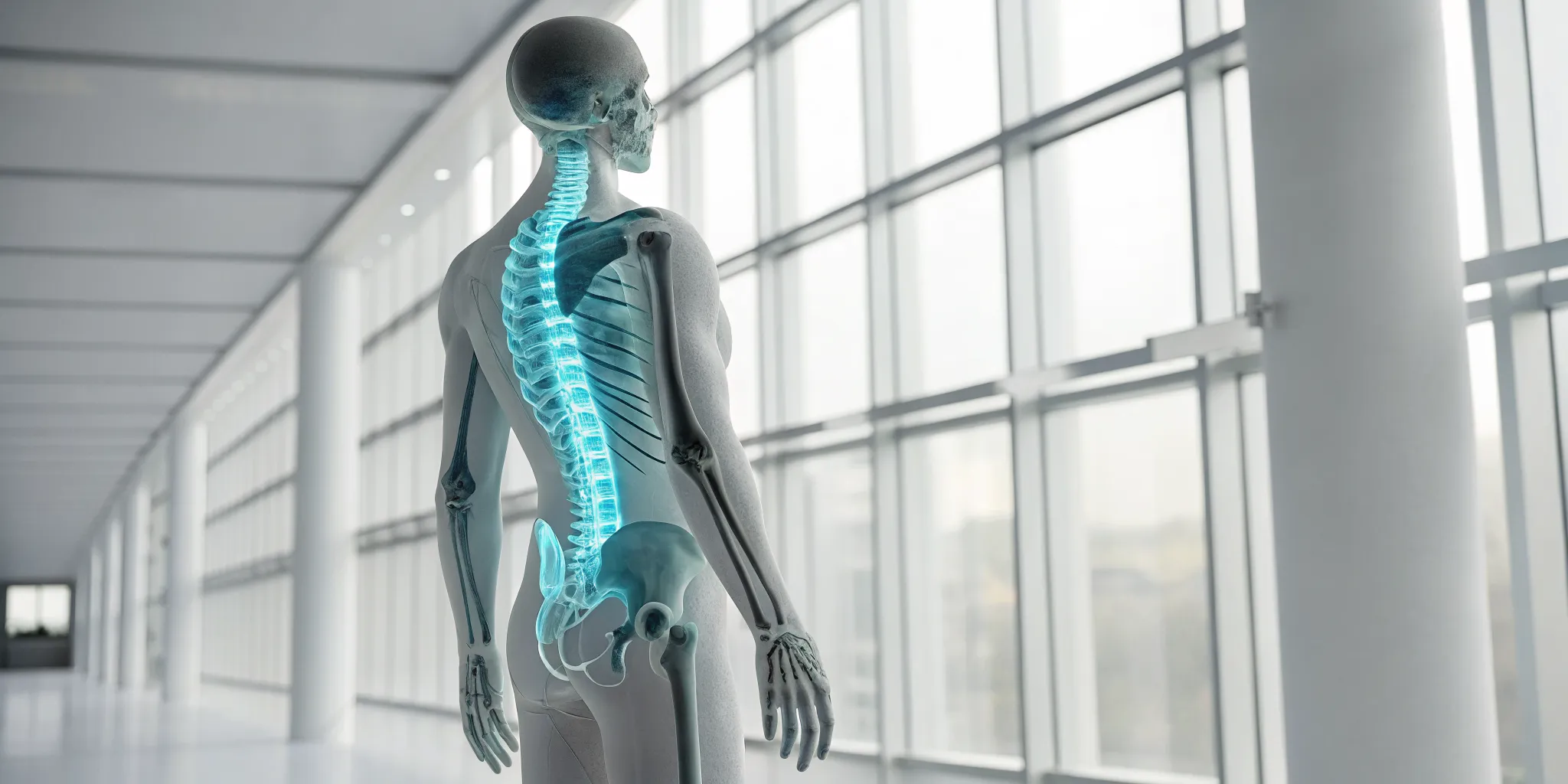
This is the classic cause of sciatica, responsible for the vast majority of cases. Your spine is made of vertebrae stacked on top of each other, with soft, gel-filled discs acting as cushions between them. A herniated disc happens when the soft center of a disc pushes out through a tear in its tougher exterior. When this happens in your lower back, the bulging material can press directly on a sciatic nerve root. This pressure is what triggers that sharp, shooting pain down your leg. Our approach to physical medicine focuses on relieving this pressure without invasive procedures, allowing your body to begin the healing process.
Spinal Stenosis
Imagine the channel that your spinal cord runs through becoming narrower. That’s spinal stenosis. This narrowing can put pressure on the nerves inside, including the sciatic nerve. While it can happen to anyone, it’s often associated with age-related changes in the spine, like the thickening of ligaments or the growth of bone spurs. The symptoms might develop slowly over time, starting as a dull ache and progressing to more persistent pain, numbness, or weakness. Identifying stenosis as the cause is crucial because the treatment approach will be different than for a herniated disc. We address many of these conditions we treat with personalized protocols.
Degenerative Disc Disease
Don't let the word "disease" scare you. This term simply describes the natural wear and tear our spinal discs experience over time. As we age, our discs can lose water content, becoming thinner, weaker, and less flexible. This can lead to a cascade of issues, including inflammation and instability in the spine that irritates the sciatic nerve. Sometimes, the body tries to stabilize the spine by forming bone spurs, which can also contribute to nerve compression. Addressing the effects of aging is a core part of our longevity medicine pillar, helping you maintain function and feel your best as the years go by.
Piriformis Syndrome and Other Muscle Issues
Sometimes, the problem isn't in your spine at all. The piriformis is a small muscle located deep in your buttock, and the sciatic nerve runs right underneath it (and for some people, straight through it). If this muscle becomes tight or spasms from overuse, injury, or even just prolonged sitting, it can squeeze the sciatic nerve and mimic sciatica symptoms perfectly. This is called piriformis syndrome. Because the source is muscular, the treatment is completely different from a disc-related issue. It’s a great example of why getting an accurate diagnosis is so important before starting any treatment plan.
Why Your Diagnosis Might Be Different
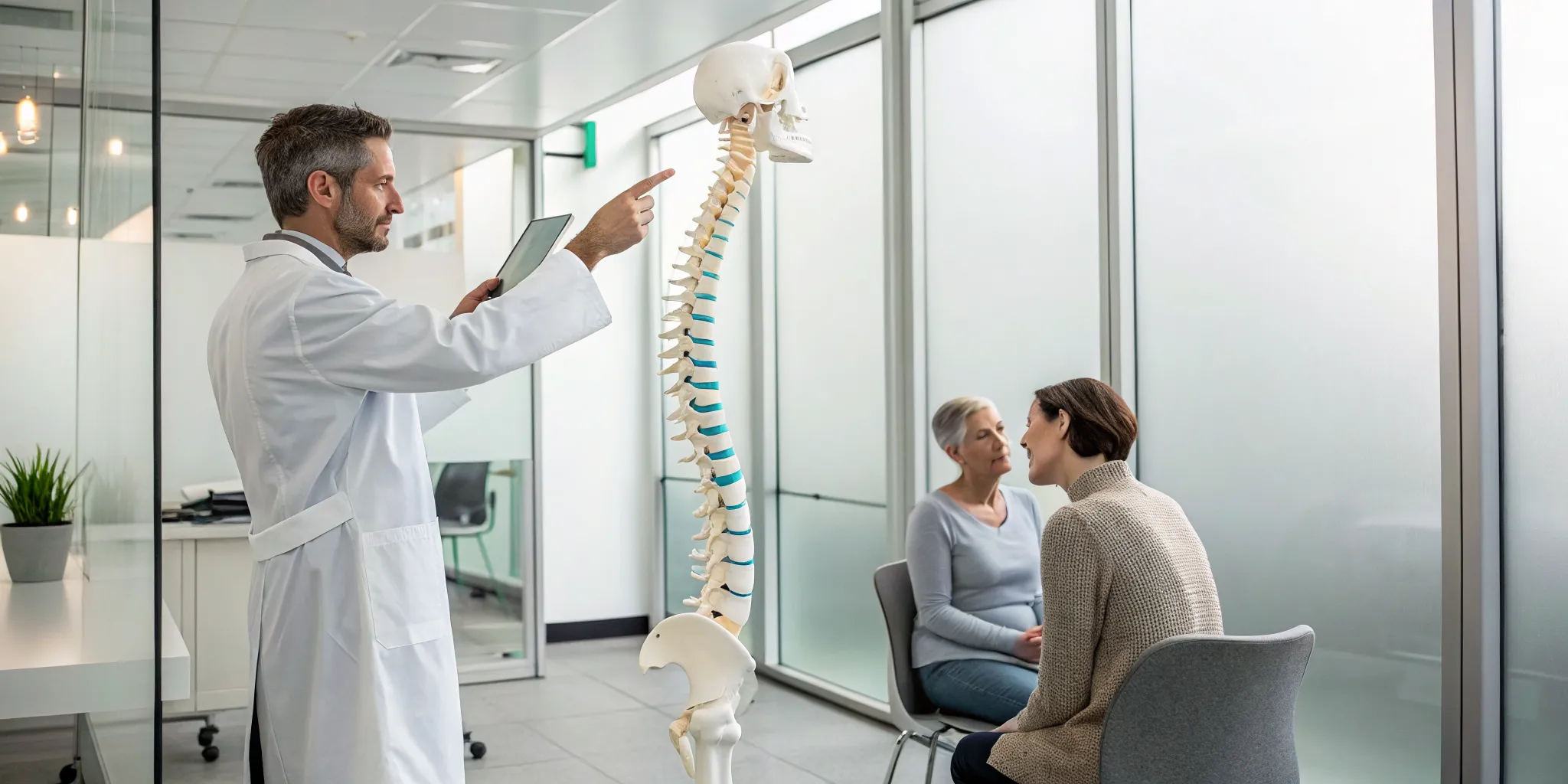
As you can see, several roads can lead to sciatica. Your pain might feel exactly like your friend's, but the underlying cause could be completely different. This is why a thorough consultation is non-negotiable. We start by listening to your story and understanding your symptoms and medical history. From there, a physical exam helps us assess your movement and pinpoint the source of the pain. Sometimes, imaging like an X-ray or MRI is needed to get a clear picture of what’s happening in your spine. Our goal is to connect all the dots to understand your unique situation, which is central to our approach to health.
How to Prepare for Your First Appointment
Walking into a new doctor’s office can feel a little overwhelming, especially when you’re dealing with persistent pain. But coming to your first consultation prepared can make a world of difference. When you arrive with clear information, it helps us get to the heart of the issue more efficiently. Think of it as a partnership: you bring the expertise on your body’s signals, and we bring the clinical expertise to interpret them.
Taking a little time to gather your thoughts and history beforehand allows you to be more present during the appointment. It ensures you don’t forget any important details and helps you ask the questions that matter most to you. This preparation is the first step in taking control of your health and finding a path toward lasting relief. Our goal is to understand your unique situation, and the more information you can provide, the clearer that picture becomes. We want to work with you to find the true root cause of your sciatica, not just quiet the symptoms.
Track Your Symptoms and Pain Patterns
Before your visit, try to become an observer of your own body. Your provider will ask specific questions about your symptoms, so having a log can be incredibly helpful. You don’t need anything fancy; a simple note on your phone or in a journal works perfectly. Try to jot down answers to these questions: Where exactly do you feel the pain? Is it a sharp, shooting sensation, a dull ache, or more of a burning or tingling feeling?
Note what makes the pain better or worse. Does it flare up after sitting for a long time, or does walking seem to aggravate it? Pay attention to how your body feels when you wake up versus at the end of the day. This information provides crucial clues that help us understand the specific nerve irritation you're experiencing and begin to pinpoint its origin.
List Your Medical History and Past Injuries
Your body keeps a record of everything it’s been through, and sometimes an old injury can contribute to a new problem. Take a few minutes to list any significant health events from your past. This includes previous episodes of back pain, car accidents, falls, or sports injuries, even if they happened years ago and seemed minor at the time.
Also, make a list of any other diagnosed health conditions you have and any medications or supplements you currently take. At Ascend Functional Health, we take a holistic view because we know the body is an interconnected system. Understanding your complete medical history helps us see the full picture and identify patterns that might otherwise be missed, leading us to a more accurate diagnosis and a truly personalized treatment plan.
Note Potential Lifestyle Factors
Our daily habits and routines have a profound impact on our health, especially our spinal health. Certain lifestyle factors can increase your risk for developing sciatica, and identifying them is a key part of creating a long-term solution. Think about your typical day. Do you have a job that involves heavy lifting or, conversely, sitting at a desk for many hours?
Consider your posture, your general activity level, and even your stress levels. Factors like carrying extra body weight or having weak core muscles can also play a role. Being honest about these elements doesn’t mean placing blame; it means gathering all the puzzle pieces. This awareness helps us tailor a physical medicine plan that not only addresses your current pain but also helps you build a more resilient body for the future.
Prepare Questions for Your Provider
Your appointment is a two-way conversation, and your questions are just as important as the information you provide. Feeling informed and understanding your condition is a vital part of the healing process. Before you come in, write down anything you’re curious or concerned about. There are no bad questions when it comes to your health.
You might want to ask things like:
- What do you suspect is causing my symptoms?
- What diagnostic tests might be needed?
- What are the different treatment options you offer?
- What can I do at home to support my recovery?
Bringing a list ensures you leave your consultation feeling confident and clear on the next steps. We are here to be your partner in health, and that starts with open communication and a shared understanding of your path forward.
What to Expect During Your Consultation
Walking into a new doctor’s office can feel a little intimidating, especially when you’re dealing with persistent pain. Our goal is to make your first consultation a comfortable and productive experience. Think of it as the first step in a partnership dedicated to finding the root cause of your sciatica. This appointment is all about listening to your story, understanding how your symptoms affect your life, and performing a thorough physical assessment to get a clear picture of what’s going on. We’ll connect the dots between your history, your symptoms, and your body’s mechanics to create a path forward.
Reviewing Your Medical History
We’ll start our time together with a conversation. This isn't just a formality; it's the foundation of your entire treatment plan. We’ll ask about the specifics of your pain, like when it started, what it feels like, and what activities make it better or worse. We'll also discuss your broader medical history, past injuries, and lifestyle. This comprehensive approach is a core part of functional medicine, as it helps us understand the full context of your health. By looking at the whole picture, we can often find connections and contributing factors that might otherwise be missed, getting us closer to the true source of the problem.
The Physical Exam and Mobility Tests
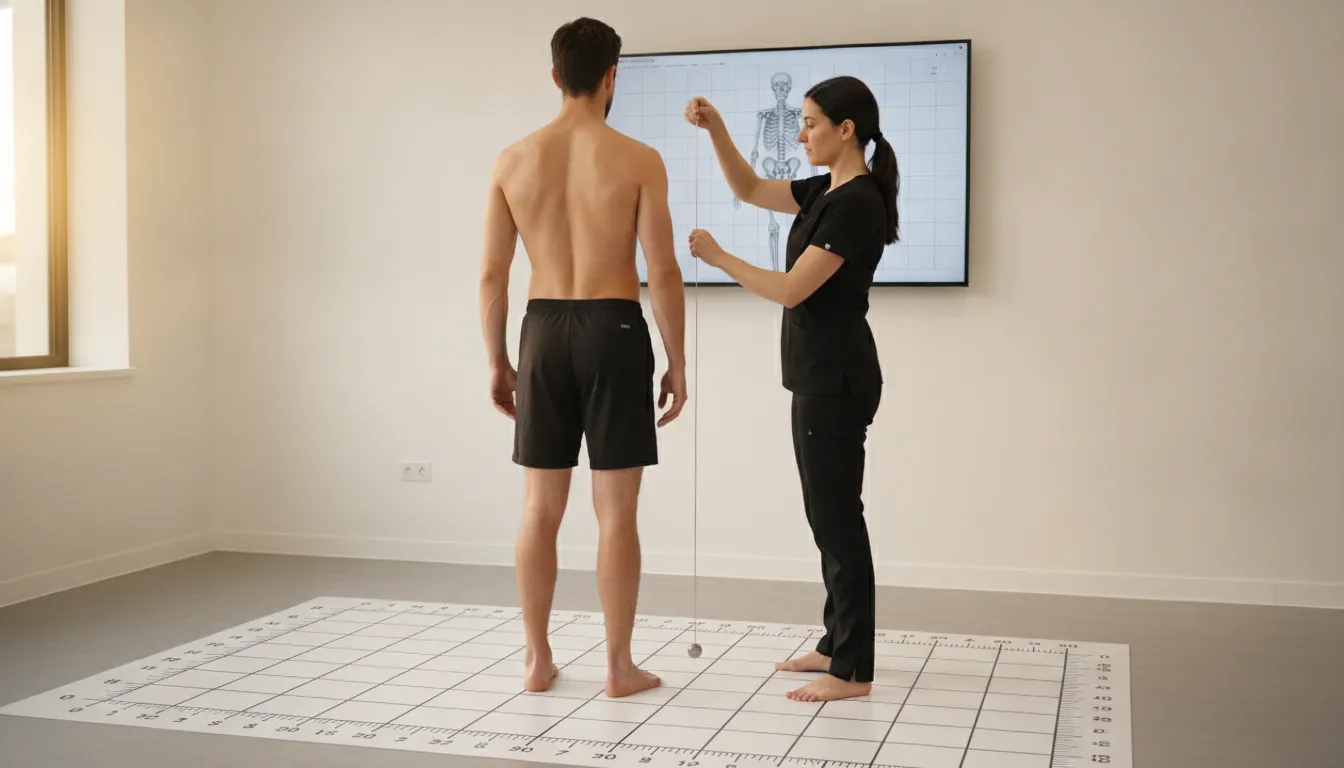
After discussing your history, we’ll move on to a physical exam. This helps us see how your body is moving and where specific issues might be. We’ll observe your posture and how you walk, and we may guide you through a few simple movements to assess your range of motion. We will also check your muscle strength, reflexes, and flexibility. These hands-on tests are a key part of physical medicine and give us objective information about how your nerves and muscles are functioning. This exam is gentle, and we’ll communicate with you throughout the entire process to make sure you’re comfortable.
What the Straight Leg Raise Test Reveals
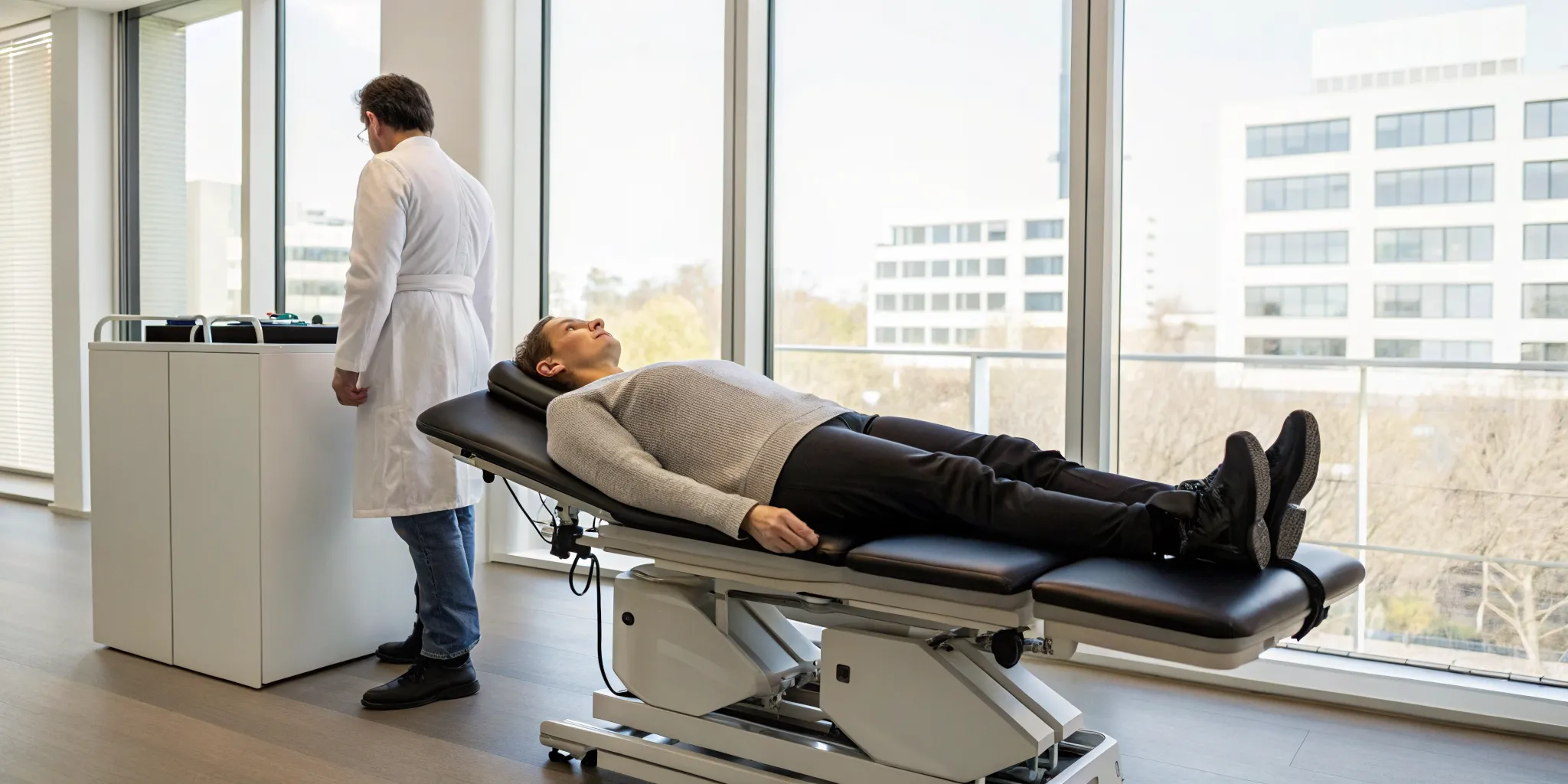
One of the most common and informative tests we perform is the straight leg raise. While you’re lying comfortably on your back, we will gently lift your affected leg, keeping it straight. The goal is to see at what point, if any, you feel that familiar sciatic pain radiate down your leg. If lifting the leg reproduces your symptoms, it’s a strong indicator that one of the nerves in your lower back is being irritated or compressed. This simple test is incredibly helpful for confirming nerve involvement and helps us differentiate sciatica from other types of lower back pain.
Screening for "Red Flag" Symptoms
While most cases of sciatica can be managed effectively, it’s important to screen for any signs that might point to a more serious condition. We will ask you about "red flag" symptoms, such as significant numbness or weakness in your legs, or any changes in your ability to control your bladder or bowels. These particular symptoms can suggest severe nerve compression that requires more immediate medical evaluation. Your safety is our top priority, and being aware of these signs is a critical part of a responsible assessment. If you ever experience these symptoms, please contact us or another health provider right away.
How We Pinpoint the Root Cause of Your Sciatica
Finding the source of your sciatica is the most important step toward lasting relief. Instead of just addressing the pain, our goal is to understand exactly why it’s happening. This involves a comprehensive look at your health, combining a detailed discussion of your symptoms with a thorough physical assessment. We believe in a methodical approach, using diagnostic tools thoughtfully to build a complete picture of what’s going on. This allows us to move beyond temporary fixes and create a plan that targets the underlying issue, paving the way for genuine healing. Our entire approach to care is built on this principle of getting to the root cause.
Diagnostic Imaging: X-Rays and MRIs
Many people assume that an X-ray or MRI is the first and most important step in diagnosing sciatica. While imaging can be incredibly useful, it’s not always the starting point. It’s important to know what these tools can and can’t show us. X-rays are great for looking at bones, but they don’t show soft tissues like muscles, nerves, or spinal discs. Since a herniated disc is a very common cause of sciatica, an X-ray often won't give us the full story. An MRI, on the other hand, provides a detailed view of these soft tissues, which can be very helpful. However, we use imaging strategically, not as a default first step.
When Is Imaging Actually Necessary?
We begin our diagnostic process by listening to you. A detailed conversation about your symptoms, followed by a hands-on physical exam, gives us the most critical information. During the exam, we’ll perform specific mobility tests, like the straight leg raise test. If lifting your leg while you're lying down reproduces that distinct sciatic pain, it’s a strong indicator of nerve irritation. We primarily recommend imaging when we see "red flag" symptoms that might point to a more serious underlying condition. This careful and considered process is a core part of our physical medicine services, ensuring you only get the tests you truly need.
Connecting the Dots: From Imaging to Symptoms
A diagnosis is never based on a single test result. We connect the dots between your personal health history, your daily activities, your physical exam findings, and, if necessary, your imaging results. For example, an MRI might show a disc bulge, but if your symptoms don't match that finding, the bulge may not be the true source of your pain. By looking at the whole picture, we can identify the specific cause of your sciatica, whether it’s a herniated disc, spinal stenosis, or a muscle issue like piriformis syndrome. This complete understanding allows us to tailor our services to your exact needs and build a truly effective treatment plan.
Your Personalized Sciatica Treatment Plan
Once we’ve pinpointed the root cause of your sciatica, we can build a treatment plan that’s tailored specifically to you. There is no one-size-fits-all solution for sciatica because the source of the nerve irritation is different for everyone. Your path to relief won’t look the same as someone else’s, and that’s exactly how it should be. Our goal is to address the underlying problem, not just quiet the symptoms, so you can find lasting relief and get back to your life.
Our approach combines several pillars of healing to support your body’s recovery. We focus on gentle, non-invasive methods that correct structural issues, restore proper function, and empower you with the tools to support your own healing. Your personalized plan will draw from our physical and functional medicine services, creating a comprehensive strategy that addresses your unique diagnosis. We’ll walk you through every step, making sure you feel confident and informed about your care. This journey is a partnership, and our team is here to guide you from initial relief to long-term wellness. We believe in treating the person, not just the pain, which means we consider how your lifestyle, history, and overall health contribute to what you're experiencing. This holistic view is what sets your recovery plan apart and makes it truly effective.
Chiropractic Adjustments and Spinal Decompression
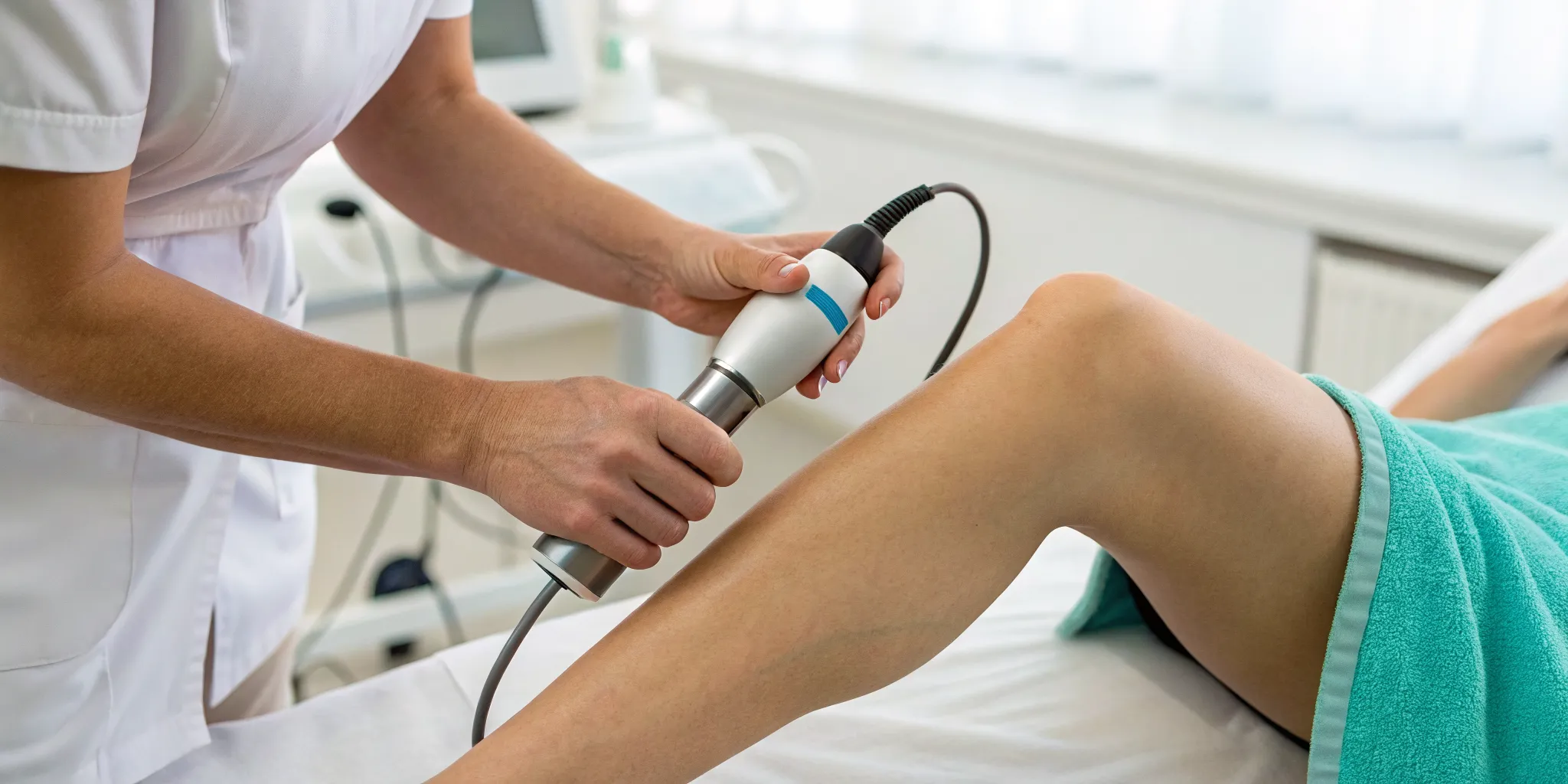
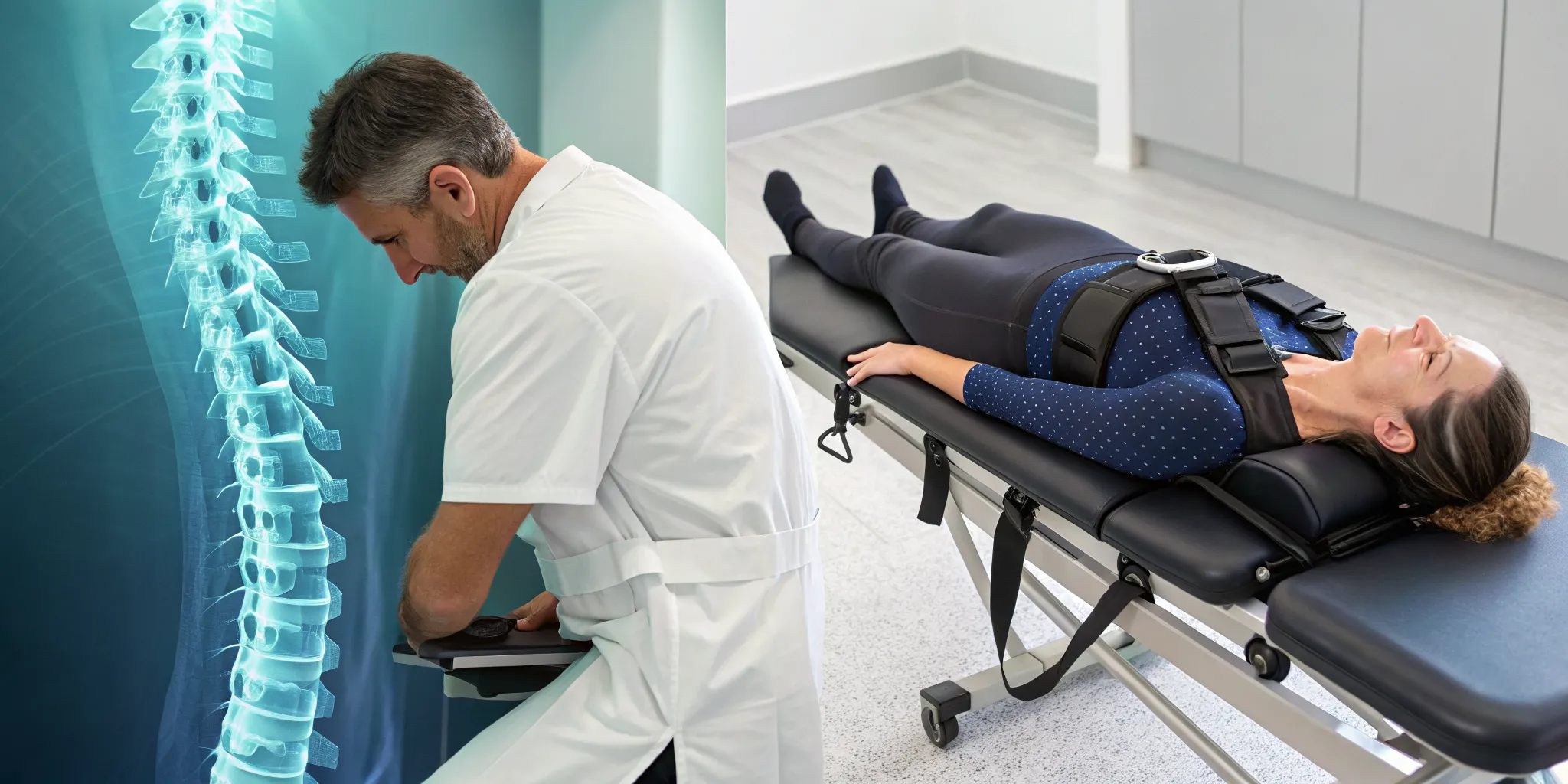
Chiropractic care is a cornerstone of treating sciatica that originates in the spine. Gentle adjustments help restore proper motion to the spinal joints, which can relieve pressure on the sciatic nerve. For issues like a herniated or bulging disc, we may also use non-surgical spinal decompression. This technique creates a gentle pull on your spine, helping to draw the disc material back into place and create more space for the nerve. Our physical medicine protocols are designed to correct the underlying structural problems that are causing your pain, providing a foundation for true healing.
Corrective Care and Physical Medicine
Beyond adjustments, your plan will likely include corrective care exercises. Think of this as a personalized movement plan to help you heal. We’ll guide you through specific stretches and strengthening exercises designed to stabilize your spine, improve your posture, and reduce pressure on the sciatic nerve. The goal is to retrain the muscles supporting your lower back and pelvis, which helps prevent future flare-ups. We teach you how to perform these movements effectively so you can continue making progress and take an active role in your recovery.
How Treatment Varies for Herniated Discs vs. Spinal Stenosis
Because sciatica is a symptom of a deeper issue, your treatment must match the cause. If a herniated disc is the culprit, our focus might be on spinal decompression and specific exercises to help the disc retract. However, if your sciatica is caused by spinal stenosis (a narrowing of the spinal canal), the approach shifts. In that case, we’ll use techniques designed to open up space in the spine and reduce compression. This is why a precise diagnosis is so important; it allows us to create a targeted plan that addresses your body’s specific needs.
A Unique Approach for Piriformis Syndrome
Sometimes, the spine isn’t the problem at all. If your sciatica is caused by piriformis syndrome, it means the piriformis muscle in your buttock is tight and compressing the sciatic nerve. Treating this requires a completely different strategy. Instead of focusing on the spine, we target the muscle itself with specific stretches, soft tissue therapies, and exercises to relieve the tension. This is a perfect example of how our functional medicine approach helps us look at the whole picture to find the true source of your discomfort.
Lifestyle Changes to Support Long-Term Healing
Your daily habits play a huge role in your recovery. We’ll help you identify and modify lifestyle factors that may be contributing to your sciatica. This could include simple changes like improving your desk ergonomics, learning how to lift objects correctly, or incorporating more gentle movement into your day. We may also discuss nutritional strategies to help manage inflammation throughout your body. These small, consistent changes add up, empowering you to maintain your results and support your body’s health for the long term. You can find more wellness tips on our blog.
Life After Your Sciatica Diagnosis
Receiving a sciatica diagnosis can feel overwhelming, but it’s also the first real step toward getting your life back. Instead of just guessing what’s causing your pain, you now have a starting point. The path forward isn’t about just managing symptoms; it’s about understanding the root cause and creating a plan that helps your body heal correctly. For most people, the outlook is very positive, and a full recovery is absolutely possible without invasive procedures.
Let's talk about what comes next. Your recovery timeline, the role of conservative care, and your own mindset are all key pieces of the puzzle. Knowing what to expect can make the process feel much more manageable and put you back in control of your health. At Ascend Functional Health, we believe that a well-informed patient is an empowered one, and our goal is to guide you through every stage of your recovery.
Your Recovery Timeline and Prognosis
One of the first questions people ask after a diagnosis is, "How long will this last?" While everyone’s body is different, research shows that many cases of acute sciatica improve relatively quickly. About half of people feel better within a couple of weeks, and around 75% find relief within a month, even without specific interventions. This is encouraging news, but it doesn't tell the whole story.
For the 20% to 30% of individuals who still experience discomfort after a year or two, simply waiting it out isn't the answer. Persistent sciatica often signals an underlying issue that hasn't been properly addressed. This is why identifying the root cause is so important. By understanding what’s irritating your sciatic nerve, we can create a targeted plan to support your body’s healing process and address the specific conditions we treat to prevent your pain from becoming a long-term problem.
Why Most Cases Don't Require Surgery
If you hear "herniated disc" or "spinal stenosis," your mind might immediately jump to surgery. Take a deep breath, because that’s rarely the case. The medical community agrees that surgery should be a last resort for sciatica, reserved for situations where conservative treatments haven't worked and there are signs of significant nerve issues. The vast majority of people find lasting relief through non-invasive methods.
This is where our approach to physical medicine comes in. Treatments like chiropractic adjustments, spinal decompression, and corrective exercises are designed to relieve pressure on the sciatic nerve and restore proper function to your spine. These methods work with your body’s natural healing abilities to correct the problem at its source. They are powerful, effective, and allow you to avoid the risks and lengthy recovery associated with an operation.
How to Set Realistic Expectations for Healing
Healing is a process, not an event. It’s important to set realistic expectations and understand that your recovery won't happen overnight. The first step is usually a period of conservative care, which can last around six to eight weeks. During this time, the goal is to reduce inflammation, improve mobility, and strengthen the supporting muscles. One of the biggest shifts in sciatica care is the move away from bed rest. We now know that staying active, as much as you comfortably can, is crucial for recovery.
Your provider should be your partner in this process, helping you understand what’s causing your pain and what the expected prognosis is. Having this knowledge helps you stay motivated and committed to your treatment plan. Healing isn't always a straight line; you might have good days and bad days. That’s completely normal. By focusing on consistent progress and celebrating small wins, you can build momentum toward long-term relief. If you're ready to start, we're here to help you take the first step.
Find Your Sciatica's Root Cause at Ascend Functional Health
Living with sciatica can feel like a frustrating cycle of pain, numbness, and limited mobility. You’ve likely tried stretching or resting, only for the discomfort to return. That’s because temporary fixes don’t address what’s actually causing the nerve irritation. At Ascend Functional Health, we move beyond symptom management. Our goal is to uncover the specific reason for your sciatica so we can build a lasting solution tailored to you. We believe that fully understanding the cause and expected prognosis is a critical part of your recovery.
Your journey with us starts with a detailed conversation. We’ll discuss your complete health history, your daily activities, and the exact nature of your symptoms. This initial step is crucial because it helps us pinpoint potential triggers, like a herniated disc or spinal stenosis. From there, we conduct a thorough physical and neurological exam to assess your movement, strength, and reflexes. This hands-on evaluation gives us a clear picture of how your body is functioning and where the interference is happening. We use this information to create a complete picture of your health and guide our comprehensive treatment strategies.
Based on our findings, we develop a personalized plan that combines different healing methods. For many of our patients, this includes targeted chiropractic adjustments and spinal decompression to gently relieve pressure on the sciatic nerve. We also integrate corrective care and Physical Medicine techniques to strengthen supporting muscles, improve posture, and restore proper biomechanics. By addressing the structural source of the problem, we not only alleviate your current pain but also equip your body to prevent it from coming back. If you're ready to find real answers, you can schedule a consultation with our team today.
Related Articles
- Spinal Stenosis of Lumbar Region: Symptoms & Treatment
- Disc Bulge Therapy: A Complete Guide to Healing
- Bulging Disc Therapy Treatment: A Complete Guide
Frequently Asked Questions
How can I tell if my leg pain is actually sciatica or just a pulled muscle? The biggest clue is the path the pain takes. Sciatica typically involves a sharp or burning pain that travels from your lower back or buttock down the back of your leg, sometimes all the way to your foot. You might also feel numbness or a "pins and needles" sensation. In contrast, a pulled muscle usually feels like a localized ache or soreness that stays in one area and doesn't radiate along a distinct line.
Do I need an MRI before coming in for a consultation? Not at all. In fact, we don't usually start with imaging. The most valuable information comes from our initial conversation about your symptoms and a thorough physical exam. These steps help us understand your body's movement and pinpoint the likely source of the irritation. We only recommend imaging, like an MRI, when it's necessary to confirm a specific diagnosis or rule out more complex issues.
I've heard bed rest is the best thing for sciatica. Is that true? This is a common myth, and it's actually outdated advice. While you should avoid activities that cause sharp pain, lying in bed for long periods can make things worse by causing your supporting muscles to weaken and your joints to stiffen. Gentle movement, such as walking and specific stretches, is much more beneficial. It helps reduce inflammation and keeps your spine and muscles functioning, which supports a faster recovery.
What does a typical treatment plan involve besides chiropractic adjustments? A treatment plan is built around your specific diagnosis, so it's much more than just adjustments. While adjustments are excellent for restoring joint motion, your plan will also include corrective care. This involves personalized stretches and strengthening exercises to stabilize your spine and relieve nerve pressure. Depending on the cause, we might also use non-surgical spinal decompression or soft tissue therapies to create a comprehensive plan for lasting relief.
How long will it take for my sciatica to get better? Your recovery timeline really depends on the underlying cause and how long you've been experiencing symptoms. Many people start to feel significant relief within a few weeks of starting a targeted treatment plan. The goal isn't just to silence the pain quickly but to correct the root problem for long-term results. Healing is a process, and we will give you a realistic prognosis after your initial consultation.