Feeling tired, foggy, or just plain "off" is more than just an inconvenience; it's your body's way of sending a message. While it’s easy to blame a busy schedule, these feelings often point to something deeper. Your body has a brilliant, built-in system for cleaning house, managed by a team of hardworking organs. But when this system gets overwhelmed by modern life, things start to back up. This is where understanding your body’s natural detoxification pathways becomes so important. This guide isn't about restrictive cleanses. Instead, it’s about learning to listen to your body and providing the support it needs to do its job effectively, helping you feel clear, energetic, and truly well.
Key Takeaways
- Support your body's built-in filtration system: Your liver, kidneys, and gut are already designed to manage and remove waste. The most effective strategy is to help these natural processes function optimally, rather than forcing a temporary, restrictive program.
- Prioritize consistent habits over quick fixes: Lasting wellness comes from daily choices. You can effectively support your body by eating nutrient-dense foods, staying hydrated, getting quality sleep, and managing stress to lighten your system's overall load.
- Treat symptoms as important clues: Persistent issues like fatigue, bloating, or skin breakouts are signals that your body's systems are overburdened. A functional medicine approach uses targeted testing to find the root cause of the imbalance, leading to a personalized and effective plan.
Meet Your Body's 5 Natural Detox Systems
Your body is incredibly smart. Long before juice cleanses and trendy programs became popular, your body came equipped with a sophisticated, built-in system for filtering and removing substances that don't belong. This system works around the clock, without you ever having to think about it. Think of it as your personal, internal cleaning crew, made up of five powerhouse organs that work in harmony to keep you feeling your best.
When this system is running smoothly, you feel energetic, clear-headed, and vibrant. But when it gets overwhelmed by a poor diet, stress, or environmental exposures, you might start to feel sluggish, foggy, or just plain "off." Understanding how these systems work is the first step toward giving them the support they need to do their jobs effectively. At Ascend, our functional medicine approach focuses on identifying which of these pathways might be struggling and providing personalized support to restore balance. Let's get to know the five key players in your body's natural detoxification process.
The Liver: Your Primary Filter
Think of your liver as the main command center for detoxification. This incredible organ, weighing in at about three pounds, is your body's primary filter. It works tirelessly to process everything you consume, from the food you eat and the water you drink to the medications you take. Its main job is to take potentially harmful, fat-soluble substances and convert them into water-soluble compounds. This chemical transformation is crucial because it packages the waste in a form that your body can easily eliminate through urine or bile. It’s a complex and vital process that protects your entire body from the daily onslaught of chemical exposures.
The Kidneys: Your Fluid-Balancing Experts
If the liver is the processing plant, your kidneys are the final sorting and disposal experts. These two bean-shaped organs filter your entire blood supply many times a day. As blood passes through them, the kidneys pull out waste products, excess water, and other impurities that the liver has already processed. This waste becomes urine, which is then sent out of your body. This filtration process is essential for removing water-soluble toxins. Beyond just waste removal, your kidneys also play a critical role in balancing your body's fluids, regulating blood pressure, and maintaining stable electrolyte levels, making them key players in your overall health.
The Gut: Your Body's Gatekeeper
Your digestive system, or gut, is much more than just a tube for processing food; it’s a discerning gatekeeper. A healthy gut lining acts as a strong barrier, carefully controlling what gets absorbed into your bloodstream and what gets passed along for elimination. It’s your first line of defense against toxins from the food you eat. When your gut is healthy, it effectively prevents unwanted particles from "leaking" into your system. However, if this barrier is compromised, it can contribute to widespread inflammation and a greater toxic burden. Issues like bloating and digestive distress can be a sign that this crucial gatekeeper needs support.
The Skin: Your Largest Protective Barrier
Your skin is your body's largest organ, and it serves as both a shield and an exit route. Its most important detoxification role is acting as a physical barrier that protects you from a host of environmental toxins, bacteria, and viruses. But it also helps push out waste from the inside. When you sweat, your skin releases small amounts of toxins, including certain waste products and heavy metals. While it's not the primary organ of detoxification, supporting this pathway through activities that encourage a healthy sweat can be a helpful piece of the overall puzzle. It’s another example of how every part of your body works together to maintain balance.
The Lungs: Your Air Purifiers
Every breath you take brings in oxygen, but it can also bring in pollutants, allergens, and other airborne particles. Your lungs are your personal air purifiers, designed to filter out these unwanted substances. They are lined with tiny, hair-like structures called cilia that are constantly in motion, trapping debris in mucus. You then clear this mucus by coughing, sneezing, or swallowing. This process helps protect your body from the toxins you inhale, from car exhaust to dust and pollen. Conscious, deep breathing can help support this system, ensuring your lungs are working efficiently to keep your internal environment clean with every breath.
How Detoxification Actually Works
When you hear the word “detox,” you might picture a week of drinking nothing but green juice. But true detoxification is a constant, complex process your body performs every second of the day. It’s not a fad, it’s a biological necessity. Your liver is the star player, running a sophisticated, two-phase system to filter and remove harmful substances from your body. Understanding how these two phases work is the first step in learning how to support them properly.
Phase I: Transforming Toxins
Think of Phase I as the prep station. In this initial step, your liver uses a specific family of enzymes to grab onto toxins and begin breaking them down. These toxins can be anything from pesticides and pollutants to medications and even old hormones your body no longer needs. This process chemically transforms the toxins, often making them more reactive. This is an intentional step that prepares them for Phase II. For this phase to run smoothly, your body needs plenty of B vitamins and antioxidants. This entire system is a core focus of functional medicine, which aims to support your body's built-in processes.
Phase II: Making Toxins Water-Soluble for Removal
After Phase I makes toxins reactive, Phase II steps in to neutralize them and package them for removal. This process is called conjugation. Your liver attaches another molecule (like an amino acid) to the reactive toxin, making it water-soluble and harmless. Once it’s in this water-soluble form, your body can easily get rid of it. The packaged toxins are sent to your kidneys to be flushed out through urine or to your gallbladder to be eliminated through bile in your stool. This step is heavily dependent on specific nutrients from your diet, including amino acids and sulfur-rich foods like garlic and onions.
Why Both Phases Need to Work in Harmony
For your detoxification system to work correctly, both phases must be in sync. If Phase I is working too fast and Phase II is sluggish, you run into problems. This imbalance creates a bottleneck, causing those highly reactive compounds from Phase I to build up in your system before they can be neutralized. These intermediate toxins can be even more damaging than the original ones, contributing to cellular damage and inflammation. This is why a balanced approach is so important. An imbalance in these pathways can be a root cause of many chronic conditions we treat, from hormonal issues to persistent fatigue.
Are Your Detox Pathways Overloaded?
Even with the most diligent efforts, our bodies can sometimes struggle to keep up with the demands placed on them. When your natural detoxification systems become overburdened, your body has ways of sending out an S.O.S. These signals often show up as nagging symptoms that are easy to dismiss as just part of a busy life. But paying attention to these clues is the first step toward understanding what your body truly needs. Learning to recognize these signs can help you identify when it might be time to investigate the root cause and give your body the support it deserves.
Signs of a Sluggish System
If you’re feeling "off" but can't quite put your finger on why, your body might be showing signs of a sluggish system. When your detoxification pathways aren't working at their best, it can lead to a wide range of symptoms. Think of it as a traffic jam in your body; when things get backed up, problems start to appear elsewhere. Common indicators include ongoing fatigue, frustrating digestive issues, unexpected skin reactions, and even hormonal imbalances. These are all clues that your body may be struggling to manage its toxic load and could use some targeted support to get back on track.
Persistent Fatigue and Brain Fog
Feeling tired all the time is one of the most frequent signs that your body is working overtime. When your detoxification organs are under strain, they require more energy, which can leave you feeling drained and mentally cloudy. This isn't the kind of tiredness that a good night's sleep can fix. It’s a persistent fatigue that lingers day after day. If you find yourself struggling to concentrate or feeling like you’re in a constant mental fog, it could be a sign that your body is diverting its resources to deal with an overload, leaving less energy for your brain and daily activities.
Digestive Issues and Bloating
Your gut is central to your overall health, and it’s often one of the first places to show signs of trouble. When your body becomes overburdened, your detoxification pathways may not function as efficiently, which can lead to digestive distress. If you’re dealing with constant bloating, gas, constipation, or other irregular bowel movements, it could be a sign that your system is struggling. These gut health issues are more than just uncomfortable; they're signals that your body's ability to process and eliminate waste is compromised.
Skin Breakouts and Reactions
Have you ever noticed that your skin acts up when you’re not feeling your best? That’s because your skin is a major organ of elimination. When your primary detoxification organs, like the liver and kidneys, can't keep up with the demand, your body looks for other ways to get rid of waste. Your skin often steps in to help, which can result in unexpected acne breakouts, patches of eczema, or mysterious rashes. These skin reactions are an outward sign that there’s an internal imbalance that needs to be addressed.
Hormonal Imbalances and Weight Changes
Your hormones are sensitive messengers, and their balance can be disrupted when your body is under stress. Toxins can interfere with normal cellular functions, including the production and regulation of hormones. This disruption can lead to a variety of issues, from irregular cycles to mood swings. It can also impact your metabolism, sometimes leading to unexplained weight gain or difficulty losing weight. If you’re experiencing these kinds of changes despite consistent diet and exercise, it may be linked to your body’s detoxification capacity. Understanding these health concerns is key to finding a solution.
Do You Really Need a "Detox" Cleanse?
The idea of a quick "detox" or "cleanse" is everywhere, promising to reset your body and wash away impurities. But before you jump on the latest juice cleanse trend, it's worth asking if these commercial programs are truly necessary. Your body is incredibly intelligent and comes equipped with a sophisticated, built-in system for managing unwanted substances. The key isn't to force a cleanse but to understand how this system works and give it the support it needs to function at its best. When you feel off, it's often a sign that your body's natural pathways are overwhelmed and need help, not a temporary, aggressive override.
Your Body's Built-In Detox System
Your body is constantly working to filter out substances that don't belong. This isn't something that happens only during a special cleanse; it's a 24/7 operation managed by a team of dedicated organs. Your liver, kidneys, digestive tract, skin, and lungs all work together to neutralize and eliminate harmful compounds from your environment and diet. Your liver is the primary player, acting as a brilliant processing plant that converts toxins into water-soluble forms your body can easily excrete. This intricate, natural process is fundamental to your health, and understanding it is the first step toward true wellness. Our approach with functional medicine is to support these existing systems.
The Truth About Commercial Cleanses
If our bodies are so good at cleaning house, why do so many of us feel sluggish, bloated, and foggy? The problem arises when your natural systems become overburdened. Think of it like a traffic jam on the highway; when too many cars try to get through at once, everything slows to a crawl. Similarly, constant exposure to processed foods, environmental pollutants, and stress can overwhelm your body's pathways. This is when you might experience signs of toxic overload, like fatigue or skin issues. A commercial cleanse might feel like a temporary fix, but it doesn't address the root cause of the traffic jam. It often fails to provide the comprehensive support your body actually needs for lasting balance.
How to Support, Not Override, Your Natural Detox
Instead of forcing a short-term cleanse, the most effective approach is to consistently support your body's natural processes. This creates lasting health without the stress of a restrictive program. You can start with simple, powerful habits. Focus on incorporating more whole, plant-based foods into your diet, as they contain vital nutrients that aid your body's pathways. Staying well-hydrated is also crucial, as water helps your kidneys efficiently filter waste from your system. By making these supportive choices every day, you help your body do its job more effectively. You're not overriding the system; you're giving it the tools it needs to thrive and keep you feeling your best.
Foods to Support Your Natural Detox
While your body has its own brilliant detoxification system, the foods you eat can either help or hinder that process. Think of it like giving your internal cleanup crew the best tools for the job. The right nutrients provide the building blocks your liver, kidneys, and gut need to function at their best. Focusing on whole, nutrient-dense foods is one of the most powerful ways you can support your body's ability to manage its toxic load and maintain balance. It’s not about restrictive diets or quick fixes; it’s about consistently making choices that nourish your body from the inside out. By incorporating specific foods that aid detoxification, you can help your systems run more smoothly and feel more vibrant every day.
Cruciferous Vegetables for Liver Support
Your liver is the star player in detoxification, and cruciferous vegetables are its number one fan. This group includes broccoli, cauliflower, Brussels sprouts, kale, and cabbage. What makes them so special? They contain compounds that support both phases of liver detoxification. This means they help your liver transform toxins into less harmful substances and then prepare them for removal from your body. Whether you enjoy them roasted, steamed, or added to a stir-fry, making these vegetables a regular part of your diet is a simple and effective way to give your liver the support it needs to do its job well.
Antioxidant-Rich Foods to Fight Damage
Every day, your body is exposed to stressors that can create cellular damage. Antioxidants are like your personal defense team, working to neutralize these harmful molecules and protect your cells. You can find them in a wide variety of colorful plant foods. Think of the deep blues of blueberries, the rich red of tomatoes, and the vibrant orange of turmeric. Green tea, dark chocolate, and garlic are also packed with these protective compounds. Including a wide array of these antioxidant-rich foods helps reduce the burden on your body and supports the entire detoxification process, keeping your cells healthy and resilient.
Fiber and Probiotics for Gut Health
A healthy gut is absolutely essential for effective detoxification. Fiber, found in foods like whole grains, fruits, vegetables, and legumes, acts like a broom, sweeping waste and toxins through your digestive tract for elimination. At the same time, probiotics, the beneficial bacteria found in fermented foods like yogurt, kefir, and sauerkraut, help support healthy gut bacteria. This healthy gut microbiome plays a critical role in processing substances that enter your body and ensuring your digestive system runs smoothly. A diet rich in both fiber and probiotics is a foundational step for maintaining gut integrity and supporting overall detoxification.
The Importance of Hydration for Kidney Function
Never underestimate the power of water. Your kidneys are responsible for filtering your blood and removing water-soluble toxins through urine, and they can’t do this effectively without adequate hydration. When you’re dehydrated, your urine becomes more concentrated, and your kidneys have to work much harder. A simple goal is to drink about half your body weight in ounces of water each day. For example, if you weigh 150 pounds, aim for 75 ounces of water. Keeping a water bottle with you throughout the day is a great way to stay on track and give your kidneys the fluid they need to flush things out.
Foods and Habits That Hinder Detox
Just as some foods help, others can make your body’s job much harder. Processed foods, refined sugars, and excessive alcohol can increase inflammation and add to your body’s toxic load. When your system becomes overburdened, its natural detoxification pathways may not function as efficiently. This can lead to a feeling of sluggishness and contribute to a range of health issues. By reducing your intake of these items, you lighten the load on your liver and other detox organs. If you feel like you’re struggling with symptoms of toxic overload, it’s a sign to focus on whole foods and reduce habits that may be holding you back.
Lifestyle Habits for a Healthy Detox System
Supporting your body’s detoxification systems doesn’t require an extreme or punishing routine. It’s about creating consistent, healthy habits that lighten the load on your detox organs. By making a few intentional shifts in your daily life, you can give your body the space and resources it needs to do its job effectively. These foundational practices are often the most powerful tools we have for long-term wellness.
Prioritize Sleep for Cellular Repair
Think of sleep as your body’s dedicated maintenance shift. It’s when the most important repair work gets done. While you rest, your body is hard at work repairing cells, consolidating memories, and clearing out metabolic waste that builds up during the day. Your brain even has its own unique waste clearance system that is most active during deep sleep. If you’re dealing with persistent fatigue and brain fog, improving your sleep hygiene by creating a dark, cool room and a relaxing bedtime routine is one of the best places to start.
Manage Stress to Lower Your Body's Burden
Chronic stress puts your body in a constant state of high alert, which can seriously disrupt its natural rhythms, including detoxification. When your stress hormones are always firing, it can slow down liver function and negatively impact your gut health, two key players in your detox system. Finding ways to manage your daily stress is crucial. As health professionals suggest, you can try relaxation methods like meditation or yoga to calm your nervous system. Even simple practices like deep breathing for a few minutes, walking in nature, or journaling can make a significant difference. This is a core principle of functional medicine, which looks at how all our body's systems are interconnected.
Move Your Body to Support Lymphatic Flow
Your lymphatic system is like your body’s internal sanitation department, clearing out waste and toxins from your tissues. But unlike your circulatory system, which has the heart to pump blood, your lymphatic system relies on physical movement to keep things flowing. Gentle, consistent activity is key. You don’t need to run a marathon; simply incorporating more movement into your day through stretching, walking, or yoga can effectively stimulate lymphatic drainage and support this crucial detoxification pathway. Our approach to physical medicine often includes strategies to improve circulation and movement.
Reduce Your Exposure to Environmental Toxins
One of the most effective ways to support your body’s detoxification pathways is to reduce the amount of toxins it has to process in the first place. We are surrounded by chemicals in our food, water, air, and personal care products. You can lighten your body’s toxic load with a few simple swaps. Health experts recommend you "choose clothes made from natural fabrics, use clean personal care products without dyes or strong smells, and drink filtered water." Start by reading labels on your food and cosmetics, storing food in glass instead of plastic, and using natural cleaning products. Each small change reduces the overall burden on your liver and other detox organs.
Key Nutrients for Detox Support
While a whole-foods diet is the foundation for a healthy body, certain nutrients can provide targeted support for your detoxification systems. Think of these as helpers that give your organs the specific tools they need to perform their jobs efficiently. Adding these nutrients through food or high-quality supplements can make a real difference in how you feel, but it’s always best to work with a professional who can guide you based on your unique needs. Our approach to functional medicine focuses on personalized protocols to ensure you’re getting exactly what your body requires.
B Vitamins and Folate for Methylation
B vitamins, especially folate, are essential for a critical biochemical process called methylation. You can think of methylation as a series of switches that turn different functions on and off throughout your body, including your detoxification pathways. This process is vital for Phase II liver detox, where your body neutralizes toxins and prepares them for removal. Without enough of these key B vitamins, this system can become sluggish. You can find them in foods like leafy greens, lentils, and avocados, but sometimes supplementation is needed to reach optimal levels and support your body’s complex chemistry.
Milk Thistle and NAC for Liver Health
When it comes to liver support, milk thistle is one of the most well-known herbs. Its active compound, silymarin, is an antioxidant that helps protect liver cells from damage. Another powerful supporter is N-acetylcysteine (NAC). NAC is a potent antioxidant on its own, but its real superpower is helping your body produce glutathione, which is essential for detoxification. While some studies explore dosages of these supplements, the right amount for you depends on your individual health profile. Understanding your body's specific needs through proper testing and analysis is the best way to create an effective plan.
Curcumin and Antioxidants for Inflammation
Chronic inflammation places a significant burden on your body, diverting resources that could otherwise be used for detoxification. Curcumin, the active compound in turmeric, is a powerful antioxidant known for its ability to help manage the body's inflammatory response. By helping to calm systemic inflammation, curcumin allows your detox organs to function more effectively. This is why addressing underlying inflammatory conditions is a key part of supporting your body’s natural ability to cleanse and repair itself. Including turmeric in your cooking or considering a curcumin supplement can be a great step.
Probiotics for a Thriving Gut Microbiome
Your gut is a primary gatekeeper between the outside world and your bloodstream, and a healthy gut microbiome is your first line of defense. The beneficial bacteria in your gut play a direct role in breaking down and eliminating certain toxins before they can even enter your system. Probiotics, found in fermented foods like yogurt, kefir, and sauerkraut, help maintain this healthy balance of bacteria. Supporting your gut health ensures this critical barrier is strong and that your digestive system is efficiently moving waste out of your body, which is a cornerstone of our functional medicine services.
Glutathione: The Master Antioxidant
Often called the "master antioxidant," glutathione is one of the most important molecules for detoxification and cellular health. Your body produces it naturally, and it works tirelessly to neutralize free radicals, recycle other antioxidants, and bind to toxins to help remove them from your body. However, factors like chronic stress, poor diet, and environmental exposures can deplete your glutathione levels. As we mentioned, nutrients like NAC can help your body produce more of this vital compound, which is fundamental to promoting cellular health and longevity.
How Functional Medicine Approaches Detoxification
Instead of promoting short-term, aggressive cleanses, functional medicine focuses on understanding and supporting your body’s own sophisticated detoxification systems. It’s a science-based approach that aims to lighten your body's load and optimize its natural ability to manage and remove unwanted substances. This means we look at the whole picture of your health to figure out why your systems might be struggling and how we can help them function better for the long haul.
Testing, Not Guessing, to Find the Root Cause
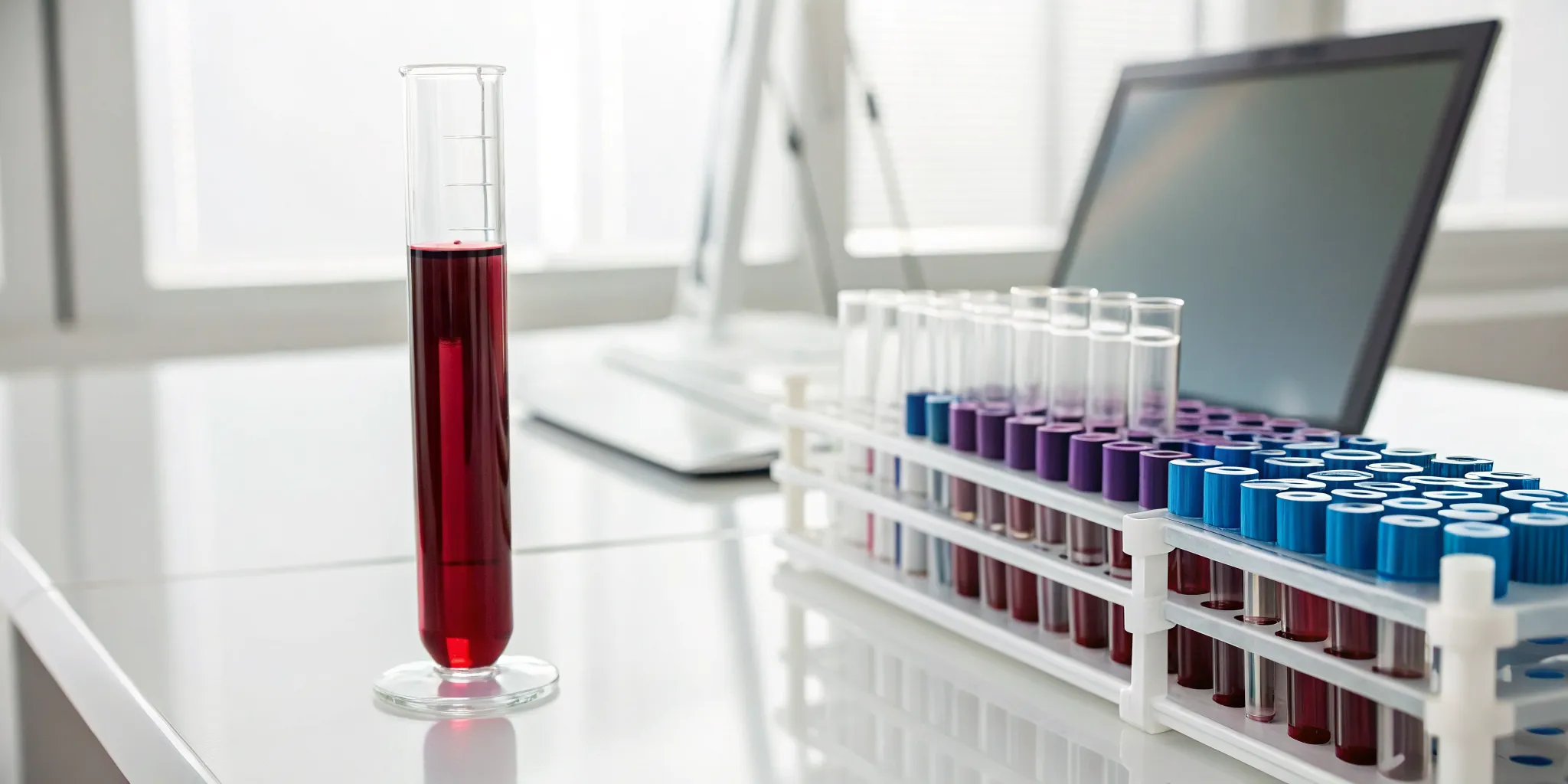
If you’re feeling sluggish or unwell, it’s easy to guess what might be wrong. But in functional medicine, we prefer to test. Symptoms are your body's way of sending a signal, but comprehensive testing tells us the root cause of that signal. When your body becomes overburdened, its detoxification pathways may not work as efficiently. Our goal is to find out where the breakdown is happening. Through advanced diagnostic testing, we can get a clear picture of your organ function, nutrient levels, and toxic load. This data-driven approach allows us to move beyond guesswork and create a plan that addresses your body’s specific needs, which is a core part of our functional medicine philosophy.
Personalized Support for Your Detox Organs
Once we understand your unique biological landscape, we can create a personalized plan to support your key detoxification organs: the liver, kidneys, gut, skin, and lungs. Persistent fatigue, for example, is a common sign that your body is struggling, but the underlying reason can vary. Your plan will be tailored to what the tests reveal. If your liver needs help, we’ll focus on specific nutrients and foods that support its pathways. If your gut health is compromised, we’ll work on healing the gut lining and rebalancing your microbiome. This targeted support helps address the wide range of conditions we treat and ensures your body gets exactly what it needs to get back in balance.
Our Approach to Supporting Your Body's Natural Detox
Our entire approach is built on the belief that the body has an incredible capacity to heal when given the right support. We see ourselves as your partner in health, helping you identify and remove the obstacles that are holding you back. If you're feeling sluggish, achy, or unable to focus, it could mean your body's pathways are blocked. When your primary organs can't keep up, your body finds other ways to send out an SOS, like through skin rashes or digestive upset. As we explain in our clinic's philosophy, we help you create a sustainable lifestyle that reduces your overall burden and provides the building blocks your body needs to thrive.
Related Articles
Frequently Asked Questions
What's the first thing I should do if I recognize these signs of an overloaded system in myself? Start with the basics, as they are often the most powerful. Focus on increasing your water intake and getting at least seven to eight hours of quality sleep each night. These two habits alone can provide your body with the foundational support it needs to begin catching up. From there, you can gradually incorporate more whole foods and gentle movement. It's about creating a supportive environment for your body, not shocking it with a drastic change.
So, are all "cleanses" bad? What's the difference between a cleanse and what you're suggesting? The main difference is the goal. Many commercial cleanses are about short-term, aggressive restriction, which can stress your body and often doesn't lead to lasting change. The approach we're talking about is about long-term, consistent support. Instead of forcing a temporary "reset," you're giving your body the tools it needs every single day to perform its natural functions well. It’s a sustainable lifestyle shift, not a quick fix.
I'm a bit overwhelmed by all the food suggestions. What's one simple dietary change I can start with? A great starting point is to focus on adding, not just subtracting. Try to add one serving of cruciferous vegetables, like broccoli or cauliflower, and one serving of leafy greens, like spinach or kale, to your meals each day. These foods provide crucial nutrients that directly support your liver's detoxification pathways. This simple addition can make a significant impact without feeling like you have to overhaul your entire diet overnight.
How is a functional medicine approach different from just trying to eat better on my own? While eating well is a huge piece of the puzzle, a functional medicine approach takes it a step further by using specific testing to understand your unique body. Instead of guessing which systems need support, we can identify the exact areas (like your liver pathways or gut health) that are struggling. This allows for a completely personalized plan with targeted nutrients and lifestyle adjustments, helping you address the root cause of your symptoms more efficiently.
How long does it usually take to feel a difference after making these supportive changes? This really varies from person to person, as everyone's body and health history is unique. Some people notice improvements in their energy and digestion within a couple of weeks of being consistent. For others with a higher toxic load or more complex issues, it might take a few months to feel significant shifts. The key is consistency. This is about building a foundation for long-term health, so patience with your body's healing process is essential.