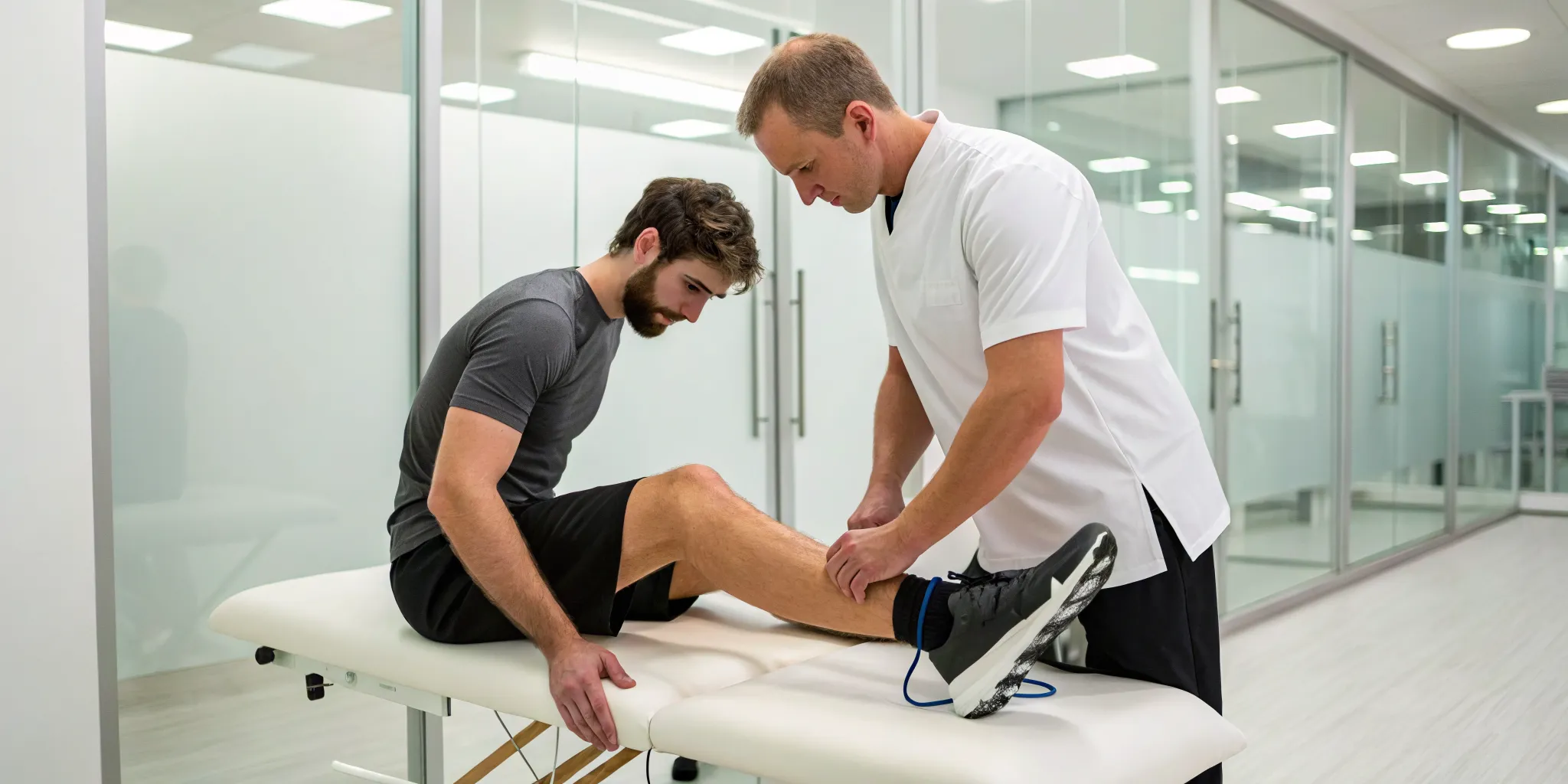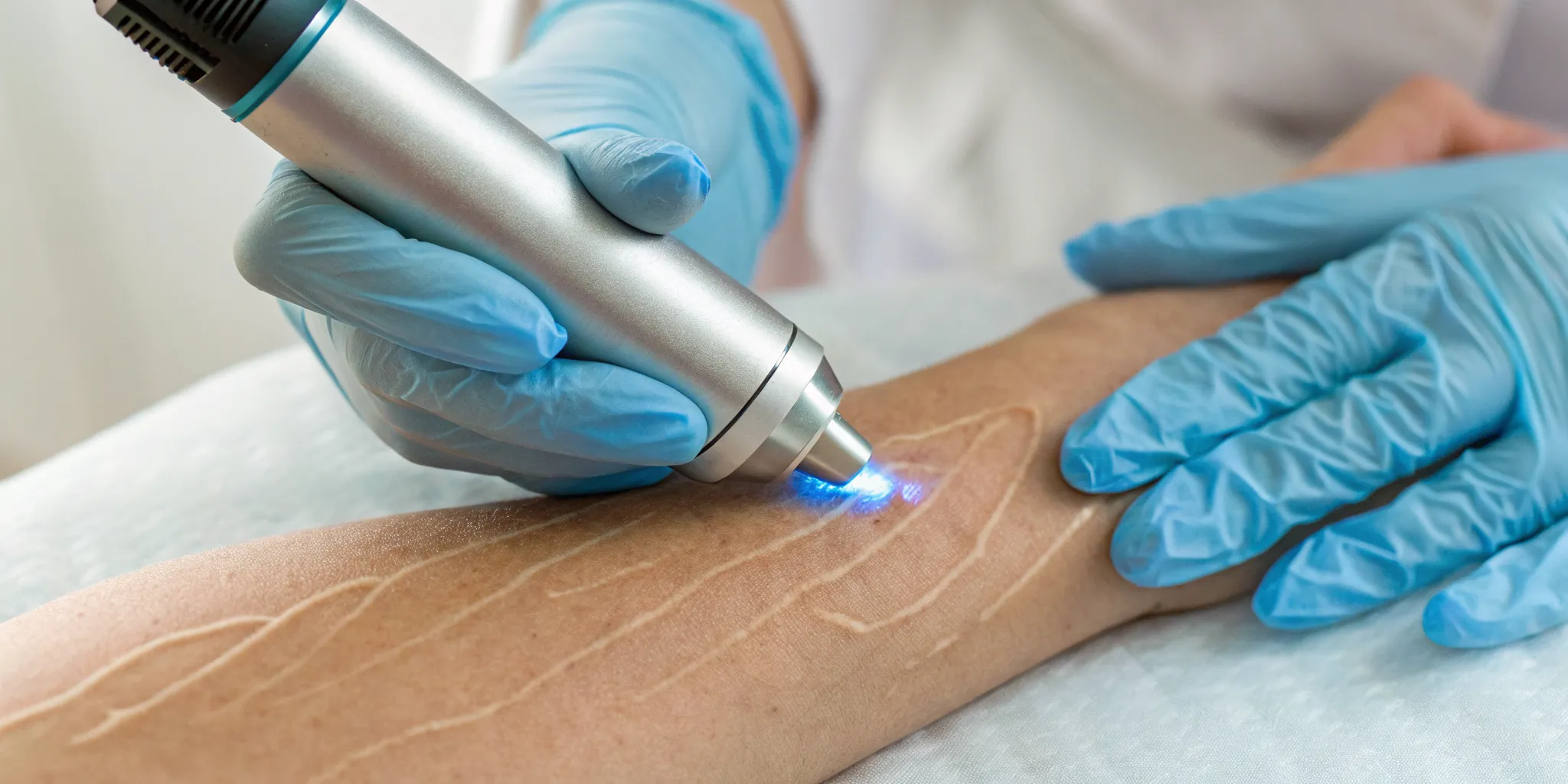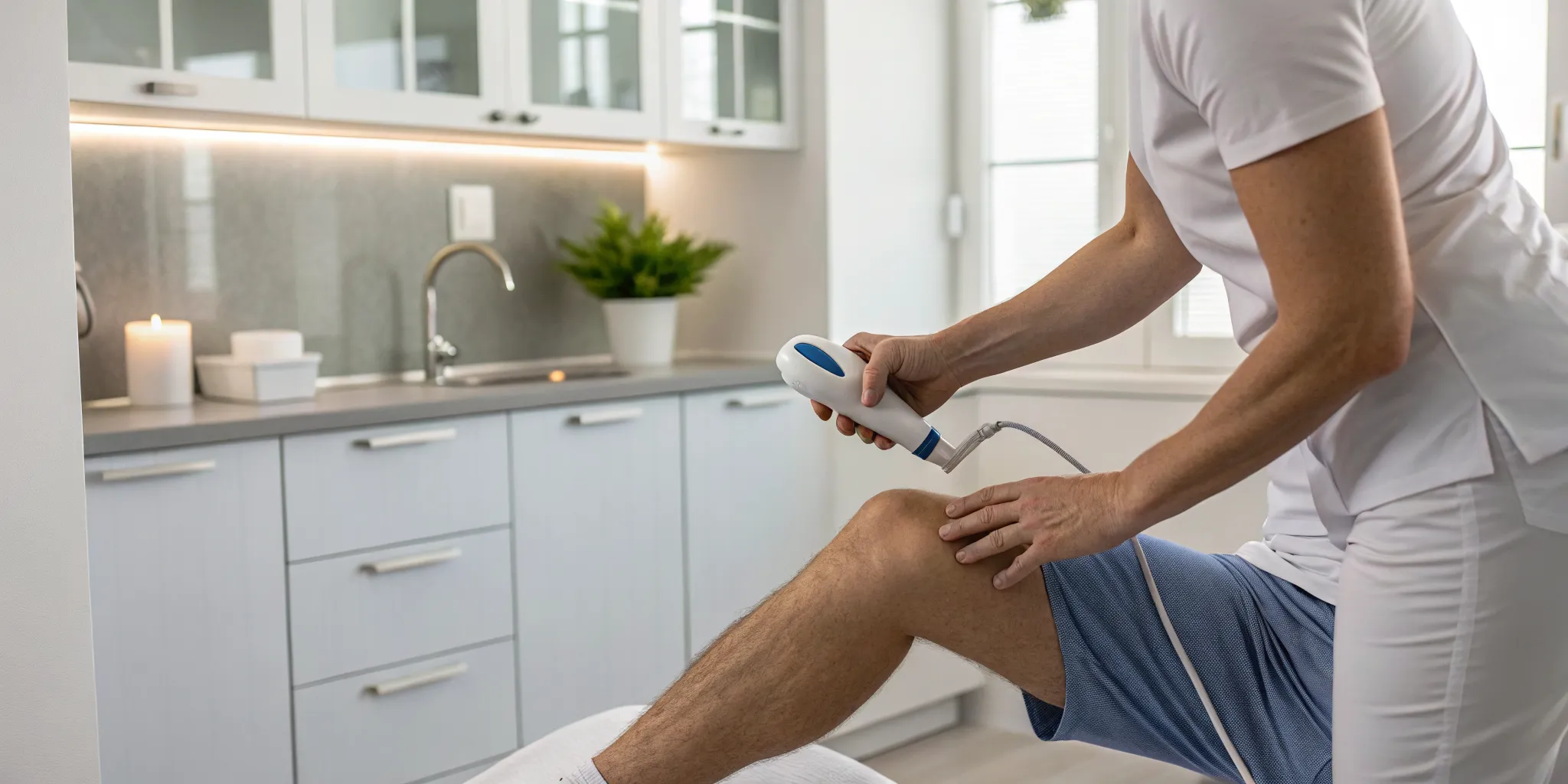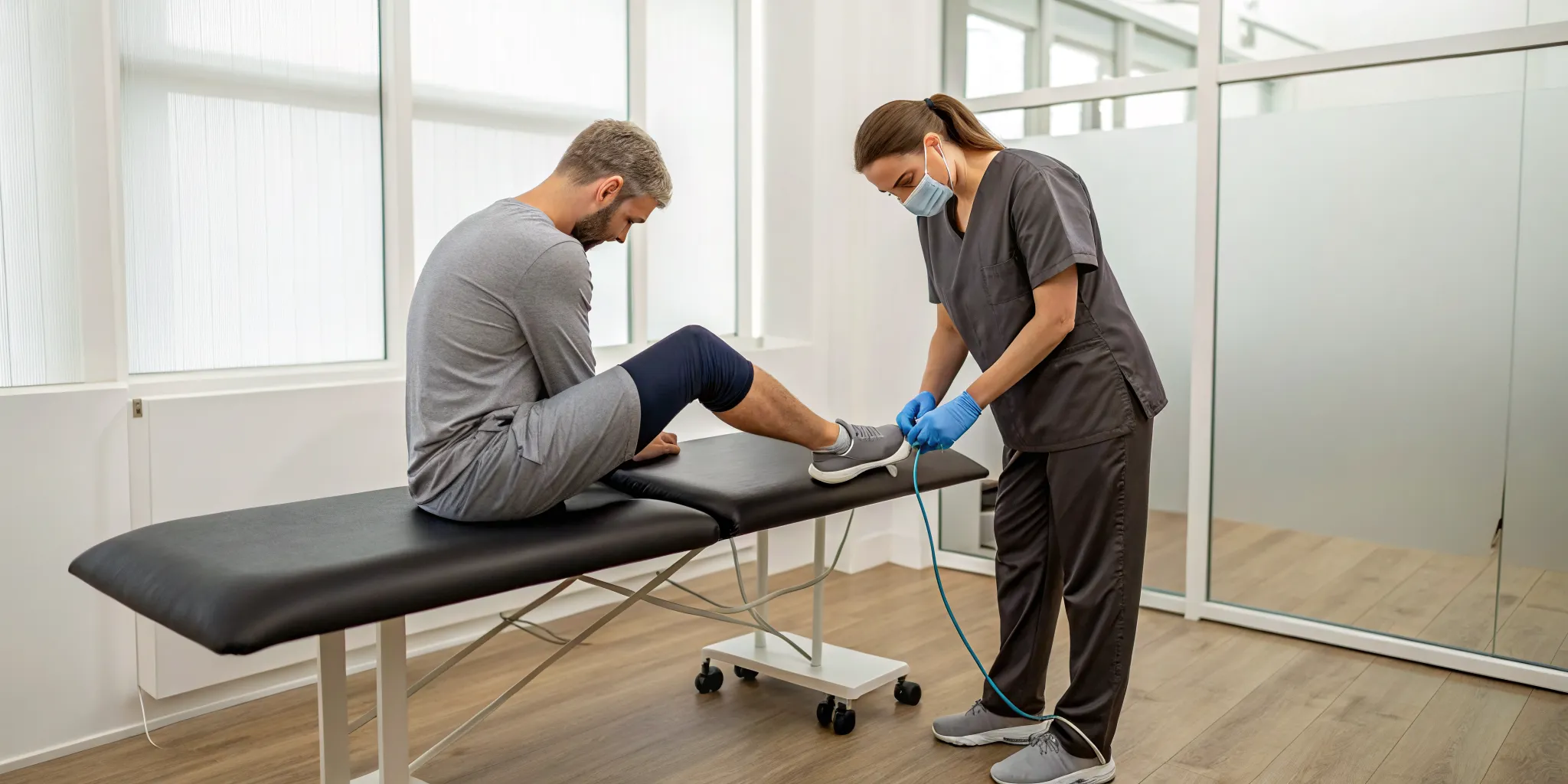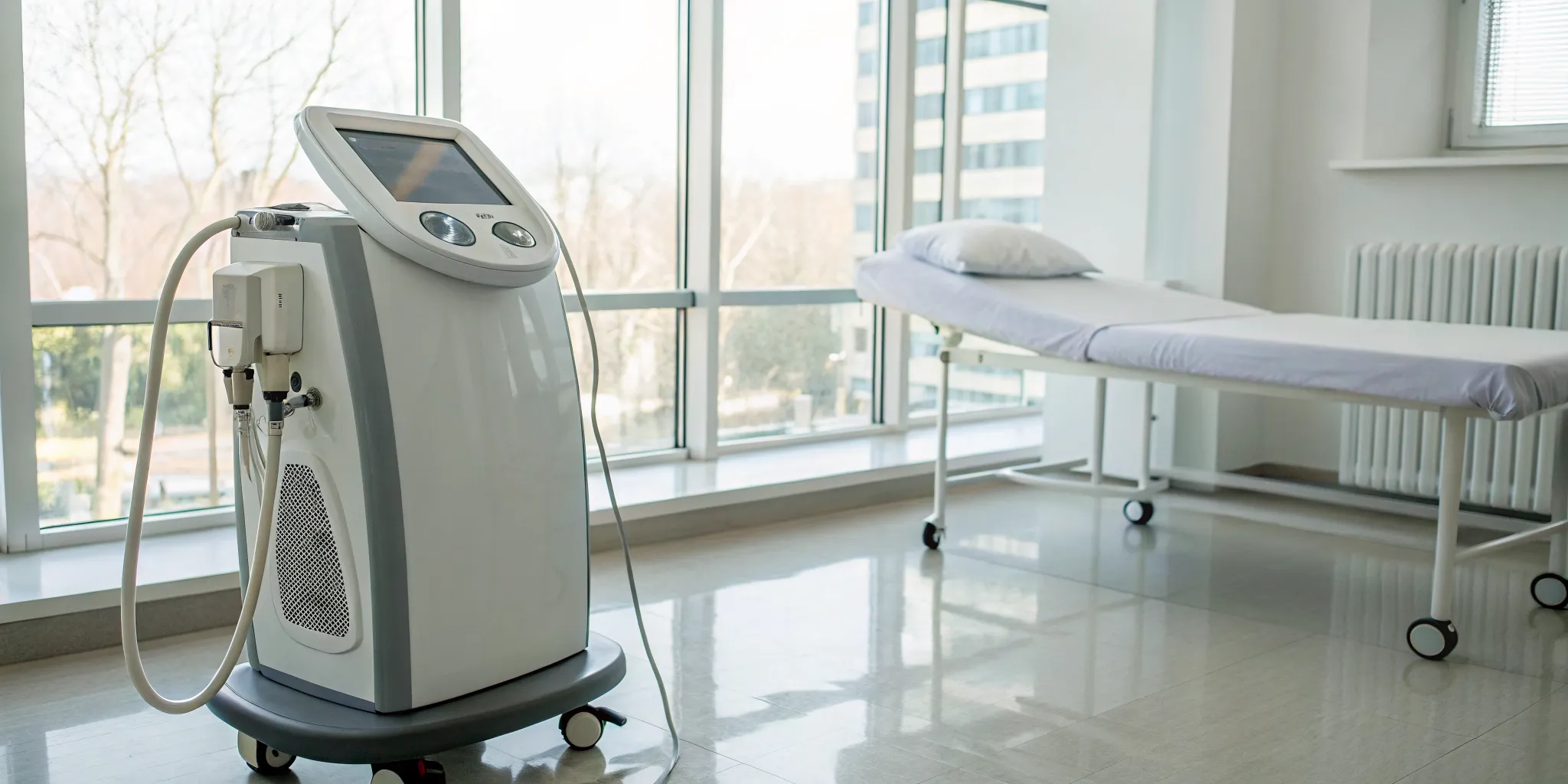
Let’s be direct: navigating the options for a clinical shockwave therapy device can feel overwhelming. Every manufacturer claims to have the best technology, flooding you with data sheets and performance claims. But what really moves the needle for patient care? It comes down to a few core principles: safety, efficacy, and usability. Your first step should always be to verify regulatory clearance and review the clinical research backing the device. From there, it’s about assessing the performance specs that allow you to tailor treatments precisely. This guide provides a straightforward framework for evaluating your options, helping you make a confident, evidence-based decision that enhances your practice and delivers the results your patients deserve.
Key Takeaways
- Technology choice impacts your results: Shockwave therapy is not a one-size-fits-all treatment. Radial devices are best for larger, surface-level areas, while focused devices deliver energy to a precise, deep-seated point, ensuring the technology is correctly matched to your condition.
- It restarts your body's natural healing process: This therapy is highly effective for chronic issues like plantar fasciitis and tendinopathies because it stimulates your body's own repair mechanisms. It addresses the root cause of pain instead of just masking symptoms for long-term relief.
- Your provider's skill is crucial for a successful outcome: The device is only half the equation. A trained professional understands how to apply the therapy to the correct tissue at the right intensity, ensuring your treatment is both safe and effective.
Radial vs. Focused Shockwave: Which is Right for Your Practice?
When you’re ready to add shockwave therapy to your services, the first major decision is choosing between a radial and a focused device. While both use acoustic waves to stimulate healing, they work in fundamentally different ways and are suited for different clinical applications. Understanding this distinction is the key to selecting a machine that aligns with your patients' most common needs and your practice's treatment goals. Let's look at how each technology functions so you can make an informed choice.
What is Radial Shockwave Therapy?
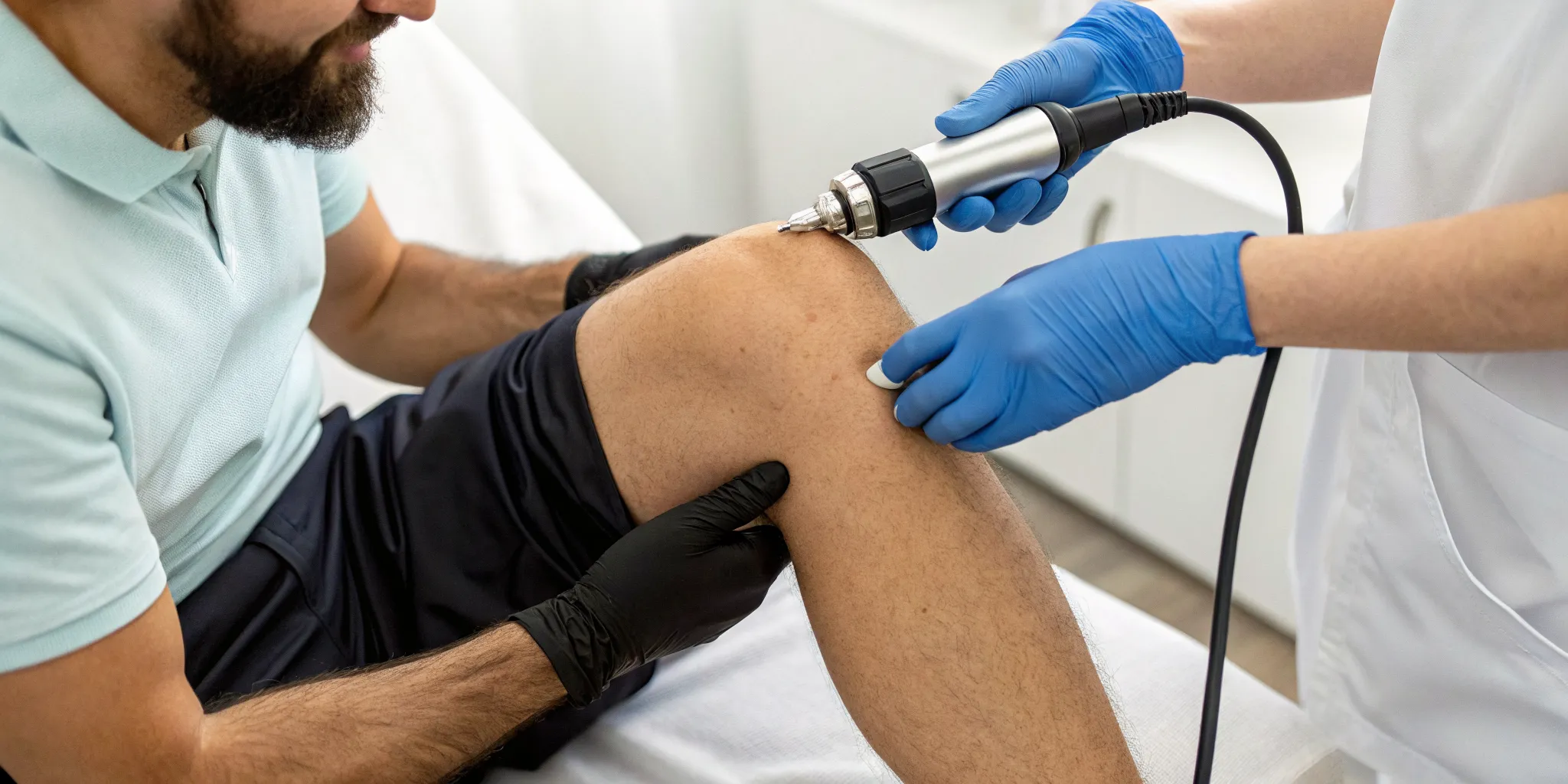
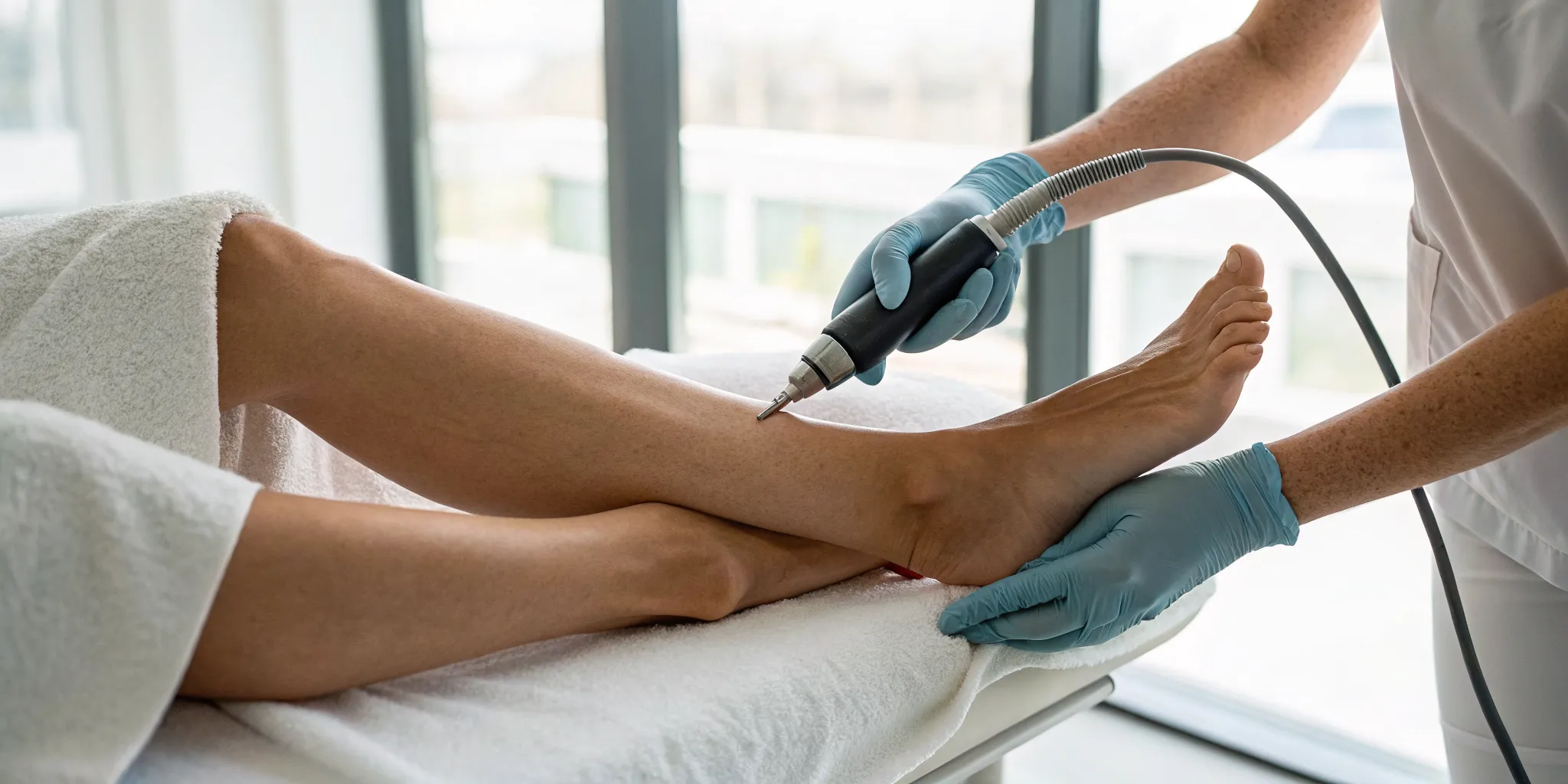
Think of radial shockwave therapy (RSWT) as creating a ripple effect. The device generates lower-energy acoustic waves that spread out as they move away from the applicator and into the tissue. This makes it an excellent choice for treating larger, more superficial areas. Because the energy is dispersed, it’s less intense at any single point, which is ideal for conditions spread across a wider surface.
Radial shockwave is often used for general tendinopathies and myofascial conditions where the target area isn't deeply located. For example, it can be very effective for improving wrist extensor strength in patients with tennis elbow. The broad application helps address the entire affected muscle and tendon group rather than a single, isolated point.
What is Focused Shockwave Therapy?
In contrast, focused shockwave therapy (FSWT) is all about precision. This technology generates higher-energy acoustic waves and concentrates them on a small, specific point deep within the body. Imagine using a magnifying glass to focus sunlight; FSWT works on a similar principle, allowing you to deliver a potent therapeutic dose to a precise location. This makes it the go-to for targeting specific injuries that are deeper or more localized.
This targeted approach is particularly useful for conditions like calcified tendinopathy of the shoulder, where you need to break down deposits in a very specific spot. The ability to adjust the depth of the focal point gives you incredible control, ensuring the maximum energy reaches the exact tissue that needs it without overly affecting the surrounding areas.
Match the Device to Your Patients' Needs
So, which one is better? The answer is neither. The best device is the one that matches the conditions you treat most often. Research shows that while both radial and focused shockwave are safe and effective options for tendinopathy, their strengths differ. For instance, some studies suggest focused shockwave may have an edge in pure pain reduction, while radial shockwave can produce greater improvements in muscle strength for certain conditions.
For most pain and functional outcomes, the differences between them are often modest. The most practical approach is to evaluate your patient base. If you primarily treat chronic, widespread musculoskeletal pain and larger muscle groups, a radial device is a solid starting point. If your practice sees more specific, deep, or calcific conditions, a focused device might be the better investment. Many comprehensive clinics ultimately find value in having both to offer the most versatile care.
Conditions Treated with Shockwave Therapy
Shockwave therapy is a remarkably versatile tool in our clinic, offering a solution for a wide spectrum of musculoskeletal issues. Its power lies in its ability to trigger the body’s own healing mechanisms, making it effective for everything from stubborn, chronic pain to acute soft tissue injuries. By promoting tissue regeneration and increasing blood flow, this technology helps address the underlying cause of your discomfort, not just the symptoms.
This approach is a cornerstone of our physical medicine services, allowing us to target specific problem areas with precision. Whether you're dealing with pain that just won't go away or an injury that’s holding you back, shockwave therapy can be a key part of your recovery plan. Below, we explore some of the most common conditions we successfully address with this innovative technology at our Tampa clinic. Understanding these applications can help you see if this treatment might be the right step for you.
Tendinopathies and Chronic Musculoskeletal Pain
If you're struggling with persistent pain from overuse, you might be dealing with a tendinopathy. This condition involves the gradual degeneration of a tendon and can affect many areas, including the shoulders, elbows (tennis or golfer's elbow), hips, knees, and Achilles tendon. Shockwave therapy is particularly effective for these chronic issues because it creates a strong healing response in tissue that has been "stuck" in a non-healing state.
The acoustic waves stimulate new blood vessel formation and activate growth factors in the area. This process helps clear out degenerated tissue and rebuild a healthier, stronger tendon matrix. It’s a way to restart the healing process for pain in the feet, ankles, legs, and back, helping you regain function and get back to your life without discomfort.
Plantar Fasciitis and Calcific Tendinopathy
Two conditions that often cause debilitating pain are plantar fasciitis and calcific tendinopathy. Plantar fasciitis, a common cause of sharp heel pain, can make your first steps in the morning feel excruciating. Calcific tendinopathy involves painful calcium deposits forming within a tendon, most frequently in the shoulder's rotator cuff. Both can be incredibly stubborn and resistant to other treatments.
Focused shockwave therapy has been shown to bring significant pain reduction and functional improvement for both of these issues. For calcific deposits, the acoustic waves can help break them down, allowing the body to reabsorb them. For plantar fasciitis, the therapy stimulates repair in the inflamed fascia. It’s a powerful option that we use to help our patients find lasting relief from these specific, challenging conditions we treat.
Soft Tissue Injuries and Myofascial Pain
Beyond tendons, shockwave therapy is also a go-to for a variety of soft tissue injuries and myofascial pain syndromes. Myofascial pain often stems from tight, painful knots in your muscles known as trigger points, which can refer pain to other parts of your body. Whether from an acute injury or chronic postural strain, these issues can severely limit your mobility and quality of life.
Shockwave therapy effectively targets these problem areas, stimulating the repair process and supporting a full functional recovery. By increasing circulation and breaking up adhesions in the muscle and fascia, it helps release tension and restore normal tissue function. This aligns perfectly with our root-cause approach, as it directly addresses the source of the pain rather than just temporarily masking it.
Key Features to Compare in a Shockwave Device
Choosing the right shockwave therapy device is a significant decision for any practice. It’s not just about the technology; it's about finding a tool that aligns with your treatment philosophy and truly meets your patients' needs. With so many options on the market, it’s easy to get lost in technical specifications and sales pitches. To make a confident choice, you need to look beyond the marketing materials and compare the features that directly impact patient outcomes and your clinic's efficiency. This investment should serve your practice for years to come, so a thoughtful evaluation is key.
Think of it like this: you wouldn't use the same therapeutic approach for every patient, and you shouldn't expect one-size-fits-all technology. The best device for your practice will depend on the specific conditions you treat, your day-to-day clinical workflow, and your commitment to providing evidence-based care. By focusing on a few key areas, you can find a machine that becomes a seamless extension of your healing practice, delivering reliable and effective results that build patient trust. In this section, we'll walk through the most important factors to consider, from regulatory validation and performance metrics to the practical details of daily use that can make or break your experience.
Verify FDA Clearance and Clinical Research
Before you even look at a device's performance specs, your first step should be to confirm its regulatory status. Patient safety is paramount, and choosing a device with FDA clearance provides a fundamental layer of assurance. This clearance indicates that the device has been reviewed for safety and effectiveness for its intended use. Beyond that, look for a strong foundation of clinical research. The manufacturer should be able to provide studies that show the device works safely and effectively for specific musculoskeletal conditions. This evidence is what allows you to confidently explain the treatment to patients and set realistic expectations for their recovery.
Assess Performance: Energy, Frequency, and Depth
The effectiveness of a shockwave device comes down to its ability to deliver the right amount of energy to the right tissue depth. You’ll want to compare key performance metrics like energy flux density (EFD), frequency, and penetration depth. For example, focused shockwave therapy is designed to deliver acoustic waves to a precise, targeted area deep within the tissue. A device with a wide range of adjustable energy and frequency settings gives you the flexibility to treat delicate, superficial tissues as well as deeper, more chronic conditions. This control is essential for tailoring the treatment to each patient’s specific diagnosis and sensitivity level, ensuring both comfort and clinical efficacy.
Review Treatment Versatility and Applicators
A single shockwave device can treat a wide array of conditions, but only if it has the right tools for the job. The versatility of a device is largely determined by its available applicators, also known as transmitters or handpieces. Different applicators are designed to target various body parts and tissue depths effectively. For instance, a larger, flatter applicator might be ideal for myofascial pain in the back, while a smaller, more focused one is necessary for treating plantar fasciitis. When evaluating a device, review the range of specialized attachments it offers. A system with multiple applicators empowers you to provide more precise, personalized care for a broader spectrum of musculoskeletal issues.
Consider Portability and Clinic Workflow
The practical aspects of using a device every day are just as important as its technical capabilities. Think about how the machine will fit into your clinic's physical space and daily rhythm. Do you have dedicated treatment rooms, or will you need to move the device frequently? Some practices may benefit from a compact, portable device, while others might prefer a larger, stationary unit with more power. Also, consider the user interface. An intuitive, easy-to-use system saves valuable time between appointments, allowing you to stay focused on your patient rather than fumbling with complex settings. The right device should enhance your workflow, not complicate it.
An Overview of Leading Shockwave Therapy Devices
When it comes to shockwave therapy, the device a clinician uses matters. Just like a skilled artist needs the right brush, a practitioner needs the right technology to deliver effective, targeted care. The market has several options, but a few leading devices are consistently recognized for their performance, versatility, and clinical results. Understanding the differences between them can help you appreciate the level of detail that goes into your treatment plan. Here’s a look at some of the top-tier devices used in clinics today.
CuraMedix OrthoPulse Ultra 100
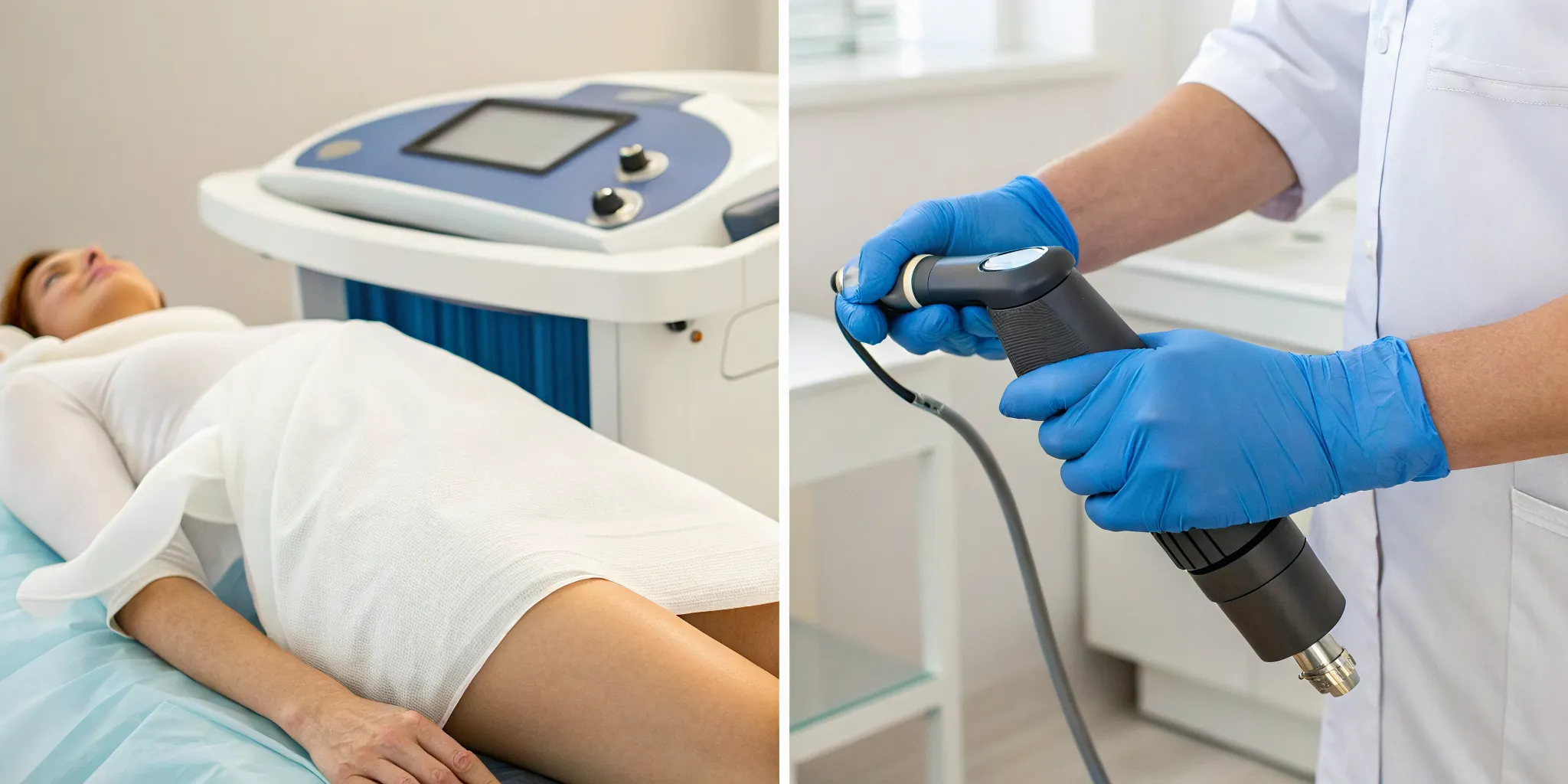
The OrthoPulse Ultra 100 is a premier radial pressure wave device, highly regarded for its effectiveness in addressing muscle and bone conditions. Its design allows practitioners to tailor the intensity and frequency, ensuring the treatment is just right for your specific needs. This level of control is essential for our approach to physical medicine. The device also features an ergonomic, easy-to-use handpiece. This might seem like a small detail, but it allows your practitioner to perform the treatment with greater precision and comfort, which ultimately contributes to a better therapeutic outcome for you.
STORZ Medical DUOLITH® SD1 T-TOP Ultra
For chronic issues that require a more targeted approach, the DUOLITH® SD1 T-TOP Ultra is a standout. This is a focused shockwave device, meaning it can concentrate its energy on a precise point deep within the tissue. It’s particularly effective for stubborn conditions we treat, like plantar fasciitis. With adjustable depth settings, it gives practitioners the ability to reach the exact source of the problem. The controls are conveniently located right on the handpiece, allowing for seamless adjustments during your session for a smooth and efficient experience.
Chattanooga Shockwave Devices
Chattanooga is known for offering a versatile range of both shockwave and radial pressure wave (RPW) devices. This flexibility is a significant advantage, as it equips a clinic to handle a wide array of soft tissue and musculoskeletal issues. Their product line includes a variety of specialized attachments and handpieces designed for different parts of the body. This adaptability means your care can be highly customized. Rather than a one-size-fits-all approach, your practitioner can select the exact tool needed to address your unique situation and support your body's innate healing abilities.
Common Misconceptions About Shockwave Therapy
When it comes to innovative health treatments, it's natural for some myths and questions to pop up. Shockwave therapy is no exception. Because we believe in empowering you with clear, accurate information, let's walk through some of the most common misunderstandings. Getting the facts straight can help you feel more confident as you explore solutions for pain and tissue healing.
Myth: All Devices Deliver the Same Results
It’s a common belief that all shockwave therapy is the same, regardless of the machine used. This couldn't be further from the truth. The effectiveness of the treatment is heavily dependent on the quality and type of the device. There are different kinds of shockwave technology, and not all are created equal. A medically engineered, high-quality device designed for specific therapeutic outcomes will produce very different results than a lower-grade machine. At Ascend, we use specific technologies as part of our physical medicine protocols because we know that the right tool is essential for facilitating your body's healing process.
Myth: The Treatment is Painful or Damaging
The word "shockwave" might sound intense, leading some to worry that the treatment is painful or could cause harm. While you may feel some discomfort during the session, it shouldn't be an intensely painful experience. Your comfort is a top priority, and open communication with your provider is key. They can adjust the intensity to a level that is effective yet tolerable for you. When administered by a trained professional using a regulated, low-intensity device, shockwave therapy is a safe procedure designed to stimulate healing in many of the conditions we treat, not cause damage.
Myth: No Specialized Training is Needed
This might be one of the most dangerous misconceptions. Operating a clinical shockwave device requires a deep understanding of anatomy, physiology, and the technology itself. The skill of the practitioner is just as important as the device they use. A qualified healthcare professional receives specific education to ensure the therapy is applied to the correct tissue at the proper depth and intensity for the best possible outcome. This expertise minimizes risk and maximizes the healing potential of the treatment. It's why trusting a team with proven credentials, like the one you'll learn about on our About page, is so important for your health journey.
Evaluating Training, Support, and Your Investment
Choosing the right shockwave device goes beyond comparing technical specifications. You're also choosing a long-term partner for your practice. The quality of their training, the reliability of their support, and the overall value of your investment will directly impact your ability to deliver exceptional patient care. Evaluating these factors carefully ensures you select a device and a company that will support your clinic’s goals for years to come.
The Importance of Hands-On Training
A new piece of equipment is only as good as the team operating it, which is why comprehensive, hands-on training is essential. Practical instruction from the manufacturer ensures your clinicians can use the device safely and effectively from day one. Good training covers not just the basics but also advanced protocols for various conditions, helping you achieve the best possible patient outcomes. Make sure any company you consider offers robust initial training and opportunities for ongoing education. This commitment to learning is a core part of providing excellent physical medicine and builds confidence in both your team and your patients.
What to Expect from Technical Support
When you invest in a clinical device, you need to know the company has your back. What happens if you have a technical question or if the equipment needs servicing? Reliable, responsive technical support is non-negotiable, as it is crucial for maintaining consistent patient care and protecting your clinic’s credibility. Before purchasing, ask about the company’s support process and response times. A manufacturer that provides strong technical support demonstrates a commitment to quality and patient safety, reflecting the same high standards you uphold in your own holistic health solutions.
Calculating Your Return on Investment (ROI)
Thinking about the financial side of a shockwave device requires looking beyond the initial price. A true return on investment calculation considers the device's long-term value to your practice. A clinically verified, high-performance machine may have a higher upfront cost, but it often leads to better patient results and a stronger reputation. Consider how this technology will enhance your service offerings and attract patients seeking advanced care. Investing in a quality device is a strategic move that can expand your clinic's capabilities and solidify your position as a leader in musculoskeletal health, which is a key part of our mission at Ascend.
Our Approach to Shockwave Therapy at Ascend Functional Health
At Ascend Functional Health, we believe in using every effective tool available to help you heal from the inside out. We don’t just chase symptoms; we look for the root cause of your discomfort and create a personalized plan to address it. That’s why we’ve integrated advanced technologies like shockwave therapy into our holistic care model. It’s a powerful, non-surgical method that aligns perfectly with our goal of facilitating your body's own healing abilities.
We see technology not as a replacement for hands-on care, but as a complement to it. When combined with our expertise in Physical Medicine, shockwave therapy can accelerate recovery and provide lasting relief from chronic pain. We’ve carefully selected our equipment based on its proven safety and effectiveness, ensuring it meets the high standards you’d expect from us. Our team is thoroughly trained to apply this technology with precision, making it a cornerstone of our modern, evidence-based approach to musculoskeletal health.
Integrating Technology into Holistic Musculoskeletal Care
When you’re dealing with persistent pain, you want solutions that do more than just mask the problem. Shockwave therapy is an active treatment that stimulates your body’s natural repair mechanisms at a cellular level. Unlike passive therapies that provide temporary relief, this technology helps regenerate healthy tissue and reduce pain for the long term. It’s a forward-thinking approach that fits seamlessly into our philosophy of addressing the underlying cause of your health concerns. By incorporating this tool, we can offer a more comprehensive and effective path to recovery, helping you get back to living your life without limitations.
Who is a Candidate for Shockwave Therapy at Our Tampa Clinic?
If you're struggling with chronic muscle or joint pain that hasn’t responded to other treatments, shockwave therapy could be an excellent option for you. It is particularly effective for a wide range of musculoskeletal issues, including plantar fasciitis, tennis elbow, rotator cuff pain, and other tendinopathies. We often recommend it for soft tissue injuries and myofascial pain that contribute to discomfort in the neck, back, shoulders, and legs. The best way to know if you’re a good candidate is to schedule a consultation. We can assess your specific situation and determine if this treatment fits into your personalized care plan.
Related Articles
- SoftWave Tissue Regeneration Therapy in Tampa | Alessi Functional Health
- SoftWave TRT Therapy in Tampa, FL - Alessi Functional Health
- What Is Soft Tissue Therapy? A Complete Guide
- The Ultimate Guide to Myofascial Release Therapy
- What Is Graston Technique Therapy? A Beginner's Guide
Frequently Asked Questions
What does shockwave therapy feel like? The name can sound a little intimidating, but the treatment itself is very manageable. Most people describe it as a strong, rhythmic tapping or pulsing sensation on the skin. Your provider will communicate with you throughout the session and can adjust the intensity to a level that is both effective and comfortable for you. While you might feel some mild discomfort over a particularly sensitive area, it should never be intensely painful.
How many treatments are typically needed to see results? The number of sessions you'll need really depends on your specific situation, including the condition being treated, how long you've had it, and your body's individual response. Generally, shockwave therapy is not a one-time fix. Most treatment plans involve a series of sessions, often scheduled about a week apart, to progressively stimulate tissue repair. We create a personalized plan for you after a thorough assessment.
Is one type of shockwave therapy (radial or focused) better than the other? Neither one is inherently better; they just have different jobs. Think of radial shockwave as creating a ripple effect, making it ideal for treating larger, more superficial muscle groups. In contrast, focused shockwave is like a spotlight, concentrating energy on a very specific, deep point, which is perfect for issues like calcific deposits. The best technology is the one that precisely matches your diagnosis.
What makes a provider qualified to perform shockwave therapy? A qualified provider brings together two critical elements: deep clinical expertise and skill with the technology. They should have a thorough understanding of musculoskeletal anatomy and receive specific training directly from the device manufacturer. This ensures they can accurately diagnose your issue and apply the therapy to the correct tissue, at the proper depth, and with the right amount of energy to promote healing safely and effectively.
I've tried other treatments for my pain without success. Why would shockwave be different? Many conventional treatments work by temporarily reducing inflammation or masking pain signals. Shockwave therapy is different because it works on a cellular level to actively restart your body's own healing processes. It creates a biological response that increases circulation and stimulates the growth of new, healthy tissue. For chronic injuries that are "stuck" in a non-healing state, this approach can be the catalyst that finally helps your body repair the underlying damage.