If you’re constantly dealing with a dull ache in your lower back, you’ve likely tried stretching, changing your chair, and maybe even a new mattress. But what if the source of the problem isn’t external at all? Often, that persistent discomfort is a sign that your body’s internal support system is offline. Your core is designed to be a natural brace for your spine, but when it’s not engaged, your back muscles are forced to work overtime. This is where understanding true core stabilization becomes a game-changer. It’s not about getting stronger abs; it’s about re-educating your body to support itself from the inside out.
Key Takeaways
- Go beyond six-pack abs for real stability: Your core is an inner support system, including your diaphragm and pelvic floor, that works to protect your spine. Engaging these deep muscles is essential for building a strong, functional foundation for all movement.
- Listen to your body's warning signs: Nagging lower back pain, poor posture, and recurring injuries in your hips or knees are common clues that your core is unstable. These issues often happen because other muscles are forced to overcompensate for a weak center.
- Know when exercises aren't the whole answer: Foundational movements are a great start, but they don't always fix the root problem. If pain continues, professional guidance can help identify underlying structural issues or other factors that require a more personalized approach.
What is Core Stabilization? (It's More Than Just Abs)
When you hear the phrase “core work,” your mind probably jumps to images of six-pack abs and endless crunches. While those muscles are part of the story, they’re only the cover of the book. True core stabilization goes much deeper. It’s your body’s ability to create a stable, supportive cylinder around your spine and pelvis, keeping you aligned and protected as you move through your day. Think of it as the foundational framework that allows you to bend, lift, twist, and walk without putting unnecessary strain on your back and joints.
This internal support system is a complex team of muscles working in harmony. When this system is strong and coordinated, it acts as a natural brace, absorbing shock and distributing forces evenly throughout your body. But when it’s weak or imbalanced, other parts of your body, like your lower back, have to pick up the slack. This compensation is a common reason for nagging pain and recurring injuries. Understanding how to properly engage these muscles is a key part of our Physical Medicine approach. We focus on addressing the structural source of your discomfort to help you build a more resilient body from the inside out.
Meet Your Deep Core Muscles
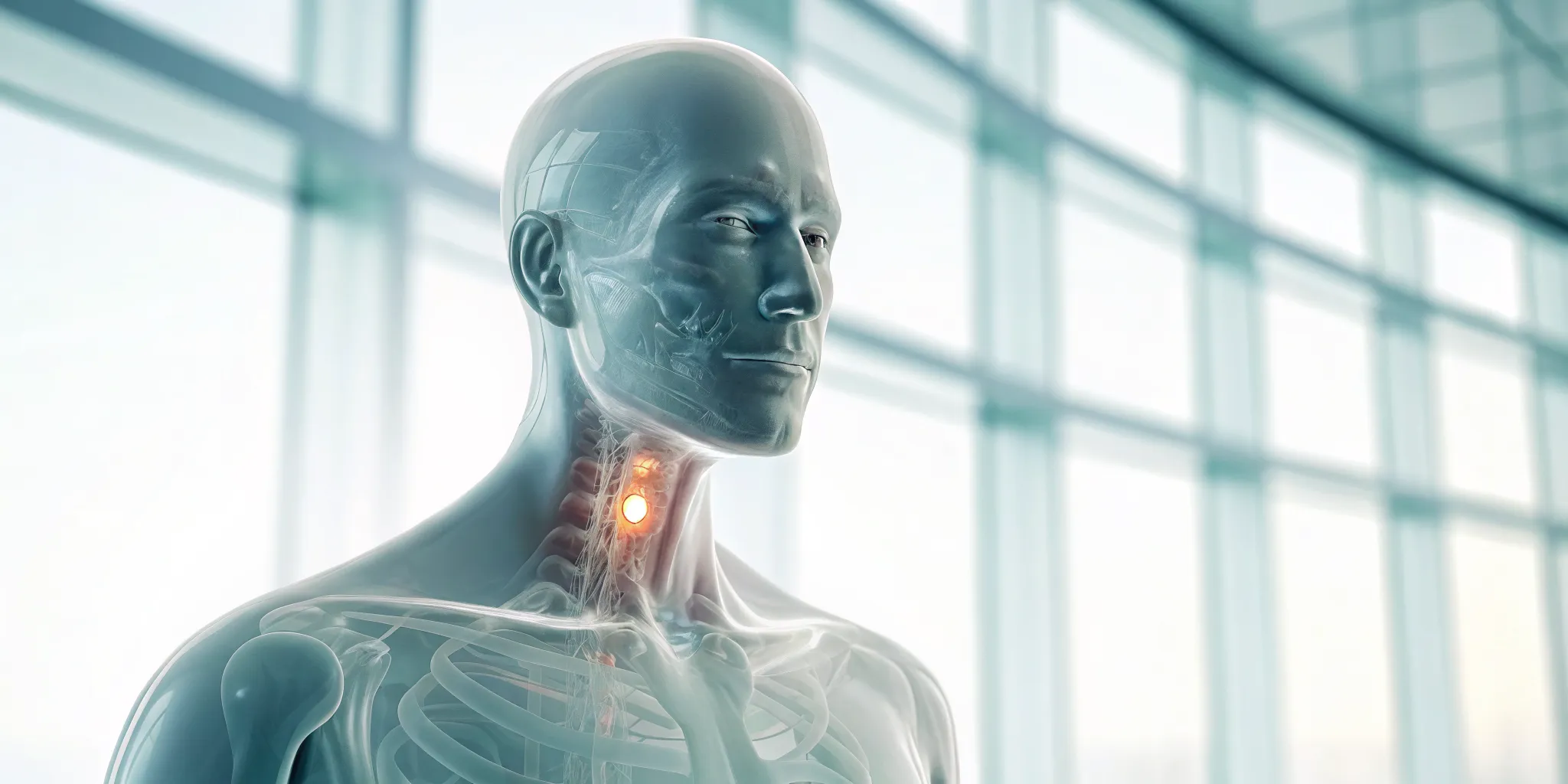
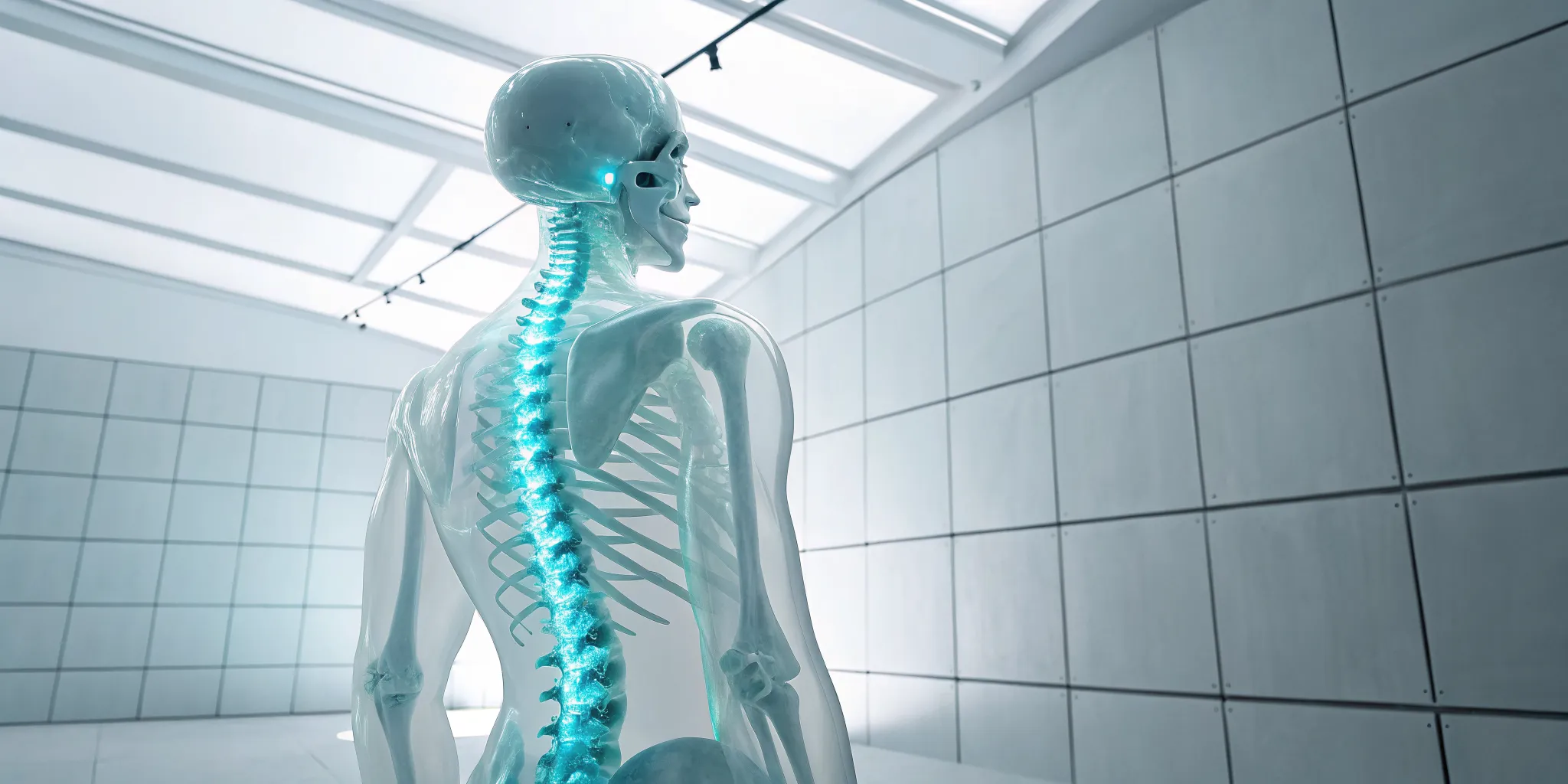
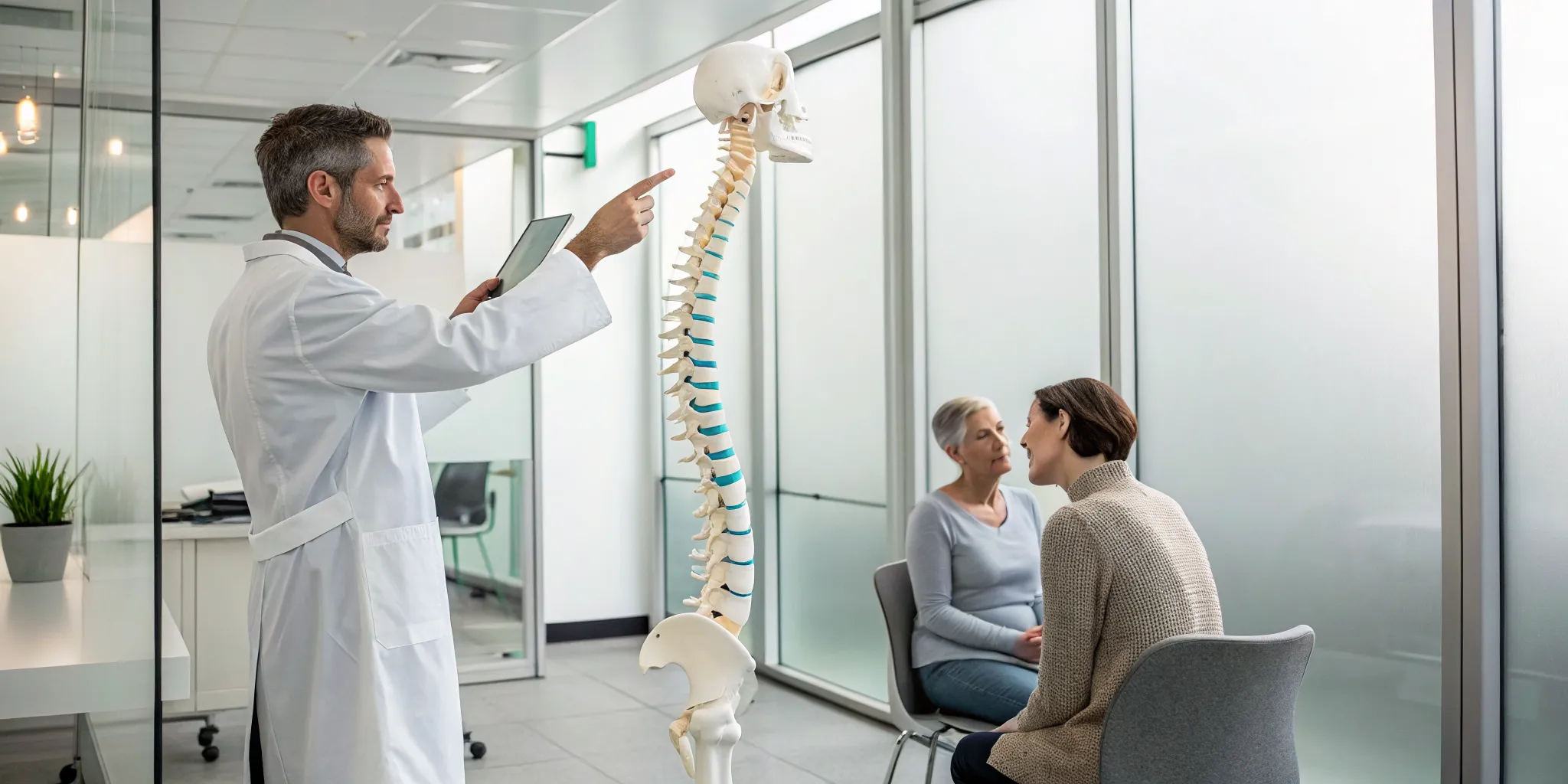
So, if it’s not just about the abs you can see, what exactly makes up this deep core system? Imagine a canister protecting your spine: the diaphragm is the lid, the pelvic floor is the base, and deep abdominal and back muscles wrap around the sides. Each part has a specific job, but they must work together to maintain pressure and stability. When one part isn't pulling its weight, the whole system can be compromised, leaving your spine vulnerable. Getting to know these key players is the first step toward moving with more strength and less pain.
Transversus Abdominis
Meet the Transversus Abdominis (TvA), your body’s built-in corset. This is the deepest layer of your abdominal muscles, and it wraps around your torso from back to front. Its main job isn't to create movement, but to prevent it by cinching in to stabilize your spine and pelvis. A strong TvA is fundamental for a stable core, providing the tension needed to protect your back during everything from lifting groceries to exercising. Research shows that a well-trained TvA is a cornerstone of any effective core stabilization program.
Multifidus
Tucked away deep along your spine are the multifidus muscles. Though small, they are incredibly important. These muscles run from one vertebra to the next, providing tiny adjustments to keep each segment of your spine stable and supported. When the multifidus muscles are weak or not firing correctly, it can lead to instability and is often a factor in chronic lower back pain. Activating and strengthening these muscles helps create a more rigid and protected spine, which is essential for pain-free movement and good posture.
Pelvic Floor and Diaphragm
Your core’s stability relies on a pressure system, and the pelvic floor and diaphragm are the floor and ceiling of that system. Your diaphragm is your primary breathing muscle, and your pelvic floor is the sling of muscles at the base of your pelvis. They work in tandem: as you inhale, your diaphragm lowers and your pelvic floor relaxes. As you exhale, your diaphragm rises and your pelvic floor gently lifts. Coordinating this duo is vital for managing the intra-abdominal pressure that helps stabilize your spine from within.
Obliques and Glutes
While the TvA and multifidus are deep stabilizers, other muscles like the obliques and glutes are critical teammates. Your obliques run along the sides of your waist and control twisting and side-bending movements. Your glutes, the powerful muscles in your buttocks, connect your lower body to your core and are essential for hip extension and generating power. A weak core often involves underactive glutes, forcing the lower back and hamstrings to overcompensate. Integrating all these muscles creates a truly functional and supportive core.
Signs Your Core Might Be the Culprit
Sometimes, the source of our aches and pains isn't where we feel them. You might blame your mattress for your backache or your shoes for your knee pain, but the real issue could be hiding in plain sight: your core. When your deep stabilizing muscles aren't pulling their weight, your body sends out signals. These clues can be subtle at first, but they often point to an unstable foundation. Learning to recognize these signs is the first step toward addressing the root cause of your discomfort and building a stronger, more resilient body.
Nagging Lower Back Pain and Poor Posture
If you find yourself constantly shifting in your chair or dealing with a persistent, dull ache in your lower back, your core might be the reason. Think of your core as a natural corset that supports your spine. When these muscles are weak, they can't provide adequate support, forcing the smaller muscles in your lower back to work overtime. This overload often leads to pain and stiffness. A weak core also contributes to poor posture; you might notice yourself slouching or your pelvis tilting forward, which only adds more strain to your spine. Strengthening your core can help alleviate this pain and improve your posture for better overall spinal health.
Trouble with Balance and Coordination
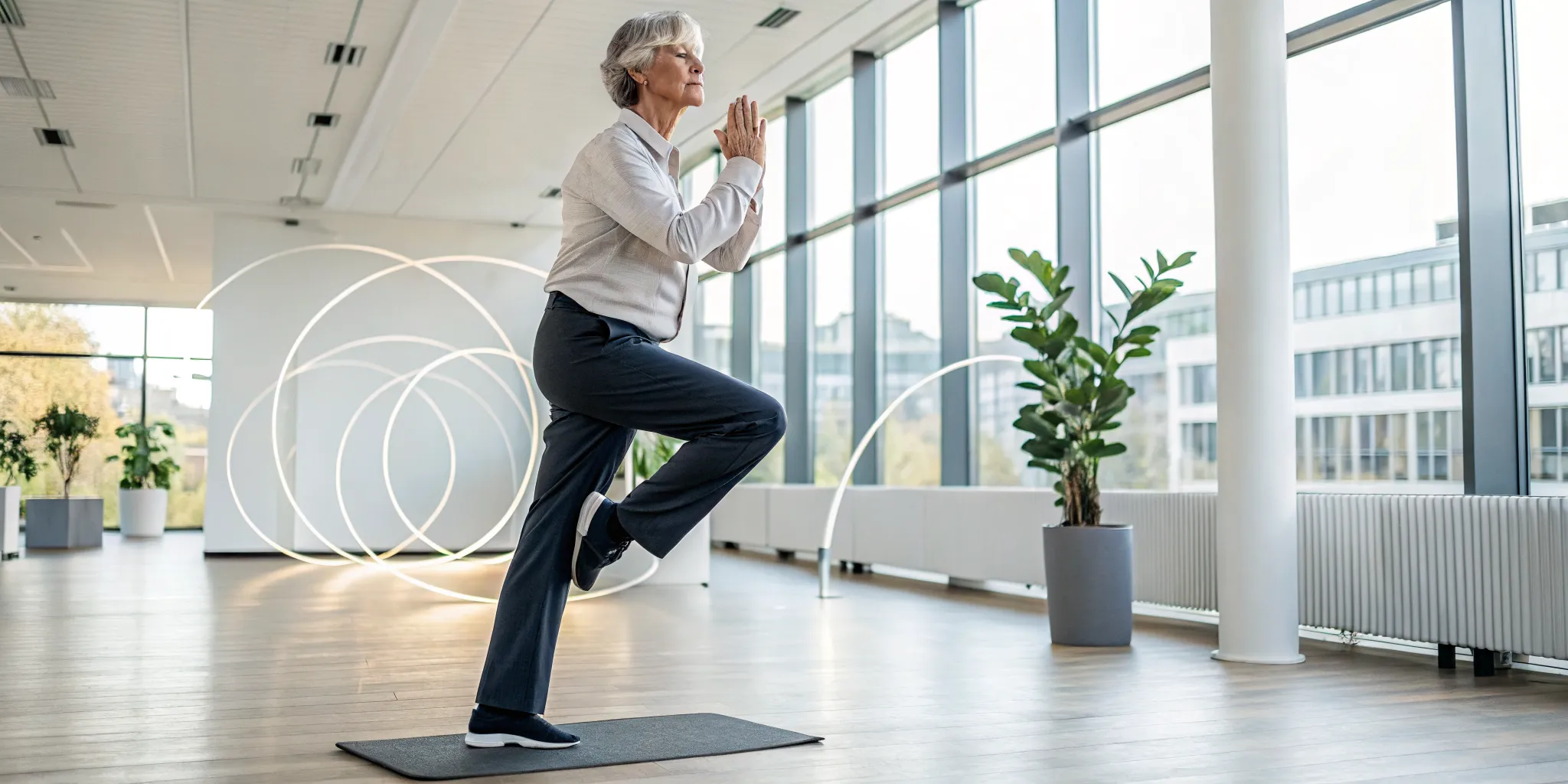
Do you ever feel surprisingly unsteady on your feet, or maybe a bit clumsy during everyday movements? It might not be just a case of "having an off day." Your core is your body's anchor, providing the stability you need for coordinated, controlled movement. When it's not engaged, your center of gravity can feel off, making it difficult to balance. This can show up as wobbling when you stand on one leg, tripping over your own feet, or feeling shaky when reaching for something overhead. A strong core is essential for effective movement and coordination in all your daily activities.
Recurring Injuries in Your Hips, Knees, or Back
It’s frustrating to deal with the same injury over and over again. If you have nagging hip pain, runner’s knee that won’t quit, or back tweaks from simple activities, an unstable core could be the underlying problem. Your body works as a connected system, and your core is the central link in that chain. When it's weak, other areas like your hips, knees, and shoulders have to compensate, leading to improper movement patterns and overuse injuries. Core stability is vital for keeping your spine and pelvis properly aligned, which helps you move well and protects your joints from unnecessary stress.
The Real-Life Benefits of a Stable Core
Strengthening your core goes far beyond chasing a six-pack. Think of it as building a strong, supportive foundation for your entire body. When your deep core muscles are stable and engaged, the benefits ripple through your daily life, making you feel more capable, aligned, and resilient. From improving your posture to giving you more confidence in your movements, a stable core is fundamental to your overall well-being and can be a game-changer for pain relief.
Stand Taller and Align Your Spine
A strong core is your body’s internal corset, helping to maintain proper spinal alignment. When these muscles are working correctly, they distribute weight evenly through your spine and pelvis. This reduces unnecessary strain on your back and helps you carry yourself with better posture. You might notice you’re sitting up straighter at your desk or standing taller without even thinking about it. This isn't just about looking more confident; it's about creating a healthier, more balanced structure that supports you all day long. Our approach to physical medicine focuses on restoring this natural alignment for lasting relief.
Build Resilience Against Injury
Think of your core as your body's central stabilizer. When it's strong, it improves your balance and coordination, making your movements more efficient and controlled. This stability is crucial for preventing injuries, especially in your lower back, hips, and knees. A stable core absorbs impact and prevents awkward twists or strains, whether you're lifting something heavy, playing a sport, or just navigating a slippery sidewalk. By building this foundational strength, you create a more resilient body that's less susceptible to the common aches and pains that can disrupt your life. We often see how a weak core contributes to many of the conditions we treat.
Move Through Your Day with Ease
From carrying groceries to picking up your kids, daily life is full of physical demands. A stable core provides the support you need to perform these tasks without pain or fatigue. When your core is engaged, your limbs have a solid base to move from, which means less effort and more power in everything you do. You’ll feel a sense of freedom and ease as movements that once felt strenuous become more manageable. This allows you to participate more fully in the activities you love, without being held back by discomfort or the fear of overdoing it.
Gain Confidence in Your Body's Abilities
There's a powerful mental shift that happens when your body feels strong and dependable. A stable core acts as a natural protective mechanism, giving you an underlying sense of security in your physical abilities. You stop second-guessing simple movements or worrying about that familiar twinge in your back. This newfound confidence can encourage you to be more active, try new things, and trust your body again. Hearing from our patients about how they've regained this confidence is one of the most rewarding parts of what we do, and you can read some of their inspiring stories yourself.
5 Foundational Exercises for a Stronger Core
Ready to build a stronger, more supportive core? These five exercises are foundational movements that help you connect with your deep core muscles and create stability from the inside out. Remember to focus on your form and breathe steadily through each movement. The goal isn't speed; it's control. If you feel any sharp pain, stop and listen to your body. For many people experiencing discomfort, incorporating these gentle exercises can be a great first step toward feeling better. Our approach to physical medicine often includes corrective exercises like these to address the source of your discomfort, helping you build a foundation for long-term relief and better movement.
By consistently practicing these movements, you're not just doing exercises; you're re-educating your body on how to support itself properly. This can make a world of difference in your daily life, from carrying groceries to playing with your kids. A stable core acts as a solid base for all your movements, reducing unnecessary strain on your back, hips, and knees. Think of it as building a strong internal framework that protects you from the inside out. These exercises are designed to be accessible, but their impact is profound. They target the muscles that are often overlooked in traditional workouts but are essential for true, functional strength and lasting pain relief.
1. Plank
The plank is a classic for a reason. It’s an isometric hold that teaches your body to engage multiple muscle groups at once, especially the abdominals and back muscles that support your spine. This exercise is fantastic for building endurance in your core, which is key for maintaining good posture throughout the day and preventing that late-afternoon slump.
How to do it: Start on your hands and knees. Lower onto your forearms, keeping your elbows directly under your shoulders. Extend your legs back one at a time to come into a straight line from your head to your heels. Engage your core by pulling your belly button toward your spine. Avoid letting your hips sag or rise too high. Hold for 20 to 30 seconds, focusing on steady breathing.
2. Bird Dog
The bird dog is a wonderful exercise for improving balance and coordination while strengthening your core. It challenges you to keep your torso stable while your limbs are in motion, which directly translates to better stability during daily activities like walking or reaching. Research shows the bird dog is particularly effective for enhancing core strength and improving posture.
How to do it: Begin on all fours with your hands under your shoulders and your knees under your hips. Keeping your back flat, engage your core. Slowly extend your right arm straight forward and your left leg straight back. Hold for a moment, then gently return to the starting position. Repeat on the other side, extending your left arm and right leg. Move with control.
3. Dead Bug
Don't let the name fool you; the dead bug is a powerhouse for developing deep core stability. This exercise trains you to keep your lower back stable while moving your arms and legs, strengthening the deep abdominal muscles that act like a natural corset for your spine. It’s an excellent way to build strength without putting strain on your back.
How to do it: Lie on your back with your knees bent and your feet flat on the floor. Lift your legs so your shins are parallel to the floor (the "tabletop" position) and extend your arms toward the ceiling. Slowly lower your right arm and left leg toward the floor, going only as far as you can without your lower back arching. Return to the start and repeat with the opposite arm and leg.
4. Glute Bridge
While it’s a fantastic glute strengthener, the glute bridge is also a key core stabilization exercise. It activates your glutes, hamstrings, and lower back, helping to create stability around your pelvis. For those who sit a lot, this movement can help counteract the effects of tight hip flexors and weak glutes, which often contribute to lower back pain.
How to do it: Lie on your back with your knees bent, feet flat on the floor about hip-width apart, and your arms by your sides. Press through your heels and lift your hips off the floor until your body forms a straight line from your shoulders to your knees. Squeeze your glutes at the top. Hold for a second, then slowly lower back down.
5. Supine Heel Taps
Supine heel taps are a great way to target your lower abdominal muscles with precision and control. The key to this exercise is maintaining a stable core and preventing your lower back from arching as you move. It’s a subtle but effective movement for building the kind of deep core strength that supports a healthy spine. According to the American Council on Exercise, this movement is excellent for improving core stability.
How to do it: Lie on your back and bring your legs into a tabletop position, with your knees bent at a 90-degree angle over your hips. Place your hands by your sides. Keeping your core engaged, slowly lower one heel to tap the floor. Bring it back to the starting position with control, then repeat with the other leg.
When Exercises Aren't Enough: What's Next?
You’ve been diligently doing your bird dogs and planks, but that nagging pain just isn’t budging. What gives? It can be incredibly frustrating when you put in the work but don’t get the results you’re looking for. The truth is, while core exercises are a fantastic tool, they sometimes act more like a bandage than a solution. If your pain persists, it’s often a sign that the exercises are addressing a symptom (a weak core) rather than the true source of the problem. Your body is a complex, interconnected system, and lasting relief often requires looking beyond just one muscle group. Let’s explore what might be happening and what your next steps could be.
Why Your Core is Only Part of the Picture
Think of your body as a team. While your core muscles are the star players for stability, they don’t work in isolation. They are part of a kinetic chain, where movement (or lack of movement) in one area directly affects another. For example, if your hips or upper back are stiff, your lower back and core are forced to compensate, taking on extra strain they weren't designed for. No amount of planking can fix that imbalance. Your body is simply trying to get the job done with the resources it has, which can lead to chronic pain and fatigue in the overworked areas. True stability comes from your entire body working in harmony, which is why a holistic approach to physical medicine is so important.
Getting to the Root Cause of Your Pain
Core exercises are a great first line of defense, but if they aren't enough, it’s time to play detective and find the root cause. Persistent pain is your body’s way of telling you something deeper is wrong. The issue could be a structural misalignment that’s putting constant pressure on your spine, or it might not be structural at all. Chronic inflammation, often linked to gut health and diet, can contribute to body-wide aches and prevent muscles from recovering properly. Similarly, hormonal imbalances can affect tissue health and pain perception. To find lasting relief, you have to address the underlying reason your core felt weak in the first place. Understanding the wide range of conditions we treat can help you connect the dots between seemingly unrelated symptoms.
When to Ask for Professional Guidance
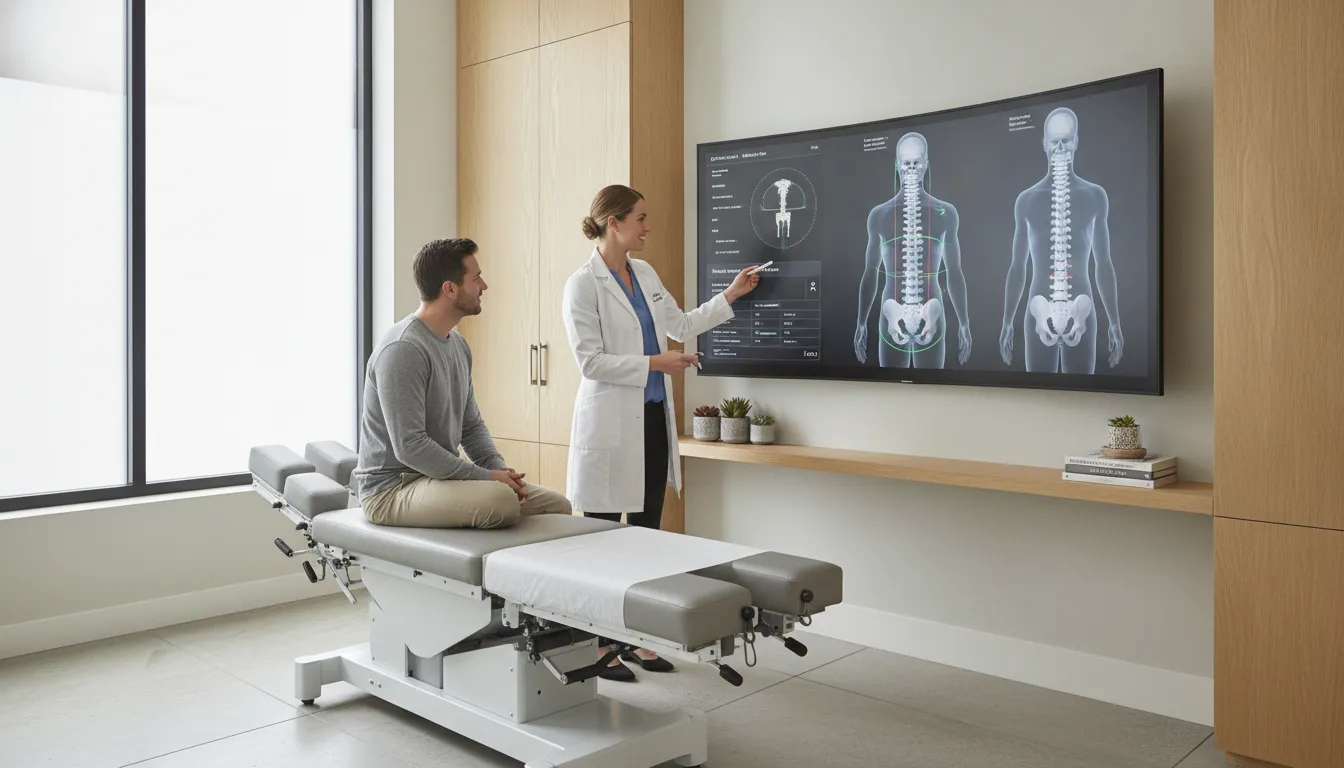
If you’ve been consistent with your exercises for a few weeks and the pain is either staying the same, getting worse, or you’re just not sure you’re doing them correctly, it’s time to ask for help. This isn’t a sign of failure; it’s a smart, proactive step toward finally feeling better. A professional can provide a tailored assessment to figure out exactly what’s going on. They can identify specific movement patterns, structural issues, or other underlying factors that you can’t see on your own. Getting an expert evaluation is the most effective way to get a clear diagnosis and a personalized plan that addresses your unique body and goals. When you're ready to stop guessing, we're here to help you find answers and get in touch with our team.
Related Articles
- Bulging Disc Therapy Treatment: A Complete Guide
- Spinal Stenosis of Lumbar Region: Symptoms & Treatment
- Functional Movement 101: A Beginner's Guide
- Spinal Decompression Hurts Lower Back: Normal or Not?
- Cervical Myofascial Pain 101: A Complete Guide
Frequently Asked Questions
How often should I do these exercises, and when will I feel a difference? Consistency is more important than intensity. Aim to practice these movements 3 to 4 times a week. Rather than expecting a dramatic, overnight change, pay attention to the small victories. You might notice you can sit for longer without that familiar ache, or you feel more steady when reaching for something on a high shelf. These subtle shifts are the real signs that you're building a stronger, more supportive foundation from the inside out.
I feel a pinch in my lower back when I try some of these exercises. What should I do? That's your body sending you an important signal, so it's smart to listen. Sharp or pinching pain is never the goal. First, try making the movement smaller. For example, in the dead bug, don't lower your arm and leg as far. Focus completely on keeping your core engaged and your lower back stable. If the pain continues, it's best to stop that specific exercise. It could be a sign of an underlying imbalance that needs a more personalized approach to correct.
My main goal is to get rid of my lower back pain. Can a strong core really fix it? For many people, building core stability is a huge piece of the puzzle for relieving lower back pain. When your deep core muscles are strong, they act like a natural brace for your spine, taking the pressure off your overworked back muscles. However, if your pain is caused by something else, like a structural issue or even chronic inflammation, core work alone might not be the complete solution. It's an essential component, but sometimes it's one part of a larger, more comprehensive strategy.
How do I know if it's time to seek professional help instead of just doing exercises? A good rule of thumb is to give it a few weeks of consistent effort. If you've been diligent with the exercises for about a month and your pain hasn't improved, or if it's getting worse, it's a clear sign to get a professional assessment. Also, if you're feeling unsure about your form or if the pain is interfering with your daily life, don't wait. Getting an expert opinion can save you time and frustration by identifying the root cause and creating a plan that's right for you.
You mentioned the core is more than just abs. Do I still need to do traditional ab exercises like crunches? Think of it this way: crunches work the surface-level "six-pack" muscles, which are designed to flex your spine. The foundational exercises in this post, however, train the deep muscles that prevent unwanted movement and stabilize your spine. A truly strong and functional core needs both. The foundational exercises should be your priority because they build your support system. Once that's solid, you can certainly incorporate other ab work, but stability should always come first.