We track our steps, our sleep, and even our screen time, all in the name of better health. So why not track what’s happening inside our bodies? At-home hormone tests offer a convenient way to gather personal data on everything from your stress levels to your reproductive health. The challenge is that the market is crowded with options, and figuring out which one is reliable and right for you can be confusing. If you’re trying to find the best at-home hormone testing kit for your specific goals, you’ve come to the right place. Here, we’ll compare the leading tests, discuss their accuracy, and explain how to use your results to have a more productive conversation with a professional.
Key Takeaways
- Treat test results as clues, not conclusions: A mail-in kit provides a snapshot of your hormone levels, offering valuable data to start a conversation, but it does not provide a diagnosis on its own.
- Prioritize quality and relevance when choosing a test: For the most reliable information, select a company that uses CLIA-certified labs and pick a test panel that measures the specific hormones related to your personal health questions.
- Partner with a professional to create an action plan: The most critical step is to review your results with a functional medicine expert who can interpret the numbers in the context of your unique health story and help you create a personalized path forward.
The Best At-Home Hormone Tests: A Quick Comparison
If you've started looking into hormone testing kits you can use from the comfort of your house, you know how many options are out there. To make it a little easier, I’ve put together a quick rundown of some of the most popular kits. This will give you a snapshot of what they test for, how they work, and their general price points. Think of it as a starting point to see what might align with your specific health questions.
Understanding your body's unique hormonal patterns is a big step in taking control of your health, and it's a cornerstone of longevity medicine. Here’s how some of the leading testing kits stack up:
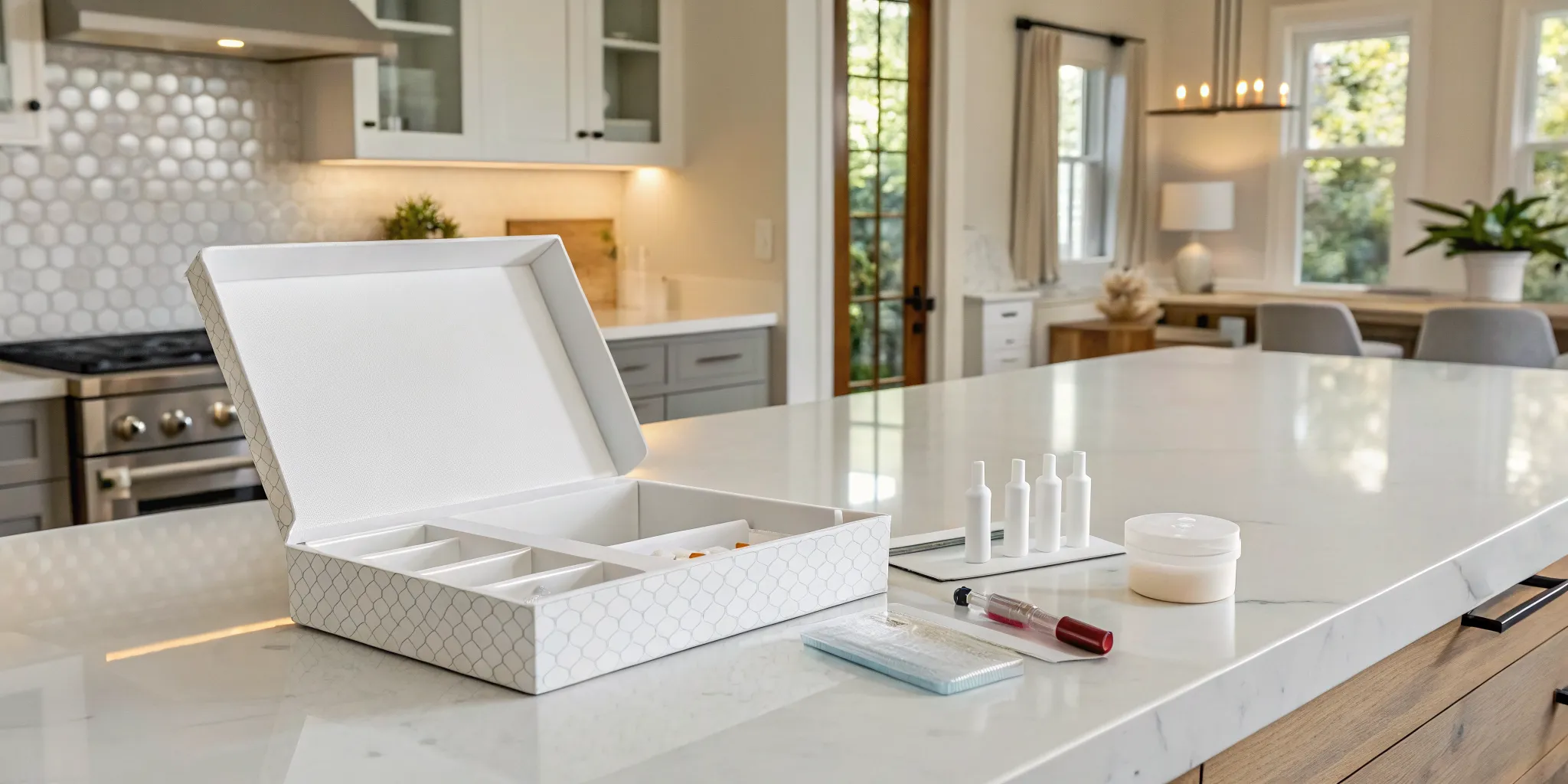
- Everlywell Women's Health Test: This is a comprehensive option that looks at 10 key hormones, including estrogen, progesterone, and cortisol. It uses a finger prick and a saliva sample. The results usually come back in about a week.
- Ro Modern Fertility Hormone Test: If your focus is on reproductive health, this test is tailored to track those specific hormone levels. It requires a finger prick for a blood sample, with results typically available in 7 to 10 days.
- myLAB Box Perimenopause/Postmenopause Tests: Designed for women navigating these specific life stages, this kit provides insights into changing hormone levels. It uses both finger prick and saliva samples and has a quick turnaround of 2 to 5 days.
- LetsGetChecked Thyroid Antibody Test: Since thyroid function is so critical to your overall hormonal balance, this specialized test focuses solely on that. It uses a finger prick sample and delivers results in about 2 to 5 days.
- Everlywell Men's Health Test: This test is designed for men and measures important hormones like testosterone and cortisol. It uses a finger prick sample, and you can expect results within a week.
While these kits offer a convenient way to gather initial data, remember that the numbers are just one piece of the puzzle. We'll get into more detail on these options next.
What Hormones Can You Test for at Home?
If you’ve ever felt like something was “off” with your body but couldn’t quite put your finger on it, you’re not alone. Persistent fatigue, unexplained mood shifts, and stubborn weight changes can often be traced back to your hormones. These powerful chemical messengers regulate everything from your metabolism to your mood, and when they’re out of sync, you feel it. Conveniently, many testing kits allow you to collect a sample, like saliva or a blood spot, from the comfort of your own home and send it to a lab for analysis.
These tests can provide valuable information about your body’s inner workings, offering clues into your fertility, thyroid function, and stress levels. Think of it as gathering personal data that can help you start a more informed conversation about your health. Understanding your baseline hormone levels is a foundational step in longevity medicine and can empower you to ask the right questions and seek the right support. The results won’t give you a diagnosis, but they can illuminate areas that need a closer look, guiding you toward a more personalized approach to your well being.
Reproductive and Fertility Hormones
Whether you’re planning for a family, managing cycle irregularities, or are simply curious about your reproductive health, this category of hormones is crucial. Tests in this area typically measure key players like Estradiol (a form of estrogen), Progesterone, Luteinizing Hormone (LH), and Follicle-Stimulating Hormone (FSH). These hormones work together in a delicate dance to regulate your menstrual cycle and ovulation. Some panels also include DHEA and Testosterone, which are important for both female and male reproductive health. Understanding these levels can offer insights into fertility and other conditions we treat related to hormonal imbalance.
Thyroid Hormones
Think of your thyroid as your body's internal thermostat and engine. This small, butterfly-shaped gland in your neck produces hormones that influence your metabolism, energy levels, and even your heart rate. If you’re constantly feeling tired, cold, or have noticed changes in your hair, skin, or weight, your thyroid could be a factor. At-home tests often measure Thyroid-Stimulating Hormone (TSH) and Free T4, which are primary indicators of thyroid function. Some more comprehensive panels also check for thyroid antibodies, which can help identify autoimmune responses against the thyroid. This information is a great starting point for a functional medicine investigation into the root cause of your symptoms.
Stress and Cortisol Hormones
In our fast-paced world, stress is a constant companion for many. Cortisol, your body's main stress hormone, is designed to help you handle short-term threats. However, chronic stress can lead to consistently high cortisol levels, disrupting your sleep, mood, energy, and even your reproductive cycle. Testing your cortisol can provide a snapshot of how your body is managing stress. Many kits measure your levels at different points throughout the day to map out your unique cortisol rhythm. Understanding this pattern can be the first step in developing strategies to better manage your stress response and support your overall health, which is a core part of our services.
Our Review of the Top At-Home Hormone Tests
With so many testing kits available, it can be tough to figure out which one is right for your specific needs. Some are great for a general overview, while others are designed for specific goals like fertility tracking or managing menopause symptoms. We’ve looked at some of the most popular options to give you a clear picture of what they offer, how they work, and who they’re best for. Let's compare the top contenders.
1. Ascend Functional Health (Comprehensive Hormone Panel)
While mail-in kits offer a starting point, a comprehensive hormone panel from a clinical team provides a much deeper understanding of your health. At Ascend, we don’t just give you data points; we connect them to your symptoms and health history to uncover the root cause of your concerns. Our approach to longevity medicine involves detailed testing that goes beyond the basics. This allows us to create a truly personalized protocol for you. Instead of interpreting results on your own, you get the full support of our team to guide you through your results and create an actionable plan for feeling your best.
2. Everlywell (Women's Health and Wellness Focus)
Everlywell is a well-known name in the home testing space, and its Women's Health Test is one of its most popular offerings. This kit is designed to give you a broad look at your hormonal health by measuring 10 key biomarkers from a blood and saliva sample. It’s a solid choice if you’re curious about your general wellness and want to see how hormones like estrogen, progesterone, and cortisol are fluctuating. The results are delivered to an online dashboard with explanations for each marker, making it a user-friendly option for those new to hormone testing.
3. Ro Modern Fertility (Fertility and Reproductive Tracking)
If your primary goal is to understand your reproductive health, the Ro Modern Fertility test is tailored specifically for you. This test measures several hormones that are crucial for fertility, including AMH (an indicator of ovarian reserve) and TSH (thyroid-stimulating hormone). The collection process is a simple finger prick you do yourself. One of the standout features is the ability to discuss your results with a fertility nurse. This added layer of support can be incredibly helpful for anyone who is planning for a family or just wants to be more informed about their reproductive timeline.
4. LetsGetChecked (Menopause Management and General Wellness)
The changes that come with perimenopause and postmenopause can be confusing, and LetsGetChecked offers a test specifically for this life stage. By measuring key hormones like FSH and estradiol, this kit can help you understand where you are in your menopausal transition. The results can provide clarity on symptoms like hot flashes, mood swings, and sleep disturbances. Like Ro, LetsGetChecked also offers the opportunity to speak with a member of their clinical team to discuss your results, which is a valuable resource for making sense of your body’s changes.
5. myLAB Box (Broad Hormone Screening)
If you’re looking for a straightforward test with a quick turnaround, myLAB Box is another option to consider. The company offers a few different hormone health tests that screen for a panel of hormones, including estradiol, progesterone, and testosterone. The process is simple: you order the kit, collect your sample, and send it back to the lab. Results are typically ready in just a few days, making it one of the faster options available. This test can be a good way to get a quick snapshot of your levels if you have a specific concern you want to investigate.
How to Choose the Right Hormone Test for You
With a growing number of testing kits available, figuring out which one is right for you can feel like a job in itself. The key is to match the test to your specific health questions and goals. Are you concerned about fatigue and mood swings, or are you more focused on fertility? Different tests measure different hormones, so knowing what you want to investigate is the first step. Think about your symptoms and what aspects of your health you’re hoping to understand better.
Beyond the specific hormones measured, you’ll also want to consider a few practical factors. The collection method, how quickly you get results, and the type of support offered can make a big difference in your experience. Choosing a test isn’t just about getting numbers on a page; it’s about gaining clear, actionable insights into your body. Our approach to longevity medicine is built on this principle: using precise data to create a personalized health strategy. Taking the time to select the right test sets you up for success from the very beginning.
Consider Collection Methods and Turnaround Time
Most mail-in hormone tests use a sample of your blood, saliva, or urine. Blood samples are typically collected with a simple finger prick, while saliva and urine tests are generally less invasive. Think about what you’re most comfortable with, as this can make the process feel much easier. It’s a small detail, but your comfort matters. Once you’ve sent your sample to the lab, results are usually available within a few business days. Most companies provide access to your results through a secure online portal, making it convenient to review your information privately and on your own time.
Look for Lab Certifications and Accuracy
For your results to be meaningful, they must be accurate. That’s why it’s essential to choose a company that uses certified laboratories. Look for labs that are CLIA (Clinical Laboratory Improvement Amendments) certified, as this indicates they meet high federal standards for quality and precision. This certification helps ensure that the data you receive is reliable. Also, make sure the test you select aligns with your health concerns. If you’re dealing with symptoms like persistent fatigue, unexplained weight gain, or joint pain, you’ll want a test that measures the hormones related to those conditions we treat.
Check for Professional Oversight and Follow-Up Support
Getting your results is just one piece of the puzzle. The next, more important step is understanding what they mean for you. Some testing companies have nurses or other professionals who will contact you to help interpret the results, which can be incredibly helpful. However, a mail-in test is not a substitute for professional medical advice. The best course of action is always to share your results with a trusted healthcare provider. A functional medicine expert can place your results in the context of your full health picture and help you create a targeted plan. We encourage you to contact our team to see how we can help you turn your results into a clear path forward.
How Hormone Testing Fits Into a Functional Medicine Plan
At-home hormone testing kits are a powerful first step — but they work best when paired with a provider who can connect the data to your symptoms, lifestyle, and long-term goals. At Ascend Functional Health, we regularly see patients who have already run an at-home test and want help making sense of what their numbers actually mean.
Whether you've tested estrogen, progesterone, cortisol, or testosterone, our team uses those results as a foundation — not a finish line. We layer in a comprehensive in-office panel to fill the gaps that mail-in kits can't capture, including how well your body is metabolizing hormones and whether adrenal or thyroid function is contributing to your symptoms.
If you're exploring hormone testing for women specifically, you may also want to learn more about at-home estrogen testing or review what a full hormone replacement therapy program involves. Both resources can help you understand which testing approach makes sense before — or alongside — your first consultation.
How Accurate Are At-Home Hormone Tests?
Let's talk about accuracy. When you use a self-collection kit, you want to know if you can trust the results. The truth is, the reliability of these tests can vary quite a bit. A key reason for this is that not all of them are reviewed by the FDA, so it's crucial to do your homework before choosing one. The best approach is to select a test from a company that uses CLIA-certified labs to process their samples. CLIA (Clinical Laboratory Improvement Amendments) certification means the lab meets high federal standards for quality and accuracy, which adds a significant layer of confidence to your results.
It's also important to manage your expectations about what these tests can do. Think of a mail-in hormone test as a tool for gathering personal health data, not for receiving a diagnosis. Your hormone levels are dynamic; they can change throughout the day, in response to a meal, or during your monthly cycle. Because of this, one test provides a snapshot in time, not the complete story of your health. The results can be a fantastic starting point for a more productive conversation with a professional who can see the bigger picture. They can help you understand what these numbers mean in the context of your unique body and symptoms, which is the first step toward creating a real plan for your health. This is where longevity medicine comes in, focusing on optimizing your health for the long term by looking at all the interconnected pieces.
Common Myths About At-Home Hormone Testing
One of the biggest misconceptions about mail-in hormone tests is that they can diagnose a health condition. This is simply not the case. While the results can point you in a certain direction, only a qualified healthcare provider can give you an official diagnosis. They are trained to look at your test results alongside your personal health history, current symptoms, and lifestyle factors.
A single number on a page doesn't tell the whole story. For example, a slightly low progesterone level might mean different things for different people depending on their age and health goals. A provider from a team like ours at Ascend Functional Health can interpret these nuances and help you understand what your results truly mean for you.
What Can Affect Your Test Results?
For your results to be as useful as possible, the sample collection needs to be done correctly. It’s easy to make a small mistake, like not collecting enough saliva or accidentally touching the collection swab, which can alter the outcome. Following the kit’s instructions to the letter is your best bet for getting a clean sample.
Beyond collection errors, other factors can influence your hormone levels. Certain medicines or supplements, like biotin, can interfere with test results. Your stress levels, the quality of your sleep the night before, and even the time of day you collect your sample can cause fluctuations. Being mindful of these variables can help you get a more accurate snapshot. Understanding how these systems interact is a core part of functional medicine.
What Is the Average Cost of an At-Home Hormone Test?
When you're looking into at-home hormone tests, one of the first questions you probably have is about the price. The truth is, the cost can vary quite a bit. You might see tests for as little as $30 or comprehensive panels that go for more than $250. This wide range usually comes down to what the test is measuring and how many biomarkers are included.
A test that looks at a single hormone, like cortisol, will naturally be on the lower end of that spectrum. On the other hand, if you're interested in a more complete picture of your health, a full panel that measures ten or more key biomarkers will be a larger investment. For example, tests focused on women's health or perimenopause often fall somewhere in the middle, typically ranging from about $120 to $260, depending on the number of hormones included.
It's also worth noting that many companies that offer these tests allow you to use your Health Savings Account (HSA) or Flexible Spending Account (FSA) funds for payment. This can be a helpful way to manage the expense. Ultimately, the price reflects the complexity of the analysis. Understanding this can help you decide which test aligns with both your health goals and your budget, without feeling like you're just guessing.
You Have Your Results—Now What?
So, you’ve collected your sample, sent it off, and the email with your results has finally arrived. Opening that file can feel like a big moment, followed quickly by the question, “What does this all mean?” It’s completely normal to feel a mix of curiosity and maybe a little confusion when looking at a page full of names, numbers, and ranges.
Think of these results not as a final verdict, but as the first step in a conversation. They provide a valuable snapshot of your body’s inner workings at a single point in time. This data is a powerful tool, giving you clues that can help you and a practitioner piece together your unique health puzzle. The key is knowing how to use this information effectively. Your next steps involve learning how to read these results in context and understanding when it’s time to bring in a professional to help you see the complete picture and create a plan that’s right for you.
How to Interpret Your Hormone Levels
When you first look at your results, you’ll likely see your levels plotted against a “normal” range. It’s important to remember that these self-collection tests are not diagnostic tools on their own. Instead, they offer a glimpse into your body that can help you start a more informed conversation with a healthcare provider. Knowing your hormone levels can help you understand changes in your body and connect them to symptoms you may be experiencing.
The results can show you if your hormones are within a typical range for your age and reproductive stage, which is a great starting point. This information empowers you to make healthier choices and ask better questions, turning your next practitioner visit into a truly collaborative session.
When to Talk to a Professional
The single most important step after receiving your results is to discuss them with a qualified professional. A practitioner can interpret what the numbers mean for you specifically, taking into account your symptoms, health history, and lifestyle. They can help you understand the nuances that a simple lab report can’t capture.
If your results are unusual or if you have ongoing concerns like irregular periods, persistent fatigue, or trouble getting pregnant, it’s essential to seek professional guidance. While a test might suggest a hormonal imbalance, it can't officially diagnose a condition like menopause or PCOS; only a practitioner can do that after a comprehensive evaluation. Ready to take that next step? We encourage you to talk to a professional who can help you create a personalized path forward.
Related Articles
Frequently Asked Questions
What's the real difference between a mail-in test and a comprehensive panel from a clinic? Think of a mail-in test as gathering raw data. It gives you numbers and general ranges, which can be a helpful starting point. A comprehensive panel from a clinical team, however, is about connecting that data to you as a person. We look at your results alongside your symptoms, health history, and lifestyle to understand the full story. Instead of just getting numbers, you get a personalized interpretation and a clear plan built with a professional.
Can I trust the accuracy of a hormone test I take myself? The accuracy largely depends on two things: the lab and your collection technique. Reputable companies use CLIA-certified labs, which meet high federal standards for quality. It's also crucial to follow the collection instructions perfectly, as small mistakes can affect the results. Remember, these tests provide a snapshot of your hormones at one specific moment. They are a useful tool for gathering information, but they don't capture the daily fluctuations that are a normal part of your body's rhythm.
How do I choose the right test when there are so many options? Start by thinking about your "why." Are you trying to understand persistent fatigue, track your fertility, or get clarity on menopause symptoms? Your specific health questions will point you toward the right panel of hormones. From there, consider practical details like the collection method (are you comfortable with a finger prick or do you prefer saliva?) and whether the company offers any follow-up support to help you make sense of the results.
Can one of these tests tell me if I have a specific condition like a thyroid issue? No, a mail-in test cannot provide a diagnosis. These kits are designed for screening and information gathering, not for diagnosing medical conditions. While a result might suggest an imbalance, only a qualified practitioner can make a diagnosis after a complete evaluation. They will interpret your test results in the context of your overall health to give you a definitive answer.
I have my results. What's the most important thing to do now? The single most important step is to discuss your results with a professional. A page of numbers can be confusing without context. A functional medicine practitioner can help you understand what your levels mean for your unique body and health goals. They can connect the dots between your results and your symptoms, turning that data into a meaningful and actionable plan for feeling better.