Your body has an incredible, innate ability to heal itself. But sometimes, especially with chronic injuries or persistent inflammation, that natural healing process can stall out. The signals get crossed, blood flow becomes restricted, and the damaged tissue never fully repairs, leaving you with ongoing pain and limited function. What if you could give your body a nudge to get that process back on track? That’s the fundamental idea behind shockwave therapy for musculoskeletal pain. This treatment uses powerful acoustic waves to create a strong therapeutic stimulus deep within the injured tissue. It’s a way to work with your body’s own wisdom, promoting circulation and awakening the regenerative cells needed to finally resolve the problem from the inside out.
Key Takeaways
- It prompts your body to heal itself: Shockwave therapy uses powerful sound waves to restart the natural repair process in areas with chronic pain. This helps increase blood flow and break down scar tissue, addressing the underlying cause of your discomfort.
- It's a versatile solution for stubborn pain: This treatment is highly effective for many common musculoskeletal issues, including plantar fasciitis, tennis elbow, and shoulder tendinopathy. It's a proven option for anyone dealing with persistent pain, not just athletes.
- The process is safe with no downtime: As a non-invasive procedure, you can get back to your day right after a session. Lasting relief is typically achieved over several treatments that build on each other, and it pairs well with other therapies like corrective exercises.
How Does Shockwave Therapy Work?
It might sound futuristic, but shockwave therapy is a straightforward technology that uses sound to help your body heal. Instead of masking pain, it gets to the source of the problem by stimulating your body’s own repair processes. Think of it as a way to restart the healing cascade in areas where it has stalled, like with chronic tendon injuries or persistent joint pain. This approach is a cornerstone of our Physical Medicine services, focusing on long-term recovery rather than temporary fixes. Let's look at how these sound waves actually work.
The Science of Sound Waves
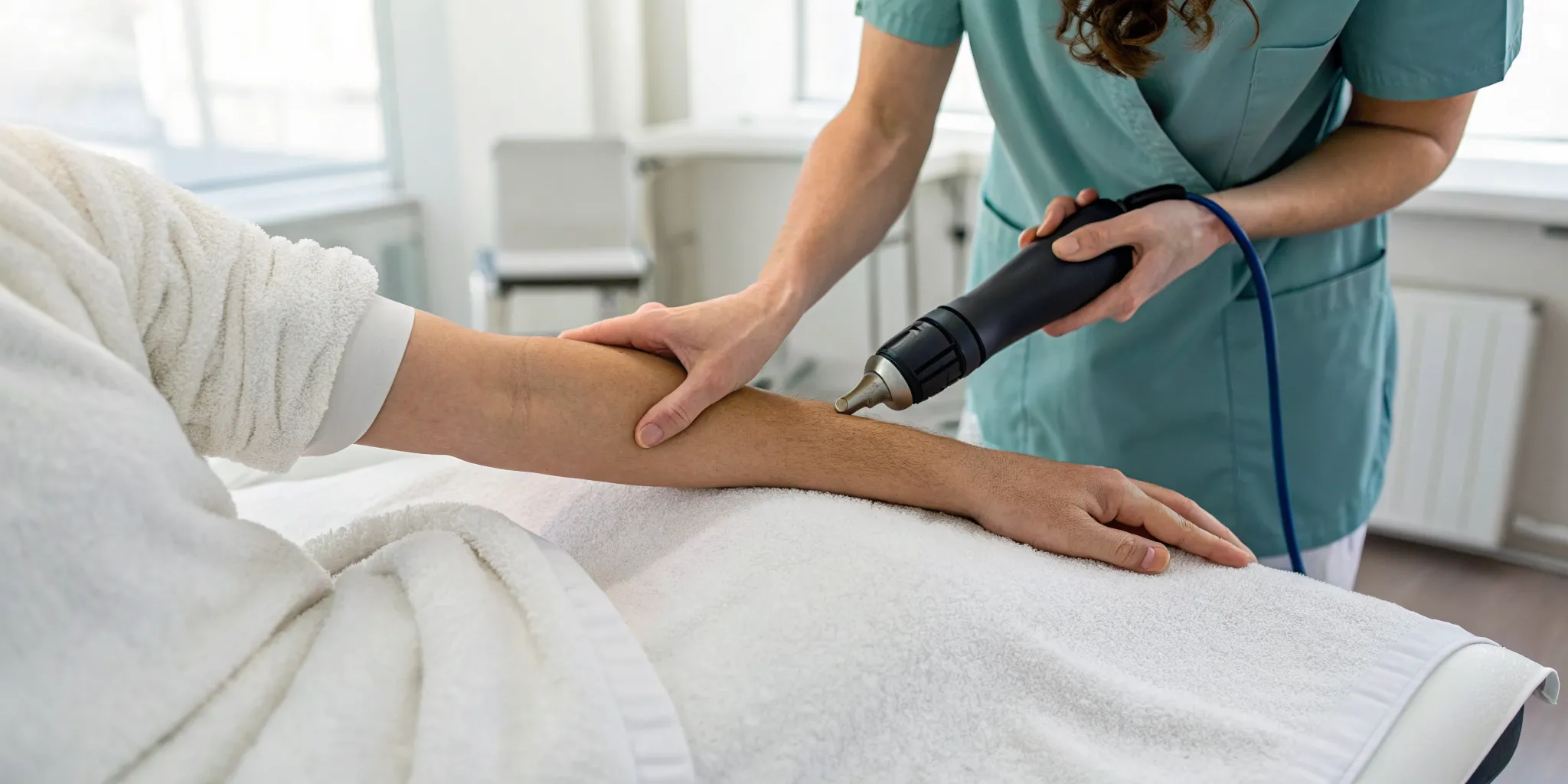
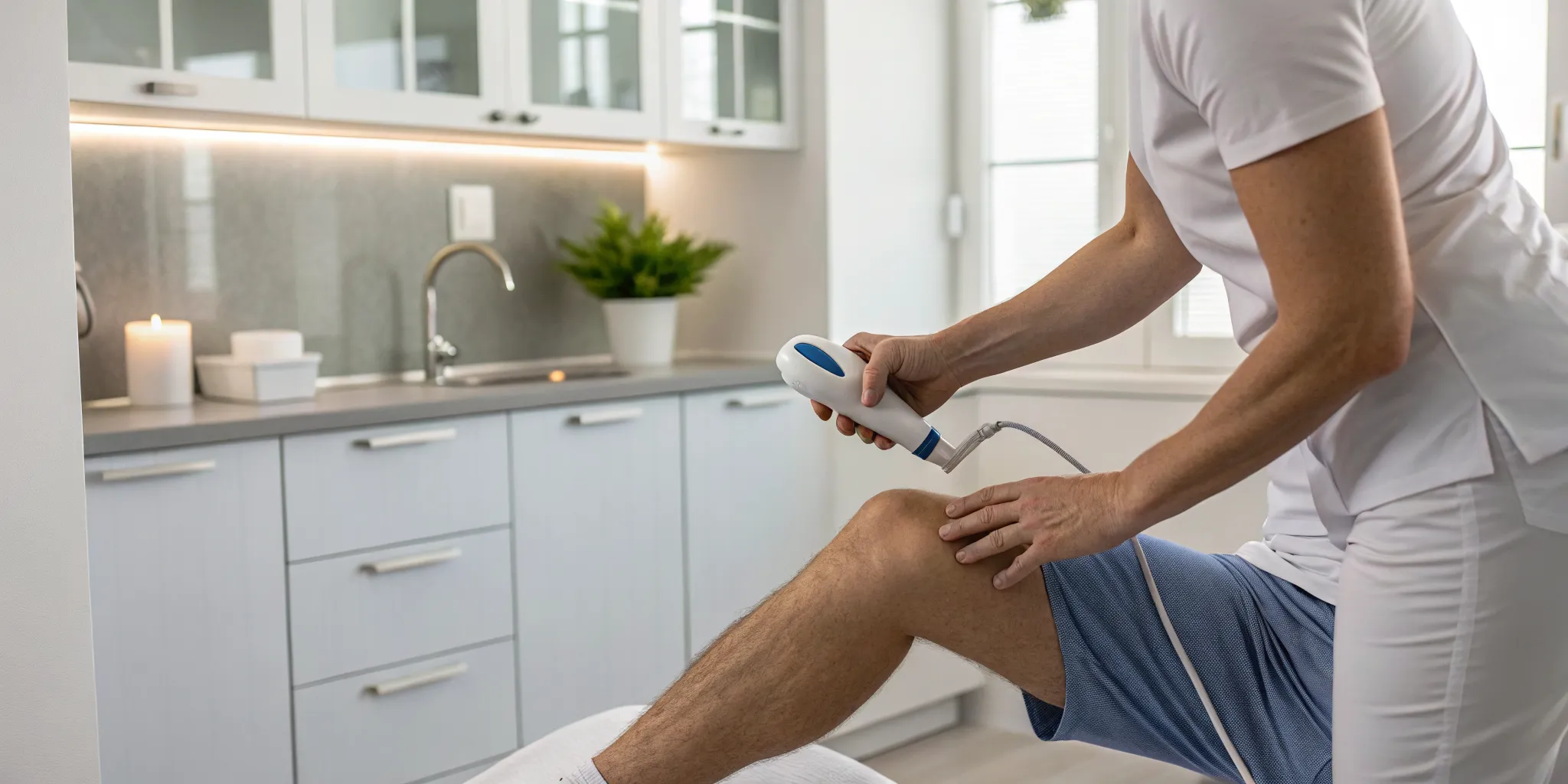
First, let's clear up a common misconception: shockwave therapy has nothing to do with electrical shocks. The "shock" refers to high-energy acoustic (sound) waves. A specialized device generates these waves, which are delivered to the painful area through a handheld applicator. These are not gentle, rolling waves like you’d hear in music; they are quick, powerful pulses of mechanical energy. This intensity allows them to pass through your skin without breaking it and reach deep into the targeted tissue. This process initiates a response at the cellular level, setting the stage for your body to begin its natural repair work without the need for incisions or needles.
Focused vs. Radial Approaches
Not all shockwaves are created equal. Depending on your specific injury, we use one of two types: radial or focused. Radial waves are like ripples in a pond, spreading out from the applicator to treat a wider, more superficial area. This makes them great for larger muscle groups and myofascial trigger points. Focused waves, on the other hand, are more like a laser beam. They converge on a single, precise point deep within the tissue. This approach is ideal for targeting specific structures, like a heel spur associated with plantar fasciitis. The ability to choose the right approach allows us to tailor the treatment to the unique conditions we treat and your body's needs.
Activating Your Body's Natural Healing
So, what happens when these sound waves reach the injured tissue? This is where the real healing begins. The acoustic energy creates a series of biological responses that essentially wake up your body’s internal repair team. The waves stimulate increased blood flow and the formation of new blood vessels, bringing more oxygen and nutrients to the area. They also help break down stubborn scar tissue and calcifications that can impede movement and cause pain. This process helps modulate inflammation and can diminish pain signals. It’s a powerful example of how we can use external stimuli to support the body's innate ability to repair itself, a core principle of functional medicine.
Conditions Shockwave Therapy Can Address
One of the most impressive things about shockwave therapy is its versatility. This isn't a one-trick pony treatment. Because it works by stimulating your body's own repair mechanisms, it can be applied to a wide range of musculoskeletal issues. From nagging heel pain that ruins your morning to chronic shoulder stiffness that makes it hard to get dressed, shockwave therapy offers a non-invasive path toward relief. It targets the root of the problem, whether it's a stubborn tendon, a tight muscle, or an inflamed joint, helping you get back to moving comfortably. At Ascend Functional Health, we use it as part of our physical medicine services to address the underlying cause of your pain and promote long-term healing.
Plantar Fasciitis
If you’ve ever felt a sharp, stabbing pain in your heel with your first steps in the morning, you know the misery of plantar fasciitis. This stubborn inflammation of the tissue band connecting your heel to your toes can disrupt your life. Shockwave therapy offers a powerful solution for this frustrating condition. By directing sound waves to the affected area, the treatment stimulates blood flow and awakens the regenerative cells needed to repair the damaged fascia. Research shows that this approach is highly effective, with studies reporting success rates between 65% and 91% for heel pain. It’s a way to address the injury at its source, rather than just masking the pain.
Tendinopathy (Tennis Elbow, Achilles, Patellar)
Tendinopathy is the catch-all term for chronic tendon issues, like tennis elbow, Achilles pain, or jumper's knee (patellar tendinopathy). These conditions happen when a tendon becomes inflamed and starts to break down from overuse or repetitive strain. Shockwave therapy is particularly effective here because it directly targets that damaged, dysfunctional tissue. The acoustic waves help break down scar tissue and stimulate the formation of new blood vessels, which is crucial for healing. There is strong evidence that this therapy effectively reduces pain and restores function in these common tendon problems, helping you get back to your favorite activities without that persistent ache.
Calcific Shoulder Pain
Shoulder pain can be incredibly limiting, and when it's caused by calcific tendinitis, it can be especially intense. This condition occurs when small calcium deposits build up in the rotator cuff tendons, leading to inflammation and severe pain. Shockwave therapy is a fantastic, non-surgical option for this. The focused energy waves work to break down these hardened calcium deposits into smaller particles. Once broken up, your body’s natural processes can more easily clear them away. This not only relieves the pressure and inflammation but also helps restore your shoulder's range of motion, making everyday tasks like reaching overhead feel easy again.
Myofascial Pain and Trigger Points
You know those tight, painful “knots” in your muscles that just won’t go away? Those are trigger points, and they are a hallmark of myofascial pain syndrome. These knots can cause aching pain not only in the muscle itself but also in other parts of your body (referred pain). Shockwave therapy can target these trigger points with precision. The energy from the sound waves helps to release the tension in the muscle fibers, increase circulation to the area, and flush out pain-inducing metabolic waste. It’s an effective way to deactivate these stubborn knots, providing relief from chronic muscle pain and tightness, especially in areas like the neck, shoulders, and back.
Joint Pain and Osteoarthritis
Living with joint pain or osteoarthritis can feel like a constant battle against stiffness and discomfort. While shockwave therapy can't reverse arthritis, it has been shown to be a valuable tool for managing the symptoms. The treatment helps by reducing inflammation in the joint and stimulating the cells responsible for cartilage and tissue repair. For those with osteoarthritis, this can lead to a significant reduction in pain and an improvement in joint function. By promoting your body’s own healing abilities, it offers a way to improve your quality of life and maintain mobility, which is a key part of our approach to longevity medicine.
How Effective Is Shockwave Therapy?
When you’re dealing with persistent pain, the most important question you can ask about any treatment is, “Does it actually work?” You want a solution that doesn’t just cover up the symptoms but gets to the heart of the problem. At Ascend Functional Health, we focus on providing solutions that are not only effective but also supported by solid evidence. Shockwave therapy is one of those treatments that consistently proves its value in helping people find lasting relief from musculoskeletal pain, which is why it’s a cornerstone of our physical medicine approach.
The effectiveness of this therapy isn't just anecdotal; it's backed by a growing body of research that highlights its ability to address pain at the source. By using targeted sound waves, this treatment stimulates your body’s natural repair processes, encouraging tissue regeneration and reducing inflammation. This process helps your body heal from the inside out. Beyond the data, the real measure of success is how it helps you get back to your life, whether that means walking without a wince, picking up your kids, or returning to your favorite activities. Let’s look at what the research says and who stands to benefit the most from this innovative treatment.
A Look at the Success Rates
The numbers behind shockwave therapy are impressive. For many common and frustrating conditions, the success rates are consistently high. For example, research shows that extracorporeal shockwave therapy (ESWT) has a success rate between 65% and 91% for issues like plantar fasciitis and various forms of tendonitis. This isn't just a minor improvement; for many, it means a significant reduction in pain and a major improvement in function.
Success in this context means you can move more freely and with less discomfort. It’s about restoring your body’s ability to perform, heal, and feel good again. Further evidence supports shockwave therapy as a reliable tool for achieving these goals, making it a powerful option for chronic musculoskeletal pain and helping you get back to doing what you love.
Who Is a Good Candidate for Treatment?
You might be surprised to learn that a wide range of people are excellent candidates for shockwave therapy. Because the procedure is non-invasive, it’s a suitable option for many individuals who want to avoid more aggressive interventions. It’s a common misconception that this treatment is only for chronic, long-standing pain. While it is highly effective for those issues, it can also be beneficial for acute injuries that are slow to heal.
If you're dealing with a nagging injury that just won’t go away or persistent pain that limits your daily activities, this therapy could be a great fit. It’s an effective option for many of the conditions we treat at Ascend, from stubborn shoulder pain to a recent sports injury that’s keeping you on the sidelines.
Shockwave Therapy vs. Other Treatments
When you're dealing with persistent pain, it’s natural to weigh all your options. You want to find what works best for your body and your life. Shockwave therapy is an interesting treatment because it doesn't have to be an "either/or" choice. It can stand on its own, but it also works incredibly well alongside other approaches to help you get back to feeling your best. Understanding how it compares to more traditional methods like physical therapy, injections, and even surgery can help you see where it might fit into your healing plan. Let's look at how it stacks up.
Compared to Physical Therapy
Physical therapy is a cornerstone of recovery for many injuries, and shockwave therapy isn't here to replace it. Instead, think of it as a powerful teammate. Research shows that shockwave therapy can be used with other physical therapies, like specific stretching and strengthening exercises, to enhance the overall therapeutic effect. While physical therapy works to improve your strength, flexibility, and movement patterns, shockwave therapy works at the cellular level. It stimulates blood flow and metabolic activity in the damaged tissue, creating an ideal environment for the work you do in PT to be even more effective. This combination can help accelerate your body’s healing process and get you back to your life sooner.
Compared to Injections
Many people with chronic pain are familiar with injections as a treatment option. While they can offer temporary relief, they often don't address the underlying cause of the problem. Shockwave therapy presents a compelling, non-invasive alternative that many people welcome. Instead of just masking pain, shockwave therapy aims to stimulate your body's own healing mechanisms to repair the damaged tissue from the inside out. It encourages the formation of new blood vessels and activates stem cells in the area, promoting long-term healing rather than a temporary fix. This approach aligns perfectly with a philosophy that prioritizes resolving the root cause of your discomfort for more sustainable results.
Compared to Surgical Procedures
The prospect of surgery can be daunting, with its associated risks and lengthy recovery periods. For many musculoskeletal conditions, shockwave therapy offers a safe and effective alternative that can help you avoid going under the knife. As a non-invasive treatment, it helps your body heal from various types of injuries and tissue damage, making it a preferable option for many. Studies confirm that it is a safe treatment with hardly any adverse effects reported. By stimulating your body’s innate healing abilities, shockwave therapy supports the core principles of functional medicine. It empowers your body to repair itself, potentially resolving issues that might otherwise have required a more invasive procedure.
The Primary Benefits of Shockwave Therapy
When you're dealing with persistent pain, you want a solution that not only works but also fits into your life. Shockwave therapy stands out because it offers powerful healing benefits without many of the drawbacks of other treatments. It’s a modern approach that aligns with the body's natural ability to repair itself. Let's look at three of the biggest advantages that make it a compelling option for so many people seeking lasting relief.
A Non-Invasive Approach with No Downtime
One of the most significant advantages of shockwave therapy is that it's a non-invasive procedure. This means there are no needles, no incisions, and no surgery involved. The treatment works entirely from outside the body, using sound waves to target injured tissue. Because it's non-invasive, you can get back to your day immediately after a session. There's no lengthy recovery period, which is a major plus compared to surgical options that can sideline you for weeks or months. This approach is a cornerstone of our physical medicine services, focusing on effective healing without disrupting your life.
Healing Without Reliance on Medication
Many traditional pain management methods rely on approaches that can come with unwanted side effects or the risk of dependency. Shockwave therapy offers a different path. By stimulating your body’s own regenerative processes, it helps address the root cause of your pain instead of just masking the symptoms. This treatment is a safe and proven way to find relief and restore function naturally. It empowers your body to heal from within, reducing or even eliminating the need for symptom-masking interventions and allowing you to pursue a healthier, more sustainable solution for your discomfort.
Enhancing Other Holistic Treatments
Shockwave therapy is highly effective on its own, but it also works incredibly well as part of a comprehensive treatment plan. It can be combined with other therapies, such as targeted corrective exercises and stretching, to create even better results. Using it alongside other modalities can accelerate healing and improve your overall outcome. This synergy is central to our philosophy at Ascend Functional Health, where we integrate various services to create a personalized protocol that addresses all facets of your health and helps you achieve your wellness goals more efficiently.
Your Shockwave Therapy Session: What to Expect
Walking into a new type of treatment can feel a little uncertain, so let’s pull back the curtain on what a shockwave therapy session actually involves. Knowing what to expect from start to finish can help you feel confident and prepared. At Ascend Functional Health, our goal is to make your healing journey as clear and comfortable as possible. We’ll guide you through each step, ensuring you understand the process and how it’s helping your body repair itself. This treatment is a cornerstone of our approach to resolving chronic pain and tissue dysfunction without invasive procedures. It works by targeting injured areas with acoustic waves to stimulate blood flow, reduce inflammation, and trigger your body’s own regenerative abilities.
Before your first session, we conduct a thorough assessment to pinpoint the exact source of your discomfort and confirm that shockwave therapy is the right fit for your condition. This ensures the treatment is precisely targeted for maximum effectiveness. We believe in empowering you with knowledge, so we’ll explain how the technology works and what it’s doing inside your body. This collaborative approach is central to our philosophy, ensuring you are an active participant in your own healing. From the sensation of the treatment to the timeline for results, here’s a straightforward look at what your shockwave therapy experience will be like with us.
What the Treatment Feels Like
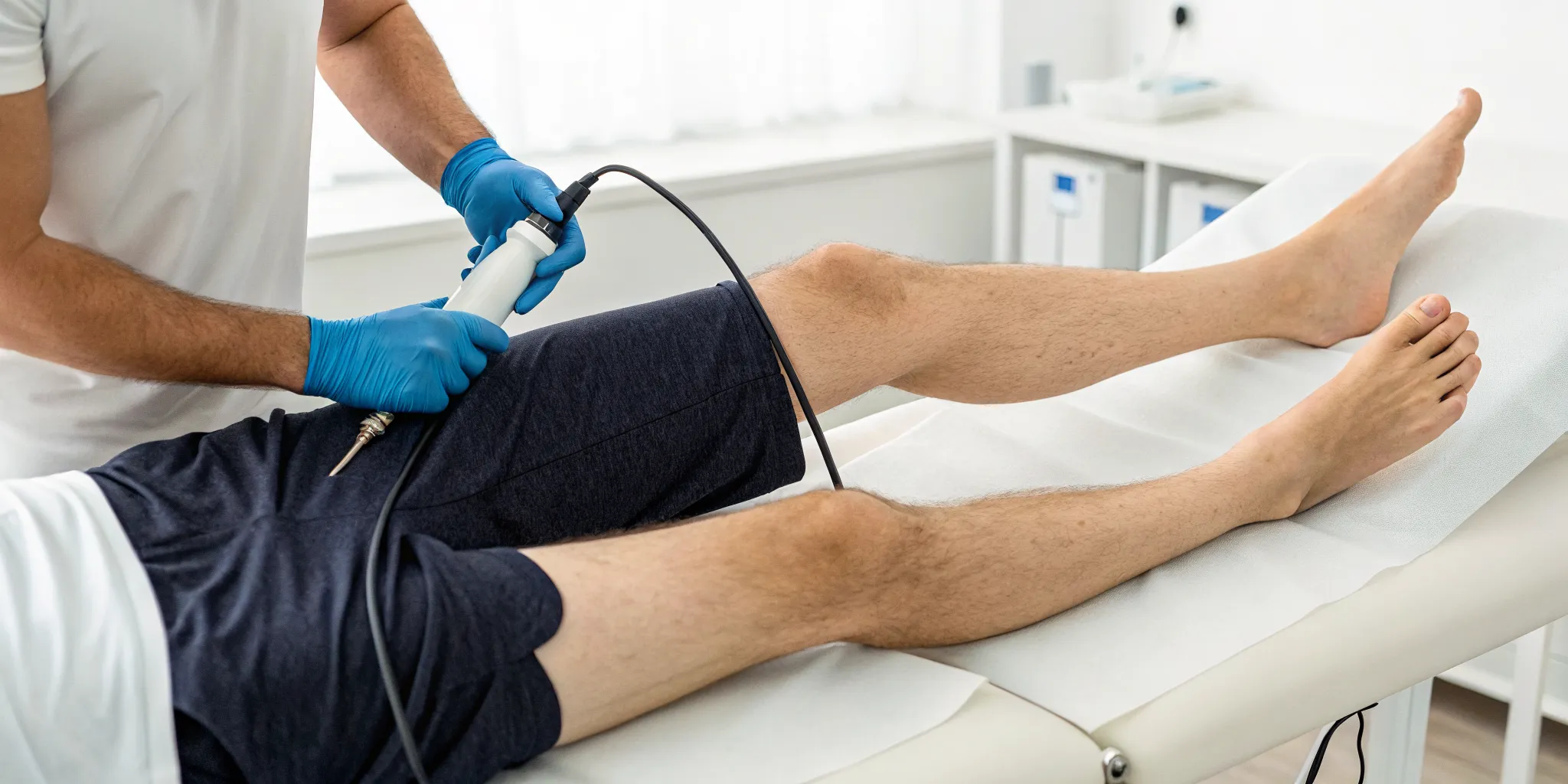
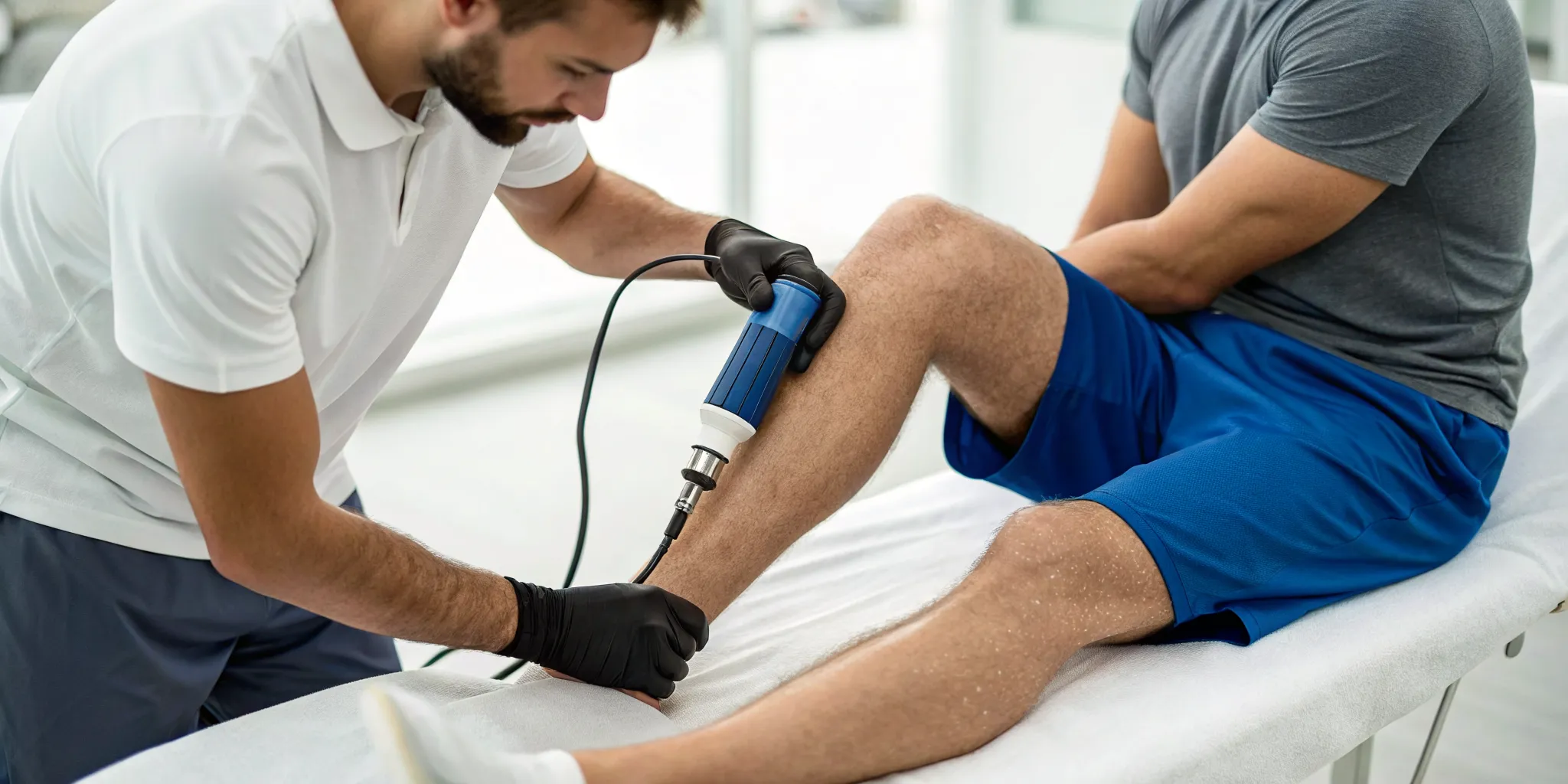
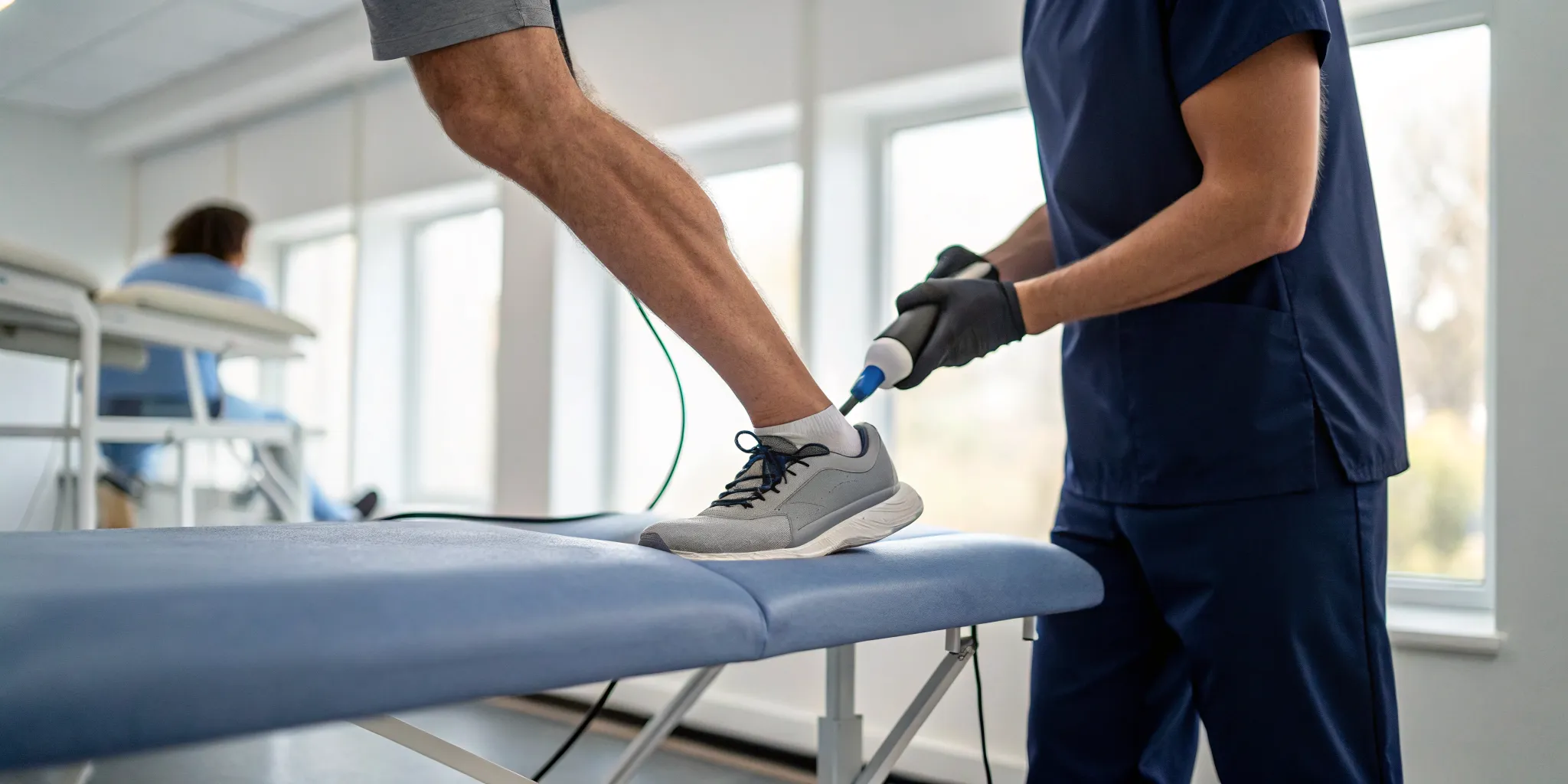
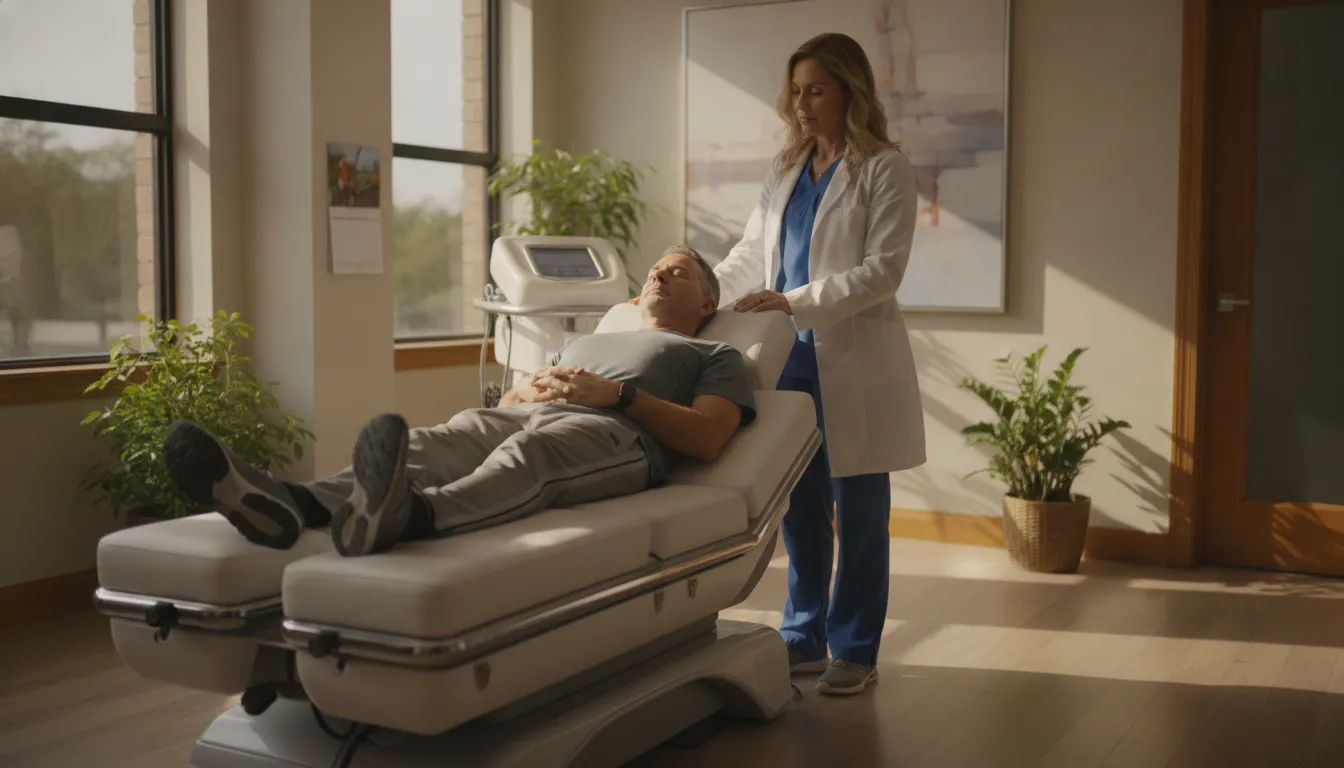
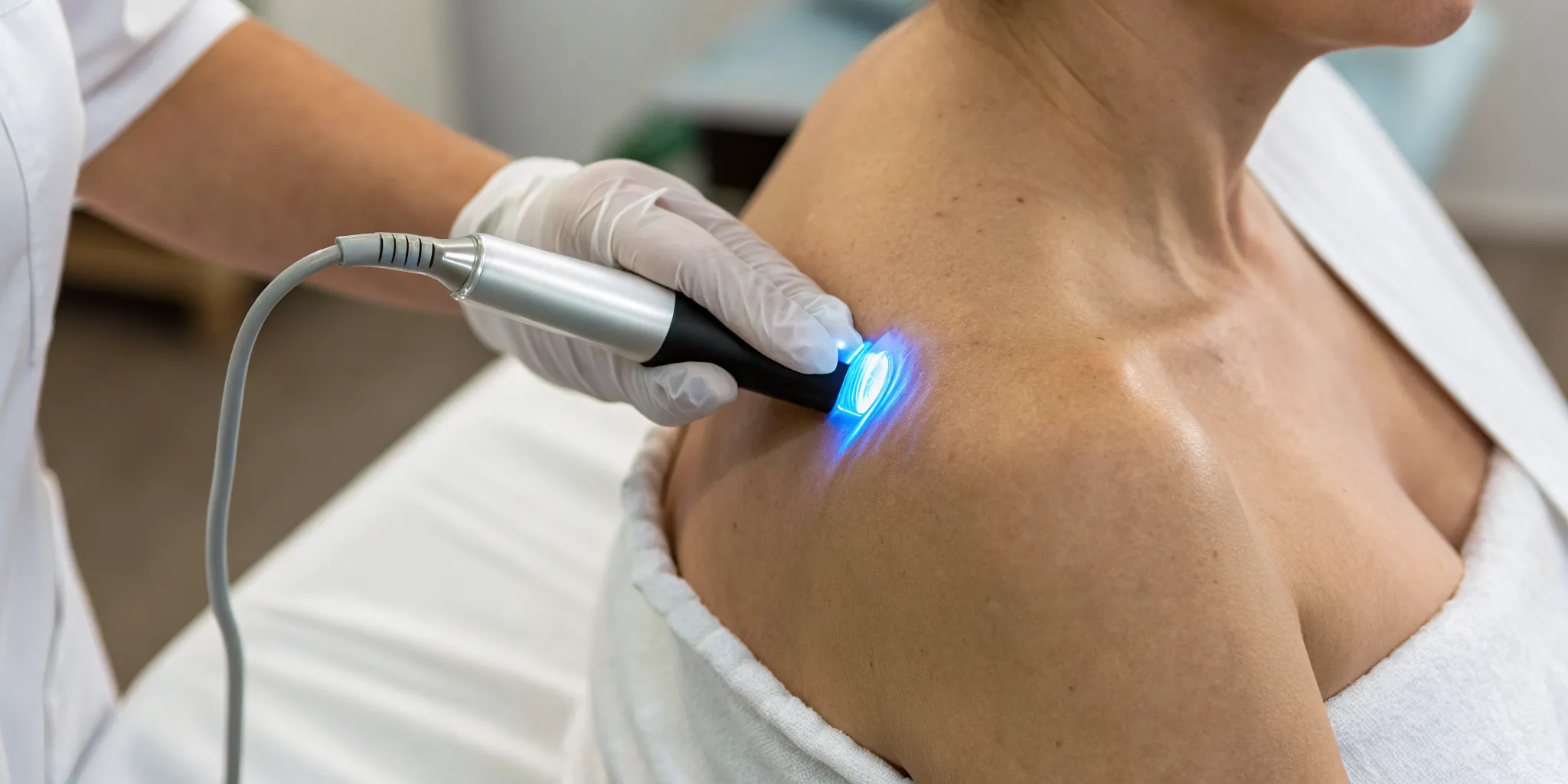
If you’re wondering whether the treatment is painful, you can rest easy. Shockwave therapy is a non-invasive procedure, meaning there are no incisions or instruments entering the body. Most people describe the sensation as a series of strong taps or pulses against the skin. During your session, your practitioner will apply a gel to the target area (similar to an ultrasound) and move a handheld applicator over the tissue. While you might feel some mild discomfort, especially over a tender area, the intensity can be adjusted to keep you comfortable. The entire process is part of our physical medicine approach, designed to be both effective and tolerable.
How Many Sessions Are Usually Needed
Shockwave therapy isn’t a one-and-done solution; it’s a process that encourages your body to heal over time. Lasting results typically require multiple sessions. The exact number of treatments you’ll need depends on several factors, including the specific condition being treated, how long you’ve had it, and your body’s unique response to the therapy. Generally, a treatment plan might involve three to six sessions spaced about a week apart. We create a personalized protocol for you, ensuring your treatment plan is tailored to the conditions we treat and your specific health goals. This customized approach helps you achieve the best possible outcome.
How Soon You Can Expect to See Results
Many people are eager to know when they’ll start feeling better, and the answer is often sooner than you might think. Some individuals report a noticeable reduction in pain and an improvement in function after just one or two sessions. However, the full benefits often take a few weeks to become apparent after your treatment plan is complete. This is because shockwave therapy works by stimulating your body’s own repair mechanisms, a process that continues long after your session ends. It’s about creating genuine, long-term healing, not just temporary relief. Our patients’ testimonials often highlight this progressive improvement as their bodies get back to functioning optimally.
Safety and Potential Side Effects
It’s completely natural to have questions about safety when you’re considering a new treatment. The good news is that shockwave therapy is widely regarded as a safe, non-invasive procedure. It works by delivering acoustic waves to the affected area, which stimulates your body’s own remarkable healing process. Because it supports your body’s natural functions, the risk of complications is very low.
Most people go through their sessions with little to no issue. However, like any effective therapy, there are a few things to be aware of. Understanding the potential side effects and knowing when the treatment might not be the best fit will help you make an informed decision about your health.
Common, Temporary Side Effects
One of the best things about shockwave therapy is how well-tolerated it is. Most patients describe the sensation during treatment as a light tapping or pulsing feeling, not a painful one. After a session, it’s possible to experience some minor, temporary effects like redness, mild swelling, or a bit of soreness in the treated area.
Think of this as a positive sign. It’s an indication that the therapy has activated a healing response, and your body is getting to work repairing the tissue. These effects usually fade within a day or two. At Ascend Functional Health, we see this therapy as a way to work with your body, addressing many of the chronic conditions that cause persistent pain.
When Shockwave Therapy Isn't Recommended
While shockwave therapy is beneficial for a wide range of musculoskeletal issues, from chronic pain to more acute injuries, it isn’t the right choice for everyone. Certain health conditions, such as bleeding disorders or being pregnant, may mean this treatment isn't suitable for you. This is why a thorough evaluation is so important.
Before beginning any treatment, our team will sit down with you to review your health history and make sure shockwave therapy is an appropriate and safe option for your specific situation. A personalized approach is at the core of everything we do. We encourage you to contact our team to discuss your unique health goals and see if this treatment aligns with your path to wellness.
Debunking Common Shockwave Therapy Myths
When you’re exploring new ways to manage pain, it’s easy to run into misinformation. Shockwave therapy is a powerful tool for healing, but a few common myths can cause confusion. Let's clear the air and separate fact from fiction so you can feel confident about your treatment options. Understanding the truth about this therapy is the first step toward getting the relief you deserve.
Myth: It's an Experimental Treatment
It’s understandable to be cautious about new treatments, but shockwave therapy is far from experimental. This technology has been successfully used in medical settings for decades to treat a variety of musculoskeletal issues. It’s a well-established and researched modality that has stood the test of time. Unlike approaches that only mask symptoms, shockwave therapy is designed to address the source of your pain by stimulating your body’s own repair processes. It’s a foundational part of modern physical medicine because it focuses on creating real, lasting change within the damaged tissue, helping you heal from the inside out.
Myth: It's Only for Athletes
While it’s true that many professional athletes rely on shockwave therapy to recover from injuries and stay at the top of their game, its benefits are for everyone. You don’t have to be a high-performance athlete to experience musculoskeletal pain. This treatment is for anyone dealing with chronic or acute pain from conditions like plantar fasciitis, tennis elbow, or shoulder tendinopathy. Whether your pain comes from a desk job, a weekend gardening project, or a years-old injury, shockwave therapy can help. It’s a versatile solution for the wide range of conditions we treat and helps people from all walks of life get back to their daily activities without discomfort.
Myth: It's the Same as Ultrasound
This is a common point of confusion, but shockwave therapy and therapeutic ultrasound are very different. While both use sound waves, they operate on completely different principles and energy levels. Therapeutic ultrasound uses high-frequency sound waves to create a gentle heating effect in tissues. Shockwave therapy, on the other hand, uses more powerful, lower-frequency acoustic pressure waves. These waves create a strong stimulus in the tissue, which triggers a natural healing response from your body. This process increases blood flow and metabolic activity, which accelerates tissue repair and regeneration. It’s a great example of how we use targeted therapies to support the body’s innate ability to heal, a core principle of functional medicine.
Myth: One Session Is Enough
While we all wish for a single-session solution, true healing takes time. Shockwave therapy is not a one-and-done treatment. It works by creating a cumulative healing effect over a series of sessions. Each treatment builds on the last, progressively reducing pain and restoring function. Most people start to feel improvement after a few sessions, but completing the full recommended course is key for achieving long-term results. Think of it as guiding your body through a repair process. Your personalized plan is designed to provide the consistent stimulus your tissues need to fully regenerate. This commitment to a structured protocol is central to the Ascend Functional Health approach.
Is Shockwave Therapy Right for You?
Deciding on the right treatment for your pain can feel overwhelming, but understanding if you're a good candidate for a specific therapy is the first step. Let's look at who benefits most from shockwave therapy and how it fits into a holistic healing plan.
Signs This Treatment Could Be a Good Fit
If you're dealing with persistent pain that just won't go away, you might be wondering what options are out there. Shockwave therapy could be a great fit if you have pain in your muscles, bones, or joints. It’s a non-invasive treatment that has been effectively used for decades to help the body heal from different types of tissue damage and injuries. We often see positive results for common issues like stubborn tendon problems, foot pain, and even some types of back pain. Many of our patients find the treatment quite manageable, describing the sensation as a gentle tapping or pulsing feeling. If you're looking for a solution that addresses the source of your discomfort without invasive procedures, this could be a path worth exploring for the conditions we treat.
How It Fits into Your Plan at Ascend Functional Health
At Ascend Functional Health, we believe in a comprehensive approach to wellness. Shockwave therapy isn't just a standalone treatment; it's a powerful component of a larger, personalized healing plan. We often integrate it with other therapies, such as corrective exercises or specific stretching routines, to enhance its effectiveness and support your body's recovery. This method aligns perfectly with our goal of facilitating your body's own healing mechanisms. With very few side effects and success rates shown to be between 65% and 91% for many musculoskeletal conditions, it’s a safe and effective tool in our physical medicine toolkit. Our team will work with you to determine how this therapy can best support your unique health journey and get you back to feeling your best.
Find Relief with Shockwave Therapy in Tampa
If you're dealing with nagging musculoskeletal pain that just won't go away, it can feel incredibly frustrating. When you've tried stretching, resting, and other common approaches without success, it’s easy to feel stuck. Fortunately, Shockwave Therapy is an innovative treatment that may offer the relief you’re looking for. Research shows strong proof that it helps reduce pain across many muscle and bone conditions, making it a powerful option for everything from tendon issues to persistent joint pain.
One of the best parts about this therapy is that it’s non-invasive. If you're worried about discomfort, you can rest easy. Most people describe the sensation as a gentle tapping or pulsing feeling, not a painful one. This makes it an appealing choice, especially if you're apprehensive about more intensive procedures. Our approach to physical medicine always prioritizes your comfort while focusing on effective, lasting results.
Shockwave Therapy is also particularly effective for athletes and anyone with an active lifestyle. It acts as a "healing accelerator," helping to address both new injuries and chronic pain that holds you back from your favorite activities. By stimulating your body's own repair mechanisms, it gets to the root of the problem instead of just masking the symptoms. This focus on true healing is what helps you get back to moving with confidence.
Because Shockwave Therapy is a non-surgical procedure with no incisions or lengthy recovery, it provides a safe and effective path toward feeling better. For residents in the Tampa area, this advanced treatment is an accessible way to improve your quality of life without disrupting it. If you're curious whether it could help with your specific concerns, you can see a list of the conditions we treat to learn more.
Related Articles
- SoftWave Tissue Regeneration Therapy in Tampa | Alessi Functional Health
- SoftWave TRT Therapy in Tampa, FL - Alessi Functional Health
- Physical Medicine in Tampa | Chiropractic & Rehab Care | Ascend Functional Health
- Regenerative Medicine for Pain Recovery | Ascend Functional Health
- Physical Medicine | Alessi Functional Health Tampa, FL
Frequently Asked Questions
Does the treatment hurt? This is a very common question, and the short answer is no, it’s not a painful procedure. Most people describe the sensation as a series of strong, repetitive taps or pulses on the skin. While you might feel some mild discomfort, especially if we are working on a very tender area, the intensity is completely adjustable to keep you comfortable throughout the session. It’s a non-invasive treatment, so there are no needles or incisions involved.
How many sessions will I need to feel better? The exact number of sessions depends on your specific condition, how long you’ve been dealing with it, and how your body responds. Generally, a full treatment course involves three to six sessions, usually spaced about a week apart. While some people report feeling a decrease in pain after just one or two appointments, the therapy is designed to create a cumulative effect. The most significant and lasting results often appear in the weeks following your final session as your body continues its healing process.
Is this a permanent fix for my pain? Shockwave therapy is designed to create long-term healing by addressing the root cause of your pain. Instead of just masking symptoms, it stimulates your body’s own repair mechanisms to regenerate damaged tissue. For many chronic conditions like plantar fasciitis or tendinopathy, this can lead to a lasting resolution of pain and improved function. While no treatment can guarantee a "permanent fix" for all future issues, this approach helps restore the health of the tissue, making it more resilient.
What makes this different from getting a cortisone shot? This is a great question because the two approaches are fundamentally different. A cortisone shot works by delivering a powerful anti-inflammatory medication directly to the painful area, which can provide significant but often temporary relief. Shockwave therapy, on the other hand, doesn't introduce any substances into your body. Instead, it uses acoustic energy to stimulate a natural healing response, encouraging increased blood flow and tissue regeneration. It’s a process that helps your body fix the underlying problem for more sustainable results.
Can I continue my normal activities and exercise during the treatment period? Yes, one of the biggest benefits of shockwave therapy is that there is no downtime. You can return to your daily routine immediately after your session. Since the treatment works to heal tissue, your practitioner will give you specific guidance on what activities are best for you. In many cases, continuing with gentle movement and prescribed exercises can actually support the healing process that the therapy initiates.