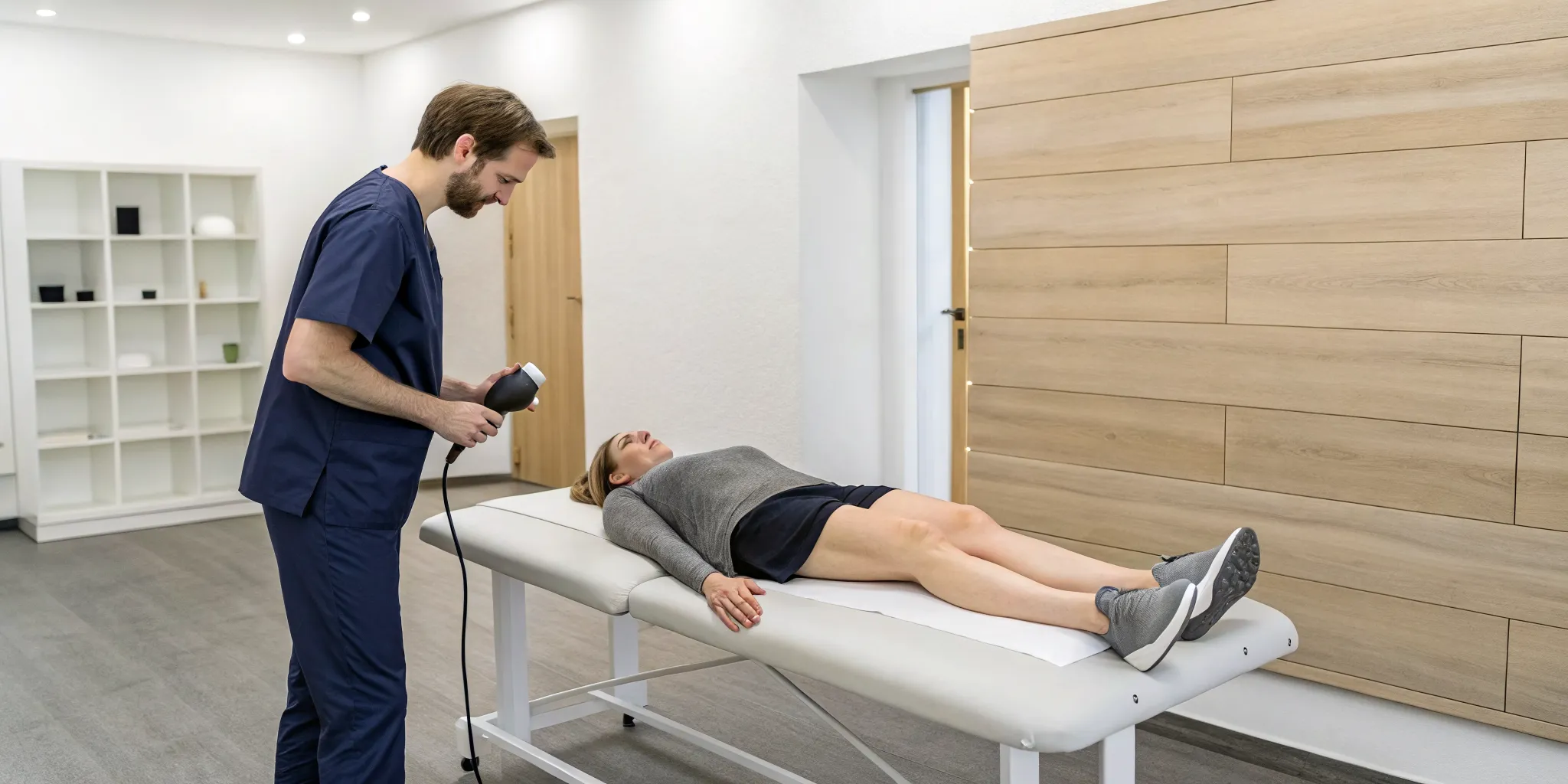
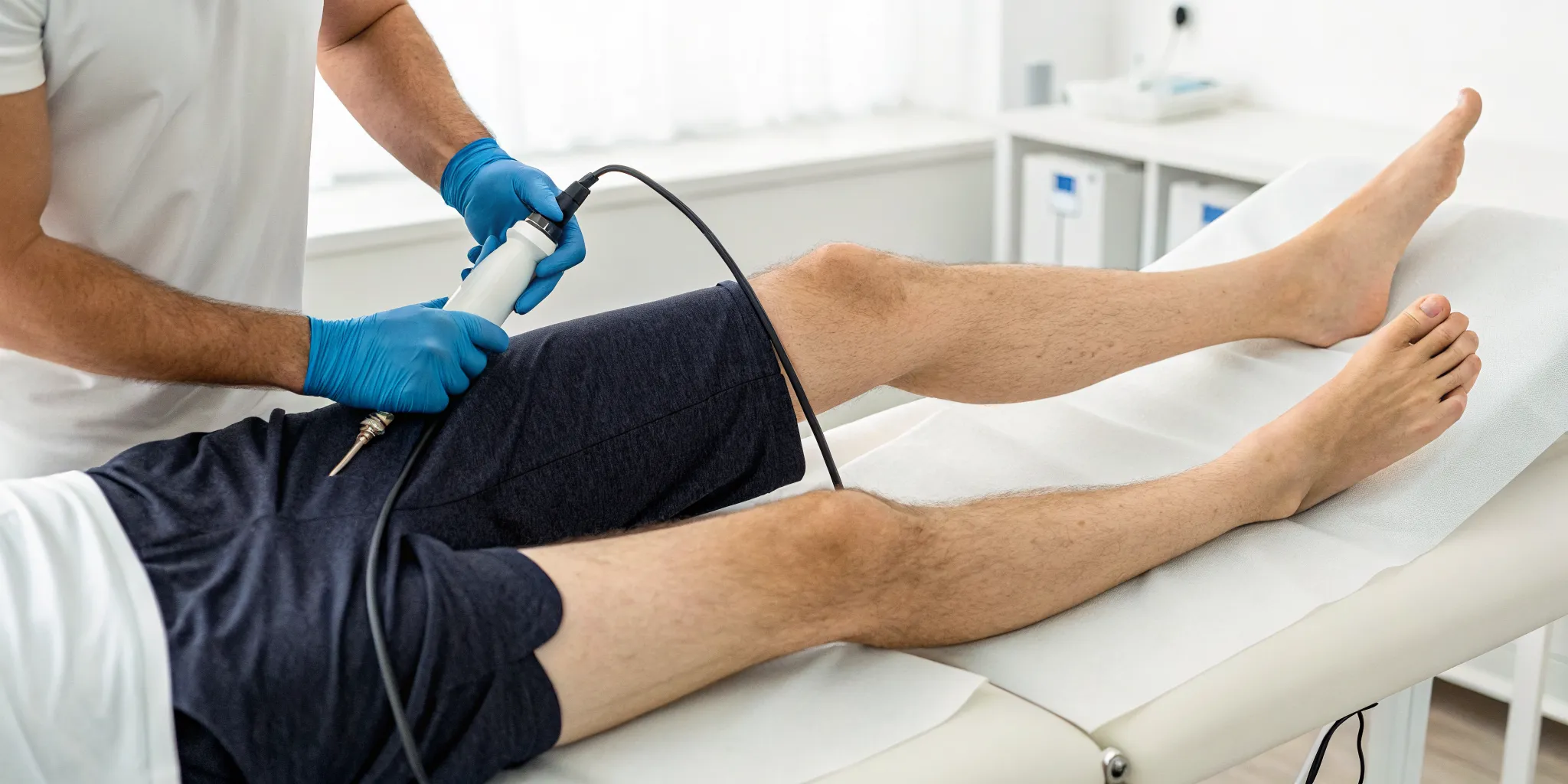
Choosing a mens health provider Tampa men can return to over time is about more than finding someone who can address one symptom. Former athletes may notice changes in strength, movement, energy, or recovery after years of training and old injuries. A useful first conversation connects those changes with your health history, current priorities, and a clear plan for deciding what to evaluate next.
Discuss your movement and recovery goals

How can you tell whether a provider fits your long-term health goals?
A good fit starts with careful listening and a clear explanation of how the provider approaches your concerns. Look for a process that considers your history, current function, and personal goals instead of assuming one test or treatment answers every question.
Men often begin looking for guidance after a noticeable change: a neck that stiffens after desk work, a back that limits lifting, less stamina on a familiar trail, or recovery that seems slower than it used to. For a former athlete, these concerns can have several overlapping parts. An old training injury, changes in daily activity, sleep disruption, stress, and other health factors may all be relevant. The first step is to describe what has changed, when it began, and how it affects your day.
During an initial conversation, notice whether the provider asks about more than the symptom itself. Useful topics may include past injuries and procedures, current movement, work demands, sleep, energy, family health history, and the outcomes that matter to you. You should have room to explain what you have tried and what you hope to regain. The provider should also explain which concerns fit their scope and when another clinician may be appropriate.
Ascend Functional Health organizes its approach around Physical Medicine, Functional Medicine, and Regenerative Medicine. That integrated model may offer a way to discuss movement concerns alongside broader health questions, while an evaluation helps determine which options may suit an individual. Read about the practice's team and approach and its available services before a consultation so you can prepare focused questions.
Fit is also practical. Consider whether the provider explains how appointments are structured, how questions between visits are handled, and who will review findings with you. If you prefer to understand each step before deciding, say so. A respectful discussion should leave room to consider recommendations, ask for clarification, and decide whether the next step matches your priorities.
It can help to distinguish a broad promise from a useful care process. A provider cannot know the right approach from a single sentence about a symptom. Instead, look for a discussion that connects the concern to an appropriate evaluation, explains what remains uncertain, and describes how you and the clinician would revisit the plan if your response differs from expectations.
Which questions help organize a men's health conversation?
Bring questions that clarify the evaluation, the options, and how progress will be reviewed. Direct questions help you understand whether a provider's process matches your needs without assuming that a particular treatment is necessary.
You do not need a perfect summary of your health to start. A short written timeline can make the discussion easier: when a change appeared, whether it is steady or comes and goes, which activities bring it on, and what helps or worsens it. Include relevant past injuries and any current care you receive. Be specific about your goal, such as moving comfortably through a workday, returning to a recreational activity, or understanding a change in energy.
- How will you learn about my health and activity history?
- Which findings would guide a recommendation, and which questions remain unanswered?
- Could movement, prior injuries, sleep, stress, or other health factors be relevant?
- What are the reasonable options, and what are their limits?
- How will we define progress and decide whether the plan needs to change?
- When should I coordinate with another clinician?
Ask for plain-language explanations. If a test is suggested, ask which question it is intended to answer and how the result could affect the next step. If a therapy is proposed, ask what it involves, what response is realistic, and how the provider will check whether it is helping. A thoughtful answer includes uncertainty when it exists; it does not guarantee a particular outcome.
For a broader overview of men's health topics, you can also consult BayCare's men's health resource. Use general information to prepare questions, not to diagnose yourself or replace an individualized conversation.
It may be useful to sort your questions into three groups before a visit. First, ask about understanding the concern: which parts of your history matter and whether an examination or testing is relevant. Second, ask about choices: which approaches may be considered, what limitations apply, and whether doing nothing for now is reasonable. Third, ask about follow-through: how results are shared, when a review happens, and which changes should prompt a fresh conversation. This keeps a broad appointment focused even when several issues overlap.
How might movement and broader health concerns be considered together?
Movement concerns and general health changes can be discussed in the same overall history, but each needs an appropriate evaluation. A provider should explain whether the concern fits their services and which kind of assessment would be relevant before recommending next steps.
A former athlete with recurring neck tightness, for example, may want to describe the location, duration, activities involved, and any limits on daily movement. That history can help a clinician decide whether a physical assessment is appropriate and whether physical approaches such as chiropractic care, decompression, lumbar care, corrective care, or soft-tissue work warrant discussion. Not every option fits every person, and an evaluation should guide whether any of them belong in an individual plan.
Changes in energy, body composition, or sexual well-being raise different questions. A clinician may review the timeline, symptoms, health history, and relevant testing before discussing hormone health or other possibilities. Ascend's Functional Medicine approach may include a discussion of bloodwork and broader health patterns; the specific assessment depends on the person's situation. Do not assume that one symptom proves a hormone concern or that a lab result on its own determines a treatment choice.
Some men may ask about testosterone, estrogen, or thyroid health. Those topics call for individualized clinical review, including consideration of symptoms, appropriate testing, possible risks, and follow-up. If you are exploring hormone-related care, review the practice's Functional Medicine information and prepare questions about how assessment and monitoring work. The goal is an informed conversation, not a promise that one intervention will restore a previous level of performance.
Ascend also describes Regenerative Medicine options, including PRP, peptide therapy, red light therapy, and hormone optimization. These are clinical topics, not cosmetic services or interchangeable solutions. Ask how a provider decides whether an option is suitable, what evaluation comes first, what evidence and limitations inform the discussion, and how outcomes will be measured.
Keep the conversation specific to the change you want to understand. A question about recurring neck tightness may call for a different assessment than a concern about fatigue or sexual well-being, even when both are present. Share the sequence in which symptoms appeared and whether they seem connected in your experience. The clinician can then explain whether it makes sense to evaluate them together or address them in separate steps.
If testing is discussed, ask how the results will be interpreted alongside symptoms and history rather than in isolation. Ask whether any additional context is needed before drawing conclusions and who will explain the findings. If another type of clinician is better suited to a particular issue, a clear recommendation about coordination helps you understand the next step without treating every concern as part of one plan.
How do different care approaches compare?
Different approaches address different questions, so compare their purpose and the way decisions are made rather than treating them as competing promises. The table below is a conversation guide, not a recommendation for any individual.
| Approach | Questions it may address | What to clarify |
|---|---|---|
| Physical Medicine | Movement limits, posture, recurring discomfort, and prior injury context | What the physical assessment involves, which options are relevant, and how progress is reviewed |
| Functional Medicine | Broader patterns such as energy changes or questions about gut and hormone health | Which history, bloodwork, or other testing may be appropriate and how results inform next steps |
| Regenerative Medicine | Whether a specific regenerative option merits discussion after clinical evaluation | Rationale, expected limits, potential risks, and follow-up measures |
| Coordinated care | Concerns that may involve more than one area of health | How communication, referrals, and roles among clinicians will be handled |
Ask the provider to connect each recommendation to a finding or goal. You can also ask which alternatives exist, which factors would make an option unsuitable, and what happens if the first approach does not meet the goal. If the answer is unclear, it is reasonable to request a simpler explanation or time to consider the information.
Ascend's Physical Medicine page outlines movement-related care, while the practice's financing information can help you understand practical payment questions before making a decision. Ask the practice directly about current fees and what a proposed care plan includes; do not assume that every service or test is handled the same way.
When comparing options, consider what each one requires from you as well as what it is intended to address. Ask about visit frequency, any preparation or follow-up, and whether you would need to track a particular activity or symptom. Clarify which clinician is responsible for each part of the plan. If a recommendation includes more than one approach, request a clear explanation of why those parts are being considered together and how you will review their contribution.
A useful comparison also accounts for your own priorities. One person may value a plan that first clarifies a movement limitation; another may want a broader conversation about energy and health history. Neither preference establishes a diagnosis. Sharing what matters most helps the provider explain the available paths in a way you can evaluate.
How can you evaluate follow-up and measurable progress?
Follow-up should make clear which details are monitored, when the plan will be reviewed, and which developments could prompt a change. Progress measures should connect with the concern and daily goals you identified at the outset.
For a movement goal, useful measures might include a specific activity, range of motion, or a functional task agreed upon with the clinician. For a broader health concern, the relevant indicators may differ and should be explained before tracking begins. Write down a simple baseline in your own words: what you can do now, what tends to interfere, and what improvement would matter in daily life.
Ask how often the provider expects to review your response and how you can raise a concern between visits. A plan should be open to reassessment. If your symptoms change substantially, a new concern appears, or an approach is not meeting the agreed goal, tell the clinician rather than pressing ahead without a discussion.
Also clarify responsibilities. Who reviews test results with you? How are recommendations documented? If several approaches are part of a plan, how will you know which one is intended to address which goal? For an overview of common practice questions, see Ascend's frequently asked questions. You can bring unanswered questions to a consultation and ask how the practice handles follow-up for your specific needs.
Make the measure observable and manageable. Instead of a vague goal such as “feel better,” you might agree to note whether you can complete a particular daily task, how often a concern interrupts it, or which movements remain limited. A simple written record can help you describe patterns at the next visit. It does not need to be elaborate, and it should reflect a measure that makes sense for your situation.
Ask in advance what would count as a reason to continue, revise, or pause an approach. The answer may depend on the kind of concern and the evaluation, so avoid expecting one universal timeline. A clear review point makes it easier to discuss the response calmly and decide together whether the original goal remains appropriate or a different question needs attention.
How can Tampa Bay men prepare for a first consultation?
A short, organized account of your priorities can make a first conversation more useful. Bring relevant history, a timeline of changes, and a few questions so the clinician can understand what matters to you and explain possible next steps.
- Choose your main goal. Identify the change you most want to discuss, such as neck movement, a recurring activity limit, energy, or recovery.
- Make a brief timeline. Note when it began, how it has changed, and any patterns you have observed.
- Gather relevant context. List prior injuries, procedures, diagnoses, recent testing, and other care that could help explain the picture.
- Write down questions. Include questions about evaluation, options, risks, follow-up, and when another clinician should be involved.
- Discuss practical details. Ask about visit structure, fees, scheduling, and what you should expect after the conversation.
To make the timeline useful, separate what you know from what you suspect. For example, note that a neck feels stiff after a long drive and that turning your head feels limited; avoid deciding in advance why it happens. Mention whether the same concern appears during other activities and whether it affects sleep or work. These concrete observations give the provider information to evaluate while leaving room for other explanations.
If you have several concerns, rank them. Start with the one that most affects your daily life, then note the others so they are not forgotten. Bring a list of current care and relevant past testing if available. If you do not have a record, a simple description is still useful. The purpose is to make the conversation clear, not to assemble a complete personal archive before asking for guidance.
If you are in the Tampa Bay area, Ascend Functional Health offers a consultation-focused way to discuss whether its integrated approach may fit your concerns. You can review Dr. Alfred Alessi's background and read about the practice's Tampa service area as you prepare. A consultation is an opportunity to ask questions and understand possible next steps; it does not obligate you to accept a particular recommendation.
Request a conversation about your health goals
Frequently Asked Questions
These answers offer a starting point for comparing providers and preparing a conversation. Individual recommendations depend on a person's health history and appropriate clinical evaluation.
What should a former athlete look for in a men's health provider?
Look for a provider who asks about your past activity and injuries, listens to your current priorities, explains the evaluation process, and discusses realistic options and follow-up. A clear referral plan is also important when a concern falls outside the provider's scope.
Should I bring old injury or test records?
Relevant records can add context, especially when they relate to the concern you want to discuss. Bring available records, but do not delay an initial conversation while gathering documents.
Does a change in energy mean I need hormone treatment?
No single symptom establishes a cause or determines a treatment. Discuss the timeline and associated concerns with a qualified clinician, who can decide whether an evaluation or testing is appropriate and explain the possible interpretations.
How can I tell whether a care plan is making progress?
Agree on a practical goal and a way to review it with the clinician. The measure may be a daily activity, a movement assessment, or another relevant indicator; the provider should explain when progress will be checked and when the plan may need reconsideration.
Explore a personalized health consultation
This article is for educational purposes only and is not medical advice; consult your clinician before acting on health information or making care decisions.