Your body has an incredible ability to heal, but sometimes, chronic inflammation and old injuries can get in the way. The healing process can stall, leaving you with persistent pain and stiffness. This is where shockwave therapy for neck pain comes in. It acts as a catalyst, sending targeted acoustic waves into the affected muscles and tissues to wake up your body’s natural repair crew. This process increases blood flow, delivering essential oxygen and nutrients to the area, while also helping to break down the fibrous scar tissue that restricts movement. It’s a way to work with your body, not against it, to encourage genuine tissue regeneration and lasting relief.
Key Takeaways
- It stimulates your body's natural healing: Shockwave therapy uses acoustic waves to increase blood flow, encourage cellular repair, and break down painful scar tissue, addressing the underlying cause of your discomfort.
- You can find relief without major downtime: As a non-invasive treatment, it helps you avoid the risks and long recovery associated with surgery, allowing you to return to your daily activities right after a session.
- It's effective for various types of chronic neck pain: This therapy is a versatile tool for addressing discomfort from sources like deep muscle knots (trigger points), disc-related issues, and inflammation caused by cervical arthritis.
How Shockwave Therapy Eases Neck Pain
If you're dealing with persistent neck pain, the idea of "shockwave therapy" might sound a bit intense. But it’s actually a gentle and non-invasive treatment that uses sound waves to stimulate your body’s own healing abilities. Think of it as a way to restart the repair process in areas where it has stalled. Instead of just masking symptoms, this approach addresses the underlying issues in your muscles and tissues, helping you find meaningful relief. It’s one of the key physical medicine tools we use to help our patients get back to feeling their best. Let’s look at exactly how it works.
The Science Behind the Sound Waves
At its core, shockwave therapy, also known as Extracorporeal Shock Wave Therapy (ESWT), is a treatment that doesn't involve any needles or incisions. It uses a special device to send acoustic energy waves through your skin to the specific muscles and tissues causing your neck pain. These waves are not electrical; they are sound waves that create gentle pressure. The primary goal is to trigger your body’s natural healing response, reduce inflammation, and calm irritated nerves. This process helps provide lasting relief for many musculoskeletal problems, including the chronic stiffness and discomfort associated with neck pain.
Prompting Your Body's Natural Repair Process
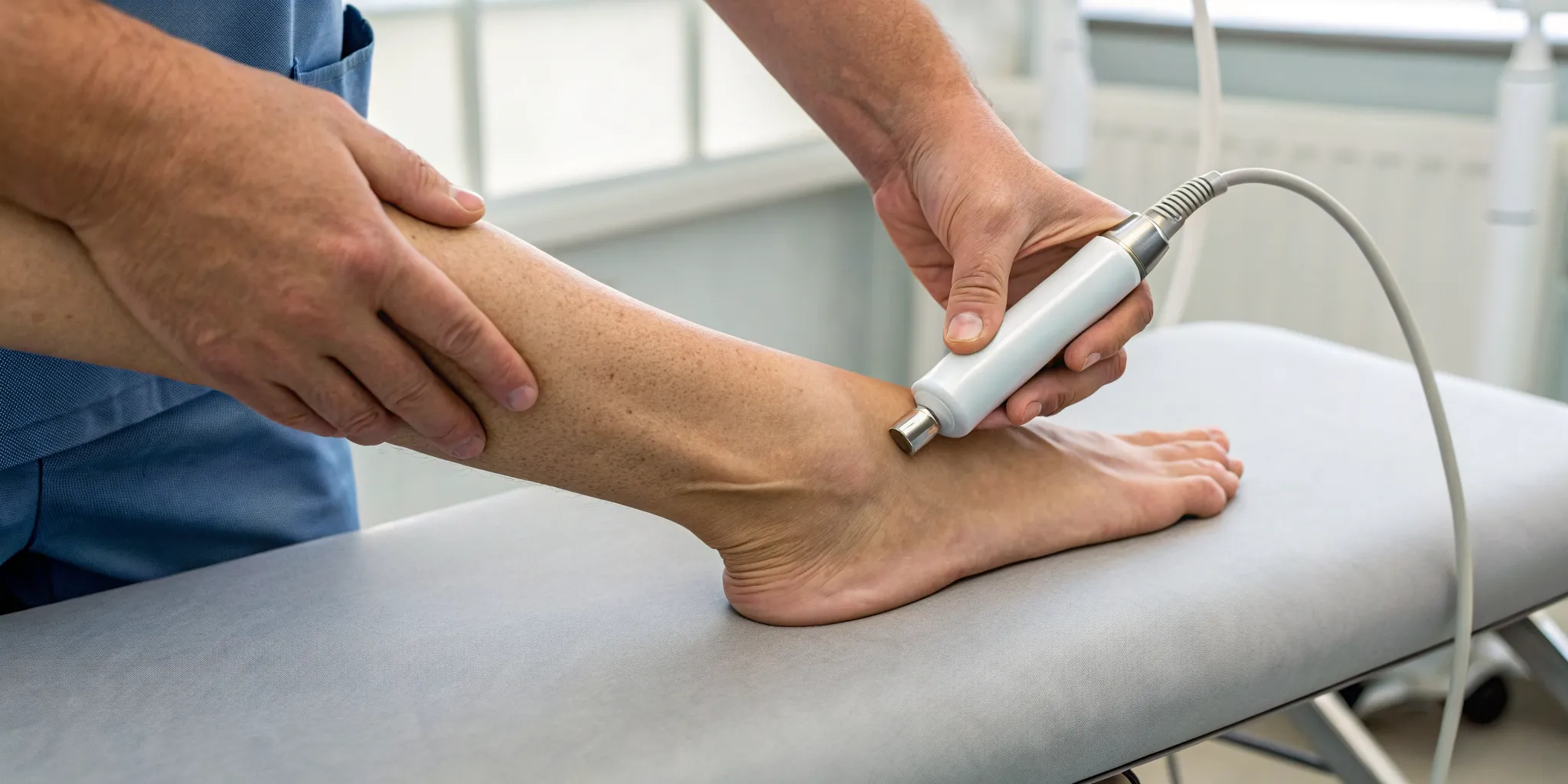
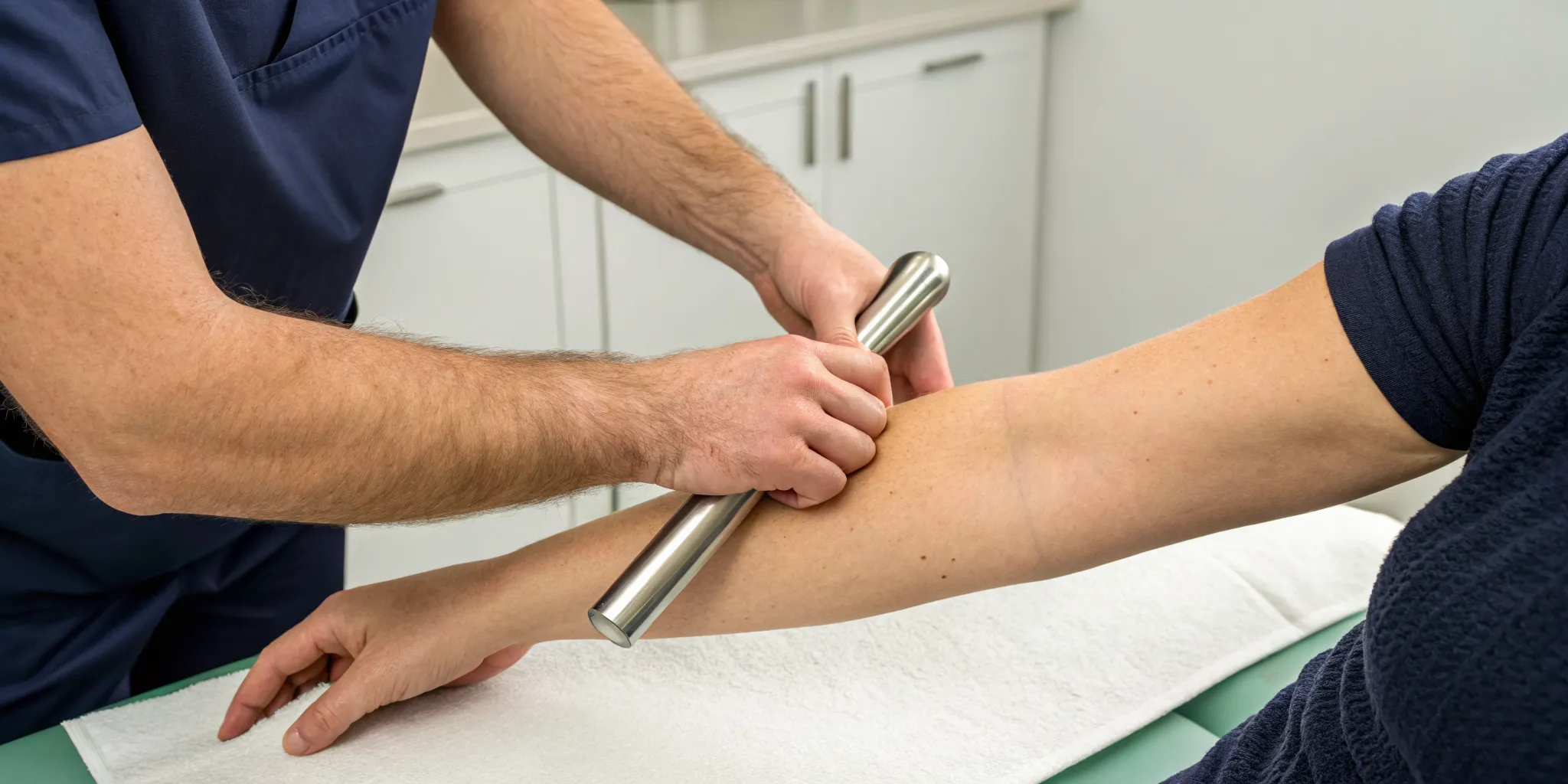
During a session, a handheld applicator is placed on the painful area of your neck. The energy waves it sends out create a cascade of positive effects beneath the surface. They significantly increase blood flow to the targeted tissue, which is like opening up a superhighway for oxygen and vital nutrients to reach the damaged cells. This influx of resources helps your cells repair themselves more effectively and even encourages the formation of new blood vessels. At the same time, the therapy helps reduce swelling and can stimulate the release of your body’s own pain-relieving compounds, offering a natural way to feel better.
Breaking Down Scar Tissue to Encourage New Growth
For many people with chronic neck pain, old injuries and repetitive strain can lead to the formation of scar tissue and adhesions. This fibrous tissue is less flexible than healthy muscle and can restrict movement, compress nerves, and become a constant source of pain. Shockwave therapy is particularly effective at breaking down this problematic scar tissue. The acoustic waves create micro-trauma in the tissue, signaling to your body that it’s time to clean out the old, damaged cells and start fresh. This encourages the production of new collagen, a key building block for healthy, resilient tissue, helping restore mobility and reduce pain. It's one of the ways we address the root cause of many of the conditions we treat.
What Kinds of Neck Pain Can Shockwave Therapy Address?
Shockwave therapy is a versatile tool that can address neck pain stemming from a variety of sources. By targeting the underlying cause of your discomfort, whether it’s muscular, skeletal, or nerve-related, this treatment can be adapted to your specific condition. It’s particularly effective for chronic issues that haven’t responded well to other approaches. Let’s look at some of the common types of neck pain that we see improve with shockwave therapy.
Myofascial Pain and Trigger Points
If you’ve ever had a persistent, deep knot in your neck or shoulder that just won’t go away, you’ve likely experienced a trigger point. These tight bands of muscle and fascia (the connective tissue surrounding them) can cause what’s known as myofascial pain, which can be both localized and referred to other areas, like your head or down your arm. Shockwave therapy directly targets these trigger points, sending acoustic waves deep into the tissue to break up adhesions and release tension. Research shows that this therapy is highly effective at alleviating pain intensity for those with myofascial pain syndrome. By increasing blood flow and relaxing the muscle, it helps restore healthy function and provides lasting relief.
Herniated and Degenerative Discs
The discs in your cervical spine act as cushions between the vertebrae. Over time, they can wear down (degenerate) or bulge (herniate), leading to chronic stiffness and pain. While shockwave therapy doesn't reverse the disc damage itself, it is excellent for managing the symptoms that come with it. The treatment helps by reducing inflammation in the surrounding soft tissues, easing muscle spasms that occur as the body tries to protect the injured area, and stimulating healing. This approach aims to provide long-lasting relief for the muscular and skeletal problems associated with disc issues, helping you regain mobility and comfort without invasive procedures. Our team at Ascend Functional Health often includes it as part of a comprehensive plan for managing these conditions we treat.
Pinched Nerves and Cervical Arthritis
Neck pain is often complicated by pinched nerves or the effects of cervical arthritis. A pinched nerve occurs when surrounding tissues, like bone, cartilage, or muscle, place too much pressure on a nerve, causing sharp pain, numbness, or tingling. Similarly, arthritis involves the breakdown of cartilage, leading to inflammation and stiffness. Shockwave therapy can address both of these issues by breaking down fibrous scar tissue and easing the muscle spasms that may be contributing to nerve compression. For arthritis, the therapy helps manage inflammation and improves circulation to the affected joints, which can reduce pain and improve your range of motion. It’s a valuable part of our physical medicine toolkit for addressing these complex sources of neck pain.
Key Benefits of Shockwave Therapy
When you're dealing with persistent neck pain, your goal isn't just to manage the discomfort; it's to find a real, lasting solution. Shockwave therapy offers more than a temporary fix. It’s a forward-thinking approach that works with your body to promote genuine healing from the inside out. The benefits go beyond simple pain relief, focusing on restoring function and helping you get back to your life without significant interruptions. This treatment is gaining attention because it addresses the root cause of pain, like damaged tissues and poor blood flow, rather than just masking the symptoms. For many people struggling with chronic stiffness and aches, it represents a path toward recovery that doesn't involve invasive procedures or long recovery periods.
At Ascend Functional Health, we see this therapy as a cornerstone of our physical medicine services because it aligns perfectly with our philosophy of empowering the body's own healing abilities. Instead of introducing foreign substances or making aggressive changes, shockwave therapy simply provides a catalyst. It sends targeted energy waves into the affected tissue, creating a biological response that accelerates repair. This process, known as neovascularization, helps form new blood vessels, which is critical for delivering oxygen and nutrients to injured areas. By supporting your body in this way, we can help you achieve more than just a brief pause from pain. We can help you build a stronger, more resilient foundation for long-term health and wellness.
Find Lasting Relief Without Surgery
One of the most significant advantages of shockwave therapy is that it's a non-invasive treatment. This means it can help your body heal from various injuries and tissue damage without requiring any incisions or anesthesia. For anyone hesitant about undergoing an operation, this approach provides a powerful alternative. You can address chronic neck pain and dysfunction while avoiding the potential complications and lengthy recovery time that often come with more invasive methods. It’s a way to support your body’s healing process from the outside in, giving you peace of mind as you work toward feeling better. This makes it an excellent first line of defense for many types of chronic musculoskeletal pain.
Improve Mobility and Encourage Tissue Repair
Shockwave therapy does more than just cover up the pain; it helps repair damaged muscles, tendons, and ligaments at a cellular level. The acoustic waves stimulate your body’s natural healing mechanisms, encouraging the growth of new blood vessels and the production of collagen. These are the essential building blocks your body needs to mend injured tissue. By promoting this regenerative process, the therapy helps restore strength and flexibility to your neck, allowing you to move with greater ease and less discomfort. This focus on true tissue repair is what leads to lasting improvements in function, helping you turn your head, look over your shoulder, and enjoy daily activities without that familiar ache and stiffness.
Experience Minimal Downtime
A major plus of shockwave therapy is its convenience. Most people can return to their daily activities immediately after a session with little to no downtime. This is a huge benefit if you have a busy schedule with work, family, or other commitments. Unlike treatments that require you to rest and recover for days or even weeks, a shockwave session can be easily integrated into your routine. You can get the care you need to address the root cause of your neck pain and get right back to your life. This makes it much easier to stay consistent with your treatment plan and see it through to completion, which is key for achieving the best possible results.
What to Expect During Your Session
If you're considering shockwave therapy, you might be wondering what the treatment itself is like. Knowing what happens during an appointment can help you feel more prepared and confident. At Ascend Functional Health, we prioritize your comfort and make sure you understand every step of the process. Our goal is to create a supportive environment where you can focus on your healing.
The entire experience is designed to be straightforward and efficient. From the initial assessment to the treatment itself, our team is there to guide you. We’ll walk you through the process, answer your questions, and tailor the session to your specific needs and comfort level. Let’s break down what a typical shockwave therapy session for neck pain looks like.
A Step-by-Step Look at the Process
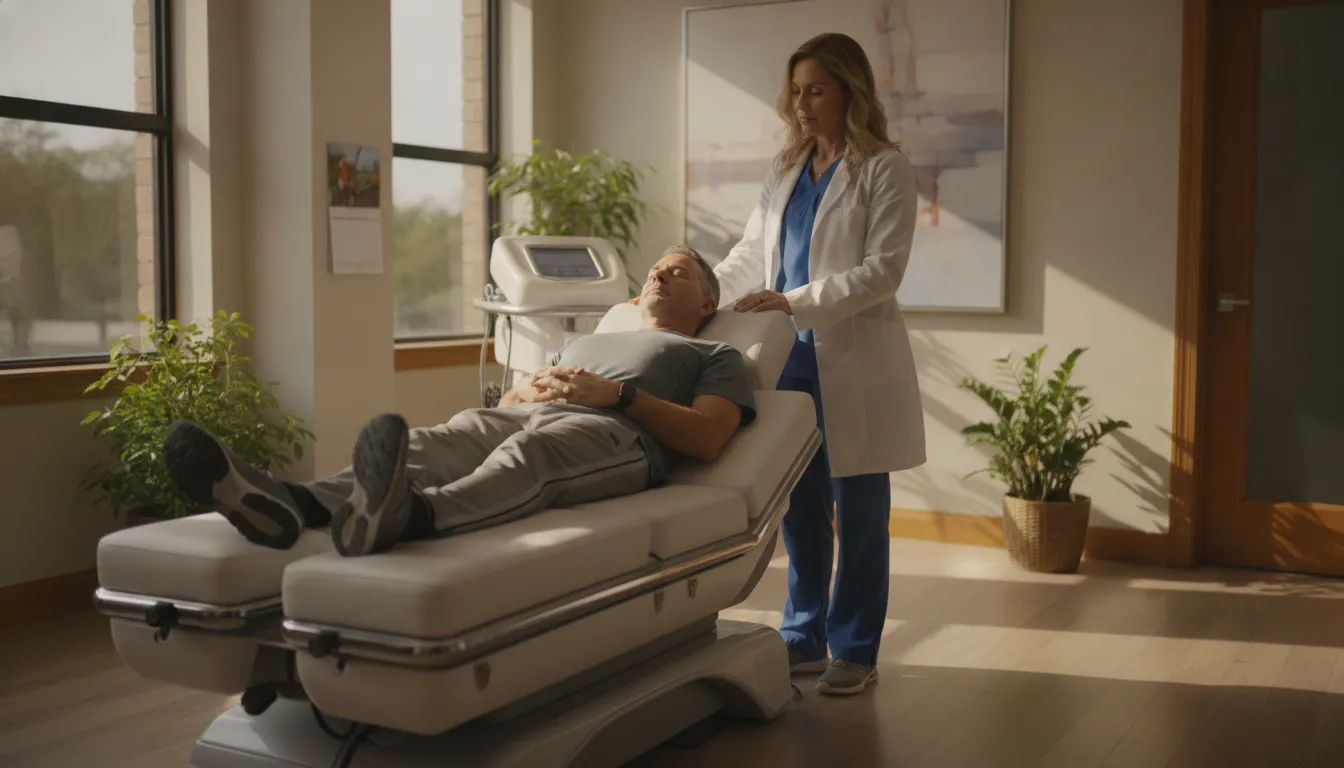
First, one of our doctors will perform a brief assessment of your neck to pinpoint the exact areas that need attention. This ensures the treatment is targeted for the best results. You’ll then get comfortable, either sitting or lying down. We’ll apply a special gel to your skin over the treatment area; this helps the sound waves travel more effectively.
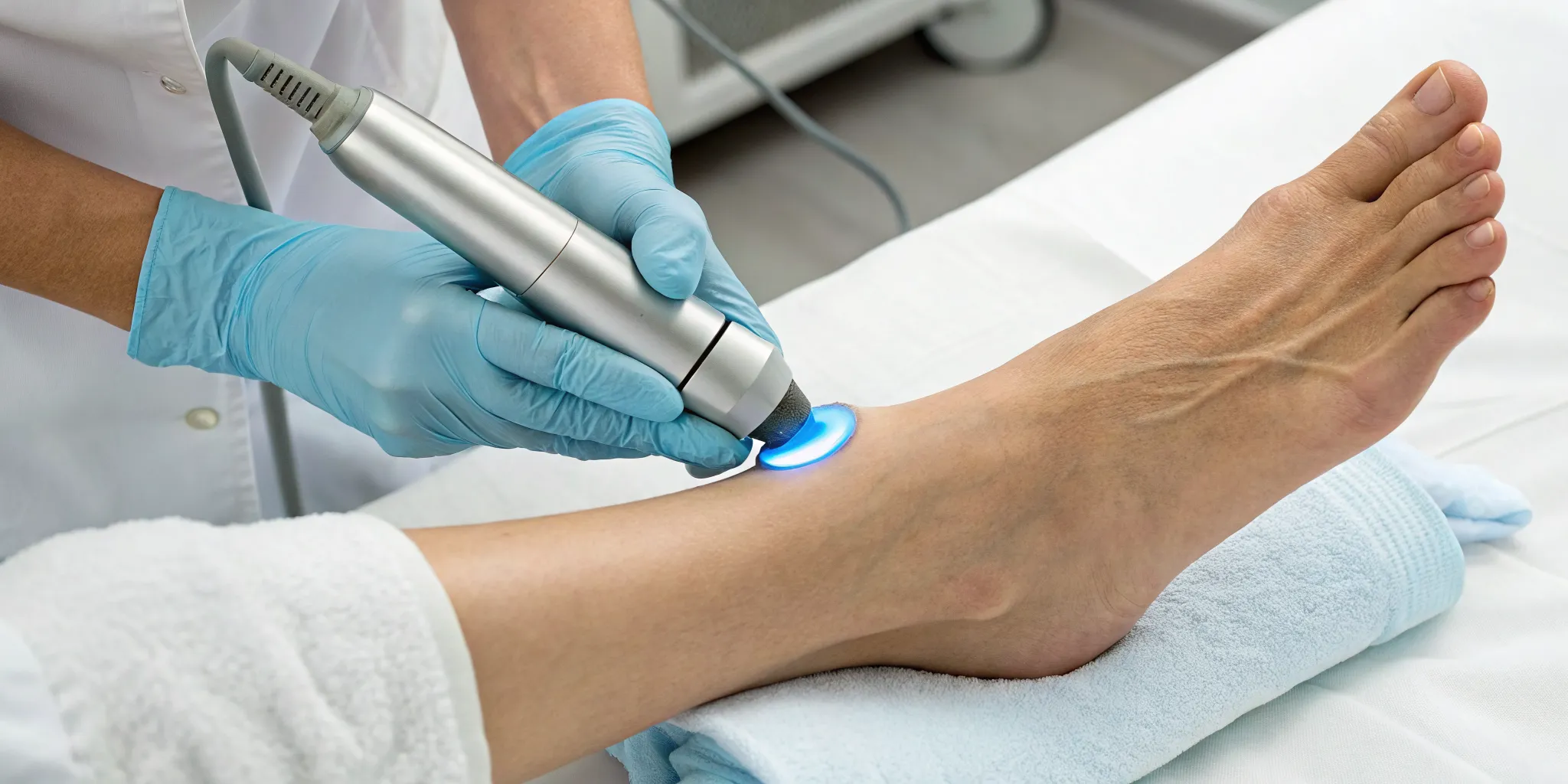
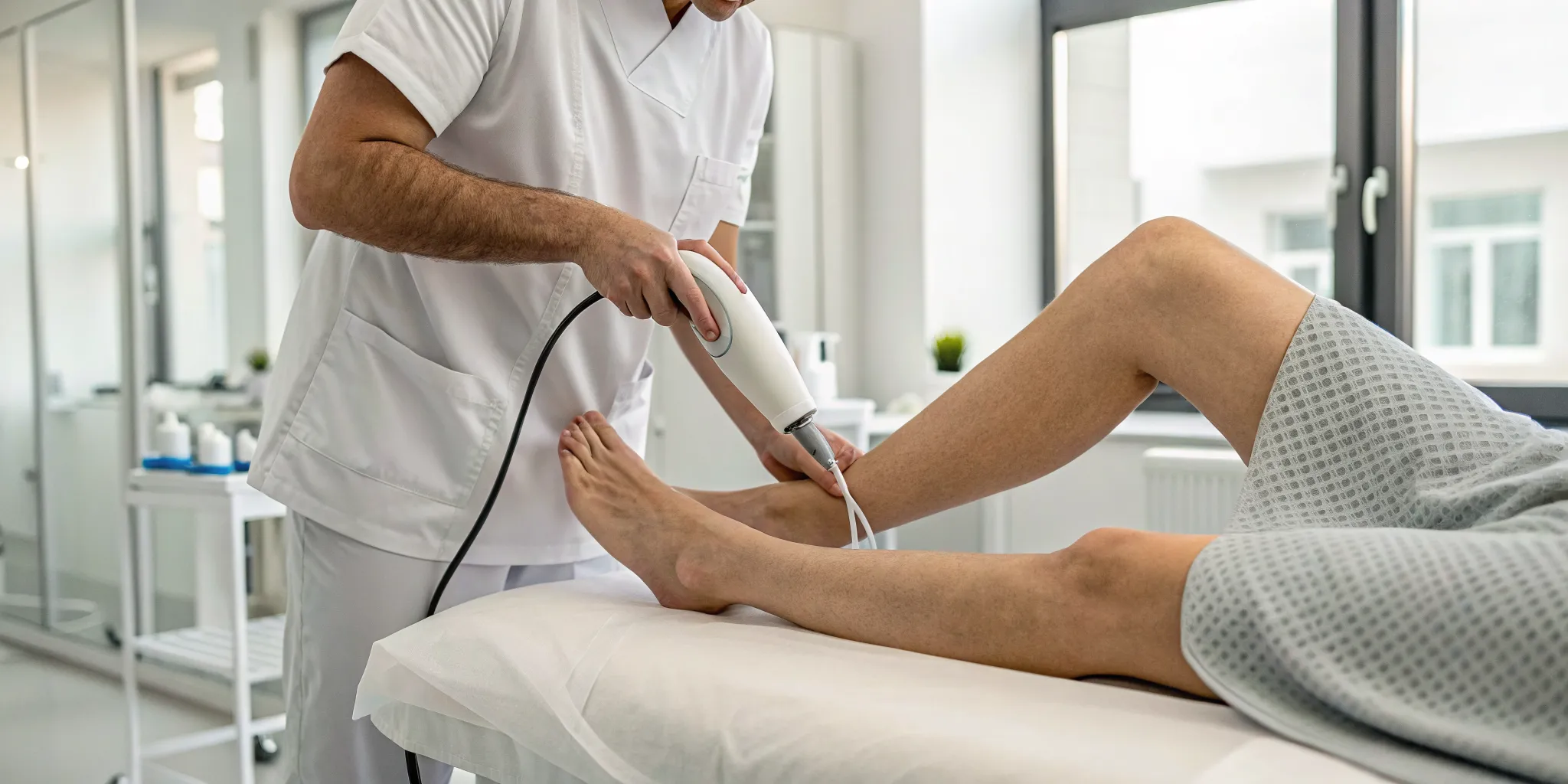
Next, the doctor will use a handheld device to deliver the acoustic pulses directly to the source of your discomfort. As the device moves over your skin, you might feel a mild tapping or tingling sensation. The entire process is non-invasive and is a core component of our physical medicine services, aimed at stimulating your body’s own healing mechanisms.
How Long Are Sessions and How Many Will You Need?
We know your time is valuable, so we make our sessions as efficient as possible. A typical shockwave therapy session lasts between 15 and 30 minutes. The exact duration depends on the size of the area being treated and your specific condition.
Because this therapy works by stimulating your body’s natural repair cycles, it’s not a one-and-done solution. Lasting improvement happens over time. Most people find they need a series of three to five sessions, usually scheduled one to two weeks apart, to achieve their desired results. Your practitioner will work with you to create a personalized plan that aligns with your health goals. You can always contact us to discuss what a potential treatment plan might look like for you.
Understanding the Sensations During Treatment
It’s common to wonder if the treatment will be uncomfortable. While some people report a bit of discomfort as the acoustic waves target inflamed tissue, the sensation is generally manageable and temporary. It’s often described as a deep tapping or pulsing. The intensity can be adjusted throughout the session to match your tolerance.
Open communication with your practitioner is key. We encourage you to share feedback during the treatment so we can ensure you remain as comfortable as possible. Our patient-first philosophy is central to who we are, and your well-being is our top priority. The goal is to facilitate healing, not to cause distress, so we’ll always work with you to find the right intensity level.
Are There Any Side Effects to Consider?
It’s smart to ask about potential side effects before starting any new treatment. The good news is that shockwave therapy is a very safe and non-invasive procedure, especially when compared to more aggressive options. The side effects are typically minor and temporary. Most people find the treatment quite manageable and feel the benefits far outweigh any brief discomfort.
Your safety and comfort are always the top priority. That’s why we begin with a thorough assessment to make sure this therapy is the right fit for your specific needs and health profile. We’ll walk you through every step so you know exactly what to expect and can feel confident in your care plan.
Common, Temporary Reactions
After a shockwave therapy session, some people experience mild, temporary reactions in the treated area. You might notice some redness, minor swelling, or a bit of soreness, similar to how you might feel after a deep tissue massage. This is a normal response and a positive sign that your body’s healing process has been activated.
These effects usually fade within a day or two as your body gets to work repairing the tissue. Most of our patients are able to return to their normal daily activities right after their appointment. We see these reactions as an indication that the physical medicine approach is successfully stimulating circulation and cellular repair right where you need it most.
Who Should Use Caution with This Treatment
While shockwave therapy is beneficial for many, it isn’t suitable for everyone. It’s crucial to work with an experienced provider who takes the time to understand your complete health history. Certain conditions are not compatible with this treatment, so we always conduct a detailed evaluation first. For example, individuals with active tumors, cancer, or pacemakers should not undergo shockwave therapy.
It’s also important to let your provider know if you are pregnant or have any other significant health conditions. A thorough consultation allows us to determine if this is the safest and most effective path for you. If you have questions about your specific situation, the best first step is to schedule a conversation with our team to discuss your health goals.
Is Shockwave Therapy the Right Choice for You?
Deciding on a new treatment can feel like a big step, but it’s all about finding what truly works for your body. Shockwave therapy is a promising option for many people dealing with persistent neck pain, especially when other methods haven’t provided the relief you need. It’s a non-surgical, drug-free approach that supports your body’s own healing mechanisms. However, it’s not a one-size-fits-all solution.
Your specific type of pain, your health history, and your wellness goals all play a role in determining if this therapy is the best path forward. The key is to have an open conversation with a professional who understands the nuances of your condition. At Ascend Functional Health, we take the time to listen to your story and evaluate your situation carefully before recommending any treatment. Our goal is to create a personalized plan that addresses the root cause of your discomfort and helps you get back to feeling your best.
Determining if You're a Good Candidate
If you're dealing with chronic neck pain that just won't quit, shockwave therapy might be an excellent option to explore. This non-invasive treatment is particularly effective for those who haven't found lasting success with other therapies. It’s designed to reduce pain, improve your range of motion, and help your body heal itself from the inside out.
Of course, it’s important to make sure this treatment is appropriate for you. We always recommend a thorough consultation to discuss your health history. For example, this therapy is not recommended for pregnant women or individuals with certain health conditions. While many people tolerate the sessions well, some find the sensations a bit uncomfortable. We can adjust the intensity to match your comfort level and ensure the treatment effectively targets your specific type of pain.
How We Integrate Shockwave Therapy at Ascend Functional Health
At Ascend Functional Health, we incorporate shockwave therapy as part of our comprehensive Physical Medicine services. Because this treatment is non-invasive, it’s crucial to work with a qualified care provider who has deep expertise in how it works. We use focused shockwave therapy (ESWT), a method backed by strong evidence for its effectiveness in treating chronic conditions.
There can be some confusion about different types of wave therapies, particularly between focused shockwaves and radial pressure waves. Our team is skilled in identifying and using the correct technology for your specific needs. By integrating this advanced therapy into a personalized care plan, we can target the underlying cause of your neck pain and support your body’s innate ability to heal for long-term results.
Related Articles
- How to Choose the Right Neck Strain Doctor
- How a Chiropractor Helps Neck Pain and Headaches
- Cervical Myofascial Pain 101: A Complete Guide
- Disc Bulge Therapy: A Complete Guide to Healing
- SoftWave Tissue Regeneration Therapy in Tampa | Alessi Functional Health
Frequently Asked Questions
What does shockwave therapy actually feel like? Most people describe the sensation as a series of strong, rhythmic taps or pulses on the skin. While you will definitely feel it working, it shouldn't be painful. We can adjust the intensity to a level that is effective yet comfortable for you. If an area is particularly inflamed, you might feel some initial tenderness, but this typically subsides as the session progresses and we can modify the treatment based on your feedback.
How many sessions will I need before I feel better? Because this therapy works by prompting your body’s own repair cycle, the results are gradual and build over time. Some people notice a decrease in pain and an increase in mobility after just one or two sessions. However, for lasting change, a series of treatments is usually necessary. We typically recommend a plan of three to five sessions, spaced about a week apart, to give your tissue the consistent stimulation it needs to heal properly.
How is this different from a massage or a chiropractic adjustment? While all are excellent physical medicine tools, they work in different ways. Massage primarily focuses on releasing muscle tension, and chiropractic adjustments are centered on restoring proper joint alignment and motion. Shockwave therapy works at a deeper, cellular level. It sends acoustic energy into the tissue to break down scar tissue and stimulate metabolic activity, which helps your body regenerate damaged cells and build new, healthy tissue.
What should I do after my treatment session? One of the best parts of this therapy is that there is very little you need to do afterward. We generally suggest you avoid any strenuous, high-impact activities for about 24 to 48 hours to allow the healing process to begin without interruption. Drinking plenty of water is also a great idea. Otherwise, you can get right back to your normal daily routine.
Why is this treatment effective for so many different types of neck pain? Many different neck conditions, from muscle knots to degenerative disc issues, share common underlying problems like inflammation, poor blood flow, and the formation of stiff, fibrous scar tissue. Shockwave therapy is versatile because it directly addresses these core issues. By increasing circulation, calming inflammation, and breaking down adhesions, it helps restore a healthier environment for your muscles, nerves, and joints, regardless of the specific diagnosis.