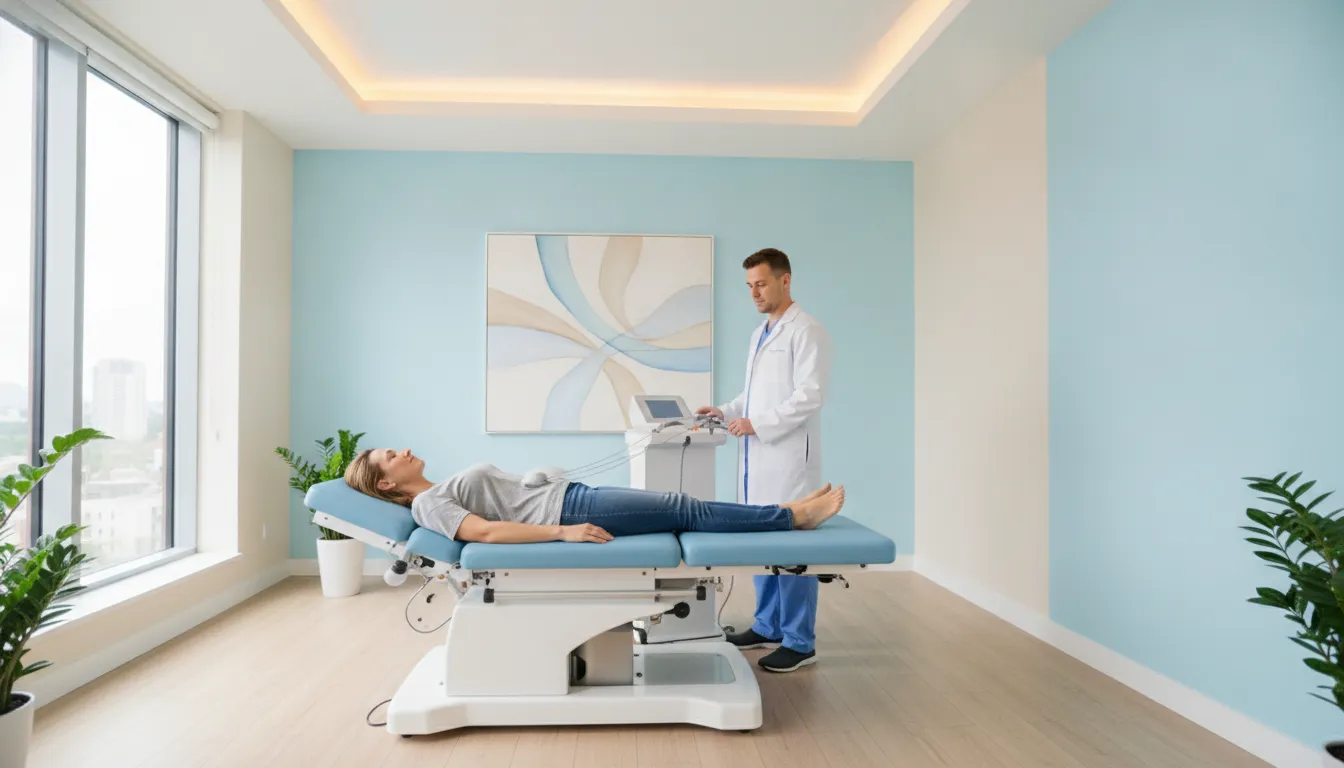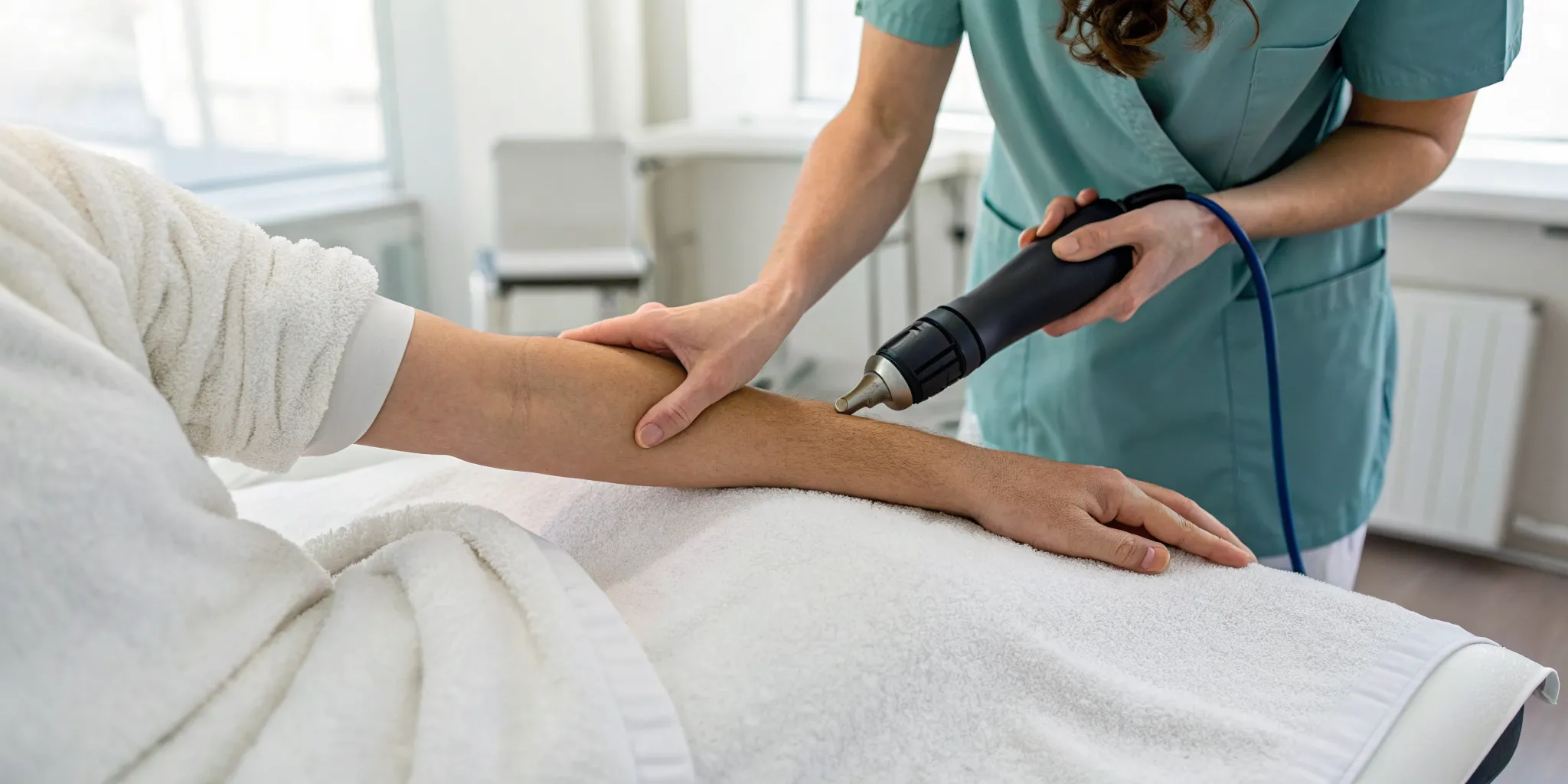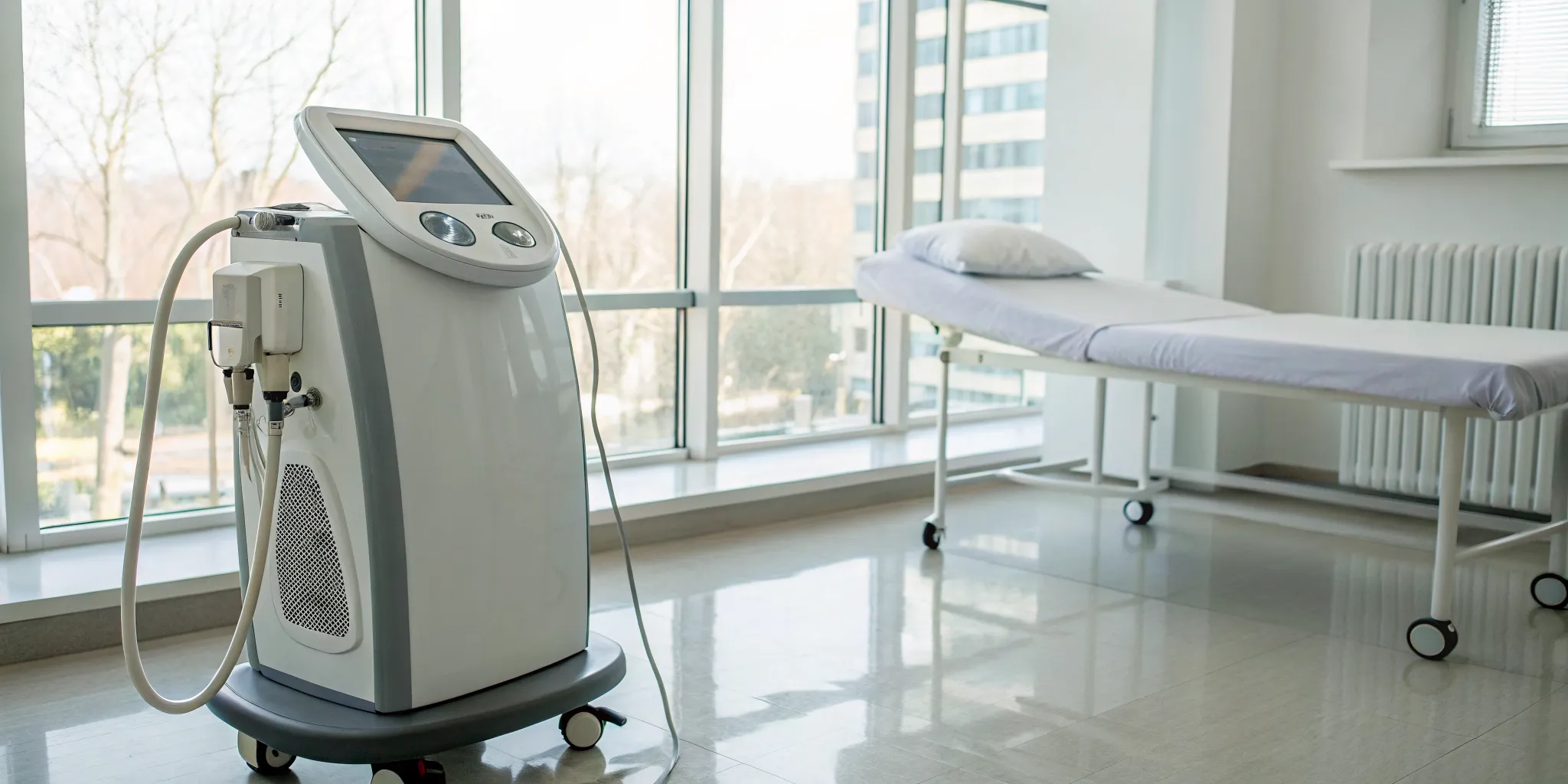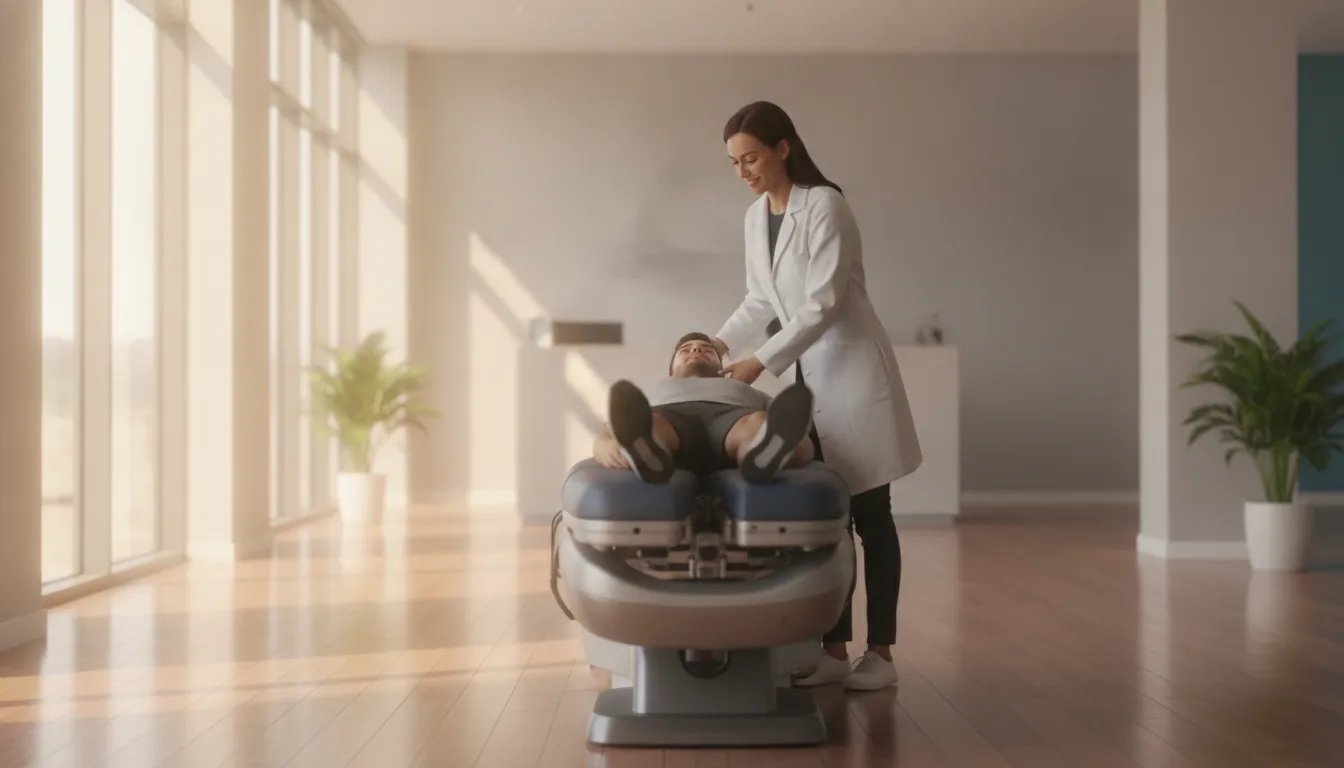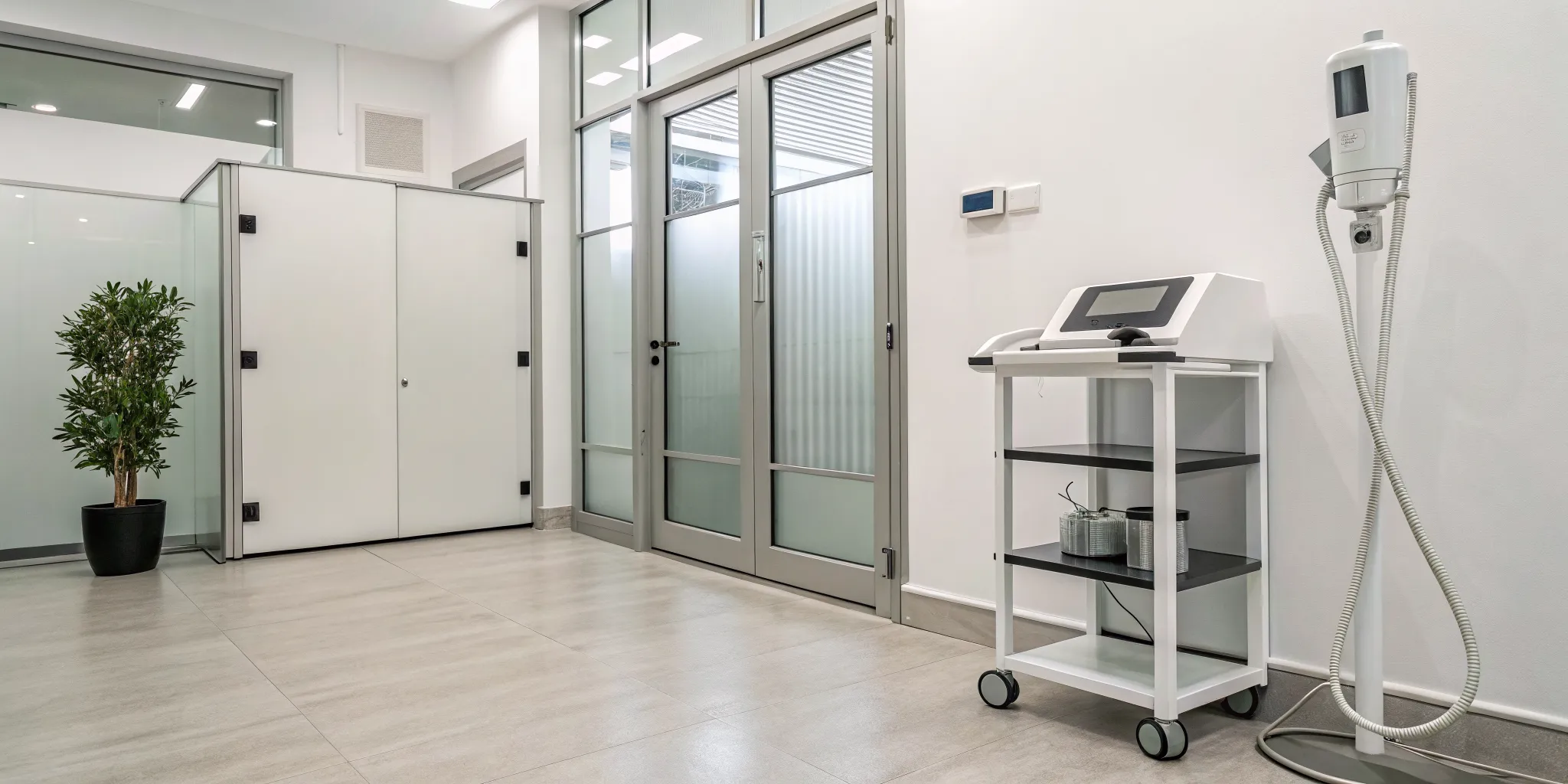
When you hear the term “shockwave,” it’s easy to think of something intense or electrical, but that couldn’t be further from the truth. This treatment is a non-invasive procedure that uses gentle, acoustic waves—essentially powerful sound waves—to target injured tissue deep within your heel. For those with chronic pain from conditions like plantar fasciitis, the body’s healing process has often stalled. The area is no longer in an active state of repair, leaving you with persistent discomfort. Using shockwave therapy for heel pain is like hitting a reset button, signaling to your body that the area needs attention and kickstarting the natural repair mechanisms that lead to lasting relief and restored mobility.
Key Takeaways
- Focus on Healing, Not Just Masking Pain: Chronic heel pain often sticks around because standard treatments only manage symptoms. To get lasting relief, you need an approach that actually repairs the damaged tissue and breaks the cycle of re-injury.
- Stimulate Your Body's Natural Repair System: Shockwave therapy is a non-invasive treatment that uses targeted sound waves to restart your body's healing process. It helps increase circulation and encourages tissue regeneration right at the source of the pain.
- An Effective Option When Other Treatments Fail: This therapy is ideal for persistent heel pain that has not improved with conventional care. A typical plan involves a series of quick, weekly sessions with no downtime, making it a practical next step toward recovery.
Why Your Heel Pain Keeps Coming Back
If you’ve ever felt that sharp, stabbing pain in your heel with your first steps in the morning, you know how disruptive plantar fasciitis can be. It’s a frustrating problem that seems to have a mind of its own, often feeling better with rest only to return as soon as you get back on your feet. This isn't just bad luck; there are clear reasons why your heel pain keeps making an unwelcome comeback.
Understanding this cycle is the first step toward finding a solution that actually lasts. The pain you're feeling is a signal that the standard approaches aren't addressing the root of the problem. Instead of just managing symptoms, we need to focus on healing the tissue for good. Let's look at why your heel pain persists and why common treatments often fall short.
The Inflammation and Re-Injury Cycle
Your heel pain is likely caused by an issue with the plantar fascia, a thick band of tissue that runs across the bottom of your foot, connecting your heel bone to your toes. When this tissue is overstressed, it develops tiny tears, leading to inflammation and pain. This is the core of plantar fasciitis. The problem is that this tissue is constantly in use whenever you stand or walk, making it incredibly difficult to heal properly.
This creates a vicious cycle of inflammation and re-injury. You might rest your foot, and the pain subsides as the inflammation goes down. But the underlying tissue hasn't fully repaired or strengthened. As soon as you return to your normal activities, you put stress on that same weakened tissue, causing new micro-tears and bringing the pain right back. This is why simply resting or stretching often isn't enough to break the cycle of chronic pain.
When Standard Treatments Aren't Enough
Many people try a host of conventional treatments to manage their heel pain. These often include rest, ice, anti-inflammatory medications, night splints, and shoe inserts. While these methods can provide temporary relief, they primarily focus on managing symptoms rather than healing the damaged tissue. They don't address the poor blood supply and chronic inflammation that prevent the plantar fascia from repairing itself.
When these common treatments fail to provide lasting relief after several months, it’s a clear sign that a different approach is needed. Continuing with methods that only mask the pain allows the underlying tissue damage to persist or even worsen. To truly resolve the issue, you need a treatment that stimulates the body's natural healing processes at the source. This is why our approach with physical medicine focuses on corrective care that promotes genuine tissue repair.
How Does Shockwave Therapy Work?
If you hear the word “shockwave,” you might picture something electrical or jarring, but that’s not the case here. Shockwave therapy is a non-invasive treatment that uses acoustic waves, which are essentially powerful sound waves, to target injured tissue. A special device sends these waves through your skin to the precise area of your heel pain. The goal is to work with your body, kickstarting its natural repair mechanisms to address the root cause of your discomfort. It’s a way to prompt healing in tissues that have been stuck in a cycle of chronic pain and inflammation.
The Science of Acoustic Waves
At its core, shockwave therapy uses a treatment device to deliver high-energy sound waves directly to the affected part of your heel. Think of it like a highly focused and powerful form of ultrasound. These acoustic waves create micro-trauma in the tissue, which might sound counterintuitive, but it’s actually the key to the process. This controlled stimulation signals to your body that the area needs attention. In response, your body increases metabolic activity and circulation around the tissue, which helps stimulate the natural healing process and encourages the regeneration of healthy tendons and ligaments. It’s a method designed to resolve pain by healing the underlying injury.
Activating Your Body's Healing Response
For many people with chronic heel pain, the body’s healing process has stalled. The area is no longer in an active state of repair, leaving you with persistent discomfort. Shockwave therapy effectively "wakes up" the injury, making your body treat it like a new one and restarting the healing cascade. This process helps your body heal itself by improving blood flow and forming new blood vessels in the area. It also supports cell growth, helps create new collagen for tissue repair, and can even help break down painful calcium deposits associated with heel spurs. By reactivating these functions, we can help you find lasting relief from conditions that haven't responded to other treatments.
Radial vs. Focused: What's the Difference?
Not all shockwave therapy is the same; there are two primary types, and the one that’s right for you depends on your specific condition. Focused shockwave therapy delivers high-energy waves to a single, precise point deep within the tissue. This is ideal for targeting very specific problem areas. Radial shockwave therapy, on the other hand, uses lower-energy waves that spread out over a broader, more superficial area. This approach is great for larger treatment zones. The choice between them is a crucial part of creating a personalized treatment plan. During your consultation, we can determine which type of therapy is best suited to address your unique source of heel pain.
What Conditions Does Shockwave Therapy Treat?
Shockwave therapy is a versatile tool in our physical medicine toolkit, and it’s particularly effective for chronic conditions that haven't responded well to other treatments. If you’ve been struggling with persistent heel pain, you know how frustrating it can be when rest, ice, and stretching just don’t provide lasting relief. This is often because the underlying issue involves damaged tissue and chronic inflammation that your body is struggling to resolve on its own.
This is where shockwave therapy shines. By creating a controlled, therapeutic response, it essentially reawakens your body's natural healing processes. It’s not a temporary fix; it’s a way to address the root cause of the pain by stimulating tissue regeneration and improving blood flow. We find it to be a game-changer for several specific and stubborn conditions that cause heel and foot pain, helping our patients get back to their lives without discomfort. Let’s look at the most common conditions we address with this technology.
Plantar Fasciitis
If you feel a stabbing pain in the bottom of your heel, especially with your first steps in the morning, you might be dealing with plantar fasciitis. This happens when the plantar fascia, the thick band of tissue that runs across the bottom of your foot, becomes inflamed and develops tiny tears. It’s one of the most common causes of heel pain we see. Shockwave therapy has been shown to be an effective treatment for this condition, helping to reduce the persistent pain and kickstart the healing process in the damaged tissue, allowing you to walk comfortably again.
Heel Spurs
Heel spurs are bony growths on the underside of the heel bone and are often linked with plantar fasciitis. While the spur itself isn't always the source of pain, the inflammation of the surrounding tissue certainly is. Shockwave therapy can provide significant relief by improving blood flow to the sore area, which is essential for healing. It also helps by interrupting the pain signals your nerves are sending, giving you a break from the constant discomfort. By addressing the inflammation and promoting tissue repair, we can manage the pain associated with many of the conditions we treat, including heel spurs.
Achilles Tendonitis
Achilles tendonitis is another common culprit behind heel pain, characterized by pain and inflammation in the tendon that connects your calf muscles to your heel bone. This condition is especially frequent in runners and active individuals, but it can affect anyone. The pain can range from a mild ache to severe discomfort that limits your mobility. Shockwave therapy is an excellent option for Achilles tendonitis because it directly targets the inflamed, under-healed tendon. The acoustic waves stimulate the production of new collagen, a key component of healthy tendons, which helps reduce pain and supports a more complete recovery.
What to Expect During a Session
If you’re considering shockwave therapy, you probably have a few questions about what the treatment itself is like. Knowing what happens during and after a session can help you feel more prepared and confident in your care plan. The process is straightforward, and our team is here to make sure you’re comfortable every step of the way. We’ll walk you through each part of the treatment, from the moment you arrive to the care you’ll need afterward.
The Step-by-Step Process
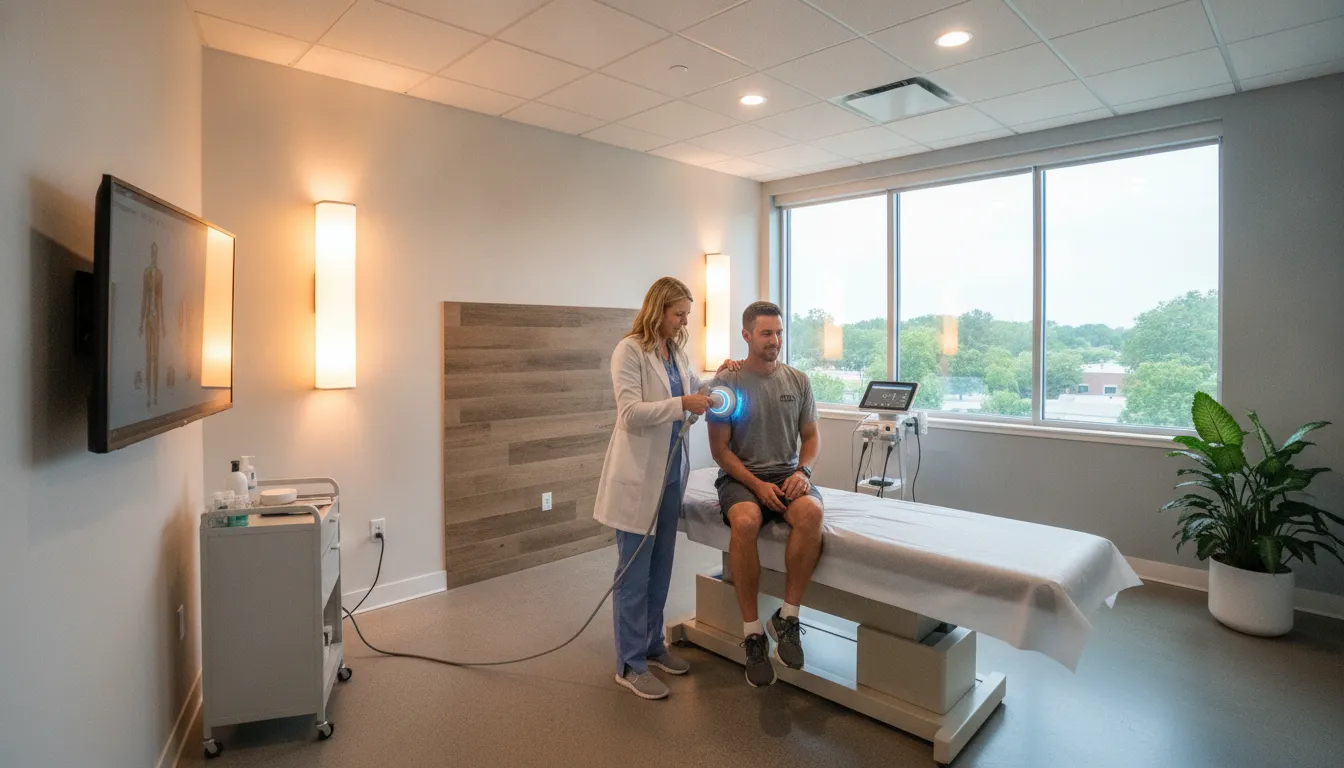
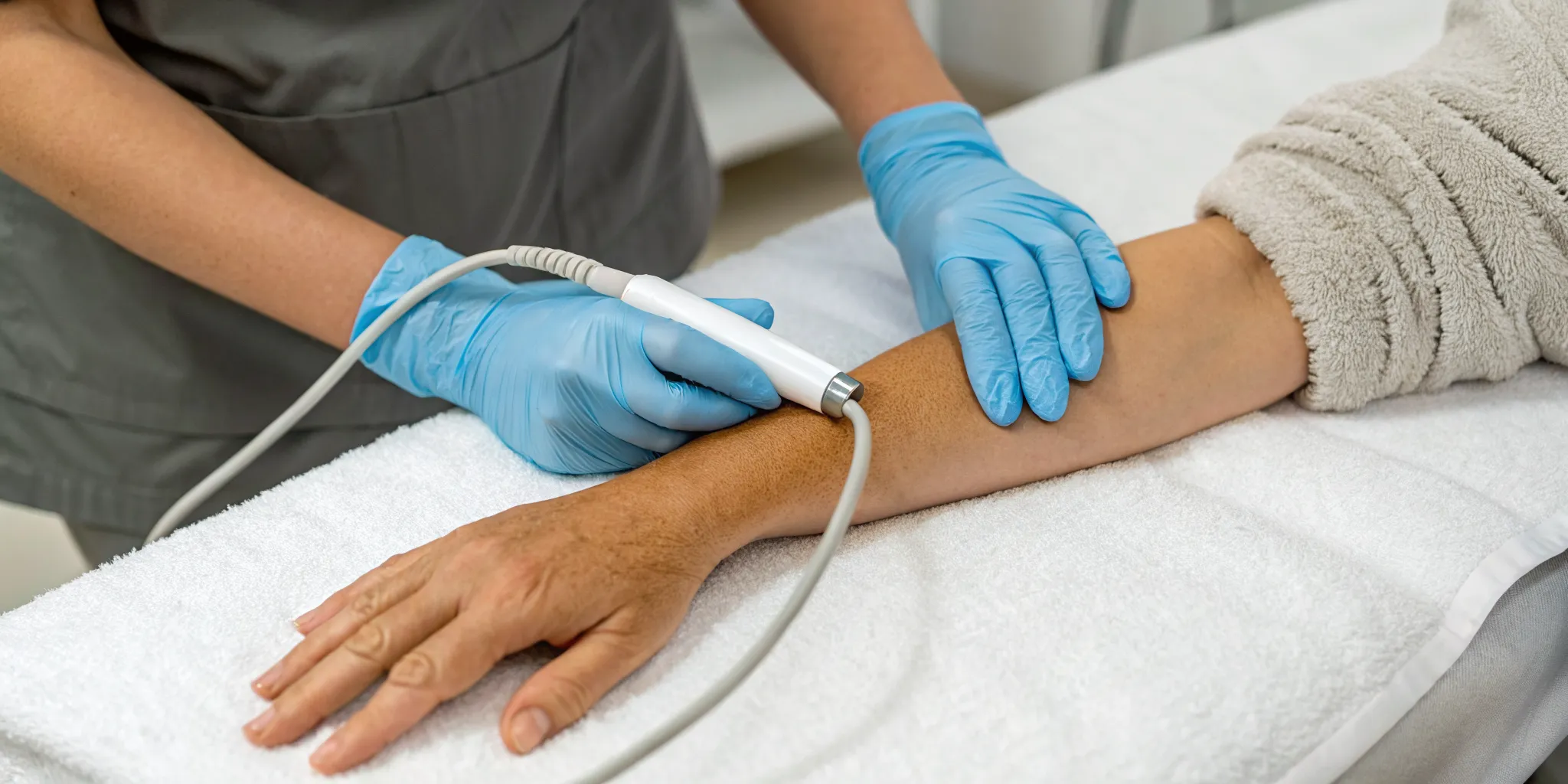
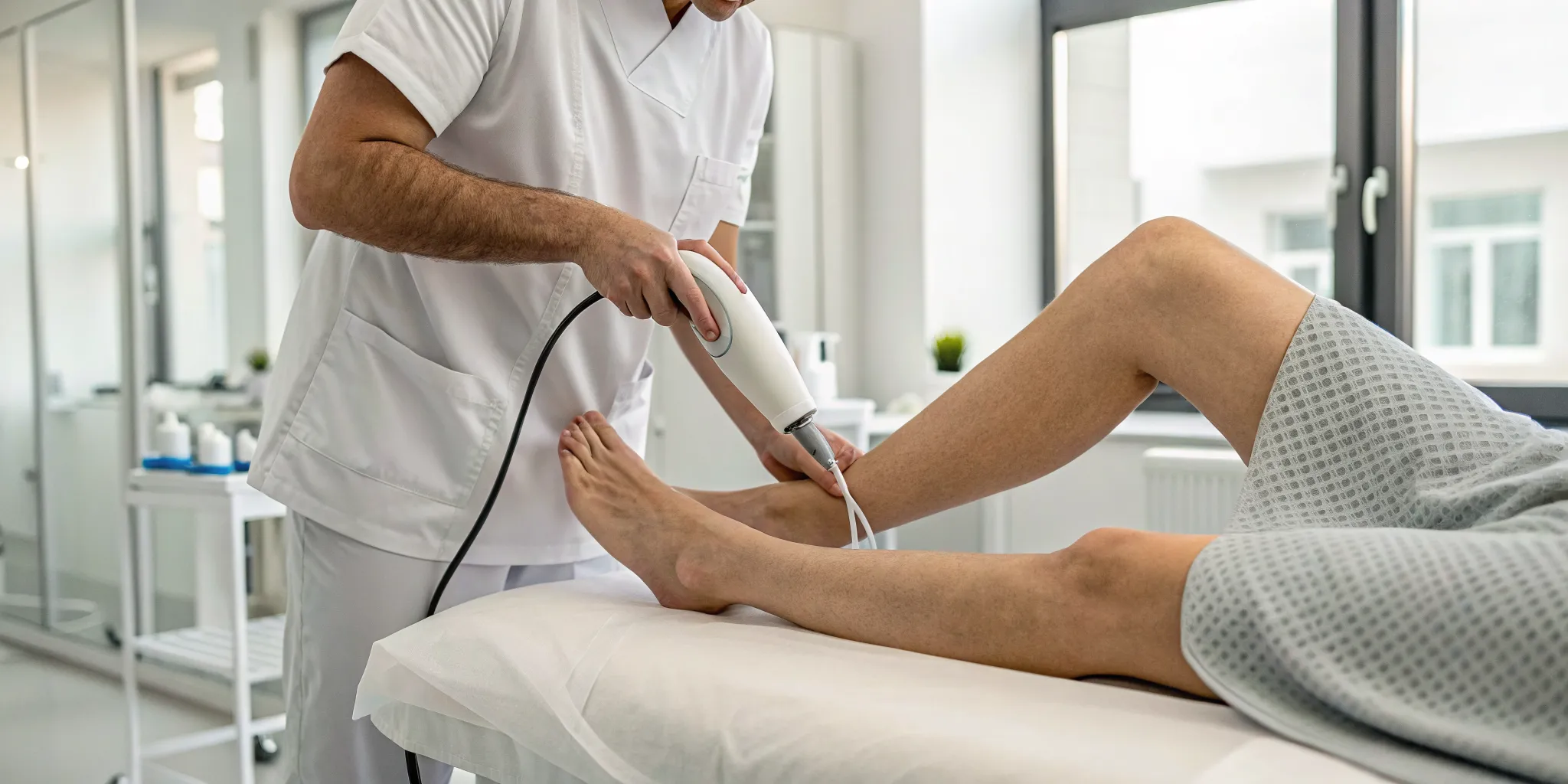
Your session will begin with you getting comfortable, usually by lying down. We’ll apply a special gel to the treatment area on your heel or foot. This gel helps the acoustic waves from the device transmit effectively through your skin to the targeted tissue. Next, your practitioner will use a handheld applicator, gently pressing it against the affected area. This device delivers the therapeutic acoustic waves. You will hear a repetitive sound and feel a tapping or pulsing sensation, but the intensity is adjusted to your comfort level. The entire process is designed to be a targeted, non-invasive part of our physical medicine approach.
Session Length and Frequency
One of the great things about shockwave therapy is how quick the sessions are. A single treatment typically takes only about 10 to 20 minutes to complete. This makes it easy to fit into your schedule without major disruption. While you may feel some improvement after the first session, lasting results come from a series of treatments. Most people benefit from a course of four to six sessions, usually scheduled about once a week. This consistent approach gives your body the time it needs to repair tissue and reduce inflammation, addressing the root cause of the conditions we treat.
Post-Session Care
After your session, you can get back on your feet and return to most of your normal daily activities right away. There’s virtually no downtime required. We do recommend taking it easy for the first day or two, avoiding strenuous activities like running to give the area time to begin healing. You might experience some mild, dull discomfort in the hours following the treatment, which is a normal response and a sign that the healing process has been activated. Gentle stretching can also be beneficial. If you ever have questions about your post-session care, our team is always available to help when you contact us.
The Benefits of Shockwave Therapy for Heel Pain
When you're dealing with persistent heel pain, the goal isn't just temporary comfort; it's finding a real solution that lets you get back to your life. Shockwave therapy stands out because it works with your body to create lasting change. Instead of just masking symptoms, it targets the source of the pain to promote genuine healing. Let's look at some of the key benefits that make this treatment a powerful option for conditions like plantar fasciitis and Achilles tendonitis.
Non-Invasive with Minimal Downtime
One of the biggest advantages of shockwave therapy is that it's a non-invasive procedure. This means there are no incisions or lengthy recovery periods involved. During a session, a device is simply applied to the skin over the painful area. Because it doesn't require surgery, you can typically return to your normal daily activities right after your appointment. This is a significant benefit for anyone who can't afford to put their life on hold. Our approach to physical medicine prioritizes effective treatments that fit into your schedule, and shockwave therapy is a perfect example of that commitment.
Lasting Relief Over Temporary Fixes
Many treatments for heel pain offer only short-term relief because they don't address the underlying issue. Shockwave therapy is different. It uses acoustic waves to stimulate your body’s natural healing cascade. This process increases blood flow, reduces inflammation, and encourages the regeneration of healthy tissue. Instead of just silencing the pain signals, you are actively repairing the damage at a cellular level. This focus on resolving the root cause is why so many people experience long-term relief and a significant reduction in pain, allowing them to finally move past the cycle of re-injury.
Restored Mobility and Function
Ultimately, the goal of any treatment is to restore your ability to move freely and without pain. Heel pain can stop you from enjoying simple activities like walking, running, or just getting through a workday. Shockwave therapy directly addresses the limitations caused by chronic pain. By breaking down scar tissue and promoting healing, the treatment helps restore flexibility and strength to your foot and ankle. This allows you to get back on your feet and reclaim the active lifestyle you enjoy, which is central to our mission at Ascend Functional Health.
How Shockwave Compares to Other Treatments
When you’re dealing with persistent heel pain, you want a solution that works. Many people first try common treatments like rest, stretching, or pain relievers. When those don’t provide lasting relief, the next steps often involve more intensive options like injections or even surgery. Shockwave therapy offers a different path. Instead of masking pain or surgically removing damaged tissue, it works by stimulating your body’s own healing mechanisms. It’s a key part of our physical medicine approach, which focuses on resolving the root cause of your pain.
This non-invasive treatment uses acoustic waves to target injured tissue, increase blood flow, and trigger a natural regenerative response. This process helps break the cycle of inflammation and re-injury that keeps you from getting back on your feet. Unlike treatments that offer a temporary fix, shockwave therapy aims to create lasting change by repairing the tissue from the inside out. It’s a powerful option for those who have tried other methods without success and are looking for a way to heal without significant downtime or invasive procedures. By understanding how it stacks up against other treatments, you can make an informed decision about your care.
Shockwave vs. Injections
Many people turn to injections for quick relief from heel pain. While an injection can reduce inflammation and temporarily ease discomfort, it doesn’t address the underlying problem of weak or damaged tissue. The relief is often short-lived, and repeated injections can sometimes weaken tendons and tissues over time.
Shockwave therapy takes a fundamentally different approach. It is a non-invasive procedure, meaning it doesn’t require any needles or incisions. Instead of just masking inflammation, it uses targeted sound waves to stimulate your body’s natural healing process. This encourages the formation of new blood vessels and promotes tissue regeneration, helping to repair the injury at its source for more sustainable results.
Shockwave vs. Surgery
Surgery is typically considered a last resort for chronic heel pain, and for good reason. It’s an invasive procedure that comes with risks, anesthesia, and a lengthy recovery period that can keep you off your feet for weeks or even months. For many, the thought of surgery is a major source of stress and uncertainty.
Shockwave therapy is now often suggested before considering surgery for conditions like plantar fasciitis and Achilles tendonitis. It provides a highly effective, non-surgical alternative that can help you avoid the operating room altogether. By promoting deep tissue repair without a single incision, shockwave therapy helps you get back to your life faster and with fewer complications, allowing your body to heal on its own terms.
Comparing Recovery Times
One of the biggest advantages of shockwave therapy is the minimal downtime. After a surgical procedure for heel pain, you could face a long and restrictive recovery. In contrast, a shockwave session is quick, and you can typically resume your normal daily activities right away.
Most treatment plans involve four to six sessions, usually scheduled once a week. Many people report feeling a noticeable improvement after just two or three treatments. It’s important to remember that shockwave therapy initiates a healing process that continues long after your final session. The regeneration of tissue and strengthening of the area can continue for up to three months, leading to progressive and lasting relief.
Are There Any Side Effects?
It’s completely normal to have questions about side effects before starting a new treatment. The great news is that shockwave therapy is a non-invasive procedure with a strong safety record. Unlike options that require incisions or injections, this therapy works from outside the body, which significantly reduces the risk of complications.
Most people go through their sessions with very few issues. When side effects do occur, they are typically minor and temporary. Think of them as signs that your body is kicking its natural healing mechanisms into gear. The most common reactions are mild and resolve on their own, allowing you to get back to your life without a long recovery period. Let’s walk through what you might experience and who this treatment is best suited for.
Common Post-Treatment Reactions
After a shockwave session, it’s possible to feel some mild discomfort or a dull ache in the treated area. You might also notice some temporary redness or slight swelling. This is actually a positive sign. It means the acoustic waves have successfully stimulated blood flow and triggered the inflammatory response needed for your tissue to repair itself. These reactions are your body’s way of getting to work on healing your heel pain from the inside out.
This temporary soreness usually fades within 24 to 48 hours. Most people find it’s a very small price to pay for lasting relief, especially when the alternative could be a more invasive procedure. Our approach to physical medicine prioritizes treatments that support your body’s innate ability to heal with minimal disruption.
Who Isn't a Candidate?
While shockwave therapy is a fantastic option for many people dealing with heel pain, it isn’t the right fit for everyone. A thorough health assessment is always the first step to ensure this treatment is safe and appropriate for you. For example, shockwave therapy is generally not recommended for pregnant women or individuals with pacemakers. It’s also avoided over areas with active infections, open wounds, or known circulation and nerve disorders.
It’s a common misconception that this therapy is only for chronic, long-term pain. It can be just as effective for more recent injuries. The key is a proper diagnosis to confirm that your condition is one of the many we can address. During your consultation, we’ll review your health history and symptoms to determine if you are a good candidate for shockwave therapy or if another treatment path would be better for you.
How to Manage Discomfort
Because shockwave therapy is non-invasive, managing any post-treatment discomfort is usually straightforward. The most important thing you can do is listen to your body. We recommend taking it easy for the rest of the day after your session. Try to avoid any high-impact activities, like running or jumping, that could put extra stress on your heel for a day or two. This gives the area time to respond to the treatment.
If you experience soreness, applying an ice pack for about 15 minutes can help. One important tip: it’s best to avoid taking anti-inflammatory medications right after your session. The therapy works by creating a controlled inflammatory response, which is essential for healing. Taking medication that stops this process can work against your results. If you have any concerns, please don't hesitate to contact our team for guidance.
Is Shockwave Therapy Right for Your Heel Pain?
Deciding on the right path to address persistent heel pain can feel overwhelming. You’ve likely tried stretching, resting, and changing your footwear, yet the discomfort lingers, affecting your daily life. If you're looking for a solution that works with your body’s natural healing processes without requiring invasive procedures, shockwave therapy might be the answer. This treatment is designed to address the root cause of your pain, rather than just masking the symptoms.
Understanding if you are a good fit for this therapy involves looking at your specific symptoms, what you’ve tried in the past, and your goals for recovery. It’s not a first-line treatment for a new injury, but rather a powerful option for chronic conditions that have resisted other forms of care. Let’s walk through the signs that indicate shockwave therapy could be the key to getting you back on your feet, pain-free.
Signs You're a Good Candidate
You might be a great candidate for shockwave therapy if you're dealing with chronic heel pain from a condition like plantar fasciitis or Achilles tendonitis and are looking for a non-invasive solution. Many people mistakenly think the treatment is intense or surgical, but it’s quite the opposite. Shockwave therapy is performed entirely outside the body, with no incisions or instruments needed.
The ideal candidate is someone who wants to avoid more aggressive interventions and is committed to a treatment that stimulates the body’s own repair mechanisms. If you’ve been frustrated by a lack of progress and want to find a way to promote long-term healing in the affected tissue, this therapy aligns perfectly with that goal. It’s a proactive step toward resolving the underlying issue for good.
When to Consider Shockwave Therapy
Shockwave therapy is typically recommended when your heel pain has not improved after at least six months of trying more conventional treatments. If you've been diligent with rest, stretching, night splints, and various shoe inserts without finding lasting relief, it may be time to consider this next step. It’s designed for stubborn pain that just won’t go away.
Think of it as a way to restart the healing process in an area that has become stuck in a cycle of inflammation and pain. Instead of continuing with methods that aren’t working, shockwave therapy offers a different approach. By targeting the damaged tissue directly, it can succeed where other physical medicine approaches have fallen short, making it a logical choice for persistent cases.
Expected Results and Timeline
Patience is part of the process, but many people report feeling better after just two or three sessions. A typical treatment plan involves four to six sessions, scheduled about once a week. Each session is relatively short, allowing you to get back to your day with minimal disruption. It’s important to remember that the therapy initiates a healing cascade within your body.
This means the regenerative process continues for up to three months after your final treatment. While you may feel initial relief quickly, the full benefits unfold over time as the tissue repairs and strengthens. This approach is fundamental to resolving many of the chronic conditions we see, as it focuses on creating lasting change rather than a temporary fix.
Find Relief from Heel Pain in Tampa
If you’re tired of heel pain dictating your daily life, you’re not alone. That constant, nagging ache can make everything from your morning walk to a trip to the grocery store feel like a major challenge. For those in Tampa seeking a lasting solution, shockwave therapy offers a powerful, non-invasive way to address chronic heel pain at its source. This treatment isn't about masking symptoms; it’s about kickstarting your body’s own repair processes to promote genuine healing.
So, how does it work? Shockwave therapy uses targeted acoustic waves to stimulate blood flow and metabolic activity in the affected tissue. Think of it as a way to wake up the cells responsible for repair and regeneration. This process helps break down scar tissue and reduce the inflammation that causes pain, making it an effective part of a comprehensive physical medicine plan. For conditions like plantar fasciitis or Achilles tendonitis, this can be the key to finally breaking the cycle of re-injury.
Many people choose this treatment because it provides a path to recovery without requiring invasive procedures. While you might feel some mild discomfort in the area for a day or two after a session, it’s typically a sign that the healing response has been activated. This temporary sensation is often a small price to pay for the significant, long-term relief that follows, allowing you to get back to your life with renewed mobility.
If you've tried other treatments without success, it might be time to see if shockwave therapy is the right fit for you. The best way to know for sure is to have a conversation with a provider who understands the complexities of chronic pain. Our team at Ascend Functional Health is here to help you understand your options and create a personalized plan for your recovery. If you're ready to take the next step, we encourage you to schedule a consultation with us today.
Related Articles
- Pain Free Future | Alessi Functional Health
- SoftWave Tissue Regeneration Therapy in Tampa | Alessi Functional Health
- SoftWave TRT Therapy in Tampa, FL - Alessi Functional Health
- Root Cause Treatment for Chronic Pain | Ascend Functional Health
- Regenerative Medicine for Pain Recovery | Ascend Functional Health
Frequently Asked Questions
What does a shockwave therapy session actually feel like? Most people describe the feeling as a strong tapping or pulsing sensation on the skin. It’s not an electrical shock. We apply a gel to your skin, similar to what’s used for an ultrasound, and then press a handheld device against the area of pain. While you will definitely feel the acoustic waves at work, the intensity is always adjusted to your personal comfort level. The entire treatment is quick, usually lasting only about 10 to 20 minutes.
How do I know if I'm a candidate for this treatment? Shockwave therapy is generally best for heel pain that has become chronic, meaning it hasn't improved after several months of trying other methods like rest, stretching, or shoe inserts. If you have a persistent condition like plantar fasciitis or Achilles tendonitis and you're looking for a solution that addresses the underlying tissue damage, you are likely a great candidate. The surest way to know is to schedule a consultation so we can assess your specific situation.
How quickly can I expect to feel better? While some people notice an improvement after just two or three sessions, it’s important to view this as a healing process, not an instant fix. The therapy triggers a regenerative response in your body that continues for weeks and even months after your final session. The goal is lasting tissue repair, so the full benefits unfold over time as your body rebuilds and strengthens the injured area.
Why is shockwave therapy considered a better long-term option than injections? Injections often provide temporary relief by reducing inflammation, but they don't typically fix the weak, damaged tissue that is causing the pain in the first place. Shockwave therapy works differently. It stimulates your body’s own repair mechanisms to regenerate healthy tissue and increase blood flow to the area. This helps resolve the root cause of the pain, leading to more sustainable, long-term results instead of just masking the symptoms.
What should I avoid doing after a session to get the best results? After your session, we recommend avoiding any strenuous, high-impact activities like running for at least 24 to 48 hours. This gives the treated area time to begin its healing response. It is also very important to avoid taking any anti-inflammatory medications. The therapy works by creating a controlled inflammatory process, which is essential for tissue regeneration, and these medications can interfere with that process.