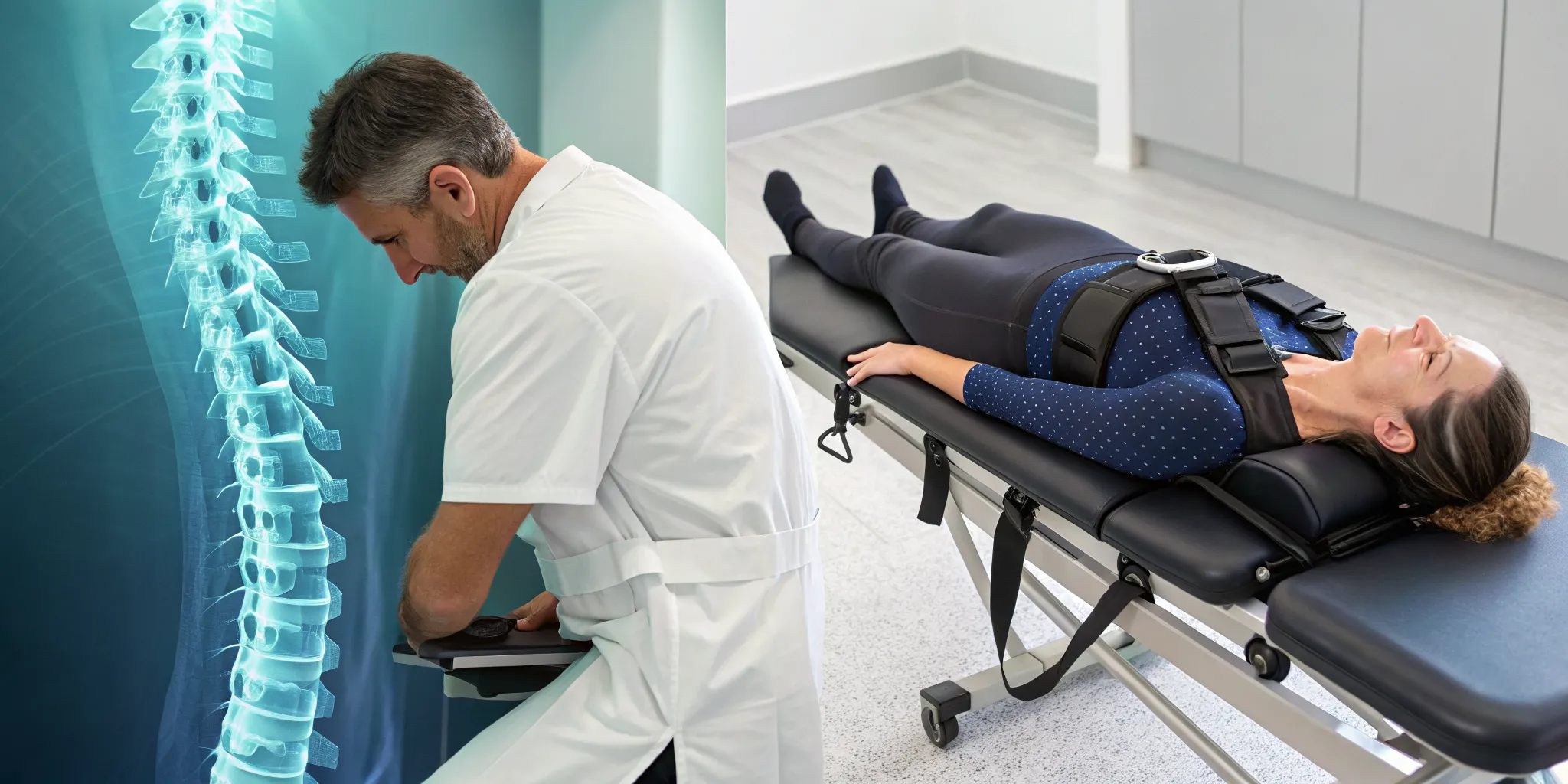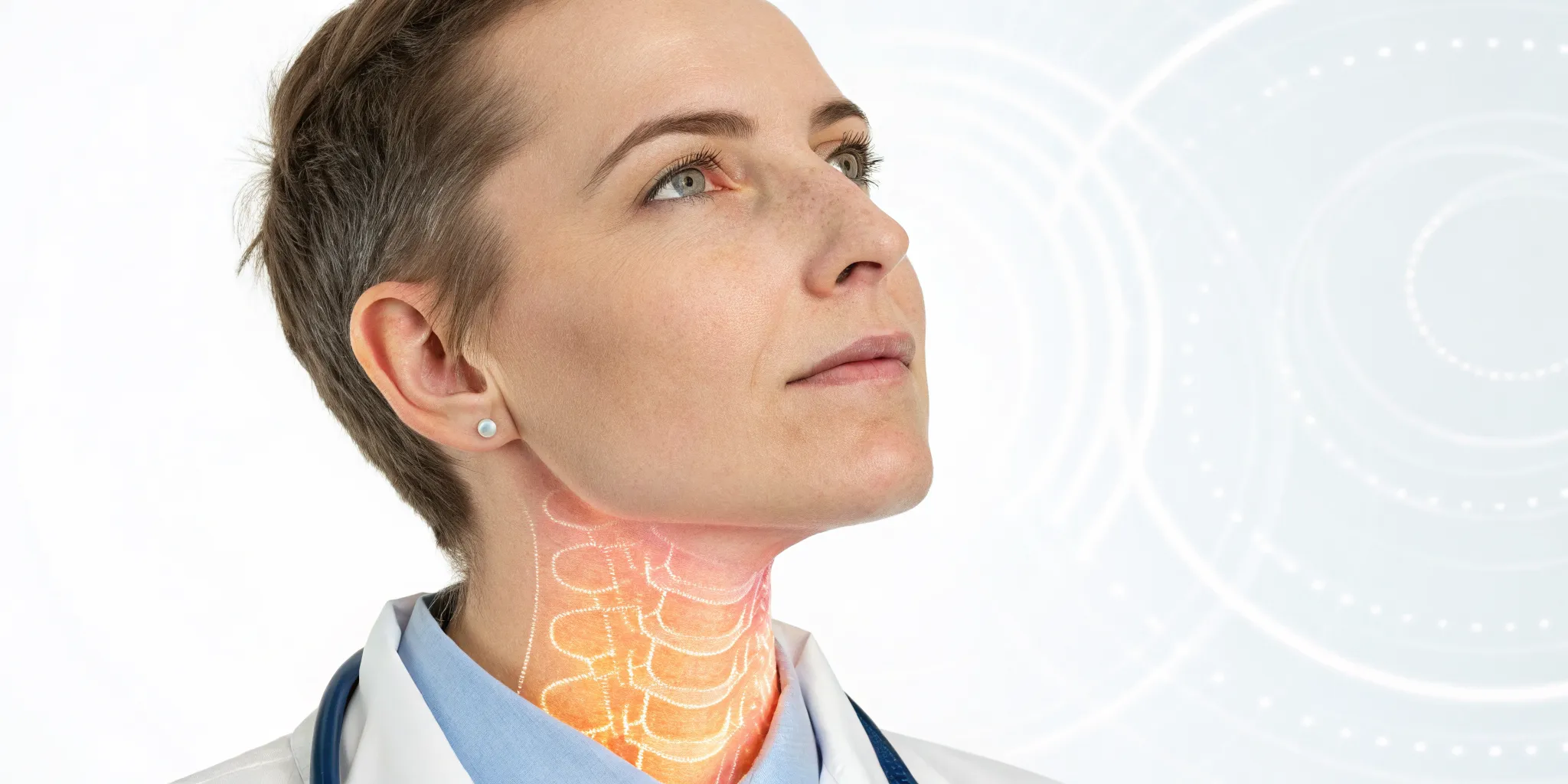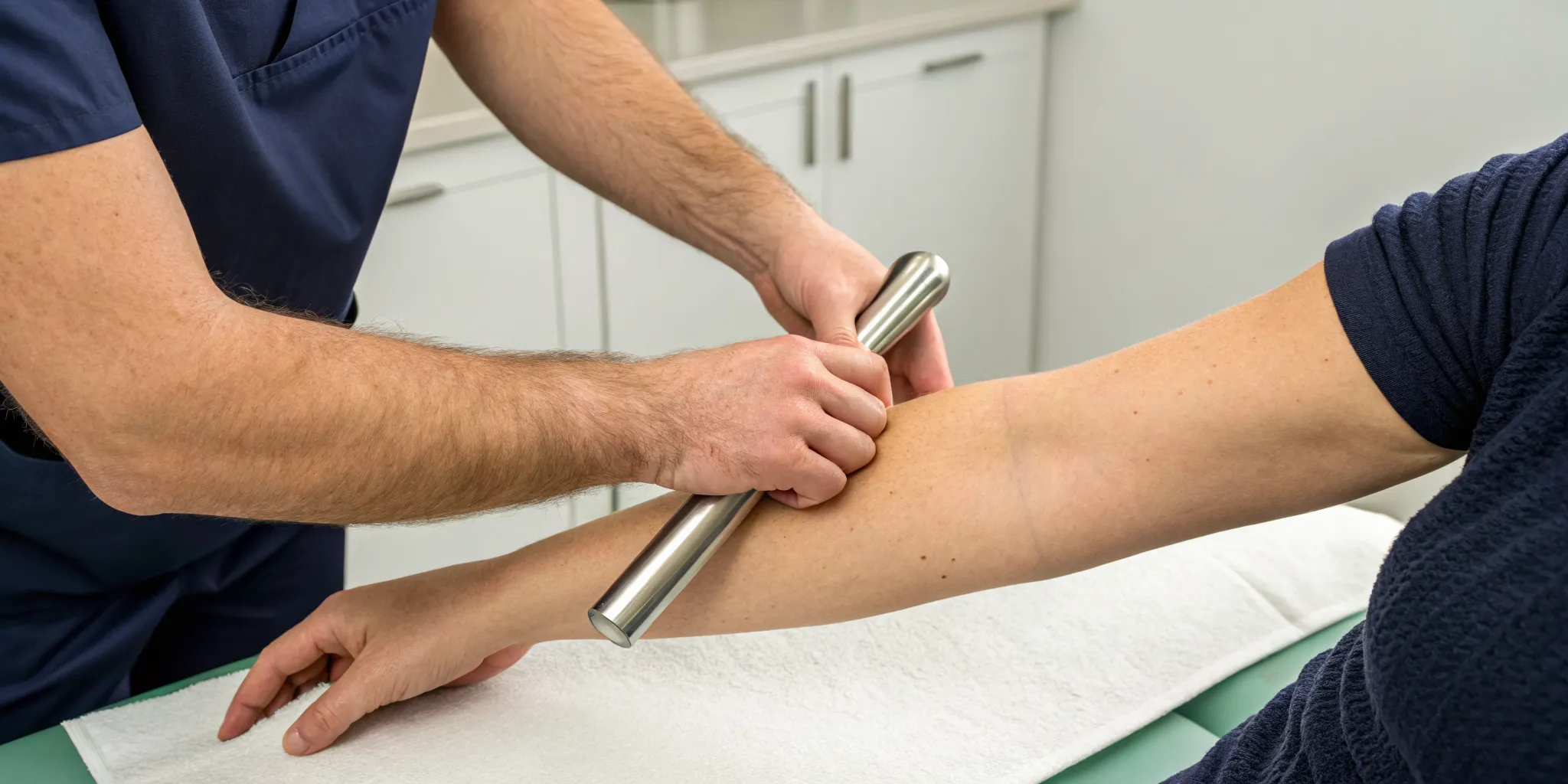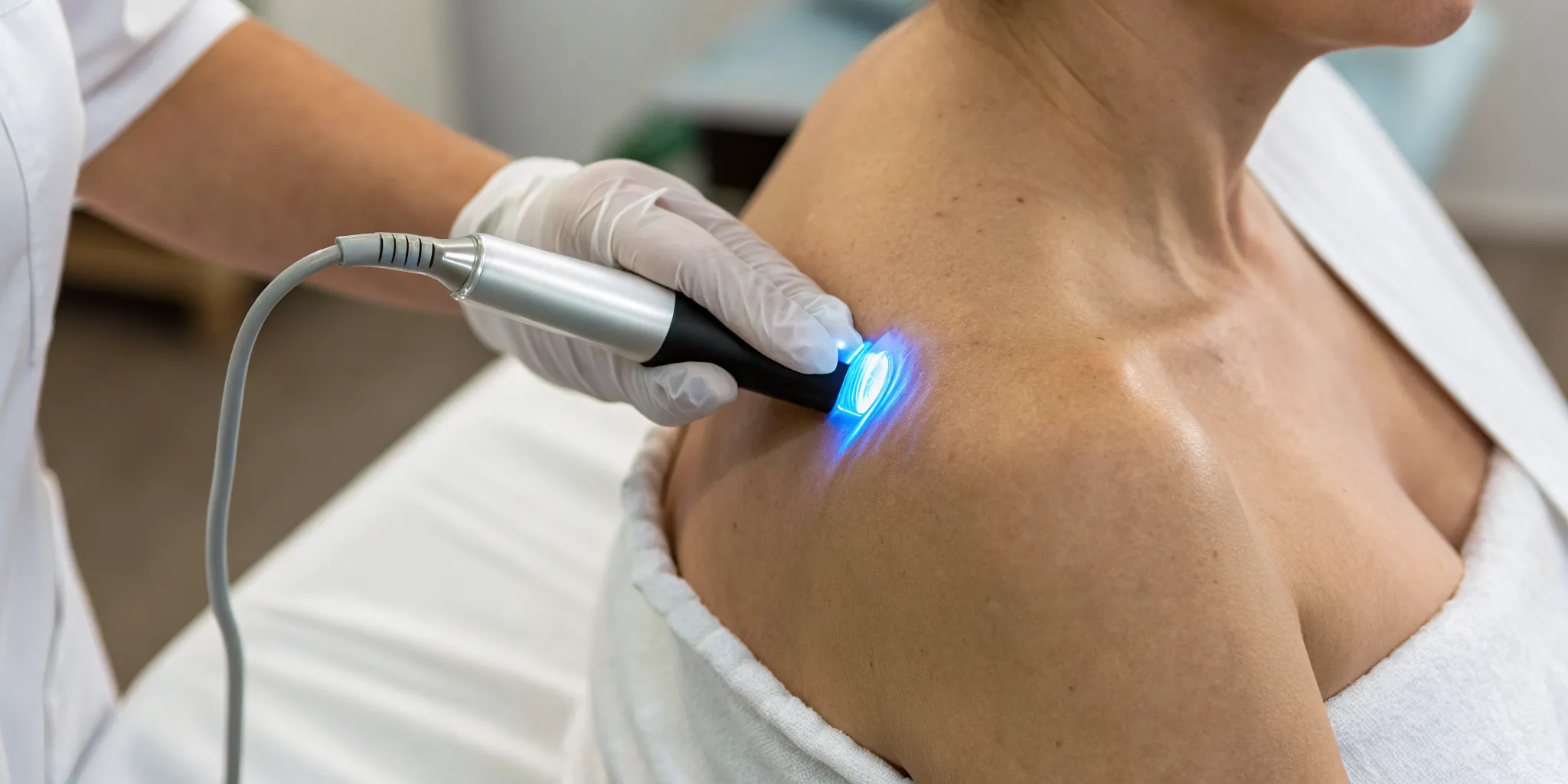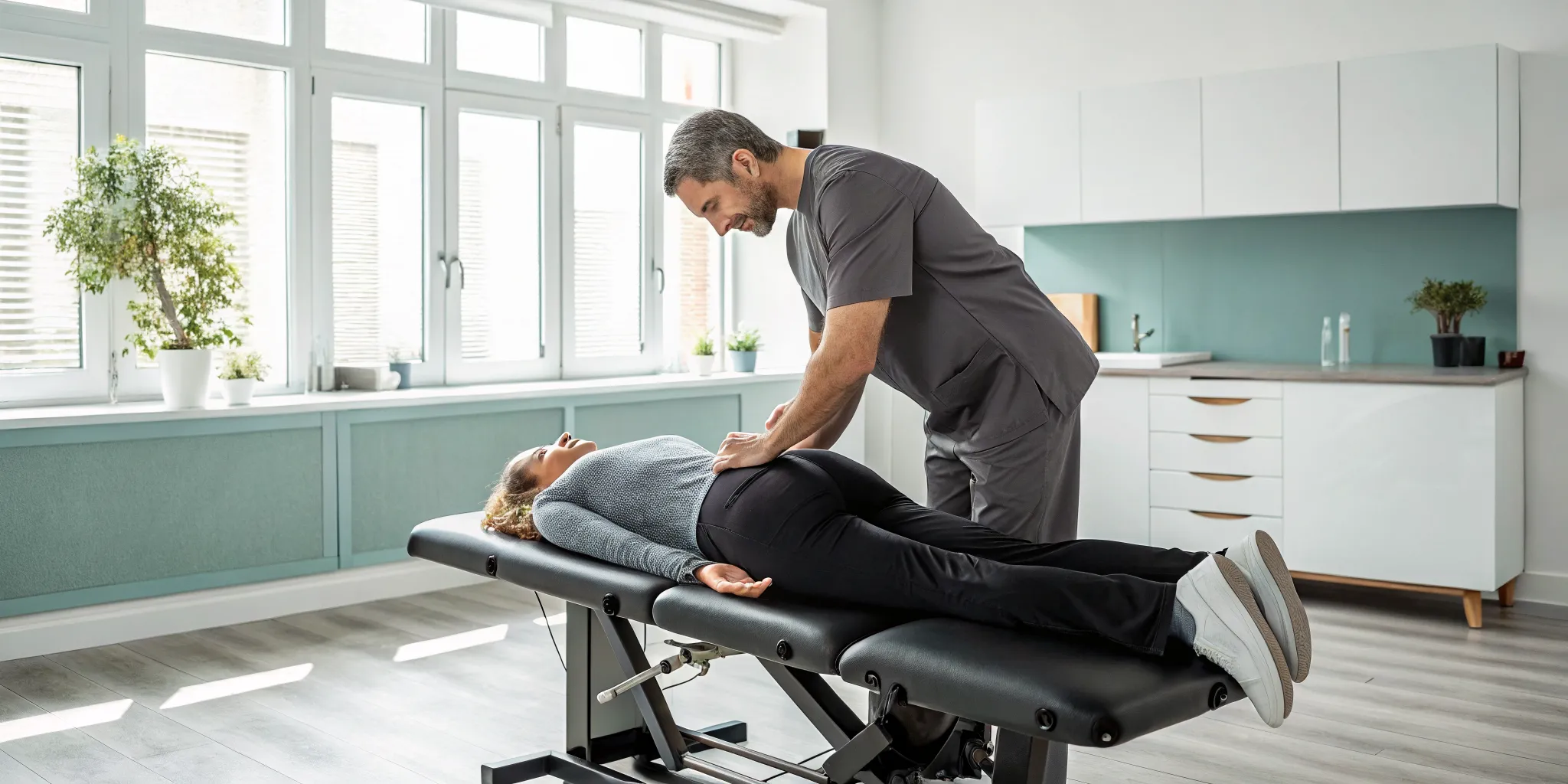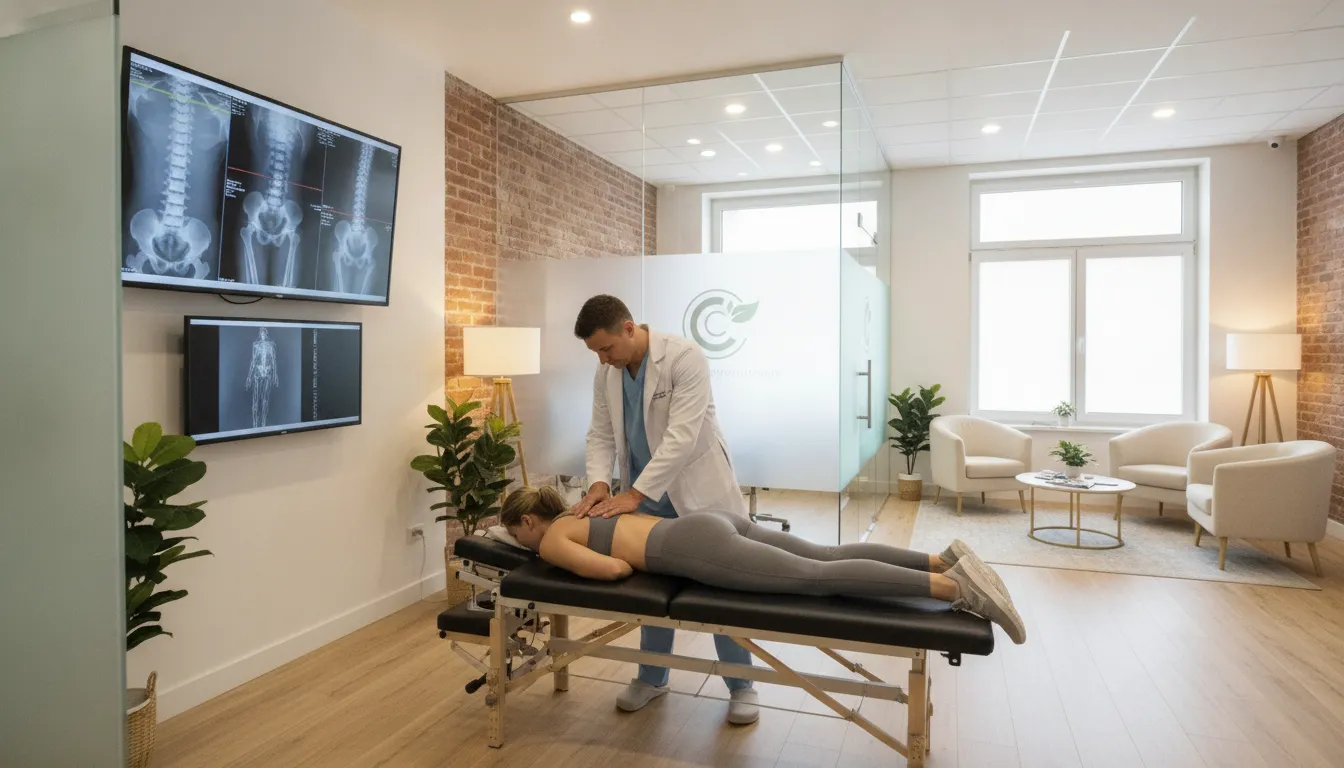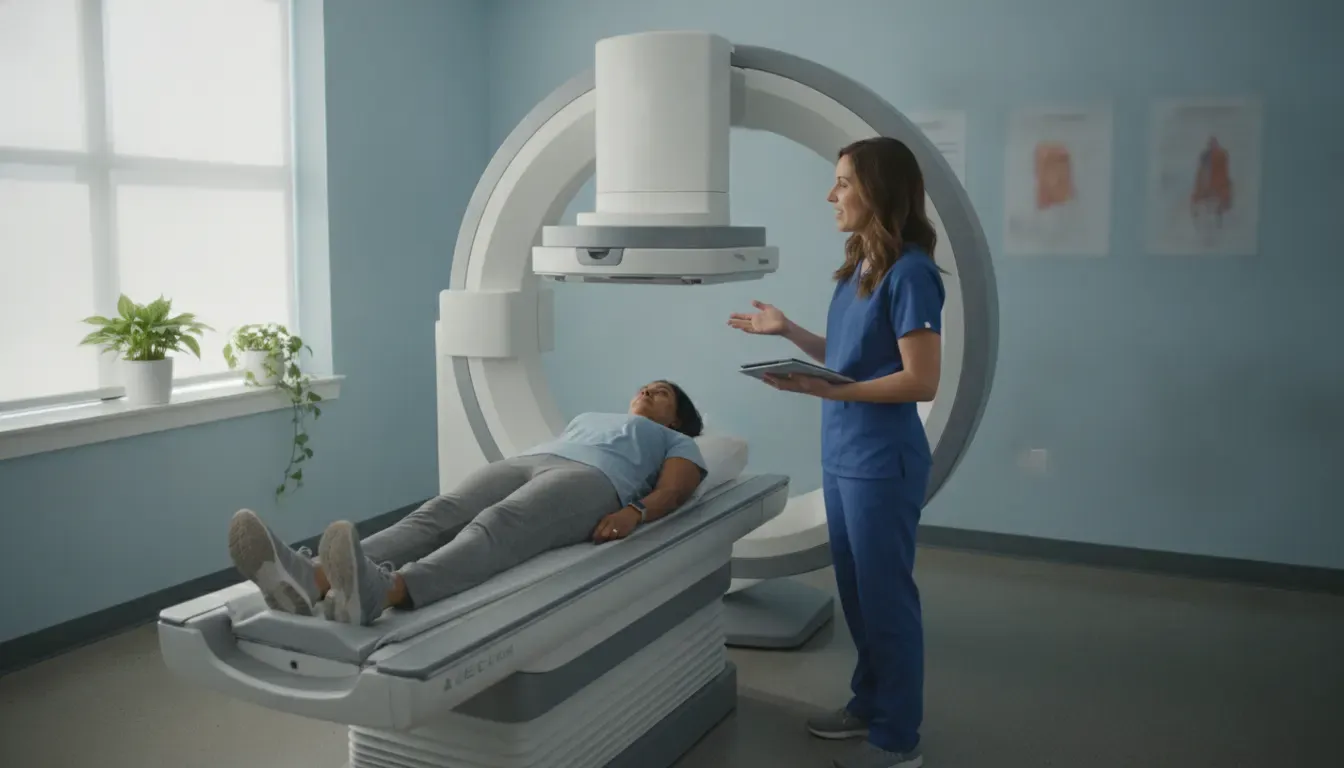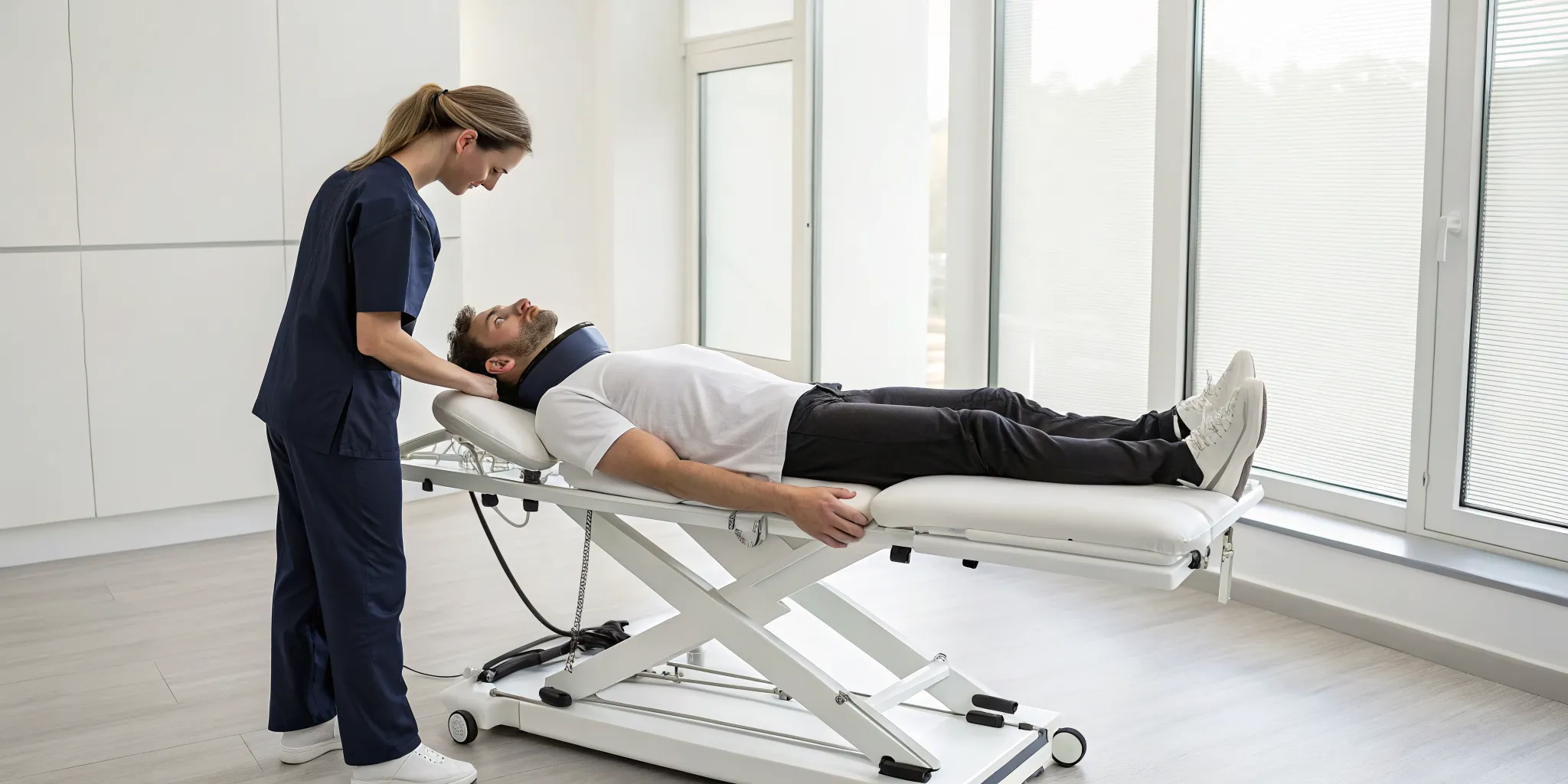
If the term “shockwave” sounds intense, let’s clear the air: this therapy has nothing to do with electricity. Instead, it uses the power of targeted acoustic waves to stimulate healing deep within your body’s tissues. Think of it as a way to gently awaken your internal repair crew and direct it to the exact spot that needs help. It’s a sophisticated, non-invasive method that works with your body, not against it. For those struggling with chronic pain, shockwave therapy for ligament injuries offers a path to recovery by encouraging blood flow, breaking down scar tissue, and regenerating healthy cells. Here, we’ll explore the science behind this treatment and how it fits into a holistic plan for getting you back to feeling your best.
Key Takeaways
- It prompts your body to heal itself: This therapy uses acoustic waves to create a healing response deep within your tissues. By increasing blood flow and encouraging new cell growth, it helps your body repair chronic tendon and ligament injuries without incisions or needles.
- It targets stubborn, chronic pain: Shockwave therapy is particularly effective for nagging injuries that have stopped healing on their own, such as plantar fasciitis or tennis elbow. If you're dealing with persistent pain from a soft tissue injury, this treatment can help break the cycle and promote lasting relief.
- It's one piece of your recovery puzzle: While powerful, shockwave therapy is most effective when integrated into a holistic treatment plan. We use it alongside other therapies, like chiropractic care and corrective exercises, to address the root cause of your pain and build strength to prevent future issues.
How Does Shockwave Therapy Work?
If the word “shockwave” makes you a little nervous, I get it. But let’s clear one thing up right away: this therapy has nothing to do with electric shocks. Instead, it uses the power of sound waves to stimulate your body’s own healing abilities from the inside out. Think of it as a way to gently wake up the repair crews that are already inside you, directing them to the exact spot that needs help. It’s a targeted, non-invasive approach that works with your body, not against it, to address the root cause of your pain and promote long-term healing for chronic injuries.
The Science of Sound Waves
So, how can sound waves actually heal tissue? Shockwave therapy sends high-energy acoustic waves through your skin directly to the injured area. These waves create a controlled, microscopic level of trauma in the tissue, which might sound counterintuitive, but it’s actually the key to its success. This process triggers a cascade of your body’s natural healing responses. It increases blood flow and circulation to the area, bringing in more oxygen and nutrients. It also stimulates cellular activity, encouraging the regeneration of damaged tendons and ligaments. This is a core part of our Physical Medicine approach, using advanced technology to help your body do what it does best: heal itself.
Radial vs. Focused Shockwave Therapy
Not all shockwave treatments are the same. There are two main types: radial and focused. Think of radial shockwave therapy like a sprinkler; it spreads lower-energy waves over a wider, more superficial area. This makes it great for treating conditions that are closer to the skin’s surface. Focused shockwave therapy, on the other hand, is more like a high-pressure hose jet. It delivers higher-energy waves to a precise, targeted point deep within the tissue. This is ideal for injuries located further from the surface, like a deep ligament sprain. The type of therapy we choose depends entirely on your specific injury, its location, and its severity, ensuring your treatment is perfectly tailored to you.
How It Compares to Other Therapies
When you’re dealing with chronic pain, you want effective solutions without significant downtime. One of the biggest advantages of shockwave therapy is that it’s completely non-invasive. There are no needles and no lengthy recovery periods. While some people feel relief after just a few sessions, it’s important to see it as one powerful tool in a larger toolbox. For the best results, we often integrate shockwave therapy into a holistic treatment plan. It works beautifully alongside other therapies like chiropractic adjustments and corrective exercises to enhance your recovery. By addressing the many conditions we treat from multiple angles, we can help you get back to feeling your best more effectively.
Common Injuries Treated with Shockwave Therapy
Shockwave therapy is a versatile tool we use to address chronic pain, especially in areas where tendons and ligaments have been slow to heal. If you've been dealing with a nagging injury that just won’t go away, this therapy could be a key part of your recovery. It’s particularly effective for tendinopathies, which are stubborn injuries often caused by overuse. At Ascend Functional Health, we incorporate it into our physical medicine protocols to help your body regenerate tissue and finally find relief from persistent pain that holds you back from living fully.
Achilles Tendinopathy
If you feel a persistent pain in the tendon that connects your calf muscle to your heel bone, you might be dealing with Achilles tendinopathy. This condition is common in runners and active individuals, but it can affect anyone. The pain can be frustrating and limit your ability to walk, run, or even stand comfortably. Shockwave therapy targets this area with high-energy acoustic waves, which helps stimulate your body's natural healing processes. This treatment can encourage tissue regeneration, reduce pain, and get you back on your feet without the long recovery times associated with more invasive procedures.
Tennis and Golfer's Elbow
Despite their names, you don't have to play tennis or golf to experience the nagging pain of these conditions. Tennis elbow causes pain on the outside of your elbow, while golfer's elbow affects the inside. Both are forms of tendinitis caused by repetitive motions of the wrist and arm. For these long-lasting tendon problems, shockwave therapy has been shown to be quite effective. By applying sound waves to the affected area, we can help reduce pain and improve your elbow's function, allowing you to return to your daily activities with more comfort and strength. It's one of the many conditions we treat with a holistic approach.
Patellar Tendinitis
Often called "jumper's knee," patellar tendinitis is an injury to the tendon connecting your kneecap to your shinbone. It creates pain right at the front of your knee, which can make activities like jumping, running, or even climbing stairs difficult. While more research is always helpful, some studies show that shockwave therapy can offer a reduction in pain and an improvement in function for those suffering from this condition. When included as part of a comprehensive treatment plan, it can help stimulate the healing that your knee needs to feel and perform better.
Rotator Cuff Injuries
Shoulder pain is incredibly common, and it's often linked to rotator cuff tendinitis. This happens when the tendons around your shoulder joint become irritated or damaged. The evidence for using shockwave therapy on rotator cuff injuries is still developing, with some studies showing more benefit than others. Because every person's body is different, we believe in creating a personalized plan. For some, shockwave therapy might be a great addition to their holistic treatment plan, working alongside other therapies to support healing and restore mobility in the shoulder.
Plantar Fasciitis
If the first few steps out of bed in the morning cause a sharp, stabbing pain in your heel, you are likely all too familiar with plantar fasciitis. This condition is one of the most common causes of heel pain, and it can be notoriously difficult to resolve. Fortunately, this is an area where shockwave therapy truly excels. There is strong evidence showing that this treatment leads to significant improvements in both pain and function for people with plantar fasciitis. It works by stimulating blood flow and tissue repair in the plantar fascia, offering a powerful path to lasting relief. If you're tired of heel pain controlling your life, we encourage you to contact us to see if this therapy is right for you.
Key Benefits of Shockwave Therapy
When you're dealing with a nagging injury that just won't heal, it’s easy to feel frustrated. You want a solution that does more than just cover up the pain. Shockwave therapy is a fantastic option because it works on a deeper level, addressing the root causes of chronic pain and dysfunction. It’s not about a temporary fix; it’s about creating real, lasting change in the tissue. By stimulating your body's own healing mechanisms, this therapy can help you get back to feeling and moving your best. Let's look at some of the key ways it accomplishes this.
A Non-Invasive Path to Pain Relief
One of the biggest advantages of shockwave therapy is that it's completely non-invasive. This means it doesn't require any incisions, needles, or lengthy recovery periods. Instead of resorting to more aggressive measures, this treatment uses targeted sound waves applied to the skin's surface to initiate healing from within. For many people struggling with chronic tendon or ligament pain, this is a huge relief. You can get the benefits of a powerful, regenerative treatment without the risks and downtime that come with surgical procedures. It’s a way to address your pain and get back to your life faster, making it a cornerstone of modern physical medicine.
Accelerate Healing and Tissue Repair
Chronic injuries often get stuck in a cycle where the body’s natural healing process has stalled. Shockwave therapy acts as a catalyst to restart that process. The high-energy acoustic waves create a controlled micro-trauma in the targeted tissue, which sounds a bit counterintuitive, but it’s exactly what’s needed. This signals your body to jump back into action, triggering a powerful healing response. It stimulates the production of new collagen, which is the primary building block for your tendons and ligaments. This process helps repair damaged tissue and build a stronger, more resilient foundation, which is essential for overcoming the chronic conditions that hold you back.
Encourage Blood Flow to the Injured Area
Healthy blood flow is absolutely critical for healing. Your blood is the delivery system for oxygen and all the nutrients your tissues need to repair themselves. When an area is injured, especially chronically, circulation can become poor, slowing down recovery. Shockwave therapy directly counters this by stimulating the formation of new blood vessels, a process called neovascularization. The acoustic waves create a response that is often compared to a very deep tissue massage, significantly increasing circulation to the injured area. This fresh blood supply flushes out inflammatory byproducts and delivers the resources your body needs to rebuild, creating an optimal environment for healing.
Break Down Scar Tissue for Better Mobility
When your body heals from an injury, it sometimes lays down scar tissue that is dense and disorganized. This fibrous tissue is less flexible than healthy tissue and can lead to stiffness, a limited range of motion, and persistent pain. Shockwave therapy is incredibly effective at breaking down this old, dysfunctional tissue and any calcifications that may have formed. The acoustic pulses physically disrupt these adhesions, allowing your body to clear them away and replace them with new, healthy, and properly aligned fibers. This process is key to restoring flexibility and function, helping you move freely and without pain. It’s a perfect example of our root-cause approach to helping you heal.
What to Expect During Your Session
If you're considering shockwave therapy, it’s completely normal to wonder what the process is like. Knowing what happens before, during, and after your sessions can help you feel more prepared and confident in your treatment plan. Our goal is to make your experience as comfortable and effective as possible, so let’s walk through each step together.
Before Your Appointment
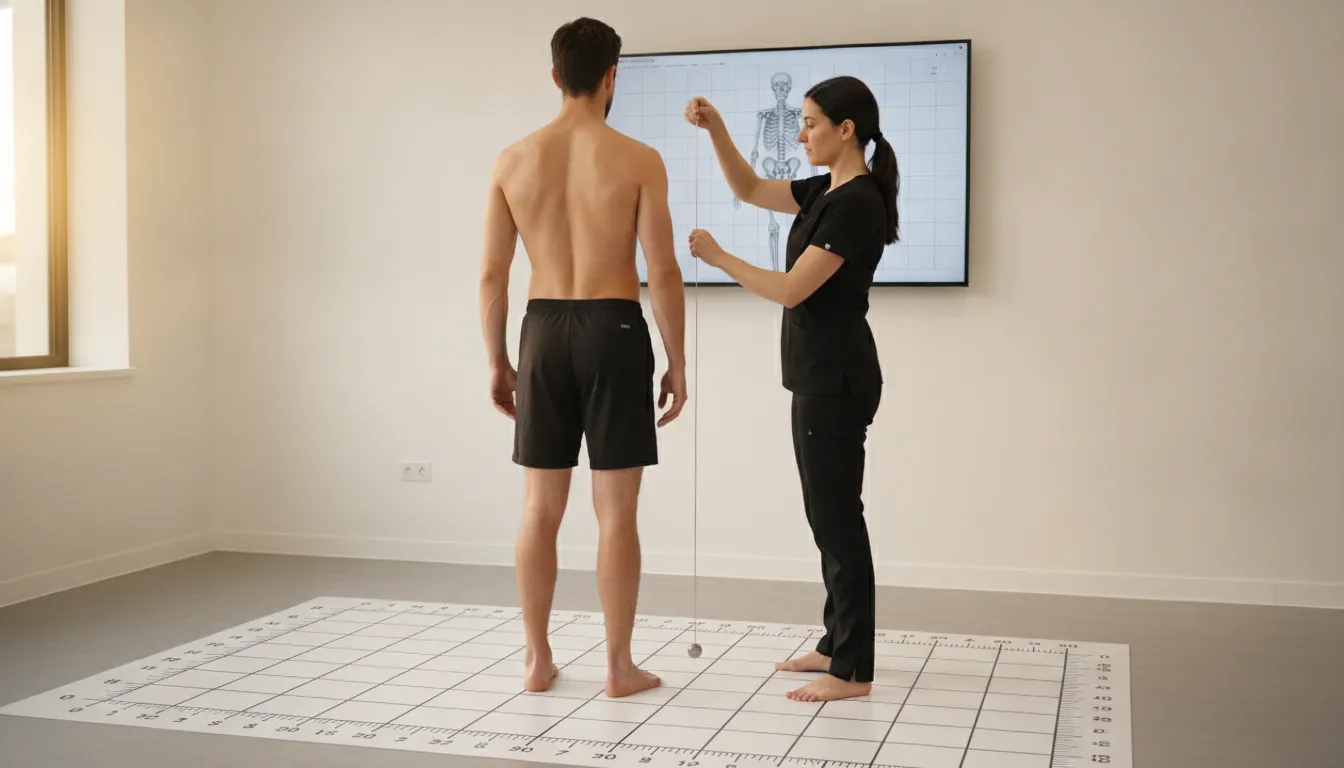
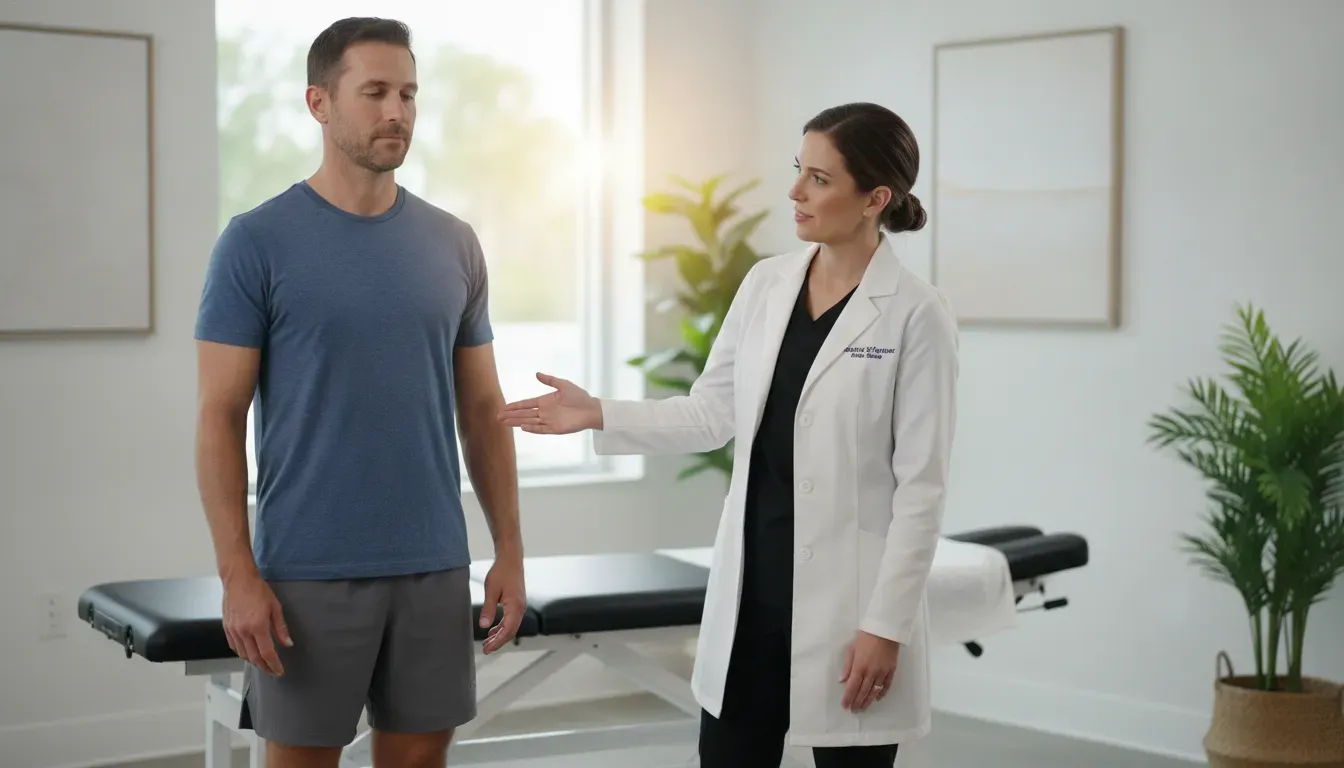
Your journey begins with a thorough conversation. Before we recommend shockwave therapy, one of our practitioners will carefully assess your injury and overall health history. This initial evaluation is crucial to determine if you are a suitable candidate for the treatment and to ensure it aligns with your specific health goals. We take a close look at the root cause of your discomfort to create a personalized plan that’s right for you. This is a key part of how we approach all the conditions we treat at our clinic, making sure every step is tailored to your body’s needs.
During the Treatment
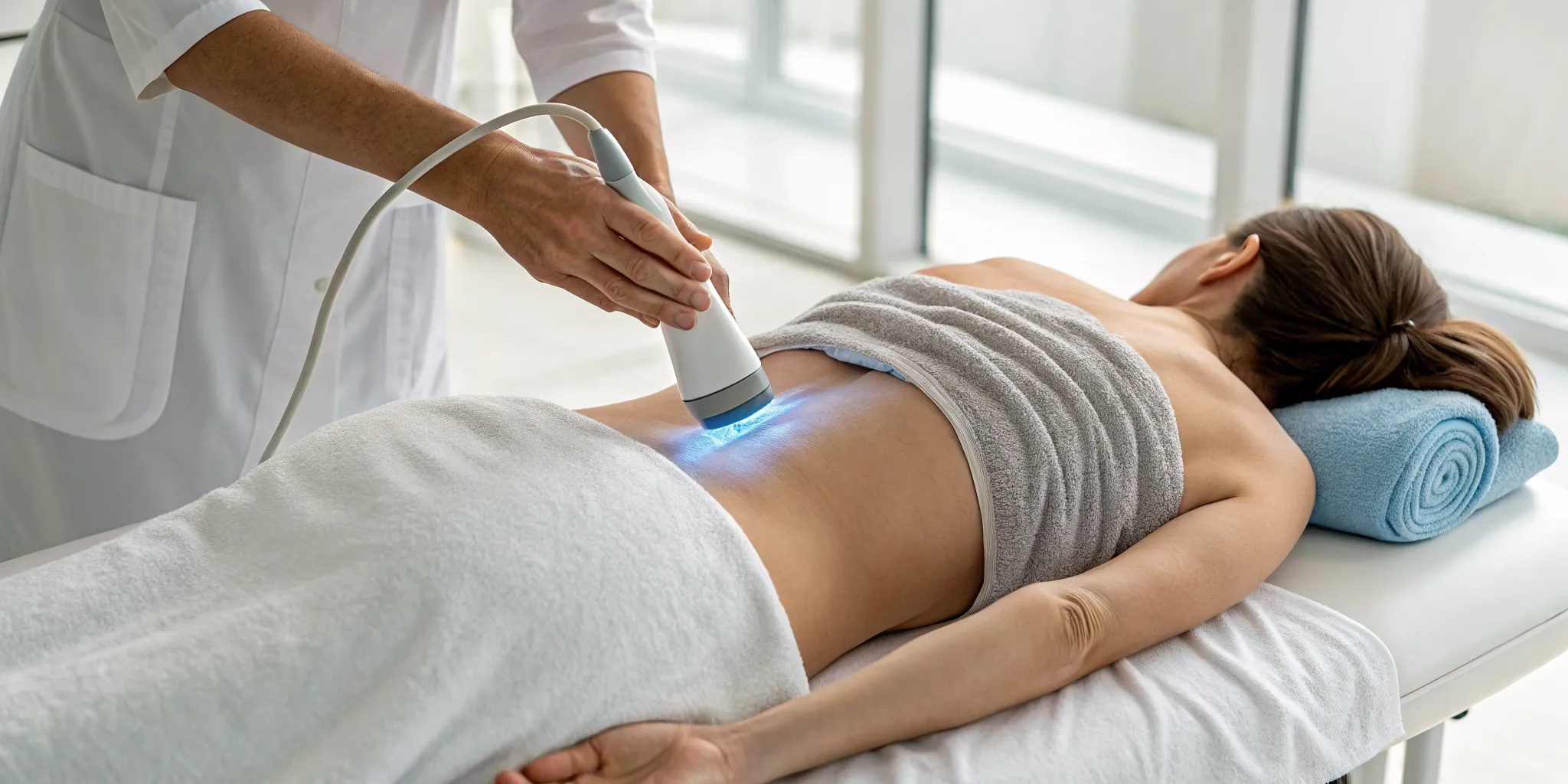
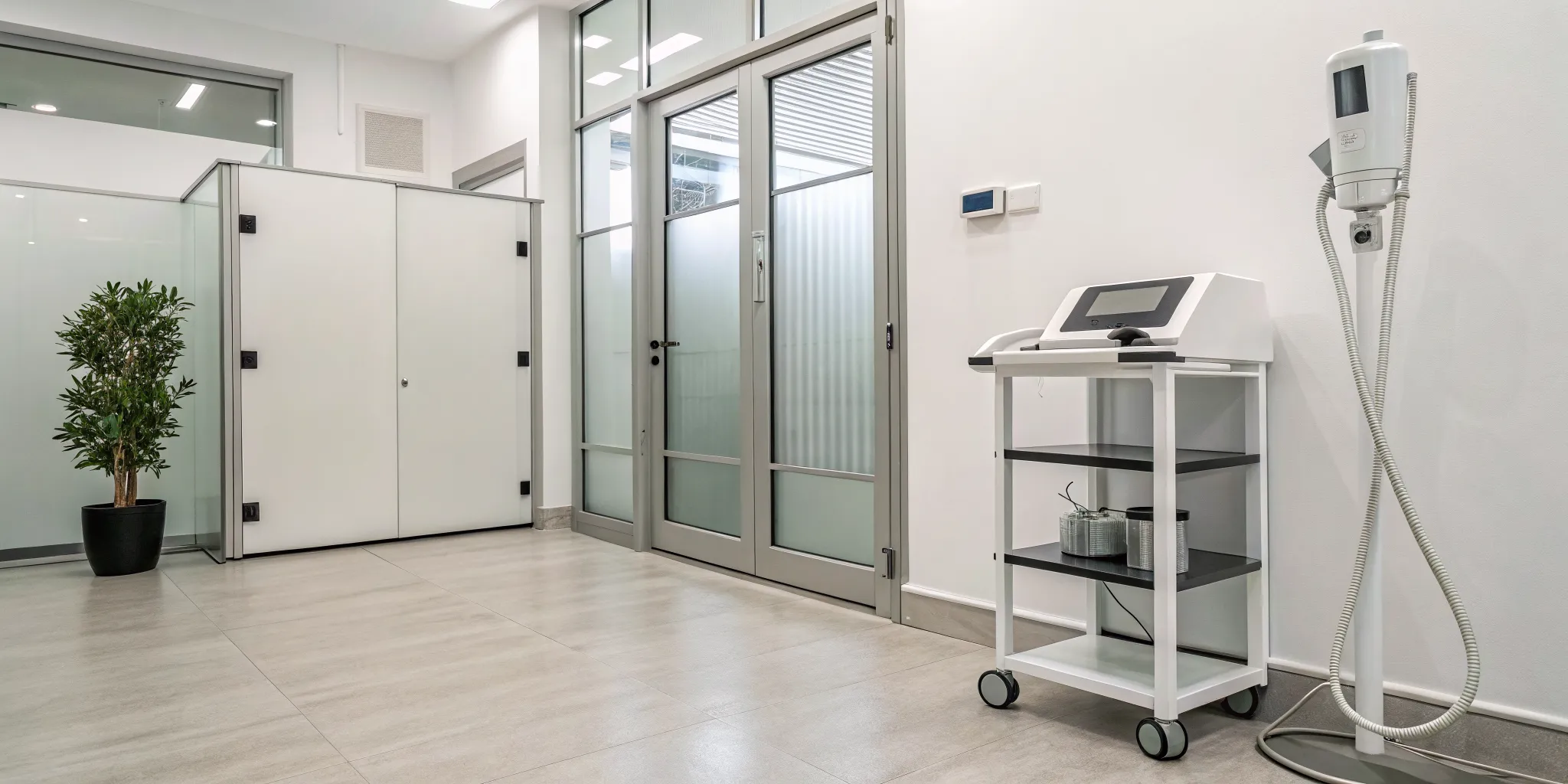
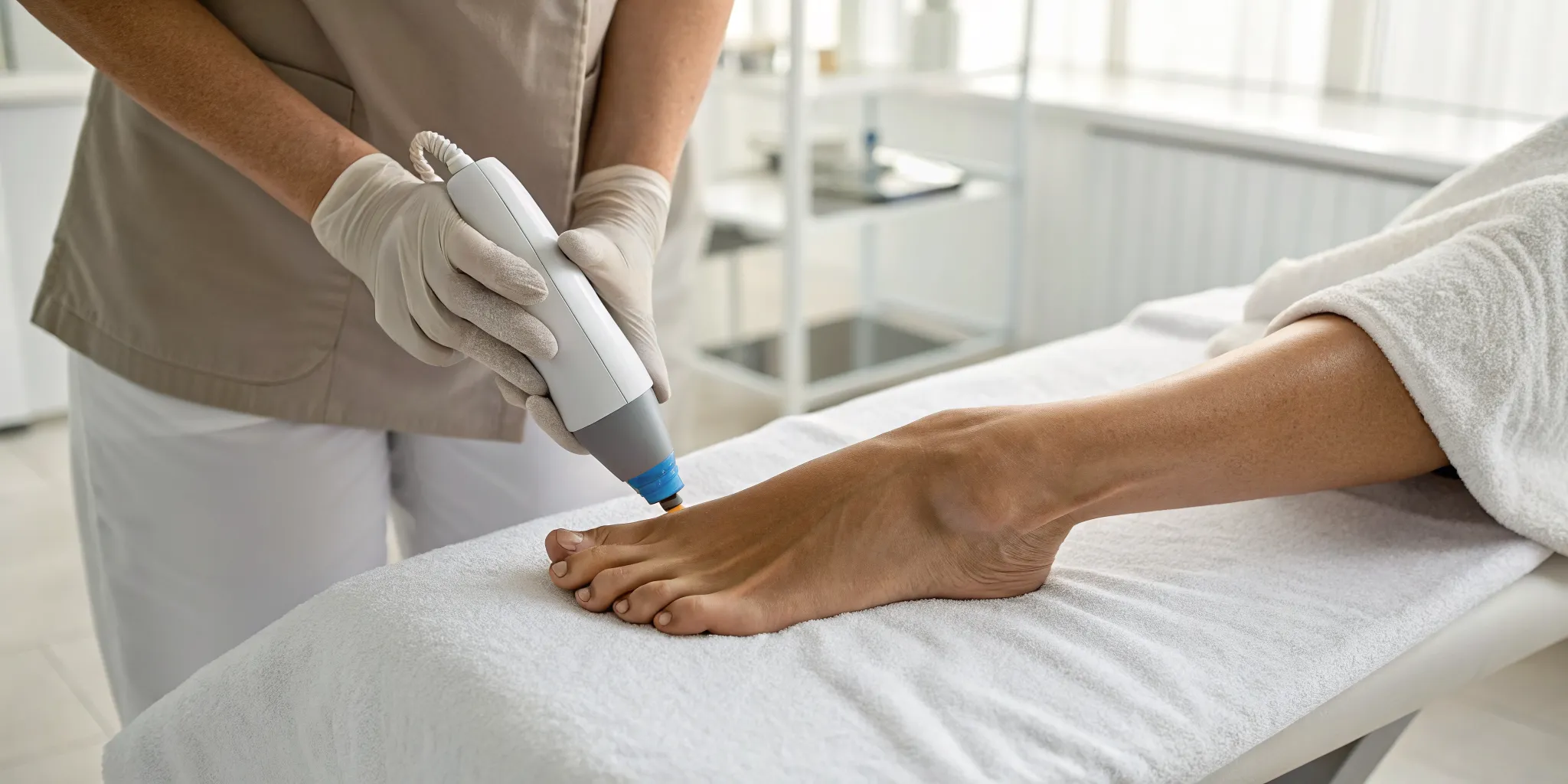
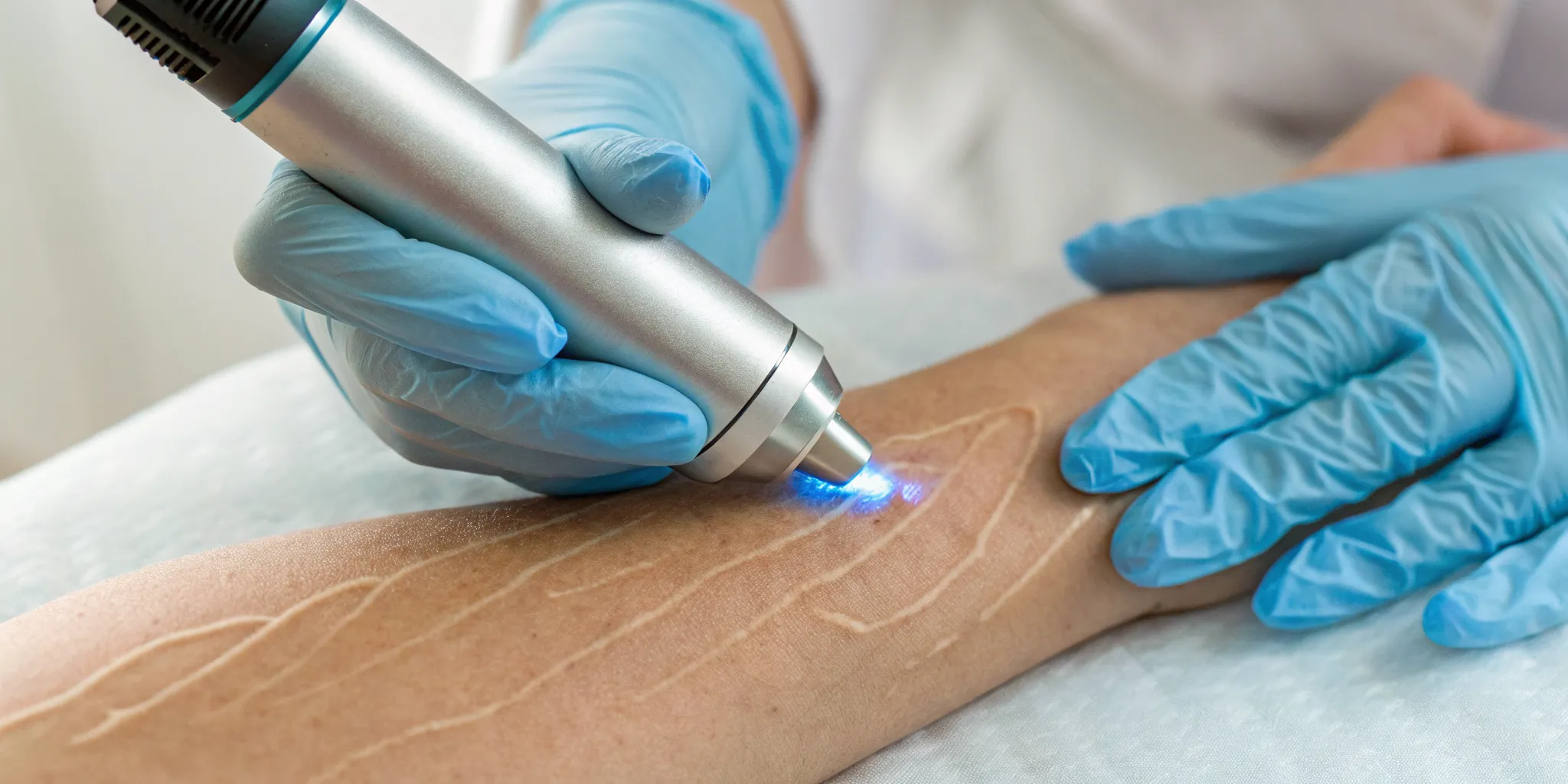
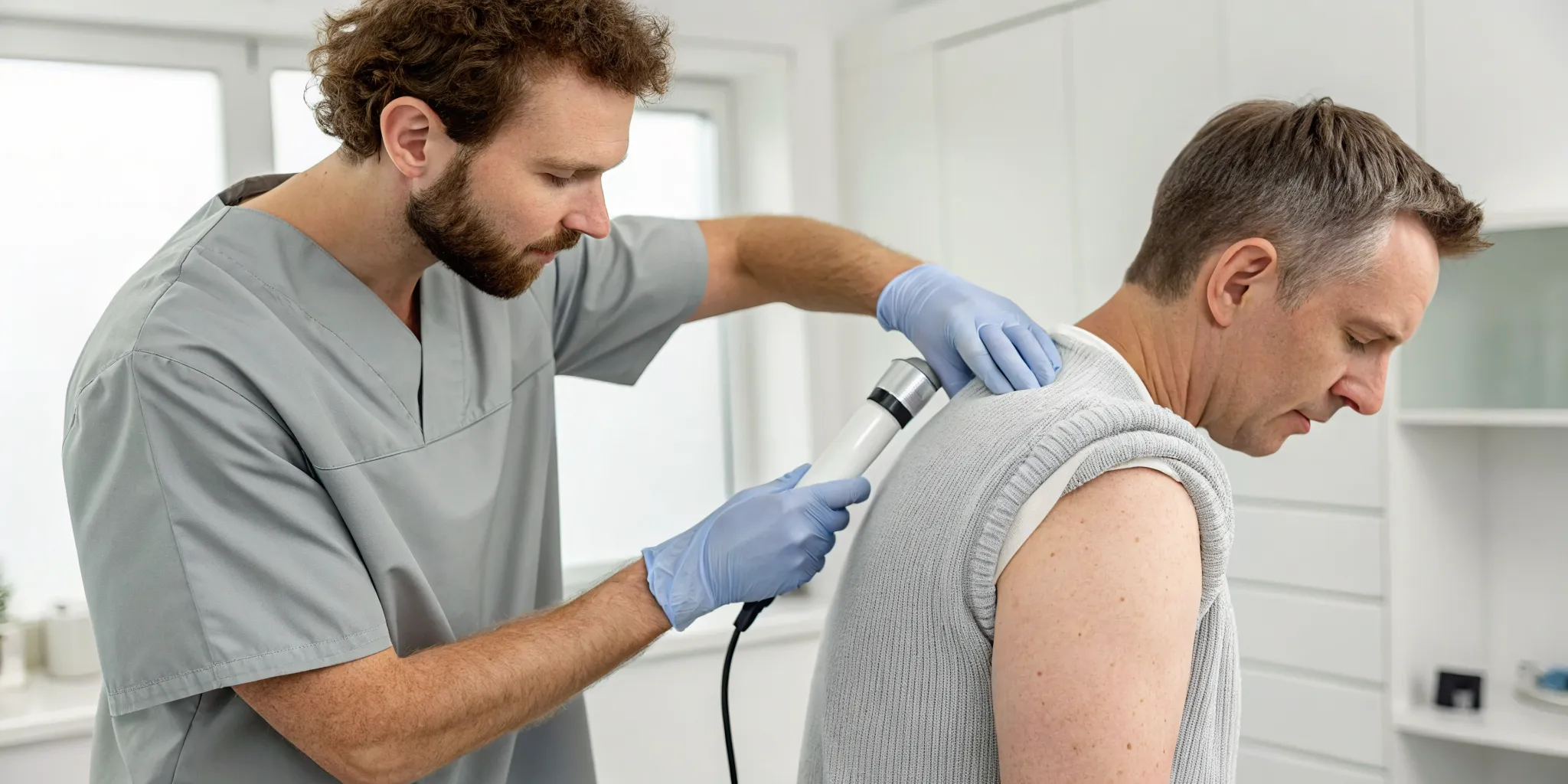
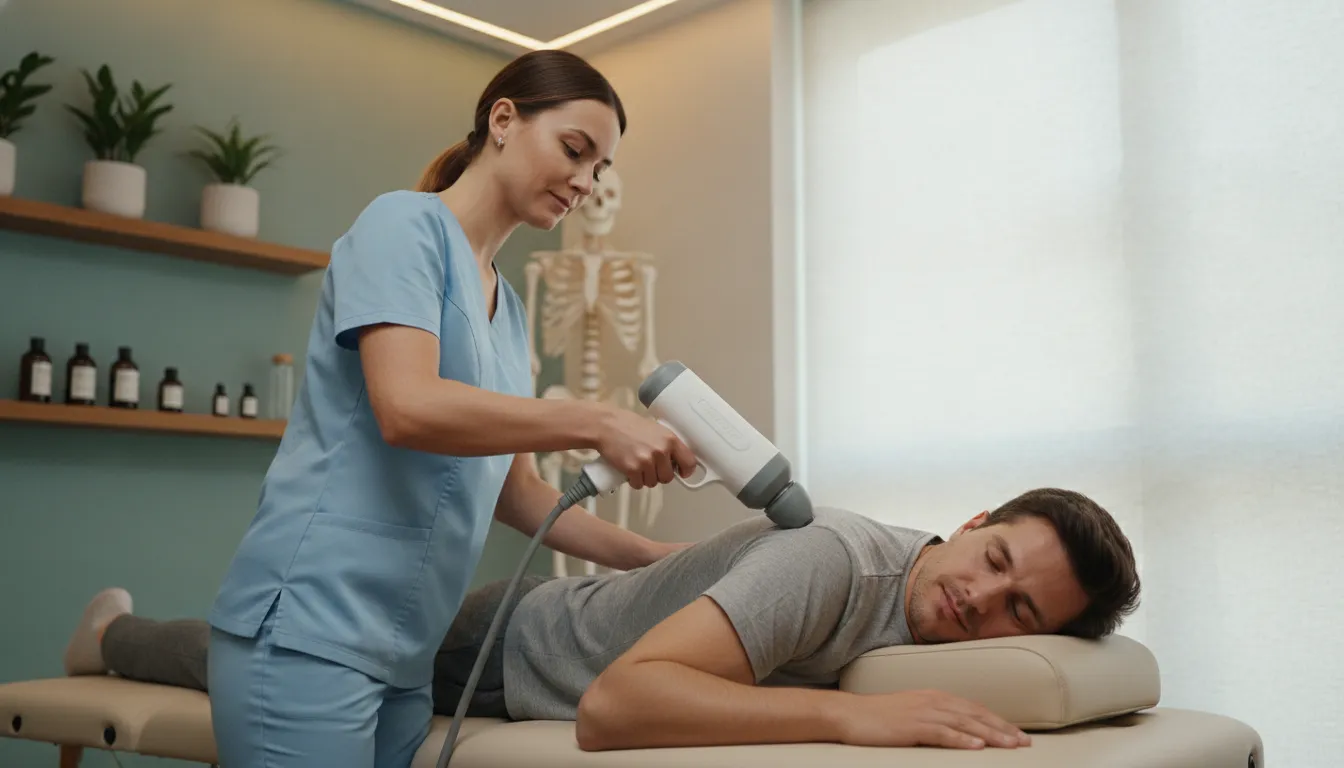
During the session itself, your clinician will apply a special gel to the treatment area and place the shockwave device against your skin. As the device works, you’ll likely feel a tapping or pulsing sensation. Most people describe this as a mild pressure or tingling that is generally well tolerated. The level of sensation can vary from person to person and depends on the specific injury being treated. The entire process is non-invasive and is a core component of our Physical Medicine services, designed to support your body’s natural healing abilities without significant downtime.
After Your Session
Once your session is complete, you can get back to your day with very few restrictions. Complications from shockwave therapy are rare, but it’s important to follow any aftercare instructions your clinician provides to ensure the best possible recovery. You might experience some temporary soreness in the treated area, which is a normal response as the healing process begins. Many of our patients report feeling gradual improvements in pain and mobility in the days and weeks following their sessions. You can read about their experiences and successful outcomes on our patient testimonials page.
How Many Sessions Until You See Results?
It’s the question on everyone’s mind: “When will I start to feel better?” While your healing journey is unique to you, many people report feeling a noticeable improvement in pain and mobility after just a few shockwave therapy sessions. The positive effects are often cumulative, meaning they build on each other with every appointment.
The exact number of sessions you’ll need depends on a few key factors. The type and severity of your ligament injury, how long you’ve been experiencing discomfort, and your body’s individual healing capacity all play a role. A chronic issue you’ve had for years may require a different approach than a more recent injury, which is why we always start with a thorough evaluation.
A typical treatment plan usually involves three to six sessions, scheduled about a week apart. This spacing gives your body the time it needs to kickstart the healing process between appointments. While some people experience pain relief shortly after their first treatment, the deeper tissue regeneration happens over the following weeks and months. The therapy stimulates your body’s natural repair crew, and that foundational work continues long after your final session is complete.
At Ascend Functional Health, we see shockwave therapy as a powerful component of a comprehensive strategy. It’s one of the many tools we use in our Physical Medicine approach to help you recover. We focus on creating a personalized plan that addresses the root cause of your injury, ensuring you get lasting results that support your overall well-being.
Are There Side Effects to Consider?
It’s smart to ask about side effects before starting any new treatment. One of the reasons shockwave therapy has become a go-to for chronic pain is its excellent safety profile. Complications are rare, and because the treatment is non-invasive, there’s no lengthy recovery time. Most people can get back to their daily activities right after a session. The side effects that do occur are typically minor and resolve on their own within a day or two.
Understanding Temporary Discomfort
Many people wonder if the treatment is painful. During your session, you’ll likely feel a tapping or pulsing sensation against your skin. Most patients describe this as a bit of mild discomfort or pressure rather than pain, and it’s generally well-tolerated. The intensity of the feeling often depends on your specific injury, how sensitive the area is, and whether the tissue is close to a bone. After the treatment, you might notice some temporary redness or soreness in the area, similar to how you’d feel after a deep-tissue massage. This is a normal response and a sign that the healing process is underway.
Who Might Not Be a Candidate
While shockwave therapy is a fantastic option for many, it isn’t the right fit for everyone. Certain health conditions can make the treatment unsuitable. For example, it’s generally not recommended for individuals who are pregnant, have certain nerve or circulation disorders, or have an active infection or open wound at the treatment site. This is why a thorough evaluation with a qualified provider is so important. We take the time to review your health history and assess your injury to determine if shockwave therapy is the safest and most effective path forward for you.
Could Shockwave Therapy Be Right for You?
Deciding on a new treatment path can feel like a big step, but it’s all about finding what works for your body and your goals. Shockwave therapy is a promising, non-invasive option for many people dealing with persistent soft tissue pain. If you’re curious whether it could be part of your healing journey, let’s walk through a few key considerations. The goal is to help you understand if this is a conversation worth having with a trusted provider who can look at your unique situation.
Signs It Might Be a Good Fit
If you've been dealing with a nagging injury for weeks or even months with little improvement, shockwave therapy might be something to explore. It’s often considered for chronic conditions that affect tendons and ligaments, like plantar fasciitis that makes your first steps in the morning a challenge, or a stubborn case of tennis elbow that just won’t quit. This therapy is designed to address pain and promote healing in these specific types of injuries. If you’re an active person eager to get back to your routine or you’re simply tired of being limited by discomfort from the conditions we treat, it’s worth learning more about this option.
What to Discuss With Your Provider
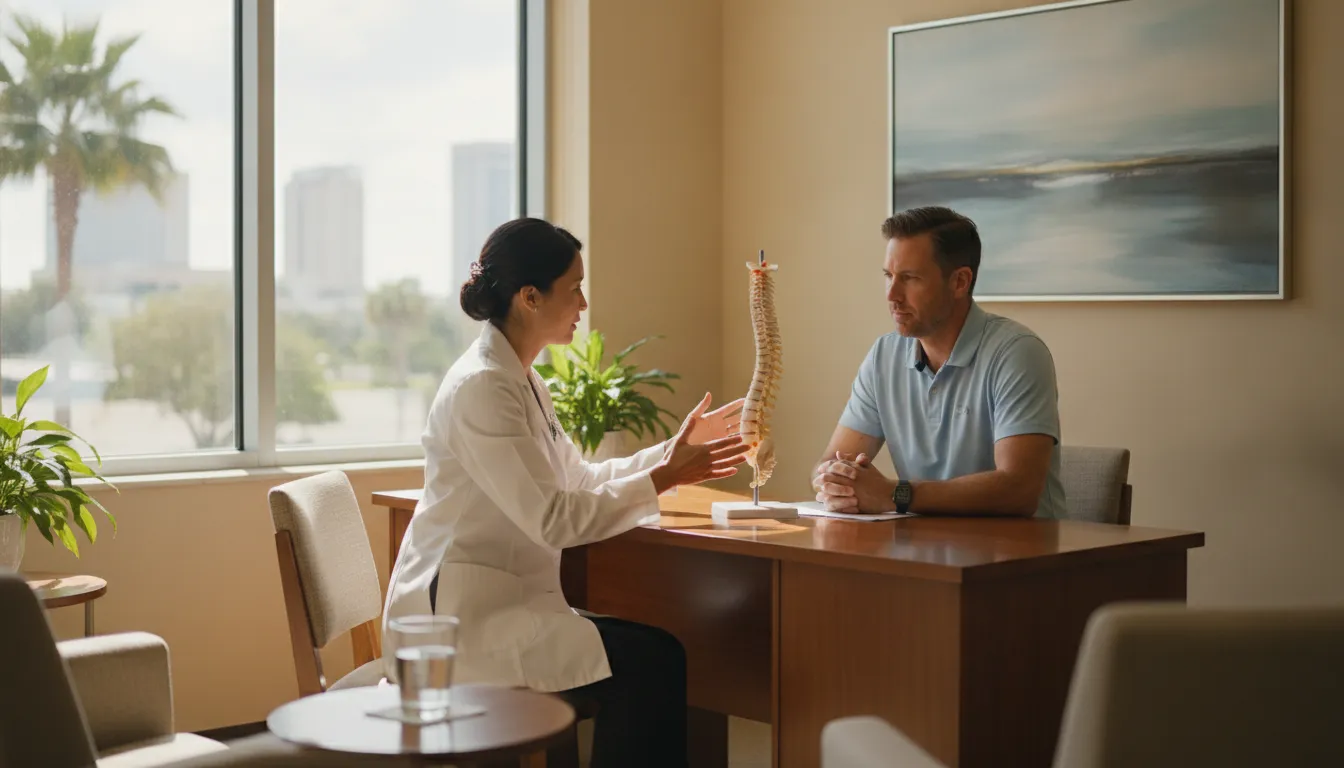
Your first step is always a conversation. A thorough assessment of your injury and overall health is essential before beginning any new treatment. When you meet with a provider, be ready to share your full health history and the story of your injury. It’s also a great time to ask questions. You can ask what the treatment feels like, how many sessions might be needed, and what you can expect during and after the appointment. The sensation can vary depending on the person and the location of the injury, so getting a clear picture helps you prepare. This initial consultation is key to creating a personalized and effective plan together.
Your Holistic Treatment Plan at Ascend Functional Health
At Ascend Functional Health, we see shockwave therapy as one powerful tool in a much larger toolbox. We focus on integrating it into a complete, holistic plan that addresses the root cause of your pain. This therapy can be incredibly effective for reducing pain and improving function, but we also want to know why the injury occurred in the first place. That’s why we often pair it with other Physical Medicine approaches, such as corrective exercises or chiropractic adjustments. This combination helps ensure we’re not just quieting a symptom but are also strengthening your body to prevent the issue from returning, helping you achieve lasting results.
Related Articles
- SoftWave Tissue Regeneration Therapy in Tampa | Alessi Functional Health
- SoftWave TRT Therapy in Tampa, FL - Alessi Functional Health
- Regenerative Medicine for Pain Recovery | Ascend Functional Health
- Root Cause Treatment for Chronic Pain | Ascend Functional Health
- What Is Soft Tissue Therapy? A Complete Guide
Frequently Asked Questions
Does shockwave therapy hurt? This is a great question, and the short answer is that most people find it very manageable. During the treatment, you will feel a tapping or pulsing sensation on your skin. The feeling can range from a light pressure to a more intense sensation, especially over a particularly sensitive or injured area. We can always adjust the intensity to keep you comfortable. Afterward, it’s common to feel a little sore, much like you would after a deep tissue massage, which is a good sign that your body is starting its healing response.
How quickly will I feel better after starting treatment? While some people report feeling some relief after just one or two sessions, the real magic happens over time. Shockwave therapy is designed to stimulate your body’s own repair crews, and that rebuilding process doesn’t happen overnight. The positive effects are cumulative, so you’ll likely notice gradual improvements in pain and function as you move through your treatment plan. The most significant and lasting results often appear in the weeks and months following your final session as the tissue fully regenerates.
What makes this different from other treatments for chronic pain? The biggest difference is that shockwave therapy is a non-invasive treatment that works to address the root cause of your injury. Instead of just temporarily masking pain, it actively stimulates your body to heal itself from the inside out. It helps restart a stalled healing process by increasing blood flow, encouraging the formation of new tissue, and breaking down old scar tissue. The goal is to create real, structural change for long-term relief and improved function.
How do I know if I am a good candidate for this therapy? Shockwave therapy is particularly effective for chronic tendon and ligament issues that have not improved with rest or other initial approaches. Conditions like plantar fasciitis, Achilles tendinopathy, and tennis elbow often respond very well. However, it is not the right fit for everyone. The only way to know for sure is to have a thorough evaluation. We will discuss your health history and assess your injury to determine if this is the safest and most effective path for you.
What happens in my body after the sessions are finished? The work doesn't stop when your treatment plan ends. The acoustic waves act as a catalyst, setting off a chain reaction of healing that continues for weeks and even months. Your body will keep working to create new blood vessels, produce fresh collagen to build stronger tissue, and clear away old, dysfunctional scar tissue. This is why the results are so lasting; the therapy empowers your body to build a healthier, more resilient foundation in the injured area long after your final appointment.