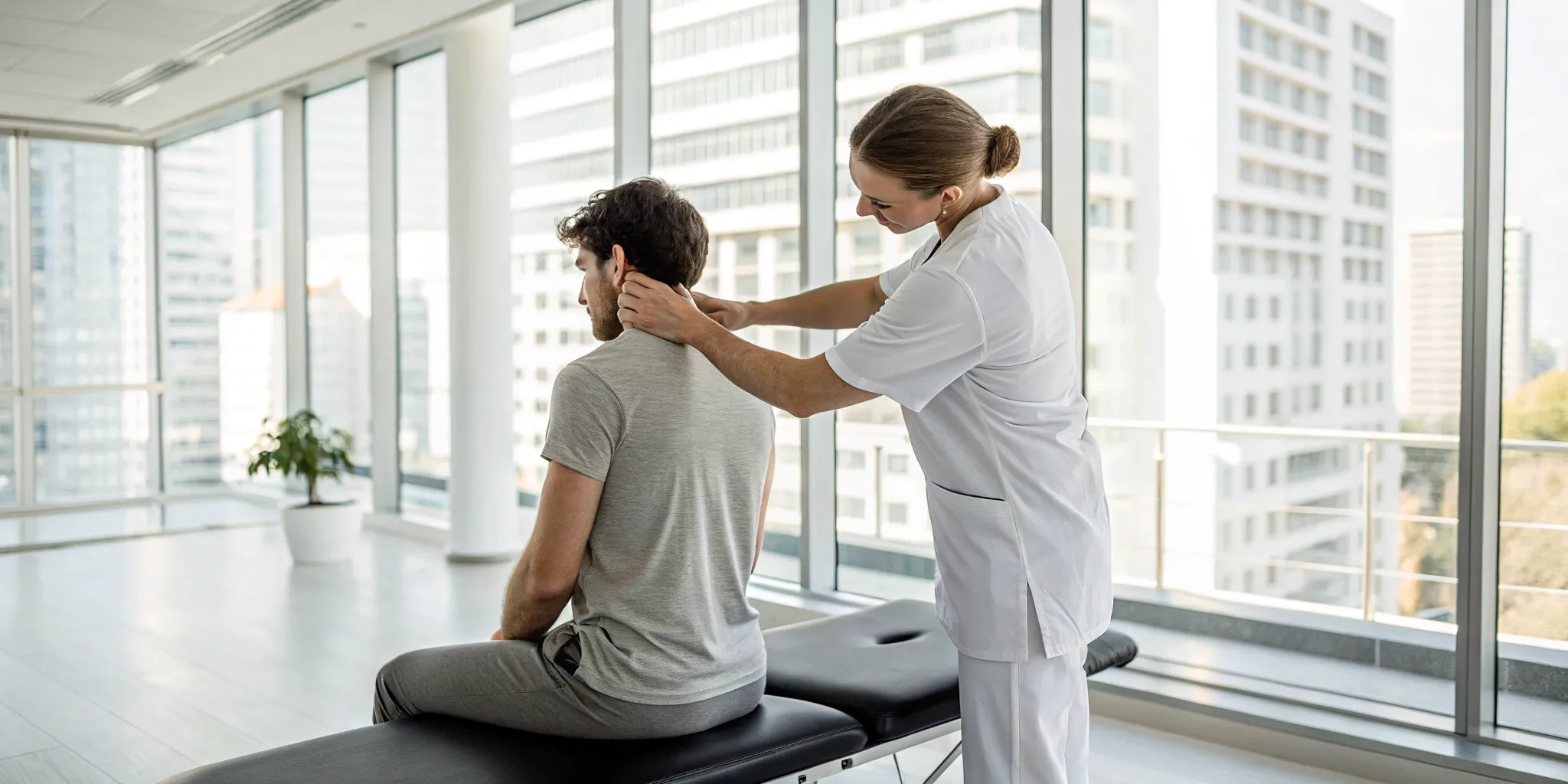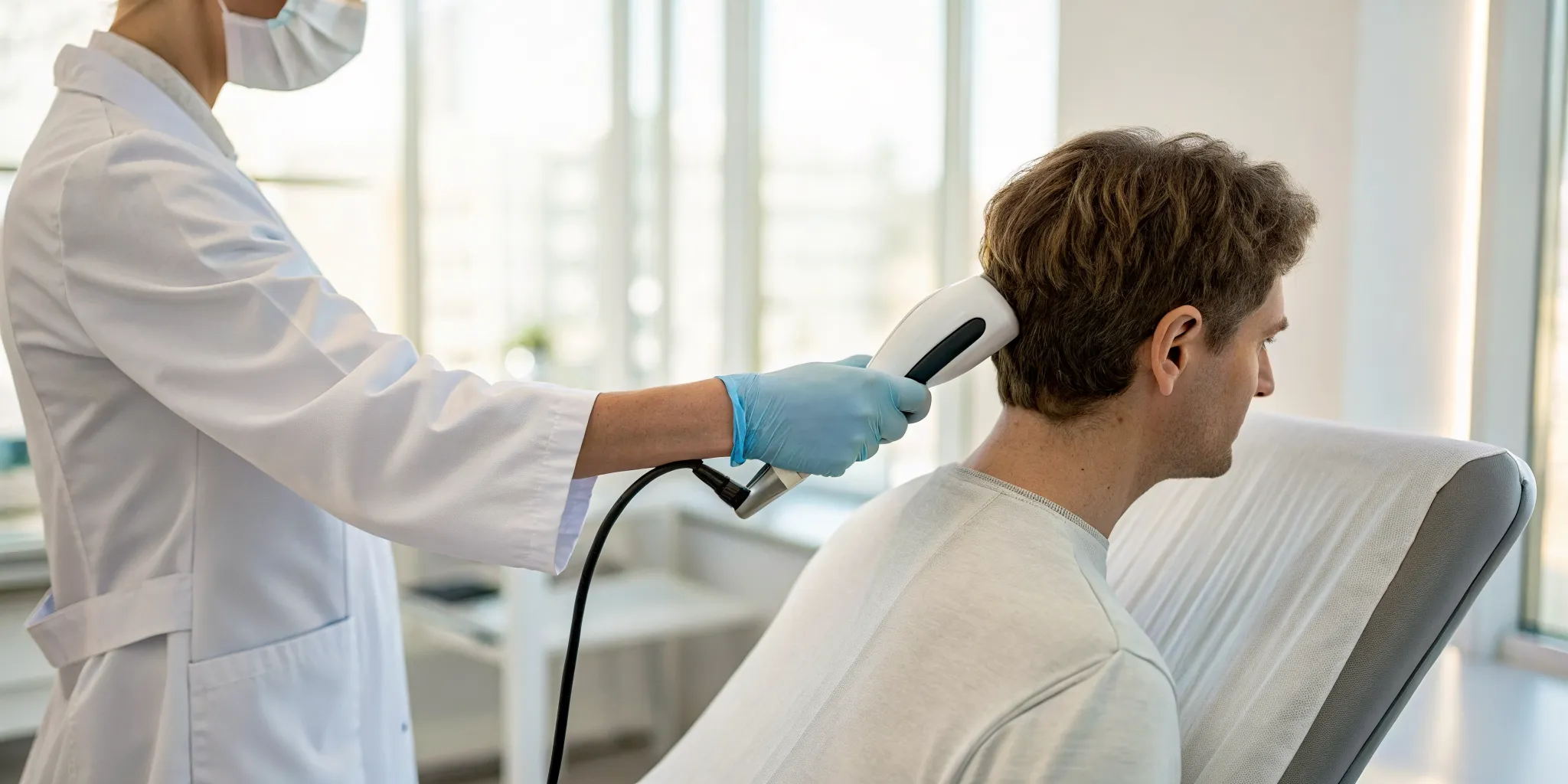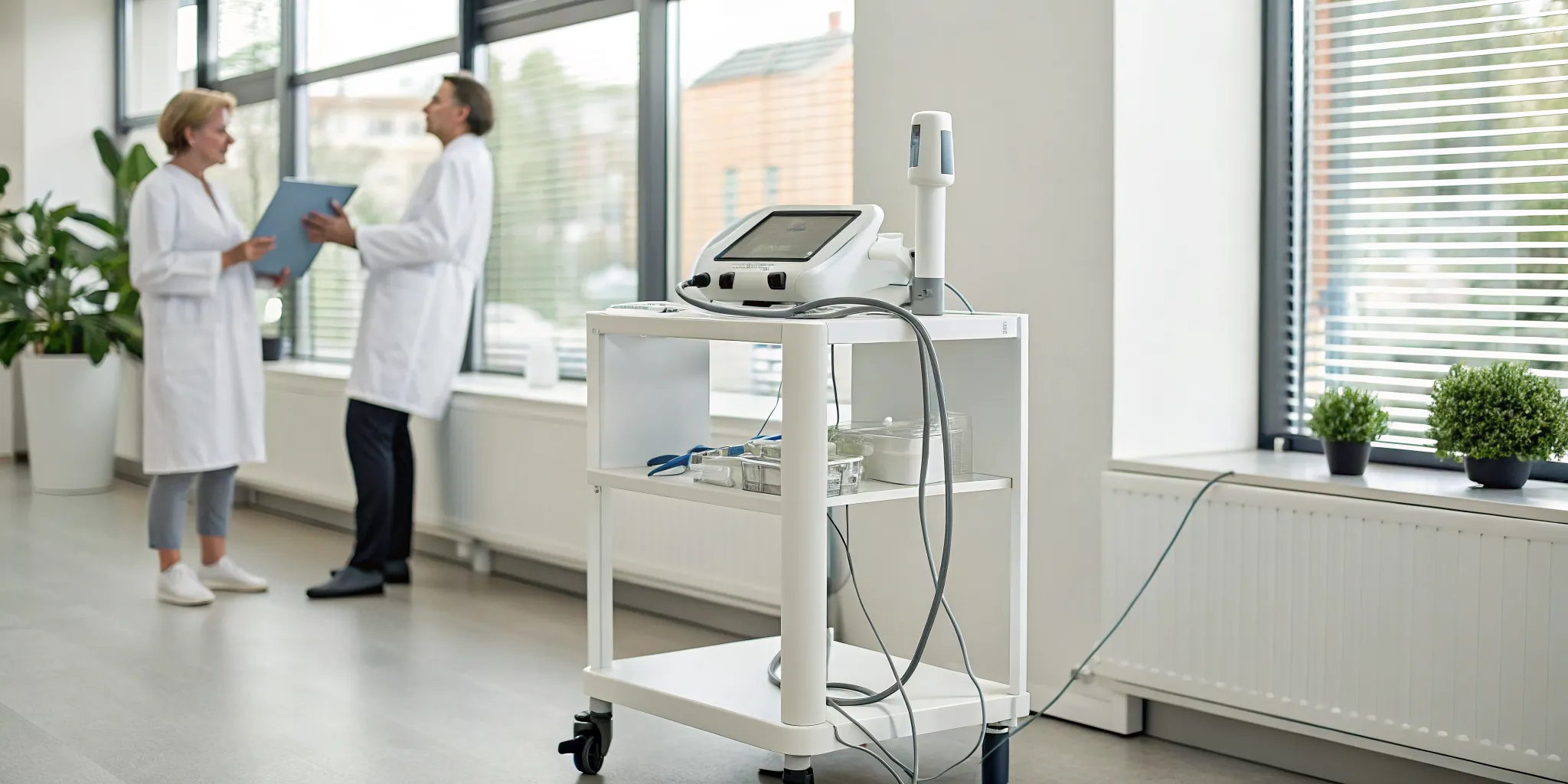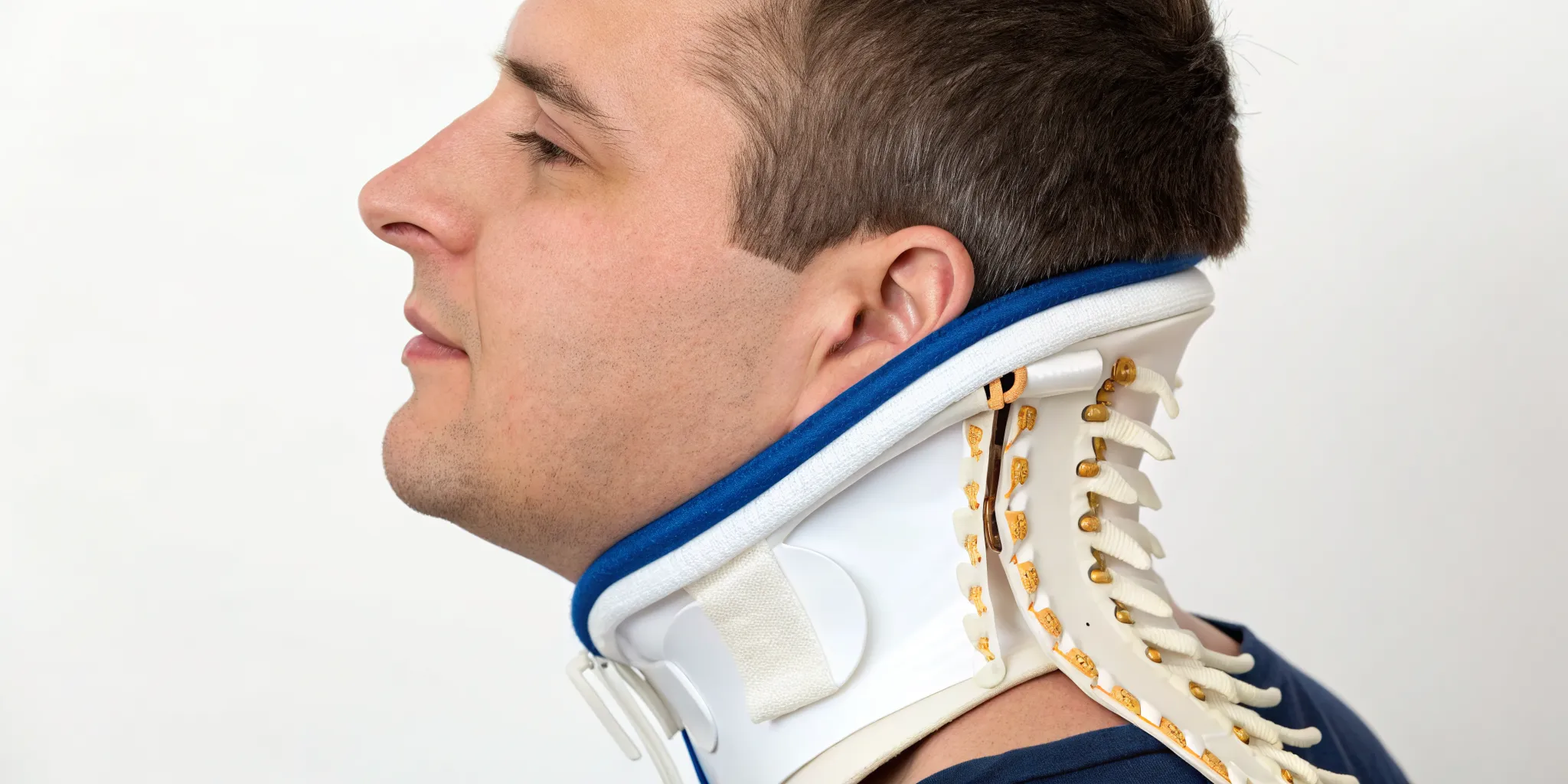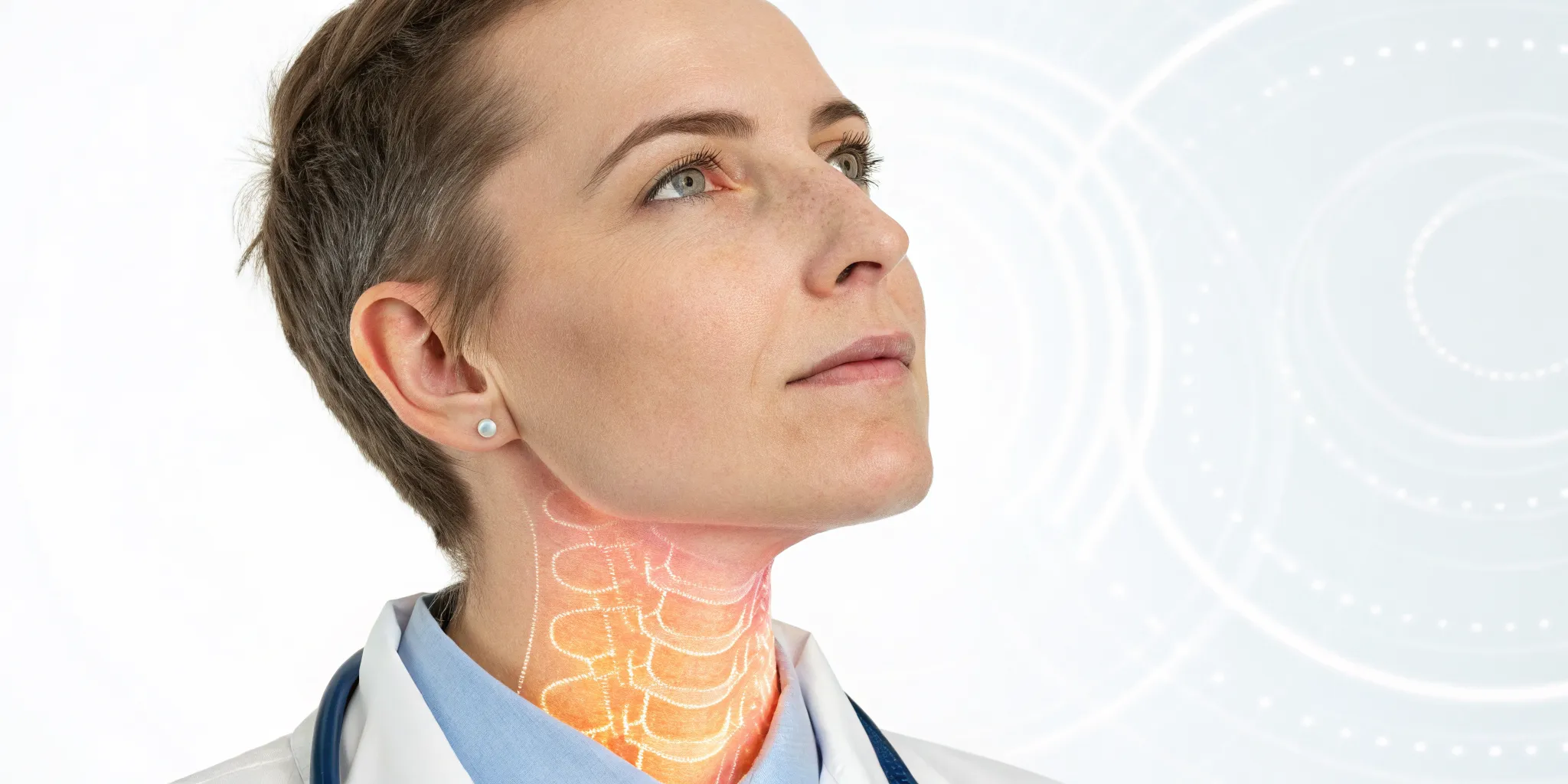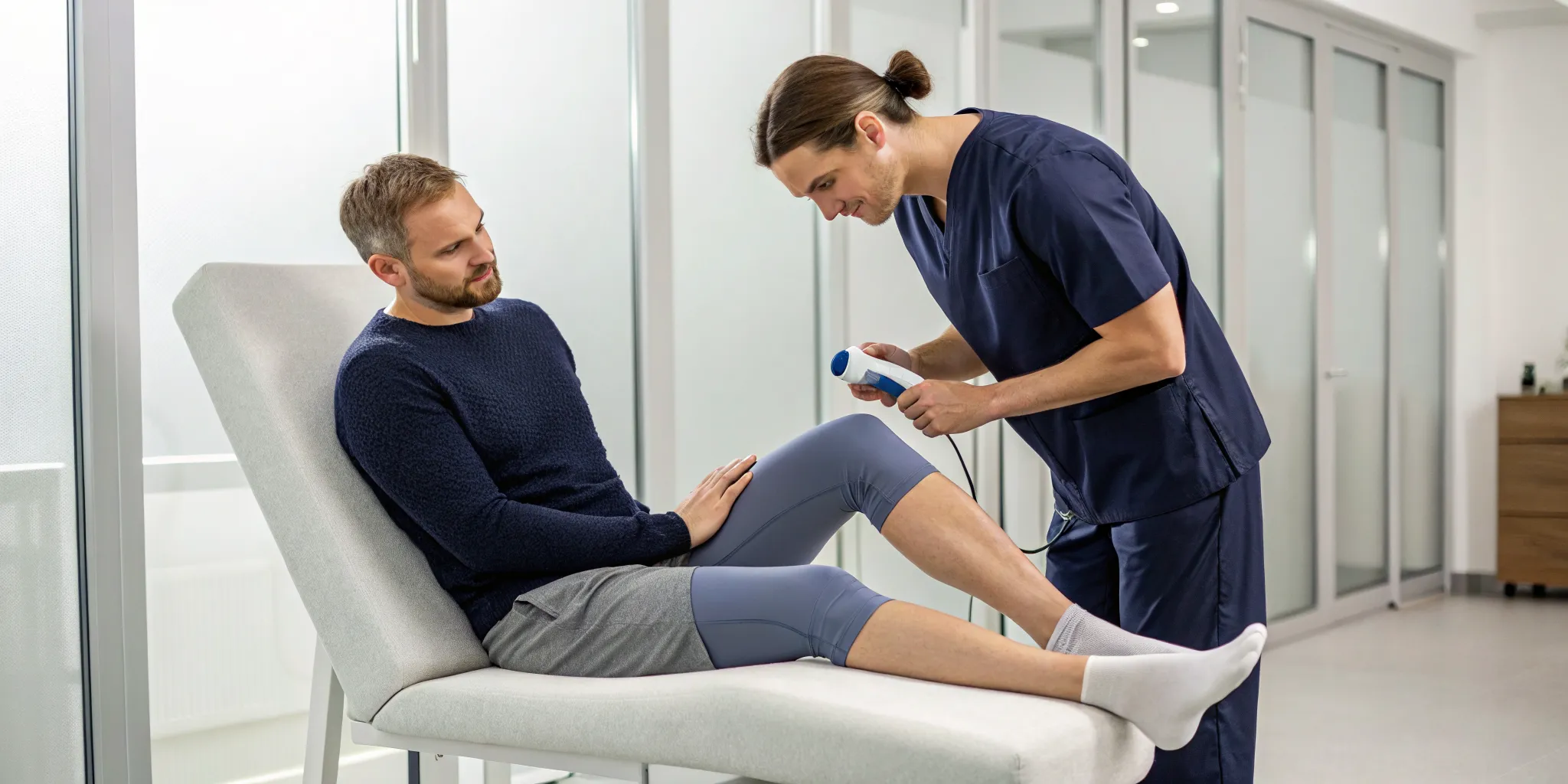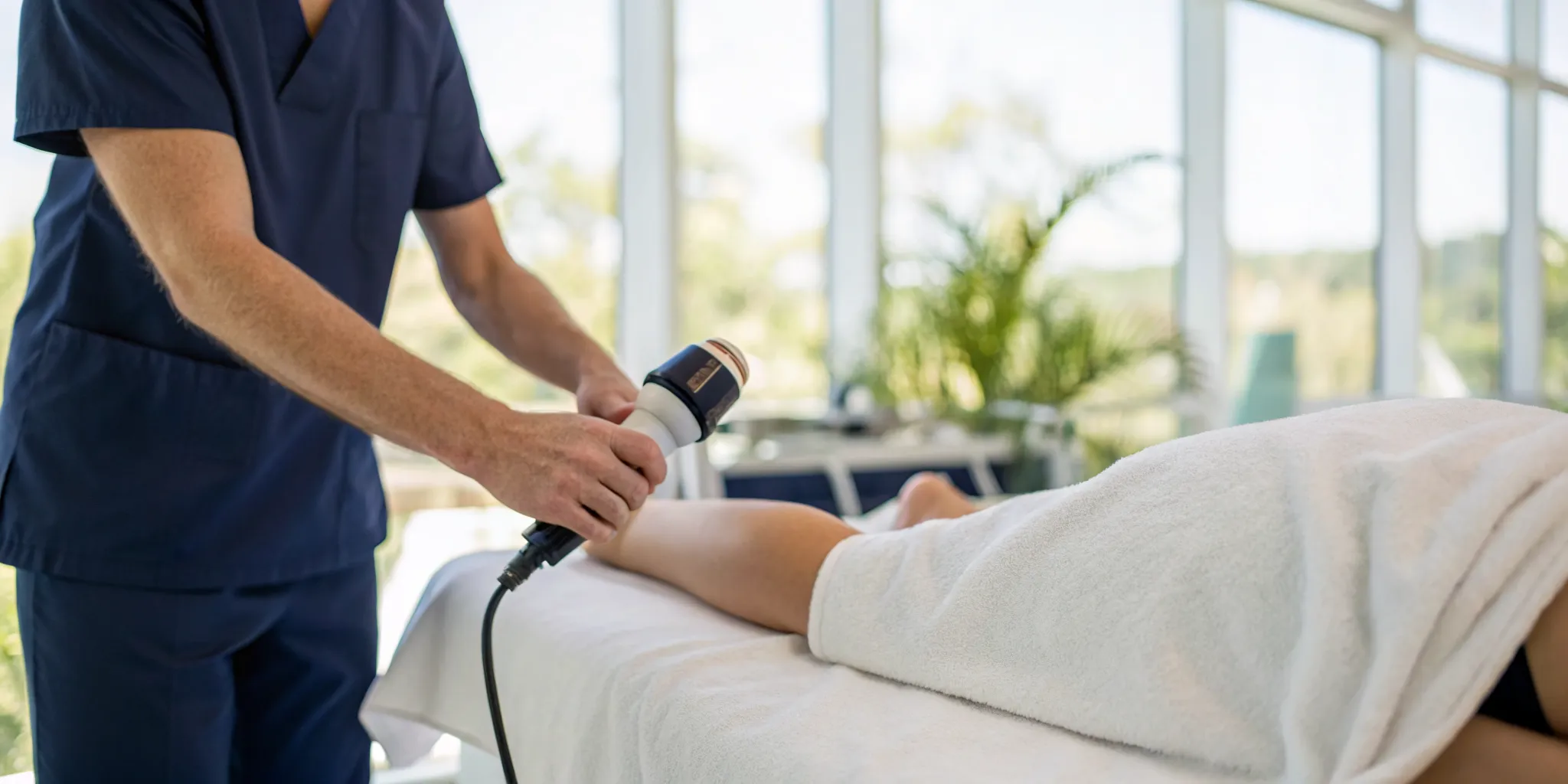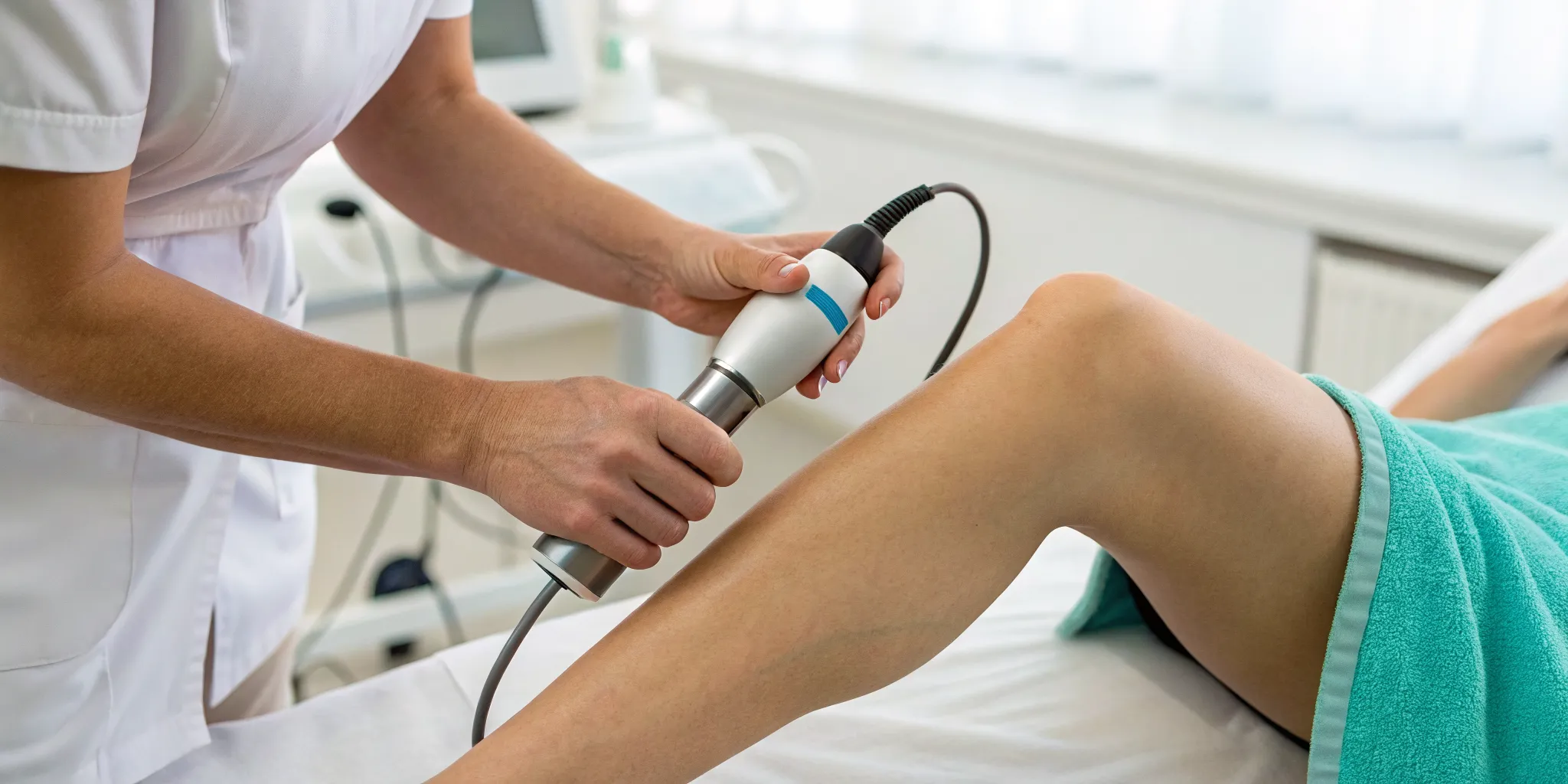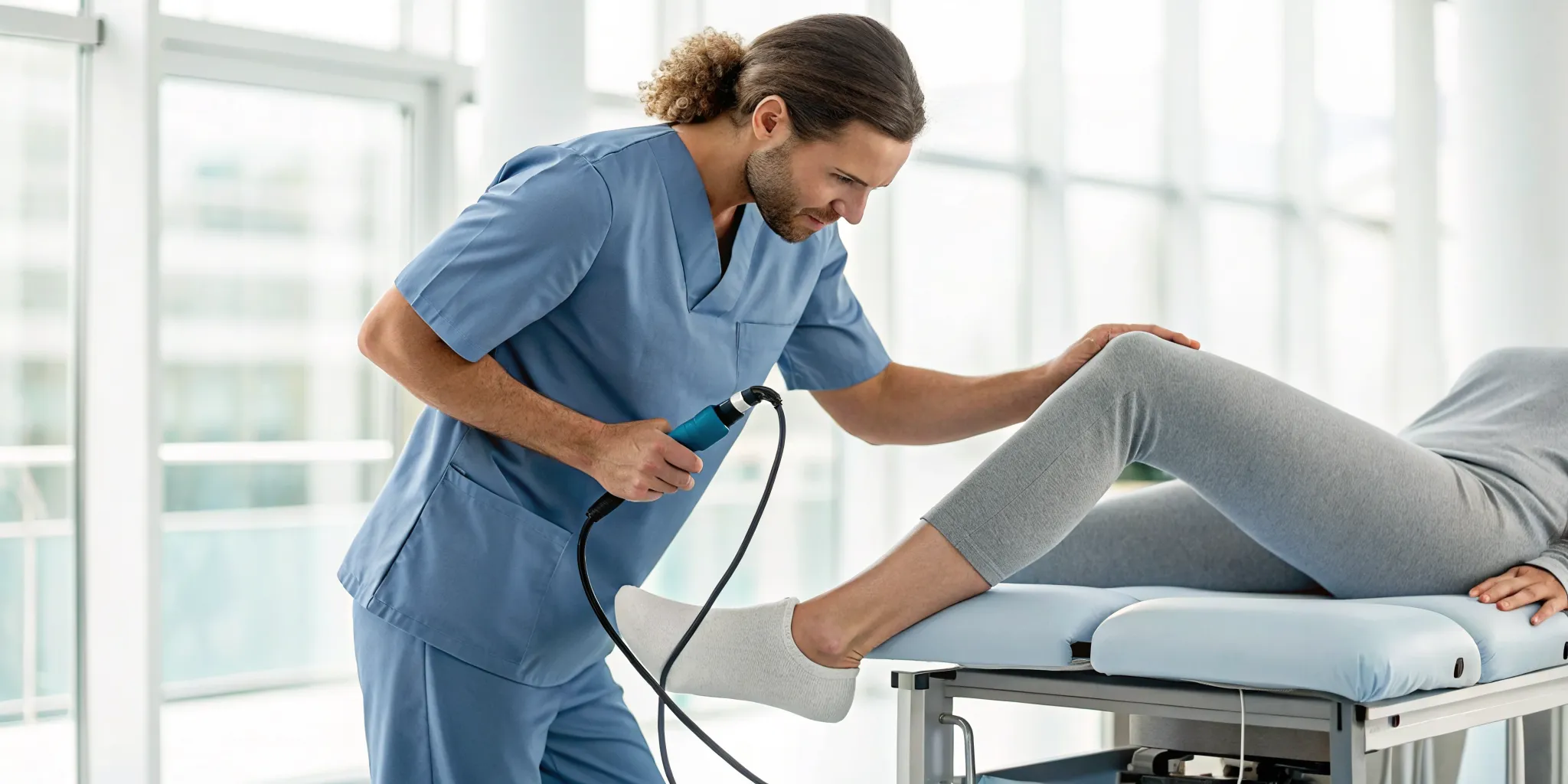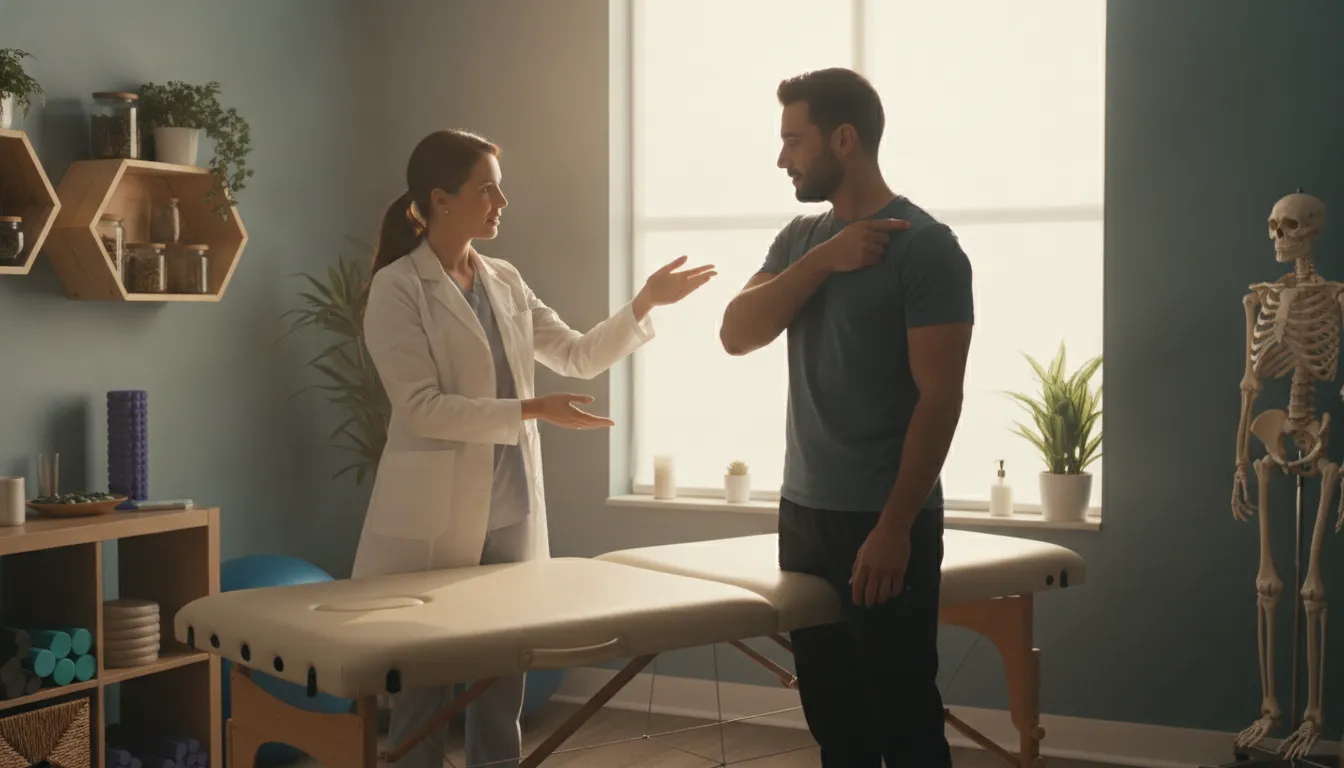
Back pain can make ordinary movements feel uncertain, especially when symptoms travel into the hip or leg or return despite temporary relief. Spinal decompression is often discussed as a way to reduce pressure around affected discs and nerves. But the better question is whether this treatment is appropriate for your specific condition, goals, and overall care plan.
Explore Ascend's physical medicine program
How Does Spinal Decompression Work?
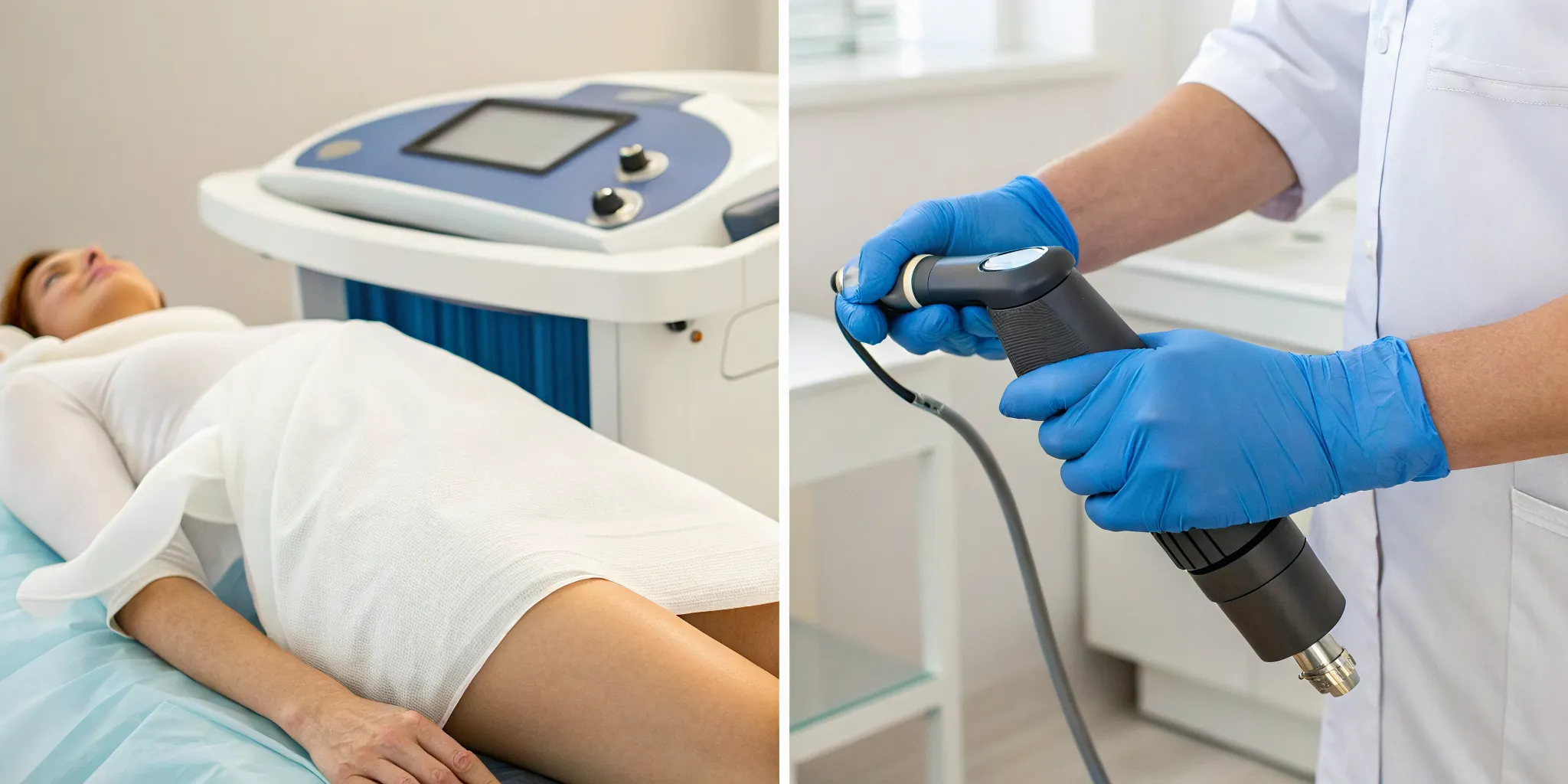
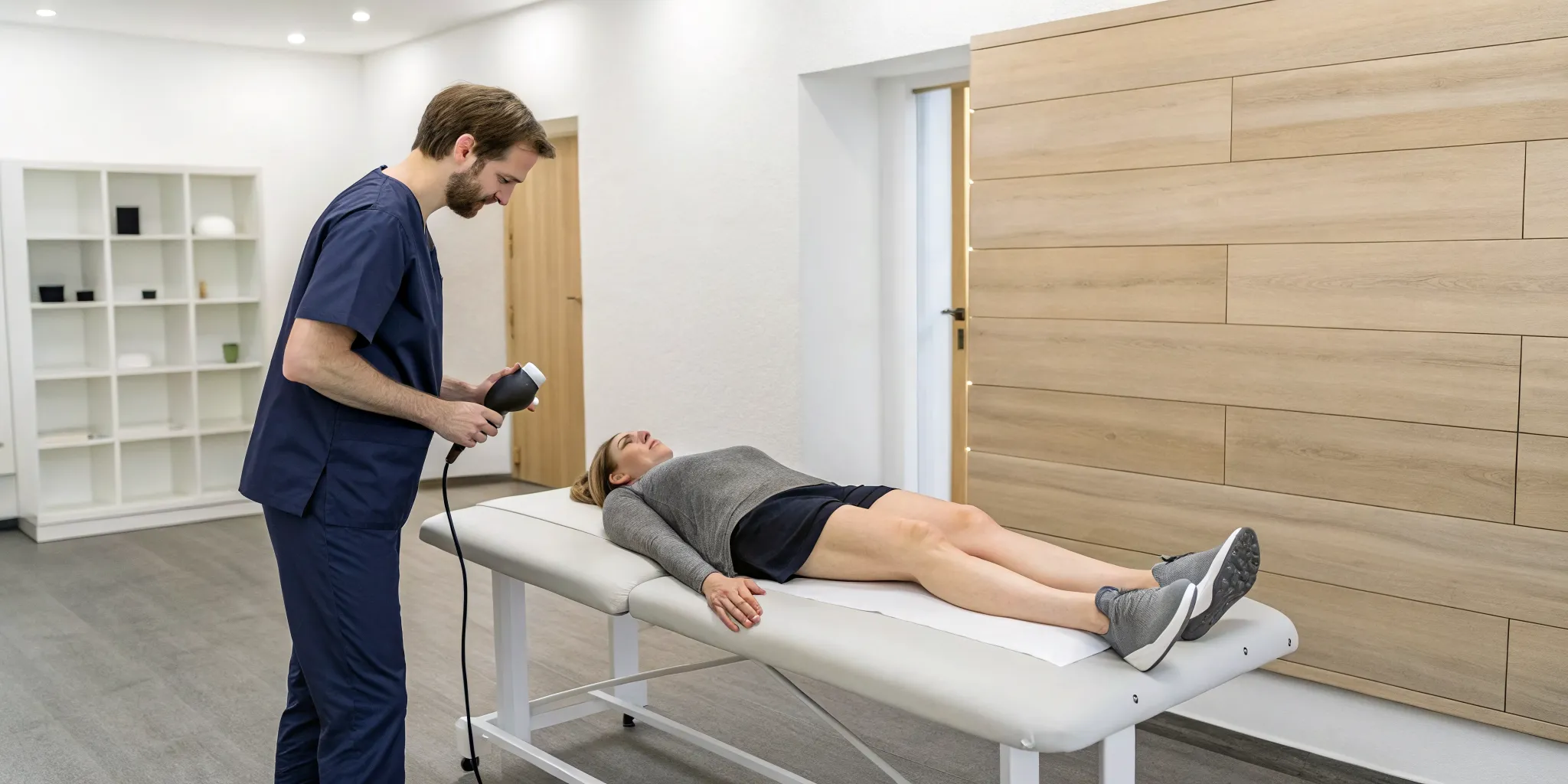
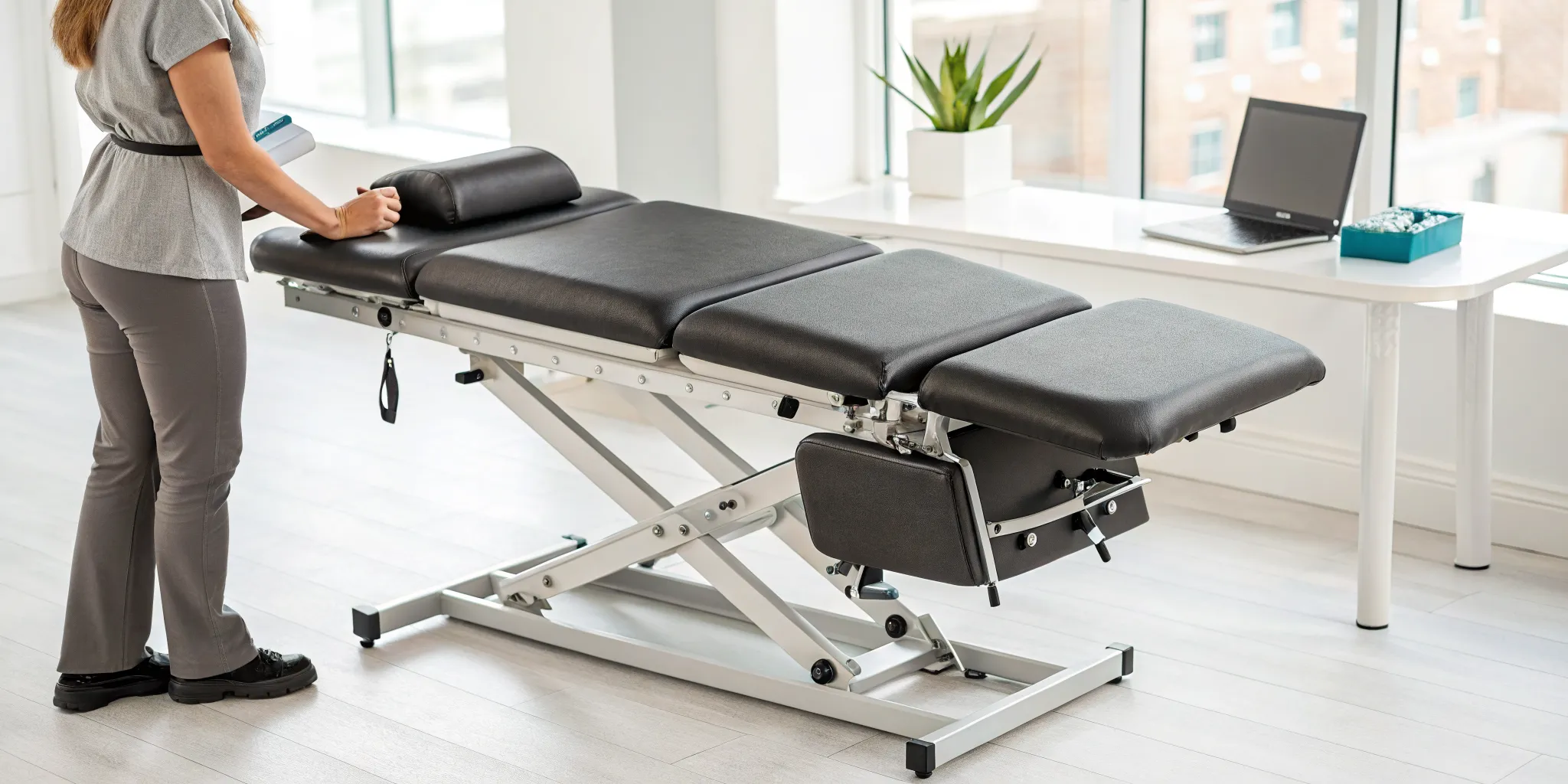
Non-surgical spinal decompression uses a motorized table to apply gentle, controlled traction that reduces pressure around discs and nerves. It may help some people with disc-related back or neck concerns, but Ascend does not present it as a guaranteed cure or an instant solution.
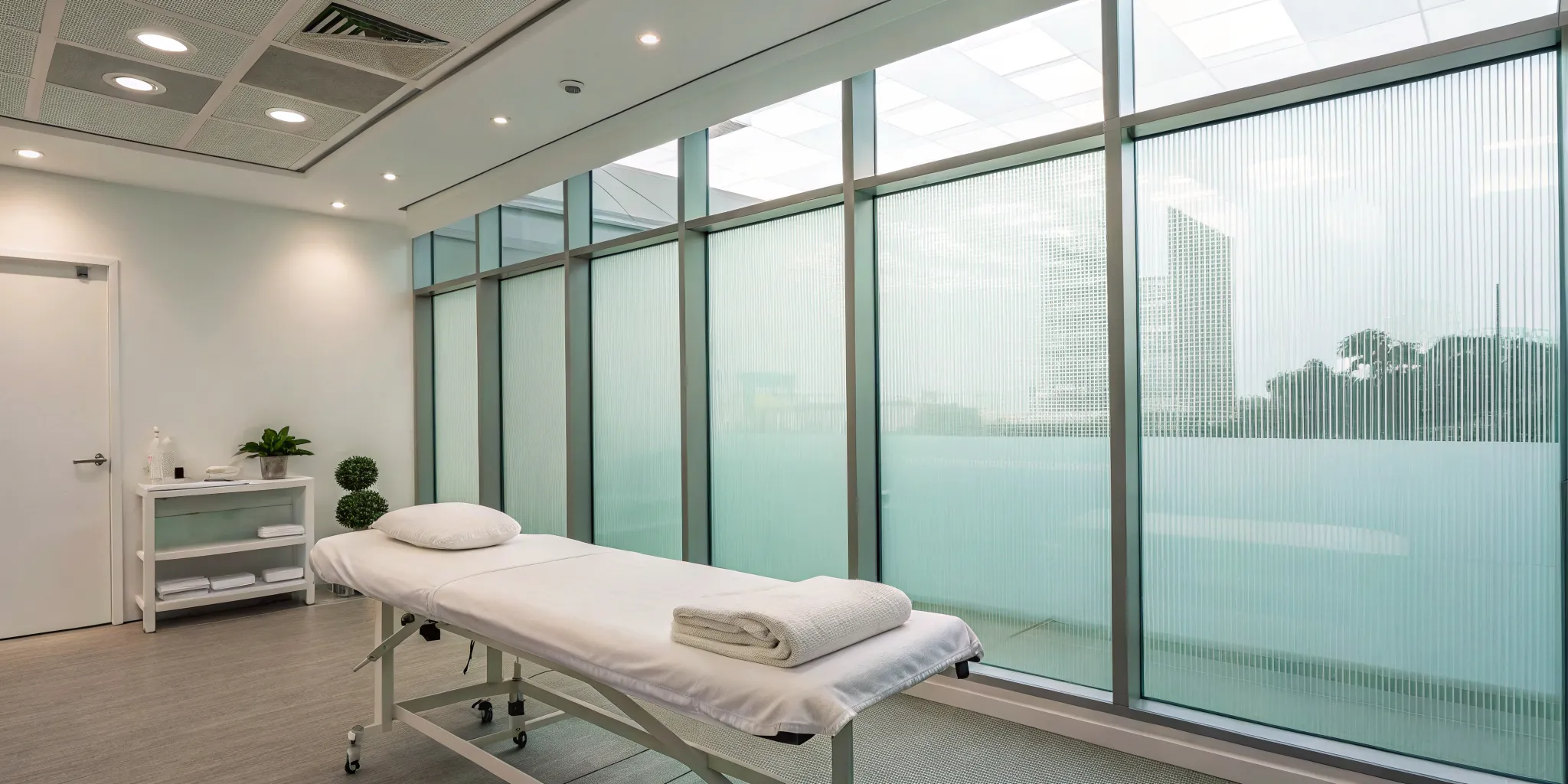
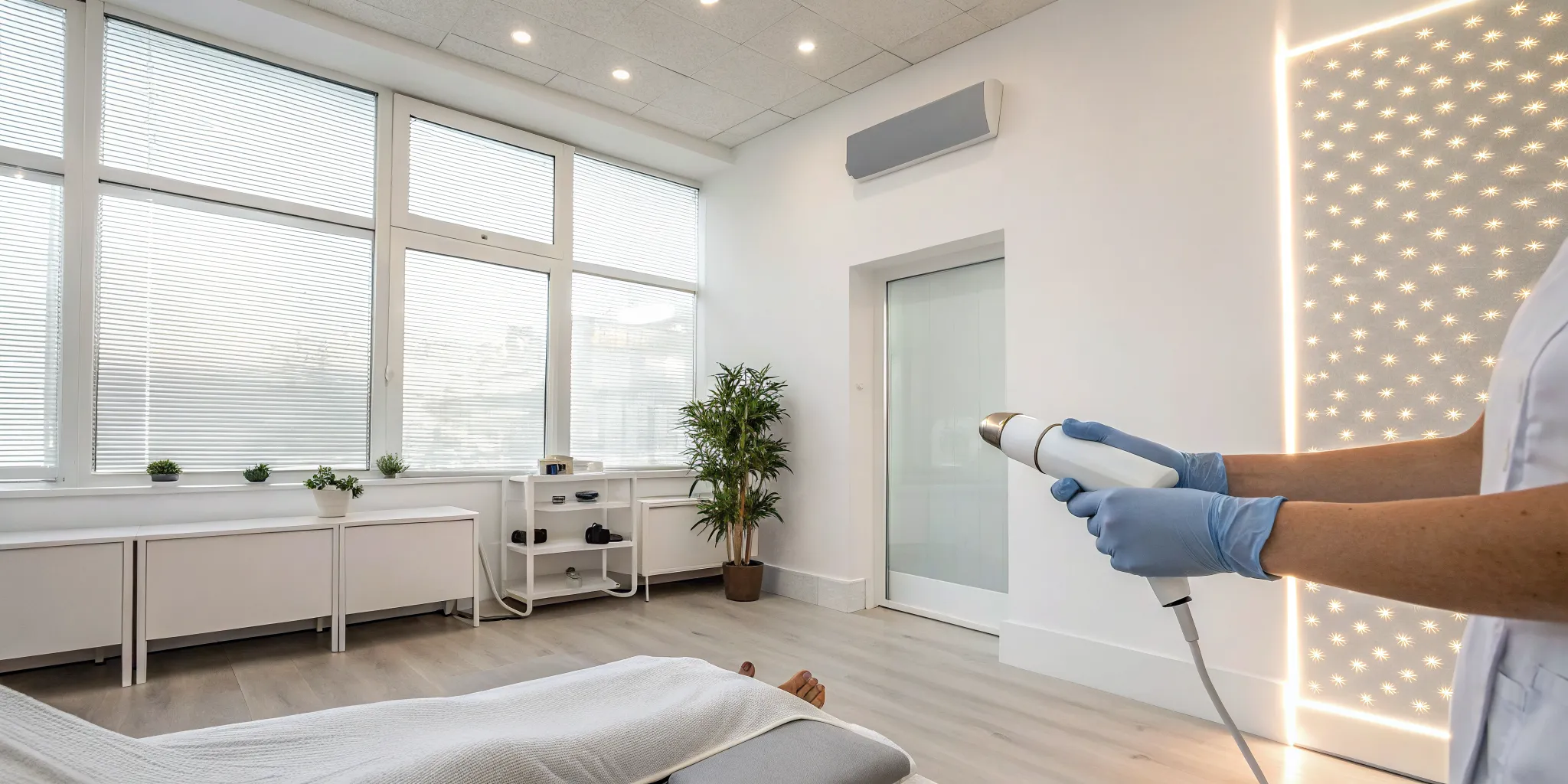
A motorized decompression table applies carefully measured stretching to the spine, creating a negative-pressure environment within the disc that may support a more comfortable, functional spine. During a session, you are positioned so the targeted area moves through a controlled sequence of traction. The table changes the direction and amount of pull rather than stretching the entire spine at once, which is intended to reduce mechanical stress on a compressed segment and the nearby nerves.
The central mechanism is the change in pressure. As the spine is gently unloaded, negative pressure is created inside the spinal disc, which may help reduce the force placed on disc tissue and nerve structures. This gradual, controlled unloading is one of the reasons decompression is commonly considered for certain disc-related back and neck concerns. Your position, treatment settings, and tolerance should always guide whether this approach is appropriate. To learn more about how this fits into a broader structural-care model, explore Ascend's physical medicine program.
Non-surgical decompression is distinct from surgical decompression. A surgical procedure removes or alters physical structures that press on nerves, while non-surgical decompression does not remove those structures. Instead, it uses a motorized table and mechanical unloading to influence pressure and movement around the spine. These are different approaches, and the right path depends on the underlying condition, symptoms, examination findings, and response to previous care.
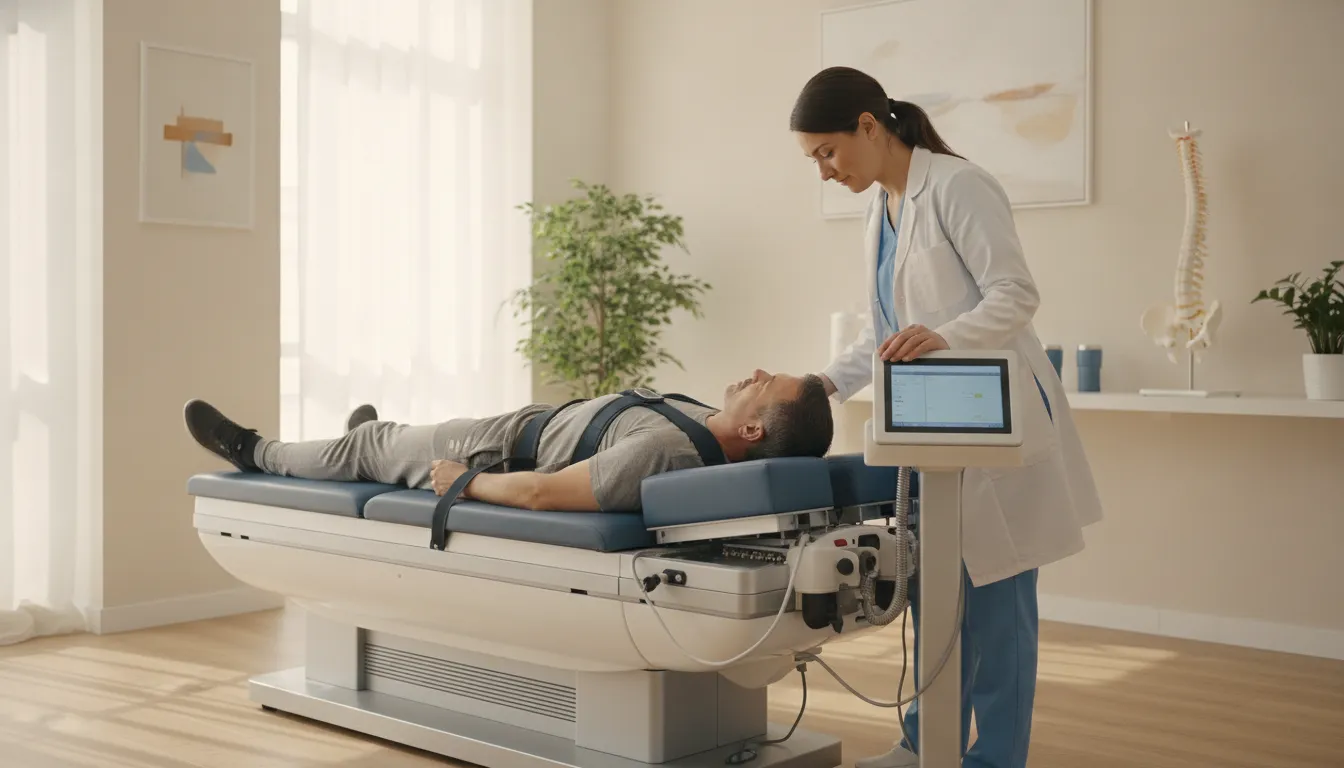
At Ascend Functional Health, decompression is not a standalone answer or a fast solution. It is part of the Physical Medicine pillar and sits within a broader CBP, or Chiropractic BioPhysics, structural-correction framework. That framework considers how spinal structure, posture, movement, and rehabilitation may contribute to ongoing symptoms. The goal is to build a personalized, evidence-based plan around the person in front of you rather than apply the same table settings to everyone.
This distinction matters because reducing pressure during a session does not automatically address every factor affecting spinal health. A complete evaluation can help determine whether decompression belongs in your plan and how it should be combined with corrective care or other physical medicine strategies. Results can vary, and the available evidence does not support treating decompression as a guaranteed solution for every type of back pain. A thoughtful assessment, clear goals, and ongoing measurement of function are important parts of deciding whether the approach is helping you move toward better daily performance.
What Conditions Does Spinal Decompression Help With?
Spinal decompression at Ascend is commonly considered for disc-related and nerve-related conditions, including herniated or bulging discs, sciatica, degenerative disc disease, and spinal stenosis. Whether it is appropriate depends on the specific diagnosis, symptom severity, and a careful evaluation of the factors contributing to your pain.
These conditions can overlap, but they do not affect every person the same way. Herniated discs, persistent sciatica, and spinal stenosis each create different patterns of compression, so an accurate root-cause assessment matters before choosing decompression or combining it with other forms of care. Ascend's approach to functional medicine uses this kind of diagnostic workup to guide treatment decisions.
Herniated or Bulging Discs
A herniated or bulging disc can irritate nearby spinal nerves and contribute to localized back or neck pain, numbness, tingling, or weakness. In Ascend's approach, non-surgical decompression is considered when disc-related pressure appears to be contributing to symptoms. The goal is not to promise that a disc will return to a specific position. Instead, it is to use a controlled approach that may reduce stress around the affected area while supporting a broader corrective-care plan.
Sciatica and Radiating Leg Pain
Sciatica describes pain that travels from the lower back or buttock into the leg, often following the path of an irritated nerve. Decompression may be considered when radiating symptoms are linked to disc irritation or another source of spinal compression. A thorough evaluation helps the care team distinguish nerve-related leg pain from problems involving the hip, muscles, or other structures, since similar symptoms can have different causes.
Degenerative Disc Disease
Degenerative disc disease refers to changes in the spinal discs that may develop over time and can be associated with recurring stiffness or pain. Decompression may have a role in a conservative plan for some people, particularly when symptoms are connected to disc loading and restricted spinal function. The appropriate plan depends on the location and extent of the changes, your functional goals, and how your body responds to care.
Spinal Stenosis
Spinal stenosis involves narrowing around the spinal canal or the spaces where nerves pass. It may contribute to pain, heaviness, weakness, or altered sensation in the buttocks and legs, especially during walking or prolonged standing. Decompression is commonly used for spinal stenosis, but imaging alone does not determine whether it is the right option. Some people have narrowing without symptoms, while others need a more comprehensive plan based on mobility, daily activities, symptom progression, and functional limitations. WebMD lists herniated or bulging discs, sciatica, degenerative disc disease, and spinal stenosis among conditions for which spinal decompression is commonly used.
A good candidate is someone whose symptoms and clinical findings support decompression as part of a conservative care strategy. At Ascend, decompression may be paired with chiropractic adjustments, corrective care, and other physical medicine approaches rather than treated as an isolated service. This integrated approach helps address movement patterns and structural factors contributing to ongoing symptoms. Your condition, severity, health history, and response to prior care all shape the recommendation.
Does Spinal Decompression Work for Everyone? What Do the Results Look Like?
Non-surgical spinal decompression can help some people reduce pain and improve movement, but Ascend is clear that it is not the right fit for everyone. Results depend on an accurate assessment, the condition being addressed, and consistent participation in a plan built around the individual.
The honest answer requires more nuance than a simple yes or no. A 2007 review found that the scientific support for broad claims about non-surgical spinal decompression remained limited and called for more robust evidence: review the available evidence. That does not mean the approach cannot be useful. It means expectations should be grounded in the individual's diagnosis, examination findings, and goals. Your response over time matters most, which is why Ascend pairs these discussions with measurable planning rather than promises.
Why outcomes vary from person to person
Back and neck symptoms can arise from different causes, including disc irritation, nerve pressure, joint dysfunction, muscular overload, or changes in spinal movement. A method that is appropriate for one presentation may be poorly matched to another. Imaging can add important information, but an image alone does not explain how a person moves, what aggravates symptoms, or how the problem affects daily life.
A thorough evaluation considers pain intensity, mobility, mood, and the ability to complete ordinary activities. It also looks at how long symptoms have been present, whether they are changing, and how the person responded to previous conservative care. These details help determine whether decompression belongs in the plan, whether it should be combined with other approaches, or whether a different clinical pathway deserves priority.
What realistic progress may look like
Progress is not always an immediate or dramatic change in pain. For one person, an early sign may be tolerating a longer walk, sitting through a workday, sleeping with fewer interruptions, or moving with less guarding. Another person may notice improved range of motion before pain changes substantially. Tracking these functional measures creates a clearer picture than relying on a single good or bad day.
Consistency also matters. A personalized program may include decompression sessions alongside corrective movement, strength work, soft-tissue care, posture changes, or other conservative strategies. Following the recommended schedule and communicating clearly about symptom changes gives the care team better information for adjusting the plan. If symptoms do not improve as expected, that response is useful information, not a reason to push harder without review. The diagnosis and strategy may need to be reconsidered. This measured approach is how Ascend's functional medicine evaluation differs from a one-size-fits-all protocol.
| May be reasonable to explore with decompression. | May need a different conversation or pathway. |
|---|---|
| Disc-related back or neck pain, such as herniated or bulging discs. | Symptoms that point to an urgent or structural problem needing prompt attention. |
| Sciatica with radiating leg symptoms linked to nerve pressure. | Severe or progressive loss of strength or movement. |
| Recurring stiffness from degenerative changes in the discs. | A condition where decompression is not a good match based on examination. |
| Spinal stenosis with manageable day-to-day symptoms. | When an accurate root-cause assessment has not yet been completed. |
The point of this comparison is not to draw a firm line for every person. It is to show that selecting decompression starts with a proper evaluation rather than assuming one treatment fits all presentations. Your clinician can place your specific symptoms and history into the right column during a consultation.
At Ascend Functional Health, the goal is to connect symptom relief with a better understanding of the factors contributing to the problem. Spinal decompression may be one component of that process, not a guaranteed solution or a substitute for individualized clinical judgment. A thorough assessment can clarify whether it is reasonable to include, what outcomes to monitor, and which next steps best support your daily function. If you would like to discuss your options, the Ascend team is available for a consultation.
What Does a Spinal Decompression Treatment Plan Look Like at Ascend?
A spinal decompression treatment plan at Ascend begins with a root-cause assessment, then combines targeted decompression with chiropractic and corrective care when appropriate. The plan is personalized and adjusted based on measurable findings, symptoms, and progress rather than a fixed package or one-size-fits-all schedule.
The plan begins before any table session. A consultation and evaluation let the care team understand your health history, current symptoms, previous treatment, activity demands, and goals before deciding whether decompression is reasonable. The following steps outline how that structured approach typically unfolds.
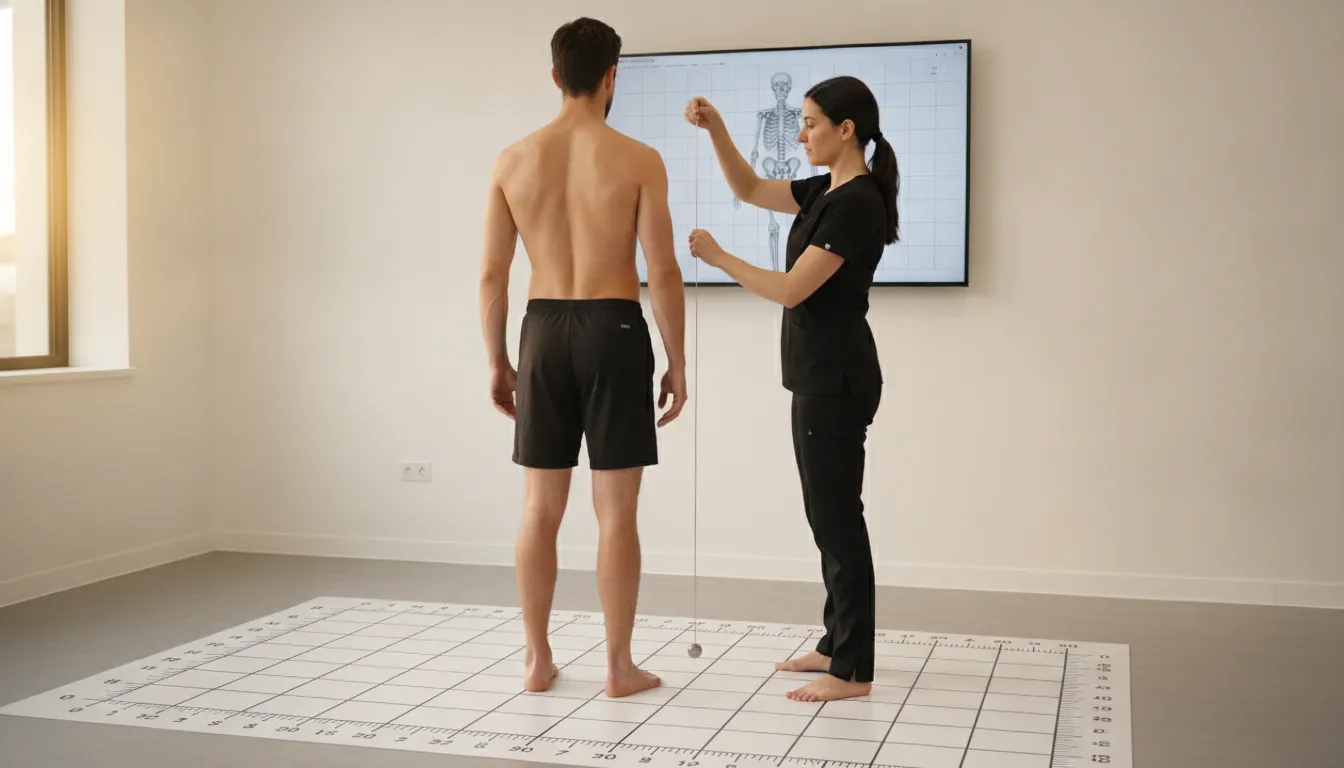
- Complete an initial assessment. Your first visit gives the care team an opportunity to understand your health history, current symptoms, previous treatment, activity demands, and goals. The assessment may also include a physical examination and imaging when clinically appropriate. This information helps the team determine whether decompression is a reasonable option and identify contributing structural or movement patterns. The goal is to understand the larger picture before selecting a treatment approach.
- Build a personalized corrective plan. If decompression is appropriate, it is placed within a broader physical medicine plan informed by the CBP, or Chiropractic BioPhysics, framework. That may include decompression, chiropractic adjustments, corrective exercises, and other supportive care based on your findings. Combining these services can help address more than temporary symptom changes by working on spinal alignment, movement, and functional limitations together. You can learn more about the physical medicine services that may support this process.
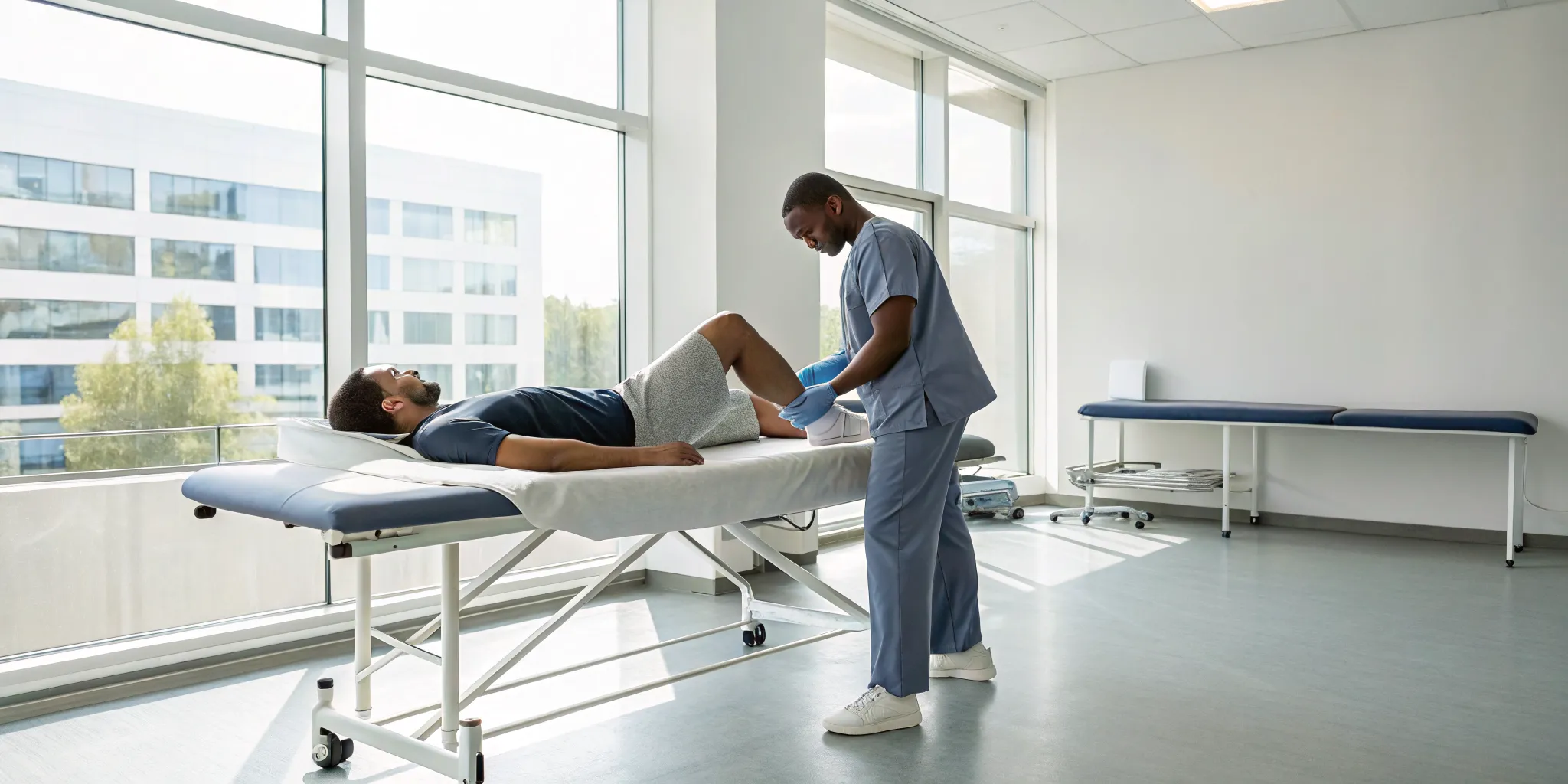
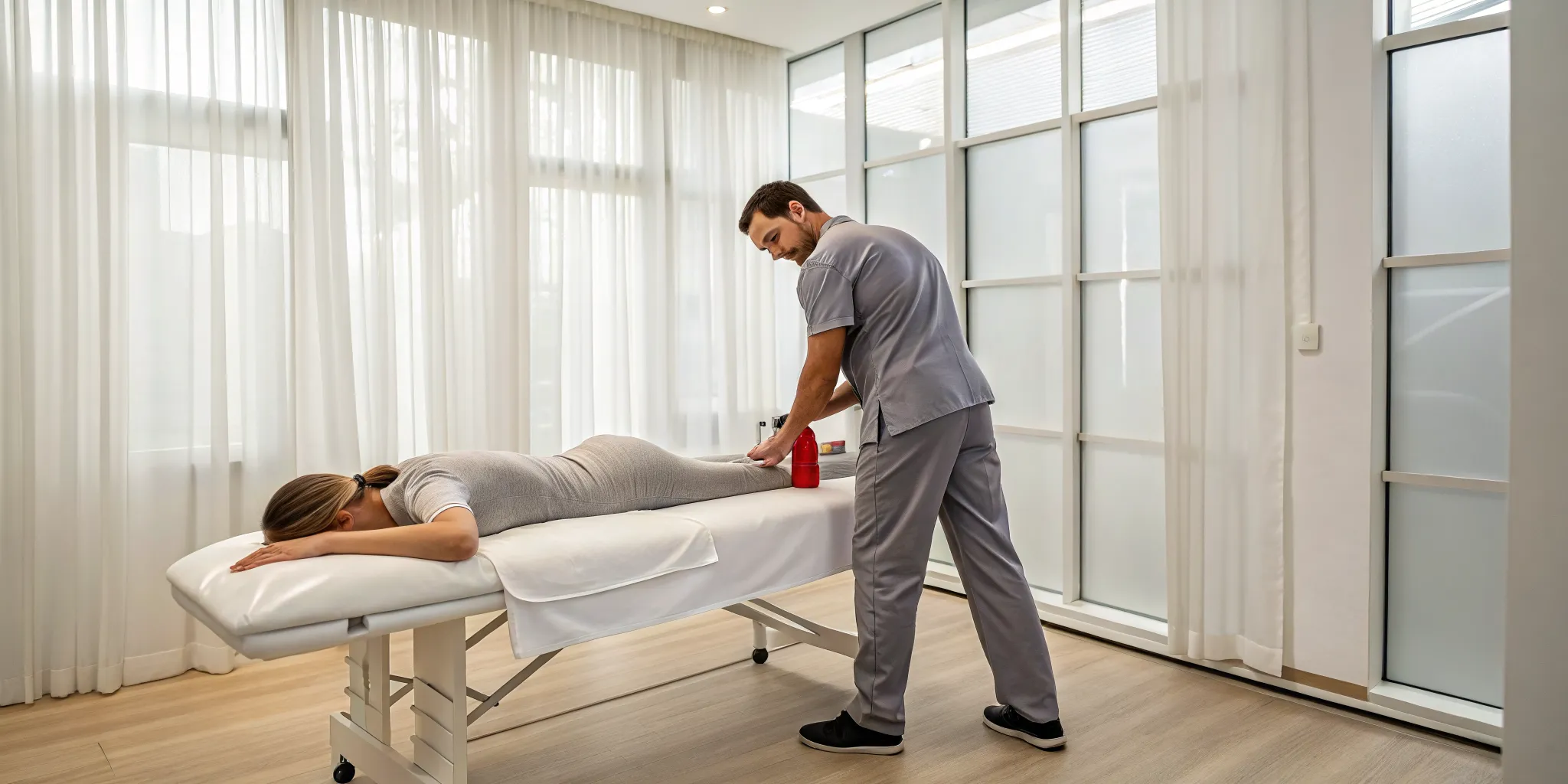
- Complete a series of monitored sessions. Decompression sessions take place on a specialized decompression table. The table settings and treatment approach are selected for the individual, including the area being addressed and the patient's tolerance. A series of visits is commonly used so the team can observe how the body responds over time. Each appointment is part of the overall plan, not an isolated procedure, and the plan may be refined as new information becomes available.
- Add active corrective care as directed. Depending on the assessment, the plan may include chiropractic care and movement-based recommendations alongside table sessions. These elements are intended to support improved mechanics and help you participate in your recovery. Following the recommended plan between visits and communicating clearly about changes in symptoms can help the care team make informed adjustments. The appropriate combination varies by person, so another patient's schedule should not be used as your template.
- Re-assess measurable progress. Follow-up evaluations help compare your response with the goals established at the beginning of care. The team may review symptom patterns, mobility, function, posture, or other relevant findings. If progress is limited, the plan can be modified, another approach can be considered, or additional evaluation may be recommended. This measured process is important when asking whether spinal decompression works, because the answer depends on the individual, the underlying problem, and how progress is assessed.
Ascend does not promise identical results for every patient. A consultation is the appropriate next step for determining whether this structured approach fits your needs and what a responsible care plan may involve.
Schedule a consultation to discuss a care plan
Frequently Asked Questions
Does spinal decompression therapy really work?
It can help some people, but results depend on the source of pain, the condition being addressed, and the overall care plan. Current evidence is mixed, so a responsible evaluation should set measurable goals rather than promise a specific outcome. A 2007 review concluded that stronger support was still needed for broad effectiveness claims (peer-reviewed review).
What conditions may respond to spinal decompression?
It is commonly considered for disc-related concerns, including herniated or bulging discs, sciatica, degenerative disc disease, and spinal stenosis. The best fit depends on your symptoms, examination findings, history, and whether decompression is appropriate alongside corrective care and rehabilitation. It should not be selected from a diagnosis alone.
Who is a good candidate for spinal decompression therapy?
Adults with persistent back or neck symptoms related to disc or nerve pressure may be candidates, especially when an evaluation supports a nonsurgical approach. Your clinician should also consider symptom duration, progression, mobility, daily activities, and your response to previous care. Those details help determine whether decompression belongs in the plan.
What should I expect during a spinal decompression session?
Non-surgical treatment generally uses a motorized table to apply controlled, gentle traction. The goal is to reduce pressure around the discs and nerves, but a session is only one part of care. Your plan may also include corrective exercises, chiropractic care, or other rehabilitation strategies based on your findings.
Schedule a Consultation About Spinal Decompression
A personalized evaluation can help clarify whether spinal decompression fits your symptoms, goals, and broader care plan. Ascend Functional Health can discuss your concerns, explain realistic next steps, and help you determine whether this approach is appropriate for you.
Schedule a consultation with Ascend Functional Health
This article is for educational purposes and is not a substitute for medical advice. Always consult your own clinician before starting any treatment to decide what fits your individual health needs.