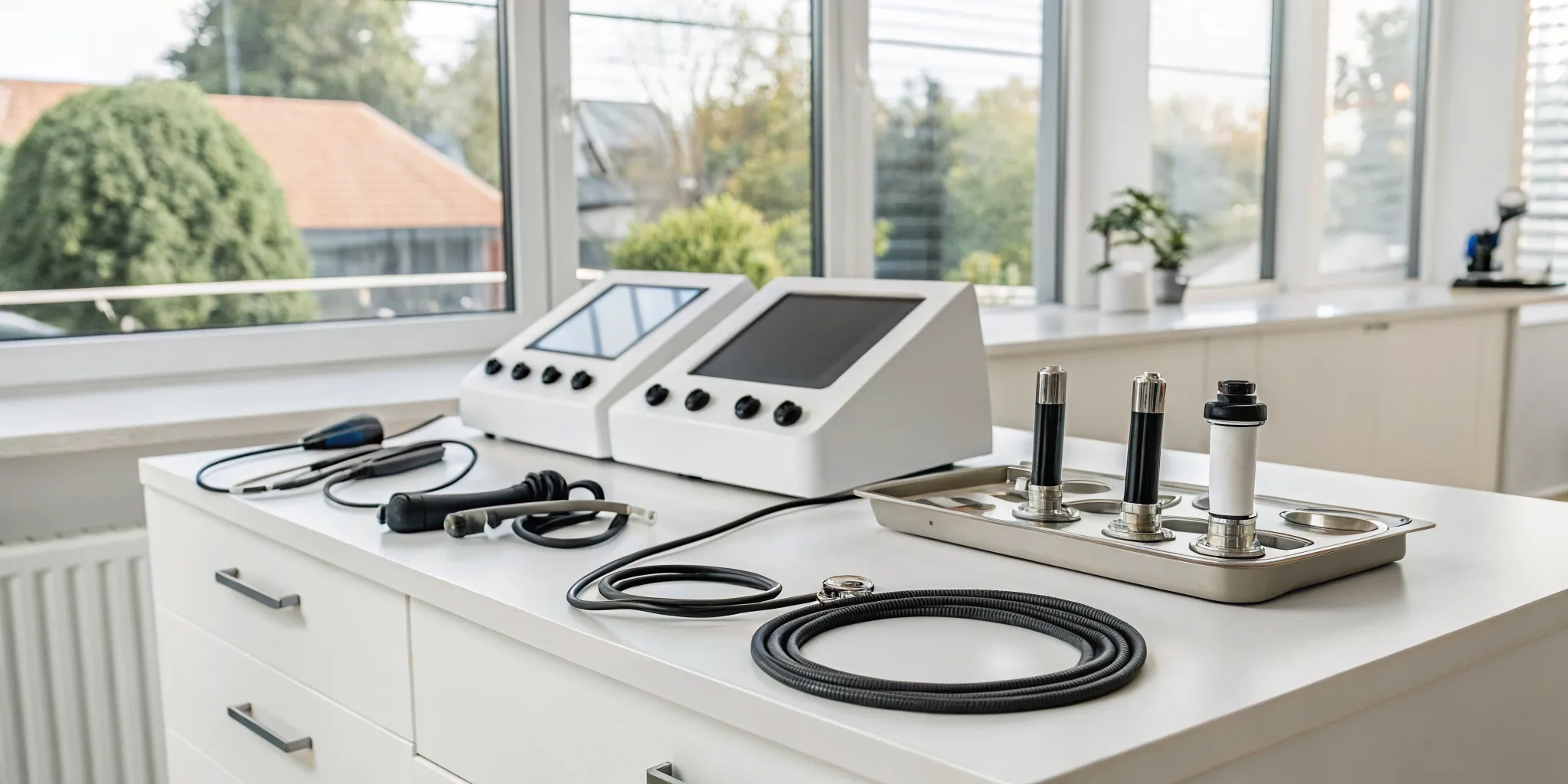
Searching for a male performance clinic Tampa FL can raise practical questions about symptoms, evaluation, and which care options deserve discussion. A useful first step is a focused conversation about the changes you notice, your health history, and what you hope to improve. Energy, sexual function, strength, mood, and recovery can have different contributors, so an individualized evaluation matters more than assuming one cause.
Explore a consultation about your health goals
What should you discuss at a male performance clinic in Tampa, FL?
A useful first appointment connects your main concern with its timeline, context, and effect on daily life. Clear details help a clinician decide which parts of your history or evaluation may merit further discussion.
“Performance” means different things to different people. You may be concerned about lower energy, sexual health, changes in strength, reduced exercise tolerance, sleep, mood, or feeling less capable than before. Describe the change in plain terms. Note when it began, whether it comes and goes, and whether it changes with stress, sleep, activity, or other circumstances.
Before your visit, make a brief note of the points you most want to cover:
- Your main concern and when you first noticed it.
- Whether it is steady, intermittent, worsening, or linked to a particular situation.
- Relevant health history, prior evaluations, and care you currently receive.
- Sleep routines, stress, movement, nutrition, and recovery patterns that may provide context.
- Your priorities and the kind of change that would matter in everyday life.
Bring recent test results if you have them, but leave interpretation to the clinician. One isolated result may not explain a symptom by itself. Ascend's Functional Medicine approach considers personal history and appropriate testing as part of a broader health discussion.
It may also help to identify what you do not want to overlook. For example, if energy has changed over several months, mention whether sleep, workload, appetite, mood, or physical capacity changed during the same period. If sexual function is the main concern, describe the pattern and any changes in general health. Direct, specific information can make a sensitive discussion more useful.
How can a clinician assess changes in men's health?
An individualized assessment combines your account of symptoms with relevant health history, examination, and testing when appropriate. No single symptom or lab result automatically identifies a cause or determines the right next step.
A clinician may ask when the change began, how it affects your routines, and whether it is associated with other symptoms. The discussion may also touch on sleep, stress, nutrition, movement, current care, and hormone-related concerns. The purpose is to understand context and decide whether additional evaluation could answer a specific question.
Useful questions to bring include:
- Which possible contributors fit the pattern I described?
- What would an examination or proposed test help clarify?
- Which findings could change the next step?
- Would repeat or additional testing add useful context?
- How and when will we review progress?
If testing is suggested, ask which question each test is meant to address and how the result will be interpreted alongside your symptoms. Ascend describes comprehensive bloodwork and biometric panels within its Functional Medicine services. A clinician can discuss whether any particular assessment fits your circumstances rather than treating a panel as a universal checklist.
Keep the conversation open about changes in sexual function, mood, or energy, even if those topics feel personal. You can write questions down and hand the list to the clinician if that makes it easier to cover them. If you already have another clinician involved, ask how communication or coordination may work when a concern needs a different type of evaluation.
How do Ascend's three care pillars relate to performance concerns?
Ascend organizes its services across Physical Medicine, Functional Medicine, and Regenerative Medicine. These perspectives can inform a personalized conversation, but the relevance of any service depends on an individual's history and clinical evaluation.
| Care pillar | Possible focus of discussion | Questions to ask |
|---|---|---|
| Physical Medicine | Movement, posture, musculoskeletal function, and related limitations | Could a movement or physical-function concern connect with my goals? |
| Functional Medicine | Health history, symptoms, nutrition, bloodwork, and appropriate diagnostic testing | Which findings could clarify possible contributors? |
| Regenerative Medicine | Selected options discussed only after evaluation and review of relevant considerations | What rationale, evidence, limitations, and follow-up apply to a proposed option? |
The table is a guide for discussion, not a recommendation or promise of results. For example, someone whose activity has changed because of discomfort may want to discuss movement and physical function. Someone whose main concern is energy may want to review broader health history and whether additional testing has a clear purpose. Some concerns may be better served by coordination with another clinician.
Ascend's Physical Medicine services include approaches that address physical function, while its services overview describes the broader care model. These pages can help you prepare questions; they do not determine which option is appropriate for you.
If a regenerative option comes up, ask about its intended role, the basis for considering it, possible limitations, risks, and follow-up. Ascend's information about peptide therapy can serve as background for a conversation, not a substitute for individual assessment. Avoid treating a service description as a conclusion about your own health or expected outcome.
What should you ask about hormones and follow-up?
Ask how any hormone-related finding would be considered alongside your symptoms, history, and goals. A thoughtful conversation includes uncertainty, alternatives, potential risks, and a clear plan for checking how care is going.
Testosterone is one part of male health, not a complete measure of performance or wellbeing. If it is raised during a visit, ask what prompted evaluation, whether timing or repeat measurement matters, and how other factors may be considered. You can also ask what the plan would be if the result does not account for the concern you described.
- How does this result relate to my symptoms and health history?
- Are there other plausible explanations worth assessing?
- What are the aims and limitations of each option being discussed?
- What potential risks and monitoring would be involved?
- Which changes should prompt a follow-up conversation?
- How will we decide whether the plan is meeting my goals?
Hormone replacement or optimization is not suitable for everyone. Decisions should follow an individualized discussion of relevant considerations and monitoring. Ascend's Longevity Medicine information offers background on its approach; bring questions about how any recommendation relates to your own evaluation.
Before ending the visit, repeat back the next steps in your own words. Confirm whether you should schedule a follow-up, provide additional records, complete a test, or simply track specific changes. If a plan includes a reassessment date, ask what information will be reviewed then. This practical recap reduces ambiguity and gives you a clear way to raise questions later.
How can you track changes between visits?
A brief, consistent record can help you describe whether a concern is changing and what else is happening at the same time. Keep notes focused on observations rather than trying to diagnose the cause yourself.
Choose a few details connected to your goal. You might note energy at different points in the day, sleep quality, mood, activity tolerance, or when a change in sexual function occurs. Add context such as unusual stress, travel, changes in routine, or a new health concern. A short note once a day or a few times a week may be easier to maintain than a detailed log that becomes a burden.
At follow-up, review the pattern with the clinician instead of relying on memory alone. Mention both improvement and changes that remain difficult. If tracking a detail makes you uncomfortable, ask whether it is necessary or whether another way to monitor progress would suit you better. Notes should support a conversation, not replace assessment or become a reason to delay asking for help.
How can you compare clinics in the Tampa Bay area?
Compare clinics by how clearly they explain evaluation, choices, and follow-up, not by promises. You should be able to ask about the clinician's role, the reason for a proposed test, the limits of a service, and the expected steps before deciding whether to proceed.
When comparing a male performance clinic Tampa FL, consider whether the practice:
- Starts by listening to your concerns and relevant history.
- Explains the purpose of an examination or test in understandable terms.
- Discusses options, uncertainty, and limitations without guaranteeing a result.
- Explains how progress and new concerns will be reviewed.
- Clarifies the expected fees and which items are included before you make a decision.
A simple way to compare two consultation processes is to ask each clinic to explain the sequence from first conversation through reassessment. Does the visit begin with your goals and health history? Are proposed tests connected to a question about your situation? Can you learn who reviews the results and how that review informs a next step? These process details are often more useful than a broad service list because they help you understand how decisions will be made.
For example, suppose your main concern is a sustained change in energy, but you also mention disrupted sleep and a demanding schedule. A careful discussion should make room for those details rather than jumping directly from one symptom to a single explanation. Ask how the clinician will weigh your history, which additional information could help, and when the plan will be reviewed. If the first conversation leaves important questions open, ask how they will be addressed before you agree to a service.
You can also compare how clinics discuss uncertainty. A responsible explanation distinguishes a possibility from a confirmed finding, notes when evidence or individual response may vary, and makes room for alternatives. Ask how a recommendation could change if new information becomes available. Clarity about uncertainty does not make a conversation less useful; it helps you understand the reasoning and make an informed choice.
Finally, assess whether communication feels respectful and practical. You should have an opportunity to describe concerns in your own words, ask follow-up questions, and understand the next step. If a term or recommendation is unclear, ask for a plain-language explanation. A good fit includes a process you can understand, not simply a list of services. Ascend Functional Health is a Tampa Bay integrative healthcare practice that describes its care through three pillars and personalized, research-backed protocols. The practice is cash-pay, so ask directly about fees and which items are included before making decisions. Its frequently asked questions can help you prepare for an initial conversation, and the practice overview provides more background.
Location and practical logistics also matter when planning continued care. Ascend's Tampa service information provides local context. Ask how visits are arranged, what records to bring, and whom to contact with a question about the next step. These details help you decide whether the process fits your schedule and preferences.
For a professional resource on urologic health, the American Urological Association provides information for patients and clinicians. Use general resources to frame questions, then discuss personal symptoms and decisions with a qualified clinician.
Contact Ascend to discuss your questions and next steps
Frequently Asked Questions
These answers can help you prepare for a patient-specific conversation. Your own history and evaluation guide decisions.
Which concerns can I raise during a male performance consultation?
You can discuss changes in energy, sexual function, strength, mood, sleep, recovery, or physical capacity. Explain when the change began, how it affects your daily life, and what you hope to address.
Does one testosterone result explain how I feel?
Not necessarily. A clinician interprets hormone results alongside symptoms, history, and other relevant findings, and may discuss whether additional evaluation is appropriate.
Will every patient need hormone therapy?
No. Care recommendations depend on the individual evaluation. A consultation should cover whether an option is suitable, its potential limitations and risks, and how it would be monitored.
What should I bring to an appointment?
Bring a concise symptom timeline, relevant health history, a list of current care, and recent test results if you have them. Write down your questions so you can discuss priorities and next steps.
How can I prepare to discuss fees?
Ask for the expected fees and a clear description of what each visit or proposed service includes before making a decision. You can also ask which steps are optional and when a decision is needed.
Explore Ascend's Functional Medicine approach
Content on this page is educational and is not medical advice; consult your clinician before acting on health information.