If you are noticing endurance changes after 40, men can find it hard to tell whether the cause is training, recovery, health, or a combination. A slower pace or longer recovery does not identify a specific problem on its own. A measured review of what changed, when it began, and what else is happening can help make the next step more useful.
Discuss your health questions with Ascend

Why Might Endurance Feel Different After 40?
Endurance is influenced by more than age. Training consistency, recent illness, sleep, stress, nutrition, medications, and underlying health concerns can all affect how exercise feels, so a change deserves context rather than a quick explanation.
Start by defining what “different” means for you. Perhaps your usual route now takes longer, you need more breaks, hills feel unusually difficult, or it takes longer to feel ready for the next session. These are useful observations, but they do not establish a diagnosis or prove that one body system is responsible.
Consider what else changed around the same time. Did you reduce training for work or family reasons, return after a break, increase intensity, or have a recent infection? Has sleep become less consistent? Are you experiencing fatigue outside exercise, changes in mood, unusual breathlessness, pain, or reduced motivation? A timeline makes these details easier to discuss with a clinician.
Do not assume a decline is simply inevitable—or that every change calls for treatment. Individual patterns vary, and a clinician can help decide whether the story points toward training and recovery adjustments, a health evaluation, or both.
Which Patterns Should You Track Before a Visit?
A short, consistent record can turn a vague concern into a clearer conversation. Track your usual activity and how your body responds over time; do not use the log to push through symptoms or self-diagnose.
For a few weeks, if doing so feels safe, note the activity, approximate duration, perceived effort, breaks, and how you feel afterward and the next day. Include context such as sleep, schedule changes, and recent illness. There is no need to chase a particular pace or test yourself to exhaustion. The purpose is to compare like with like.
- Activity: What did you do, and was it similar to your normal routine?
- Effort: Did a familiar effort feel easier, similar, or harder? Record your own description rather than relying on a single number.
- Recovery: How long did it take to feel ready for your next ordinary activity?
- Symptoms: Note fatigue, discomfort, breathlessness, dizziness, or other changes, including when they occurred.
- Life context: Record major changes in sleep, stress, nutrition, prescriptions, or training frequency.
Keep the approach simple enough to maintain. A training watch can add context if you already use one, but its measurements are not a medical assessment. A few comparable observations and a clear account of symptoms are often more useful than a complicated spreadsheet or a single personal best.
For example, instead of writing only “ran badly,” note that the usual easy route felt harder than it did a month ago, that you took an extra break, and how you felt later that day. This kind of comparison does not prove why the experience changed, but it gives a clinician a concrete starting point. Avoid comparing a hot, hilly run after poor sleep with a cool, flat route after a restful night as if the conditions were identical. Record enough context to make the comparison fair, and bring the notes rather than trying to interpret them alone.
If exercise brings chest pain or pressure, fainting, severe or sudden shortness of breath, or another acute and concerning symptom, stop and seek urgent medical care. A routine appointment is not a substitute for urgent assessment.
How Can Training Load and Recovery Be Considered Together?
Training changes and recovery belong in the same conversation. A recent increase in duration or intensity, a sudden return after time away, or too little recovery between sessions may help explain why familiar exercise feels harder, but no one pattern proves the cause.
Review the weeks before the change, not just your latest workout. Consider whether you added longer sessions, harder intervals, hills, or more days in a row. Also note whether your schedule changed in the opposite direction: after time away, your old routine may no longer match your current conditioning. Both increases and interruptions can matter when comparing how effort feels.
Research on high-intensity endurance training describes training intensity and duration as important to physiological adaptation and overload. That is a reason to consider the training dose and recovery context together, not a prescription for an individual or evidence that a specific workout will solve a symptom. Read the review on chronic high-intensity endurance training. A separate study examined age-associated changes in neuromuscular function among endurance-trained men before and after a high-intensity intermittent task; its focus is another reminder that endurance is not a single measure. See the study on neuromuscular function and endurance task performance.
Until you have a clearer picture, avoid trying to prove your fitness by repeatedly testing your limits. If you are not experiencing warning symptoms and ordinary activity feels comfortable, keeping activity conservative and noting how you respond may help prepare for a discussion. A clinician can advise whether to pause, modify, or continue particular exercise based on your situation.
What Might a Clinician Review When Endurance Changes?
A useful evaluation begins with your history and the pattern of change, then considers examination or testing when appropriate. The aim is to identify what questions need answering, not to order every possible test or assume the concern is hormonal.
A clinician may ask when the change started, whether it was sudden or gradual, what activities bring it on, and whether it is changing. Expect questions about training history, recent illness, sleep, stress, nutrition, medications, relevant health history, and other symptoms. Bring your activity notes and a current prescription and supplement list, if you have one.
Depending on the history and findings, a clinician may consider a physical examination or laboratory work and decide whether another type of medical evaluation is appropriate. Blood tests are not a universal endurance panel: the reason for each test should be explained in relation to your symptoms and health context. Ascend describes its comprehensive bloodwork and biometric panels as part of its functional medicine services; the right evaluation still depends on the individual, and urgent concerns need timely medical care.
It is reasonable to ask how a proposed test relates to the concern you described, whether preparation is needed, and when and how results will be reviewed. A result should be interpreted alongside the person’s history and the reason the test was ordered, rather than treated as a stand-alone explanation. If a finding needs a different type of evaluation, ask what kind of clinician or service is appropriate and how to coordinate that next step. The point is not to request a specific panel; it is to understand the purpose, limitations, and follow-up plan for any assessment recommended to you.
Hormones can be one part of a broader clinical picture when symptoms and history make them relevant. Feeling less athletic by itself does not establish a testosterone, thyroid, or other hormone problem, and it is not a reason to start hormone therapy without a clinical evaluation. A clinician should explain what a result can—and cannot—tell you before using it to guide decisions.
For a wider look at Ascend’s assessment-led approach, see Functional Medicine at Ascend. A consultation can help you ask whether a functional medicine review fits your concerns and what the next steps could involve.
How Do Physical Health and Movement Fit Into the Picture?
Discomfort, movement limits, and recovery from an injury can affect how much or how comfortably you exercise. They may be relevant to endurance, but they do not explain every change in stamina and should be considered alongside broader health factors.
Describe any back, hip, knee, or other pain; stiffness; altered movement; or difficulty with a specific activity. Note whether the issue begins during exercise, appears later, or limits daily life. Do not assume that pain is the only reason your endurance has changed, particularly if you also have unusual fatigue or other new symptoms.
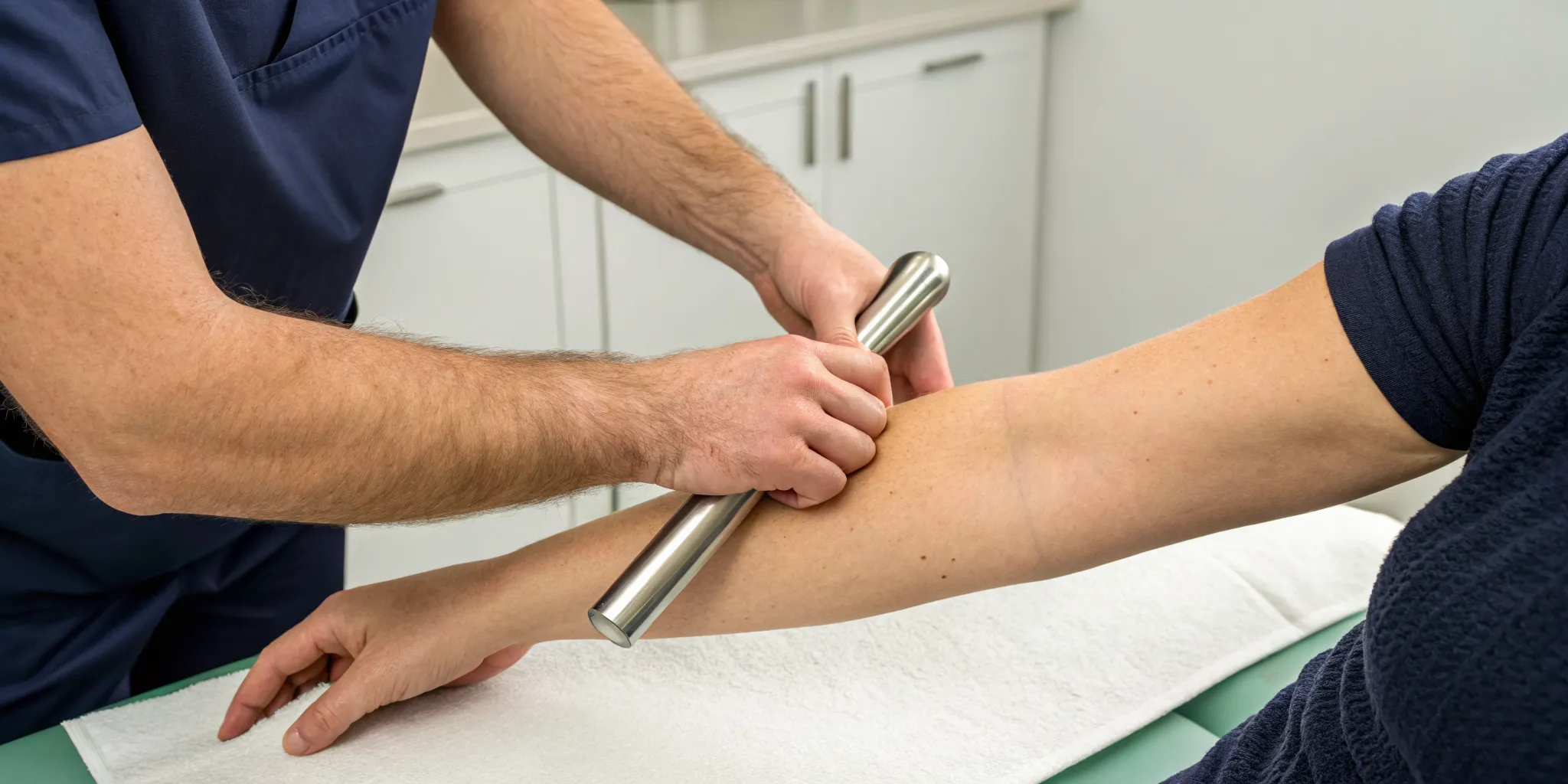
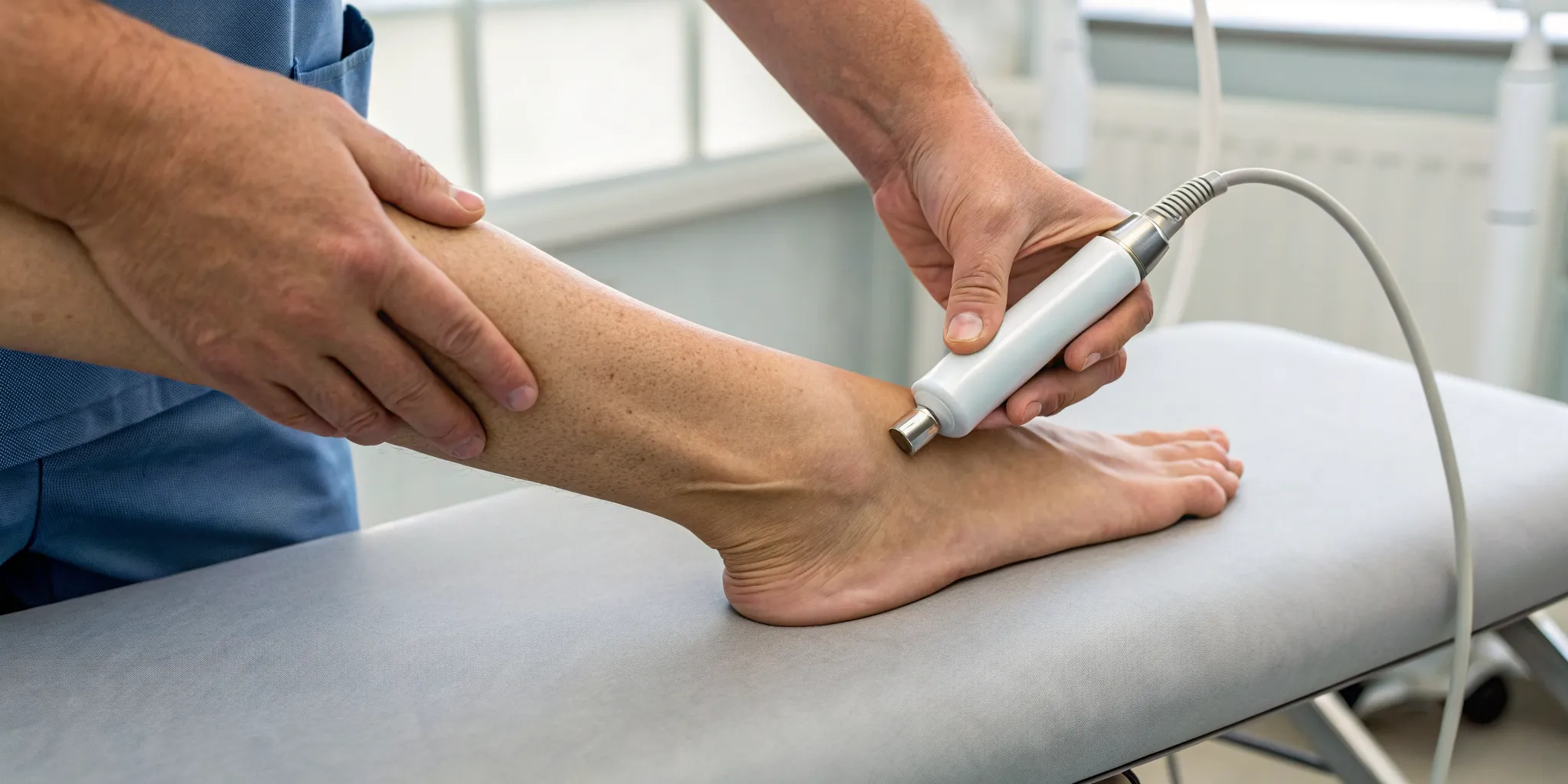
Ascend organizes its care around Physical Medicine, Functional Medicine, and Regenerative Medicine. Physical Medicine includes approaches such as chiropractic care, decompression, and related corrective or soft-tissue work. Those services address movement and musculoskeletal concerns; a clinician can discuss whether an evaluation is appropriate for your circumstances. Learn more about Physical Medicine in Tampa.
Care should be individualized rather than framed as a guarantee of returning to a particular pace or athletic level. If an exercise-related symptom may have a medical cause, seek the appropriate evaluation rather than treating it as a movement problem alone.
How Can You Compare Possible Next Steps?
The right next step depends on the pattern, symptoms, and your goals. This comparison can help organize the conversation; it is not a diagnostic tool or a substitute for medical advice.
| What you notice | What to document or ask | Possible discussion point |
|---|---|---|
| Gradual change after a shift in routine | Training frequency, duration, intensity, time away, and recovery | Whether a conservative adjustment and follow-up observation are reasonable |
| Harder effort with fatigue beyond workouts | Onset, sleep, recent illness, medications, and associated symptoms | Whether a broader health history, examination, or targeted testing is appropriate |
| Exercise limited by pain or restricted movement | Location, triggers, timing, daily impact, and prior injury | Whether a physical or musculoskeletal evaluation fits, alongside other relevant assessment |
| Sudden, severe, or alarming symptoms | Do not delay to complete a training log | Seek prompt medical evaluation; severe symptoms require immediate care |
There is no universal set of tests or fixed schedule that applies to every man over 40. The value of an evaluation is in connecting the history and findings to a clear, proportionate plan—and explaining when follow-up or referral is needed.
It can also help to distinguish the immediate question from the longer-term goal. “Why does this effort feel different?” may call for a review of symptoms and health context; “How can I return to regular activity?” may require a separate conversation about an appropriate progression after urgent or medical concerns have been considered. If you agree on a plan, ask what changes would be expected, what signs should prompt you to check back sooner, and when to reassess. These questions keep the plan understandable without assuming a particular cause or outcome.
What Should Men Over 40 Bring to a Consultation?
Bring enough information to describe the change and your priorities, without feeling that you must arrive with an answer. A focused conversation can clarify known details, remaining uncertainties, and the most sensible first concern.
- A brief timeline of when the change began and whether it is stable, improving, or worsening.
- Examples comparing familiar activities with your current experience, plus any simple training notes.
- A list of symptoms, including when they occur and whether they also appear at rest or in everyday activities.
- Relevant medical history, recent illness or injury, current medications, and prior test results you can access.
- Your goals: for example, to understand why a familiar distance feels harder, return to regular exercise safely, or discuss recovery.
Useful questions include: What explanations fit my history? What symptoms would change the urgency? If you recommend testing, what question is each test meant to answer? How will we review the results and decide on next steps? What should I do about my usual activity while we evaluate this?
Ascend’s approach is to consider root causes through personalized, research-informed care and measurable outcomes, without promising rapid improvement or a particular result. A consultation is a chance to discuss your concern and determine whether the practice’s services fit, not a commitment to a predetermined protocol.
Explore Ascend’s Physical Medicine approach
Frequently Asked Questions
Endurance changes have many possible explanations, and a few practical distinctions can help you prepare for an appropriate conversation.
Is it normal for endurance to change after 40?
People’s exercise capacity and recovery can change over time, but age alone cannot explain a specific person’s symptoms. A noticeable or persistent change is worth considering in the context of training, health history, sleep, and other symptoms.
Should I keep training if my usual workout feels harder?
Do not push through severe, sudden, or alarming symptoms. For a non-urgent change, record your observations and ask a qualified clinician how to modify activity based on your history; an online article cannot determine your personal safety.
Does reduced endurance mean I have low testosterone?
No. Reduced endurance on its own does not diagnose low testosterone or any other hormone concern. A clinician should review symptoms, history, and appropriate testing before discussing hormone-related conclusions or care.
What if my previous bloodwork was normal?
Past results are useful context, but their significance depends on which tests were done, when they were done, and what has changed since. Share the results with a clinician, who can decide whether they answer the current question or whether another evaluation is warranted.
Can a physical medicine visit address endurance concerns?
A physical medicine evaluation may be relevant when pain or movement limitations affect exercise. Endurance changes can also involve other health factors, so the appropriate starting point depends on your symptoms and an individualized assessment.
Ready to Discuss Your Endurance?
A careful conversation can help you decide what to track, whether further evaluation is appropriate, and which questions to address first. If you are in the Tampa Bay area, you can contact Ascend Functional Health to discuss fit and next steps.
Contact Ascend to discuss next steps
This article is for educational purposes only and is not medical advice. Consult your clinician before acting on health information or changing your exercise routine.