When an injury becomes chronic, your body’s natural healing process can stall. It’s as if the internal repair crew has packed up and gone home, leaving you with lingering pain and inflammation. To achieve real, lasting healing, you need to get that crew back to work. This is the core idea behind shockwave therapy for heel pain. By delivering targeted acoustic waves to the injured tissue, this treatment creates a new, controlled healing response. It signals your body to increase blood flow and rebuild damaged tissue from the inside out. It’s a key part of our physical medicine approach because it helps resolve the problem, not just quiet the symptoms.
Key Takeaways
- It jumpstarts your body's natural repair process: Shockwave therapy uses targeted sound waves to restart your body's healing mechanisms, making it a great way to address the source of chronic heel pain instead of just masking it.
- It is a proven solution for stubborn heel pain: This treatment is particularly effective for persistent conditions like plantar fasciitis and Achilles tendinopathy, especially when other conservative methods have not provided the relief you need.
- Expect quick sessions and a smooth recovery: A typical treatment plan involves a series of short, 10 to 20-minute appointments, and you can usually return to your daily routine right away with no significant downtime.
What Is Shockwave Therapy for Heel Pain?
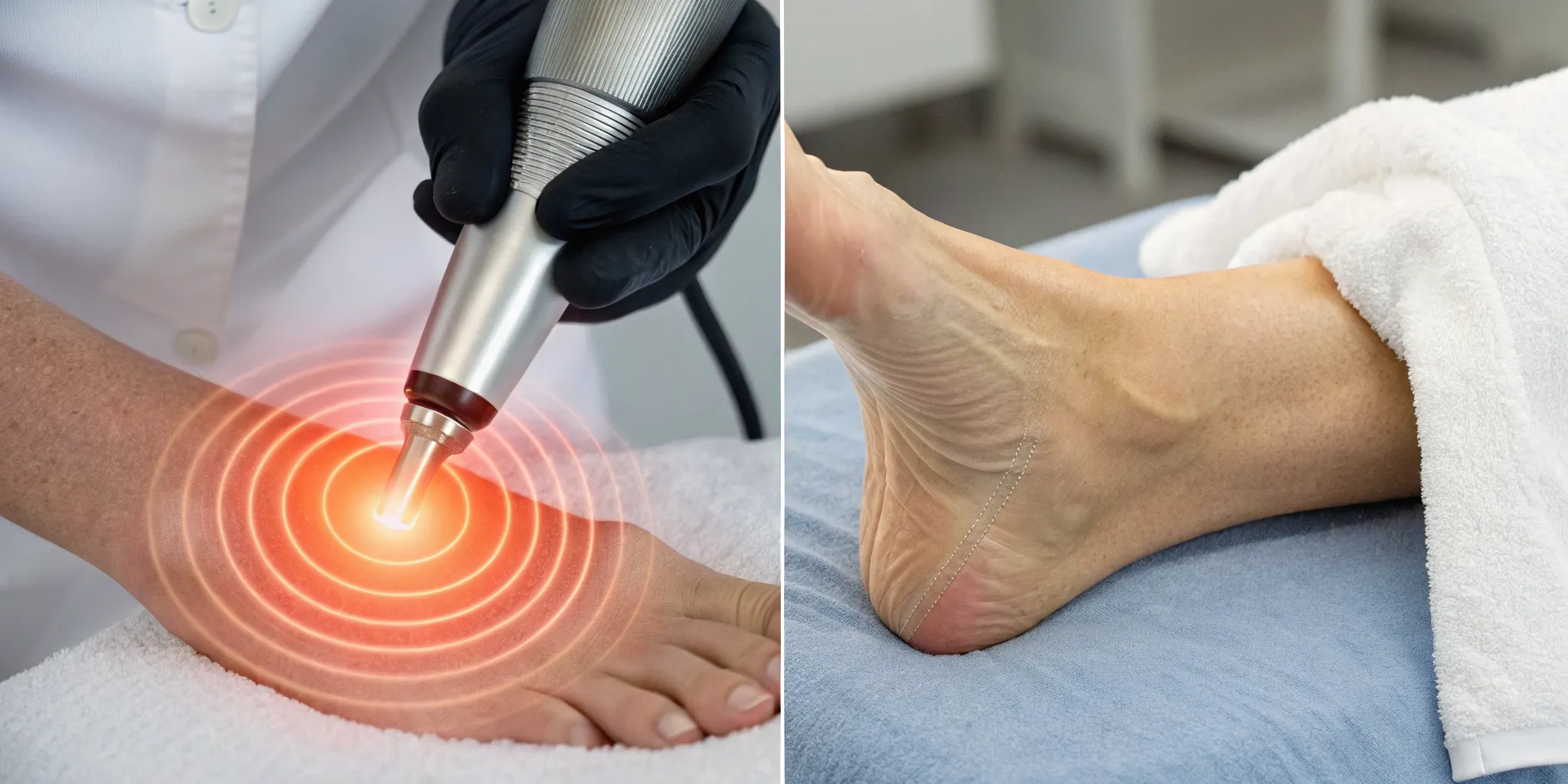
If you’ve been struggling with persistent heel pain from a condition like plantar fasciitis, you know how frustrating it can be when rest and stretching don't provide lasting relief. Shockwave therapy, also known as Extracorporeal Shock Wave Therapy (ESWT), is a non-surgical treatment that helps manage chronic heel pain by addressing the issue at its source. This therapy uses targeted acoustic waves to stimulate your body’s own healing mechanisms. Think of it as a way to restart the healing process in an area that has been stuck in a cycle of inflammation and pain.
The sound waves penetrate the tissue in your heel, promoting increased blood flow and encouraging the repair of damaged tissue. It’s one of the physical medicine tools we use to help you get back on your feet without invasive procedures. By working with your body’s innate ability to heal, shockwave therapy offers a path toward resolving the underlying cause of your discomfort, not just masking the symptoms. It’s a promising option for many of the common conditions we treat that cause stubborn heel pain.
How Does It Work?
The science behind shockwave therapy is all about prompting a natural biological response. When an injury becomes chronic, the body’s healing process can stall. Shockwave therapy essentially "wakes up" the injured tissue, reminding your body that the area still needs attention. The acoustic waves create micro-trauma in the tissue, which triggers a cascade of helpful effects.
This process enhances blood circulation, bringing more oxygen and nutrients to the area to accelerate repair. It also stimulates the production of collagen, a key protein for rebuilding tendons and ligaments. At the same time, the waves can help break down painful calcifications, like those found in heel spurs, and can overstimulate nerve endings to provide immediate pain relief. It’s a multi-faceted approach that supports healing from several angles.
Radial vs. Focused: What's the Difference?
When discussing shockwave therapy, you’ll hear about two main types: radial and focused. Understanding the difference helps clarify how the treatment is tailored to your specific needs. Radial shockwave therapy uses a wider, more dispersed wave that is great for treating larger surface areas. It’s often the preferred method for conditions like plantar fasciitis, where the inflammation is spread across the bottom of the foot.
Focused shockwave therapy, on the other hand, delivers a more precise, high-energy wave to a specific point deep within the tissue. This makes it ideal for targeting a very localized problem area. Our approach involves determining the right protocol for your unique situation, and choosing between radial and focused therapy is a key part of that personalization. Both are effective, but they are simply different tools for different jobs.
What Heel Conditions Can It Treat?
Shockwave therapy is a versatile treatment that addresses the root cause of chronic pain by stimulating your body’s natural healing abilities. It’s particularly effective for conditions affecting the heel and surrounding tissues, which often resist other forms of treatment. Think of it as a way to restart your body's own repair crew. By using targeted acoustic waves, this therapy can break down stubborn scar tissue and encourage new blood vessel growth, bringing much-needed oxygen and nutrients to the injured area. This process helps your body repair itself from the inside out, rather than just masking the pain.
At Ascend Functional Health, we use shockwave therapy as part of our physical medicine approach to help our patients find lasting relief from persistent heel pain. We find it’s a powerful tool because it aligns with our philosophy of getting to the bottom of health issues. It’s a non-invasive option that can help you get back on your feet and return to the activities you love, often without a long or difficult recovery period. Below, we’ll cover some of the specific heel conditions that respond exceptionally well to this innovative treatment.
Plantar Fasciitis
If you’ve ever felt a sharp, stabbing pain in your heel with your first steps in the morning, you’re likely familiar with plantar fasciitis. This common condition occurs when the plantar fascia, the thick band of tissue running along the bottom of your foot, becomes inflamed and develops tiny tears. The pain can be frustrating and can stop you from enjoying simple activities like walking or standing.
For those dealing with persistent plantar fasciitis, shockwave therapy offers a powerful, non-surgical solution. The acoustic waves target the inflamed tissue, helping to reduce pain and kickstart the healing process. It’s an excellent option for chronic cases where other treatments haven't provided the relief you need, helping you address one of the most common conditions we treat.
Heel Spurs
Heel spurs are bony growths that can form on the heel bone, often as a result of long-term strain on the muscles and ligaments in your foot. While not always painful on their own, they are frequently associated with plantar fasciitis and can contribute to significant heel pain. The constant pressure and inflammation can make every step feel like you’re walking on a pebble.
Shockwave therapy is an effective way to manage the pain associated with heel spurs. The treatment works by improving blood flow to the area and helping to calm the chemical signals that cause pain. By promoting the growth of new blood vessels, it delivers more oxygen and nutrients to the sore tissue, which is essential for healing. This helps your body repair the underlying damage and provides lasting relief.
Achilles Tendinopathy
Achilles tendinopathy is another common source of heel pain, affecting the large tendon that connects your calf muscles to your heel bone. This condition usually develops from overuse, leading to pain, stiffness, and swelling at the back of your heel. It’s especially common in runners and active individuals, but it can affect anyone. When this injury becomes chronic (lasting more than six weeks), it can be particularly stubborn.
Shockwave therapy essentially "wakes up" the injured tendon. For chronic injuries, the body sometimes stops its healing efforts. This treatment creates a new inflammatory response, signaling to your body that the area needs attention again. This restarts the natural healing cascade, allowing the tendon to finally repair itself. It’s a way to turn a chronic issue back into an acute one that your body knows how to fix.
Is Shockwave Therapy Really Effective?
When you’re dealing with persistent heel pain, the big question is always: will this treatment actually work? It’s completely fair to be skeptical, especially if you feel like you’ve already tried everything. The great news is that shockwave therapy has a strong track record for helping people find lasting relief. It’s a non-invasive approach designed to stimulate your body’s own healing processes, which is why we often incorporate it into our patient protocols here at Ascend. Let’s look at what the results show and how it compares to other common treatments for heel pain.
A Look at the Success Rates
The numbers behind shockwave therapy are very encouraging. Studies have shown that for chronic conditions like plantar fasciitis, even a single session can significantly reduce pain and improve your ability to move comfortably. Many clinics report that around 80% of their patients see a real improvement in their symptoms after completing their treatment plan. This high success rate is a major reason why it's become a trusted part of a modern physical medicine toolkit. It offers a promising path forward for those struggling with stubborn heel pain that just won’t go away.
How It Compares to Other Treatments
Traditionally, shockwave therapy was seen as a next step after other methods like rest, physical therapy, or night splints didn't provide relief for six months or more. However, the perspective on this is changing. Newer guidelines often suggest considering shockwave therapy before turning to more invasive options like certain types of injections or surgery. This shift highlights its effectiveness and safety profile. It’s a powerful, non-surgical tool for addressing the root cause of many of the conditions we treat, helping you heal without significant downtime or the risks associated with more aggressive procedures.
What to Expect During Treatment
Knowing what happens during a treatment can help you feel more prepared and relaxed. At Ascend Functional Health, we prioritize your comfort and make sure you understand every step of the process. Our goal is to address the root cause of your heel pain with a clear, supportive plan. From your first session to your last, we’re here to guide you.
Our approach to physical medicine is centered on personalized care, and shockwave therapy is no different. We’ll tailor the treatment to your specific needs, ensuring the intensity and duration are just right for you. Let’s walk through what a typical treatment plan looks like.
A Look Inside a Session
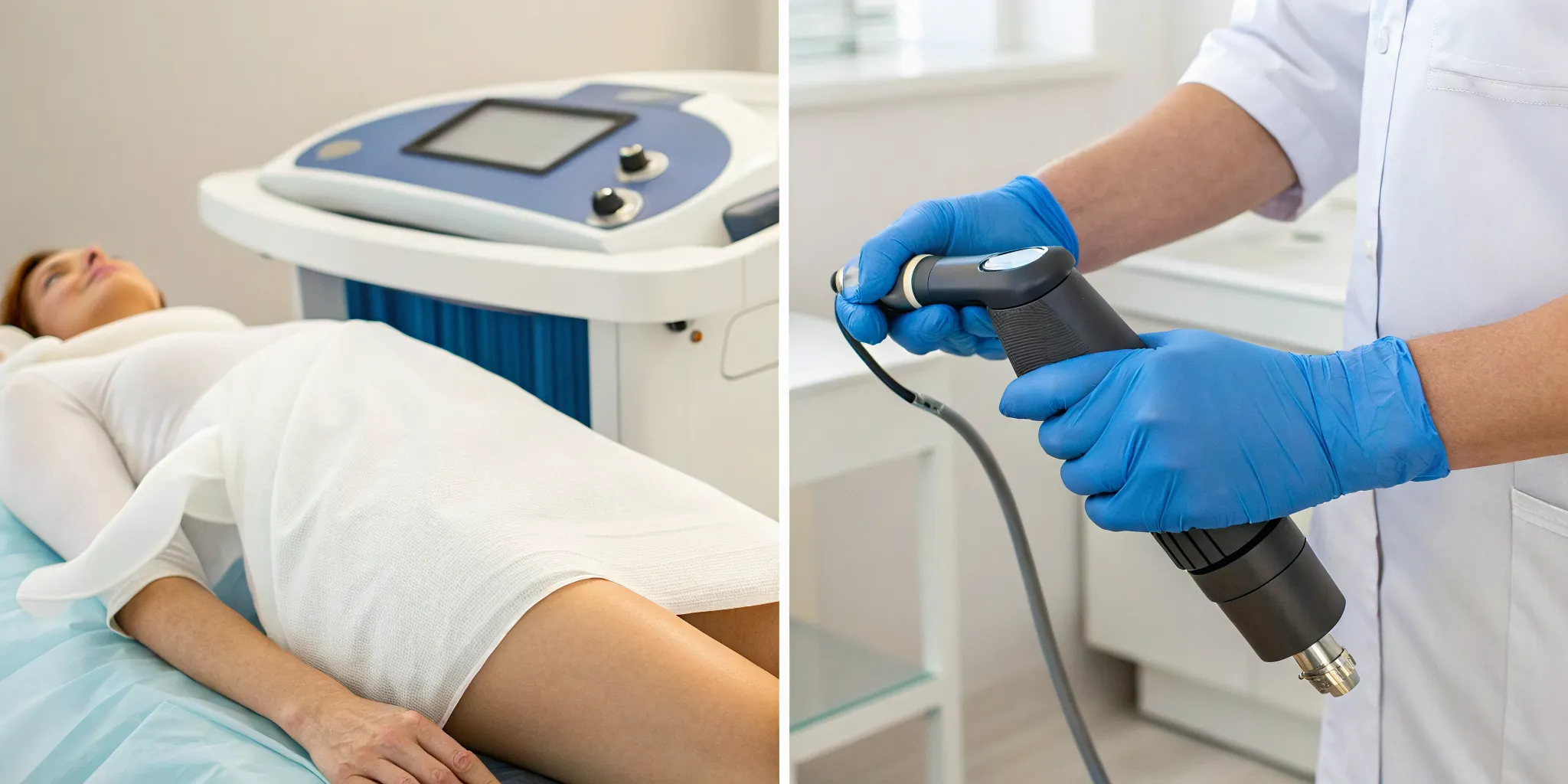
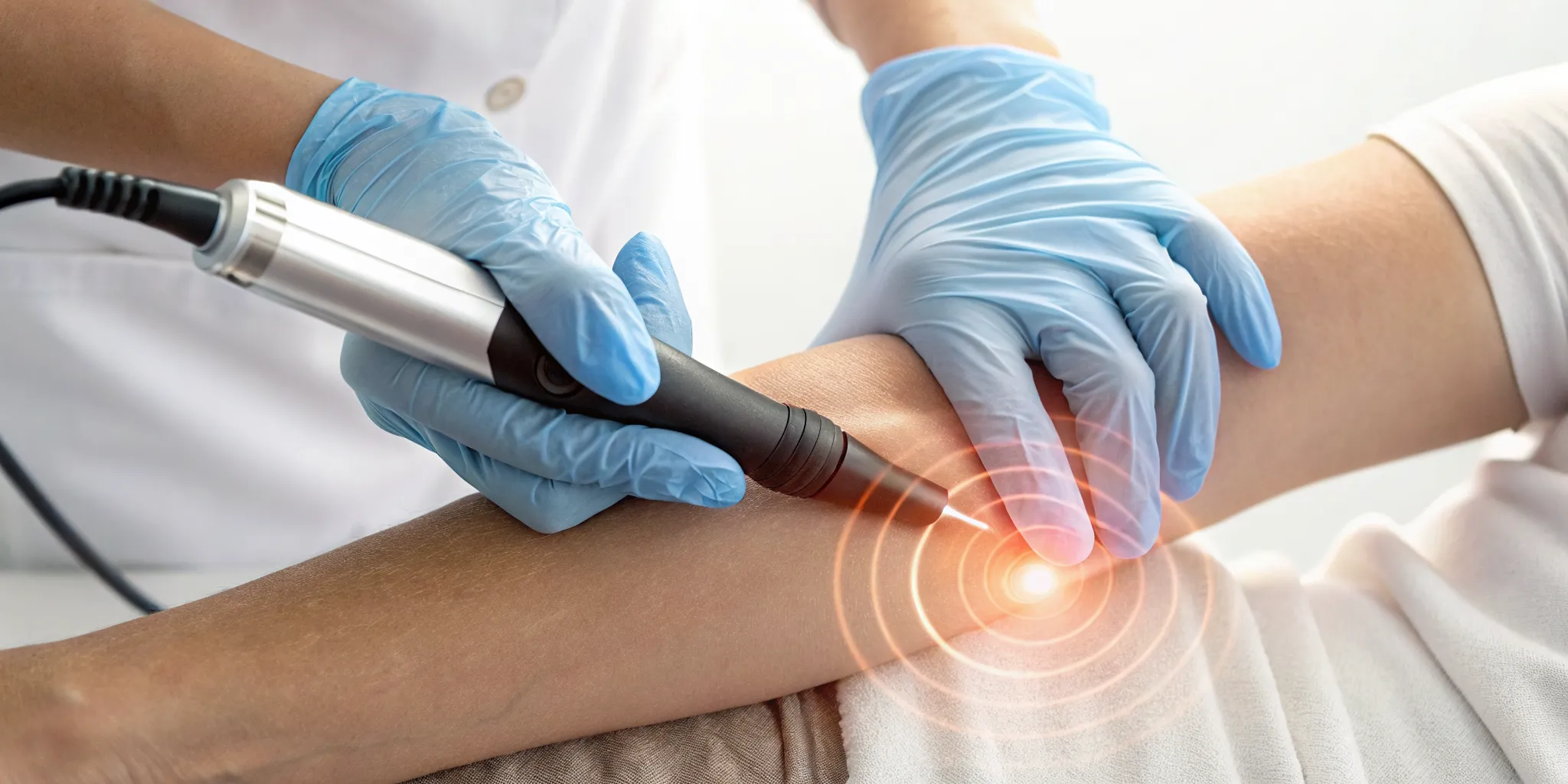
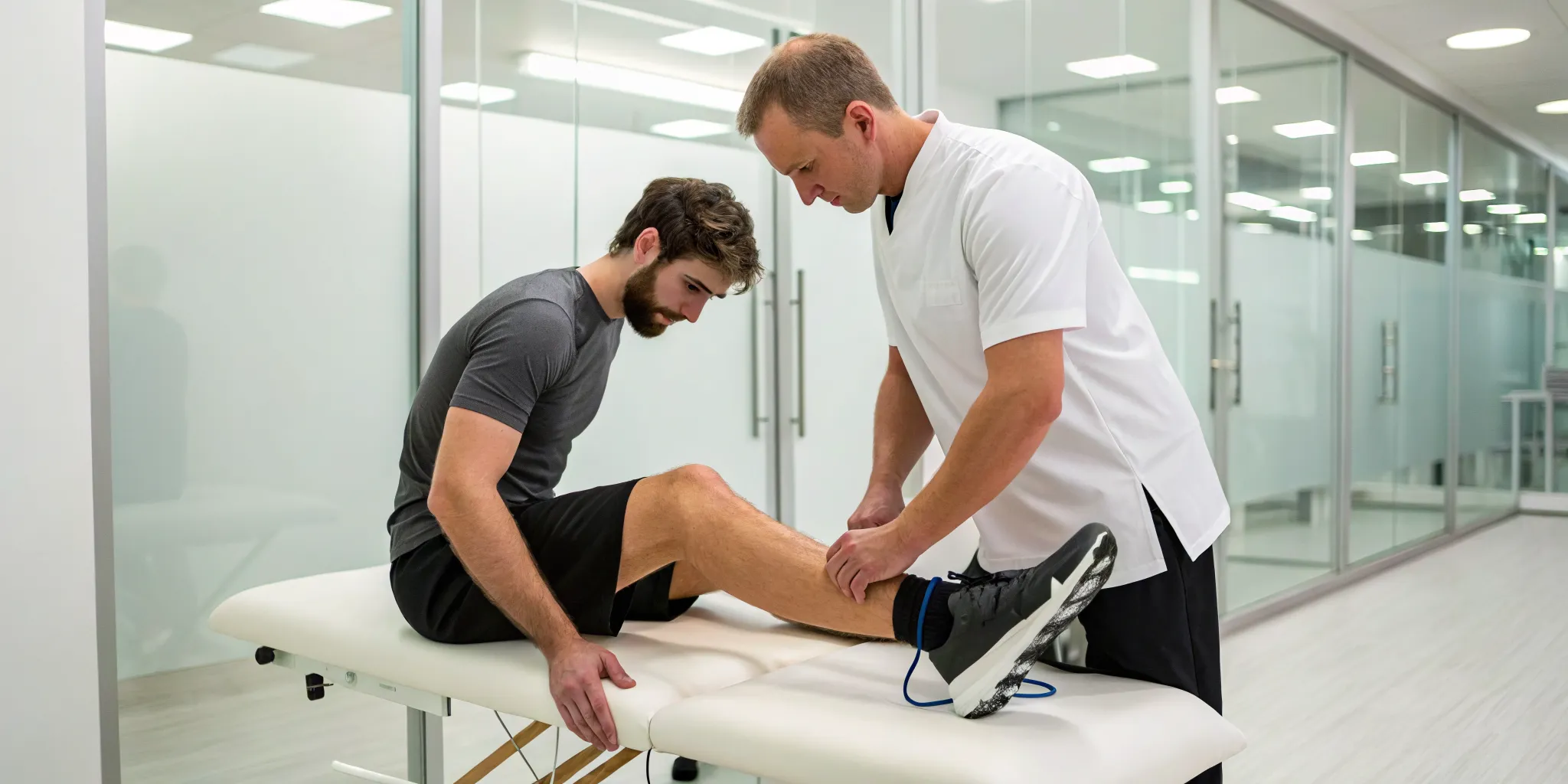
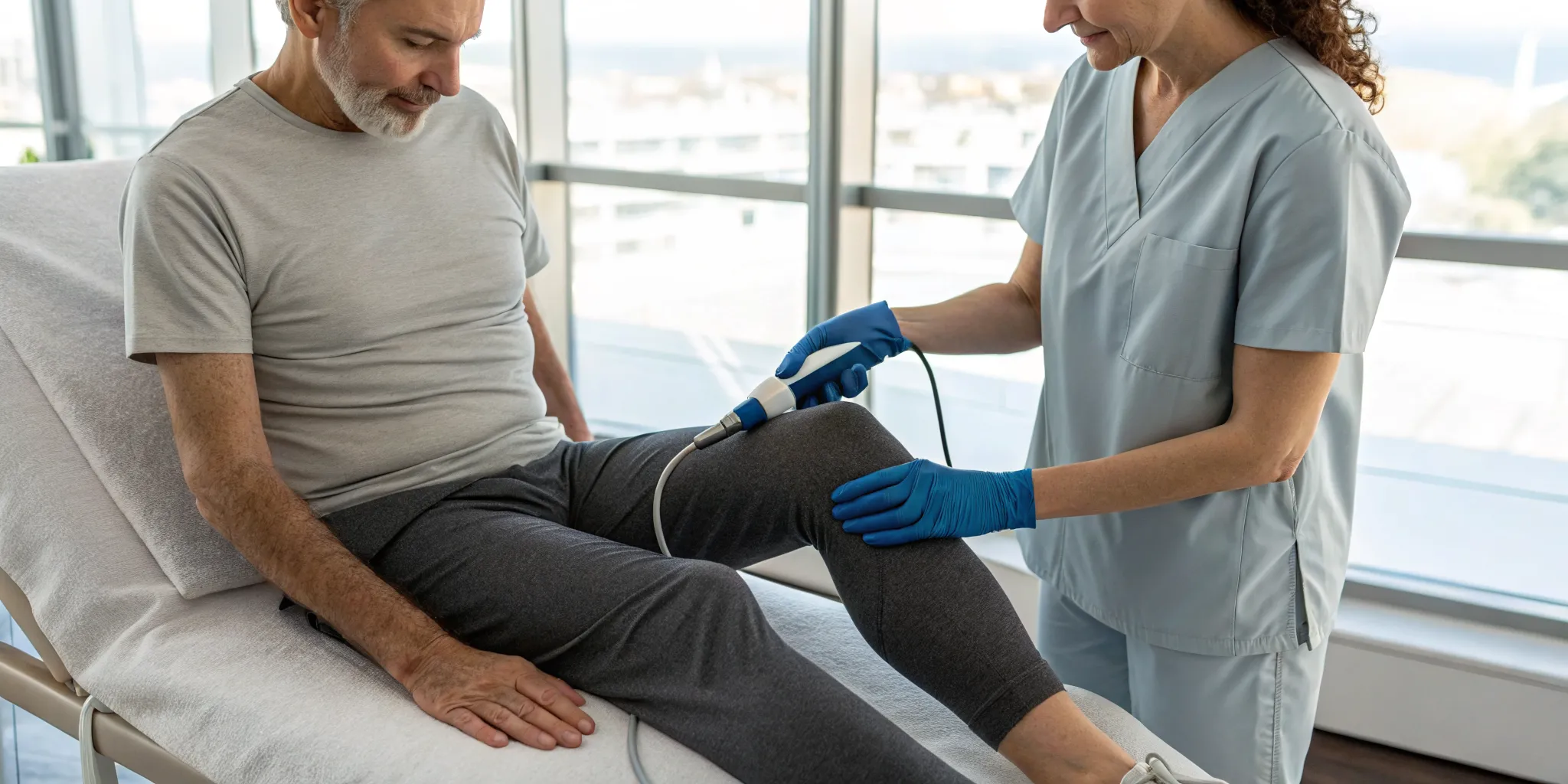
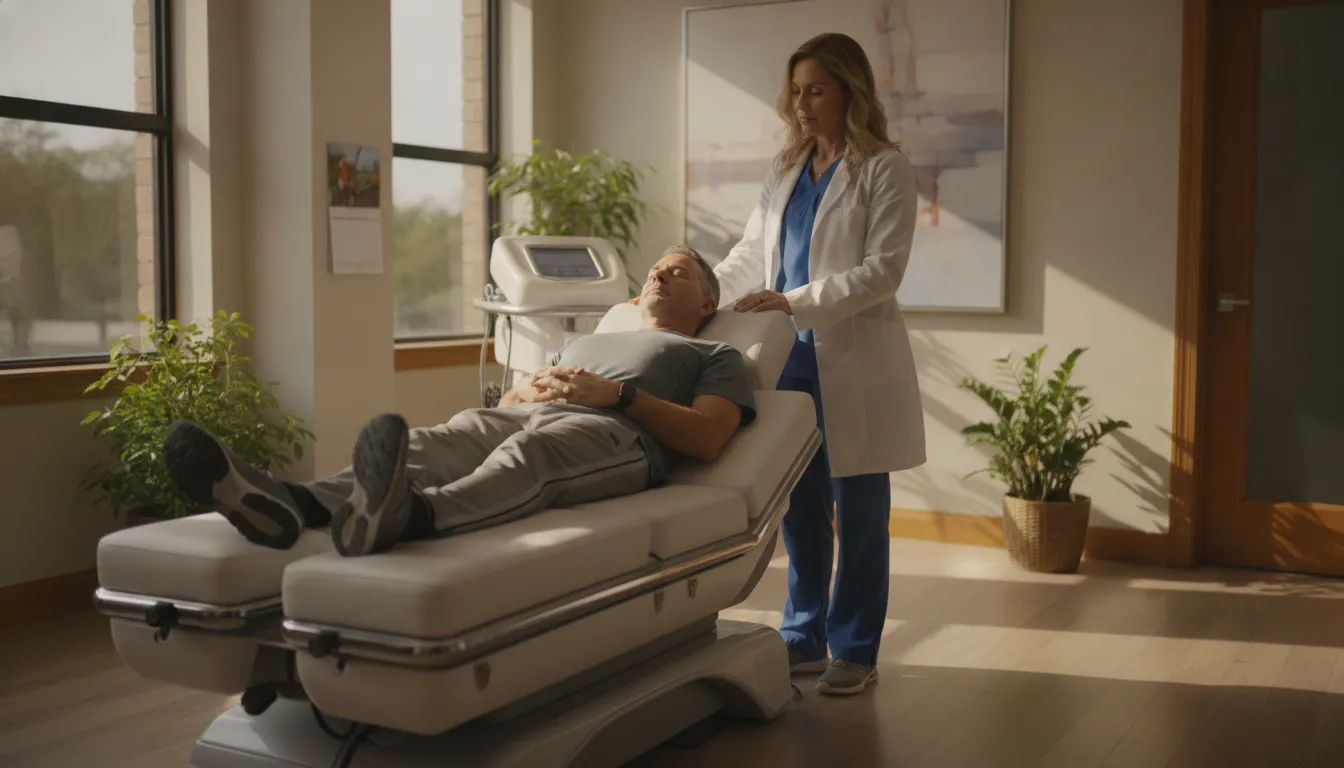
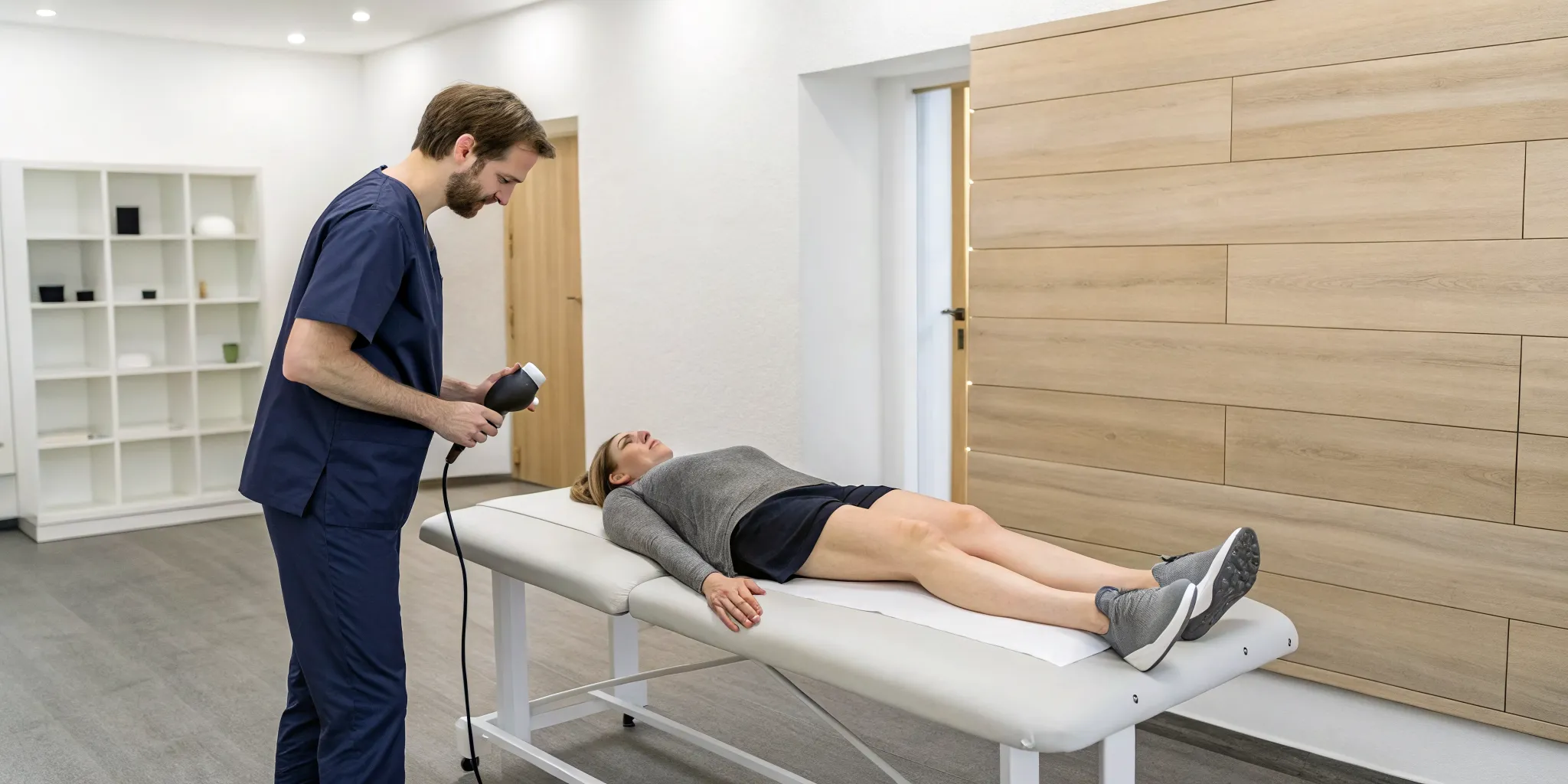
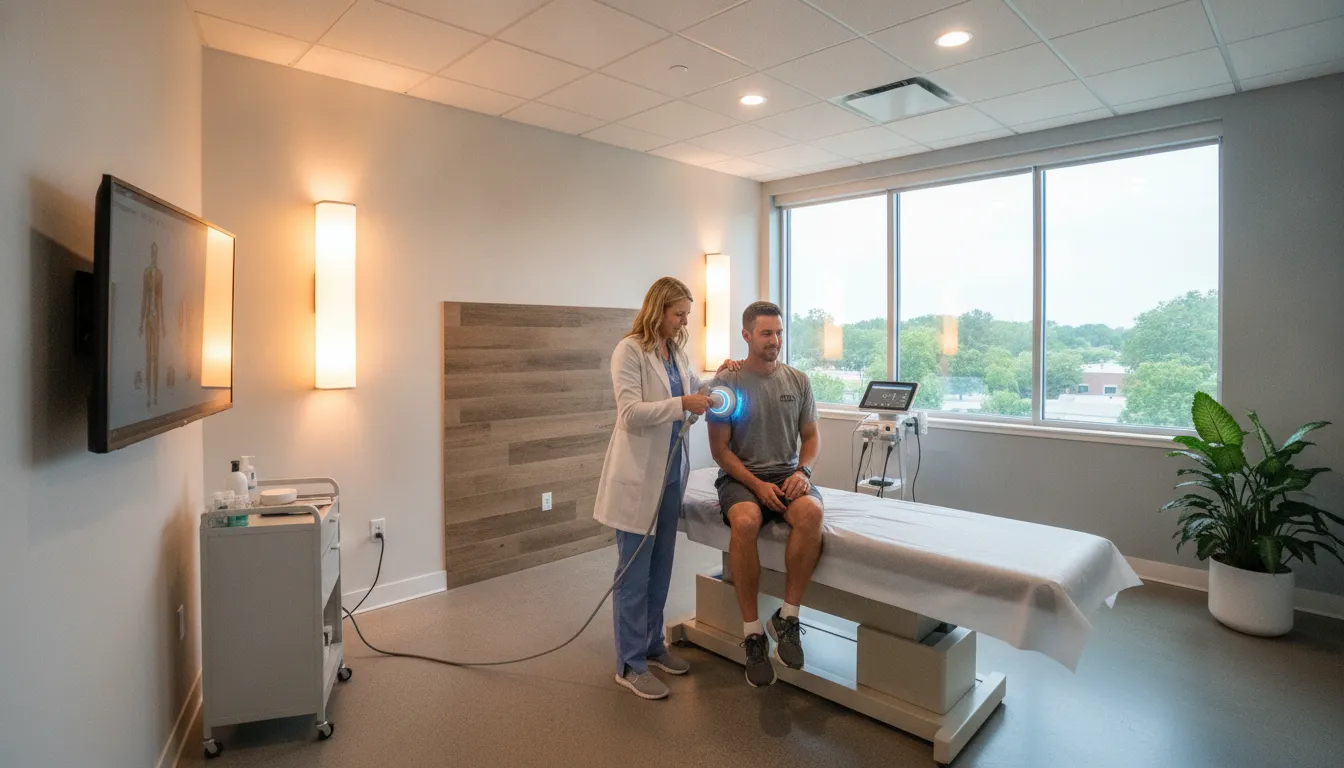
If you're picturing a complicated, lengthy procedure, you can relax. Shockwave therapy is a straightforward outpatient treatment, meaning you’ll be heading home the same day. During the session, you’ll lie comfortably on a treatment table. We’ll apply a gel to your heel, which helps the therapeutic waves reach the targeted tissue more effectively.
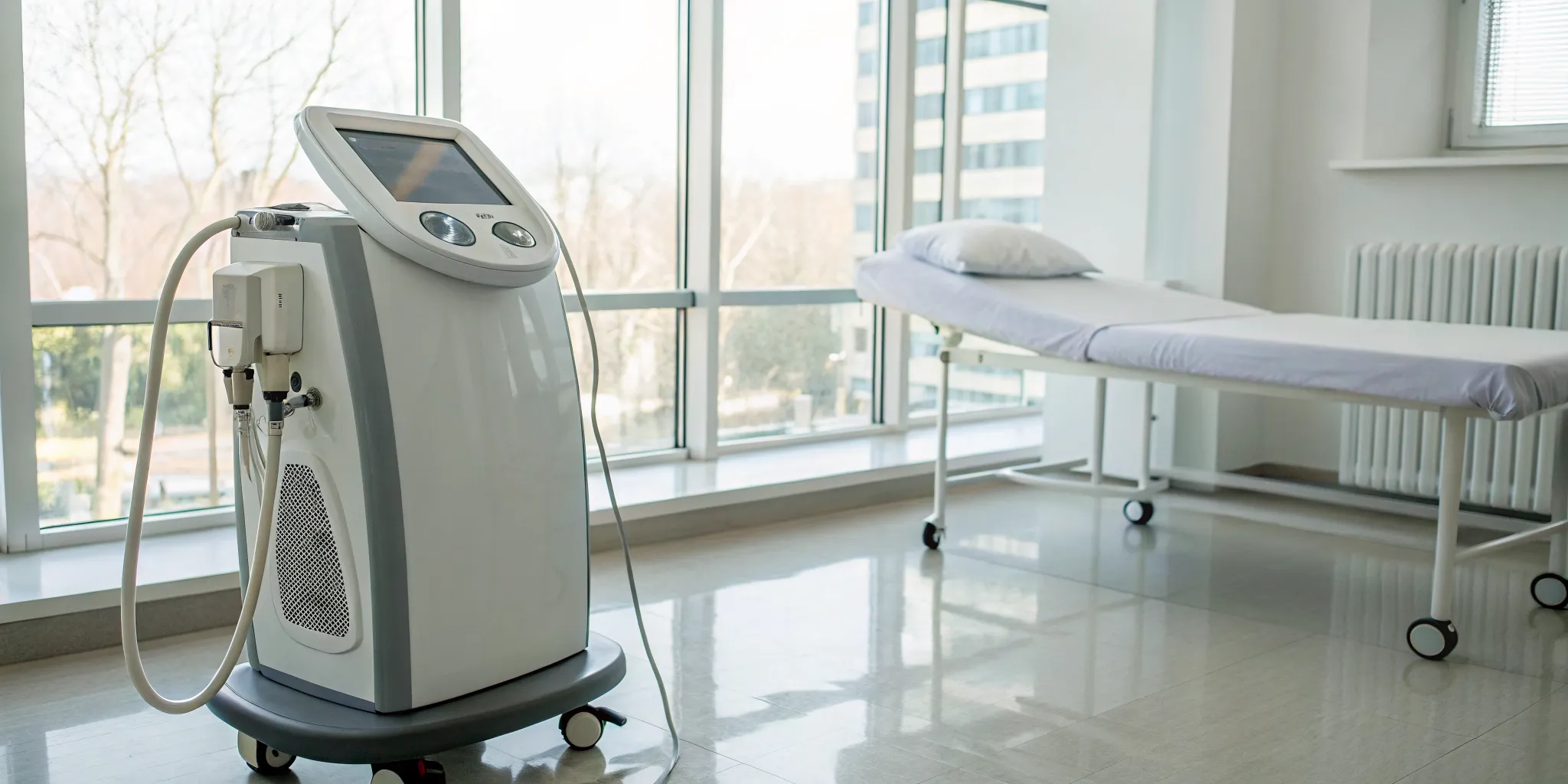
Then, using a special handheld device, we’ll deliver a series of low-energy sound waves, or pulses, to the painful area. The entire process is quite quick, typically lasting only about 10 to 20 minutes. It’s a non-invasive technique designed to stimulate your body’s own healing mechanisms without the need for injections or incisions.
How Many Sessions Will I Need?
The number of sessions you’ll need depends on your specific condition, its severity, and how your body responds. Generally, most of our patients see the best results with a series of four to six treatments, scheduled about once a week. This consistent schedule helps maintain the healing momentum.
While many people start to feel a noticeable improvement after just two or three sessions, it’s important to remember that the real healing happens on a deeper, cellular level. This regenerative process continues for up to three months after your final treatment. We create a personalized plan for the conditions we treat to ensure you get the most effective and lasting results.
Does the Treatment Hurt?
This is one of the most common questions we get, and it’s a fair one. You may feel some mild discomfort during the treatment, especially at the beginning of the session. However, this sensation typically lessens as the area gets used to the pulses. We can also adjust the intensity to a level that is comfortable for you.
The good news is that any discomfort is temporary and a sign that the therapy is targeting the right spot. Many people report feeling an immediate sense of relief right after the session is over. Our team is committed to making your experience as comfortable as possible, a sentiment you’ll find echoed in our patient testimonials.
Your Recovery and Post-Treatment Care
One of the best parts of shockwave therapy is how smoothly it fits into your life. There’s no significant downtime, but following a few simple guidelines after your session is key to supporting your body’s healing process. Your recovery is an active part of the treatment, and our team at Ascend Functional Health will give you a personalized plan. Here’s a general idea of what you can expect as your body gets to work repairing your heel tissue.
The First Few Days After Treatment
You can typically walk and return to your daily routine, including work, right after your session. For the first day or two, it’s a good idea to rest and elevate your foot when you can to help the healing along. We recommend avoiding high-impact exercises, running, or heavy lifting for at least a couple of days. Instead, you can begin gentle stretching exercises the day after your procedure. It’s also best to avoid anti-inflammatory medications, as the treatment works by creating a mild, strategic inflammatory response that signals your body to start rebuilding. Following up with your practitioner is an important step to track your progress and make any needed adjustments to your care plan.
Tips for a Smooth Recovery
For many people, shockwave therapy is an option after other common treatments for heel pain haven’t provided lasting relief. Most patients experience a significant reduction in pain and find they can move much more freely. Depending on your specific situation, you might need two or three sessions, each lasting about 10 to 20 minutes. Our approach to physical medicine is centered on creating a partnership with you. We work together to address the root cause of your pain, ensuring your recovery is as smooth and effective as possible. Listening to your body and sticking to the post-treatment plan are the best ways to achieve lasting results.
How Soon Will I Feel Relief?
While many people report feeling some relief right after their first treatment, the most significant changes happen over time. Shockwave therapy isn't a quick fix; it’s a process that encourages your body’s own innate healing abilities. The healing and tissue regeneration continue for up to three months after your final session. Research shows a steady decrease in pain over the weeks following treatment. It’s a gradual improvement that builds as your tissue repairs itself. Patience is part of the process, and as your body heals from the inside out, you’ll notice a progressive return to comfort and mobility.
Are There Risks or Side Effects?
It’s completely normal to wonder about potential side effects when considering any new treatment. The good news is that shockwave therapy is a non-invasive procedure with a strong safety record. While most people experience little to no downtime, it’s helpful to know what you might expect so you can feel prepared and confident. The side effects are typically minor and temporary, resolving on their own within a few days as your body begins its healing work.
At Ascend Functional Health, we believe in empowering you with clear information. Our team will walk you through every step of the process, ensuring you feel comfortable and informed. We prioritize treatments that work with your body’s natural healing processes, and shockwave therapy fits perfectly within our holistic health solutions. It’s a method that encourages your own tissues to repair and regenerate, which is the core of functional medicine. Understanding the full picture of a treatment, including any potential minor effects, is a key part of taking control of your health and moving toward lasting relief. We're here to support you in that process, answering every question you have along the way.
Understanding Common Side Effects
After a shockwave therapy session, it’s possible to experience some mild, temporary effects around your heel. Think of it as similar to the tenderness you might feel after a deep tissue massage. These reactions are a normal sign that the treatment is stimulating a healing response in the tissue.
Common side effects are localized to the treatment area and may include:
- Slight pain or soreness
- Minor swelling or redness
- Bruising
- A temporary feeling of numbness
These effects usually fade within a day or two. Most people find they can walk out of their appointment and continue with their day without significant interruption. We will provide you with specific post-treatment care instructions to help you feel your best.
Are There Any Serious Risks?
One of the biggest advantages of shockwave therapy is its high safety profile. Extensive research and clinical use have shown that serious risks or complications are very rare. Unlike more invasive procedures, this treatment doesn't involve incisions or anesthesia, which removes many of the associated risks. It’s a well-tolerated option for many of the conditions we treat.
Most individuals can return to work and their regular activities, including light exercise, shortly after a session. The goal is to get you back on your feet and enjoying your life without the burden of heel pain. During your consultation, we will review your health history to ensure shockwave therapy is the right and safest choice for you.
Is Shockwave Therapy Right for You?
Deciding on a treatment path for chronic heel pain can feel overwhelming, especially when you’ve already tried several methods without lasting relief. While shockwave therapy is a powerful tool for many, it’s not a universal solution. The right treatment for you depends entirely on your specific condition, your health history, and the underlying cause of your pain. It’s a fantastic option for people who have been struggling with soft tissue injuries for a while and are looking for a way to support their body’s healing process without invasive procedures.
The best way to determine if you’re a good candidate is to have a comprehensive evaluation. At Ascend Functional Health, our approach begins with understanding your unique situation. We look at the full picture to see if shockwave therapy fits into a personalized plan designed to address the source of your discomfort. This ensures that we’re not just chasing symptoms but are creating a strategy for long-term resolution and improved function. A consultation can help you understand if this is the most effective next step on your path to healing.
Who Benefits Most from This Treatment
If you've been dealing with a nagging soft tissue injury for more than six weeks, shockwave therapy might be an excellent option for you. This treatment is particularly effective for chronic conditions that haven't responded to initial conservative care, like rest and stretching. People with persistent plantar fasciitis or Achilles tendinopathy often see significant improvement. The therapy works by creating micro-trauma in the tissue, which stimulates blood flow and awakens the body’s natural repair mechanisms. It’s a way to restart a healing process that has stalled. Many individuals report feeling a noticeable reduction in pain, with some studies showing that up to 80% of patients experience positive results. It’s a promising step forward when you feel like you’ve hit a wall with your recovery.
When Is Shockwave Therapy Not Recommended?
Shockwave therapy is generally not a first-line treatment. We typically recommend it for individuals who have already tried other conservative approaches for several months without success. If you haven't yet explored options like corrective exercises, changes in footwear, or other physical medicine modalities, those would likely be your starting point. While the therapy is very safe, it’s important to be aware of potential temporary side effects. Some people experience minor soreness, redness, or bruising in the treated area, but these issues usually resolve on their own within a day or two. Our team is committed to a patient-first philosophy, and a thorough assessment will always be done to ensure this treatment is appropriate and safe for your specific circumstances.
Your Next Step for Heel Pain Relief in Tampa
Living with persistent heel pain is frustrating, especially when it keeps you from the activities you love. If you're dealing with a condition like plantar fasciitis, it can feel like you've tried everything without finding lasting relief. The good news is that innovative, non-invasive treatments can make a real difference by working with your body's natural healing process. One of the most promising options is shockwave therapy.
This approach uses high-energy sound waves to target affected tissue, promoting repair from within. Research shows that shockwave therapy can be an effective treatment for plantar fasciitis, helping to reduce pain and improve foot function. Because of its success, many practitioners now suggest shockwave therapy before considering more aggressive options. One of the key benefits of this therapy is that it helps many people return to their daily activities faster, without the side effects that can accompany other treatments.
At Ascend Functional Health, our entire approach to physical medicine is built on finding and addressing the root cause of your discomfort. We use advanced, research-backed therapies like shockwave to help your body heal itself so you can get back on your feet. If you're ready to move past heel pain and explore a solution that works with your body, your next step is to see if this treatment is right for you. We invite you to schedule a consultation with our Tampa team to discuss your condition and create a personalized plan for your recovery.
Related Articles
- SoftWave Tissue Regeneration Therapy in Tampa | Alessi Functional Health
- Regenerative Medicine for Pain Recovery | Ascend Functional Health
- Physical Medicine in Tampa | Chiropractic & Rehab Care | Ascend Functional Health
- Root Cause Treatment for Chronic Pain | Ascend Functional Health
- SoftWave TRT Therapy in Tampa, FL - Alessi Functional Health
Frequently Asked Questions
Is shockwave therapy painful? This is a very common and fair question. Most people describe the sensation as a strong tapping or pulsing against their heel. While you may feel some discomfort, especially at the beginning of the session, it typically lessens as the treatment progresses. We can always adjust the intensity to a level that is manageable for you, and any soreness is temporary and a good sign that we are targeting the right tissue.
How long will it take to see results from shockwave therapy? While some people feel a bit of relief right away, shockwave therapy is designed to create long-term healing, not an instant fix. The most significant improvements happen gradually. The therapy kickstarts your body’s natural repair cycle, a process that continues for weeks and even months after your final session. True, lasting relief builds over time as your tissue regenerates from the inside out.
Can I continue my normal activities during the treatment period? Yes, for the most part. One of the great things about this treatment is that there is no major downtime. You can walk and go about your daily routine immediately after a session. We do recommend avoiding high-impact activities, like running or heavy lifting, for a couple of days after each treatment. This brief rest period gives your body the best opportunity to begin the healing process.
I've already tried stretching and orthotics. How is this different? It’s frustrating when you’ve tried other methods without getting the relief you need. While things like stretching and orthotics can be helpful for managing symptoms, shockwave therapy works differently. Instead of just supporting the foot, it actively stimulates your body’s own repair crew on a cellular level. It helps restart the healing process in tissue that has been stuck in a chronic state of injury, aiming to resolve the underlying problem.
How do I know if shockwave therapy is the right choice for me? The only way to know for sure is to have a proper evaluation. This treatment is a fantastic tool, but it’s not the right fit for everyone or every condition. A consultation allows us to understand your specific situation, review your health history, and determine the root cause of your heel pain. From there, we can see if shockwave therapy is the most effective path forward for you and create a personalized plan.