Flexibility changes former athletes over 40 notice can reflect many factors, from past training demands to current routines, prior injuries, and general health. A thoughtful evaluation can place those changes in context without assuming that age alone explains them. This guide outlines the details to track, questions to bring, and ways to discuss a measured next step.
Explore Physical Medicine options
Why might former athletes notice flexibility changes after 40?
Flexibility may shift when activity patterns, movement habits, injury history, or overall health change. The most useful starting point is a clear description of the movement that feels different, when it occurs, and how it affects daily life.
A former athlete may have spent years repeating a narrow set of movements. A baseball player, swimmer, runner, or strength athlete may have developed strong control in positions that supported a particular sport. After organized competition ends, work, commuting, family responsibilities, and more sitting can replace that focused practice. The body then encounters different demands, and a familiar motion may no longer feel as available.
Past injuries can remain relevant even when the original symptoms settled. A sprain, procedure, period of rest, or protective movement pattern may have changed how someone loads one side or moves through a joint. That history does not prove the reason for a current limitation. It gives a clinician useful context for a more complete conversation.
Flexibility also is not the same as strength, coordination, or tolerance for activity. Someone may reach a position during a brief assessment yet feel limited during a repeated task. Another person may have a comfortable range of motion but lack confidence with a movement. Describing these differences helps keep the discussion specific and practical.
For example, a former swimmer might notice difficulty reaching overhead after long periods at a desk, while a former runner might feel restricted when descending stairs or turning quickly. These experiences are not interchangeable. The activity, side of the body, timing, and associated sensations all help define the question that an evaluation should address.
Routine changes can matter as much as sport history. A person who once trained several days each week may now spend long stretches seated, travel for work, or manage a different sleep schedule. Those changes can affect how movement feels without proving that one factor caused the limitation. They are useful details to share rather than conclusions to draw alone.
Which changes deserve a closer conversation?
A change deserves attention when it persists, progresses, affects an important activity, or comes with other symptoms. The goal is not to label every variation as a problem, but to notice patterns that may benefit from professional review.
Consider making an appointment to discuss a change if you notice any of the following:
- A lasting difference: One shoulder, hip, ankle, or side of the back consistently feels less available than the other.
- A shift in daily function: Reaching a shelf, getting dressed, turning, sitting, or climbing stairs has become more difficult.
- A change during valued activity: A golf swing, swim session, walk, recreational game, or other familiar activity no longer feels comfortable or coordinated.
- A pattern that keeps returning: The limitation appears after rest, later in the day, or after a particular type of activity.
- Related sensations: Stiffness, aching, altered sensation, weakness, or a feeling of instability accompanies the movement change.
- A meaningful history: The change follows an old injury, procedure, extended break from activity, or major change in routine.
These observations are prompts for a conversation, not a personal diagnosis. If a symptom is sudden, alarming, or outside the scope of routine movement care, seek the appropriate level of medical attention rather than waiting for a scheduled consultation.
It can also help to separate a single uncomfortable day from a repeatable pattern. Note whether the change appears across several ordinary activities and whether it alters how you move. A former athlete may compensate without noticing, such as rotating the trunk to avoid a shoulder position or shortening a stride to avoid a hip position. That adaptation is worth describing, even if it seems minor.
Compare function with your own recent baseline rather than with your competitive peak. The range and speed you had during a demanding season may not be the right standard for your current life. A more useful question is whether you can perform the tasks you value with reasonable comfort, control, and confidence.
Which details should you track before a consultation?
A short, organized record can make a visit more focused. Track the movement, setting, timing, and effect on function instead of trying to decide the cause on your own.
- Locate the change. Name the body area and note whether the difference is on one side or both.
- Describe the motion. Write down whether reaching, bending, turning, lifting, rotating, or another movement feels different.
- Record the timing. Note whether the sensation appears after rest, during activity, immediately afterward, or later.
- Describe the quality. Use ordinary language such as tight, restricted, sore, unsteady, weak, or difficult to control.
- Identify the effect. Explain which daily task or recreational activity is affected and whether you have changed how you perform it.
- List useful context. Include prior injuries, procedures, training history, current activity, and any recent change in work or routine.
- Note what changes the pattern. Mention positions, pacing, rest, or other circumstances that seem to make the movement feel different.
A simple example might read: “My right shoulder feels restricted when I reach behind me, especially after sitting at my desk. I can still raise my arm, but putting on a jacket is less comfortable than it was six months ago.” This description gives a clinician more useful information than a broad statement that the shoulder is tight.
A second example could be: “My left hip feels stiff when I first stand after a long meeting. It improves once I walk, but turning into the car is still awkward.” That statement identifies the transition, the duration, and the functional effect. It also avoids claiming a cause that has not been established.
Record the activity level in broad terms. Mention whether you currently walk, swim, play golf, practice recreational sports, work at a desk, or perform physical tasks. The purpose is not to produce a perfect log. It is to show the setting in which the change matters.
Bring a list of current health concerns and questions as well. Do not repeatedly test the movement or push through discomfort to create a more dramatic example. The purpose of tracking is to improve communication and support a thoughtful evaluation.
How can an evaluation clarify the movement picture?
An evaluation connects your account of the change with relevant history and observed movement. The clinician can then explain which findings may matter, whether further assessment is appropriate, and which care discussion fits your goals.
The conversation may cover when the change began, how it affects daily tasks, which sports or activities you previously practiced, and what you do now. A clinician may ask about prior injuries, procedures, health factors, work demands, and changes in activity. These questions are not meant to assign blame. They help create a more complete picture of the forces and habits surrounding the concern.
Depending on the reason for the visit, an examination may include posture, range of motion, symmetry, functional movement, and the way a task is performed. A movement screen is one part of an evaluation, not a promise that a single observation will identify one definitive cause. The findings should be discussed in plain language, including their limits.
It is useful to arrive with a specific goal. “I want to move better” is a reasonable starting point, but “I want to put on a jacket without guarding my shoulder” or “I want to turn comfortably while driving” gives the discussion a clearer functional target. The clinician can then connect observations to a question that matters in your day.
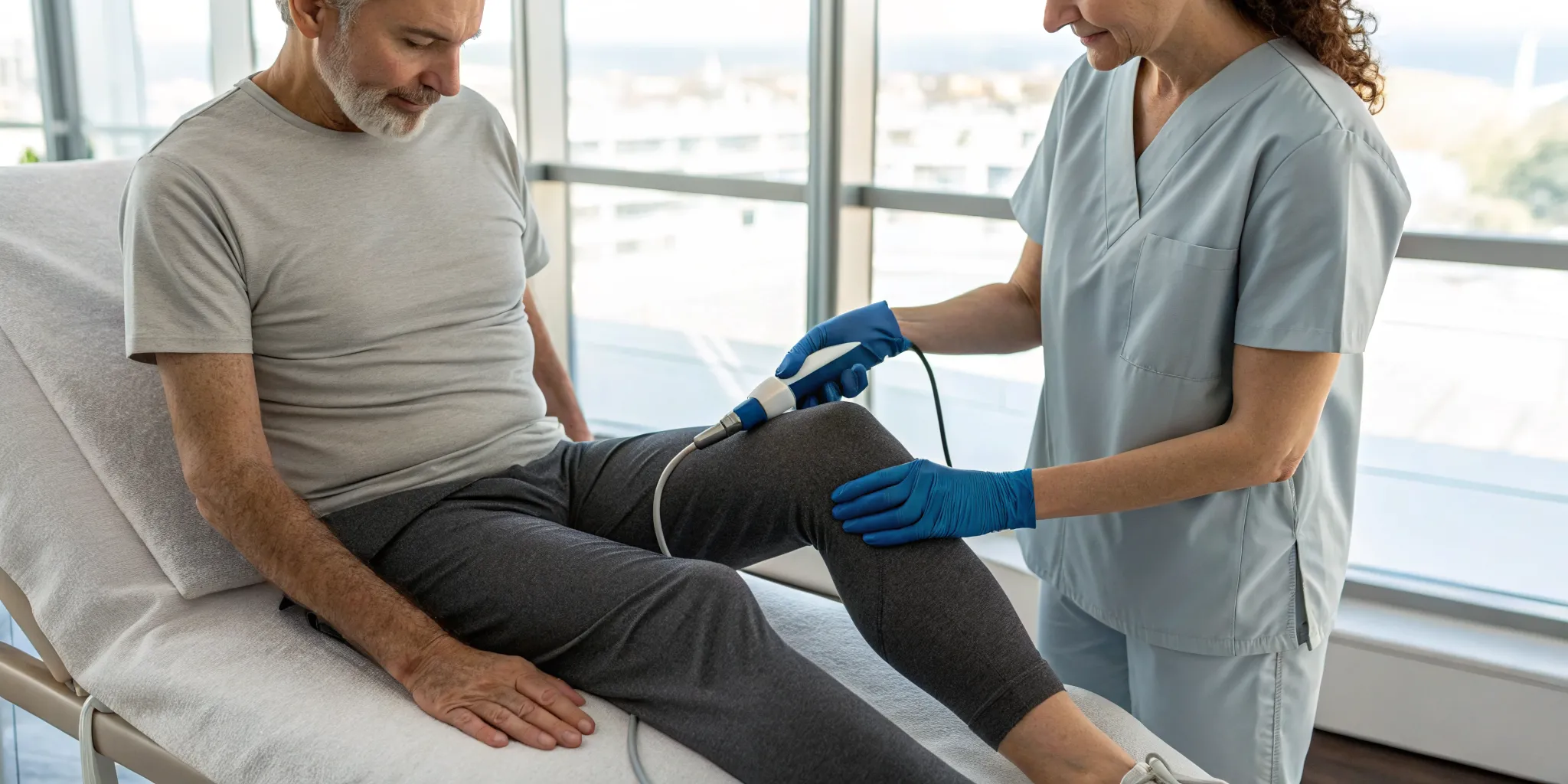
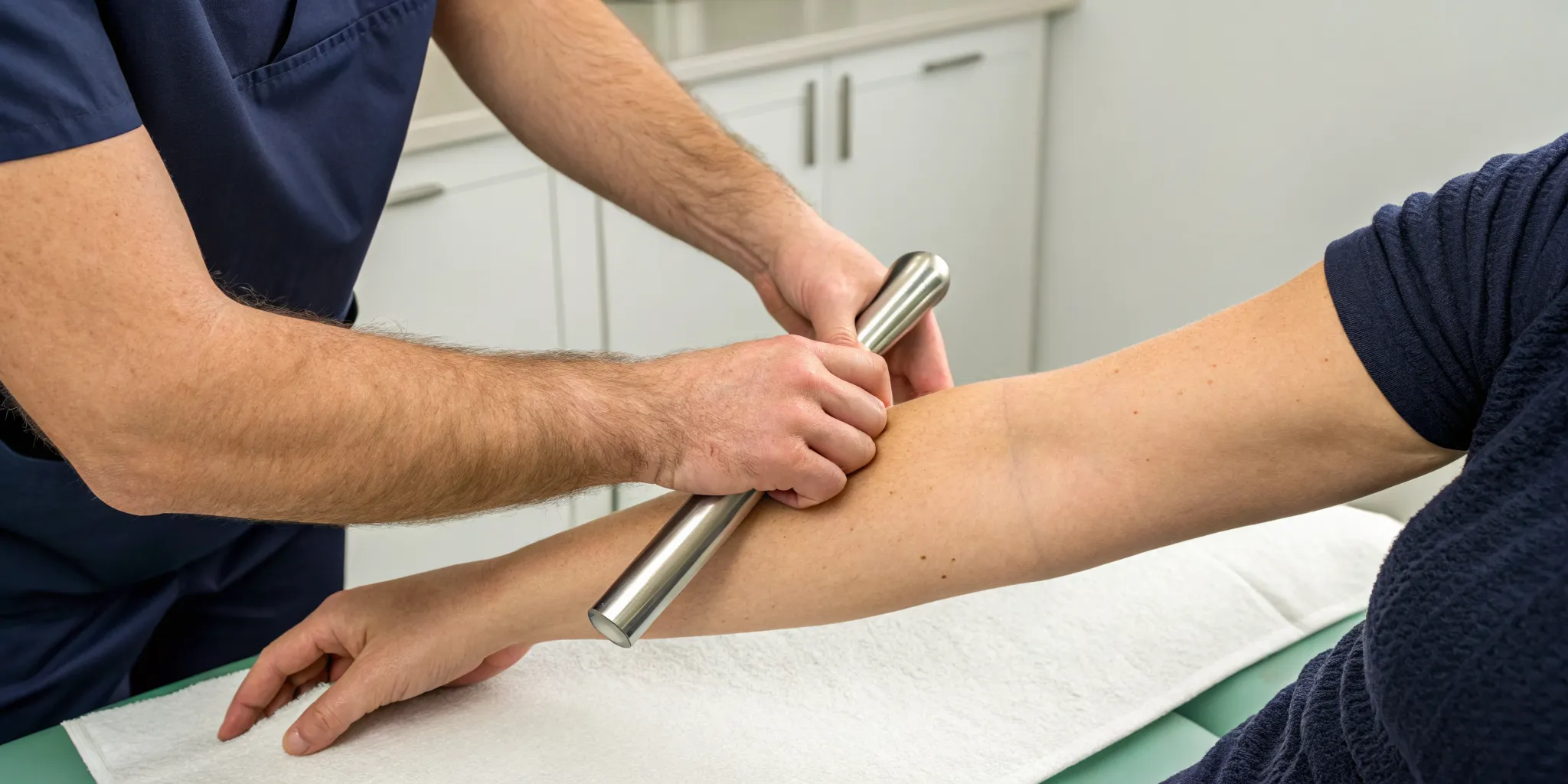
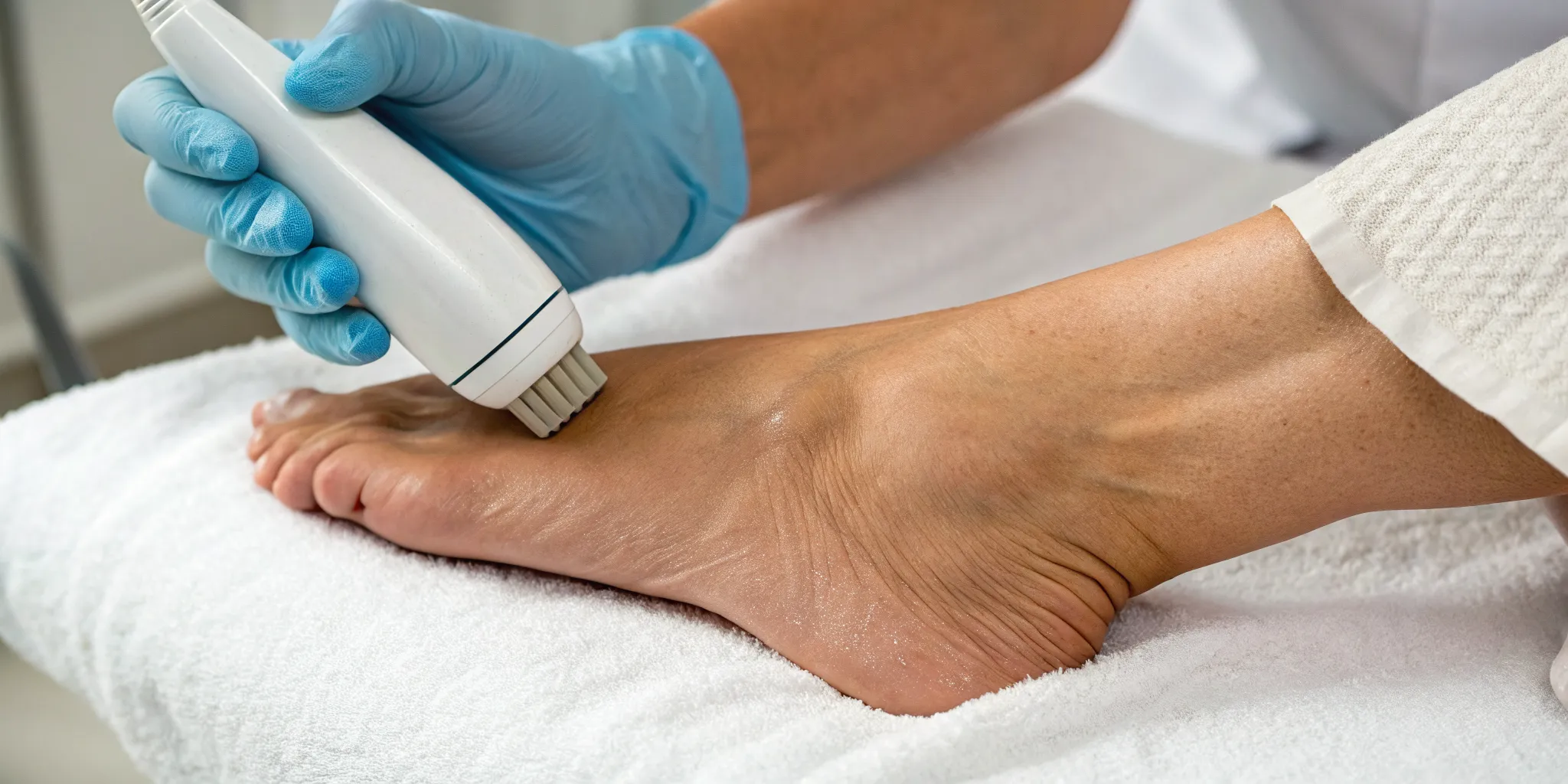
At Ascend, Physical Medicine includes chiropractic care, decompression, lumbar and corrective care, and myofascial or soft-tissue approaches. Which, if any, is relevant depends on an individual evaluation and discussion. Readers can review the practice’s Physical Medicine services before deciding which questions to bring.
Some people also have broader concerns involving energy, digestion, bloodwork, or other aspects of health. Ascend organizes its care around Physical Medicine, Functional Medicine, and Regenerative Medicine. These are distinct approaches, not interchangeable labels. Learn about Functional Medicine in Tampa if the movement concern sits alongside broader health questions.
How do common evaluation and care discussions compare?
Different parts of a visit answer different questions. Comparing their roles can help you understand the process without treating a table as a personal recommendation.
| Discussion or step | Primary purpose | Questions it may help answer |
|---|---|---|
| Health and activity history | Clarifies timing, prior injuries, routines, and changes in function | Which details may affect the movement review? |
| Movement examination | Observes range, symmetry, control, posture, and task-specific patterns | Which movements appear limited or different? |
| Physical Medicine discussion | Considers chiropractic, decompression, corrective, lumbar, or soft-tissue approaches when appropriate | Which approach fits the findings and the person’s goals? |
| Functional Medicine discussion | Considers broader health context when it relates to the person’s concerns | Could additional health information help guide the conversation? |
| Follow-up planning | Sets a review point and identifies meaningful changes to monitor | How will we decide whether the plan remains appropriate? |
A table like this is a conversation aid. It does not indicate that every person needs each step. Ask the clinician to explain the purpose of a recommendation, the information it is based on, and how the next decision will be made.
The distinction between evaluation and care planning matters. An evaluation gathers information. A plan applies that information to a stated goal and identifies what should be monitored. If the proposed next step is unclear, ask what finding supports it and when the discussion will be revisited.
Ascend’s care services are organized across its three pillars. If you are considering a consultation, reviewing the frequently asked questions can help you prepare for a discussion about fit and next steps.
Which questions can help you assess a proposed plan?
Good questions make the reasoning, goals, and review process clearer. You should understand the proposed approach and how you and the clinician will decide whether it continues to fit your needs.
- Which findings from my history and examination are most relevant to this movement change?
- Which activities or positions should I describe in more detail?
- What purpose does each recommended step serve?
- Are there other reasonable approaches to discuss?
- Which changes in function should I track between visits?
- When should we review the plan and consider an adjustment?
- Does my history suggest that another type of assessment may be appropriate?
- How will we distinguish a meaningful functional change from a temporary variation?
- Which questions should I ask before adding a new activity?
It is reasonable to ask for plain-language explanations. You may also ask how a recommendation connects to your stated goal, such as reaching overhead, turning comfortably, putting on a jacket, sitting through a work task, or returning gradually to a valued recreational activity. A clear discussion helps you make an informed decision rather than agreeing to an approach you do not understand.
Ask how the plan accounts for your present routine. A former athlete may have a demanding work schedule, limited time, or several activities that compete for attention. A plan that acknowledges those realities can be discussed more honestly than one based only on a former training schedule.
For broader background, the article Transitioning to life after sport: empowering former college athletes discusses support for former athletes, including general exercise guidance and pain management. It is general information, not an individual care plan, but it illustrates why life after organized sport may call for new goals and support.
How can you set useful expectations for progress?
Progress is best discussed through meaningful function and reviewed over a suitable period. A responsible plan avoids promising a specific result and instead identifies observable changes that matter to you.
Choose one or two practical goals to discuss. You might want to reach a shelf more comfortably, turn to check a blind spot, put on a jacket, sit through a work task, or return gradually to a valued recreational activity. The goal should reflect your life rather than a generic performance standard.
Ask how progress will be observed. Depending on the concern, that may involve your description of daily function, a repeated movement, comfort during a task, or another measure selected with the clinician. The important point is to agree on a way to review change rather than relying only on memory.
Keep notes that are brief and consistent. Record the activity, the movement, and the effect on your day. If the pattern is unchanged, different, or less comfortable than expected, share that information. It may help the clinician reconsider the working assessment or discuss another route.
Progress can also include better understanding of a concern, clearer activity boundaries, or a more informed decision about next steps. Individual responses differ, and no approach can guarantee a particular result. If you want to learn more about Ascend’s approach, review the practice’s background and care philosophy or its Tampa integrative health services.
For a former athlete, a useful review may compare several ordinary situations rather than one dramatic test. Notice whether dressing, driving, walking, reaching, or recreational activity feels more manageable. Also note whether you feel more confident choosing an appropriate level of activity. These observations can make follow-up conversations concrete.
Contact Ascend to discuss your movement concerns
Frequently Asked Questions
These common questions address how to interpret flexibility changes, prepare for a consultation, and discuss a return to valued activity.
Does reduced flexibility always result from getting older?
No. Age is one part of a person’s context. Activity patterns, past injuries, current routines, health history, strength, coordination, and other factors may be relevant. An evaluation can help discuss an individual change without assuming a single explanation.
Should I mention an old sports injury if it no longer bothers me?
Yes. It may be useful background even if the original issue settled. Describe what happened, how it was managed, and whether it changed the way you moved or resumed activity afterward.
Can a movement evaluation identify one exact cause?
An evaluation gathers information and may clarify which factors warrant attention, but it does not always establish one definitive cause. The clinician can explain which findings support a proposed next step and whether additional assessment is appropriate.
What should I bring to a first consultation?
Bring a concise timeline, relevant injury and health history, a list of affected activities, notes about timing and triggers, and questions about goals and follow-up. Share what you have noticed without trying to provoke the limitation.
How should I think about returning to a former sport?
Discuss the specific demands of that sport, your current function, and the movements that feel different. A clinician can help you identify questions and a reasonable review process, but the appropriate pace depends on your individual evaluation.
Learn more about Ascend Physical Medicine
Content is for educational purposes only and is not medical advice; consult your clinician before acting on health information.